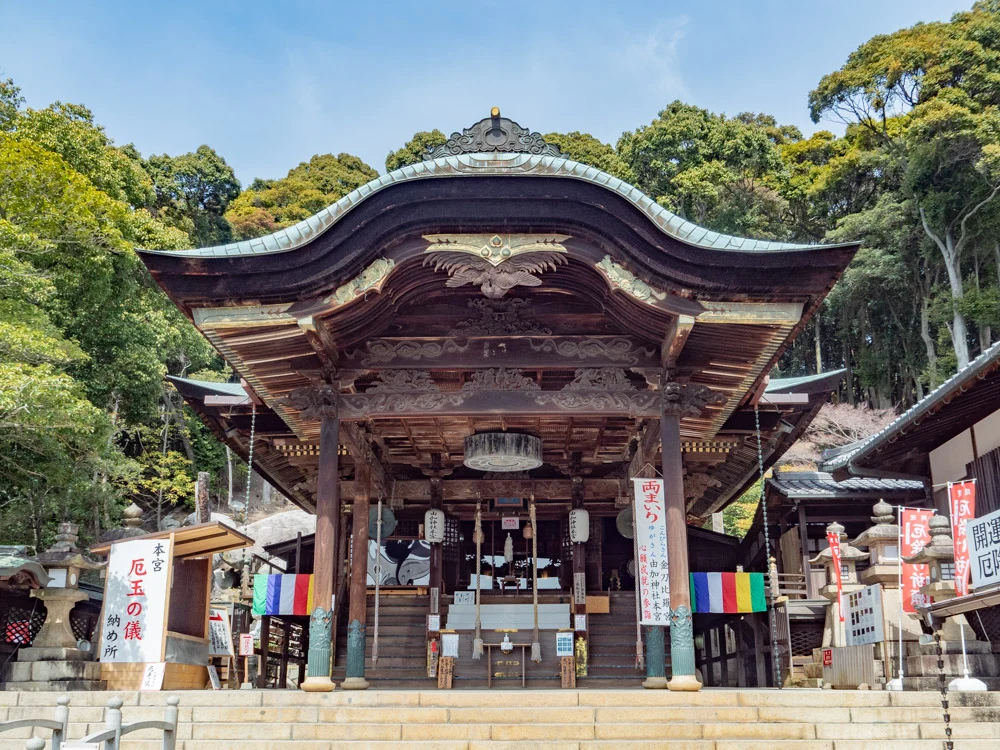
Did you know there is a temple called Chorenji located on the southern side of the Bikan Historical Area?
This Chorenji is not often featured in tourist guides.
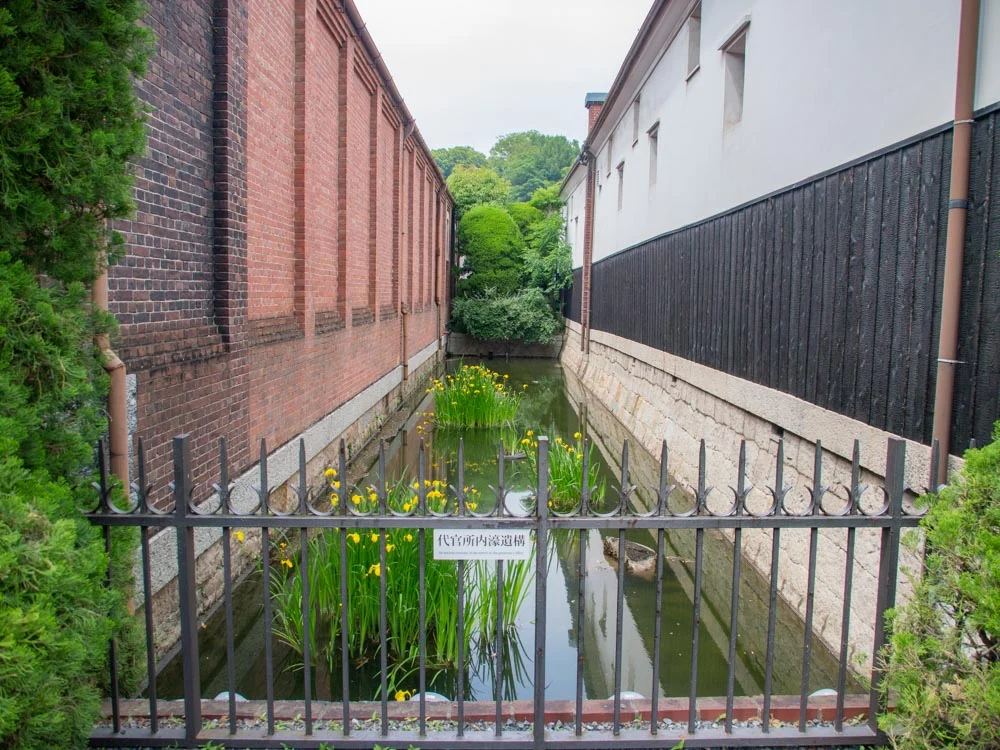
However, it is a very important place for Kurashiki, which had a government office (daikansho) directly governed by the Edo Shogunate during the Edo period.
This is because it was the Bodai Temple of the Kurashiki Daikan.
Additionally, Kurashiki City is famous as the place where the renowned monk Ryokan trained.
Chorenji is also a temple with a deep connection to Ryokan.
Let me introduce this hidden tourist spot, Chorenji.
History enthusiasts and Ryokan fans should definitely visit.
Chorenji is a Soto Zen temple related to the Kurashiki Daikan and Ryokan
Chorenji is located at the northwestern foot of a mountain called Mukoyama on the southern side of the Bikan Historical Area.
It is located about 120 meters south of Kurashiki Ivy Square.
Chorenji is a Soto Zen temple with the mountain name Gotaisan.
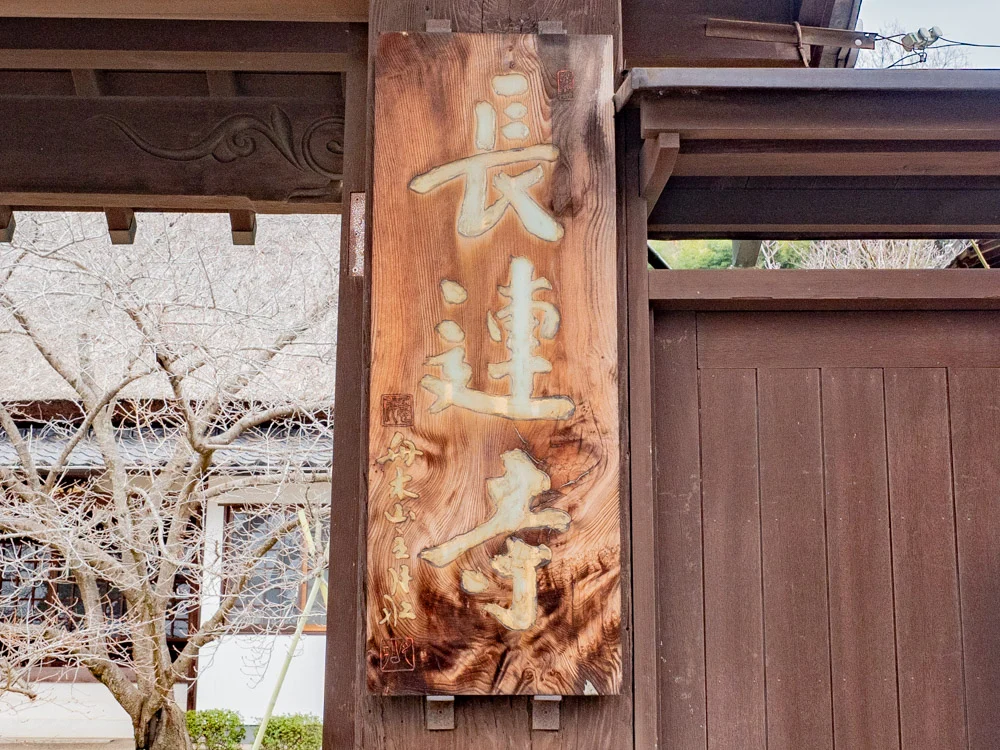
Chorenji was the Bodai Temple of the Kurashiki Daikan dispatched from the Edo Shogunate.
There is still a grave of the Kurashiki Daikan on the temple grounds.
Moreover, as the Bodai Temple of the Kurashiki Daikan, it enshrines the spirit tablet of Tokugawa Ieyasu (not open to the public).
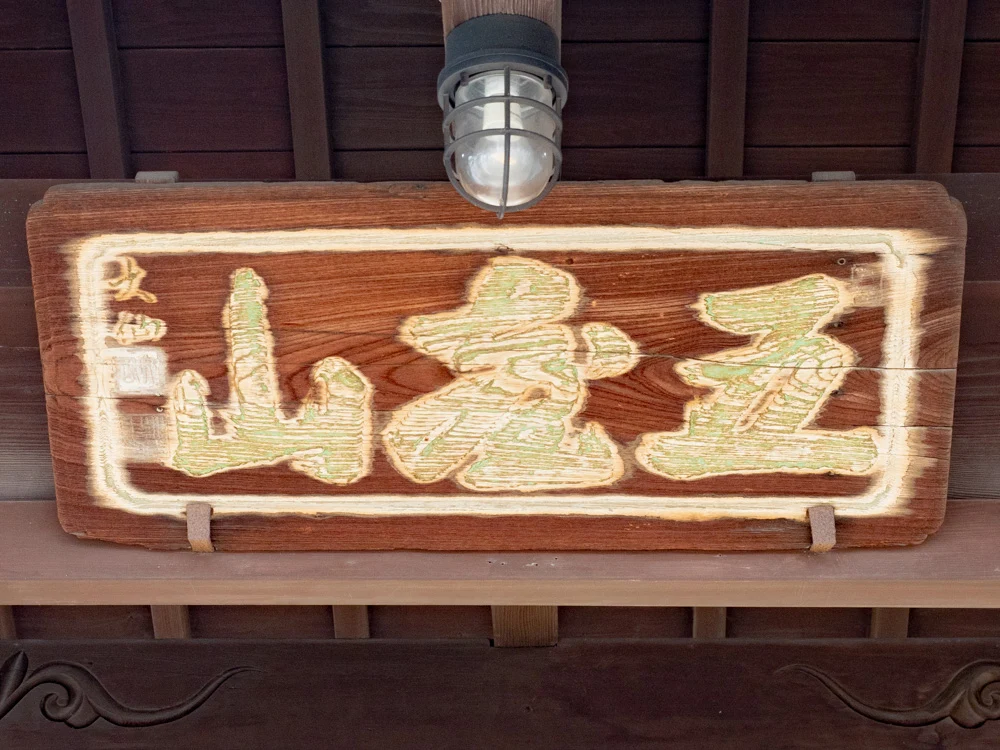
Additionally, Entsu-ji Temple, located in the Tamashima area of western Kurashiki City, is the temple where the renowned monk Ryokan trained.
Chorenji was a branch temple of Entsu-ji.
Furthermore, Tainin Kokusen, who was Ryokan's master, served as the head priest and was responsible for the temple's restoration.
Therefore, it is said that Ryokan also visited Chorenji.
There is still a grave of Tainin Kokusen on the temple grounds, which is also a highlight.
Please note that the area surrounding the temple grounds is a cemetery for the general public.
Please be considerate and do not enter the cemetery for purposes other than visiting the graves of the Daikan and Tainin Kokusen.
Highlights of Chorenji
From here, I will introduce the highlights of Chorenji.
Please use this as a reference when visiting Chorenji.
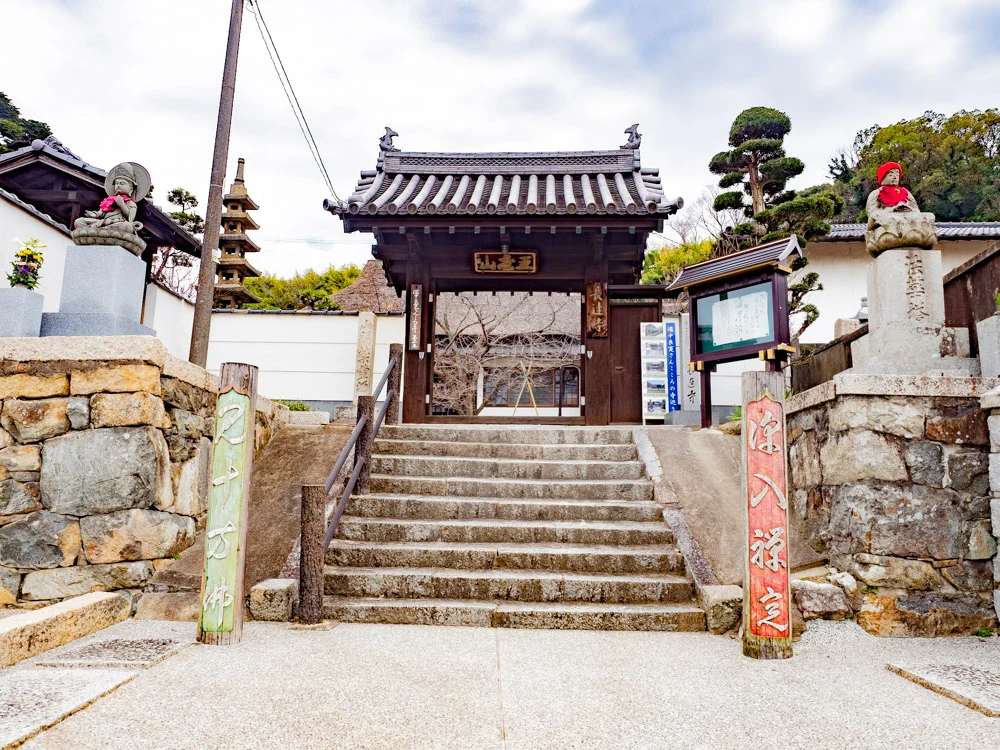
Sanmon (Mountain Gate)
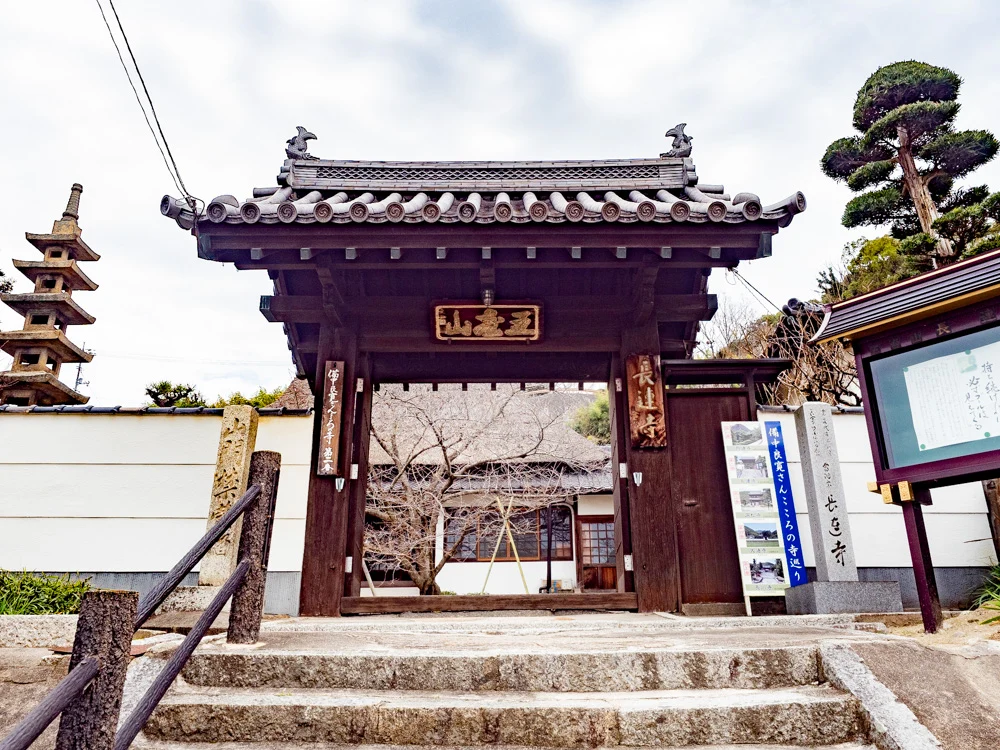
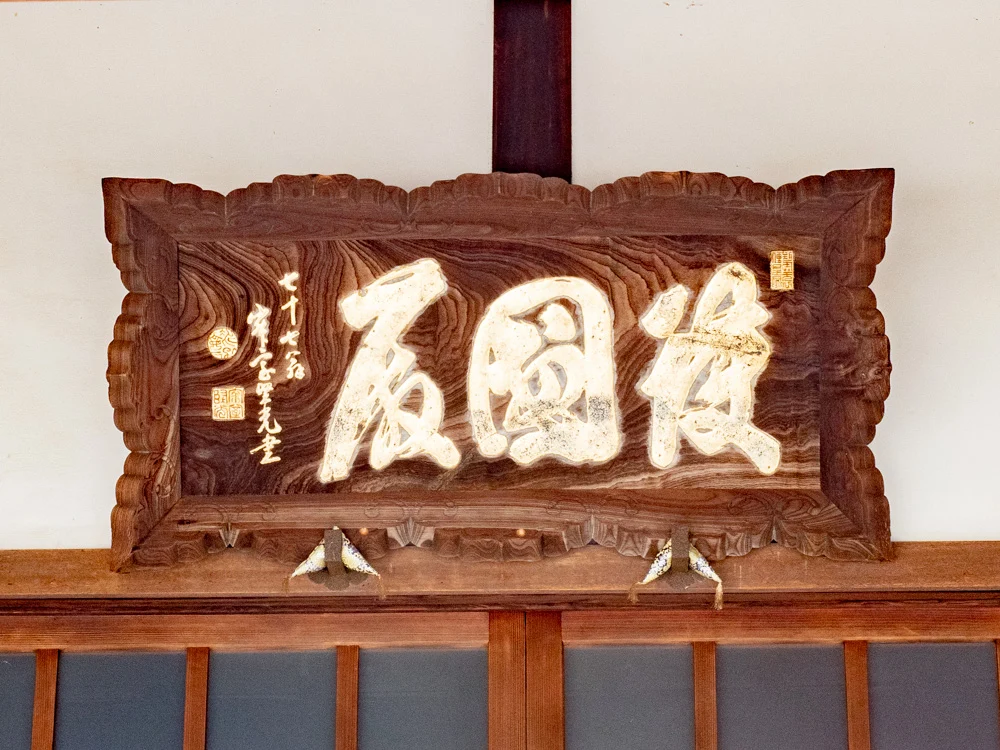
The Sanmon (Mountain Gate) is located at the entrance of the temple grounds.
It is a Sanmon in the style of a Yakuimon (a type of gate).
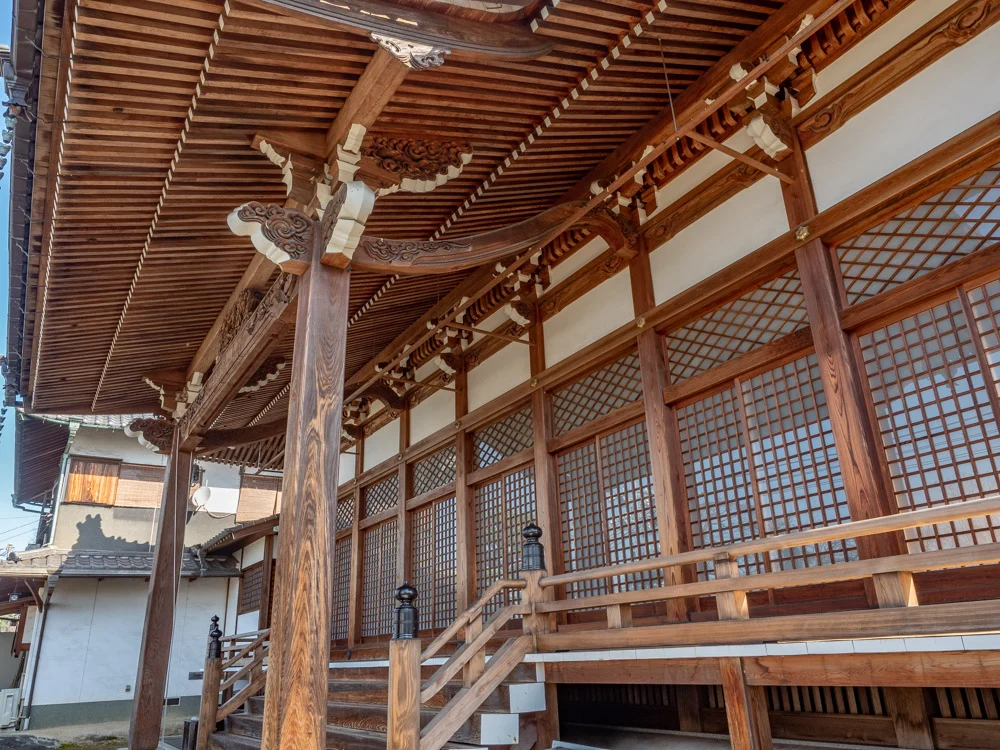
Hondo (Main Hall)
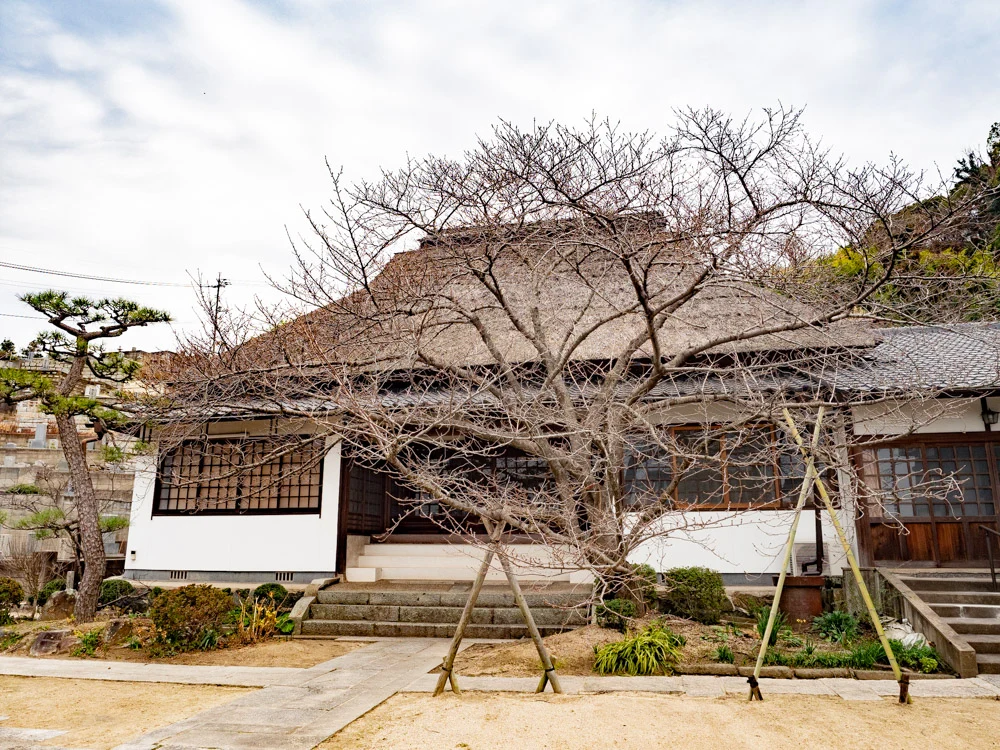
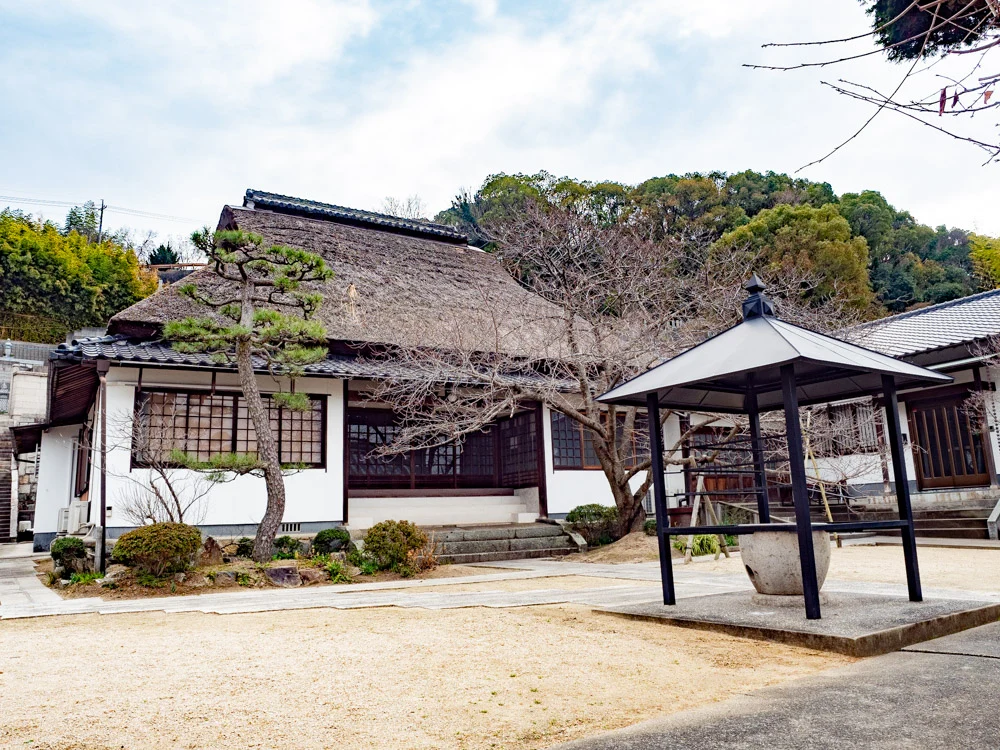
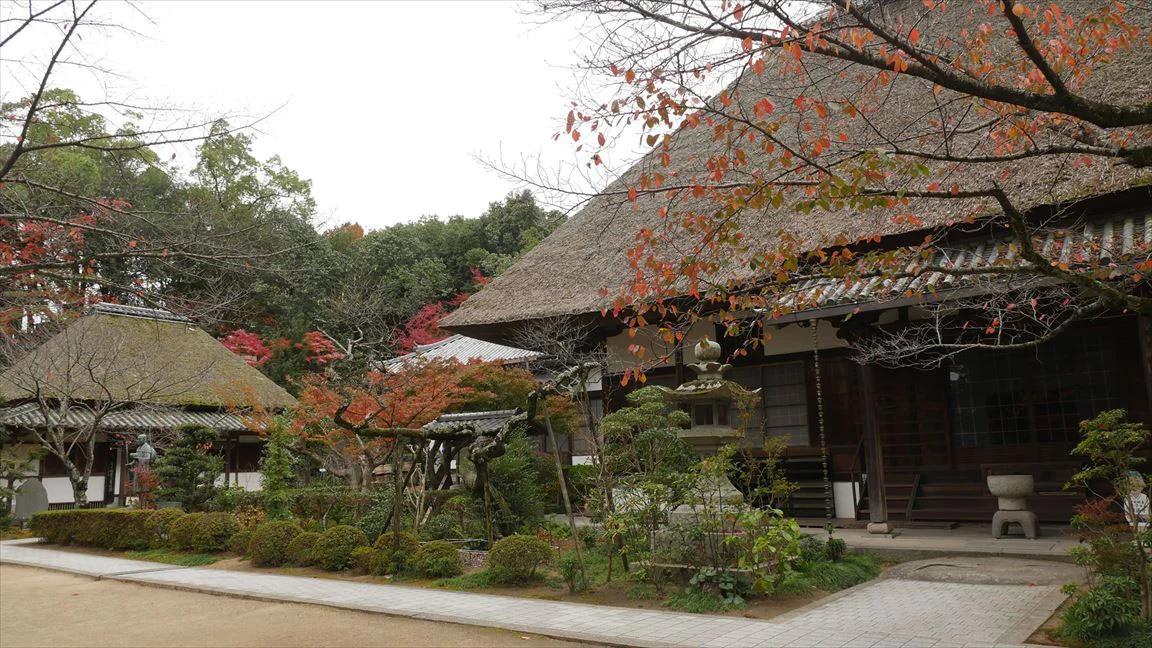
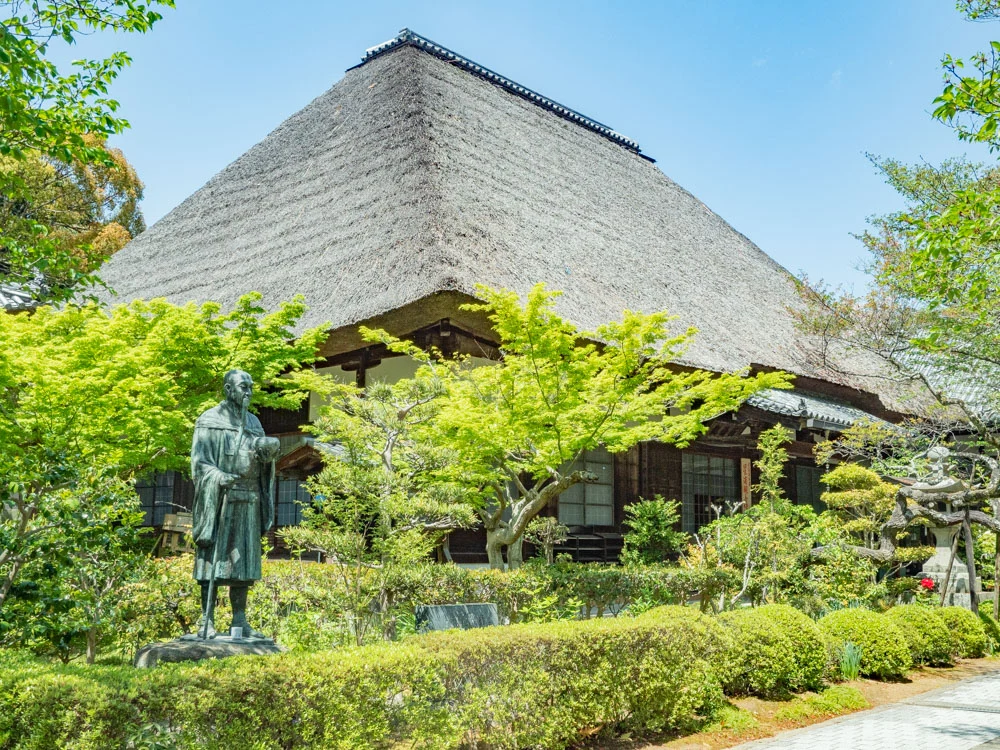
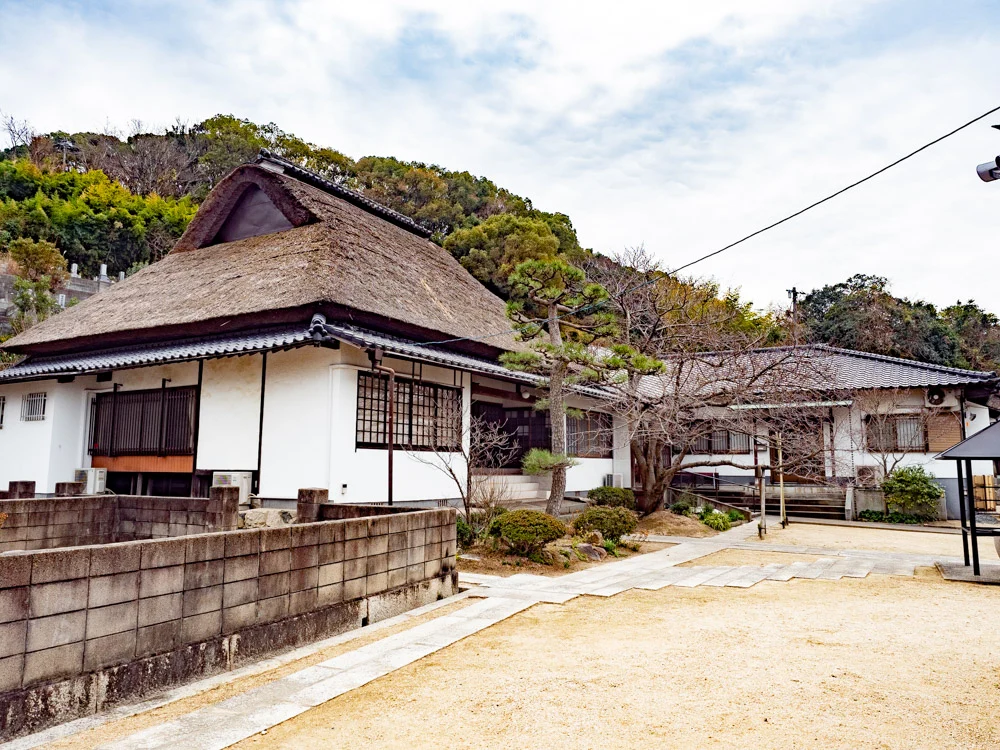
As you pass through the Sanmon, the first thing you see is the Hondo (Main Hall) of Chorenji.
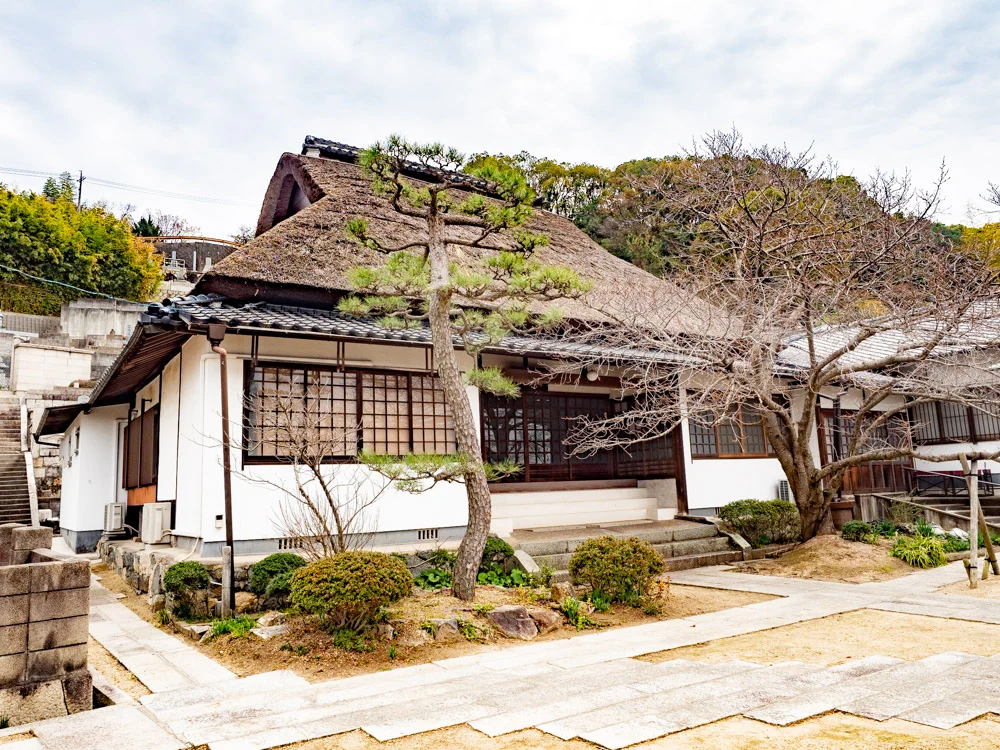
The thatched roof is impressive.
I felt the atmosphere of a historic temple.
In front of the Hondo, there is a large cherry blossom tree.
Although it was winter during the interview, I would like to visit when the cherry blossoms bloom in spring.
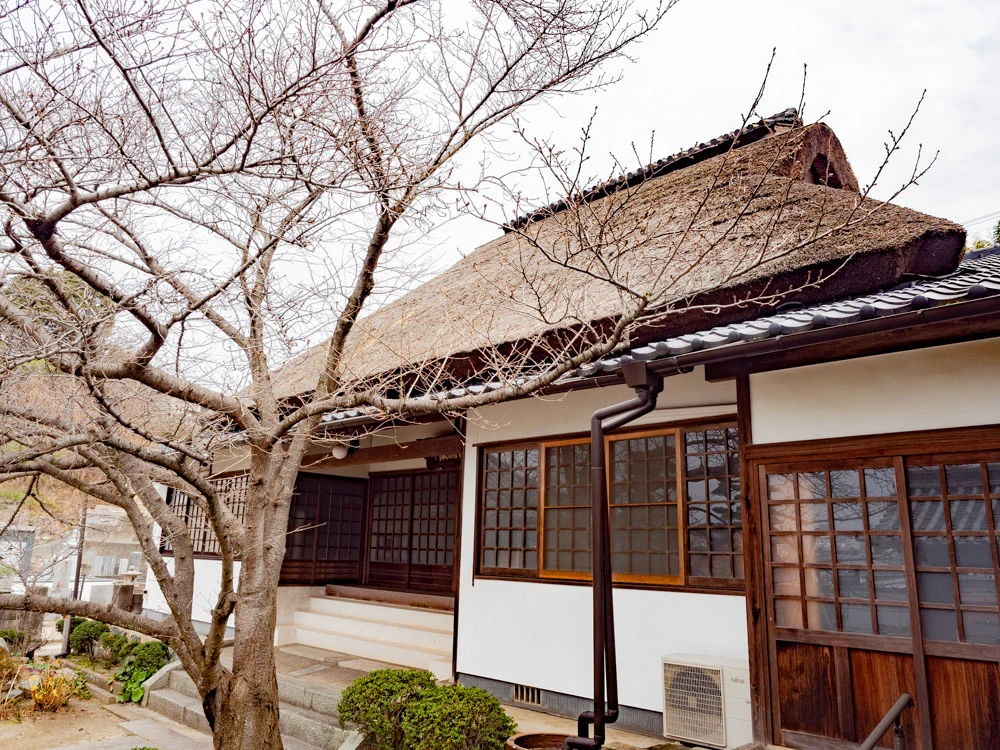
Additionally, the Hondo has a somewhat similar impression to the temple where Ryokan trained, Entsu-ji (located in the Tamashima area of Kurashiki City).
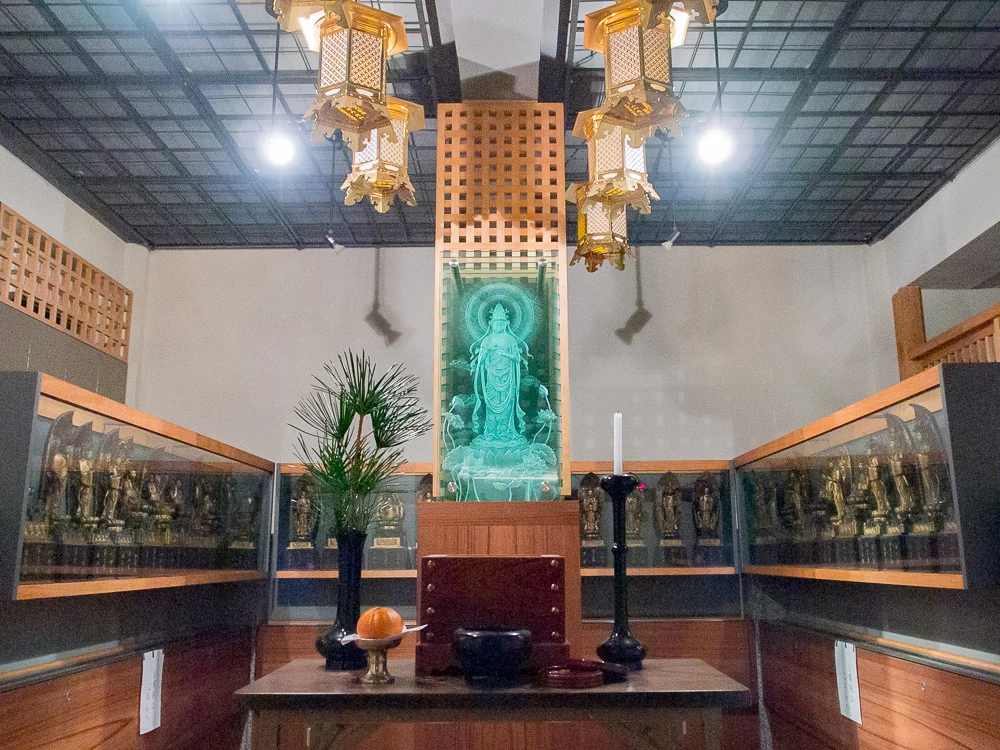
Kannon-do (Kannon Hall)
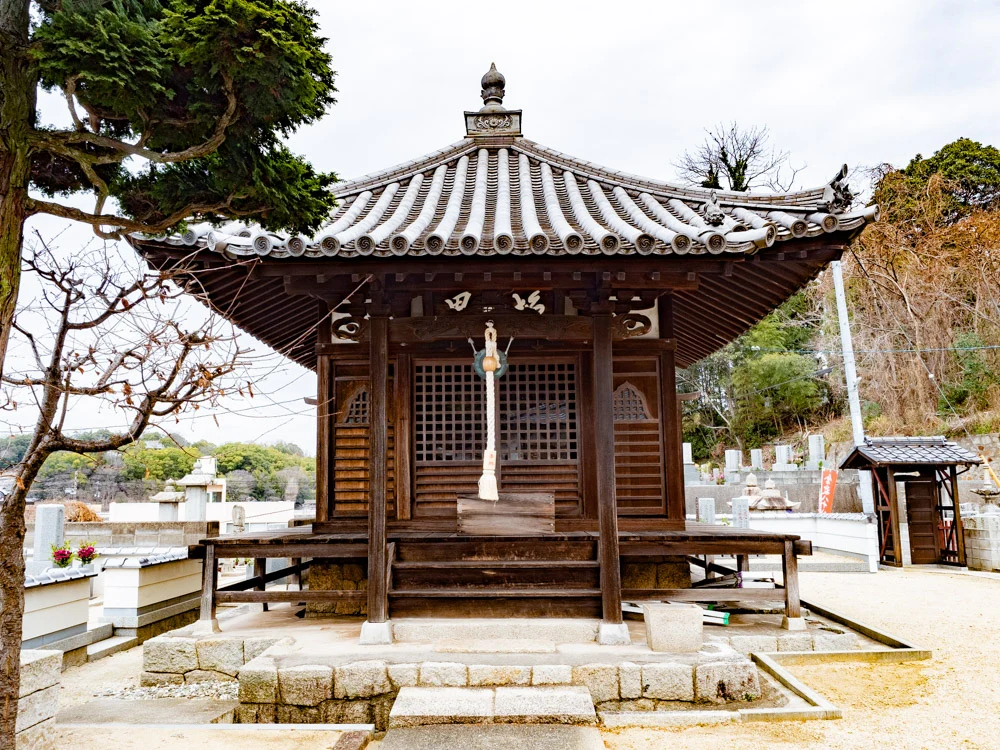
To the left (north) of the Hondo, heading towards it from the Sanmon, is the Kannon-do (Kannon Hall).
Grave of Ryokan's Master, Tainin Kokusen
▼To the left (west) of the Kannon-do, there is a cemetery surrounded by a wall, which contains the graves of past head priests.
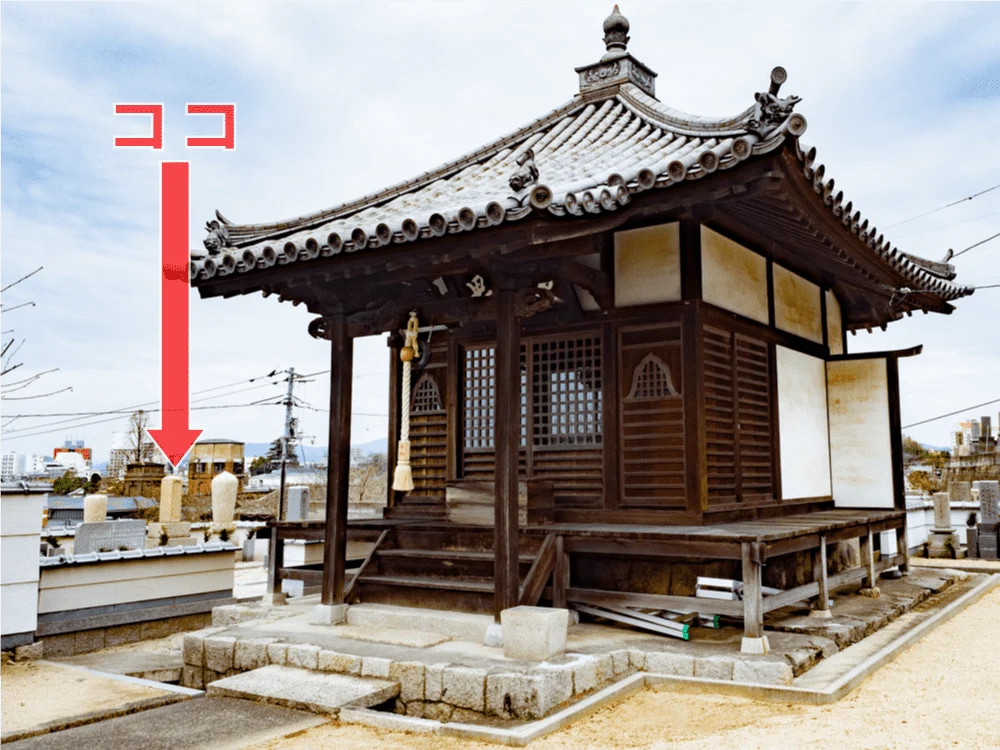
▼The grave located second from the right at the back of the cemetery is the grave of Tainin Kokusen.
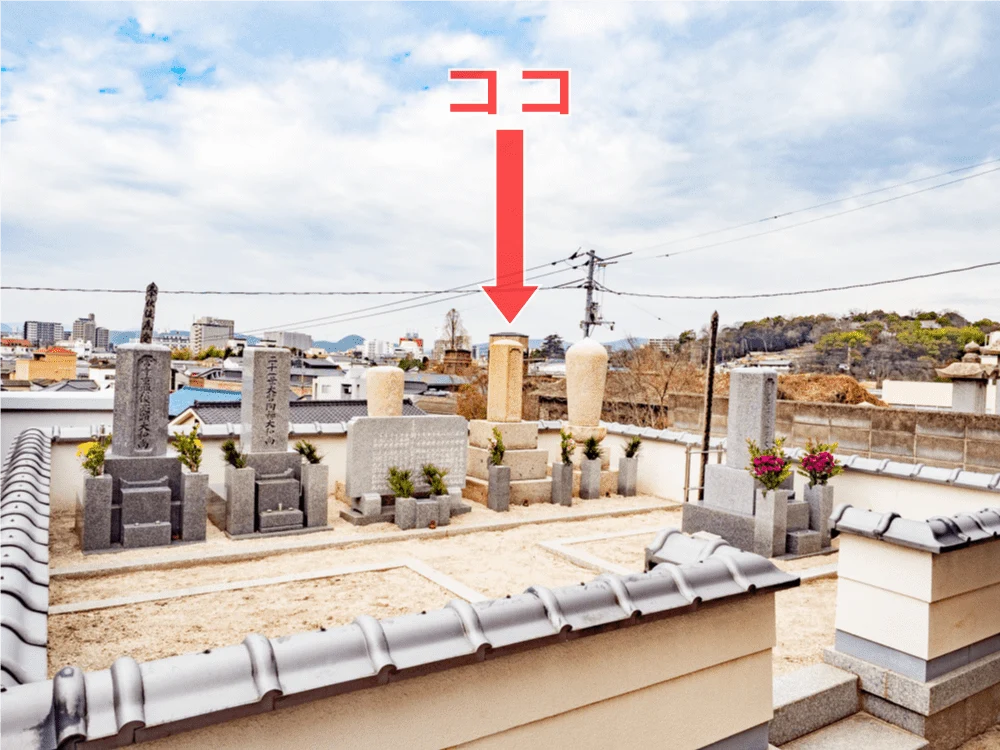
▼Tainin Kokusen was Ryokan's master and a key figure in the restoration of Chorenji.
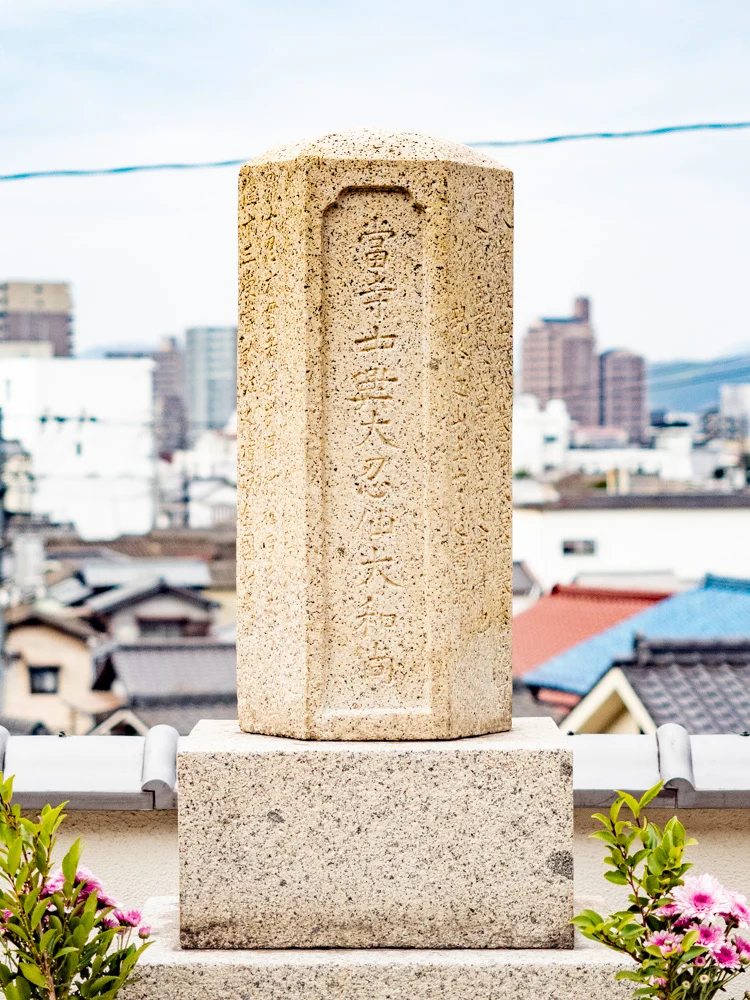
When you visit Chorenji, be sure to also pay your respects at the grave of Tainin Kokusen.
Grave of the Kurashiki Daikan
▼To the right (south) of the Hondo, heading towards it from the Sanmon, there is a cemetery behind the kuri (the residence space of the head priest).
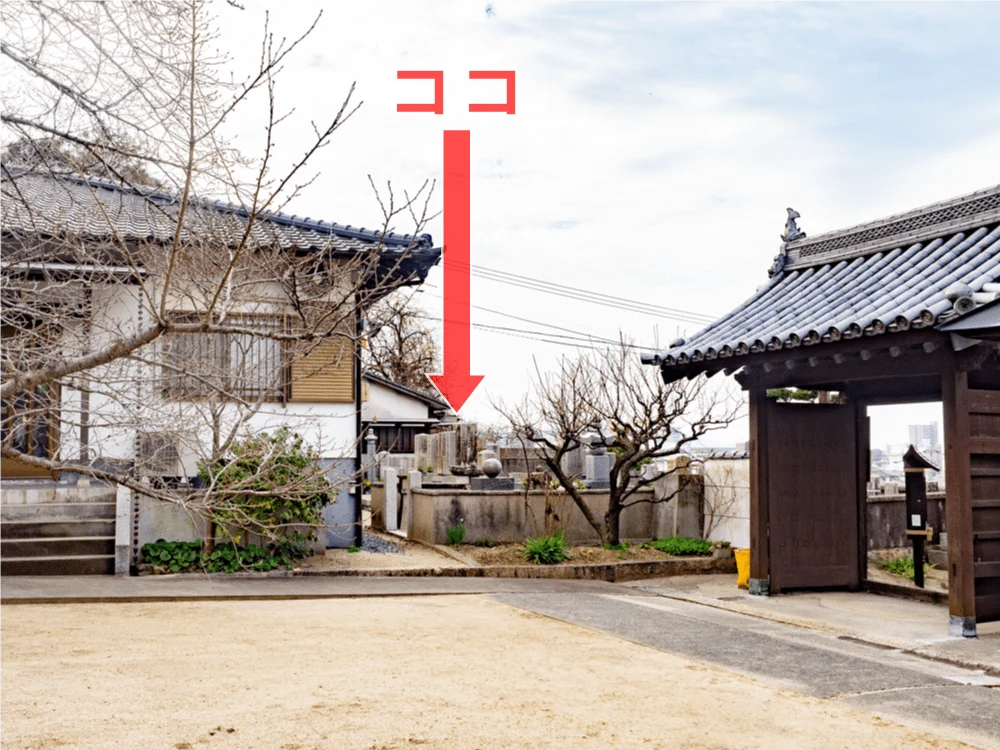
▼The grave markers lined up closest to the kuri are the graves of the Kurashiki Daikan.
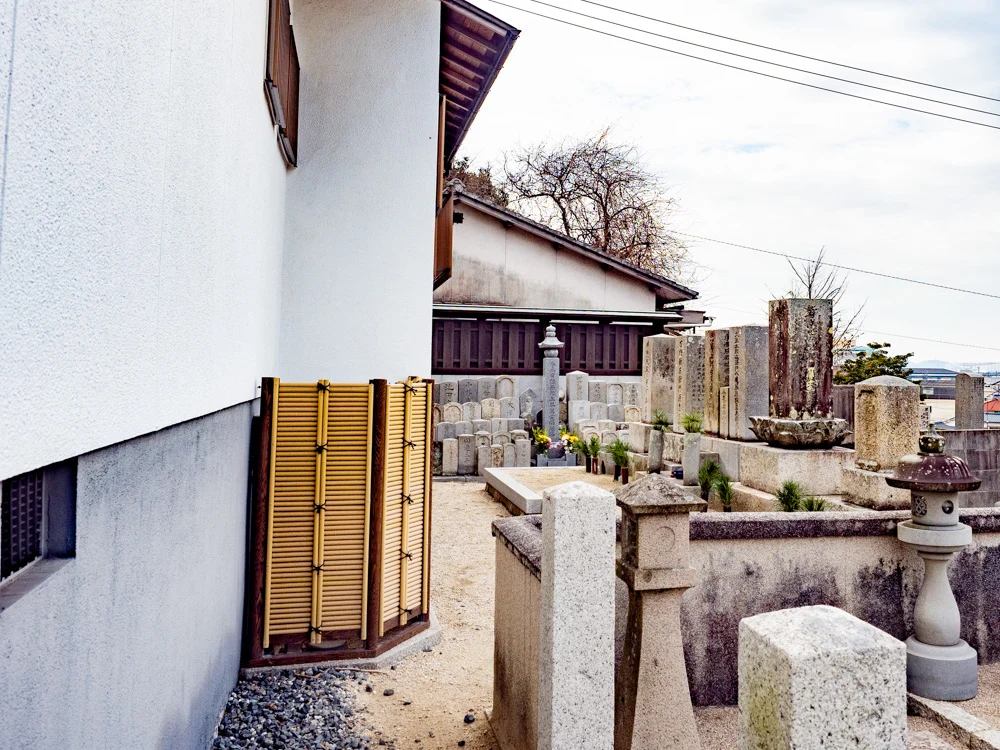
▼Among the past daikans, the graves of six daikans who ended their lives in Kurashiki are lined up.
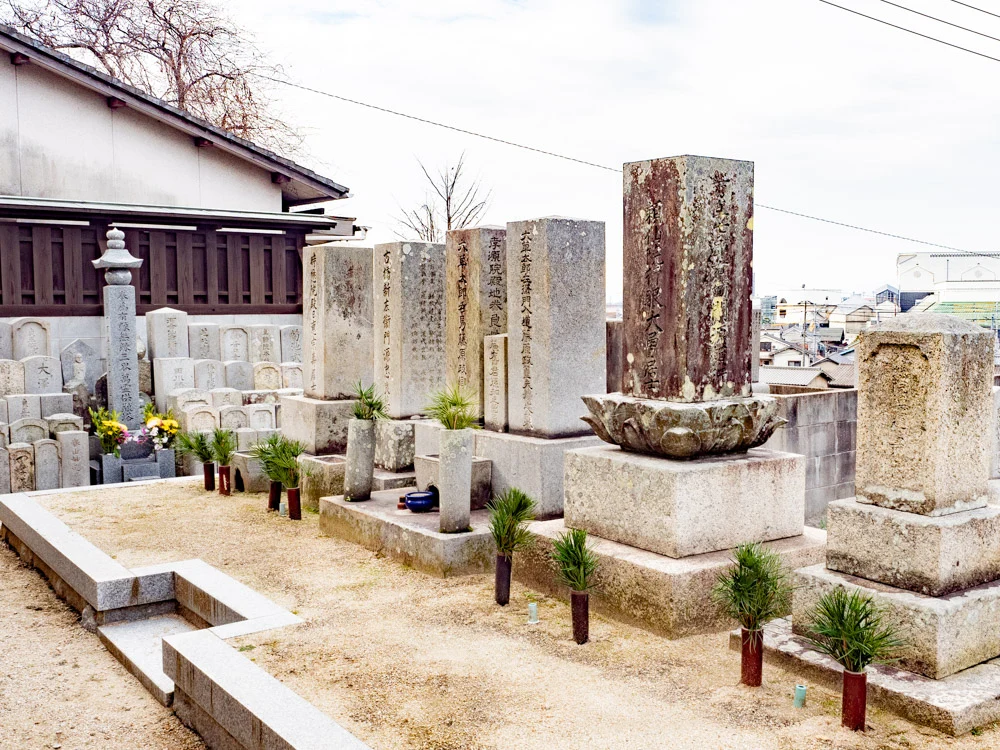
In the above photo, the gravestones lined up behind the daikan's graves are the graves of officials who served at the Kurashiki Daikan.
View from the Temple Grounds
Chorenji is situated on a small hill.
Therefore, the view is very good.
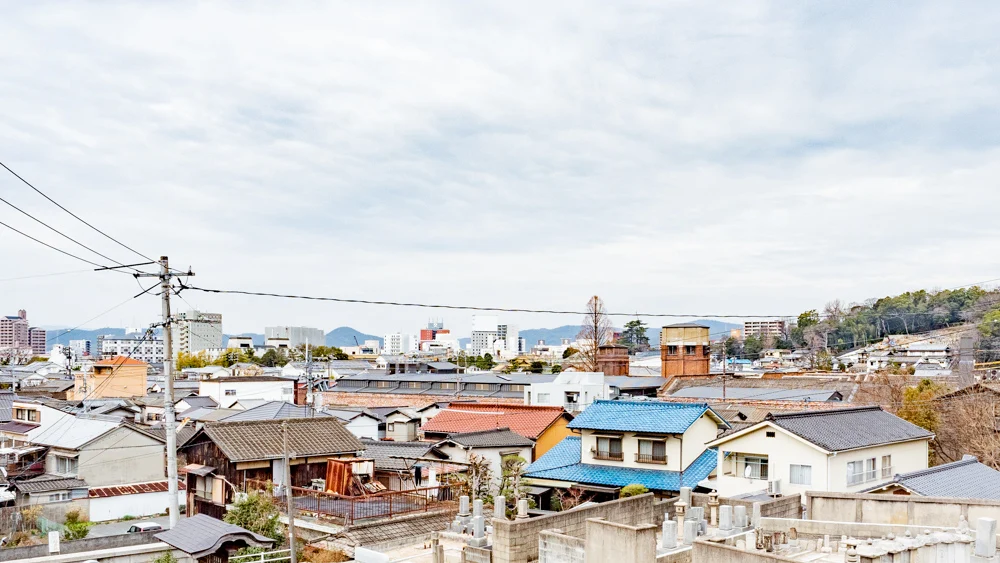
I could see Kurashiki Ivy Square and other places.
Chorenji Temple's Goshuin
Visitors who pray at Chorenji Temple can receive a goshuin.
If you would like a goshuin, please ring the intercom on the right (south) side of the main hall.
▼ Below is the goshuin of Chorenji Temple.
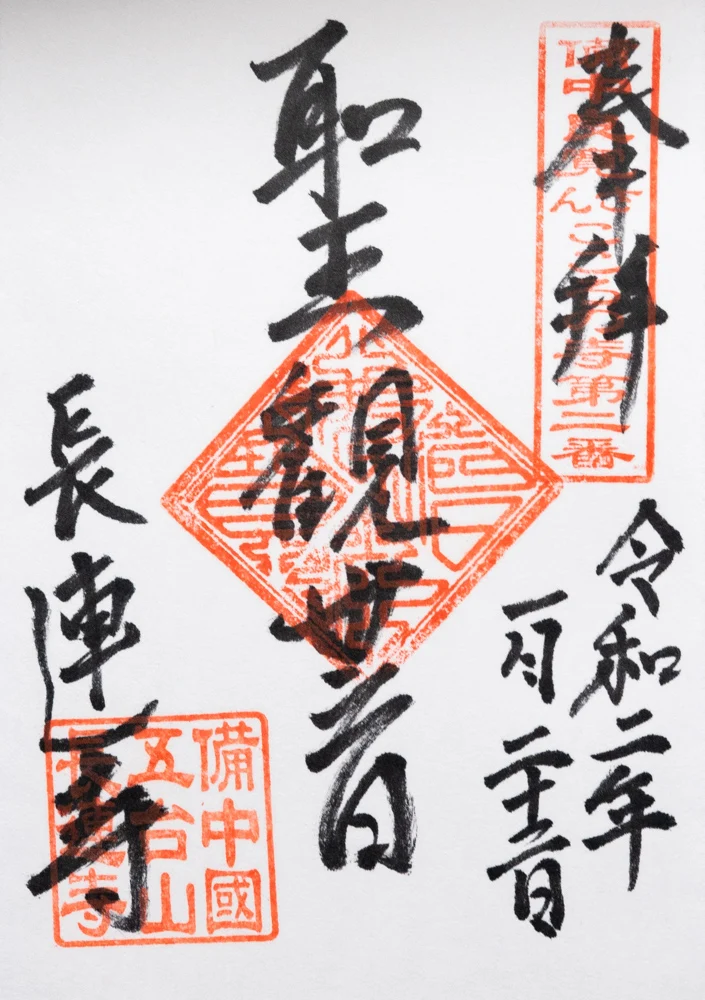
When receiving a goshuin at Chorenji Temple, you need to pay a donation fee (nōkyōryō).
Note that Chorenji Temple does not set a specific amount for the donation fee for the goshuin.
Additionally, if the chief priest is absent or if a memorial service is being held, the goshuin cannot be issued.
What is Chorenji Temple's Main Deity and Benefits?
It is interesting to know what kind of Buddha is enshrined at Chorenji Temple and what benefits it offers.
The Buddha (main deity) enshrined at Chorenji Temple is Shakyamuni Buddha (shaka nyorai).
Shakyamuni refers to Buddha (Gautama Siddhartha), the person who founded Buddhism.
He appears in history textbooks and is well-known as "Oshaka-sama."
Nyorai means "one who has attained enlightenment" and is the highest rank among Buddhas.
Shakyamuni Buddha does not have specific benefits.
The benefit of Shakyamuni Buddha can be said to be guiding to enlightenment (shujō saido).
History of Chorenji Temple
Founded in the Warring States Period in present-day Yakage Town but declined
Chorenji Temple was actually not built in its current location.
The original location was next to the present-day Doshō-ji in Yakage Town.
It is said that during the Warring States Period, in the Tensho era (1573–1591), the lord of Sarukake Castle (sarukake-jō), which was located on the border of present-day Yakage Town and Mabi, Mouri Motokiyo, built it as a family temple.
However, it was burned down during the Bunroku era (1592–1595) due to being caught up in a war.
Relocated and rebuilt in Kurashiki during the mid-Edo Period
The revival of Chorenji Temple was prompted by a proposal from Asai Sakuemon, the Kurashiki magistrate, in the mid-Edo Period, in the 10th year of Hōreki (1760).
He requested that Chorenji Temple be relocated to the current site in Kurashiki as a branch temple of Entsu-ji Temple, which is still located in Tamashima, Kurashiki City.
In the 12th year of Hōreki (1762), Daikaku Seppō became the founding priest, and Daisen became the second chief priest, leading to the revival of Chorenji Temple.
However, the maintenance of the precincts did not progress, and Daisen passed away.
Later, the 10th chief priest of Entsu-ji Temple, Oshin Kokusen, was entrusted with the task, and the maintenance of the precincts was completed in the 5th year of Tenmei (1785).
For this reason, Oshin Kokusen is regarded as the "founder of the revival of Chorenji Temple."
Additionally, Oshin Kokusen was the master of Ryokan.
It is said that Ryokan frequently visited Chorenji Temple.
Chorenji Temple is referred to as a temple associated with Ryokan for this reason.
Becoming the Family Temple of the Kurashiki Magistrate
After the revival of Chorenji Temple in the mid-Edo Period, it became the family temple of the Kurashiki magistrate until the end of the Edo Period.
Even now, there is a grave of the Kurashiki magistrate in the precincts.
The magistrate was akin to a modern-day transfer employee.
Therefore, the graves at Chorenji Temple belong to magistrates who died in Kurashiki.
There are graves of the following six magistrates at Chorenji Temple.
- Hanaki Denjiro Masatomo
- Man'nen Shichiroemon Yoriyuki
- Okusa Tarōzaemon Masashu
- Okusa Tarōuma Masakazu
- Kohashi Shinzaemon Tadayoshi
- Tanaka Shojiro
Additionally, there are also graves of officials who worked at the magistrate's office.
Conclusion
Even if you come to visit the Bikan Historical Area in Kurashiki, you might not go much further south than the historical area.
However, just a short walk from the historical area, you will find Chorenji Temple, a hidden tourist spot that quietly stands.
Chorenji Temple is an essential temple in the history of Kurashiki, so why not pay a visit?
Data on Chorenji Temple
| Name | Chorenji Temple |
|---|---|
| Other Name | Godaisan |
| Sect | Soto Zen |
| Location | 1666 Funakuracho, Kurashiki City, Okayama Prefecture |
| Contact | 086-422-4198 |
| Parking | Available |
| Main Deity | Shakyamuni Buddha |
| Benefits | Guiding to enlightenment |
| Goshuin (Donation Fee) | Available (no specified amount for the donation fee) ※ Not available when the chief priest is absent or during memorial services |
| Visiting Hours | Daytime only |
| Closed Days | None |
| Admission Fee | None |
| How to Pay Admission and Donation Fees |
|