Interview with Tadashi Honjo, Sales Manager at Heiki Sake Brewery

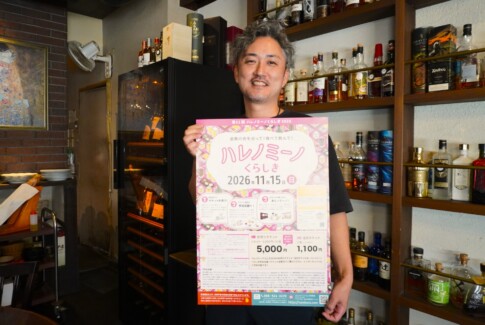
Tadashi Honjo, who serves as sales manager at Heiki Sake Brewery.
We asked Mr. Honjo about how he joined the company, the appeal of the company and its Kihei brand, and his aspirations for the future.
He loved sake even before joining the company

How did you come to join Heiki Sake Brewery?
Honjo
I originally worked in a completely different industry, unrelated to sake.
But I did like sake.
There was a time when I made my own website, where I introduced some of my favorite sake.
I featured Heiki Sake Brewery’s sake, too (laughs).
Actually, Kihei was one of my favorite sake brands.
Later, someone I knew well told me that Heiki Sake Brewery was hiring, so I applied.
I never imagined I’d get to work for a sake maker like Heiki Sake Brewery.
Did you have any experience making sake?
Honjo
I was in sales, but after joining the company, I was given the chance to experience sake making.
I often recommended and sold sake, but making it was a completely unknown world to me.
It was very challenging.
I even stayed overnight at work, and it was hard (laughs).
But by actually experiencing sake making, I learned many things about sake that you can’t understand unless you try it yourself.
It was hard, but enjoyable, too.
Heiki Sake Brewery’s appeal lies in the fusion of the cultures of Totomi, Echigo, and Bitchu

What do you see as Heiki Sake Brewery’s appeal?
Honjo
I think it’s that the brewery originated outside Okayama Prefecture, in Totomi, and took over a sake brewery in Asakuchi District, which was a base for Bitchu Toji.
When Heiki Sake Brewery was established in Kamogata, we brought in Toji from Niigata Prefecture, where sake brewing was thriving, and they made sake here.
Later, we incorporated the techniques of the Bitchu Toji, and today they are at the center of our sake making.
Sake making is connected to the climate and food culture of the place, you could say.
I think Heiki Sake Brewery’s appeal and strength lie in the blending of cultures from different regions: its origins in Totomi, the Echigo Toji at its founding, the Bitchu Toji of Asakuchi, and the character of Okayama.
In the past, many of the sake made in southern Okayama, including Kamogata, were sweet.
Among them, Heiki Sake Brewery also made dry sake, such as Shogun.
Perhaps that was because it was influenced not only by Bitchu, but also by Totomi and Echigo.
Today, Heiki Sake Brewery also makes sake using Gohyakumangoku, a sake rice variety widely grown in Niigata.
This sake was created based on an idea from an Echigo Toji who worked at our company.
The flagship brand Kihei was created to make sake that pairs well with Okayama’s abundant ingredients and cuisine

How did Kihei come about, and where did its name come from?
Honjo
Originally, Heiki Sake Brewery made two brands: Shinkon and Shogun.
Shinkon is on the sweeter side, while Shogun is on the drier side.
Kihei, on the other hand, is mainly a rich, crisp, umakuchi sake.
Okayama was once a thriving sake-making region.
I think that was because the environment in Okayama was suited to sake making, and also because Okayama had a variety of delicious ingredients from the sea and mountains.
And because meals made with those abundant ingredients were delicious.
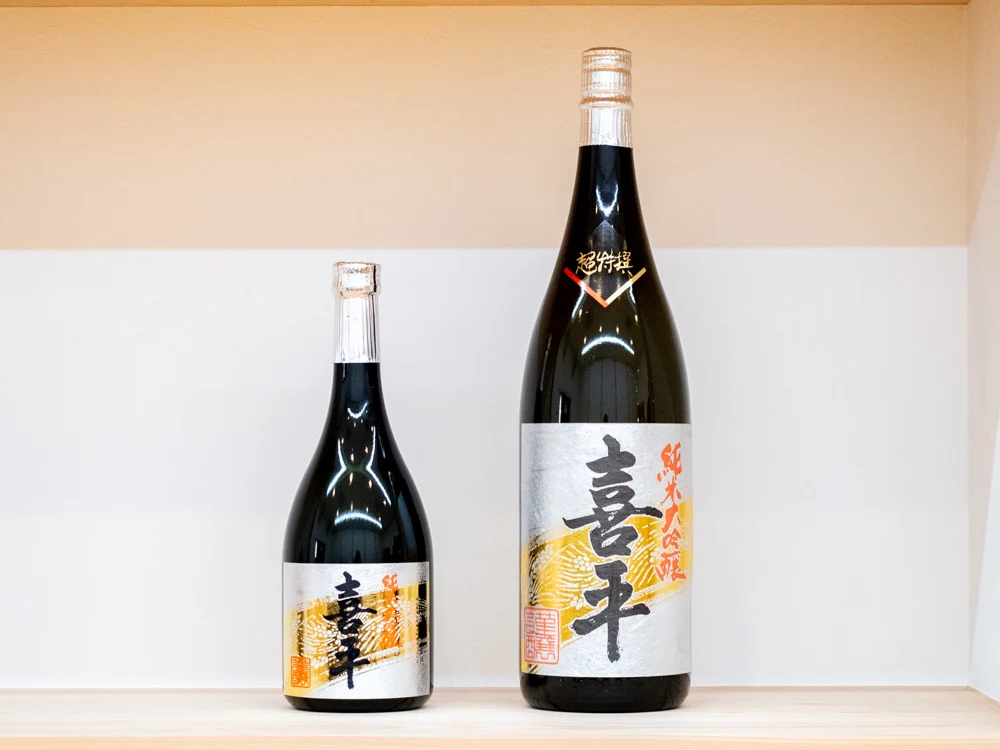
Kihei was created in 1989, with the idea of making “a sake that brings out the best possible pairing between Japanese sake and dishes made with Okayama’s abundant ingredients.”
So, a sake that makes the most of Okayama’s distinctive character and local qualities?
Honjo
That’s right. So, Kihei’s defining feature is that it’s easy to enjoy with a meal.
Today, Kihei has become synonymous with our company—so much so that people think of Kihei when they hear Heiki Sake Brewery. Kihei was launched in 1989, and I’m proud that it has been loved in the region for more than 30 years, even as the era has changed to Reiwa.
By the way, the name Kihei comes from the name of Kihei Totsuka, founder of “Hirashimaya” in Kakegawa, the roots of Heiki Sake Brewery.
People often mistakenly think it’s just Heiki Sake Brewery’s name, Heiki, written backwards, but that’s not the case.
The brewery actively adopts the latest equipment, but the Toji’s experience and intuition are what matter

Heiki Sake Brewery actively adopts the latest equipment. Why?
Honjo
The main reason is hygiene.
As a food manufacturer, we are always expected to improve hygiene.
The other reason is efficiency.
Brewing sake used to require a lot of people.
To make more than before with fewer people, machinery and IT are essential.
By reducing the workload and burden on the Toji and kurabito, we can make sake more efficiently and consistently.
You might think that mechanization takes away the good things about traditional methods.
But conversely, by leaving the more routine tasks to machines, the Toji and kurabito can focus on the crucial parts of sake making.
Even with mechanization, it’s important in sake making to assess the ingredients and the state of the sake, and to make decisions about the work while observing the climate and environment.
The most important thing in sake making is the judgment based on the Toji’s knowledge, skills, experience, and intuition.
Making sake easy and approachable to enjoy with Kihei
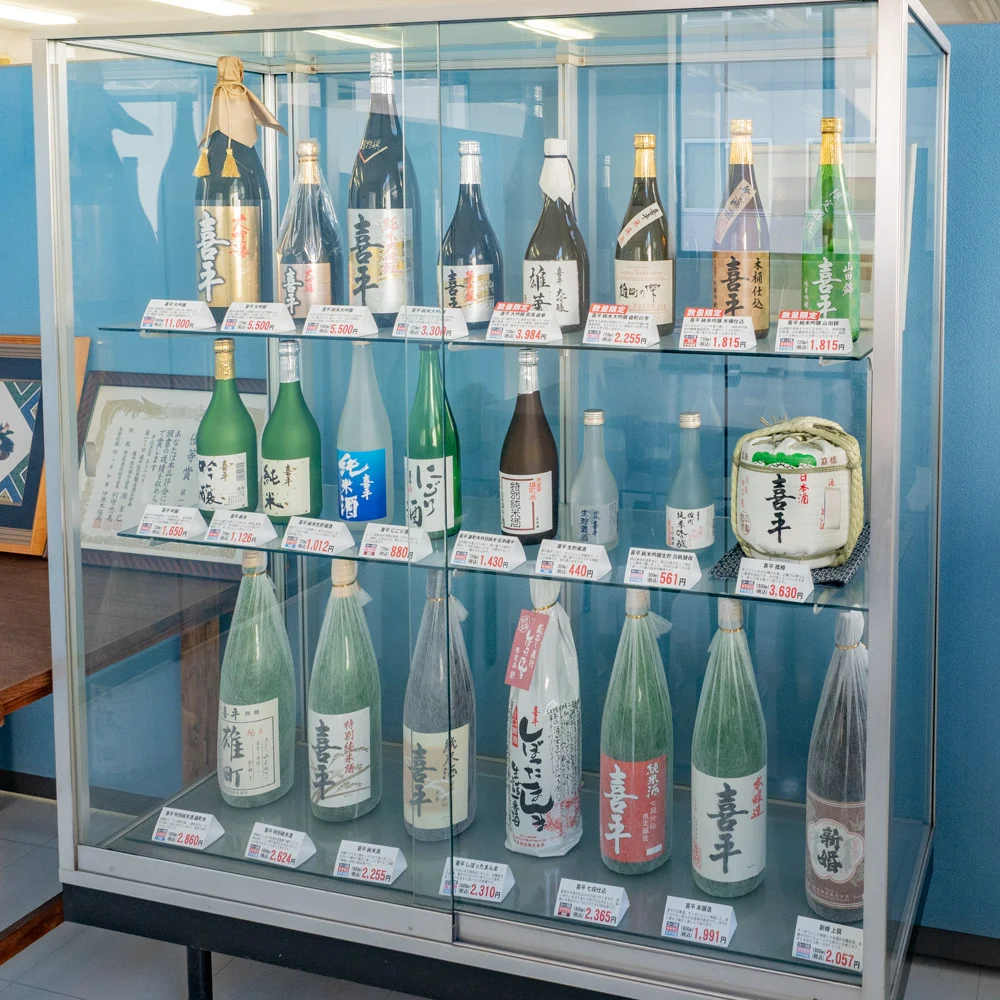
What would you like to do in the future, and what are your aspirations?
Honjo
In Japan, people are still drinking less sake.
Many people feel that sake isn’t for them.
Recently, people seem to be drinking fewer alcoholic beverages in general...
Sake is becoming more and more distant from everyday life.
Sake used to be something familiar that people enjoyed casually.
It is also used in Shinto rituals and other ceremonies, and I think it is an indispensable part of Japanese culture.
Sake is Japan’s “national liquor.”
That’s why I want to make sake more familiar and something people can enjoy casually.
I hope Kihei can be the reason people come to like sake.
I want Kihei to make sake feel less intimidating.
In fact, I myself came to like sake because of Kihei.
Maybe it’s something about the Japanese mindset. Sometimes you happen to drink sake and find it incredibly delicious.
I hope people who drink Kihei feel that way.
Kihei sake is proud of its flavor, which appeals to many people.
That’s why it’s easy to drink even for people new to sake.
Its concept is “sake that goes well with food,” so you can drink it while eating, which makes it easier to find an opportunity to enjoy Kihei.
I’d like to make Kihei sake an even more familiar part of everyday life.
From the Writer
Kihei is made with the concept of sake that goes well with food.
Easy to enjoy, Kihei is just right for people new to sake.
Another appealing feature is that it also offers sake for connoisseurs, such as sake brewed in wooden vats and sake made using the seven-stage brewing method.
Heiki Sake Brewery also has a brand with the auspicious name Shinkon, meaning “newlyweds,” and Kihei includes the character “ki,” meaning “joy,” so I think it’s perfect for special occasions.
For example, how about giving Kihei, which is easy for beginners to drink, to someone who has just come of age as their first sake?
The Kihei Sake Brewery Open Day, held every March and offering a chance to experience the appeal of Kihei, will not be held in 2020 due to concerns about the impact of the novel coronavirus.
For details, please visit Heiki Sake Brewery’s official website.
Heiki Sake Brewery Co., Ltd. Information
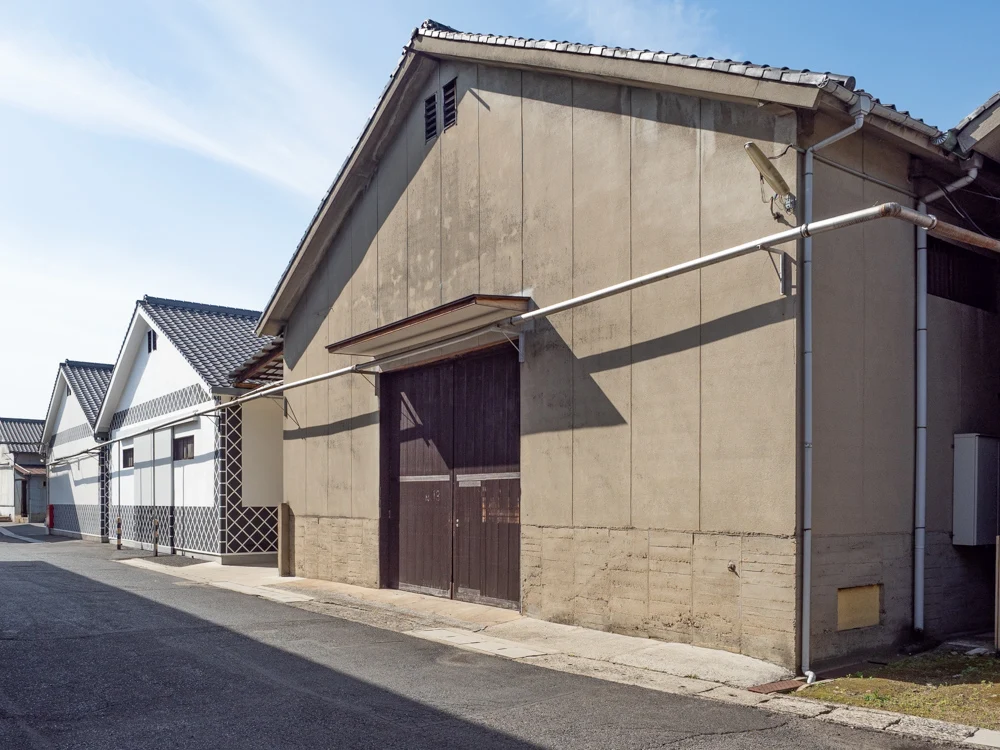
| Organization name | Heiki Sake Brewery Co., Ltd. |
|---|---|
| Industry | Food manufacturing and sales (alcoholic beverages) |
| Representative | Atsuo Totsuka |
| Established | Founded and established: 1928; origins: early Meiji period |
| Address | 1283 Kamogata, Kamogata, Asakuchi City, Okayama Prefecture |
| Contact | 0865-44-2122 |
| Website | Kihei Heiki Sake Brewery Co., Ltd. Okayama Sake |

What would you like to know about Kurashiki?
Enter a word to search articles on this site