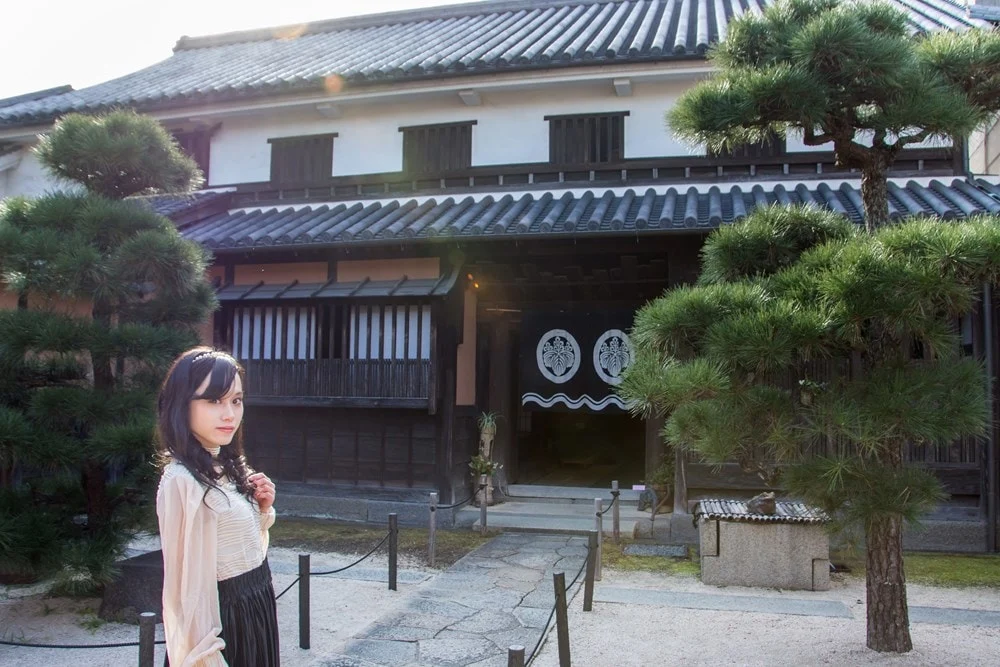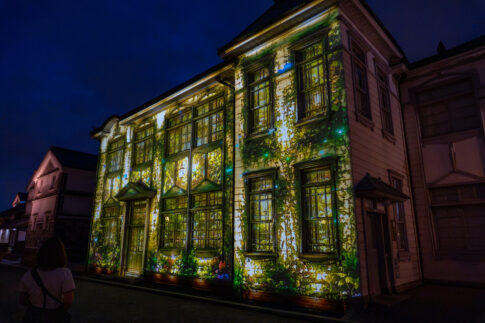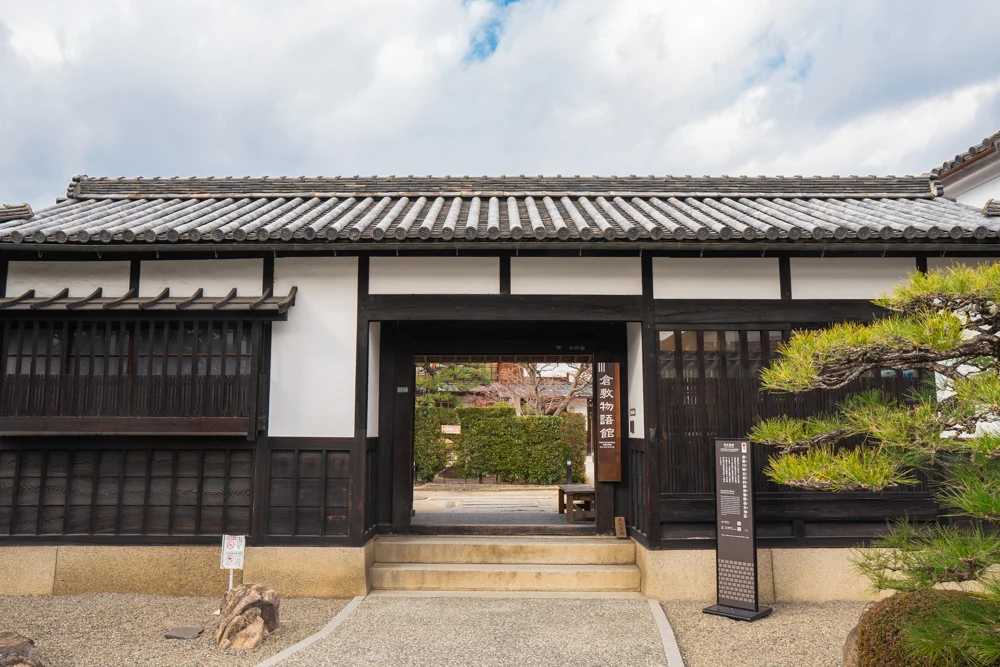
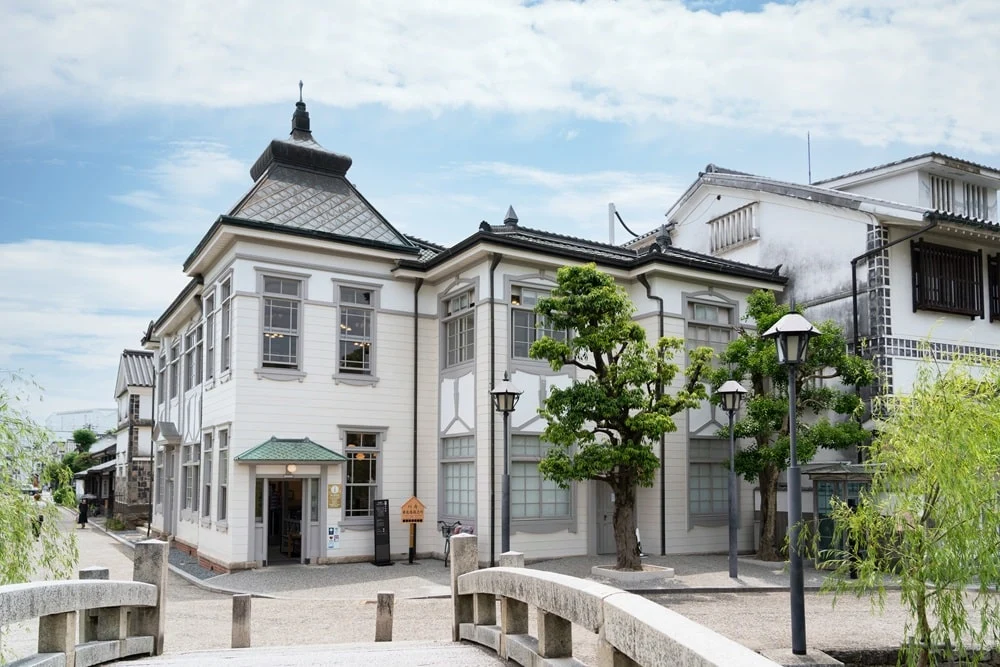
Do you know the magnificent place where the row house gate, inherited since the Edo period, is located at the entrance of the Bikan Historical Area?
It is also used as a venue for events held every year, such as Spring Evening Light and Heartland Kurashiki, and it features a relaxing space and rental rooms available for the general public.
When visiting the Bikan Historical Area for sightseeing, I would like to introduce the first place you should stop by, Kurashiki City Kurashiki Monogatari-kan.
What kind of place is Kurashiki City Kurashiki Monogatari-kan?
Kurashiki City Kurashiki Monogatari-kan opened on April 24, 2009, after partially renovating the Ohashi House, serving as a place for interaction between citizens and tourists.
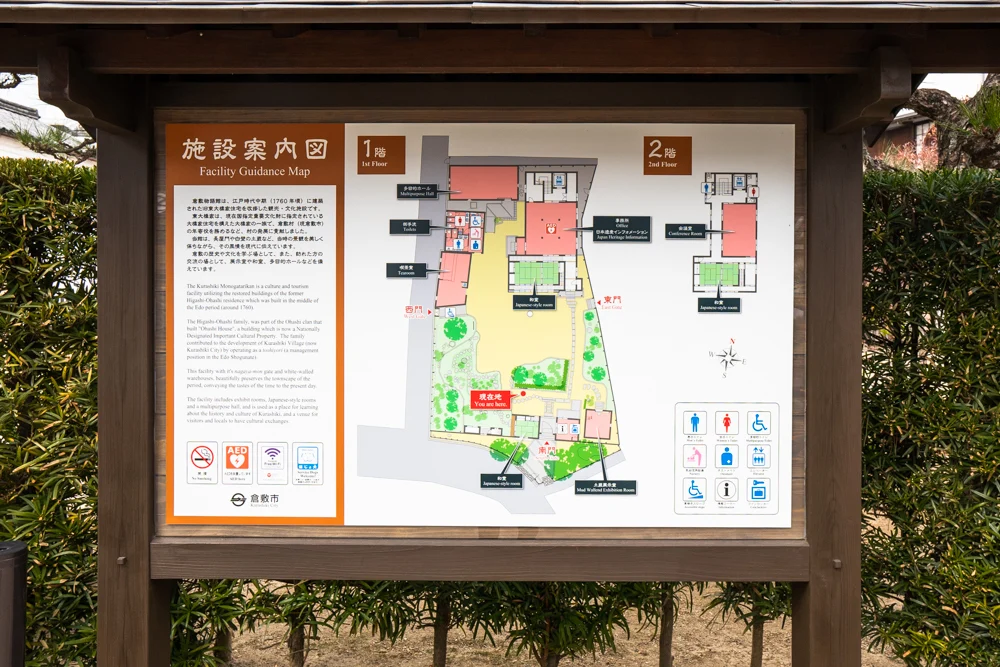
Coin lockers and wheelchair rentals are available, making it an ideal place to stop by at the beginning of your sightseeing in the Bikan Historical Area.
If the rental rooms are available, they can also be borrowed as nursing rooms.
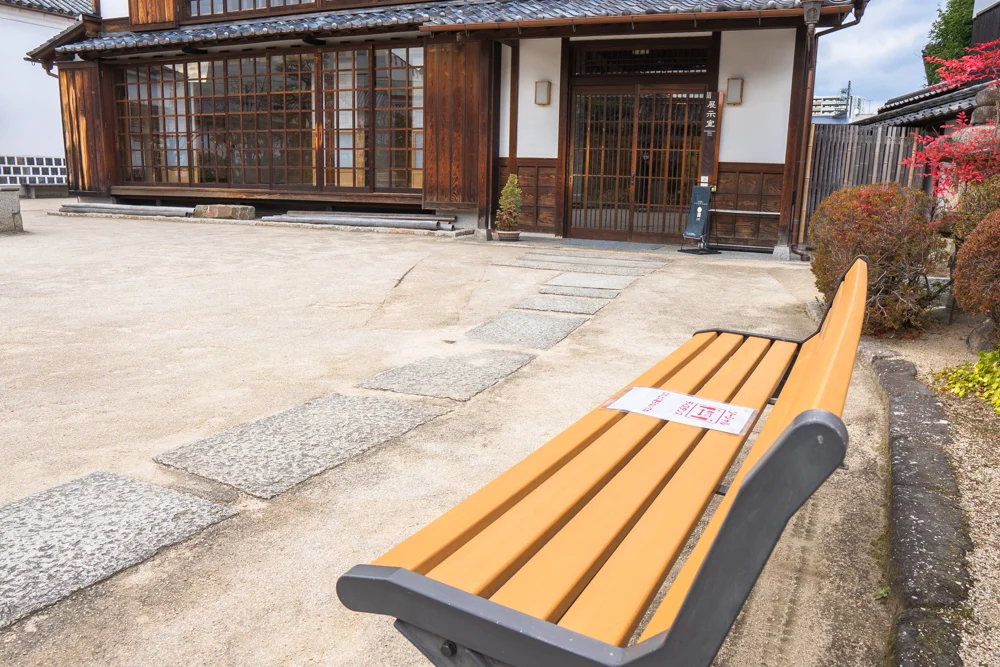
There are benches where you can view the garden and the Monogatari-kan, and it is equipped with a café and multipurpose restrooms, allowing anyone to take a break easily.
It’s also nice to stop by for a break when you get tired from walking around the town.
▼To the east of the Monogatari-kan, there is a shortcut to Hayashi Genjuro Pharmacy Museum.
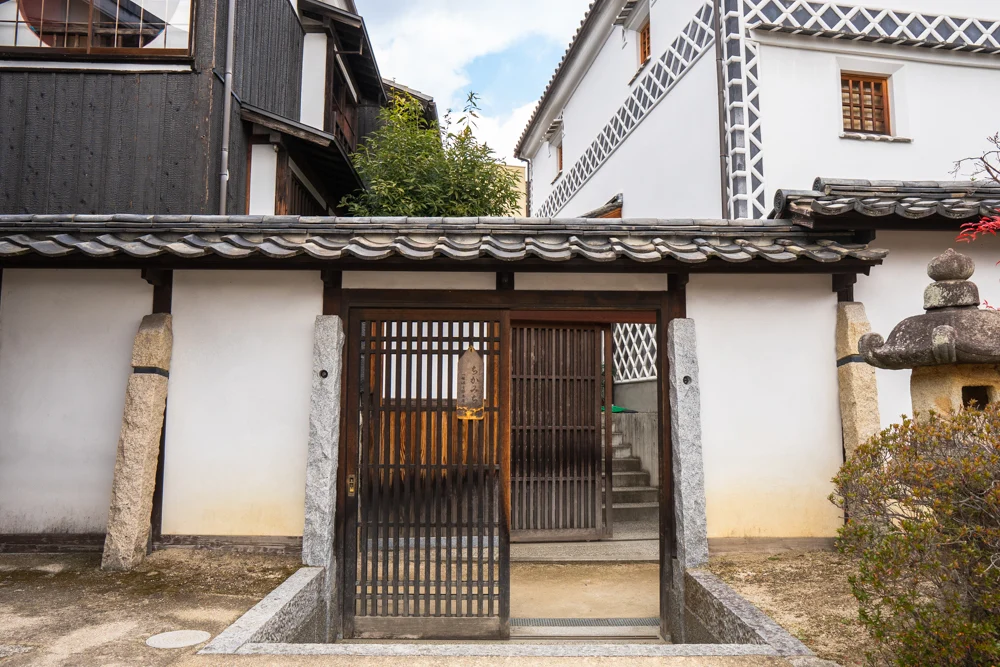
You can also exit through the gate marked with a sign for the "shortcut."
▼At the row house gate of Kurashiki City Kurashiki Monogatari-kan, there is an information corner with coin lockers, vending machines, and various pamphlets.
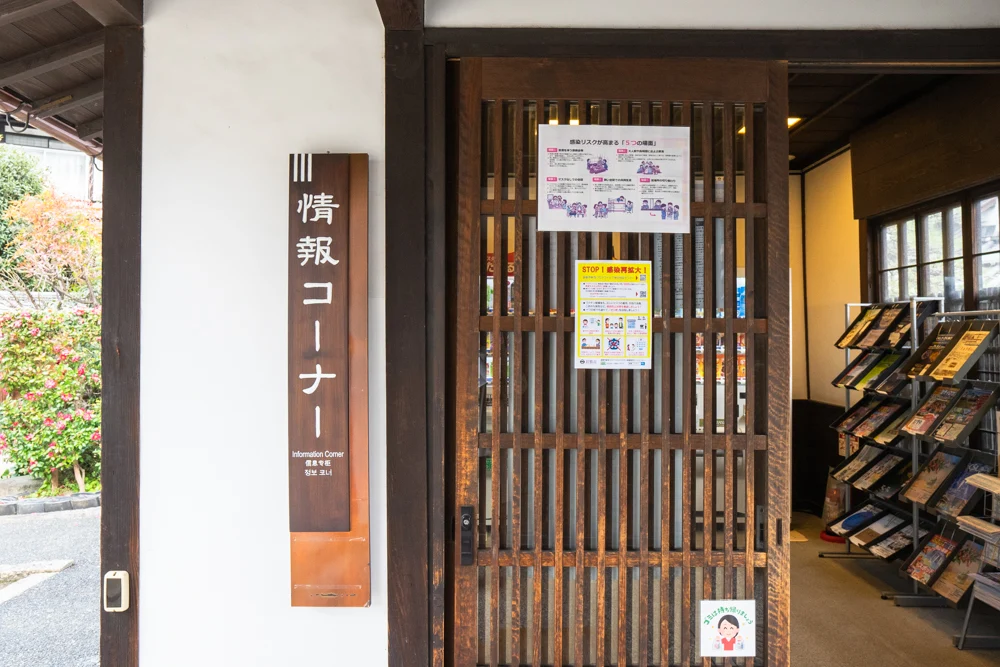
By the way, until 2020, there was a tourist information office in the same location. Please be aware that it has moved due to the renewal of the Kurashikikan Tourist Information Office.
What kind of exhibits are in the exhibition room?
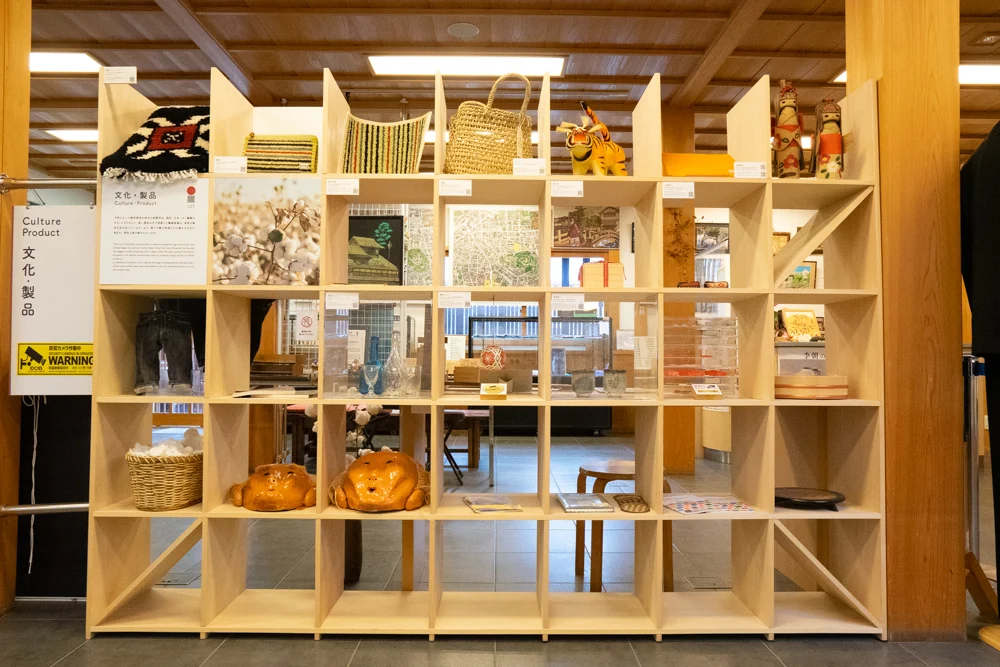
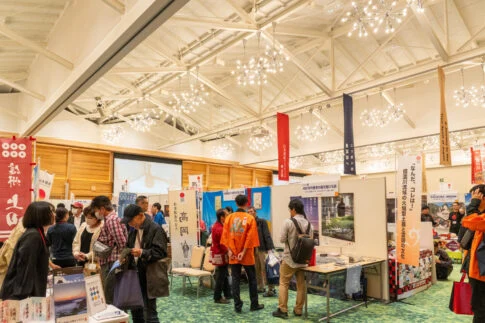
The exhibition room displays a timeline of Kurashiki's history and items related to the Japan Heritage of Kurashiki City.
Here are some of the exhibits.
The Japan Heritage Story of Kurashiki City
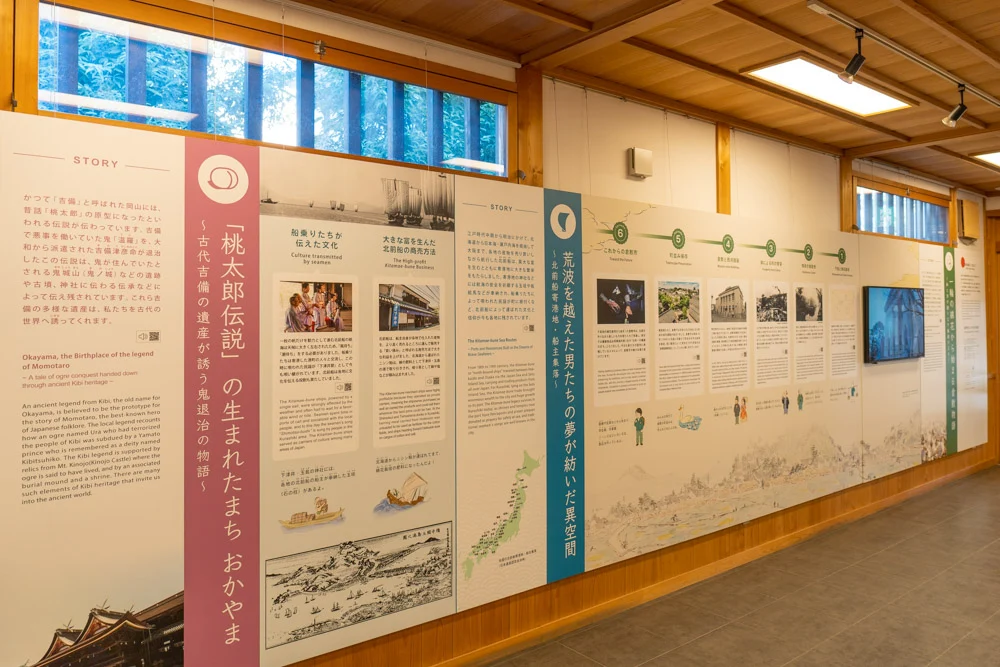
Kurashiki City has many cultural properties that make up three Japan Heritage stories.
- A Kurashiki story beginning with a single cotton flower - A town of textiles woven from Japanese and Western styles
- A different world entwined with the dreams of men who overcame the stormy seas - A port of the Kitamae ships and the shipowners' village
- Okayama, Birthplace of the Legend of Momotaro - The story of demon-slaying invited by the ancient Kibi heritage
You can view materials and videos introducing the cultural properties, which will be helpful for sightseeing in Kurashiki.
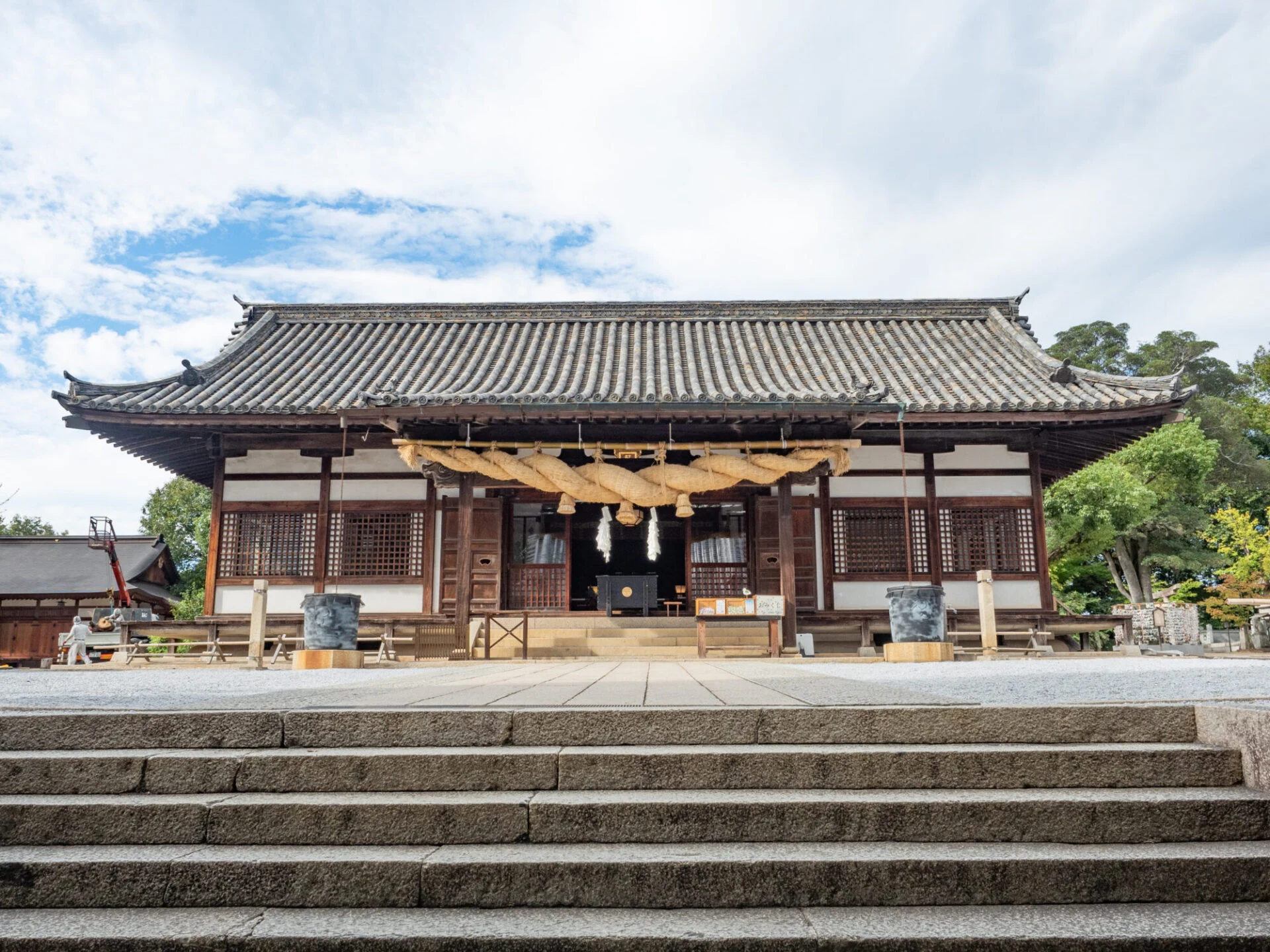
A dynamic model of the Achi Shrine Autumn Festival
In the center of the exhibition room, there is a miniature display of the procession of the Achi Shrine Autumn Festival.
The procession of the Autumn Festival, held every October, is a traditional event that has continued since the Edo period.
By the way, what do you think this model is made of?
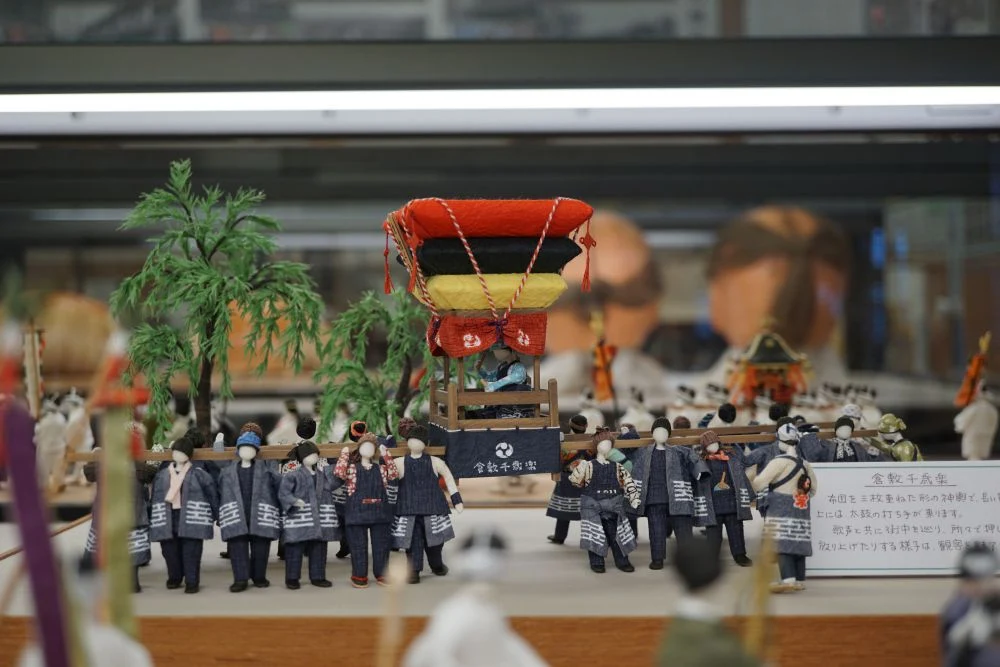
Surprisingly, it is made of washi!
A person living in Hiroshima took five years to research and create this work, which vividly recreates the dynamic procession of the festival.
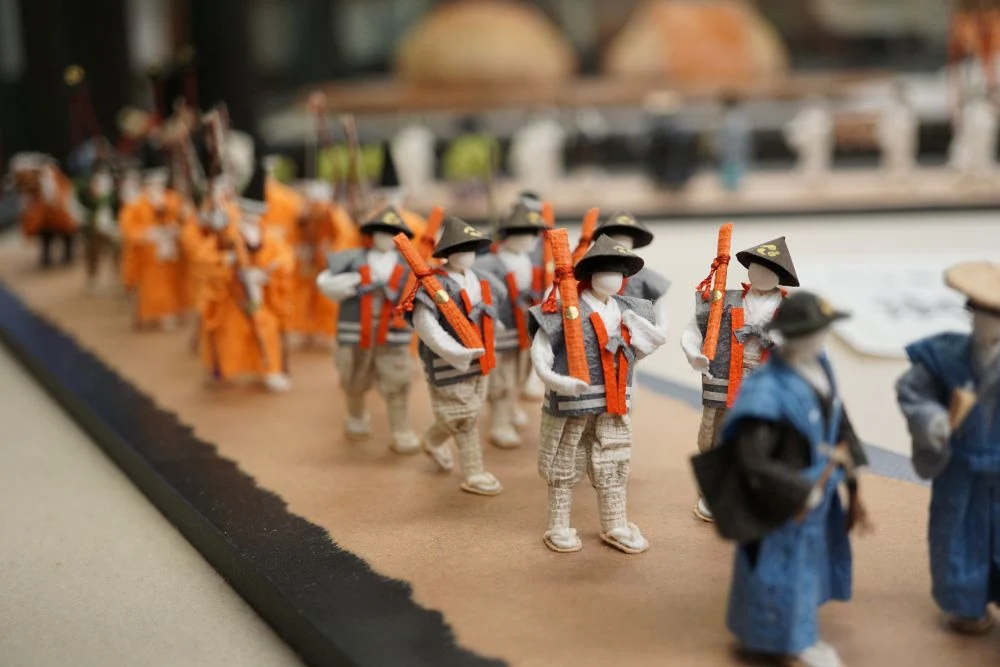
It has become a wonderful work that conveys the atmosphere of the festival, so be sure to take a look at the showcase and experience the festival's ambiance.
What is Suinkyo?
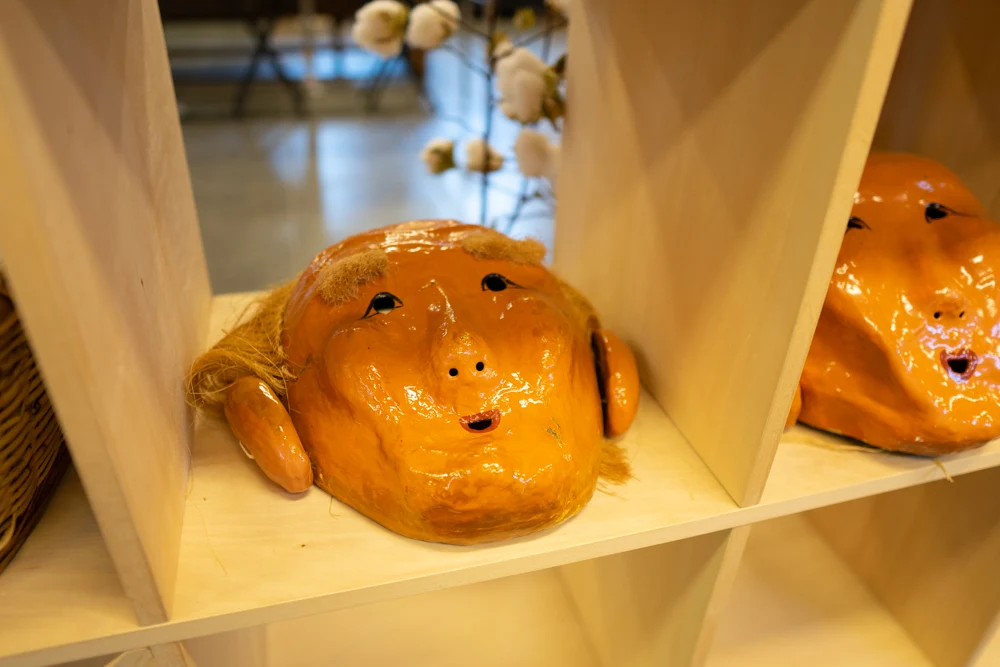
Have you seen this mask before?
At first glance, it may look eerie, and perhaps children might be scared of it.
The mask displayed on the left in the above photo is said to be the original "Jiji and Baba" mask of Suinkyo.
During the Achi Shrine Autumn Festival, an elderly person used to perform the role of the lion dance's legs. However, as they aged, it became difficult for them to continue.
Thus, they started making the "Jiji and Baba" masks and had young people wear them.
From around the Meiji period, these "Jiji and Baba" masks began to be referred to as "Suinkyo."
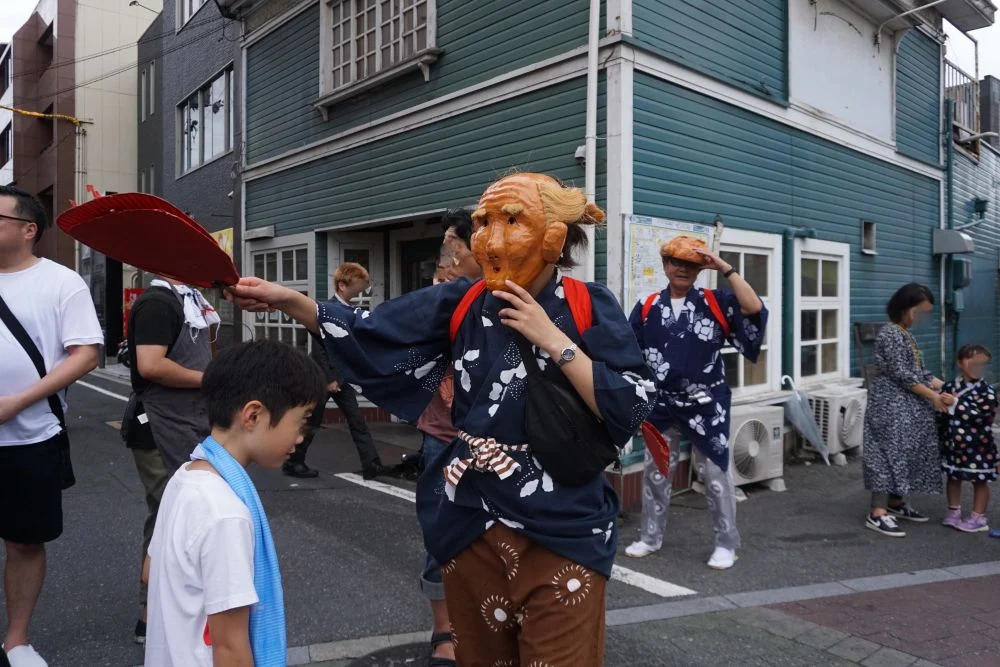
In the past, the masks were full-face and very hot, so they would walk while fanning themselves with a uchiwa (fan).
As children would gather around and cling to them, it became said that if you were hit on the head by Suinkyo with a uchiwa, you would receive good fortune.
When you see Suinkyo walking at festivals and events, be sure to get hit on the head with a uchiwa and experience the unique culture of Kurashiki.
Naoki Okamoto's "Kurashiki Chokan Ezu" preserving the landscape of the Bikan Historical Area
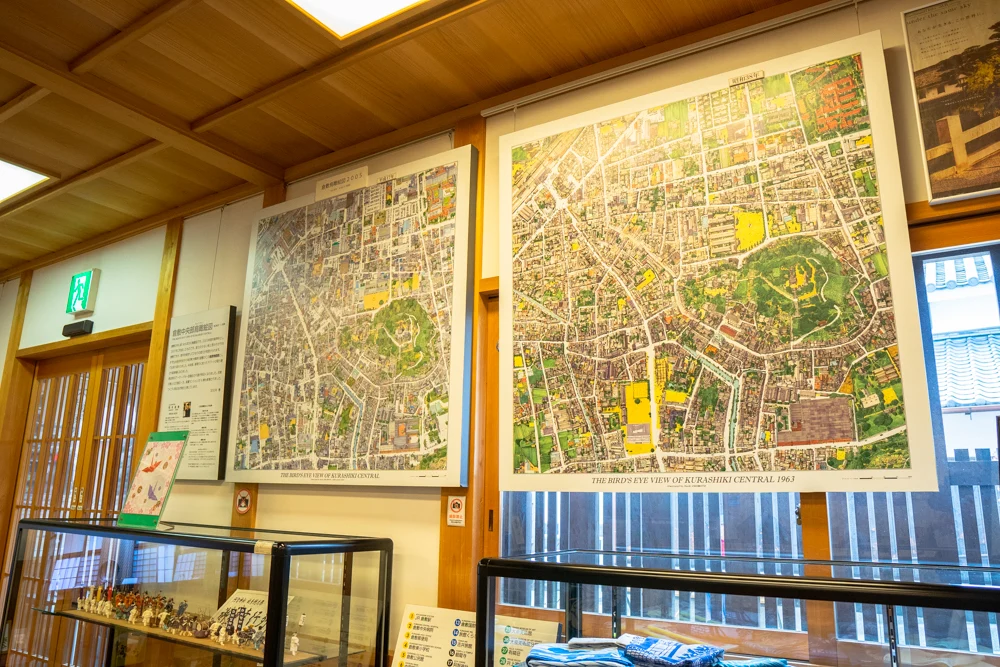
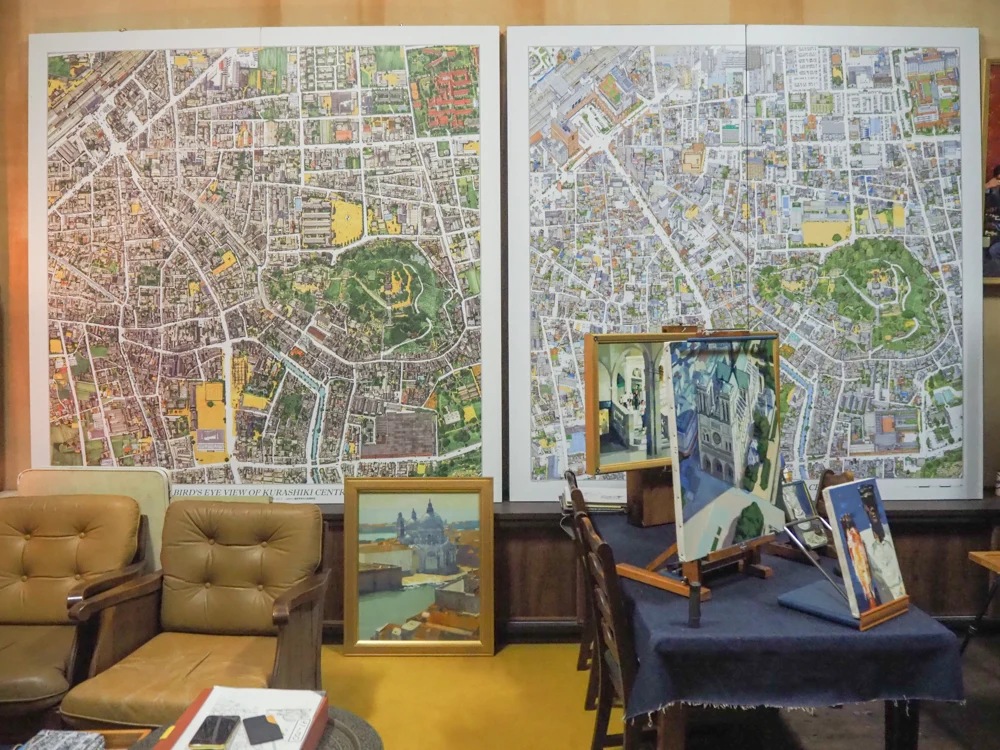
Next, I would like to introduce the bird's-eye view drawing of Kurashiki City center created by the painter Naoki Okamoto.
After training as a painter in America and France, he created this bird's-eye view drawing to preserve the fading memories of his hometown each time he returned.
Local residents who have lived in Kurashiki for a long time pointed and reminisced, saying, "Oh yes, this used to be here."
The 1963 edition and the 2005 edition are displayed side by side, so how about enjoying the changes in the town by looking at the transformations of Kurashiki?
Monthly changing "Chalk Art" filled with local love
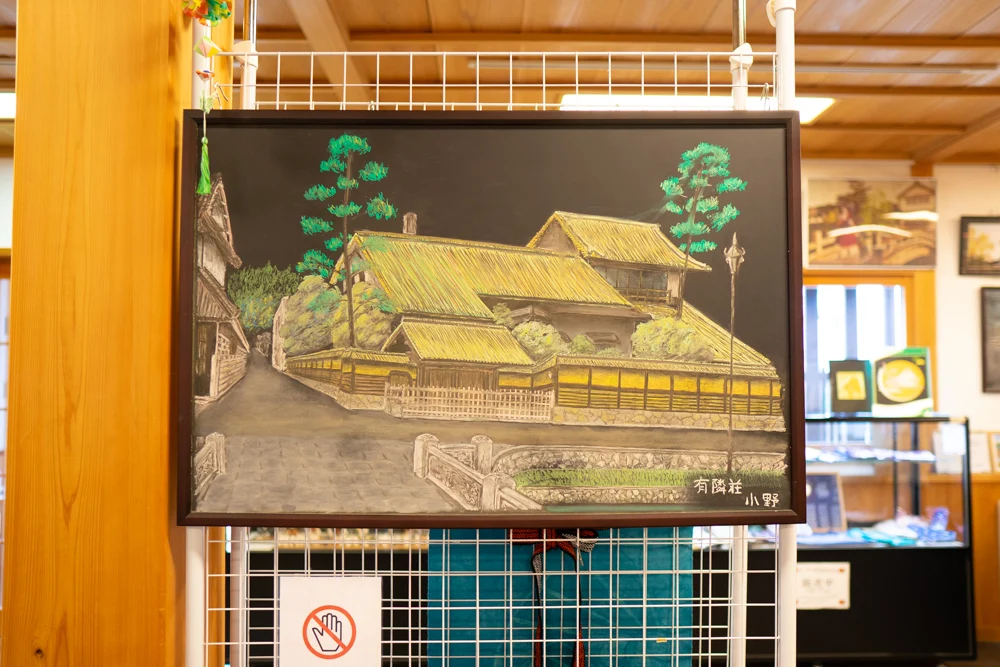
Chalk art created by Hajime Ono, a resident of Kurashiki City who enjoys painting oil paintings, was on display.
Chalk art that matches the seasons is displayed every month, so be sure to stop by and take a look.
Attractive rental rooms available for anyone
The rental rooms are available not only to Kurashiki citizens but also to anyone, regardless of whether they are professionals or amateurs.
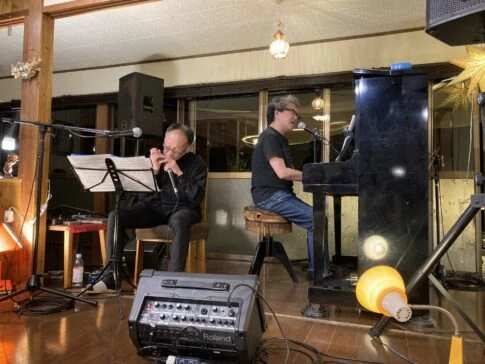
They are used for various purposes, such as piano recitals, live performances, personal exhibitions, matchmaking events, and changing rooms for wedding pre-shoots.
The rental rooms include five Japanese-style rooms, a conference room, and a multipurpose hall, which are available for a fee. For the latest rental room usage fees, please check the official website.
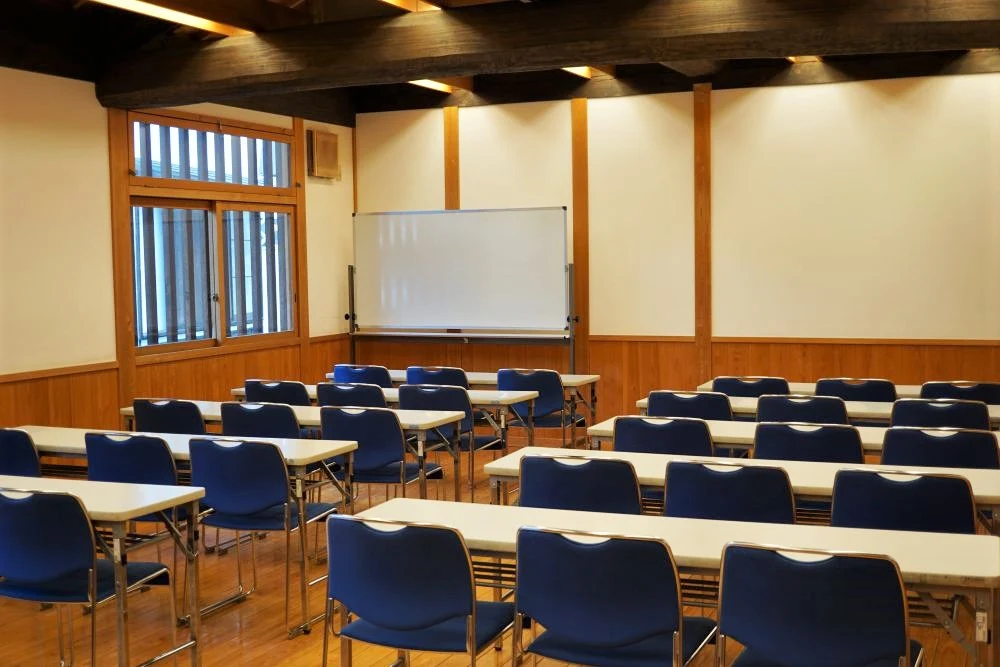
The building has an elevator, and the restrooms are located on the second floor.
The conference room offers a sense of openness where you can enjoy the atmosphere of Kurashiki, making it popular among repeat visitors.
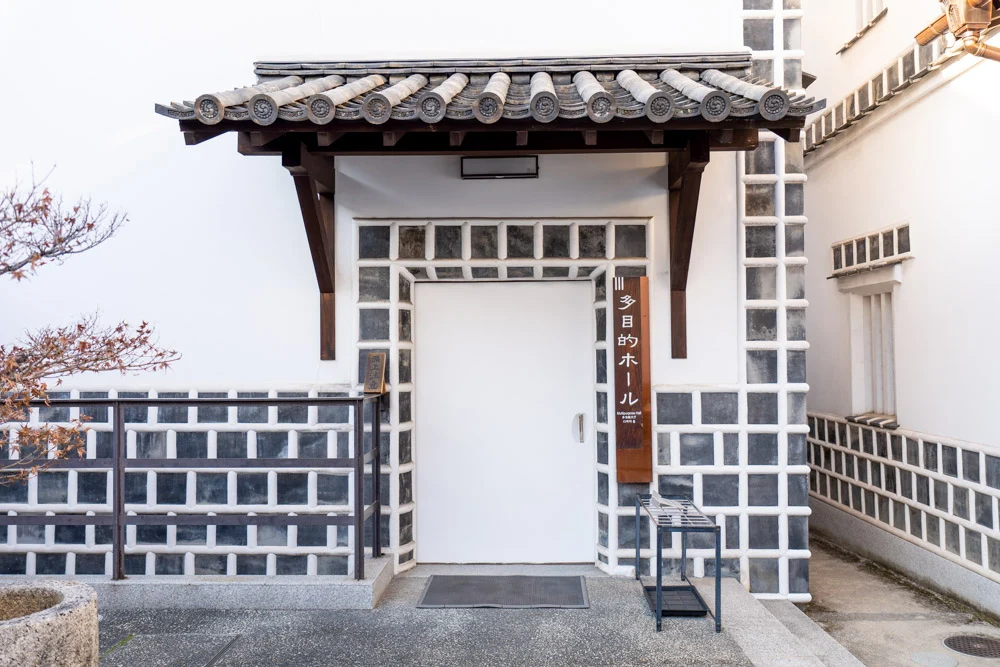
The multipurpose hall is often used for live performances and exhibitions.
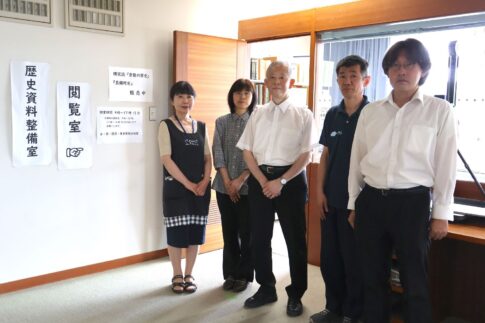
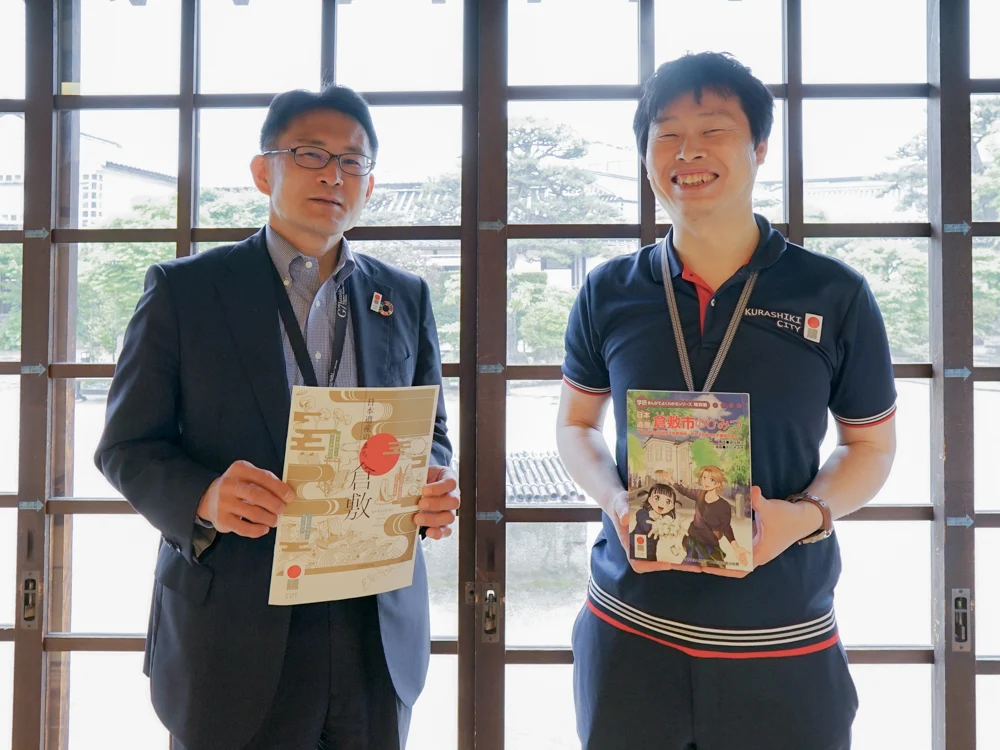
Next, I spoke with Hiroko Suyama, who is in charge of reception and event planning at Kurashiki City Kurashiki Monogatari-kan.
Data of Kurashiki City Kurashiki Monogatari-kan
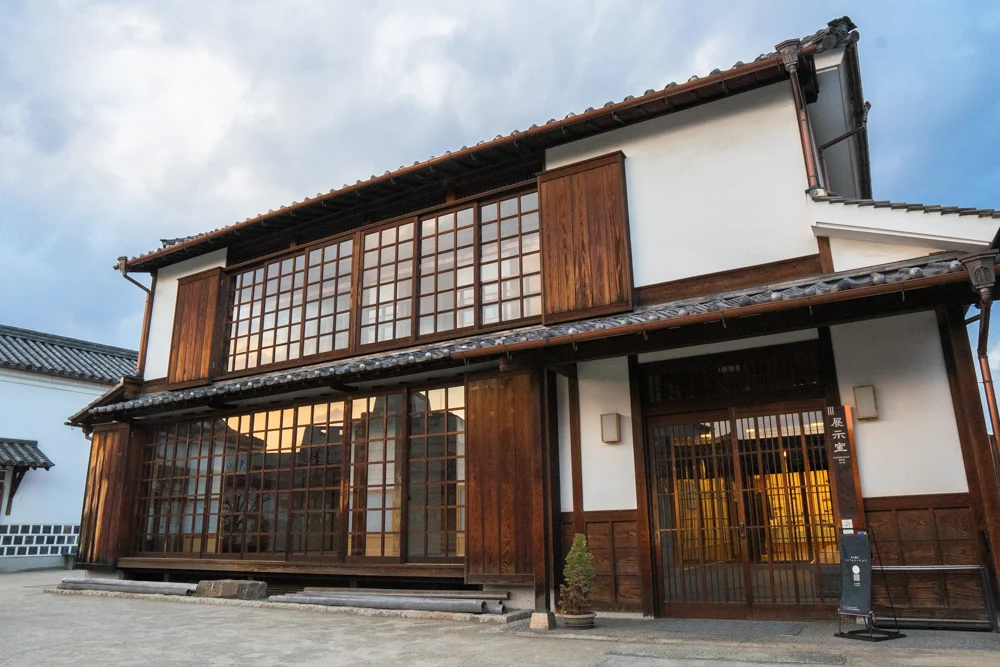
| Name | Kurashiki City Kurashiki Monogatari-kan |
|---|---|
| Location | 2-23-18 Achi, Kurashiki City, Okayama Prefecture |
| Contact | 086-435-1277 |
| Parking | None If you apply for the use of the rental room, you will receive a 100 yen service voucher for the municipal parking lot. |
| Opening Hours | April to November: 9:00 AM to 9:00 PM (entry until 8:45 PM) December to March: 9:00 AM to 7:00 PM (entry until 6:45 PM) |
| Closed | New Year holidays (December 29 to January 3) |
| Admission Fee (including tax) | Free |
| Reservation | Available |
| Smoking | Completely non-smoking |
| Restrooms | Western-style toilets, barrier-free toilets |
| Childcare | Diaper changing sheet ※ A baby bed for diaper changing is available in the multipurpose toilet. - If the rental room is available, it can be used as a nursing space from 9:00 AM to 5:45 PM. ※ Application at the reception in the main exhibition room. |
| Barrier-free | Wheelchair rental, ramps, barrier-free toilets, elevator <Wheelchair rental> One Kurashiki City wheelchair available. Reception hours: 9:00 AM to 5:45 PM. ※ Application at the reception in the main exhibition room. |
| Website | Kurashiki Machizukuri Co., Ltd. Kurashiki City Kurashiki Monogatari-kan |