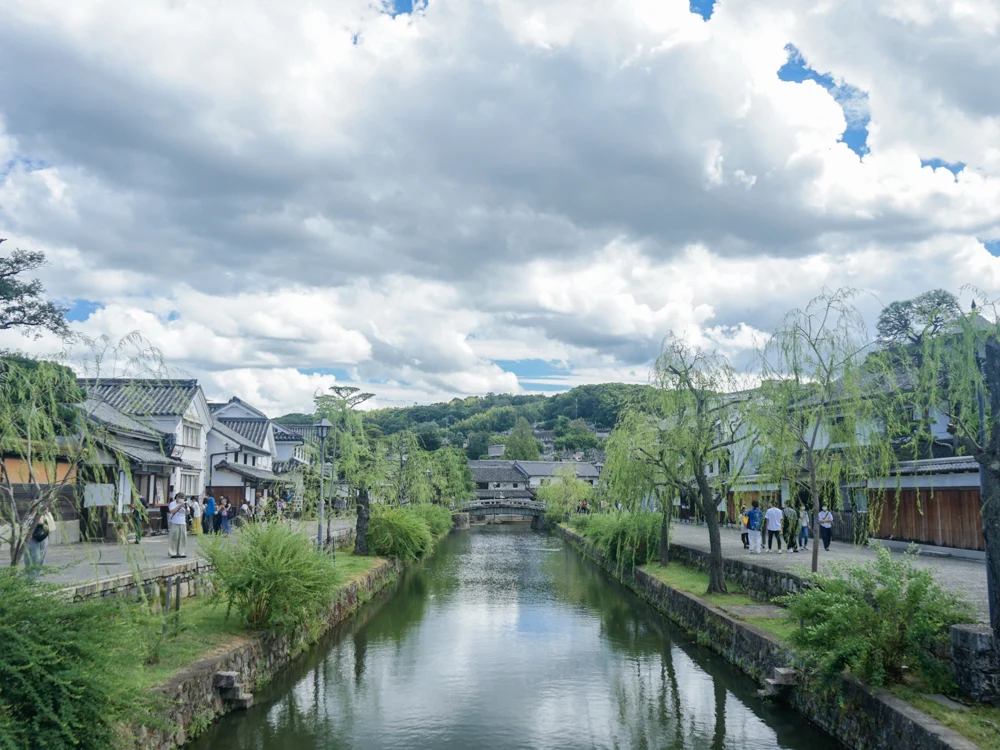
Kurashiki City, where many historical landscapes remain.
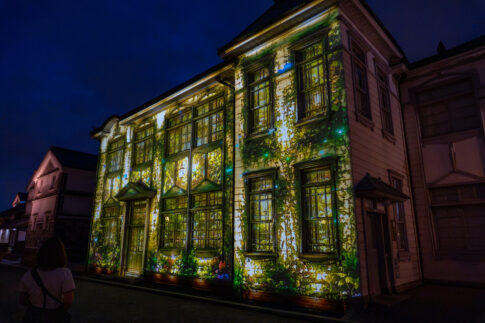
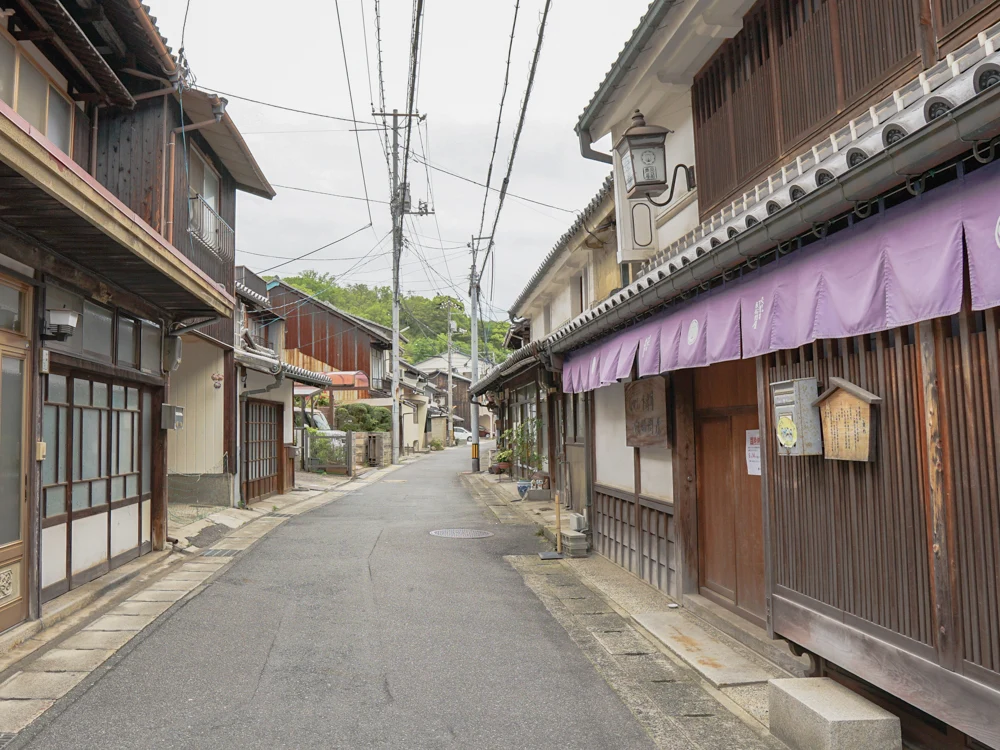
In the Bikan Historical Area, there are merchant buildings that symbolize the prosperity of the textile industry that has continued since the Edo period, allowing us to see the scenery of that time even today.
The landscapes seen in Tamashima and Shimotsui, facing the Seto Inland Sea, are townscapes that flourished as a port of call for Kitamaebune, trading ships of the Edo period.
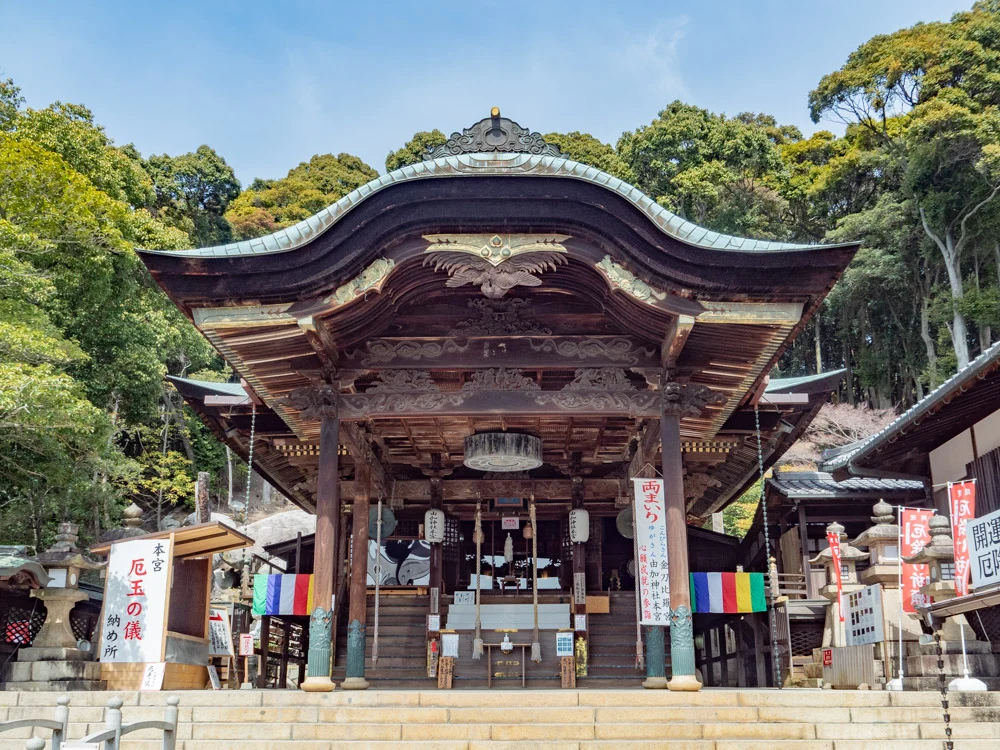
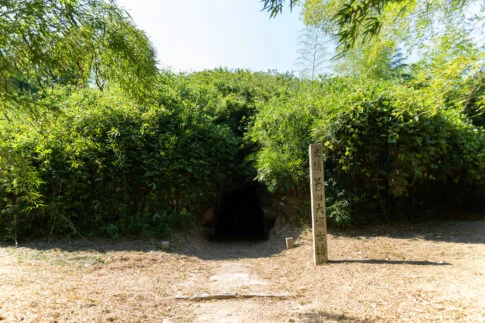
In the northern part of Kurashiki City, in areas like Sho and Mabi, there are remains related to the Legend of Momotaro, such as the Tatetsuki Site, Koikui Shrine, and Yata Otsuka Burial Mound.
Each of these sites and cultural properties has a story that has been told from the time they were created to the present, and Kurashiki City has three stories recognized as Japan Heritage.
Japan Heritage is a certification system established by the Agency for Cultural Affairs to systematically organize historically and culturally valuable properties through stories and utilize them for regional revitalization.
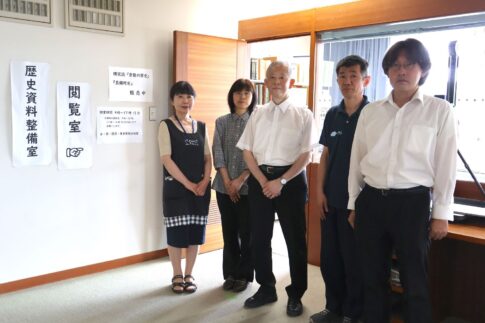
We spoke with Ueda Tetsuzo and Ikeda Yasuyuki from the Kurashiki City Japan Heritage Promotion Office about how the many cultural properties in Kurashiki are being utilized.
Japan Heritage of Kurashiki City
What is Japan Heritage?
Japan Heritage is a certification by the Agency for Cultural Affairs that systematizes stories as region-specific assets, such as historical buildings and townscapes in the area, with the aim of widely promoting the charm of the region.
In 2015, the Agency for Cultural Affairs began the certification of Japan Heritage.
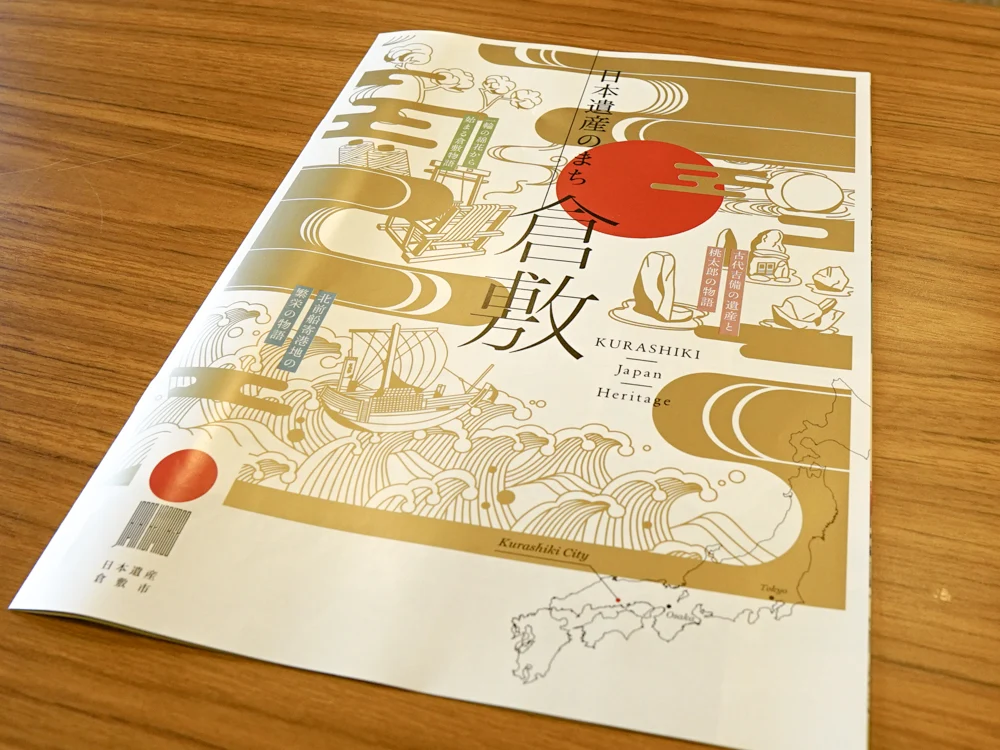
While the purpose of World Heritage registration and cultural property designation is to assign value and protect, Japan Heritage focuses on promoting the connection of scattered heritage in the region through stories.
For more detailed information about the purpose of Japan Heritage, you can visit the homepage of the Agency for Cultural Affairs.
Three Japan Heritages in Kurashiki City
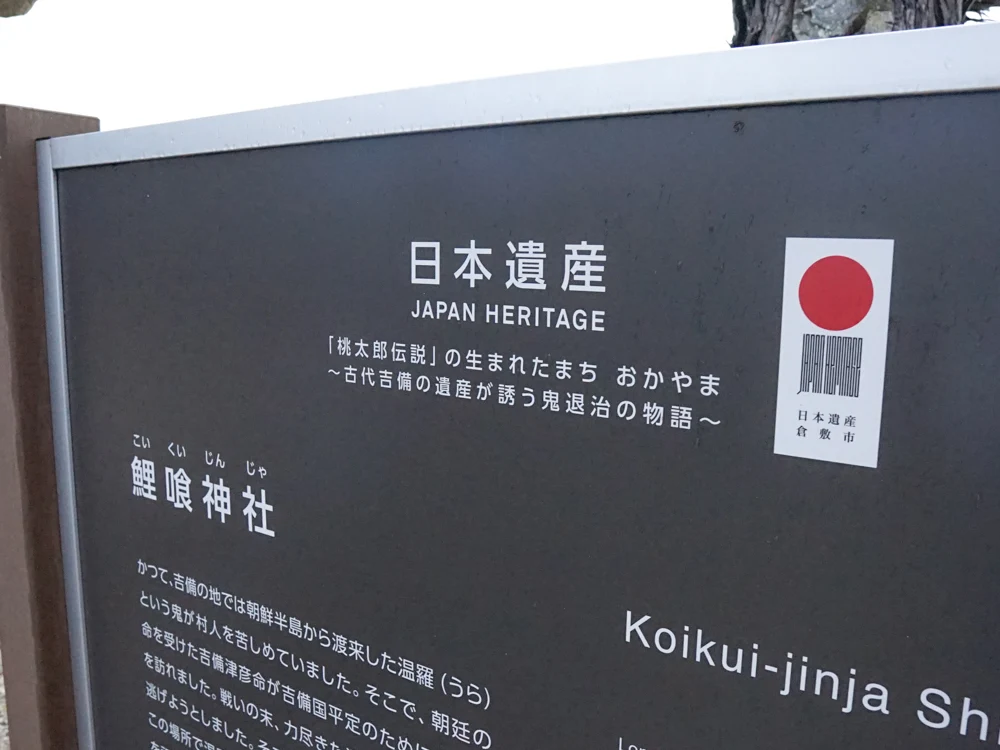
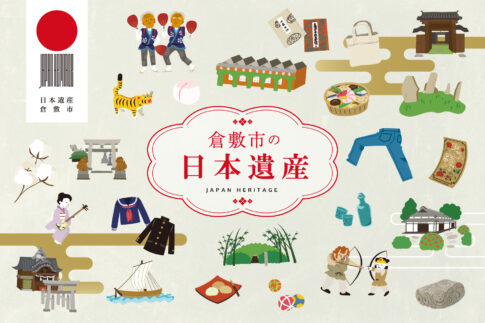
The three Japan Heritages recognized in Kurashiki City are as follows:
- A Kurashiki story beginning with a single cotton flower - A town of textiles woven from Japanese and Western influences
- A different world entwined with the dreams of men who overcame the stormy seas - A port of call for Kitamaebune and a shipowner village
- Okayama, Birthplace of the Legend of Momotaro - The story of demon-slaying inspired by the ancient heritage of Kibi
For more details about each Japan Heritage, you can visit the homepage of the Kurashiki City Japan Heritage Promotion Office, and in this article, we will briefly introduce the overview of Japan Heritage in Kurashiki City.
A Kurashiki story beginning with a single cotton flower - A town of textiles woven from Japanese and Western influences
Most of the land in present-day Kurashiki City was once sea.
In the Edo period, cultivation of salt-tolerant cotton and rush grass began on land created through land reclamation.
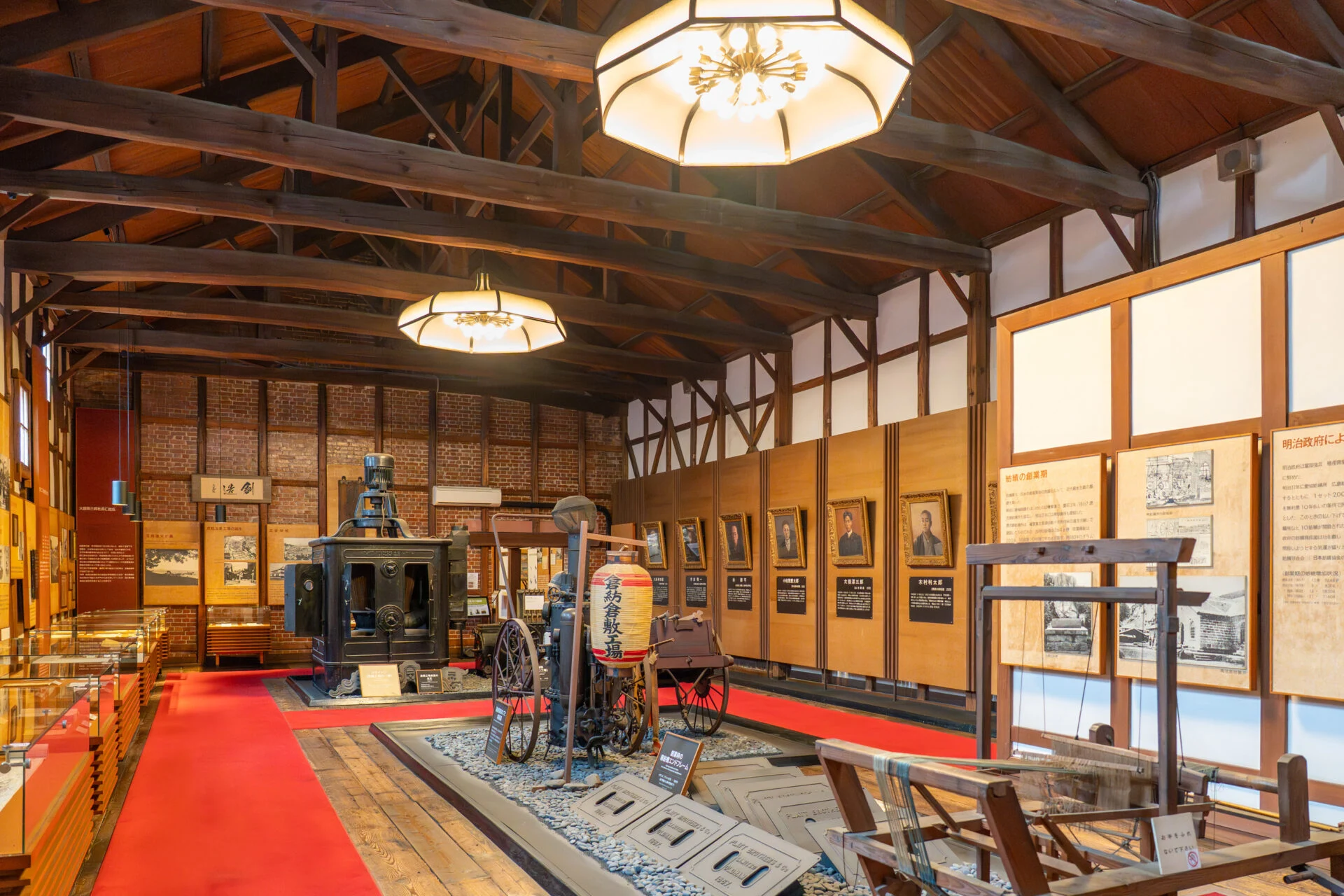
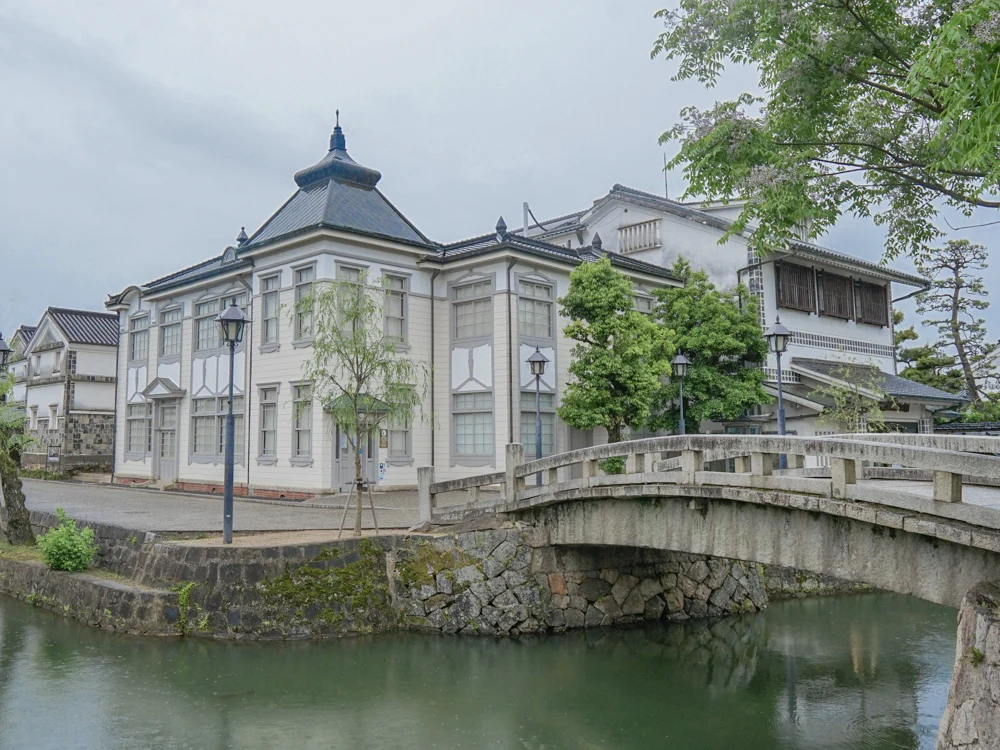
The townscape of the Bikan Historical Area was built with the wealth gained from the cotton industry that developed during the Edo period.
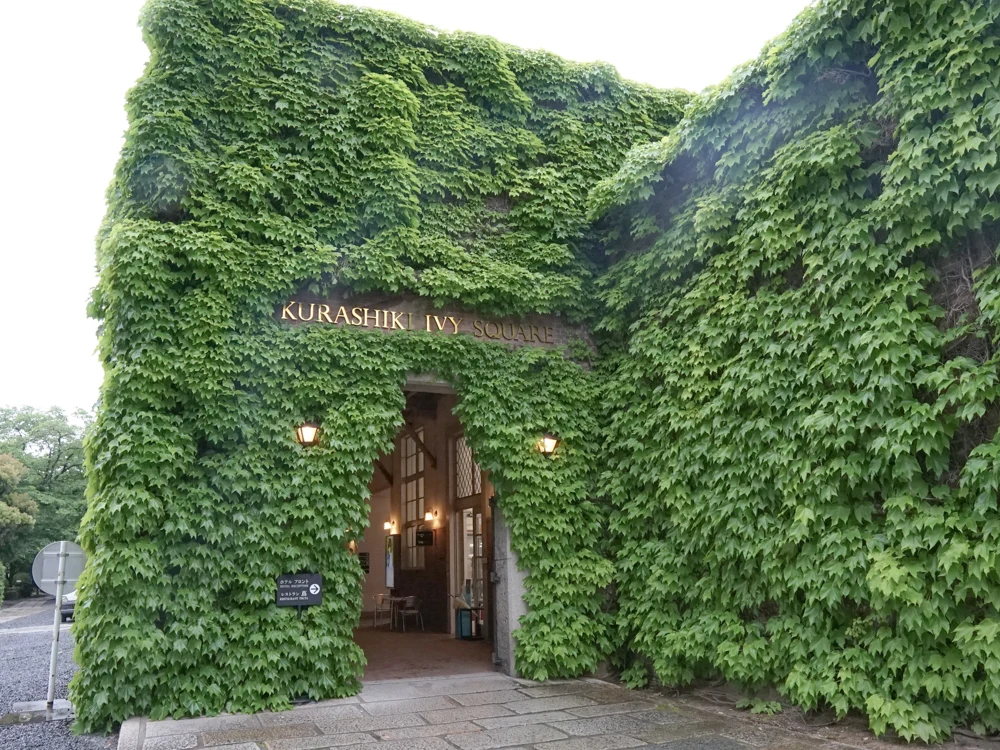
In the Meiji period, with the advancement of industrialization, the KURABO INDUSTRIES LTD. was established, leading to the development of the textile industry.
The entire Kurashiki area greatly developed, and it is now said to be the town of textiles with the highest product shipment value in Japan.
A different world entwined with the dreams of men who overcame the stormy seas - A port of call for Kitamaebune and a shipowner village
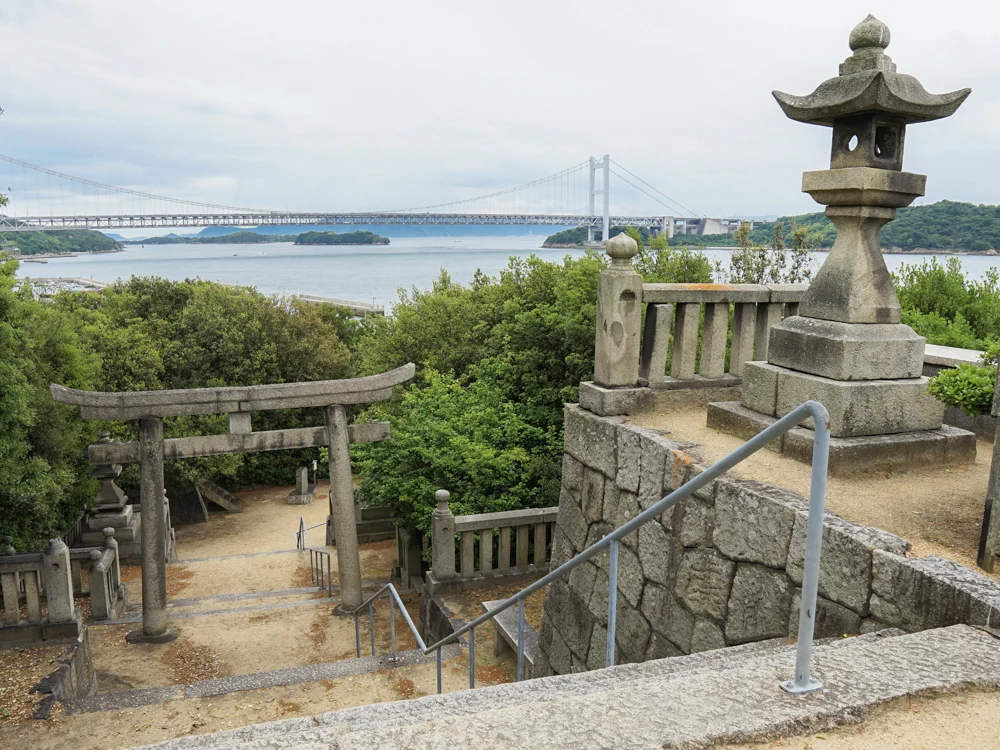
Tamashima and Shimotsui were ports of call for the trading ships Kitamaebune during the Edo period.
Various products have been brought in from all over Japan, developing as a trading hub.
Tamashima and Shimotsui still have many buildings from that time, allowing visitors to feel the atmosphere of a city that thrived as a trading hub.
Okayama, Birthplace of the Legend of Momotaro – A story of demon-slaying inspired by the ancient Kibi heritage
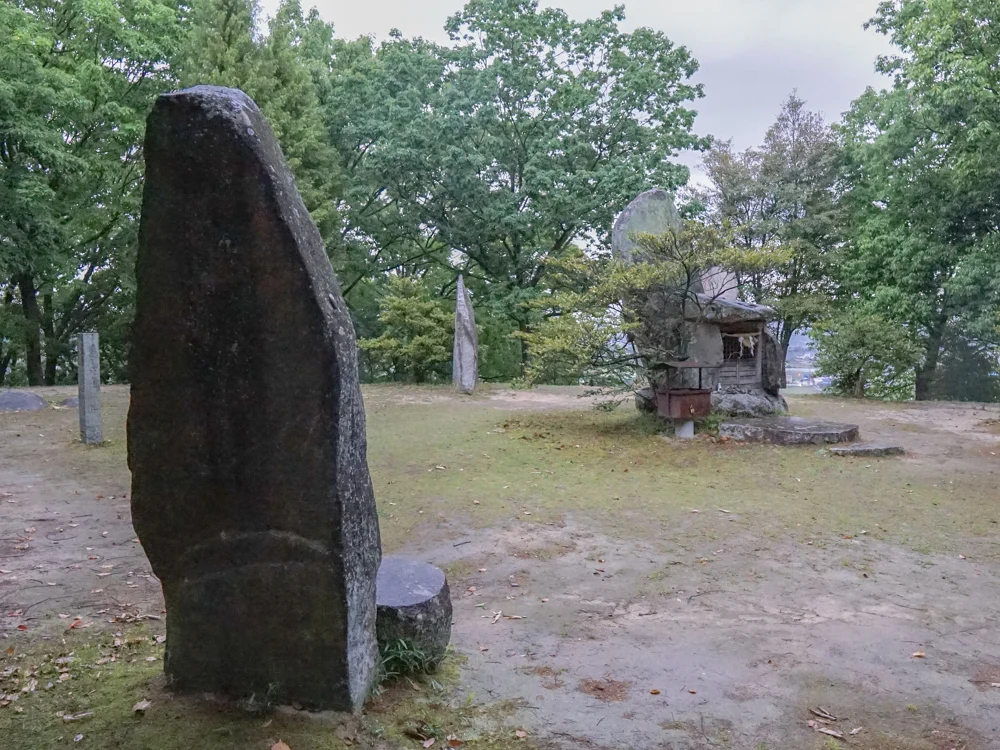
The northern part of present-day Kurashiki City was part of a country called Kibi in ancient times.
Ancient Kibi was said to have had a powerful influence due to its warm climate and its land suitable for trade facing the Seto Inland Sea.
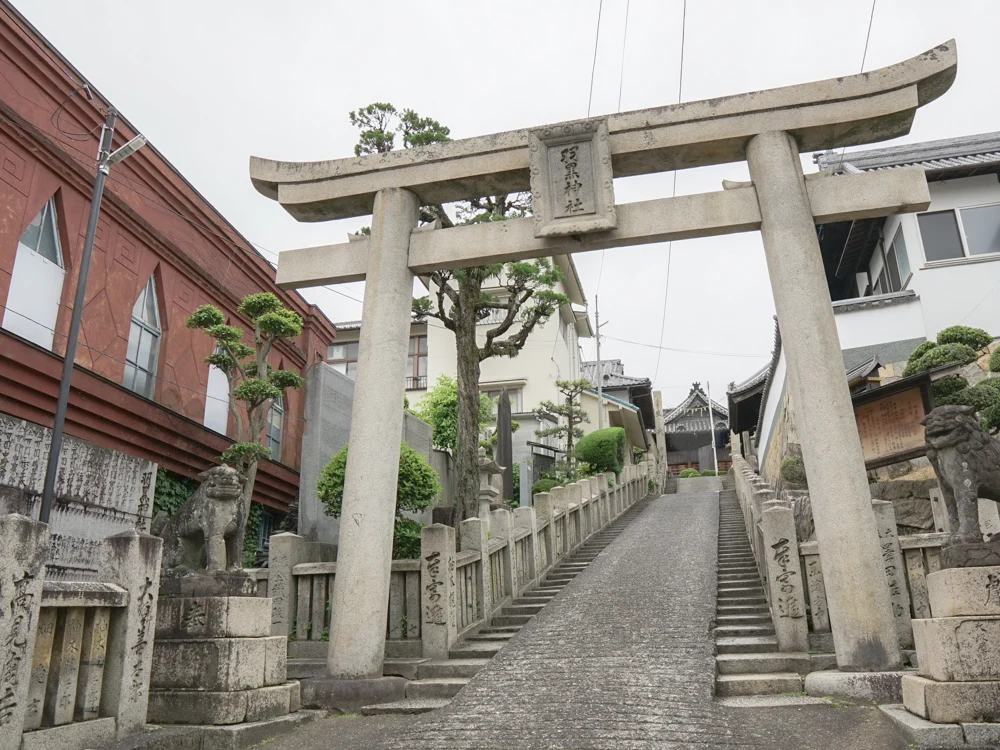
In the Shoya and Mabi areas of Kurashiki City, there are remains related to the legend of Momotaro, such as the Tatetsuki Site, Koikui Shrine, and Yata Otsuka Burial Mound.
What is the Japan Heritage Promotion Office in Kurashiki City?
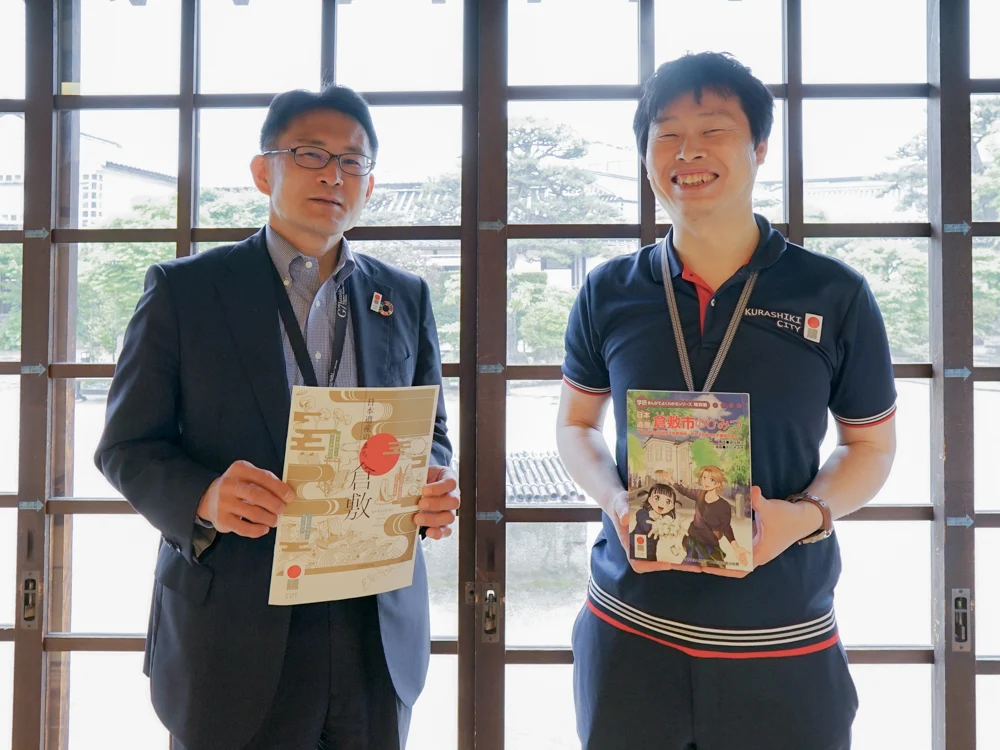
In Kurashiki City, there is a department specializing in promoting the charm of Japan Heritage called the Japan Heritage Promotion Office.
It is interesting to know what kind of activities Kurashiki City, which has numerous cultural properties that are part of Japan Heritage, is engaged in.
We interviewed Mr. Tetsuzo Ueda and Mr. Yasuyuki Ikeda from the Japan Heritage Promotion Office about their past efforts and daily operations.
Background of the Establishment of the Japan Heritage Promotion Office
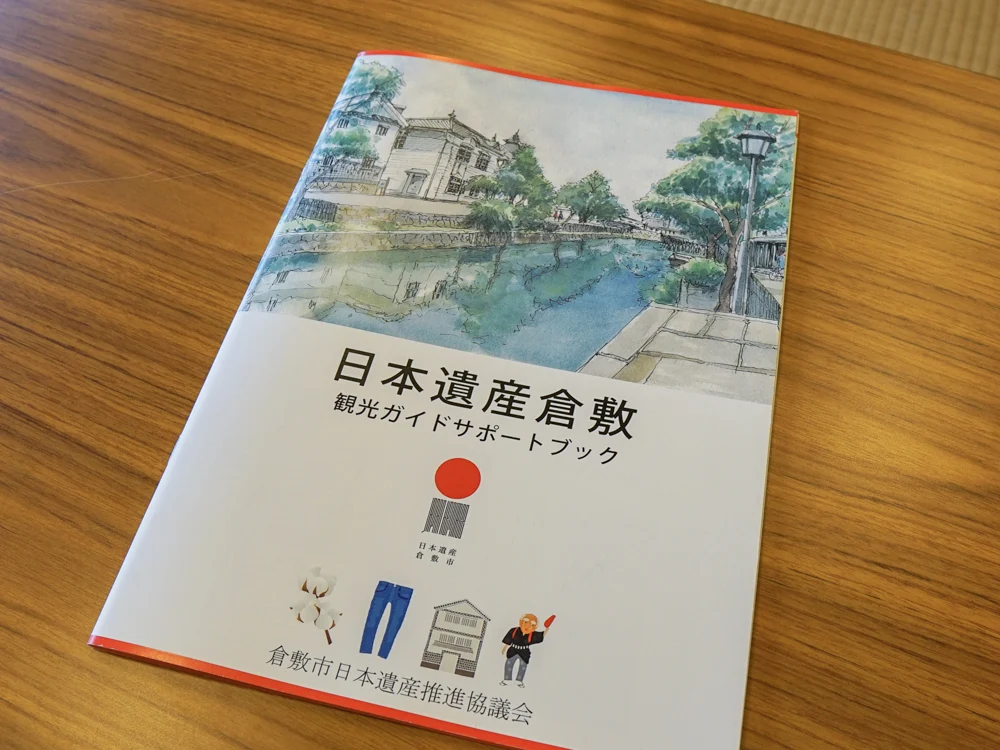
The Japan Heritage Promotion Office was established in June 2017 when Kurashiki City's first Japan Heritage, A Kurashiki story beginning with a single cotton flower – A town of textiles woven from harmony of Japanese and Western cultures, was registered.
It is a specialized department for utilizing Japan Heritage to consider how to make use of Kurashiki City's Japan Heritage and to implement policies.
The aim is to strengthen collaboration between departments, and many members are also affiliated with other departments.
In other municipalities, it is common for tourism and education-related departments to handle projects related to Japan Heritage, but it is rare nationwide to have a department that specializes in Japan Heritage.
Initiatives of the Japan Heritage Promotion Office
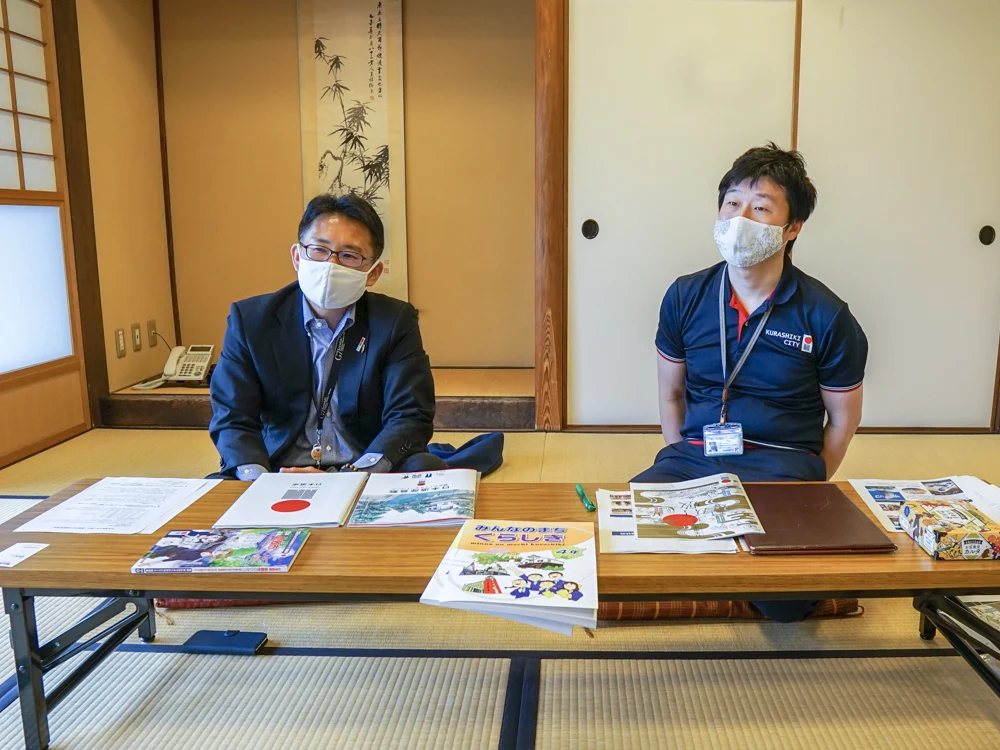
The certification of Japan Heritage requires not only the organization of cultural properties and history but also the formulation of a 6-year business plan aimed at regional revitalization.
In addition, it is necessary to implement initiatives in line with the business plan and to review the business plan at the beginning of each fiscal year to incorporate new measures as needed.
The business plan is organized around the following five perspectives.
- Information dissemination projects
- Human resource development projects
- Public awareness projects
- Research projects
- Projects related to maintenance for public utilization
Information Dissemination Projects
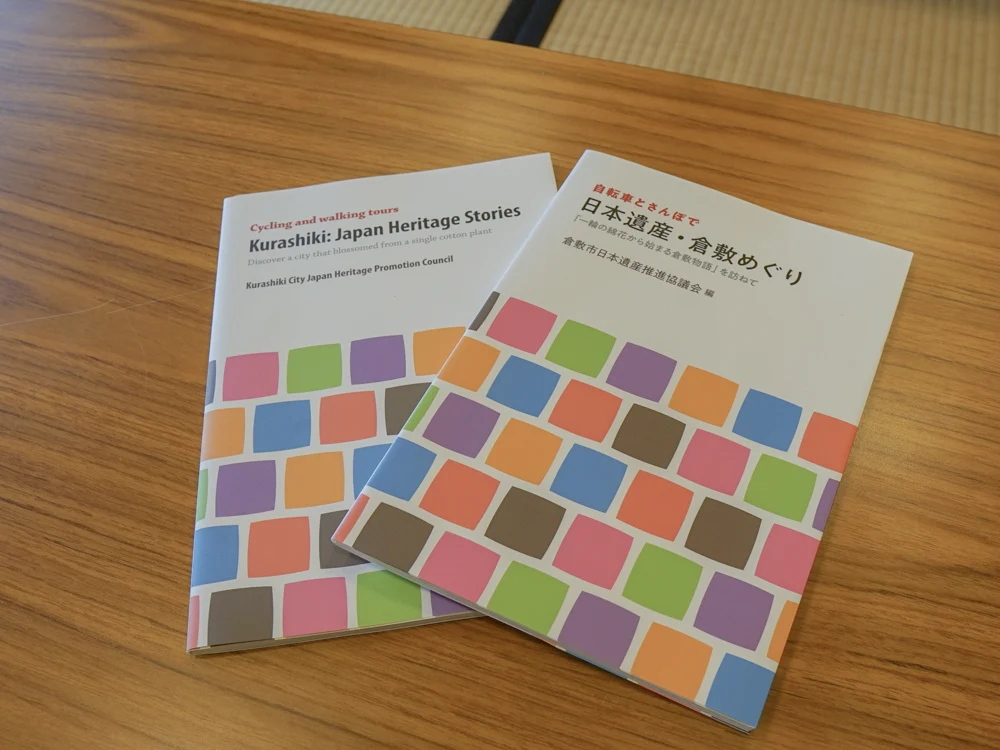
The information dissemination project includes the production of booklets and posters, as well as dissemination through websites.
In addition to guidebooks introducing the cultural properties and stories that make up Japan Heritage, we have also created a guidebook for cycling around cultural properties scattered throughout Kurashiki City.
Kurashiki Japan Heritage Trip introduces Japan Heritage in Kurashiki City using videos and VR (virtual reality).
Human Resource Development Projects
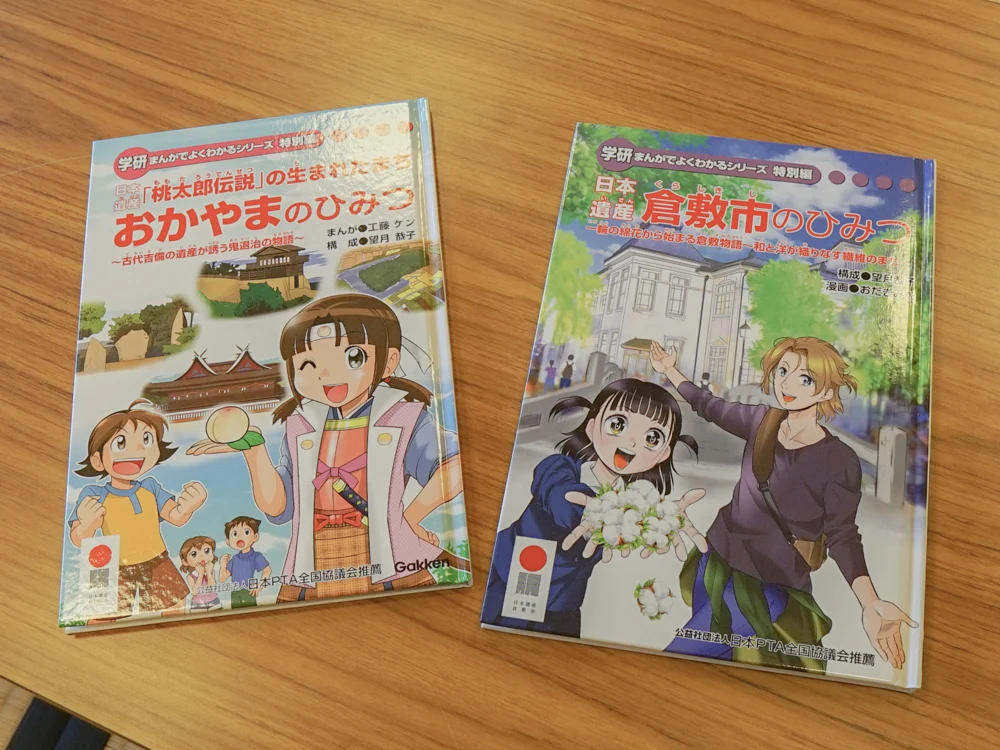
To make use of Japan Heritage, it is also important to nurture people rooted in the community.
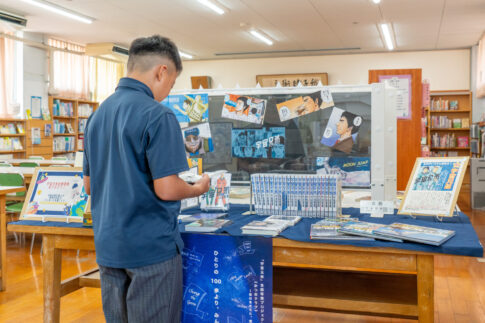
To spark elementary school students' interest in Japan Heritage, we created a manga that clearly depicts the stories of Japan Heritage.
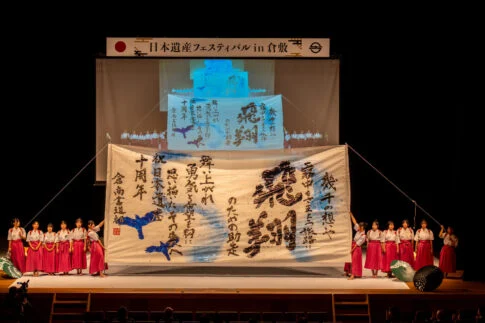
We also hold achievement report meetings on initiatives related to Japan Heritage conducted by high school students.
Public Awareness Projects
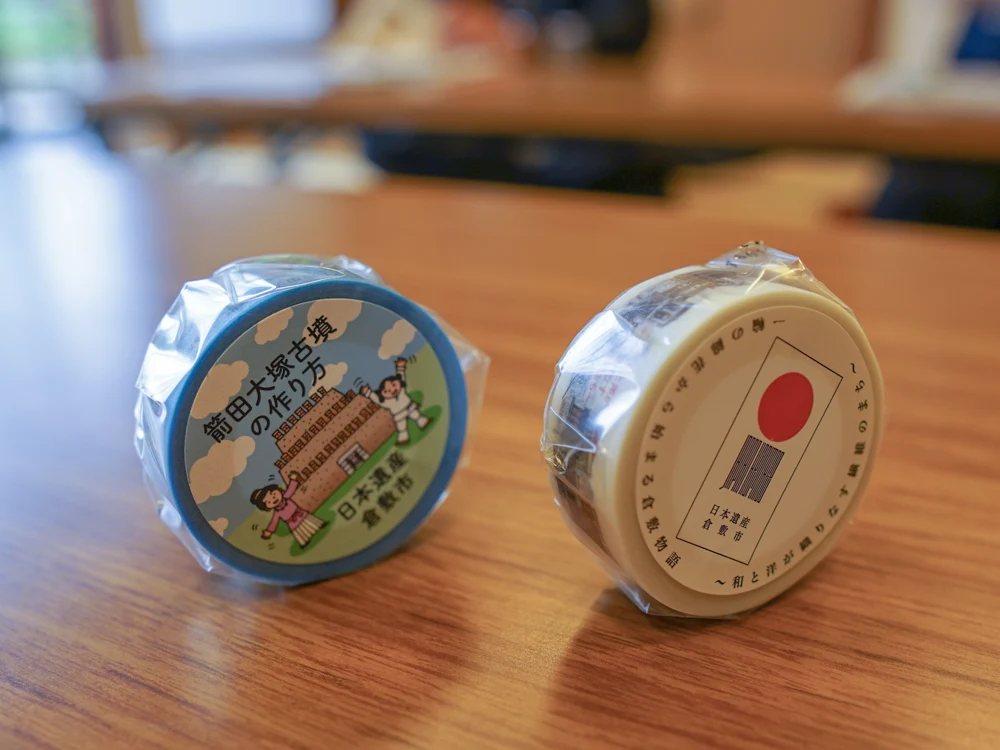
We also engage in activities to create opportunities for people who are completely unaware of Japan Heritage to learn about it.
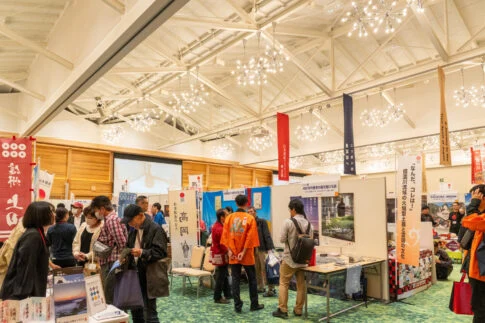
For example, we set up booths at local outdoor events to introduce Japan Heritage to attendees.
Additionally, we are working on raising awareness by wrapping logos and illustrations promoting Kurashiki City's Japan Heritage on public vehicles.
We have also created masking tape featuring motifs from Kurashiki's Japan Heritage.
Research Projects
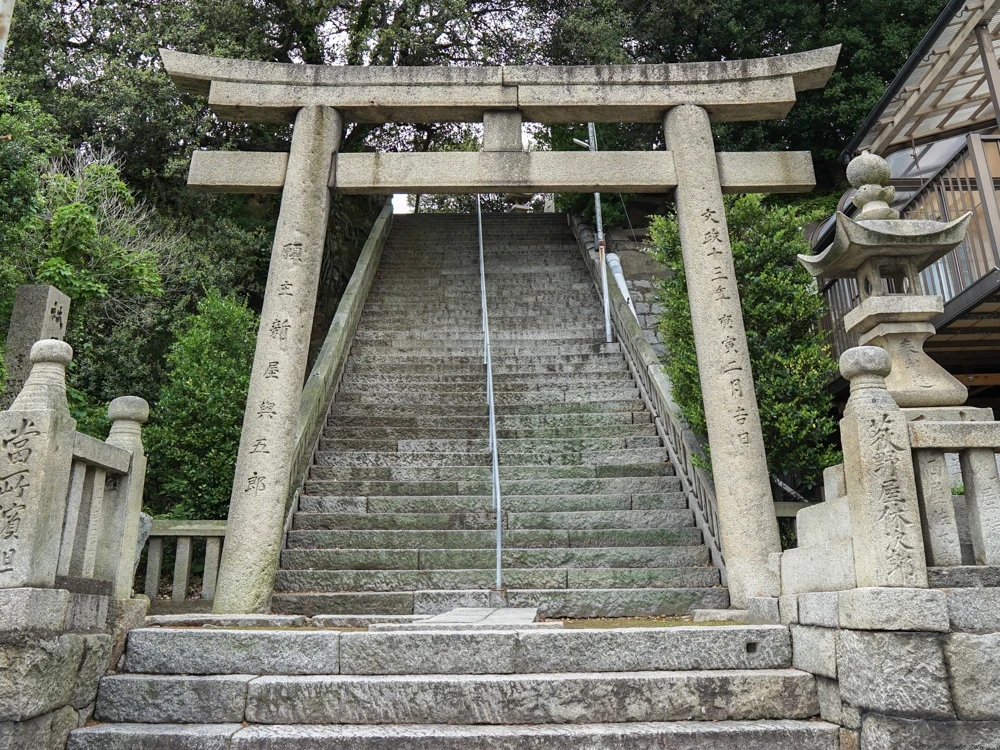
Utilizing Japan Heritage is important for clarity, but the essential content is also crucial.
We are continuing our research on history and culture with the cooperation of university professors and others.
History and culture can sometimes reveal interesting stories when explored deeply, which we are leveraging for advertising activities.
Projects Related to Public Utilization Improvements
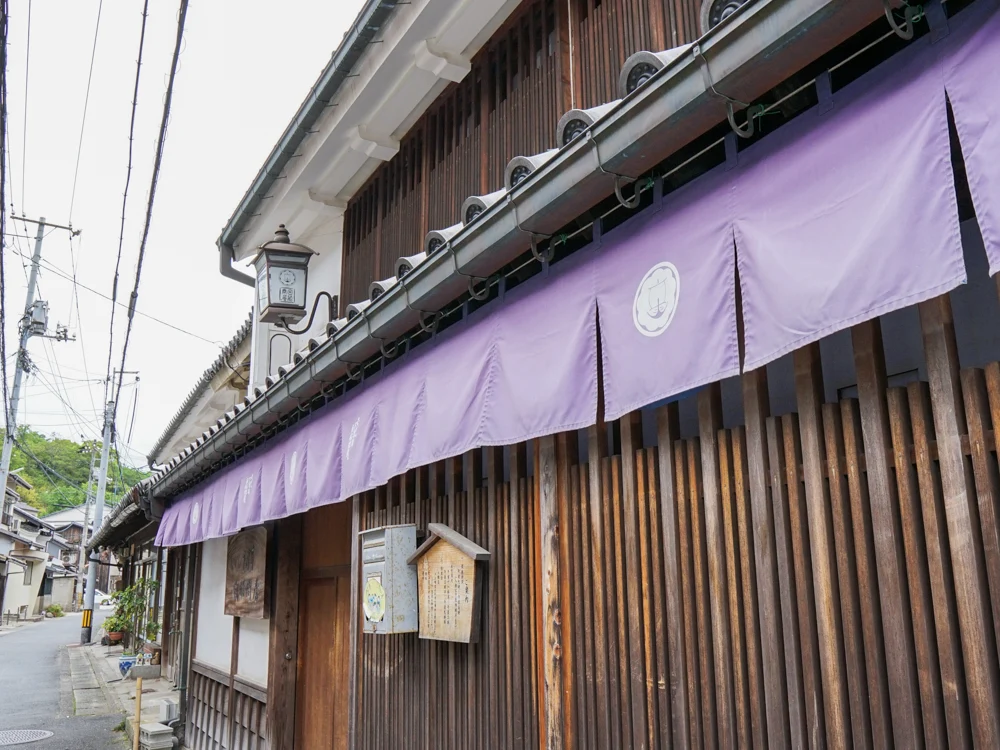
We have established exhibition spaces for Japan Heritage in three locations: Kurashiki, Kojima, and Tamashima.
As a base for information dissemination, we are conducting video screenings and panel exhibitions about the cultural properties that make up Japan Heritage.
Below are the facilities that are exhibiting Japan Heritage.
| Location | Facility Name |
|---|---|
| Kurashiki Riverbank Traditional Building Preservation District | Kurashiki City Kurashiki Monogatari-kan |
| Tamashima Townscape Preservation District | Old Yunoki House (Saiso-tei) |
| Shimotsui Townscape Preservation District | Shimotsui Shipping Agent Museum |
Introduction to the Japan Heritage Promotion Office
Purpose of the Japan Heritage Promotion Office
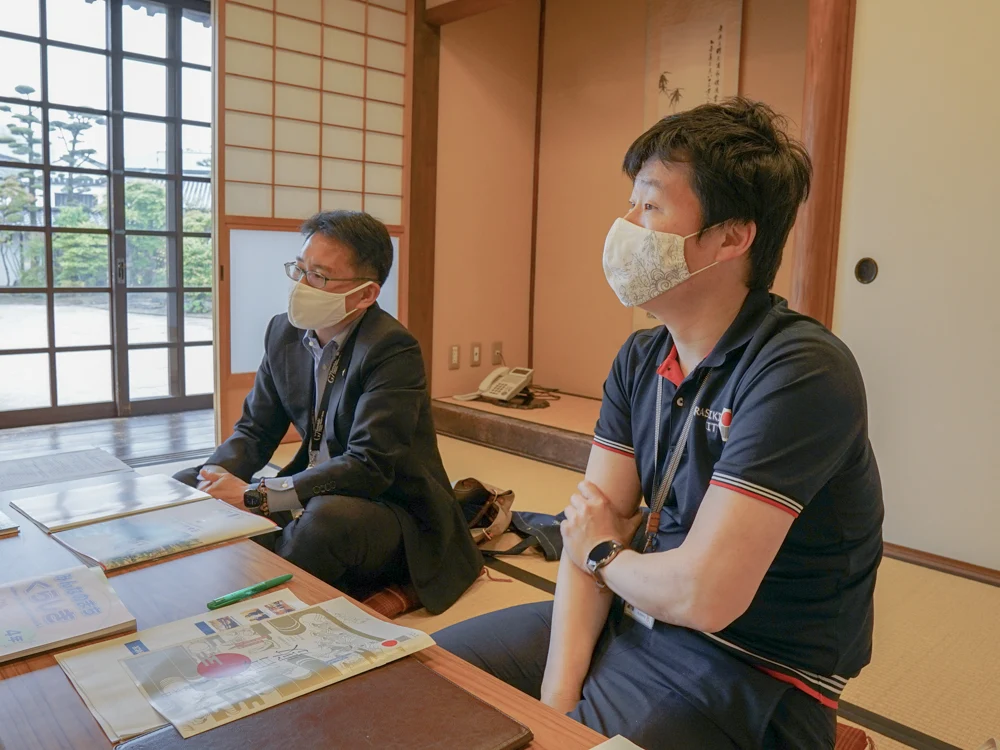
What is the purpose of Japan Heritage?
Ikeda (no honorifics)
The purpose is to make the people living in Kurashiki aware that there is a wonderful history and culture in Kurashiki, and to instill pride in the region.
For local people, historical buildings, culture, and industries are familiar, so a trigger is needed for them to realize their great value.
Therefore, we aimed to systematically organize the rare value and historical importance of historical and cultural properties so that local governments and residents can understand them as stories, and to have them recognized as Japan Heritage.
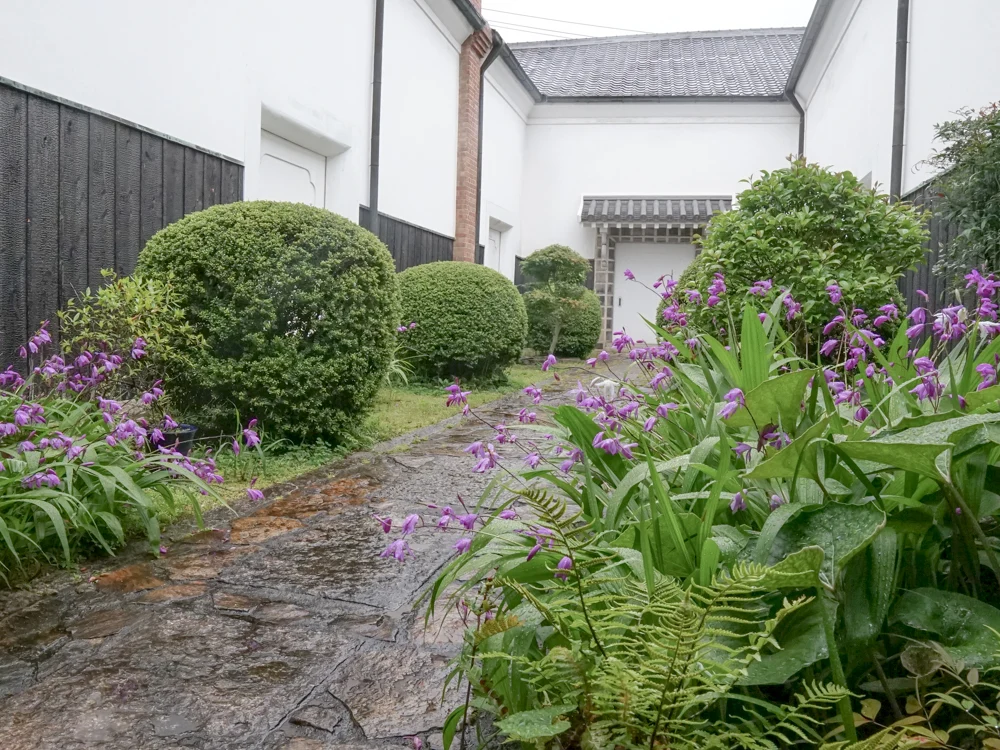
We hope that people will recognize the value of the history and cultural properties in Kurashiki and rediscover their charm.
Efforts for regional revitalization can only be advanced because of the affection for the region.
We believe that the historical landscape and cultural properties can serve as a catalyst for regional revitalization.
What is the difference between the conventional utilization of cultural properties and Japan Heritage?
Ueda (no honorifics)
The key point is that it is not about the protection of cultural properties, but rather utilizing them for regional revitalization.
From the perspective of preserving cultural properties, the best approach is not to disclose them.
However, simply preserving valuable cultural properties does not lead to regional revitalization.
Of course, we are also utilizing the disclosure of cultural properties for tourism, but simply bringing people in temporarily from outside does not equate to regional revitalization.
What is important is that local people realize that there are treasures in their region and develop affection and pride.
Rather than the government unilaterally promoting town revitalization, we are trying to create a foundation for residents to actively engage in enhancing the town.
The work of the Japan Heritage Promotion Office is not only about the protection of cultural properties and tourism, but also helping residents recognize the charm of Kurashiki.
Characteristics of the Japan Heritage Promotion Office
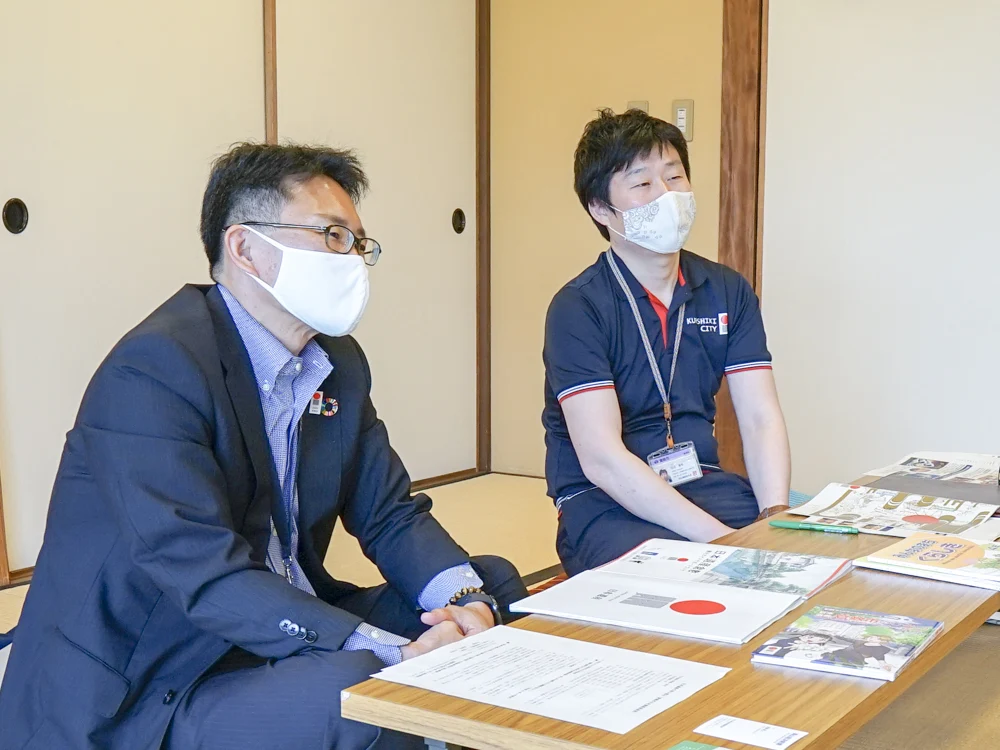
What kind of system do you have in place to carry out your work?
Ueda
It is rare for a local government to have a department dedicated to the utilization of Japan Heritage.
In other local governments, it is common for the tourism department or the cultural property-related division of the education board to handle Japan Heritage-related tasks.
The cultural property division alone may lack the knowledge and connections needed to advance work in collaboration with the community.
Therefore, in Kurashiki City, a specialized department for Japan Heritage has been established, and by assigning personnel who also work in other departments, a system has been built where each department can cooperate in their areas of expertise.
Ikeda
The people utilizing Japan Heritage within Kurashiki City are not just the local government.
Individuals and companies active in various fields are participating, and it is seen as important for the collective will to promote Japan Heritage for regional revitalization.
To leverage the connections that each department has with individuals and companies, a system that transcends departmental boundaries has been established.
Is there anything you are particularly focusing on?
Ikeda
Starting from the 2022 academic year, a new class called Comprehensive Inquiry Time will be introduced in high schools.
To make it easier to incorporate Japan Heritage into high school inquiry activities, the Japan Heritage Promotion Office has started providing activity funding to schools that take up themes related to Japan Heritage.
In the 2019 academic year, 4 schools implemented activities related to Japan Heritage, and in the 2020 academic year, 6 schools did so.
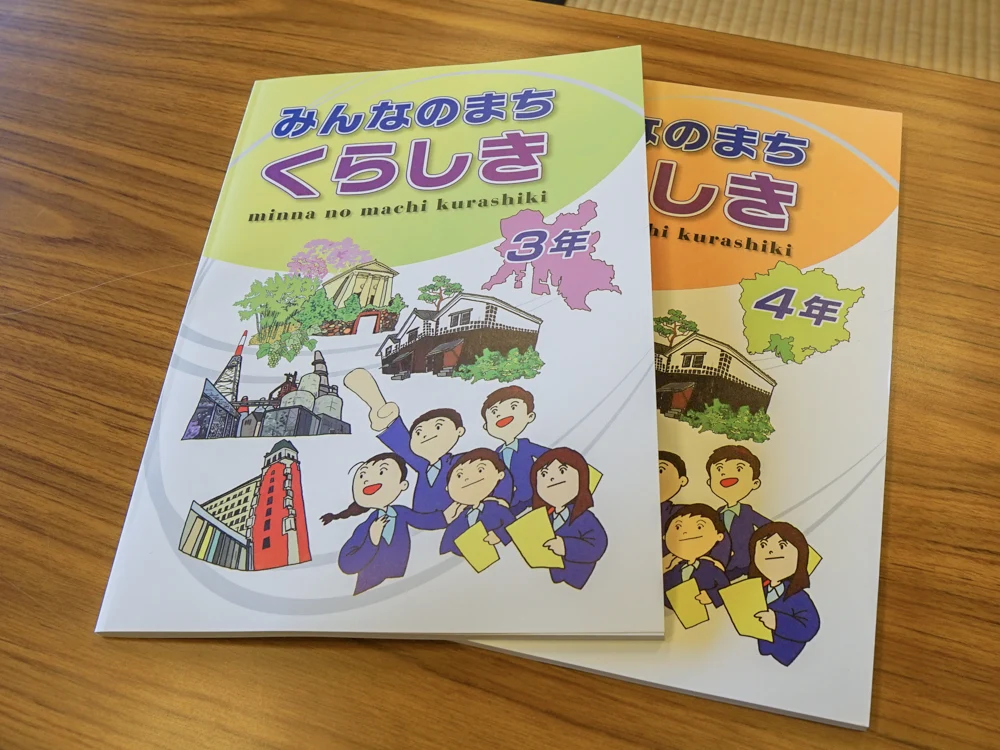
So far, we have conducted initiatives with students, such as growing cotton, a local specialty, and creating promotional videos for tourism.
Japan Heritage is an excellent theme for inquiry activities.
I would like to teach about Japan Heritage in the educational field while collaborating with schools.
Recommended Japan Heritage
Please tell us about recommended Japan Heritage.
Ikeda
【A Kurashiki story beginning with a single cotton flower - A town of textiles woven from harmony of Japanese and Western】
The picturesque townscape of Kurashiki that remains today was born from the cultivation of cotton that began 400 years ago.
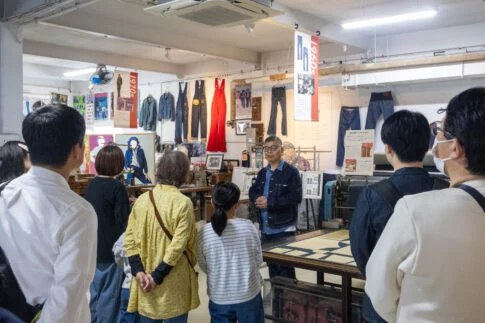
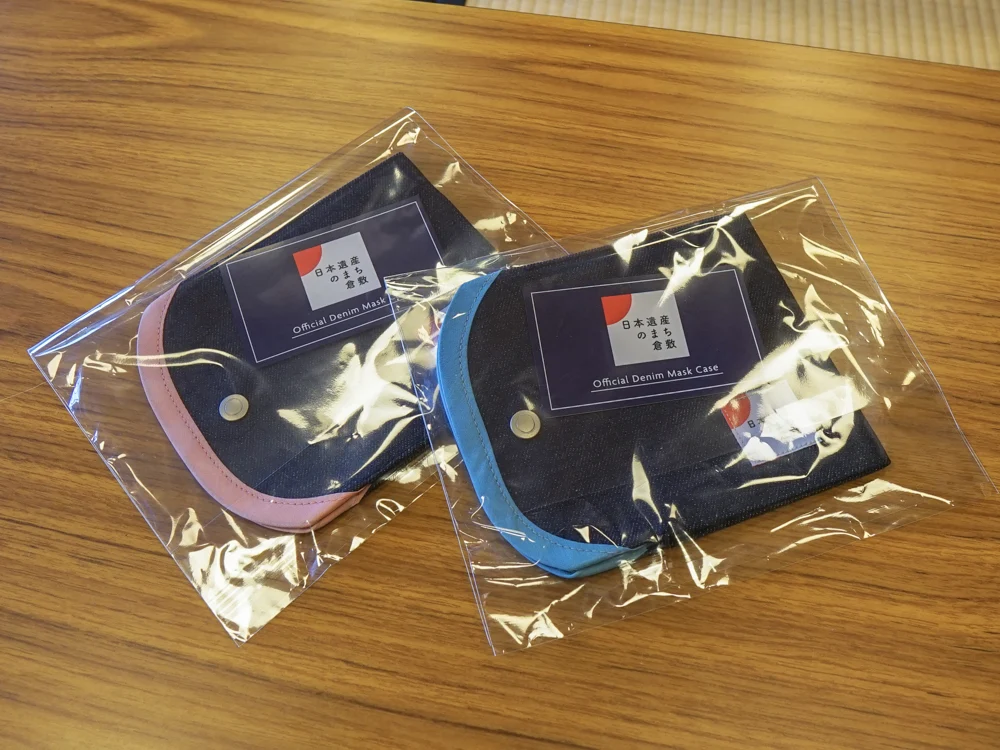
I hope you will take and purchase denim products, which symbolize the origin of Kurashiki's culture.
【A different world entwined with the dreams of men who overcame the stormy seas - The port of Kitamae ships and the shipowners' village】
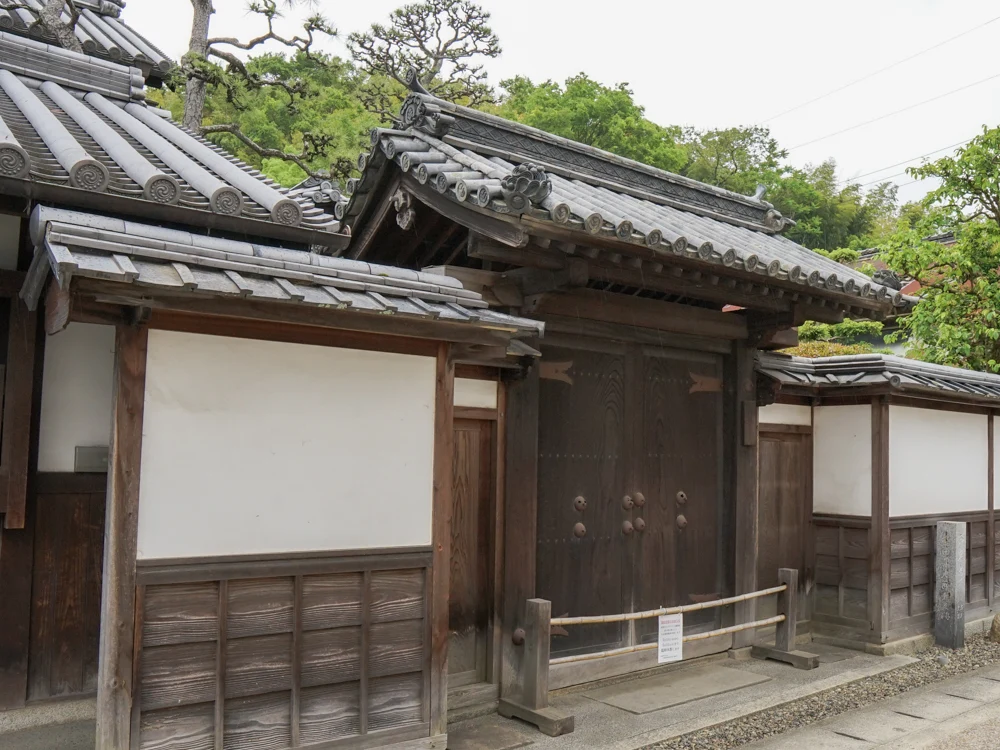
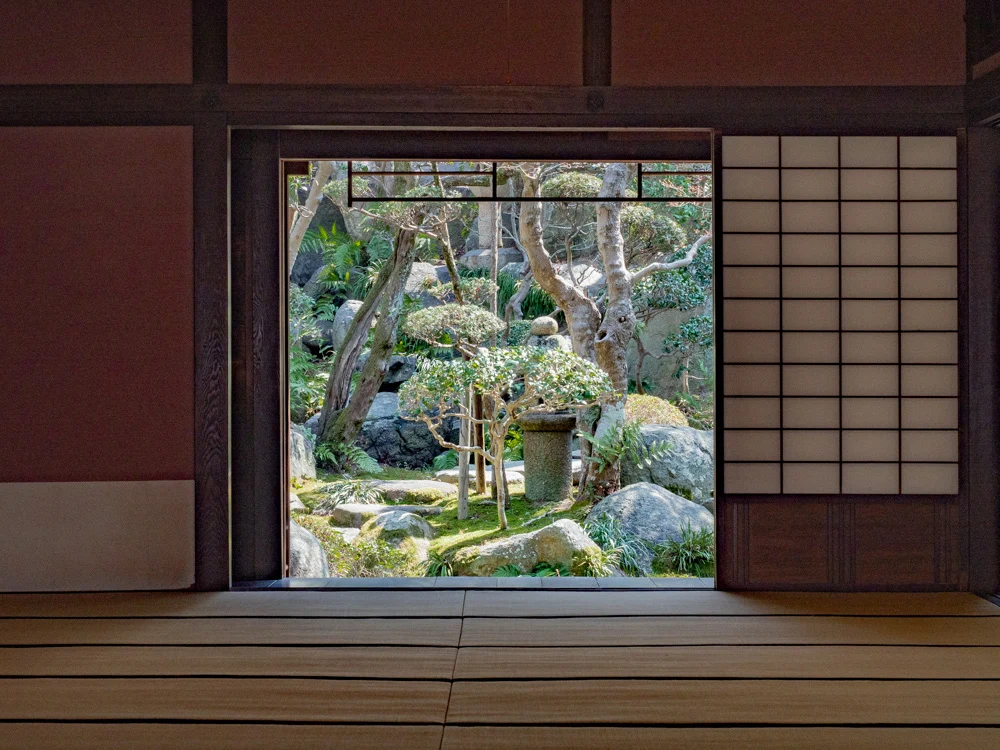
I would like you to visit the Old Yunoki House (Saiso-tei) in Tamashima.
This large residence was originally inhabited by a person who served as a village headman in the Bitchu Matsuyama Domain.
Inside the stately building, a space filled with history unfolds.
【Okayama, Birthplace of the Legend of Momotaro - The ancient Kibi heritage invites the story of demon subjugation】
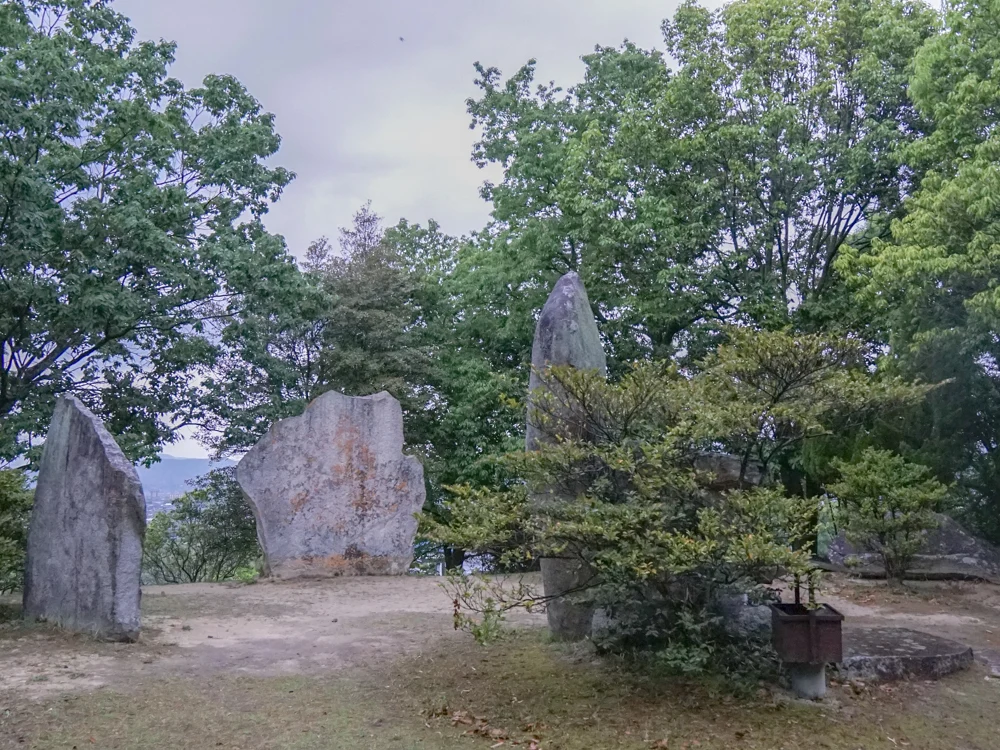
The Tatetsuki Site, which remains from the ancient Kibi period, is a place I hope you will visit.
The sight of five giant stones lined up on a hill with a diameter of about 50 meters and a height of 5 meters is unique.
Hearing about the Japan Heritage Promotion Office's projects
Perhaps because there were no scenic places or historical buildings in the town where I grew up, I never felt a sense of hometown love.
I think I had no interest in the town at all.
However, when I started living in Kurashiki, I felt proud that there was a tourist destination where many people came to visit in the town I live in, and I came to understand my attachment to the town.
I believe that historical buildings and ruins have their own long stories that accompany them, which is what creates their captivating charm.
By learning the stories behind the attractive landscapes of the town, I felt that more people would come to love Kurashiki.
Articles about Japan Heritage in Kurashiki City