Whether or not it is used depends on the person, but "Community Centers" can be found all over Japan.
Since they are often used for courses and交流 (interaction) purposes for local residents, it is not uncommon for them to be located within residential areas.
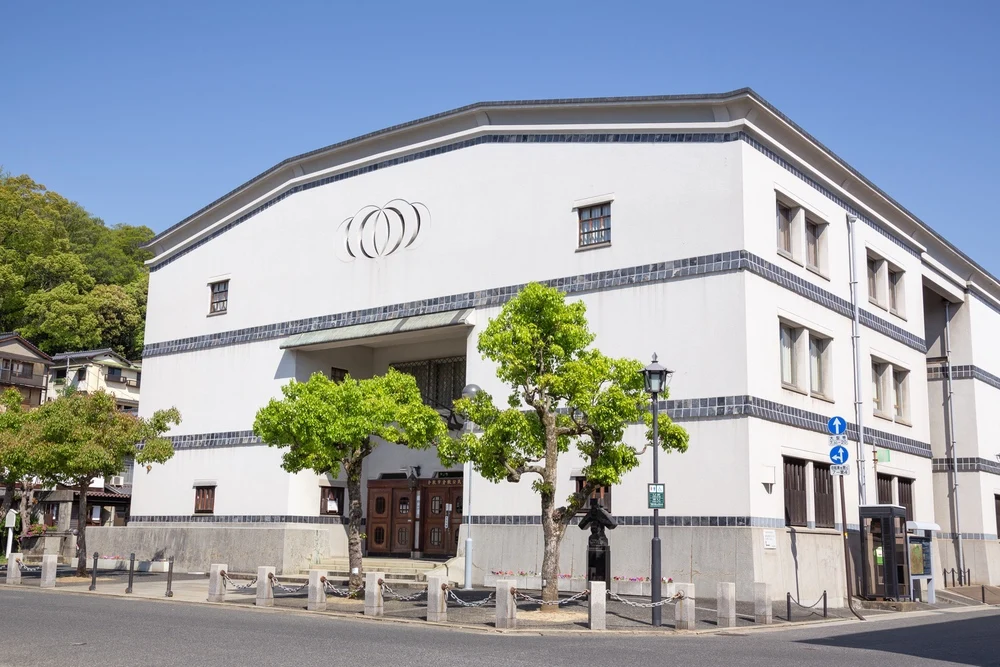
The "Kurashiki Community Center," located on Honmachi Street in the center of the Bikan Historical Area, has the same position as other community centers as a facility, but it is a rare community center in the sense that it is located right in the middle of a tourist area.
This article introduces the "Kurashiki Community Center" as a social education facility used by citizens.
What is the Kurashiki Community Center?
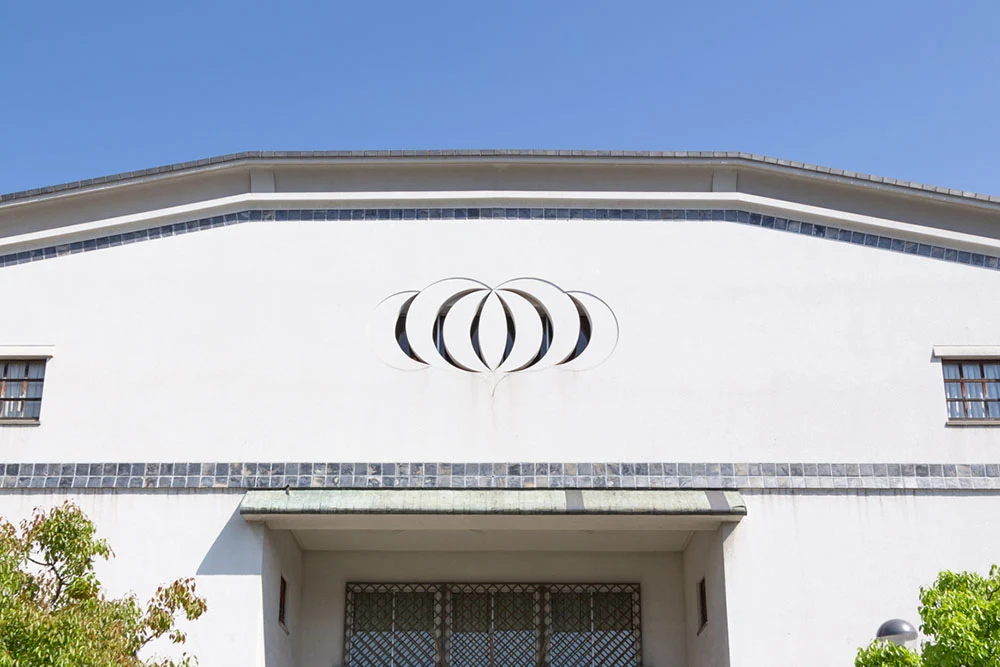
The predecessor of the Kurashiki Community Center, the "Kurashiki Cultural Center," was established on October 3, 1969 (Showa 44) after Ohara Soichiro donated 10 million yen to Kurashiki City for the construction of the Music Library.
Later, in 1983 (Showa 58), the adjacent city library moved to its current location (2 Chuo, Kurashiki City) as the Central Library, and the name was changed to "Kurashiki Community Center," which remains to this day.
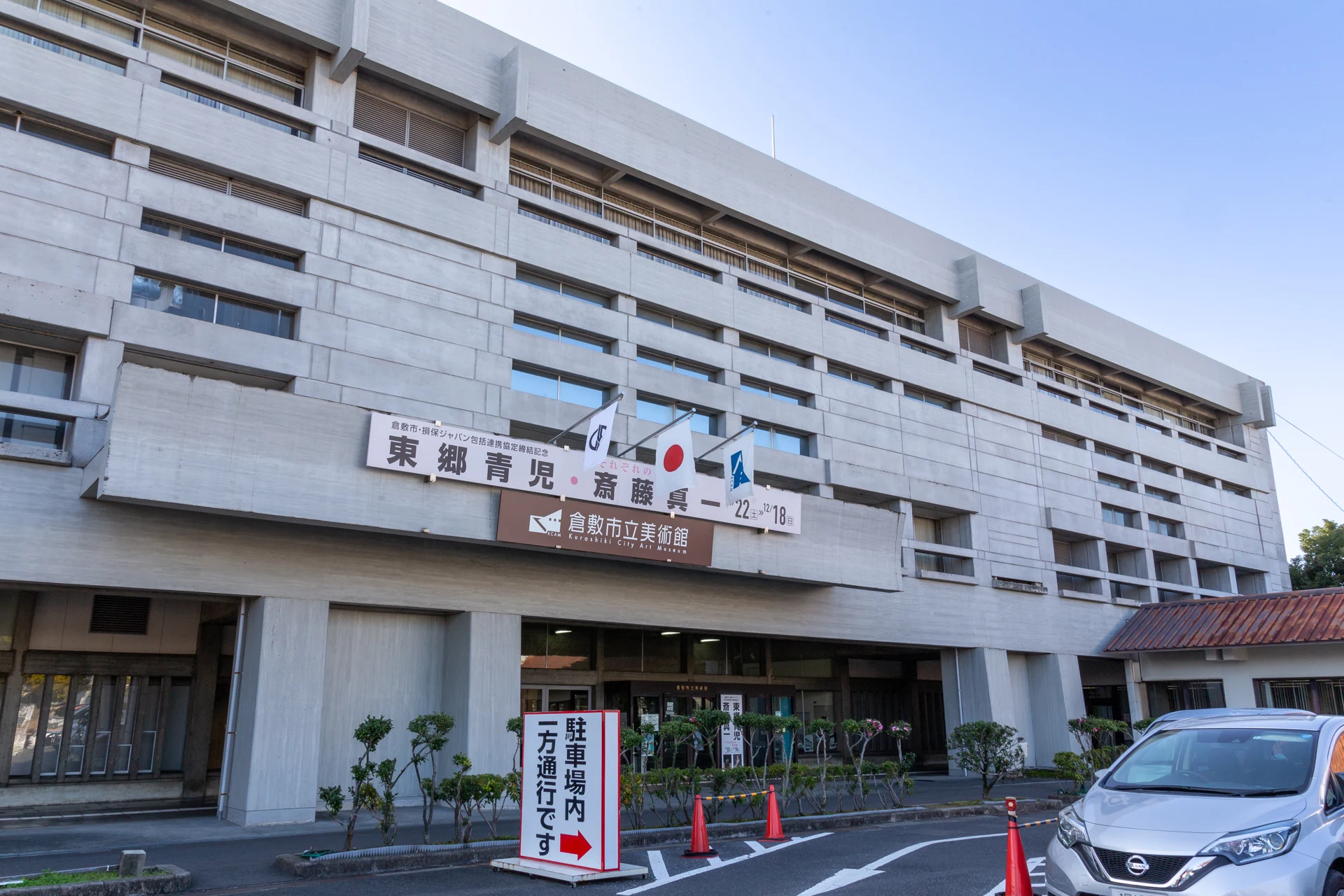
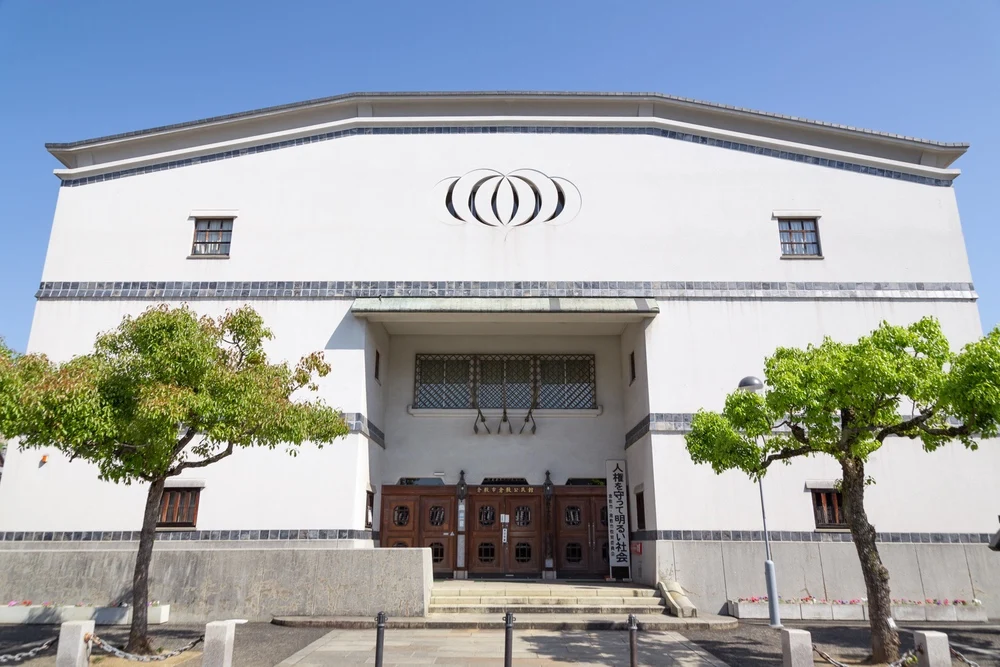
A major feature of its exterior is the spacious, gently sloping "big roof."
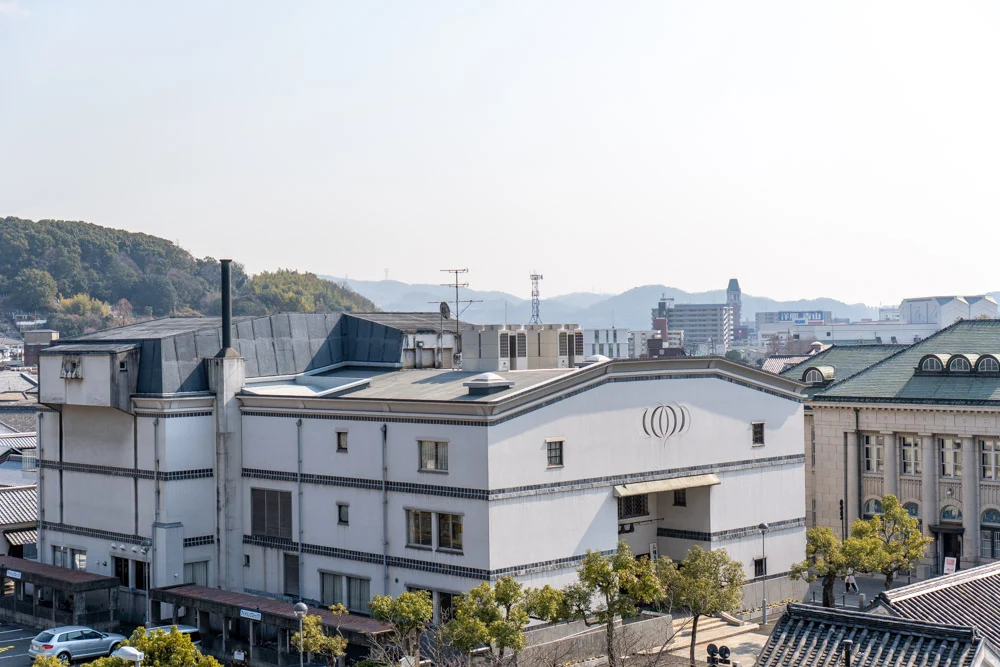
It is said that this was inspired by the "three-story storehouse of the Ono family," which once stood on the grounds of the Kurashiki Community Center.
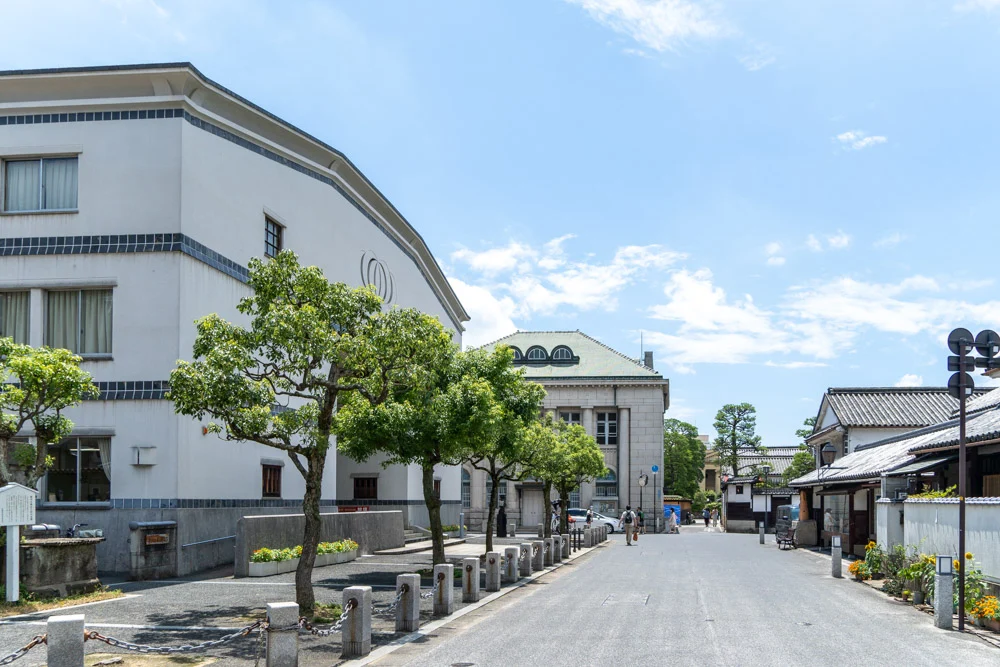
Thus, it has a different origin from a "normal community center," but over 50 years have passed since its completion, and together with the "New Kojima Hall (formerly the China Bank Kurashiki Honmachi Branch)" across the street, it has become a building that harmonizes with the Bikan Historical Area.
Community Centers as "Social Education Facilities" for Lifelong Learning
Community centers are positioned as "social education facilities" for citizens' lifelong learning, and are defined as follows.
As the most accessible lifelong learning facility in the community, it conducts courses tailored to the characteristics of the area, provides learning information, and offers facilities for training and meetings, thereby supporting lifelong learning activities of local residents and promoting vibrant human development and the creation of livable communities.
Source: "Operational Policy" on the Kurashiki Community Center website
The "Kurashiki Community Center" is located in a tourist area known as the Bikan Historical Area, and since it also offers rental rooms, some may think of it as a facility like a "Civic Hall" that hosts events.
However, its functions are no different from those of a traditional community center.
For this reason, there are certain restrictions, such as that it cannot be used for profit-making purposes.
The Kurashiki Community Center is one of the four "Core Community Centers" in Kurashiki City
In Kurashiki City, there are four "Core Community Centers" that oversee the district community centers, and 24 "District Community Centers" that target middle school districts, all managed and operated by the administration based on the Social Education Act.
Additionally, there are community centers established and operated by residents themselves, known as "Autonomous Community Centers."
These are referred to by various names such as neighborhood community centers and meeting places, and since they are not managed by the administration, they are used more freely, such as for buying and selling goods or holding campaign speeches during elections.
The Kurashiki Community Center is one of the core community centers, and as of July 2022, it has 12 staff members working there.
- Kurashiki Community Center
- Mizushima Community Center
- Kojima Community Center
- Tamashima Community Center
Operations of Community Centers
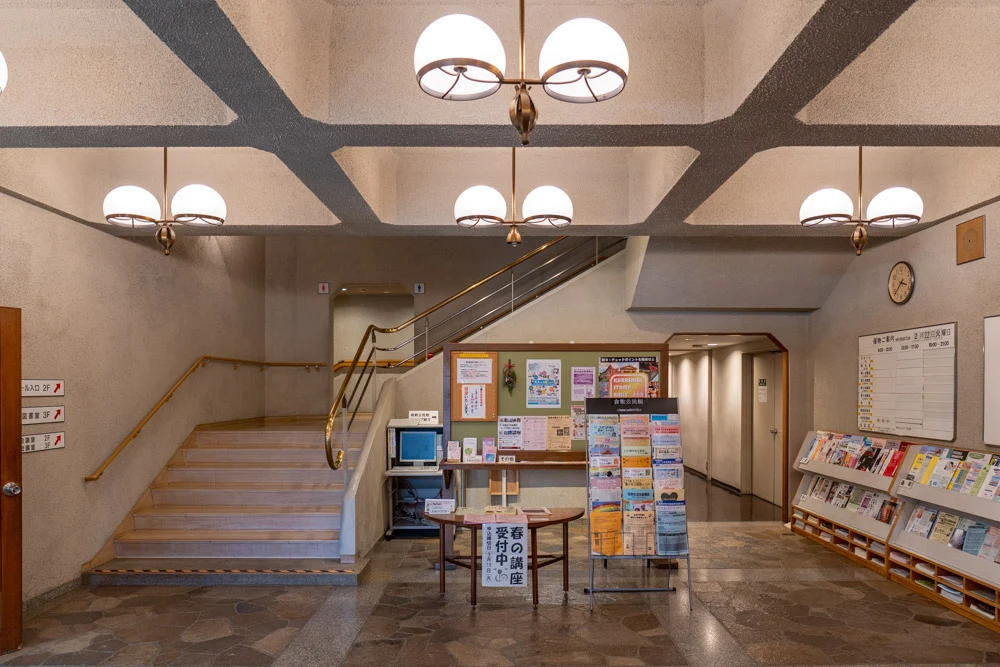
The operations of the Kurashiki Community Center can be broadly divided into three categories.
- Planning and operation of sponsored courses
The content of the sponsored courses varies widely. They range from seminars and lectures to singing classes, sign language, English conversation, and exercise classes, all planned by community center staff (instructors). - Development and guidance of "Community Center Groups"
"Community Center Groups" are gatherings of enthusiasts who engage in self-directed lifelong learning activities based at the community center. There are various groups in fields such as lifestyle, humanities, arts, and health, and they serve as venues for lifelong learning and building friendships. - Implementation of human rights education and promotion projects
In conjunction with community-sponsored human rights education lectures, various projects are carried out in collaboration with human rights learning promotion committees organized within each middle school district, aiming to raise awareness of human rights and build a culture of human rights.
Additionally, the facility is available for rental (rental facilities) for residents' meetings and other public uses.
Some may think that the "rental facility operations" are the main focus.
However, the main operations of the community center are the courses it sponsors and the development and guidance of community center groups, and facility use is prioritized for these activities.
Characteristics of Community Center Programs (Courses)
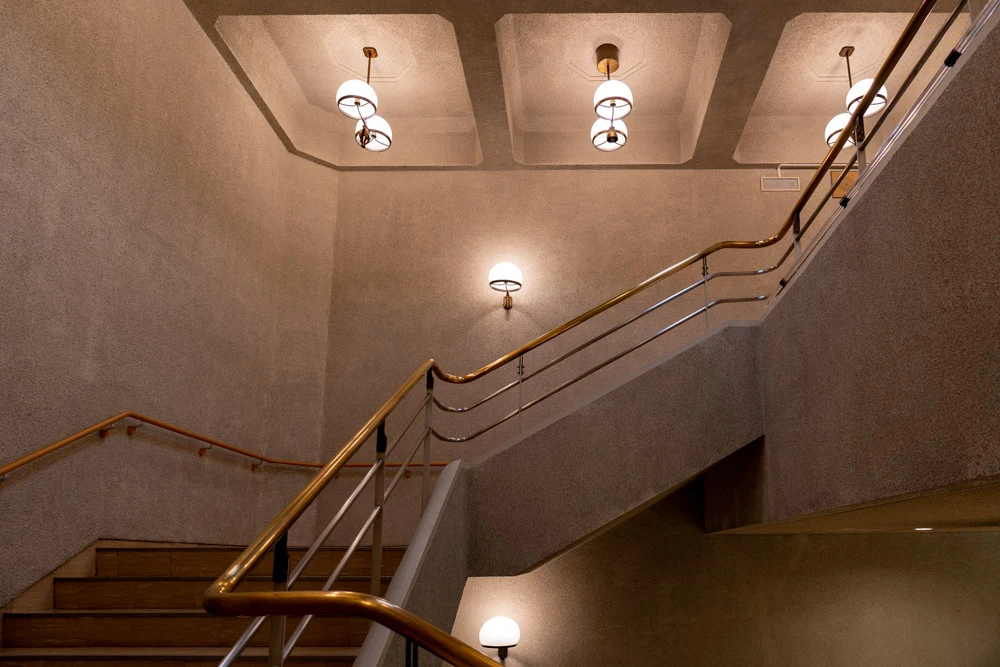
The main business of the community center is the planning and operation of courses, but it differs somewhat from hobby-oriented courses offered by private facilities.
The characteristics of community center programs (courses) can be summarized as follows:
- Mutual learning
- Contribution to the community
- Enriching the lives of local residents
Mutual learning
General courses often proceed in a way where one learns alone, like correspondence education, or where the instructor speaks unilaterally.
At the community center, participants encourage each other, engage in friendly competition, and value communication with the instructor.
It is characterized by the fact that not only the instructor but also the participants work together to run the course and create the learning experience together.
Contribution to the community
What is learned at the community center should not be kept to oneself, but rather the knowledge gained should be returned to the community and its people.
It is not just about completing a course.
Enriching the lives of local residents
The community faces various challenges, which differ depending on the area.
One means of solving these challenges is through learning.
Community center staff keep an eye on the community, work together with residents to address concerns, provide necessary assistance, and connect them to more specialized organizations, thereby supporting residents' learning.
"Rental Facilities" of the Kurashiki Community Center
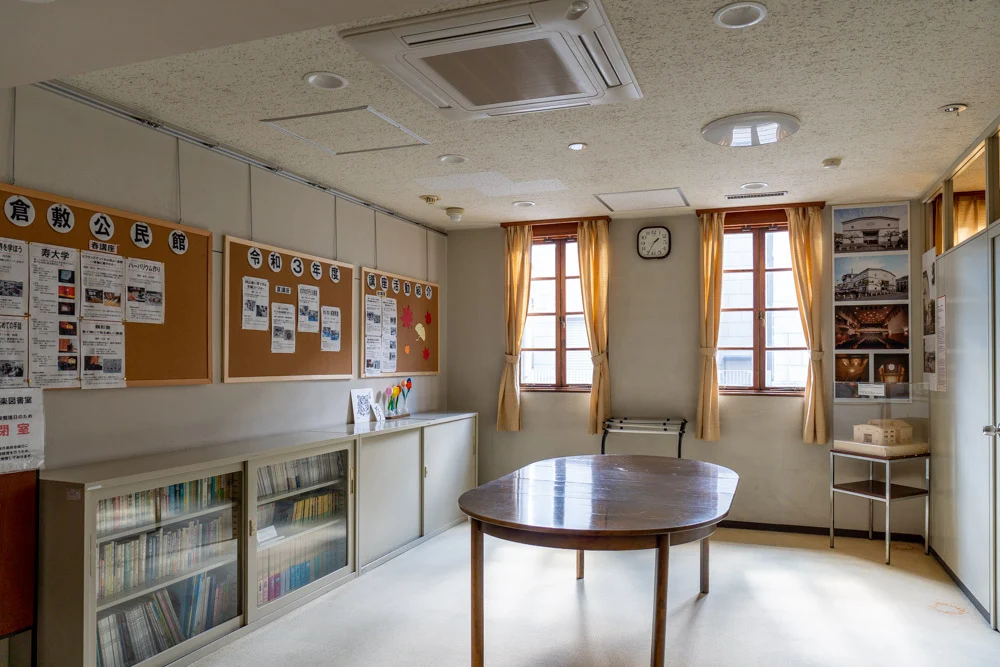
During times when there are no sponsored courses or community center group activities, the facility can also be rented out to general organizations.
The rental facilities of the Kurashiki Community Center are as follows:
| Room Name | Content |
|---|---|
| Main Hall | For concerts, lectures, etc. Capacity: 387 people |
| Exhibition Room | For exhibitions of arts and crafts. Area: 93.02 square meters |
| Cooking Practice Room | For cooking practice and training. Capacity: 36 people |
| Japanese-style Room | Capacity: 30 people. Wide room: 21 tatami mats, tea room: 4.5 tatami mats |
| Conference Room 1 | Capacity: 30 people |
| Conference Room 2 | Capacity: 70 people |
| Conference Room 3 | Capacity: 25 people |
| Conference Room 4 | Capacity: 50 people |
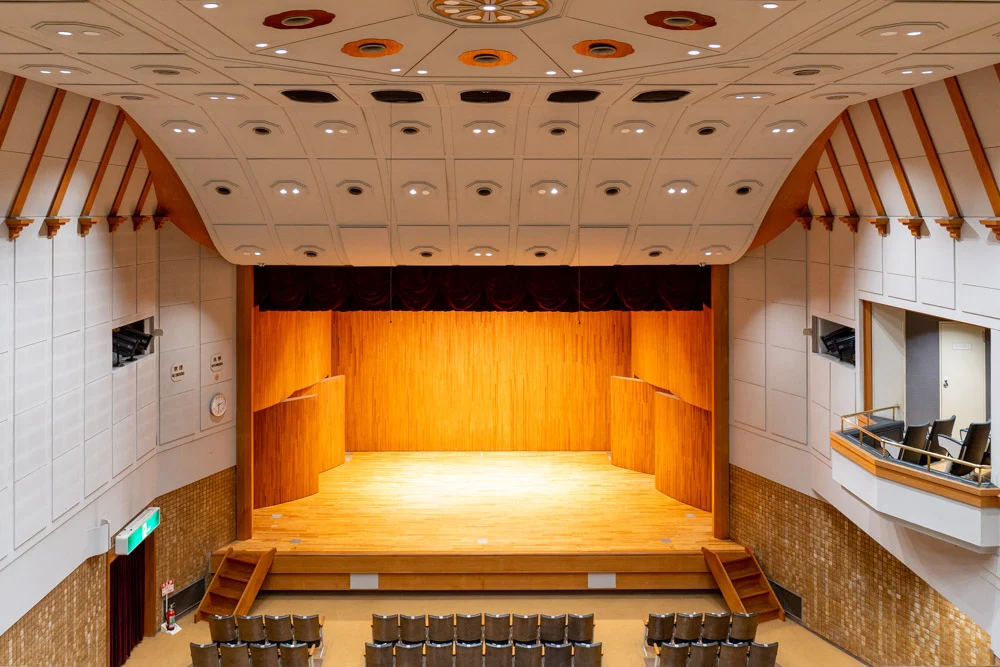
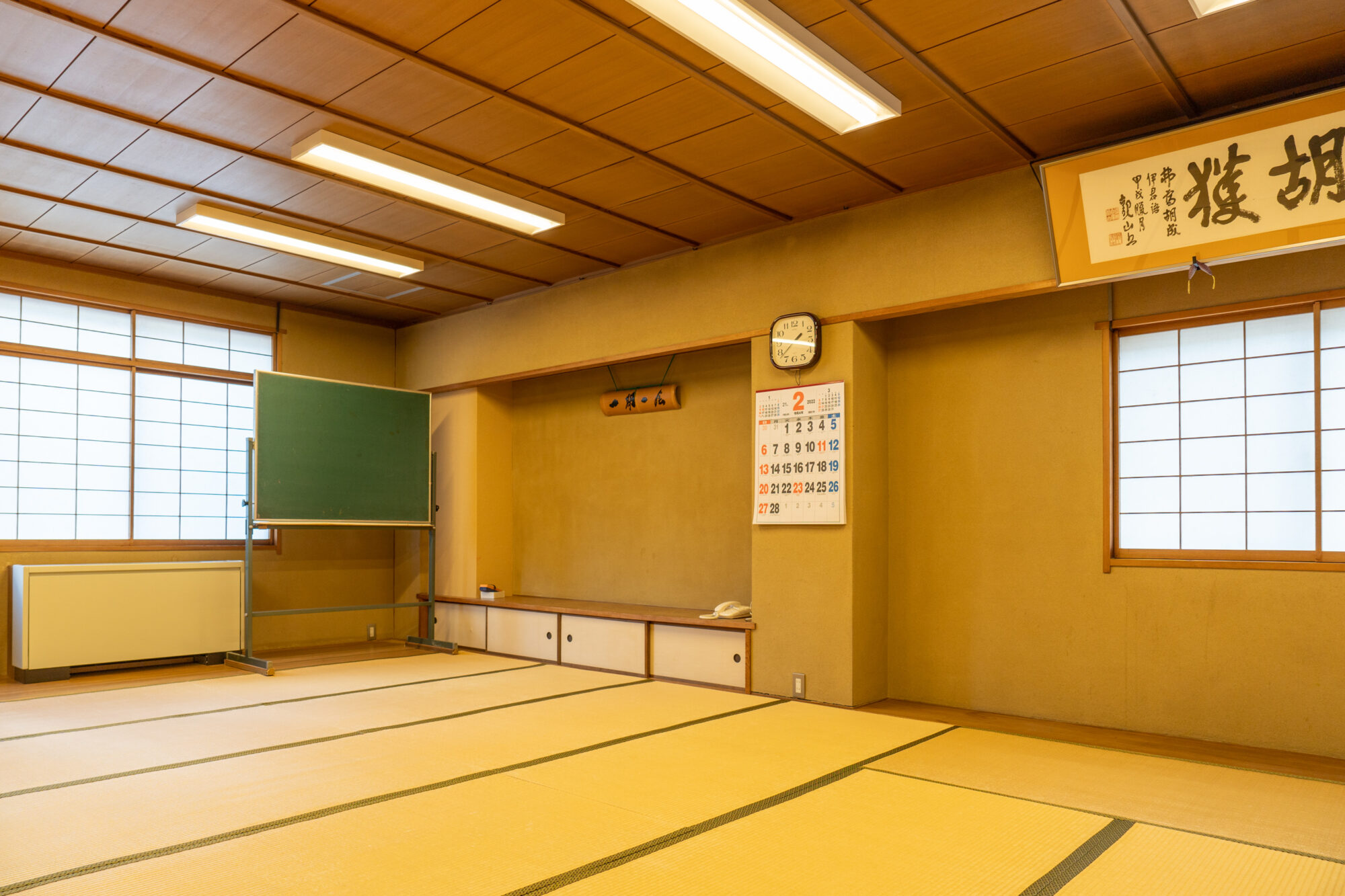
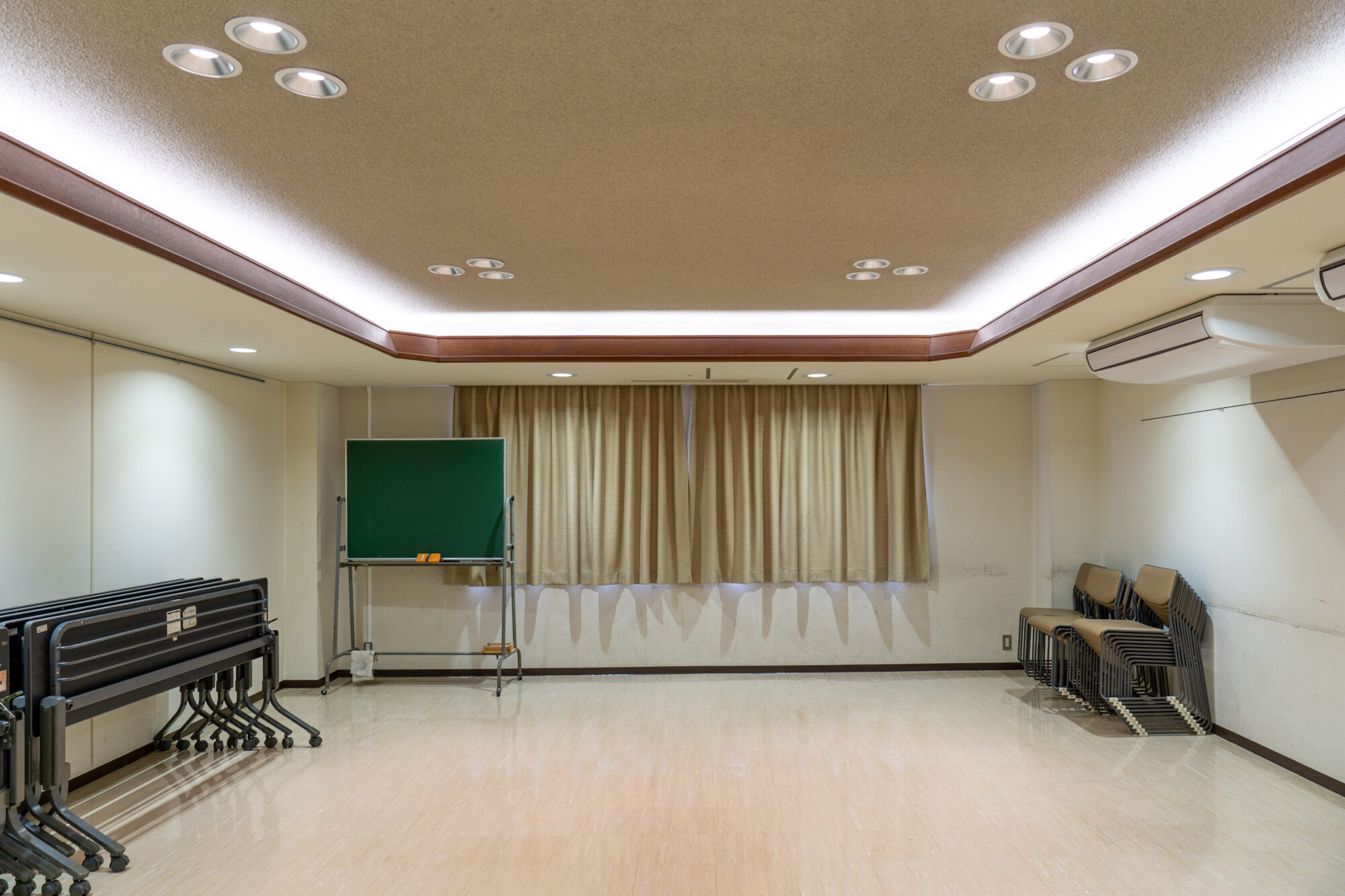
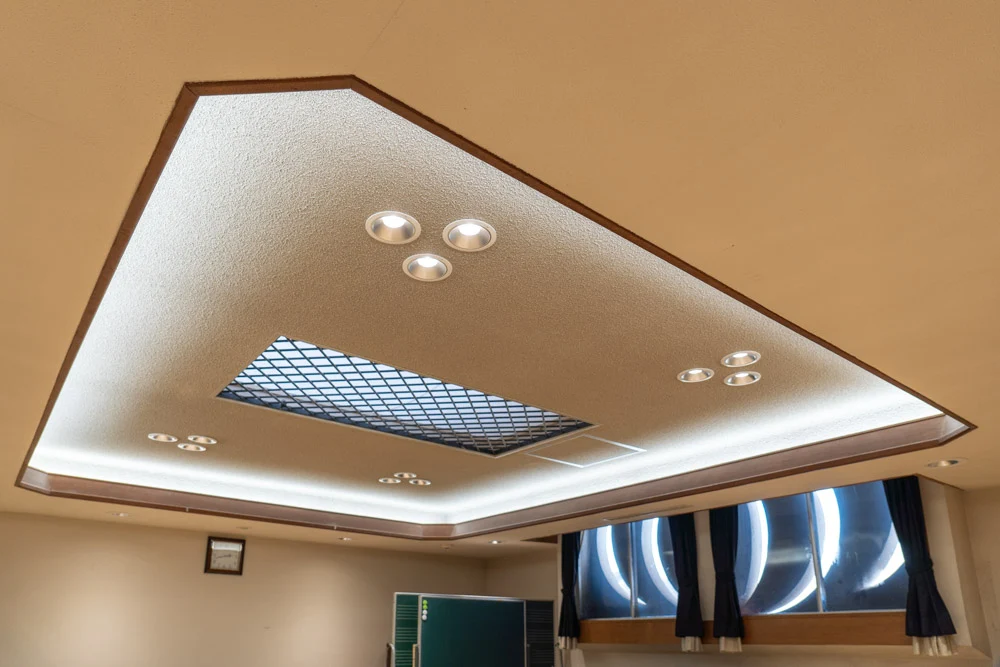
Reservations for conference rooms can be made starting two months before the usage date, while the main hall can be reserved starting six months before, and the exhibition room can be reserved starting from the first day of the month six months prior to the usage month. Reservations can be made at the Kurashiki Community Center office.
Please note that, according to the Social Education Act and other regulations, the community center cannot be used in the following cases:
- For profit-making purposes.
- To support or oppose a specific political party.
- To support a specific religion.
- In other cases where there may be management issues, usage may be restricted.
"Music Library" with approximately 4,000 SP records available for listening on a phonograph
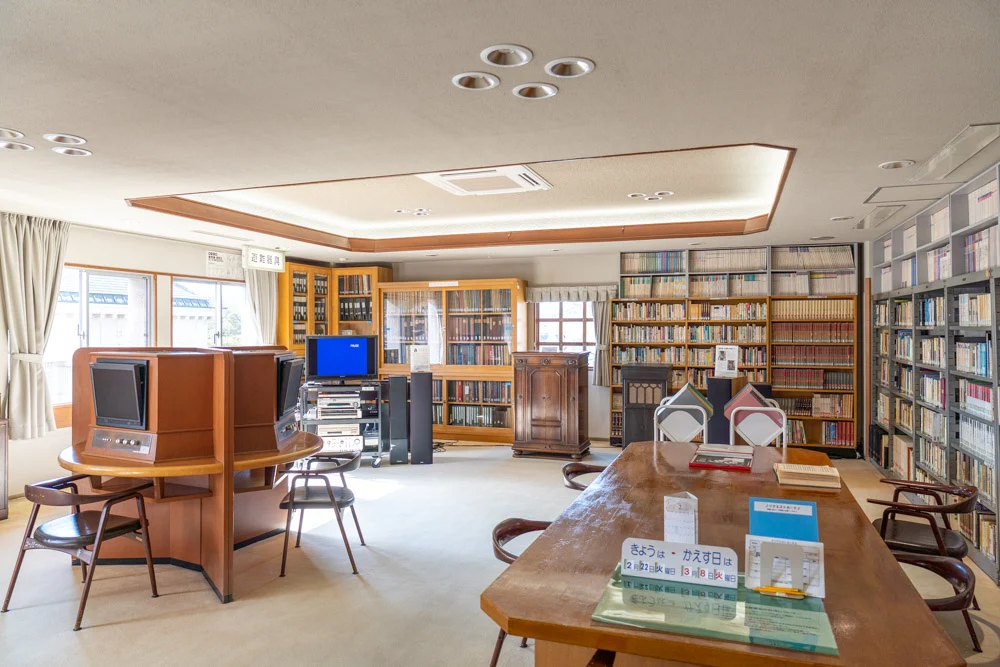
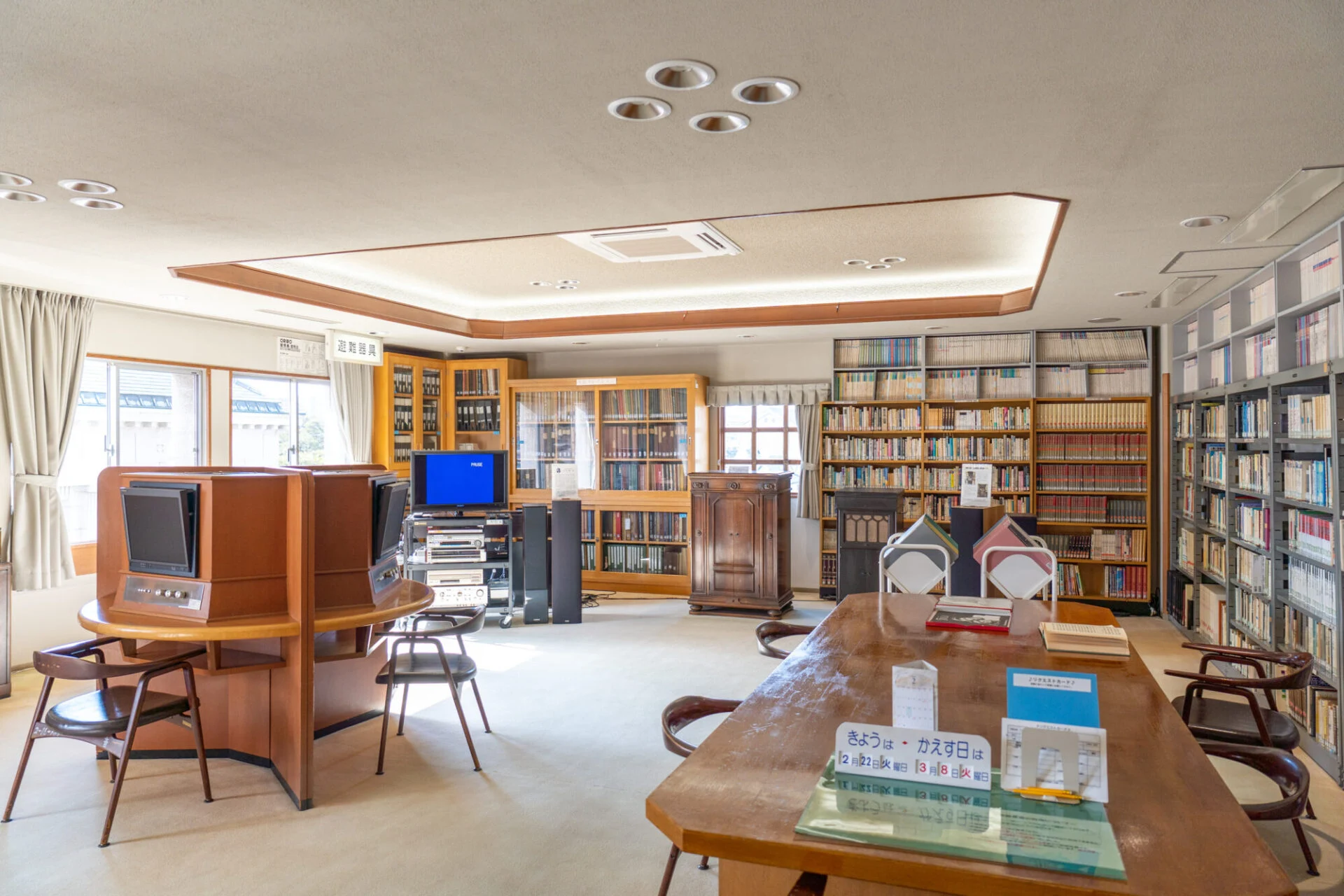
Kurashiki Community Center has a special facility that is not found in other community centers. That is the "Music Library."
In 1953, Mr. Ohara Soichiro, who worked hard for the post-war development of Kurashiki City, made a donation of 10 million yen to Kurashiki City, which was realized through the passionate desire of the citizens for construction.
At the same time, about 2,000 SP records were donated and are being utilized as the "Ohara Collection."
Later, two phonographs that Mr. Soichiro loved were also donated by his eldest son, Kenichiro, and they continue to delight the ears of visitors even today.
Community Center in the Heart of the Tourist Area
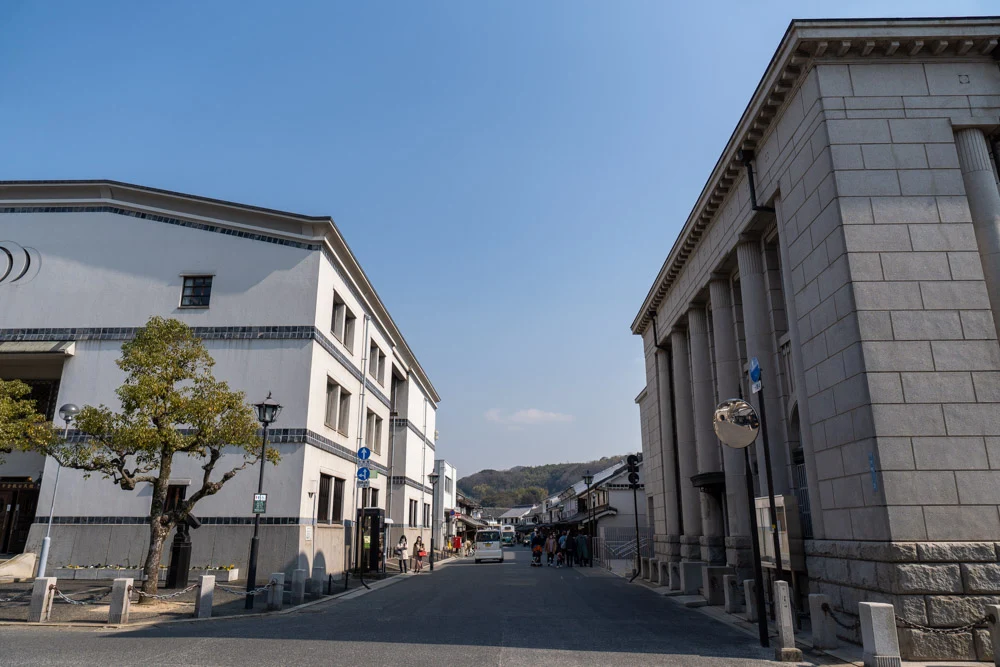
Since it is located right in the middle of the Bikan Historical Area, many people may think it is different from other community centers, but its position as a community center remains unchanged.
The basic positioning is as a social education facility that supports lifelong learning for citizens and an educational and cultural facility, but it seems that there are also many responses due to its location in a tourist area.
I believe that the Bikan Historical Area has not only the streetscape but also the lifestyle there has become a tourist attraction.
For this reason, having a social education facility for citizens within the now touristy Bikan Historical Area feels unique to Kurashiki, but what kind of work does Kurashiki Community Center do?
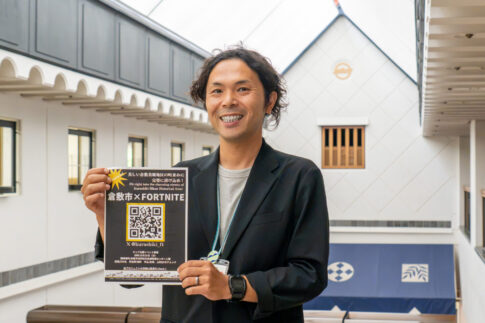
In the latter part of the article, I spoke with the director, Kusudo Tomoko.
Data on Kurashiki City Kurashiki Community Center
| Name | Kurashiki City Kurashiki Community Center |
|---|---|
| Location | 2-21 Honmachi, Kurashiki City, Okayama Prefecture |
| Contact | 086-423-2135 |
| Parking | Available |
| Opening Hours | 9:00 AM - 9:00 PM 9:00 AM - 5:15 PM |
| Closed Days | Monday ・Open if Monday is a holiday ・The next weekday if Monday is a holiday ・Year-end and New Year (December 28 - January 4) |
| Admission Fee (Tax Included) | Rental fees vary by room For details, refer to the Kurashiki Community Center website |
| Payment Methods |
|
| Reservations | Possible ※Reservations required by the day before ・Conference rooms can be reserved from two months before the usage date ・The large hall can be reserved from six months before the usage date ・Exhibition rooms can be reserved from the first day of the month six months before the usage month Applications can be made at the Kurashiki Community Center counter |
| Smoking | Completely non-smoking |
| Restrooms | Western-style restrooms |
| Barrier-Free | Barrier-free restrooms |
| Website | Kurashiki City Kurashiki Community Center |