
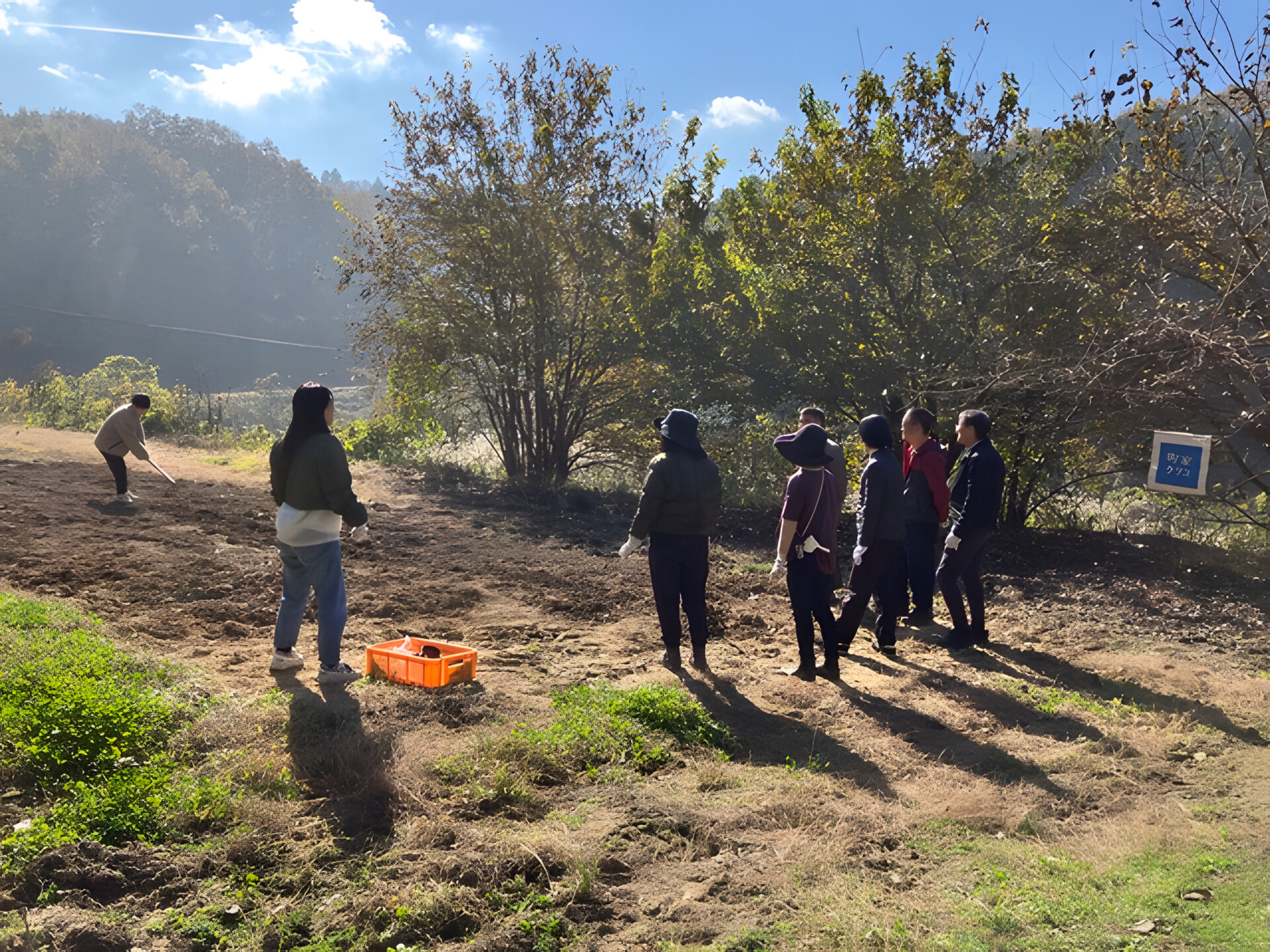
Have you ever wondered where the vegetables and rice on supermarket shelves are grown, or whose hands grow them? Perhaps it is not something we think about much in our everyday lives.
“Living in Bitchu: Machiya de Class,” held in historic streets and traditional townhouses across the Bitchu region, including Kurashiki, is back this year. In its 12th year, 2026, a new “Sowing Seeds Program” has begun, taking participants out of town to share farm work and meals in the mountainous countryside.
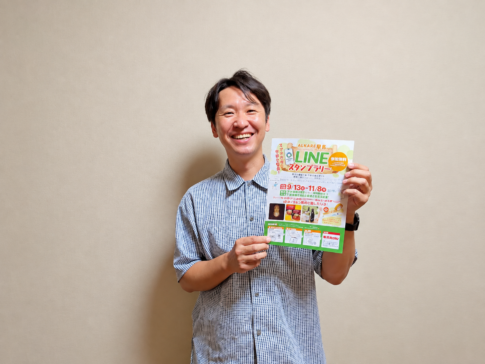
This article introduces this year’s highlights and noteworthy initiatives, based on an interview with Nakamura Yasunori, of the organizing Bitchu Streetscape Network.
The information presented is current as of the article’s publication in November 2026. Please note that it may differ from current information.
What is “Living in Bitchu: Machiya de Class”?
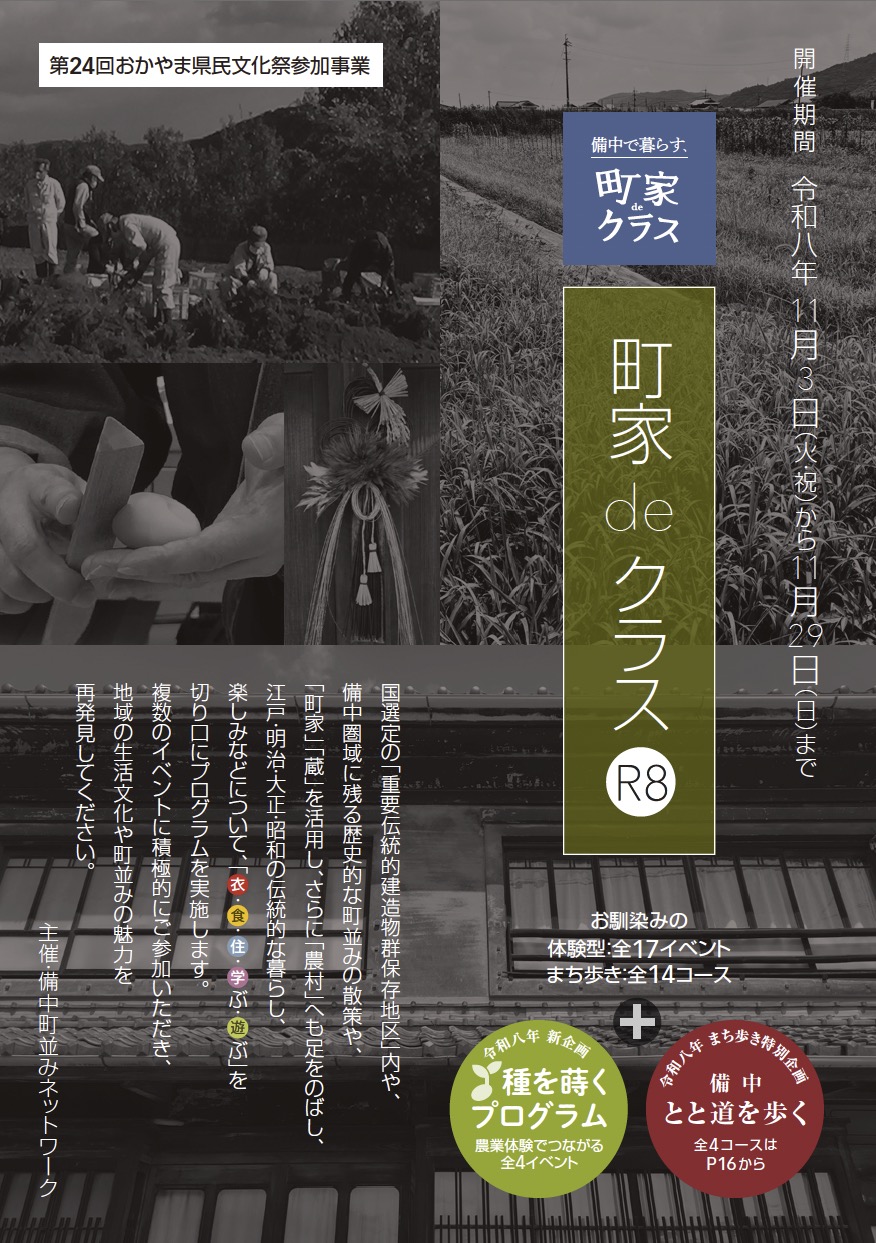
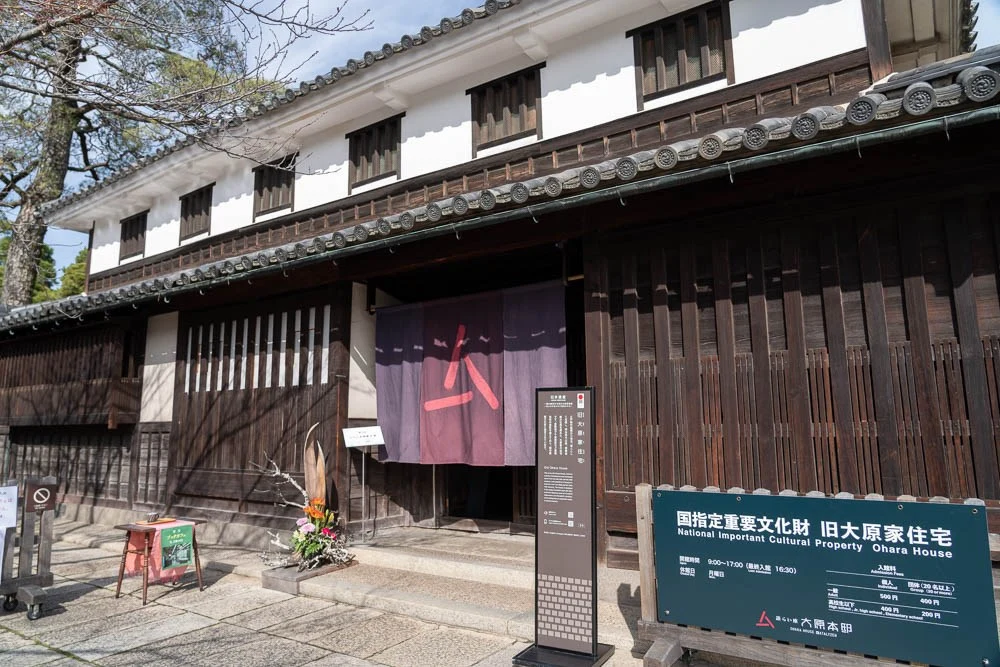
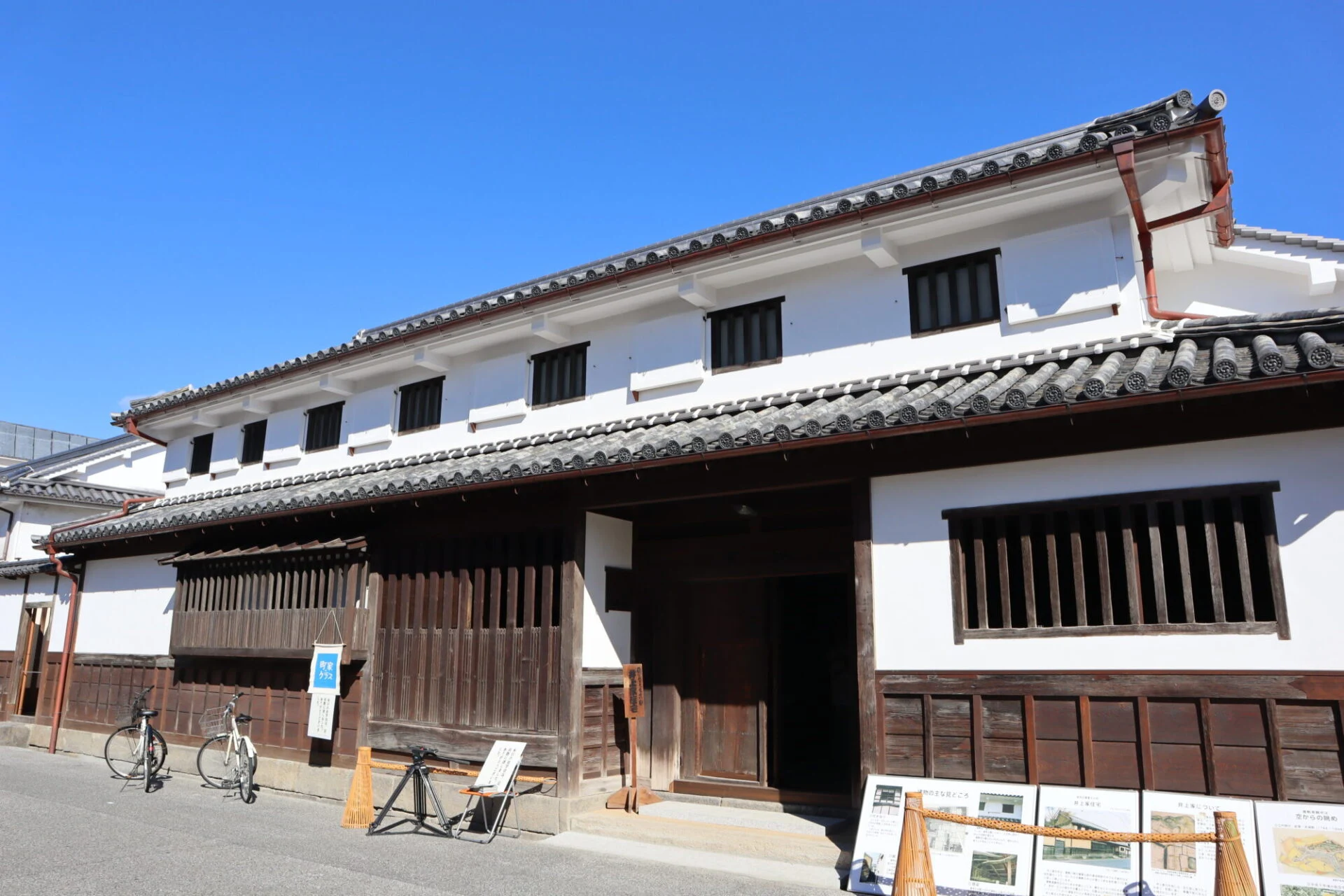
“Living in Bitchu: Machiya de Class” is a program of streetscape walks and hands-on activities organized by the Bitchu Streetscape Network. In historic streetscapes throughout the Bitchu region, including areas designated nationally as Important Preservation Districts for Groups of Traditional Buildings, participants can experience traditional ways of life and pastimes from the Edo, Meiji, Taisho, and Showa periods by exploring machiya townhouses and storehouses through the themes of clothing, food, housing, learning, and play.
In 2026, events are being held at locations throughout the Bitchu region for about a month, from Tuesday, November 3 (national holiday), to Sunday, November 29.
The organizing Bitchu Streetscape Network was established in 2014.
Streetscape preservation groups and local governments in the Bitchu region, including Kurashiki, Yakage, and Fukiya, work together with the Okayama Prefecture Bitchu Prefectural Office to preserve historic streetscapes and machiya for future generations.
The 2026 program is divided into the following four categories.
- New “Sowing Seeds Program” (4 programs in total)
- Regular hands-on events (17 programs in total)
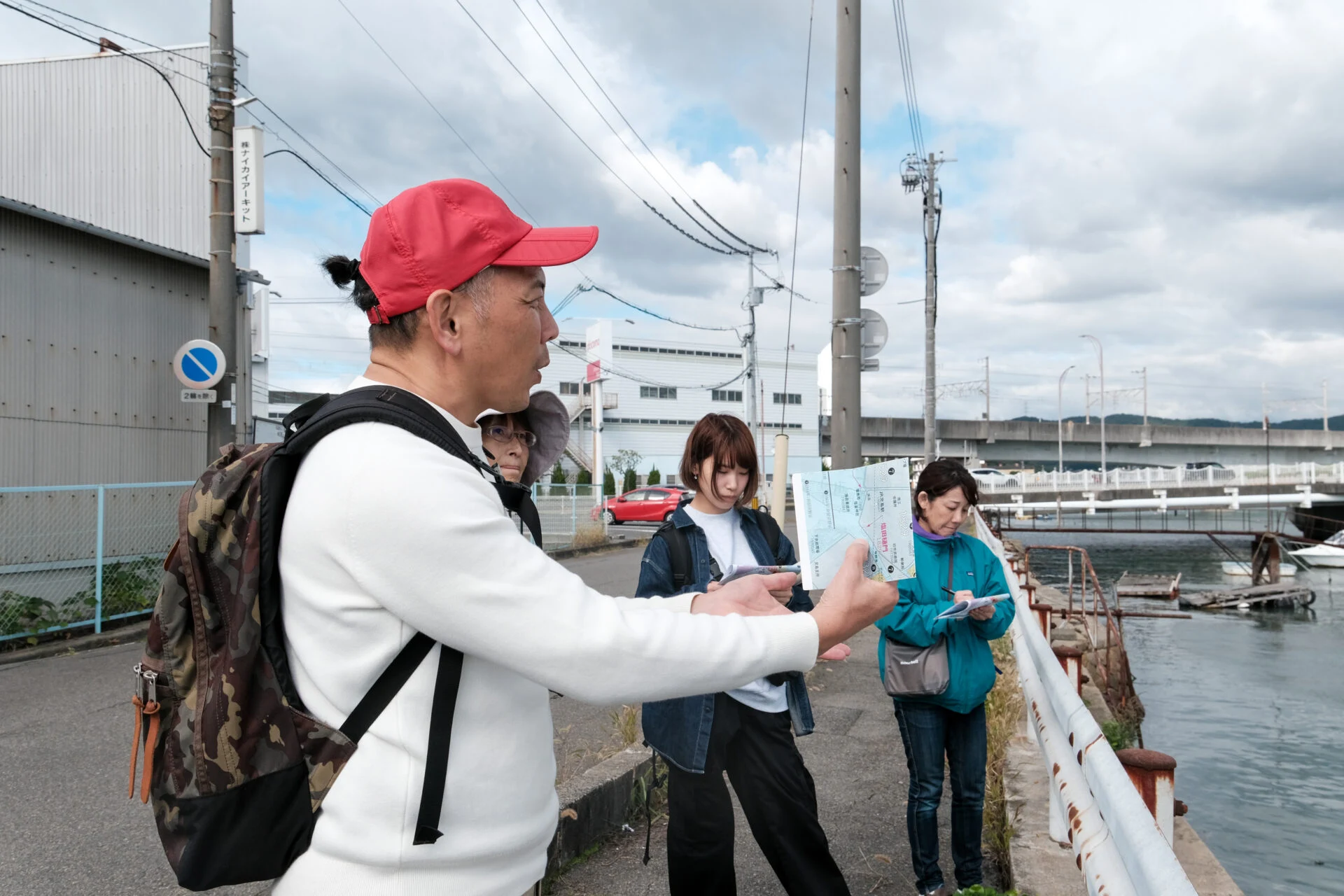
- Town walks / road walks (14 routes in total)
- Road walk: “Walking the Bitchu Totsu Road” (4 routes in total)
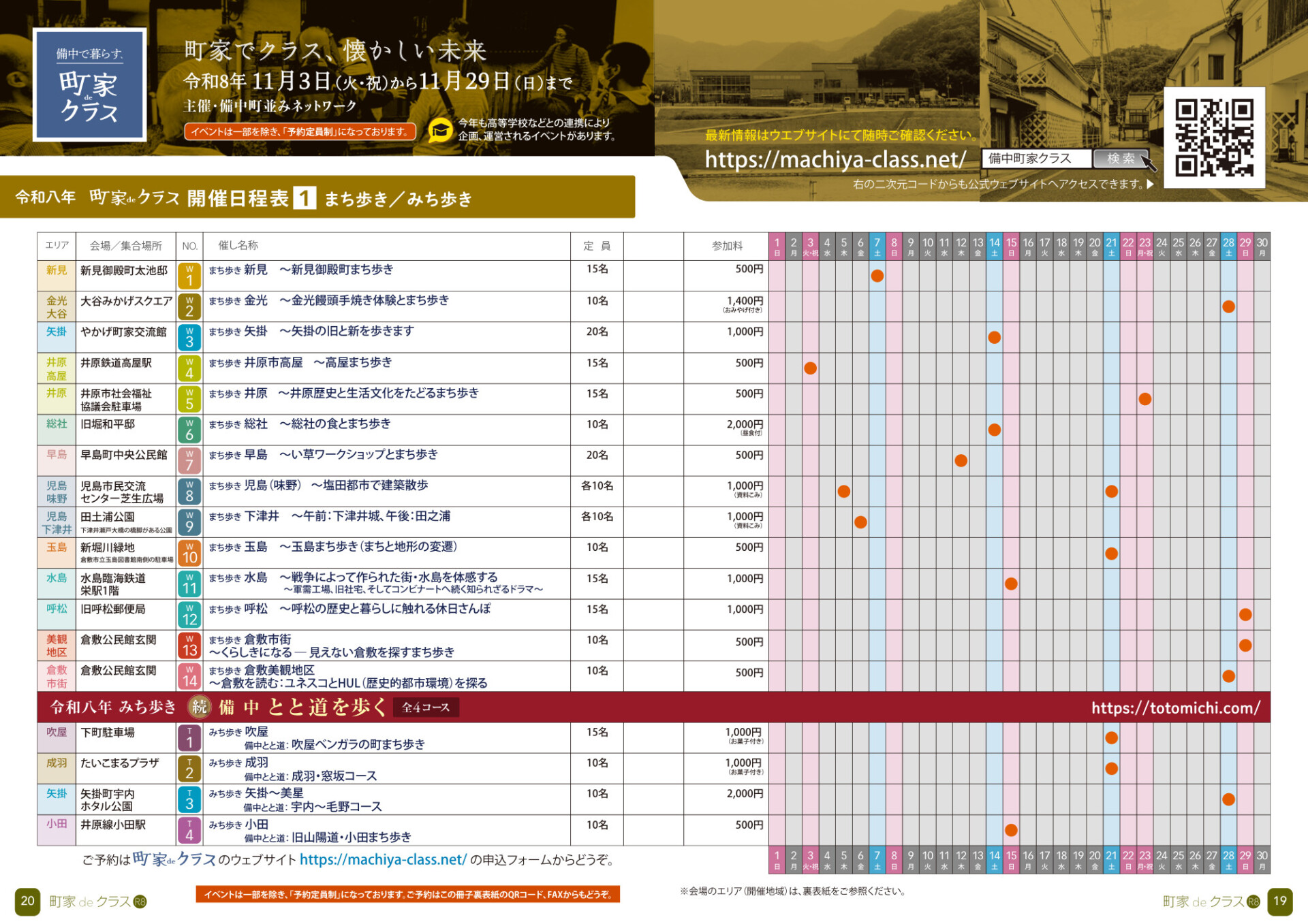
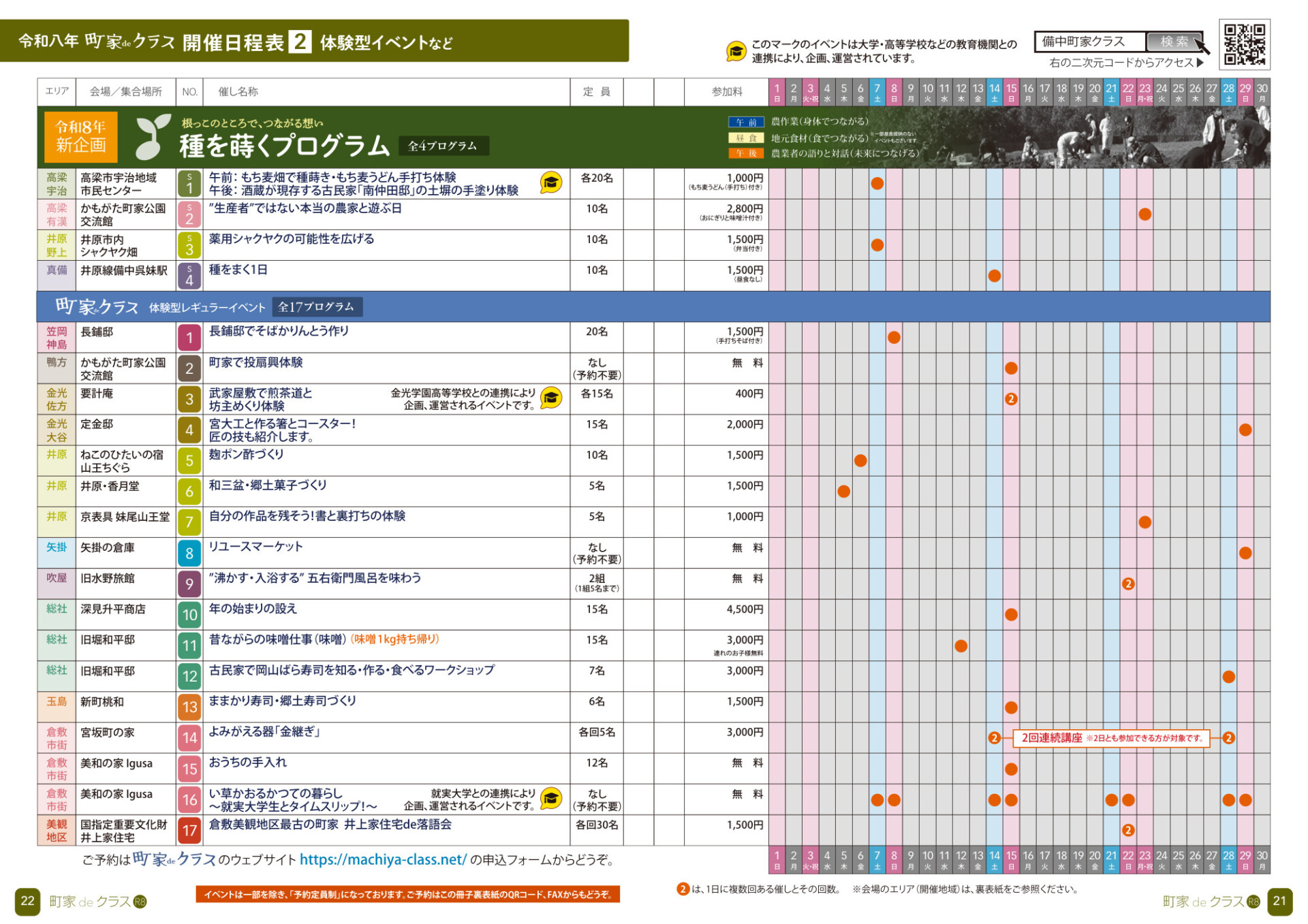
How to participate
Advance reservations are required, with limited capacity, for all but some programs.
Apply through the official Machiya de Class website or by fax. Please pay the participation fee at the venue on the day.
Some venues are private residences.
Please do not take photographs or post on social media without permission, and take care not to inconvenience nearby residents.
Interview with Nakamura Yasunori of the Bitchu Streetscape Network
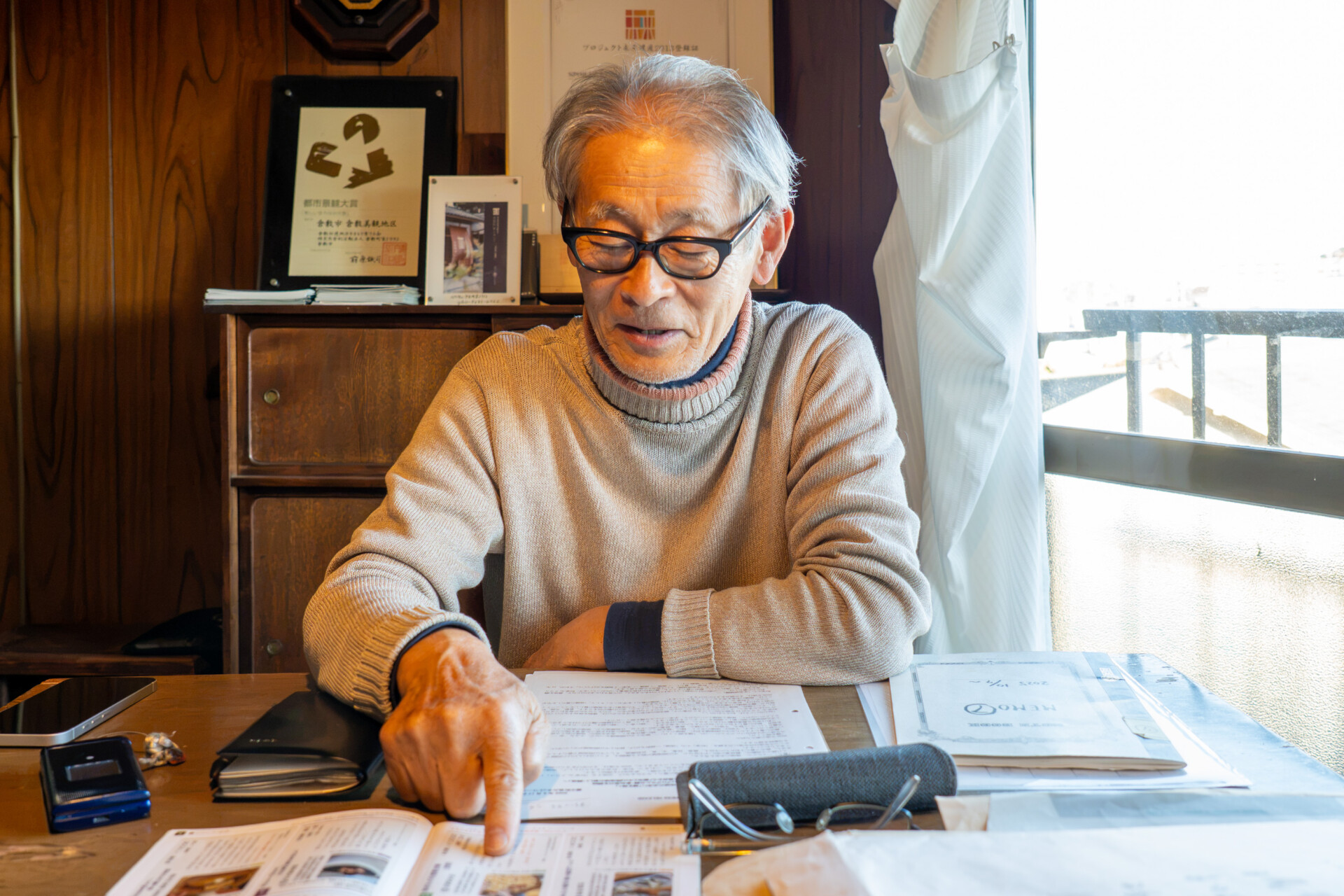
We spoke with Nakamura Yasunori of the organizing Bitchu Streetscape Network about this year’s highlights and noteworthy initiatives.
Could you tell us about this year’s highlights and what is different from previous years?
Nakamura (surname only hereafter)
Every year, Machiya de Class has held events that take participants on walks through historic streets and offer experiences unique to each town.
Most of our generation was born after the war, and we started by asking ourselves, “Do we really know about or carry on the way people lived in towns before the war?” The reality is that this knowledge is not necessarily being passed on effectively to young people today.
Today, many people live in towns.
Towns are places of consumption, not places where things essential to life, such as agricultural products, are produced. Yet we had never held events that drew attention to this. We had been sharing information, but we began to wonder whether that was enough.
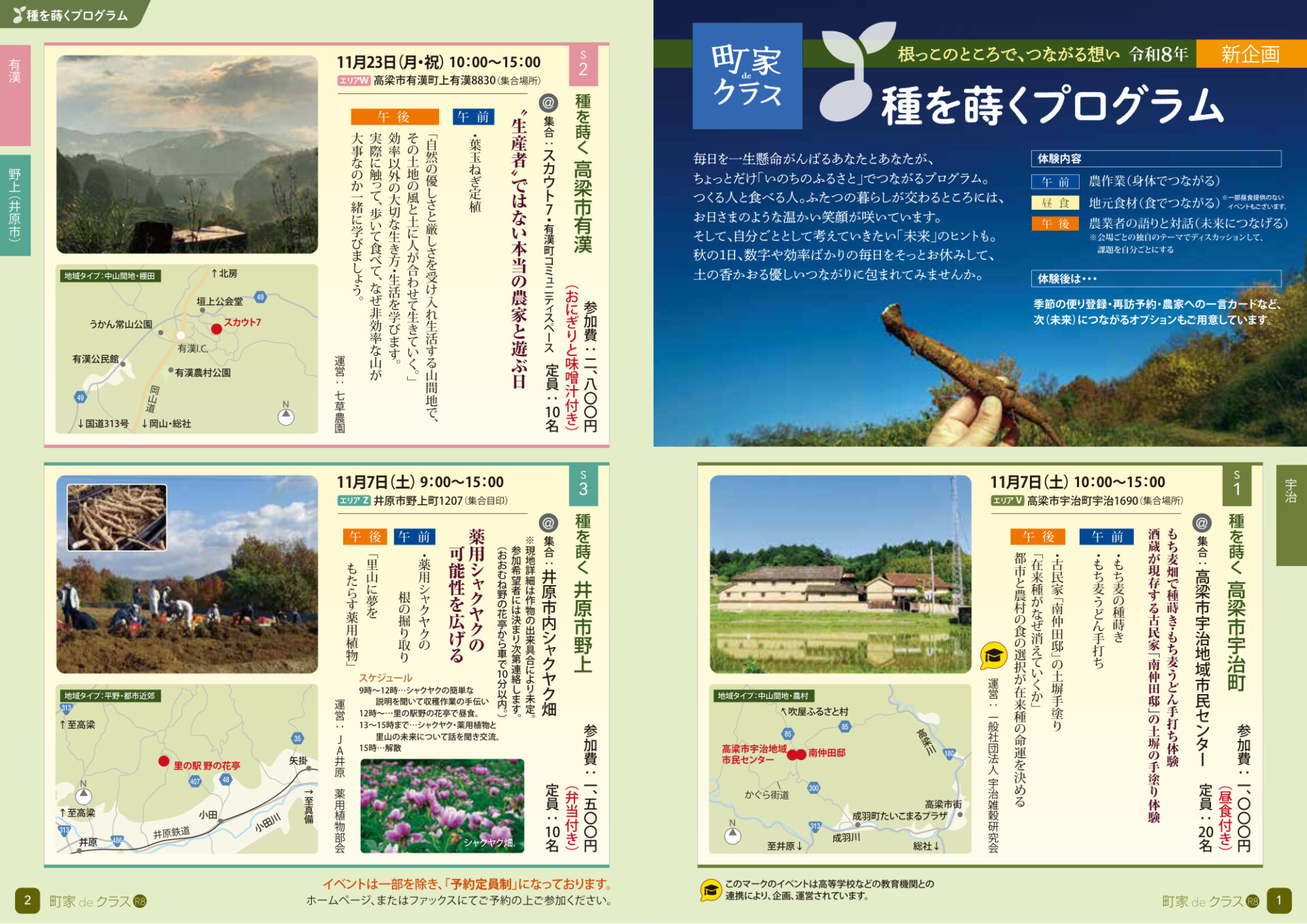
That is why we started the “Sowing Seeds Program.”
The inspiration came from a program we held in Ukan last year (2025). There, we learned that it is not just about producing things; it also involves engaging with nature and managing the mountains and farmland across the entire river basin. I myself had not fully understood that before.
We may not be able to move there, but we can visit for fun or lend a hand. We thought that sowing seeds, growing crops, harvesting them, and eating them would help us build a connection, so we named it the “Sowing Seeds Program.”
Moving to a place or settling there is not easy.
So we are proposing another path, neither tourism nor relocation—in other words, one form of building ties with a place. We believe that getting involved in actual production, touching the soil ourselves, and doing things alongside people who work in agriculture can also foster exchange.
Could you tell us about an initiative you would like people to pay particular attention to this year?
Nakamura
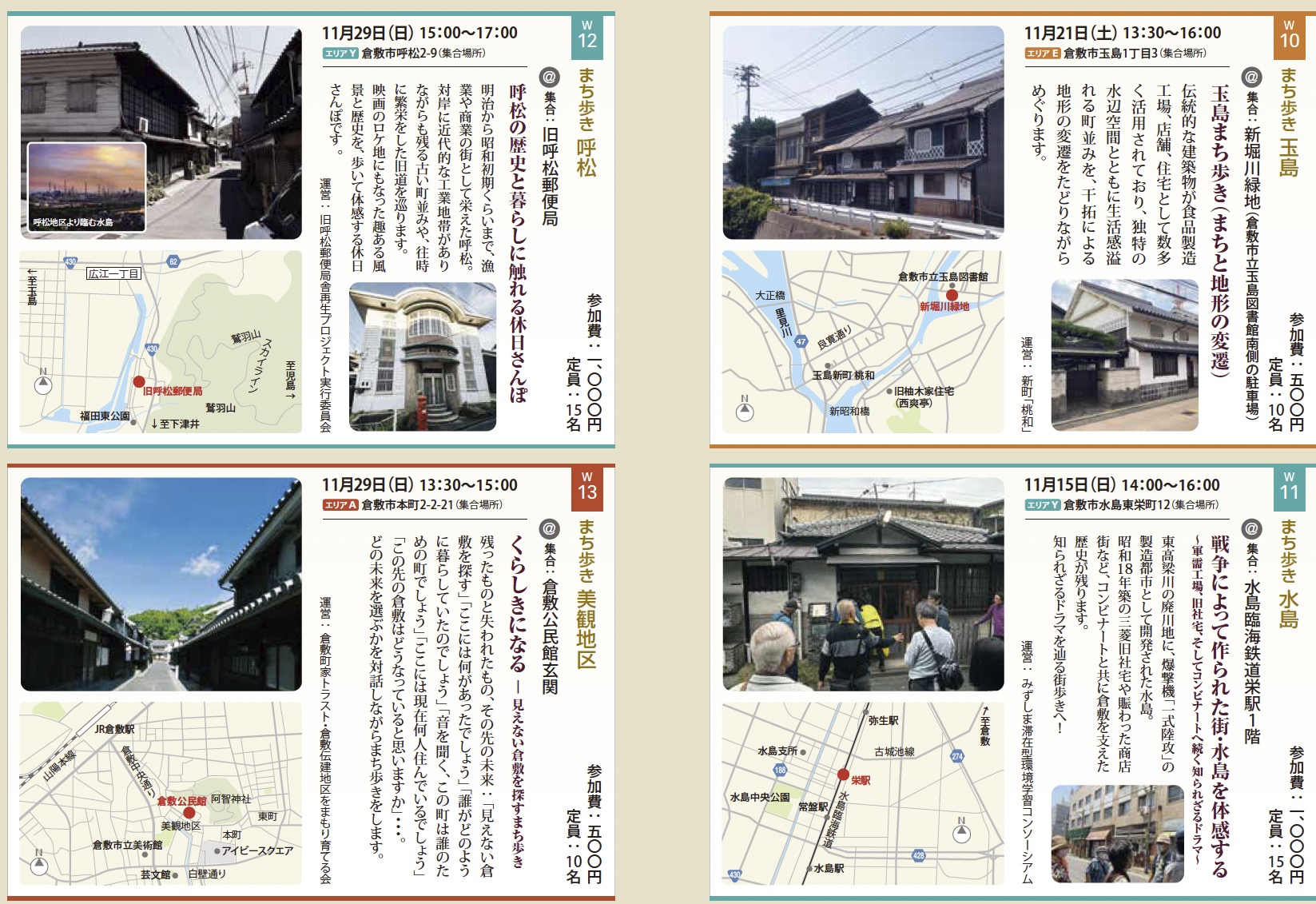
In Kurashiki, walks through Mizushima and Yobimatsu have been added for the first time.
New locations are popular every year. The Mizushima Stay-Based Environmental Learning Consortium will lead the walk in Mizushima, so I’m sure it will be an interesting one.
The Yakage town walk also includes Outdoor Village Yakage, which opened in spring 2026. We want people to see more than just the old streetscape.
Our collaboration with schools has also expanded.
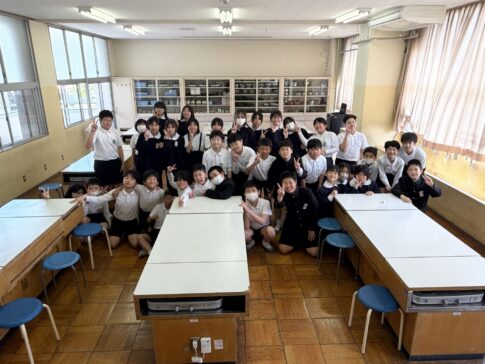
At Yokeian in Konko Town, Asakuchi City, students from Konko Gakuen High School will welcome visitors with experiences in senchado tea ceremony and bozu mekuri, a card game. The venue is a samurai residence with a shoin-style building constructed in the late Edo period.
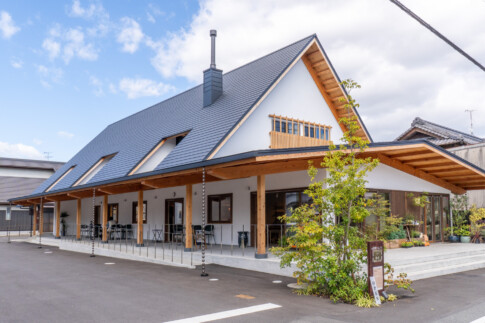
At Miwa no Ie Igusa in Miwa, Kurashiki City, students from Shujitsu University are cleaning up a formerly vacant house, exploring its various rooms to find old items, and trying to recreate life in the 1960s. The house was connected to the igusa rush industry, and the students are also learning its story.
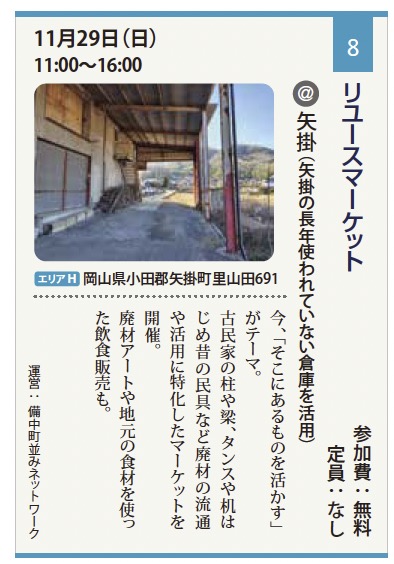
Another new initiative is the Yakage Reuse Market.
On Sunday, November 29, we will rent a warehouse in Yakage that has been unused for many years and sell reusable items collected from various people.
When repairing historic streetscapes, for example, there may not be enough roof tiles.
Ideally, the city or prefecture would have a place to store such materials, but at present, almost all the tiles available are new.
We would also like to pass old furniture and fittings on cheaply to people who can use them. We are also considering holding market-like events regularly in this warehouse.
Finally, could you share a message for our readers?
Nakamura
The first keyword for Machiya de Class is “You can’t pass on what you don’t know.”
We are now the generation responsible for carrying things on. Why not become part of it? We hope you’ll come and experience it.
From the Writer
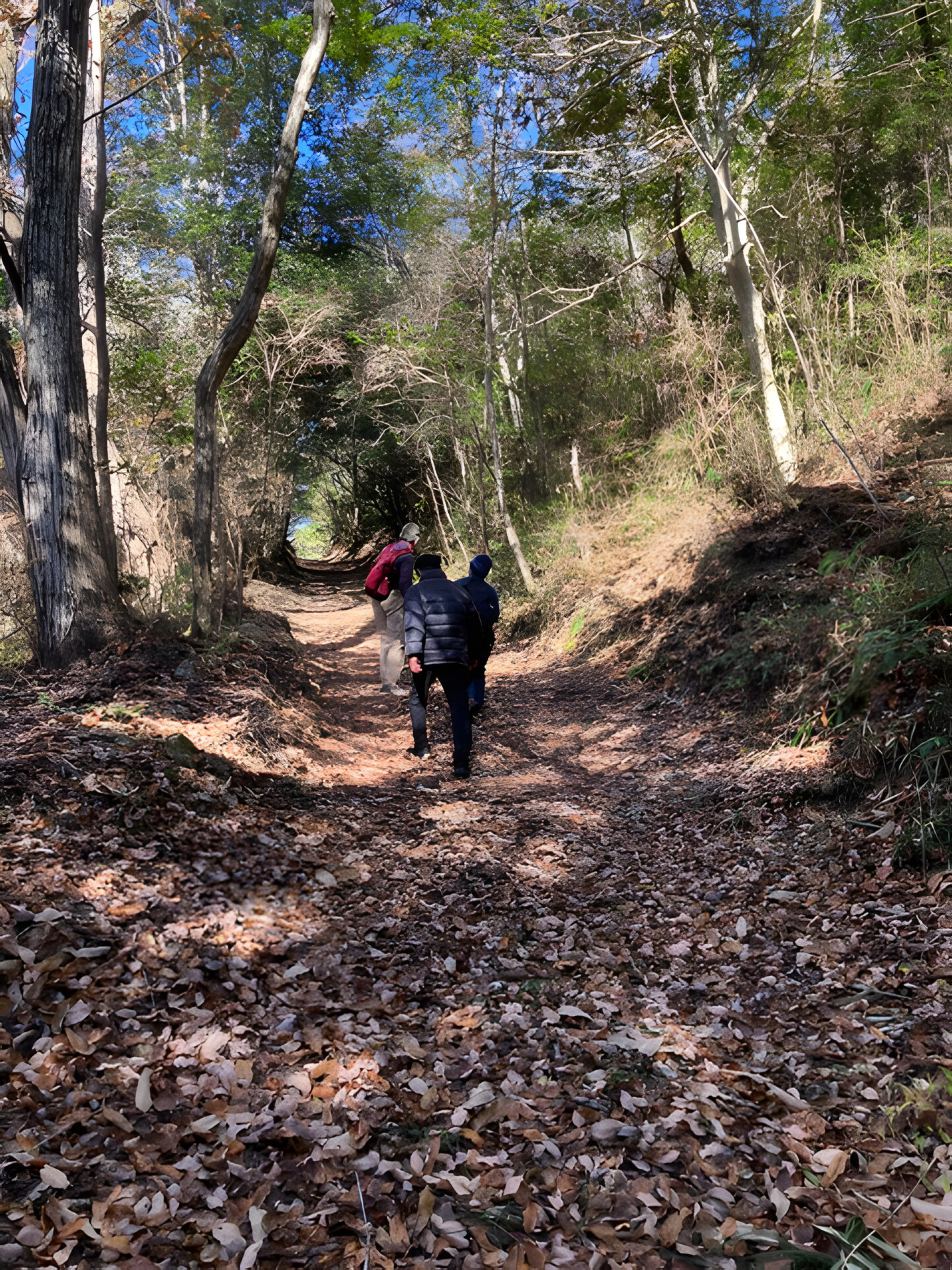
I currently live in central Kurashiki City, and I feel that farmland such as rice paddies is dwindling year by year, turning the area into a place of consumption.
This may be an inevitable part of the times, and opportunities to be involved in producing crops and other goods may be decreasing, but these things will always remain essential to human life.
Although our ties to the Bitchu and Takahashi River Basin area have weakened, it is still within an hour’s drive, making it possible to visit the rural communities that support our towns.
This year, Machiya de Class is broadening its perspective beyond walking through historic streets and experiencing local life to include the rural communities and river basin that have supported these towns.
From Tuesday, November 3 (national holiday), to Sunday, November 29, why not find a program that interests you and visit the towns and rural communities of Bitchu?

What would you like to know about Kurashiki?
Enter a search term to find articles on this site
































Living in Bitchu: Machiya de Class
Venues:
Historic streets, machiya, and rural and mountainous areas in the Bitchu region
Event period:
November 3 (Tuesday, national holiday)–November 29 (Sunday), 2026
How to apply:
Apply in advance through the official website or by fax
*For details such as dates and times, venues, capacity, participation fees, and application methods, see the attached program
Web page:
Official Living in Bitchu: Machiya de Class website
https://machiya-class.net/