Once designated as a direct territory of the Edo Shogunate, the banks of the Kurashiki River are now lined with stores utilizing warehouses and townhouses, bustling with many people.
The sight of historical townscapes overflowing with tourists is a scene that conveys not only tradition and culture but also economic prosperity.
However, in a place where people from various positions, including tourists, business operators, and those who have lived here for generations gather, problems arise due to differences in perception and values.
The Kurashiki Preservation and Development Association was established to preserve the historical scenery of Kurashiki for future generations.
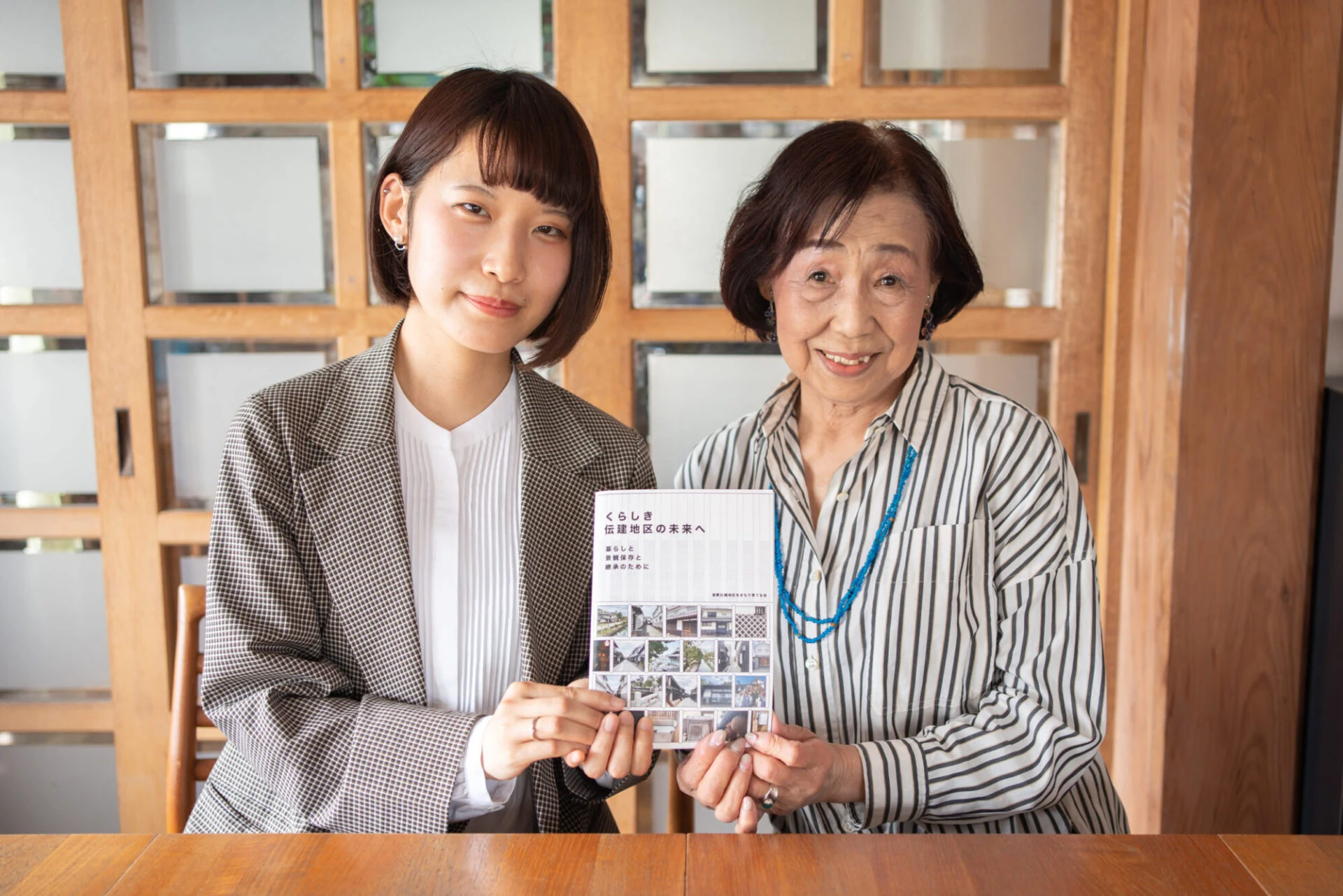
To protect the landscape along the Kurashiki River, which has been designated as an Important Preservation District for Groups of Traditional Buildings, a guidebook titled "Towards the Future of the Kurashiki Preservation District" was created, summarizing requests regarding the local history and commercial activities for a diverse audience.
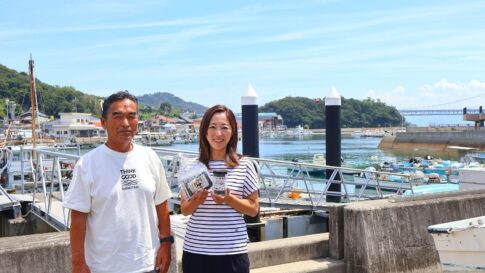
We spoke with the president of the Kurashiki Preservation and Development Association, Oga Kimiko, and the Kurashiki City Regional Revitalization Cooperation Team member Sawae Aguri, about their efforts to protect the historical townscape.
The Kurashiki Preservation and Development Association and the Guidebook "Towards the Future of the Kurashiki Preservation District"
What kind of organization is the Kurashiki Preservation and Development Association?
And what is written in the guidebook "Towards the Future of the Kurashiki Preservation District"?
This section introduces efforts to protect the landscape of the Preservation District.
What is the Kurashiki Preservation and Development Association?
The Kurashiki Preservation and Development Association is an organization composed of eight neighborhood associations located around the southern side of Tsurugatayama, designated as an Important Preservation District for Groups of Traditional Buildings (hereafter referred to as the Preservation District).
Its purpose is to protect and inherit the historical townscape passed down from our predecessors.
The Preservation District is a region selected by the Agency for Cultural Affairs with the aim of preserving environments where historical townscapes remain intact, such as castle towns, post towns, and temple towns.
In Kurashiki, the townscape is characterized by rows of storehouses, merchant houses, and townhouses, reflecting its prosperity as a hub for goods during the Edo period, making it a target for preservation.
All approximately 270 households residing within the Preservation District, as well as all businesses conducting commercial activities within the district, are members of the Kurashiki Preservation and Development Association.
Established in 2006, the association was formed to gather the opinions of residents and business operators regarding the future of the Preservation District.
What is the Guidebook "Towards the Future of the Kurashiki Preservation District"?
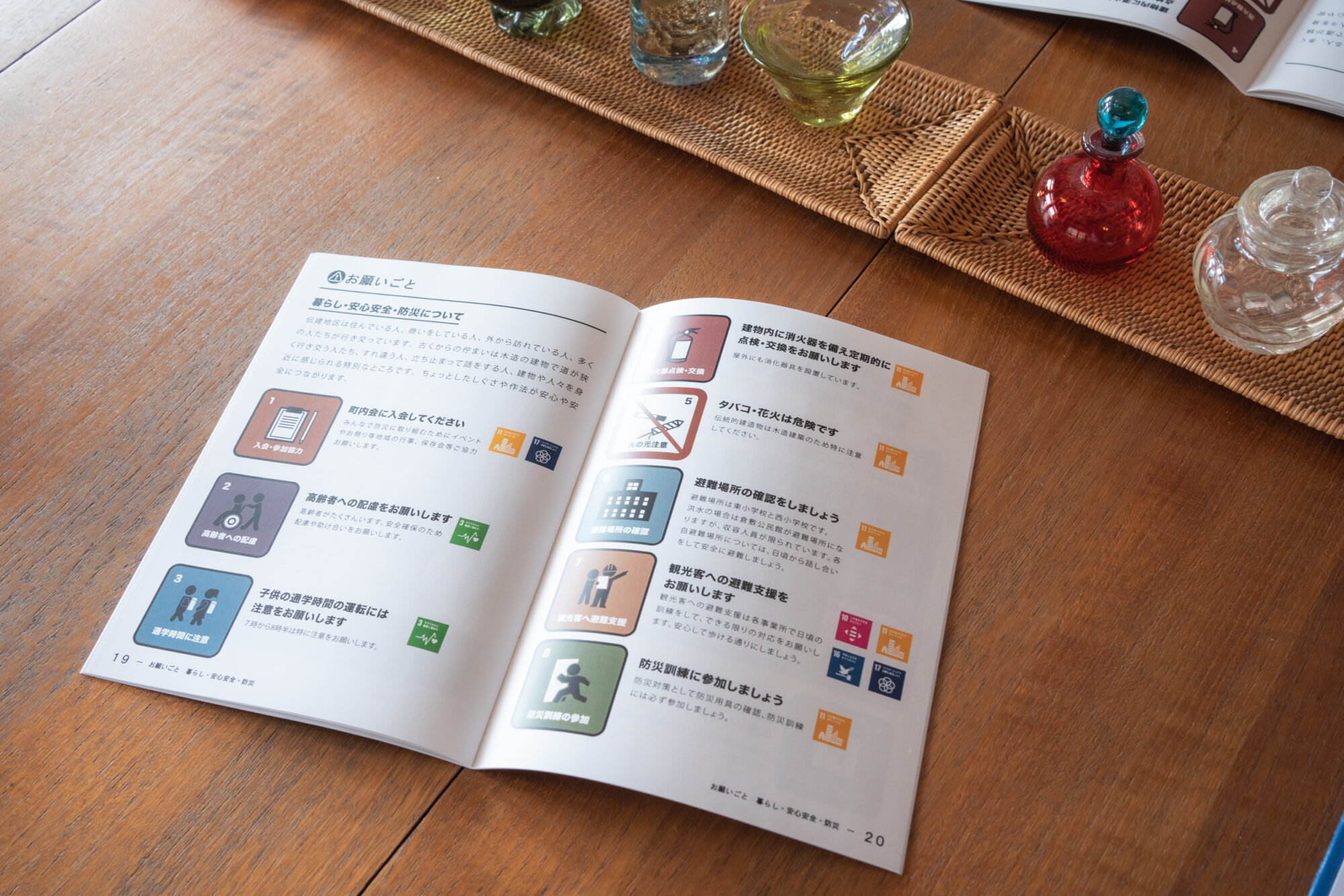
The guidebook "Towards the Future of the Kurashiki Preservation District" is a booklet summarizing requests regarding the history of the Preservation District and commercial activities within it, aimed at residents and business operators.
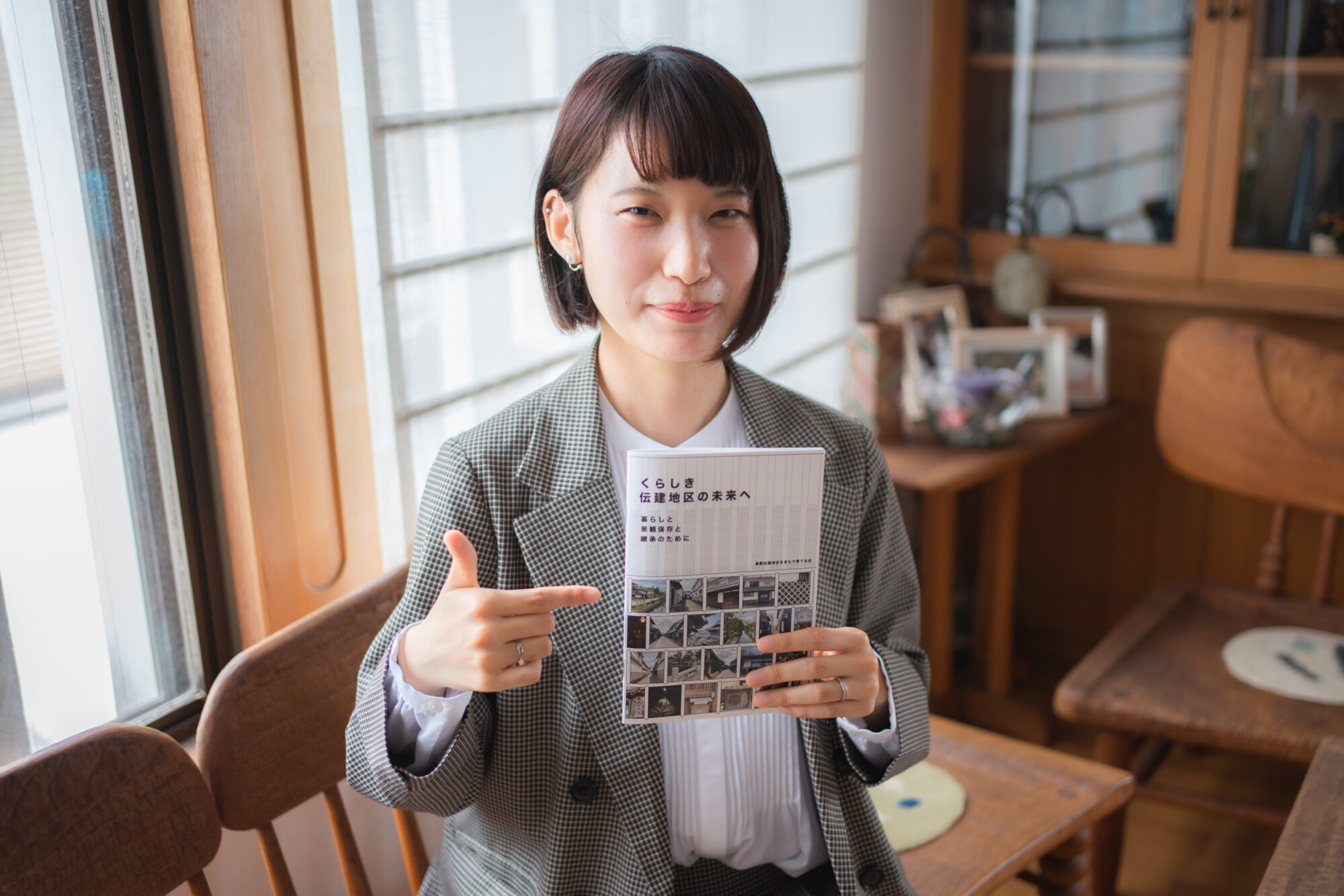
The design was handled by Sawae Aguri from the Kurashiki City Regional Revitalization Cooperation Team.
Using pictograms and traditional colors in the design, efforts were made to ensure that a wide range of age groups can easily understand the content.
Even among residents and business operators in the Preservation District, there are those who are not aware of the rules regarding advertisements and building renovations, leading to issues such as the degradation of the landscape and deterioration of the living environment for residents.
Therefore, to deepen understanding of the Preservation District, the guidebook "Towards the Future of the Kurashiki Preservation District" was created, summarizing the history of the Preservation District and the rules for conducting business within the Preservation District.
It is distributed to residents and business operators in the Preservation District.
Background of Oga Kimiko
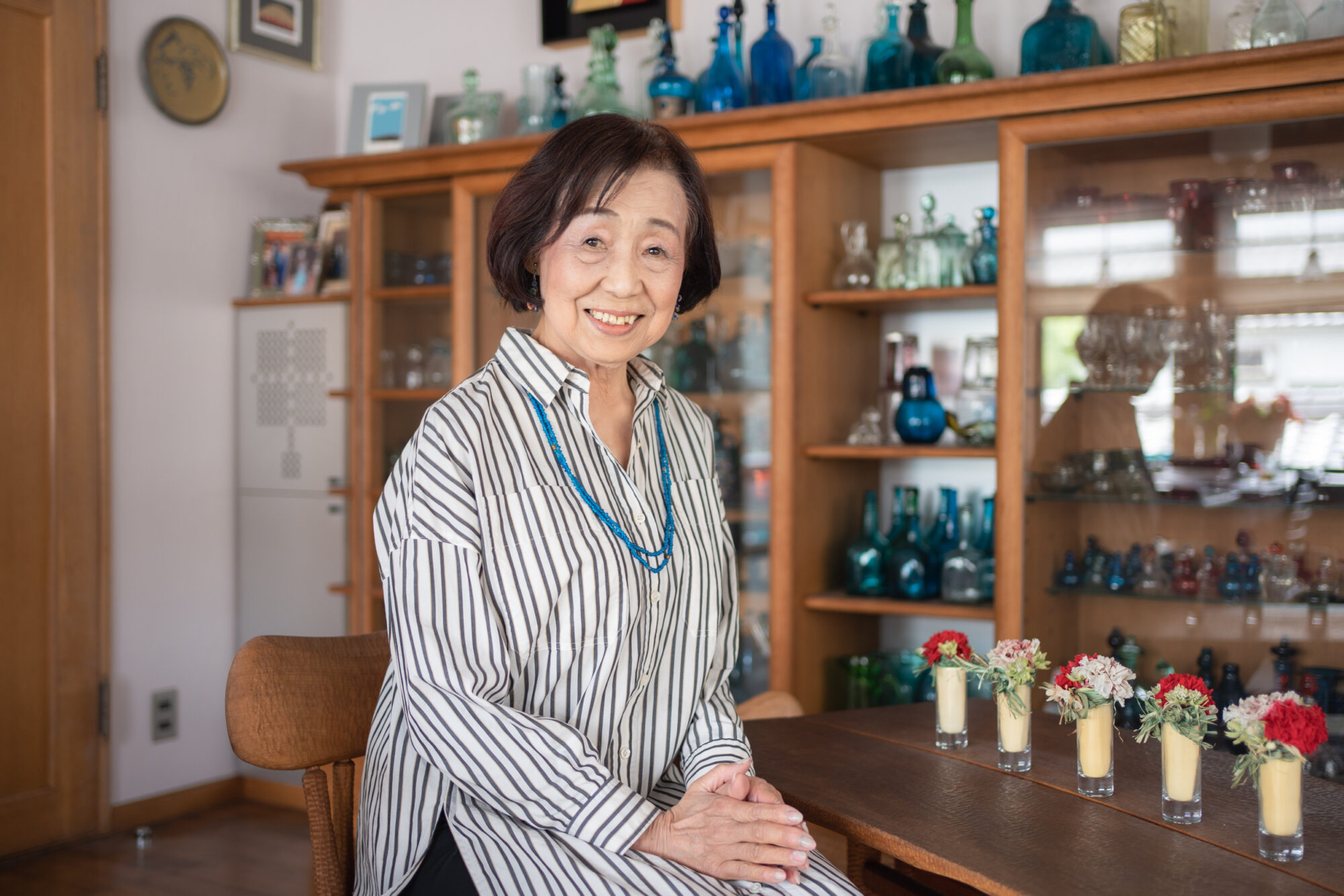
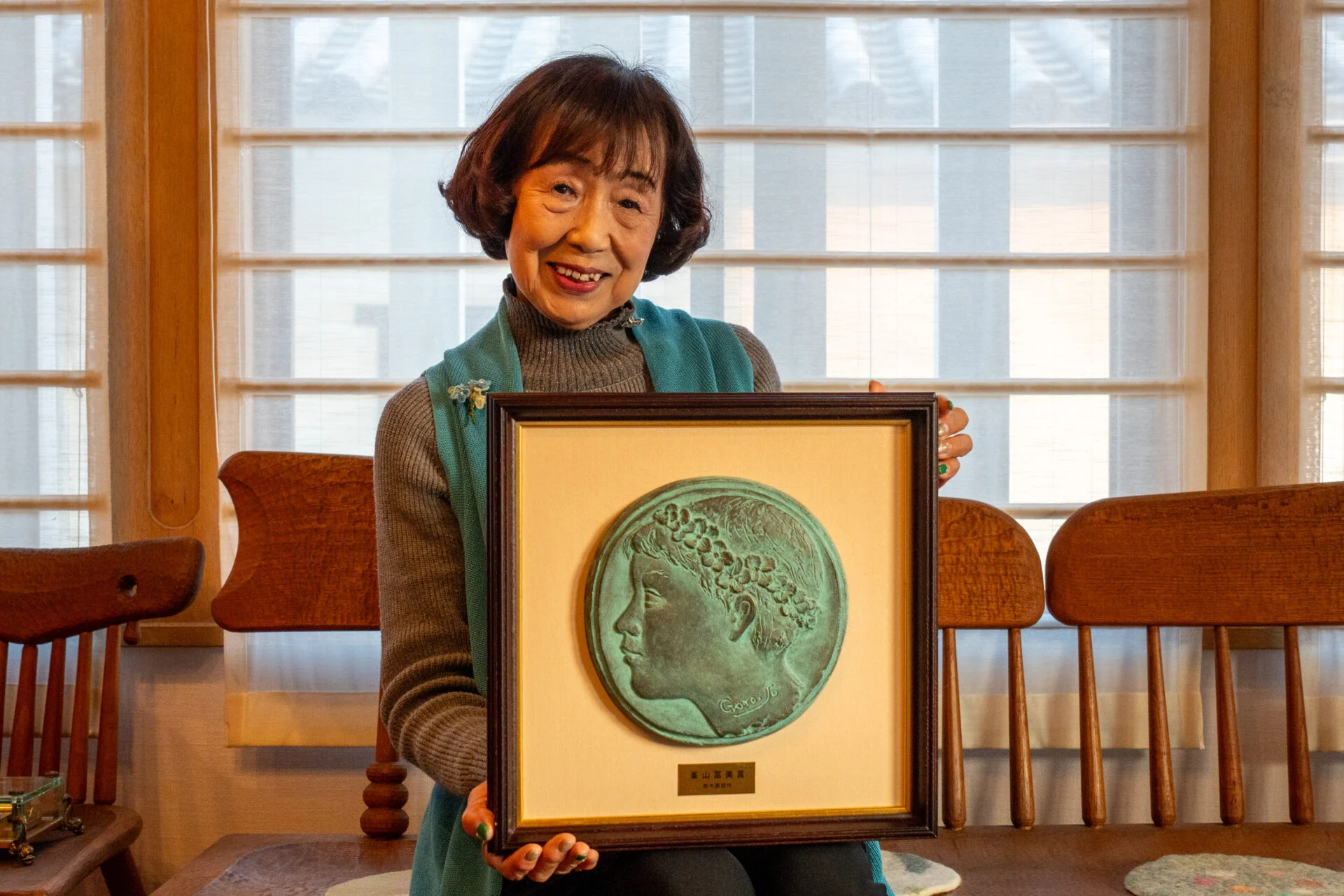
Oga Kimiko, who serves as the president of the Kurashiki Preservation and Development Association.
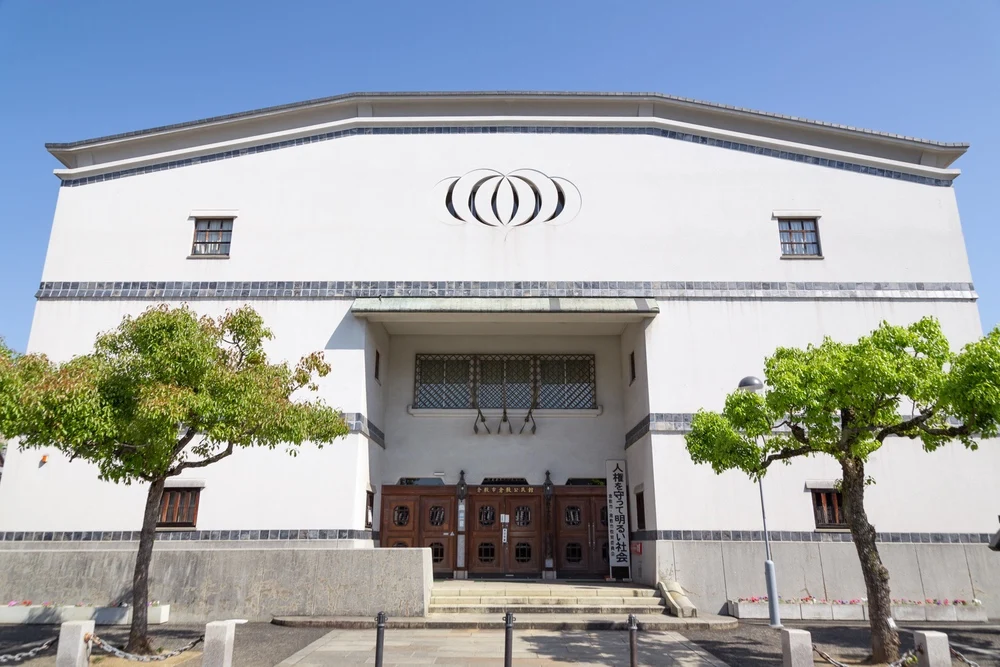
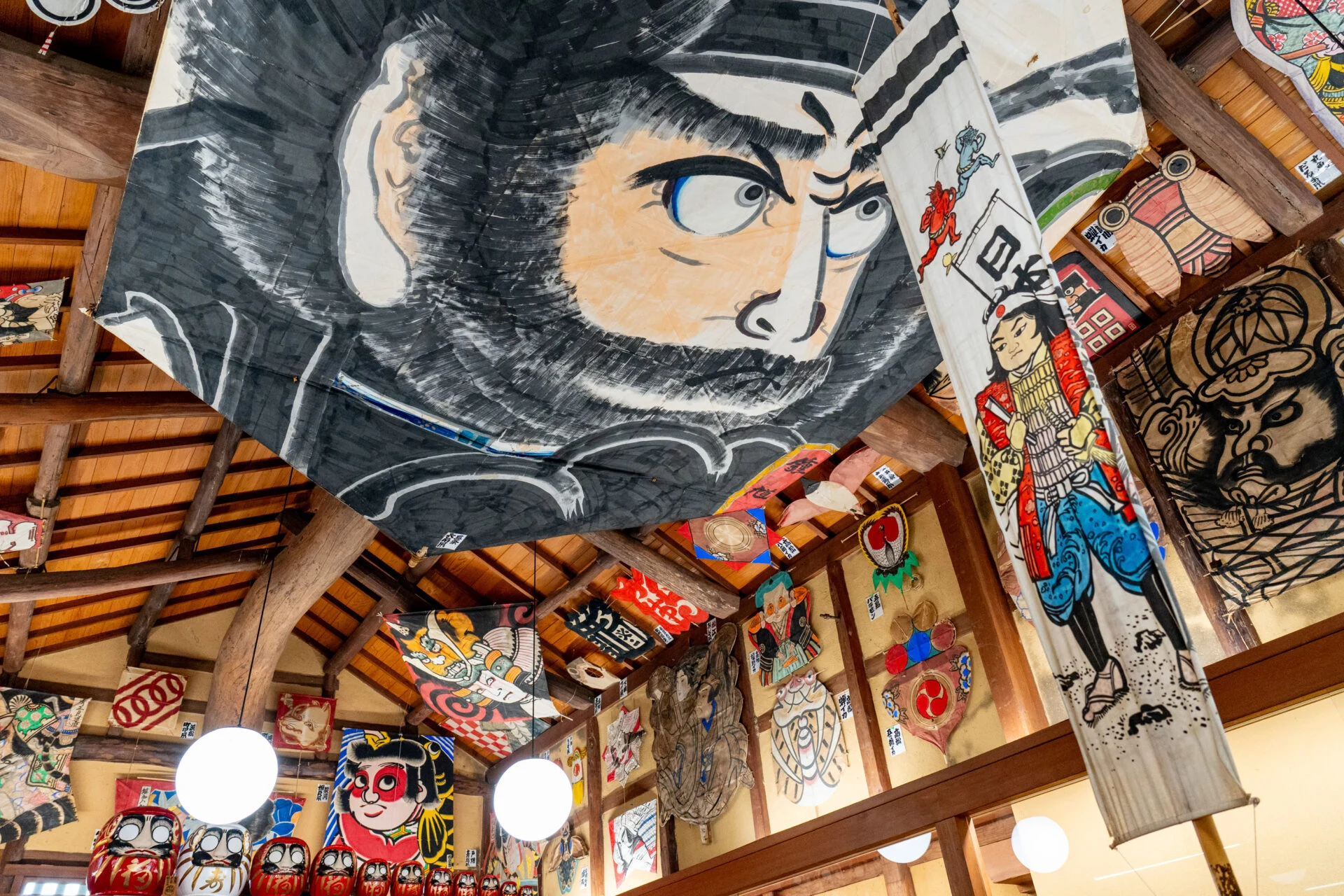
She is also the director of the Japanese Folk Toy Museum, located in the Bikan Historical Area.
The Japanese Folk Toy Museum, which opened in 1967, displays folk toys collected by the first director Oga Masanori and the current director Oga Kimiko.
Before starting the Japanese Folk Toy Museum, Oga and others consulted with the first director of the Kurashiki Museum of Folkcraft, Tonomura Kichinosuke, about how to utilize residences and storehouses.
At that time, Tonomura was already beginning activities to protect the townscape along the Kurashiki River and suggested utilizing it as a folk toy museum.
While managing the Japanese Folk Toy Museum, she is also involved in activities to protect the landscape.
Background of Sawae Aguri
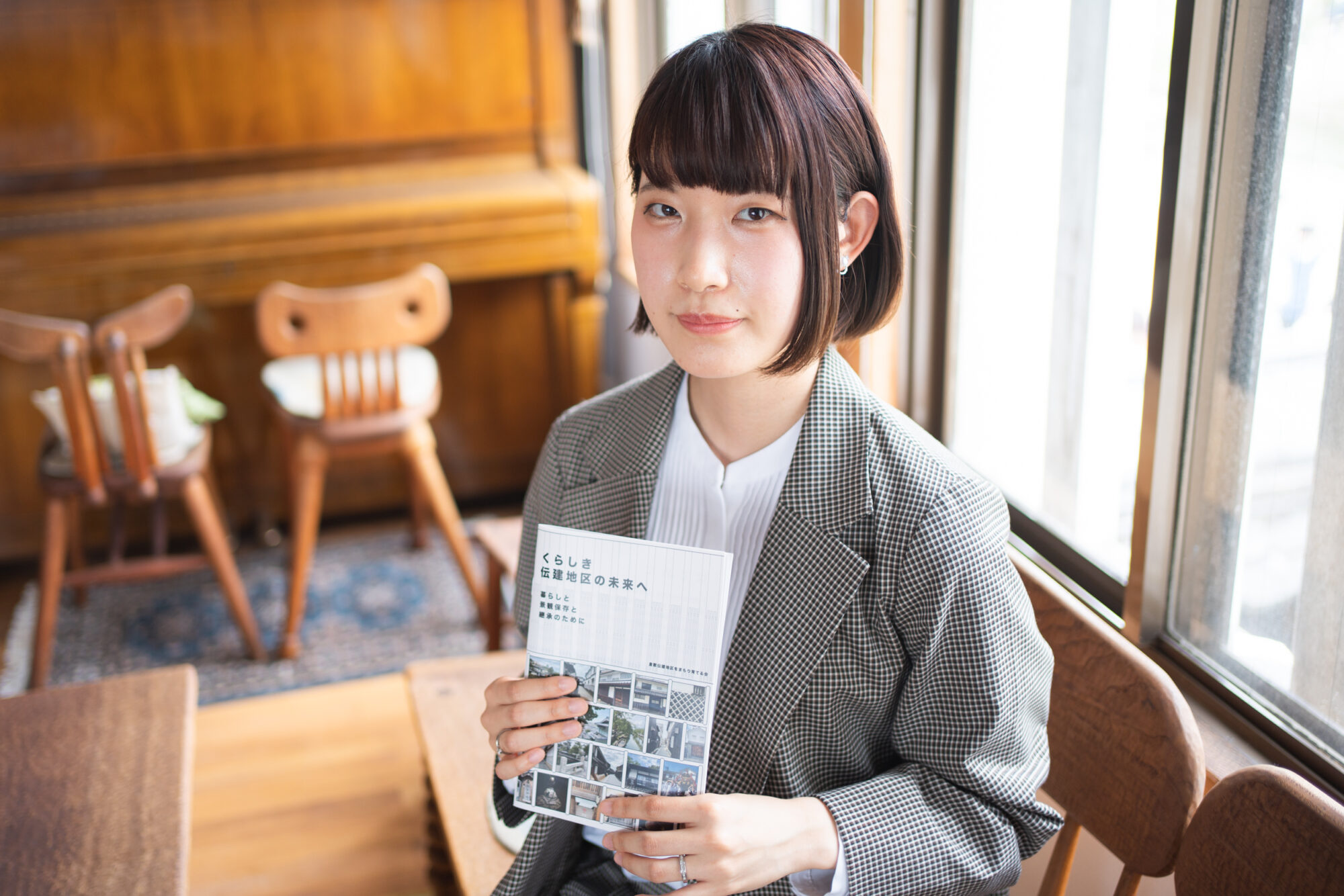
Sawae Aguri, a member of the Kurashiki City Regional Revitalization Cooperation Team, was born and raised in Kurashiki.
Although Sawae is closely involved in work related to the Preservation District, she did not have much engagement during her student days.
She only visited the Preservation District once each during elementary and high school.
Upon entering university, she moved to Kyoto to study architectural design.
With the goal of operating a café and community space renovated from an empty house, she began working as a member of the Regional Revitalization Cooperation Team at the NPO Kurashiki Machiya Trust, which focuses on utilizing vacant houses in Kurashiki City.
While applying the knowledge she gained in university about design, she was involved in the production of the guidebook "Towards the Future of the Kurashiki Preservation District."
Interview with Oga Kimiko and Sawae Aguri
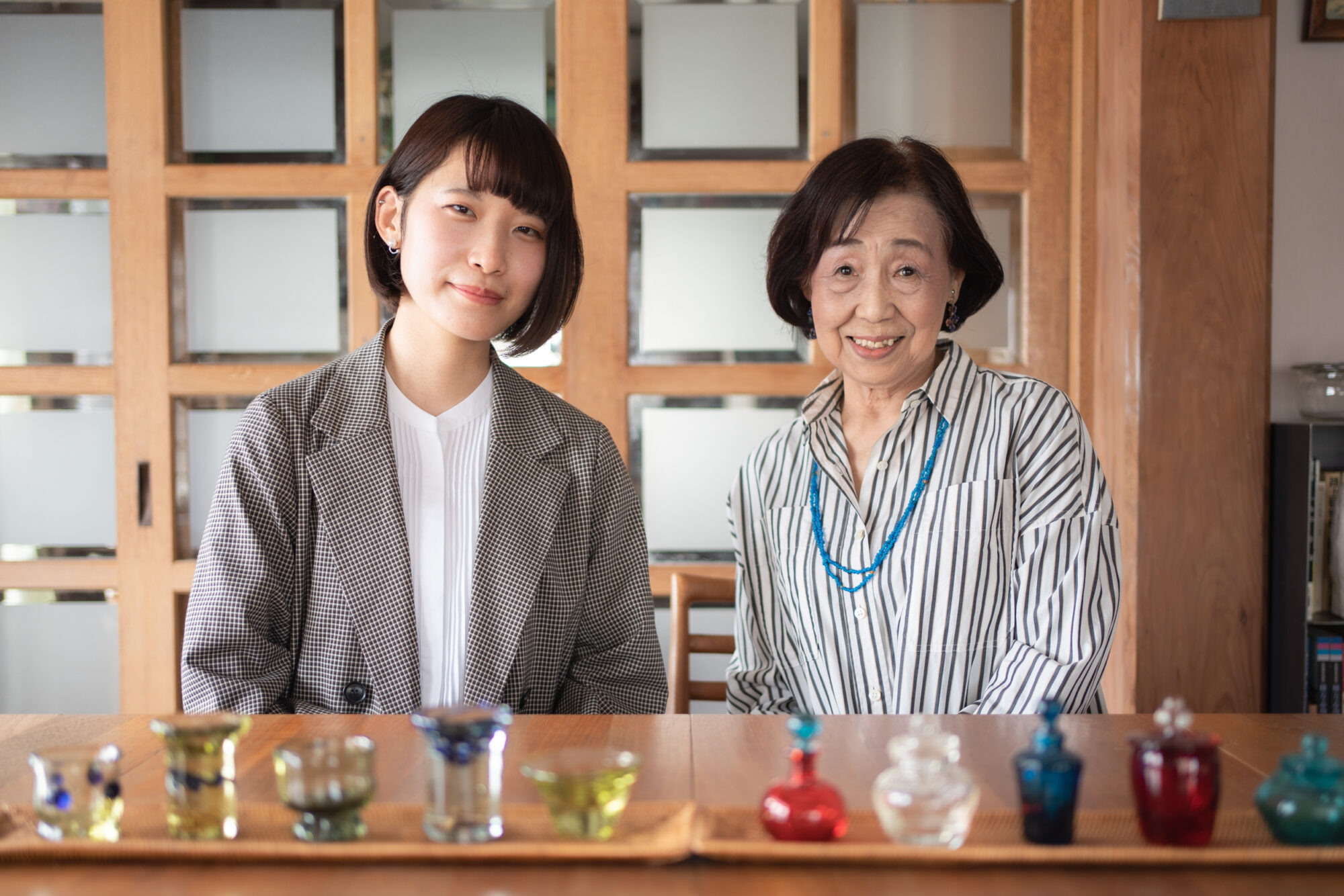
We spoke with Oga Kimiko and Sawae Aguri, who were involved in the production of the guidebook "Towards the Future of the Kurashiki Preservation District," about their efforts in the Preservation District.
Here, we introduce their thoughts on the current situation and challenges of the Preservation District.
Reasons for the Establishment of the Kurashiki Preservation and Development Association
What prompted the establishment of the Kurashiki Preservation and Development Association?
Oga
In 2006, plans for nighttime landscape lighting in the Bikan Historical Area, undergrounding utility poles, and road beautification projects were being promoted mainly by the government.
However, at that time, the opinions of the residents in the Preservation District were scattered, making it difficult to consolidate them.
For example, there were mixed opinions about the lighting proposed by the globally active lighting designer Ishii Motoko.
Additionally, discussions extended to how to treat the road surface in the road beautification project.
As discussions about the nature of the Preservation District continued, we began to feel the need for a place to consolidate the opinions of the residents.
What was the final concept for the lighting?
Oga
At the time we were planning the nighttime landscape lighting, light-ups were gaining popularity in tourist areas across the country.
The townscape of Takayama City, Gifu Prefecture, which retains the remnants of a castle town from the Edo period, and the tea house district of Kanazawa City, Ishikawa Prefecture, which flourished as a social venue during the Edo period, were also focusing on light-ups.
When Ishii began working on the lighting for the Bikan Historical Area, she noted that the area along the Kurashiki River was a region where residents had their daily needs met.
About 60 years ago (in the 1960s), the area around what is now the Japanese Folk Toy Museum had barbershops, fishmongers, bicycle shops, and other stores necessary for daily life.
I had witnessed the remnants of its prosperity as a hub for goods during the Edo period.
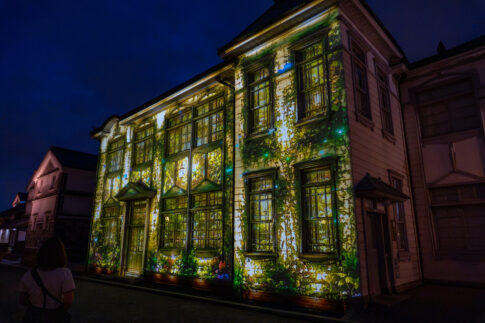
Upon learning this, Ishii proposed a lighting design that would express the town's liveliness by having light spill from the windows of buildings.
While there were other opinions from residents, Ishii's proposal, based on the history of the Bikan Historical Area, was ultimately adopted.
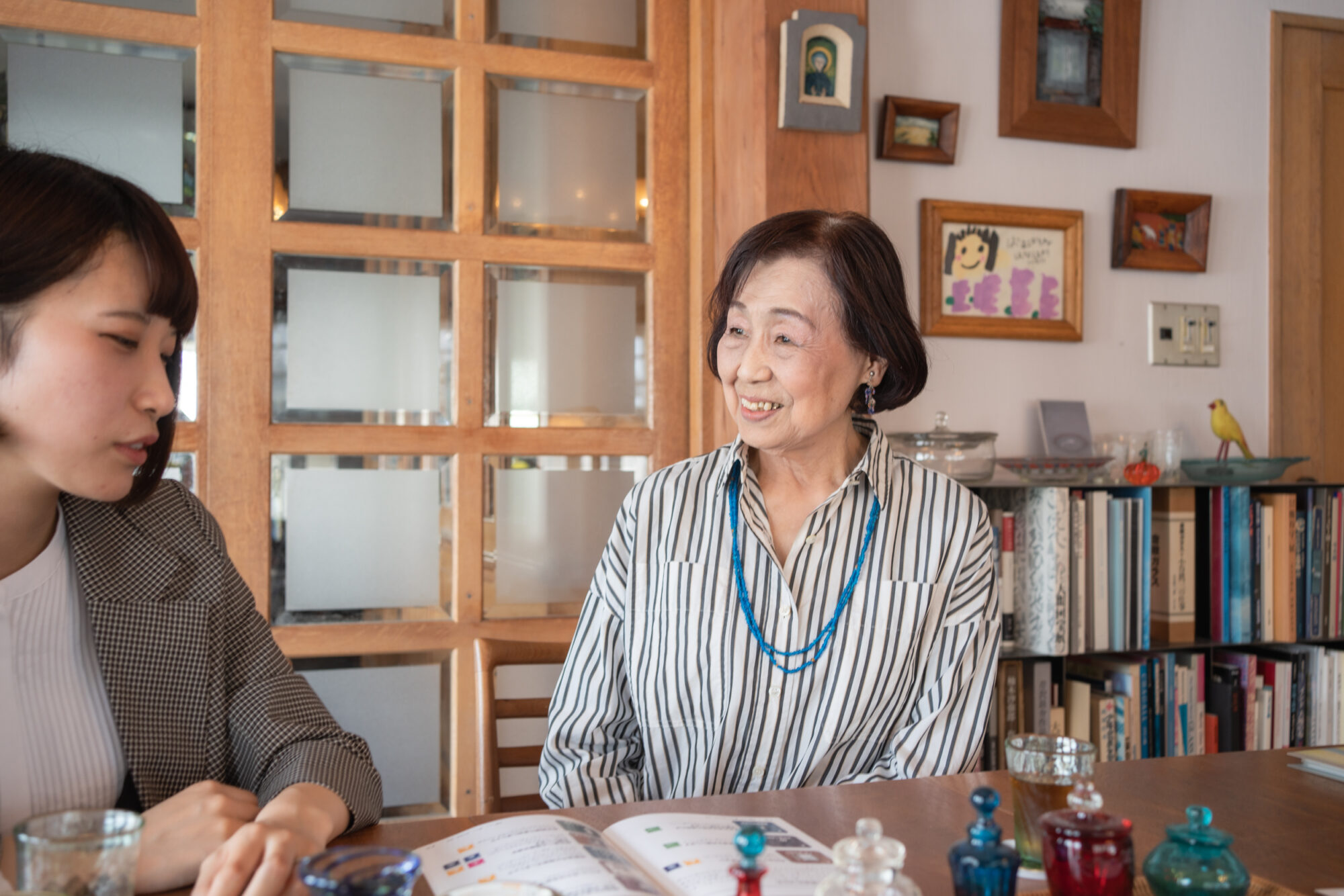
What purpose did you have in mind when you started your activities?
Oga
Through projects like the nighttime landscape lighting plan, we realized that the residents of the Preservation District have various opinions.
To think about the future of the town, it became clear that the people living in the Preservation District need to communicate more.
Everyone living in the Preservation District must consider the question, "How can we keep our town beautiful?"
Thus, together with the representative of the NPO Kurashiki Machiya Trust, Nakamura Yasunori, we established the Kurashiki Preservation and Development Association as a place for residents to discuss the nature of the Preservation District.
The Guidebook "Towards the Future of the Kurashiki Preservation District" and the Preservation District
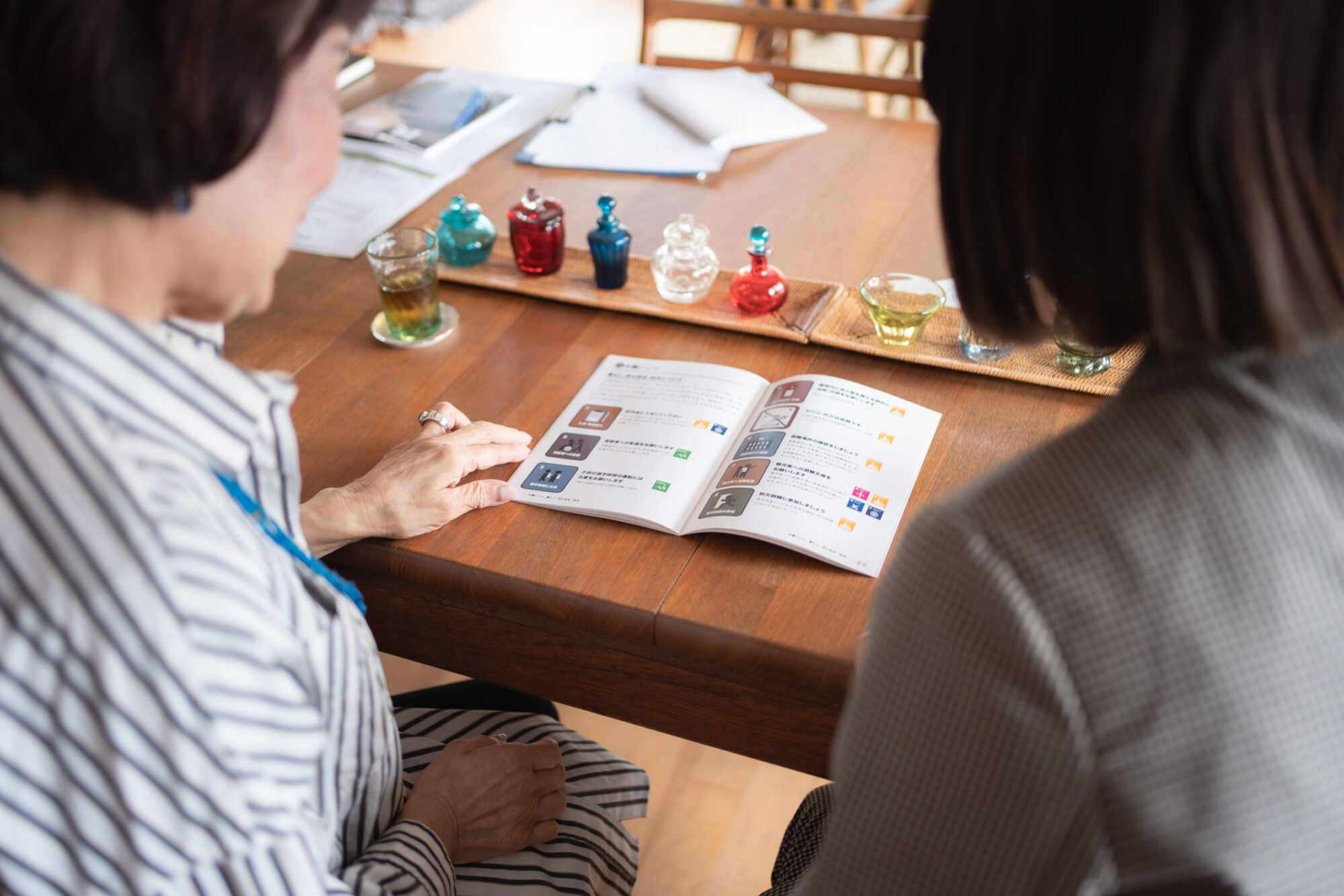
What was the purpose of producing the guidebook?
Sawae
Even among the citizens of Kurashiki, there are people who do not know about the Preservation District.
By having them pick up the guidebook, we wanted to create an opportunity for them to learn about the history of the Preservation District and realize that it is a land that must be cherished.
Additionally, among those conducting business in the Preservation District, there are people who are not aware of the commitments required to operate there.
We believe that having the guidebook will help raise awareness about the commitments regarding signage and building renovations.
Oga
Our activities are a collaborative effort involving everyone living in the Preservation District.
We are not an organization that enforces regulations.
Rather than imposing rules, we are calling for everyone—residents, tourists, and business operators—to value commitments so that everyone can enjoy their time comfortably, which we convey through the guidebook.
Therefore, the guidebook summarizes the value of the Preservation District and requests for preserving the townscape.
As a member of the Regional Revitalization Cooperation Team, were you able to apply what you learned during your studies?
Sawae
I studied architectural design in university.
While I had never worked on designing a booklet, I had learned about color usage and layout that attracts people's attention from a different perspective.
Additionally, I am proficient in applications for creating logos and illustrations, which I utilized in the production of the guidebook.
I was able to apply the knowledge and skills I acquired during my student days to my activities in the Regional Revitalization Cooperation Team.
Oga
The design of the guidebook was conceived by Sawae herself.
The board of directors of the Kurashiki Preservation and Development Association meets once a month, and Sawae reports on the progress of the guidebook's production at each meeting.
Without needing to give special instructions, Sawae has proposed excellent ideas through trial and error.
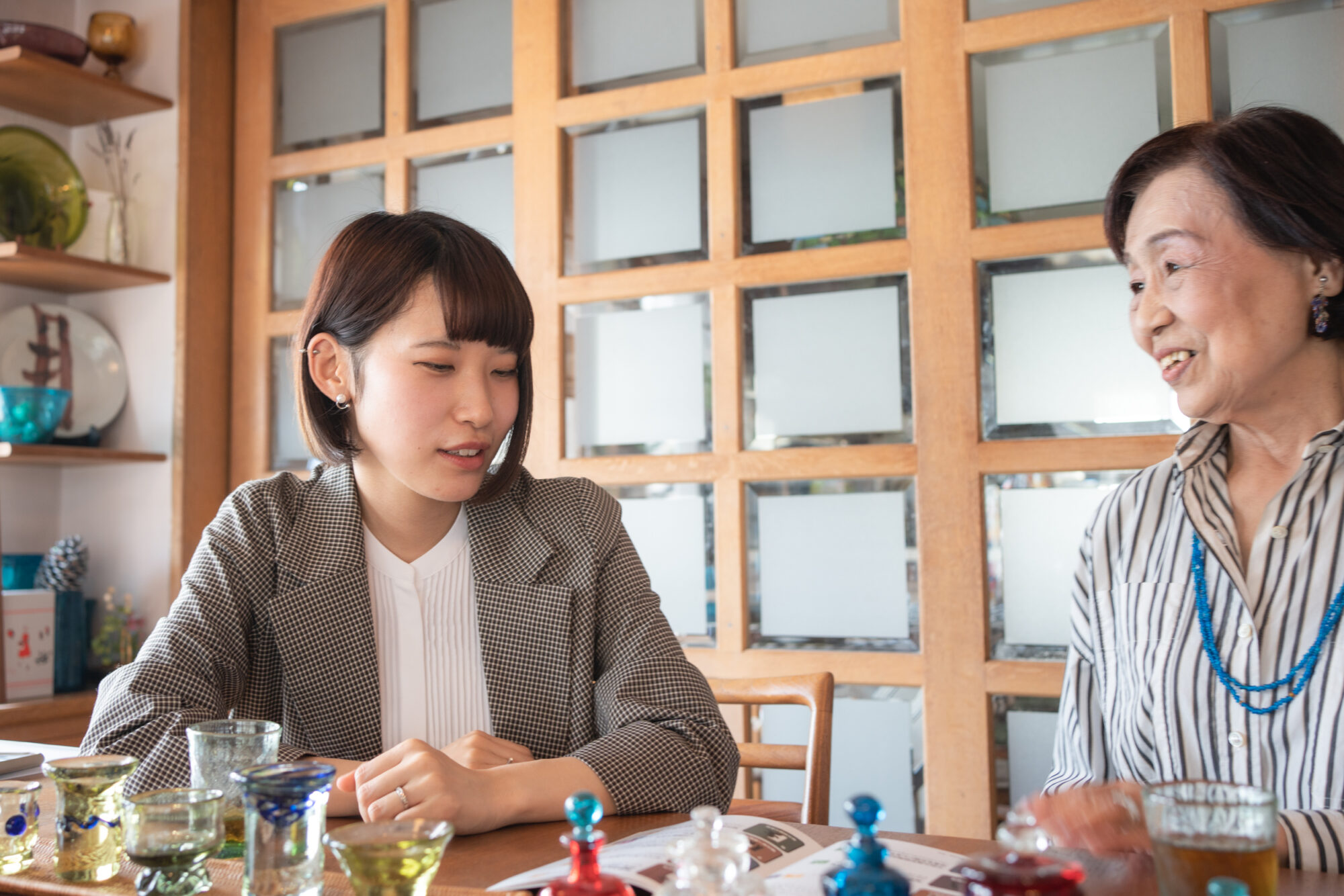
What points did you particularly pay attention to during the production?
Sawae
I edited with the awareness that the readers are diverse.
For those who are not interested in the preservation district, it is necessary to first spark their interest.
Media that is heavy on text alone can be difficult to pick up, so I made it visually clear by utilizing pictograms and creating an easy-to-understand design.
On the other hand, it is difficult to simply represent the town's history, so to convey it accurately, information needs to be presented in writing.
In particular, if the agreements related to business are conveyed ambiguously, it can lead to trouble, so accurate information must be communicated.
I edited it so that there are pages that spark interest and pages that encourage detailed reading coexisting.
What the Kurashiki City Regional Revitalization Corps Felt in the Preservation District
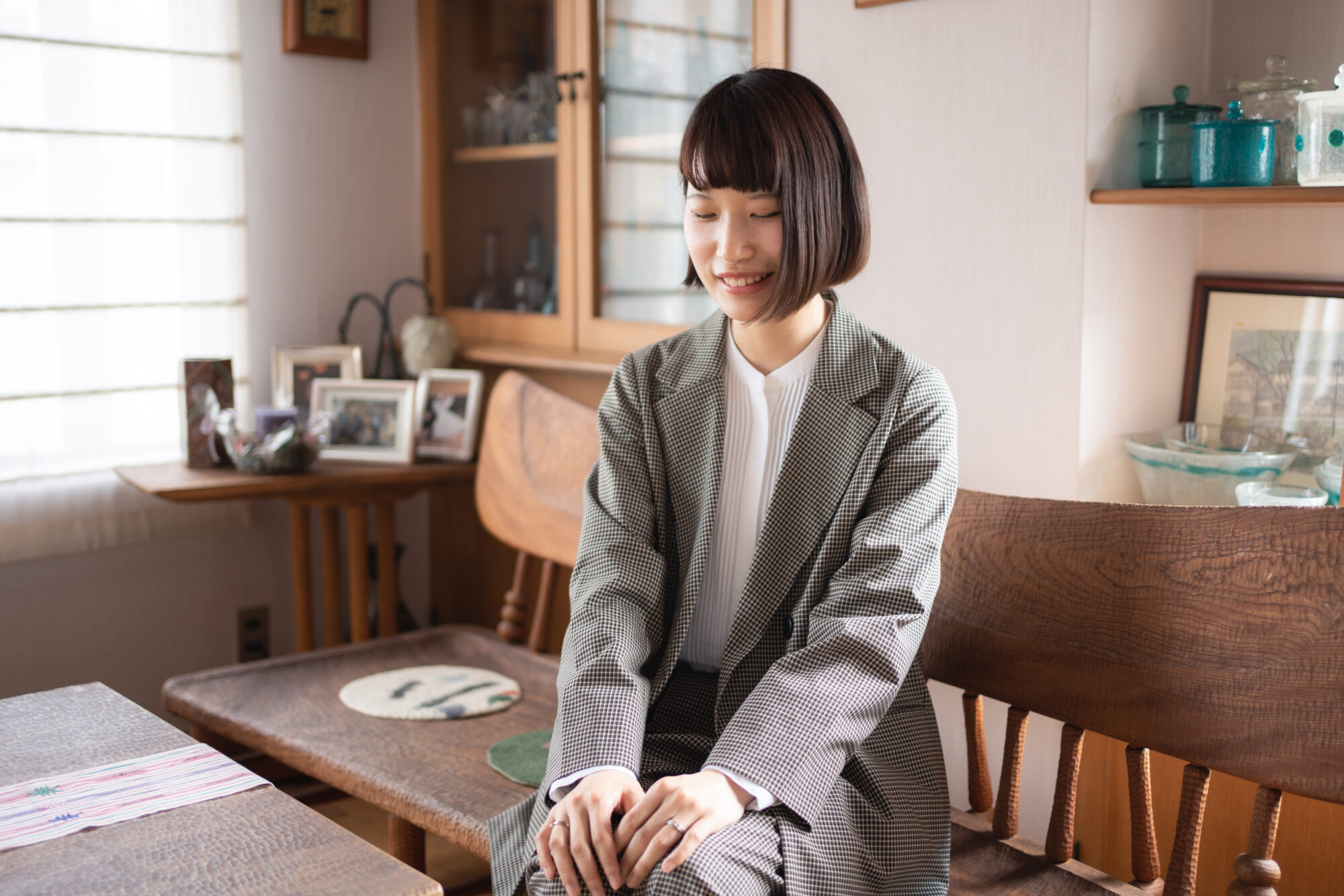
What did you feel while engaging with the town as a member of the Regional Revitalization Corps?
Sawae
I became a member of the Kurashiki City Regional Revitalization Corps with the ultimate goal of owning my own café.
However, when I actually tried to open a café in the Bikan Historical Area, I found that the rent was incredibly high, and I realized that it was absolutely impossible for an individual to run a café.
Furthermore, I was thinking of building relationships with the local community as a member of the Regional Revitalization Corps, but there was no community to begin with.
The people who originally lived in the preservation district are aging, and there are few active individuals, while companies with no ties to the area are renting spaces and conducting business.
I came to think that young people like me must build the community.
Do you think a guidebook would be helpful in building the community?
Sawae
The townscape that retains the atmosphere of the Edo period is a rare existence even nationwide, and many people who feel the value of the preservation district visit for tourism.
On the other hand, it is an ideal place for business, which has led to the entry of large companies with no local ties, resulting in rising rents.
To protect culture and the townscape, we must not focus solely on economic activities.
It is difficult to eliminate current external capital, as the economy cannot be completed solely within Kurashiki or Okayama.
Even so, I believe we must continue activities that convey the importance of culture and history.
The guidebook is an activity to convey culture and tradition, and it is useful for disseminating information to companies that have come from outside.
Oga
Indeed, while there is a reality that external companies are entering the preservation district, I feel that the local voice is also becoming stronger.
The guidebook that Mr. Sawae has worked on is certainly helping to convey the value of the preservation district.
I have the impression that more people around me are becoming aware of the value of the preservation district and taking action.
I look forward to the ideas and actions of the next generation like Mr. Sawae.
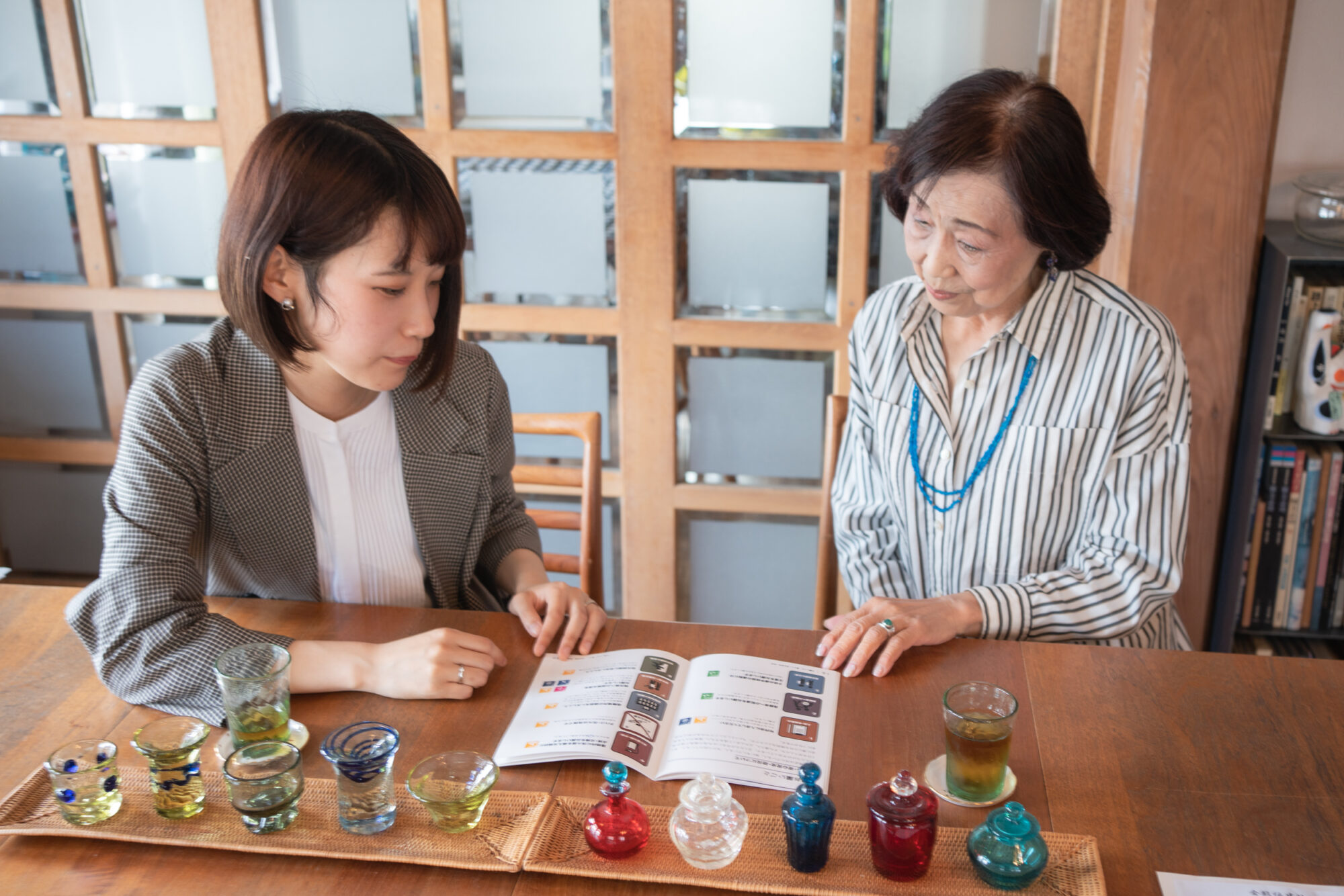
After finishing reading the guidebook "Towards the Future of the Kurashiki Preservation District"
It is natural that money flows in places where people gather.
In the past, warehouses and townhouses displayed signs for restaurants, apparel stores, and miscellaneous goods shops, and various companies engaged in commercial activities.
And in the modern era, where the economy has spread widely, companies with no ties to Kurashiki are also entering.
This may be a factor that creates a conflict with local values.
Listening to the stories of Mr. Oga and Mr. Sawae, I felt that the value of culture and tradition is in a situation where it seems to be swallowed by indicators that are emphasized in modern society, such as monetary value and efficiency.
However, we must also focus on the advantage that active commercial activities are not opposing forces to culture and tradition, but rather bring people and economic benefits.
The guidebook "Towards the Future of the Kurashiki Preservation District" expresses the desire to inherit the historical landscape for future generations and to establish both the spiritual richness of conveying the value of culture and tradition and the economic richness that allows the flow of people, goods, and funds through active commercial activities.
After finishing the guidebook, I felt that the coexistence of spiritual richness and economic richness is the goal that the preservation district aims for.
Data on "Towards the Future of the Kurashiki Preservation District"
| Name | Towards the Future of the Kurashiki Preservation District |
|---|---|
| Location | Distributed to residents and businesses in the preservation district |