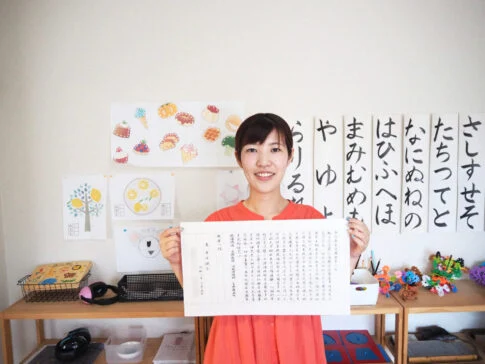
Interview with Satomi Makihara, Representative of the Kawabe Reconstruction Project Aruku
We interviewed Satomi Makihara, who immediately began providing meals after the heavy rain disaster in July 2018 and has continued to create a place for local residents to gather.
The Journey of the Kawabe Reconstruction Project Aruku
Can you tell us how the Kawabe Reconstruction Project Aruku was born?
Makihara
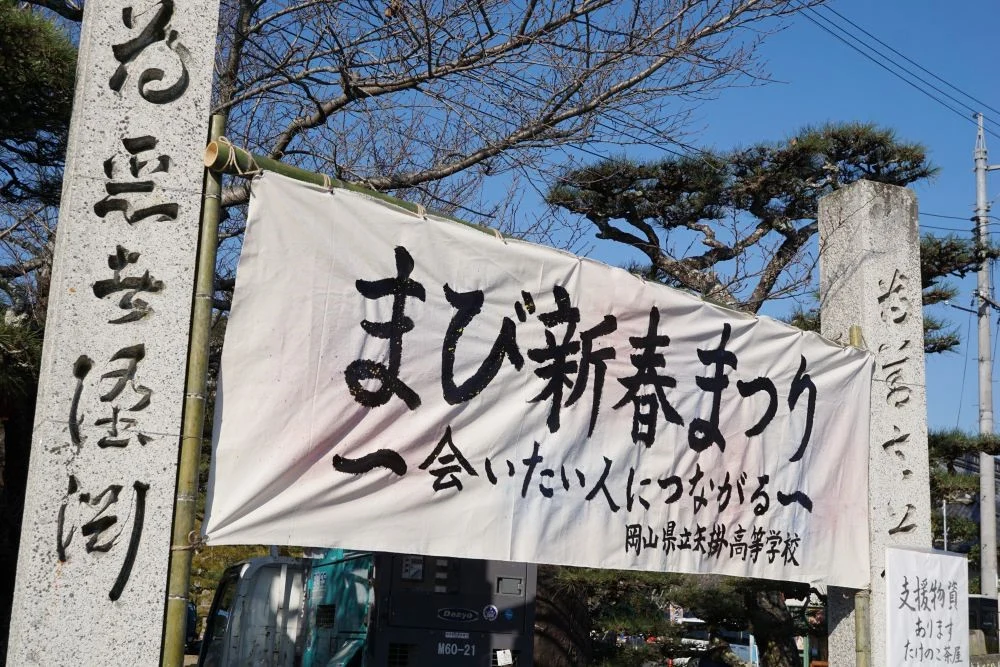
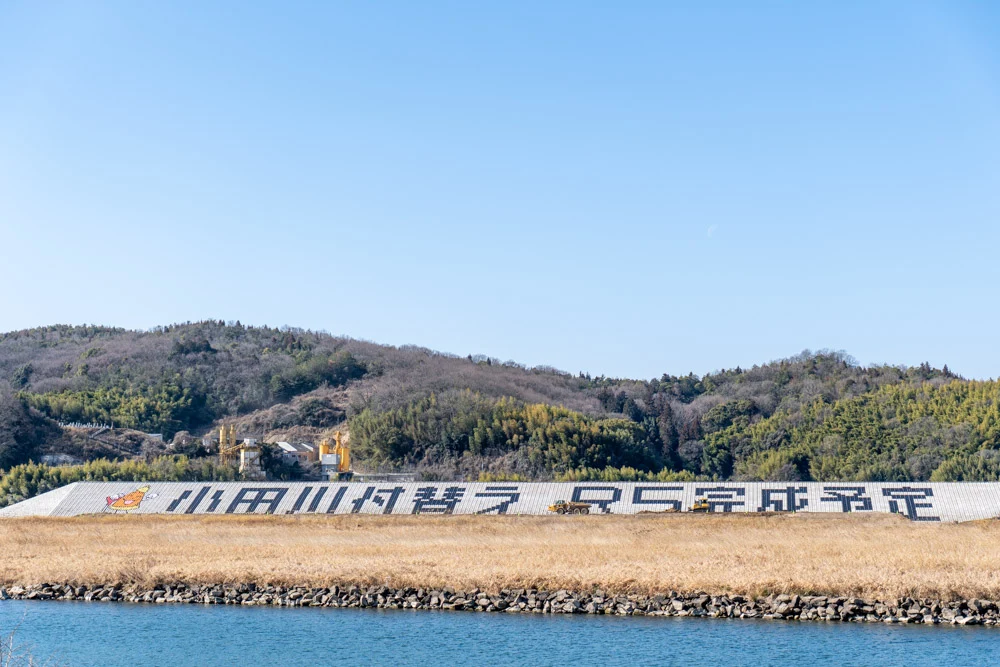
Due to the heavy rain disaster in July 2018, almost all the houses in the Kawabe area of Mabi, where I live, were flooded, and the branch of the elementary school and the community center were also affected.
With public support being hard to come by, many residents felt that they could not live anywhere else and had to return, but they were also anxious, thinking, “No one will come back.”
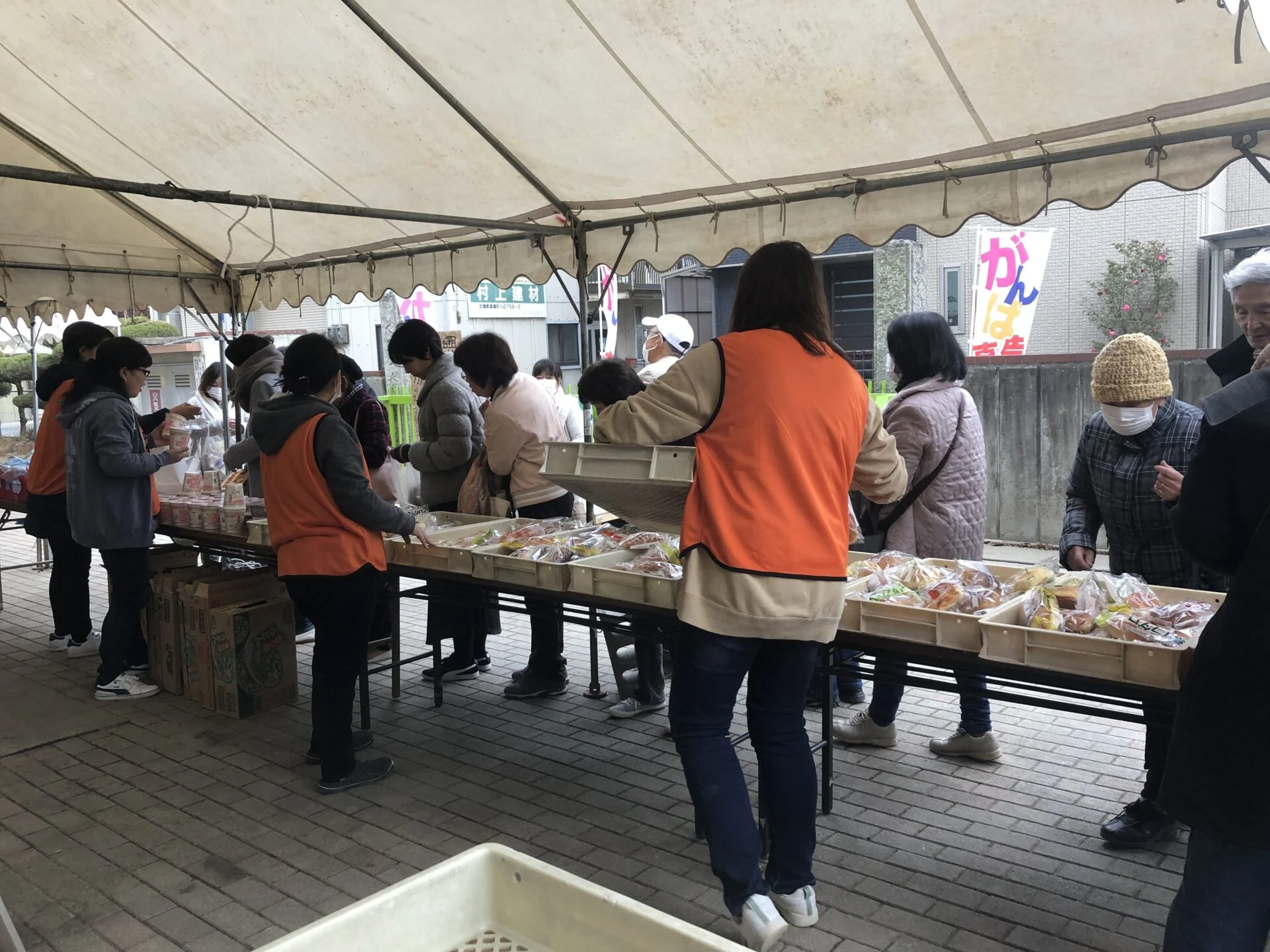
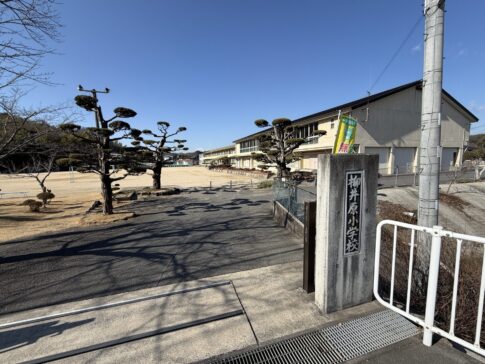
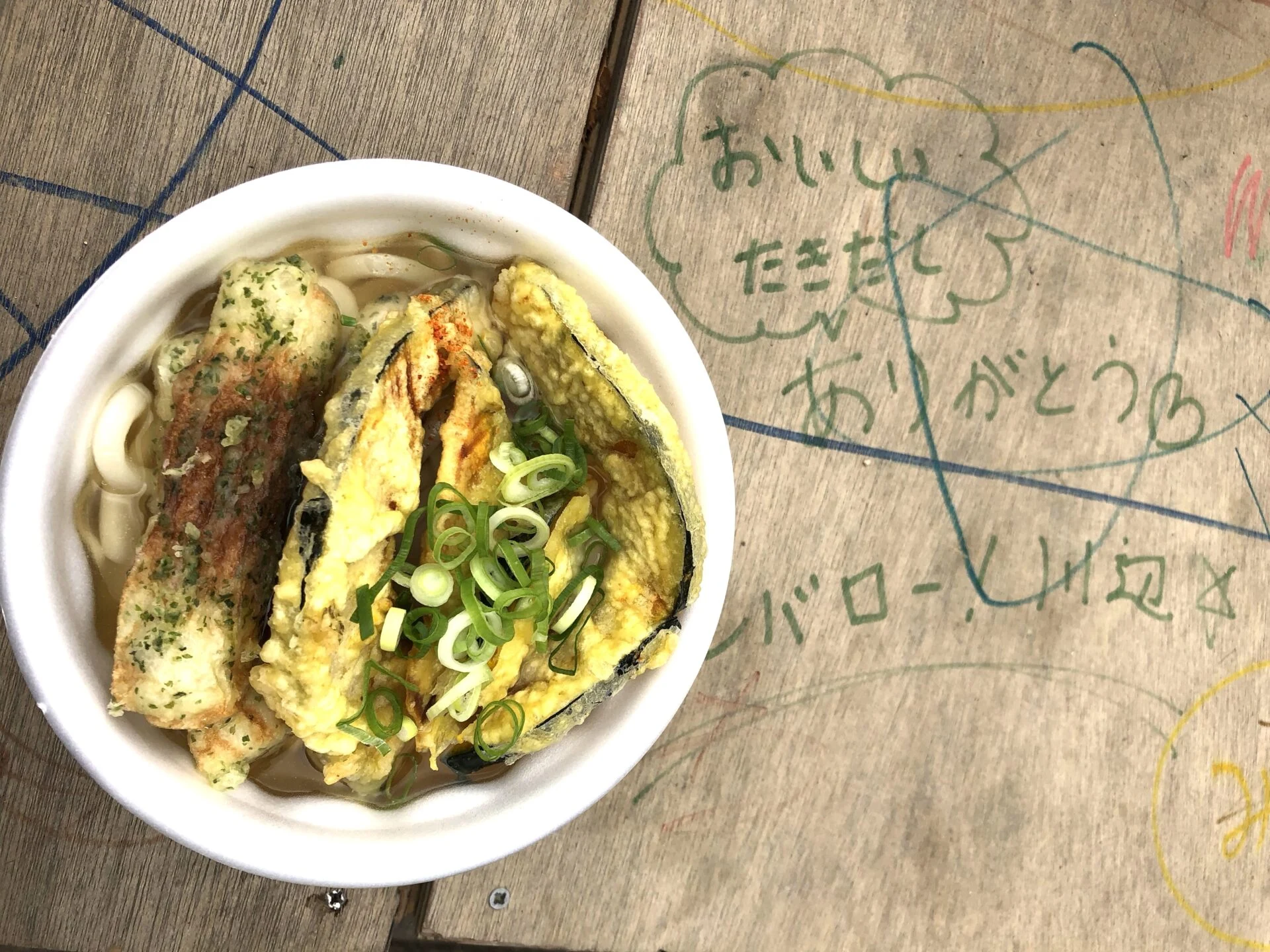
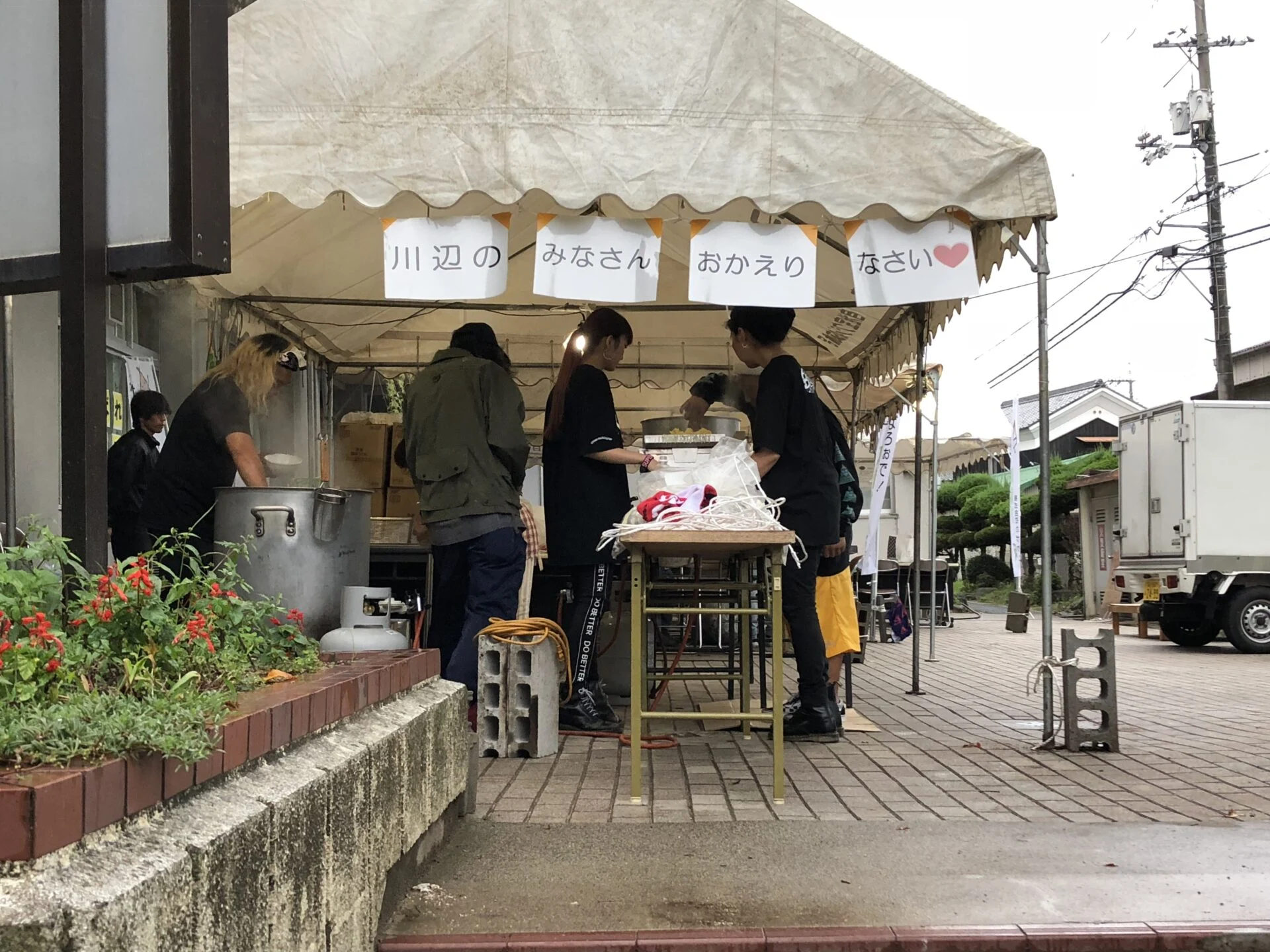
In response to these voices, I felt that “A place for people to gather is necessary,” and with the help of volunteers, I started providing meals at Kawabe Elementary School from the end of August.
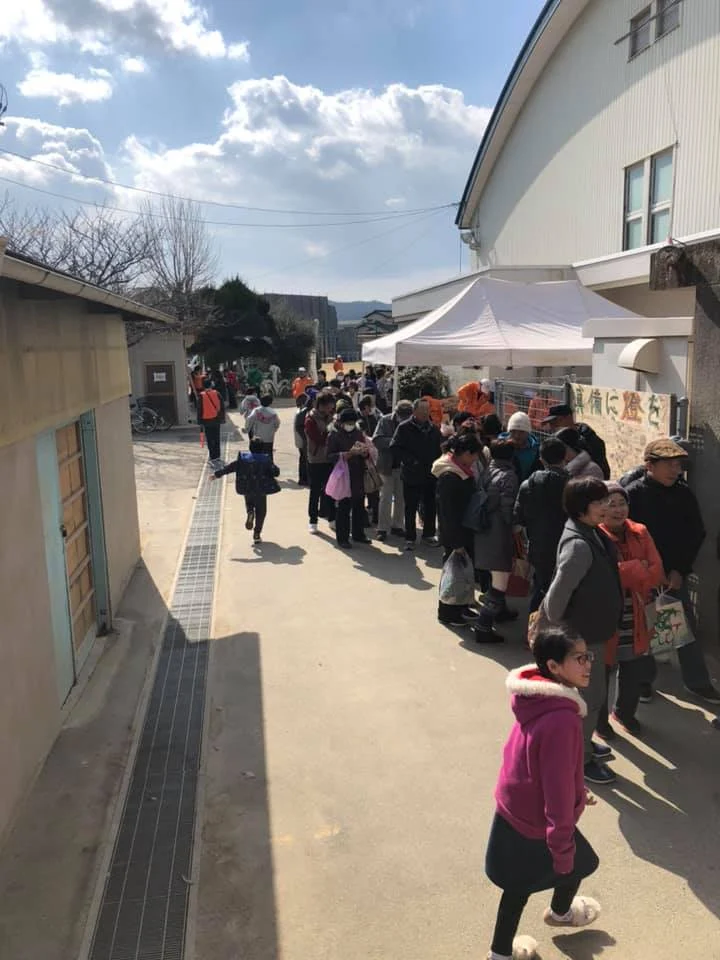
Many people had moved to temporary housing, and there were almost no people in Kawabe, but on the third day after starting the meal service, about 300 people gathered, and I realized that “such a place is indeed necessary” as I saw them enjoying meals and conversations.
However, it was difficult to continue the meal service for a long time, and feeling the need for a self-sustaining place, I established the Kawabe Reconstruction Project Aruku. The initial members were those who offered to help me, who was coordinating the meal service alone.
What was the first thing you worked on?
Makihara
In 2018, I had been living in Mabi for ten years.
The first thing I did was to establish a LINE group called “Kawabe District Everyone's Association.” I received a message from a friend saying, “I want to send supplies,” and since I was living comfortably at my evacuation site, I felt that “A system is needed to ensure that supplies reach those who truly need them.”
Using my experience as a former PTA president, I invited parents to the LINE group to share “what is needed right now.” Within the same day, 100 people joined, and it eventually expanded to 600 people.
Since I had been involved in the Kawabe District Community Development Promotion Council, I had no resistance to community activities.
Knowing faces and names also supported my activities and gave me the strength to step into community regeneration.
Utilizing social media was also effective. Being able to communicate SOS messages and respond to the media was a significant achievement for me.
It was also appreciated that the principle of volunteering, “Those who can do what they can, do as much as they can,” was understood and supported by the local people.
How is the activity being carried out?
Makihara
We hold a 2-3 hour meeting once a month. Although “reconstruction” is in our organization’s name, we constantly discuss questions like “Until when is reconstruction” and “Is it really needed” as we carry out our activities.
I proposed projects such as the Disaster Prevention Parent-Child Handbook and Junior Disaster Prevention Leader Training Course, and the members supported me in moving them forward.
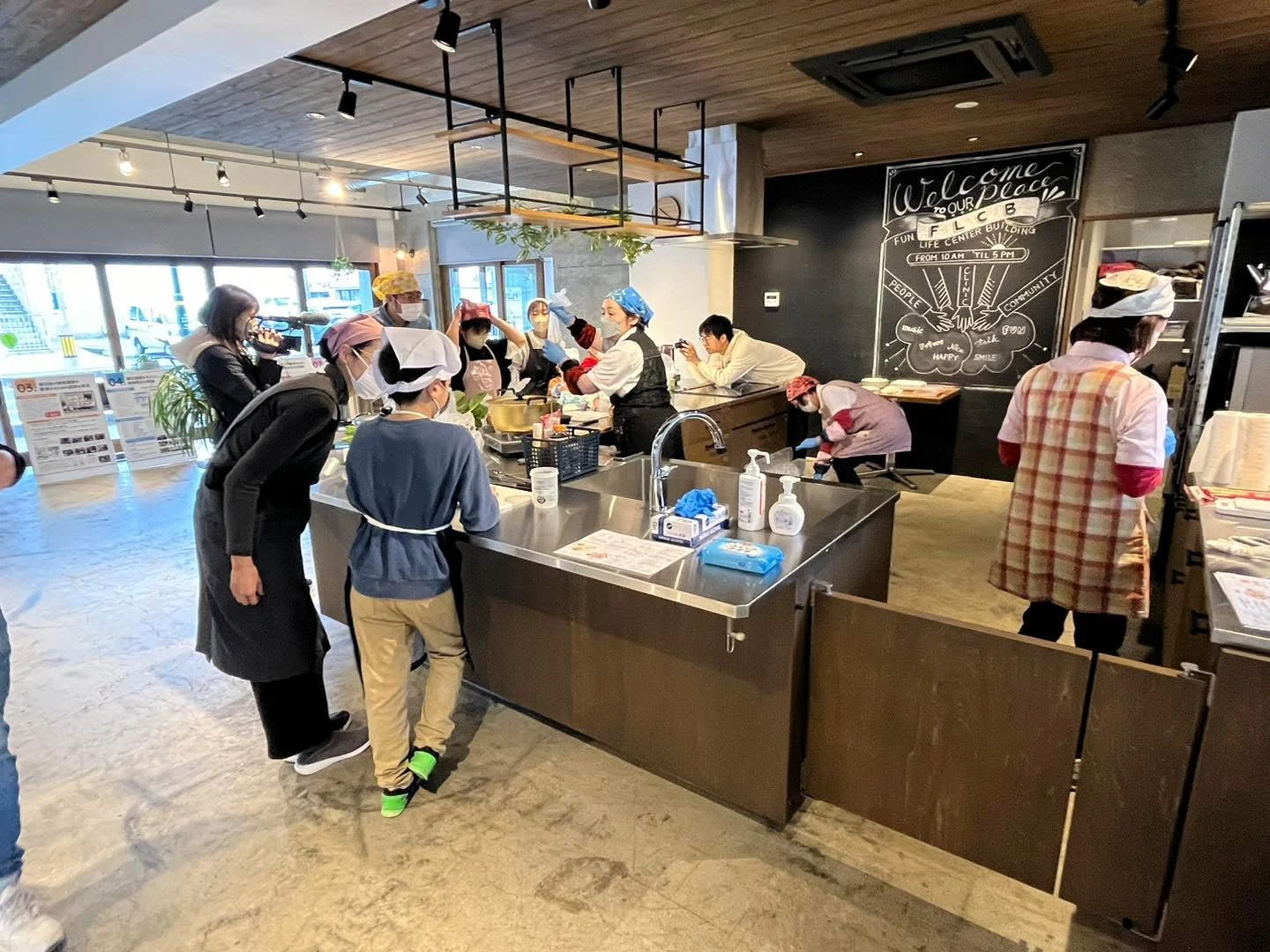
I once heard from a middle school teacher that “Children today only receive information that interests them.”
Due to the influence of social media, a situation has arisen where it is possible to “avoid knowing what you don’t want to know,” and I feel that it is increasingly important to communicate about disaster education and preparedness.
The Comfort of Having a Place to Gather
I understand that you value creating places where people can gather.
Makihara
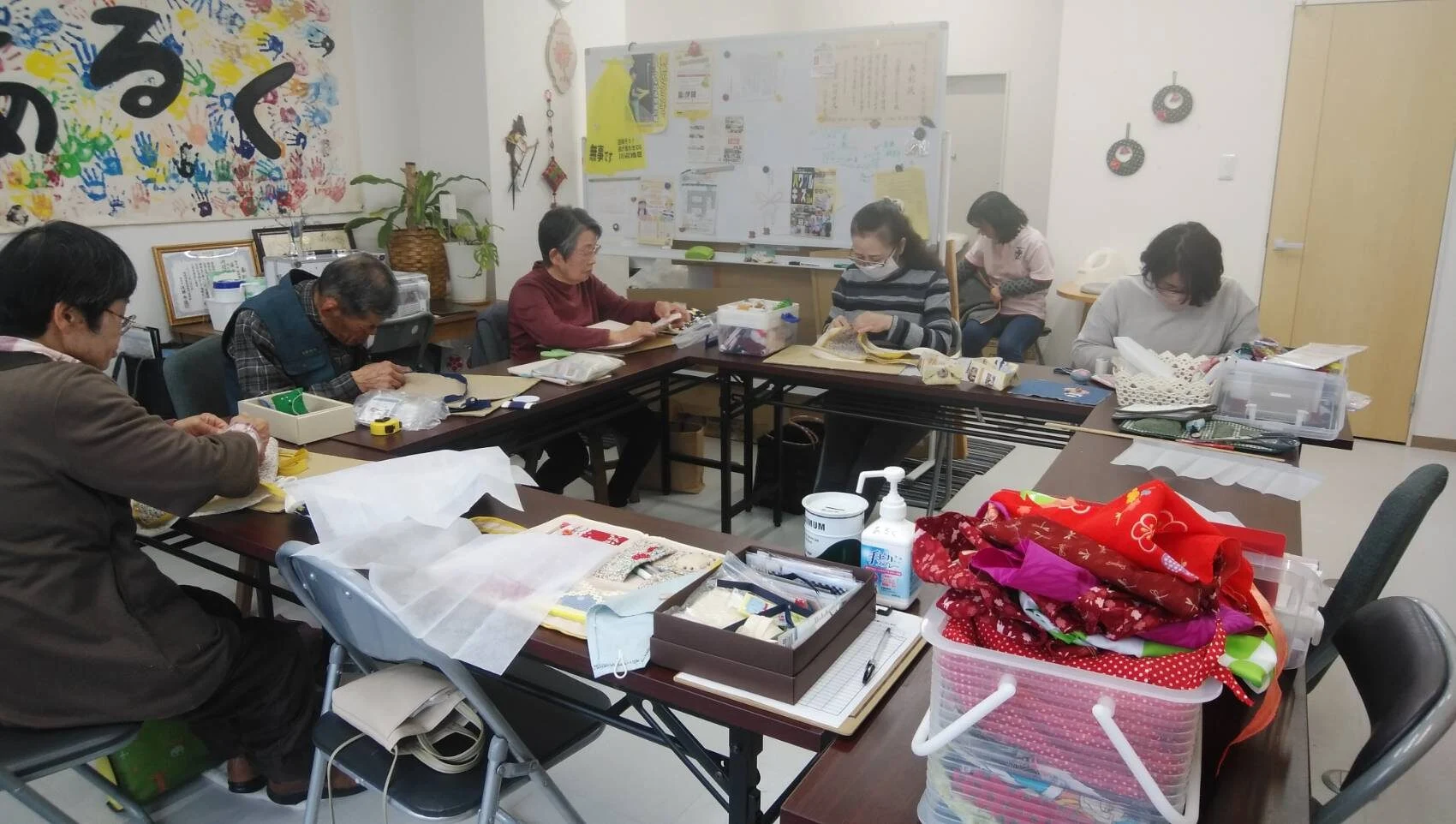
One gathering that stands out as a place to gather is the “Small Item Making Club.” Members who are good at crafts prepare kits according to the seasons, and participants enjoy making things and chatting.
In fact, this club had no participants at all for the first two years.
Even so, we continued our preparations, and gradually the number of participants increased. Now, we hold a year-end party where everyone gathers around a bento box, and we have relaxed days where we say, “Today is a day to eat, not to make.” It has become a free and warm place.
An elderly woman who participated in the Small Item Making Club for the first time said tearfully, “I’m really glad this place exists,” and I was reminded that our activities connect to the participants' sense of purpose in life.
Some people have started to share their experiences from the time of the disaster, and I feel that the natural progression of emotional care has been fostered because of the trust that has developed.
Additionally, during the COVID-19 pandemic, a local person once said, “It feels lonely when the office lights are off.” In response to that voice, members took turns turning on the office lights and said, “Please feel free to come by,” and sometimes we enjoyed tea outside the office.
The fact that the lights are on and there are people present creates a sense of security was something that surprised and delighted me.
Have there been any moments of joy during your activities?
Makihara
The greatest joy was when someone who comes to the salon said, “I’m glad to be a resident of Kawabe.” Since the disaster, my goal has been to create a Kawabe where people can think, “I’m glad I came back,” and that feeling has not changed.
Among the residents, there are those who did not return by choice and those who still feel anxious every time it rains heavily. Even so, hearing them say, “I’m glad to be here” is the greatest encouragement for me.
Continuing to Move Forward
Are there any challenges you face while continuing your activities?
Makihara
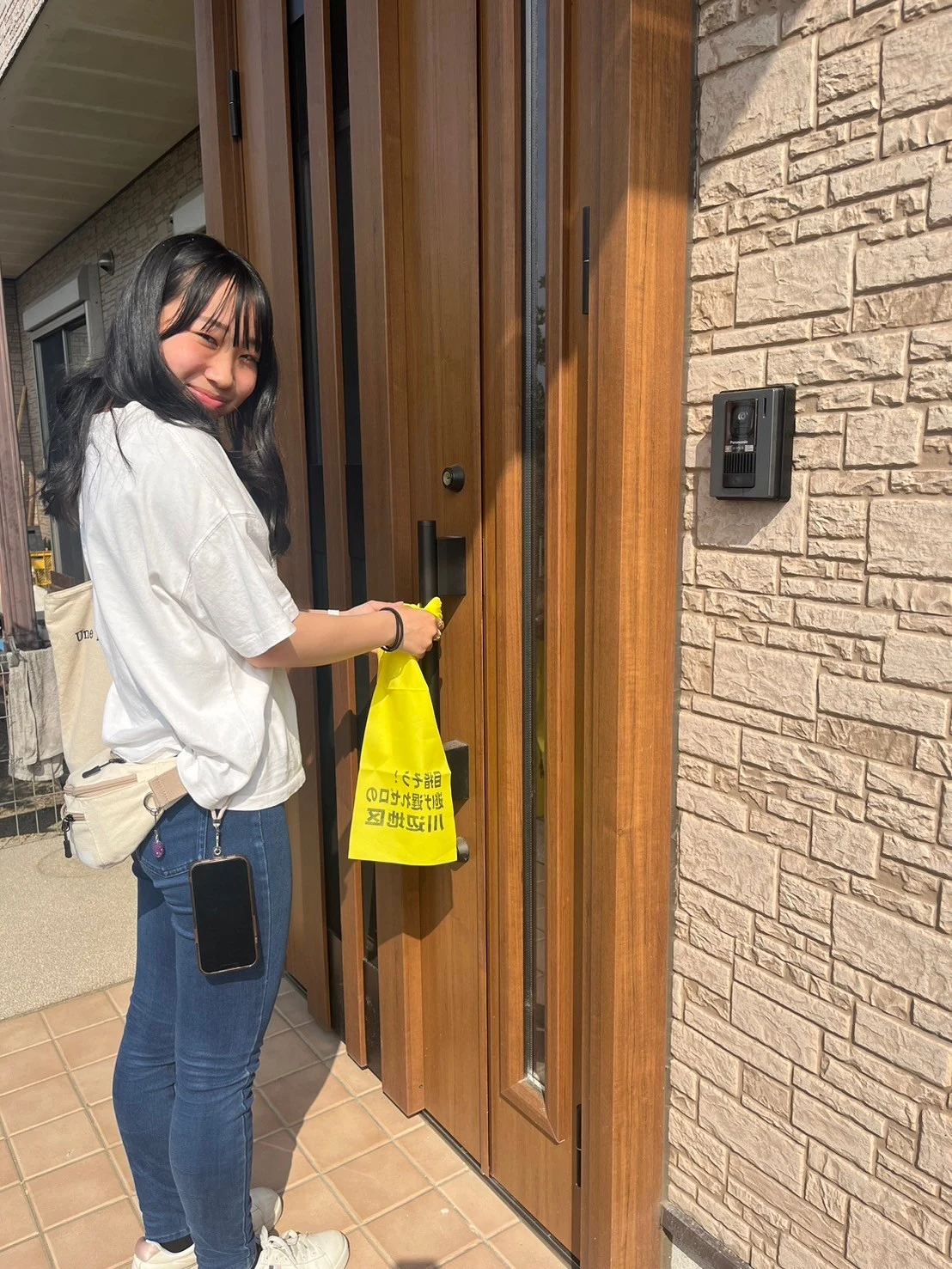
A future challenge is how to build connections with residents who have not experienced the disaster.
The number of households living in the Kawabe area has exceeded pre-disaster levels, but there are still vacant lots and places with anti-weed sheets, and not all former residents have returned. On the other hand, the number of new residents is also increasing.
It is important to perceive the disaster that occurred in this region as “one’s own issue” and to connect with the same feelings to live together.
I hope that the activities of Aruku can serve as a bridge for that.
There are also ongoing financial challenges. Grants require public interest, and I have been turned down for being “too narrow in scope for just the Kawabe area.” We also need to be creative in reprinting picture books and materials.
To be honest, maintaining the office also incurs costs.
There was a proposal to “give up the building and focus on activities,” but from the experience that having a place with the lights on during the COVID-19 pandemic provided significant reassurance, I want to maintain it as much as possible.
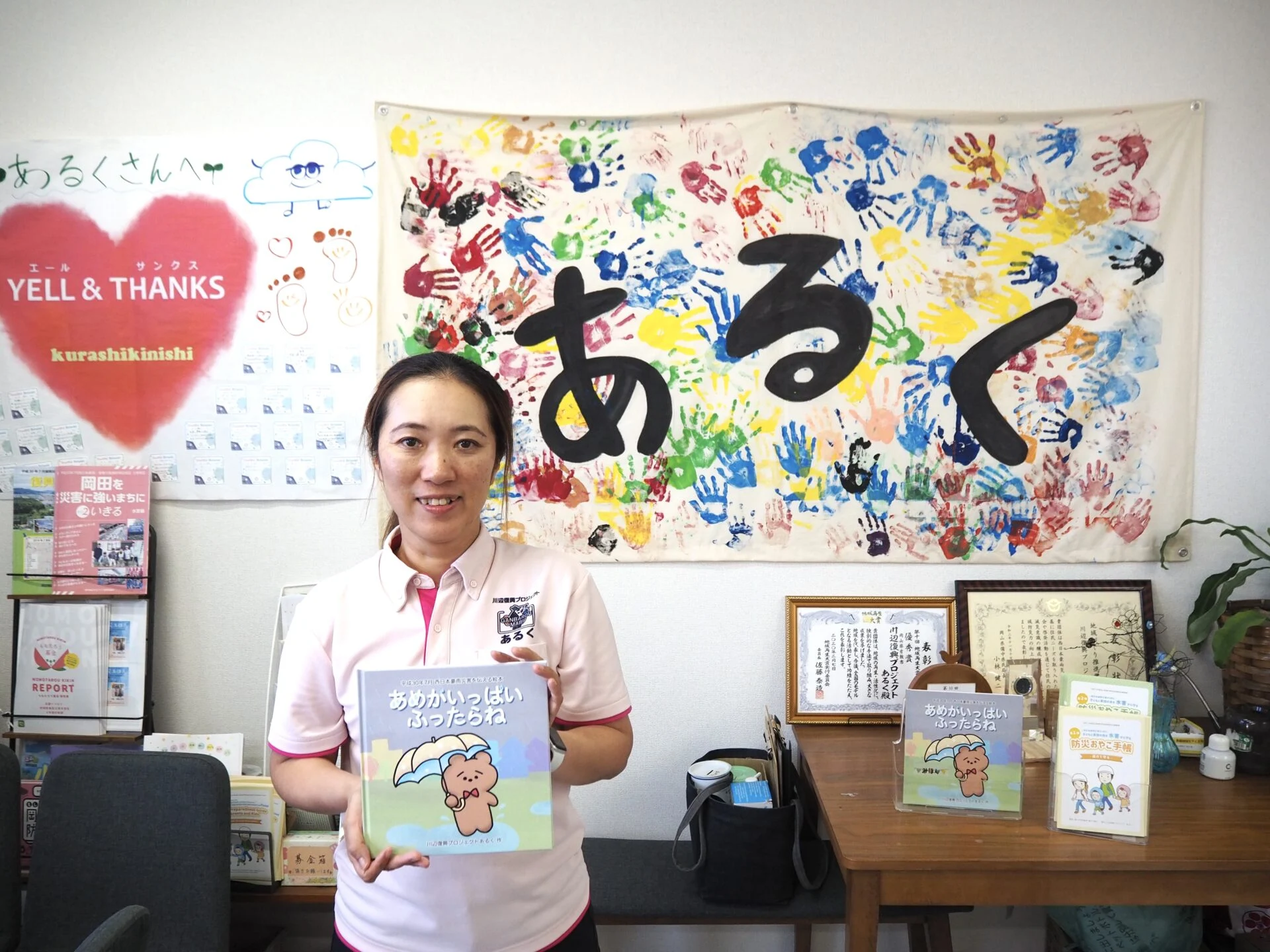
I hear you have various projects every year, and this year you created a picture book.
Makihara
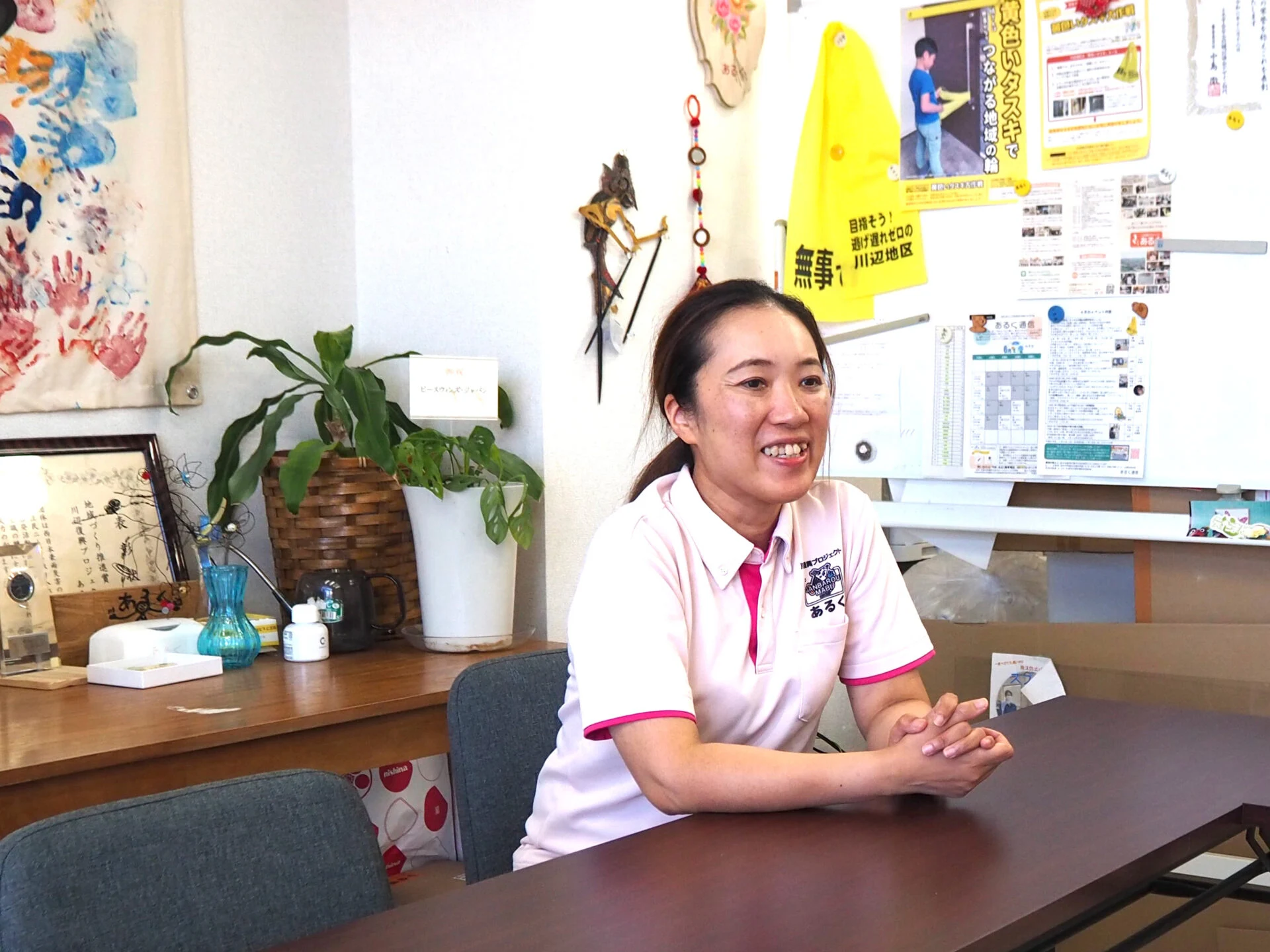
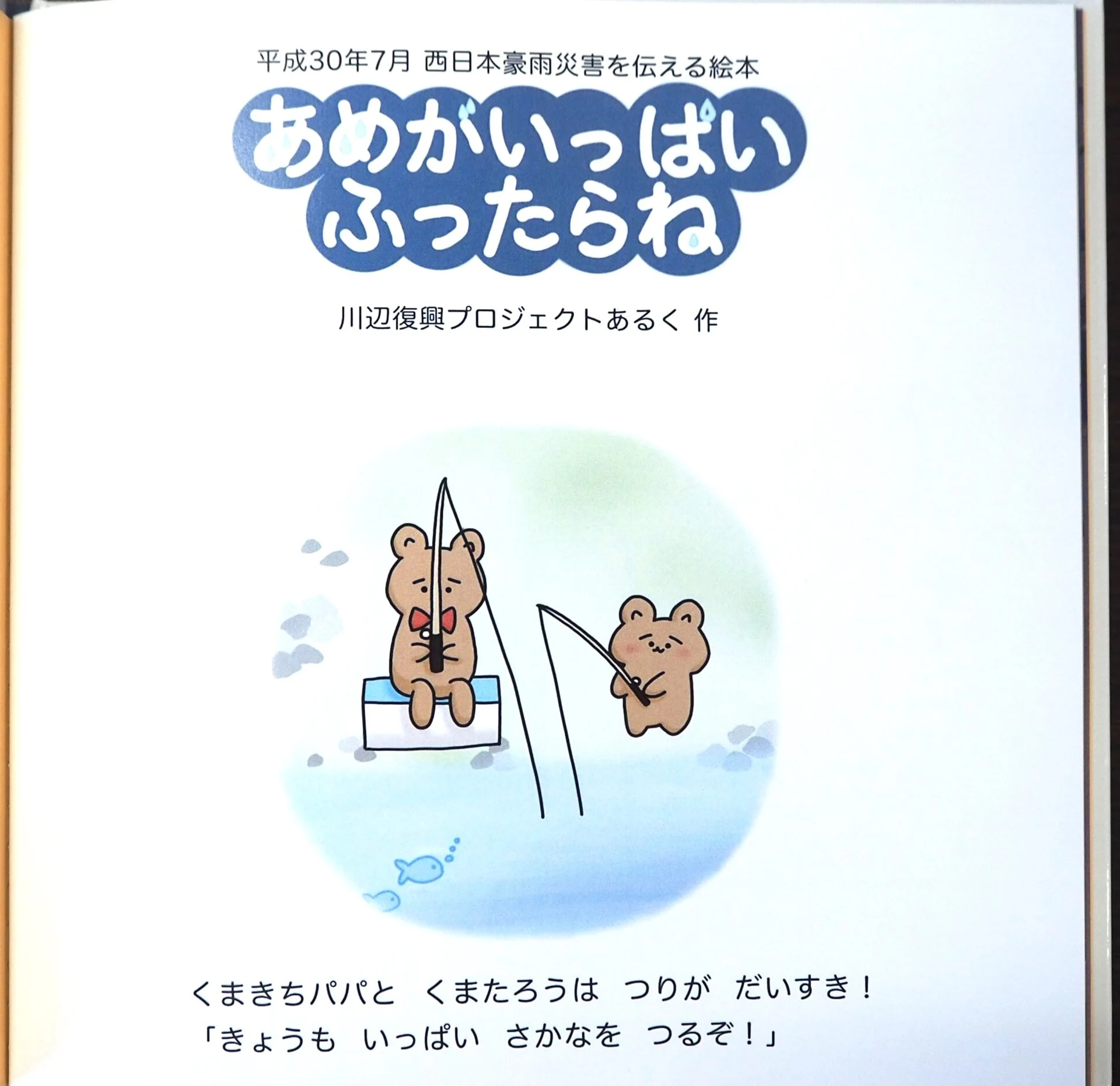
I decided to create a picture book because I realized that “The key to conveying disaster prevention is how realistically it can be imagined.”
I was involved in evacuation drills at the nursery school where I worked and told the children, “If you evacuate, you must not return home.” However, I actually returned home twice during disasters.
I had fallen into the normalcy bias of thinking, “I’m fine.”
From the desire to convey to children how to act during a disaster and why they should not return, I created a picture book based on real experiences in Mabi, almost as a nonfiction work.
To reach as many people as possible, I am currently offering it as a reward in a crowdfunding campaign.
I would be happy if it deepens the learning of those who pick it up and resonates with their hearts.
Can you share your future outlook?
Makihara
It’s not something grand enough to be called a vision, but I hope to continue to be a place where the thoughts of everyone involved in “Aruku” can be shaped, even just a little.
I believe that the things that need to be done are surely within the participants, and my role is to create an environment where those can be realized.
For the members of Aruku, the activities are a source of purpose in life, and as long as those who come to visit say, “I want you to continue,” we want to keep our activities going.
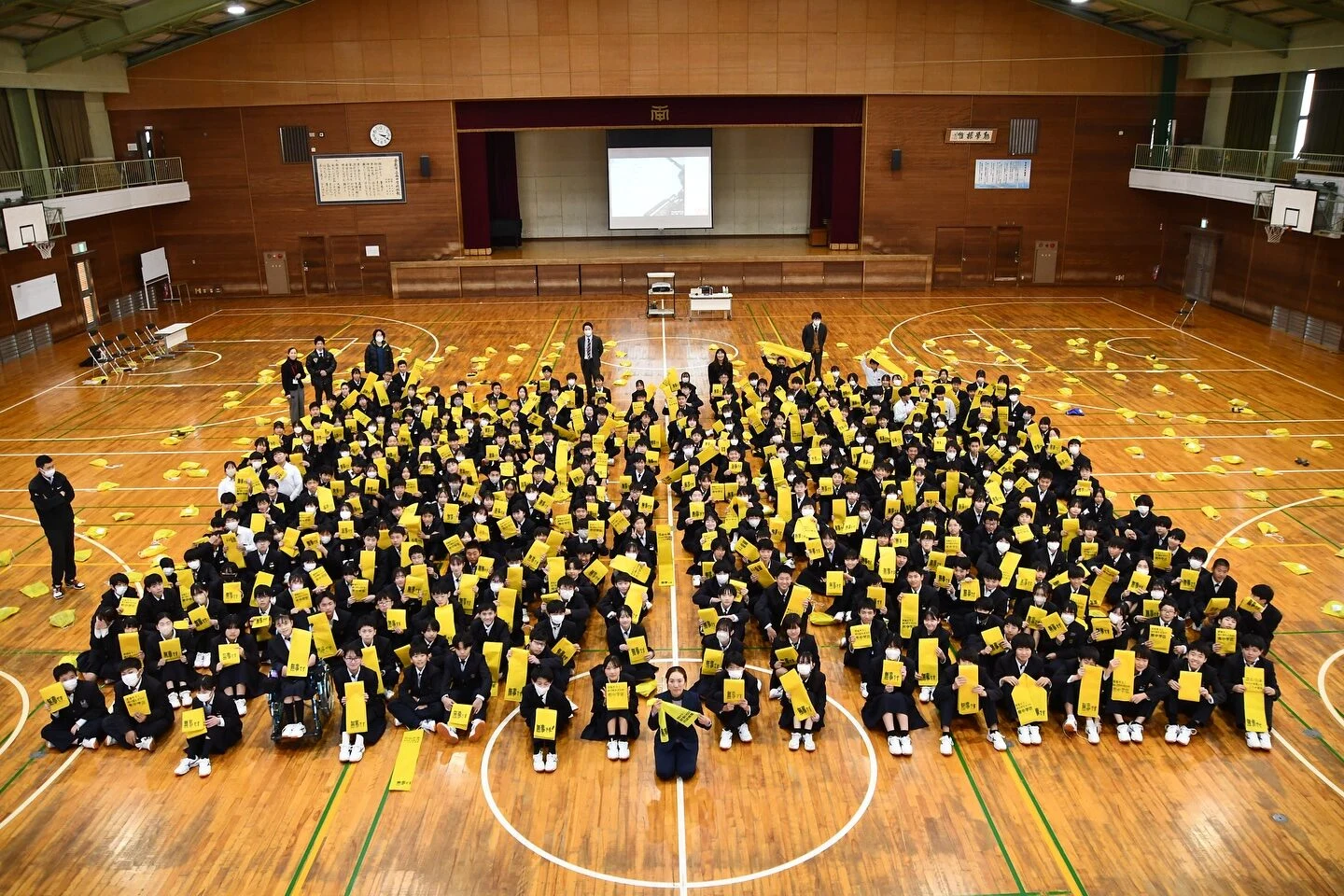
Hearing voices like "After several years, we can finally talk about what happened back then," makes me feel that a gathering place is indeed necessary.
For this reason, we are holding small gatherings and study sessions, using topics that naturally arise from daily conversations about evacuation centers and disaster prevention. We believe that this accumulation will lead to new activities, and we are all positively continuing with the aim of "at least aiming for 10 years."
We believe that the activities of the Kawabe Reconstruction Project Aruku will serve as a model and spread to other regions, and we would like to continue to innovate as we move forward.
Conclusion
The Kawabe Reconstruction Project Aruku has been creating gathering places for residents since immediately after the heavy rain disaster.
Activities that started with food distribution and LINE groups have continued to evolve into salons and disaster prevention classes, seven years after the July 2018 heavy rain.
Makihara-san states that, after experiencing a disaster, it is important to think about what to do next.
Through my interviews, I have had the opportunity to reflect on not forgetting what happened in 2018 and to reconsider how to respond when a disaster occurs and how to build connections with the community.
The Kawabe Reconstruction Project Aruku is conducting crowdfunding until July 13, 2025.
We hope to convey the lessons learned from the heavy rain disaster to the future, and we wish for this message to reach as many people as possible.
Data on the Kawabe Reconstruction Project Aruku
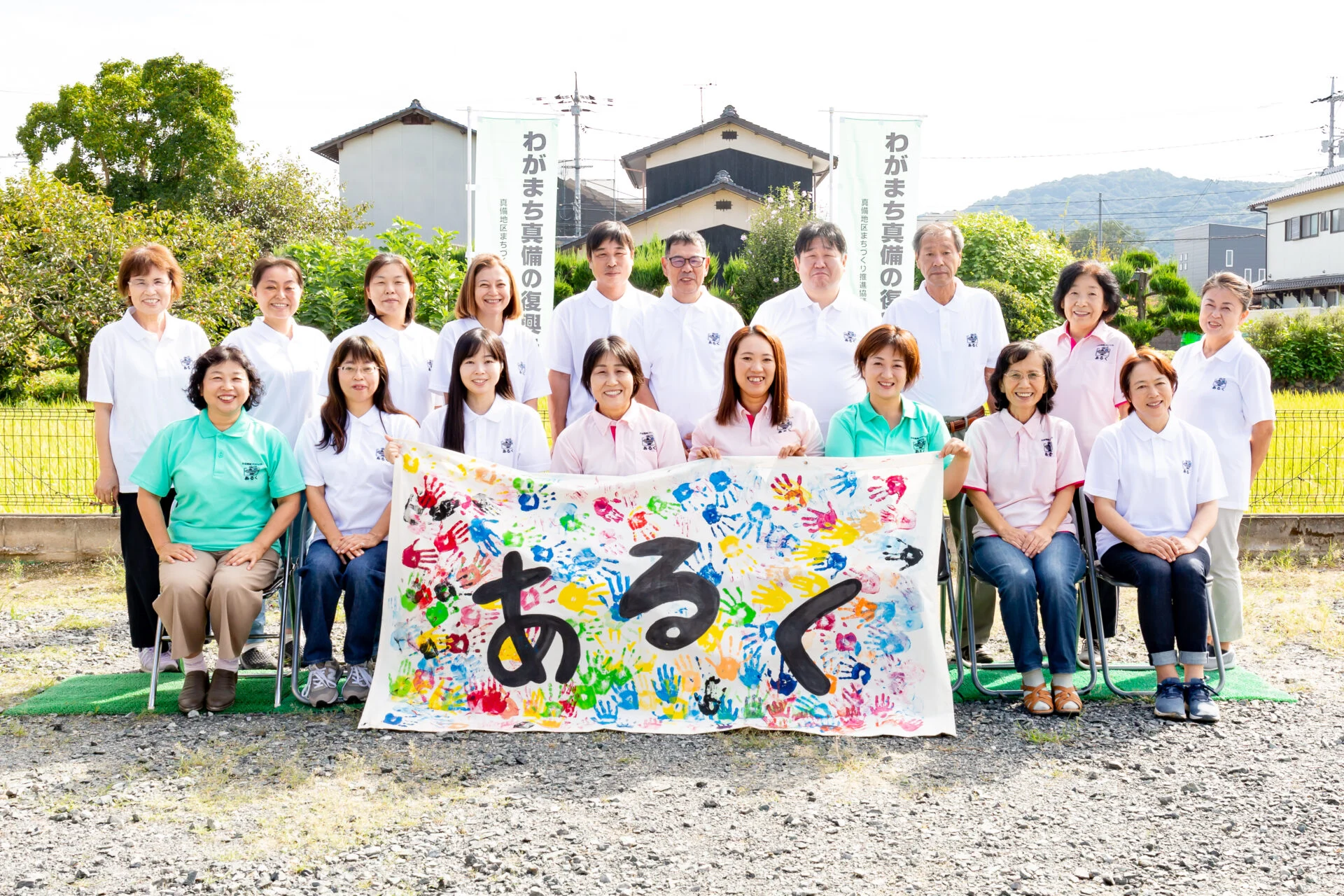
| Organization Name | Kawabe Reconstruction Project Aruku |
|---|---|
| Representative Name | Makihara Satomi |
| Year Established | October 2018 |
| Address | 123-1 Kawabe, Mabi-cho, Kurashiki City, Okayama Prefecture, Room 103 Melveille |
| Contact | 080-5752-0111 |
| Website | Kawabe Reconstruction Project Aruku |