
5,250 people across 211 organizations.
This is the number of volunteers registered with the Kurashiki Volunteer Center as of February 2024.
This article reports on the FY2023 Kurashiki Volunteer Convention, an event held to deepen the connections among volunteers in Kurashiki City and help new people learn about the current state of volunteering.
The information presented was current when this article was published in March 2024. Please note that it may differ from current information.
FY2023 Kurashiki Volunteer Convention
On February 25, 2024, the “FY2023 Volunteer Convention” was held at the Kurashiki Health and Welfare Plaza in Sasaoki, Kurashiki City.
The event was organized by the Kurashiki City Council of Social Welfare.

The volunteer center of the Kurashiki City Council of Social Welfare is the central hub for volunteers in Kurashiki City. In addition to introducing volunteers and matching them with opportunities (coordination), it also provides training.
The first half of the event featured a talk session in Plaza Hall, followed by a networking event on the third-floor level where the Council of Social Welfare is located. The networking event featured the following eight booths.
- Braille experience
- Audio description experience
- Note-taking experience
- Sign language experience
- Welfare Shop “Ayumi”
- Community support matching corner
- Volunteer consultation and registration
- Ikiki Points Program information and consultation
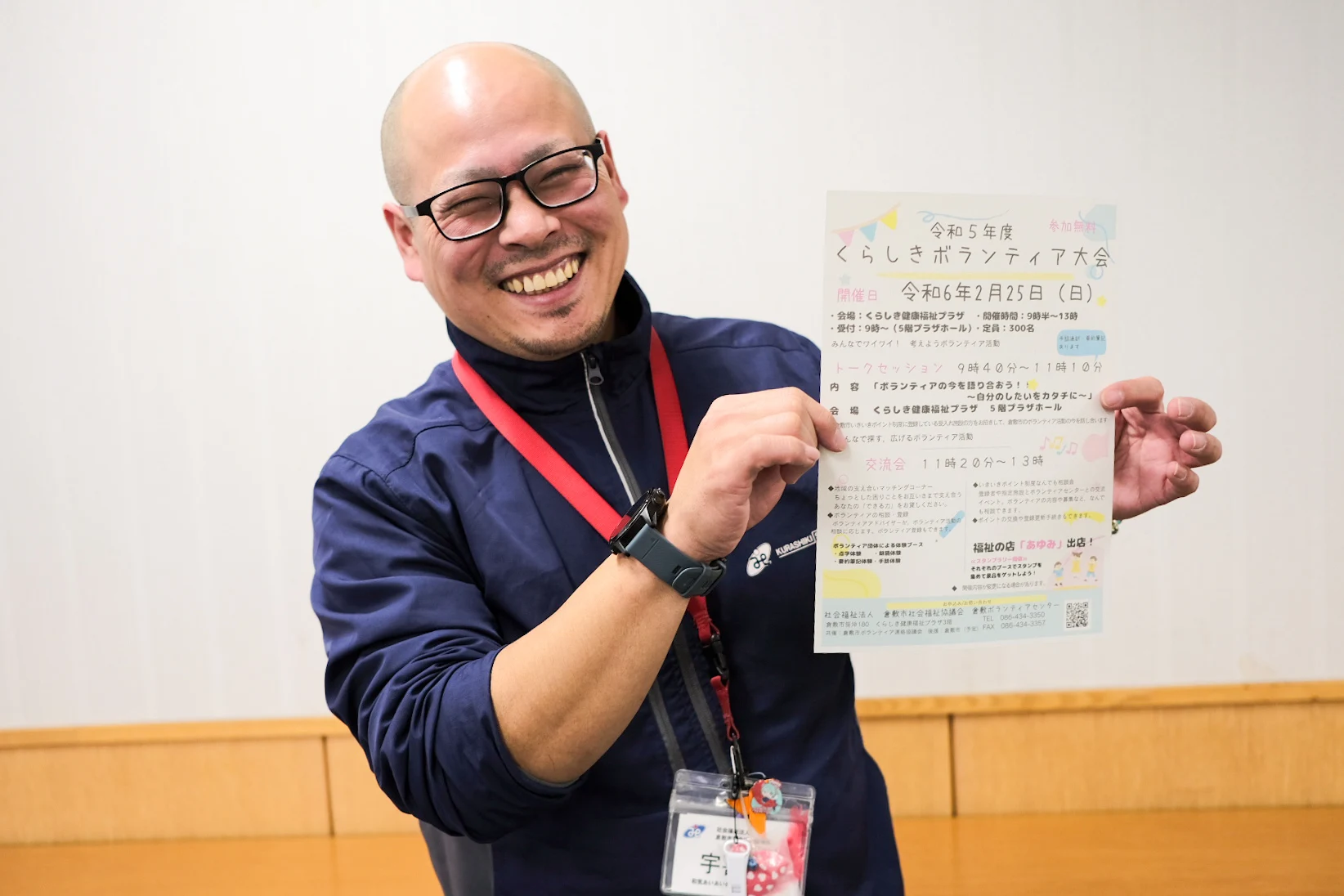
Although it was unfortunately raining that day, it seems some people joined at short notice after a volunteer litter-pick was canceled due to the weather. Participants continued to arrive at Plaza Hall.
The attendees ranged in age from preschool children to older adults, and included people in various situations, such as those already volunteering and those hoping to get started.
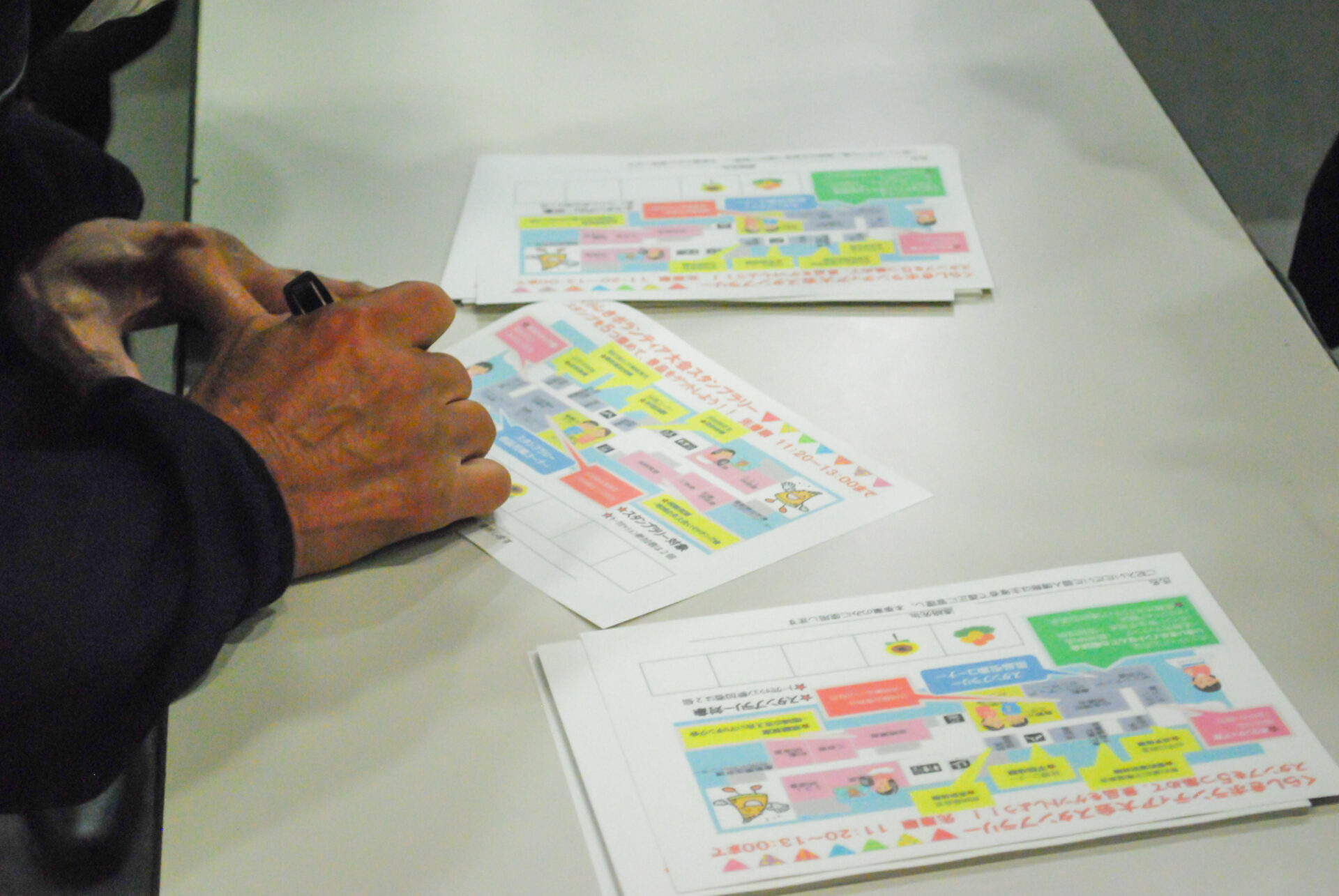
After receiving the stamp-rally card they would use that day at the reception desk, attendees entered Plaza Hall.
A venue offering a close-up look at volunteering in action
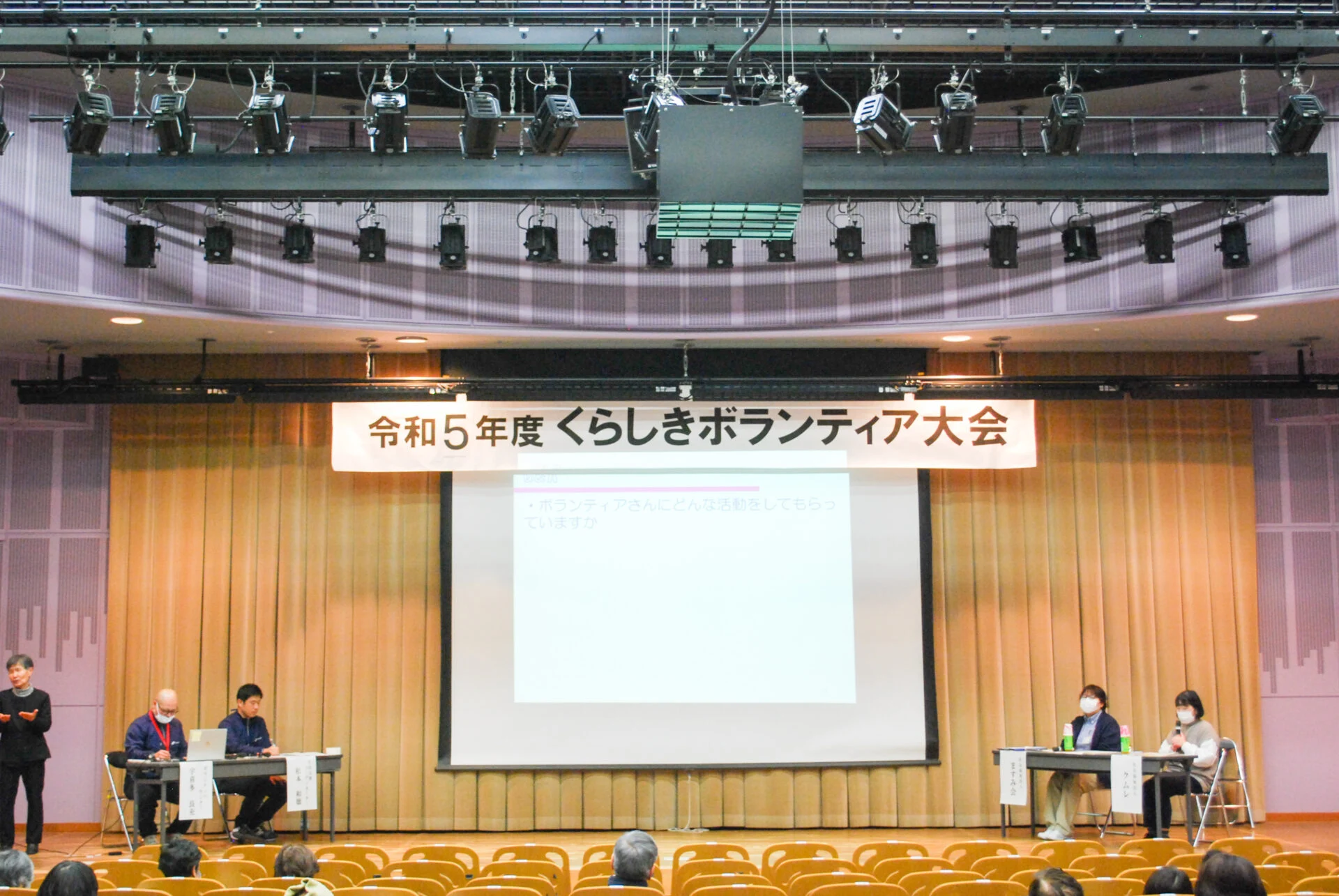
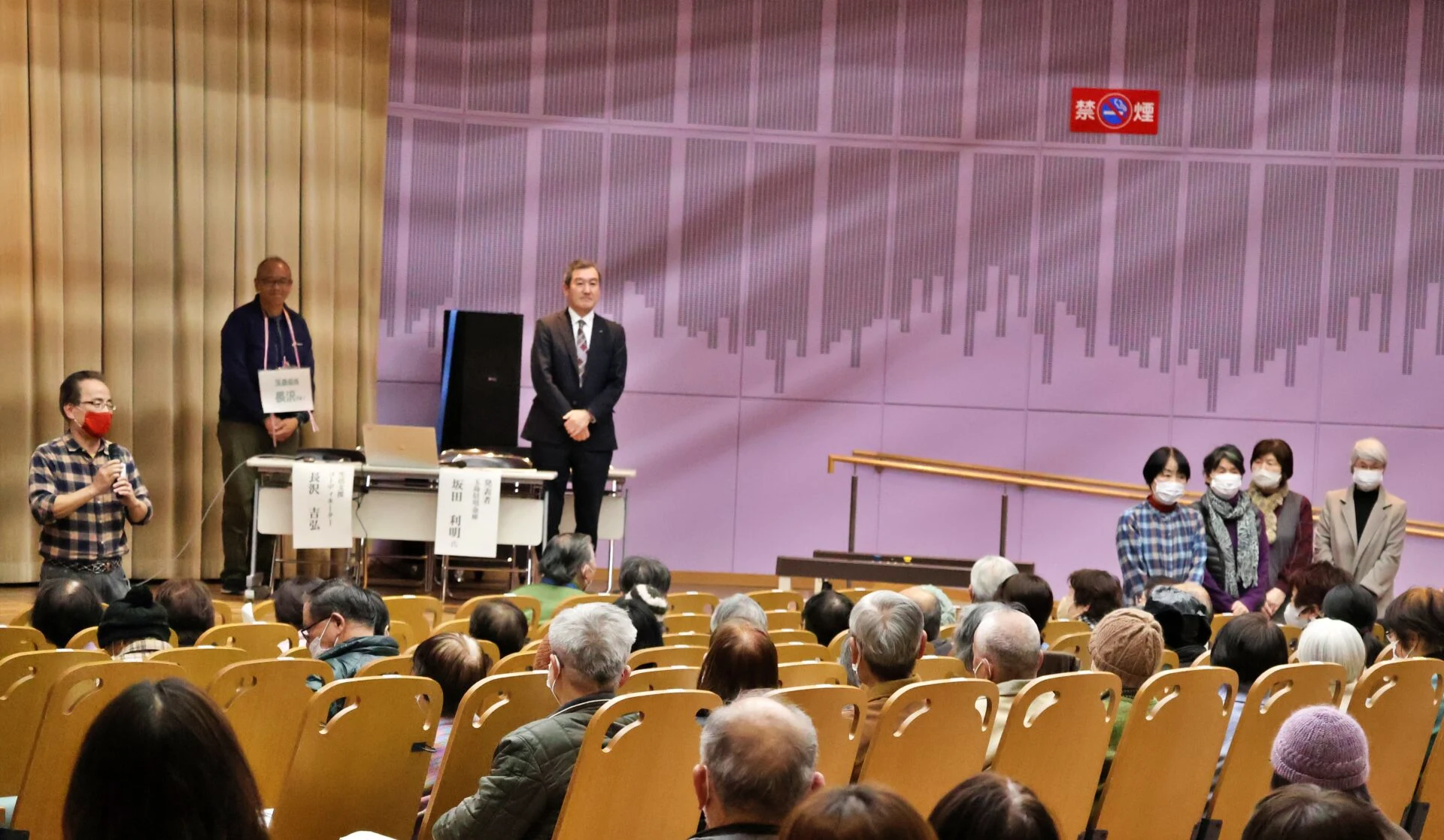
Two large screens were set up at the venue.
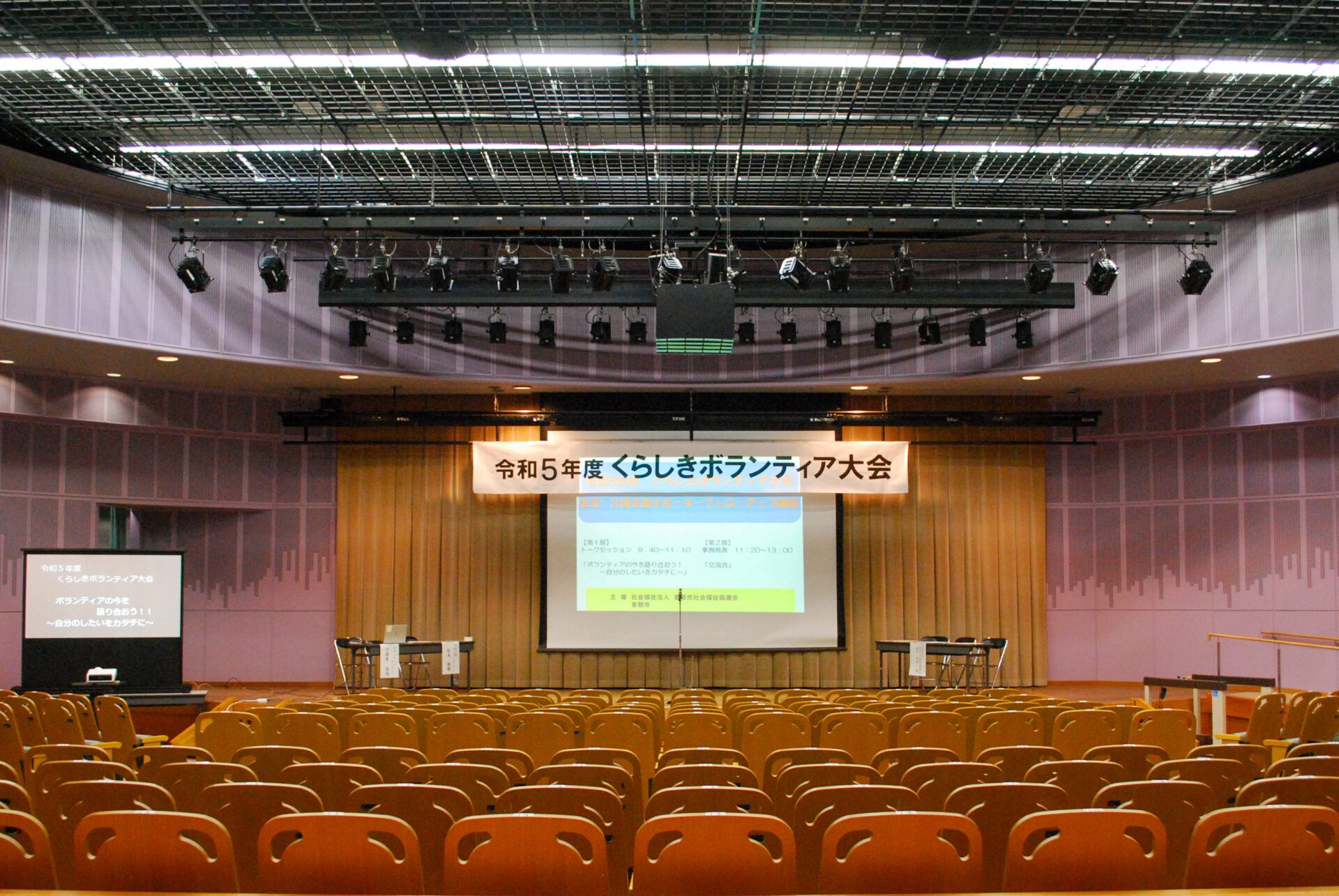
The screen in the middle was used to guide the proceedings.
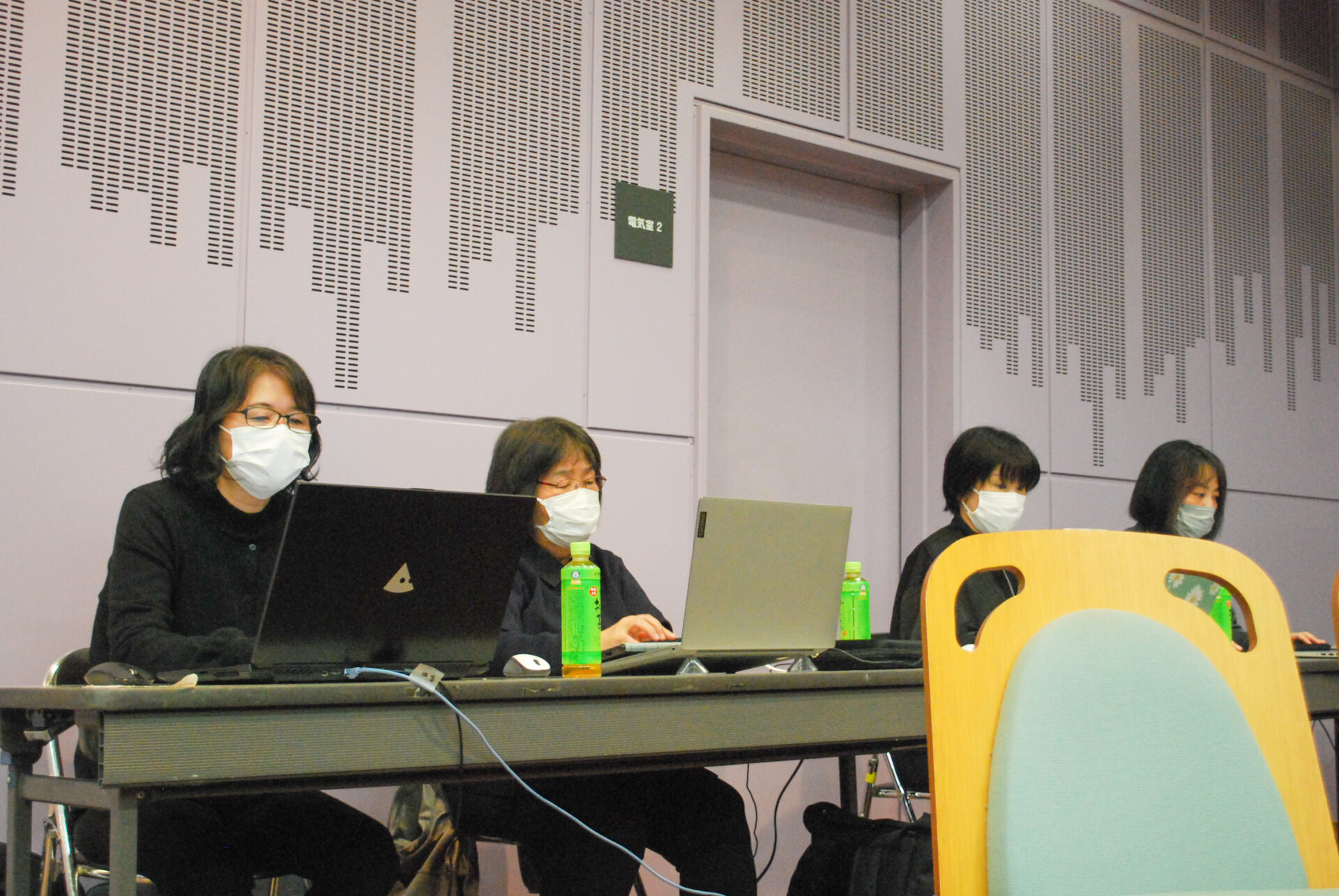
The screen to the left of the stage displayed information typed by the summary note-takers.
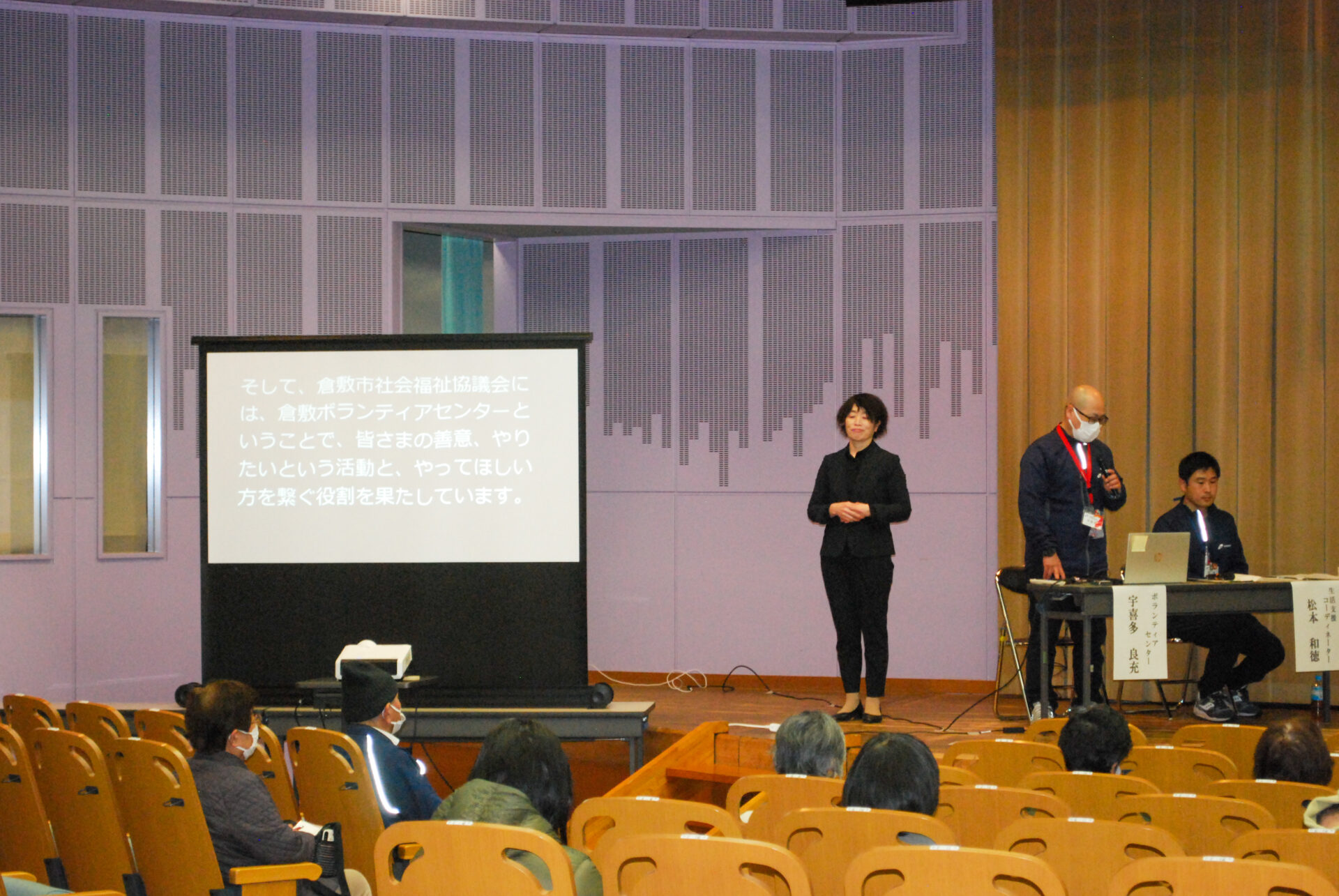
A woman in a black suit was also standing beside the screen for summary note-taking. She was a sign language interpreter.
In this way, an environment was provided where people with hearing impairments could enjoy the talk session just like hearing people (people who can hear).
A Deaf attendee (a person with a hearing impairment who uses sign language as their own language) was seated in front of the sign language interpreter, who continued interpreting while watching for the attendee’s reactions, such as nodding.
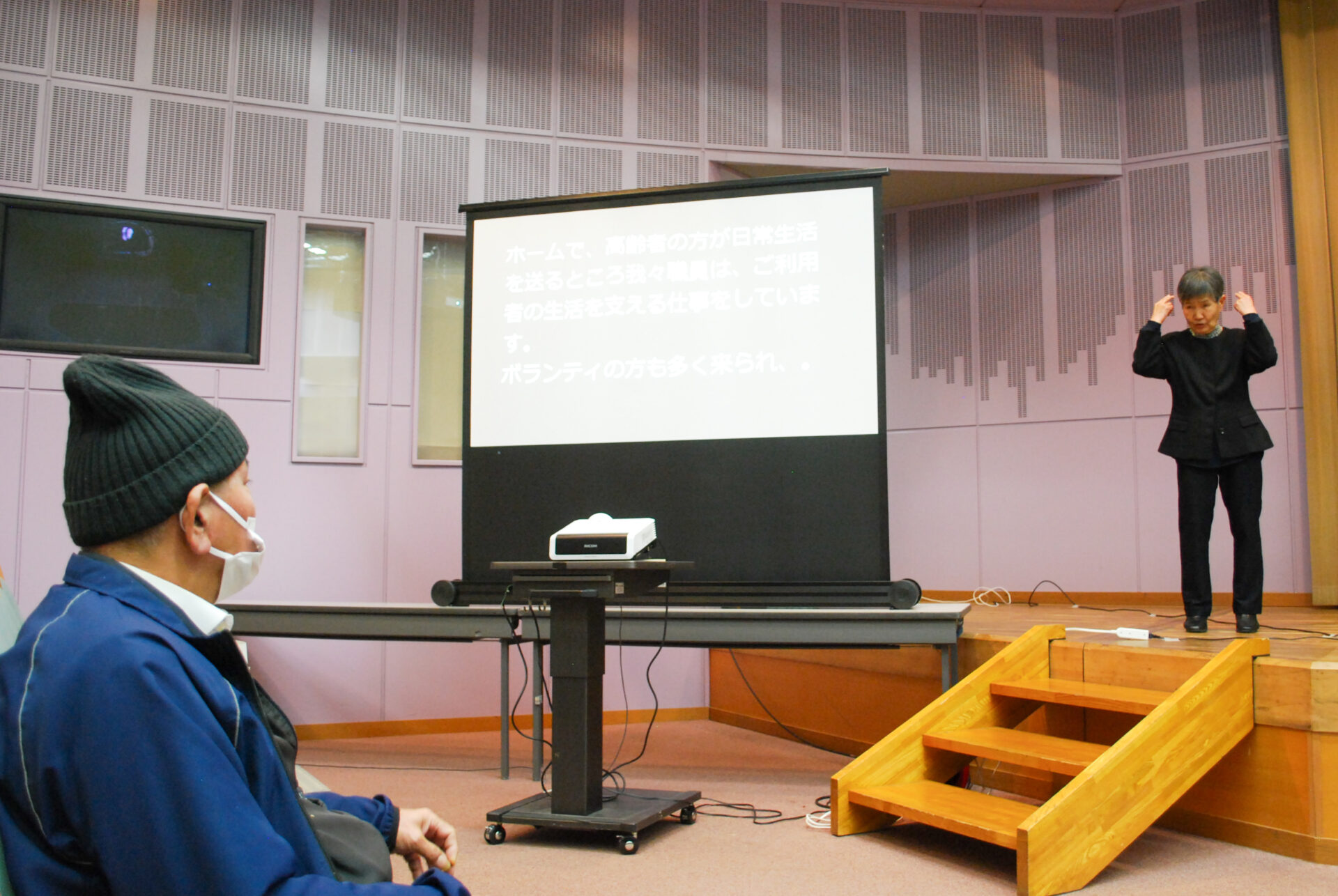
I have a hearing impairment and also use sign language in my daily life. However, this time I was taking part while photographing the venue, so I could not keep my eyes on the sign language interpreter. Hearing people can take photos while listening, but those of us with hearing impairments cannot.
However, because the summary notes remained on the screen for a certain amount of time, I did not have to worry about missing information. This allowed me to focus on taking photos for this report while also following the content of the talk session.
According to a survey by the Ministry of Internal Affairs and Communications, 15.6% of people with hearing impairments use sign language.
In other words, more than 80% of people with hearing impairments need information access not only through sign language but also through written text.
Some people with developmental or intellectual disabilities also have characteristics that make visual information easier to understand than audio information.
I felt that being able to see people volunteering and people receiving volunteer support up close through the talk session was one of the highlights unique to a volunteer convention.
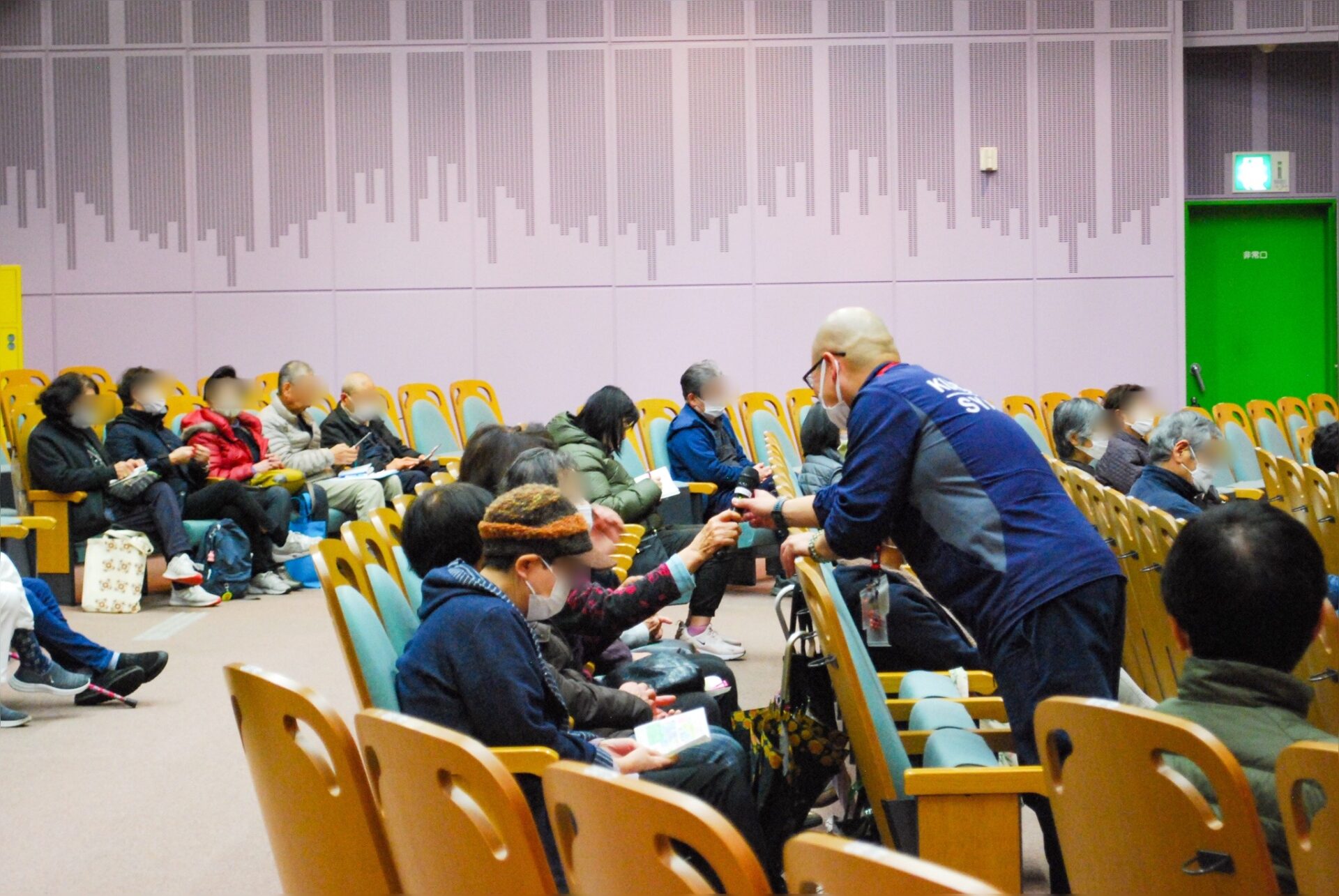
A talk session that got the audience involved
The first half of the program featured a talk session on the theme “Let’s talk about volunteering today! — Turning what you want to do into reality.”
Representatives from the social welfare corporations Masumikai and Kumure, facilities that accept volunteers registered with the Ikiki Points Program, took the stage and held a lively, interactive session with attendees in the audience.
Audience members shared the following things they appreciated about volunteering.
- It broadened my relationships with people of different ages and professions
- Volunteering gave me more energy
- I thought it would be useful in the future (student)
- It became a form of lifelong learning that introduced me to a new world
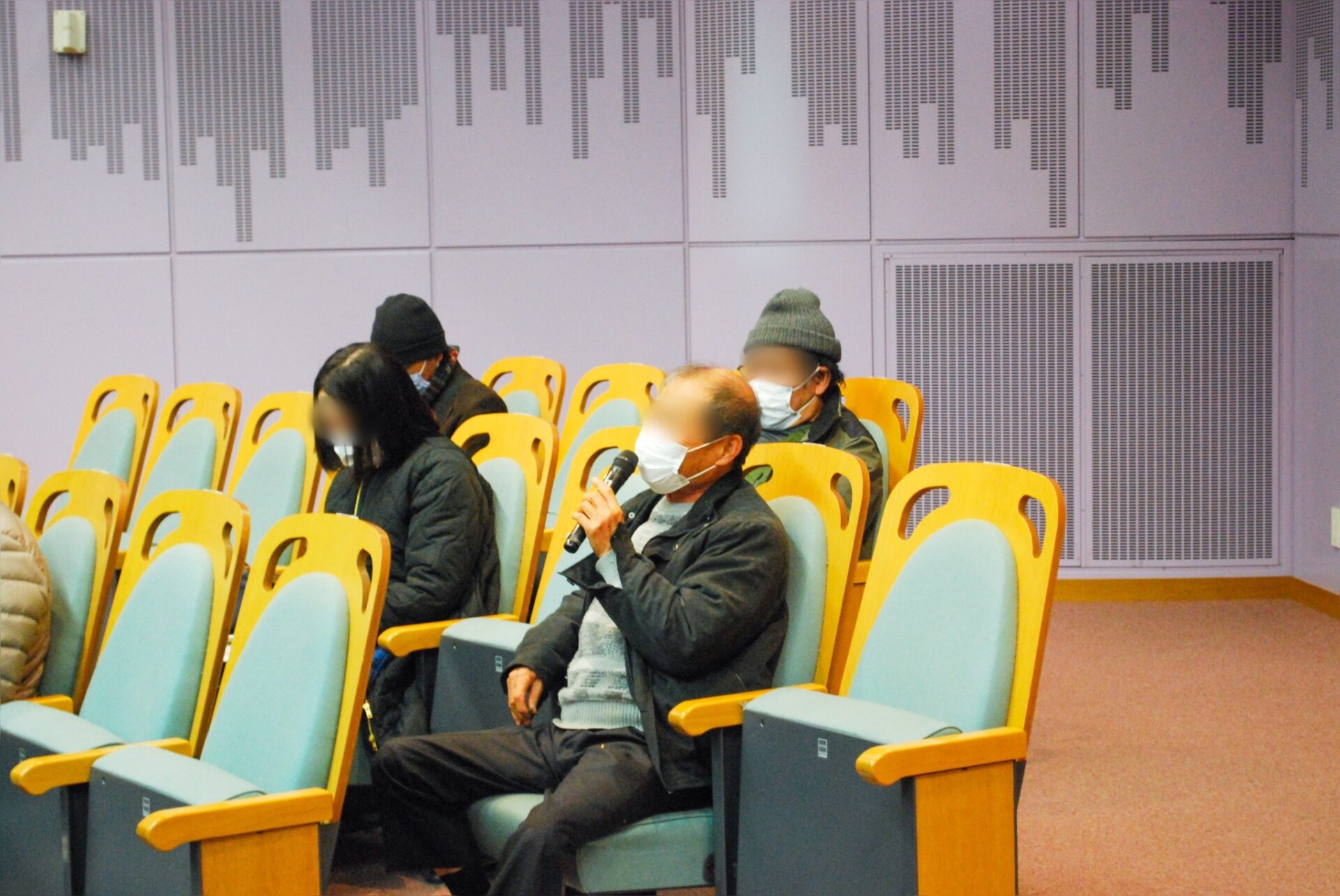
The audience also asked:
“What should I do if, while volunteering, I find an activity I’d like to do more of?”
Representatives from the two volunteer-hosting organizations gave the following answers.
- We’re glad when volunteers take the initiative. We’d like to create activities together.
- Even when the workload is heavy, we can ask individuals to take on a different activity suited to them. We’d like to keep communicating so that everyone can participate comfortably.
Audience members were involved in a range of fields, including services for older adults, child welfare, and litter-picking, making it a valuable opportunity to hear about different perspectives.
Stage performances
The talk session was followed by stage performances.
That day, AC☆Fam, a kids’ dance group that volunteers in recreation activities around Kurashiki City, performed.
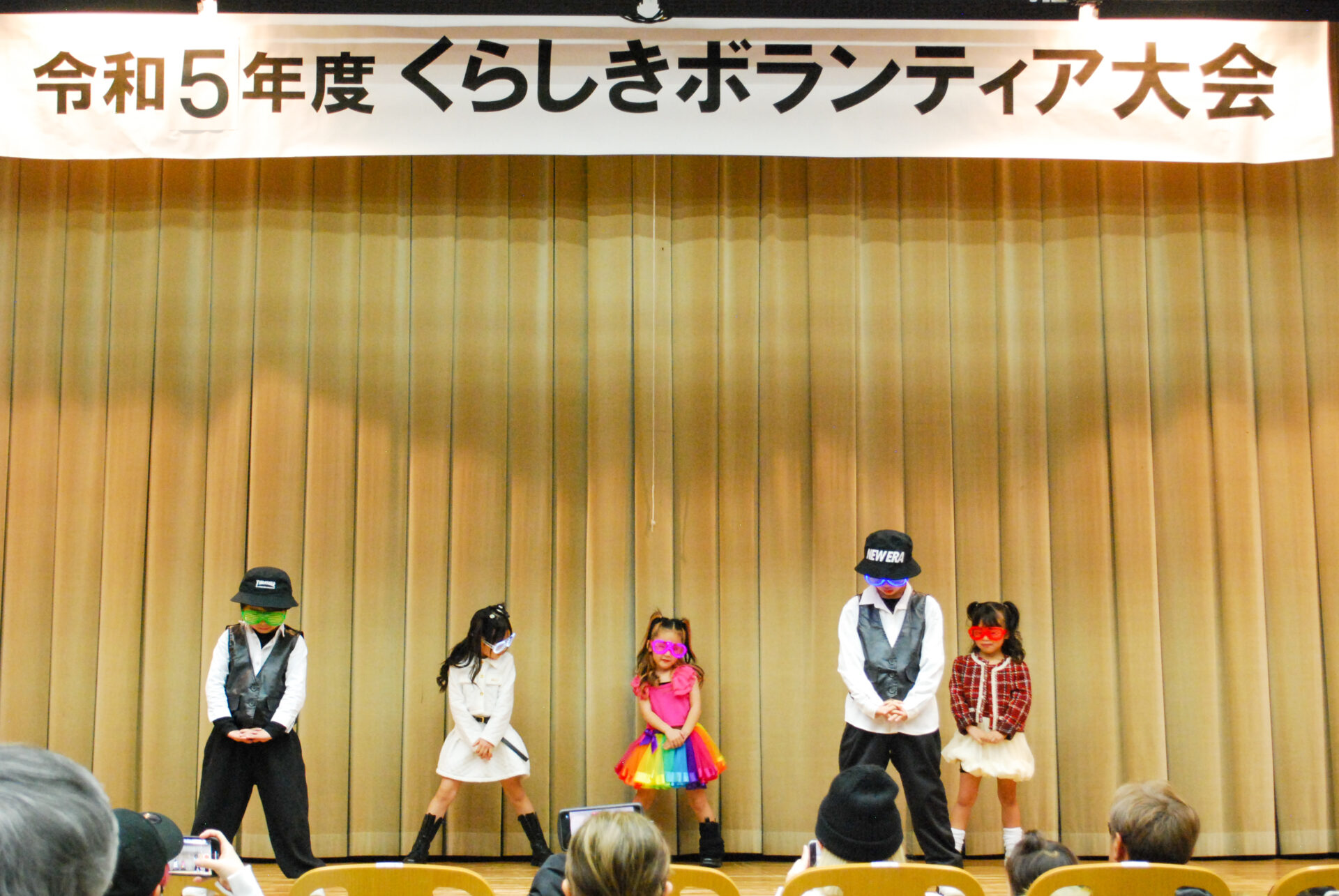
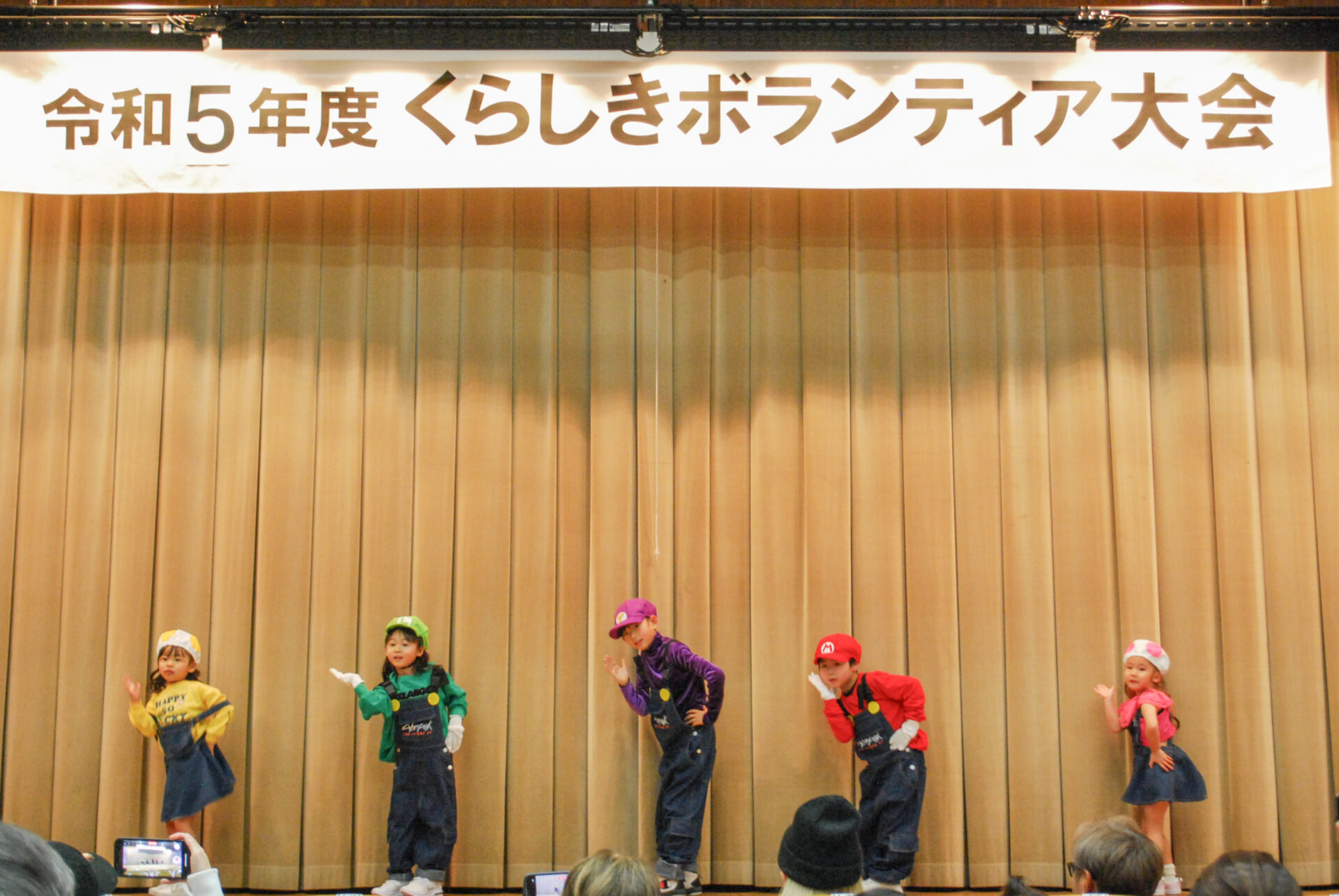
They usually perform at facilities for older adults and other venues. It was a charming dance that made it easy to imagine the facility users smiling happily as they watched.
Networking event
The second half was a networking event on the third-floor level. Attendees visited each booth as part of a stamp rally, where they could try volunteering activities and take part in consultations.
I also made my way around the different booths with my stamp-rally card in hand.
Braille experience
Braille is a writing system used by people with visual impairments.
At this booth, visitors tried placing Braille paper in a Braille slate and using a stylus to punch in Braille.
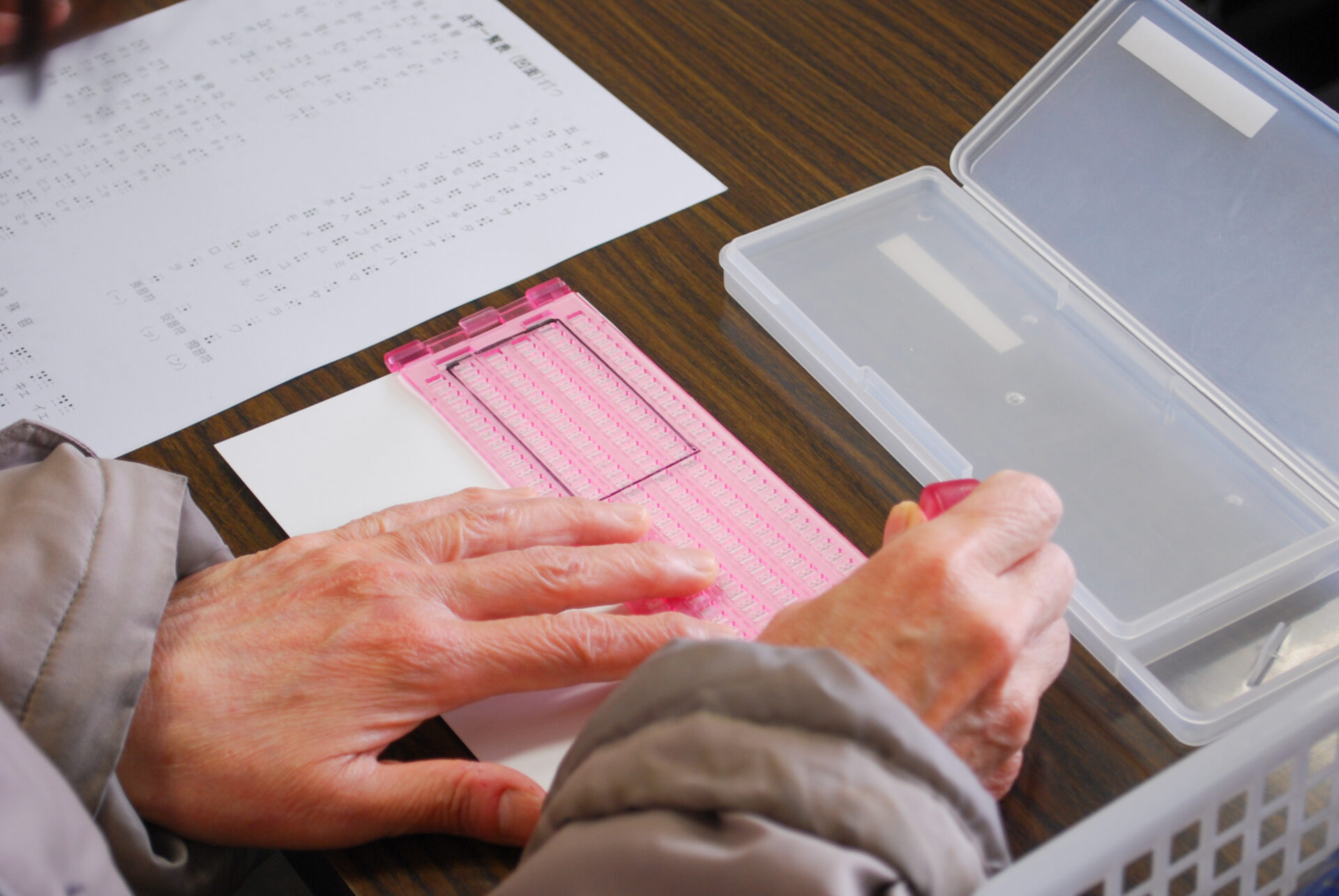
The paper used for writing Braille is harder and thicker than copy paper, so it does not tear when embossed.
I studied Braille while at university to earn a teaching license for a school for the visually impaired, so it had been a long time since I last held a stylus.
Braille transcription volunteers mainly transcribe materials such as Kurashiki City’s public relations magazine.
Audio Recording Experience
Audio recording is a volunteer activity that helps people with visual impairments read text.
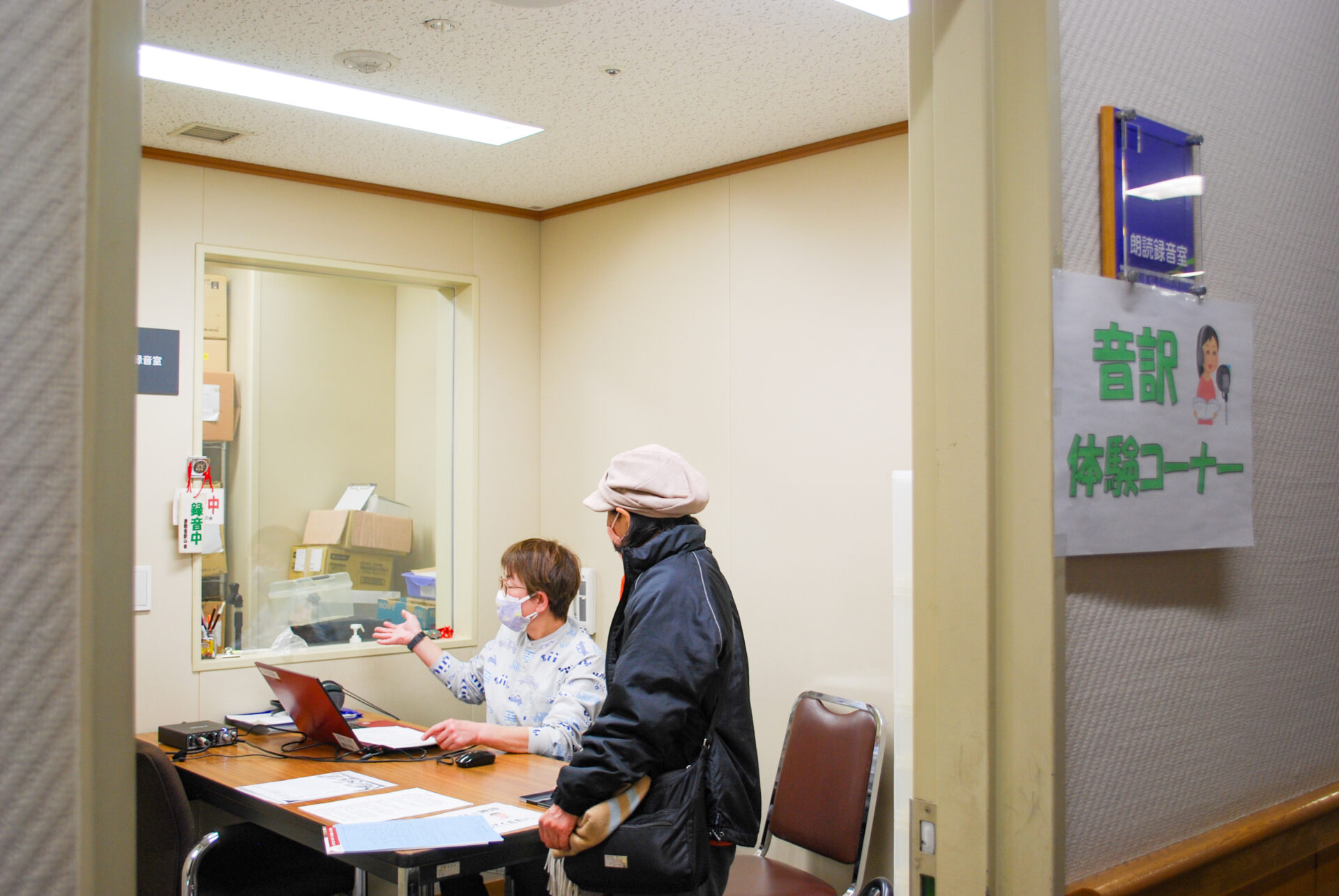
People’s voices and reading speeds differ, so the voices that sound natural to each person with a visual impairment vary widely. Having many recordings of the same reading material therefore gives people more options.
Only about 10% of people with visual impairments can read Braille. Since many get information through audio, reading aloud is also an important volunteer activity.
Experience Summarizing in Writing
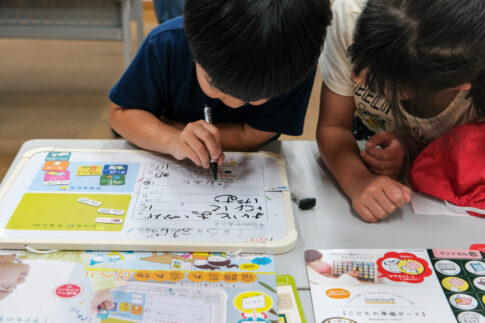
At the talk session, summaries were typed on computers, but at the experience corner, visitors could try handwritten summarizing.
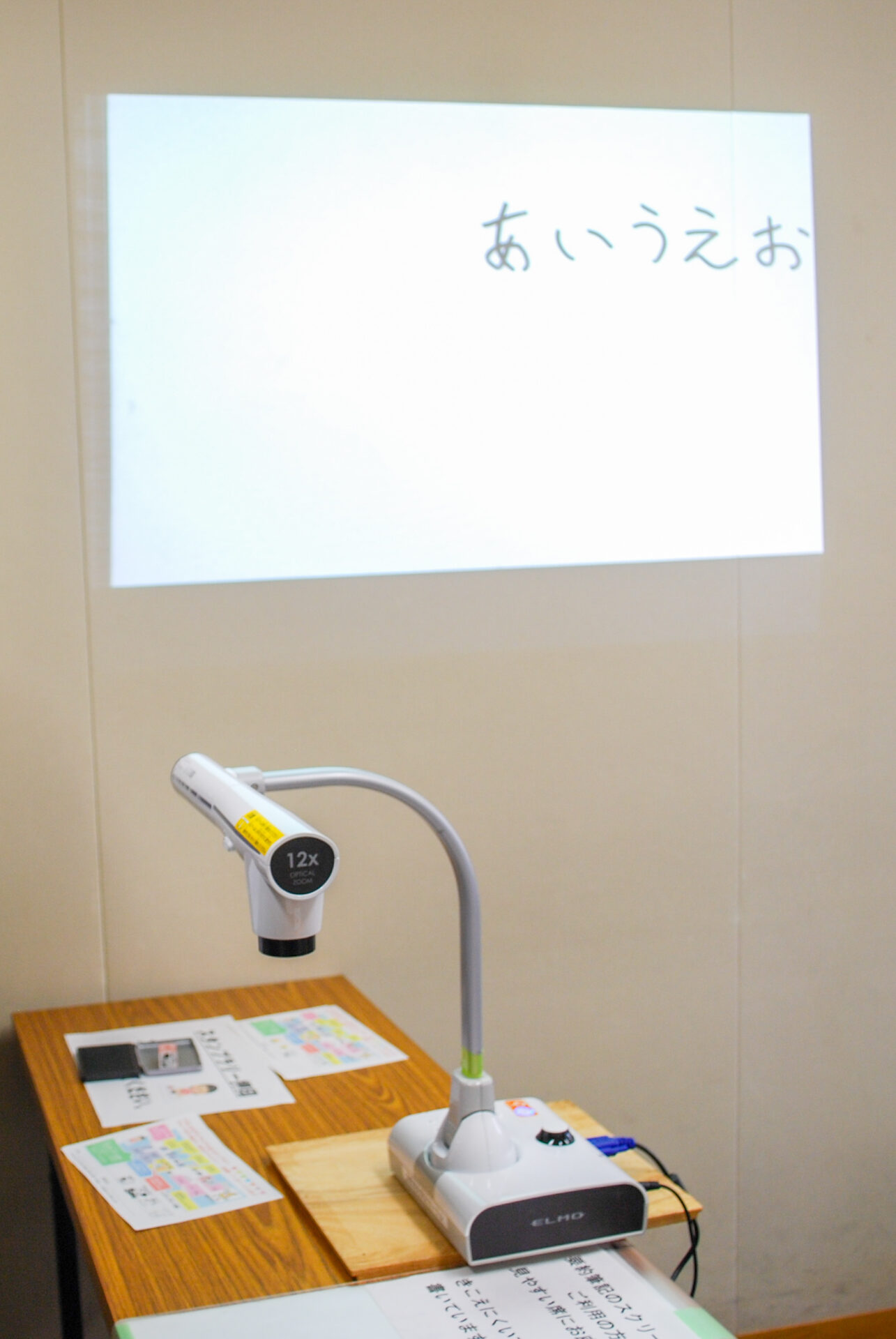
When I was a student, I also attended lectures with the help of volunteer note-takers.
Computer-assisted note-taking is suitable for general lectures, but handwriting was better for lectures that use many mathematical formulas and symbols, or for foreign-language lectures, so it is a volunteer activity I know well. Seeing the equipment again after so long brought back memories.
At this corner, I happened to meet a participant with a hearing impairment, and we got talking about situations where we had used it.
Sign Language Experience
Sign language is the language of people with hearing impairments.
At the experience corner, visitors were introduced to signs for greetings and self-introductions.
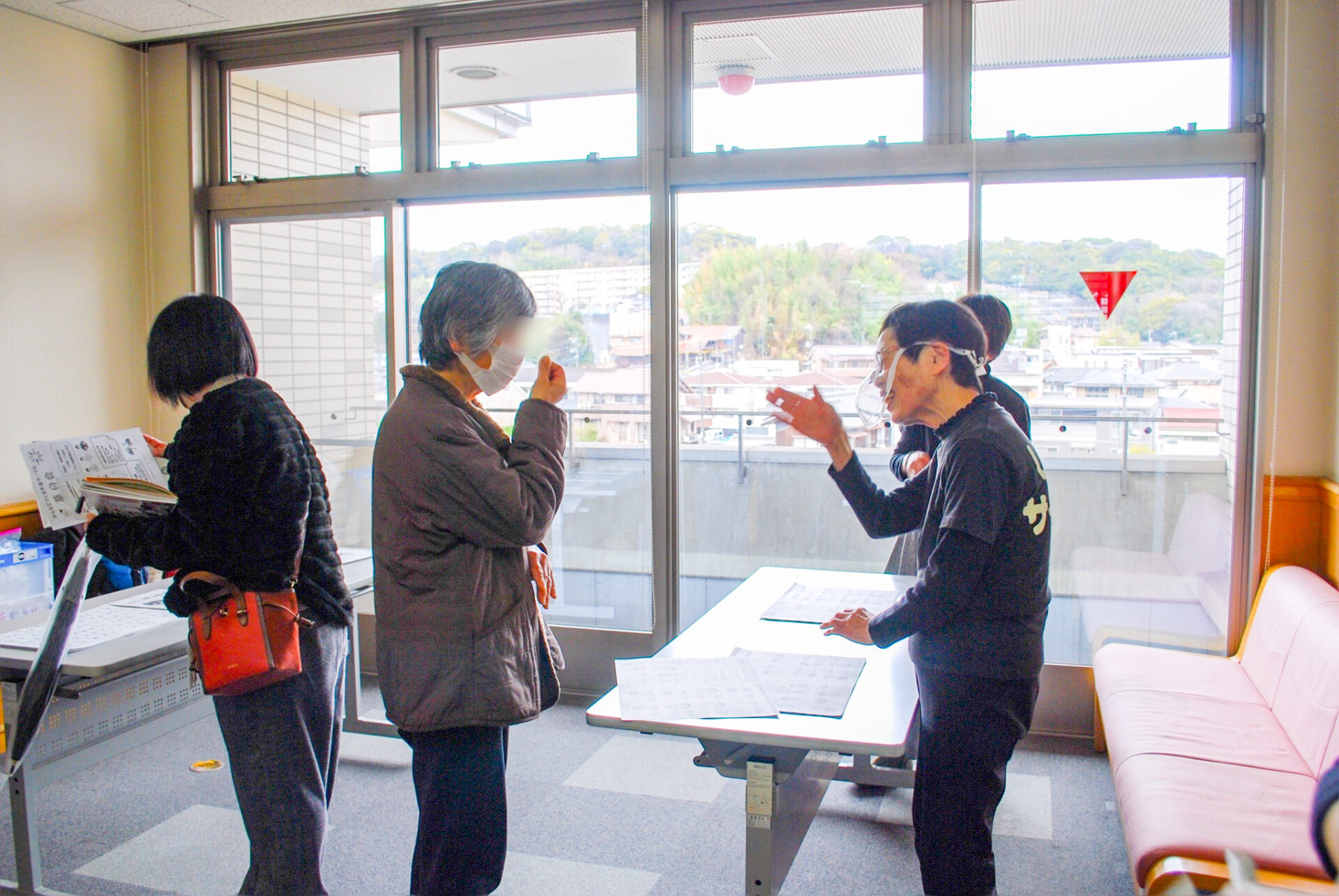
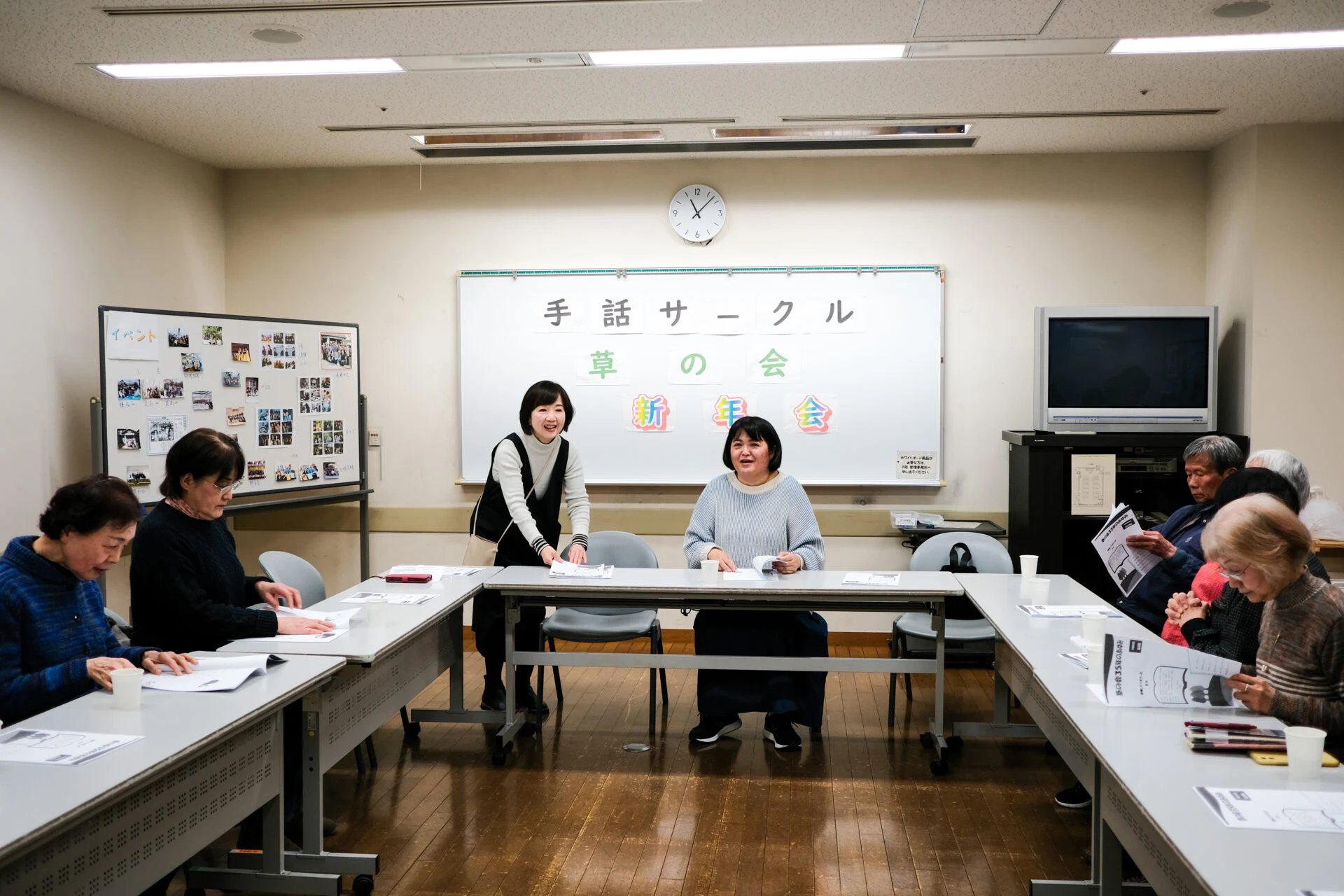
The session was run by the sign language circle “Kusa no Kai,” which meets at the Kurashiki Health and Welfare Plaza.
Since Deaf people (people with hearing impairments themselves) were also taking part, visitors could have face-to-face communication with people who use sign language in everyday life.
Ayumi Welfare Shop
Ayumi Welfare Shop sells sweets made at facilities for people with physical and intellectual disabilities in Kurashiki City.
There were many baked goods, and I bought a few as souvenirs.
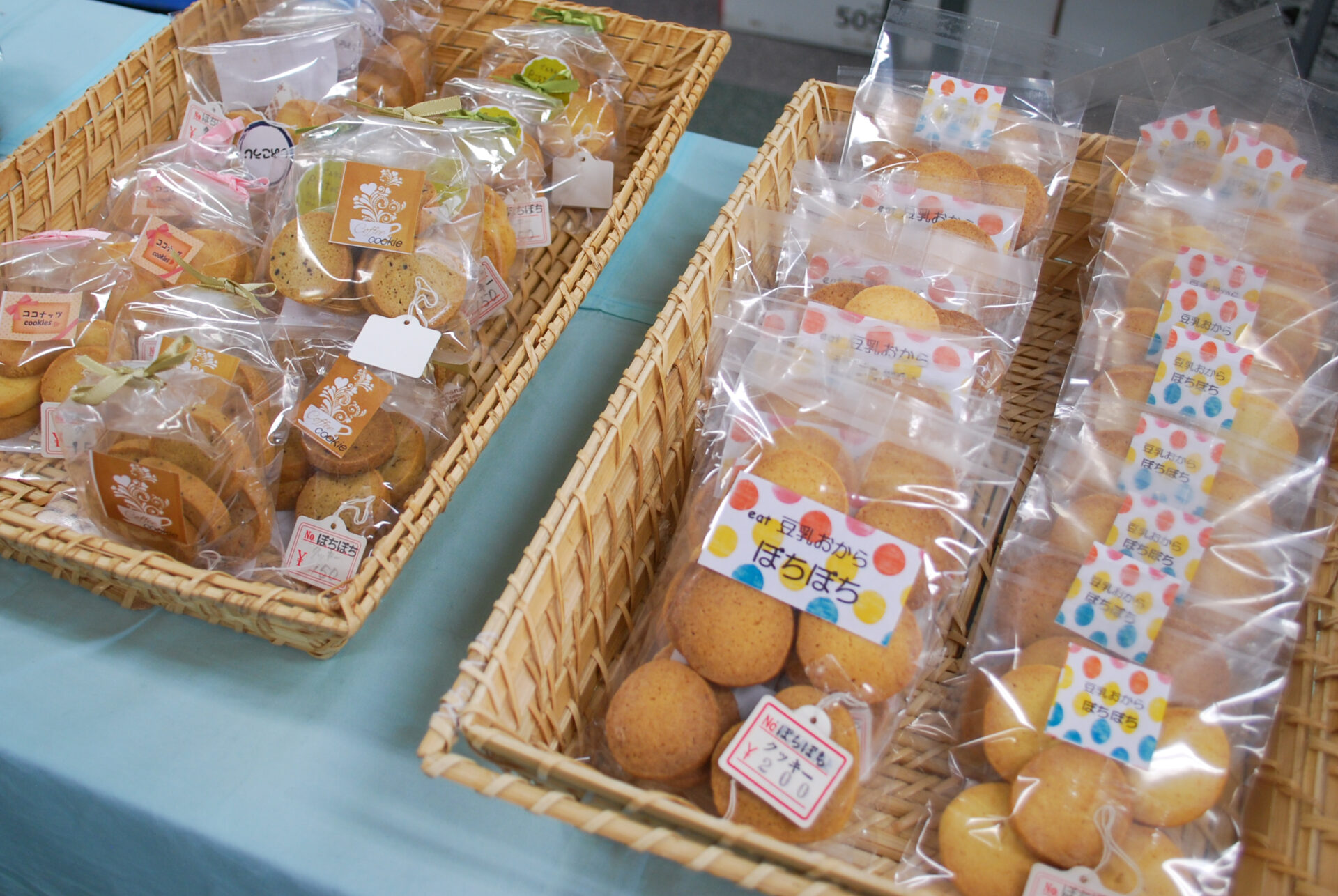
All the sweets were beautifully shaped and had a rich flavor.
They are usually sold at the AEON MALL Kurashiki store. This time, only baked goods were on sale, but the store also carries handmade crafts. I hear there is a wide selection, so I’d like to visit the store next time.
Community Support Matching Corner
Here, there were introductory pamphlets for local organizations and a sample of the Kurashiki Gokinjo Pantry.
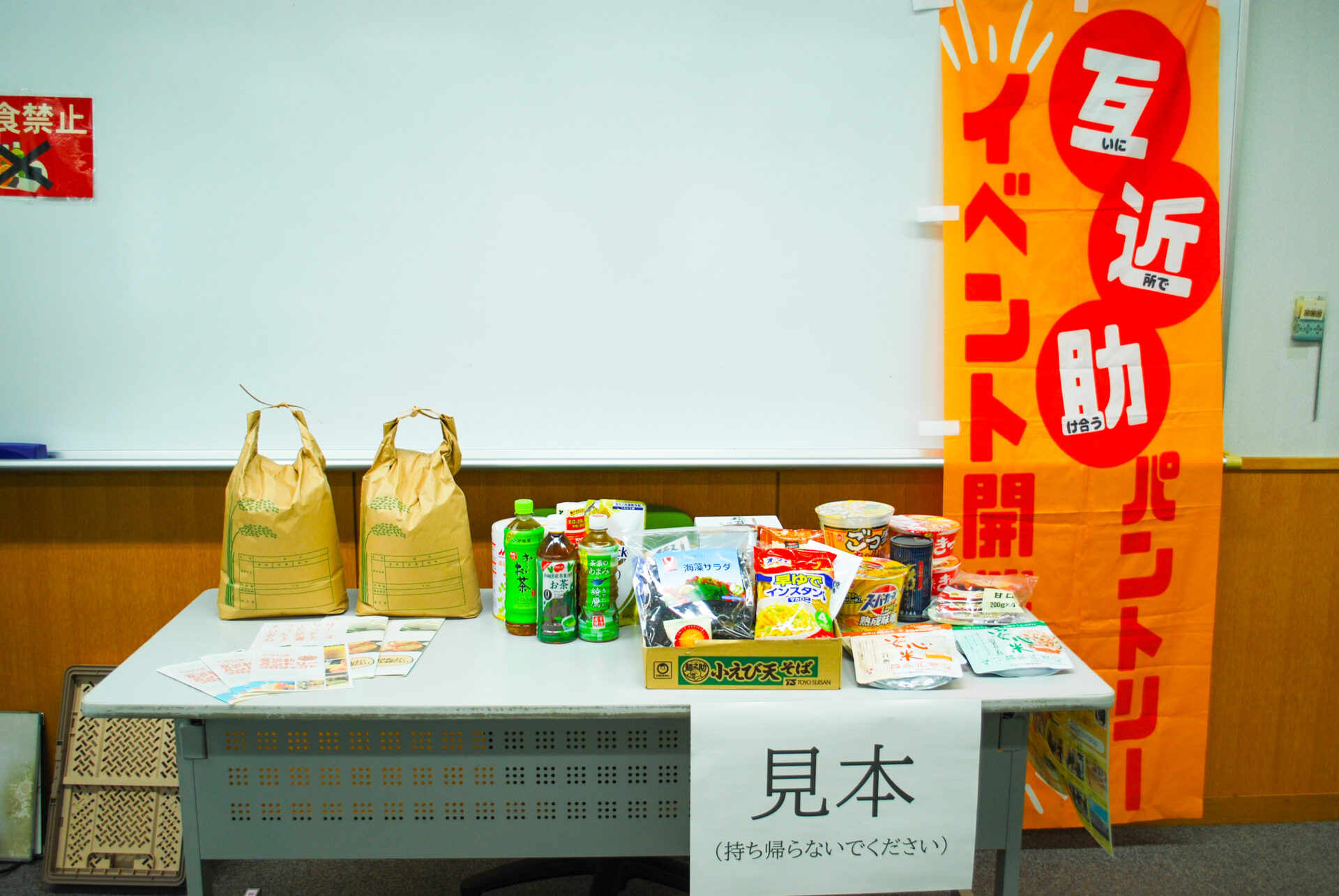
The Kurashiki Gokinjo Pantry Project collects food nearing its best-before date and delivers it to communities in need.
It is one volunteer activity that people who are interested in volunteering but feel uneasy about joining an unfamiliar community can easily start on their own.
Volunteer Advice and Registration
If you feel inspired to volunteer after coming to the volunteer fair, you can register right there.
That day, people kept coming to the reception desk to register, with hardly a break.
What kinds of volunteer work can you get started with?
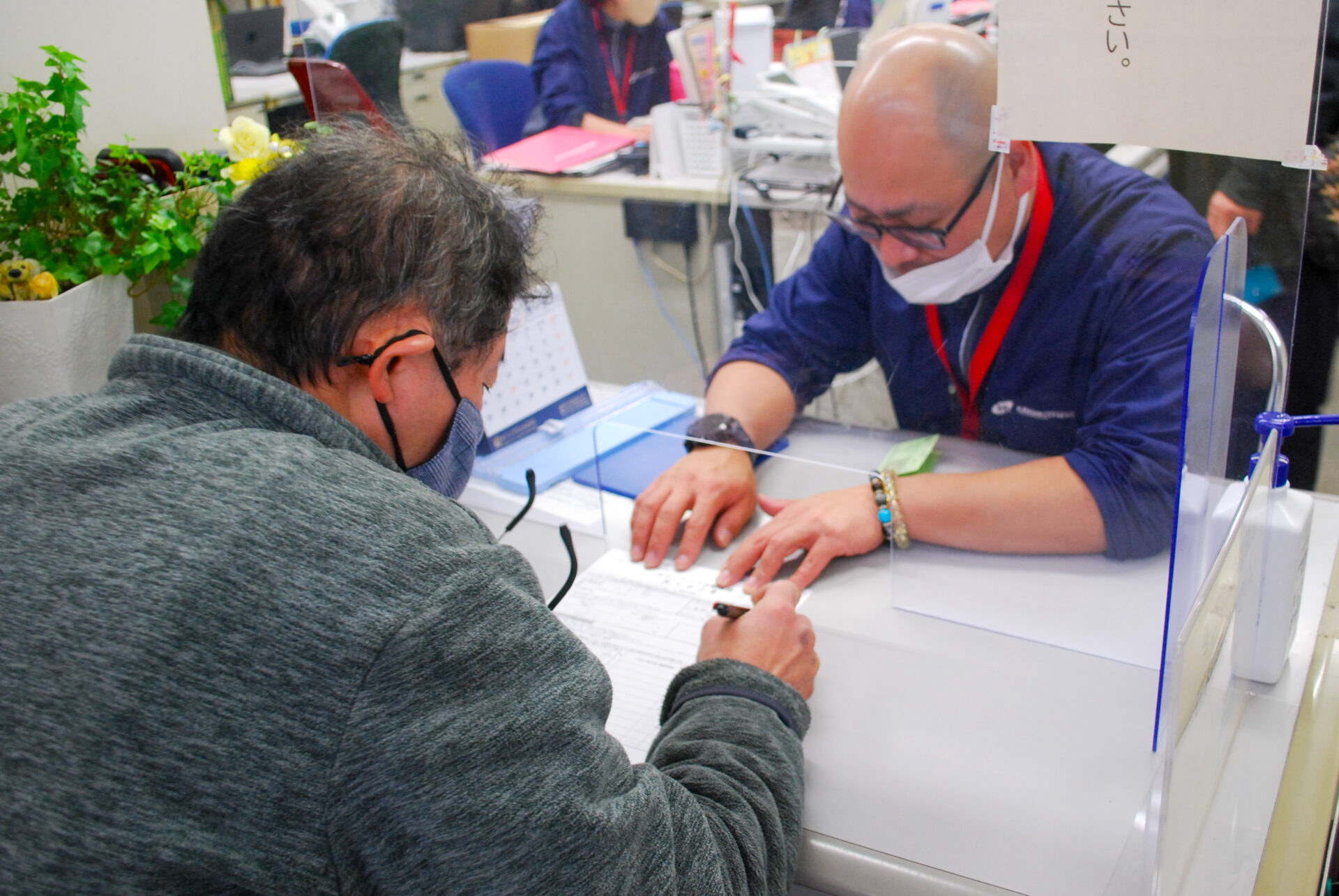
The staff member at reception was pleased, saying, “I’m happy to see our group growing.”
Ikiki Points Program Information Session
The Ikiki Points Program is open to Kurashiki City residents aged 40 or older who have not been certified as needing long-term care.
I’m not old enough yet, so I didn’t attend the information session. But since the stamp rally ended there, I went into the room.
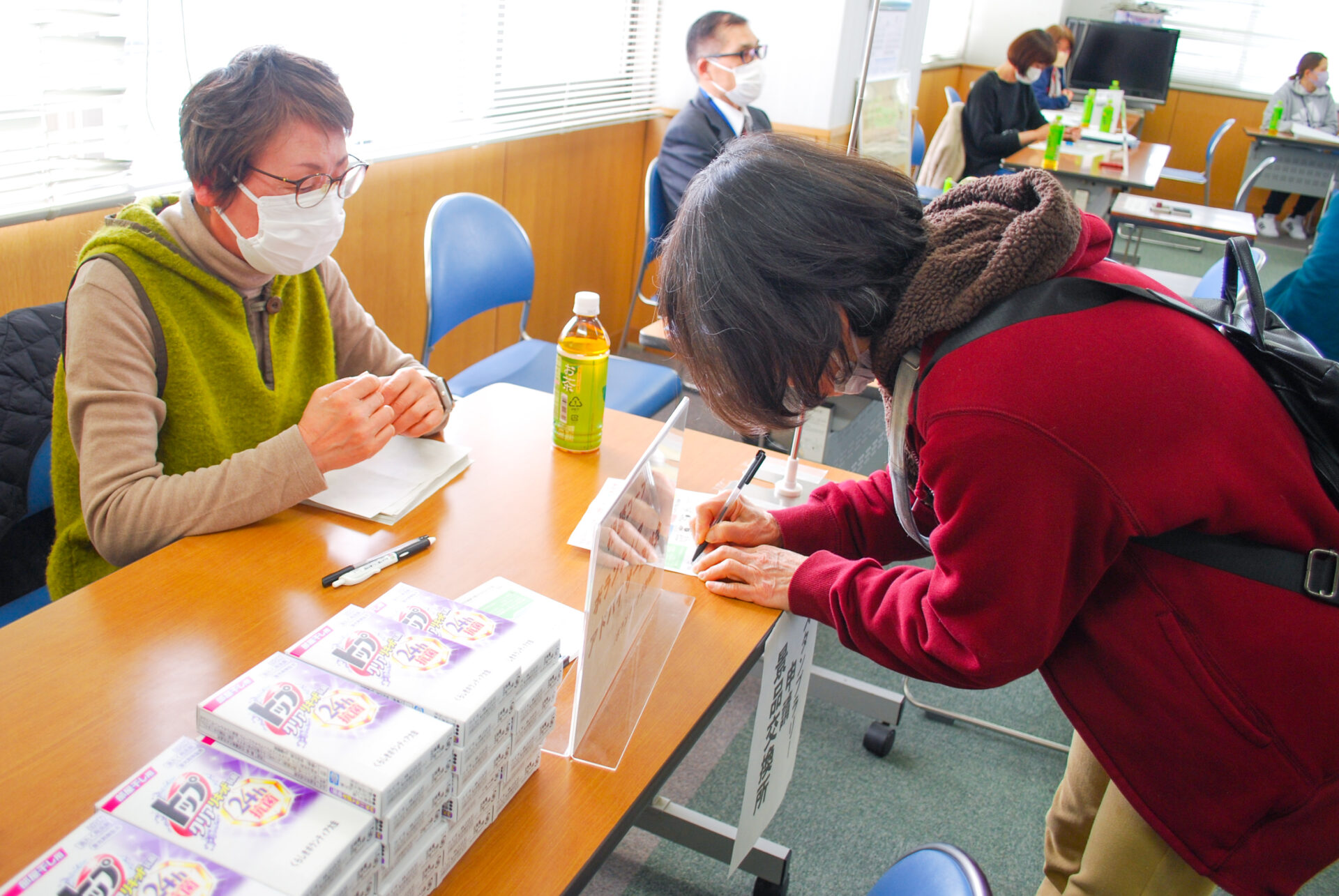
Many organizations that accept volunteers registered with the Ikiki Points Program in areas including Mabi, Tamashima, and Kojima, as well as around JR Kurashiki Station. Some participants were enthusiastically talking directly with staff from facilities that were convenient for them to visit.
From the Writer
The Kurashiki Volunteer Fair brought together people who want to volunteer, those who already volunteer, and those who welcome volunteers.
Participants and staff alike were all smiling, and I headed home feeling energized.
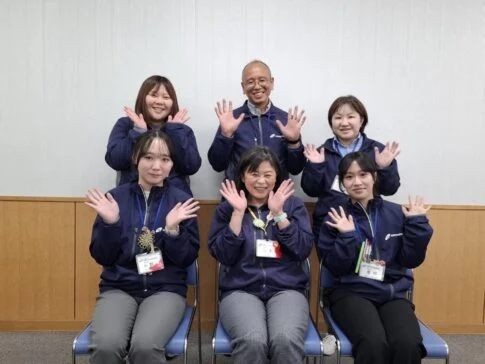
The Kurashiki Volunteer Center of the Kurashiki City Council of Social Welfare is always looking for volunteers.
Why not try volunteering as a way to find a new hobby or a sense of purpose?
Articles about the Kurashiki City Council of Social Welfare
2023 Kurashiki Volunteer Festival Information
| Name | 2023 Kurashiki Volunteer Festival |
|---|---|
| Date | February 25, 2024 (Sunday), 9:30 a.m.–1:00 p.m. |
| Location | 180 Sasaoki, Kurashiki City, Okayama Prefecture |


What would you like to know about Kurashiki?
Enter a search term to find articles on this site







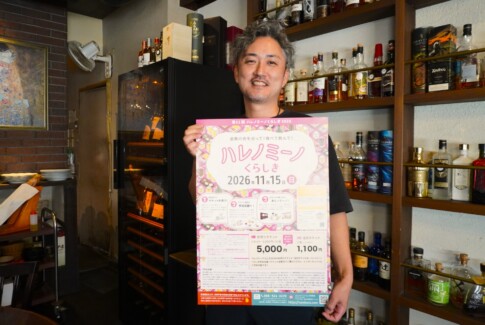



























A Kurashiki City program that allows people to volunteer at care facilities and other locations and receive accumulated points as a grant, based on their volunteer work.