Sign language is a language that uses hand movements, body movements, and facial expressions to express visually, unlike the spoken language of hearing people or the "written Japanese" used in this article.
I have a hearing impairment, so I also use sign language in my daily life.
When I moved from Tokyo to Kurashiki in December 2023, I was first surprised by the many unique sign language expressions in Kurashiki. Just as spoken language has dialects, sign language also has dialects.
Since I will be living in Kurashiki from now on, I want to learn the unique sign language expressions of Kurashiki, so I started visiting sign language circles in the city.
I will report on the New Year's party of the "Kusa no Kai" sign language circle, which meets every Wednesday at the Kurashiki Welfare Plaza in Sasao.
Sign Language Circle "Kusa no Kai"
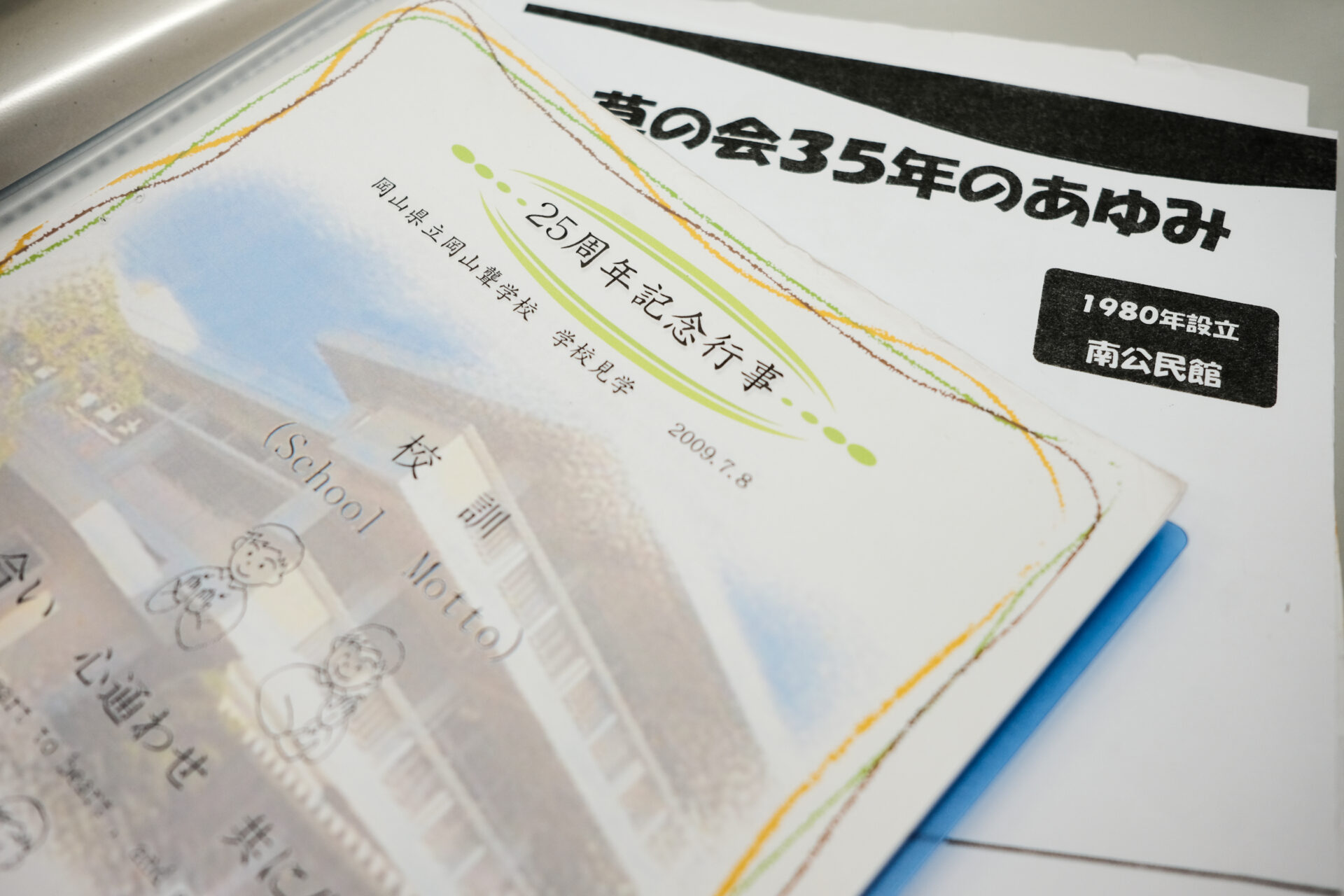
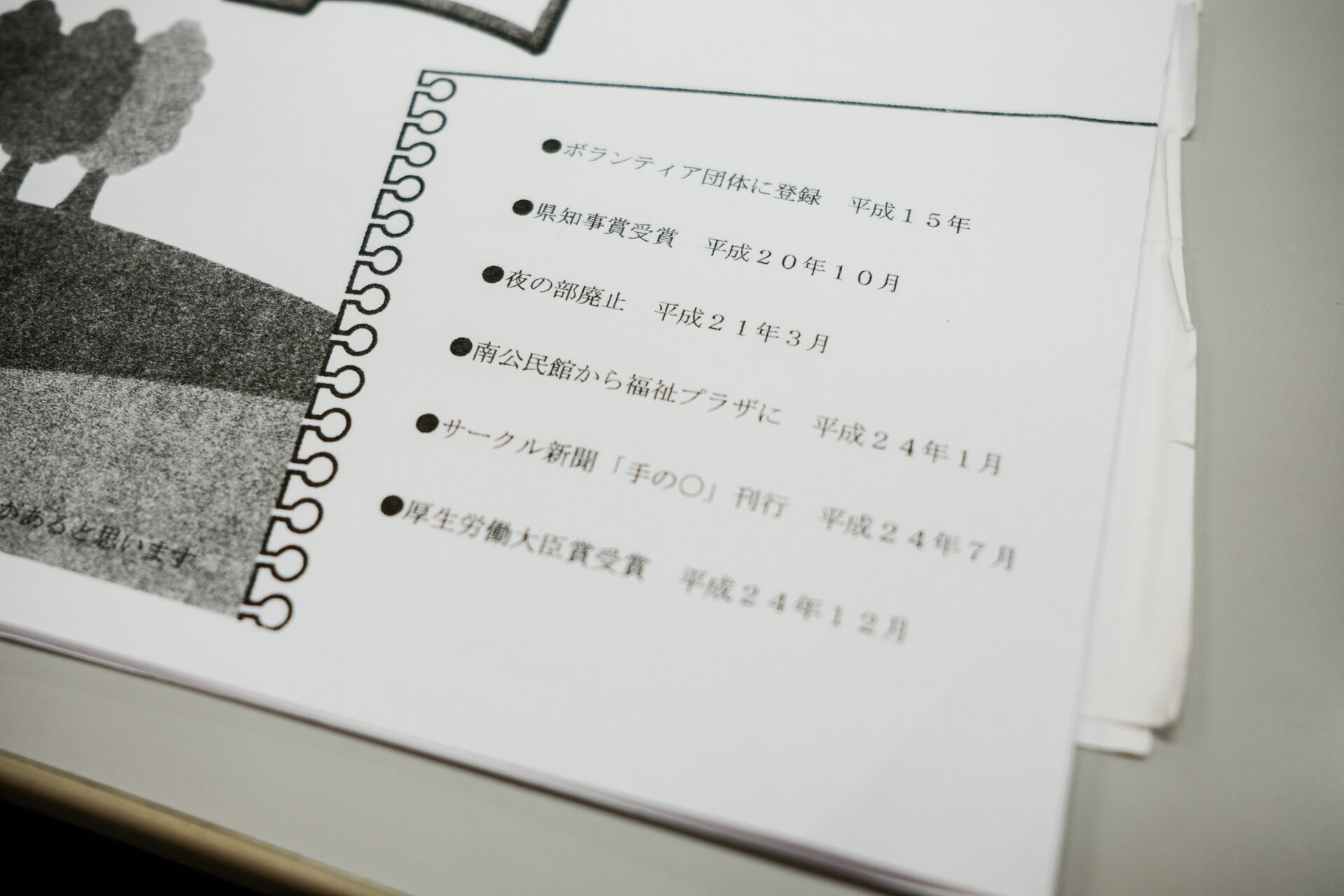
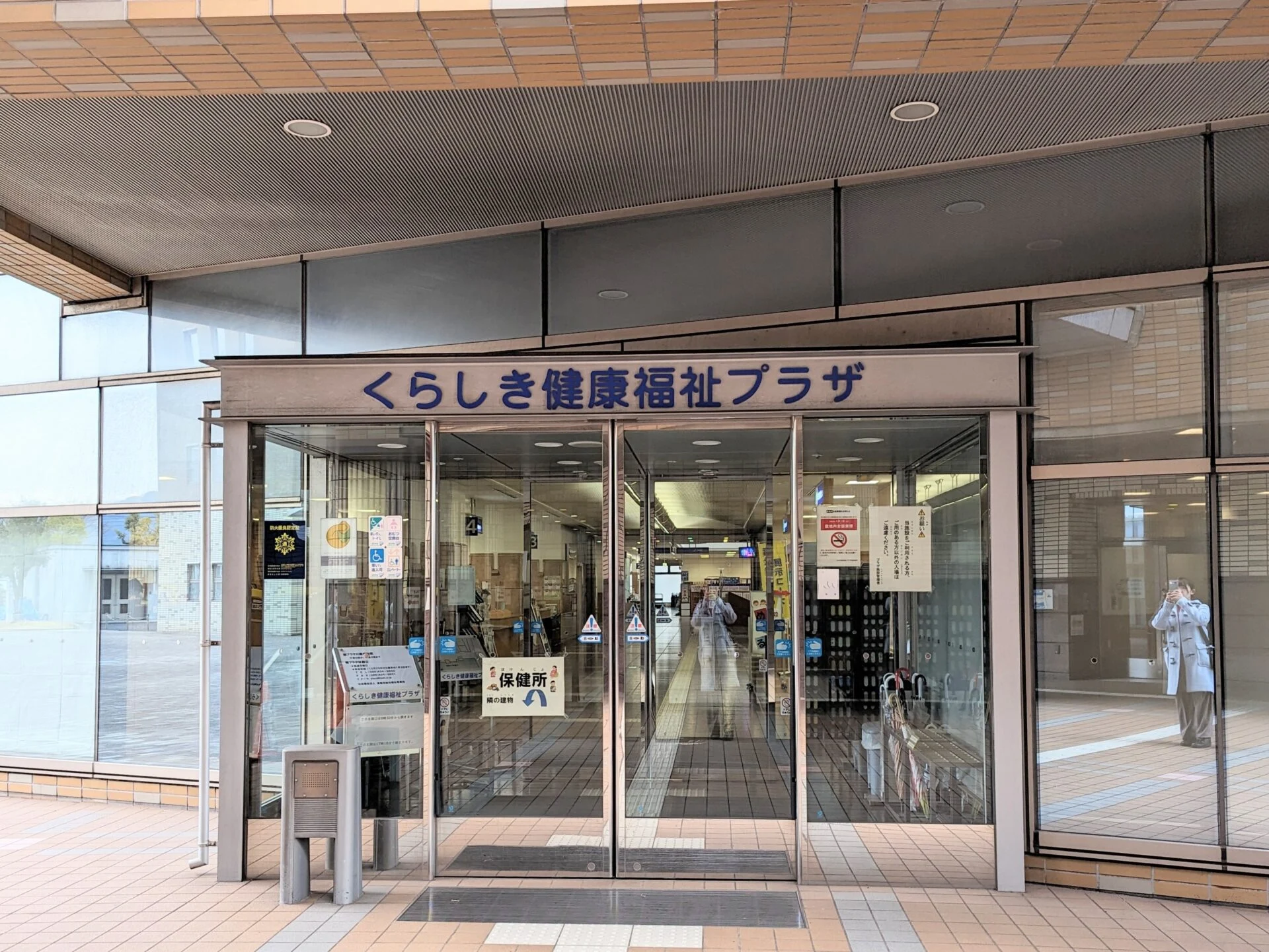
The sign language circle "Kusa no Kai" meets every Wednesday from 10 AM to 12 PM at the Kurashiki Health and Welfare Plaza in Sasao. It was established in 1980 and has been active for 44 years (as of 2024).
Ninety percent of the members are women and hearing people. There are three deaf members, including the author.
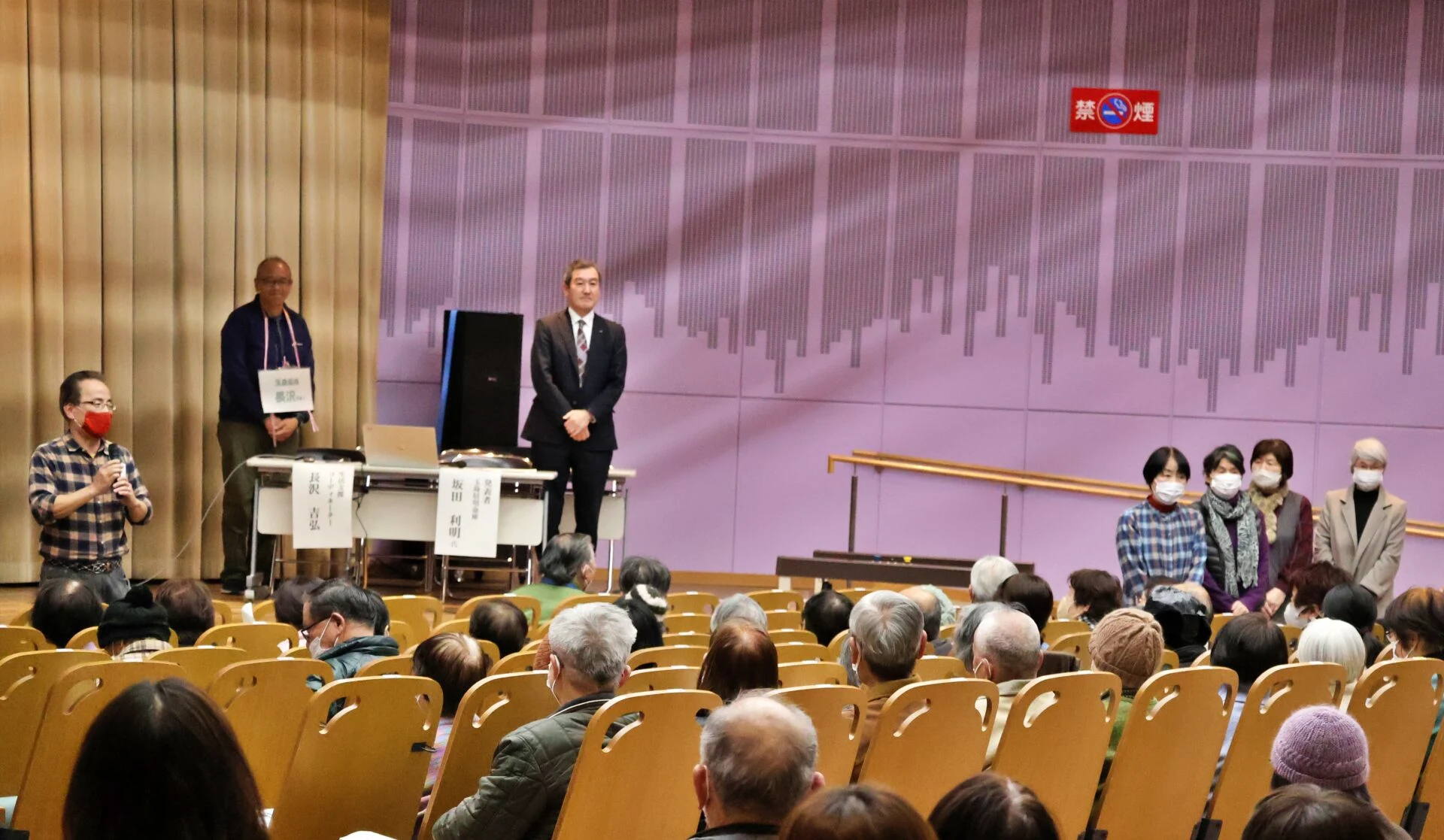
On the last activity day in January that I visited, 24 participants gathered, creating a lively atmosphere.
During the activities, they learn sign language, play sign language games, and hold events several times a year. The New Year's party held on this day included games using sign language, followed by learning about the history of "Kusa no Kai" while eating lunch boxes.
Learning Sign Language Through Games
To start, we played a game that also involved learning sign language.
The game of the day was the "Story Game."
We divided into teams of ten, and each person contributed one sentence to create a story.
The condition was that the story must have a happy ending. The last person's imagination is put to the test.
Since it also involves learning sign language, the person expressing the story uses only sign language without sound, and the next person interprets the previous person's sign language and confirms it verbally.
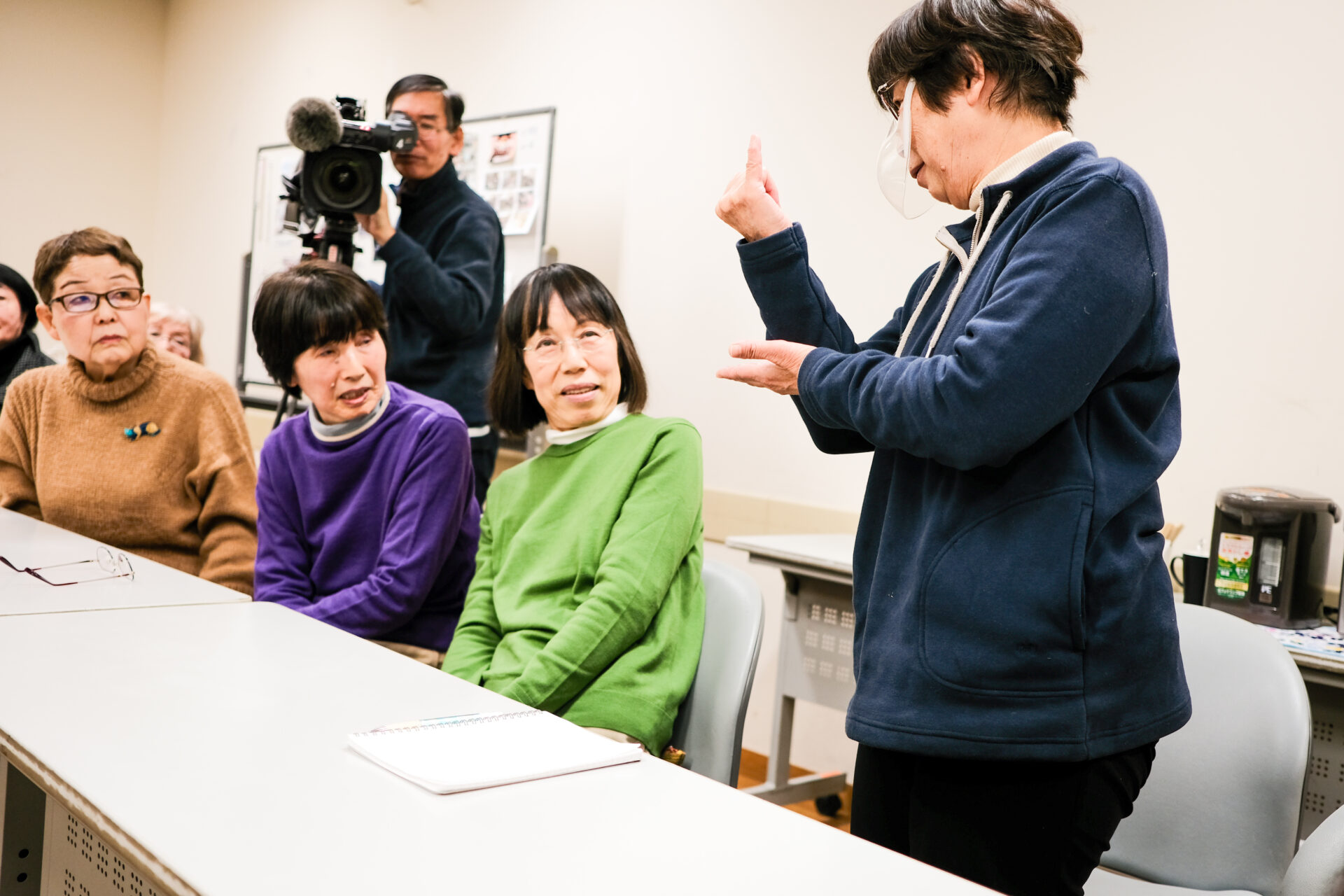
In actual sign language interpretation settings, both skills are required: sign language interpretation, which interprets spoken language into sign language for the deaf, and reading interpretation, which interprets sign language into spoken language for hearing people.
This game was a practical way to hone both skills.
Since you cannot imagine what kind of story the previous person will create, you have to think about the content of the story and the sign language expression after your turn comes. Everyone presenting was serious about interpreting the previous person's sign language and thinking about their own expression. There were twists and turns, but both teams managed to create heartwarming stories.
The Motivation to Continue Sign Language is the Joy of "Using" It
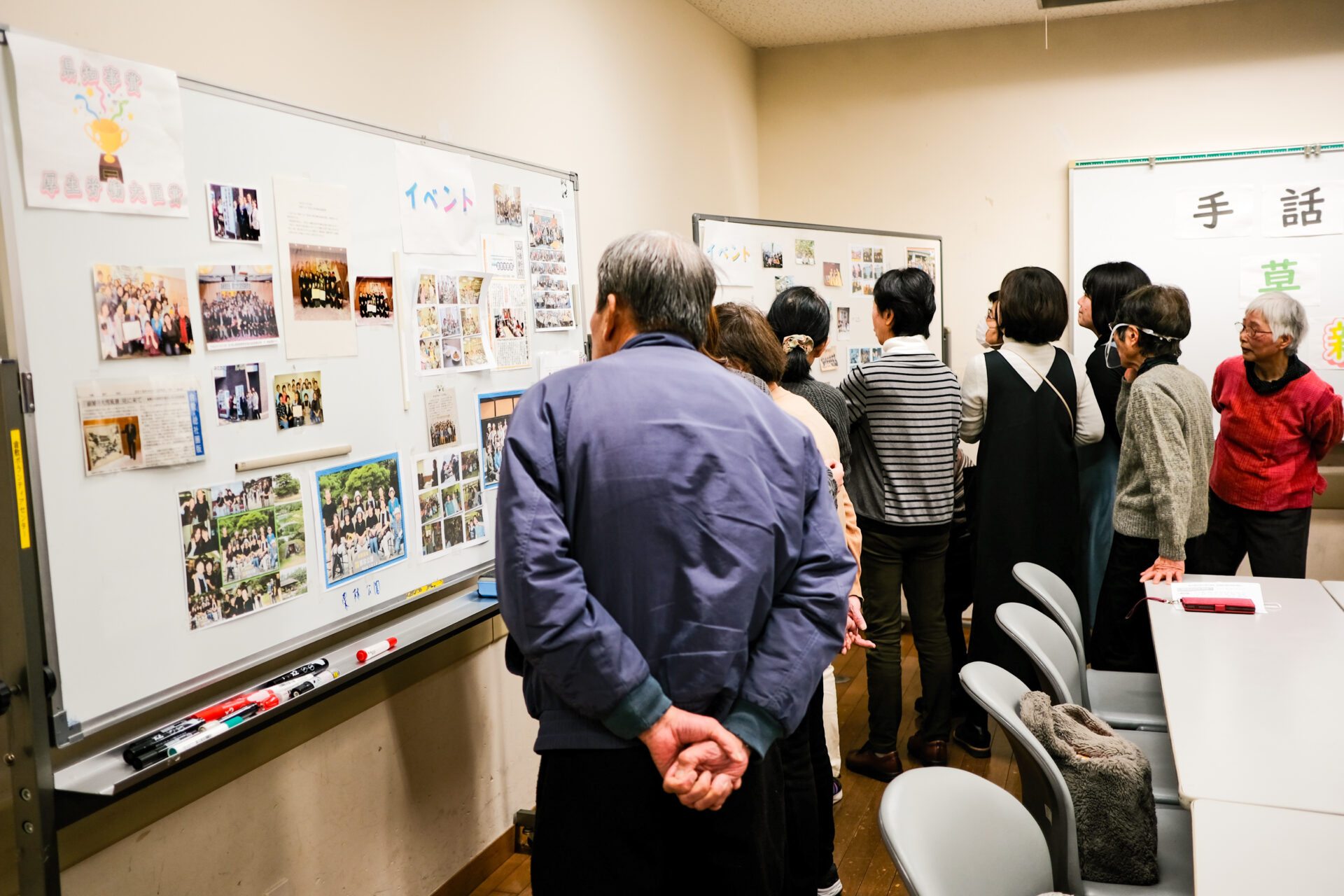
Photos from the history of "Kusa no Kai" were displayed in the venue, and during the break, participants chatted while looking at them.
Some members have been attending the circle for nearly 20 years.
They have deepened their bonds not only through regular learning but also through events such as trips and excursions, practicing sign language communication.
After the break, everyone shared their reasons for joining "Kusa no Kai."
Many members mentioned that their motivation to join "Kusa no Kai" came from taking the Sign Language Volunteer Training Course in Kurashiki City. They expressed a desire to use sign language more and decided to continue attending this "Kusa no Kai," where they could regularly interact with deaf sign language.
Sign Language Chat Time Around Lunch Boxes
After a lot of talking, it was time for the long-awaited lunch.
The lunch boxes were from "Ouchi Gohan Wacha," located in Fukui, Kurashiki City.
The delicious lunch included spicy fried chicken similar to yangnyeom chicken, along with matcha shiratama and chocolate cake for dessert.
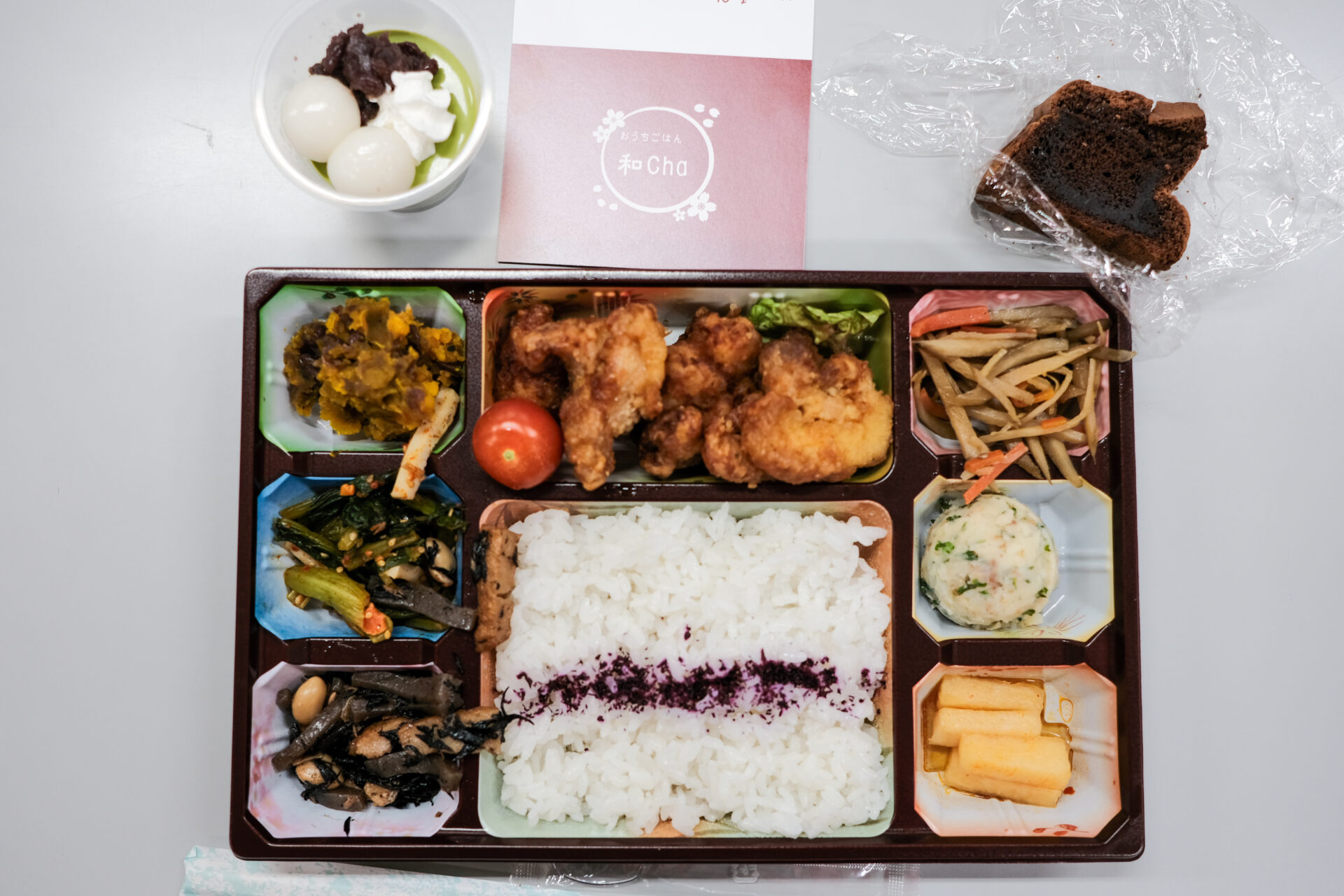
Since the conversation included sign language, everyone took their time eating.
However, the participants were able to chat in sign language with other participants sitting far away.
As they enjoyed chatting in sign language, the time to disperse came all too quickly.
Conclusion
In the sign language circle "Kusa no Kai," which has a history of 44 years, members were engaged in enjoyable sign language learning that is also useful in practical settings.
What resonated with me was that every member said, "The greatest learning comes from those who use sign language in their daily lives."
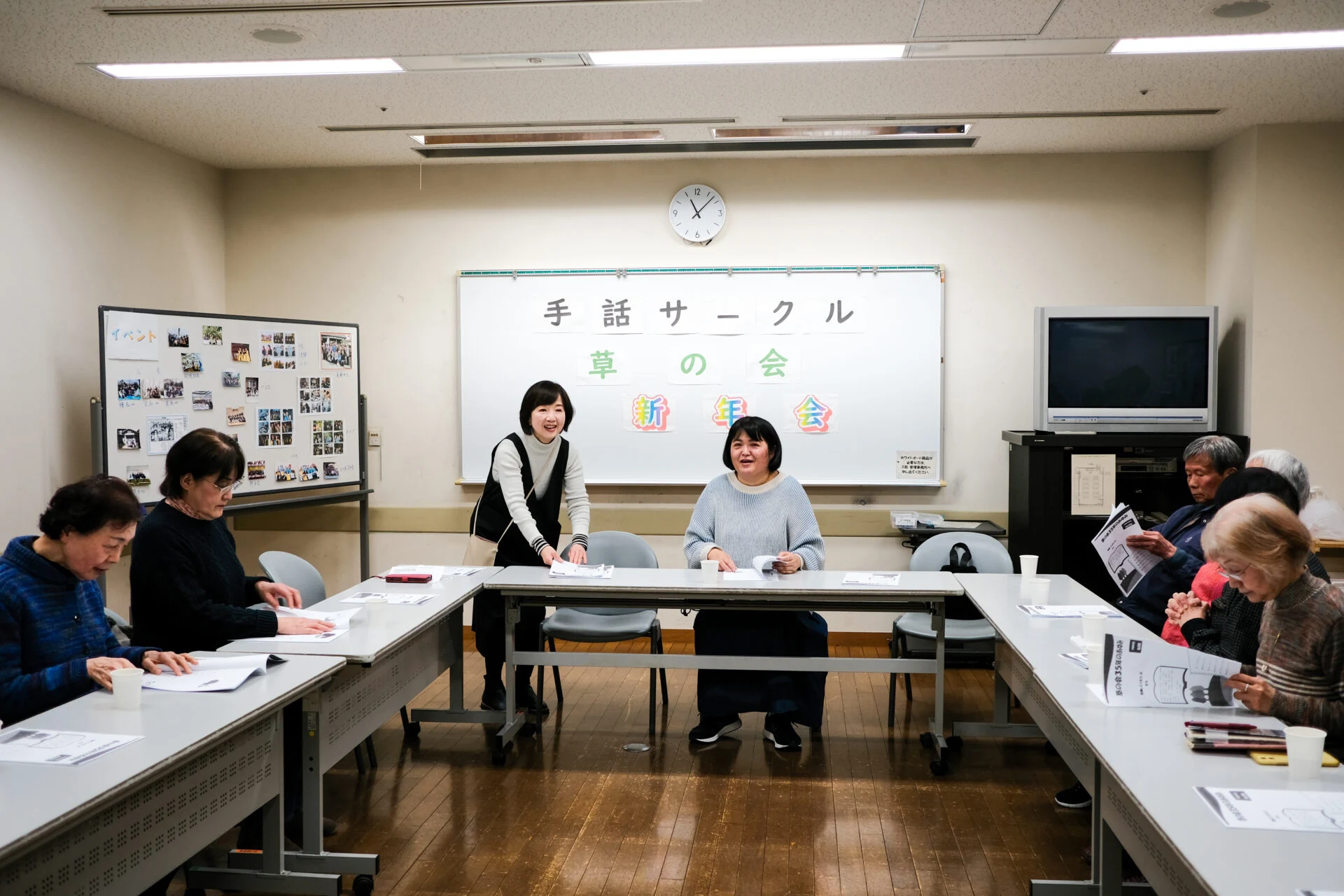
To ensure that activities do not proceed only with hearing members, everyone was mindful of whether the deaf members understood the flow of the conversation, allowing everyone to participate with smiles, regardless of hearing ability.
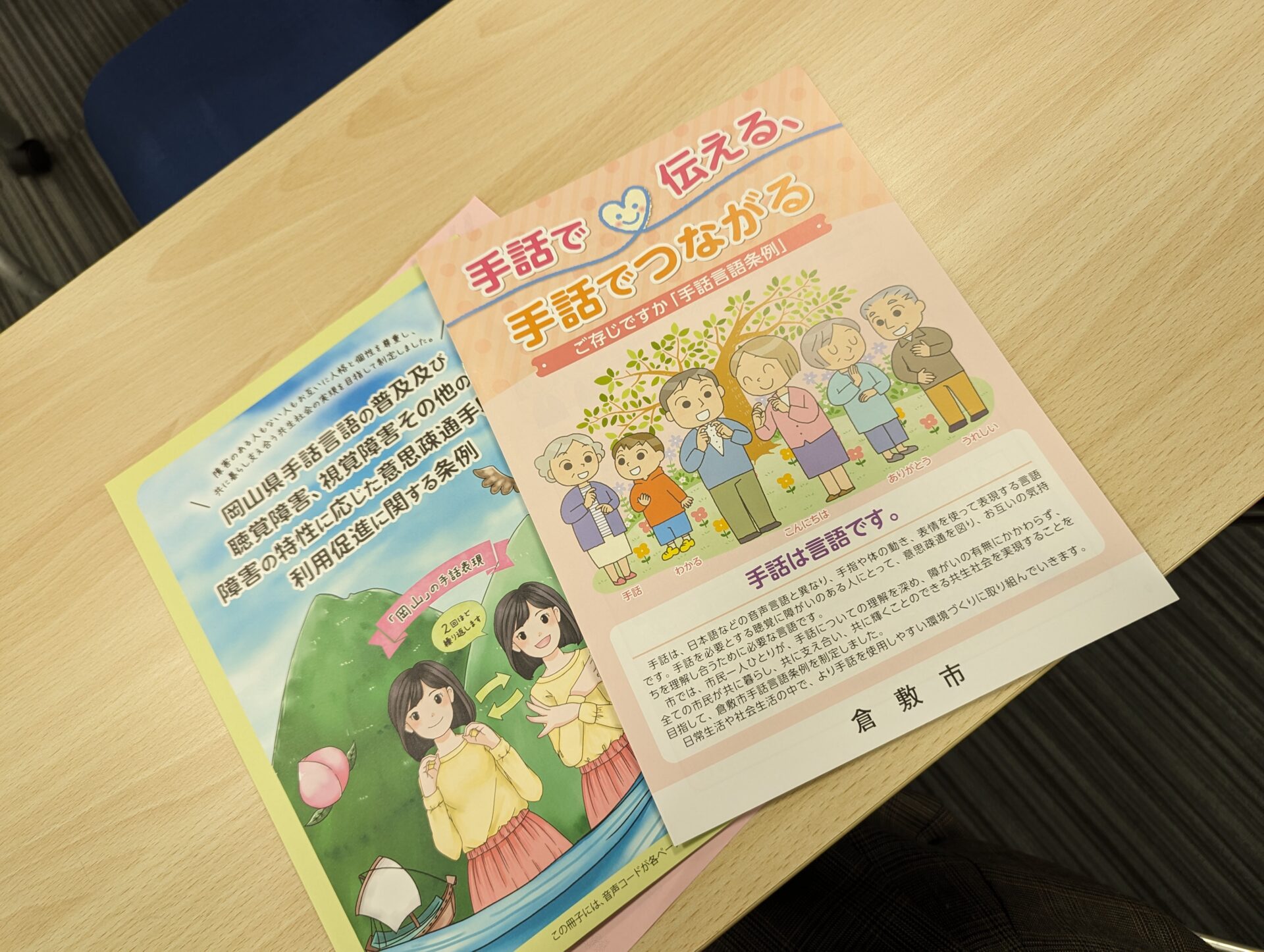
In 2021, the Sign Language Language Ordinance was enacted in Kurashiki City. I would be happy if more places like "Kusa no Kai," where people can enjoy sign language regardless of hearing ability, continue to increase.
Data on the Sign Language Circle Kusa no Kai
| Name | Sign Language Circle Kusa no Kai |
|---|---|
| Meeting Day | Every Wednesday 10 AM to 12 PM |
| Location | Kurashiki Health and Welfare Plaza |
| Participation Fee (including tax) | Annual fee 1,200 yen (collected in April) * 600 yen for those joining from October to March Membership fee 300 yen (collected only in the first year) * Visitors are free |