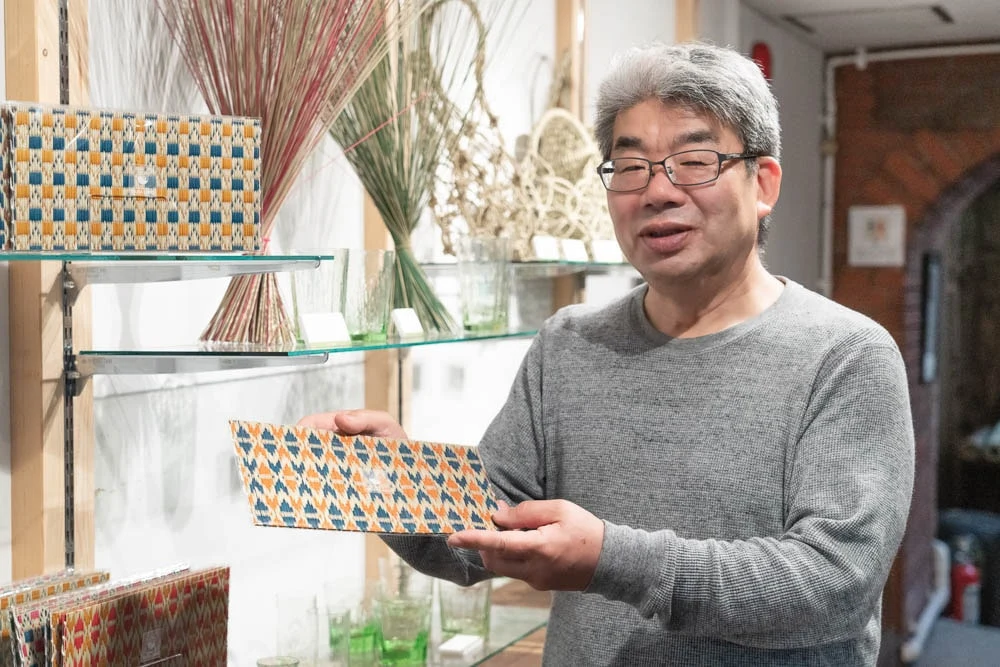
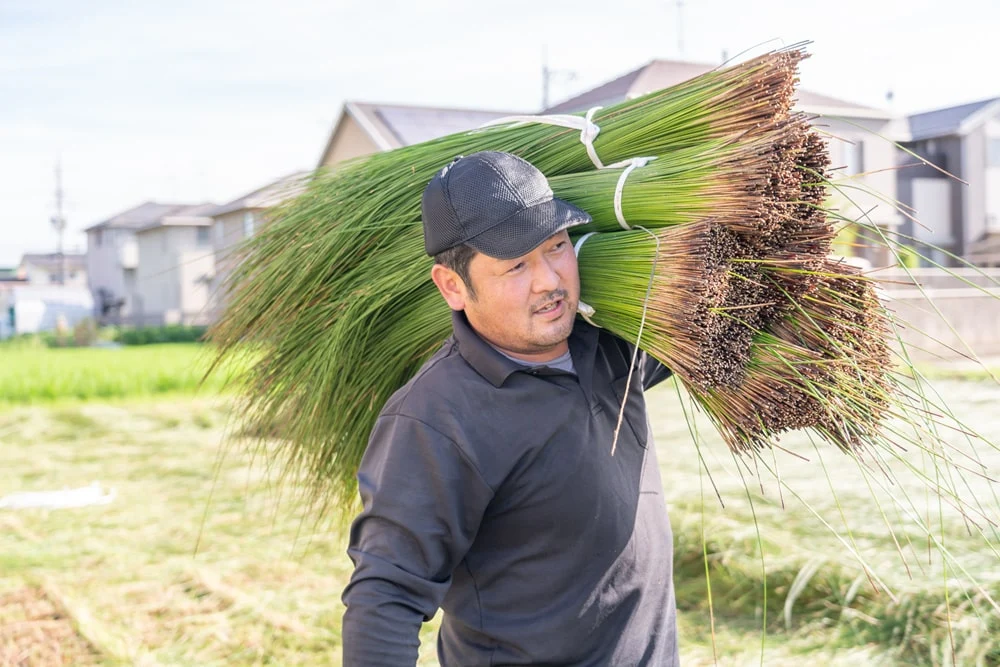
Tatami mat surface (tatamiomote) and the raw material for tatami mats, igusa (rush grass).
Did you know that the southern part of Okayama Prefecture was once a major production area for igusa?
The history of tatami mats in Kurashiki dates back to around 200 AD, and by the late 1950s, most of the igusa produced in Japan came from Okayama Prefecture. Kurashiki is also the birthplace of hanagosa (decorative tatami mats).
The store that opened in March 2020 in the Bikan Historical Area, with the aim of "wanting to convey the story of igusa," is called Igusa-ya Kaen.
Not only can you purchase high-quality products made from igusa, but you can also enjoy workshops at "Igusa-ya Kaen."
Igusa-ya Kaen
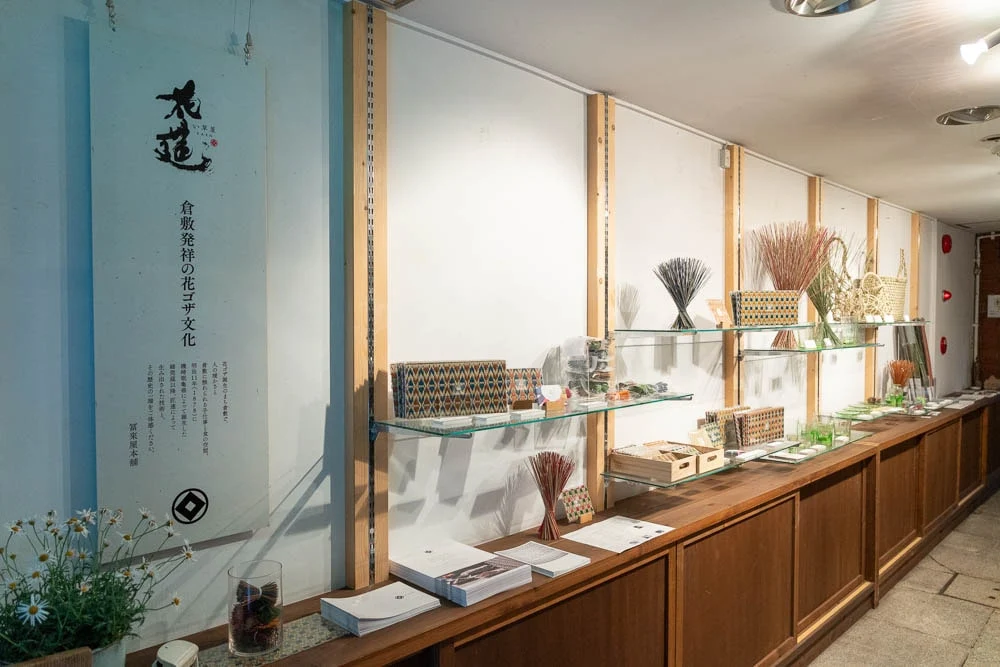
"Igusa-ya Kaen" is operated by Torai Co., Ltd., and is located within their restaurant " Toraiya Honpo."
Toraiya Honpo is a restaurant that focuses on Okayama's specialties and offers dishes made with local ingredients.
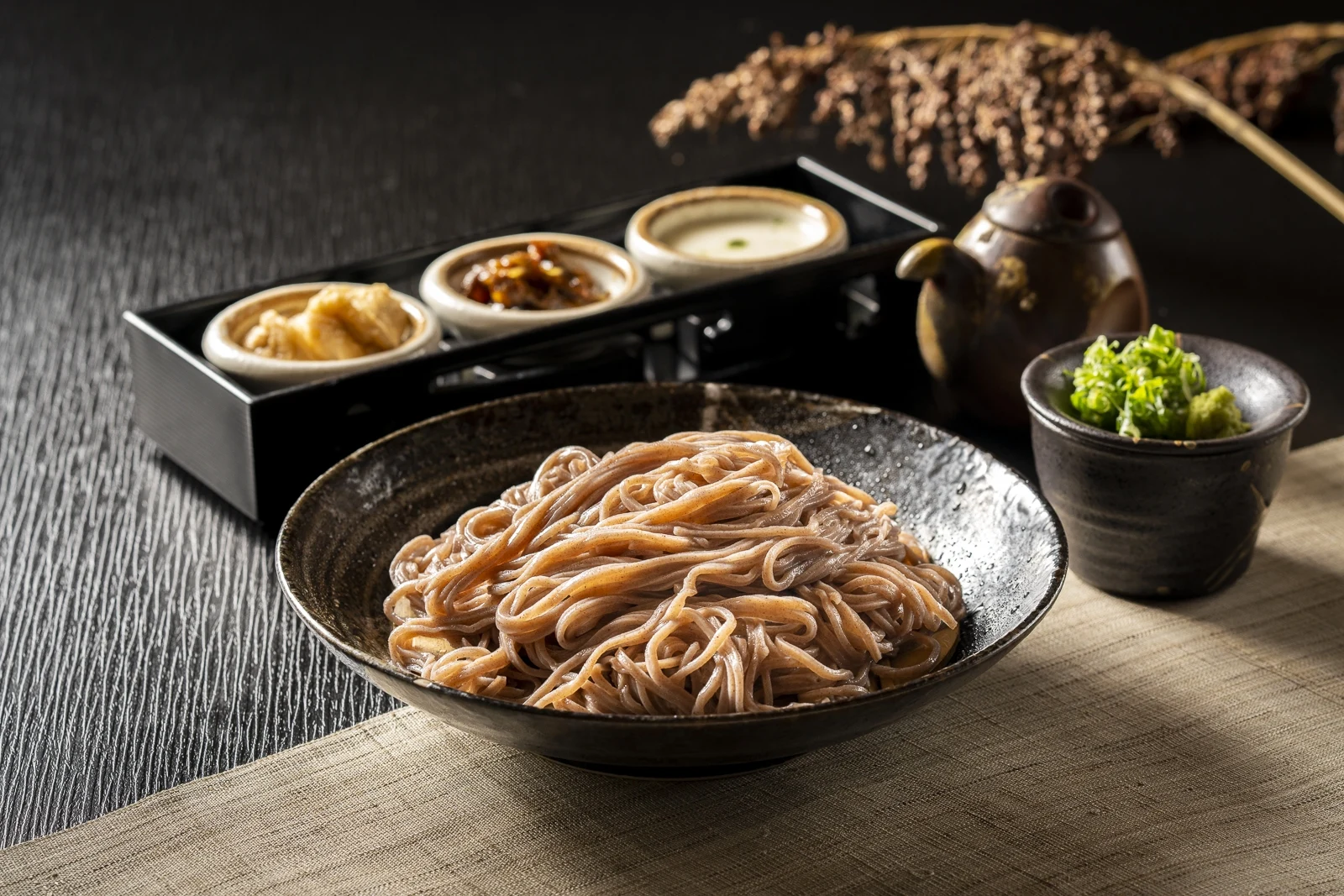
Using millet to create "Kibi Soba" and incorporating creative dishes based on traditional food culture, they have conveyed "things unique to this region."
As of May 2020, the company operates the following four stores.
| Store Name | Content |
|---|---|
| Toraiya Honpo Main Store | Kibi Soba and Local Cuisine |
| Igusa-ya Kaen | Hanagosa Experience and Sale of Igusa Fibers |
| Toraiya Honpo Annex | Specialty Store for Chiyagyu Beef |
| Jizakeya | Specialty Store for Okayama's Local Sake (Shop & Bar) |
All of them are based on the concept of "Okayama that can only be found here," with the aim of introducing local products.
Upon entering the store, the fresh scent of igusa spread, creating a pleasant atmosphere.
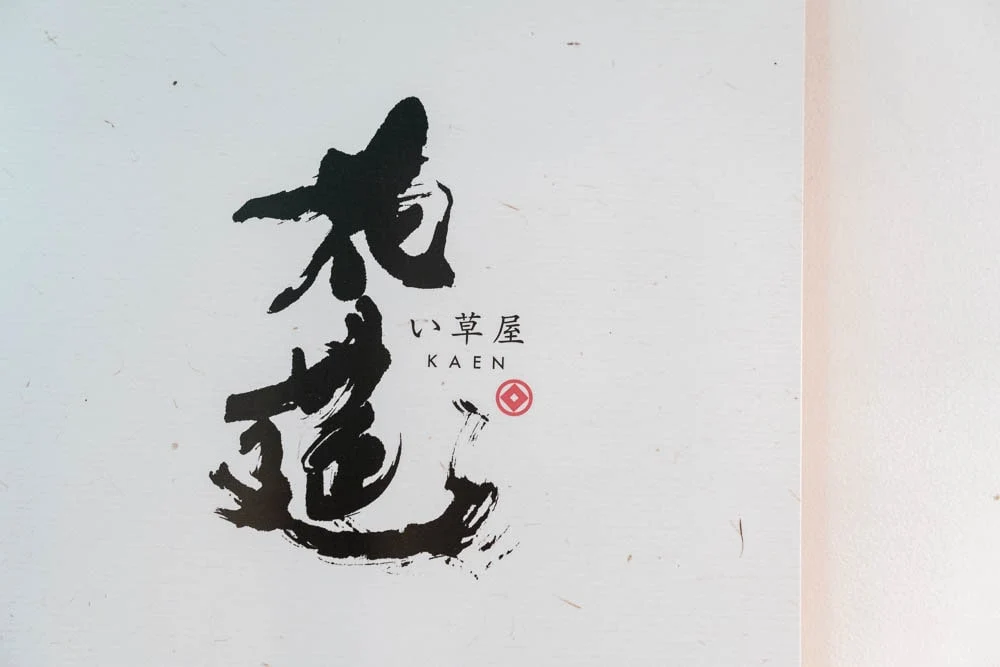
The calligraphy of the store's name was done by a calligrapher using "igusa brushes."
History of Igusa in Kurashiki
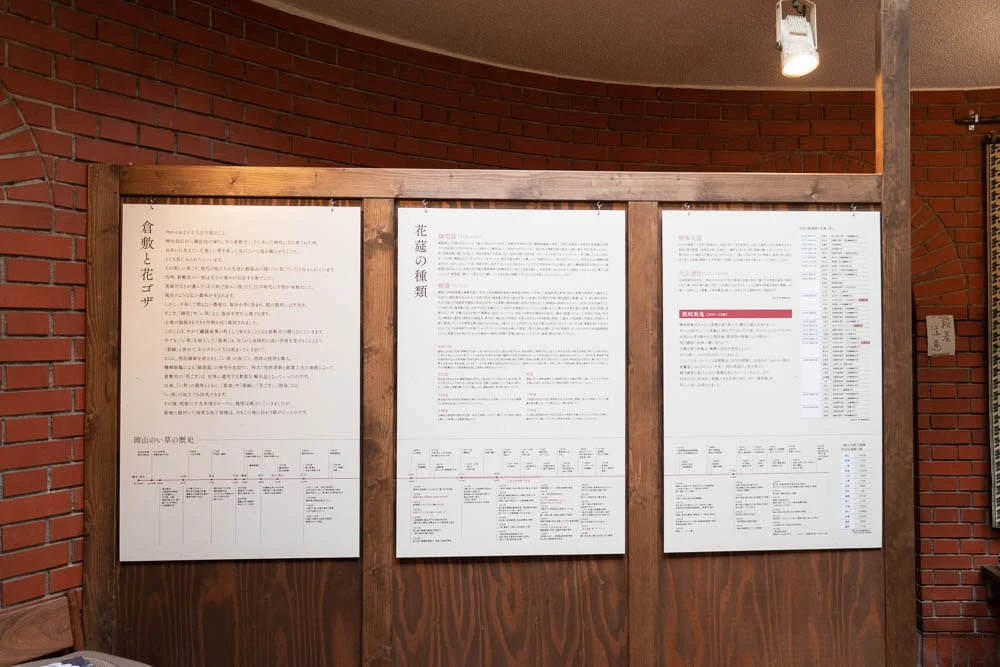
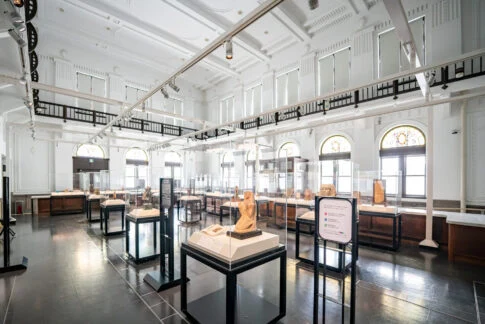
Before introducing the store, let’s briefly explain the history and charm of igusa in Kurashiki, referencing the panels inside Kaen.
The history of igusa in Kurashiki dates back about 1800 years, to the end of the Yayoi period.
There is a legend that "Empress Jingu stopped by a shrine in Kurashiki City and had mats woven from beautiful grass that grew nearby, which she greatly admired," and it is said that this grass was igusa.
The area around Kurashiki City was once a sea dotted with islands.
During the Edo period, land reclamation in Kurashiki became more pronounced. Cotton and igusa, which can grow in salt-rich soil, were widely cultivated.
The processed "tatami mat surface" made from igusa, along with "tatami edges," received high praise nationwide.
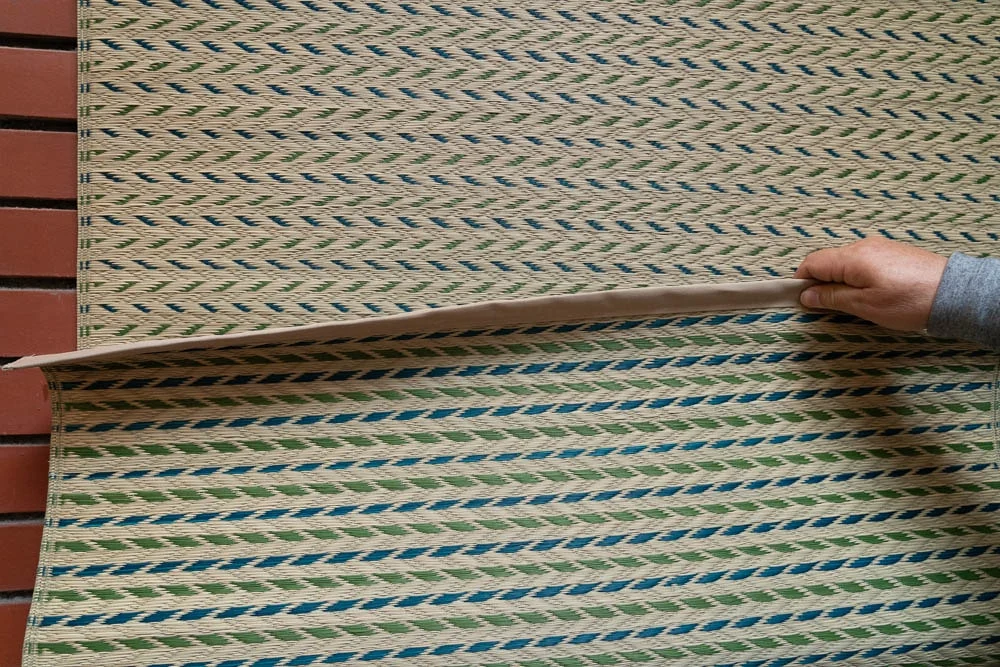
In the Meiji period, techniques for dyeing igusa were developed, leading to the creation of decorative mats called "hanagosa," which are woven with dyed igusa.
By the late 1950s, Okayama Prefecture had the highest production of igusa in Japan.
Although cultivation has since declined, advanced processing techniques are still passed down in Kurashiki today.
The Charm of Igusa: Humidity Control and Relaxation Effects
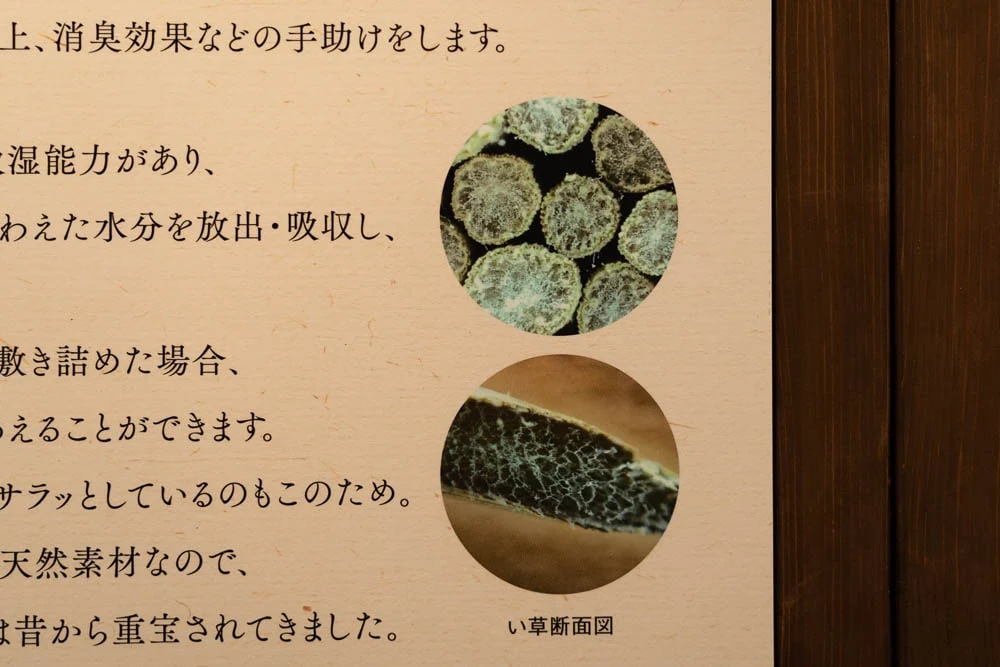
Igusa has a natural humidity control function that absorbs moisture when humidity is high and releases stored moisture when dry.
Its moisture absorption capacity is comparable to that of charcoal.
When igusa is laid out in a 6-tatami mat room, it can reportedly hold about 0.7 liters of moisture.
The components in the scent of igusa have a relaxing effect and are known to help improve concentration and deodorize.
Recommended Souvenirs! Products from Igusa-ya Kaen
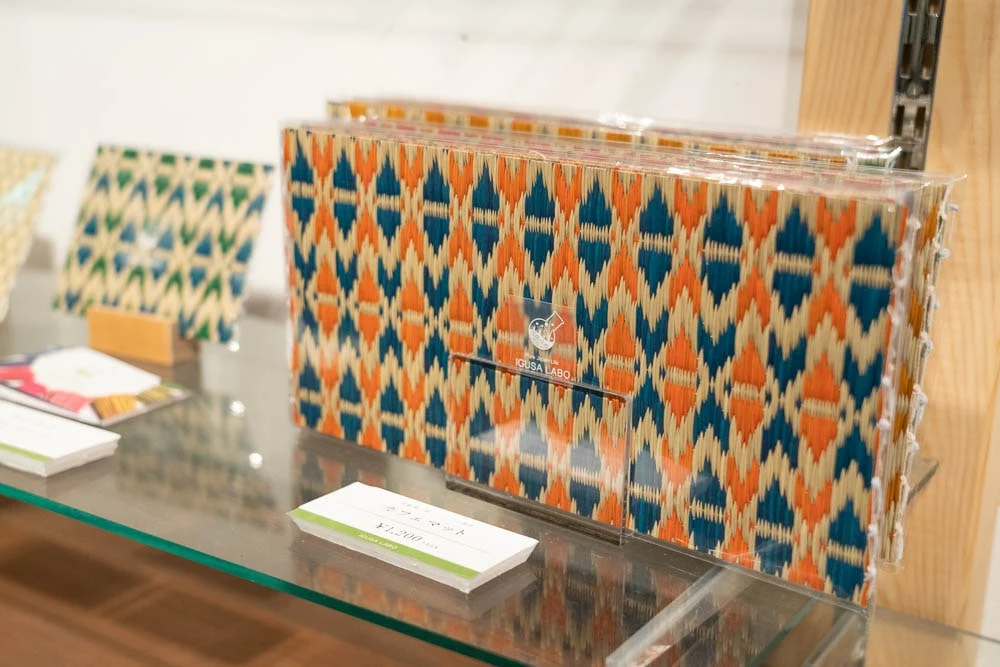
At Igusa-ya Kaen, you can purchase items made by local artisans and creators, such as coasters and baskets made from igusa.
In launching the store, they aimed to offer products that convey the warmth of handmade items. They wanted to start with a product lineup that reflects the warmth of human hands.
In the future, the product range is expected to expand.
Let’s introduce some of the products.
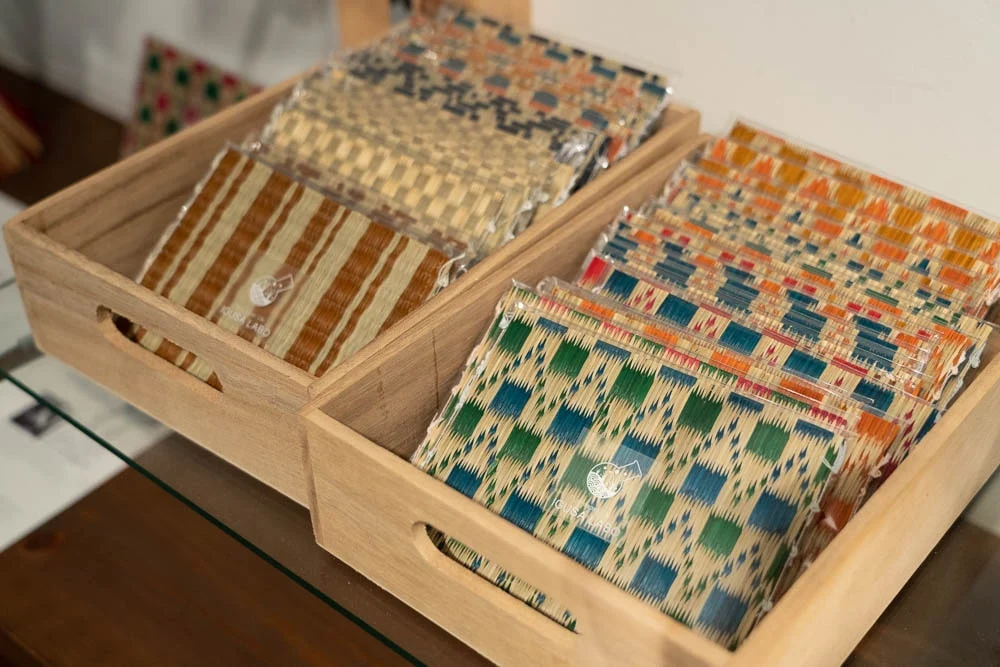
IGUSA LABO coasters (500 yen, excluding tax) come in various colors and patterns, are lightweight and compact, making them perfect as souvenirs!
The author uses IGUSA LABO coasters at home. They are more moisture-absorbent and less prone to dirt than cotton, making them easy to use and a favorite.
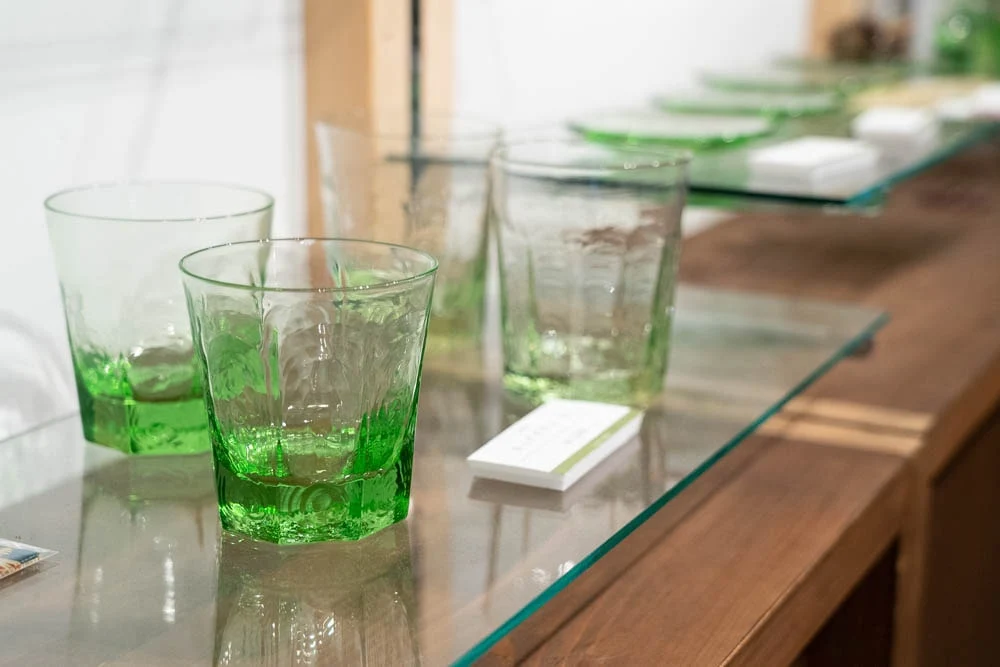
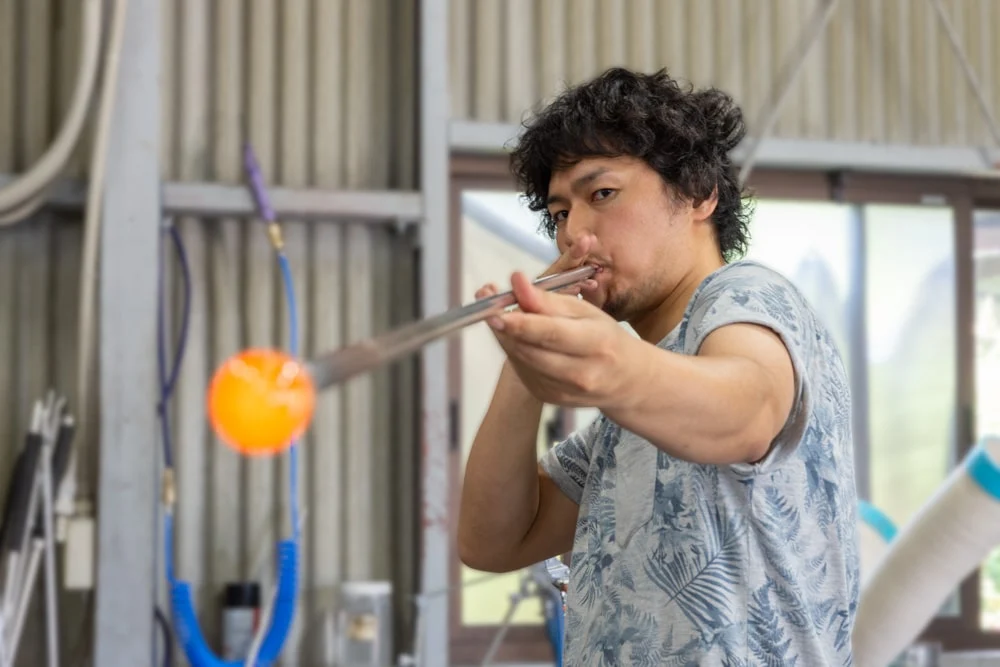
"IGUSA GLASS" (2,500 yen and up, excluding tax) is made using the ash of igusa by the glassblowing workshop "Gurasuta TOMO".
In June 2019, "Kurashiki Tocotoco" visited Gurasuta TOMO.
The cool green color and sharp shape are stylish.
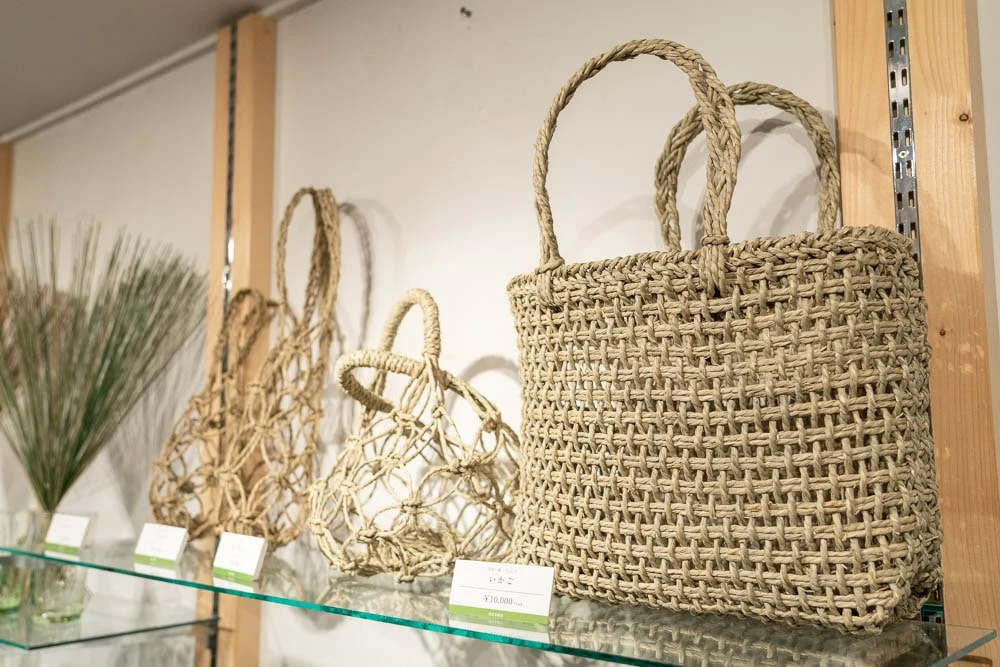
The igusa basket "Ikago" (10,000 yen, excluding tax) is made by Sunami Toru's shop.
It is carefully woven.
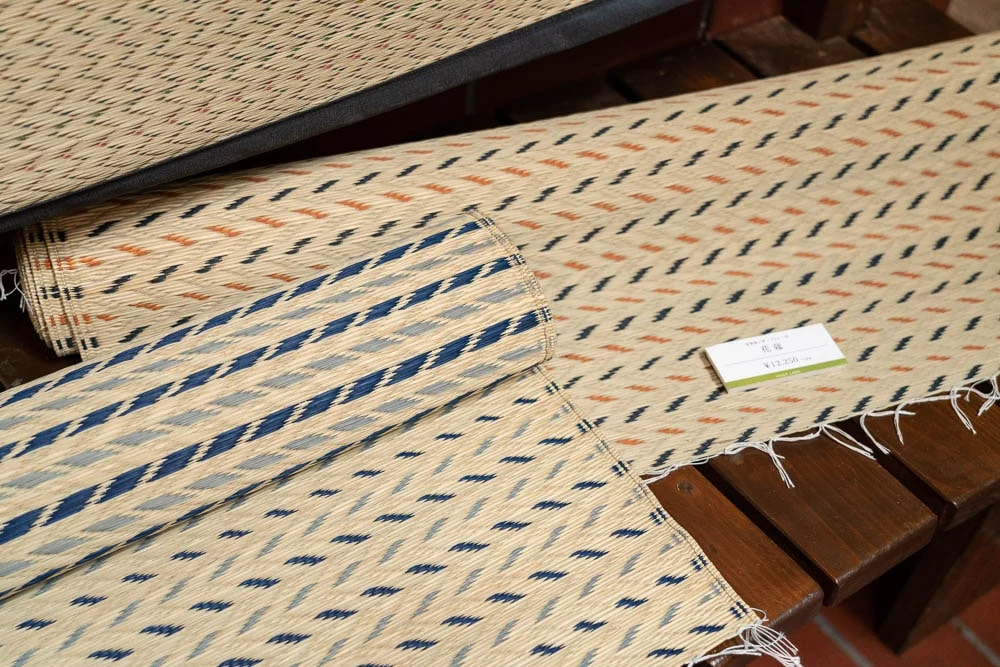
You can also see and purchase larger items such as the "Igusa Mat" (110 centimeters long, 6,000 yen, excluding tax) and the "Hanagosa" (12,250 yen, excluding tax).
The smooth texture of igusa feels great!
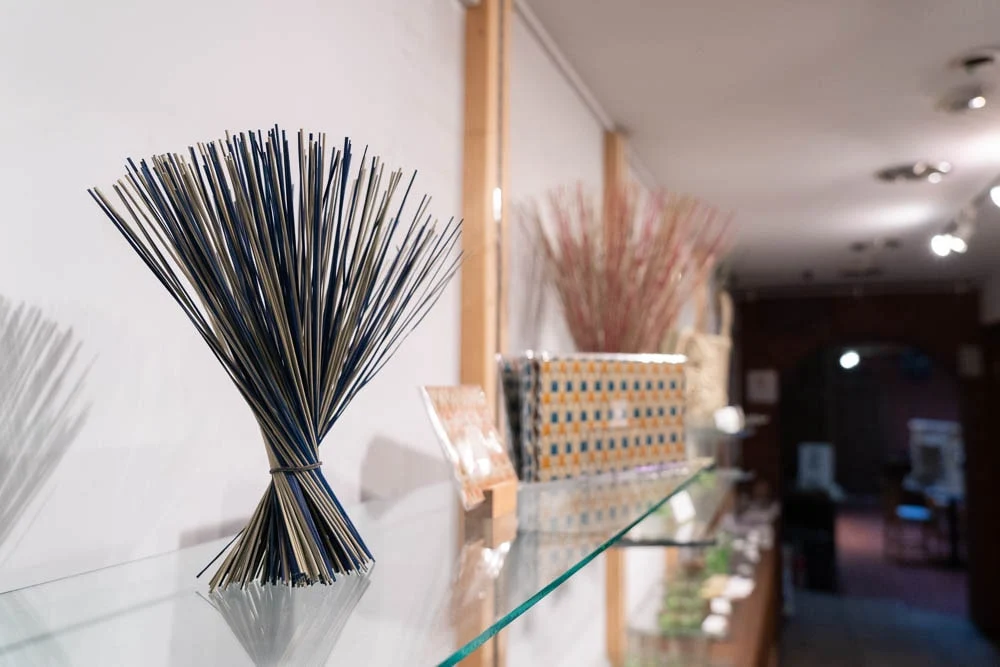
There are also unique items such as "Dyed Yu" (1,000 yen, excluding tax), which is igusa dyed using traditional methods, and "Negoma" (300 yen, excluding tax), which is a bundle of short igusa.
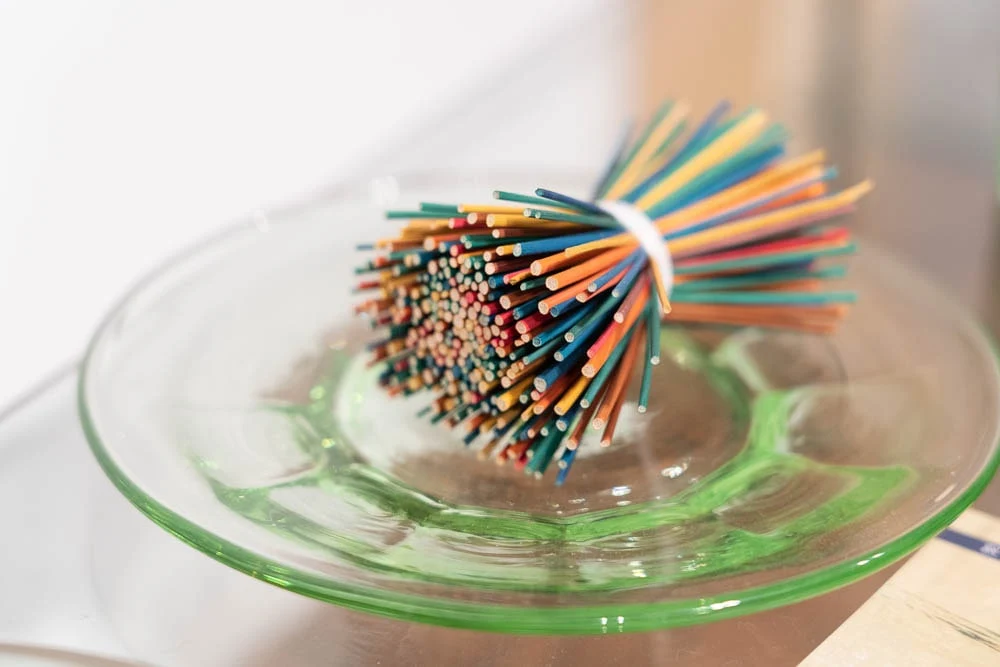
They can be used as decorations or as materials for crafts.
Even just bundling them together feels wonderful.
Having them in the room seems like it would allow for relaxation with the scent of igusa.
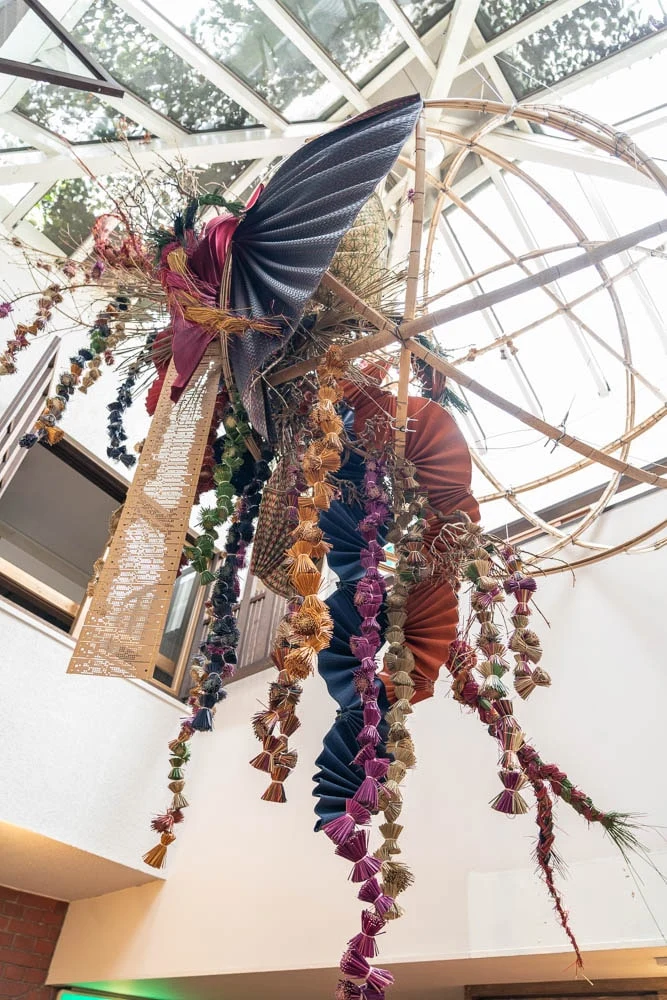
The back of the store features a spacious atrium where natural light pours in from the ceiling. Ivy can be seen through the skylight, and the circular brick wall is stylish.
Nose Seiko has created an object that exudes presence.
It combines molds for creating patterns of igusa, tatami mats, root stems, and flower tatami, making me realize just how cool igusa and tatami can be.
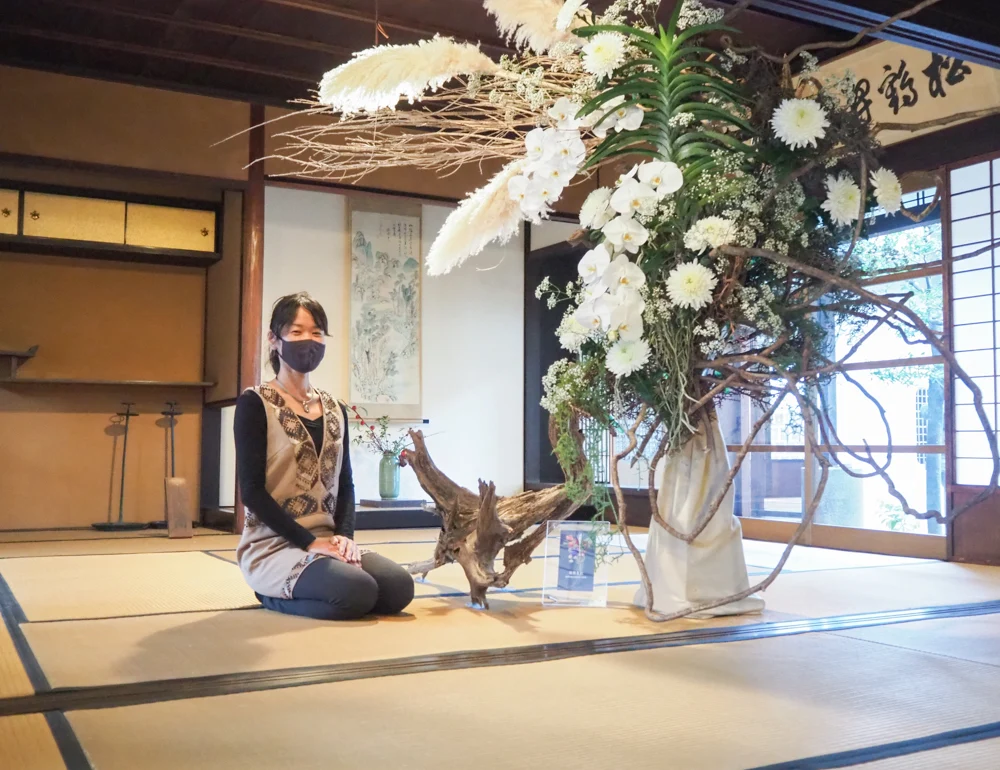
Hand Weaving Experience in a Workshop
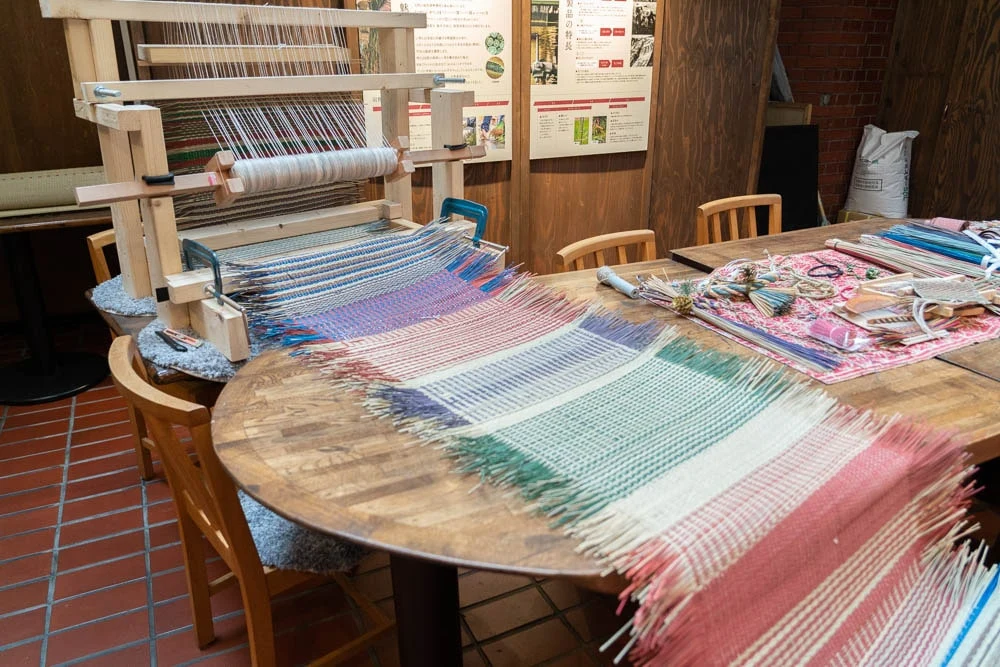
As of May 2020, various workshops are being prepared!
I also had the opportunity to experience it.
30-Minute Hand Weaving Coaster Making
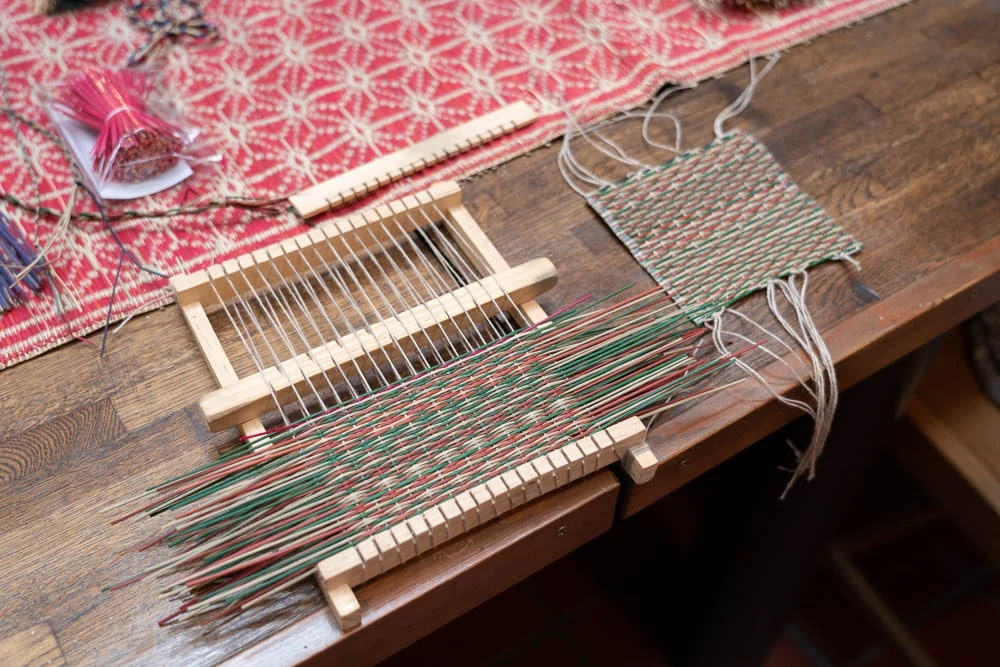
I used a small loom to make a coaster.
I threaded igusa of my favorite colors through the warp threads on the loom.
I wove by alternating passing the igusa in front and behind the warp threads.
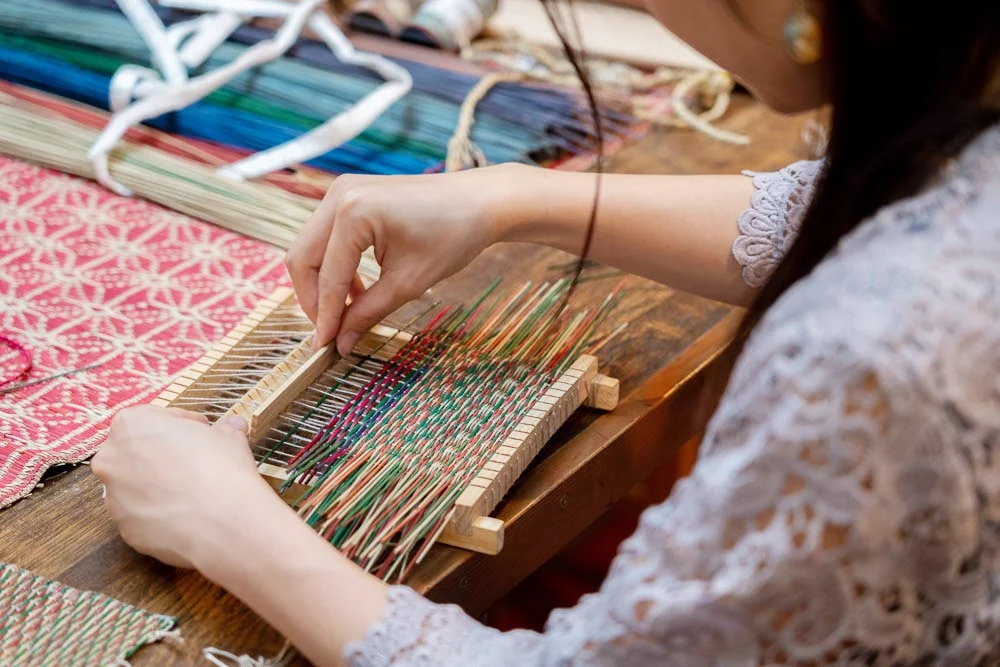
Simply passing the igusa along the wood.
Once finished threading, I gently pushed it forward with a comb.
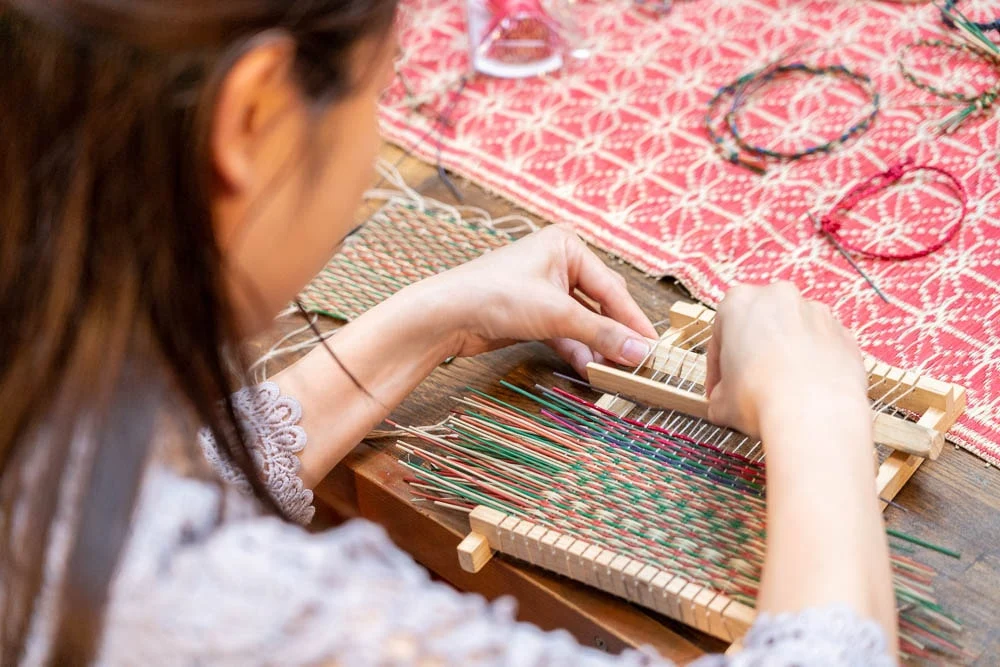
Once you get used to it, it's easy!
You are taught gently, and since it doesn't require strength or involve complex tasks, even elementary school students can likely do it alone. Small children can also enjoy it with parental assistance.
The simple actions of handwork are pleasant, and of course, adults can enjoy making it too.
After repeating about 50 strands and tidying the edges, it was complete.
Hand Weaving Experience of Flower Tatami
Next, I used a larger hand weaving machine to create flower tatami.
At first glance, it seems difficult, but the mechanism is the same as for the coasters.
Using a stick to smoothly pass the igusa feels great.
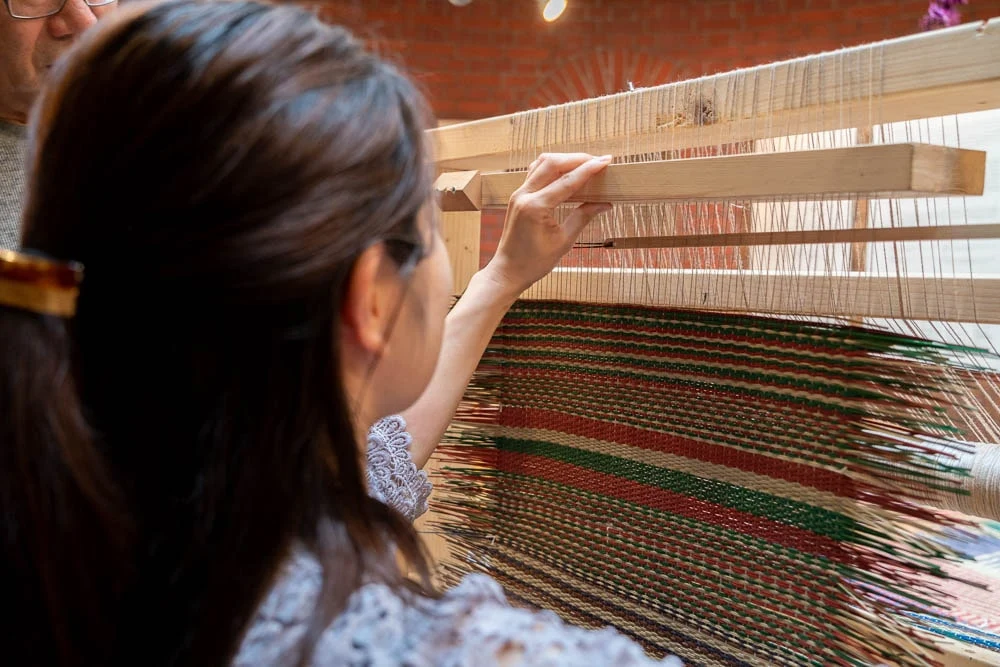
This cannot be taken home, but the tatami woven by customers will eventually be combined into an object in the store.
An object that evolves with everyone's efforts is wonderful.
Other Workshops Planned for Expansion
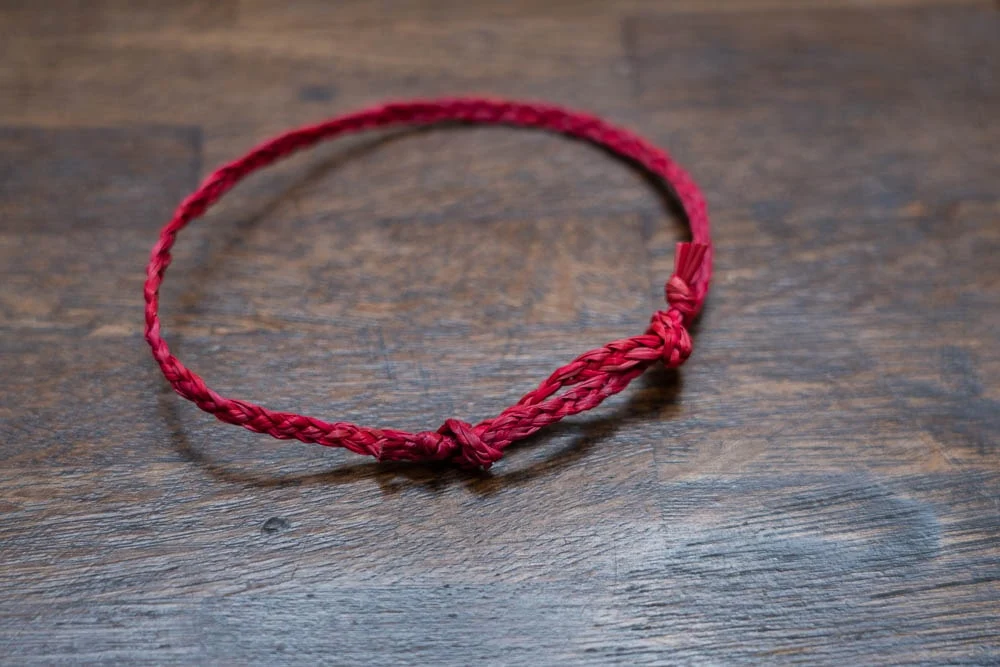
In the future, they are considering various workshops such as making misanga.
For more details, please contact the store.
After experiencing the workshop, I felt igusa was much closer to me than before.
I spoke with the representative director, Kusudo Tomio.
Igusa-ya Hanakan Data
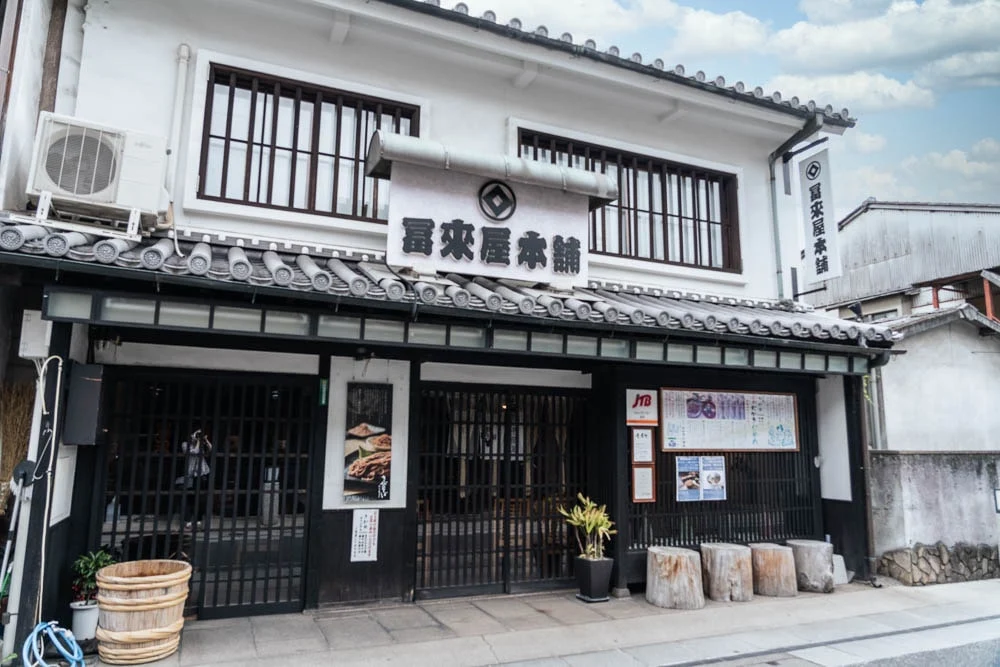
| Name | Igusa-ya Hanakan |
|---|---|
| Address | 6-21 Honmachi, Kurashiki City |
| Contact | 086-427-0122 |
| Parking | None |
| Business Hours | 10:00 AM - 7:00 PM |
| Regular Holidays | Monday If Monday is a holiday, the following day |
| Payment Methods |
|
| Website | Igusa-ya Hanakan | Tomikuya Honpo |