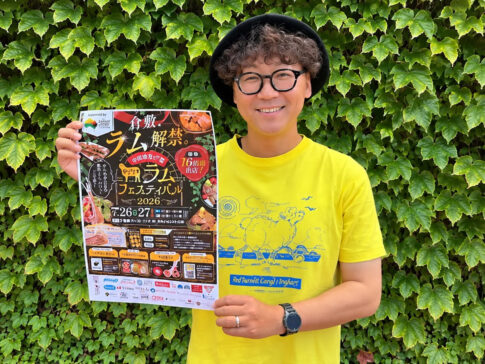
There is a decorative artist born in Okayama City, who is currently active mainly in Kurashiki.
In 2021, the artist celebrated their 25th anniversary, Nose Seiko.
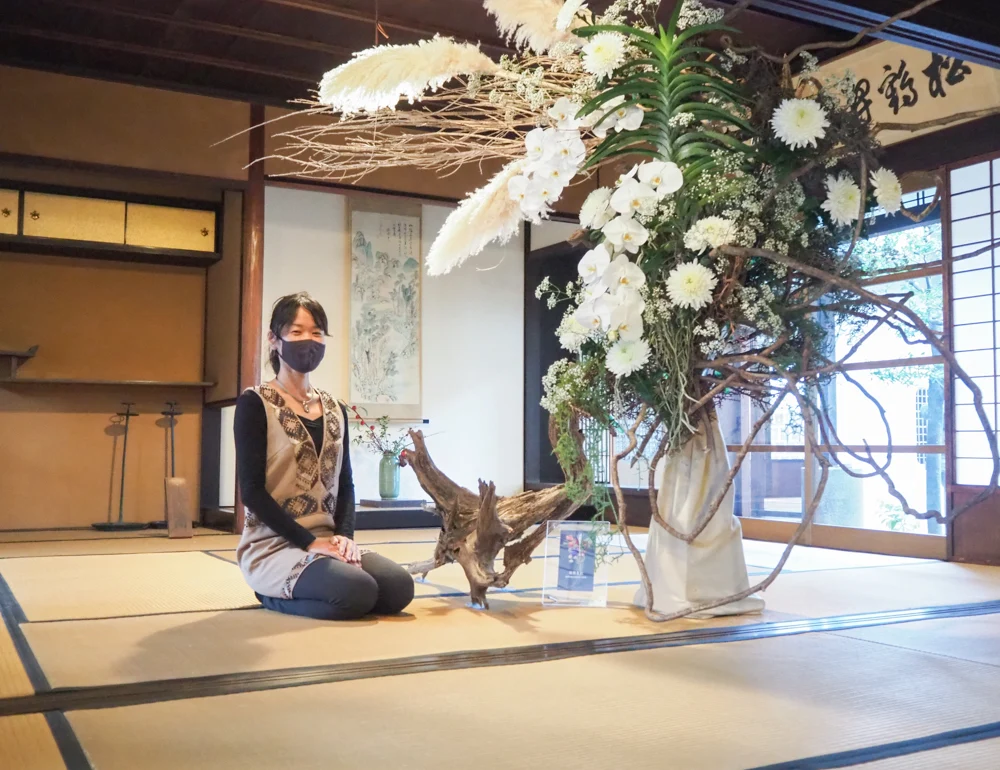
Even though they are called a “decorative artist,” the characteristic of Seiko's works is that they are three-dimensional pieces that convey a “feeling of approaching vitality.”
They have created many works using flowers and plants such as trees.
Some of their works are quite dynamic, exceeding 50 meters in width.
Seiko, who collects materials by themselves, lives with flowers and continues to be fascinated by the world of plants.
To mark the 25th anniversary of their decorative activities, an interview was conducted to reflect on their artist life.
From the conversation, it seemed that the way they create and present their works has changed significantly.
Please pay attention to the changes in their style, which is unique to a professional who knows the charm of each plant.
Who is Decorative Artist Nose Seiko
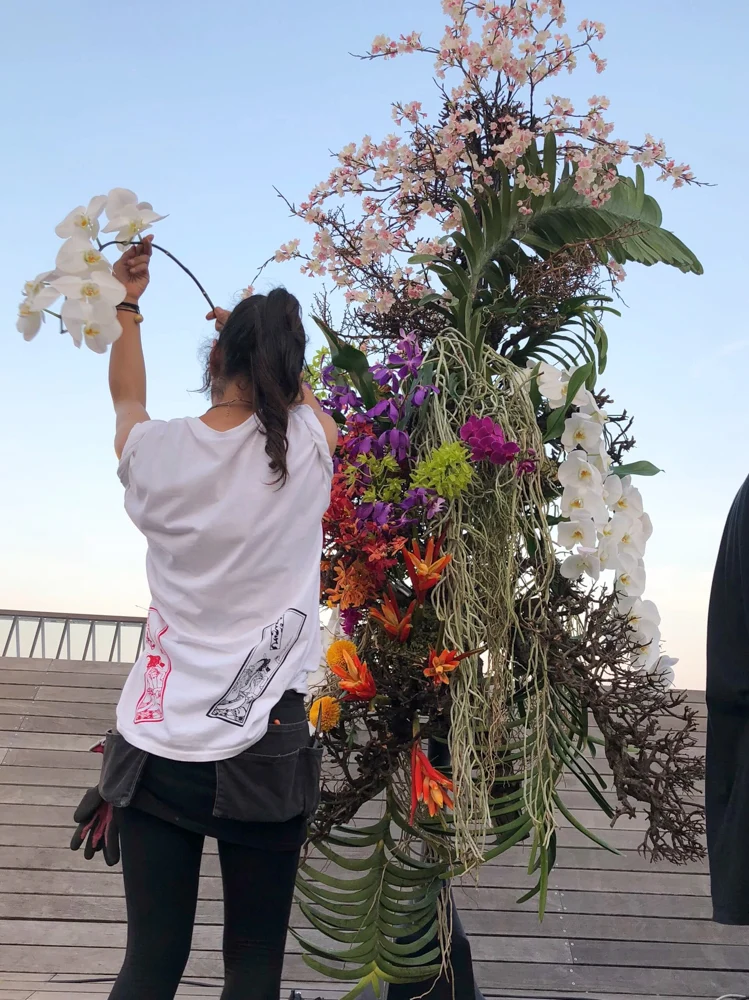
Seiko is a decorative artist from Okayama City, active mainly in Kurashiki.
More Vision Tokyo and a member of Sculptural Group Nanigashi are also part of their activities.
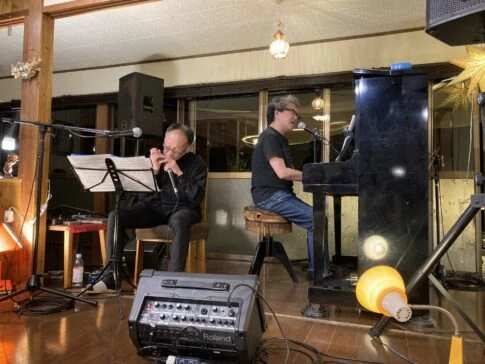
Growing up surrounded by art and artists at the live house “PEPPERLAND,” Seiko was captivated by the decorative fabric art called batik at a music event they attended during their student days.
Thinking, “I want my paintings to be displayed here!” was the trigger for aspiring to be an artist.
Carrying their own batik, they would go to music events and directly negotiate, saying, “Please let me display it!” as if they were challenging the dojo.
In 1996, they unveiled their first venue decoration work.
Now, they are widely active in display exhibitions, private party decorations, fire monument production, as well as art direction for commercial filming and print advertisements.
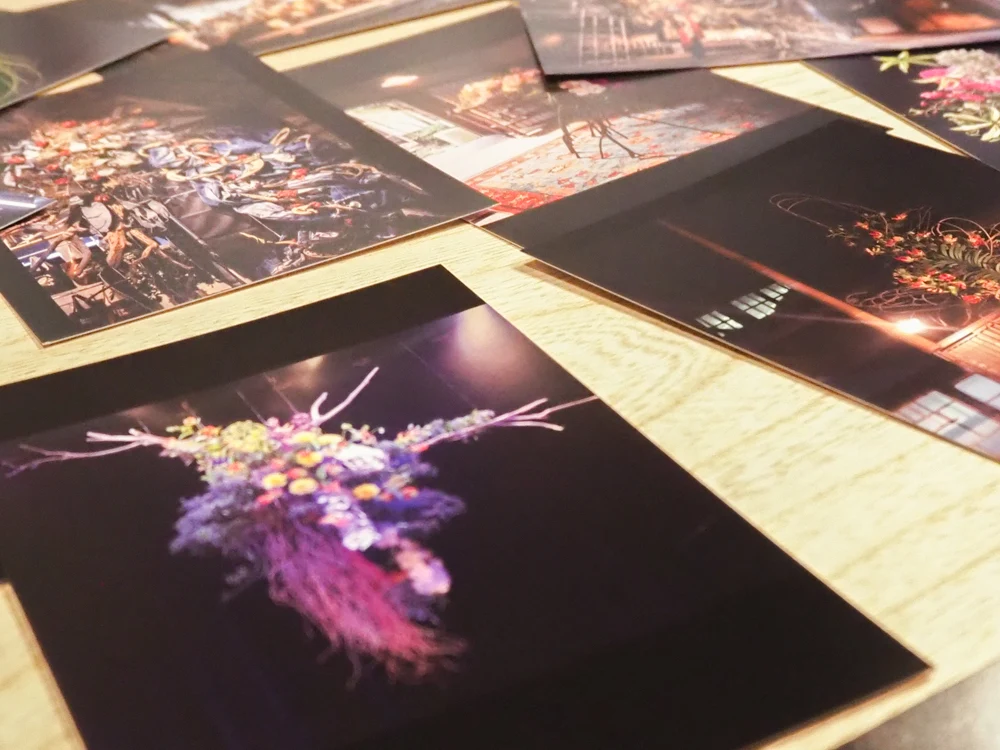
As their work has become more diverse, the venues and clients have also varied.
They have also conducted installation exhibitions at Ueno Museum in Tokyo, Oita Prefectural Art Museum, and Okayama Prefectural Art Museum.
In public displays for corporations and events, they have handled decorations for over 1,500 venues, including Mitsubishi Estate, Suntory, Zexy, au, Nihonbashi Mitsukoshi, Yanase, Tokyo Tower, Niki Club, and SummerSonic.
In the Bikan Historical Area, you can encounter Seiko's works at the entrances of Ohara House Katalyzer, Kurashiki Kama and Southern Italian Cuisine Hashimaya, and Wano Kokoro Imagawa.
Additionally, at Ohashi House, where Seiko has exhibited multiple times, an exhibition commemorating the 25th anniversary was also held.
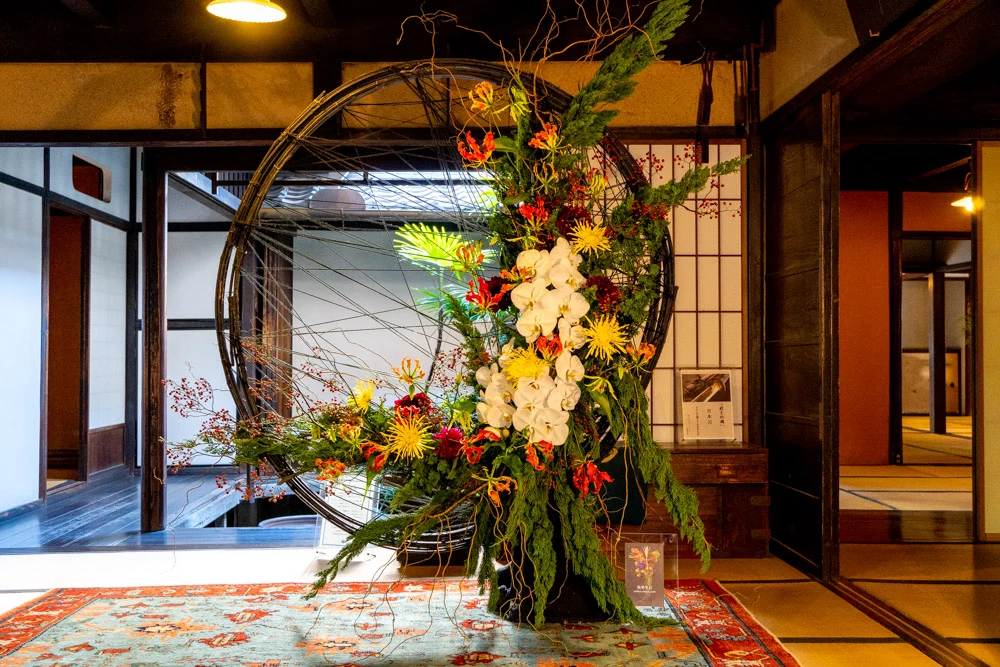
“Flowers are living things. Because they are alive, there is something that approaches when they become works,” says Seiko.
We heard about their 25-year journey.
All plants necessary for creating works are flower-adjusted by their own hands
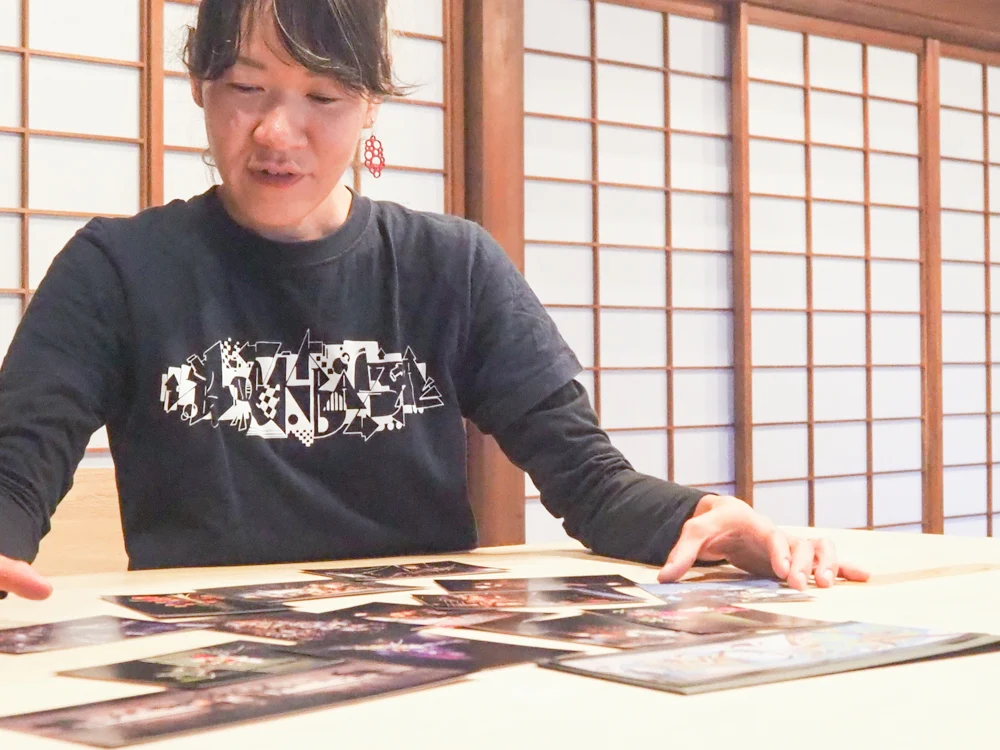
“I wonder what kind of life artists lead,”
The author, with a simple question, asked about their usual work.
“Whether I go to the flower market or go hunting depends on the time, but first, I gather flowers in the studio.
Flowers are very delicate, and if I deliver them directly to the venue, some will bloom while others will not.
To present the works in the most beautiful state, I adjust the blooming myself while observing the individuality of the flowers.”
Seiko, who is often active outside Okayama Prefecture, taught that “travel time and venue environment are also crucial.”
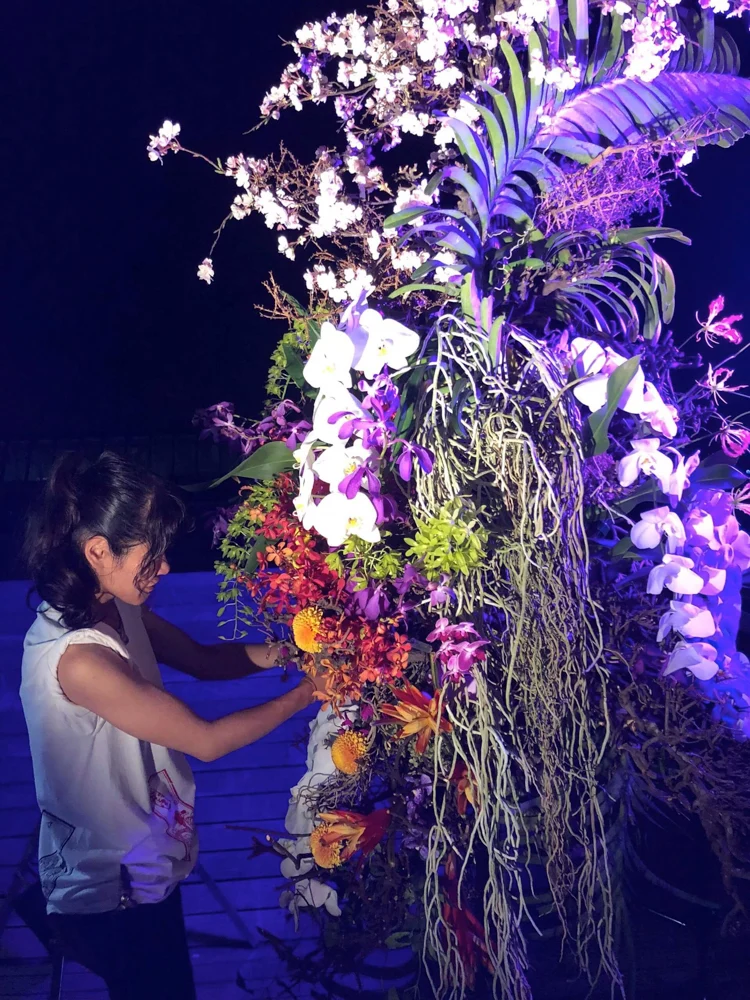
“Especially at filming locations, due to the temperature of the lighting and equipment, about 20% will bloom during setup.
I calculate the weather, temperature, humidity, and travel time carefully in reverse and adjust the blooming to the point where they will bloom beautifully by another 20%.”
Seiko was adjusting the blooming with much more meticulous calculations than the author had imagined.
Before being an artist, it is clear that they possess a considerable amount of knowledge about plants.
At the beginning of the interview, the author was taken aback, and Seiko smiled, saying, “They are princesses, the flowers.”
“I have to make sure the flowers are in the most comfortable state.
In the car during travel, I turn the air conditioning up for the flowers, so I must wear a down jacket even in warm weather.
Conversely, those that I don’t want to expose to too much air conditioning are placed in the back of the car covered with plastic, and I provide humidity to those that need it.”
Seiko described the travel to the setup venue as “a trip with the princesses.”
Captivated by the world of plants, balancing work as a florist and artist
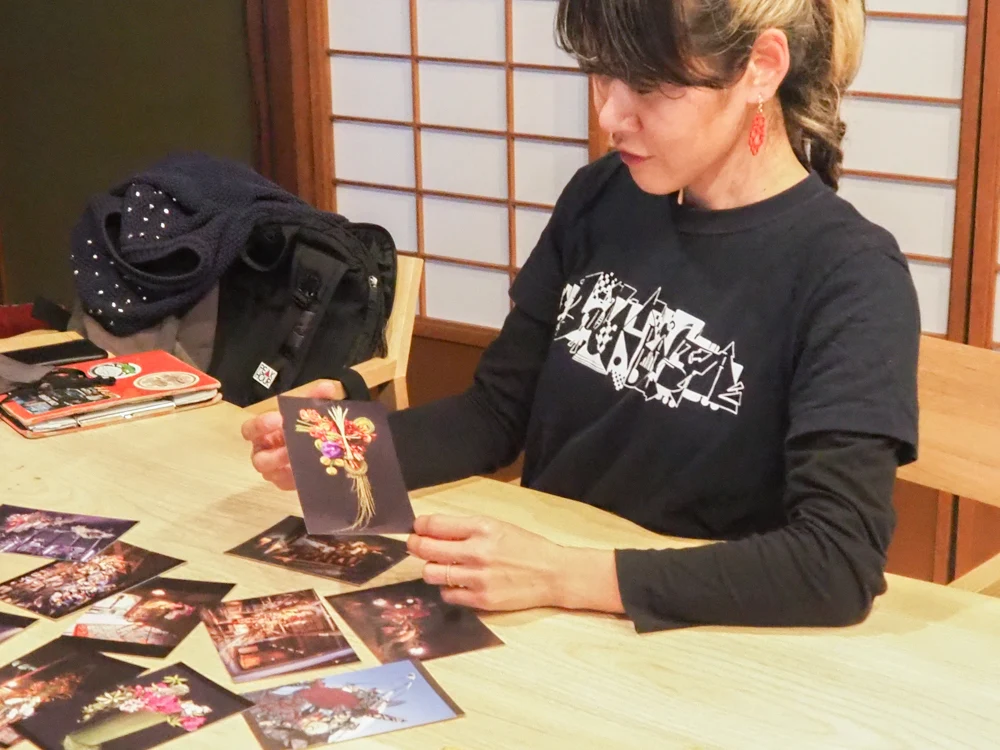
Now, Seiko is a professional in handling and presenting flowers.
When did Seiko, who originally paved the way as an artist through batik making, encounter flowers?
“I was captivated by flowers when I was 23 years old.
I traveled abroad for several months and often went to Europe.
I remember being truly moved by the beautiful flower scenery I saw there.”
It seems that it was such an impressive experience that after returning to Japan, they started working part-time at a florist.
At first, they jumped into the world of flowers with the feeling of “liking it based only on appearance,” because the flowers were cute, beautiful, and fragrant.
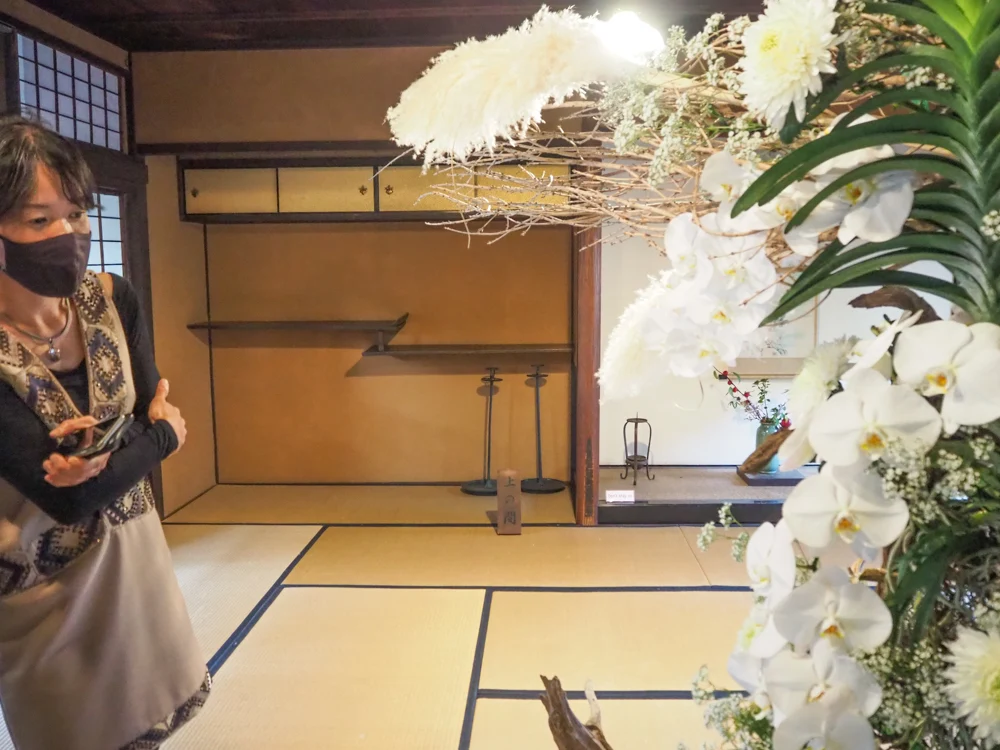
However, working at a florist turned out to be quite physically demanding. “It was really tough on my body,” they reflected.
“My day would start by taking the first train to the market and working until close to the last train was a daily routine.
I was a hard worker, but as I got to know the individuality of flowers, I became fascinated by the entire world of plants.
Plants are truly diverse living beings.
Even in a glacial world, there are plants that thrive underground, adapting to any environment.
It’s quite amazing, isn’t it? (laughs)
The genes that choose to live in a glacial world are incredible, right?”
By learning about the depth of the plant world while working at a florist, Seiko became captivated, even though it was physically tough.
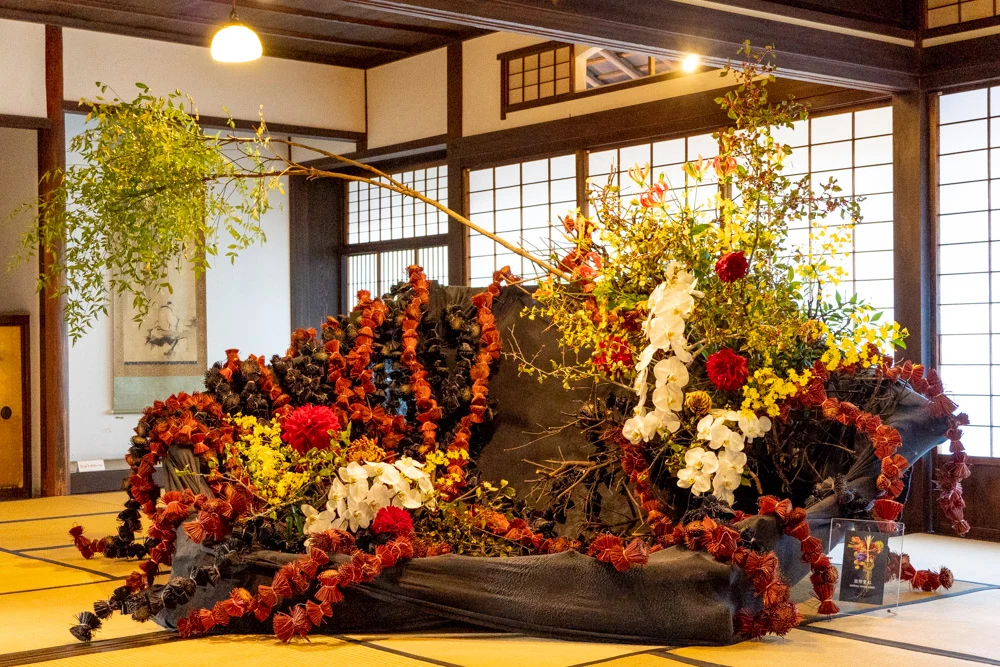
On the other hand, they also struggled with their activities as an artist.
Their involvement in music events led to word-of-mouth spreading among people in the music industry.
Gradually, their life as an artist became busier.
In the blink of an eye, ten years passed, and around 2007, they crossed four prefectures in ten days, repeatedly setting up and dismantling at seven event venues.
It was the busiest time ever, and they were working at two to three venues every week, including wedding sites.
Surprisingly, even then, they did not quit their job at the florist.
“If I take a break from the florist job, the president can’t do the work they want to do.
Moreover, for me, the florist job is also important, and I never thought of quitting.”
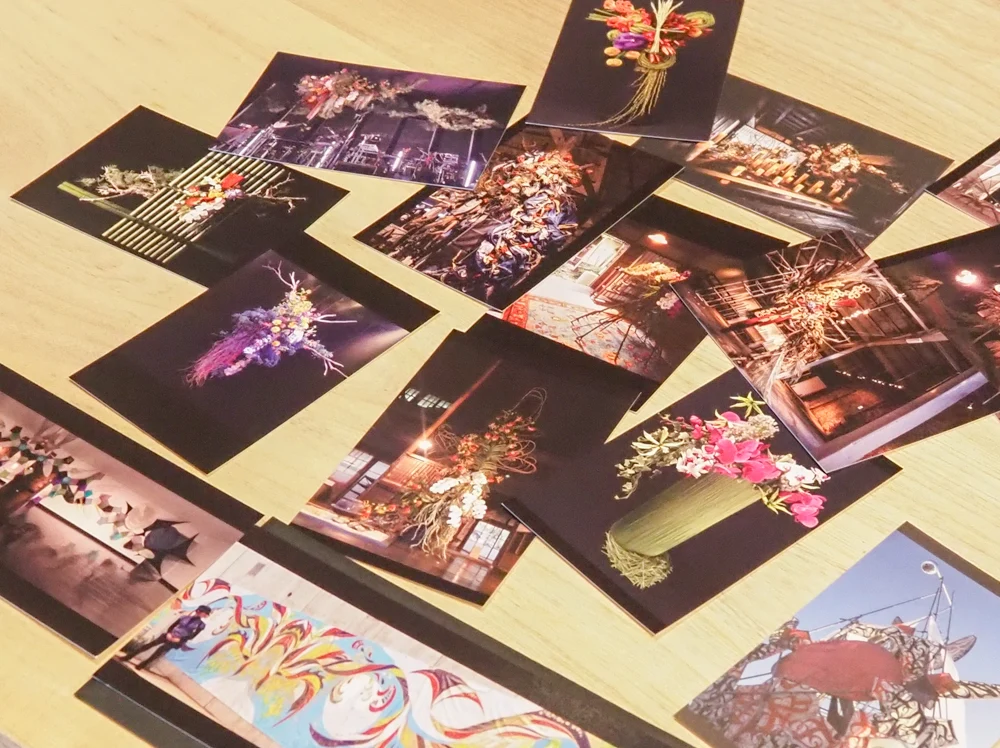
At that time, Seiko, who was standing only with mental strength due to extreme busyness, said that no matter how busy they were, they felt healed when looking at flowers.
“There is a refrigerator called a “keeper” that holds flowers, and when I open it, every flower shows a bewitching and beautiful appearance.
Because of the lights, they sparkle, and the pleasant fragrance envelops me all at once.
When I feel the flowers with my whole body, all my fatigue is healed.
It was my blissful time.”
Seiko's gratitude towards those who have supported them and their heartfelt love for flowers overflowed.
Centering activities in Kurashiki. Changes in style after quitting the florist job
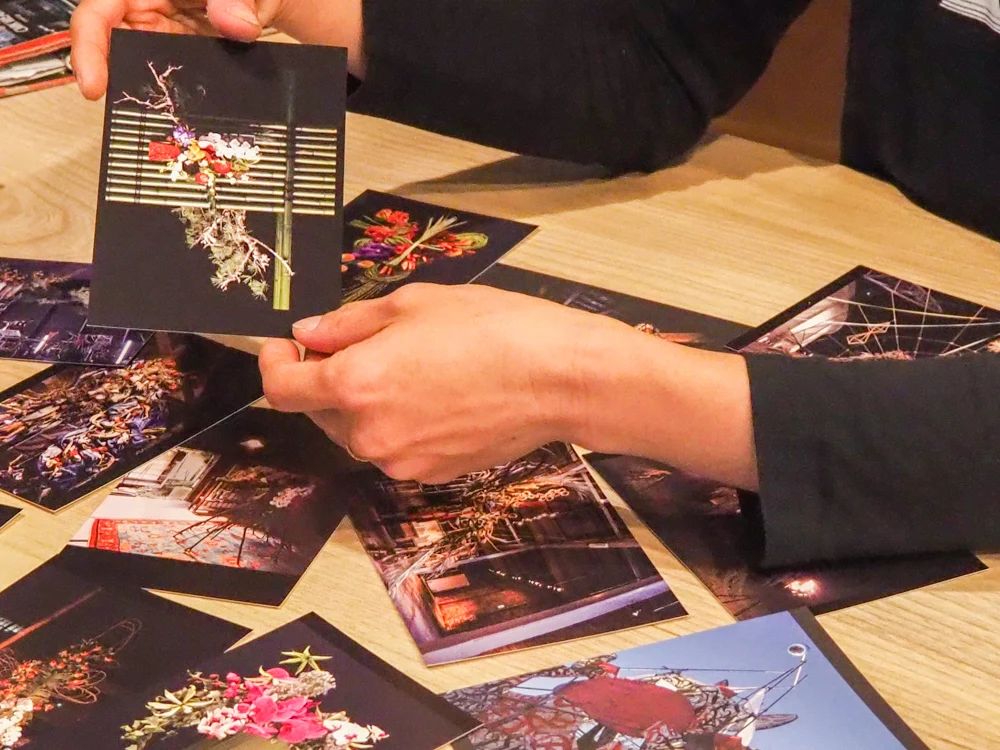
Now, Seiko is in high demand for many events.
While they expanded their activities in Osaka and Tokyo, they moved the center of their activities to Kurashiki in 2012.
This decision came after experiencing the Great East Japan Earthquake in Tokyo.
Quitting the florist job, which they never gave up no matter how busy they were, and returning home became a significant turning point for Seiko's style.
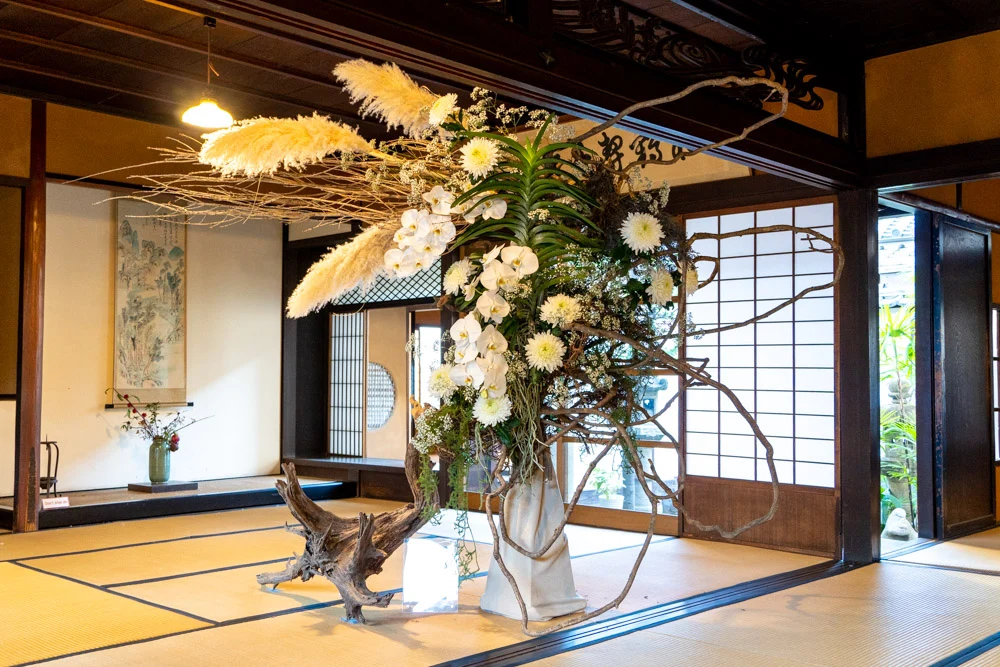
“Looking back, when I was working at the florist, flowers were “products”.
Thinking of bouquets makes it easier to understand, but my job was to create things that would please customers, things that appeal to everyone.
As an artist, I often worked on symmetrical decorative works.
It was a fun constraint, but after returning to Kurashiki and quitting the florist job, that constraint completely disappeared.
What I was working on transformed from “products” to “works”.
I realized that I didn’t have to “organize” them.”
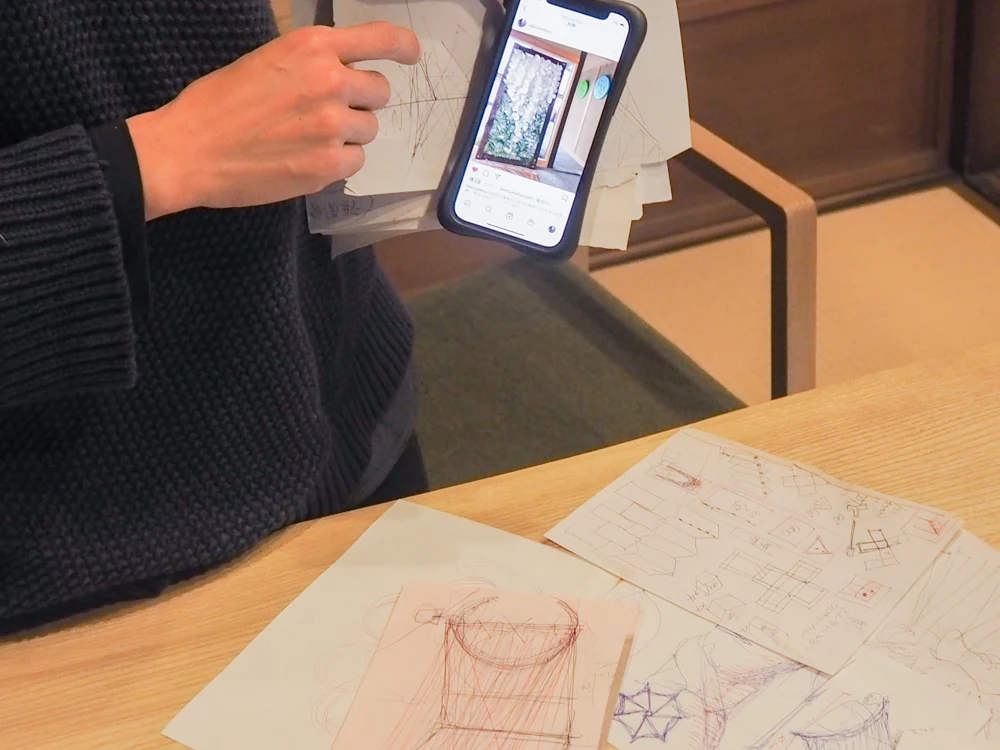
Looking back, until returning to Kurashiki, it seems they naturally “fit into a mold.”
But now, they say they are creating works instinctively without thinking.
Behind this “instinct,” it seems they are listening to the voices of the plants and sensing how to bring out the individuality of each one.
“When I look at the shape of each plant, I feel the voice of the plant saying, ‘I want to go here now!’
I approach the place where that flower looks the most beautiful.”
Rather than being confined to a blueprint, I am moving according to the voice of the plants, so I am gradually thinking less and less.
Until now, my works were all symmetrical, but that has naturally disappeared.
The servant-like feeling of the plants is amazing (laughs).
I create based on instinct and smell, so it’s incredibly fun.
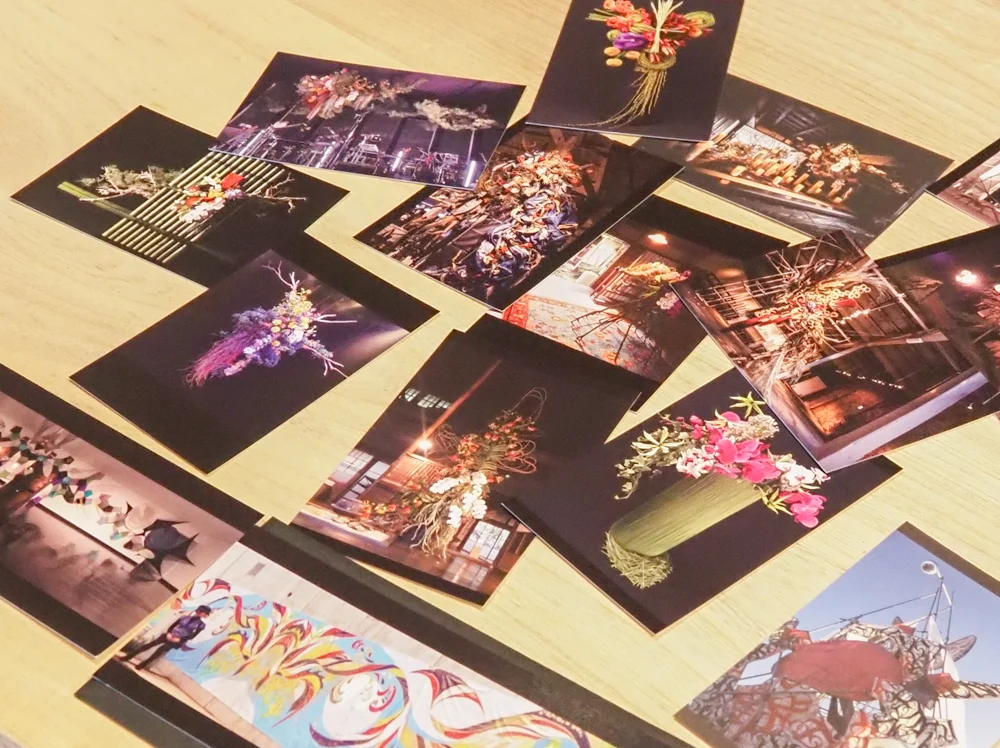
Furthermore, there was a comment that “I might not feel attracted to the works I want to create myself anymore.”
“It’s fun to create while happenings occur.
For example, recently, a staff member I was working with for the first time said, ‘I would like you to raise the height of the base a little more.’
Everyone says, ‘I’m sorry to say this to you, teacher…’ but I’m happy that ideas that I don’t have keep coming.
Rather, I want everyone to speak up about what they notice, and creating together with everyone is a true joy.
Because I collected them myself, I can feel the energy of the plants imbued with thoughts and feelings in my works
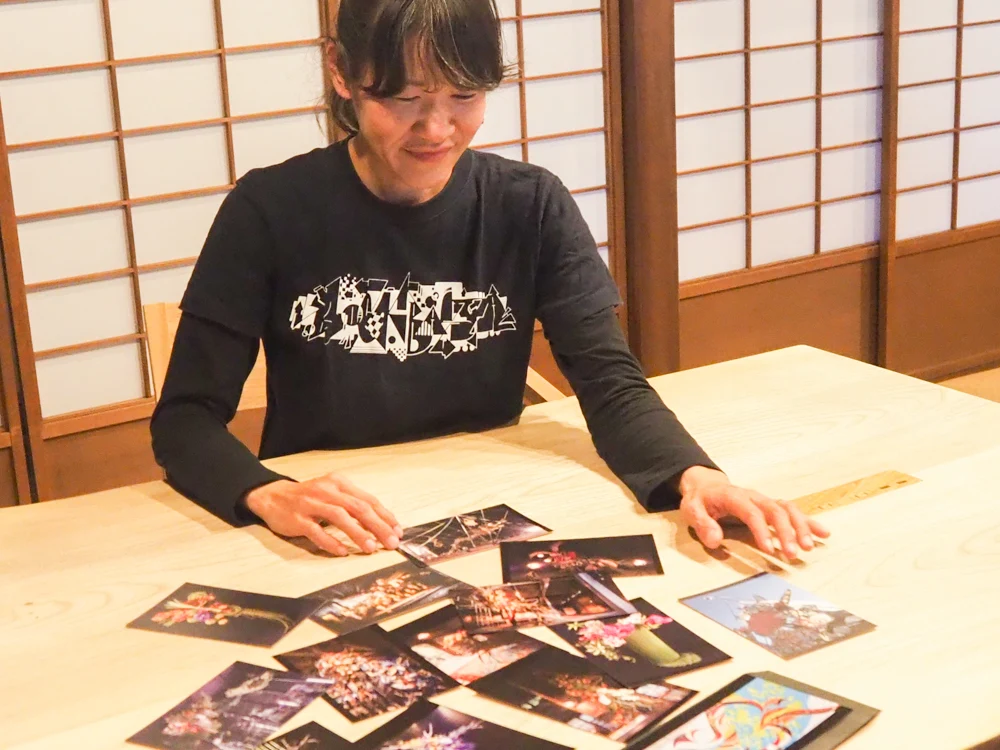
Having spent 25 years of my artist life with flowers, it is because of my love for flowers that I have transformed from “products” to “works.”
Looking back on my artist life, I would like to send a final message.
“It’s truly a miracle that I have reached my 25th anniversary! That’s the one thing I can say.
Since I have a unique profession and my style has changed, I am still surprised every time I receive an offer.
I often travel across prefectures, and depending on the work, I continue to do high-altitude work, so I am always in a situation of danger.
To be alive now and to continue creating works is nothing short of a miracle.
I gather materials by sourcing flowers myself and cutting plants in the mountains with permission, so I believe that the “thoughts” and “feelings” are imbued in the plants due to the time and effort I put in.
The moment they become works, they become like a single living entity.
The story from sourcing to transporting to the venue until they become works is a source of energy.
Unless you see the real thing, it’s hard to convey the energy that the works possess.
Since photos and the real thing are completely different, I would be happy if you could feel the energy at the venue.
In conclusion
During the interview, Seiko was overflowing with love for plants.
I felt that the vast knowledge of plants she gained while working at a flower shop is what allows her to listen to the voice of the plants and create works instinctively now.
Seiko has a very gentle tone and carries a calm atmosphere, while her works are all full of dynamism.
I think that gap is also what makes her appealing.
I look forward to seeing how Seiko, who has changed over 25 years, and her numerous works will continue to evolve in the future.
In the Bikan Historical Area, there are many events where Seiko decorates the venue.
Please come and feel the vitality of the plants from Seiko’s works in a place close to you.