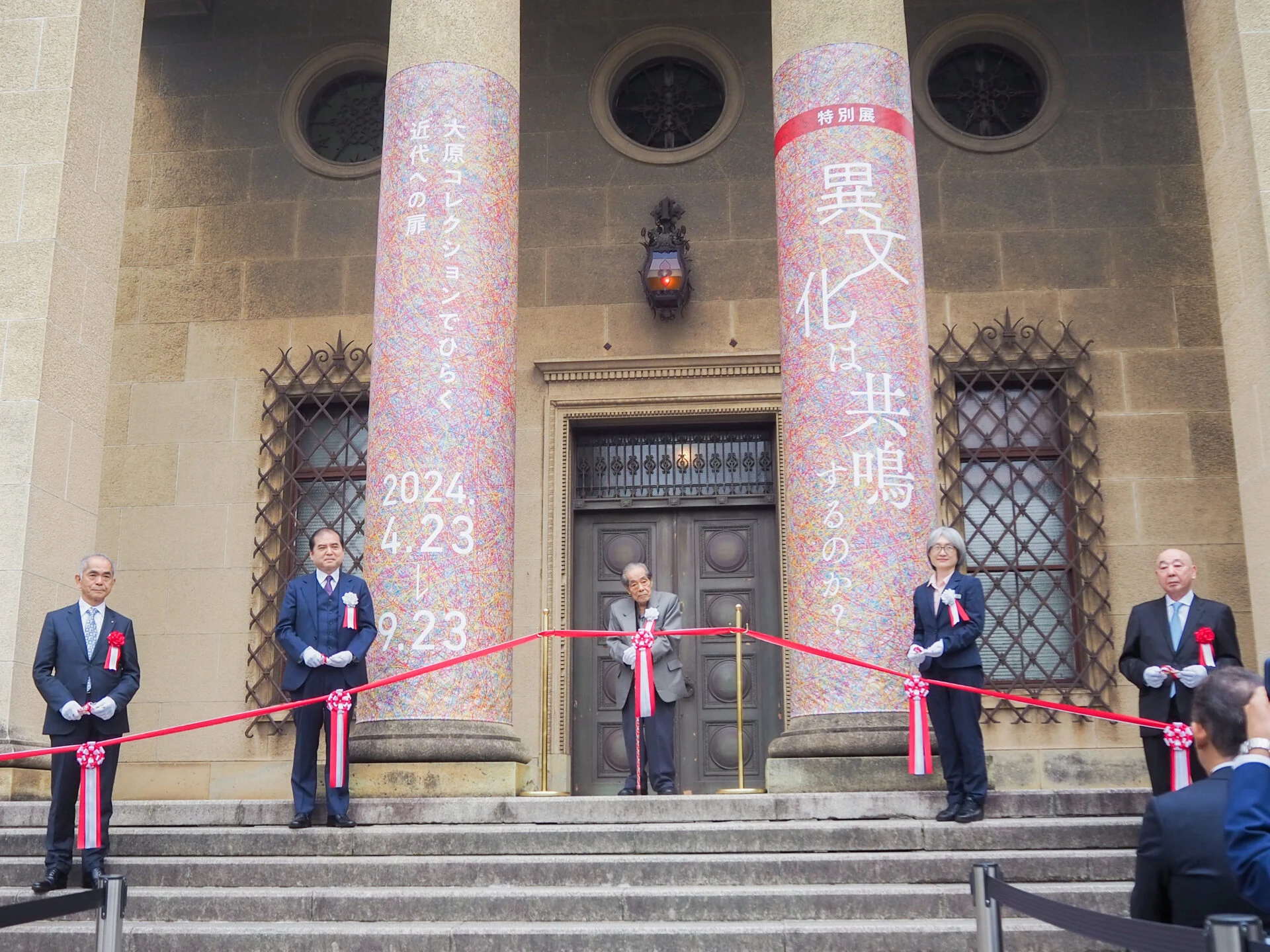
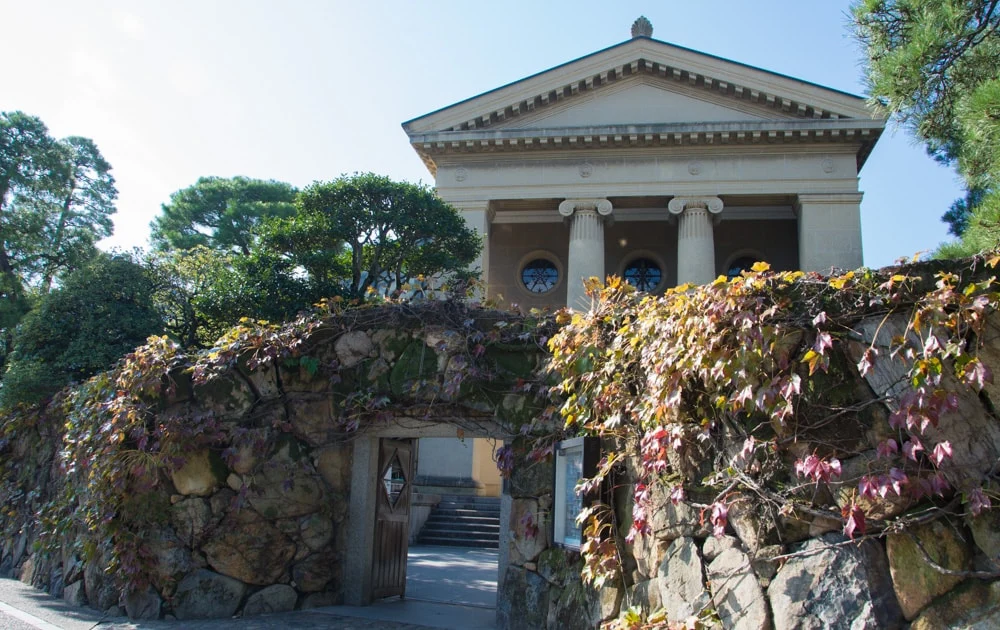
At the Ohara Museum of Art located in the Bikan Historical Area, a special exhibition is being held until September 23, 2024 (Monday, public holiday).
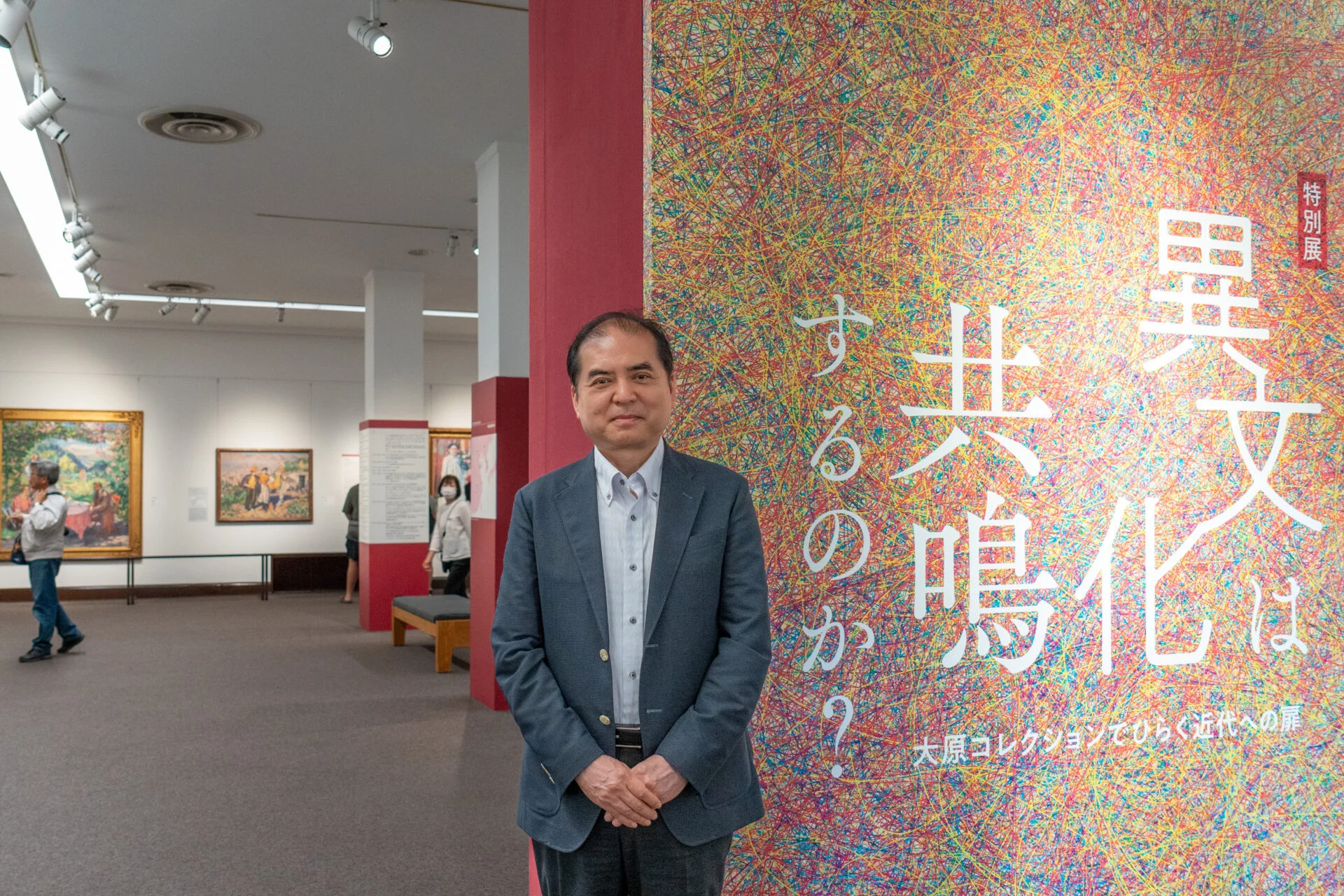
The title is Special Exhibition "Does Cross-Cultural Resonance Exist? Opening the Door to Modernity with the Ohara Collection".
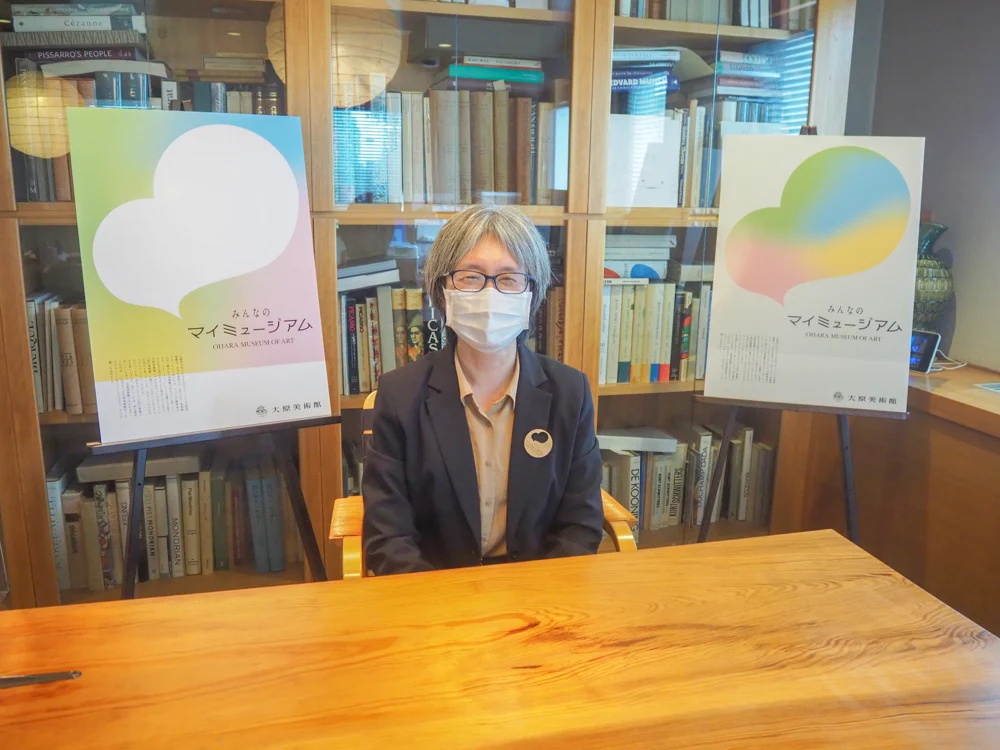
The exhibition was curated by Miura Atsushi, who became the director of the Ohara Museum of Art in July 2023.
Compared to the permanent exhibition, the special exhibition has undergone a significant change in displays. The background that brings out the new charm of the Ohara Museum and the Ohara Collection is filled with Miura's thoughts as a director and curiosity as a researcher.
Around the midpoint of the exhibition period, we conducted an interview with Director Miura. We asked about the background of the special exhibition and the specific innovations in the display methods.
What is the Ohara Museum of Art?
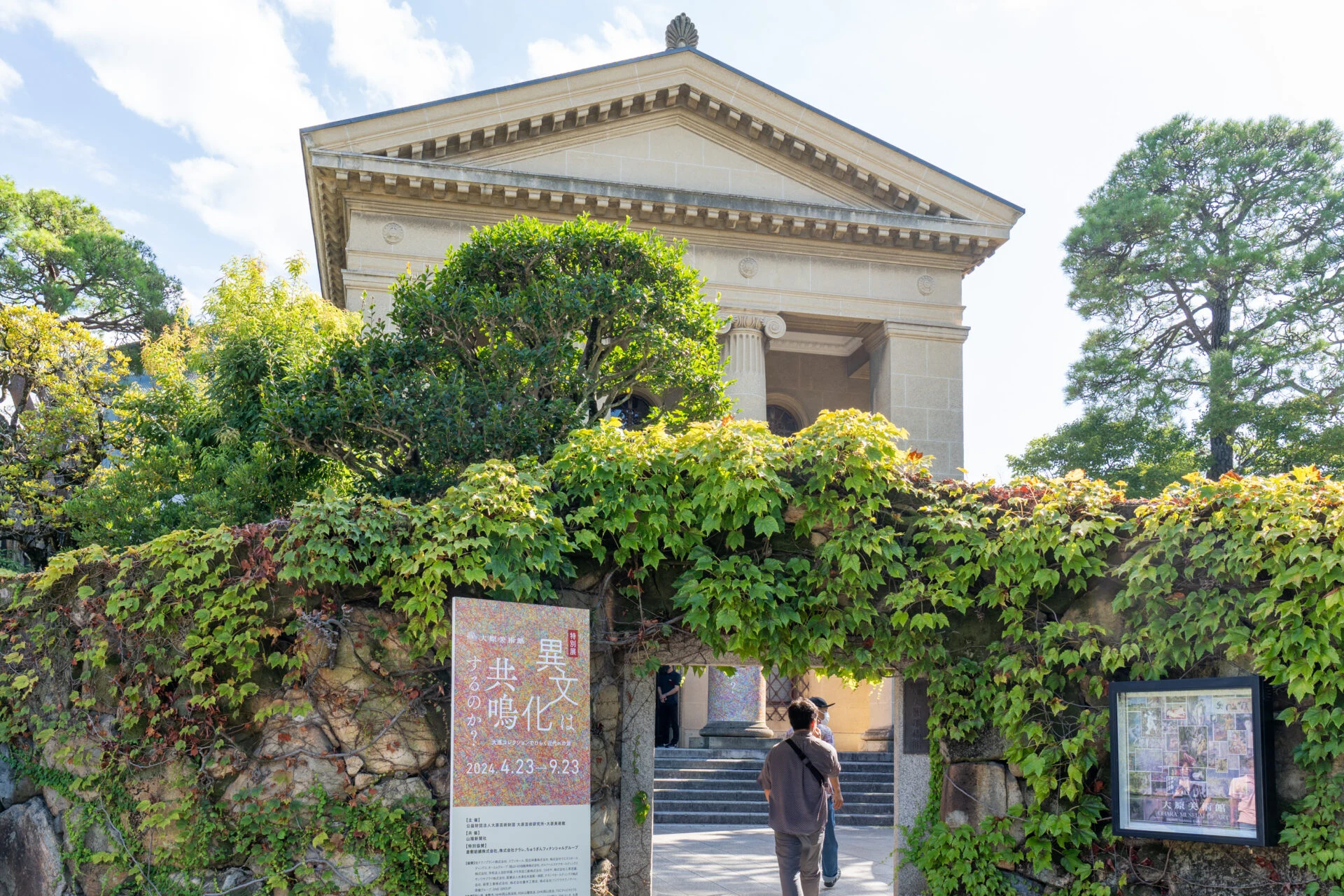
The Ohara Museum of Art was established in 1930 as the first private museum in Japan focused on Western art.
It is divided into the main building, branch (currently closed), and Crafts and Eastern Art Museum, with approximately 3,000 items in its collection.
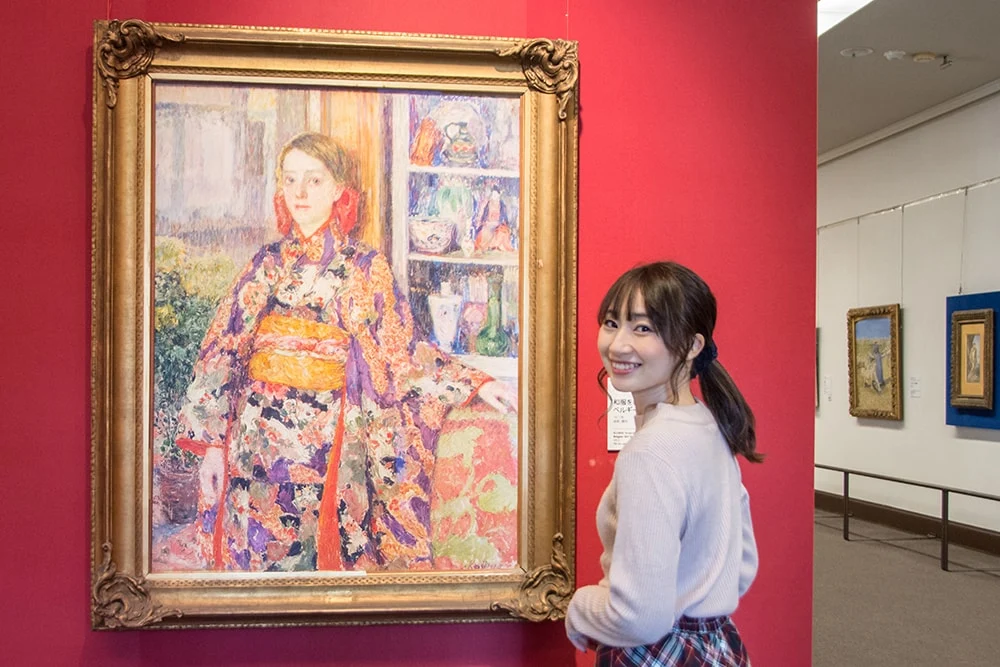
The collection includes a wide range of works, such as El Greco's "The Annunciation," Claude Monet's "Water Lilies," as well as modern Japanese works and pieces by artists involved in the Mingei movement, showcasing a diverse collection.
Although the Ohara Museum of Art has a long history, it changed its foundation name to Ohara Art Foundation in April 2024 (hereinafter referred to as "Ohara Art Foundation"). It has started anew as a foundation that operates not only the Ohara Museum of Art but also the Kurashiki Archaeological Museum.
At the same time, the Ohara Art Research Institute was newly established. It has been announced that it will serve as a place for researchers from various fields to gather, interact, challenge, and create, focusing on the theme of "art."
The special exhibition "Does Cross-Cultural Resonance Exist? Opening the Door to Modernity with the Ohara Collection" is being held to commemorate the beginning of a new history for the Ohara Museum of Art.
What is "Does Cross-Cultural Resonance Exist? Opening the Door to Modernity with the Ohara Collection"?
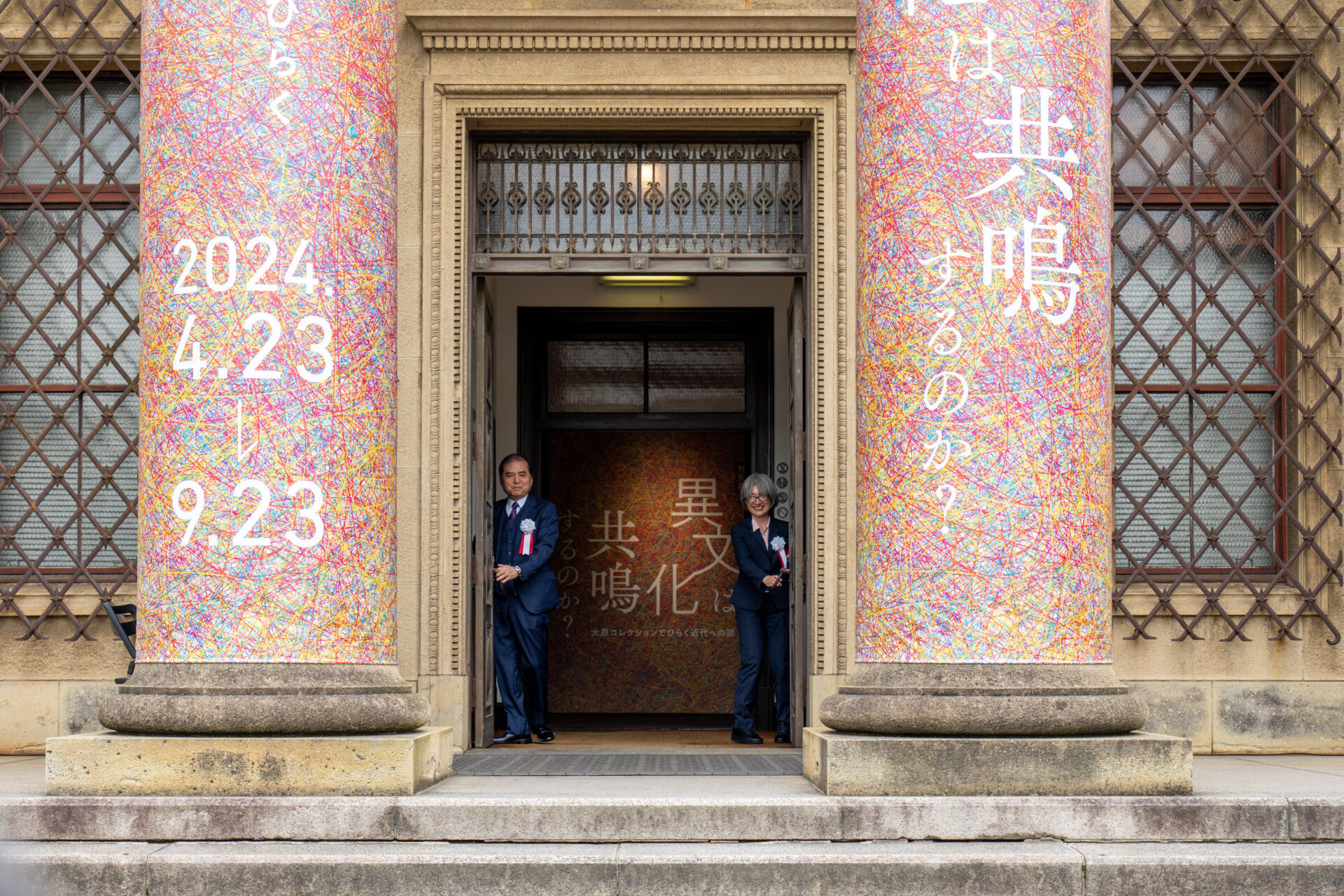
The special exhibition "Does Cross-Cultural Resonance Exist? Opening the Door to Modernity with the Ohara Collection" (hereinafter referred to as "the special exhibition") is an exhibition that utilizes the rich history and collection of the Ohara Museum of Art to enjoy modern art and the charm of the Ohara Museum from a new perspective.
| Venue | Main Building of the Ohara Museum of Art |
|---|---|
| Exhibition Period | April 23, 2024 (Tuesday) - September 23, 2024 (Monday, public holiday) |
| Opening Hours | 9:00 AM - 5:00 PM (last admission at 4:30 PM) |
| Admission Fee | Admission to the Ohara Museum of Art (common for the main building and Crafts and Eastern Art Museum) General: 2,000 yen High school, middle school, elementary school students (under 18): 500 yen Children under elementary school age: Free |
The main difference from the permanent exhibition is that it focuses on modern art, which is central to the collection, and is divided into four chapters according to the theme of the special exhibition.
- Chapter 1: Kojima Torajiro, a Cultural Transcender
- Chapter 2: The West and Japan - The Intersection of Western Art and Modern Japanese Art
- Chapter 3: East-West Exchange - Centered on "Shirakaba" and "Mingei"
- Chapter 4: Resonance of Modern and Contemporary
The exhibition features displays aligned with cultural exchange, and arrangements that place works and materials side by side, differing from the permanent exhibition.
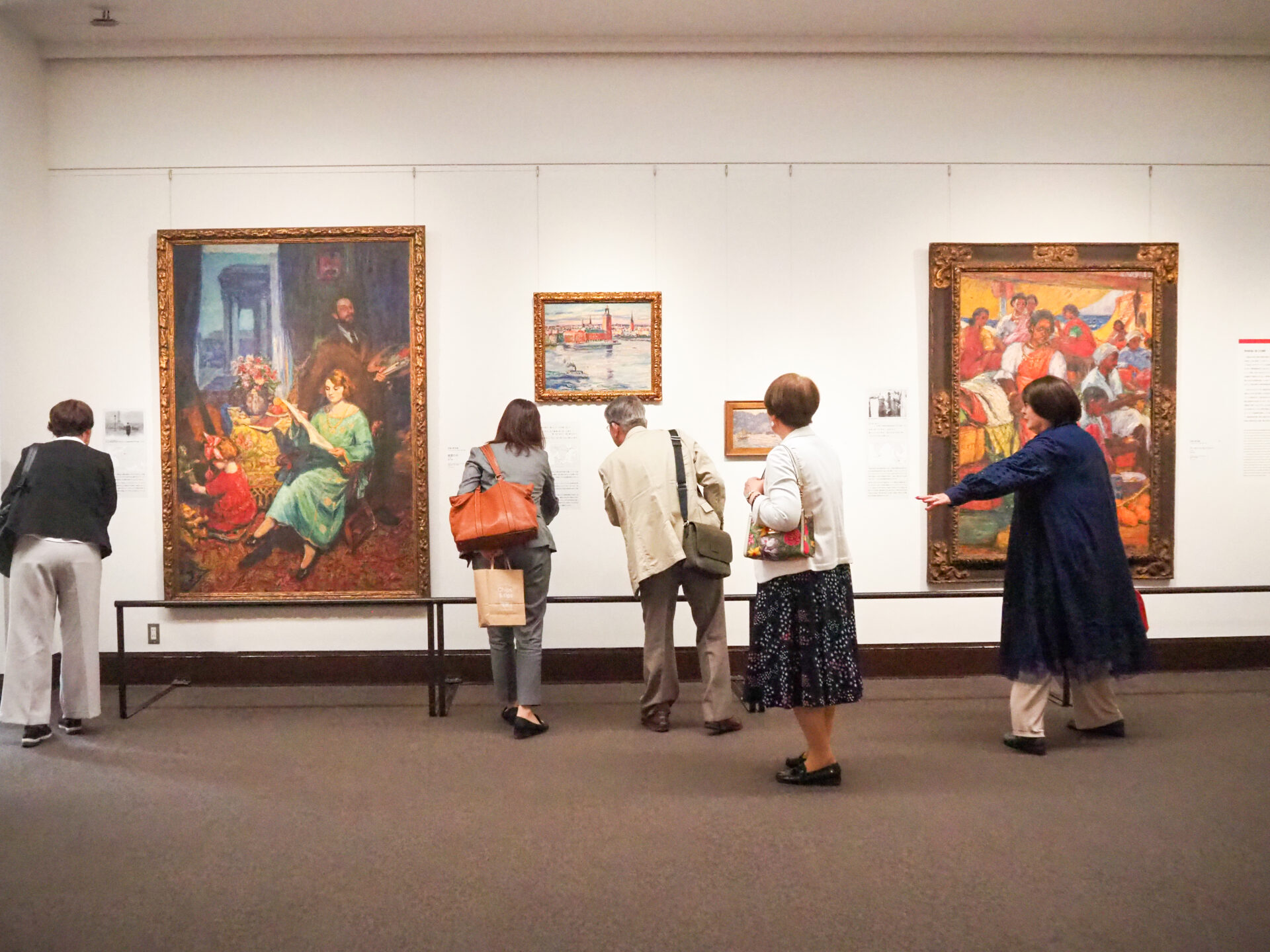
The characteristic of this exhibition is that visitors can appreciate the works while comparing them, whether they are adjacent works, works from the same chapter, or throughout the entire exhibition.
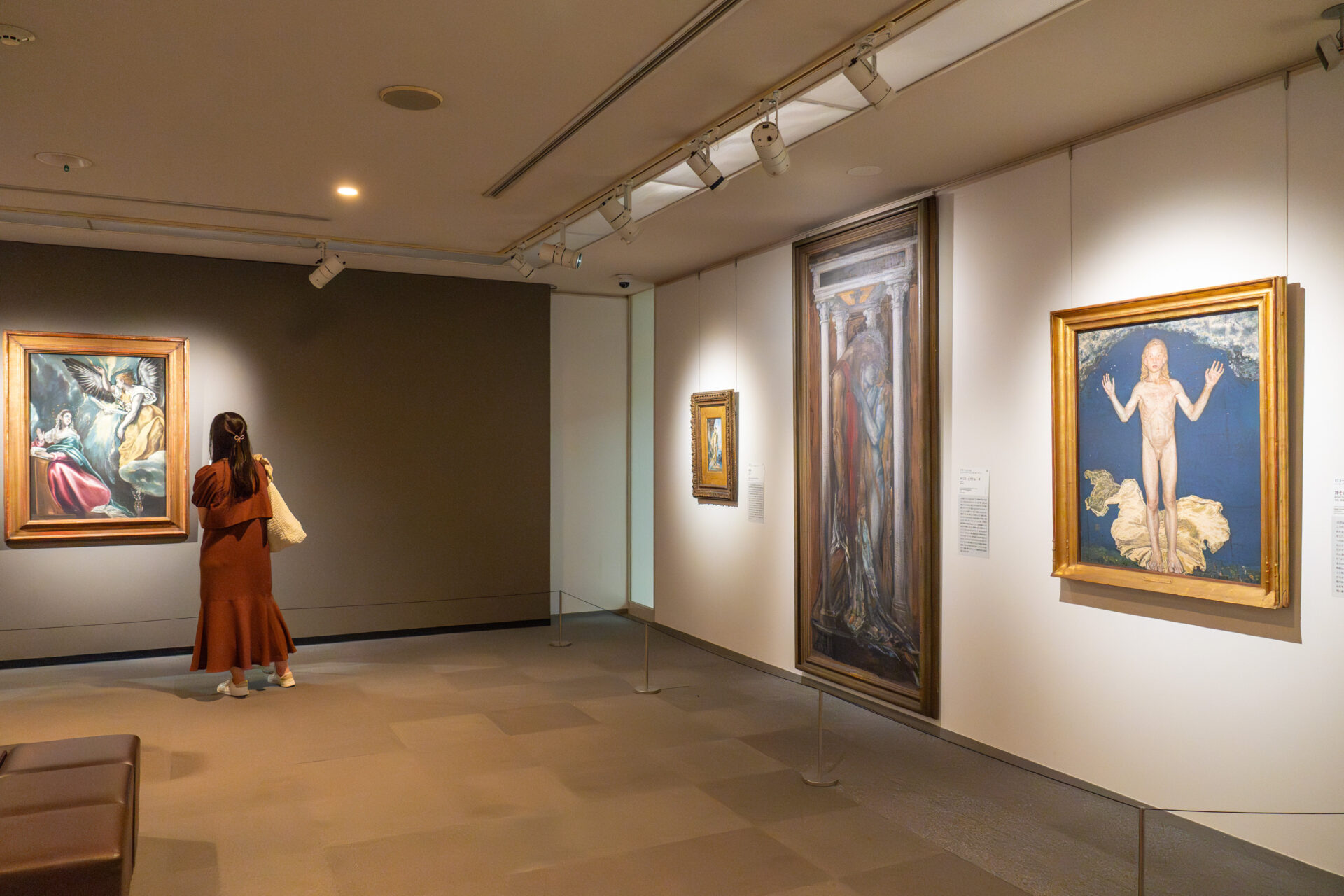
Familiar works are displayed in different locations than usual. Even for those who have visited the Ohara Museum of Art multiple times, this is an exhibition that can be enjoyed from a new perspective.
It is said that the research results of the curators, centered around Director Miura, have also been incorporated into the special exhibition.
We interviewed Director Miura about his thoughts on the special exhibition and the specific innovations in the display methods.
Interview with Director Miura - With Wonderful Works, We Were Able to Challenge Different Ways of Displaying
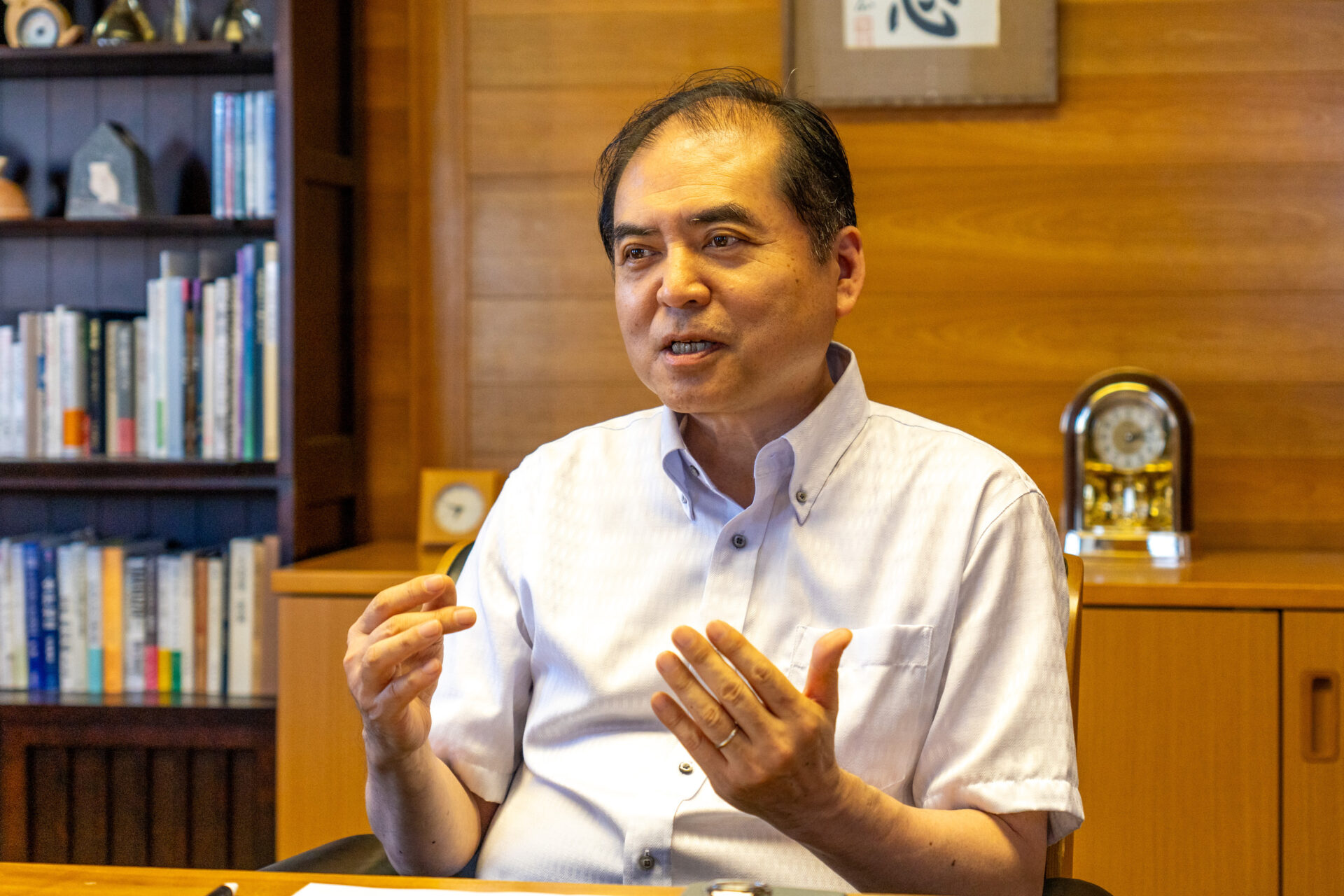
Could you tell us about the background that led to the special exhibition?
Miura (no honorifics)
After becoming the director of the Ohara Museum of Art, I began to think, "With such wonderful works, isn't it possible to display them differently?" This was the main trigger.
Before becoming the director, I had personally visited the Ohara Museum of Art many times. It has a tradition and history as Japan's first Western art museum, and I truly believed that each individual work was wonderful.
While the permanent exhibition was satisfying enough, after becoming the director, when I looked at the Ohara Museum's collection, I started to wonder, "What would happen if we changed the display methods?"
I thought it wouldn't be easy to hold a special exhibition, but I also felt that since it was my first year as director, it was a chance to do something new.
Additionally, with the Ohara Museum of Art starting anew as part of the Ohara Art Foundation, I thought it was a timing to show that something had changed in some way.
My own thoughts, along with the timing of changes in my position and organizational structure, coincided, leading to the decision to hold the special exhibition.
The special exhibition is characterized by the title "Does Cross-Cultural Resonance Exist?" allowing visitors to appreciate the works while comparing them in various ways. Why did you create an exhibition that allows for comparative viewing?
Miura
The Ohara Museum of Art has a good collection of Western art, but it also possesses many excellent works of modern Japanese art and contemporary art.
Until now, Western paintings were displayed separately from Japanese paintings, but I had always thought it would be interesting to display them side by side for comparison, so I made it happen.
In fact, this display method came to me quickly. I don't think it took even a day. This is because Western art and modern Japanese art are originally closely related.
For example, Japan did not have a tradition of oil painting. Japanese oil paintings were born by imitating Western paintings, and later emerged as modern Japanese Western paintings.
Considering this, it can be said that modern Japanese art is fully influenced by Western art. They are different works, but not unrelated.
However, Western art and modern Japanese art differ in perspective, sensibility, handling of materials, and choice of themes. In other words, the works created by foreign artists became something different. It became "a Western painting created by a Japanese person."
By comparing Western paintings and Japanese paintings, I felt that the mutual characteristics would become more apparent, which sparked my interest in holding an exhibition that is not a permanent exhibition.
Additionally, I have previously conducted research in art history based on comparison as a researcher. The "comparative" display method was a natural idea for me.
"Until now, I had been comparing them in my head, but how would it look if I actually displayed them side by side in the exhibition room?" This thought led me to start this project.
Each Painting Has Become More Powerful
Specifically, how was the special exhibition created?
Miura
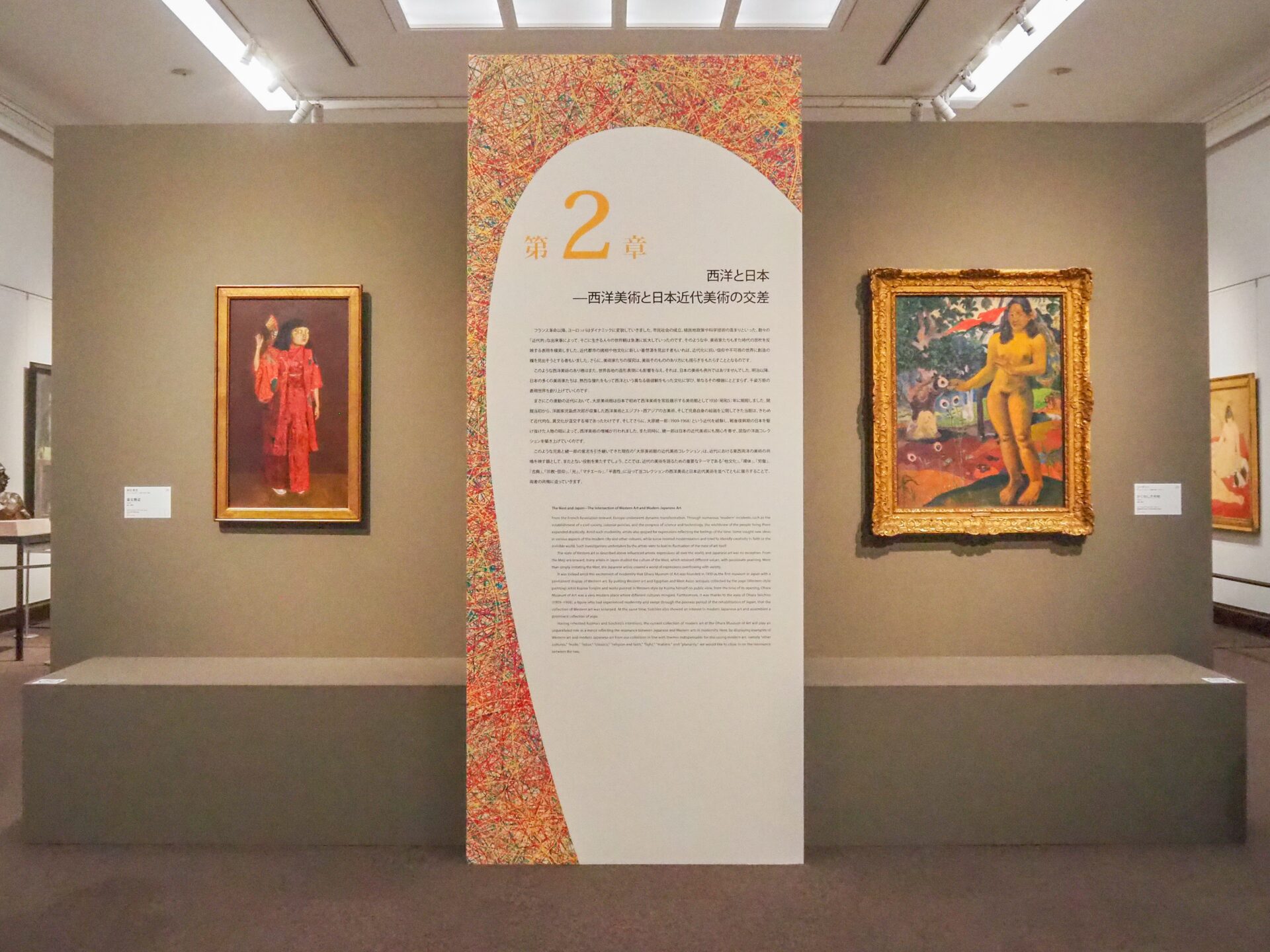
Since the comparison of Western art and modern Japanese art came to me quickly, I started structuring it from Chapter 2, "The West and Japan - The Intersection of Western Art and Modern Japanese Art."
Chapter 2 has eight themes set up to allow for comparative viewing.
The specific content of the themes was discussed with the curators, and after presenting several candidates, we decided on the eight themes that we thought would be the most interesting to showcase from the Ohara Collection.
- Other Cultures
- Nude
- Labor
- Classics
- Religion and Belief
- Light
- Materiality
- Surface
Please tell us about a display in Chapter 2 that you are particularly attached to.
Miura
All of them are impressive, but I particularly wanted to try the display for the fifth theme "Religion and Belief."
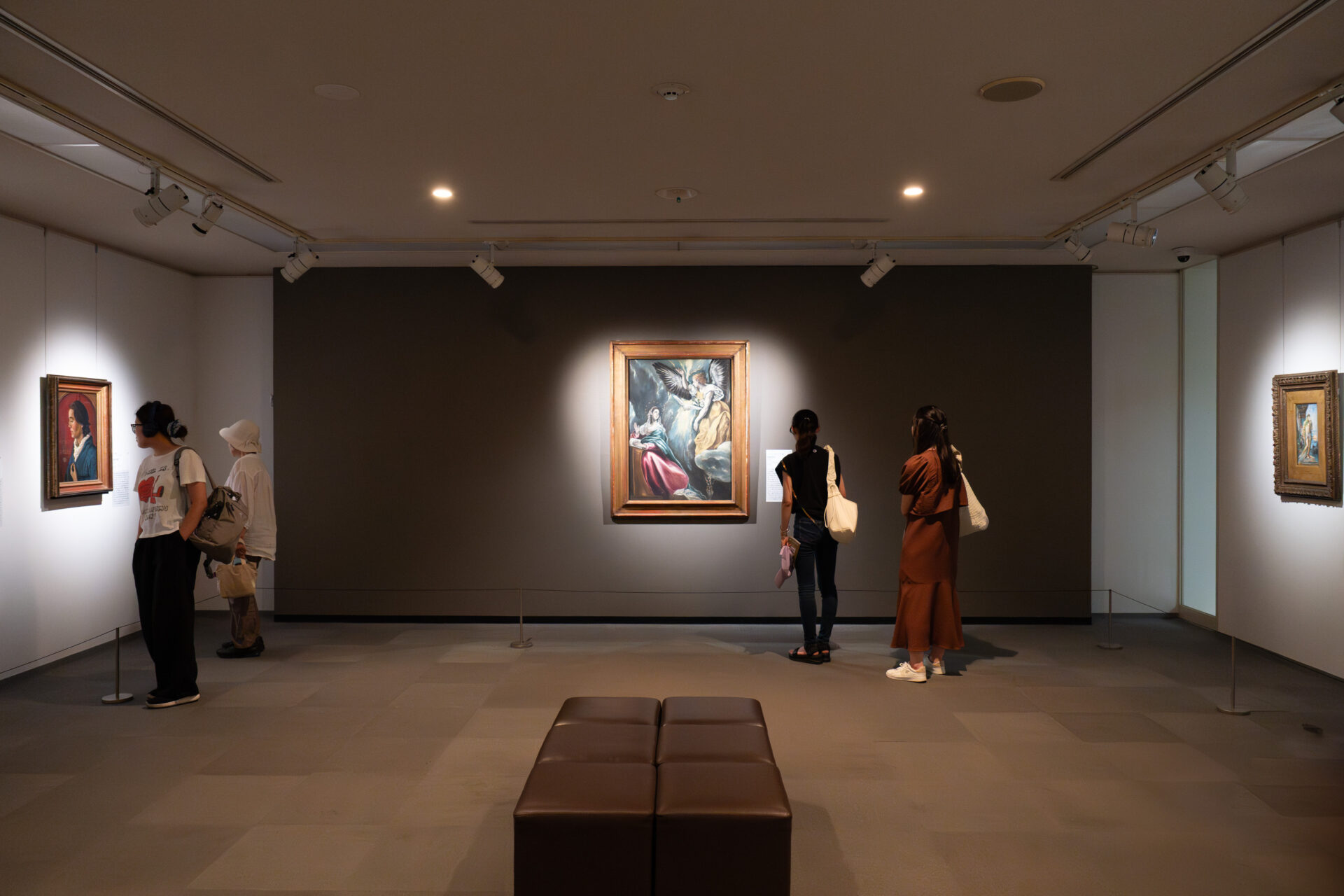
I was interested in how El Greco's "The Annunciation," painted in early 17th century Spain, would look when displayed alongside works of modern Japanese Western painting that carry a sense of religion.
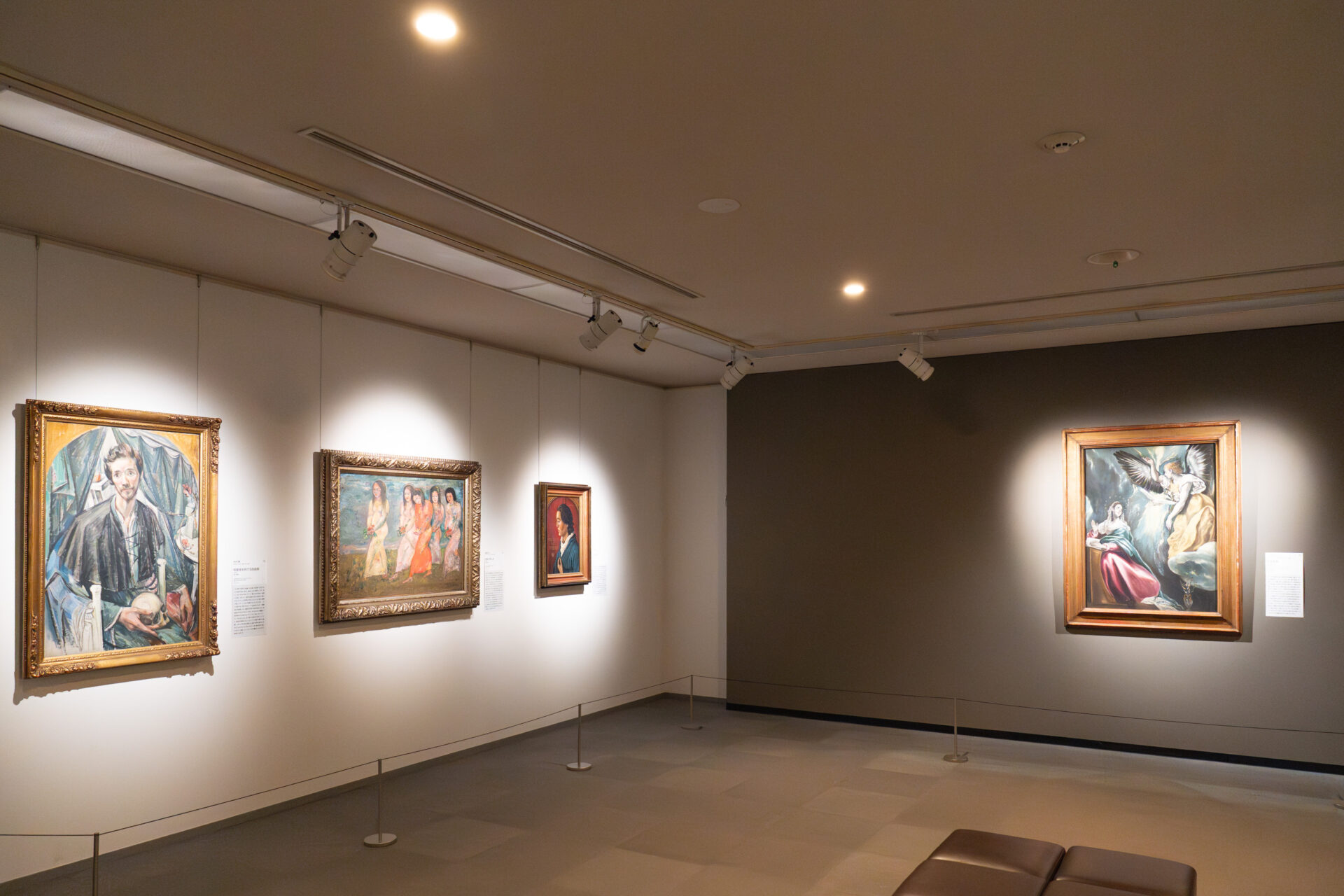
For the other themes, I could predict "this is how it might look," but for "Religion and Faith," I had no idea until I actually arranged the exhibits in the gallery.
This is because, among the eight themes, only "Religion and Faith" has works from different eras.
Not only are the places depicted different, but the eras are also different. There are two distinct elements: geographical and cultural. When I arranged them in the exhibition room, I thought, perhaps it might feel very out of place. It could be a failure.
Since it was the most challenging exhibition, I have a strong attachment to it.
In reality, how did you feel when you placed The Annunciation alongside works of religious significance in modern Japanese painting?
Miura
Well, it was very interesting. I was able to make various comparisons, which made me think.
In modern Japan, when the foreign culture of Christianity came in, the way the painters perceived and depicted it was quite varied.
As a result, I think this exhibition turned out to be quite intriguing.
Is it rare to have an exhibition that allows for comparisons across various themes nationwide?
Miura
I think it is rare.
Above all, there are not many museums that can exhibit such a number of masterpieces for comparison. The fact that Ohara Museum of Art has such a high-quality collection is something I feel strongly about.
I personally felt the strong impressions of each piece in the Ohara collection when I viewed the special exhibition. It was interesting how just changing the display method made a difference.
Miura
It feels like the paintings have become more powerful.
Of course, they are originally good works, but they are showing their charm from a different angle now, and there is a sense of strength. I also felt how much the impression can change just by the way they are arranged.
In particular, I was surprised by Aristide Maillol's The Torso of Île-de-France.
During the permanent exhibition, it was placed in a corner of the room, but in the special exhibition, we placed it in the center of the gallery.
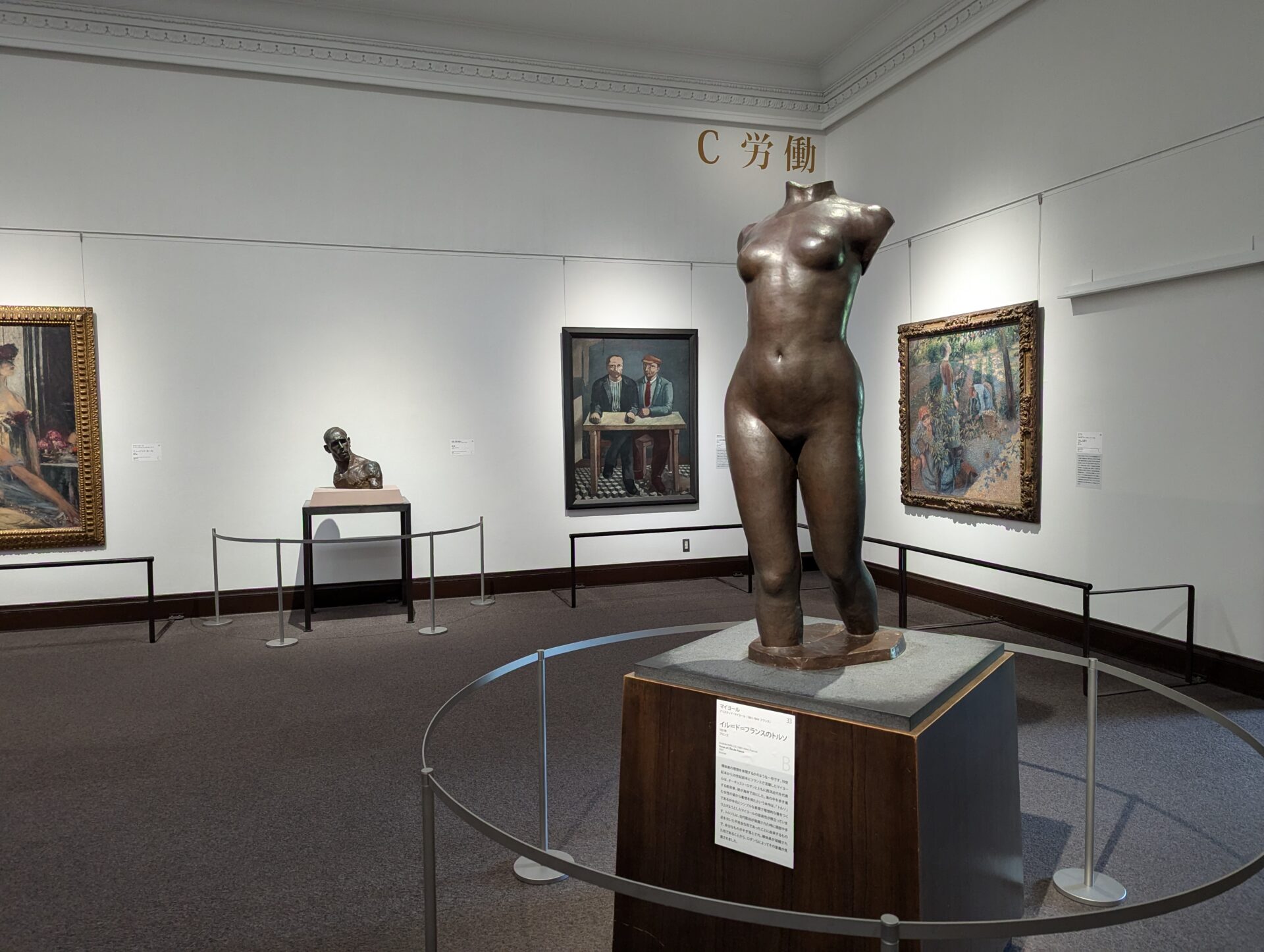
Photo provided by the Ohara Art Foundation
When placed in the center, it looked incredibly radiant. It was quite mysterious.
I was left with the impression that the way of arranging, placing, and viewing can make a huge difference. Please be sure to see it.
A greedy content that only Ohara Museum of Art can offer
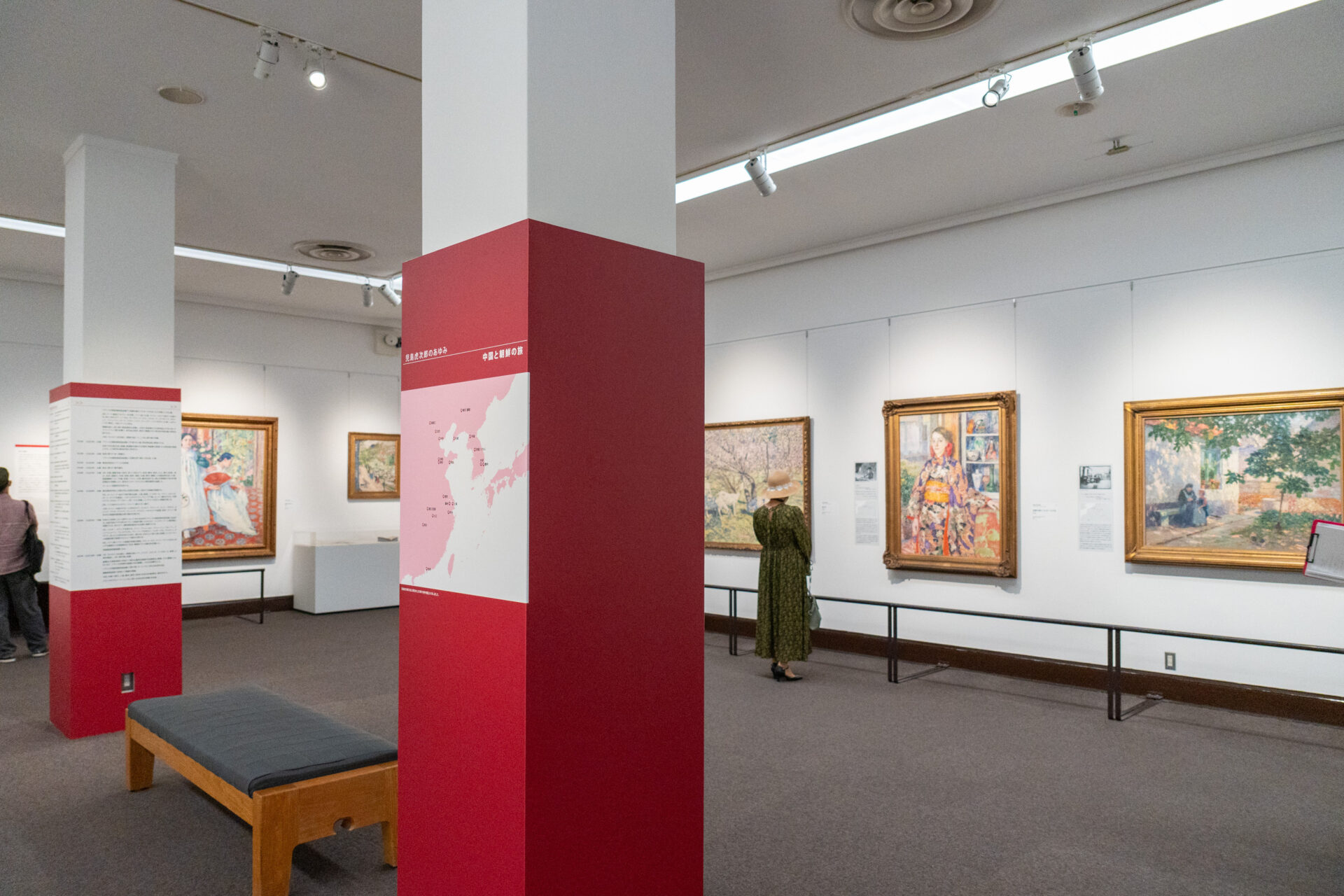
The exhibition of Kojima Torajiro in Chapter 1 was also impressive.
Miura
In the permanent exhibition, Kojima's works were in the exhibition room of Chapter 3. Just having the works in the exhibition room right at the entrance makes an impact.
The reason I wanted to exhibit Kojima in Chapter 1 is that I wanted to view him as a cosmopolitan.
A cosmopolitan is someone who believes in the political ideology that perceives the international social space as a single community that transcends nations, ethnicities, languages, and religions, where all individuals who are members are equal.
He traveled to Europe, went to China, and even landed in Egypt. In the early 20th century, there were hardly any painters who had seen so much of the world's civilizations and could gather so many works in their studio.
Moreover, he interacted with various people on-site, saw landscapes, and incorporated everything he brought back into his own world, resonating within his works. Because there are various civilizations within the works themselves, even Kojima's works can serve as points of comparison, and I wanted to show this to the visitors.
"Kojima Torajiro, who traversed the world." By viewing him this way, he also plays a role as an introduction to the special exhibition.
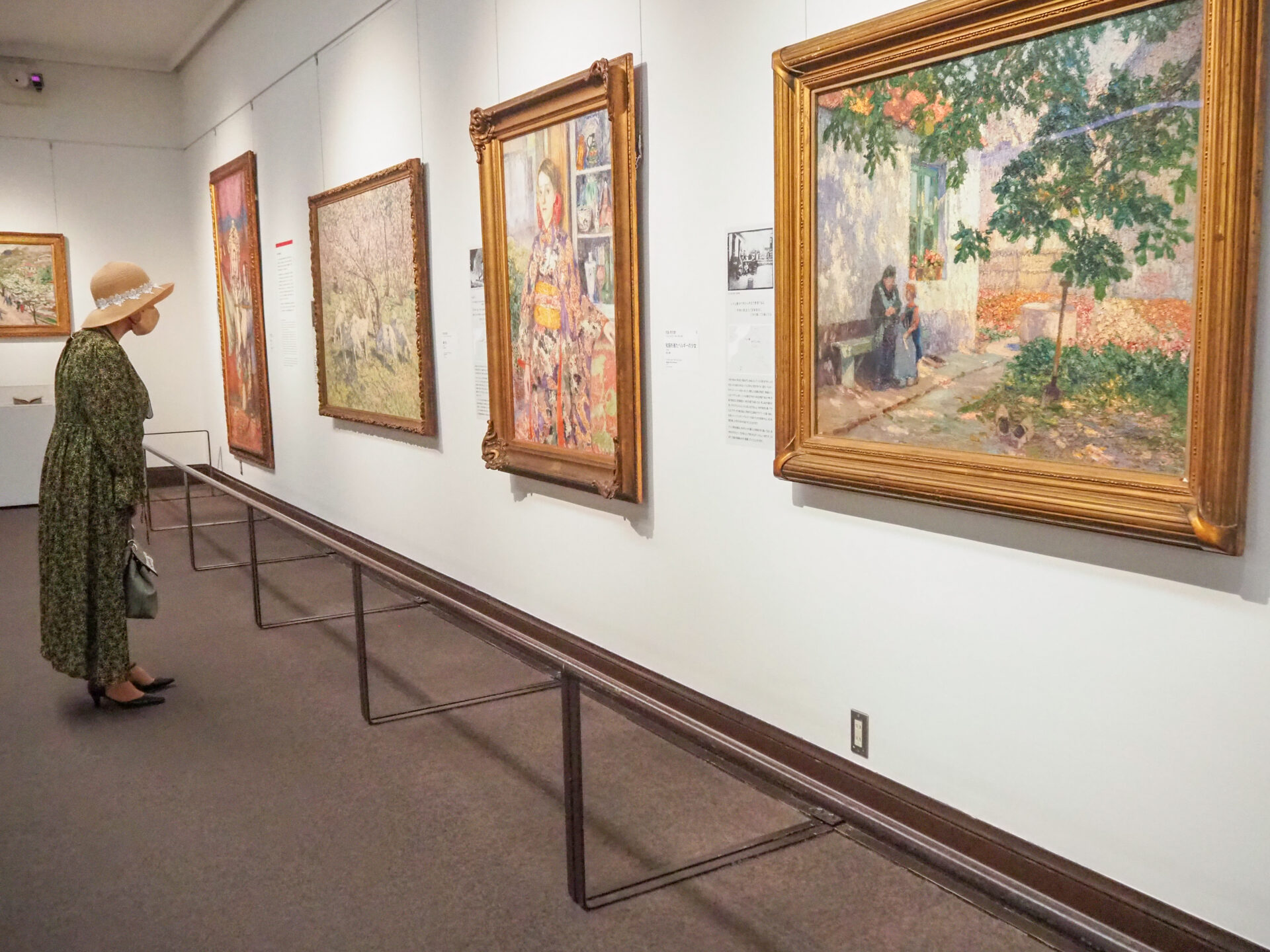
On the other hand, the room displaying Kojima's works in the permanent exhibition has the theme of "Chapter 3: East-West Exchange - Centered on 'Shirakaba' and 'Mingei'" in the special exhibition. Crafts and other works related to the Mingei movement are displayed there, right?
Miura
Crafts are a different genre from paintings, so while I recognize their importance, they may not have necessarily been the subject of research.
However, since Muneyoshi Yanagi initiated the Mingei movement and Ohara supported it, there must be a significant connection with Ohara Museum of Art.
Additionally, Yanagi was someone who fused Western and Eastern influences with Japanese elements in his works. Although they are different types, in a sense, he can also be viewed as someone who connected Eastern and Western civilizations, similar to Kojima.
In Chapter 3, I hope visitors can feel the connection between Ohara Museum of Art and Mingei while also reflecting on Kojima from Chapter 1.
It seems interesting to compare not only within the themes but also across the entire special exhibition.
Miura
The entire special exhibition is structured to resonate with each other.
I think it will be more interesting if you keep the works from each chapter in mind while viewing the other chapters.
Moreover, this special exhibition also aimed to "condense the entirety of Ohara Museum of Art."
From post-war art to contemporary art, it has become a greedy content that only Ohara Museum of Art can offer.
Whether different cultures resonate, come and see for yourself
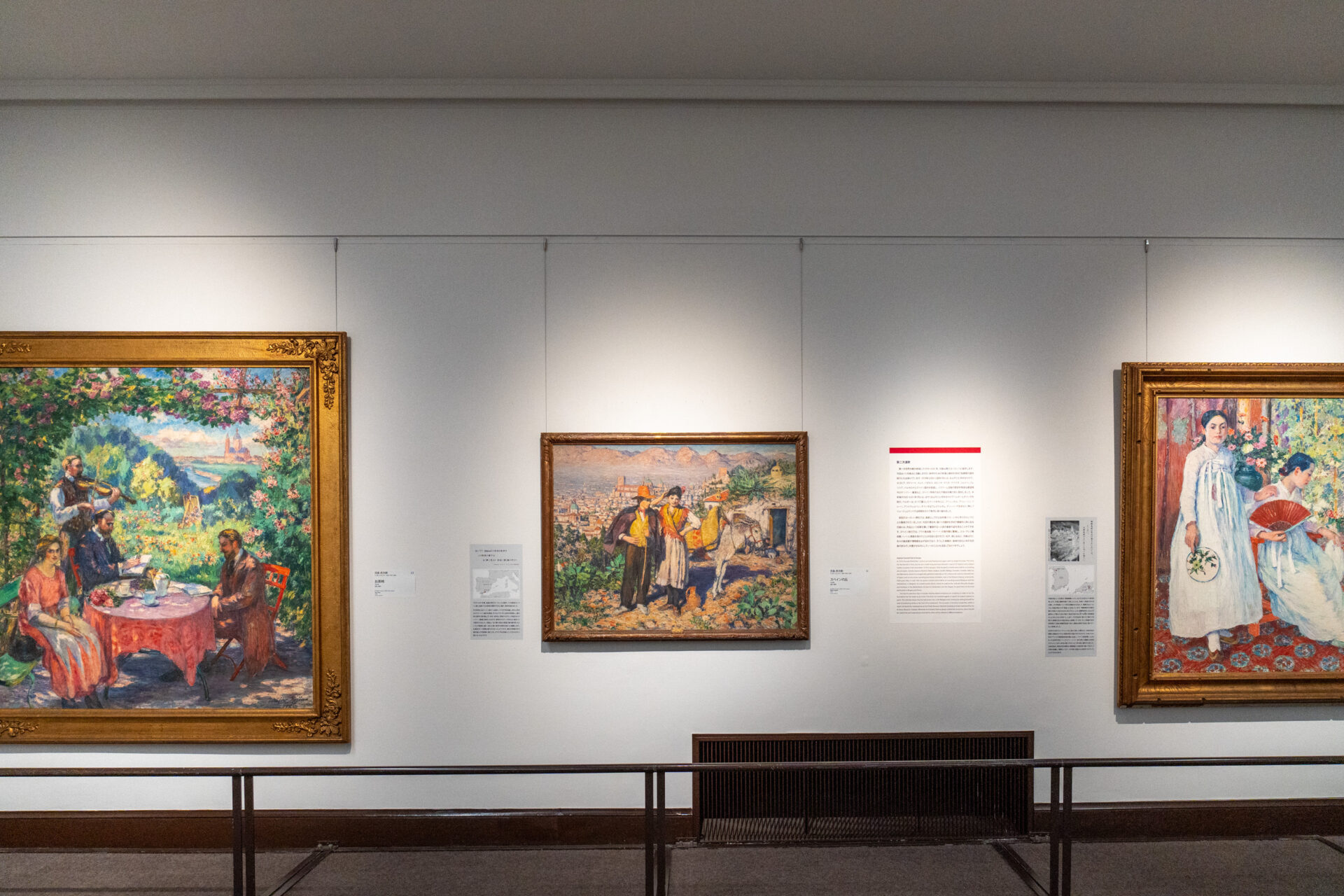
I was pleased to see that there were explanations for each work, which are not often seen in the permanent exhibition, as it is beneficial for beginners in art appreciation.
Miura
The explanations were diligently prepared by the curators.
I think there are people who want to know in detail, such as "What is depicted in this painting?" and "What does it mean?" especially in Chapter 1, where the explanations are thorough.
However, just because there are explanations, it is not necessary to read all of them.
For those who need it, I think it would be good to read them.
Three months have passed since the special exhibition started. What kind of feedback have you received?
Miura
From those who have seen it, I have received comments like "It was interesting."
In particular, I often receive feedback from those who have seen the permanent exhibition.
Also, I was delighted to receive an email from a researcher I know who was very impressed.
I want to work hard so that more people can see it until the end of the exhibition period.
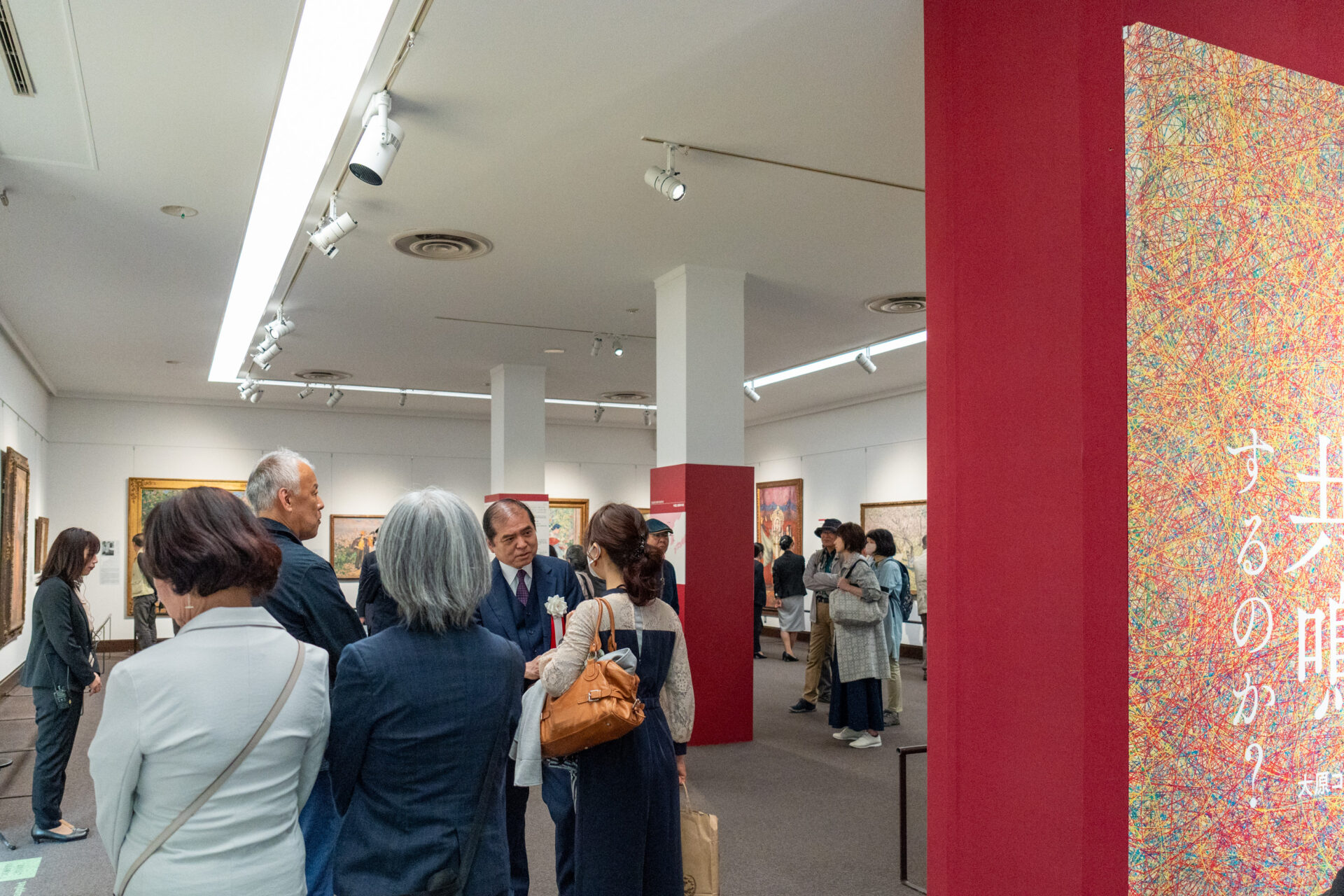
Once again, please tell us your thoughts behind the theme "Do different cultures resonate?"
Miura
I think it is not so simple for different cultures to resonate.
Since they are different cultures, there can be conflicts and repulsion. They may resonate, but it is also possible that they do not.
While viewing this special exhibition, some may feel discrepancies or friction. Therefore, in the end, the title became a question: "Do different cultures resonate?"
The way to view the works is free, and there is no right answer.
I hope visitors will come and confirm whether they resonate or not.
In the future, we will collaborate with other institutions for exhibitions and research
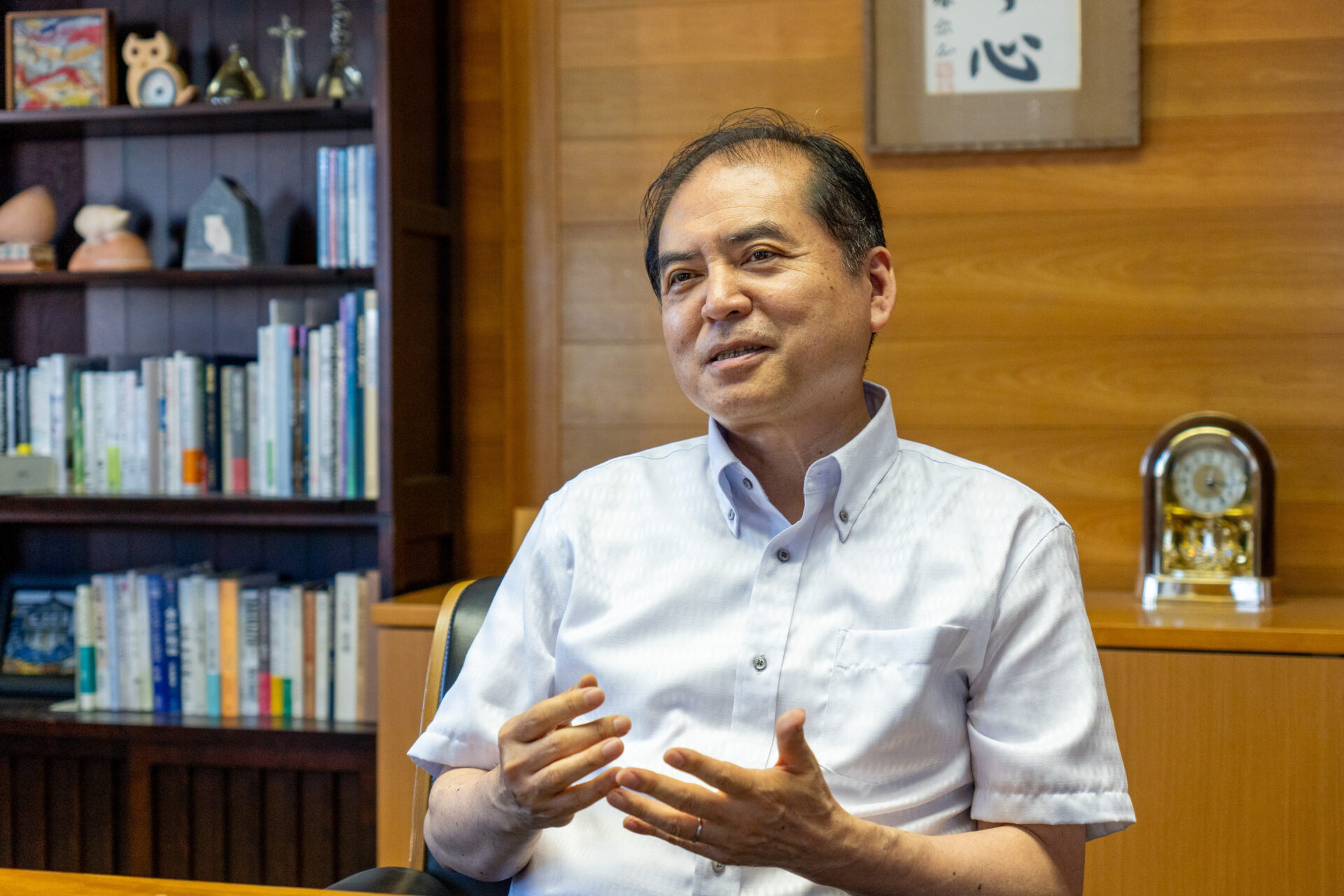
Is there anything you would like to convey to the readers?
Miura
First of all, "Please come and see it." This one phrase sums it up.
I believe you will find it very worthwhile and that it will provoke thought.
Although we have set themes for each chapter, it is a very freely accessible exhibition.
Whether you are knowledgeable about the background of the artworks or not, everyone can enjoy it while receiving a certain impact from it, making it a special exhibition.
I think you will be satisfied with it as a single exhibition, so please take a step into the entrance of Ohara Museum of Art.
Finally, please tell us about your future prospects.
Miura
After the special exhibition ends, I plan to return to the permanent exhibition.
However, I want to create a permanent exhibition that is different from before the special exhibition. I won't make drastic changes, but I plan to make subtle adjustments in the displays.
And when the time comes, I would like to try a different planned exhibition.
What I am considering is to borrow works from other institutions, even if it's just one or two pieces, and structure the exhibition by mixing them with the Ohara collection. I have hardly ever borrowed works, so I definitely want to take on this challenge.
Also, since we have started as the Ohara Art Research Institute, I would like to engage in research in collaboration with other institutions.
Since I became the director, I have been repeating the words "dissemination and exchange." I want to focus on "dissemination and exchange" in both the exhibition and research aspects.
In conclusion
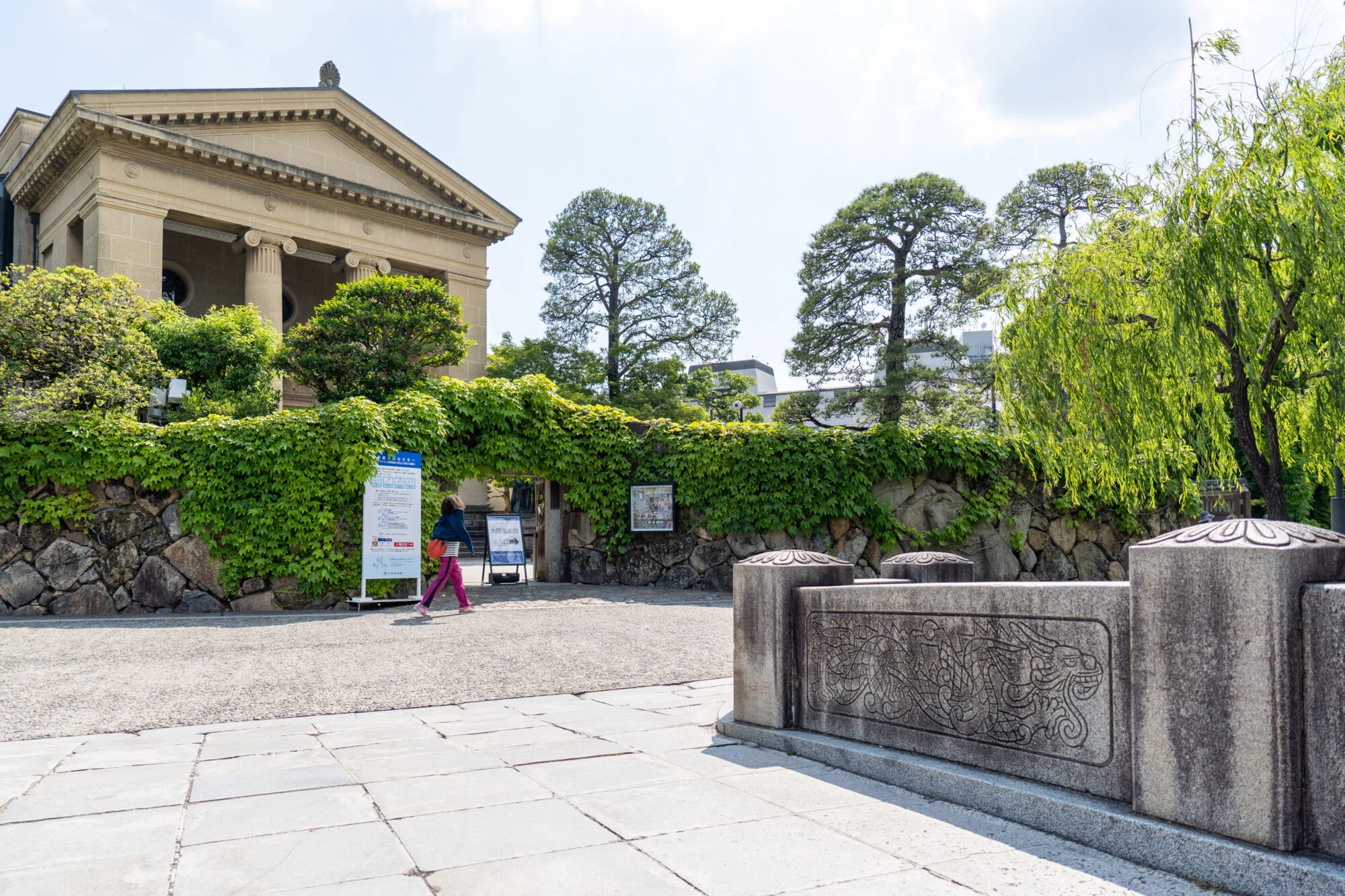
I remember being very surprised by the significant differences in the displays when I viewed the special exhibition compared to the permanent exhibition.
Additionally, I felt a strong impression from each piece and experienced the fun of changing the display. It seems that this is one of the first times in the long history of Ohara Museum of Art that such a large-scale display change has been made.
Because I have visited Ohara Museum of Art, I believe this special exhibition can be enjoyed.
For those visiting Ohara Museum of Art for the first time, you should be able to enjoy the number and quality of the collection from a fresh perspective.
Please visit Ohara Museum of Art, which radiates charm from a new angle.
Articles about Ohara Museum of Art
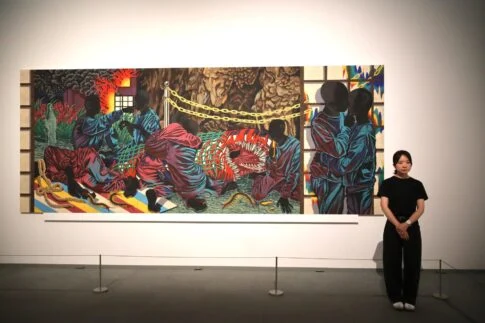
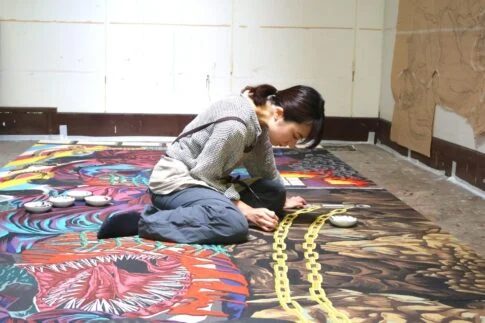
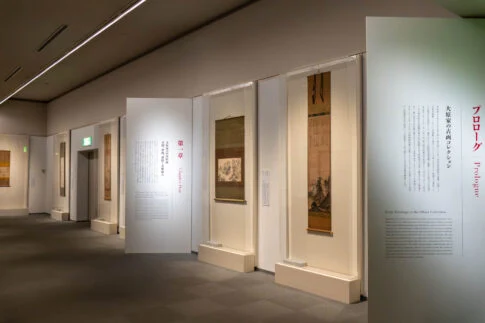
Data of Ohara Museum of Art
| Name | Ohara Museum of Art |
|---|---|
| Location | 1-1-15 Chuo, Kurashiki City, Okayama Prefecture |
| Contact | 086-422-0005 |
| Parking | None |
| Opening Hours | 【December to February】 9:00 AM - 3:00 PM (Last admission: 2:30 PM) 【March to November】 9:00 AM - 5:00 PM (Last admission: 4:30 PM) |
| Closed Days | Monday Open on public holidays and substitute holidays if they coincide Winter closure and temporary closures may occur |
| Admission Fee (including tax) | 【General】 Adults: 2,000 yen High school, junior high, and elementary school students (under 18 years old): 500 yen |
| Payment Methods |
|
| Reservations | Available No reservation required for individuals |
| Smoking | Completely non-smoking |
| Restrooms | Western-style toilets, barrier-free toilets |
| Childcare | Nursing room, diaper changing table, stroller rental Nursing room is located in the Craft Museum Diaper changing tables are available on the 2nd floor of the main building and in the Craft Museum |
| Barrier-Free | Wheelchair rental, ramps, barrier-free toilets, elevators |
| Website | Official Website of Ohara Museum of Art |