About a five-minute drive from JR Kojima Station, a lodging for one group per day has opened.
It is DENIM HOUSE BON.
It grand-opened on March 1, 2024.
DENIM HOUSE BON is the second lodging operated by ITONAMI Co., Ltd., which also runs “DENIM HOSTEL float” in Kojima.
We visited to learn about the features of DENIM HOUSE BON, dubbed a “denim shop you can stay in,” and the ideas behind its opening.
The information presented was current when this article was published in April 2024. Please note that it may differ from current information.
What is DENIM HOUSE BON?
DENIM HOUSE BON (hereafter, BON) is a “denim shop you can stay in” for one group per day.
As its name suggests, it brings together the appeal of “DENIM,” “HOUSE,” and “BON,” and was designed to make it special for guests to gather under one roof.
It is a whole-house rental where four to six people—such as family or friends—can stay.

Turning a more than 90-year-old house into a lodging
When you arrive at BON, a striking gate is the first to welcome you.
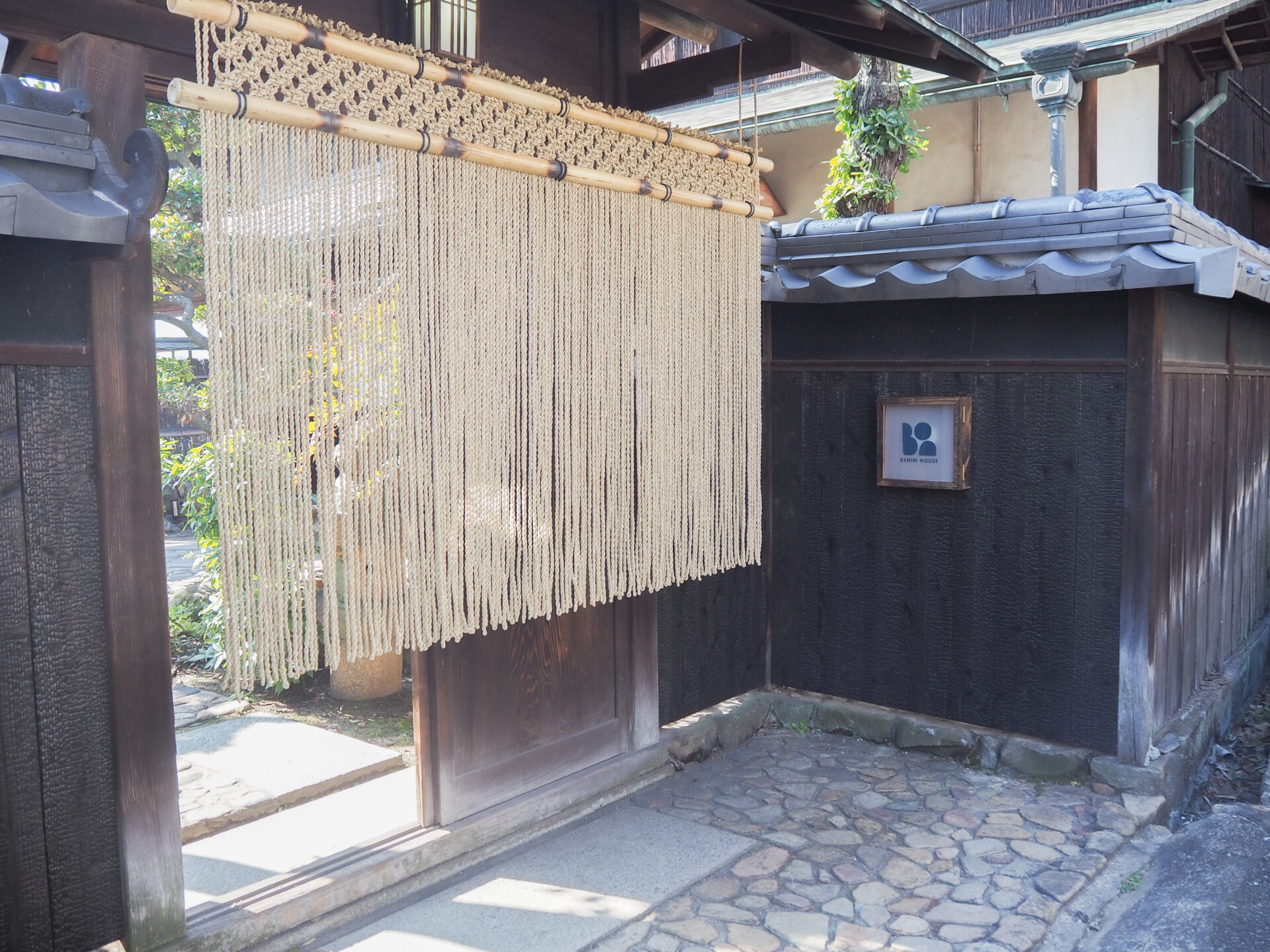
The igusa-grass noren (traditional shop curtain) was made by Sunami Toru Shoten in Kurashiki. You can experience Kurashiki’s traditional craftsmanship even before entering the lodging.
Passing through the gate, we caught sight of the BON building.
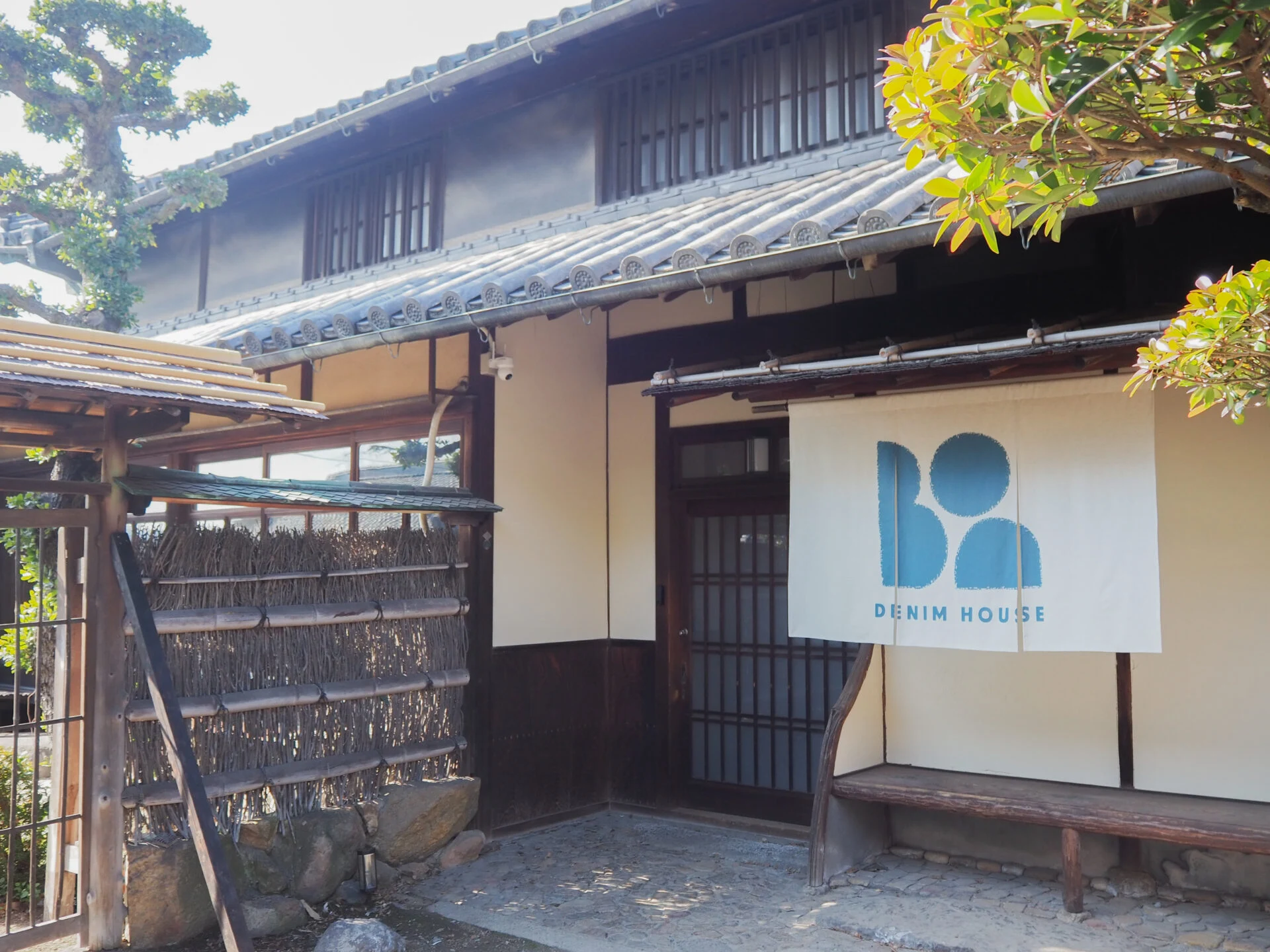
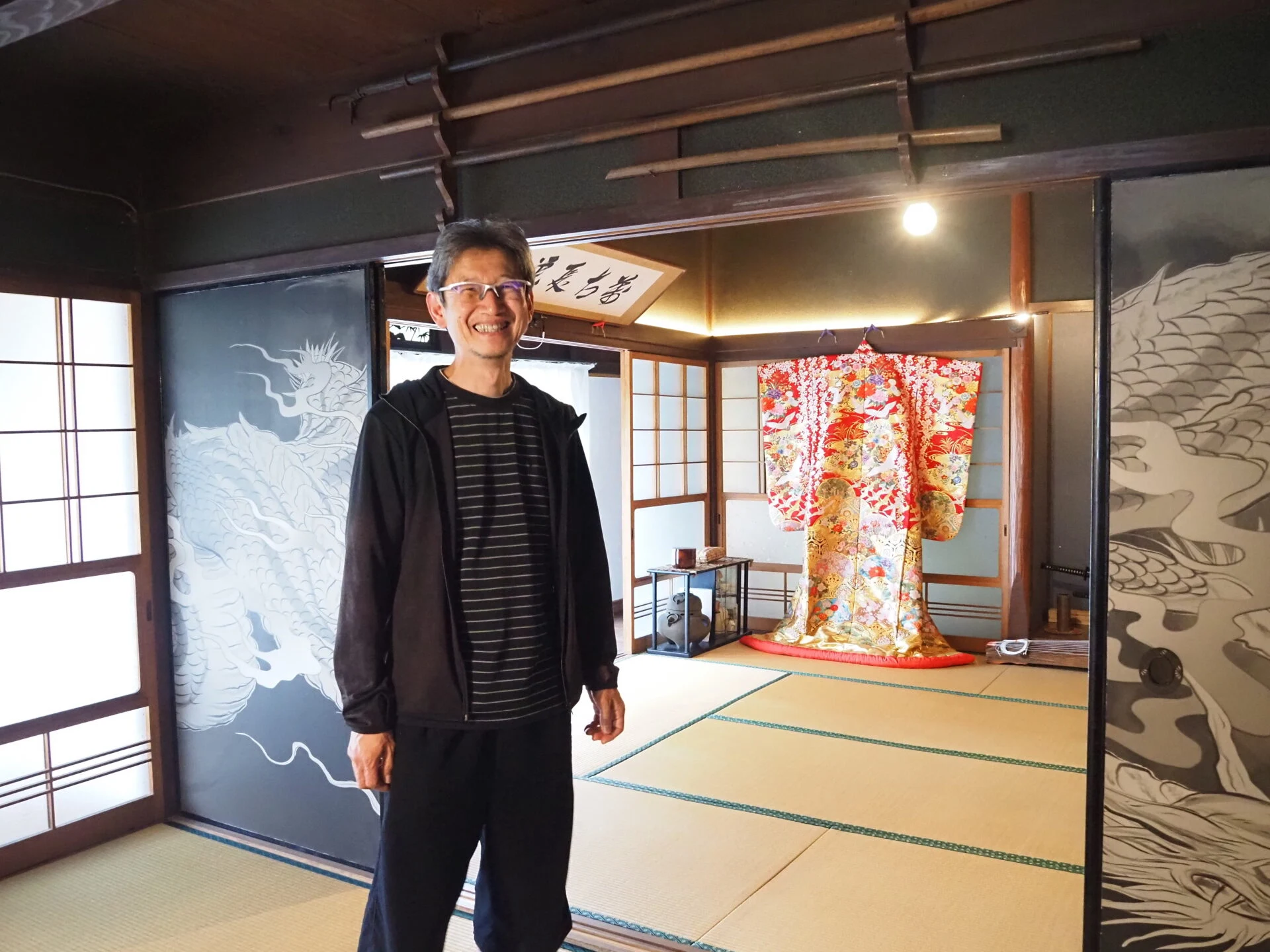
It has a solid, substantial feel, while also conveying the welcoming charm of a traditional Japanese house.
The BON building is more than 90 years old.
Because a person named Okano once lived there, staff call it “Okano Residence.” It was originally a private home, and after being rented out for another purpose, ITONAMI decided to open a lodging there.
ITONAMI co-representatives, the Denim Brothers (older brother Yamawaki Yohei and younger brother Shimada Shunsuke), and the landlord of Okano Residence had known each other for some time. They say they had heard about the landlord’s feelings for the house even before opening BON.
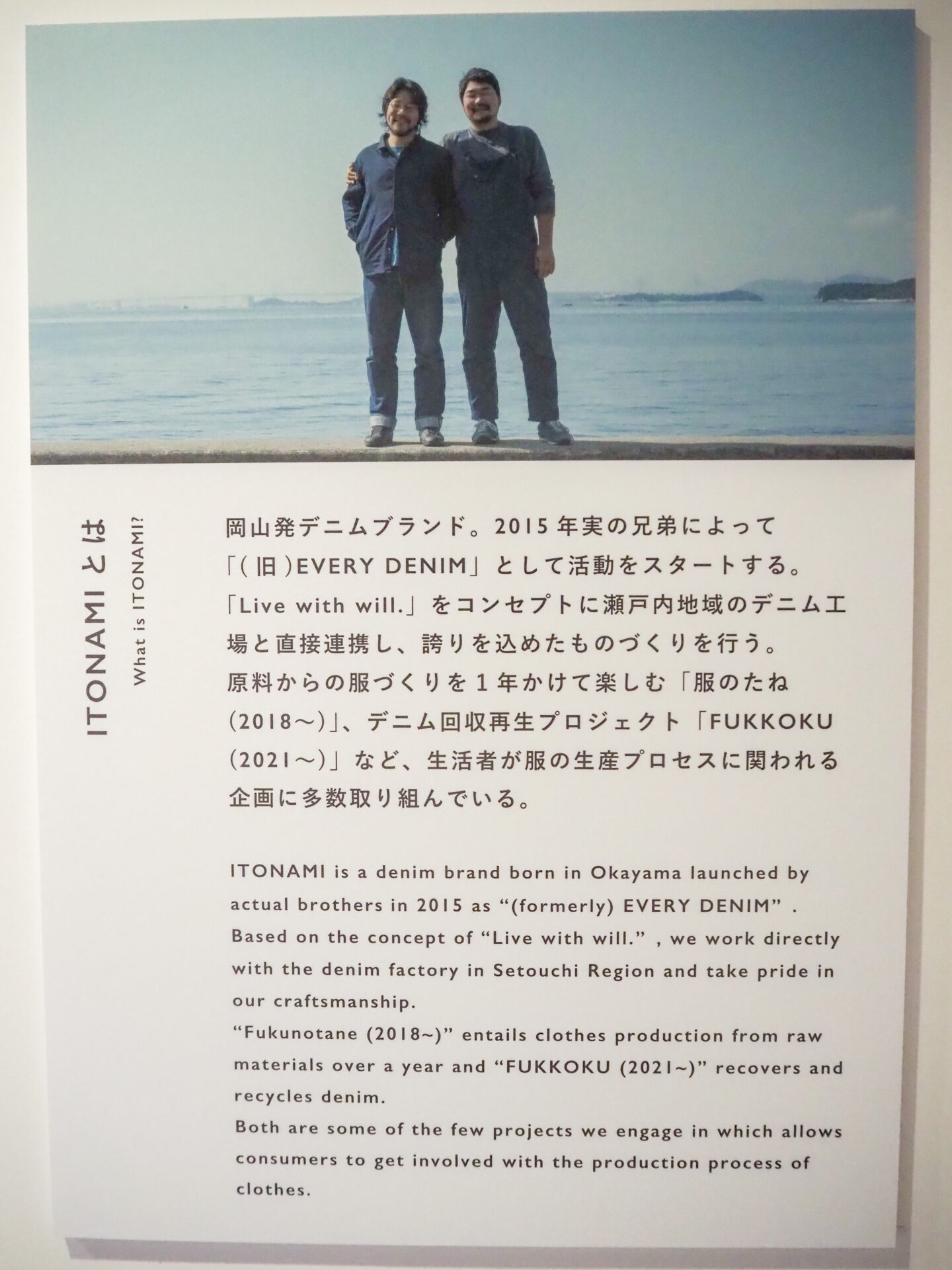
The landlord reportedly said, “This is a home that has been carefully passed down, so I’d be happy if it could be used for the good of the community.”
DENIM HOUSE BON was created in keeping with that wish.
Although most of the interior has been renovated, the building itself has been left almost as it was.
ITONAMI’s Yamawaki said, “There was some dust, but the wood in the house was in very good condition. Almost nothing was damaged. I think that’s proof of how well it was built.”
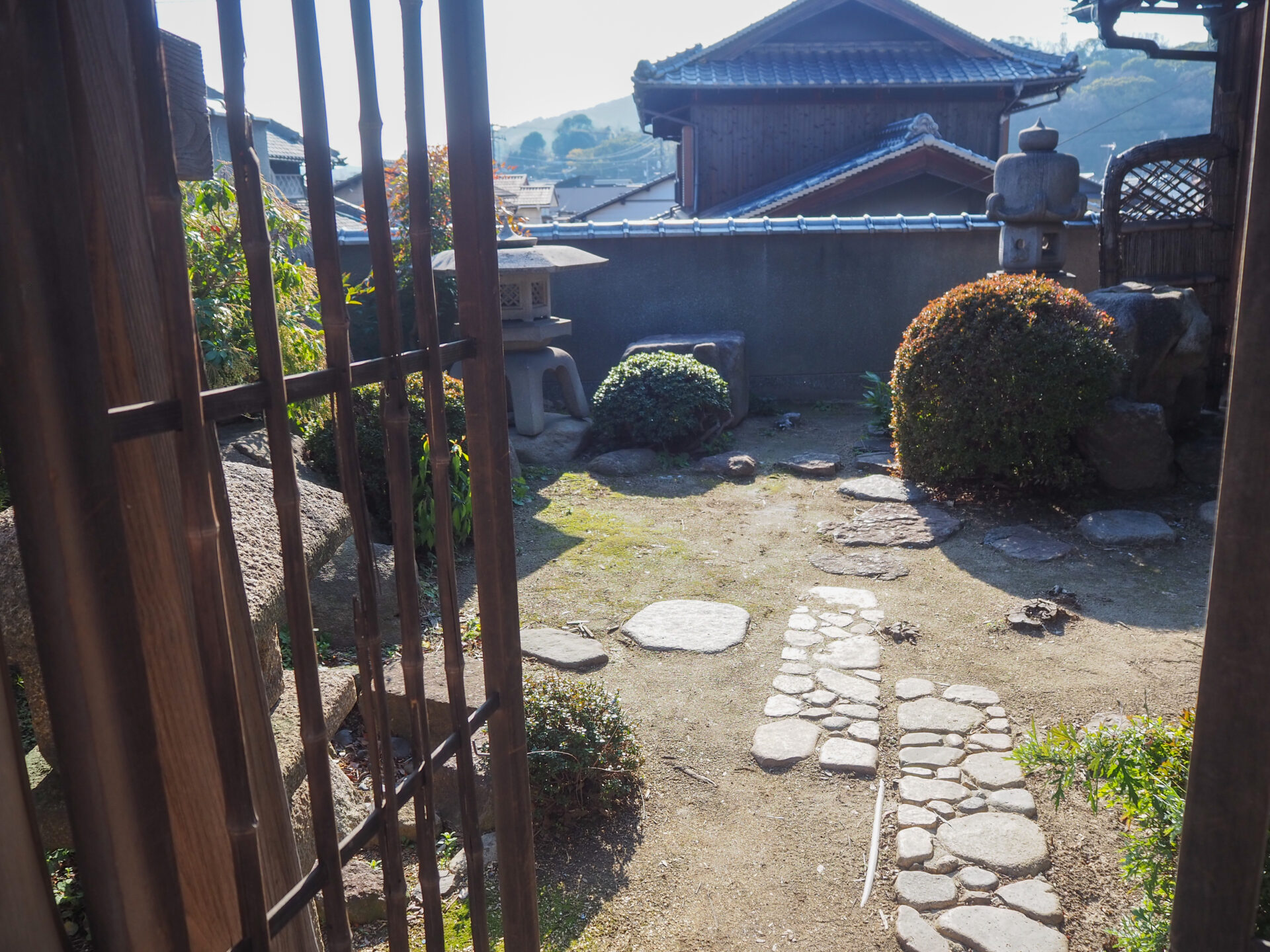
When they saw Okano Residence, they pictured “guests gathering under one roof”—an image just like a home (HOUSE)—and decided to make it a lodging for one group per day.
“BON” takes inspiration from the special nature of Obon
The name “BON” comes from “bon” (Obon). They say it was inspired by Obon, a traditional summer event.
Obon is a uniquely Japanese custom of honoring the dead. The name takes inspiration from the special nature of Obon, when “people gather to remember others.”
Also, the kanji for “bon” is written by combining the characters for “plate” and “divide.”
They say BON was created with the wish that people would gather and share a meal around the table, sharing plates together.
Here is a look at BON’s spaces, where you can spend time “gathering, sitting together, and sharing.”
Earthen-floored space
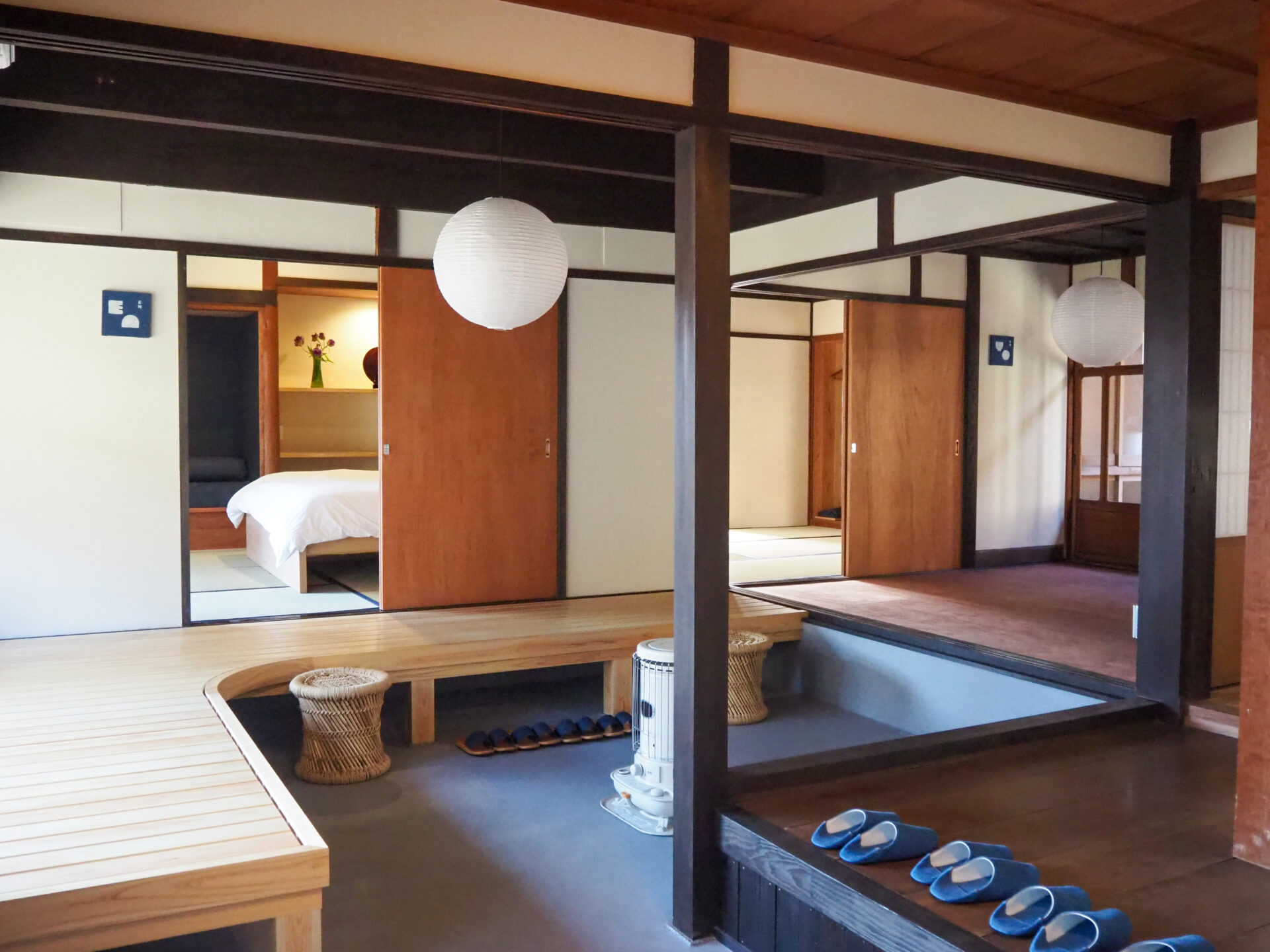
When you open BON’s door, there is a large earthen-floored space on the left.
They felt this space was essential to creating a place to “gather, sit together, and share,” so they removed the original floor to make room for it and built it from scratch.
The seating area was custom-made, too. It is a relaxing space where you can unwind while looking around inside the building or gaze out at the garden.
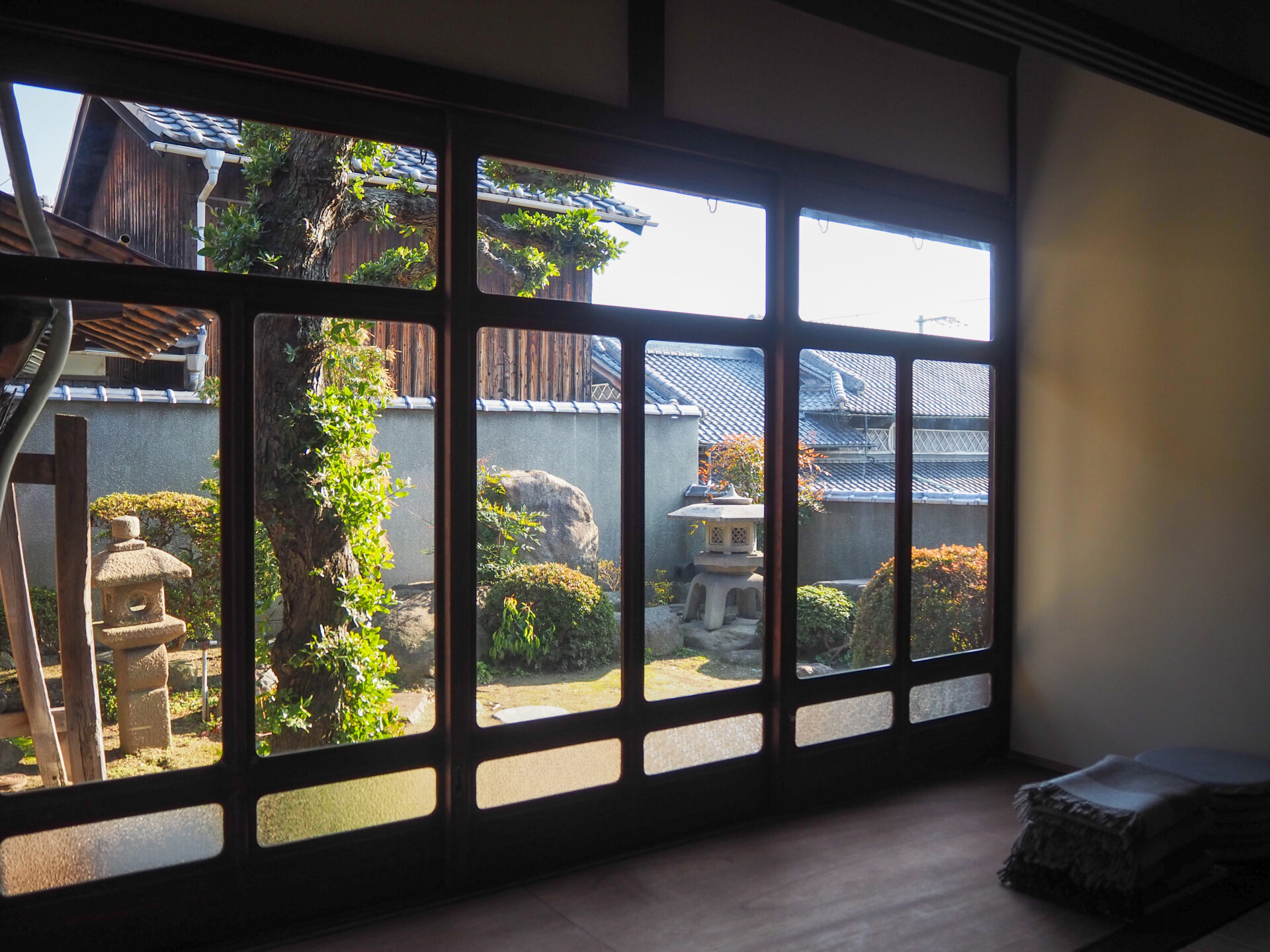
Yamawaki said, “When we thought about how guests might use BON’s spaces, we wanted to create a setting where close friends could talk.”
You can enjoy a special moment that feels like an extension of everyday life, chatting about nothing in particular without worrying about the time.
Dining room
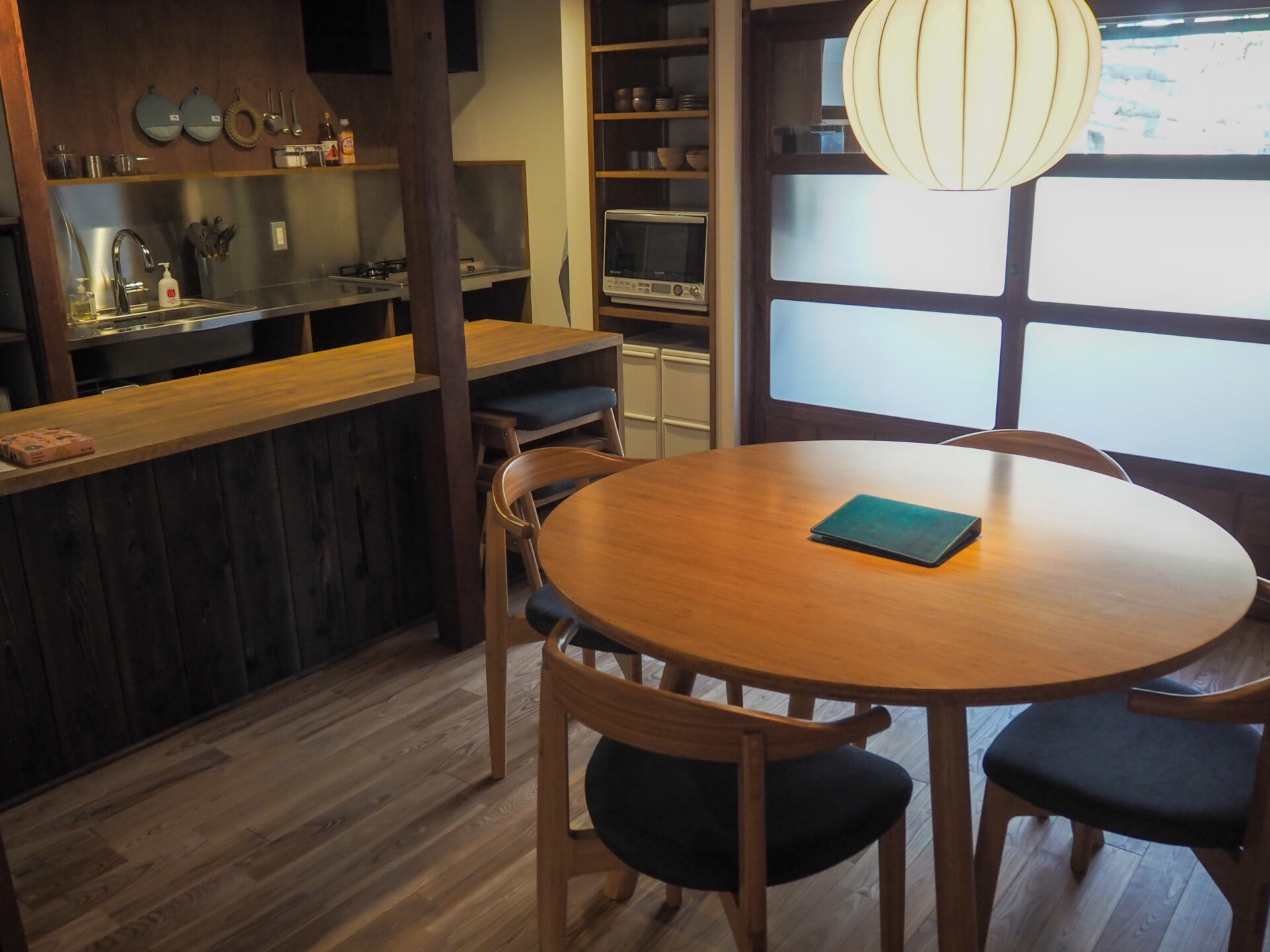
The dining room is another space designed for “gathering, sitting together, and sharing.” There is a round table where everyone can sit together for a meal, with the kitchen at the back.
There used to be a wall between the dining area and kitchen, but they deliberately removed it.
They designed the space with the idea of creating a setting where the person preparing the meal and those eating could enjoy conversation as equals, and where roles—such as cooking and carrying dishes—could naturally change hands.
BON also offers plans that include dinner and breakfast.
Dinner can be chosen from the following four options.
The menu may vary depending on the season.
- Okayama Prefecture pork sukiyaki
- Seto Inland Sea seafood hot pot
- pile signature lasagna set
- Local bara-zushi (scattered sushi)
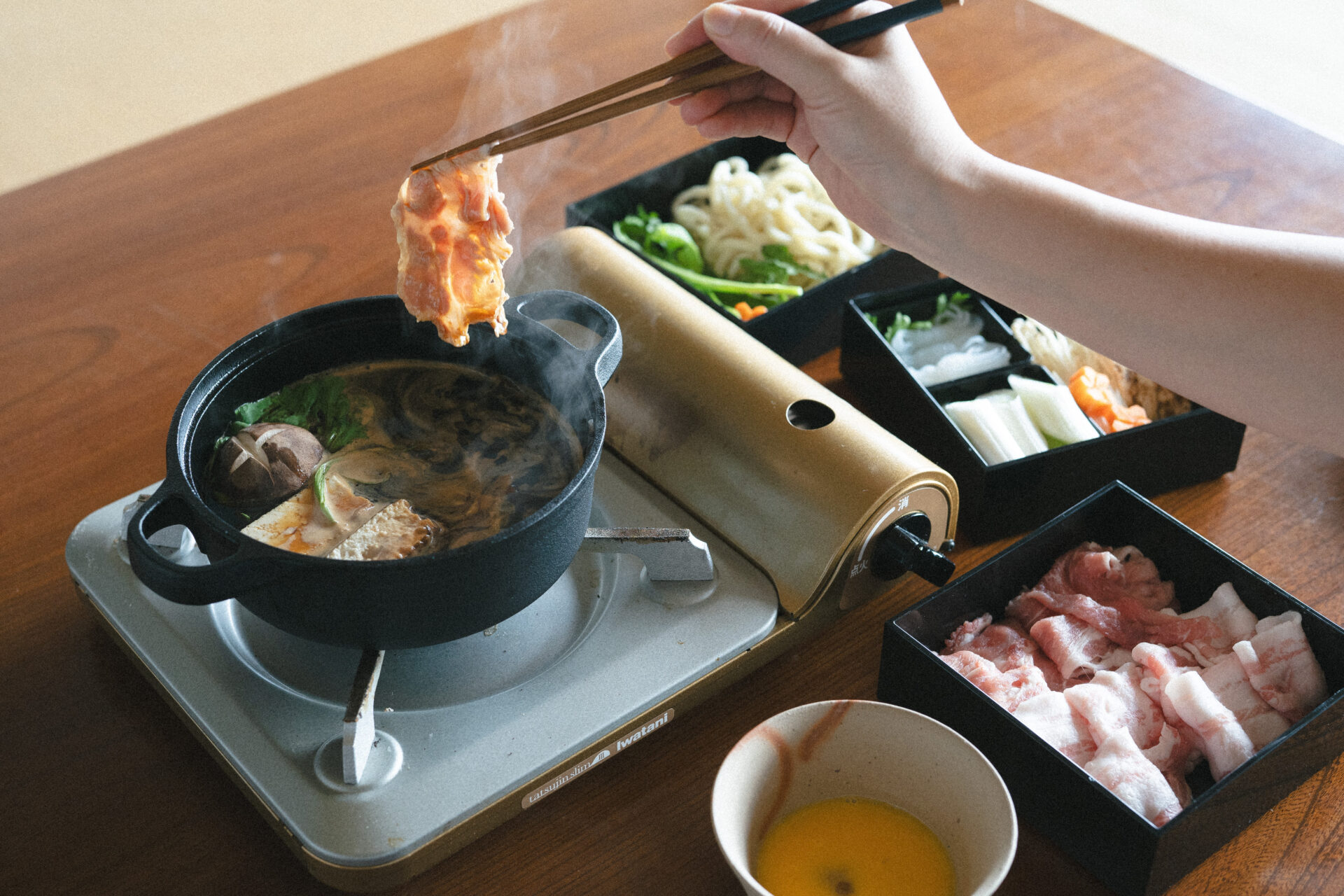
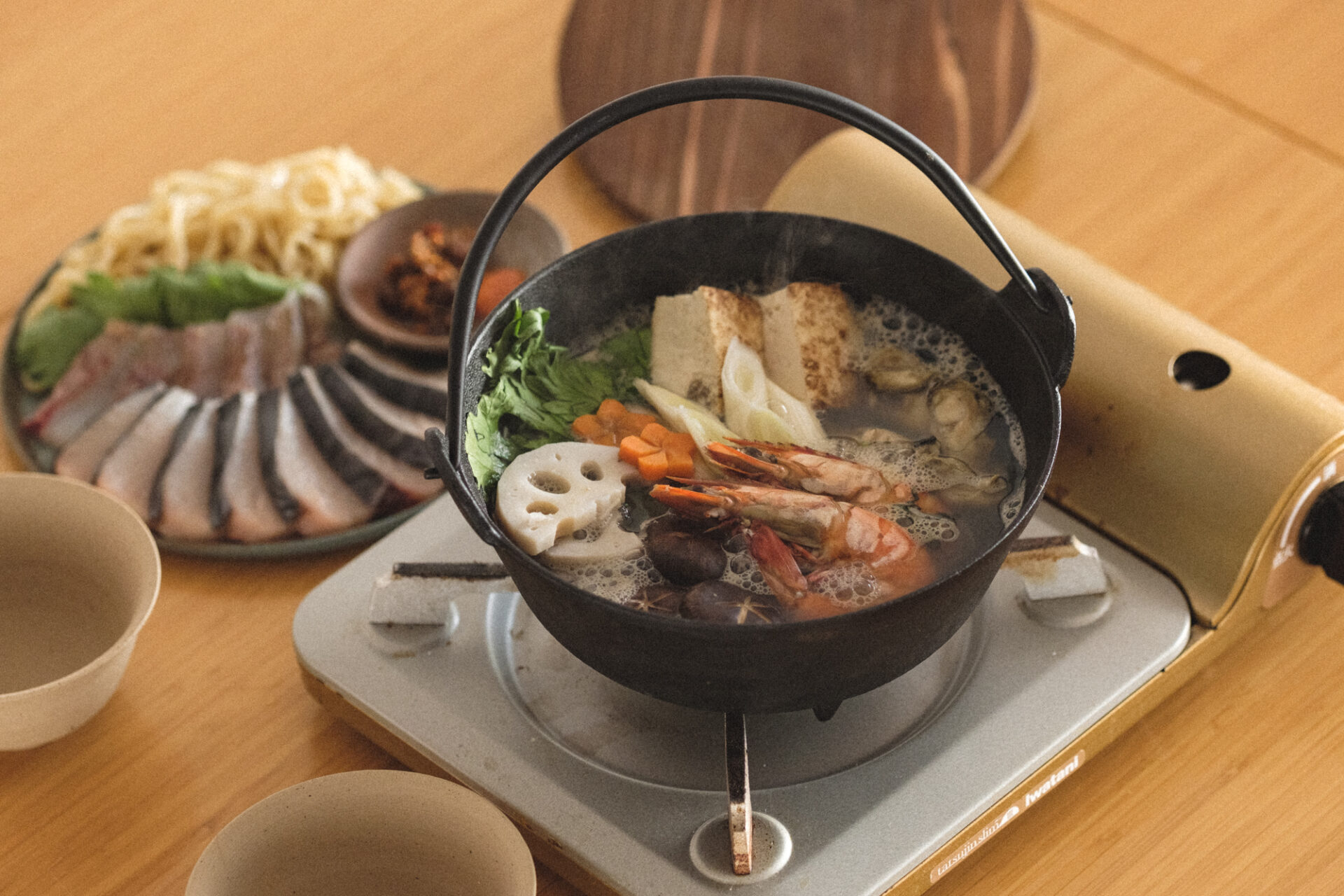
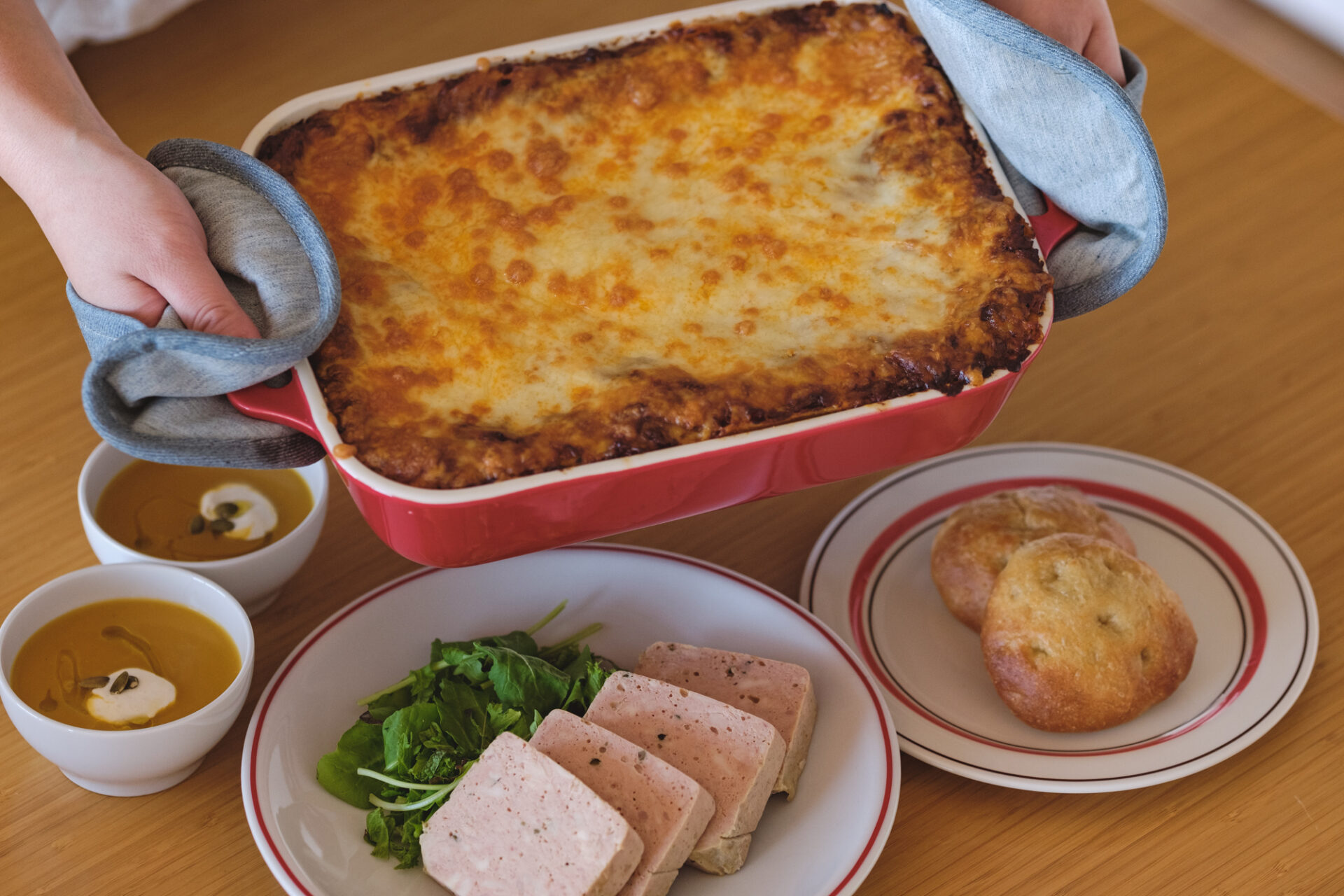
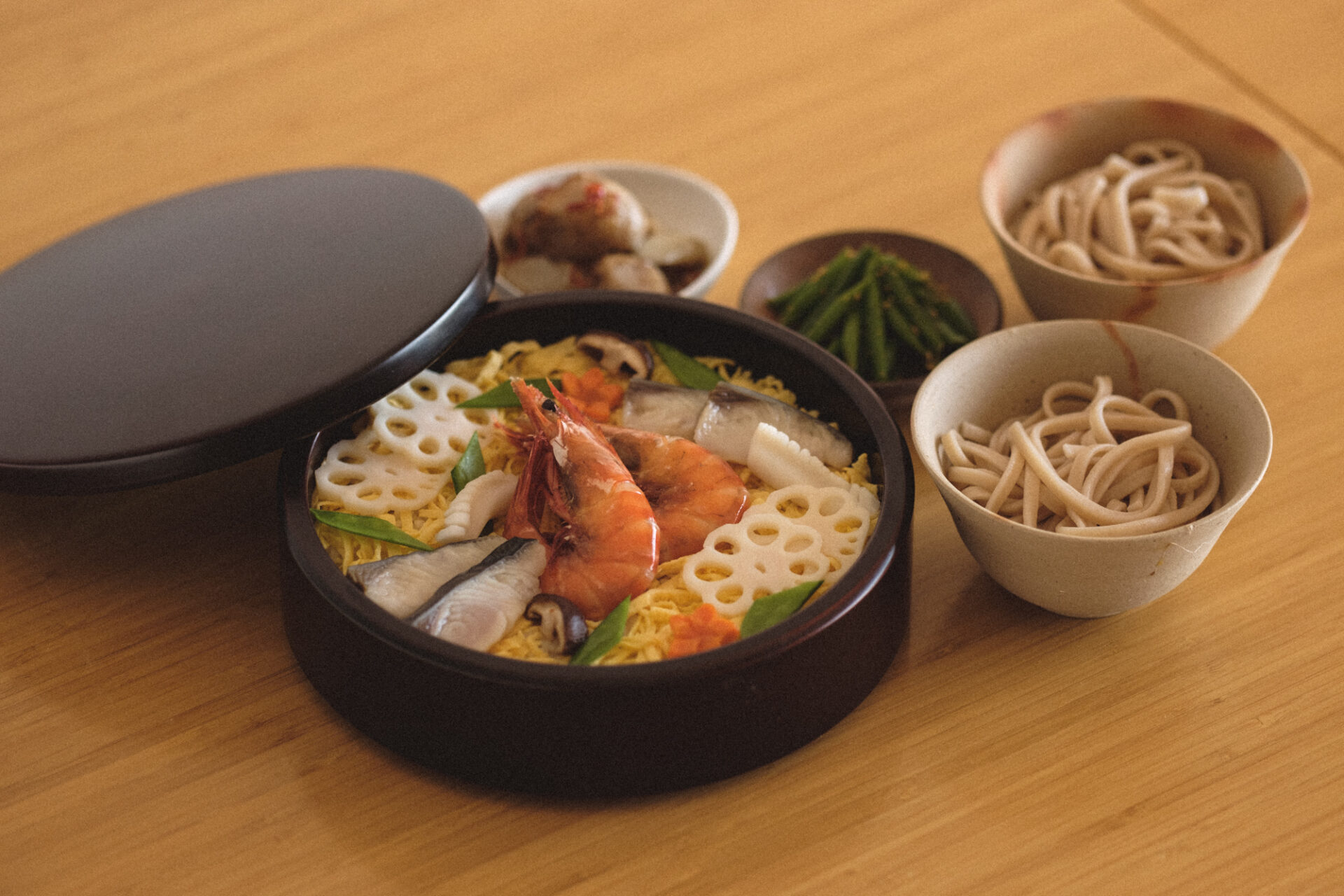
Breakfast is Kojima’s specialty octopus rice.
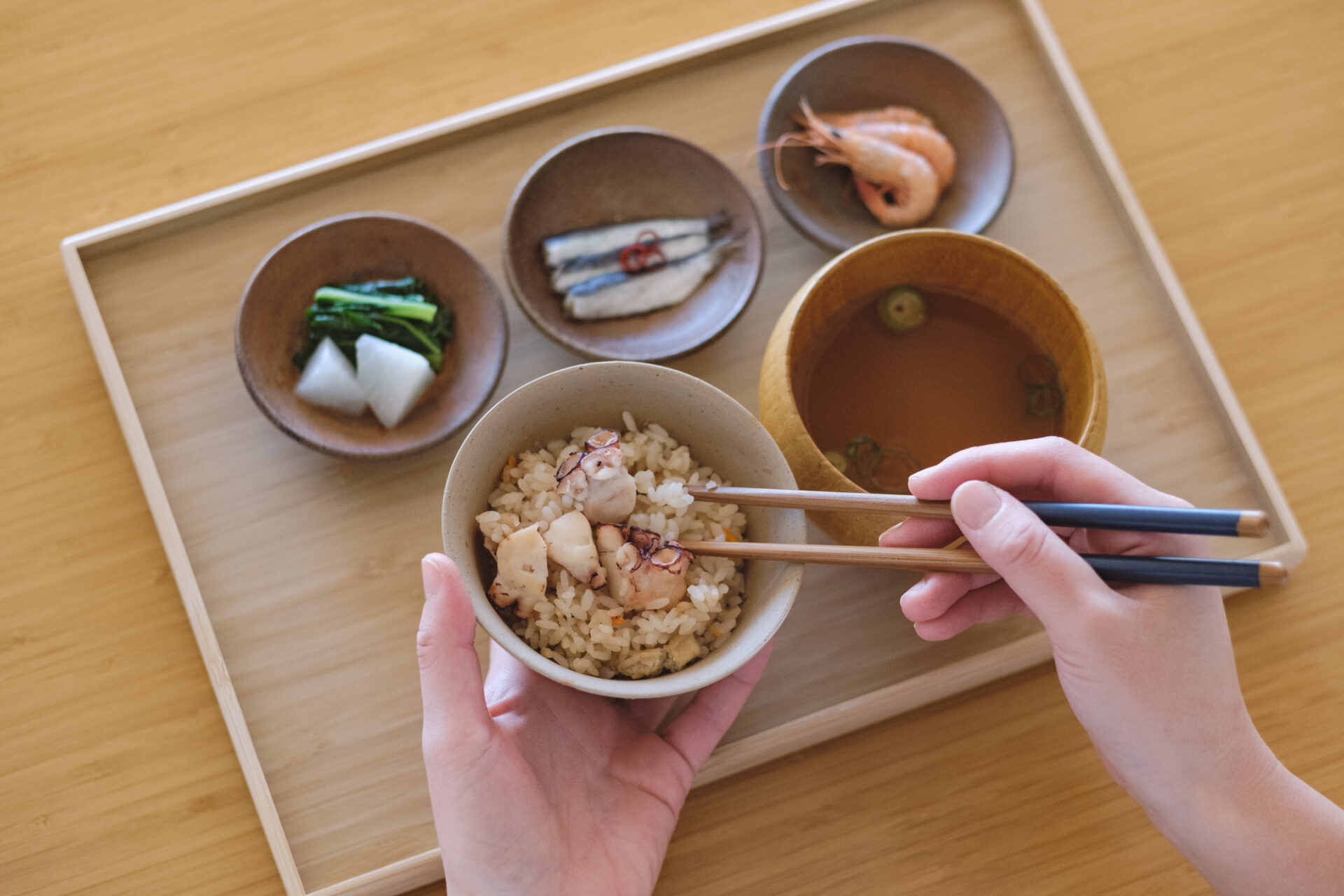
The ingredients and other items are prepared at check-in, and guests take care of the final steps themselves, such as heating the food and pressing the rice cooker’s start button. Each menu offers a special opportunity to fully savor ingredients from Okayama Prefecture.
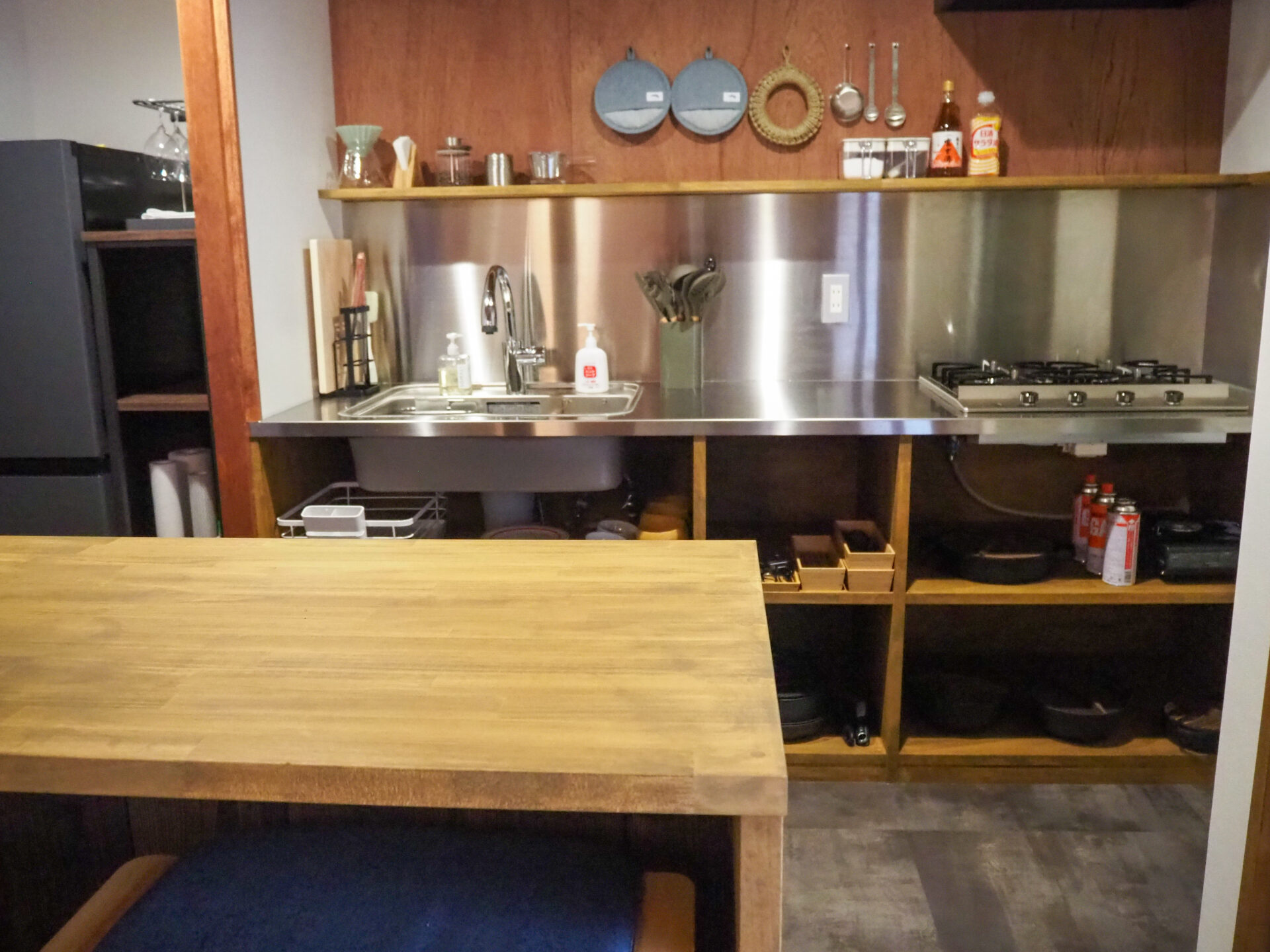
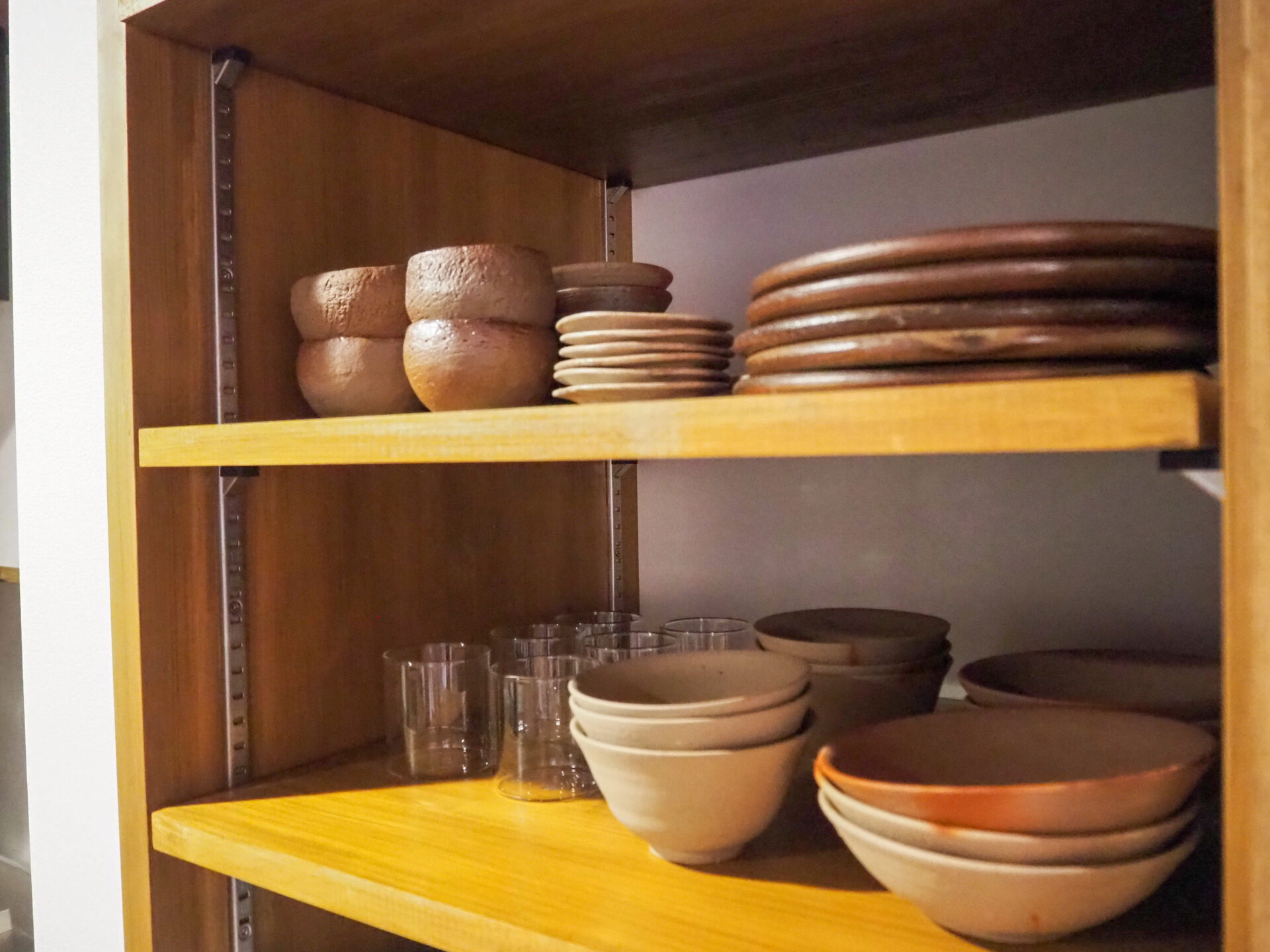
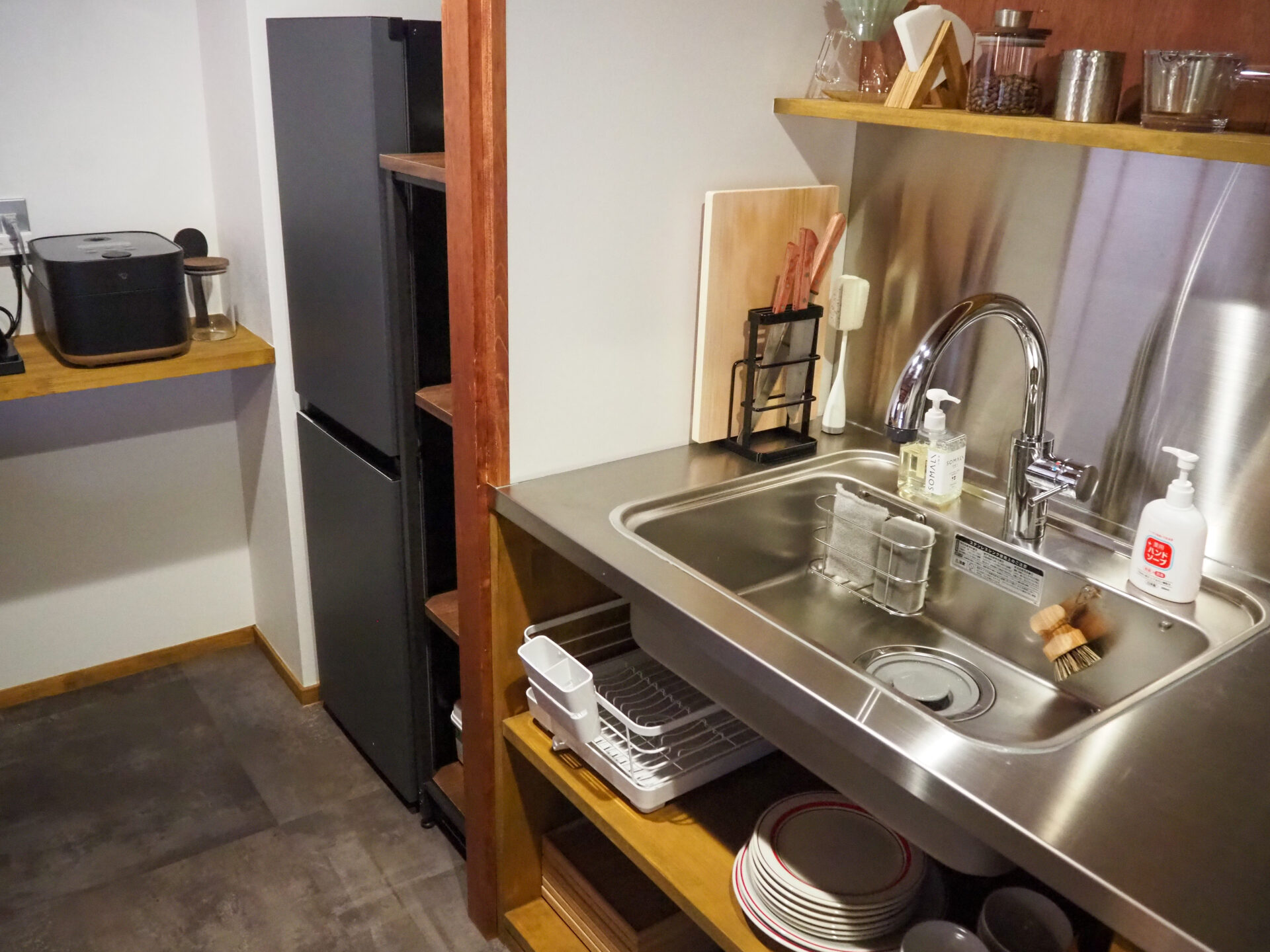
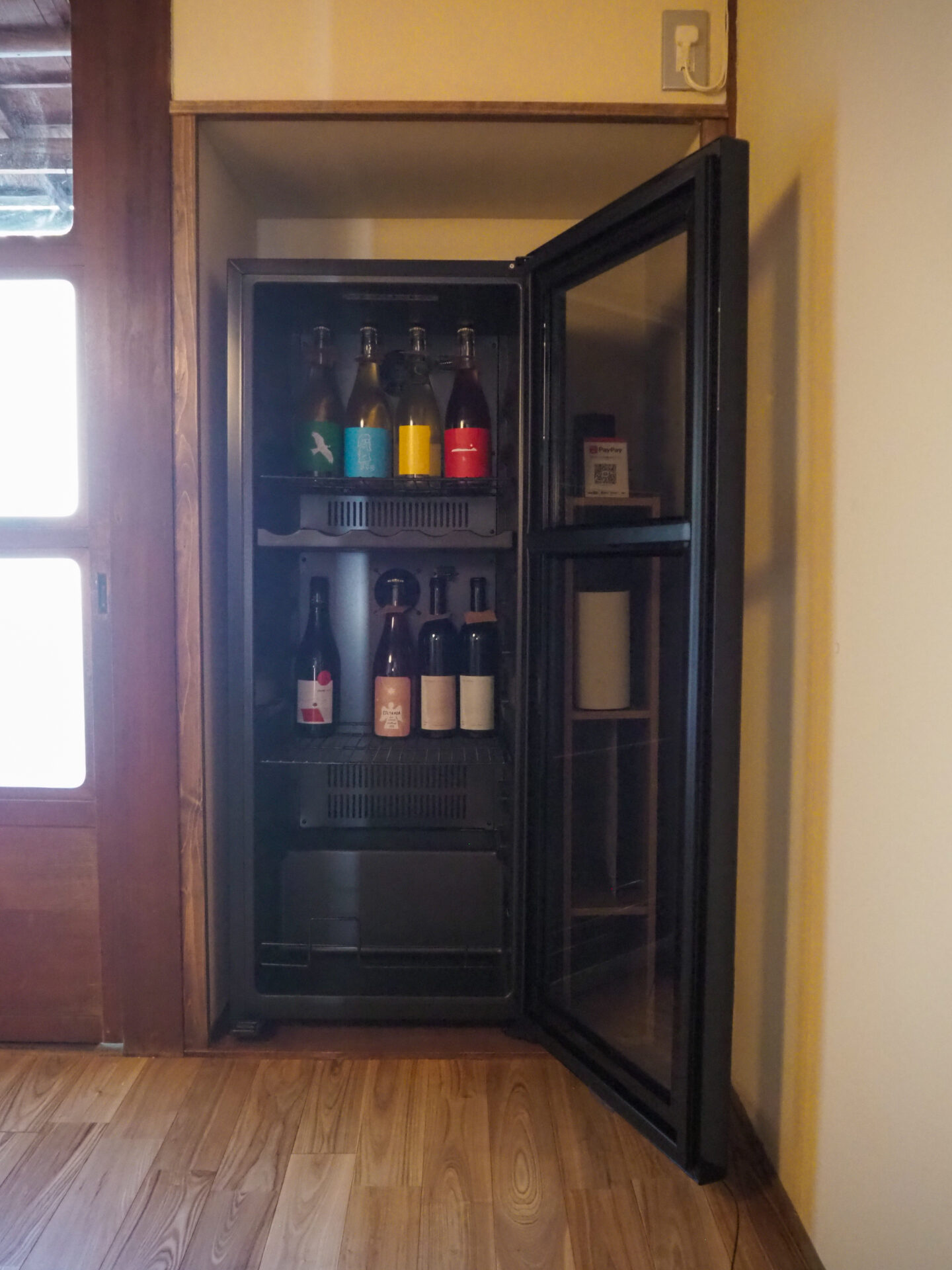
Tea, coffee, and other drinks are available, as well as wines selected by BON staff (additional charge).
You can also enjoy wines selected by BON staff, including wines from GRAPE SHIP in Funao, Kurashiki City.

Thoughtful interiors by the Denim Brothers
As the name DENIM HOUSE BON suggests, denim fabric and denim-colored interiors stand out at BON.
Here’s a look at BON’s two rooms and bathroom.
EN
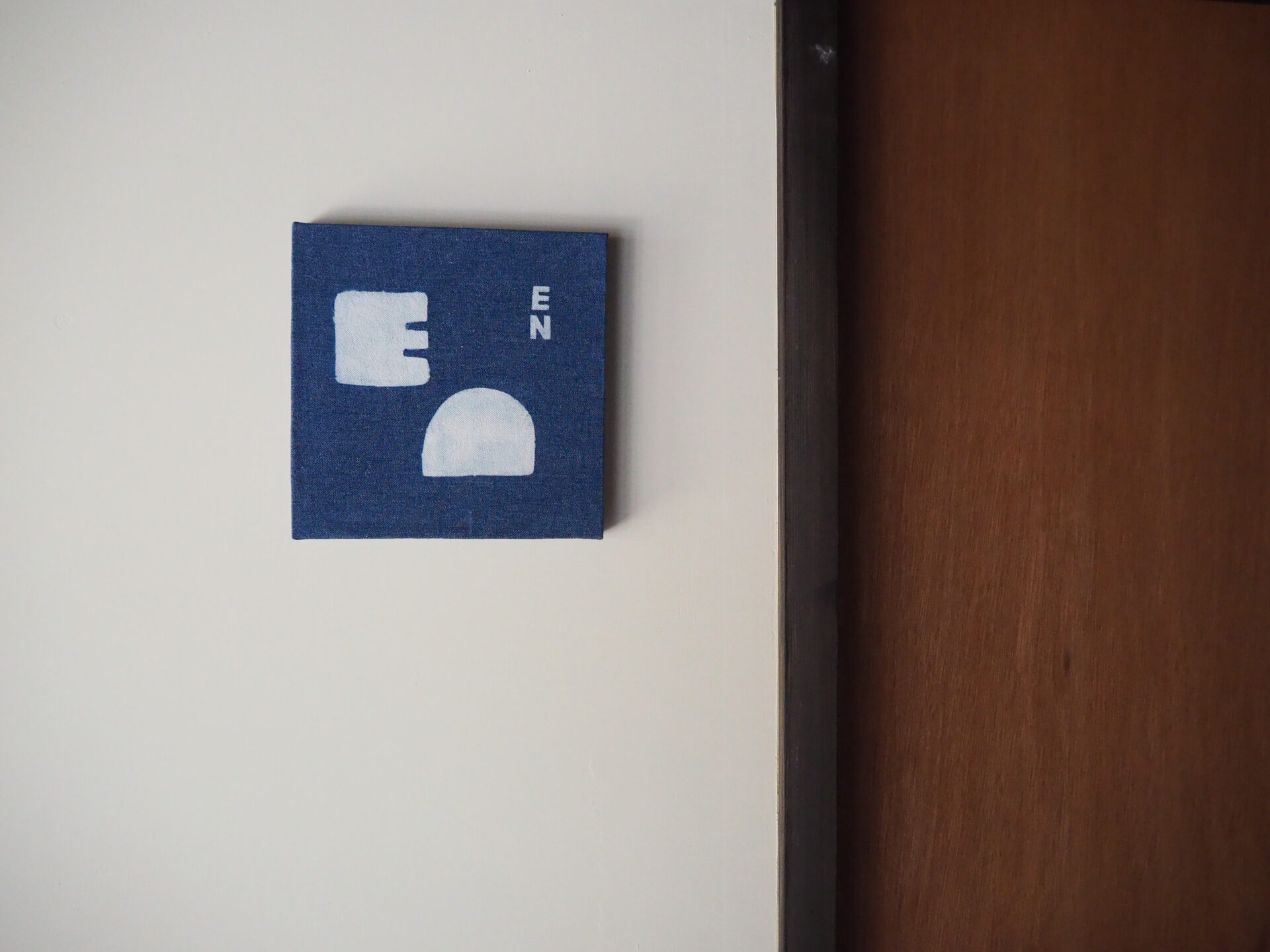
The first room is “EN.”
It was designed around the idea of en, meaning “veranda”.
When you open the door, there is one queen-size bed. The room can accommodate up to two people.
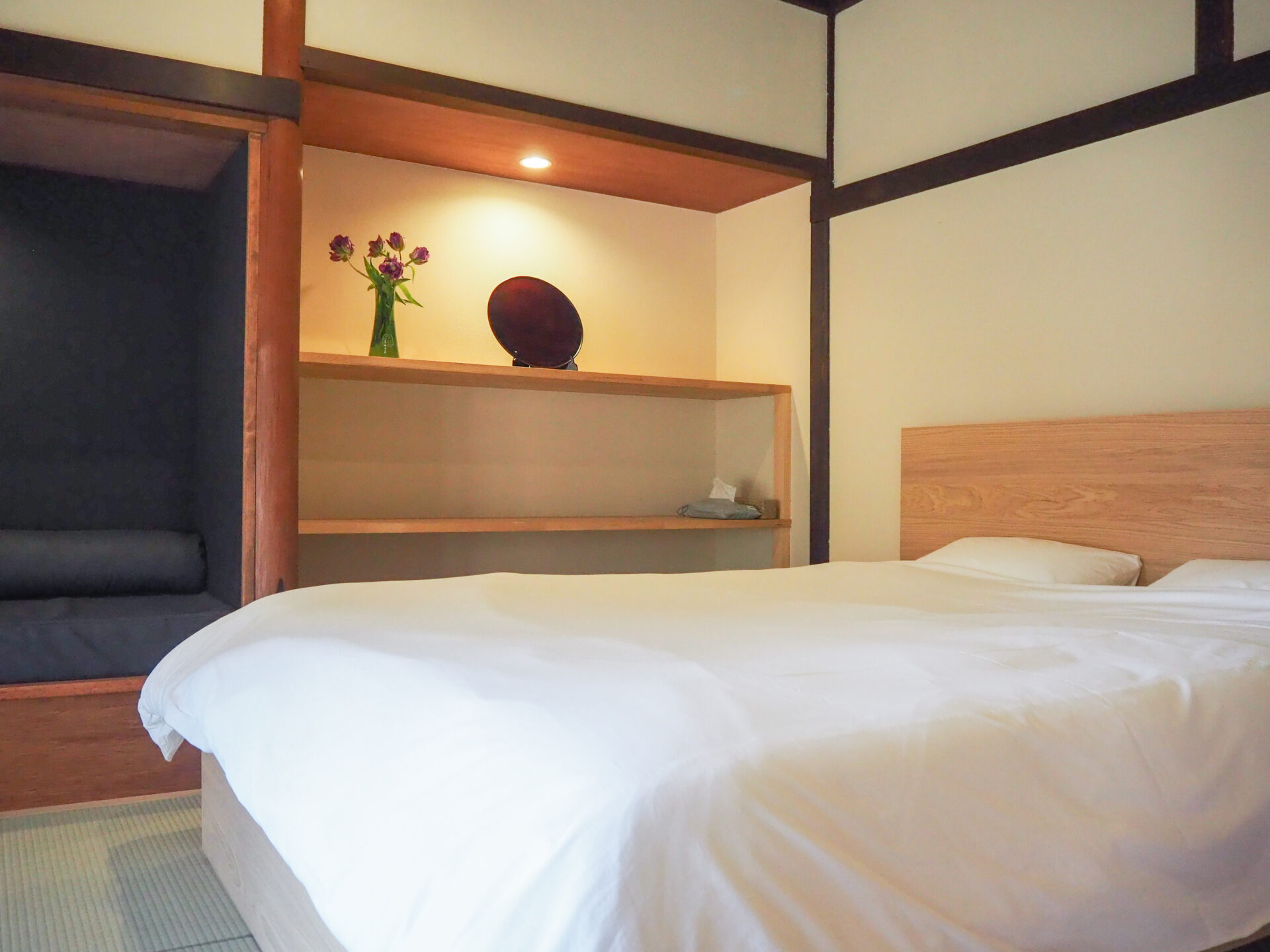
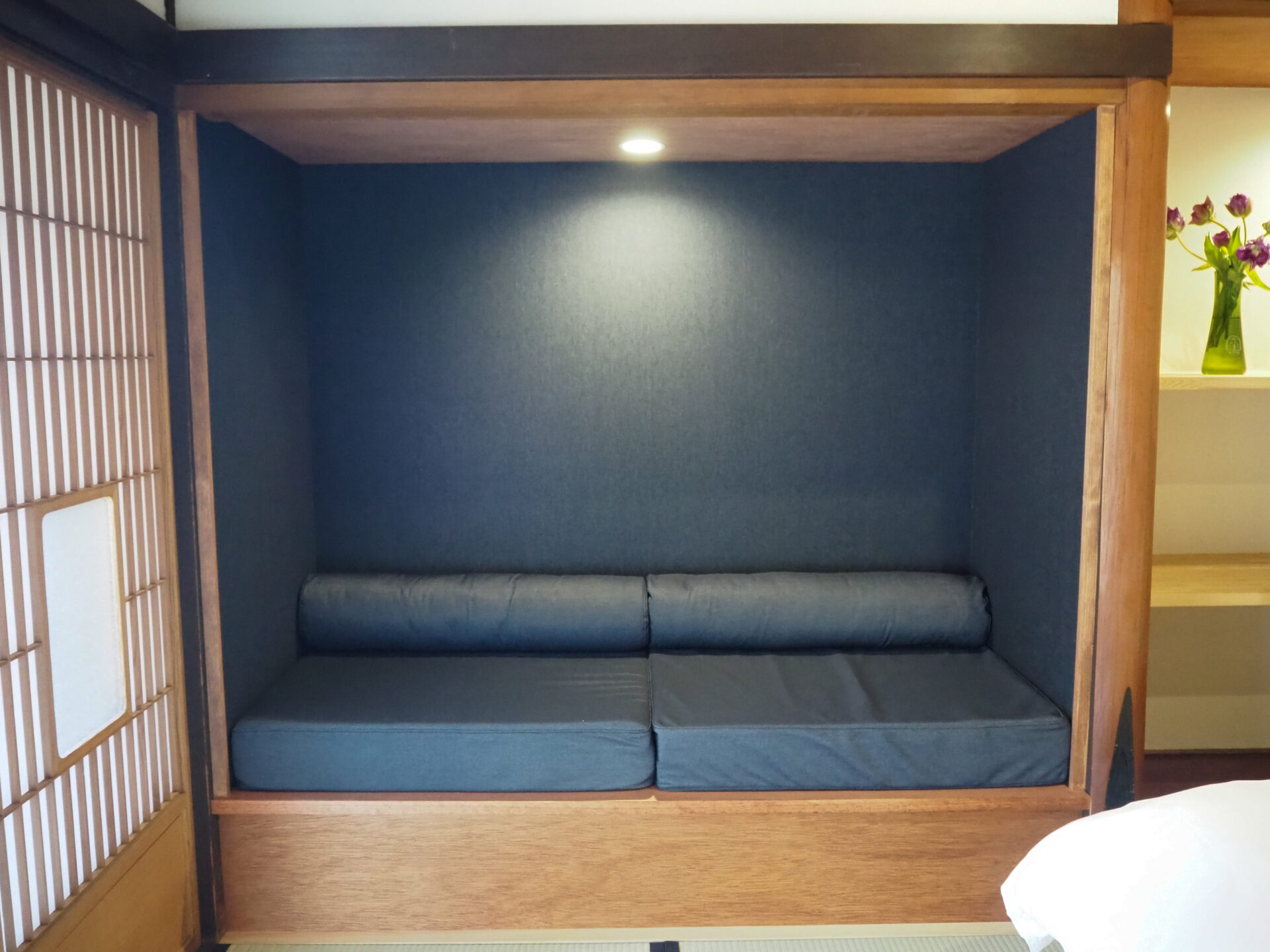
A sofa is fitted perfectly into a small space that seems to have once held a hanging scroll or similar item.
And of course, the fabric is denim.
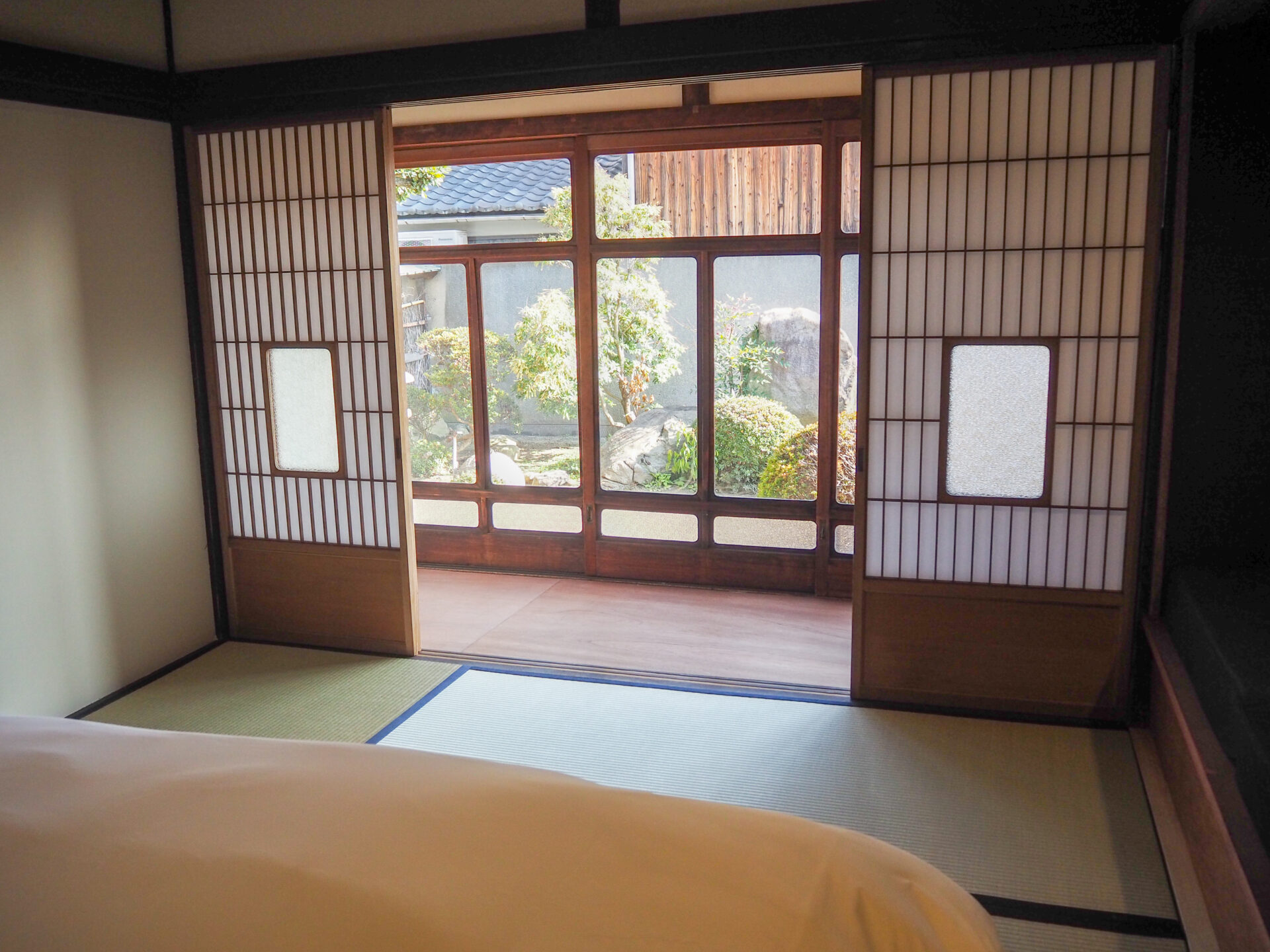
Open the fusuma sliding doors, and you’ll find the veranda that inspired the room.
As you gaze at the garden, you can almost feel time passing, minute by minute and second by second.
YO
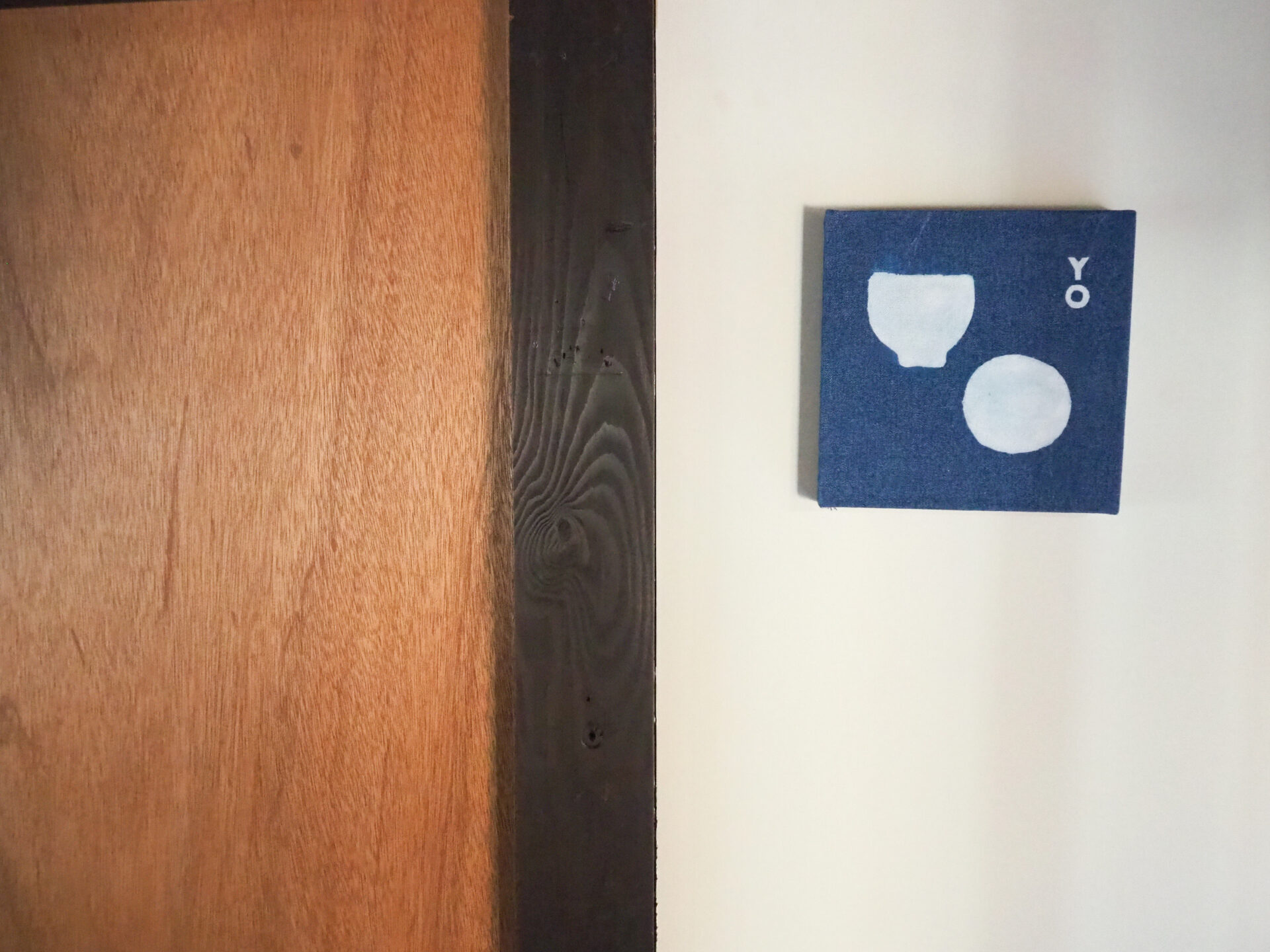
The second room is “YO.”
It is inspired by yo, meaning “sunshine”.
The room is divided into two spaces: a Japanese-style room at the front and a Western-style room at the back.
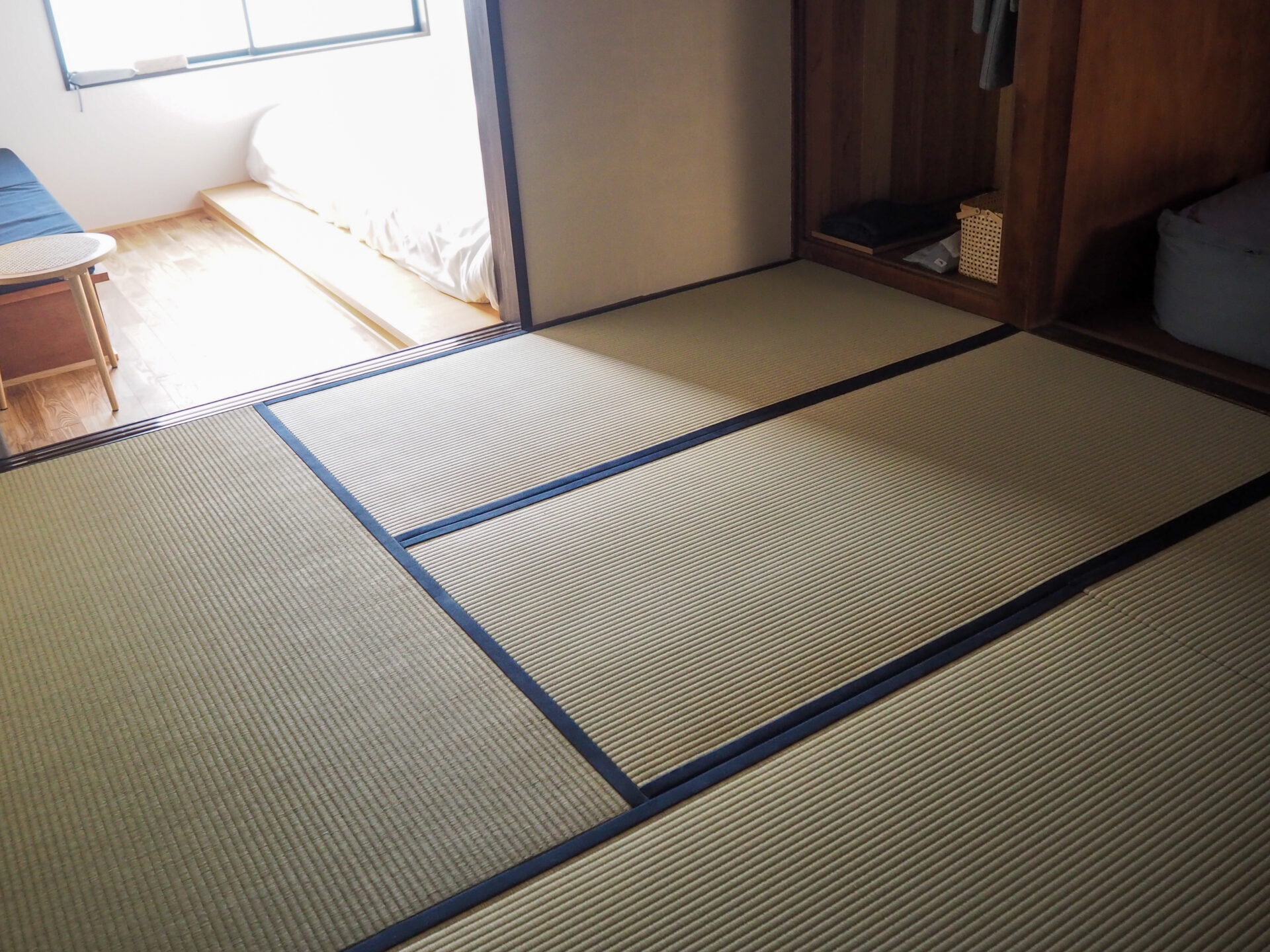
Sunlight streams in through the window at the back.
The sunlight is said to be strongest during check-in hours (4–6 p.m.).
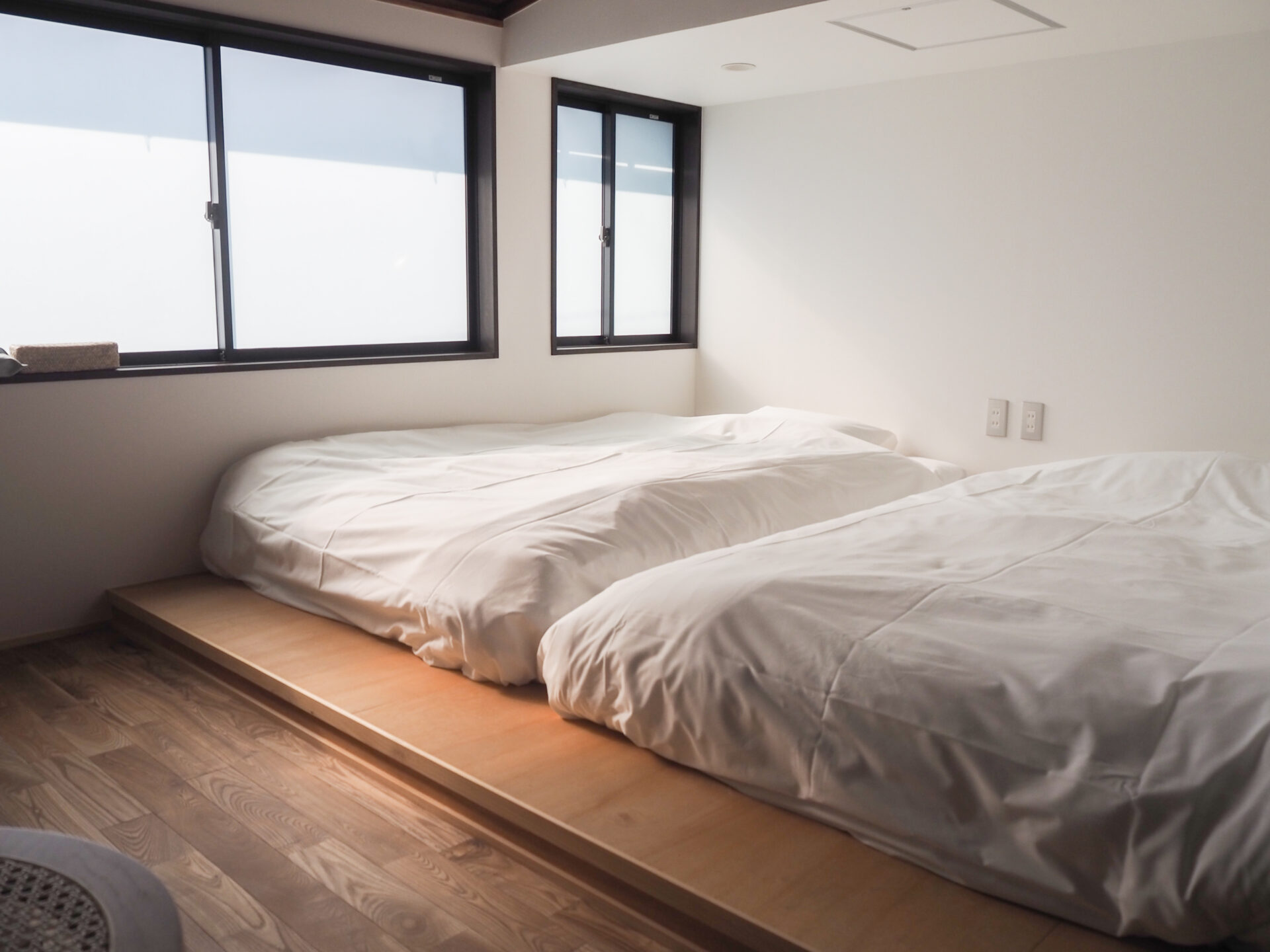
There is a sofa in the back room with the bed, and it is also made of denim fabric.
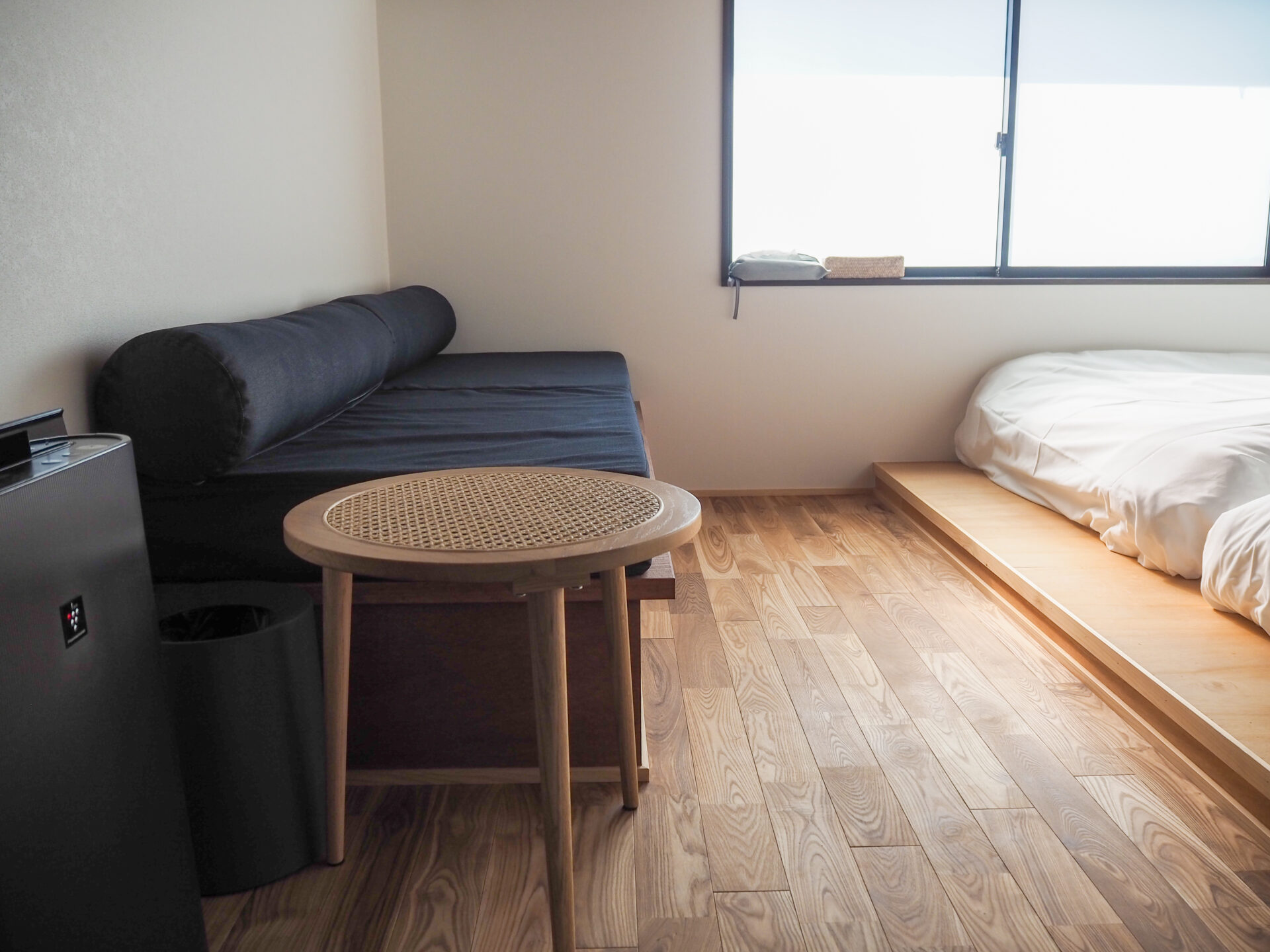
You can also lay out futons in the tatami room at the front. The room can accommodate up to four people, with two in the Western-style room and two in the Japanese-style room.
There is also a space in the corner of the Japanese-style room that can be used as a study.
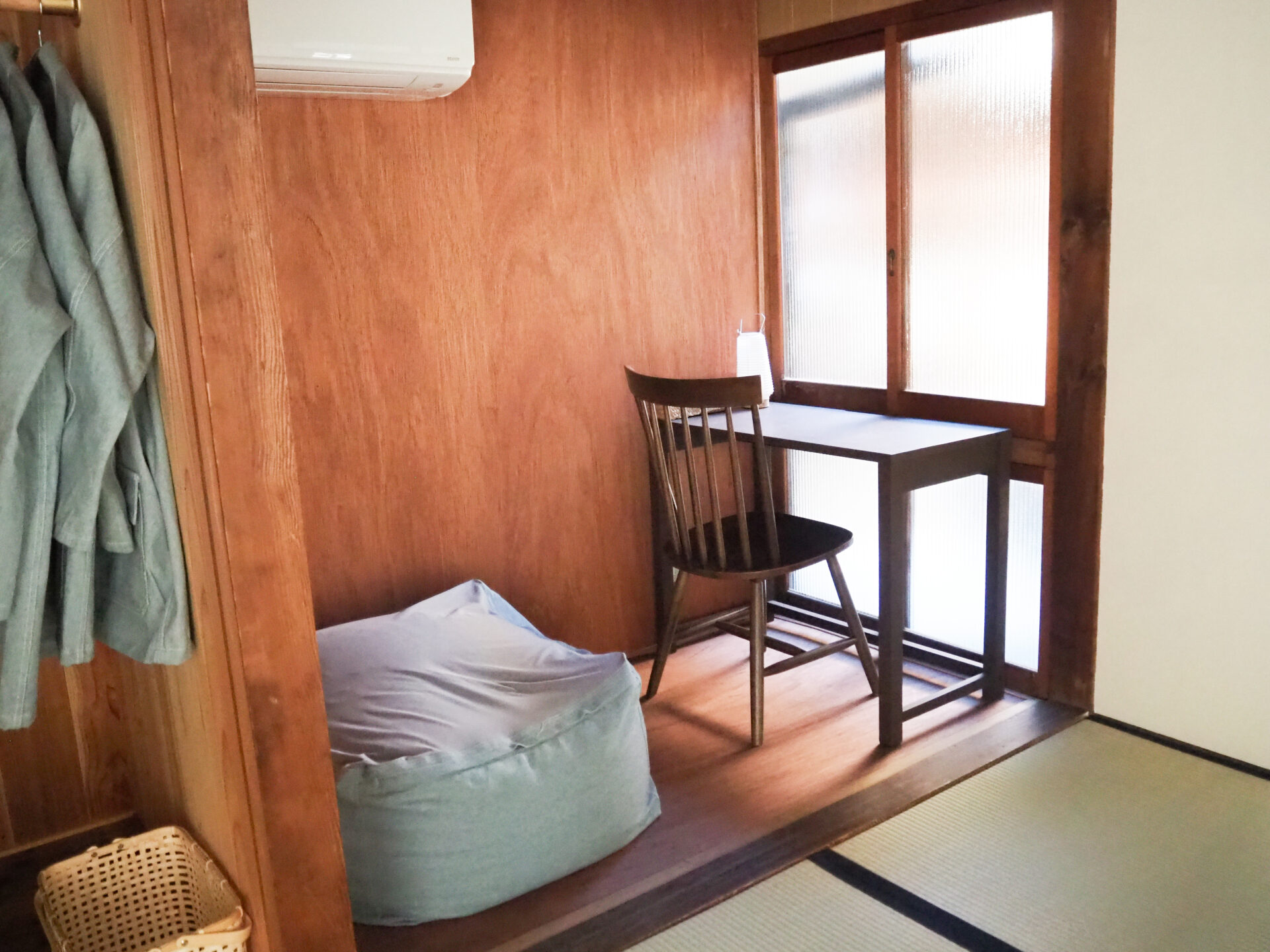
This space was originally used for storage.
It is a reminder that traditional Japanese houses often had many small spaces for things like hanging scrolls and storage.
Denim-colored interiors in the washroom and bathroom
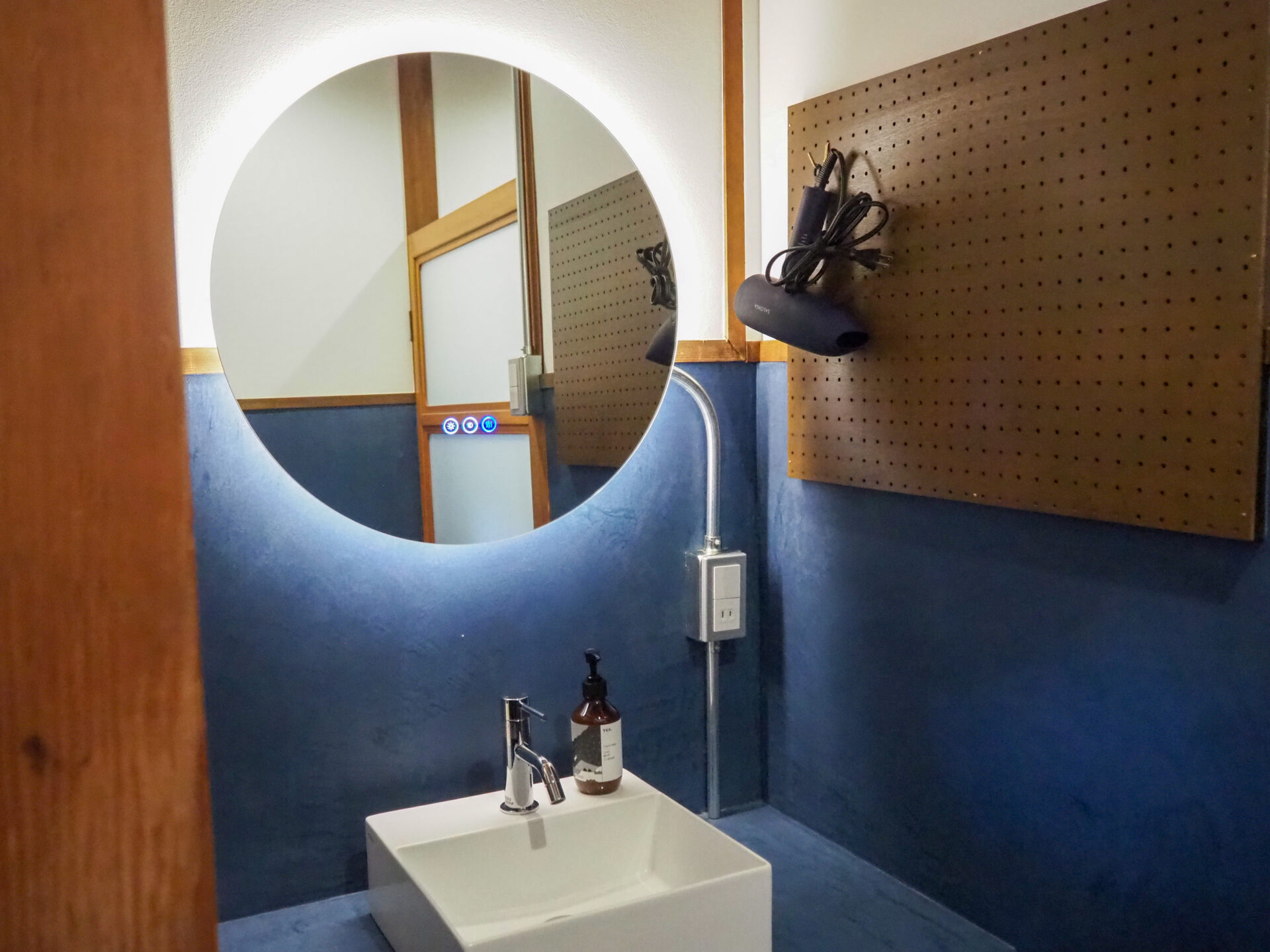
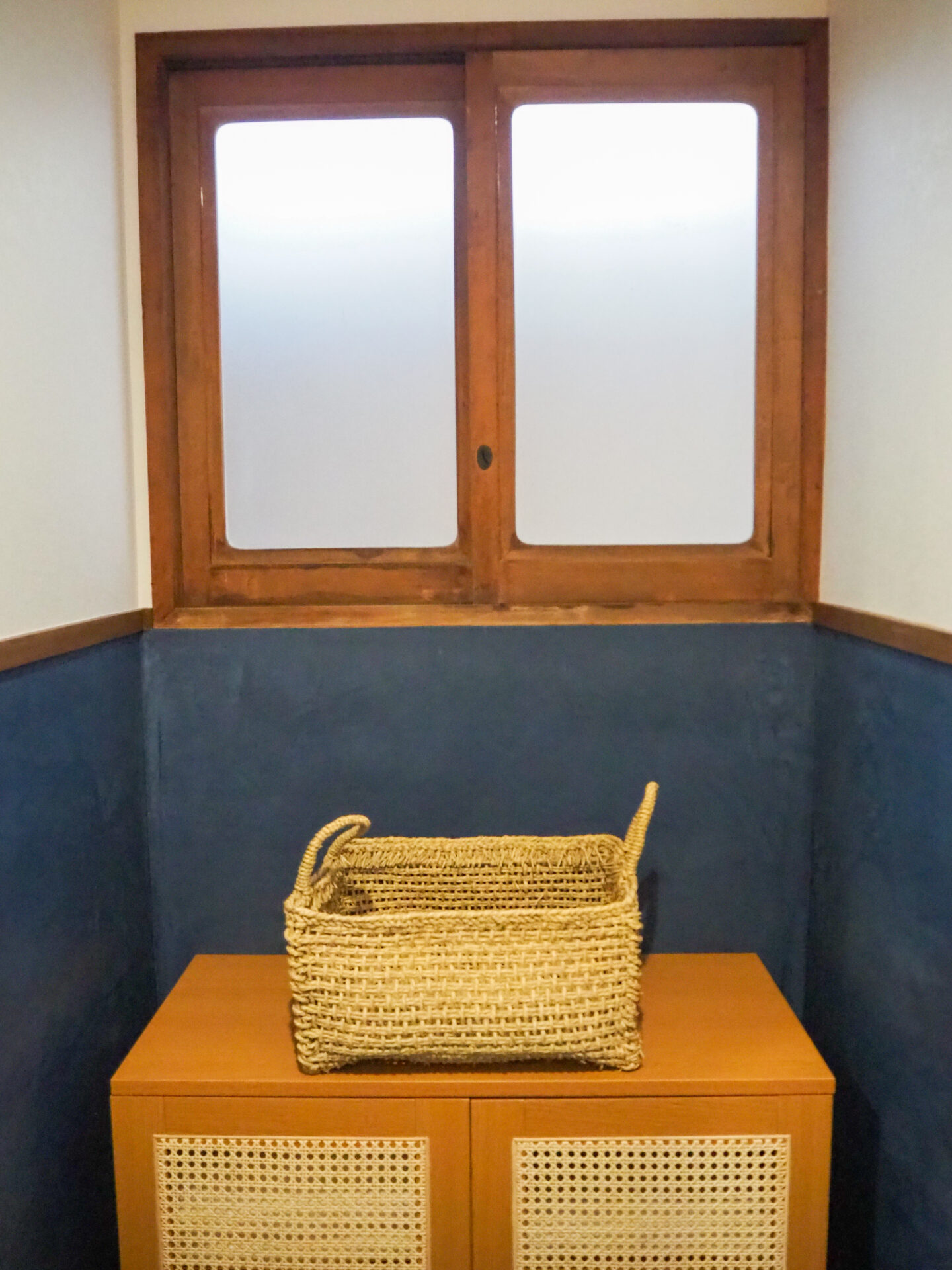
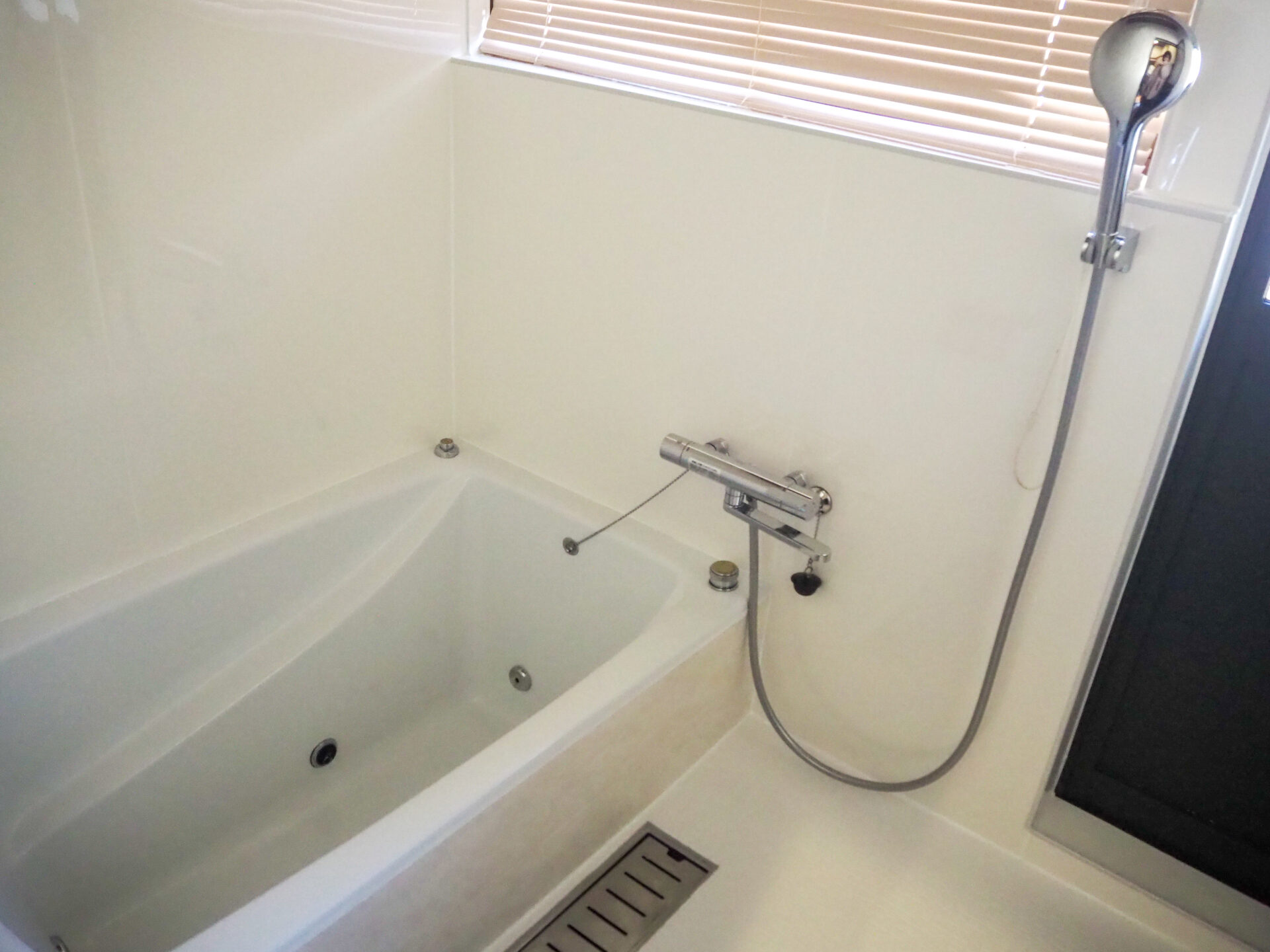
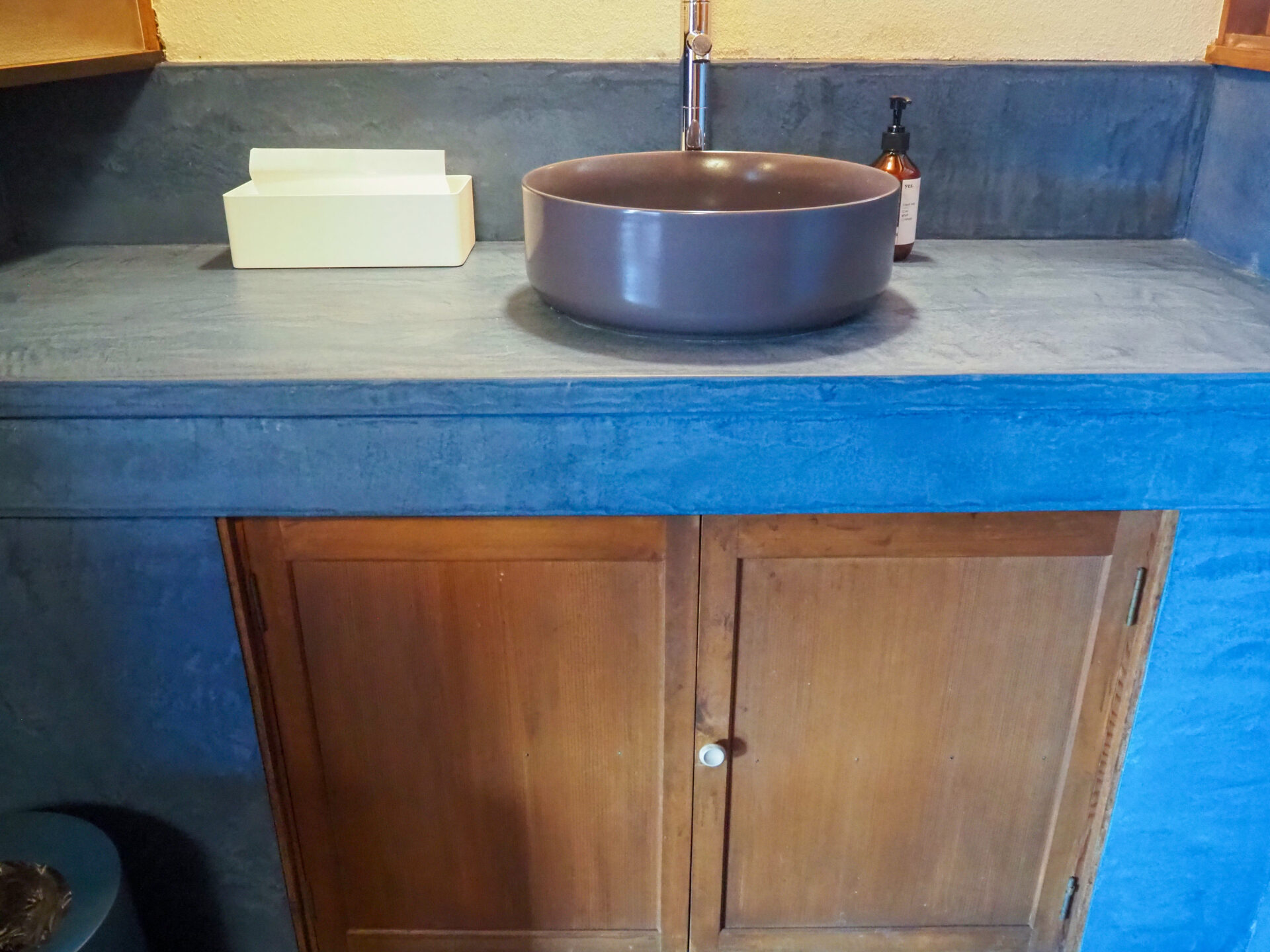
The interior retains the warmth of wood, with denim-colored walls as an accent.
The cohesive design makes it easy to imagine spending a peaceful, relaxing time here.
Some of the amenities are ITONAMI original products
Some of BON’s amenities are original ITONAMI products.
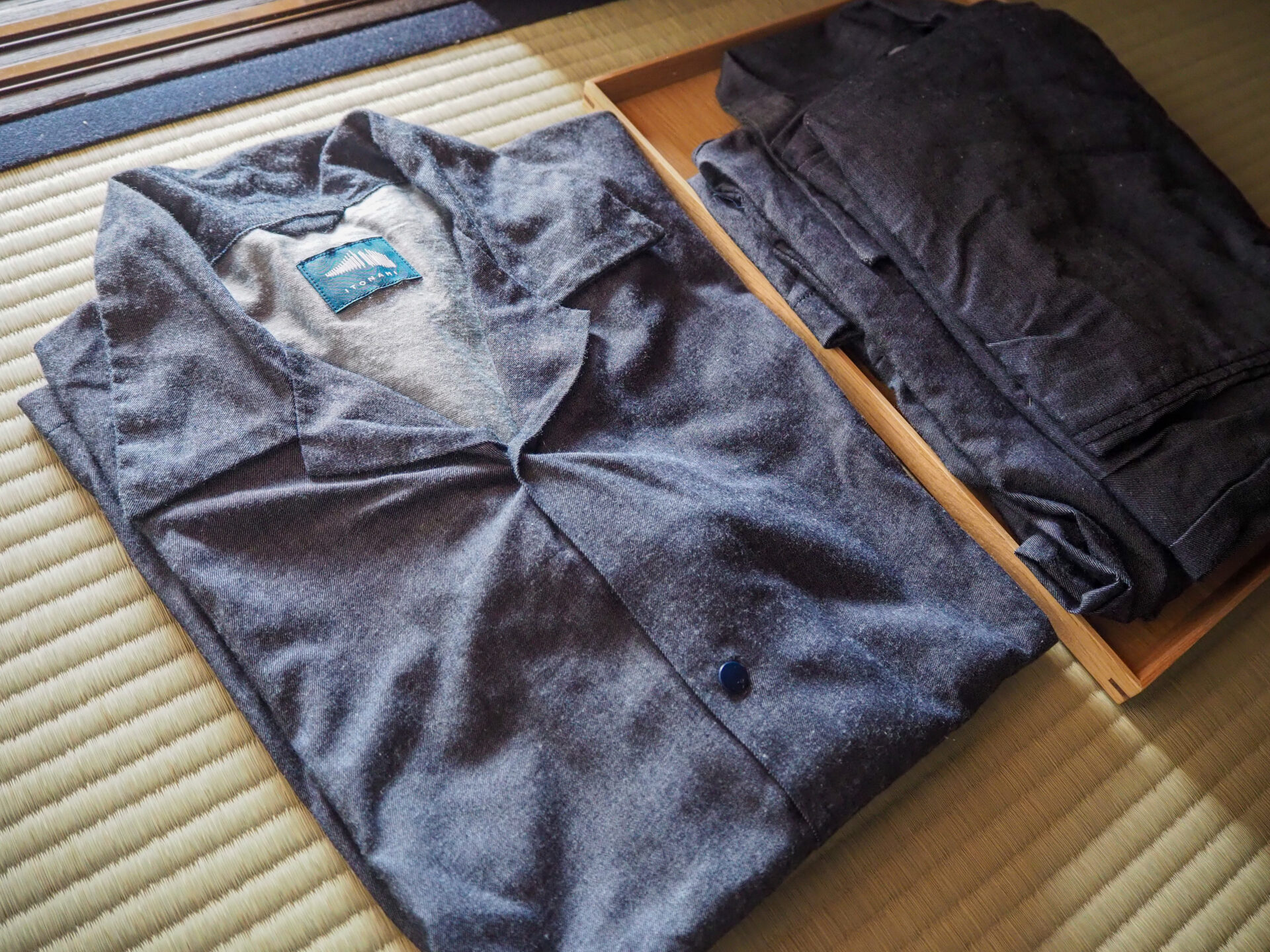
The denim loungewear can be worn as BON’s indoor clothing.
Made from a smooth-feeling fabric, it will make your time at BON even more comfortable.
The material is nylon yarn made by recycling fishing nets discarded in the sea. Although it is gradually becoming more widespread, this is still an unusual initiative in the denim industry.
ITONAMI, based in a location facing the Seto Inland Sea, chose this material out of a desire to protect the beauty of the sea.
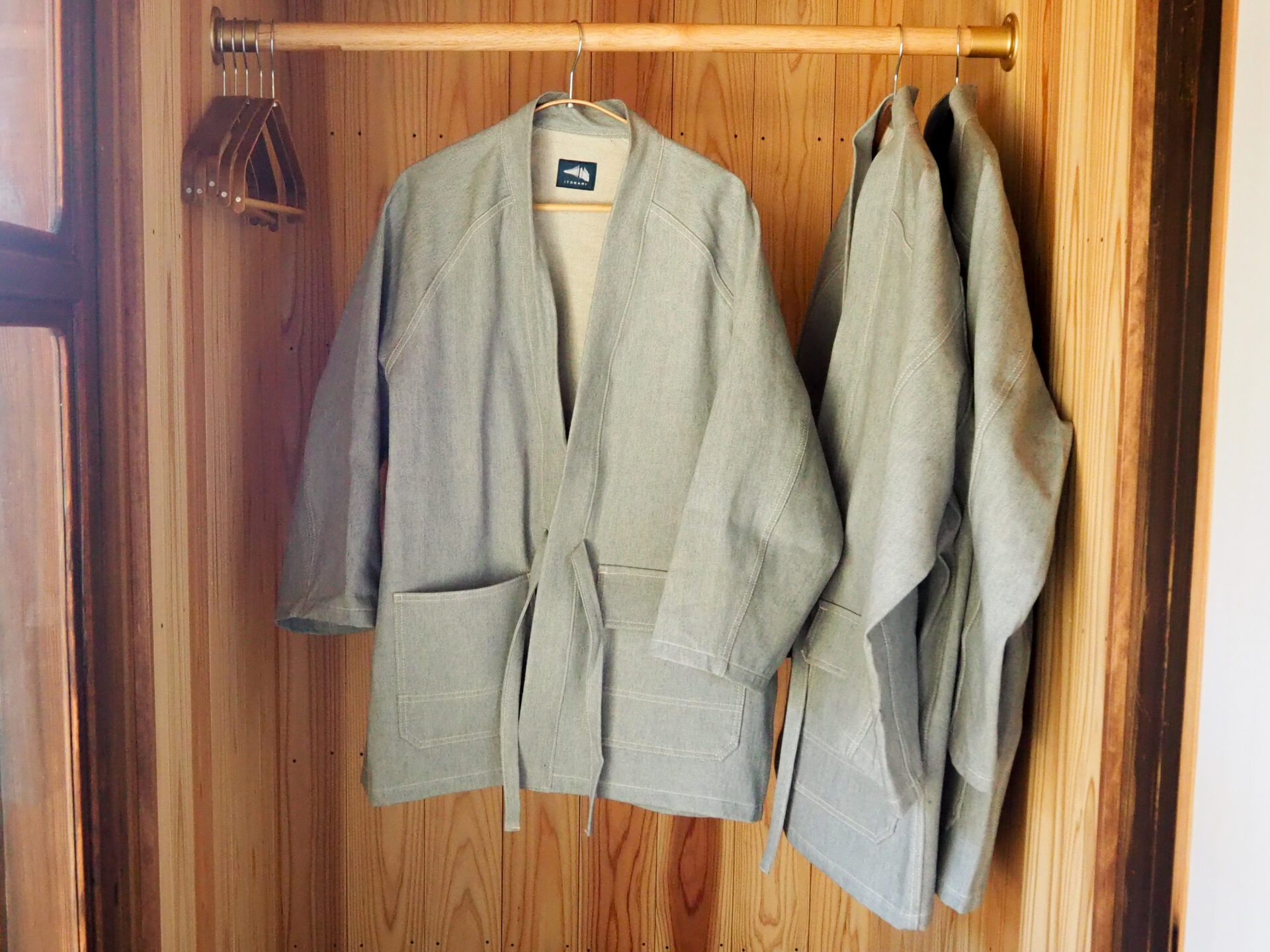
The recycled denim haori can also be worn around BON.
It is a product from “FUKKOKU,” one of ITONAMI’s projects. FUKKOKU collects denim, shreds it, returns it to a cotton-like state, makes yarn from it, and then weaves new fabric to create products.
The recycled denim haori is especially well suited to the atmosphere of BON’s traditional Japanese house.
It was created through a collaboration with Kosugiyu, a public bathhouse in Koenji, Tokyo, using denim collected for the project.
The kitchen also has ITONAMI products that you can use, such as aprons and pot holders.
As an experience unique to Kojima, the town of denim, try picking them up and giving them a try.
Gallery & Shop
BON also has an attached gallery and shop.
The space was apparently renovated from what was originally a storehouse.
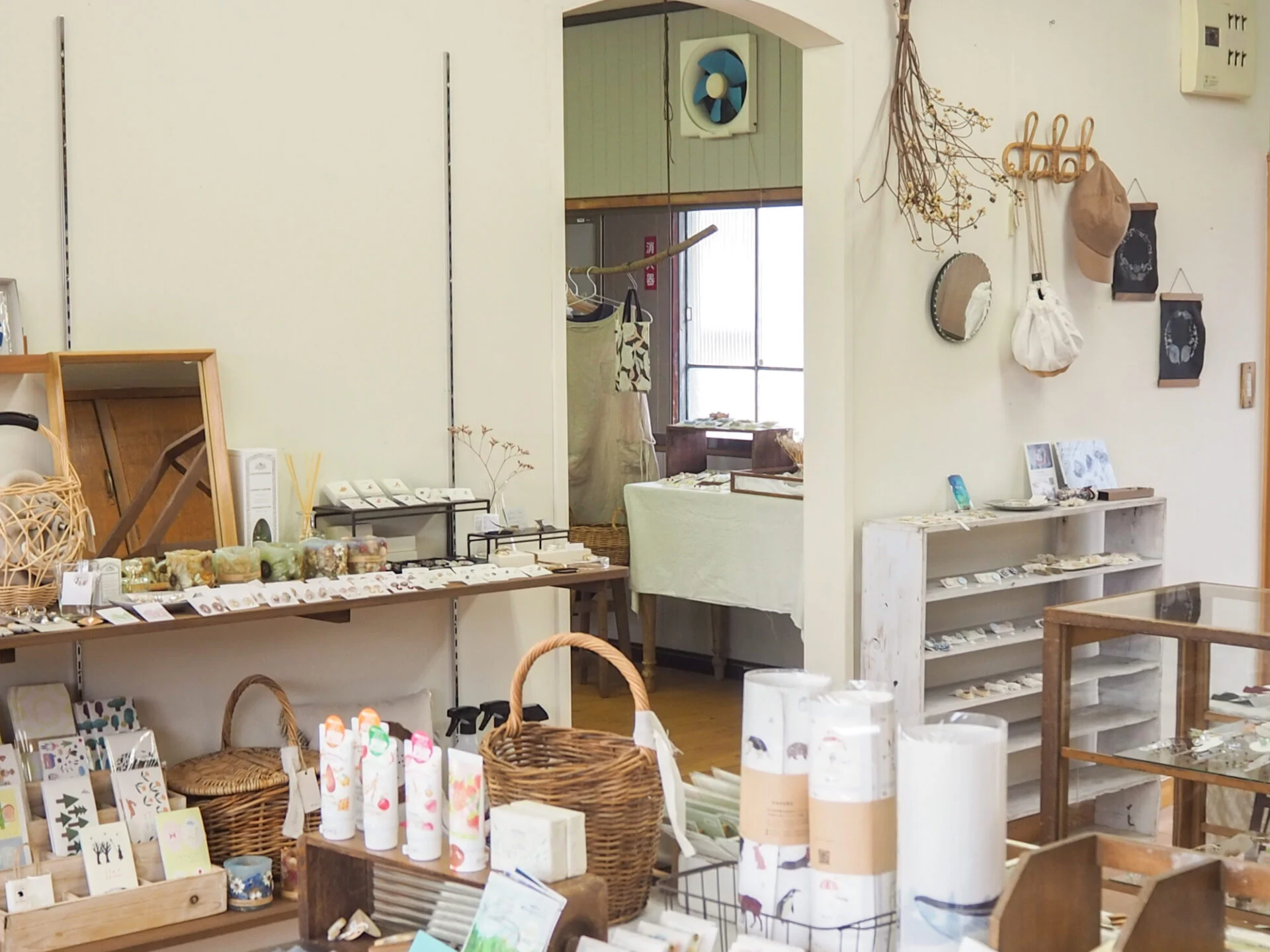
The first floor has a shop stocked with ITONAMI products. You can try them on, and purchase anything you like.
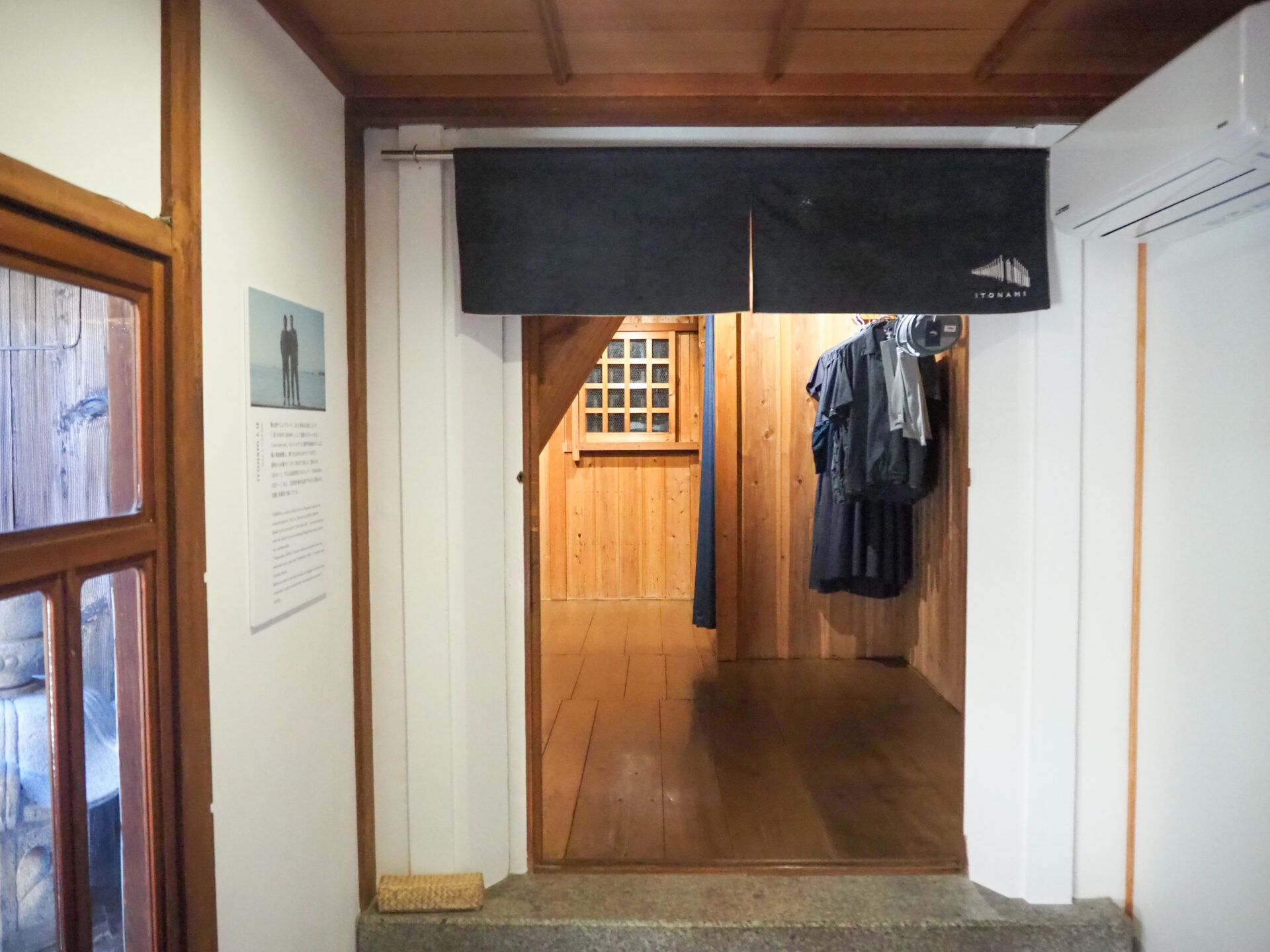
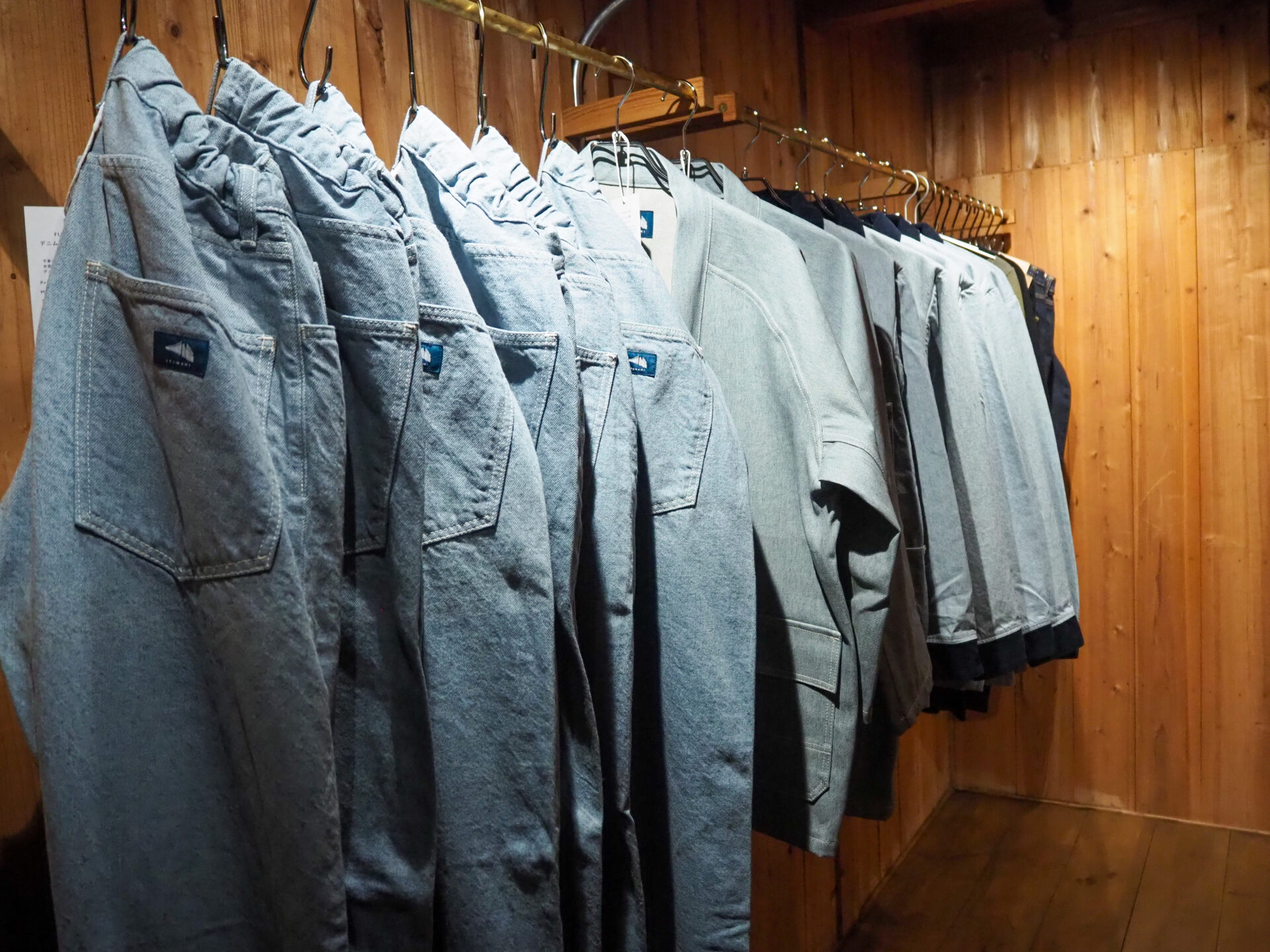
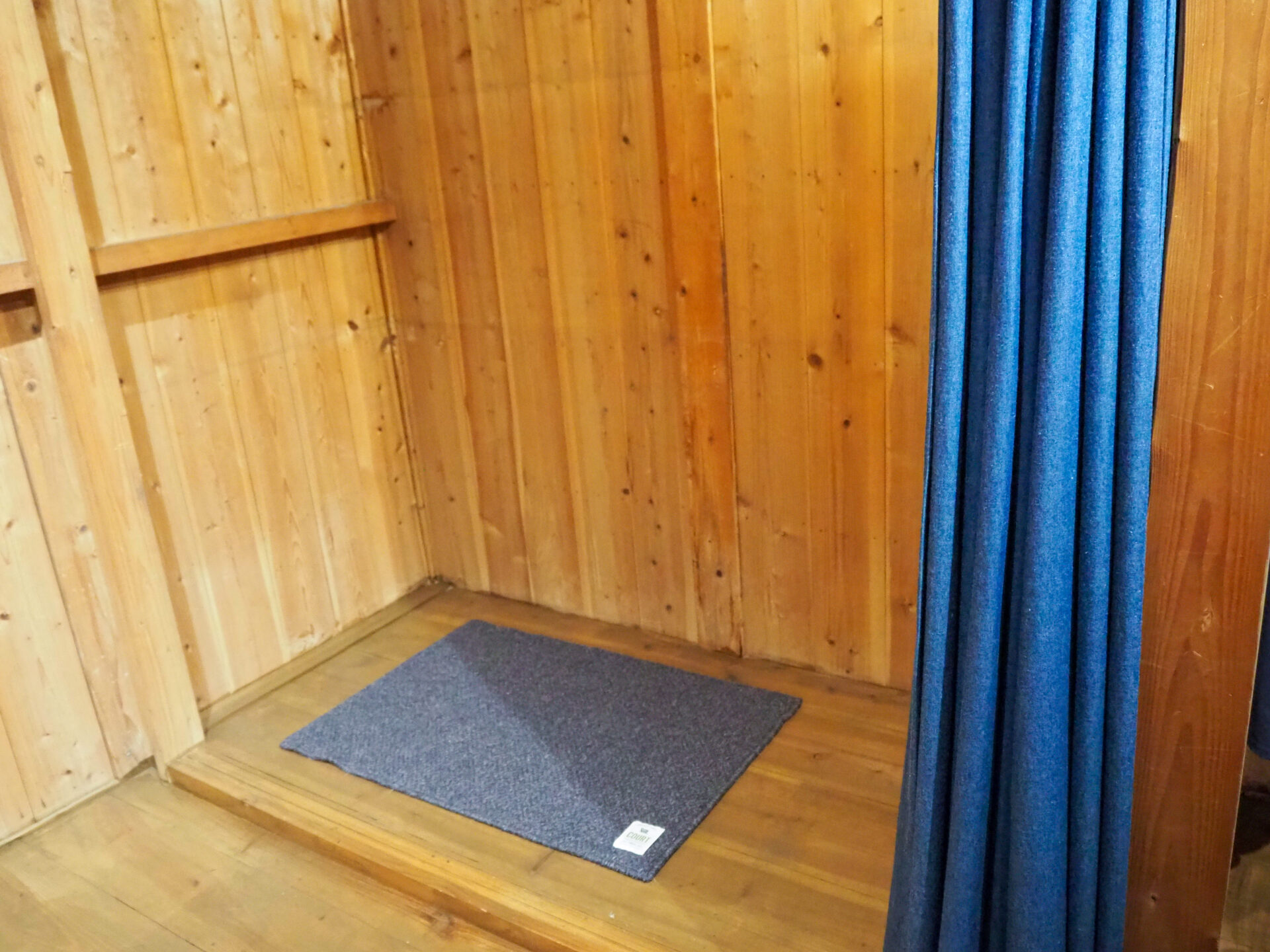
The second floor has a gallery space where you can learn about ITONAMI’s journey so far.
The exhibits introduce ITONAMI’s projects, as well as its history.
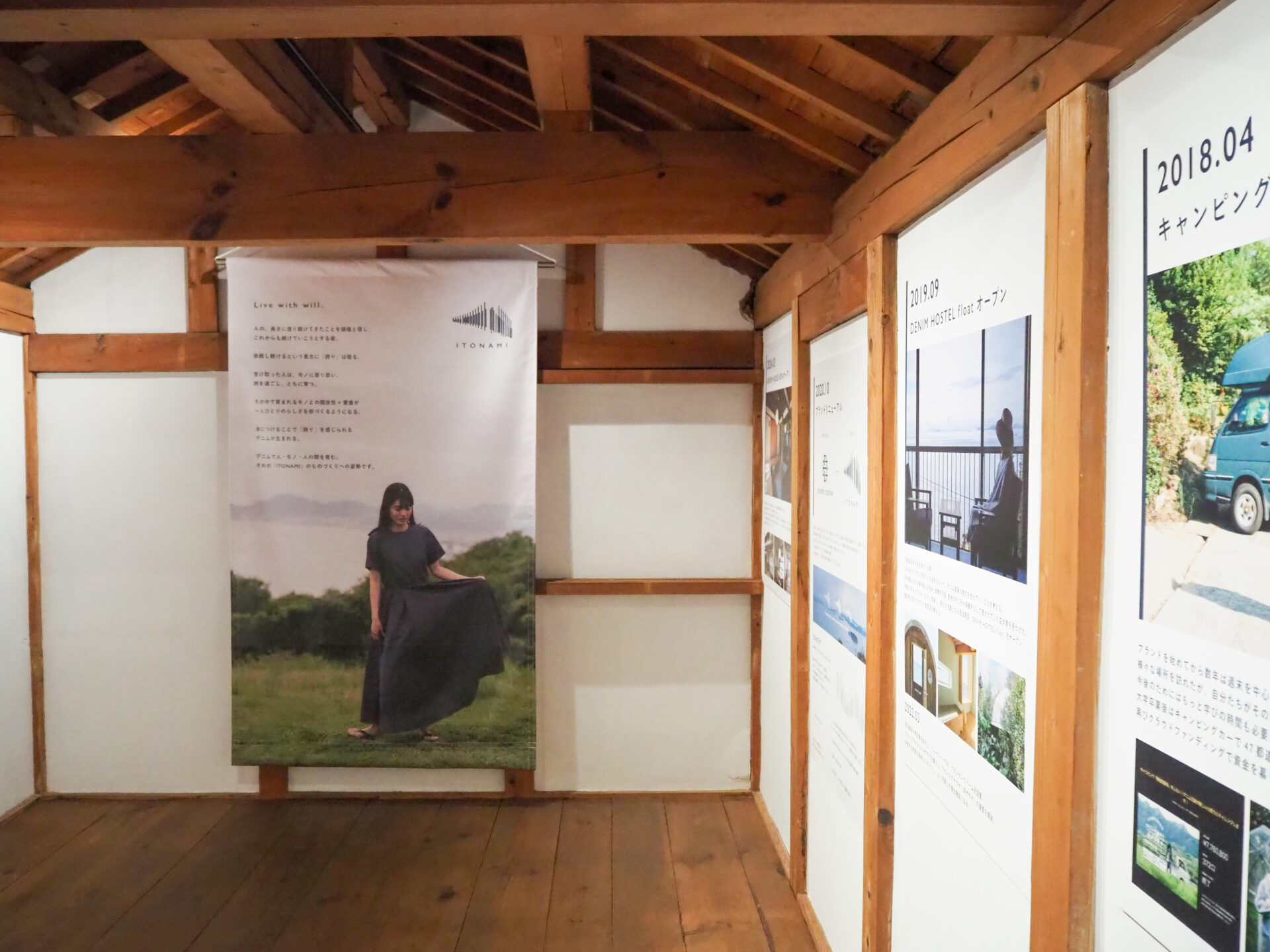
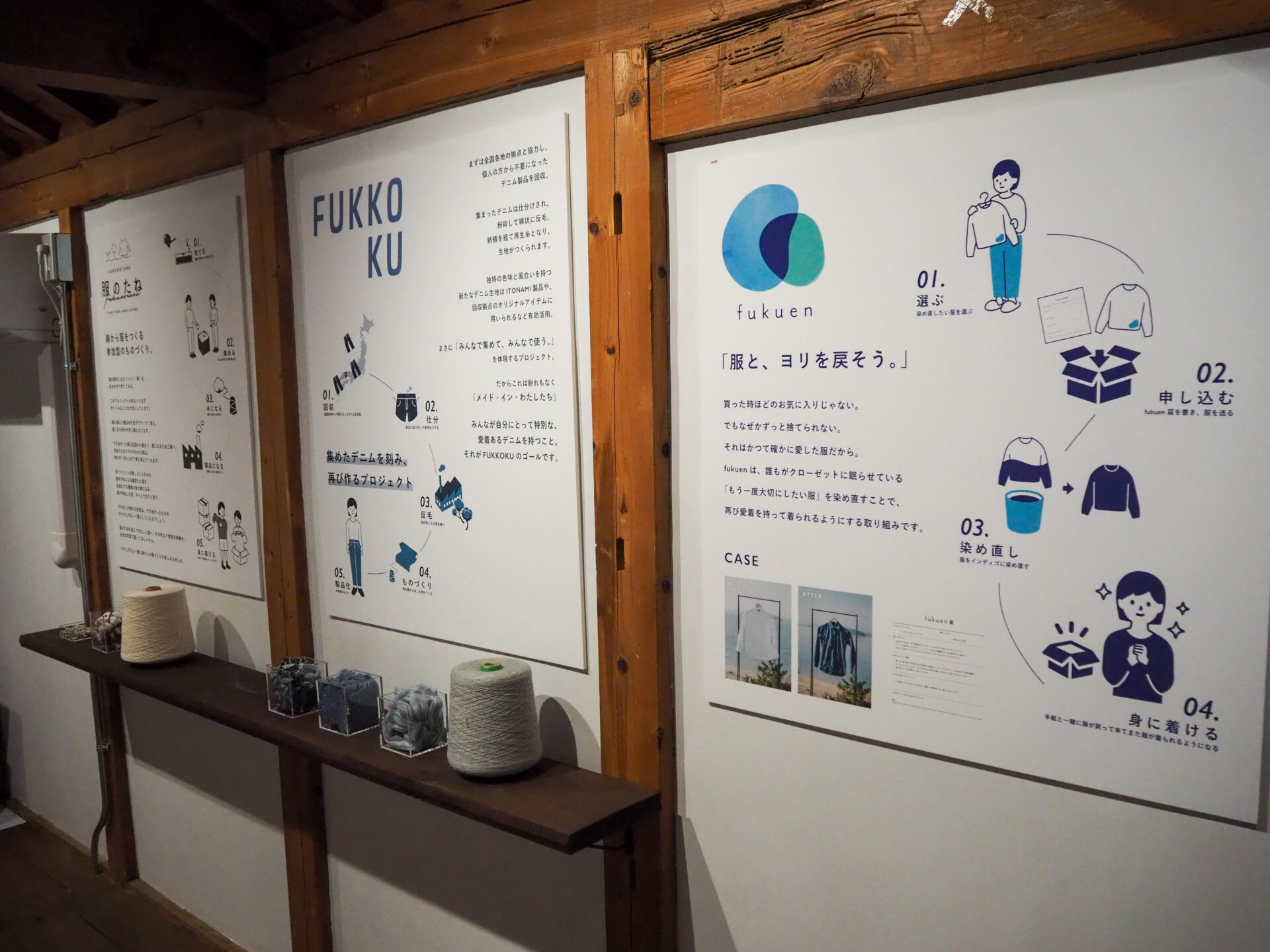
ITONAMI runs an apparel brand and an inn, placing great importance on meeting and building connections with producers.
Learning what inspires these activities will make you appreciate each of ITONAMI’s services even more. BON is not only a place to stay, but also a gallery and shop.
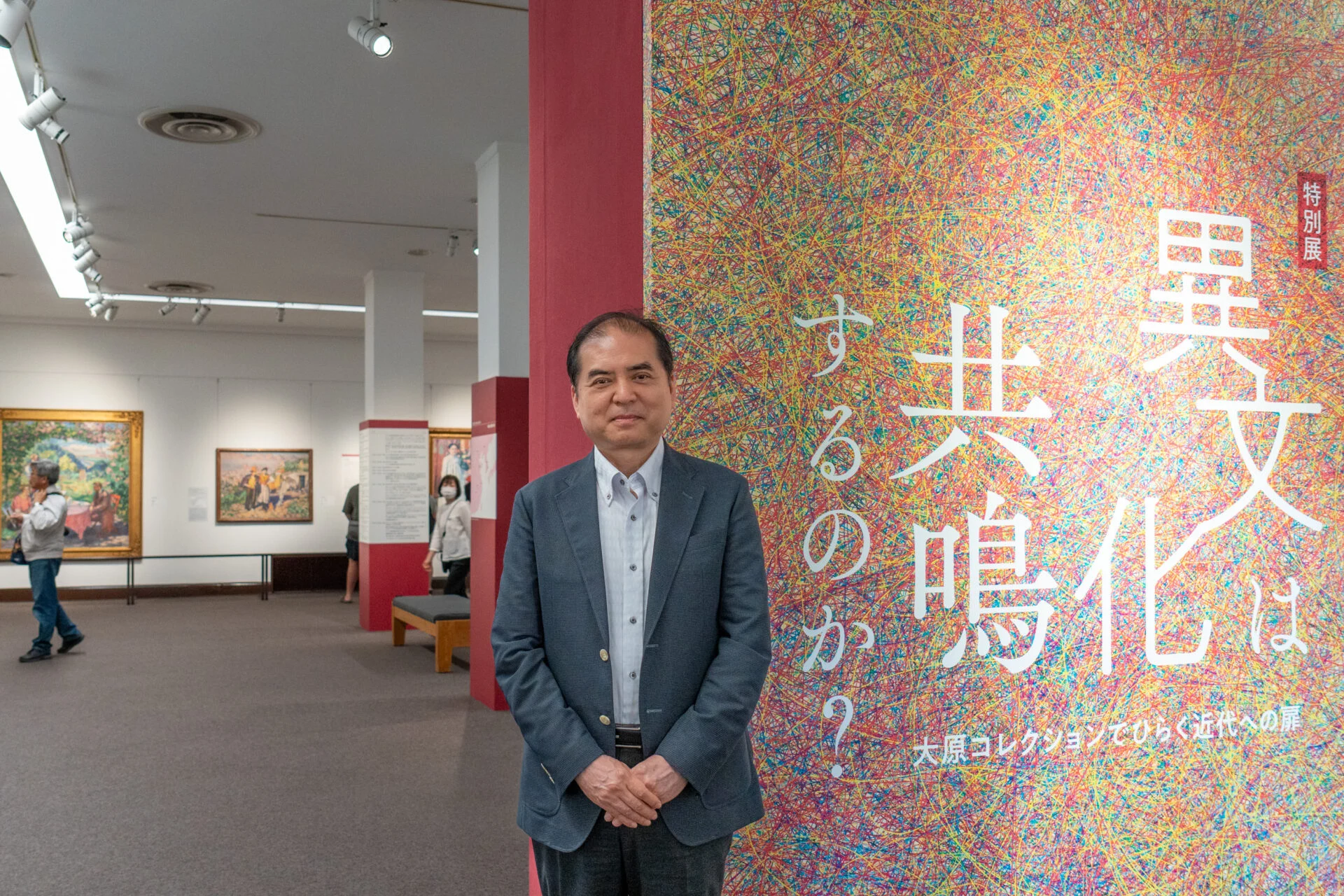
We spoke with Yamawaki Yohei, co-director of ITONAMI, about what inspired the opening and what left an impression on him while creating BON.
DENIM HOUSE BON Information

| Name | DENIM HOUSE BON |
|---|---|
| Address | 4-7-63 Kojima Ogawa, Kurashiki City |
| Contact | 086-477-7620 |
| Check-in | 4:00–6:00 p.m. |
| Check-out | 10:00 a.m. |
| Payment methods |
|
| Facility information | Number of rooms: 2 (accommodates 1–6 guests) EN: maximum 2 guests YO: maximum 4 guests From ¥20,000 per person per night (dinner and breakfast included) |
| Bath | Available (with bathtub) |
| Wi-Fi | Available |
| Parking | Available 2 spaces |
| Website | DENIM HOUSE BON |


What would you like to know about Kurashiki?
Enter a word to search articles on this site