
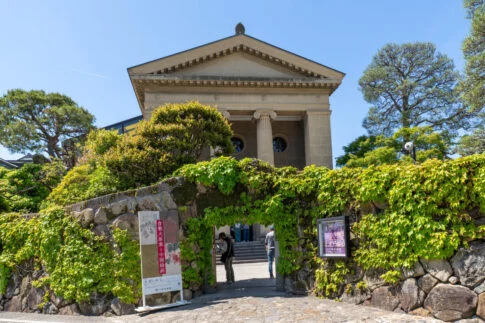
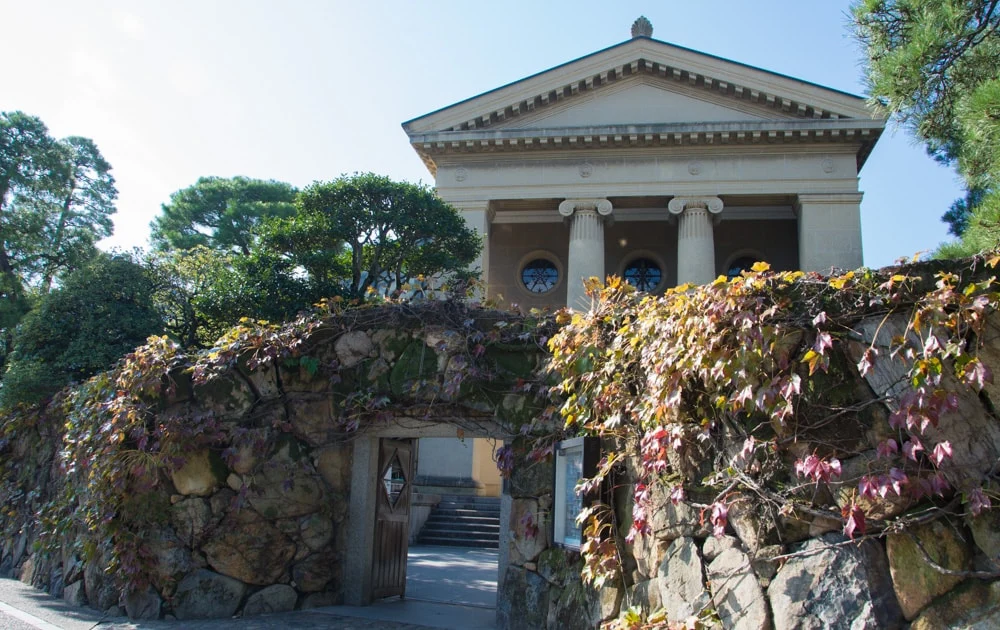
Located in the Bikan Historical Area, the Ohara Museum of Art can be said to represent Kurashiki.
With a wide range of works including Western modern art and contemporary art from Japan and abroad, it is popular not only among local residents but also among tourists.
If the permanent exhibition is “the usual Ohara Museum of Art,” then the exhibition that radiates a different charm is the special exhibition "Do Different Cultures Resonate? Opening the Door to Modernity with the Ohara Collection", which will be held from April 23, 2024 (Tuesday) to September 23, 2024 (Monday, public holiday).
What kind of exhibition is the Ohara Museum of Art that is different from usual?
We will report on the opening ceremony and preview that were held prior to the public opening.
What is the Ohara Museum of Art?
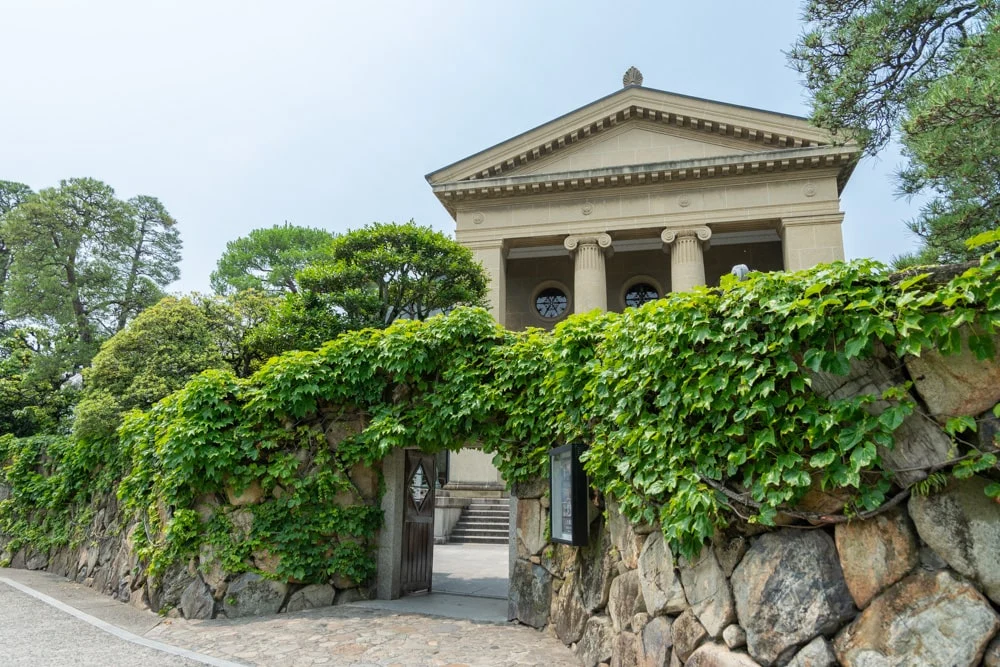
The Ohara Museum of Art was established in 1930 as the first private museum in Japan focused on Western art.
It is divided into the main building, branch (currently closed), and Crafts and Eastern Art Museum, with approximately 3,000 items in its collection.
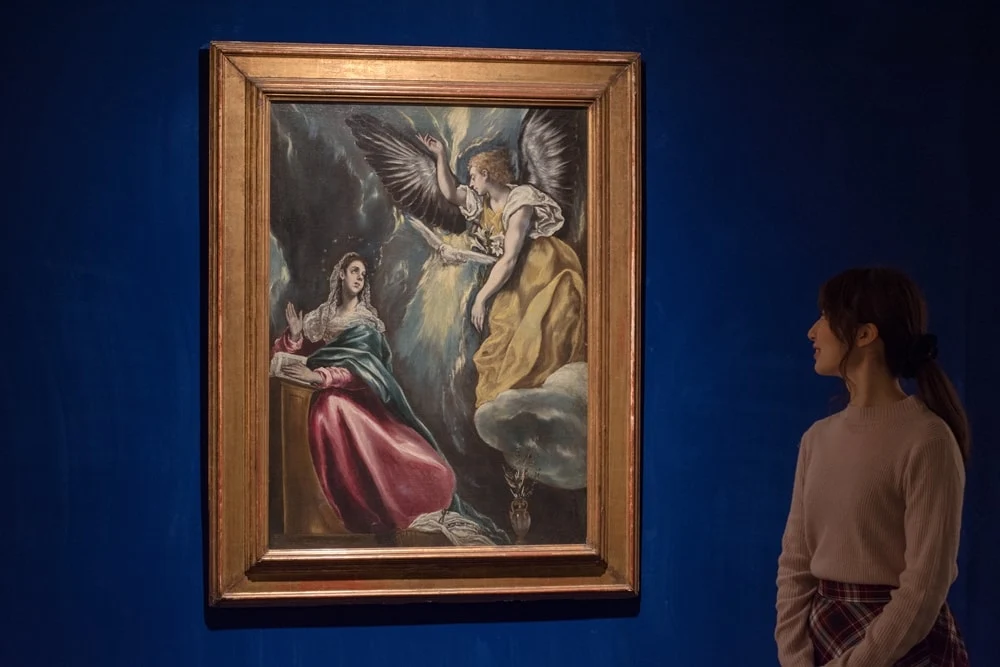
The museum has a wide-ranging collection that includes Western art works such as El Greco's "Annunciation" and Claude Monet's "Water Lilies," as well as modern Japanese works and pieces by artists involved in the Mingei movement.
Although the Ohara Museum of Art has a long history, in April 2024, the foundation name was changed to Ohara Art Foundation (hereinafter referred to as "Ohara Art Foundation"). It is starting anew as a foundation that operates not only the Ohara Museum of Art but also the Kurashiki Archaeological Museum.
At the same time, a new Ohara Art Research Institute was established. It has been announced that researchers from various fields will gather, interact, challenge, and create in a space themed around "art."
The special exhibition "Do Different Cultures Resonate? Opening the Door to Modernity with the Ohara Collection" is being held to commemorate the beginning of a new history for the Ohara Museum of Art.
What is the special exhibition "Do Different Cultures Resonate? Opening the Door to Modernity with the Ohara Collection"?
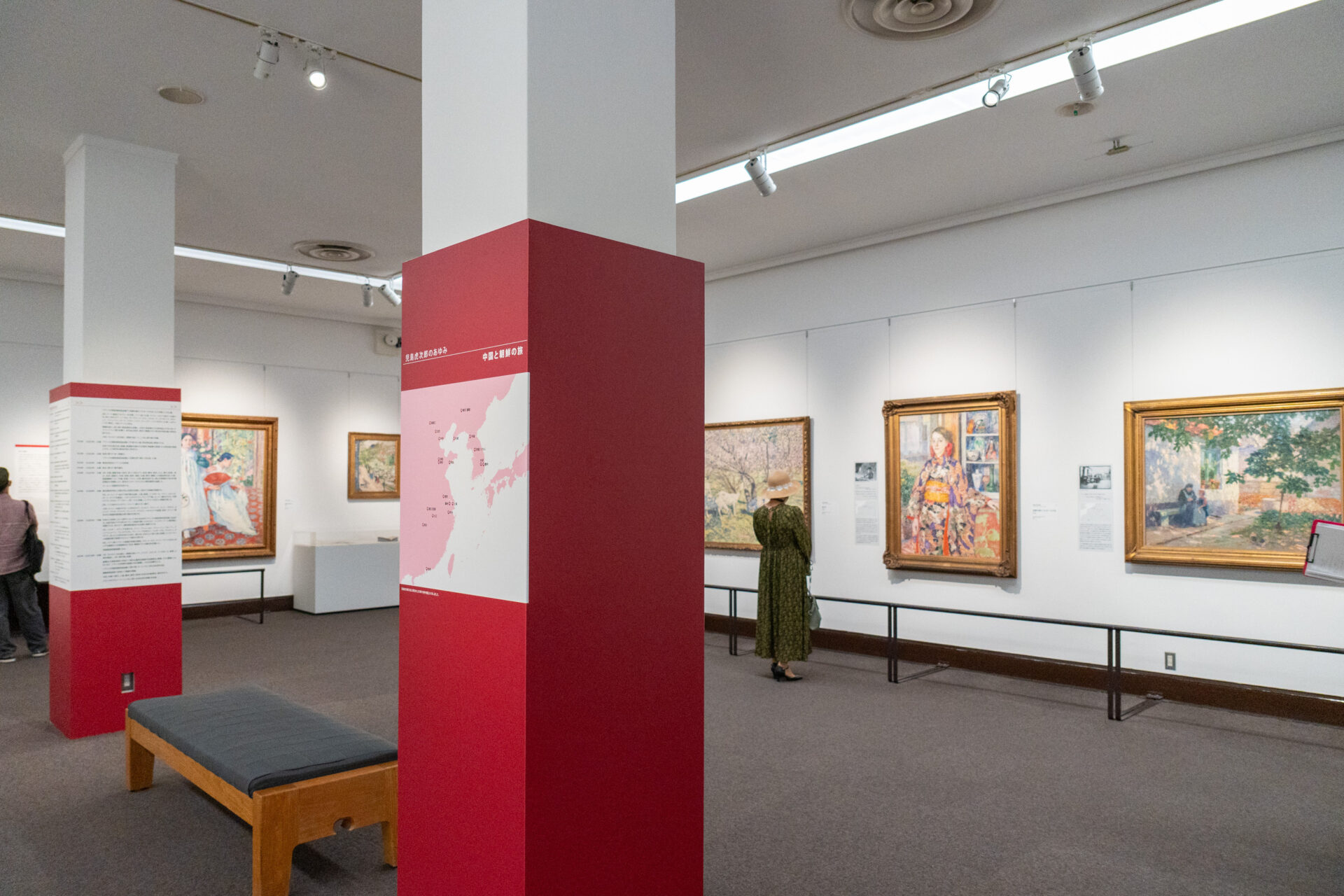
The special exhibition "Do Different Cultures Resonate? Opening the Door to Modernity with the Ohara Collection" (hereinafter referred to as "the special exhibition") is an exhibition that utilizes the rich history and collection of the Ohara Museum of Art to enjoy modern art and the charm of the Ohara Museum of Art from a new perspective.
| Venue | Ohara Museum of Art, Main Building |
|---|---|
| Exhibition Period | April 23, 2024 (Tuesday) - September 23, 2024 (Monday, public holiday) |
| Opening Hours | 9:00 AM - 5:00 PM (last admission at 4:30 PM) |
| Admission Fee | Admission to the Ohara Museum of Art (common for the main building and Crafts and Eastern Art Museum) General: 2,000 yen High school, middle school, elementary school students (under 18): 500 yen Free for children under elementary school age |
What is significantly different from the usual Ohara Museum of Art, which focuses on the permanent exhibition, is that it highlights modern art, which can be considered the core of the collection, and is divided into four chapters according to the theme of the special exhibition.
- Chapter 1: Kojima Torajiro, a Cultural Transgressor
- Chapter 2: The Intersection of the West and Japan - Western Art and Modern Japanese Art
- Chapter 3: East-West Exchange - Centered on "Shirakaba" and "Mingei"
- Chapter 4: Resonance between Modern and Contemporary
There are mechanisms in place for viewing works that differ from the permanent exhibition, such as displays along the lines of cultural exchange and exhibitions that arrange works and materials side by side.
Familiar works are displayed in different locations. Even those who have visited the Ohara Museum of Art many times can enjoy the exhibition from a new perspective.
The special exhibition was curated by Miura Atsushi, the director of the Ohara Museum of Art. It seems that the research results of the curators have also been incorporated into the special exhibition.
This exhibition symbolizes the Ohara Museum of Art, which is also standing at a new starting line as a research institution.
The day before the exhibition period began, an opening ceremony and preview were held in conjunction with the special exhibition. We will report on that.
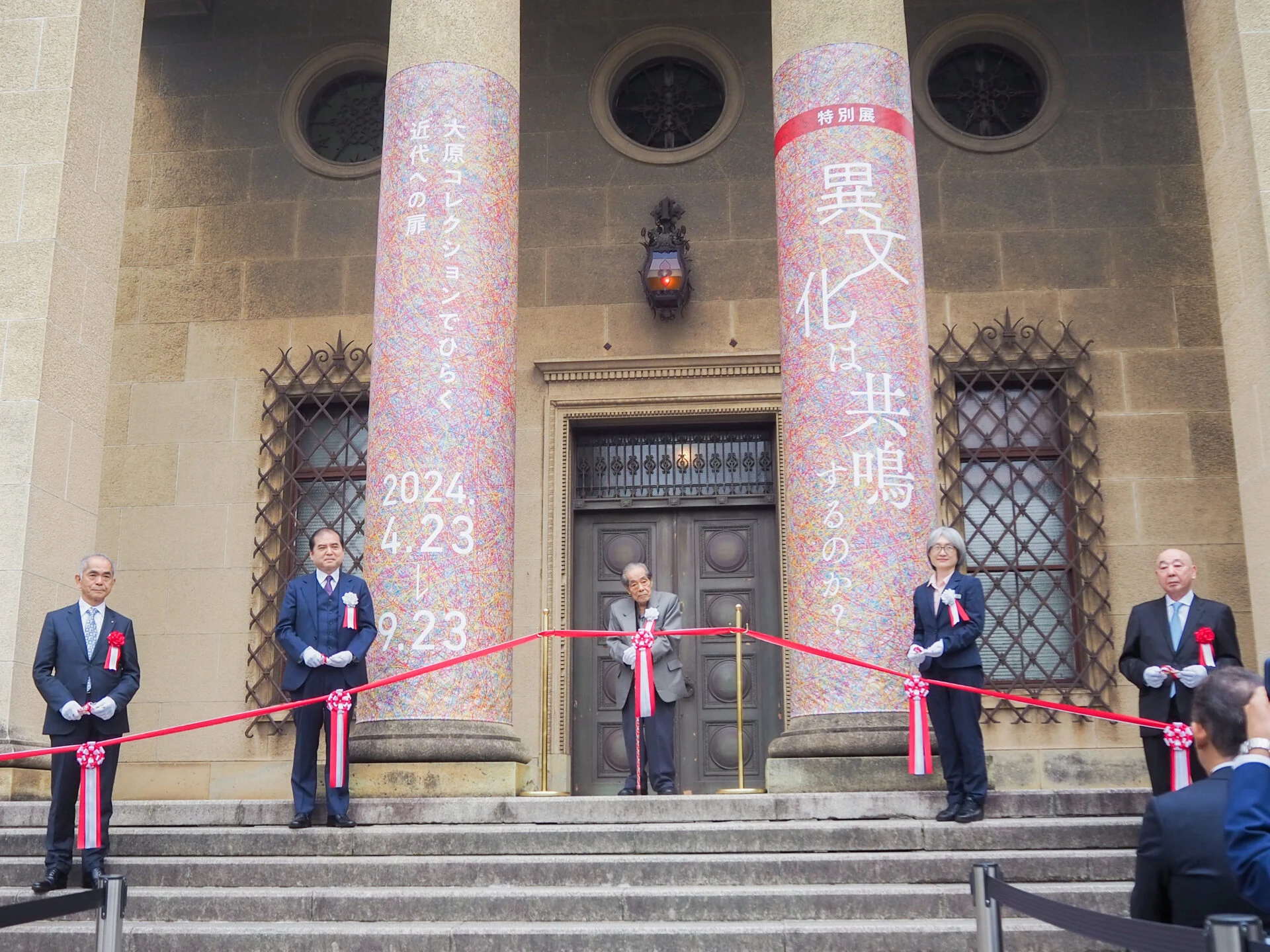
The opening ceremony was splendid with a tape-cutting
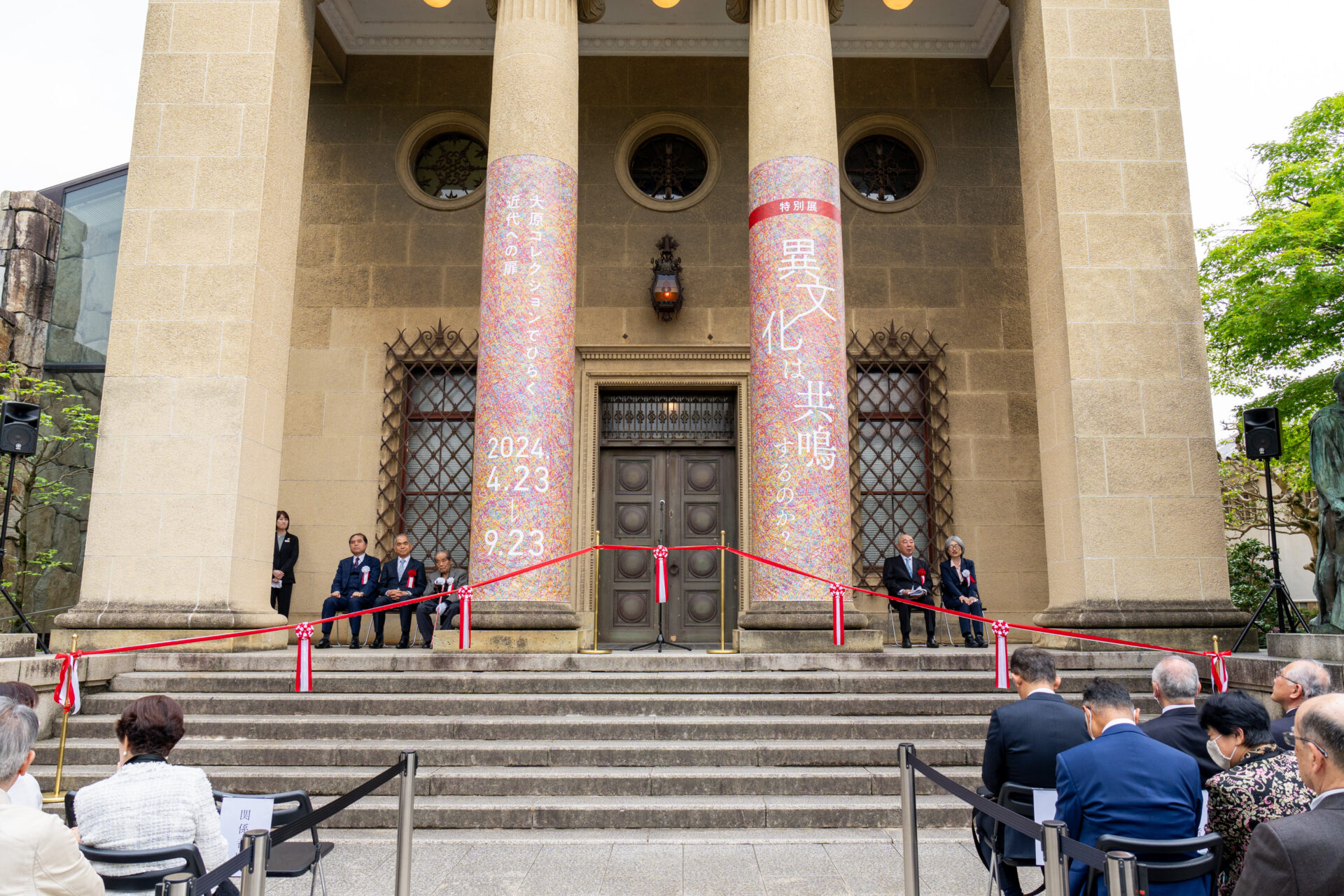
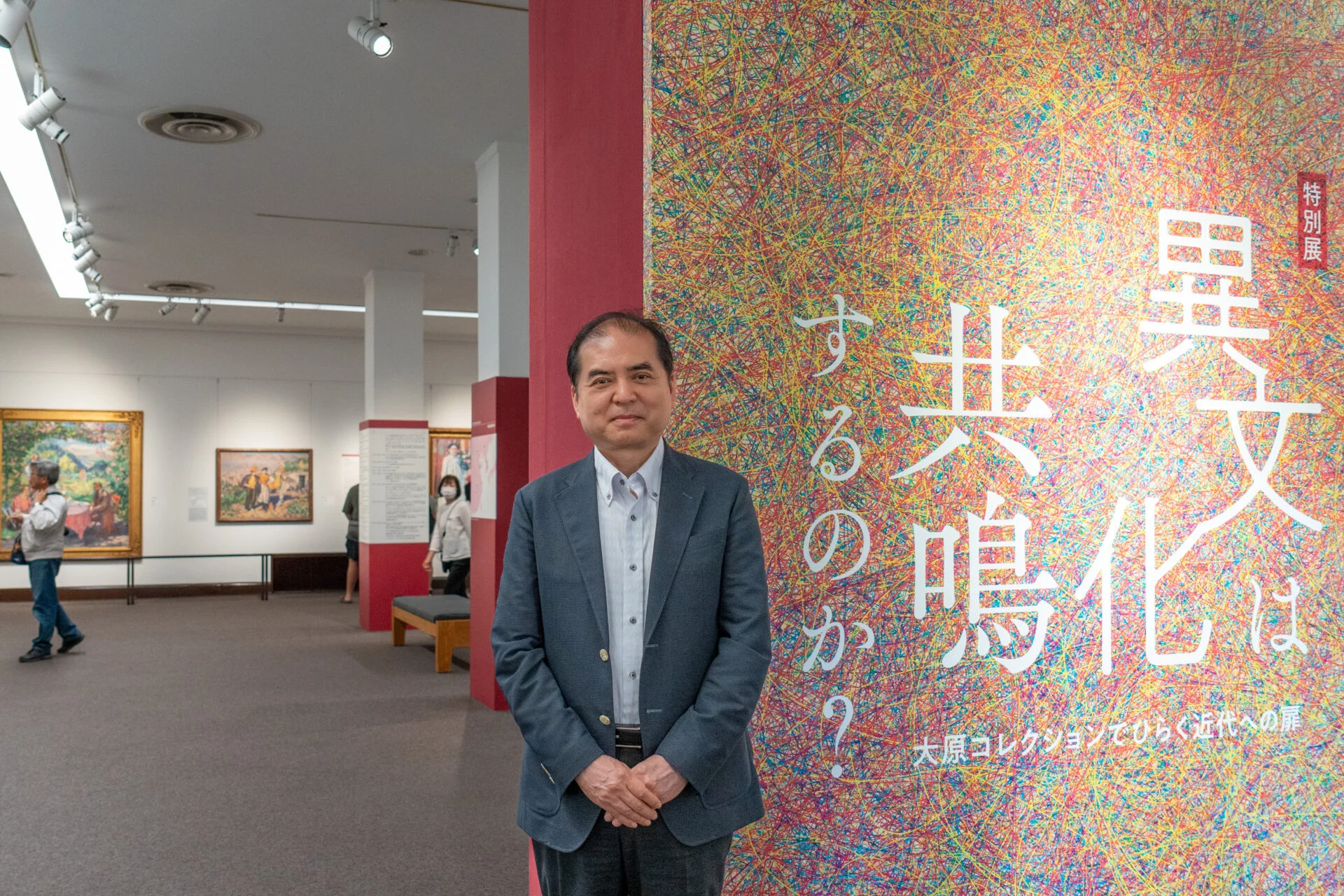
After completing the reception, there was a design on the columns at the front of the Ohara Museum of Art that is usually not there. It is the main visual of the special exhibition, which has also been used in posters and flyers.
With a vivid color scheme based on red and the significant impact of the special exhibition title "Do Different Cultures Resonate?", I felt that a major turning point was coming for the Ohara Museum of Art.
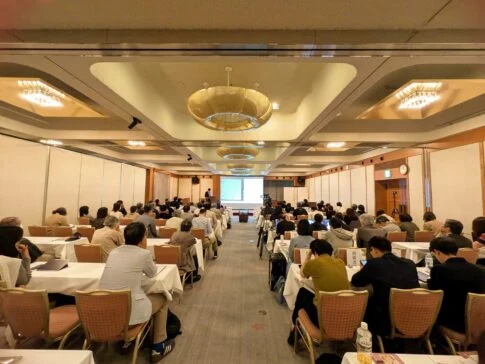
About 150 people gathered that day, including supporters, schools, and media representatives. The expressions of those gathered showed that they were looking forward to this day.
When the opening ceremony began, there was first a greeting from Director Miura.
Greeting from Miura Atsushi, Director of the Ohara Museum of Art
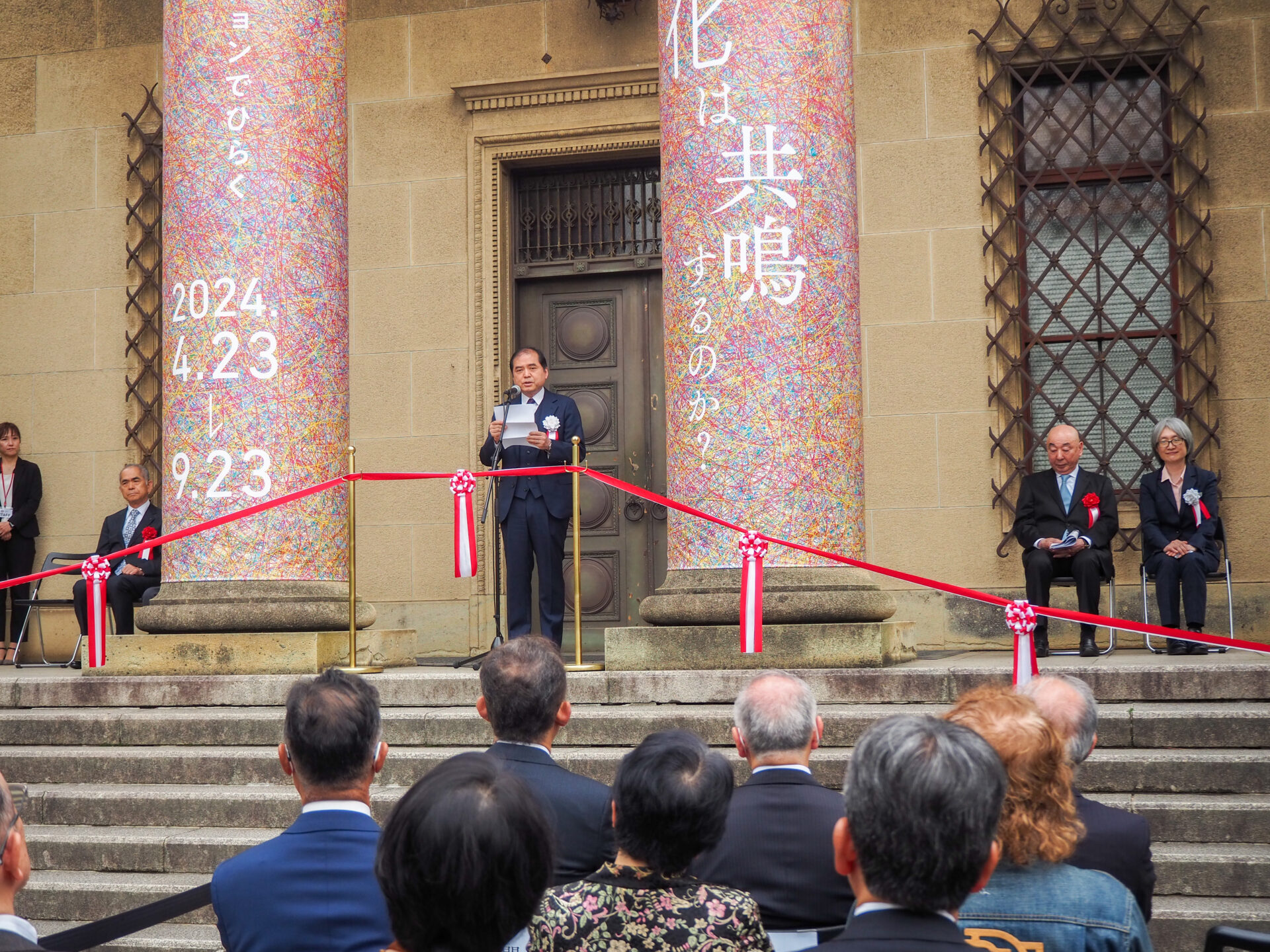
Miura (honorifics omitted)
As you all know, from April 2024, the Ohara Art Research Institute was established, and the Ohara Museum of Art, along with the Kurashiki Archaeological Museum, has begun new activities as a museum belonging to the Art Research Institute.
The project symbolizing the new Ohara Museum of Art's departure is none other than this exhibition "Do Different Cultures Resonate? Opening the Door to Modernity with the Ohara Collection."
For a long time, the Ohara Museum of Art has showcased high-quality and diverse artworks, including Western paintings collected by the artist Kojima Torajiro with the support of Ohara Magosaburo, Kojima's own works, modern Western-style paintings collected during the time of Ohara Soichiro, contemporary art from both the West and Japan, and works by artists associated with the Mingei movement.
We take pride in having played an important role in leading Japan's artistic culture and contributing to the public good.
That role has not yet been lost, but the times and situations surrounding museums continue to change rapidly.
The decision to hold a special exhibition in a completely different format from the usual permanent exhibition is also a first step toward a new era.
This exhibition seeks to trace the essence of modern art, which the Ohara Museum of Art has a rich collection of, by determining that it lies in the exchange of different cultures and through a reshuffled display.
We are currently facing a reality where only the clashes of different cultures are noticeable, but we hope you will fully enjoy how modern art and culture resonated with each other.
Tape-cutting ceremony
From Director Miura's words, I felt a strong desire to "reassess the existence of the Ohara Museum of Art and the value of the many collections it holds."
After that, greetings from co-hosts and guests followed, and the tape-cutting ceremony was held.
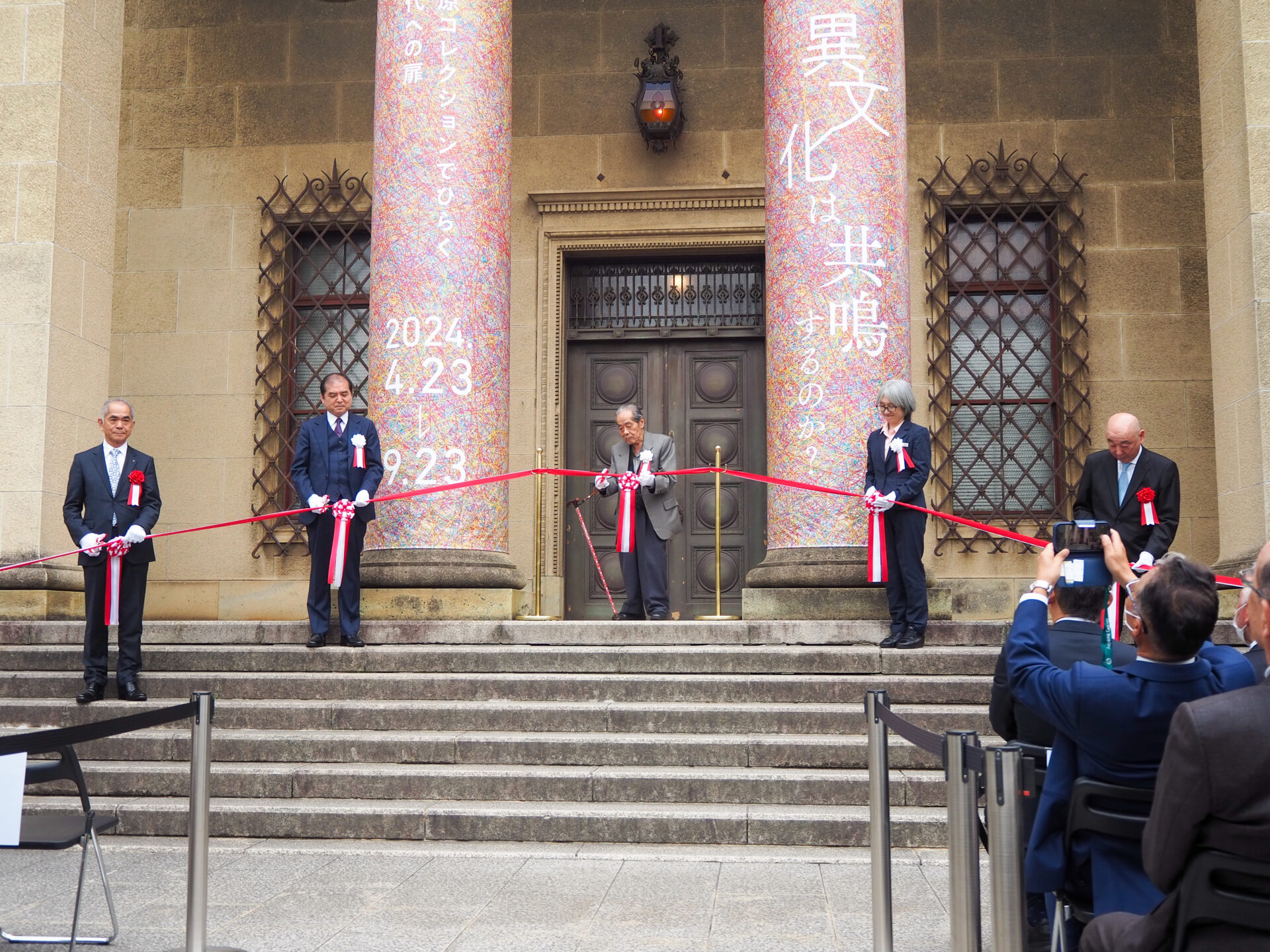
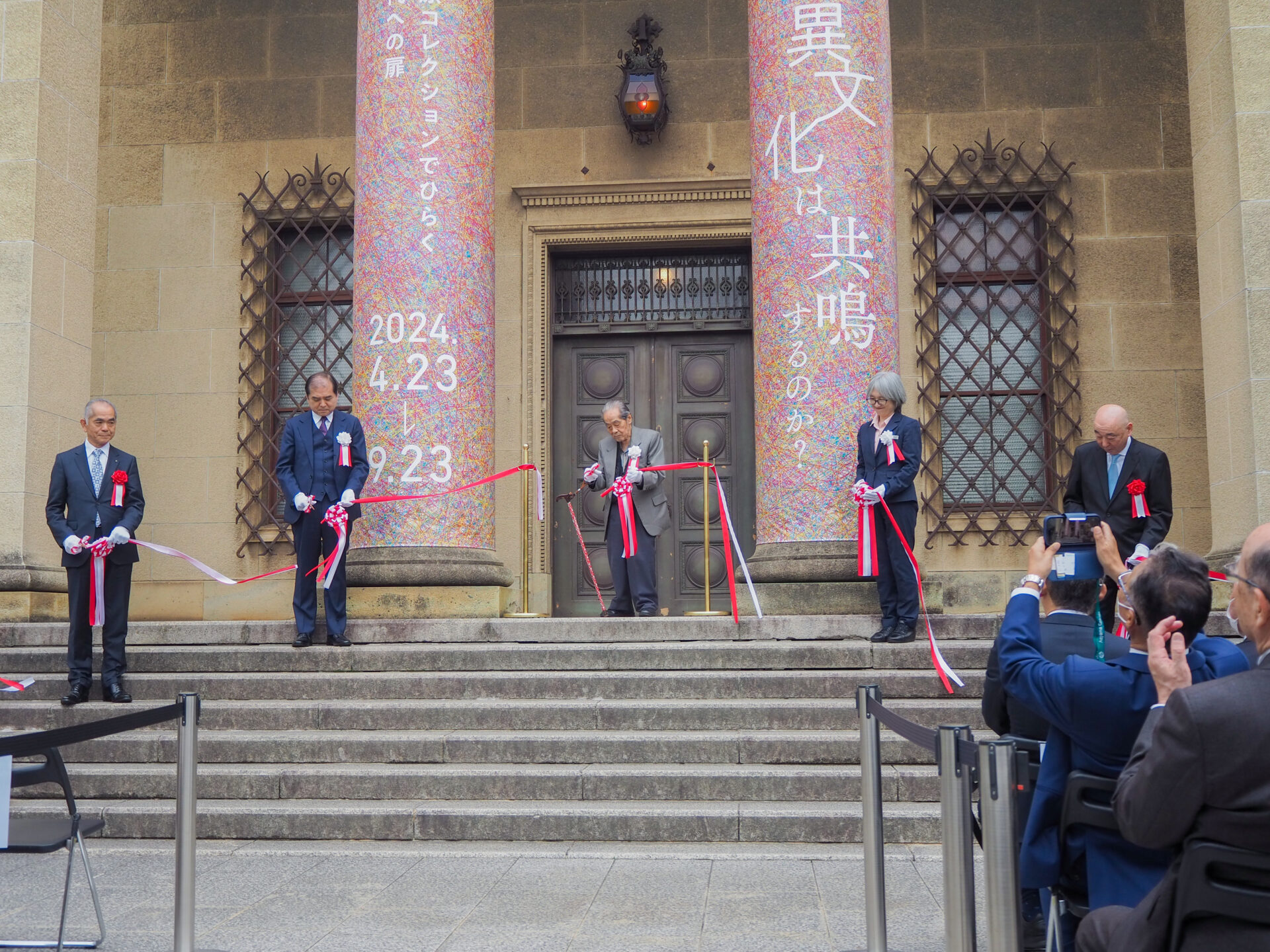
At the tape-cutting ceremony, the presence of Takashina Shuji, director of the Ohara Art Research Institute, and Ohara Akane, representative director of the Ohara Art Foundation, was also noted.
With splendid music and loud applause, the curtain was raised for the special exhibition.
New perspectives on the Ohara Collection revealed at the preview
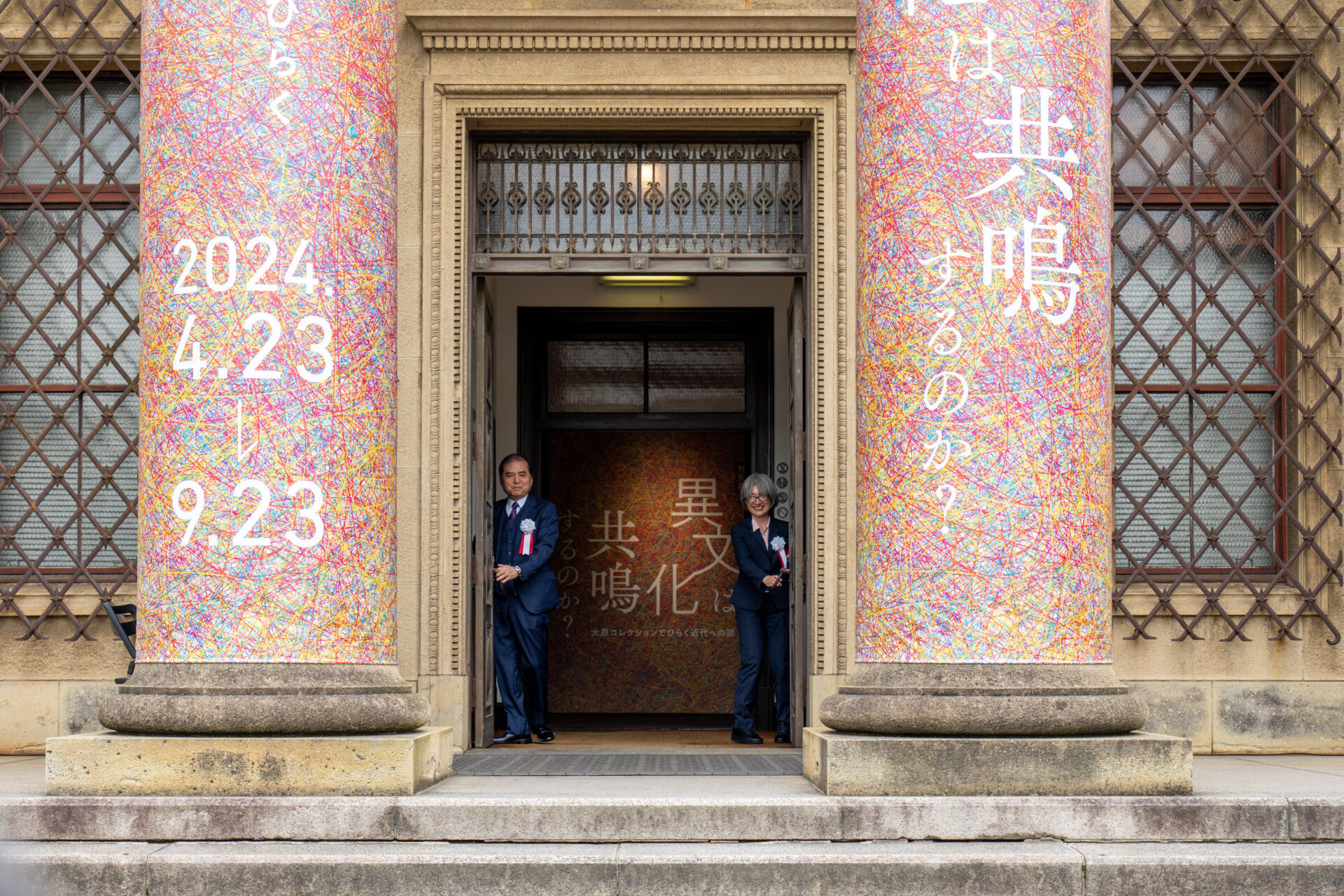
After the opening ceremony, Director Miura and the representative director of Ohara opened the front door. At the signal from the host, the door opened, and the preview began. The main visual of the special exhibition was once again eye-catching on the column at the entrance.
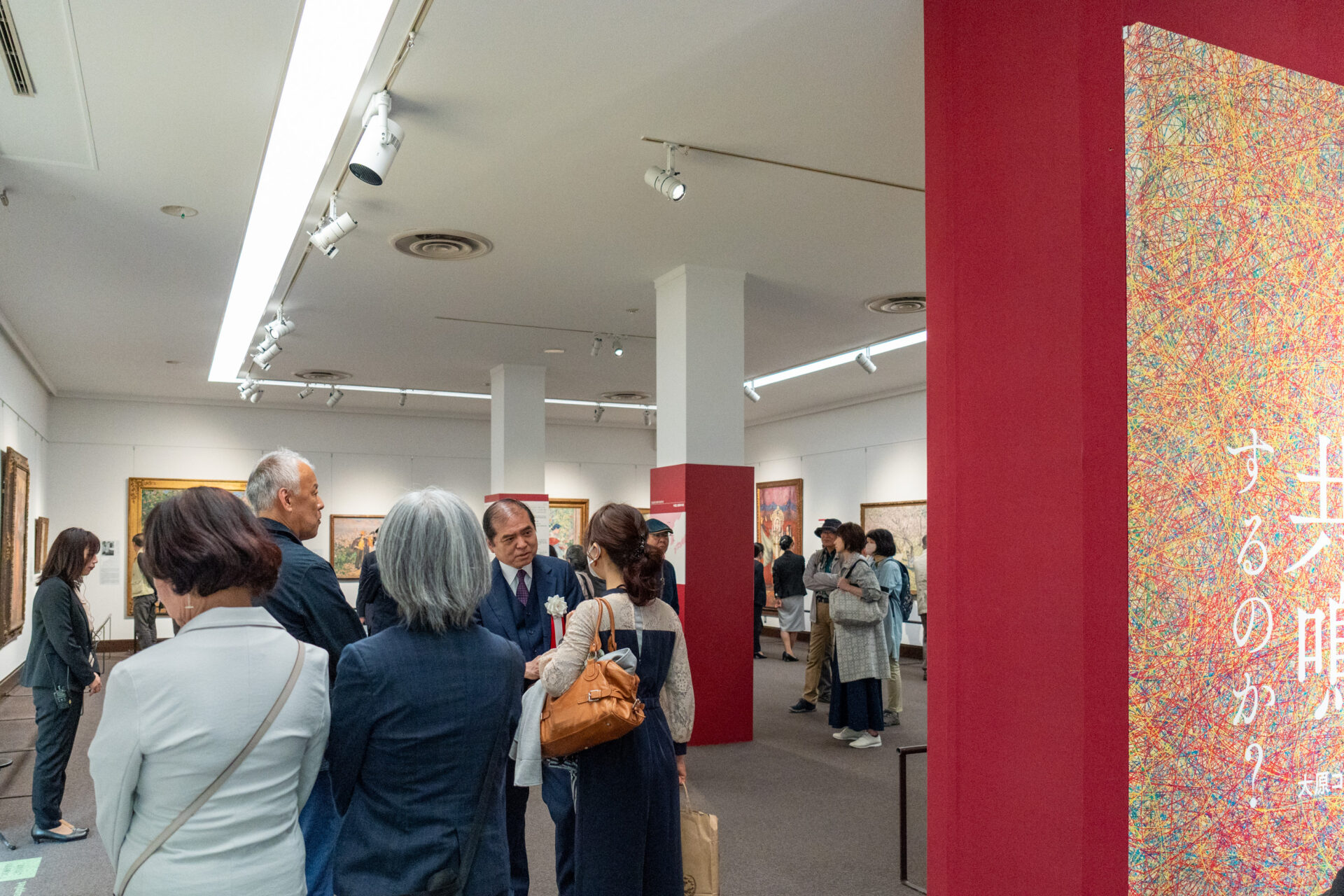
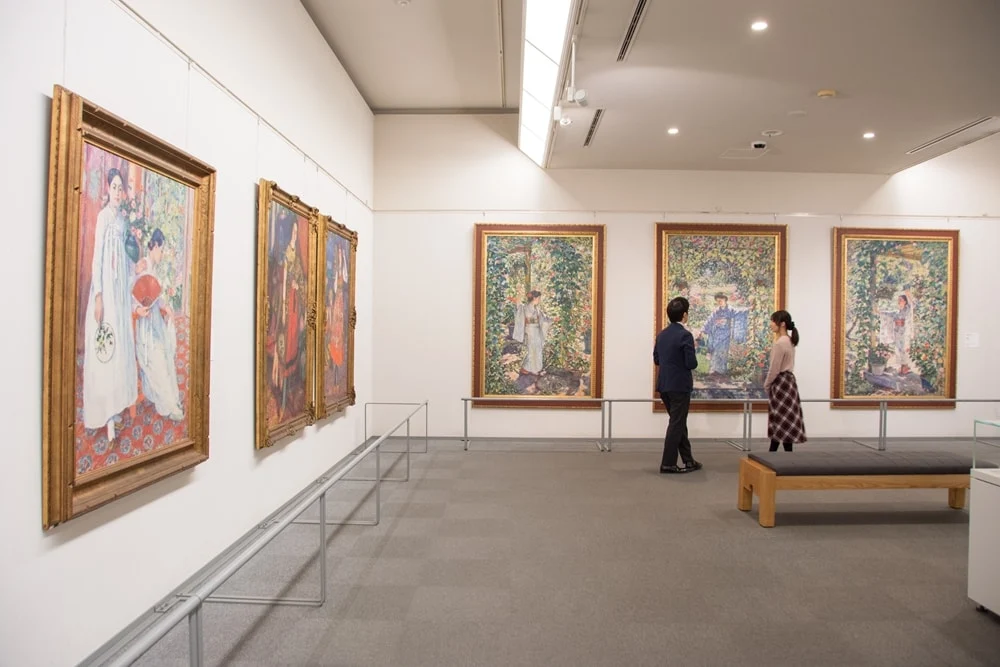
By the way, in the permanent exhibition, there is a work by Kojima Torajiro titled "Belgian Girl in Kimono." Even before entering the museum, I felt a significant difference from the permanent exhibition, and my excitement grew.
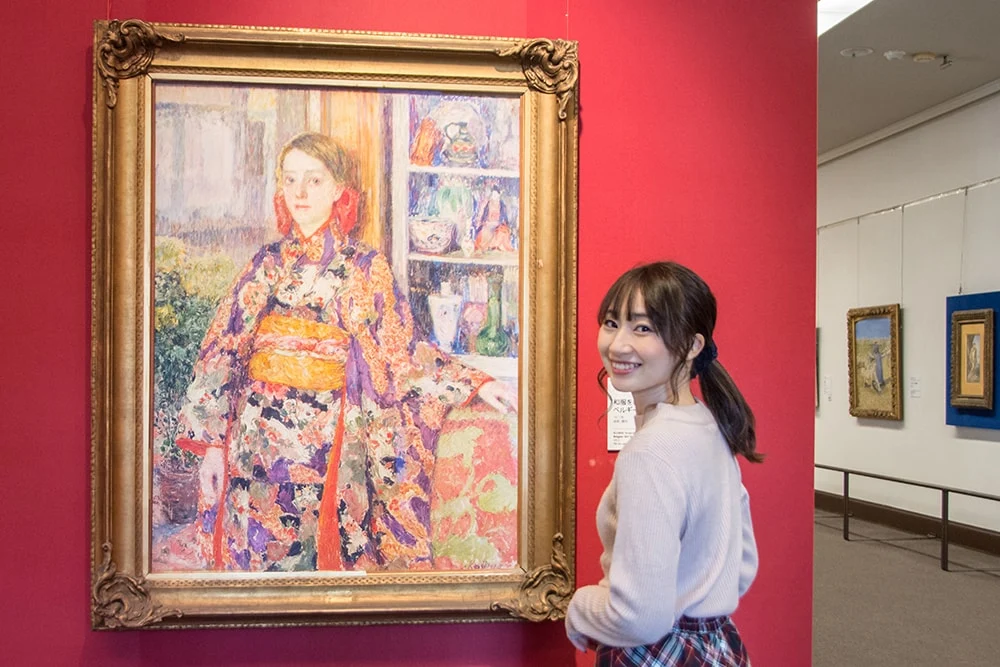
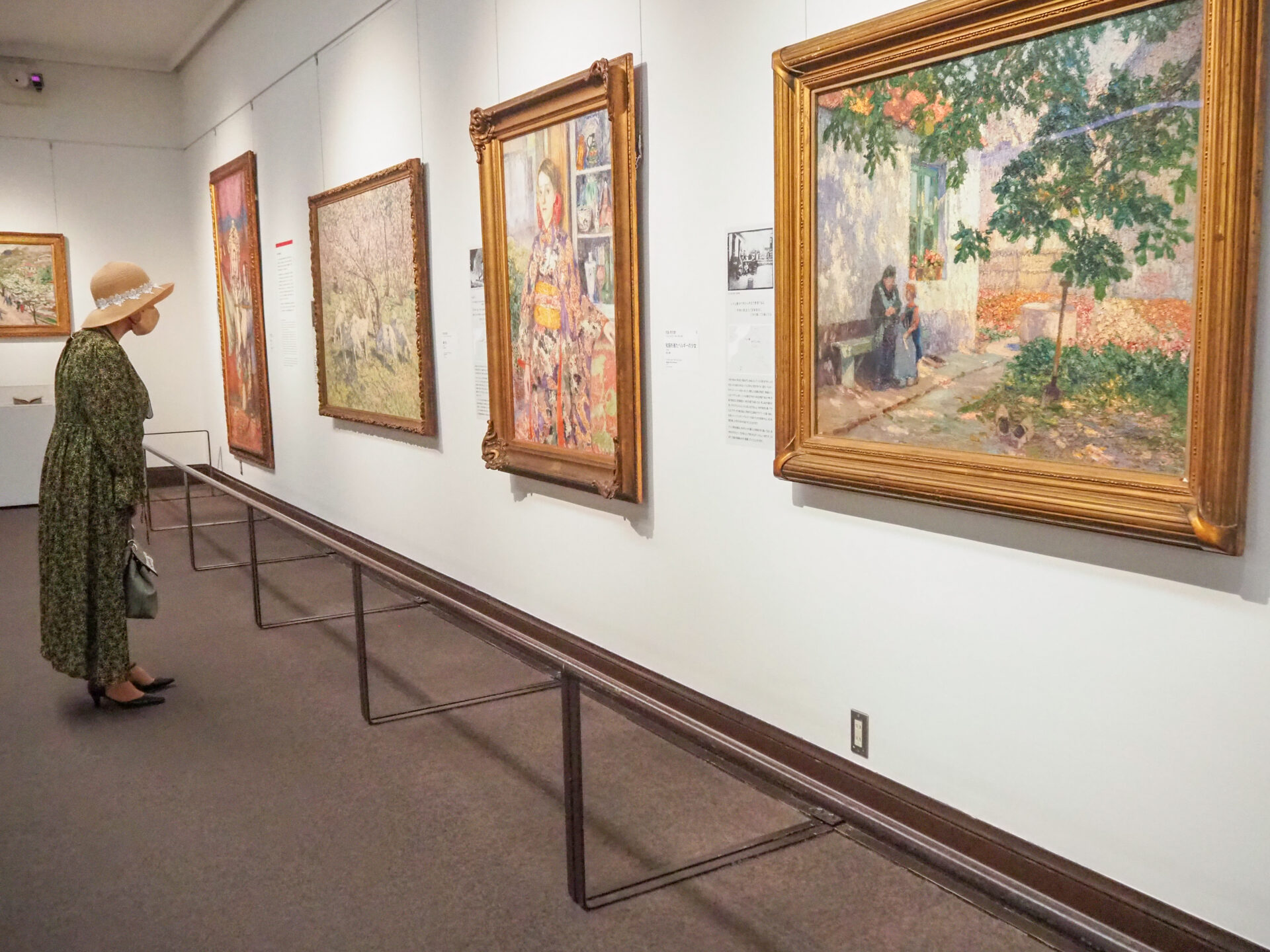
Upon entering the museum, I was astonished by the difference in atmosphere compared to the usual Ohara Museum of Art. Not only I, but many visitors were looking around the entire room. On this day, many people who had visited the Ohara Museum of Art multiple times seemed to find the special exhibition itself refreshing.
Changing the display location significantly alters the overall atmosphere of the museum. I felt the magnitude of each piece in the Ohara Collection.
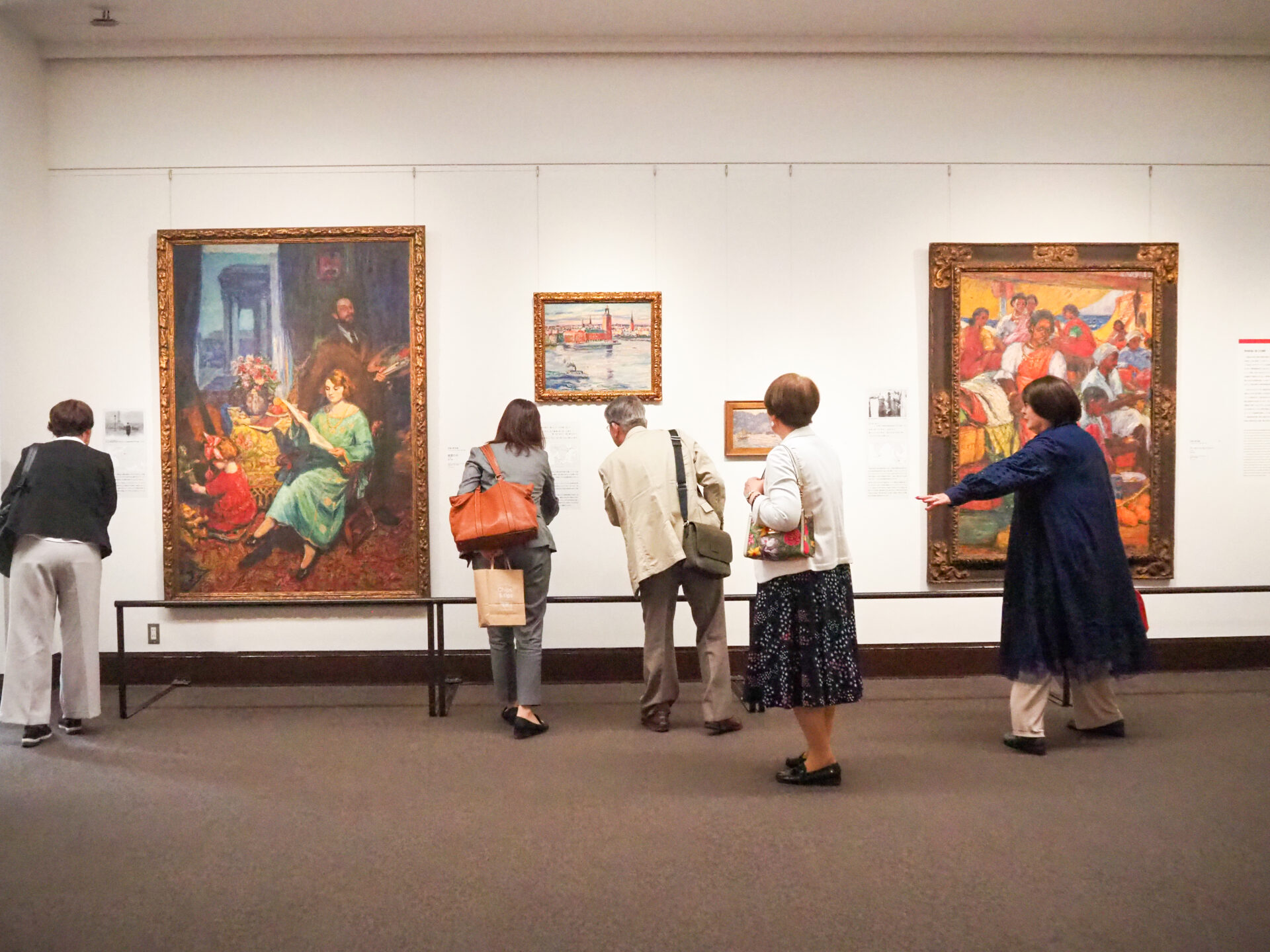
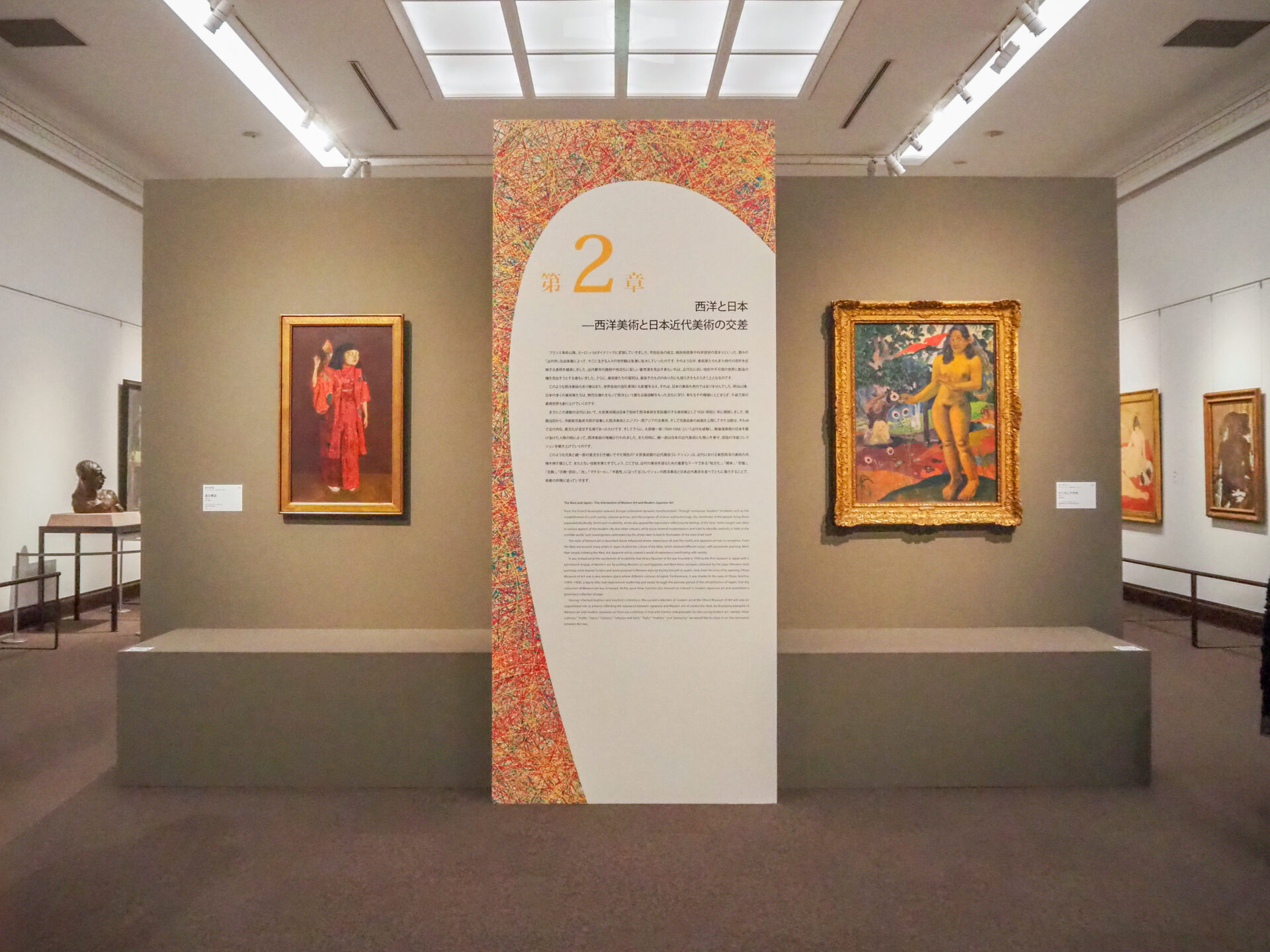
Another impressive aspect was the abundance of explanatory texts about the themes and works. Most pieces had descriptions next to them, giving a sense of rich information.
Even first-time visitors to the Ohara Museum of Art will be able to appreciate the works while understanding their context.
Furthermore, as you read through the explanatory texts, you can gain hints for considering the title of the special exhibition, “Do Different Cultures Resonate?”.
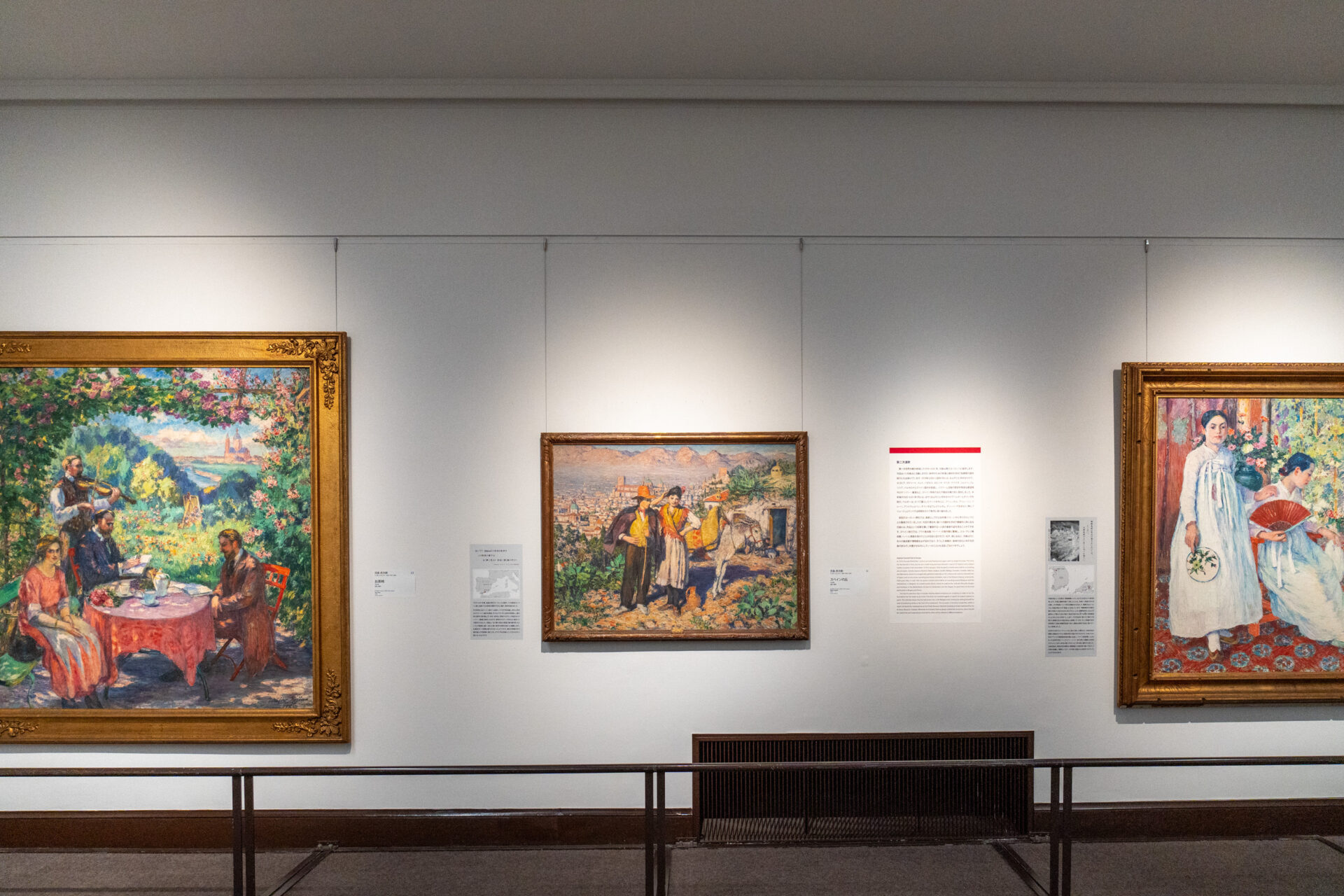
By understanding the historical background and characteristics of the works, which are not easily discernible just by looking at them, you can compare them with other works that share similar characteristics. The question “Do Different Cultures Resonate?” can be interpreted in your own way by comparing and appreciating the works. Various tools outside of the works guide you to appreciate them from different perspectives.
I felt that this exhibition offers a new perspective for both those encountering the Ohara Collection for the first time and those who wish to experience it from a different angle.
Conclusion
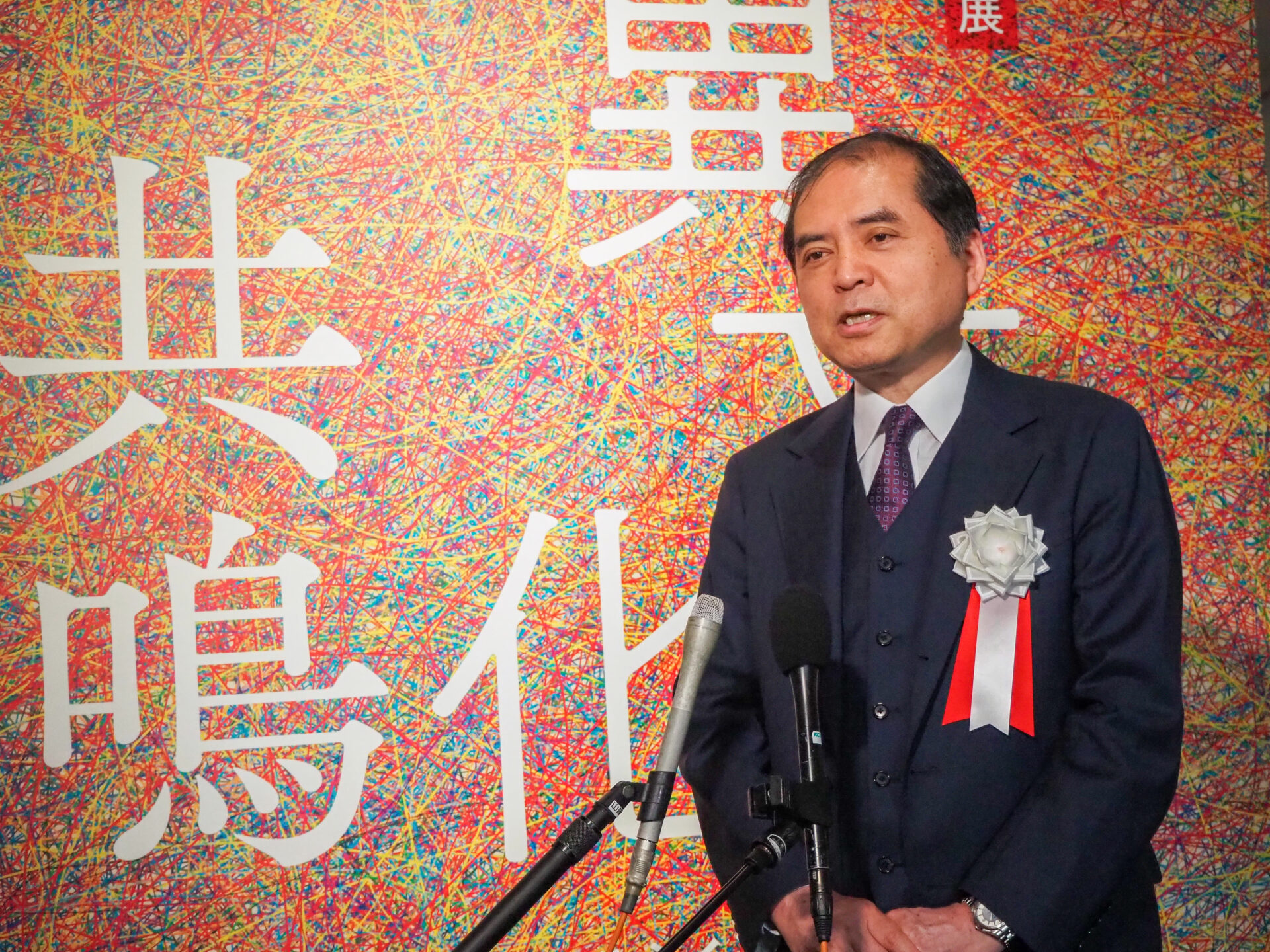
After the opening ceremony, Director Miura spoke to the press about the highlights of the exhibition.
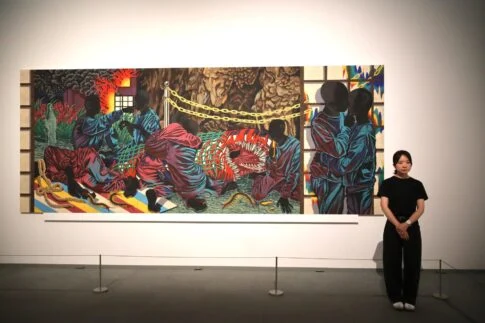
I have visited the Ohara Museum of Art many times because I love it, but I think the special exhibition, with its changed display method, felt even fresher precisely because it is a familiar place and familiar works.
Please experience this limited-time special exhibition.
Articles about the Ohara Museum of Art

Data of Ohara Museum of Art
| Name | Ohara Museum of Art |
|---|---|
| Location | 1-1-15 Chuo, Kurashiki City, Okayama Prefecture |
| Contact | 086-422-0005 |
| Parking | None |
| Opening Hours | 【December to February】 9:00 AM - 3:00 PM (Last admission: 2:30 PM) 【March to November】 9:00 AM - 5:00 PM (Last admission: 4:30 PM) |
| Closed | Monday If it coincides with a public holiday or substitute holiday, it will be open Winter closure and temporary closures may occur |
| Admission Fee (including tax) | 【General】 Adults: 2,000 yen High school, middle school, and elementary school students (under 18 years old): 500 yen |
| Payment Methods |
|
| Reservations | Available No reservation required for individuals |
| Smoking | Completely non-smoking |
| Restrooms | Western-style toilets, barrier-free toilets |
| Childcare | Nursing room, diaper changing sheet, stroller rental The nursing room is located in the Craft Museum Diaper changing sheets are available on the 2nd floor of the main building and in the Craft Museum |
| Barrier-Free | Wheelchair rental, ramps, barrier-free toilets, elevators |
| Website | Official Website of Ohara Museum of Art |

































There are plenty of highlights, so I think you can enjoy any part of it.
For example, in Chapter 2, we have arranged the display to allow comparisons of themes such as 'Multiculturalism', 'Nude', and 'Religion and Belief' with Western paintings and modern Western art.
While there are many exhibitions that allow comparisons based on era and region, this exhibition offers a fresh perspective as it allows comparisons on themes that are not often seen.
I hope this will serve as a chance to break the image of the Ohara Museum of Art as a 'museum centered on permanent exhibitions' at least a little.