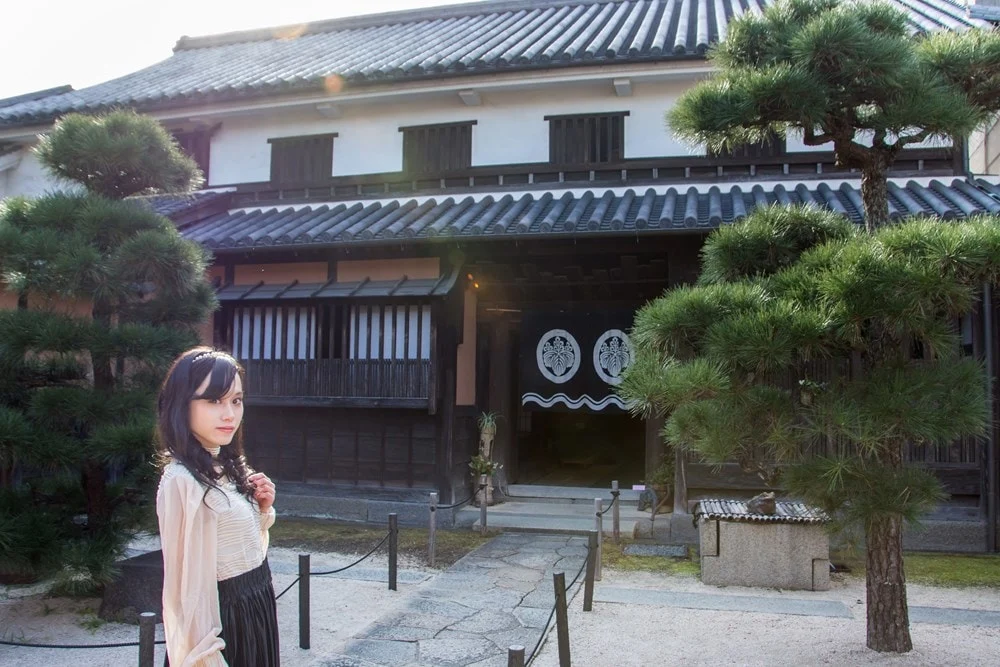
Do you know the Ohashi House, a town house architecture designated as an Important Cultural Property of Japan, located near the Bikan Historical Area?
The Ohashi House is a prestigious residence where you can see the typical features of Kurashiki townhouses. However, its charm does not end there.
It is a comfortable space where you can forget the time and relax.
You can enjoy the view of the garden wet with dew on rainy days, or cool off inside the house where the breeze flows during hot seasons. It is also recommended to stop by when you want to take a leisurely stroll.
First, I will explain the overview and history of the Ohashi House, and then introduce its wonderful spaces and highlights.
About the Ohashi House
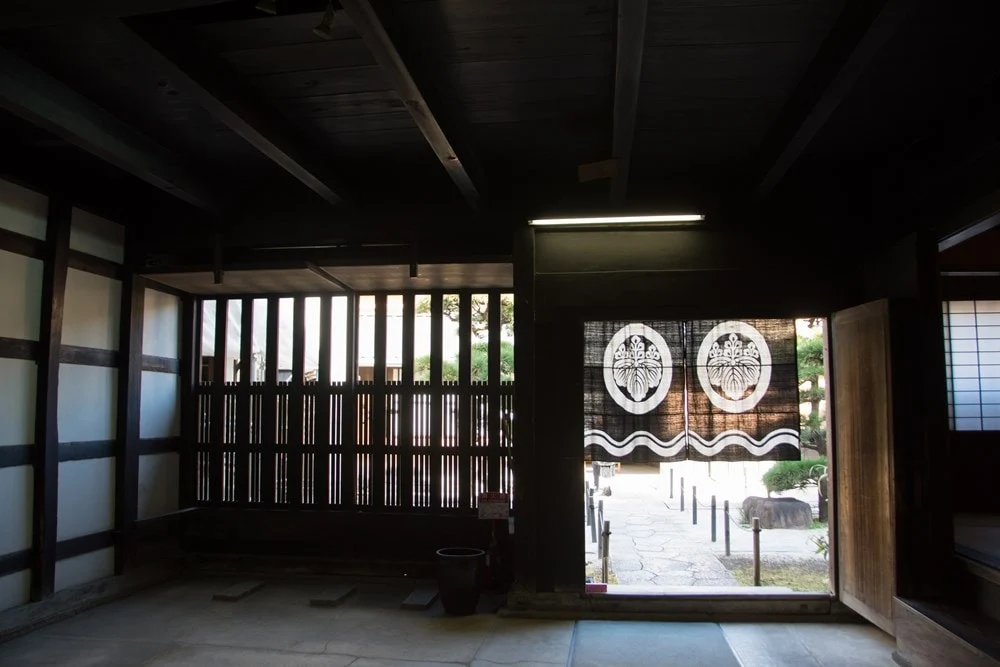
The Ohashi House is a town house architecture located in Achi, Kurashiki City.
It was the residence of the Ohashi family, a large landowner during the late Edo period, and in 1978, the main house, nagaya gate, rice storehouse, and inner storehouse were designated as Important Cultural Properties of Japan.
Who is the Ohashi family?
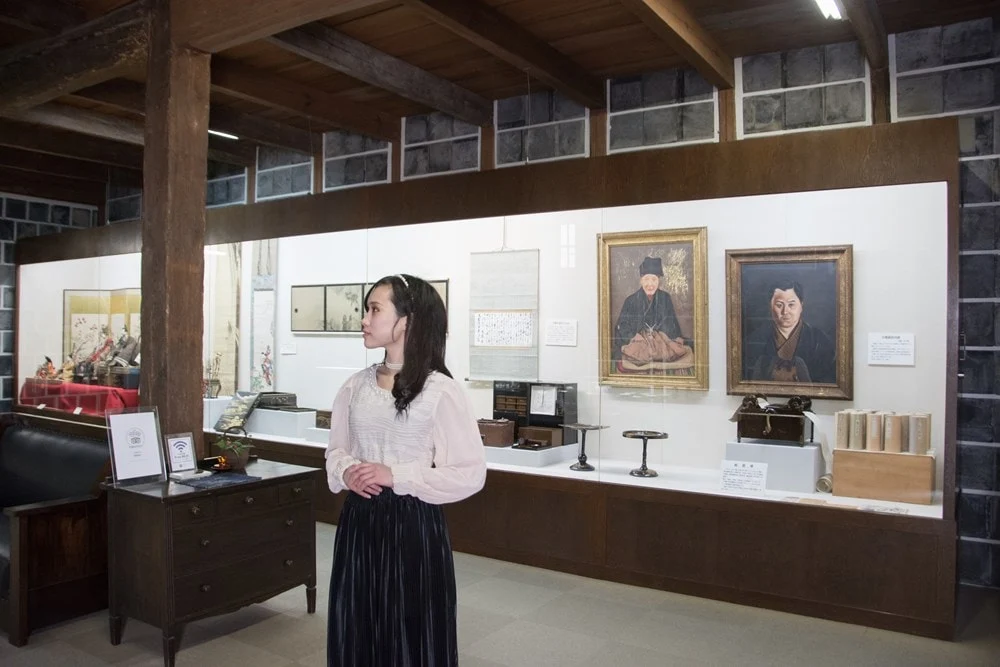
The ancestors of the Ohashi family were samurai who served the Toyotomi clan and are said to have moved to Bichu (present-day Kurashiki City) at the beginning of the Edo period.
They developed rice fields and salt fields, becoming large landowners, and also engaged in finance, accumulating great wealth.
During the Tenpo famine, they donated 1,000 ryo (equivalent to about 100 million yen in today's prices) and developed salt fields on Naoshima Island, which are about three times the size of Tokyo Dome, contributing greatly to the region.
In the late Edo period, the Ohashi family, along with the Ohara family, formed a new emerging power known as "Shinroku."
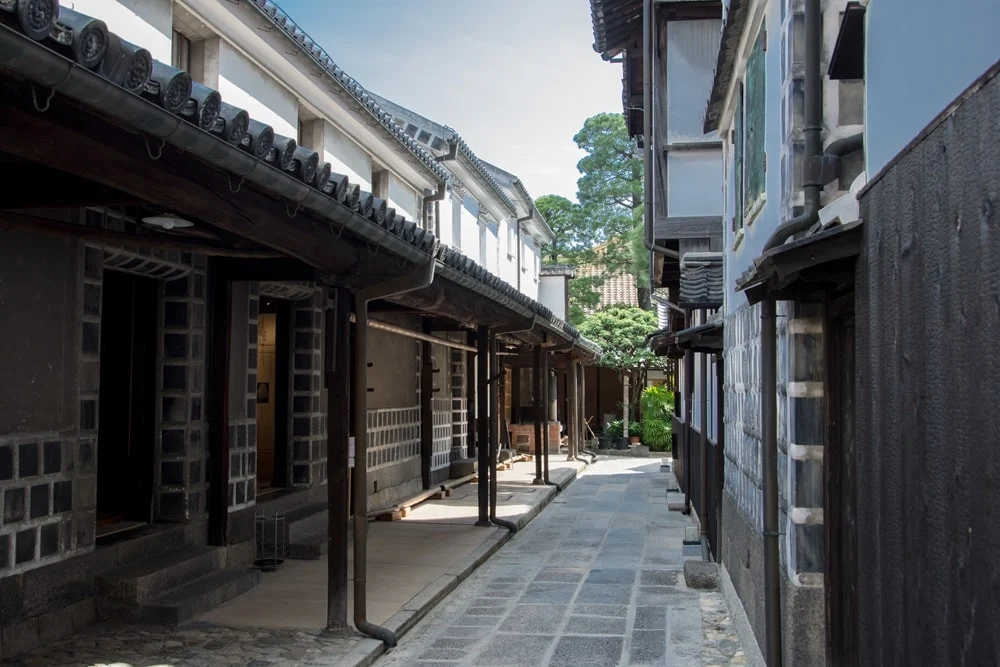
History and features of the Ohashi House building
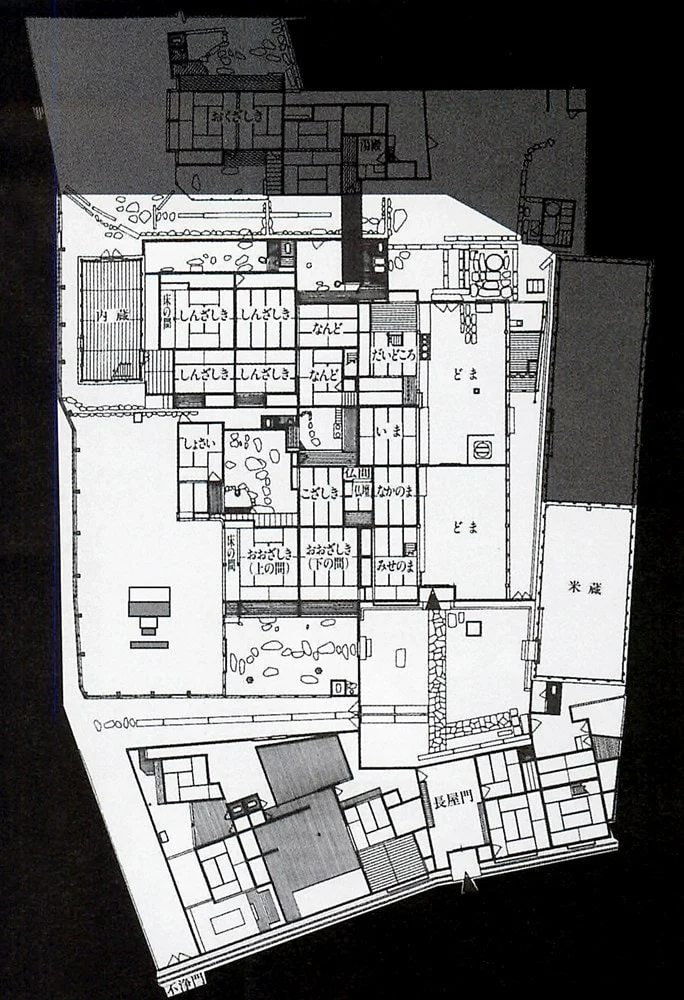
The main parts of the Ohashi House were built between 1796 and 1799, and it underwent two expansions until around 1850.
After being designated as an Important Cultural Property of Japan in 1978, preservation and repair work was carried out from 1991 to 1994, restoring it to its appearance in 1851, when the estate was most well-structured.
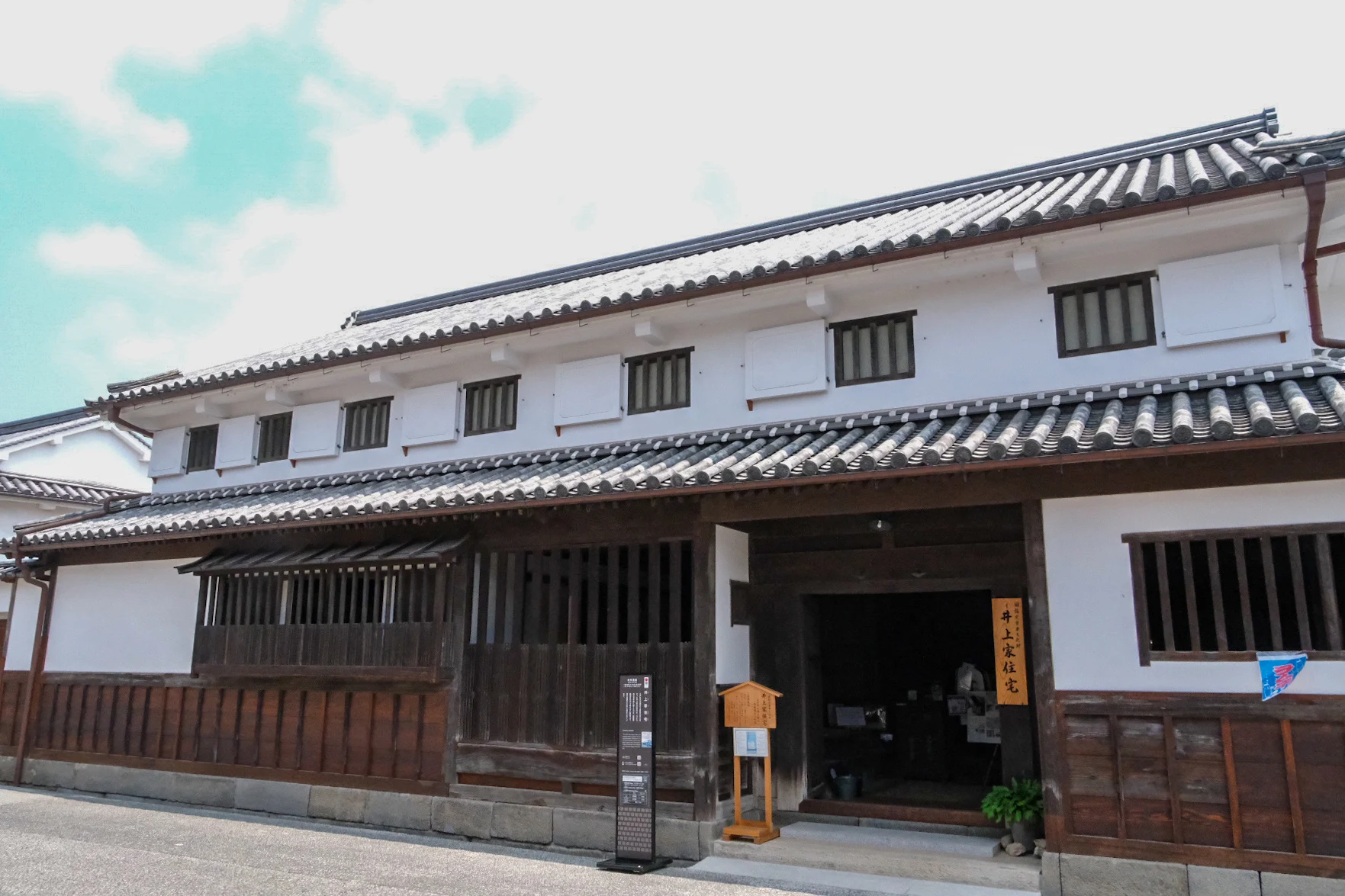
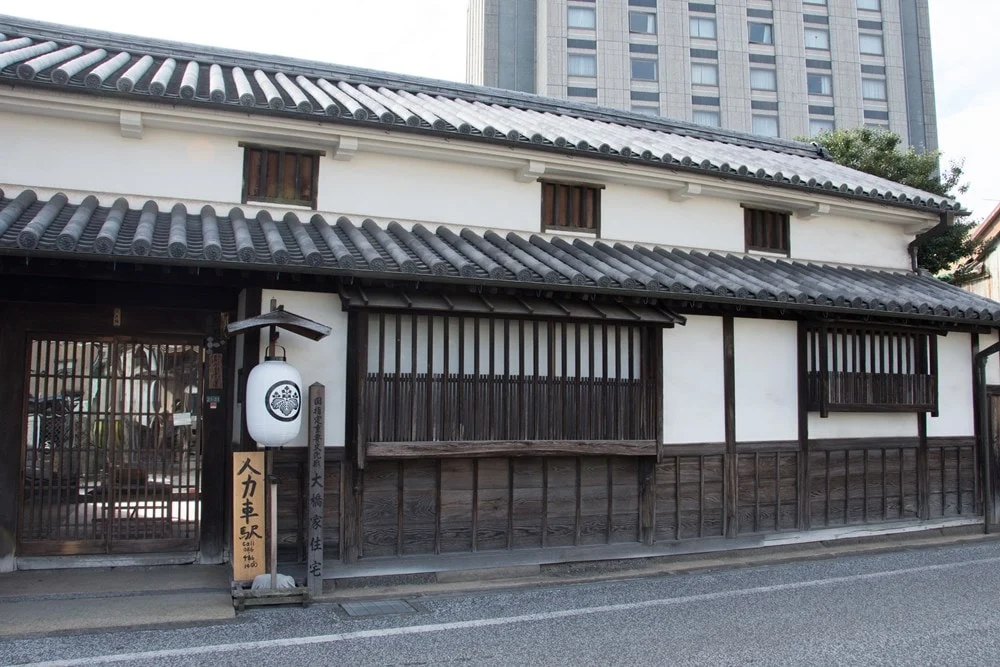
The main entrance is designed to pass through the nagaya, a structure known as the "nagaya gate."
The "nagaya gate" was a structure not typically allowed in ordinary townhouses at the time. This indicates that the Ohashi family was of such high status that they could receive special permission from the magistrate's office.
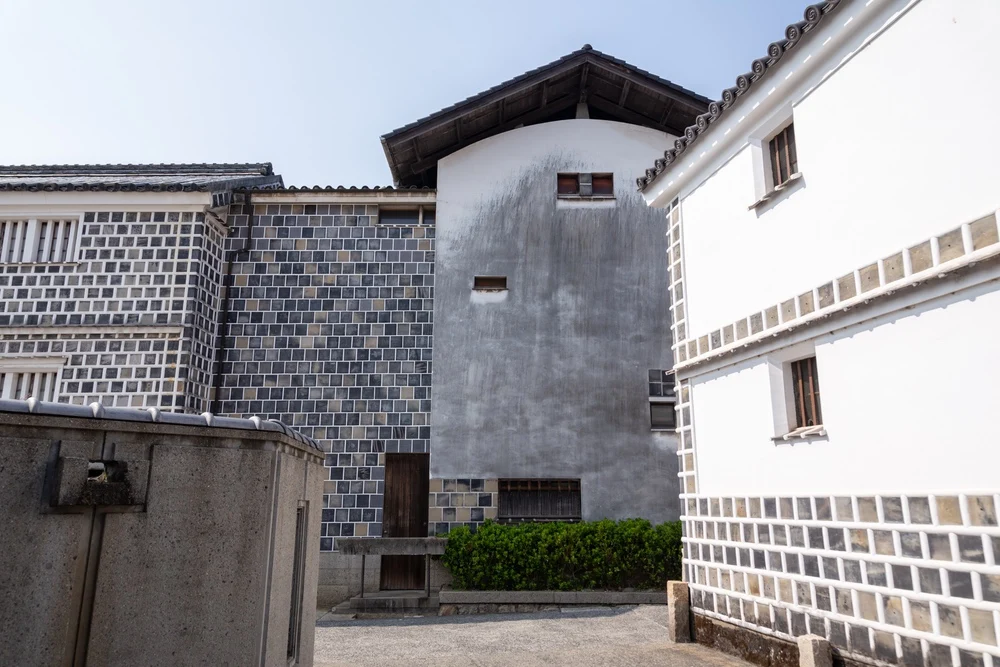
Additionally, you can see unique architectural styles from Kurashiki, such as "Kurashiki windows," "Kurashiki lattice," and "namako walls."
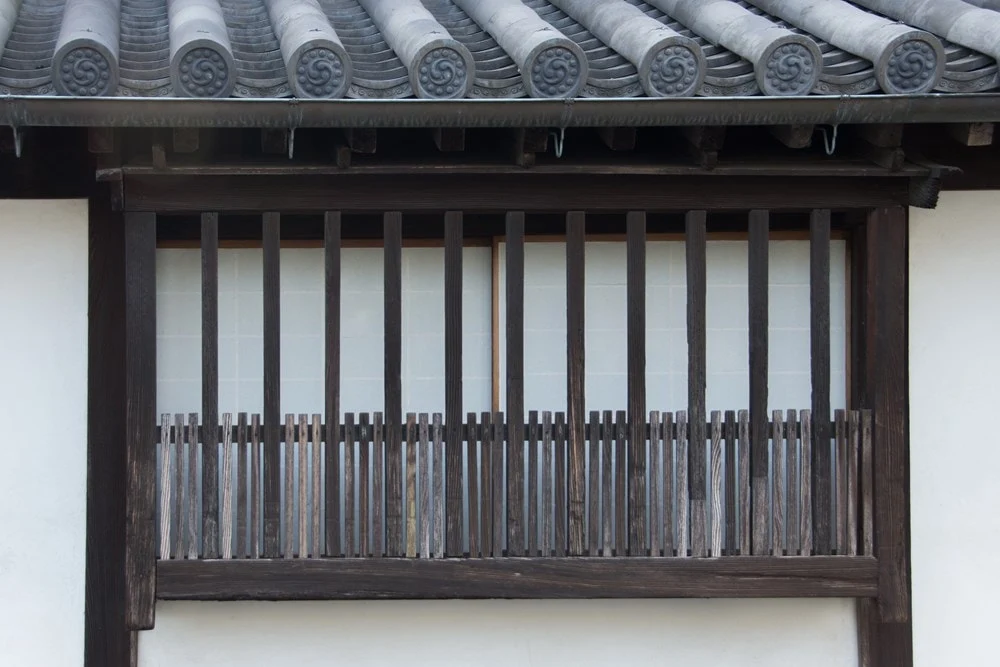
For example, the "Kurashiki lattice" has a structure that excels in lighting and ventilation at the top, while the bottom is designed to be less visible from the outside but easy to see from the inside. You can feel the "beauty of utility" for comfortable living.
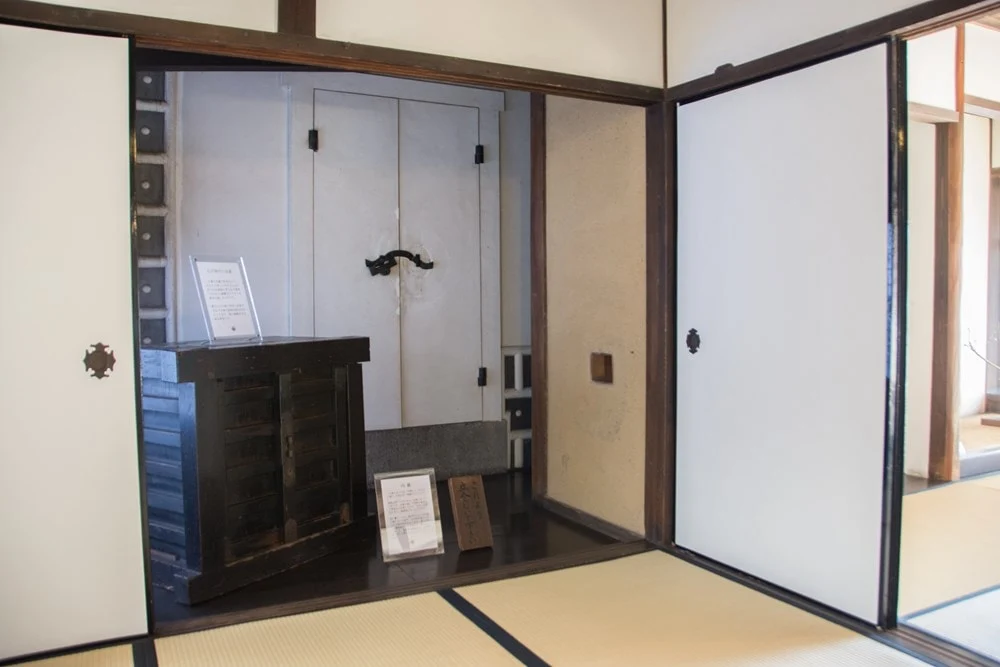
The "inner storehouse," which is connected to the main house, was said to have stored valuables at the time.
Highlights of the Ohashi House
The Ohashi House is not only of high cultural value but also has many attractive points.
Imposing architecture
The Ohashi House does not face the street directly. You pass through the nagaya gate and walk through the garden to reach the main house. The view of the main house from the garden is impressive! Even without flashy decorations, it exudes dignity.
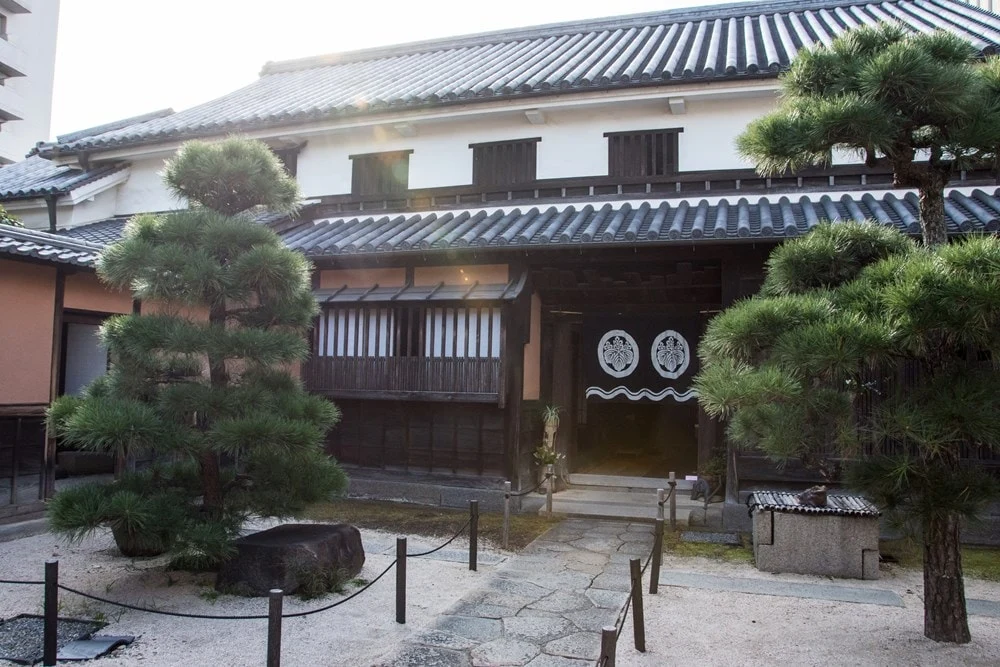
There are currently 14 rooms open to the public, and they are spacious.
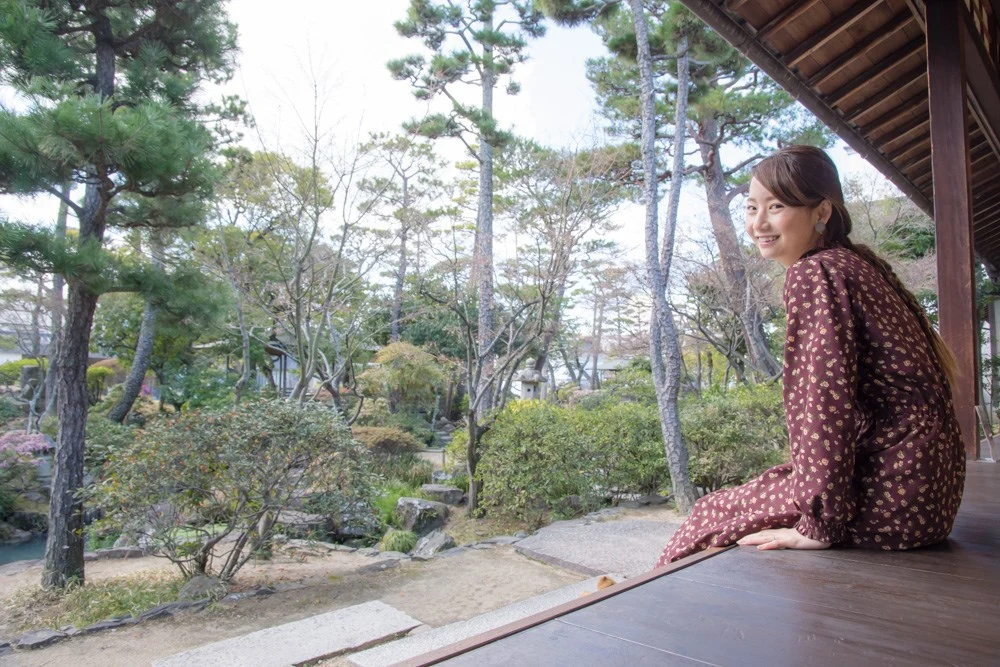
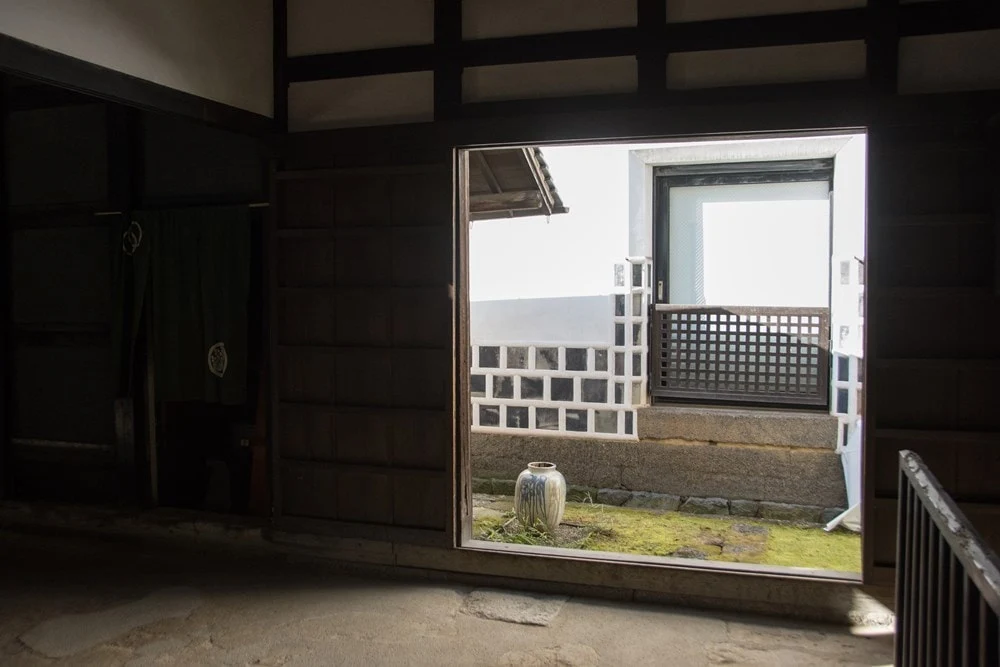
There are several gardens inside, each beautifully maintained, providing a sense of openness even when you are inside the rooms.
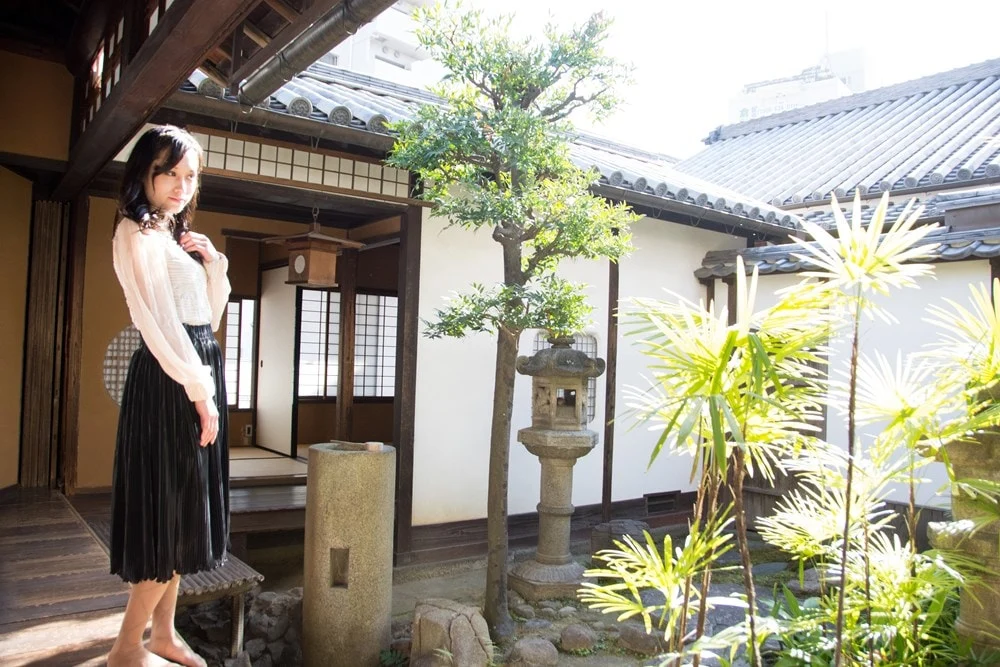
Relaxing in the rooms and garden
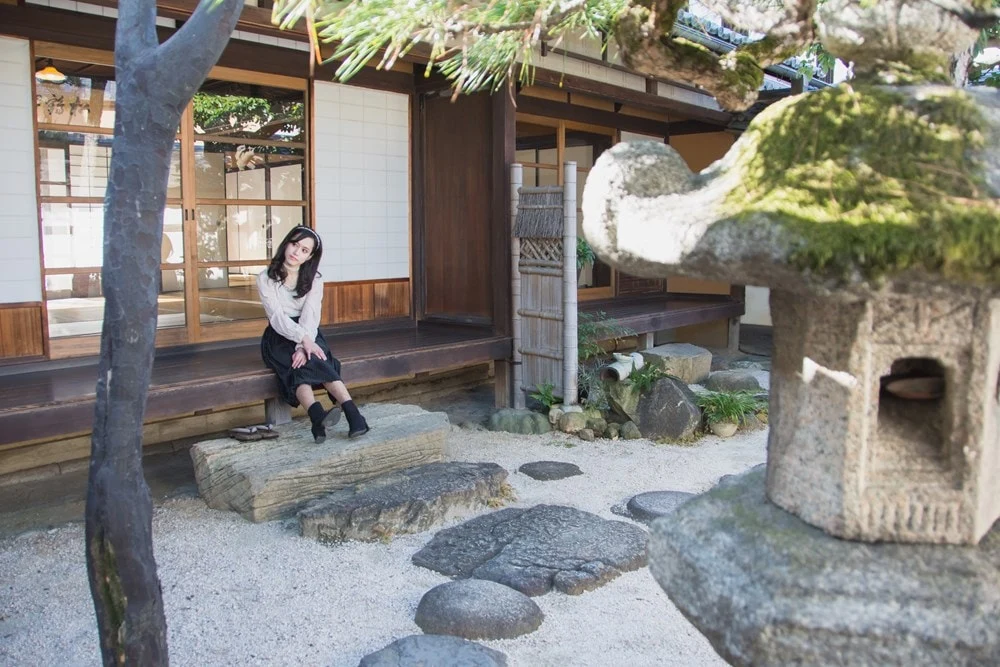
At the Ohashi House, you can not only admire the building but also enter the rooms and walk through the garden.
The spacious, clean area filled with natural light feels very pleasant!
Inside the Ohashi House, you can hardly hear the sounds of cars, and the noise from the street is not bothersome. This allows you to spend your time leisurely.
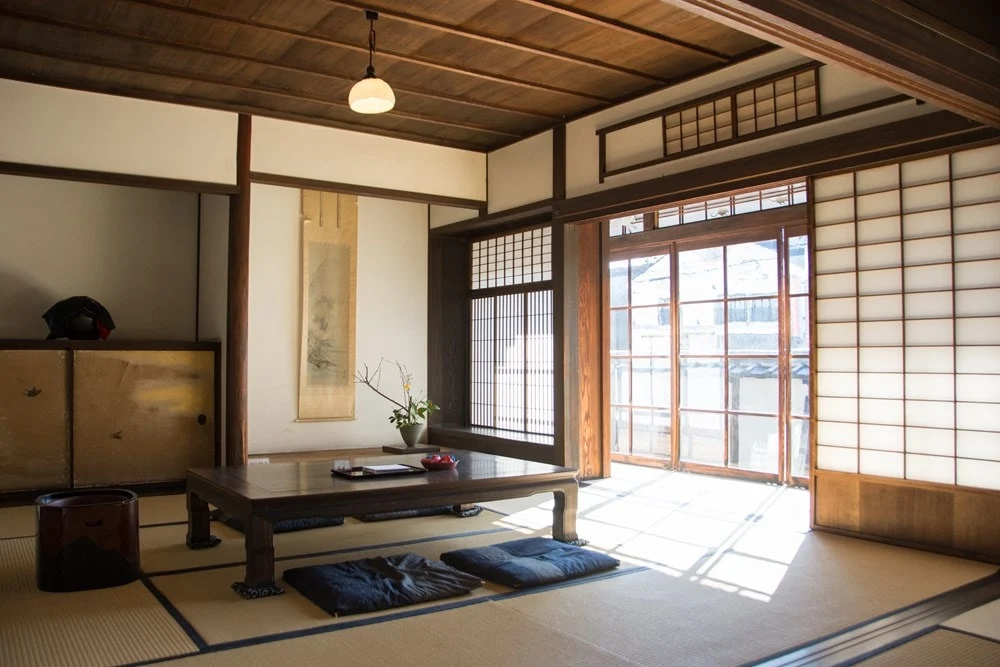
Some visitors enjoy lying down due to the comfort of the space.
A space that feels like home
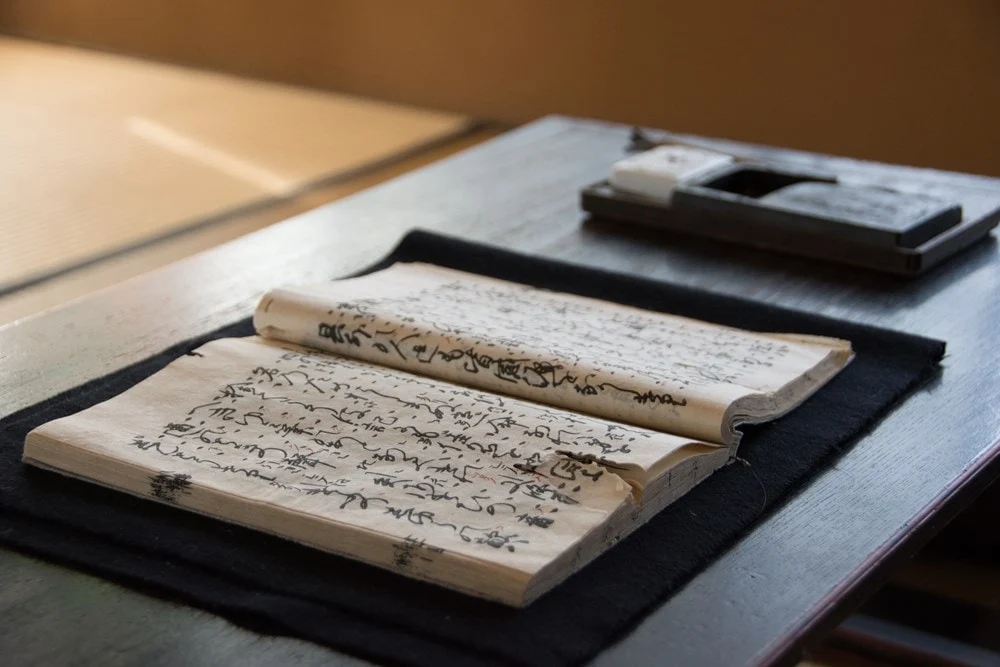
The Ohashi House has an atmosphere of daily life.
For example, in the study, there are books and an inkstone, as if someone had just been writing.
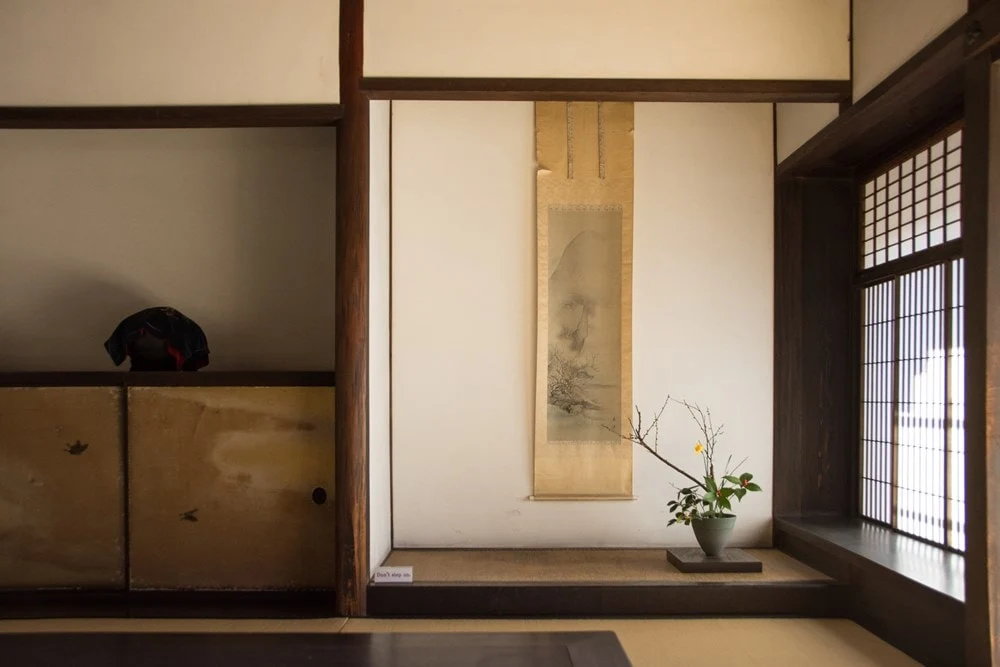
In the tokonoma, flowers are arranged. The staff members arrange these flowers, not from a florist, but using flowers that bloom in the garden or mountains, arranged in their own style.
Subtle, gentle, and beautiful. These flowers are well-received by visitors.
It makes you wonder if people in the past also decorated with such flowers.
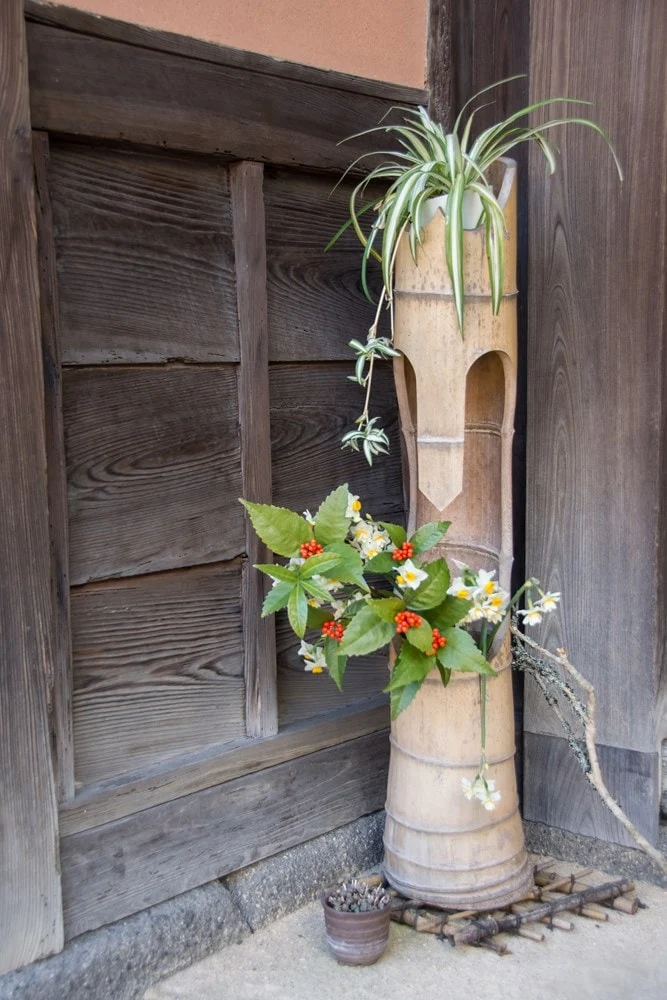
In summer, the breeze from the window and the sound of wind chimes are refreshing, while in winter, the sunlight feels warm. Spending time in such a way, you can feel as if you are living in this house.
Enjoying the Ohashi House even more
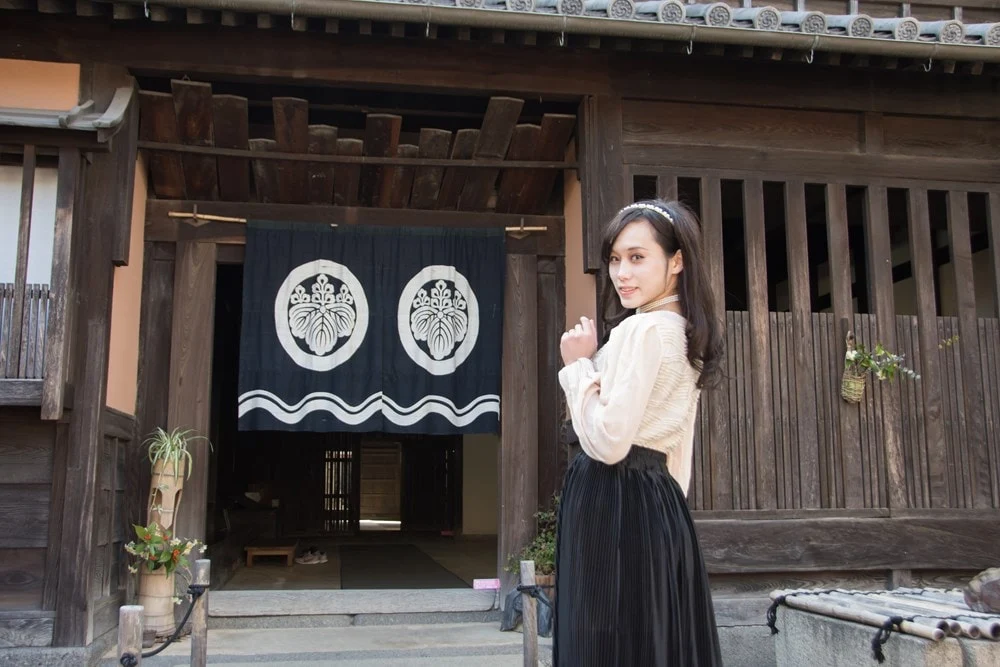
Here are some tips to enjoy the Ohashi House even more.
Get a guide from the staff
As you explore the building, you might wonder, "What was this used for?"
In such cases, if you ask the staff at the entrance, they can guide you through the building.
The guided tour takes about 30 minutes, and no reservation is required.
They said, "Feel free to ask us."
Take your favorite photos
There are no areas where photography is prohibited. The exterior, garden, and rooms all make great photo spots.
Find your favorite place to take pictures.
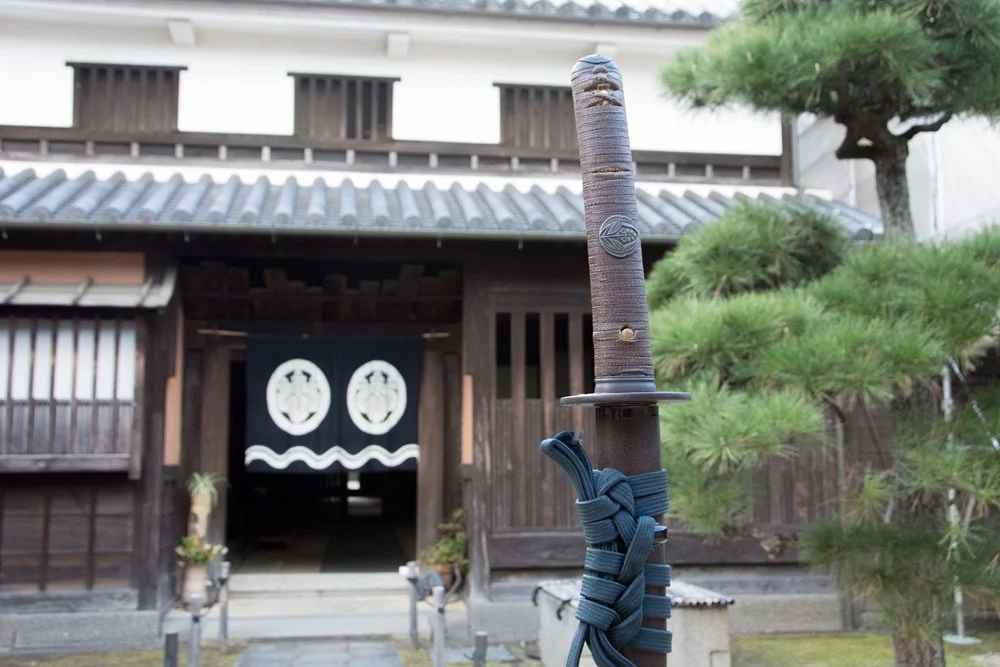
Try Holding a Japanese Sword (Shinken)
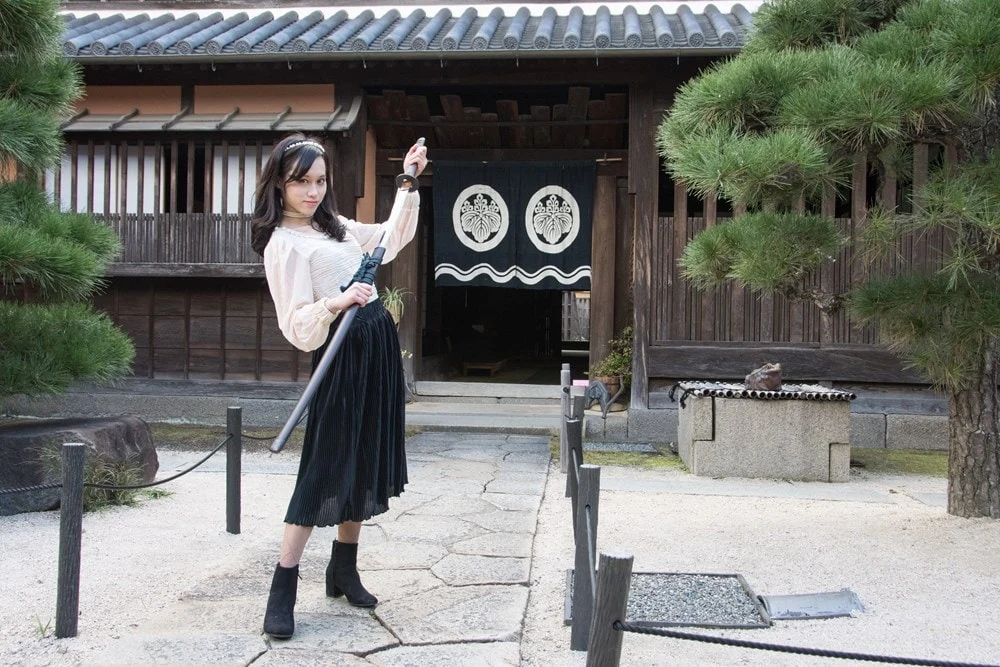
At Ohashi House, you can actually hold a Japanese sword (shinken).
I tried holding one as well. It was quite heavy, but drawing the sword from its scabbard was surprisingly smooth. While posing with the sword, I reflected on historical figures and characters from manga.
It's a rare opportunity, so please ask the staff to experience it.
In the latter part of the article, I interviewed the staff of Ohashi House, Fujihara Michiko and Tada Natsumi, about their favorite spots and what they are particular about at Ohashi House.
- Model: Alice
Ohashi House Data
| Name | Ohashi House |
|---|---|
| Location | 3-21-31 Achi, Kurashiki City, Okayama Prefecture |
| Contact | 086-422-0007 |
| Parking | None There are several paid parking lots nearby |
| Opening Hours | 9:00 AM - 5:00 PM |
| Closed | Closed on Fridays in December, January, and February (no closed days from March to November) Closed from December 28 to January 3 |
| Admission Fee (tax included) | [General] Adults: 550 yen Seniors (65 years and older): 350 yen Elementary and Junior High School Students: 350 yen Persons with Disabilities: Free *Group rates available for groups of 30 or more |
| Payment Method |
|
| Reservation | Not accepted |
| Smoking | Completely non-smoking |
| Toilet | Western-style toilet |
| Childcare | No nursing room available. If you ask the staff, they can guide you to a waiting room or similar. |
| Website | Official Site of Ohashi House, a Nationally Designated Important Cultural Property |