Interview with Fujihara Michiko and Tada Natsumi, who work at Ohashi House
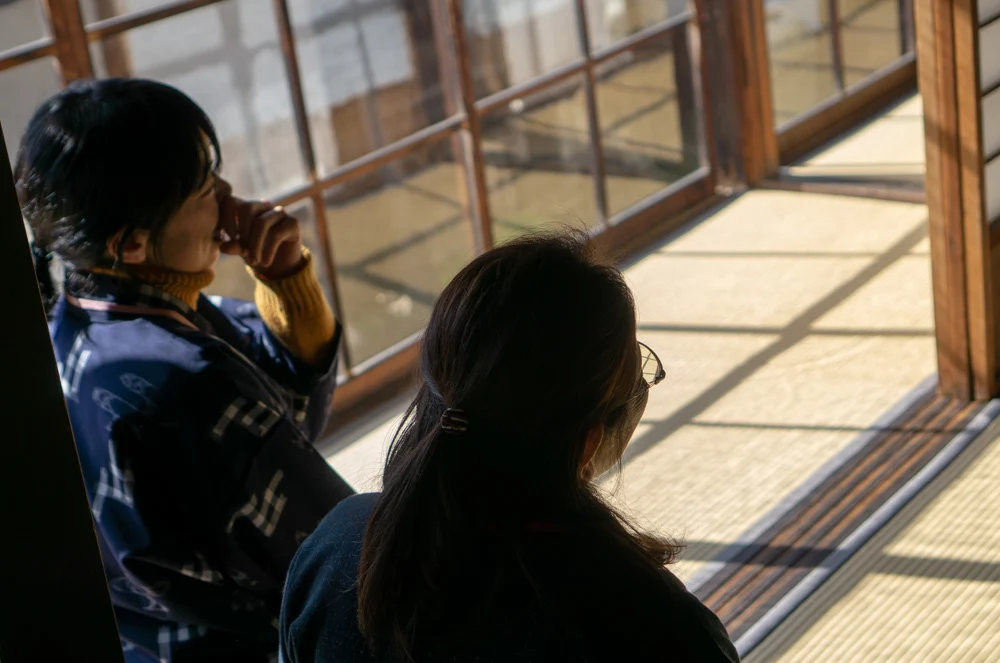
We conducted an interview with the chief, Fujihara Michiko, and Tada Natsumi.
The interview features content from the initial coverage conducted in February 2019.
A house where you can feel life in a traditional Japanese home and relax

What are the good points of Ohashi House?
Fujihara
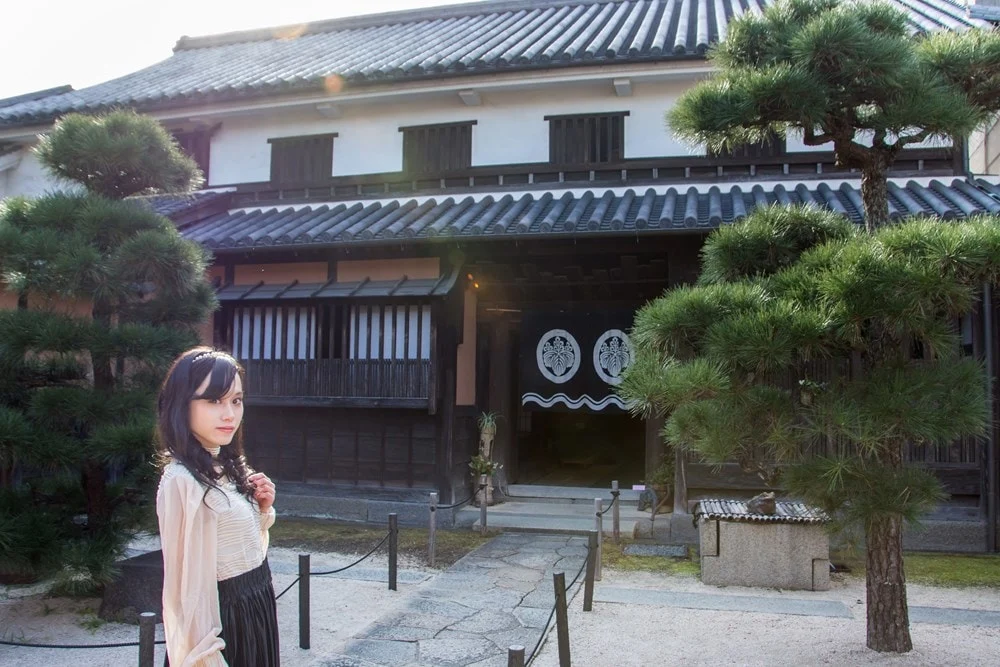
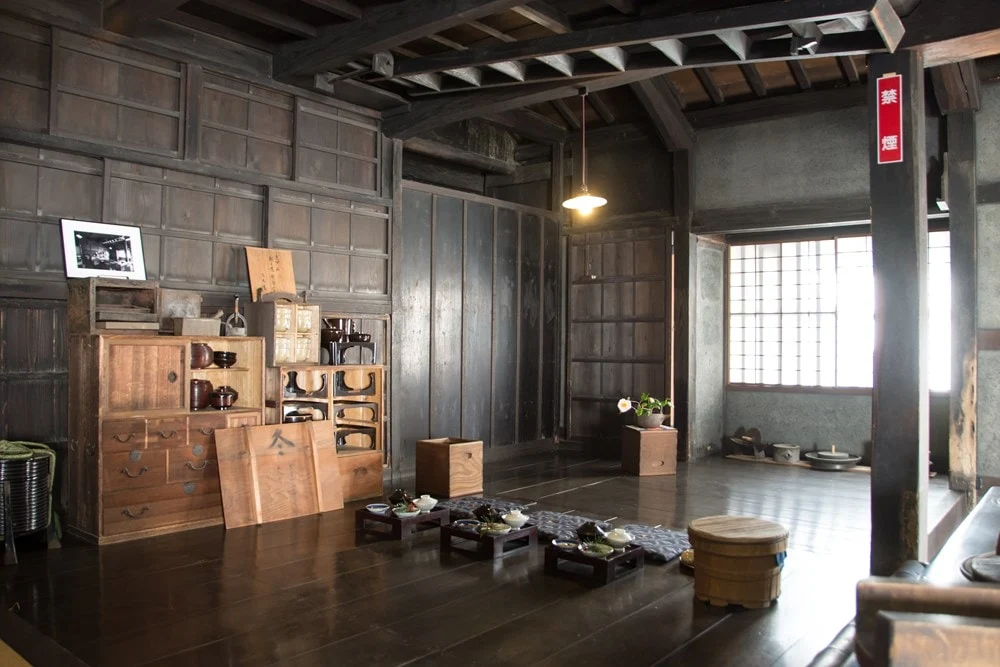
It is a place where you can feel life in a traditional Japanese home before the Meiji period. It is not just about looking at the architectural style; I think it is a living house that feels like people are living in it.
We have arranged flowers, recreated dining tables, and placed handballs, so I hope visitors can enjoy imagining and having fun.
Tada
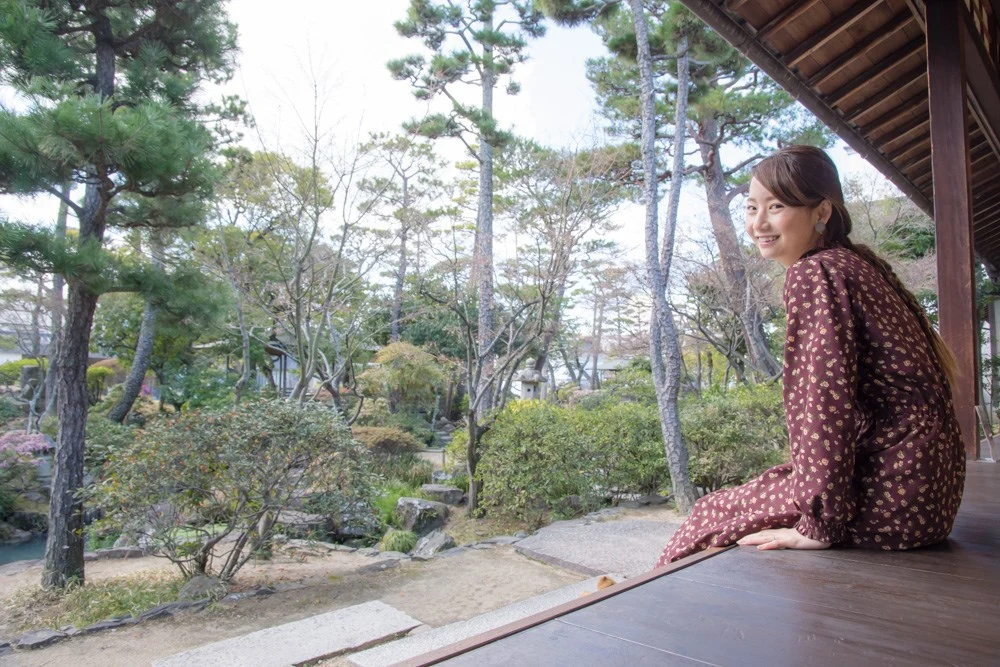
It feels like a separate space from the outside, and time seems to flow slowly, allowing you to spend time idly while looking at the garden.
When customers say, "I was able to relax" or "I felt at ease," it makes me happy.

What kind of feedback do you often receive from customers?
Fujihara
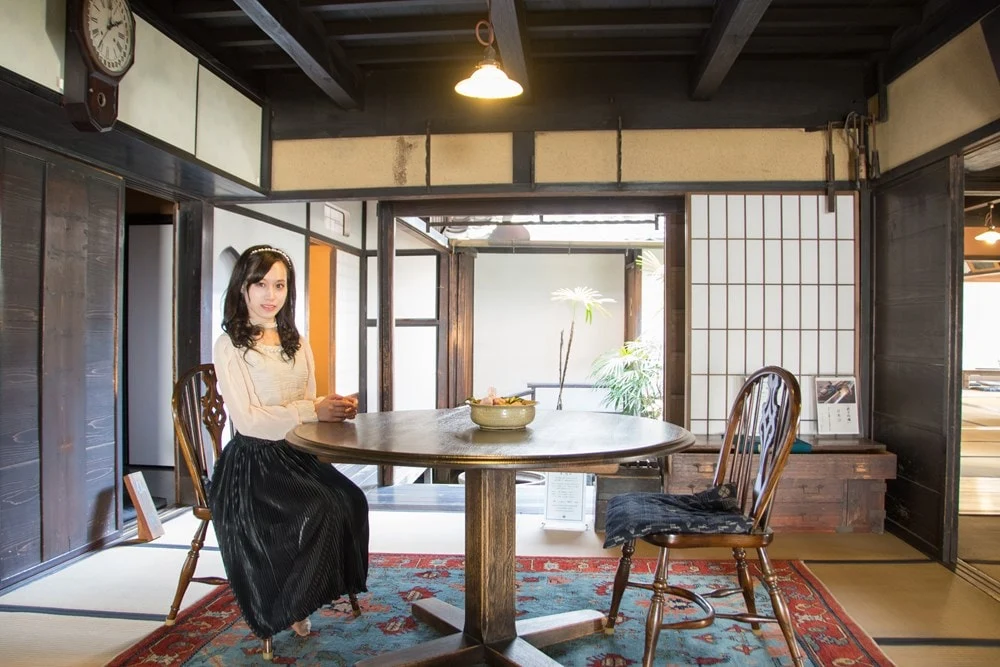
Many people say, "It feels nostalgic." Conversely, for younger people, it seems to appear fresh. There are also those who do not usually have the opportunity to see tatami rooms.
Tada
For example, if a family comes with three generations, they might say, "We used to have a kiln like this at home," and conversations may flow. I hope it can be a starting point for family conversations. I hope there is something that resonates with them.
It cannot be a museum
Since being designated as an important cultural property, how has it changed?
Fujihara
For a while after being designated as an important cultural property in 1978, it was only possible to peek into the rooms from the earthen floor. In 1994, after restoration work was completed, it became possible to enter.
However, at that time, there was still no scent of life. It was only after the ninth head of the family took office that we began to feel life in the house as we do now.
Tada
The head often says, "It cannot be a museum; it has value only when people see it and use it."
That's wonderful. Speaking of use, various events are also held, right?
Fujihara
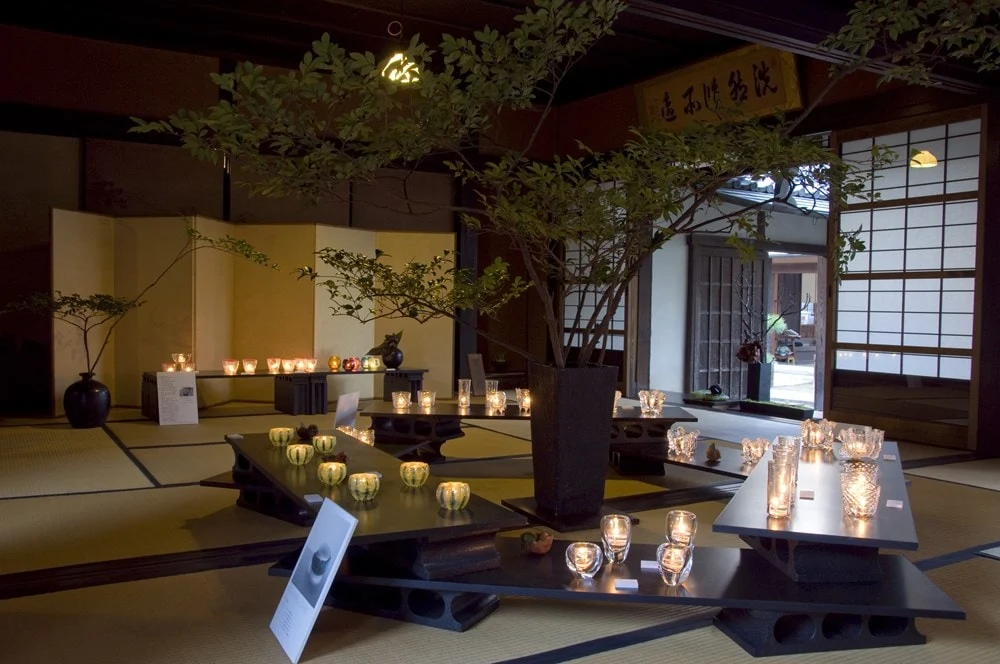
We have lit many candles. Events like the Takahashi River Marche, Kurashiki Jazz Street, and performances of Indian music have also taken place. It has even been used for weddings.
Tada
There have been Western-style weddings as well. Those were really great! I am also happy when customers find new ways to use the space.
Fujihara
There is no "it must be like this." The head often says, "It's interesting, so why not try it?"
That's amazing. I also attended the candle and glass exhibition. It's quite rare to light a fire inside a cultural property, isn't it?
Fujihara
At that time, customers were surprised. It was well received.
The impact of the July 2018 heavy rain and the preservation of cultural properties
I heard that the earthen wall collapsed during the July 2018 heavy rain.
Fujihara
First and foremost, I am glad that there were no human casualties due to the collapse of the earthen wall.
Restoration work will begin this month (February 2019). Since the weather differs from the past, there are times when the original structure may not be applicable today. I feel the difficulty of preserving it in its old form.
Are there any precautions you take for preservation?
Tada
I think it is important to regularly observe the details. I believe we need to be able to notice changes, such as cracks.
Favorite places
Finally, could you tell us your favorite places?
(Both of them ponder)
Fujihara
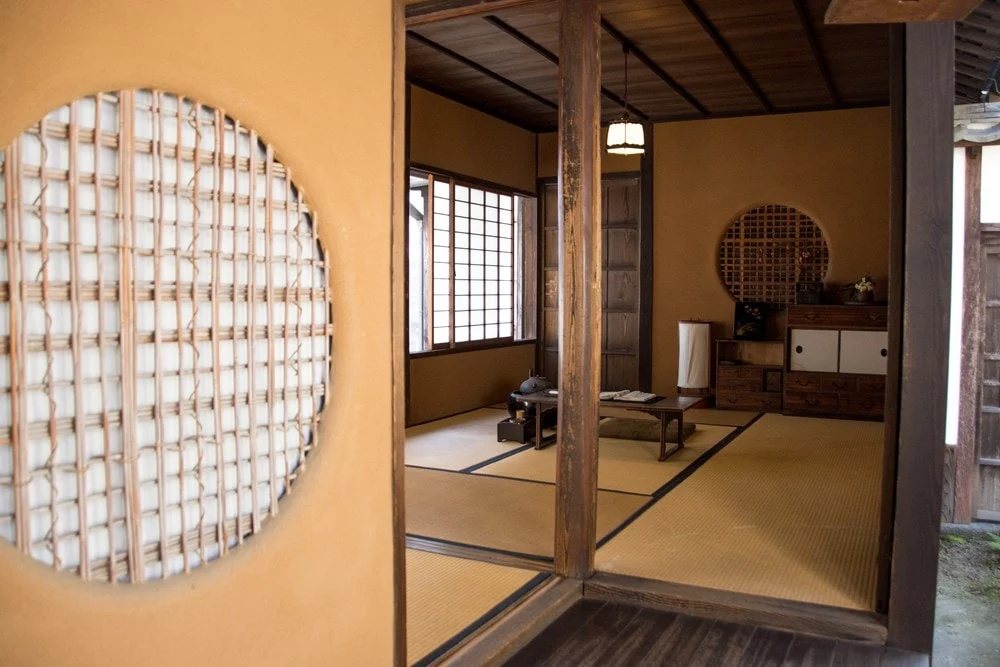
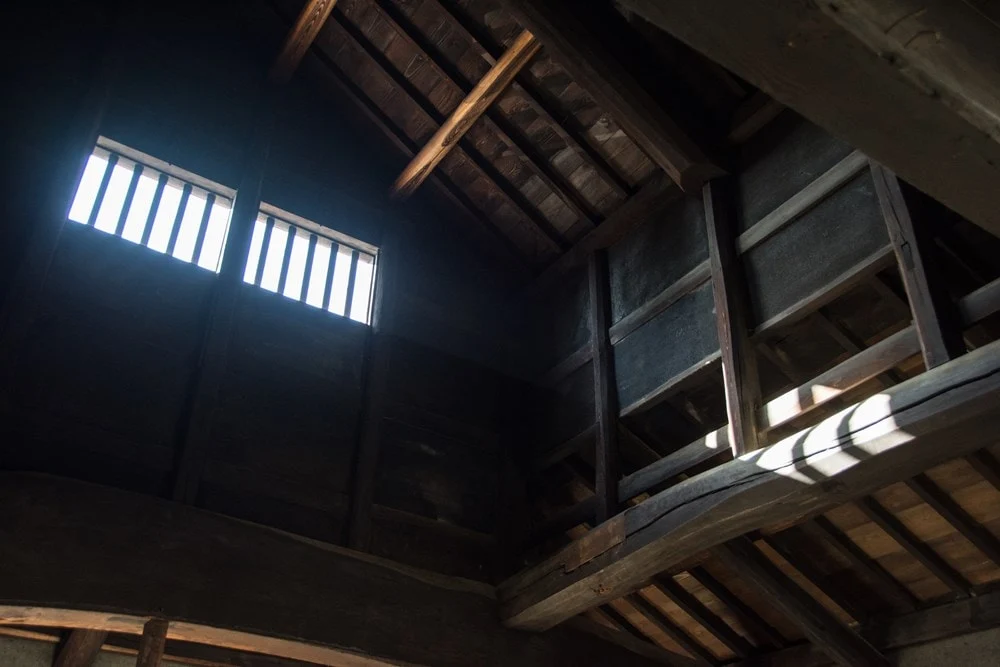
I particularly like the study. Also, I think the light coming through the new sitting room and the smoke vent window is beautiful.
Tada
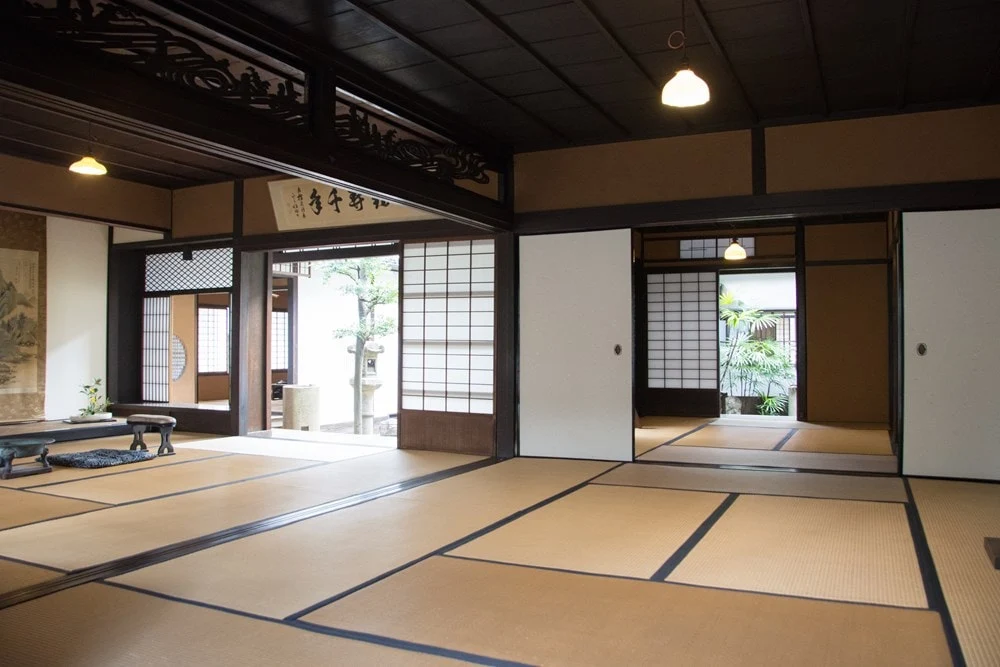
From the garden, you can see the lower room, small sitting room, garden, and study all at once. I love this angle. I also share the places I find beautiful on Instagram.
After the interview
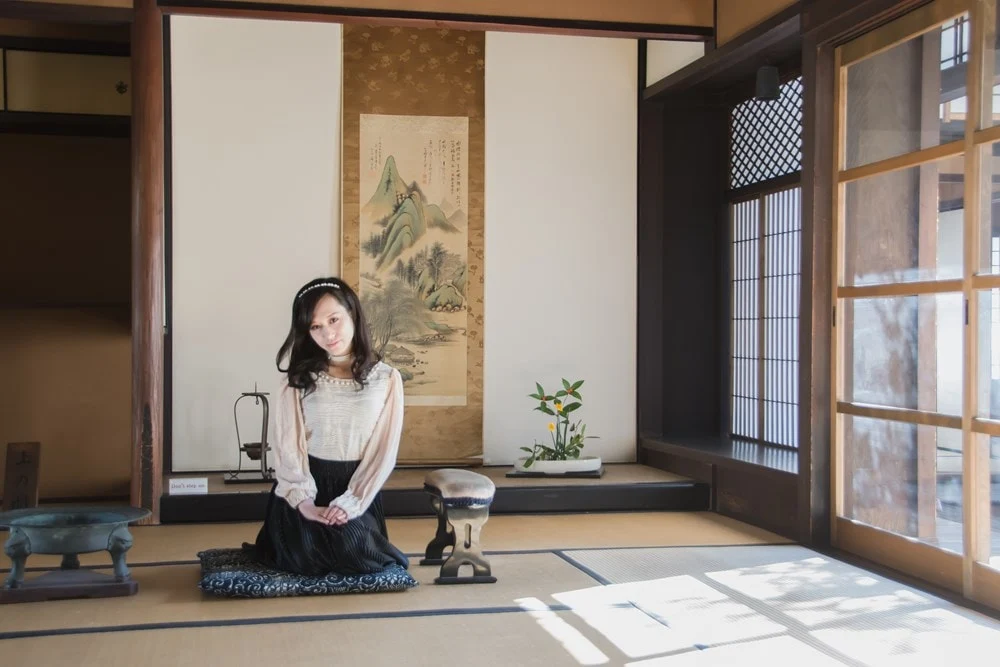
From the conversation, it was conveyed that they are genuinely thinking about "how to make people happy" and "what kind of hospitality can be provided," and are putting it into practice.
That spirit of hospitality is likely the secret to the comfort they provide.
I have visited Ohashi House many times, and each time I feel, "It's wonderful, it's comfortable." It is understandable why there are many repeat visitors.
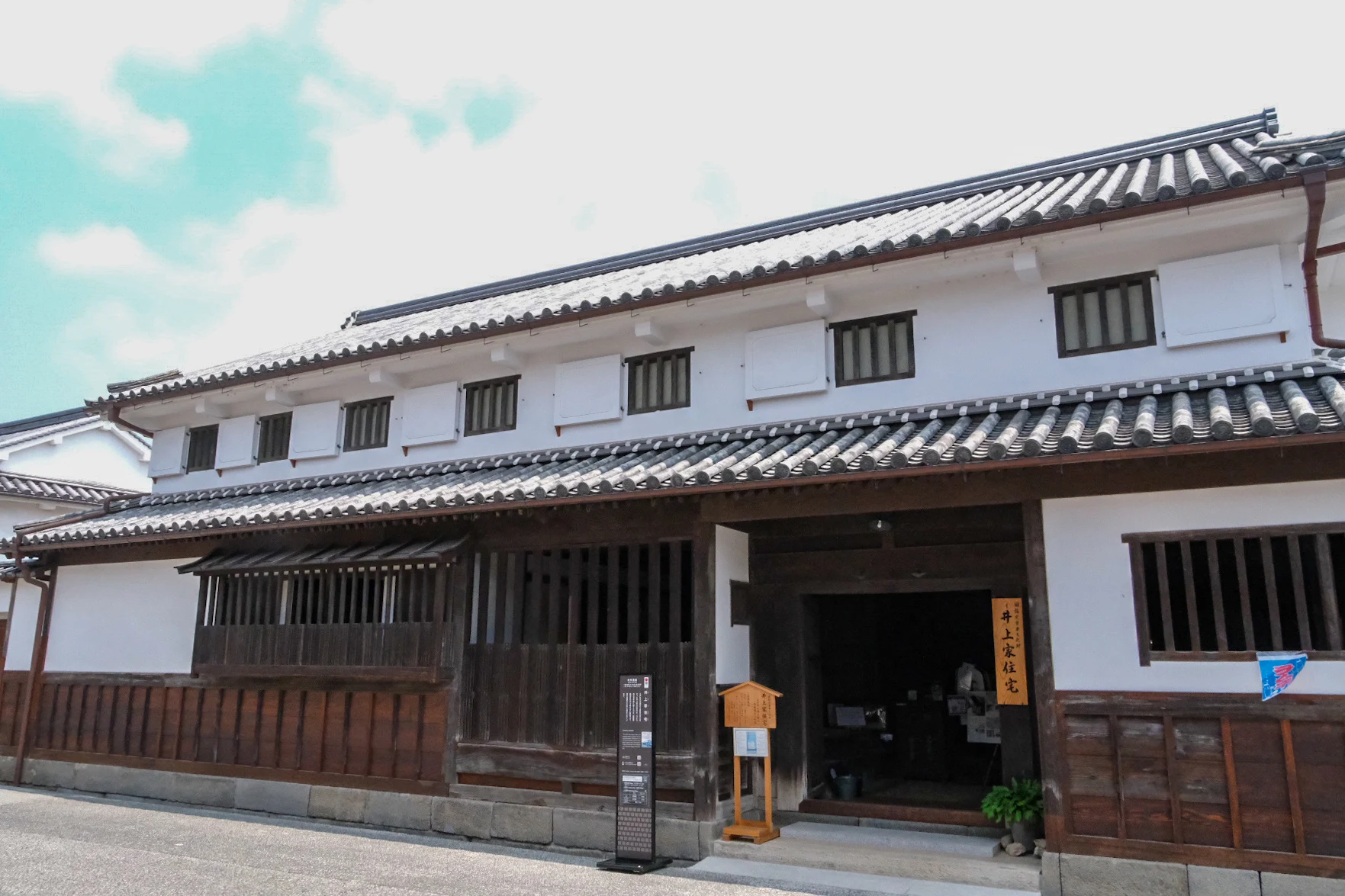
Ohashi House, a nationally designated important cultural property with the scent of life. Please make sure to visit.
Data on Ohashi House
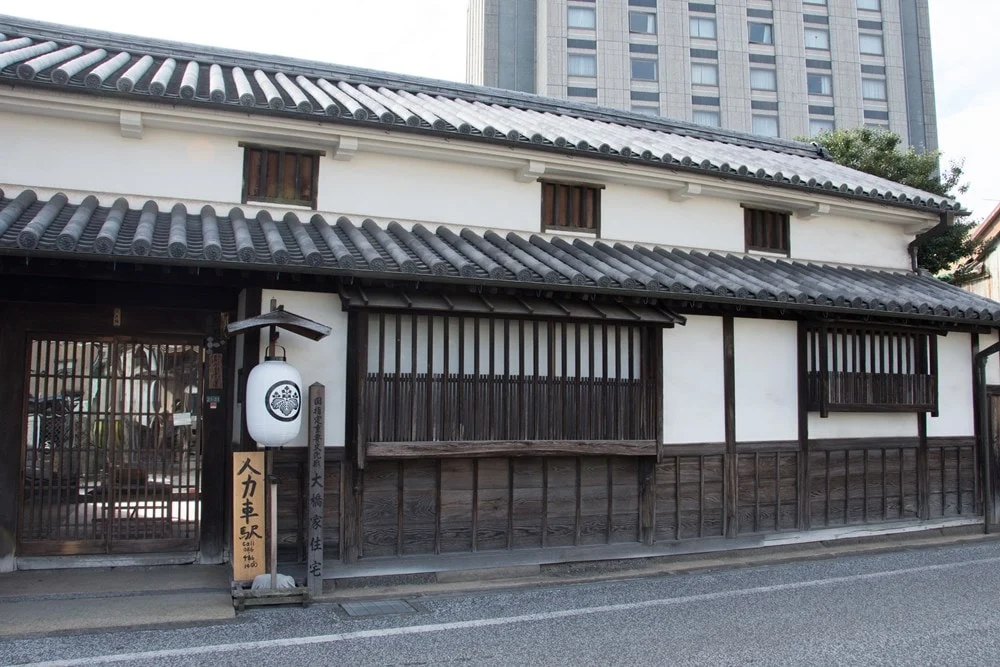
| Name | Ohashi House |
|---|---|
| Location | 3-21-31 Achi, Kurashiki City, Okayama Prefecture |
| Contact | 086-422-0007 |
| Parking | None There are several paid parking lots nearby |
| Opening Hours | 9:00 AM - 5:00 PM |
| Closed | Fridays in December, January, and February (no closed days from March to November) Closed from December 28 to January 3 |
| Admission Fee (including tax) | [General] Adults: 550 yen Seniors (65 years and older): 350 yen Elementary and junior high school students: 350 yen Persons with disabilities: Free *Group rates available for groups of 30 or more |
| Payment Methods |
|
| Reservations | Not accepted |
| Smoking | Completely non-smoking |
| Restrooms | Western-style toilets |
| Childcare | No nursing room, but If you speak to the staff, they can guide you to a waiting room. |
| Website | Official Site of Ohashi House, Nationally Designated Important Cultural Property |