When you travel far from home for sightseeing or a business trip, you want to try ingredients and dishes rooted in the local area, don’t you?
Different places have different ingredients and food cultures.
Couldn’t these be considered part of what makes each region unique?
And wouldn’t you like to take your time enjoying food that is unique to the region?
There’s a perfect place to enjoy the flavors of Kurashiki in the Bikan Historical Area.
It’s “Toraiya Honpo.”
The restaurant is dedicated to dishes made with ingredients unique to Kurashiki and Okayama Prefecture.
Its signature dish, “kibi soba,” is a completely original noodle created by Toraiya Honpo.
Made from takakibi, a grain grown in Okayama Prefecture, these noodles have a distinctive texture and flavor that you can enjoy only at Toraiya Honpo.
Here’s an introduction to Toraiya Honpo, a restaurant devoted to the flavors of its hometown.
The information provided was current when this article was published in August 2020. Please note that it may differ from current information.
Toraiya Honpo serves local dishes made with ingredients from Kurashiki and the surrounding area

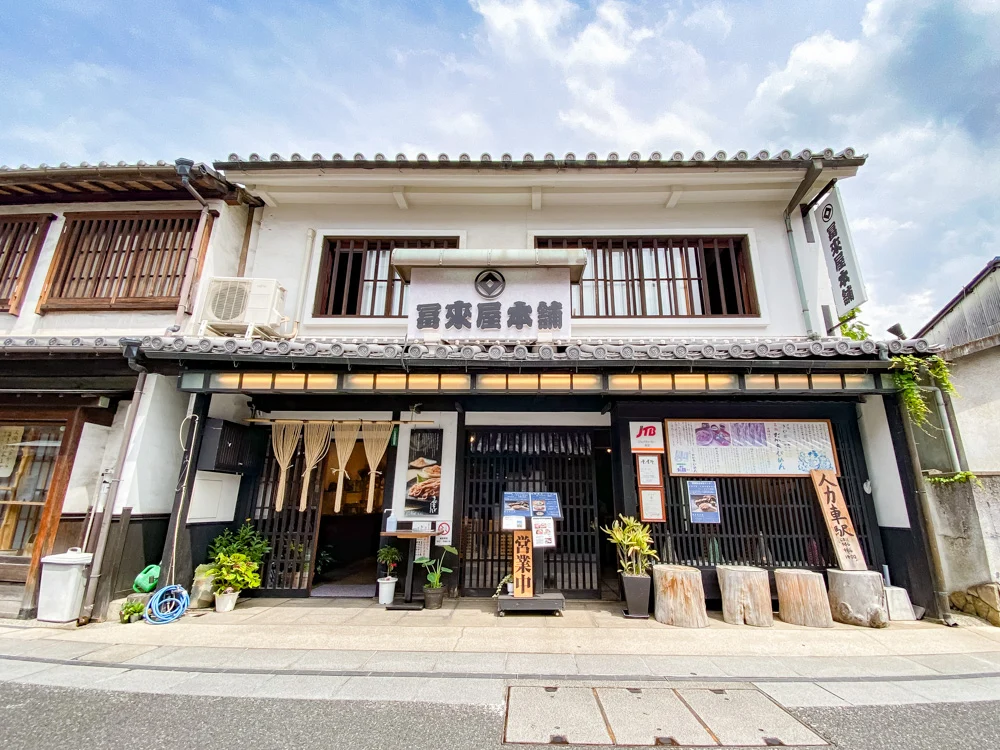
Toraiya Honpo is a Japanese restaurant in the Bikan Historical Area.
It is along Kinenbi-dori, which runs north to south along the east side of the Kurashiki River.
It is the road facing the west gate of Kurashiki Ivy Square.
Toraiya Honpo specializes in local dishes and local sake, with its signature dish, kibi soba, made from noodles original to Toraiya Honpo.
The name Toraiya comes from the fact that it is operated by TRY Co., Ltd.; auspicious characters were chosen for the name “Torai.”
The character “來” in Toraiya Honpo is the old form of “来.”
The middle part of “來” contains two instances of the character for “person.”

However, on signs and elsewhere, Toraiya Honpo deliberately renders the “來” in its logo using the characters for “person” and “enter.”
This expresses the wish that more people will come to Kurashiki.
Toraiya Honpo makes a striking impression with its machiya-style exterior, evoking Kurashiki’s history.
Inside, there are tables and a spacious, comfortable atmosphere.

There is also seating on the second floor, making it suitable for large groups.

In the space at the back is Igusaya Hanamushiro, also operated by TRY Co., Ltd.

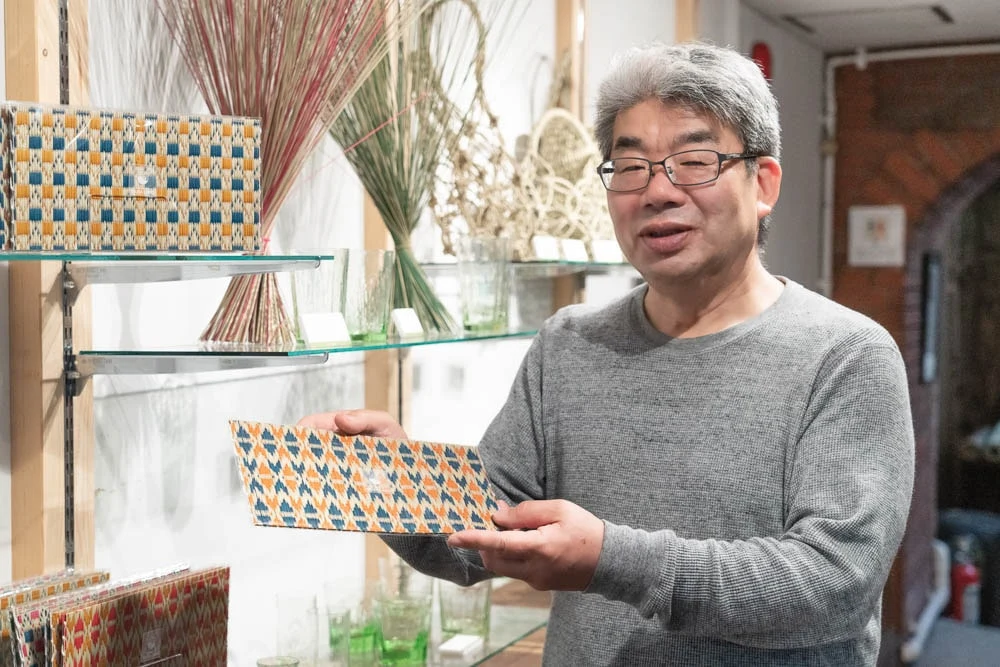
Nearby, there are also Toraiya Honpo Annex and Jizakeya, both operated by TRY Co., Ltd.
The signature kibi soba is an original noodle made with takakibi

“Kibi soba” is Toraiya Honpo’s signature menu item and a specialty dish.
It is made with takakibi (high millet) grown in Okayama Prefecture—and is a completely original noodle created by Toraiya Honpo!
It was originally called “takakibi-men,” but apparently many customers called it “soba,” so the name was changed to the more familiar “kibi soba.”
However, despite having “soba” in its name, it contains no buckwheat flour at all.
Takakibi may be an unfamiliar ingredient to some.
It is a grain that has been cultivated in Japan since ancient times, also known as morokoshi.
▼Takakibi

The yellowish millet is called mochikibi (glutinous millet) and is a different grain.
▼Takakibi is notable for its exceptionally high nutritional value.

The “Kibi Soba Set,” which includes kibi soba and “three condiments,” is priced at 1,000 yen before consumption tax.
Kibi soba is available cold or hot.
I tried the cold kibi soba.
▼The kibi soba is served in a bamboo strainer, like zaru soba or zaru udon.

You dip the kibi soba into the accompanying sauce to eat it.
It also came with the following condiments and side dishes.

- Chopped green onions
- Wasabi
- “Three condiments” (grated yam, shredded nori, fried tofu)
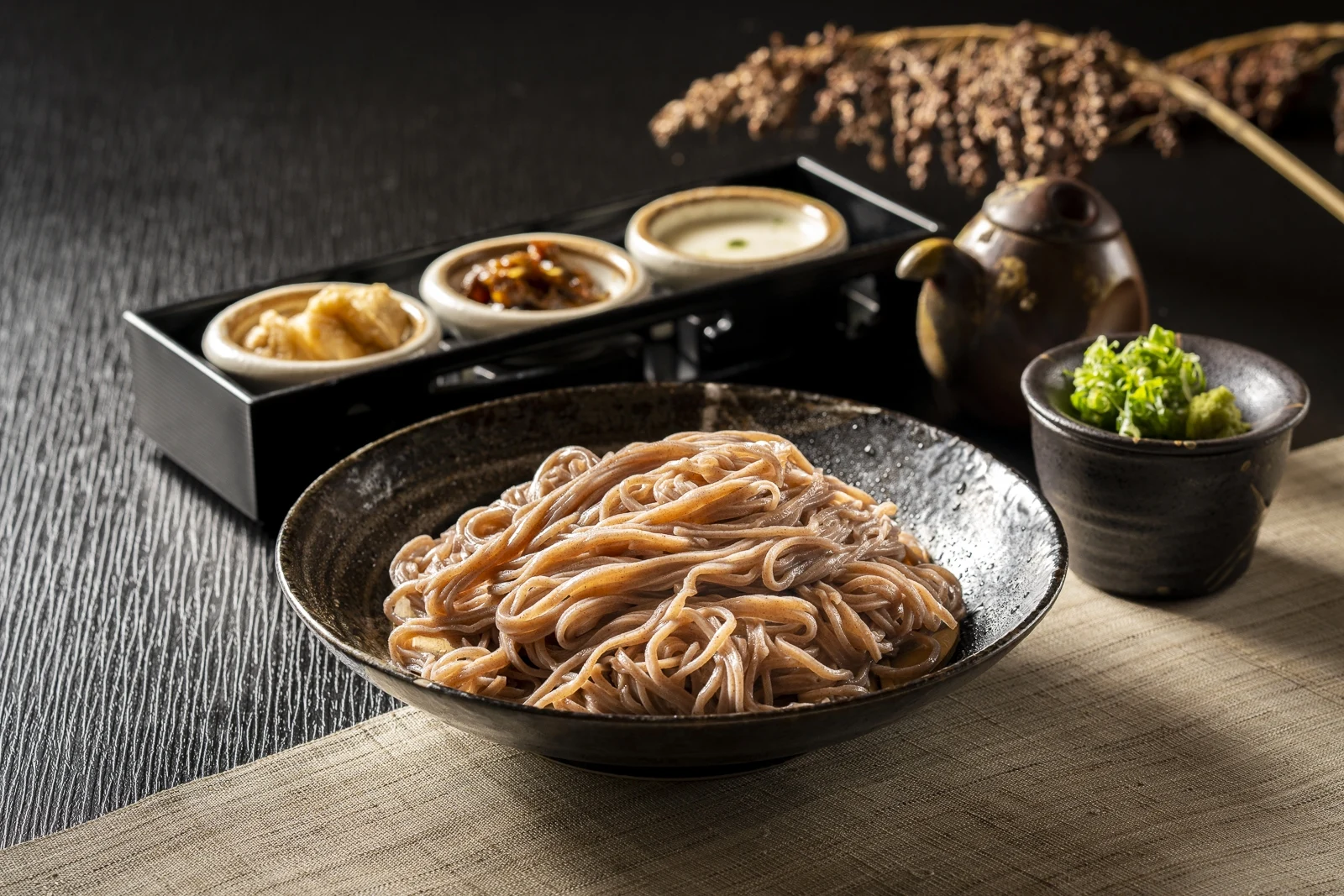
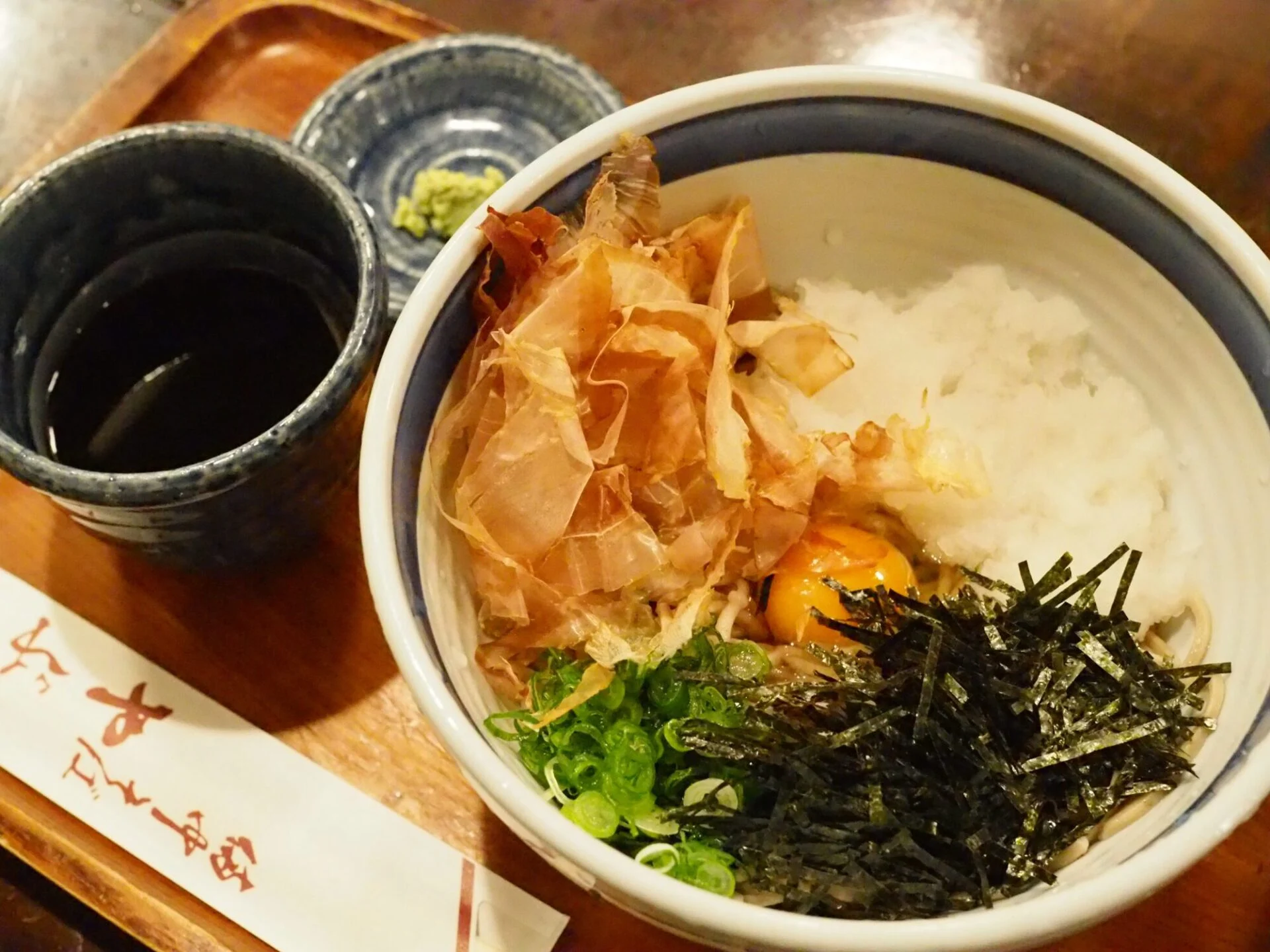
▼The kibi soba noodles are as thin as soba.

But their color is completely different from soba: kibi soba is a deep reddish-purple.

On closer inspection, the noodles had speckles, like whole-grain noodles.
These are takakibi grains.
Toraiya Honpo also takes great care with its sauce.
▼The base is a secret sauce that has been continually replenished and used since the restaurant’s predecessor was a udon shop.

I tried slurping the kibi soba.

It is very springy.
It has a bouncy, distinctive texture that pushes back slightly against your teeth.
A new texture, unlike either soba or udon.
It is also completely different from hiyamugi, somen, or Chinese noodles.
It has a highly addictive flavor.
It also uses takakibi, a type of millet, so I thought it might have more of a “whole-grain” taste, but it didn’t taste grainy at all and was very easy to eat.
It also goes perfectly with the tororo served alongside it.
You can pour the tororo over the kibi soba and dip it in the broth, but Toraiya Honpo recommends adding the tororo to the broth and dipping the kibi soba into it.

The tororo’s creamy texture and flavor mellowed the broth, giving it a different taste.
Incidentally, the aburaage served alongside it comes from Yamazaki Tofu Shop in the Chayamachi district of Kurashiki City.
It is thick and satisfying to eat.
For the hot kibi soba, the broth is put in a small pot and heated with a solid-fuel burner.

You dip the kibi soba into it to eat.
The “Kibi Set,” featuring kibi soba and local dishes, is also recommended

Along with the kibi soba, we also recommend the “Kibi Set” (1,600 yen, excluding consumption tax).
The Kibi Set features kibi soba as its main dish, with your choice of one of three local dishes included in the set, making it a great-value menu.
You can choose one dish as standard, but for an additional charge (600 yen, excluding consumption tax), you can have two or more.
The local dishes to choose from are as follows:
- Three pieces of mamakari sushi
- Shimotsui octopus rice
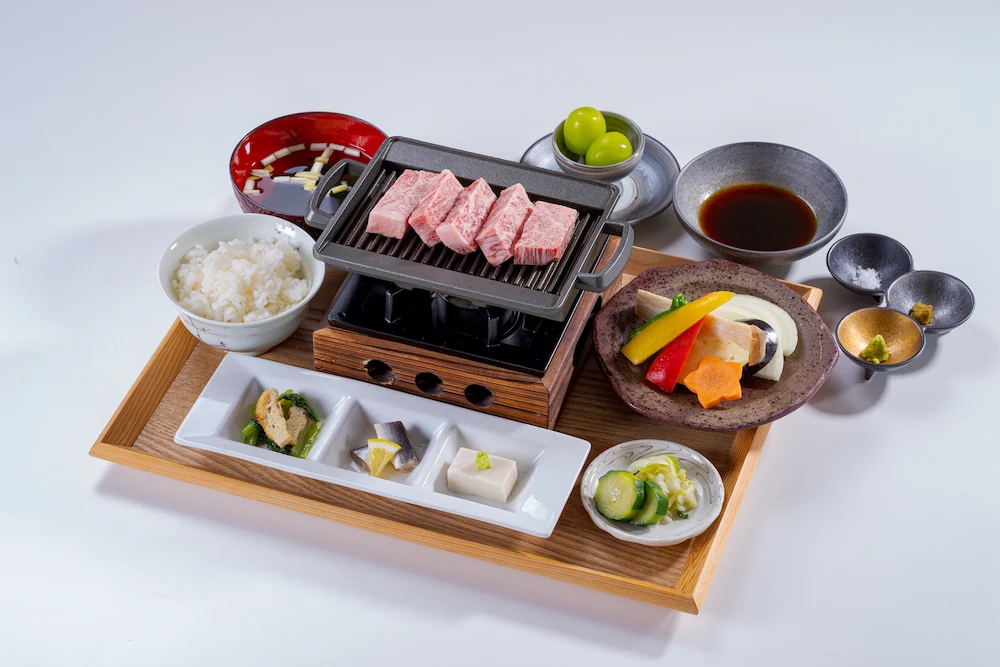
- Chiyagyu Beef mini rice bowl
They all look delicious, so it’s hard to choose.
▼ Mamakari sushi

“Mamakari” is a fish commonly eaten in Okayama Prefecture.
The set includes three pieces of nigiri sushi made with mamakari cured in vinegar.
▼ Shimotsui octopus rice

Shimotsui, a port town in southeastern Kurashiki City, is known for its octopus, which is caught in abundance there.
For this reason, octopus rice is a local dish of Shimotsui.
▼ Chiyagyu Beef mini rice bowl

In the Chiya district of Niimi City, at the headwaters of the Takahashi River, which flows through Kurashiki City, a branded wagyu beef called “Chiyagyu Beef” is produced.
It is a premium wagyu with a long history, said to be the origin of wagyu, and is produced in small numbers.
The Chiyagyu Beef is grilled, placed on rice, and topped with a special sauce.
▼ Shimotsui octopus tempura

Octopus, a specialty of Shimotsui, is served as tempura.
▼ Multigrain rice with takakibi and brown rice

This multigrain rice is cooked with brown rice and takakibi, which is also used in the kibi soba.
Original souvenirs are also available

In addition to its dine-in menu, Toraiya Honpo also sells products for takeaway and as souvenirs in the shop.
You can also just buy takeaway items or souvenirs without dining in.
▼ Dried kibi soba noodles

“Dried kibi soba noodles” were created in response to customers who wanted to “enjoy kibi soba at home, too.”
▼ Takakibi mochi

As the name suggests, “takakibi mochi” is mochi made with takakibi.

Takakibi is kneaded into the mochi dough on the outside, giving it a dark color.
The mochi is soft and chewy, with plenty of smooth red bean paste inside.

It had a smooth texture and refined sweetness, and was very easy to eat.
▼ Amazake jam

“Amazake jam” is a collaborative product with Shiragiku Shuzo (Odate Shiragiku), a sake brewery in Takahashi City.
It is made with sake lees, ginger from Okayama Prefecture, and kibi sugar.
There are many ways to enjoy it, such as spreading it on bread or mixing it with milk to make an amazake latte.
Toraiya Honpo is dedicated to food unique to Kurashiki City and Okayama Prefecture, including its original kibi soba made with takakibi grown in Okayama Prefecture and local dishes.
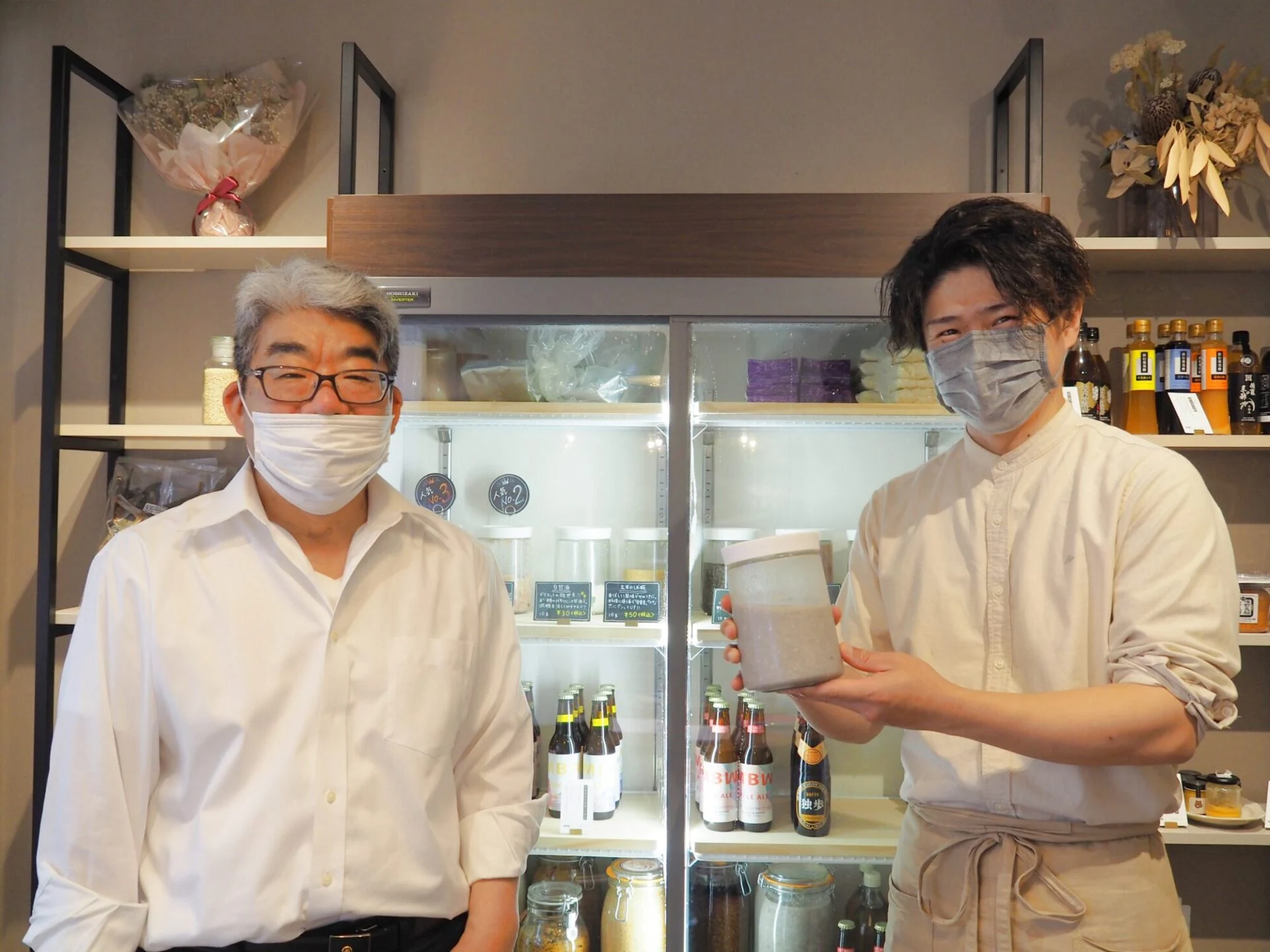
We interviewed Tomio Kusudo, representative director of TRY Co., Ltd., which operates Toraiya Honpo.
Toraiya Honpo data
| Name | Toraiya Honpo |
|---|---|
| Address | 6-21 Honmachi, Kurashiki City, Okayama Prefecture |
| Contact | 086-427-0122 |
| Parking | None |
| Hours | 11:00 a.m.–8:00 p.m. (last order at 7:00 p.m.) |
| Closed | Monday Open on public holidays, closed the following day |
| Payment methods |
|
| Reservations | Accepted |
| Seating | 45 seats in total ・1st floor: 5 tables seating 4 people ・2nd floor: 5 tables seating 5 people |
| Smoking | Entirely non-smoking |
| Restrooms | Western-style toilet |
| Families with children | Strollers allowed Children’s tableware available |
| Accessibility | Wheelchair access available (1st floor) |
| Website | Toraiya Honpo – Kurashiki Bikan Historical Area |

What would you like to know about Kurashiki?
Enter a word to search articles on this site