I want to eat food that’s good for my health!
Even if you don’t usually think much about your health, you may have thought about it when you’ve been feeling unwell.
But what exactly is food that’s good for you?
Vegetables? Organic food? Or locally produced food?
Perhaps you answered, “Fermented foods!”
You may have heard that fermented foods are good for you, but not know much about why.
I came across a shop called “Tabi no Kusuribako” that carefully explains and explores the idea that these foods “seem to be good for you.”
Here’s an introduction to Tabi no Kusuribako, a shop focused on fermented foods, which are essential to Japanese diets and health.
The information presented was current when this article was published in June 2022. Please note that it may differ from current information.
Tabi no Kusuribako: A shop focused on fermentation
Tabi no Kusuribako opened in the Bikan Historical Area in December 2021.
It is one of the shops operated by TRY Co., Ltd., which has tenants in the Bikan Historical Area, including the main building of Toraiya Honpo.
The shop sells food products, mainly fermented foods, and offers sweets and drinks for takeout.

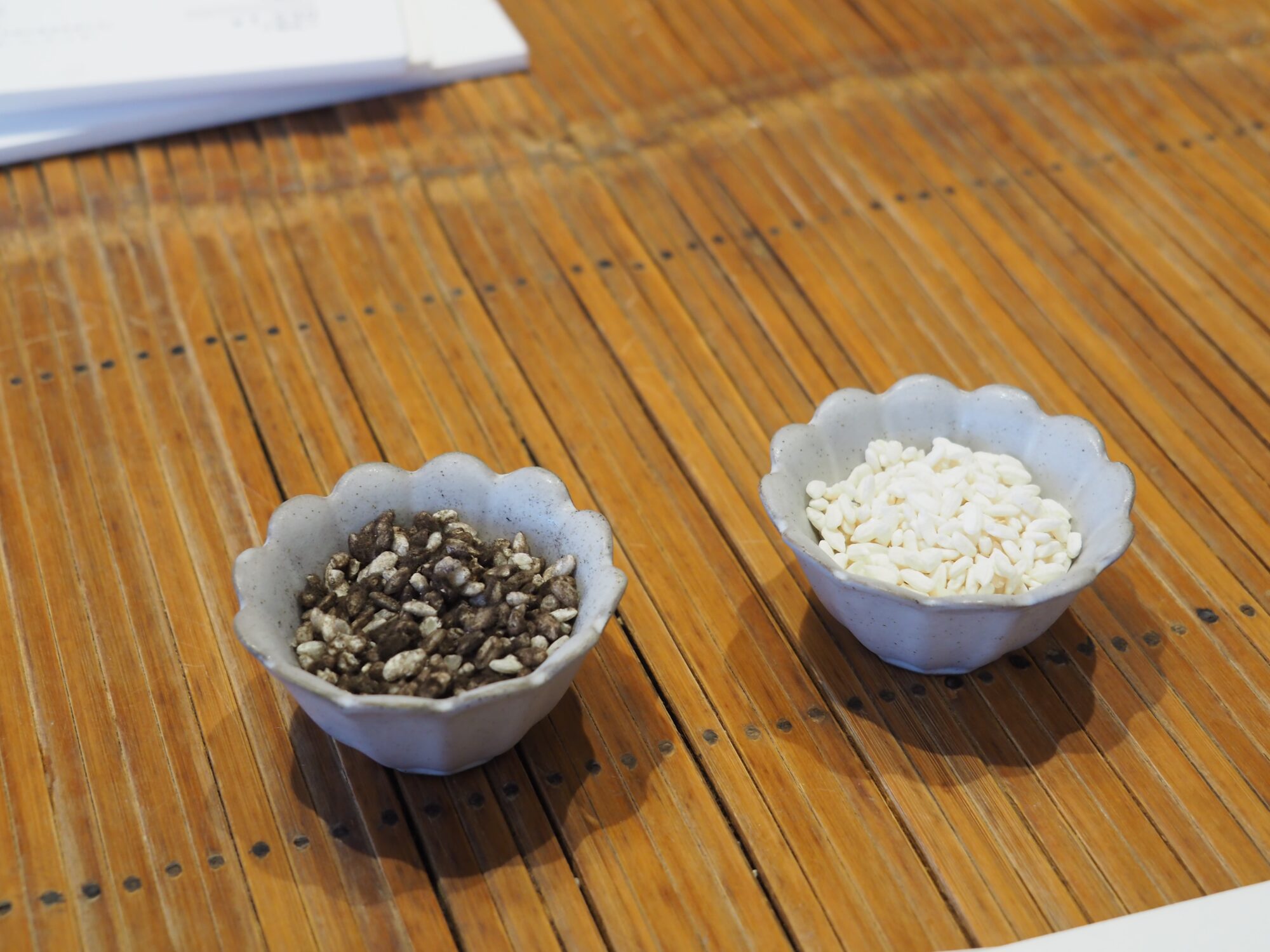
Koji is made by fermenting grains such as steamed rice with microorganisms (koji mold).
Koji mold produces enzymes as it transforms rice into koji.
These enzymes are said to play a role in making fermented foods derived from koji.
Fermentation brings out the flavor of food, increases its nutritional value, improves its shelf life, and helps maintain a healthy gut.
The kanji “麹” can be used for all types of koji, while “糀” is used only for rice koji.
In this article, the kanji used will follow the product names at the shop.
Tabi no Kusuribako says it shares research on fermentation centered on koji with the Yoshida Research Institute, as well as ways to maintain the mental and physical health needed to keep enjoying travel for years to come.
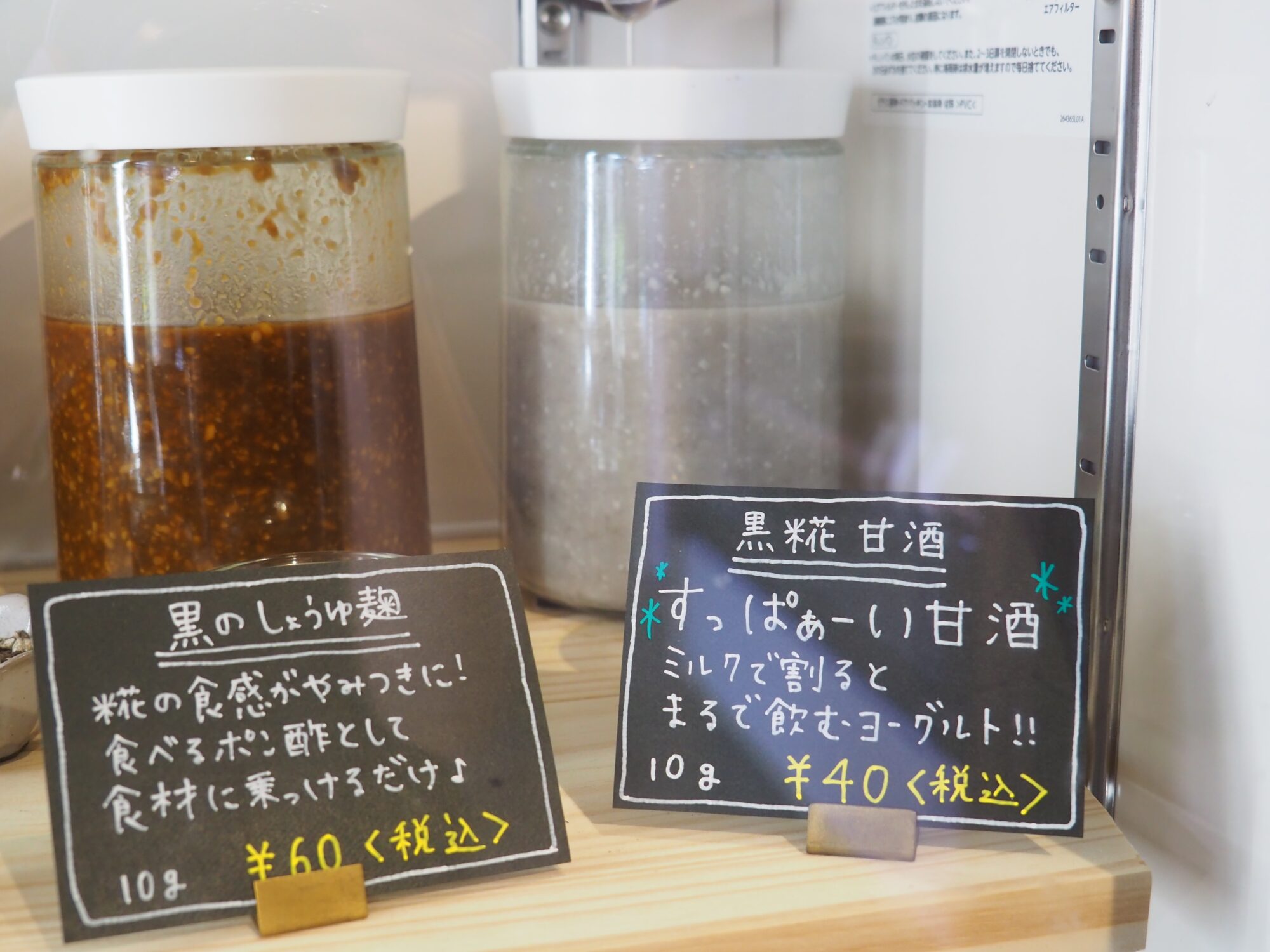
Products available at Tabi no Kusuribako
Tabi no Kusuribako’s products are mainly house-made fermented foods and fermented foods made in Okayama Prefecture.
Some non-fermented foods are also sold.
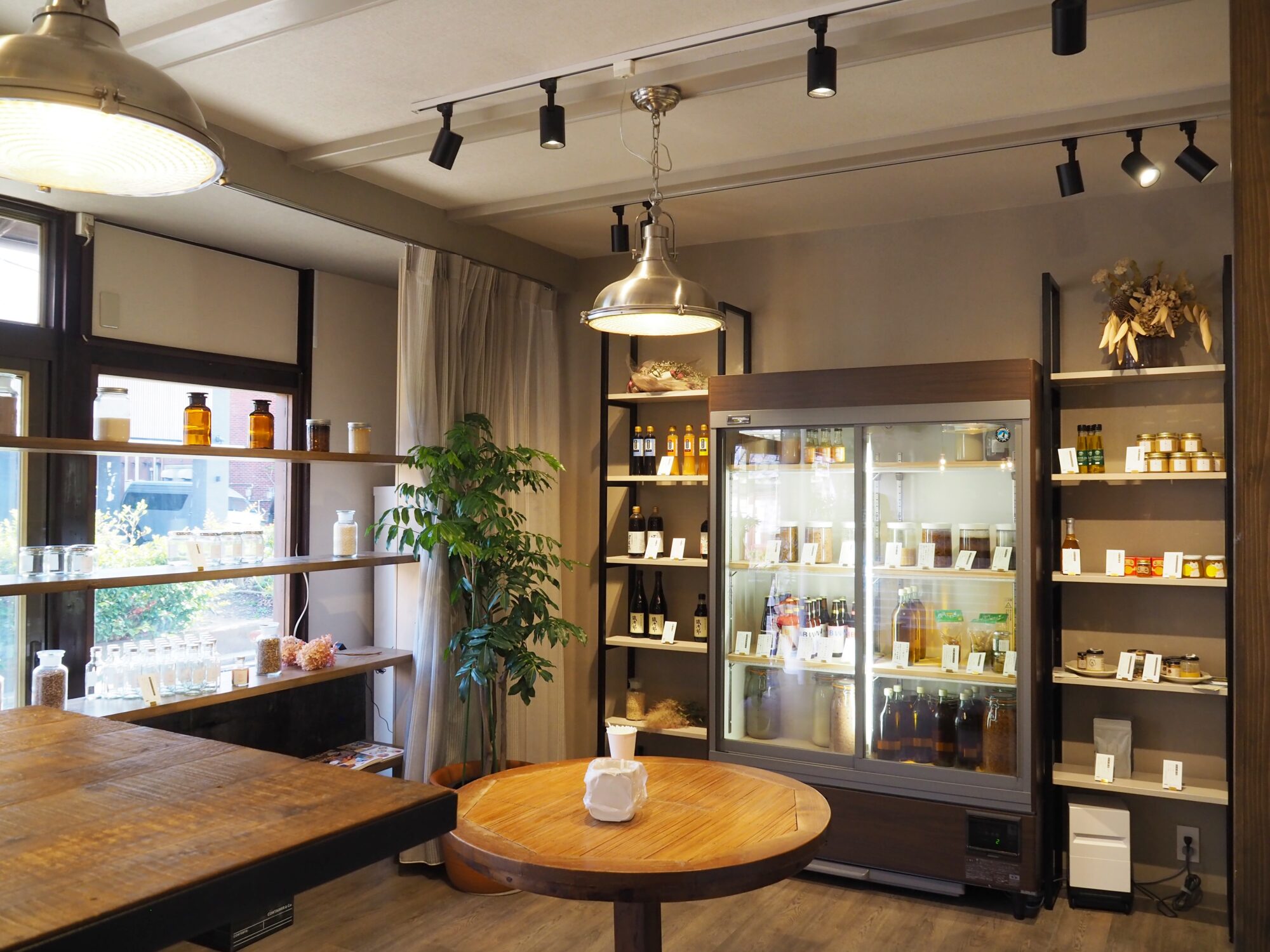
House-made koji sold by weight
When you enter the shop, a large display case catches your eye.
The upper shelf is lined with a wide variety of fermented seasonings in shades of brown, black, and yellow.
The fermented seasonings are house-made.
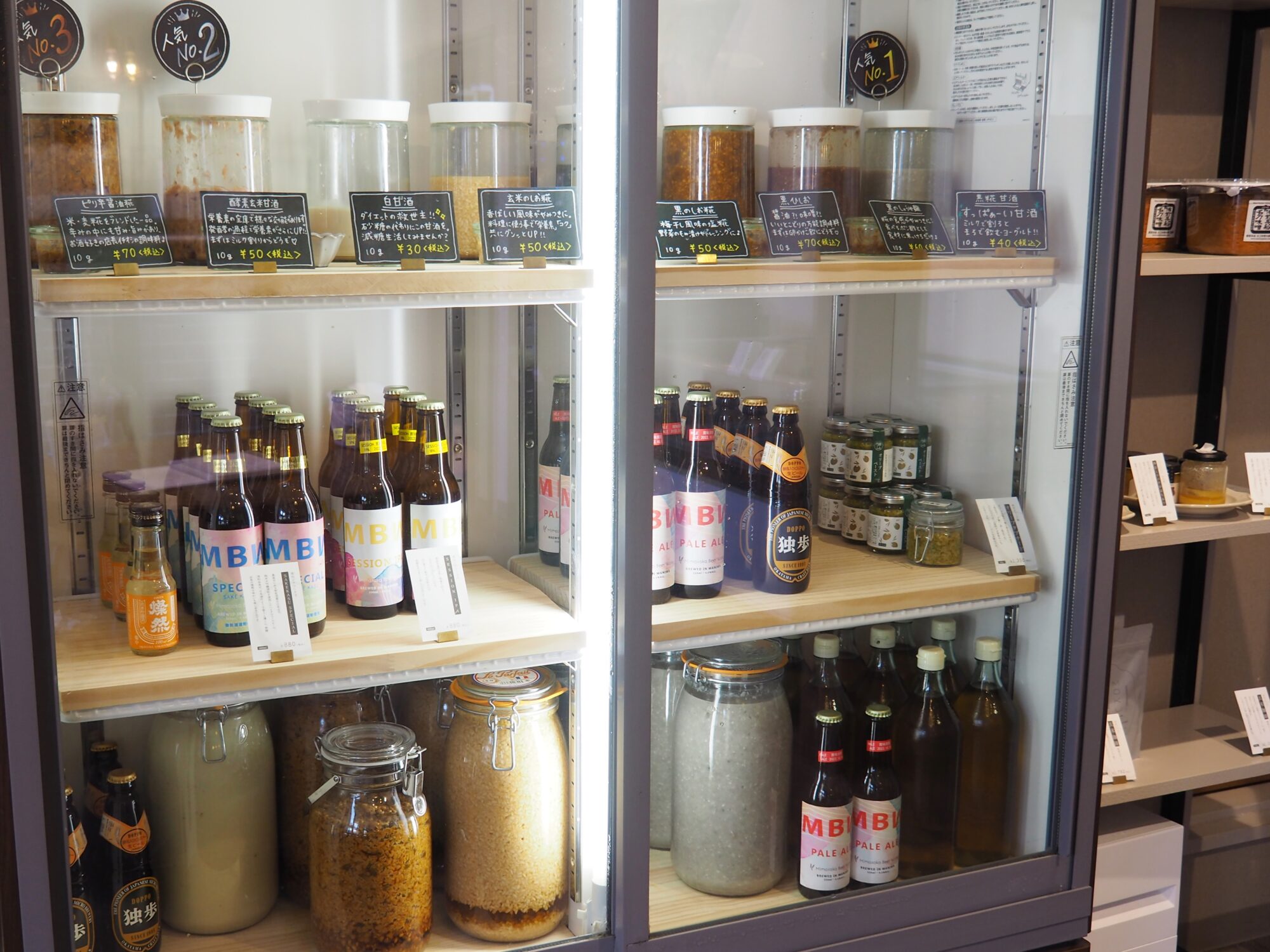
The fermented seasonings are sold by weight.
If you’re buying koji, bring a jar.
Don’t worry if you don’t have one. You can buy an empty jar and have it filled with koji.
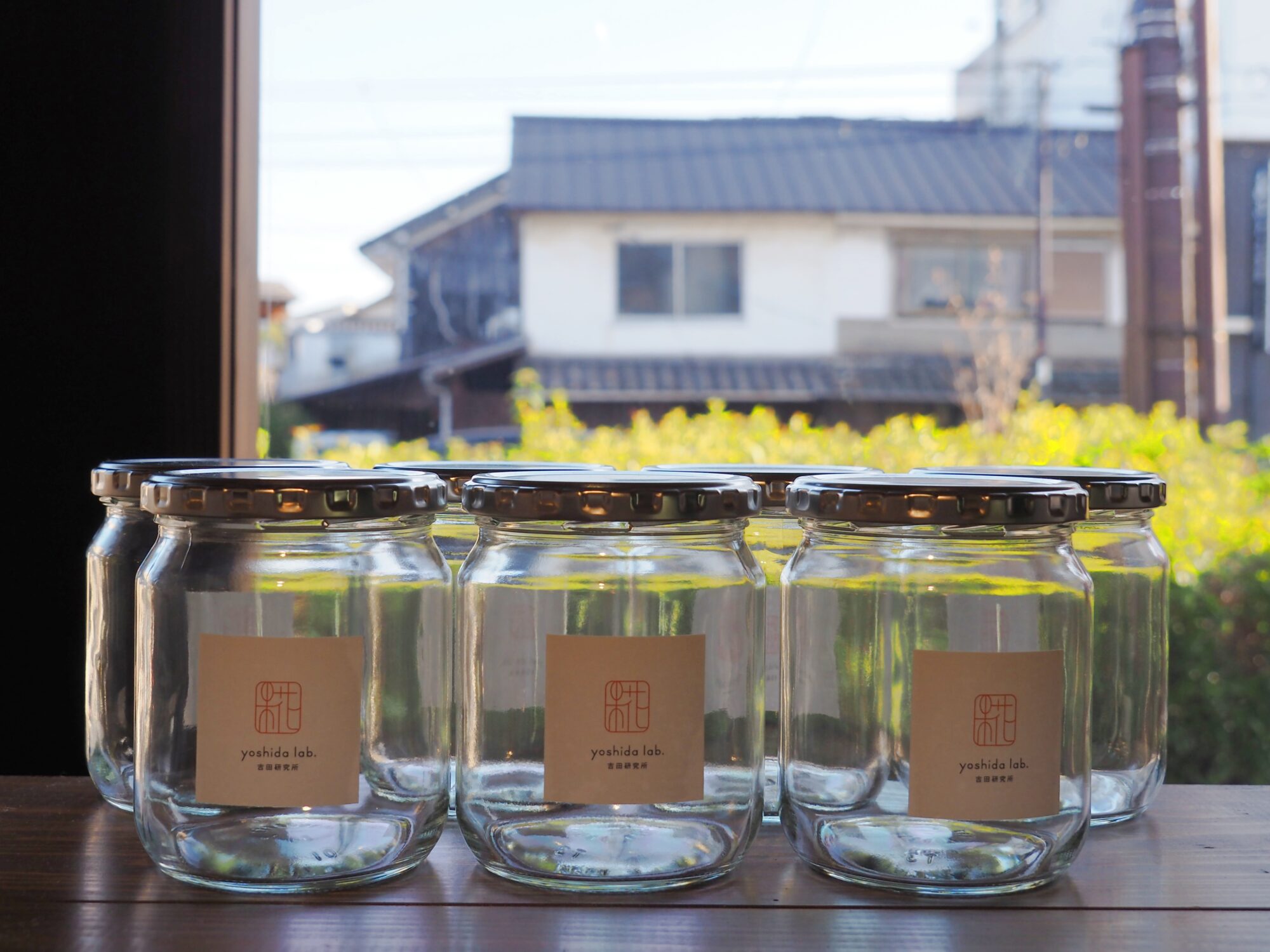
If you’re worried you might not like the taste, you can try a sample.
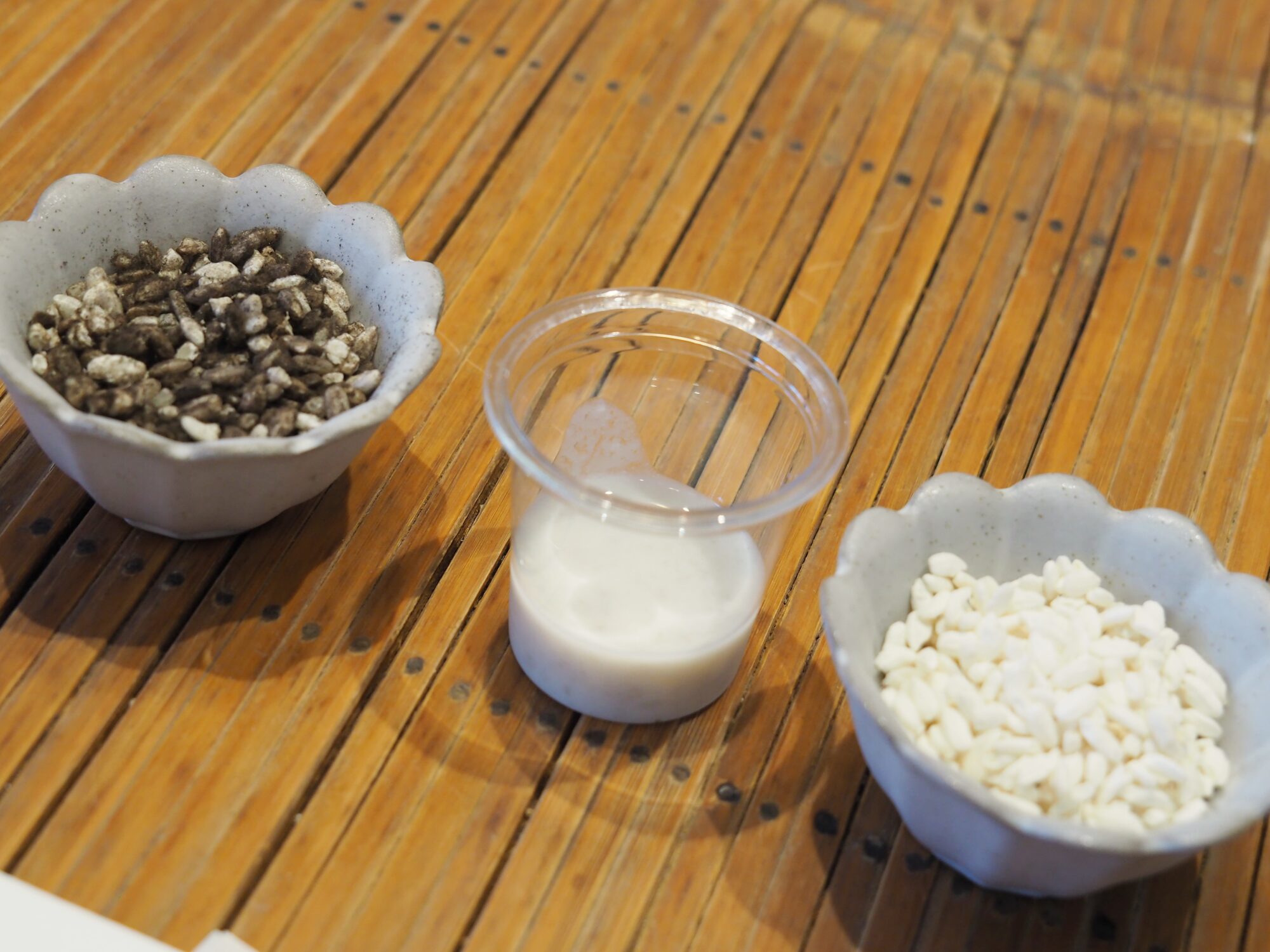
Fermented foods and seasonings
The shop also sells fermented foods and other products.
Many are products from Okayama Prefecture, making them perfect as souvenirs as well as for personal use.
▼They had yuzu pepper from Sato Beni Shoten (made in Takahashi City, Okayama Prefecture), with an eye-catching bright red design.
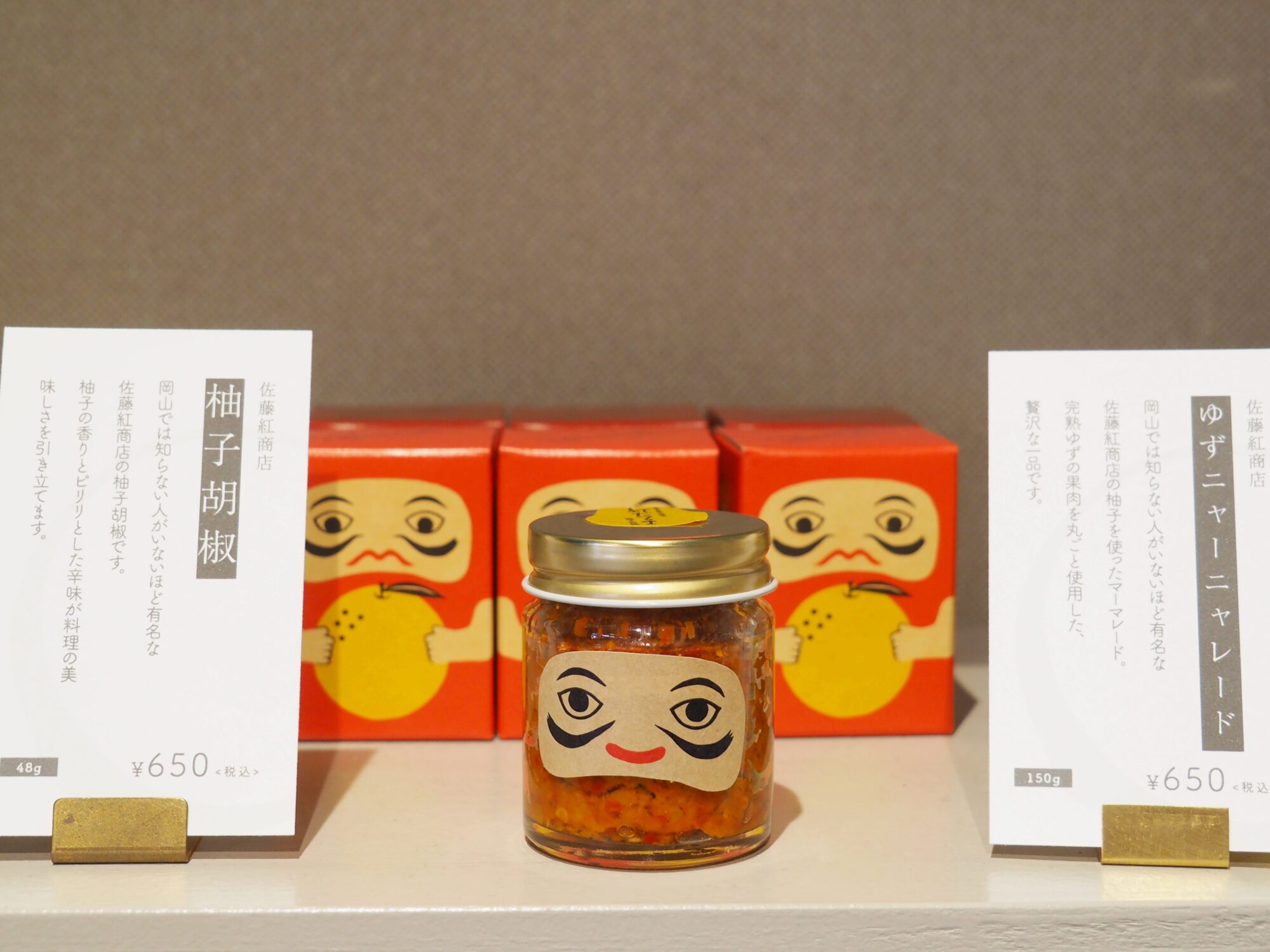
I like eating it with somen noodles.
▼I found mama-chobi, an alternative to anchovies!
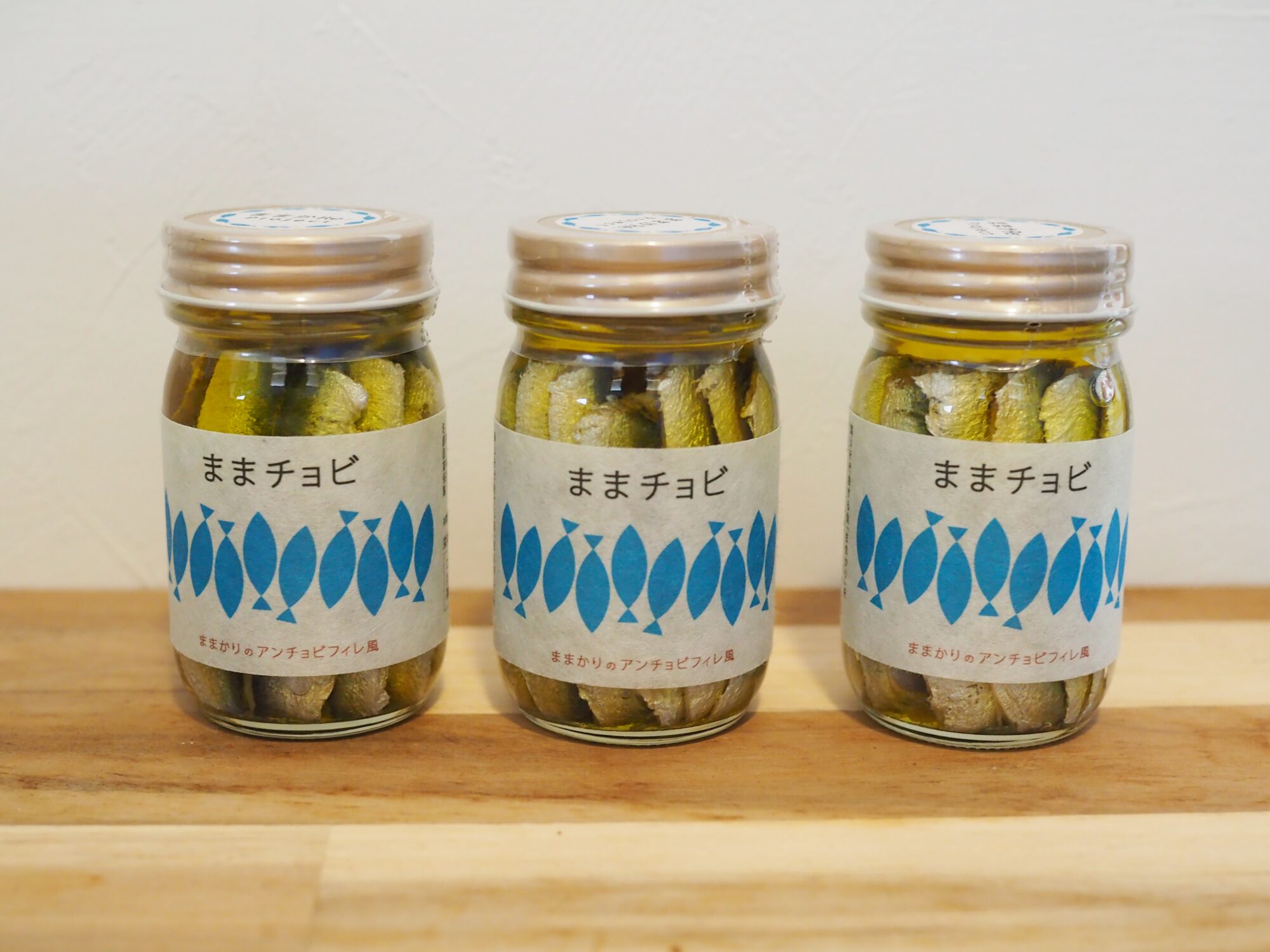
“Mama” seems to come from mamakari, a fish representative of Okayama.
Salt-fermented mamakari is preserved in olive oil.
It looks cute and is a distinctly Okayama product, so I gave some to a friend from outside the prefecture.
It seems to be made in Kojima, Kurashiki City.
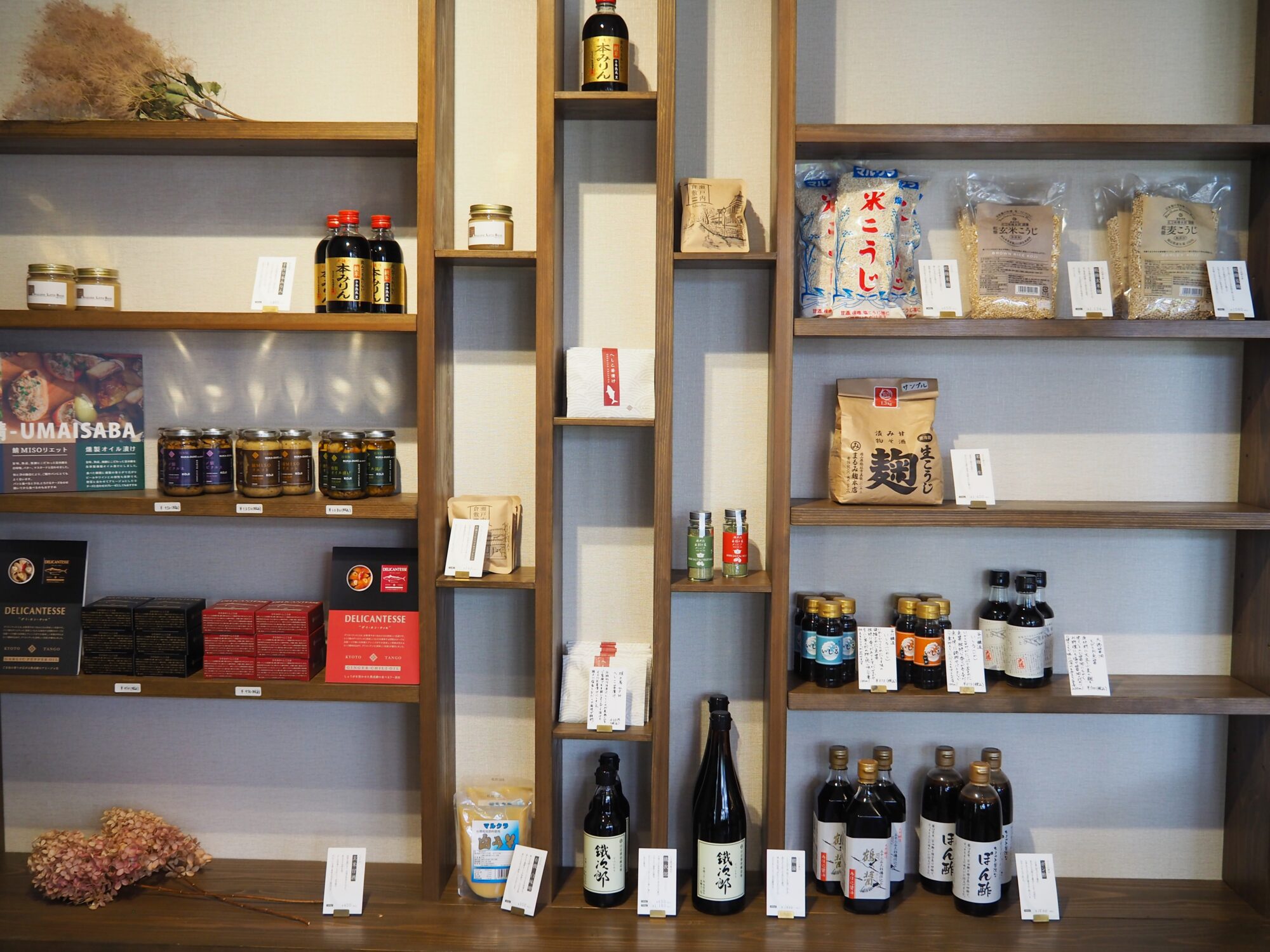
There are also products other than fermented foods, such as olives and dried shiitake mushrooms from Kurashiki City, as well as seasonings from inside and outside Okayama Prefecture.
Since the products are made with as few additives as possible, they seem good for your health.
Takeout Menu at Tabi no Kusuribako
Tabi no Kusuribako offers takeout menu items made with koji.
Here are some of the menu items.
Amazake Latte
A hot amazake latte.
It contains no sugar; its sweetness comes from koji.
Its gentle sweetness is comforting.
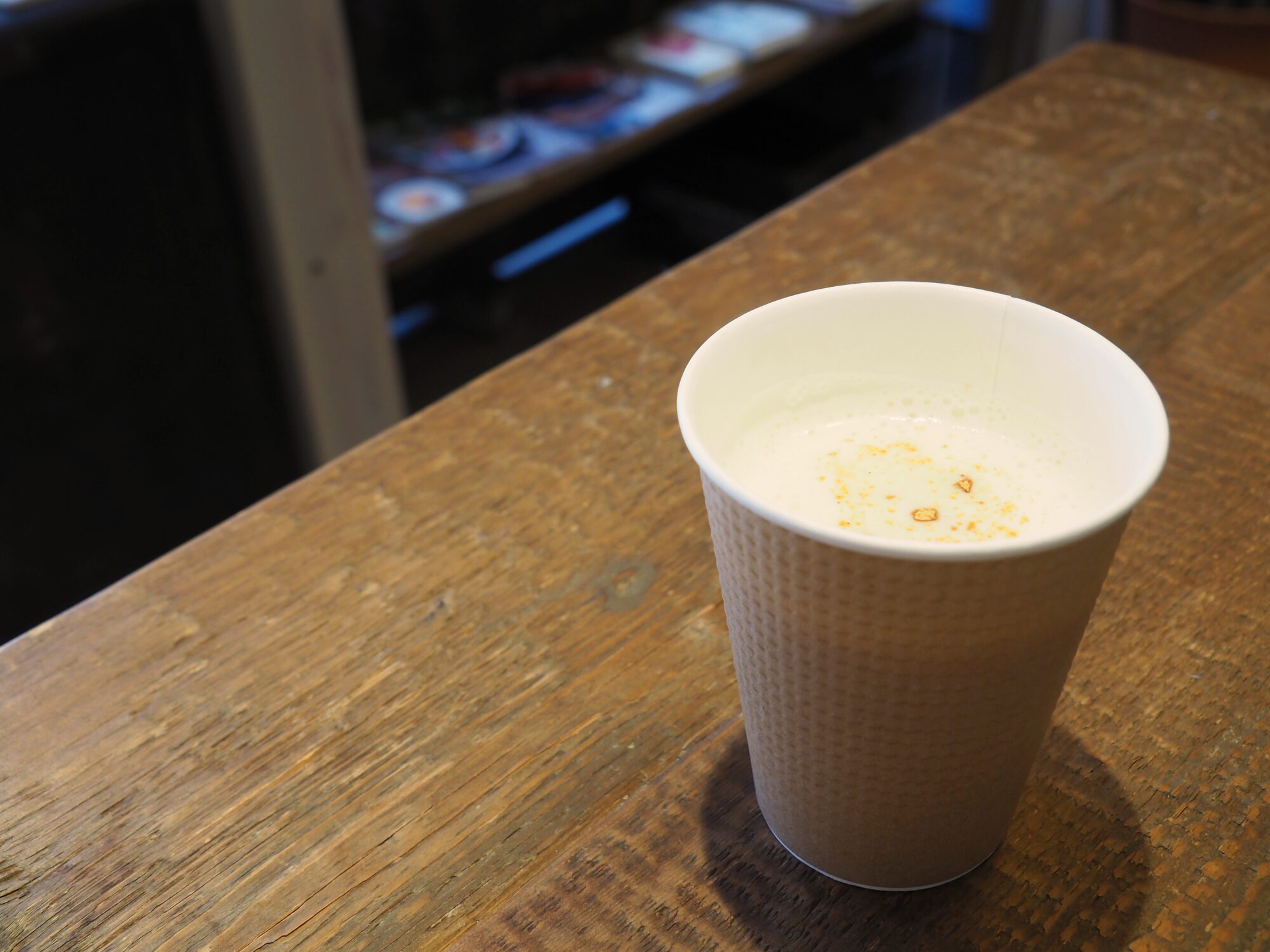
It seems to be made with daiginjo sake lees and diluted with soy milk.
It contains ginger, making it especially recommended for cold winter days.
Fermented Craft Cola
Doesn’t the name pique your interest?
Just hearing “craft cola” is intriguing, but a fermented drink, of all things?
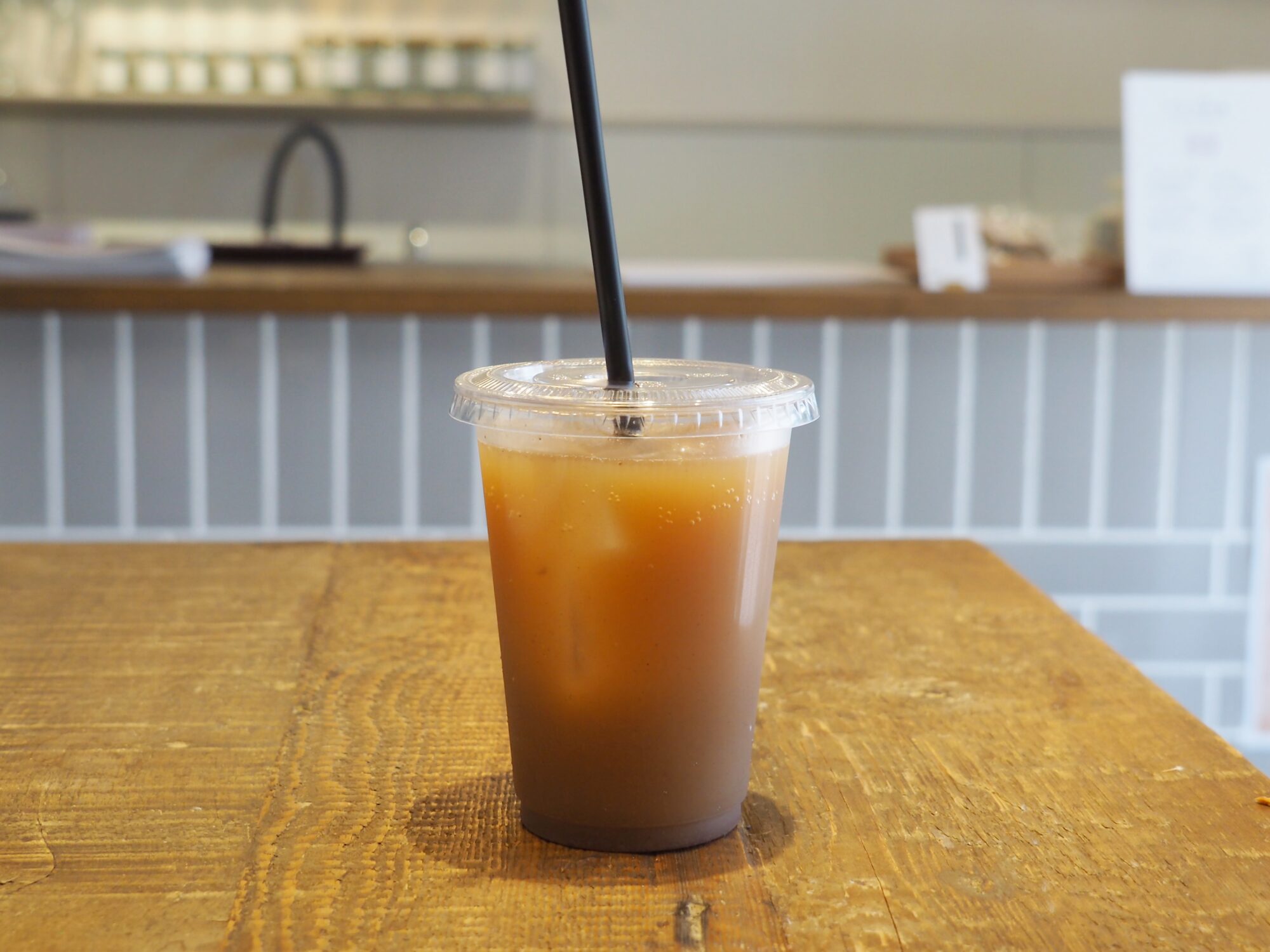
This cola contains several spices, including cinnamon, star anise, and cloves, as well as lemon, orange, and ginger.
It’s completely different from Coca-Cola. The spices really come through and seem to give you a boost.
The fermented craft cola is sweetened with amazake and brown sugar, using sweeteners that are gentle on the body.
Framboise × Black Koji Soft Serve
I’ve tried all kinds of unusual soft-serve flavors, but this was my first time trying one with koji!
The top is sprinkled with chopped chocolate.
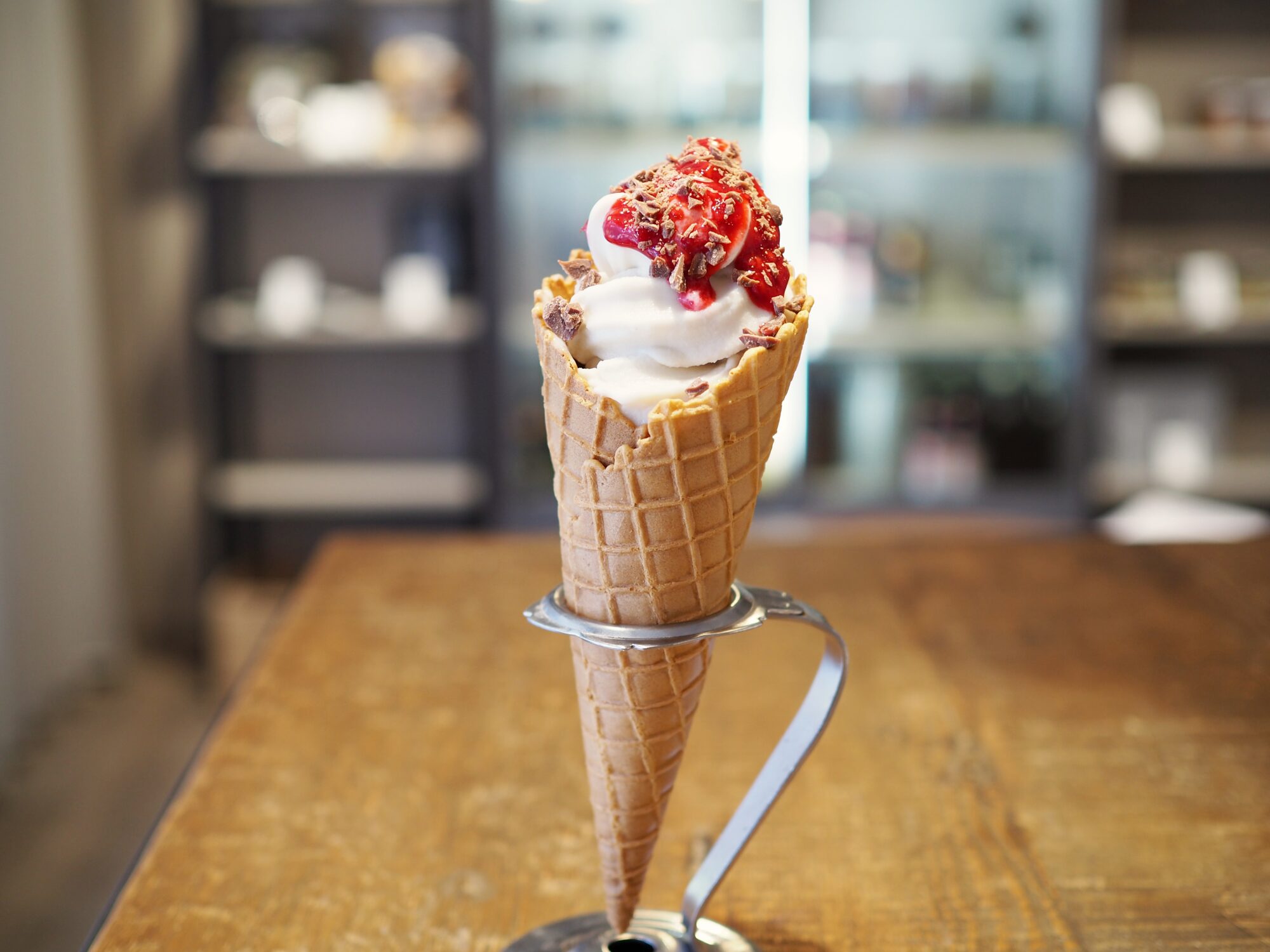
The black koji gives it a sweet-and-sour flavor like rare cheesecake.
It was just the right amount of sweet, and I finished it in no time.
Tsujiri Matcha × Sweet Koji Soft Serve
This soft serve didn’t taste like it contained koji at all.
Apparently, the koji is blended in so as not to detract from the matcha flavor.
As a result, you can really taste the depth of the matcha.
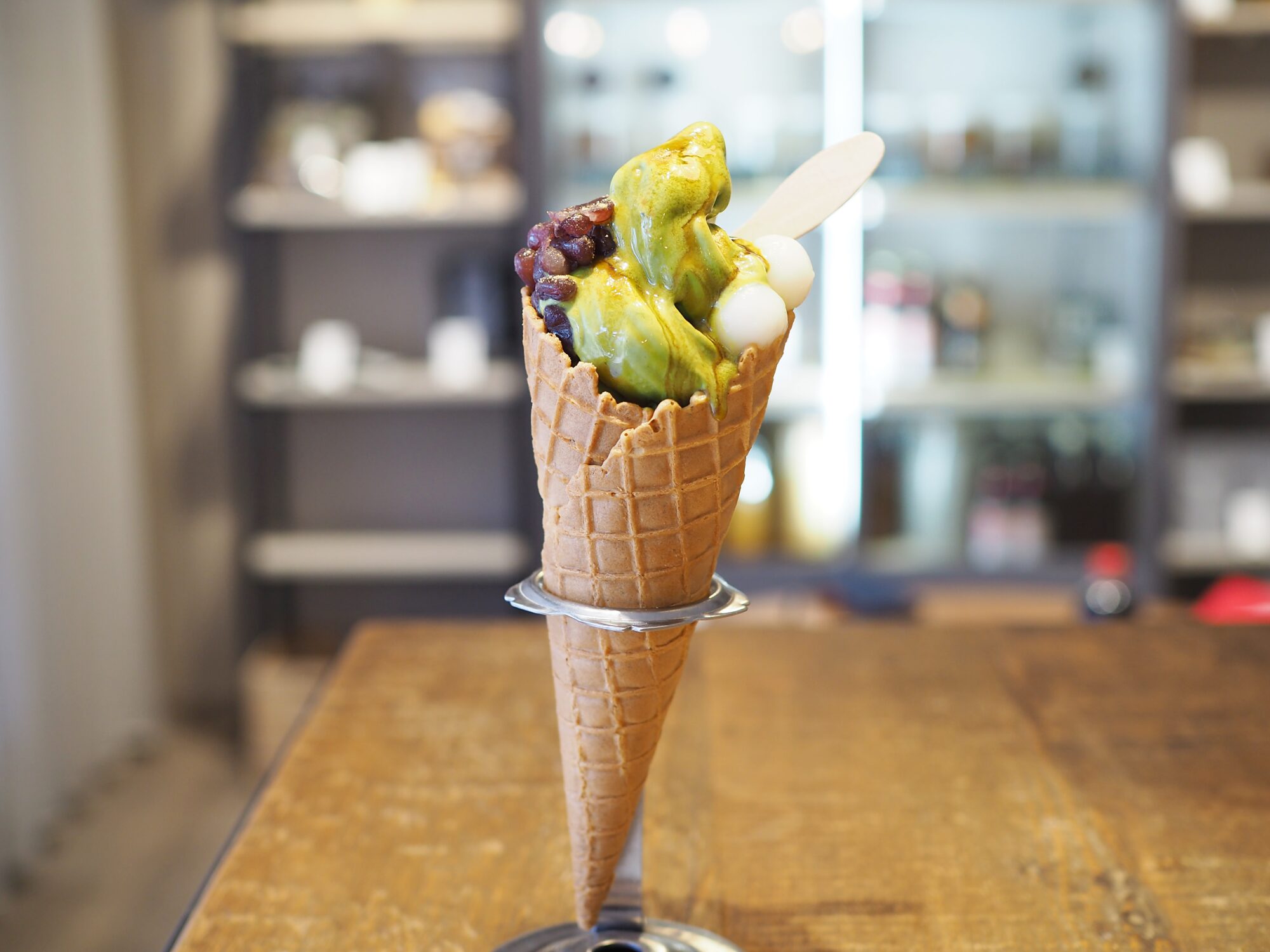
It comes with anko and shiratama dumplings to bring out the matcha’s appeal even more.
This soft serve makes the most of koji’s sweetness.
Since it contains koji, which is good for you, even people on a diet might be able to enjoy it without feeling guilty.
Tabi no Kusuribako, which opened in the Bikan Historical Area, focuses on koji, an essential part of Japanese food culture.
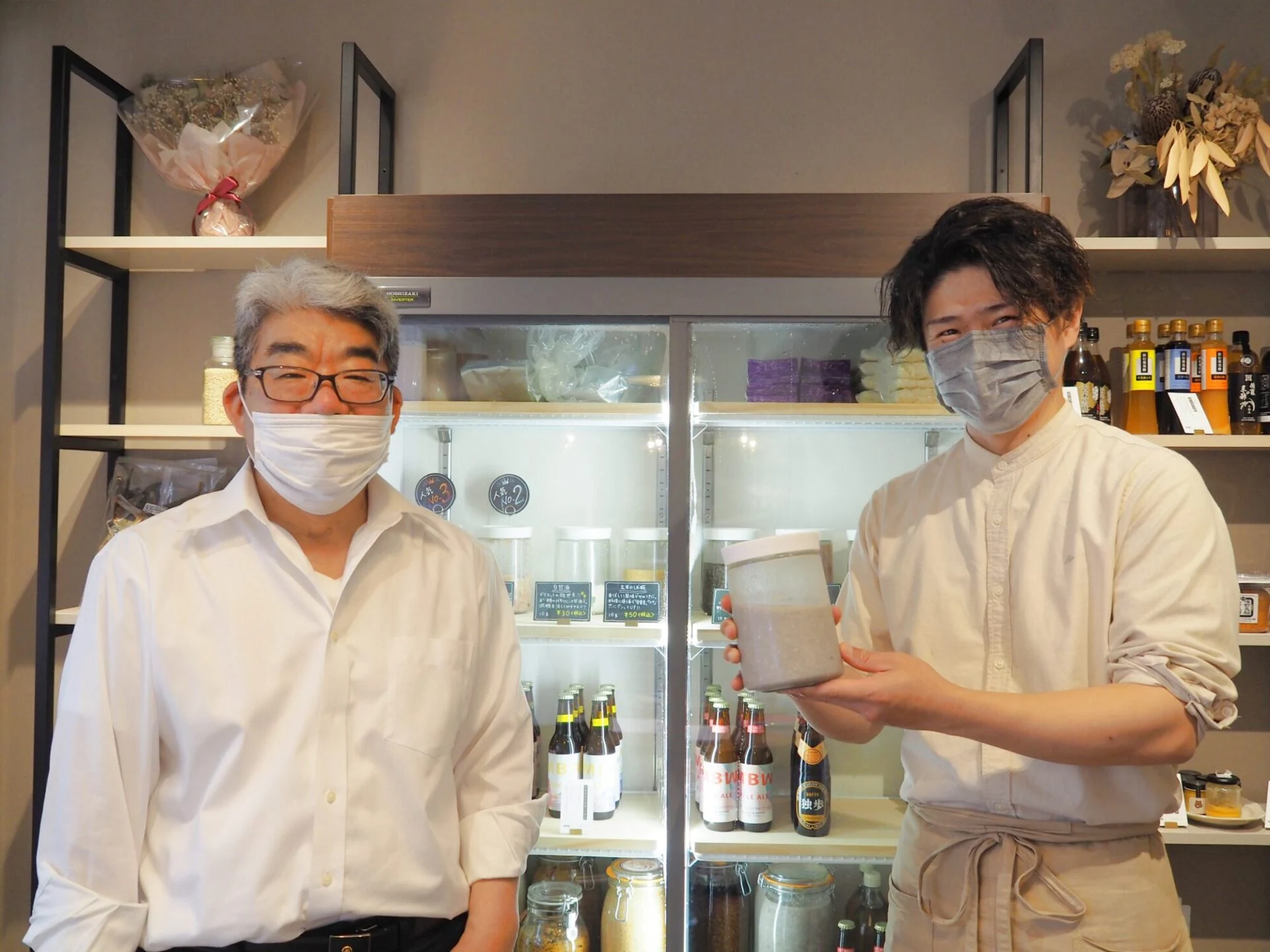
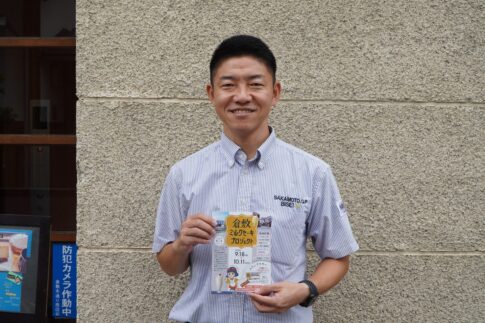
We interviewed company president Tomio Kusudo and store manager Katsuyuki Washino.
Tabi no Kusuribako Information
| Name | Tabi no Kusuribako |
|---|---|
| Address | 5-15 Honmachi, Kurashiki City, Okayama Prefecture |
| Contact | 086-454-5636 |
| Parking | None |
| Hours | 10:00 a.m.–6:00 p.m. |
| Closed | Mondays Open if Monday is a public holiday |
| Payment methods |
|
| Website | Tabi no Kusuribako |


What would you like to know about Kurashiki?
Enter a search term to find articles on this site