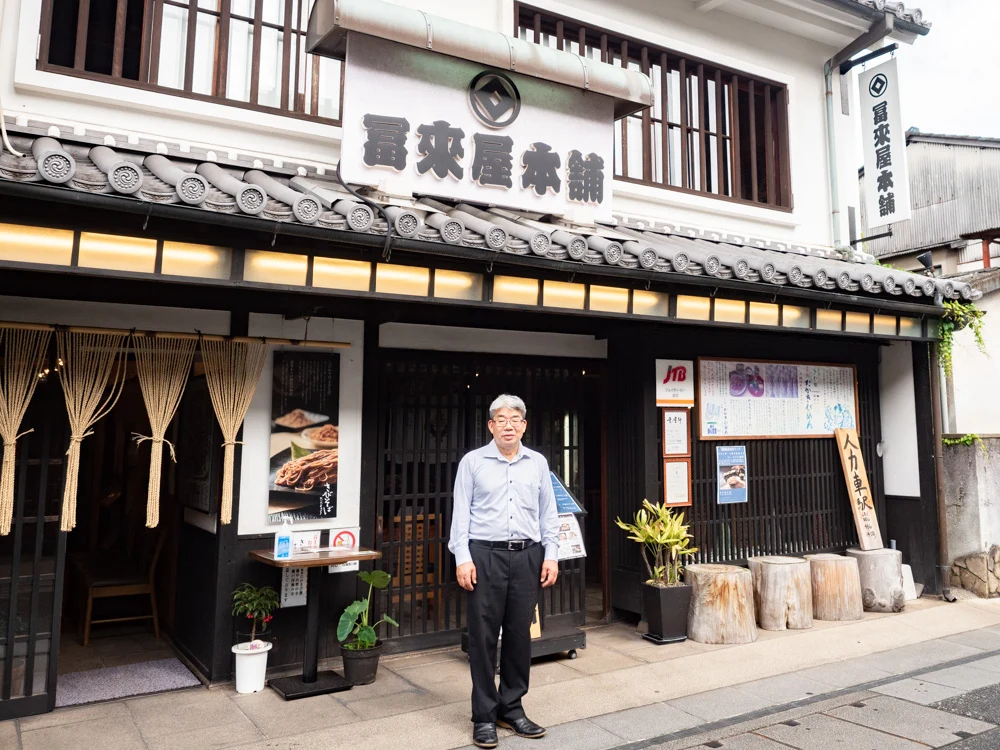
Interview with Tomio Kusudo, President of Toraiya Honpo
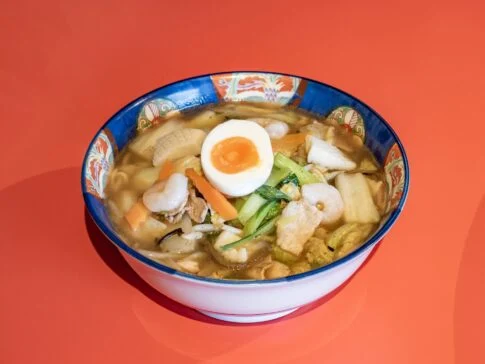
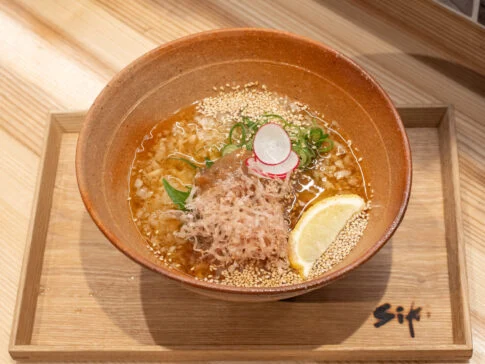
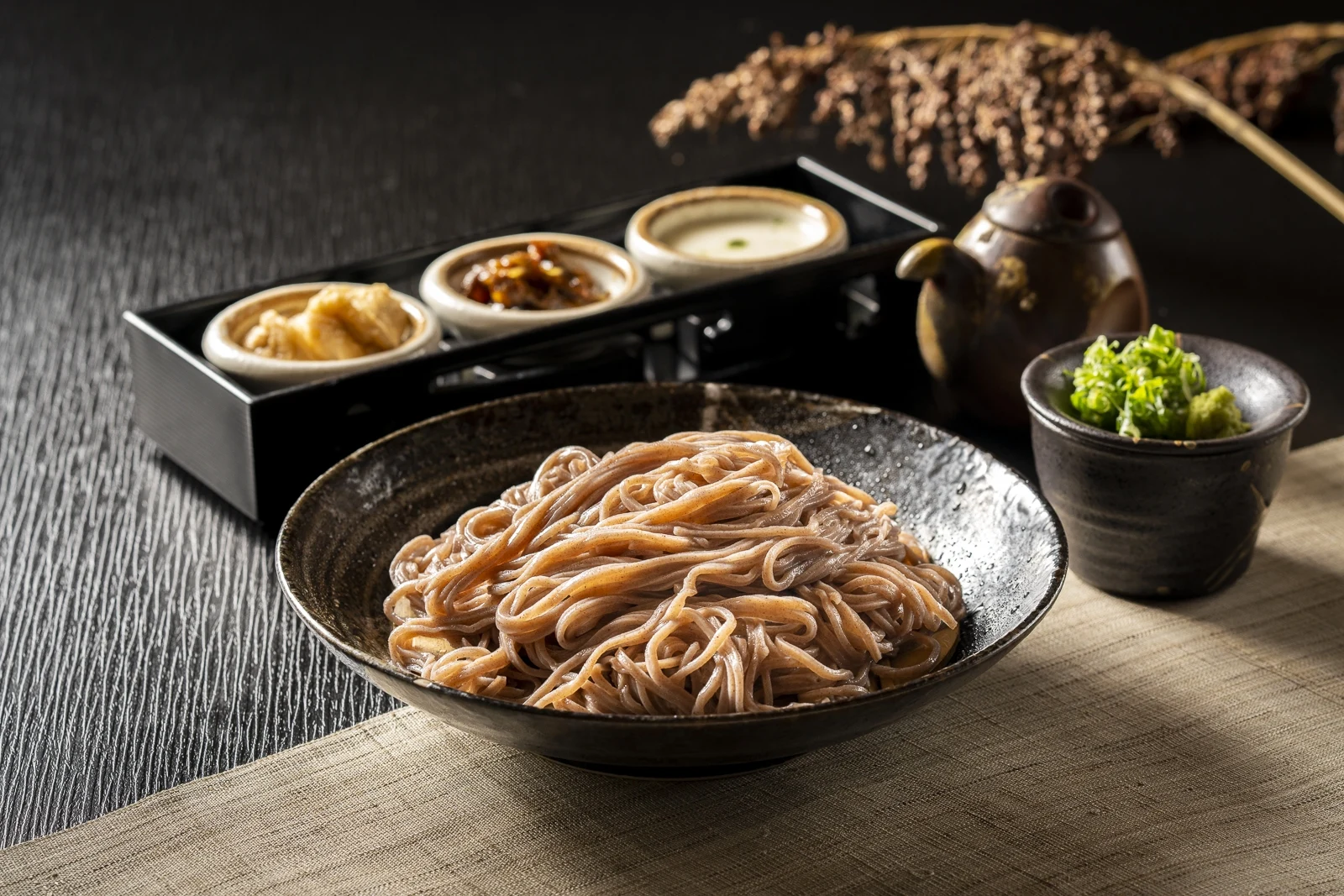
Toraiya Honpo is committed to original Kibi Soba made with Takakibi grown in Okayama Prefecture, as well as local dishes unique to Kurashiki City or Okayama Prefecture.
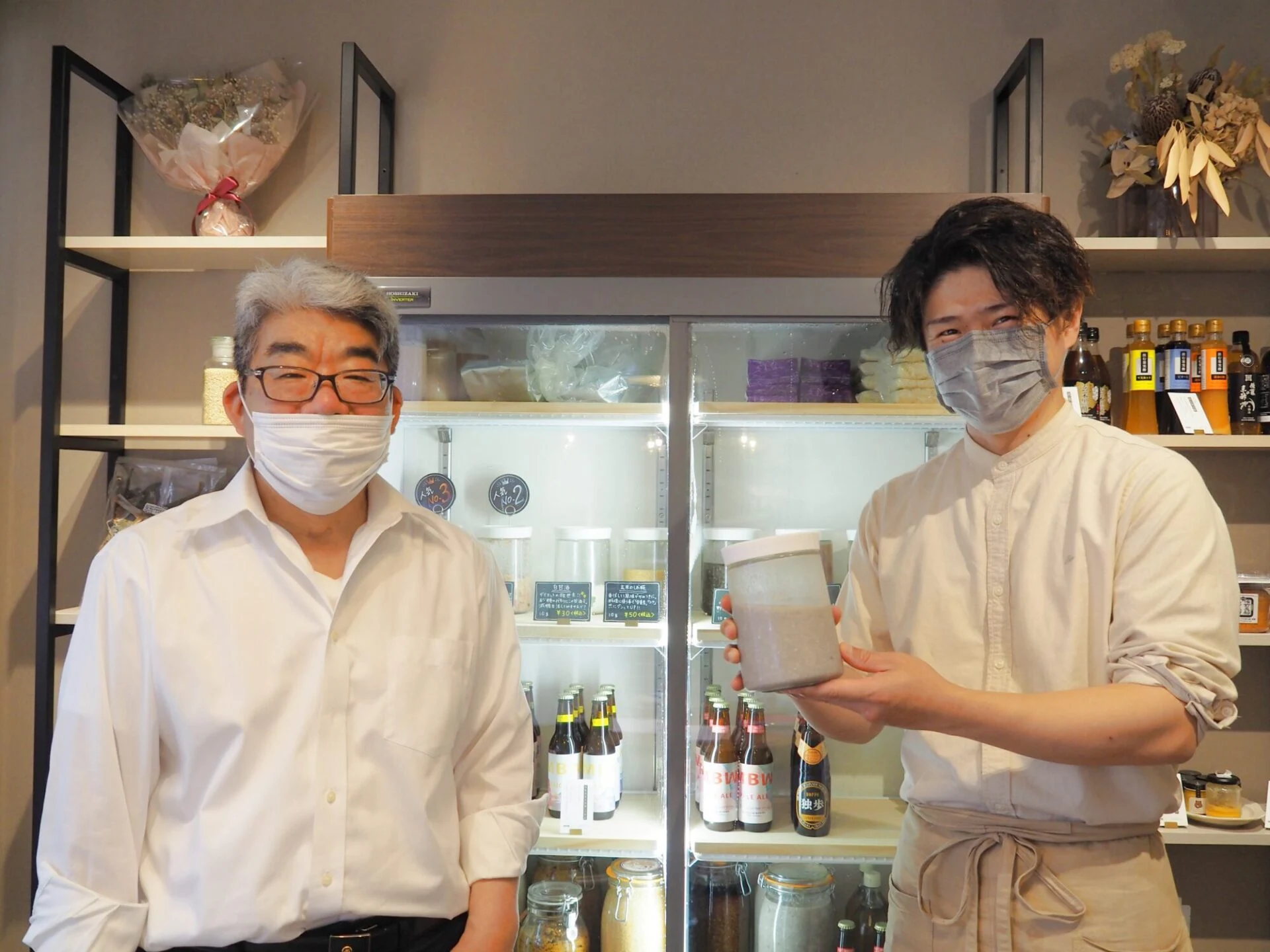
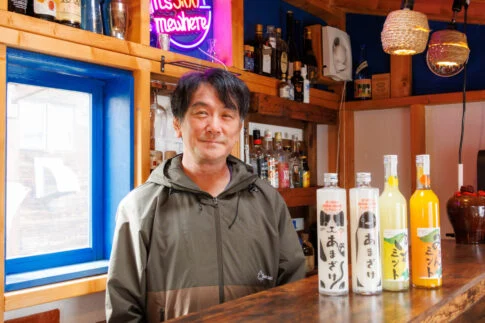
I spoke with Tomio Kusudo, President of TRY Co., Ltd. (トライ), which operates Toraiya Honpo, about the background of the business, the characteristics and concept of the store, the story behind the development of Kibi Soba, and future aspirations.
Tourists are seeking unique local experiences in Kurashiki
What is the background of the business?
Kusudo (no honorifics)
TRY Co., Ltd., which operates Toraiya Honpo, originally engaged in a completely different industry from the food and beverage sector.
Eventually, we started operating restaurants, including udon shops. We decided to open an udon shop in the Bikan Historical Area, located three shops north of the current location.
However, Kurashiki is very close to Kagawa Prefecture, the home of Sanuki Udon, and there are many udon shops in Kurashiki itself.
I thought that simply serving udon would not allow us to win in the competition.
Kurashiki is a tourist destination.
Many tourists come from various places, both domestic and international.
Many tourists want to eat local food unique to the area.
If they eat something they can have near their home, it defeats the purpose of coming to visit.
It lacks the essence of Kurashiki.
After much trial and error, the original noodle "Kibi Soba" made with Takakibi was born
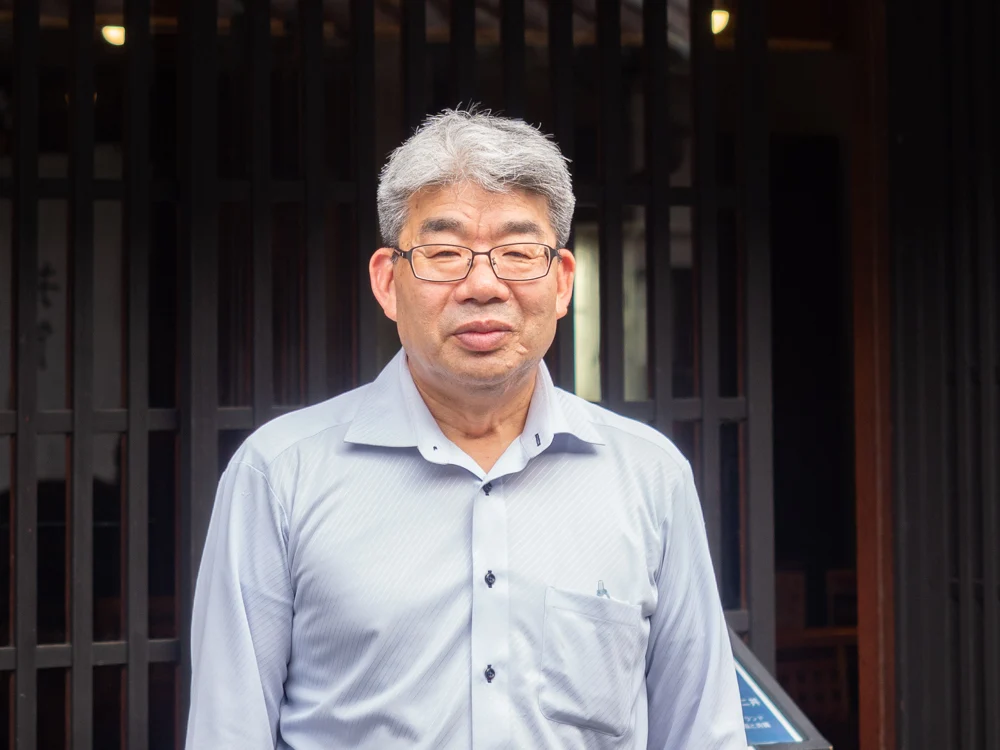
How was the current signature menu "Kibi Soba" born?
Kusudo
I had been thinking about new menu items even before the relocation.
At one point, I thought about using Kibi (millet) since many people associate Okayama Prefecture with "Kibidango" and "Kibi no Kuni."
In the past, Kibi was cultivated and consumed in Okayama Prefecture.
I started to challenge myself to create a noodle dish using Kibi, thinking it would be easy to eat.
However, it did not go well at first.
Initially, I was using "Mochikibi" (glutinous millet), which is what comes to mind when thinking of Kibi.
After researching, I learned that there is another type of Kibi called Takakibi (高黍, also known as sorghum).
Takakibi is very nutritious, and I thought it would be more suitable for making noodles.
Moreover, the traditional Kibidango was also made with Takakibi.
Did the noodle-making with Takakibi go well?
Kusudo
The noodle-making with Takakibi also involved a lot of trial and error.
It took about two years, I think...
Takakibi is very difficult to form into a solid.
Even if you harden it, it quickly falls apart and does not take the shape of noodles.
However, if you add too much wheat flour as a binder, the flavor of Takakibi disappears, making it pointless.
Balancing Takakibi and wheat flour was very challenging.
After much effort, I finally completed it, and it was a very delicious and unique noodle, so I was thrilled and thought, "This is it!"
Since it is neither soba nor udon, I named it "Takakibi Men" to indicate that it is a noodle made with Takakibi.
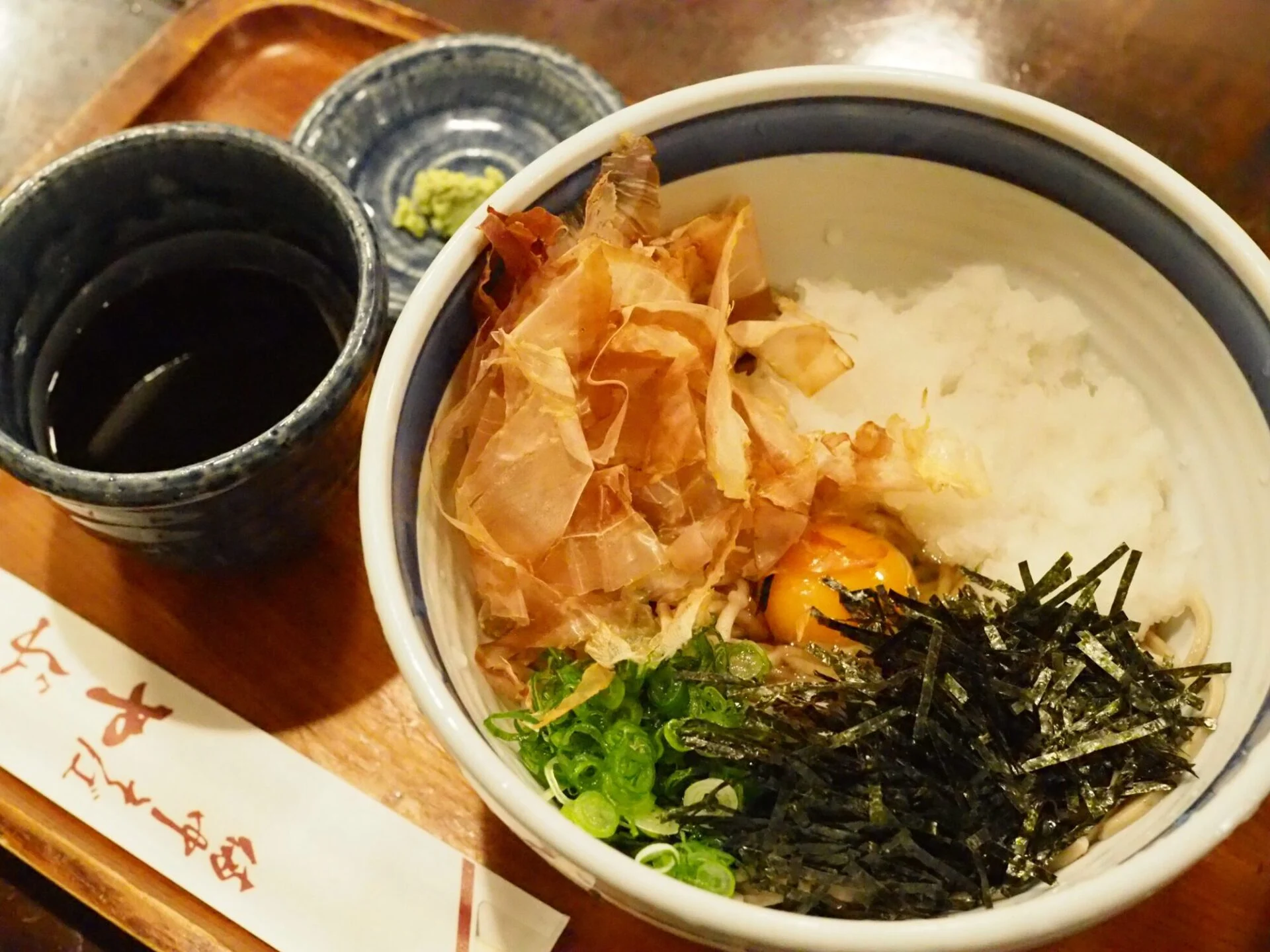
Currently, to make it easier for customers to understand, we have renamed it "Kibi Soba."
Although it has "soba" in the name, there is no soba in it at all.
The appeal of Kibi Soba lies in its high nutritional value and unique texture and flavor that becomes addictive after one bite
What are the characteristics of Kibi Soba?
Kusudo
Since it uses Takakibi, the most notable feature is its high nutritional value!
It contains a balanced mix of minerals such as potassium, magnesium, calcium, and iron, and is also rich in dietary fiber.
Takakibi is also known as "the hamburger of the field."
Additionally, the texture of the noodles is remarkable.
The chewy and elastic texture is addictive.
With a unique flavor not found in other noodles like soba or udon, customers have praised it as "a taste you can only eat here," "I might get hooked," and "easy to eat."
Commitment to local ingredients and dishes beyond Kibi Soba
Where is Takakibi produced?
Kusudo
Takakibi is produced in Okayama Prefecture.
In fact, Takakibi is cultivated in Okayama Prefecture.
The main production areas are Tamano City, Takahashi City, and Niimi City.
We use products from these three cities.
In addition to Takakibi, we are also committed to using local ingredients and regional dishes.
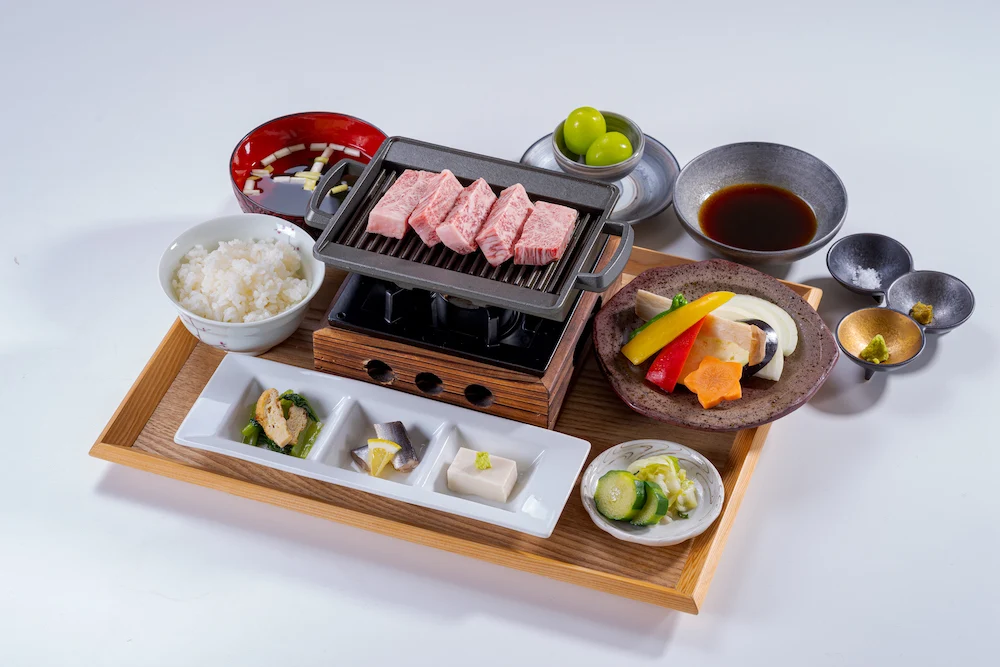
Dishes that come with the Kibi Zen include Mamakari, Shimotsui Octopus, and Chiyagyu Beef.
We also have a wide selection of local sake.
Many customers have expressed a desire to take home our delicious food, so we developed dry noodles of Kibi Soba and sell them in the store.
We are also in the process of developing fresh noodles.
The "Takakibi Mochi," made with Takakibi, is also well-received.
We also recommend the "Amazake Jam," made with local sake lees!
When you visit our store, you can enjoy food unique to Kurashiki and Okayama Prefecture, which is our selling point.
We hope that those visiting Kurashiki for tourism or business can enjoy the local flavors.
Future goals include building a fan base for Toraiya Honpo
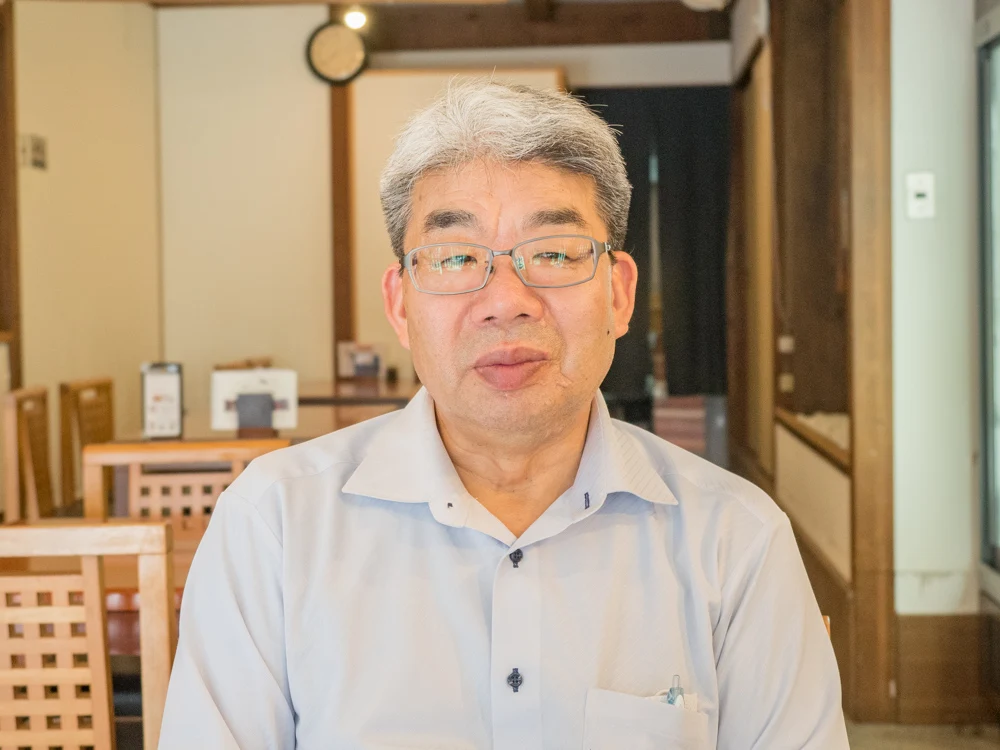
What are your future aspirations and things you want to try?
Kusudo
One goal is to make local people happy and encourage them to visit us.
When the COVID-19 pandemic occurred, I realized that while tourists are important, local customers are also crucial.
I want to aim to be a store loved by the locals.
Another goal is to increase the number of "family members" or repeat customers from far away.
Until now, we have had many first-time customers, so I want to increase the store's fan base.
Even if they cannot visit our store often, I hope to make it possible for them to enjoy our products at home by shipping them.
Conclusion
The specialty of Toraiya Honpo, Kibi Soba, can only be tasted at Toraiya Honpo.
Please enjoy this unique flavor that can only be found here in Japan.
Its high nutritional value is also appealing.
Additionally, please enjoy local ingredients such as Mamakari, Chiyagyu Beef, and Shimotsui Octopus.
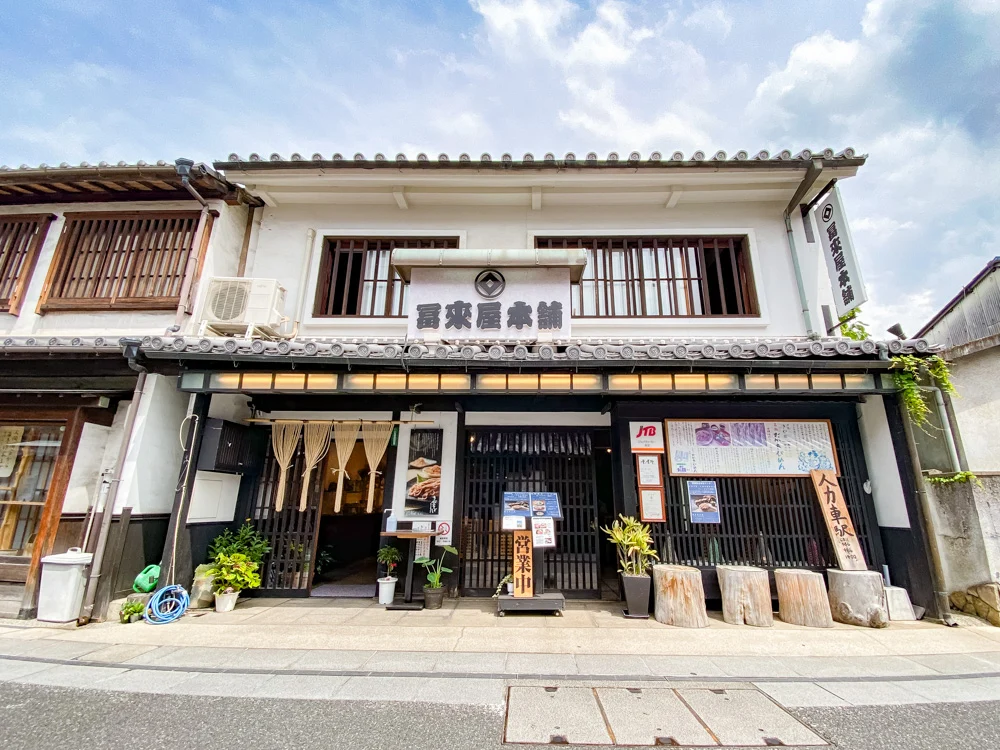
Data on Toraiya Honpo (とらいや ほんぽ)
| Name | Toraiya Honpo (とらいや ほんぽ) |
|---|---|
| Address | 6-21 Honmachi, Kurashiki City, Okayama Prefecture |
| Contact | 086-427-0122 |
| Parking | None |
| Business Hours | 11:00 AM - 8:00 PM (Last order at 7:00 PM) |
| Regular Holidays | Monday If a holiday falls on Monday, we will be open and closed the following day |
| Payment Methods |
|
| Reservation Availability | Yes |
| Seating | 45 seats total ・1st floor: 5 tables for 4 people ・2nd floor: 5 tables for 5 people |
| Smoking | Completely non-smoking |
| Toilet | Western-style toilet |
| Childcare | Stroller access available Children's utensils available |
| Barrier-Free | Wheelchair access available (1st floor) |
| Website | Toraiya Honpo (とらいやほんぽ) - Bikan Historical Area, Kurashiki |