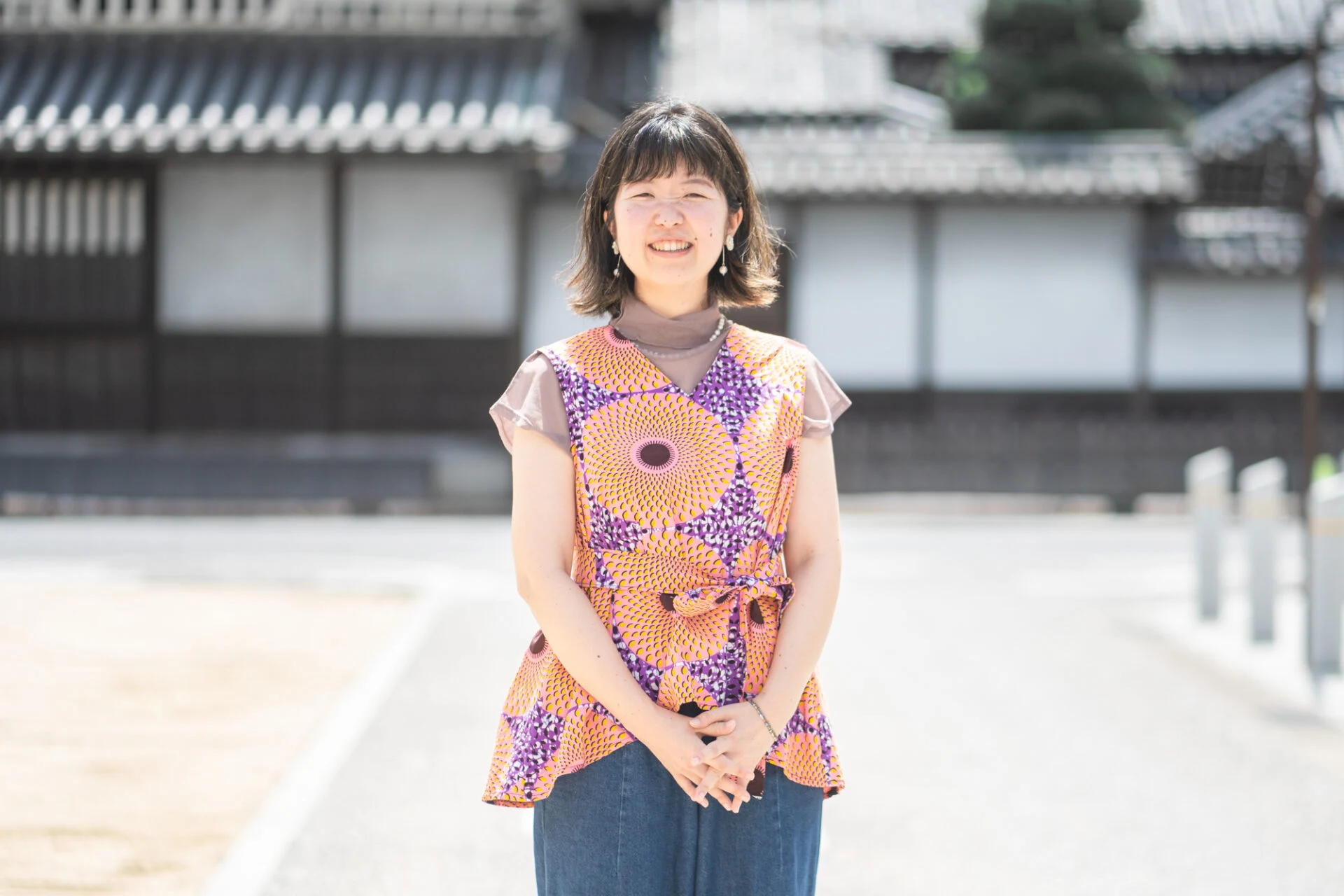
Brightly colored and patterned dresses and pouches that make you feel energetic just by looking at them.
Taga Tomoko runs the apparel brand jam tun.
jam tun was born from Taga's experience when she was assigned to the Republic of Senegal as a Japan Overseas Cooperation Volunteer.
We will introduce the story of how jam tun came to be and Taga's feelings for Senegal embedded in the products.
What is jam tun
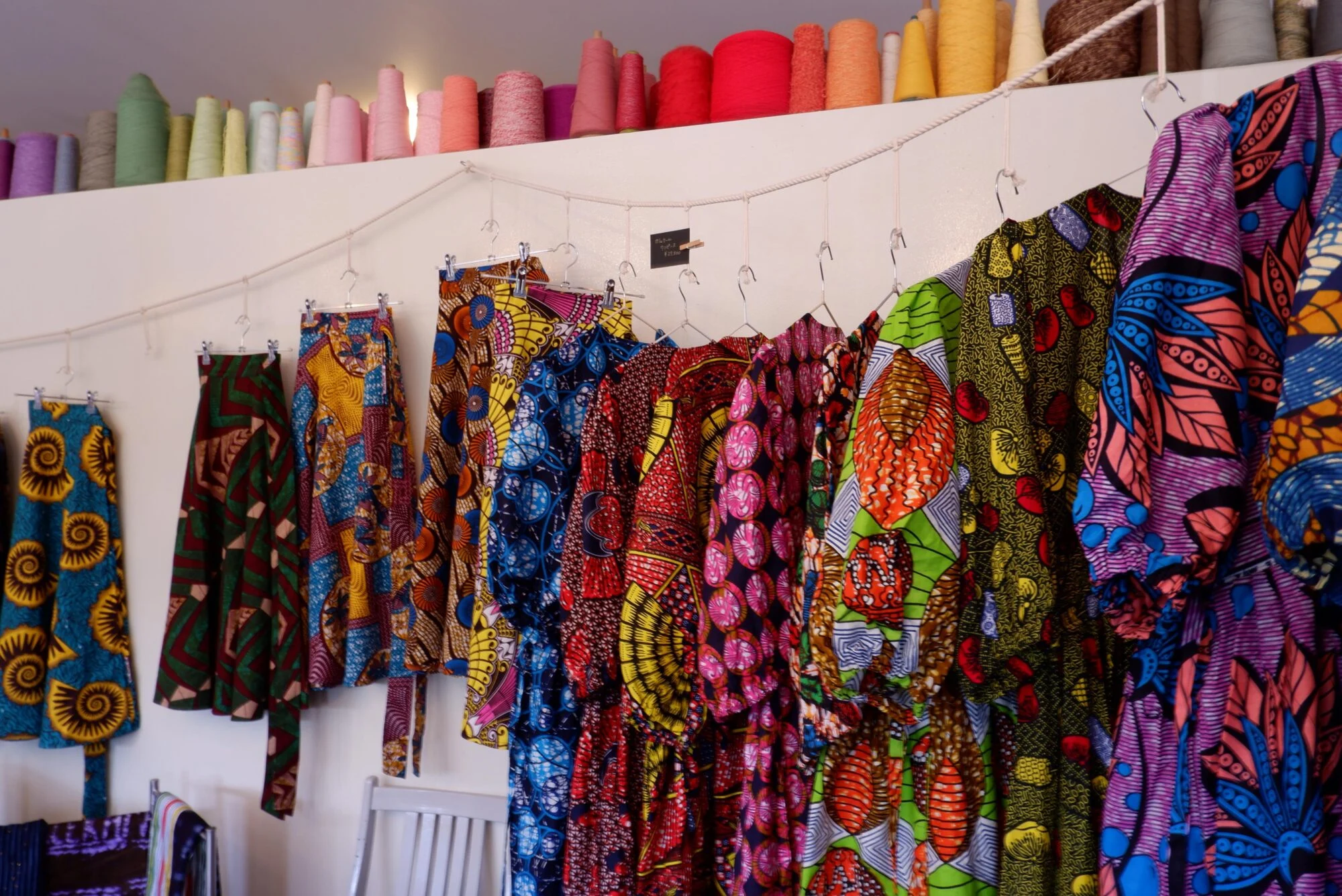
jam tun means "only peace" in one of the languages spoken in Senegal, Pulaar, and is a word used multiple times a day as a response to greetings.
To embody the idea of "a connection with Senegal that is not aid," Taga established a brand with a name that reflects a familiar word in Senegal.
There are many products such as dresses, pants, skirts, tote bags, and pouches, all made from African fabrics and sewn by tailors in Senegal.
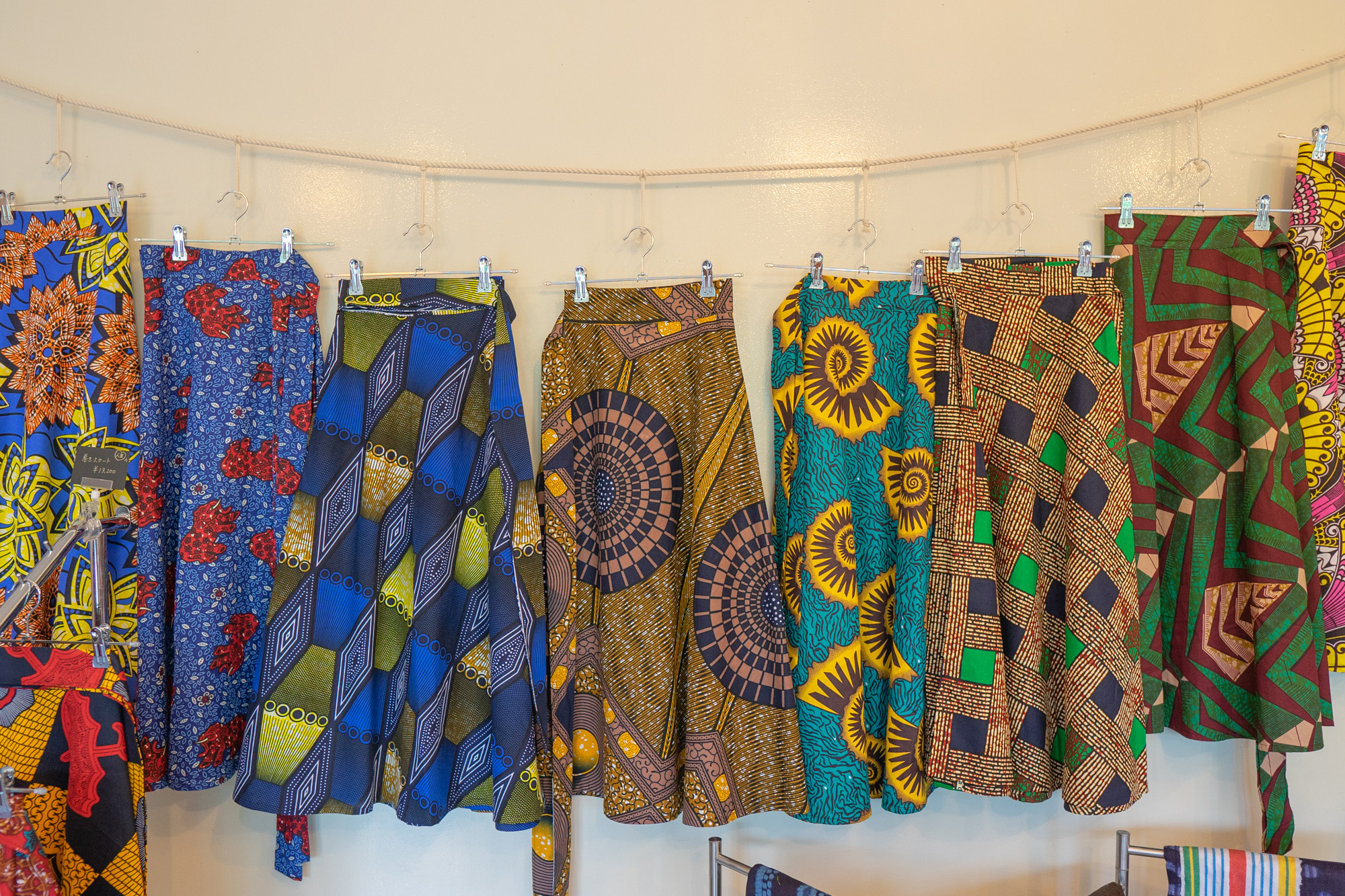
One of the charms is that no two items are exactly the same, as even skirts of the same shape have different patterns, making it hard to choose which one to get.
Since jam tun does not have a permanent store, please check Instagram for information on pop-up stores and event exhibitions.
African fabrics encountered in Senegal
After graduating from university, Taga studied issues such as political economy and poverty in developing countries at a graduate school in the UK, and then served for two years in Senegal as a Japan Overseas Cooperation Volunteer.
Her main activities were in a rural village called Sinchumalam, about nine hours by car from the capital, where she was the only Japanese person.
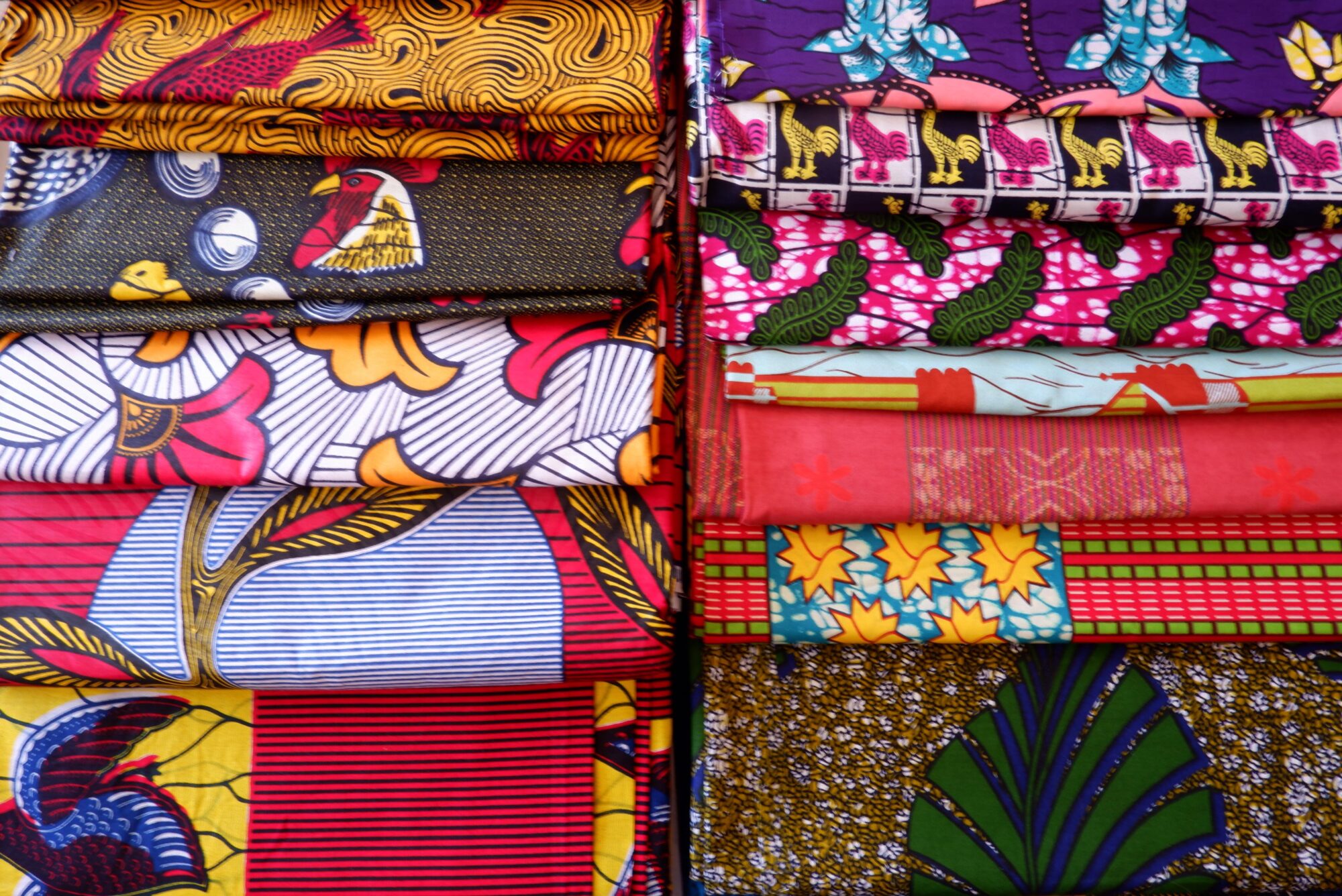
However, on days when she wore clothes made from African fabrics, she was often asked, "Where did you buy the fabric?" and "Where did you have it tailored?" which made clothing a starting point for communication.
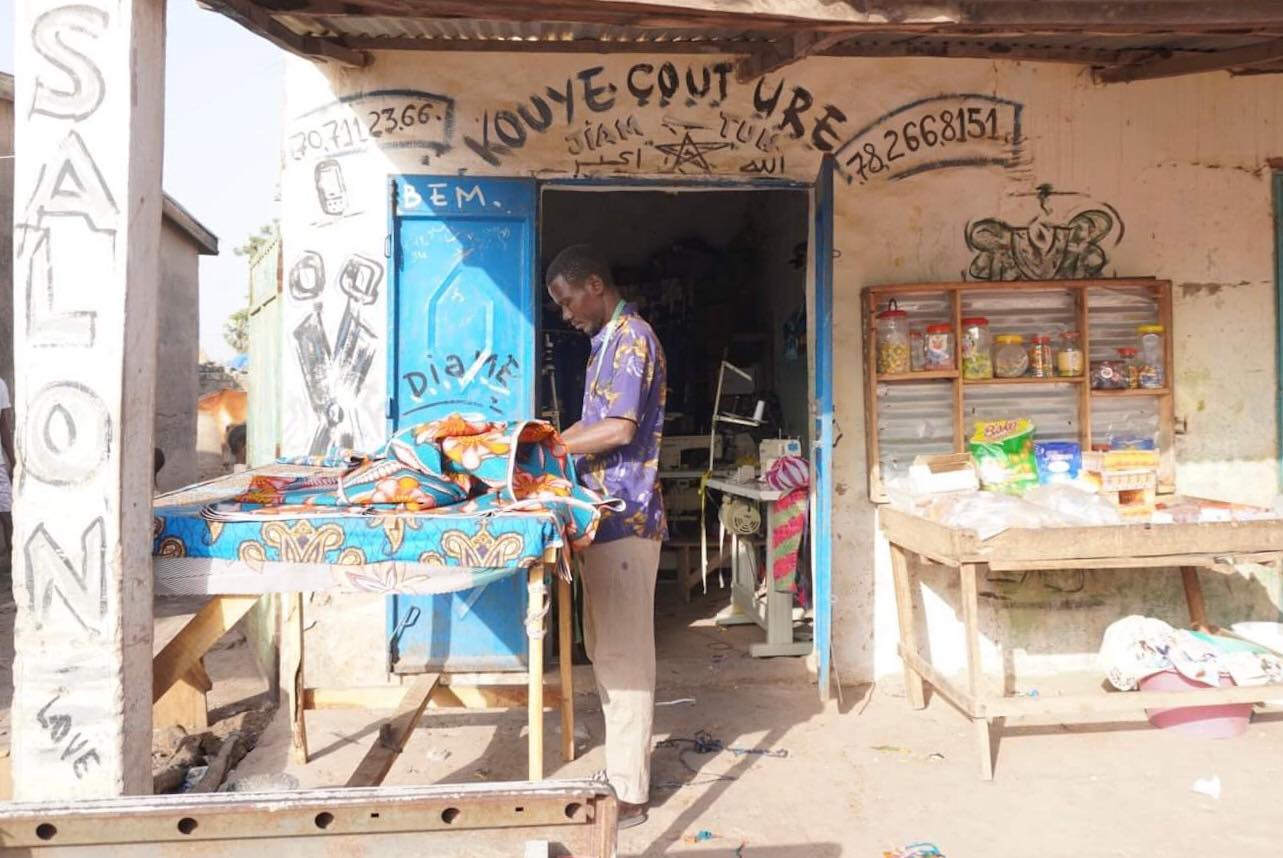
In Senegal, there is a custom of ordering clothes where people buy their favorite fabrics and take them to their regular tailor to have clothes made.
At first, Taga felt that clothes made from African fabrics were "loud and a bit difficult," but she gradually began to enjoy thinking, "What kind of clothes should I make next?"
Waste issues faced in Senegal
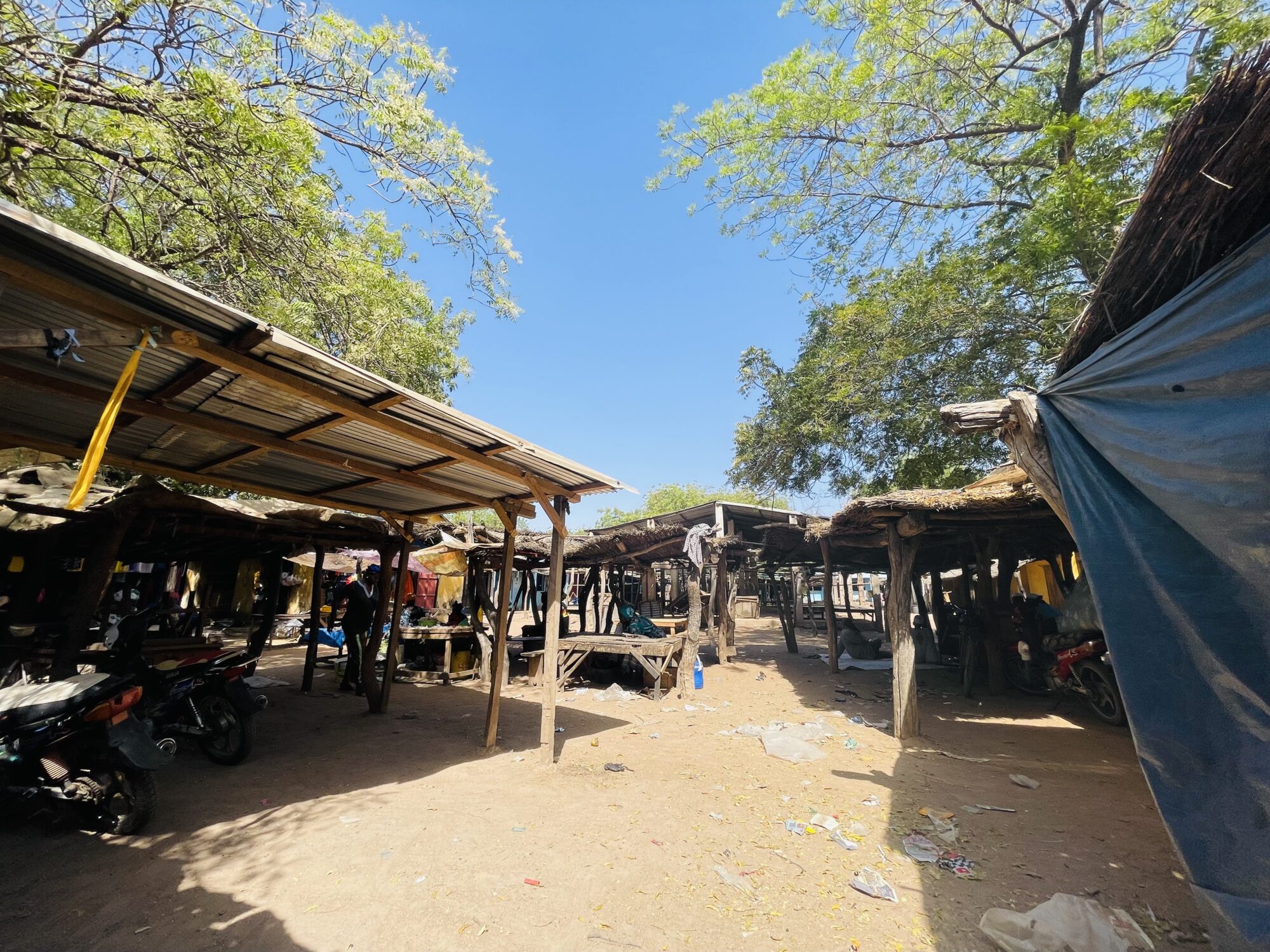
While living in Senegal, Taga witnessed colorful garbage scattered throughout the village.
Traditionally, villagers lived off things that could decompose naturally, so they disposed of waste by either burning it themselves or throwing it outside their homes.
As a result, there was no waste incineration facility or waste collection system, and non-biodegradable waste like plastic accumulated throughout the village.
The colorful garbage consisted of plastics used for drink packaging and small fabric scraps discarded by tailors.
To encourage people to think about waste disposal, Taga sewed together the small fabric scraps and plastic waste to create bags with the village tailors.
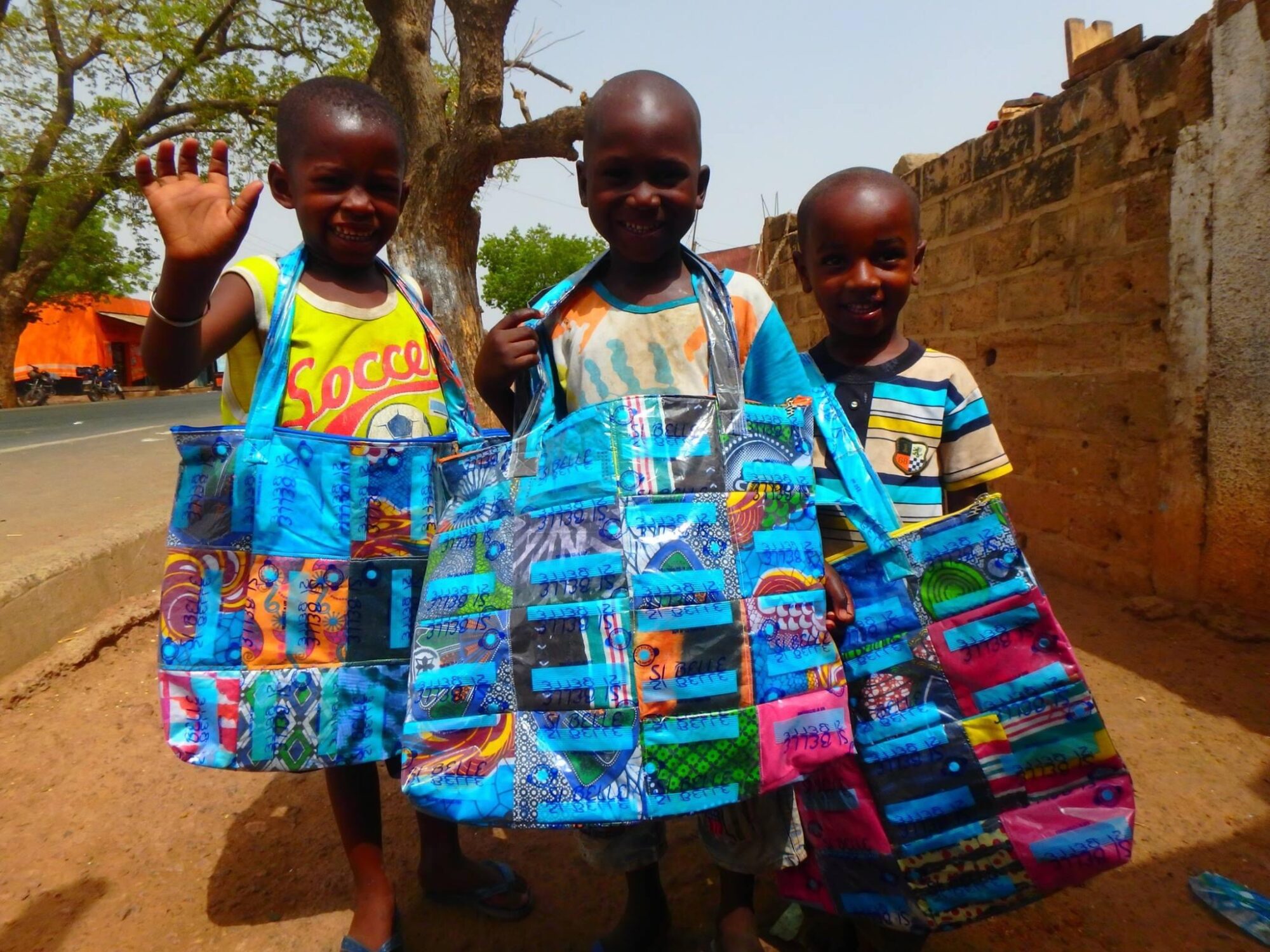
The bags spread by word of mouth, and as demand grew, sales began.
This also became a new source of income for the tailors.
We interviewed Taga Tomoko from jam tun about her experiences, the charm of Senegal, and the creation of products using African fabrics.
Data on jam tun
| Name | jam tun |
|---|---|
| Address | No permanent store, check Instagram for pop-up stores |
| Parking | None |
| Business Hours | Check Instagram for pop-up stores |
| Regular Holidays | Irregular holidays |
| Payment Methods |
|
| Website | jam tun |