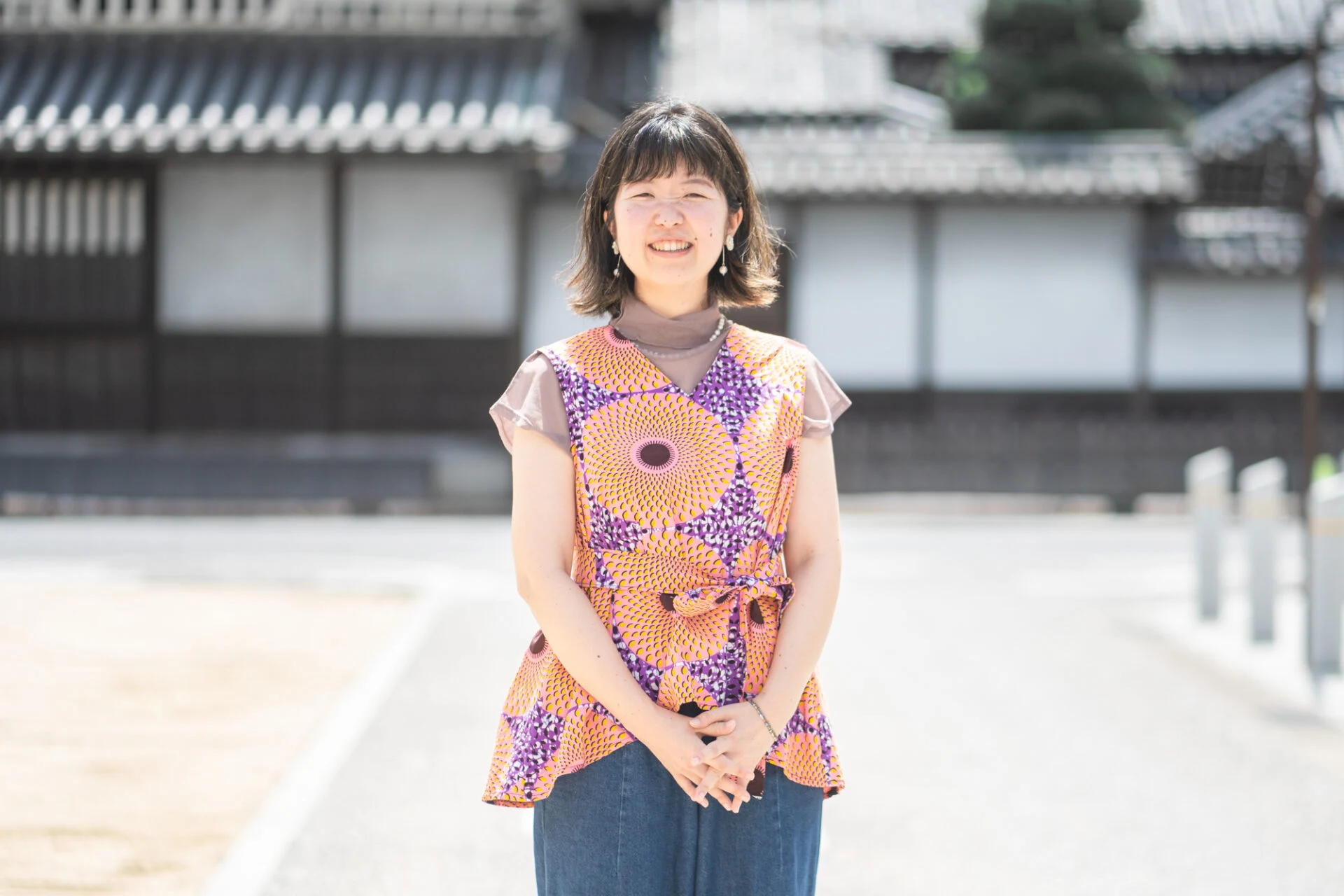
Interview with Tamako Taga
I spoke with Taga about the creation of the garbage bag that led to the birth of jam tun and the journey to the current jam tun.
The Birth of jam tun
Did you originally have an interest in poverty issues in developing countries?
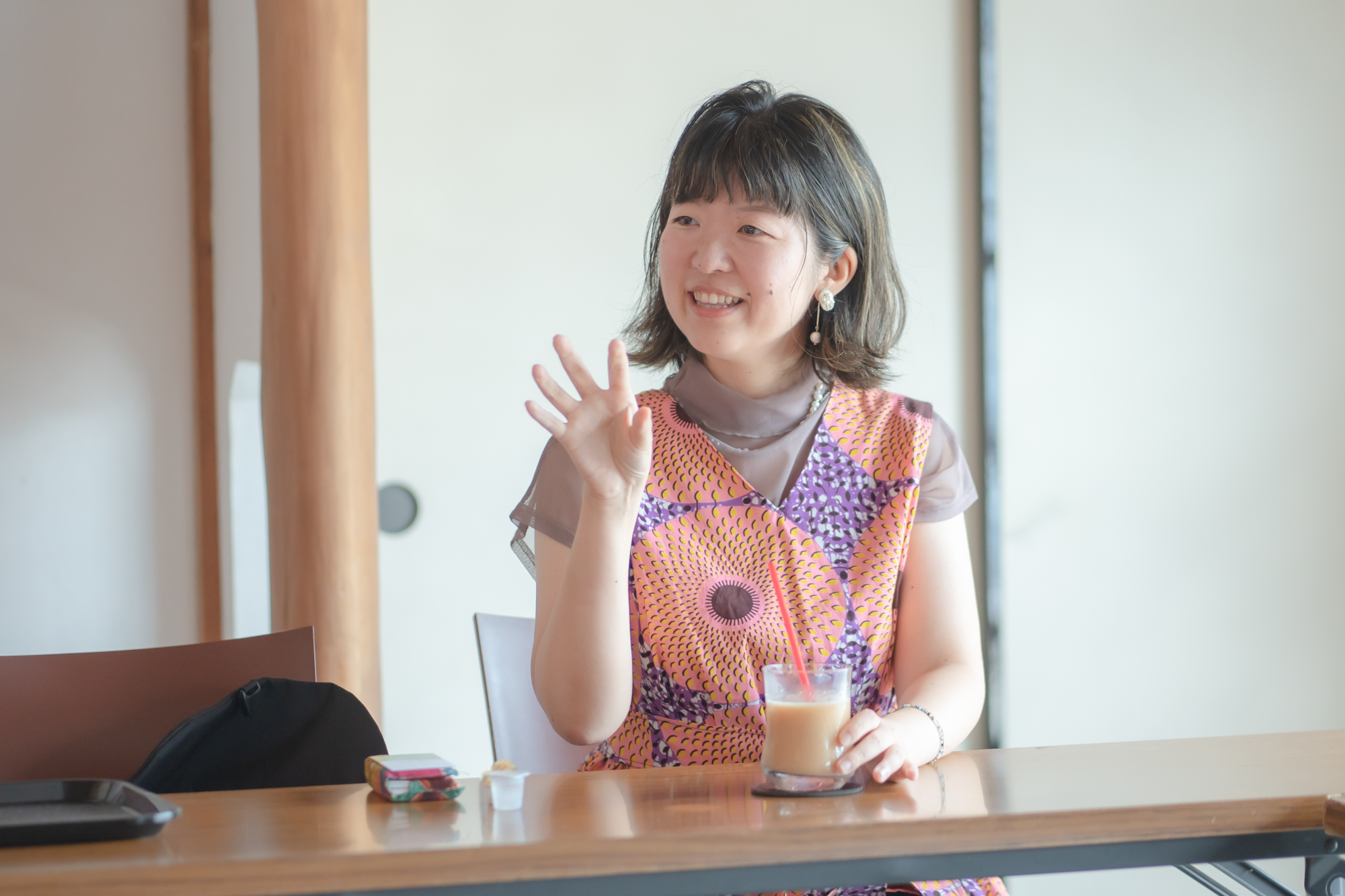
Taga (honorific omitted)
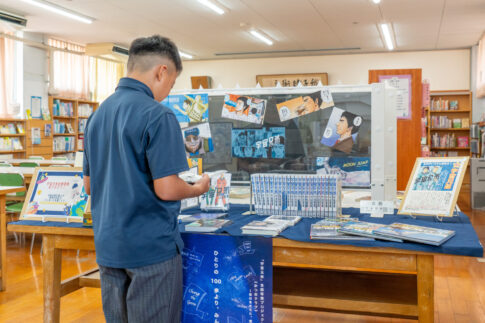
Yes, when I was a child, I was impressed by a documentary program called "If the World Were a Village of 100 People" and UNICEF flyers that showed children my age working or living under manholes without homes.
I was studying a different field in university, but when it came time for job hunting, I reconsidered and thought, "I really want to study international cooperation" and decided to go to graduate school in the UK.
Why did you choose to become a Japan Overseas Cooperation Volunteer after graduating from graduate school?
Taga
In graduate school in the UK, there wasn't much fieldwork, so while I gained knowledge, I didn't know the realities of developing countries.
I felt that even though I understood theoretically what should be done, the fact that it wasn't being solved in reality meant there was some issue, and that I might not understand it unless I went there.
Also, since I wanted to become a UN staff member, I thought I wanted to know about the local situation before doing that job, so I chose the Japan Overseas Cooperation Volunteers, which allows for a long-term stay.
When you returned to Japan after your term with the Japan Overseas Cooperation Volunteers, had you already decided to start jam tun?
Taga
No, if I had decided, I think it would have gone more smoothly (laughs).
During my time with the Japan Overseas Cooperation Volunteers, I witnessed situations where some support was not reaching those who truly needed it, and I returned home uncertain about whether to continue aiming to become a UN staff member.
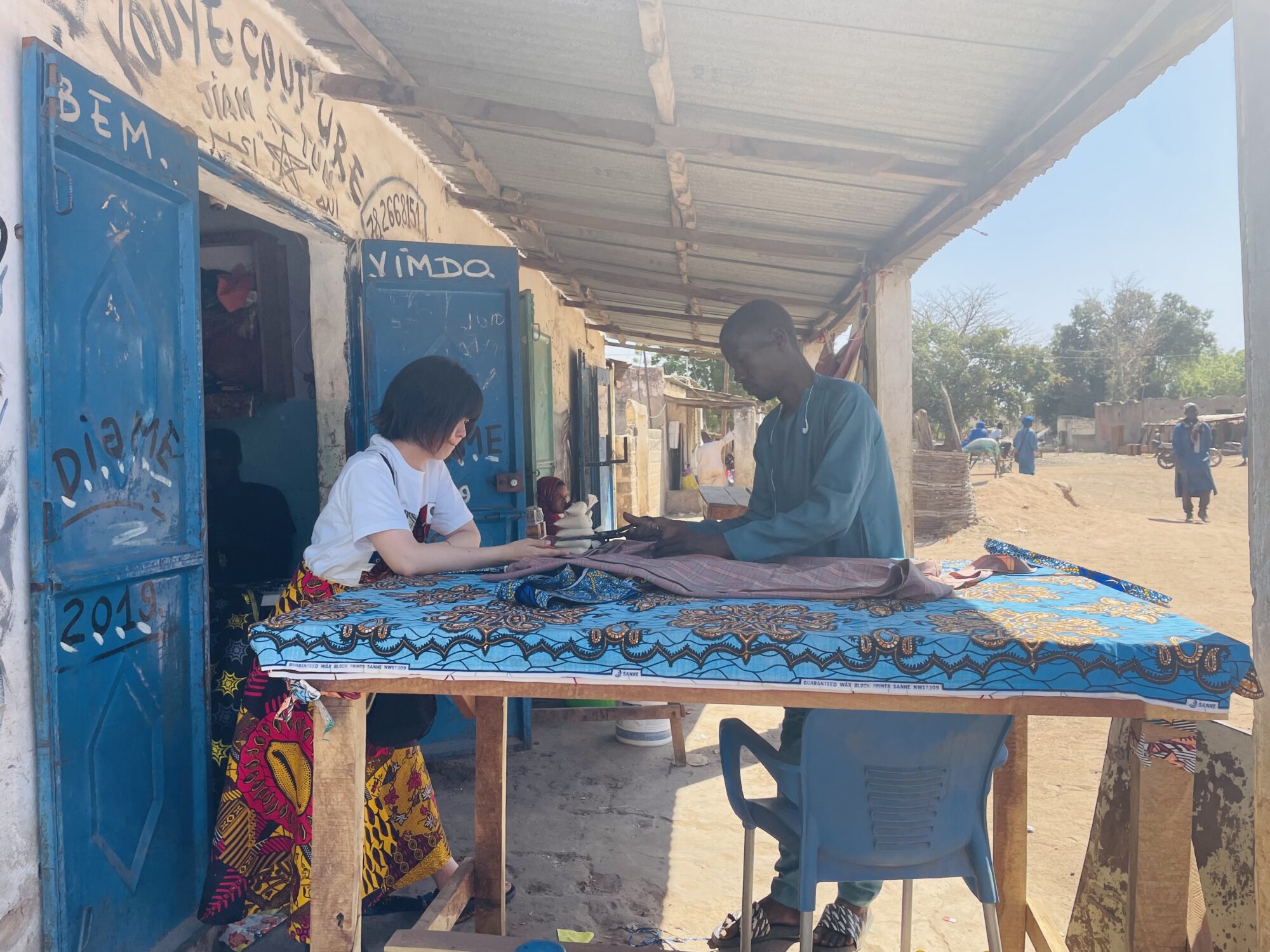
I intended to job hunt after returning home, but after spending two years in Senegal, I wanted to cherish the connections I made with the people I became close to, so I started selling pouches and tote bags made in Senegal.
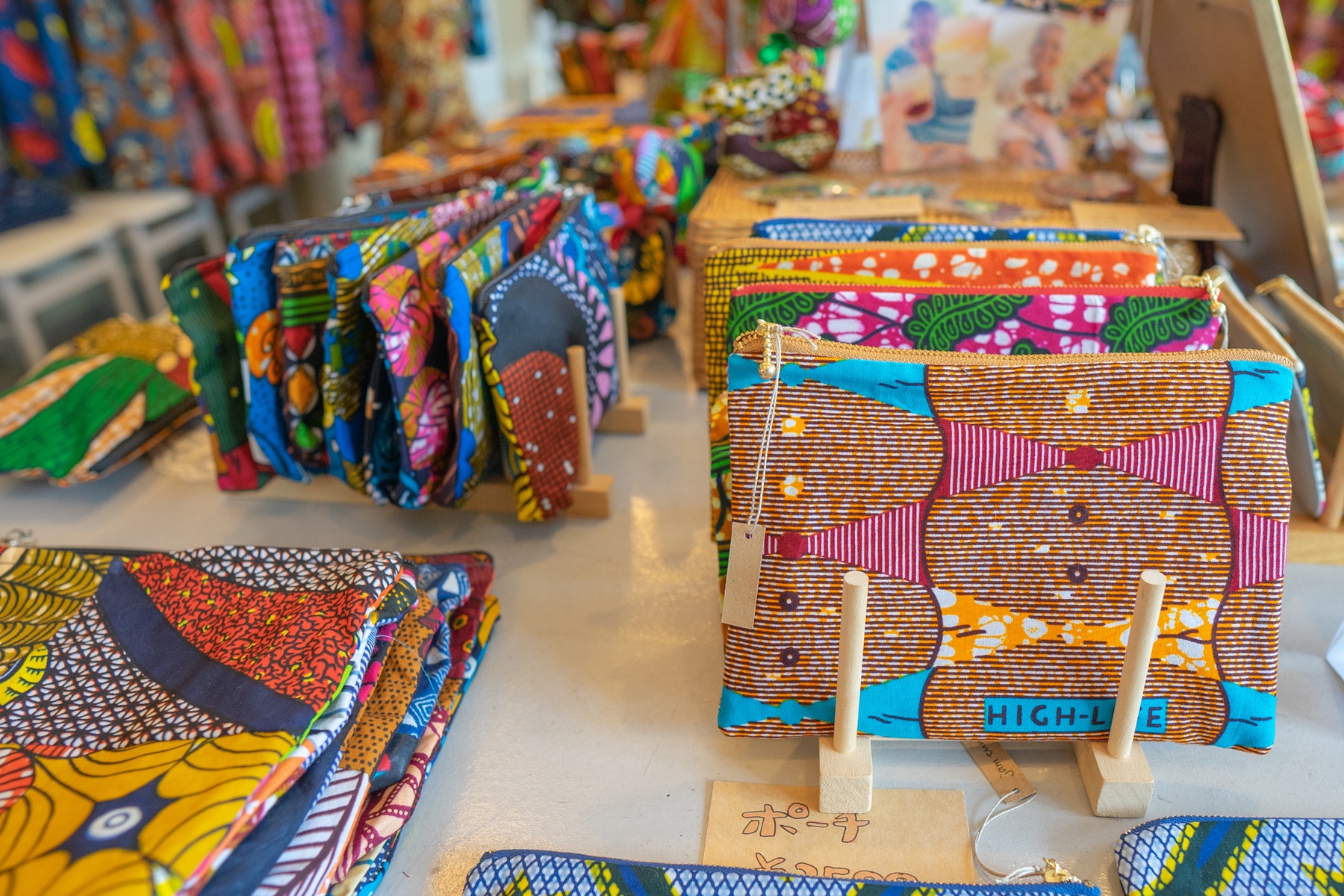
At first, I didn't have the name jam tun, and I sold items under the sign "Senegal Goods" at the local Yakake morning market while introducing Senegal.
I started with the mindset that if it didn't go well, I would either change my approach or quit, but as people who resonated with my activities began to reach out, I gradually became known to more people through repeated exhibitions.
Not Support, but Equal Relationship
Why do you not use the words "support" or "fair trade" in the activities of jam tun?
Taga
For me, it feels like "working together as colleagues".
The expression of supporting and being supported does not resonate with me regarding the people I became close to in Senegal.
It wasn't something I started because I wanted to do fair trade or SDGs, and I'm not aiming for that now either.
By engaging in the way I envision, which is "on equal footing, enjoying each other’s company", it has evolved into the form it is now.
Most customers do not buy because they think it will be "support"; they buy because the patterns are stylish or because they feel good to wear.
Is there anything you want to do in the future?
I want to create a system where Japanese customers can directly order custom-made items from Senegal tailors.
In Japan, custom-made items seem to have a high barrier, but in Senegal, even children have custom-made clothes made, making it something very accessible.
Customers will be able to choose something they truly like rather than just picking from what is available in the store, and knowing who buys the items will also motivate the tailors.
I want to spread the comfort of custom-made items that I experienced in Senegal more widely in Japan, and I want to play a role in connecting the makers and the wearers, not just delivering products.
Conclusion
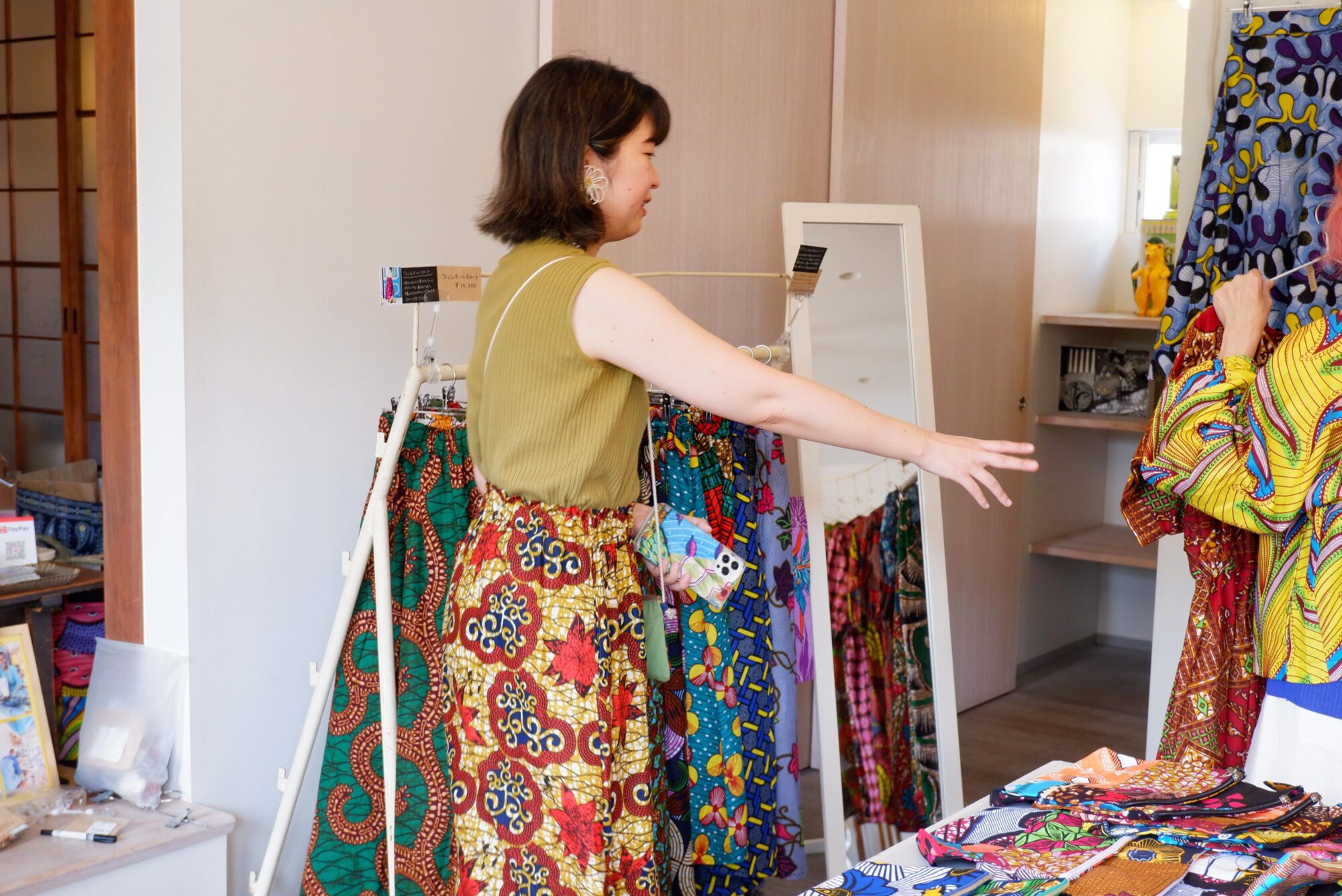
I have also shopped at jam tun several times, and there are times when a first-time customer ties the strings of the clothes or teaches how to style them in place of Taga, who is busy with customer service.
That is a kind and fun space where the "connections" that Taga values naturally arise.
I hope that such spaces will spread from jam tun to the world, and that many systems will emerge where buying clothes you love will inadvertently lead to international cooperation and contribution.
Data on jam tun
| Name | jam tun |
|---|---|
| Address | No permanent store, check Instagram for temporary stores |
| Parking | None |
| Business Hours | Check Instagram for temporary stores |
| Regular Holidays | Irregular holidays |
| Payment Methods |
|
| Website | jam tun |