Interview with Special Senior Researcher Ayumi Kawakawa
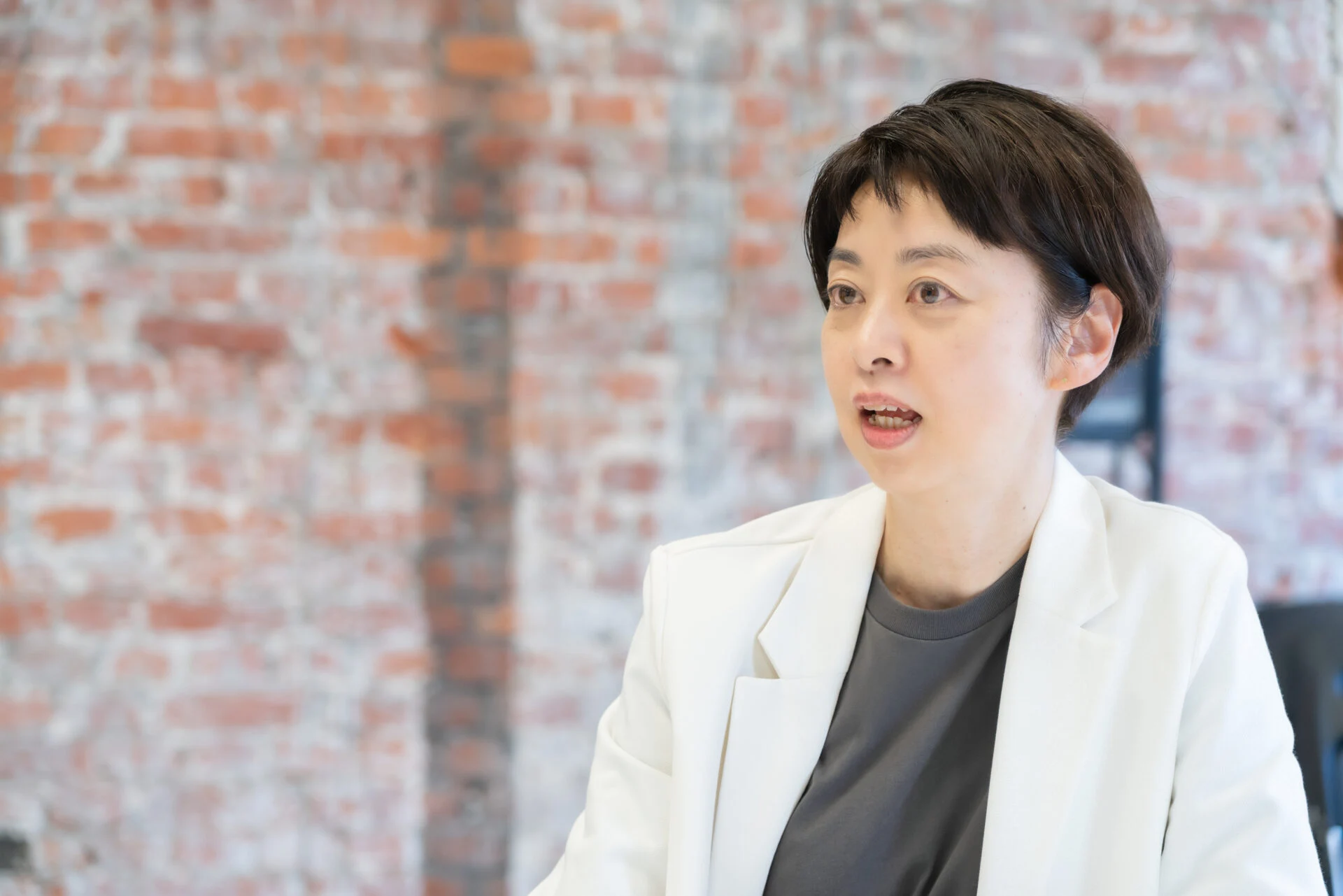
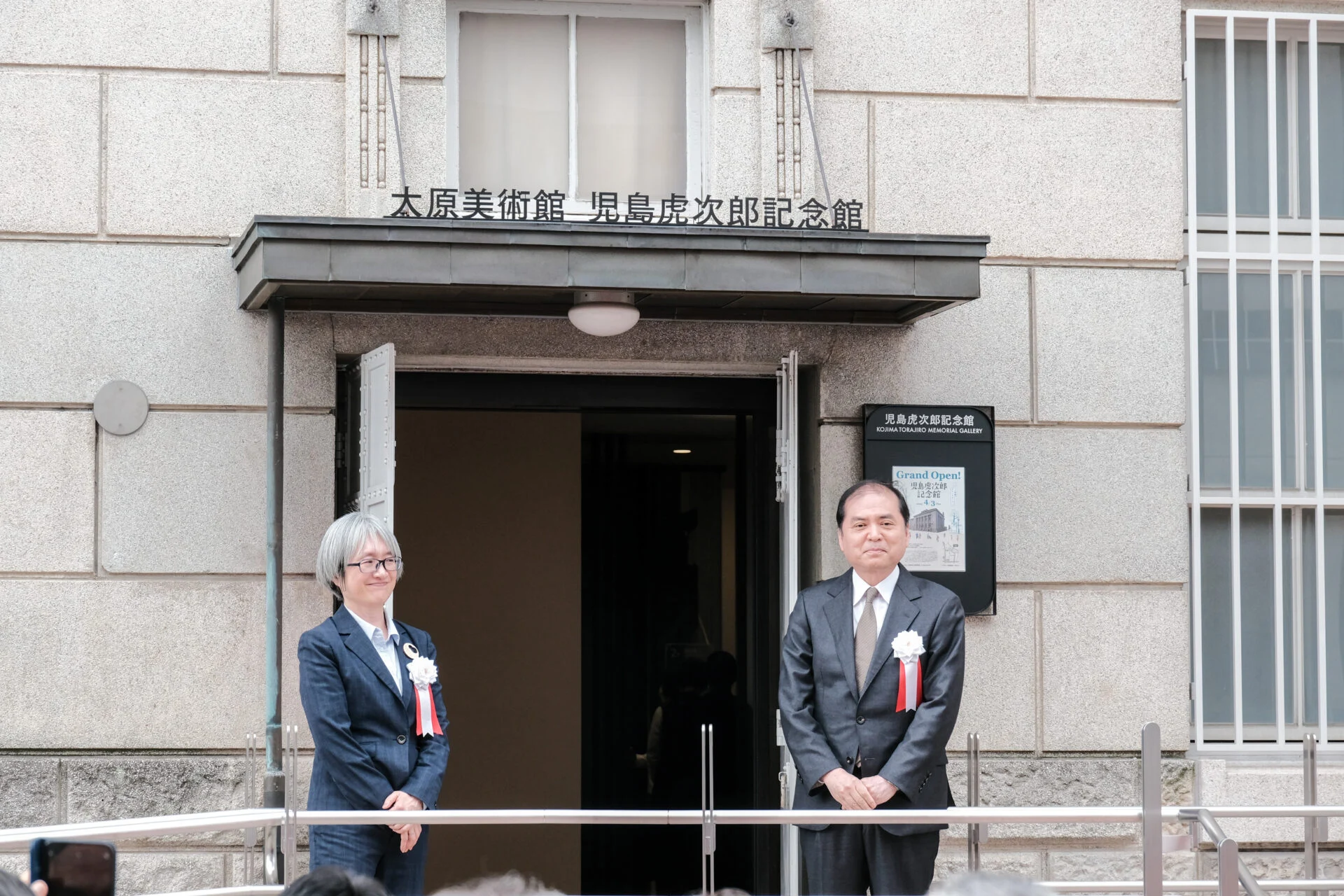
We spoke with Ayumi Kawakawa, Special Senior Researcher at the Ohara Art Foundation, about the Kojima Torajiro Memorial Gallery.
Reconfirming the origin as a museum that honors Kojima
I heard that conveying the achievements of Kojima Torajiro has been a wish since the founding of the Ohara Museum of Art.
Kawakawa
That's right.
However, at the time of the opening, the entire first floor of the current main building was dedicated to Kojima's exhibits, so it was realized at one point.
However, a museum is not just built and left.
We want to supplement what is lacking, introduce works from different fields, and hold special exhibitions. As a result of these new activities that are natural for a museum, the collection has increased.
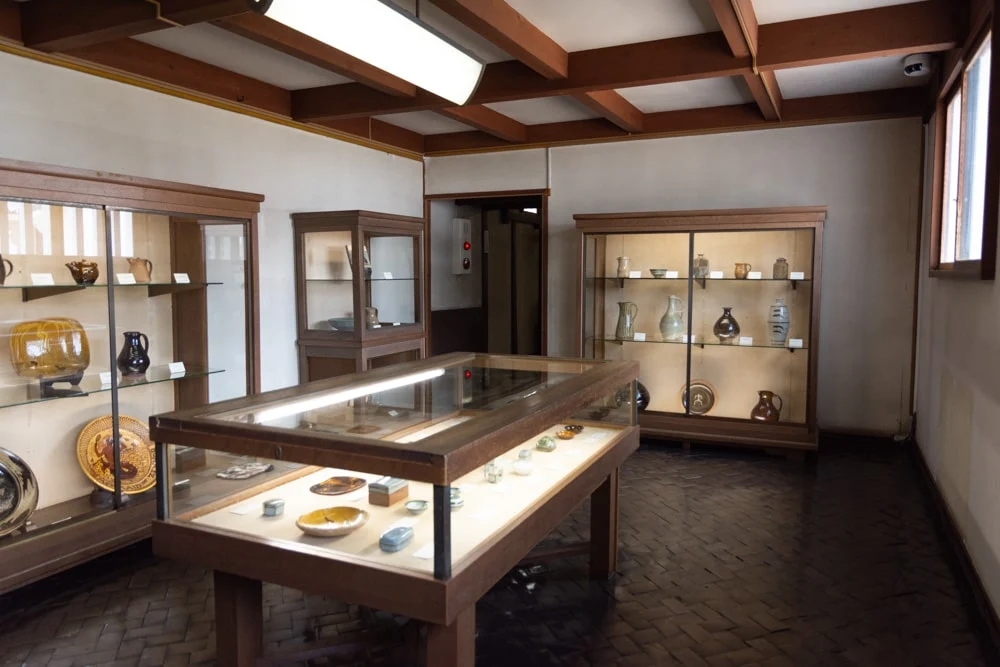
As the activities of the Ohara Museum of Art have evolved, the facility has expanded, and works that are not limited to Kojima's have also changed their exhibition locations.
In this way, the Kojima Torajiro Memorial Gallery was established, and by properly providing a "final resting place for the works," we were able to reconfirm the origin as a museum that honors Kojima.
Challenges leading up to the opening
What were the difficulties you faced in preparing for the opening?
Kawakawa
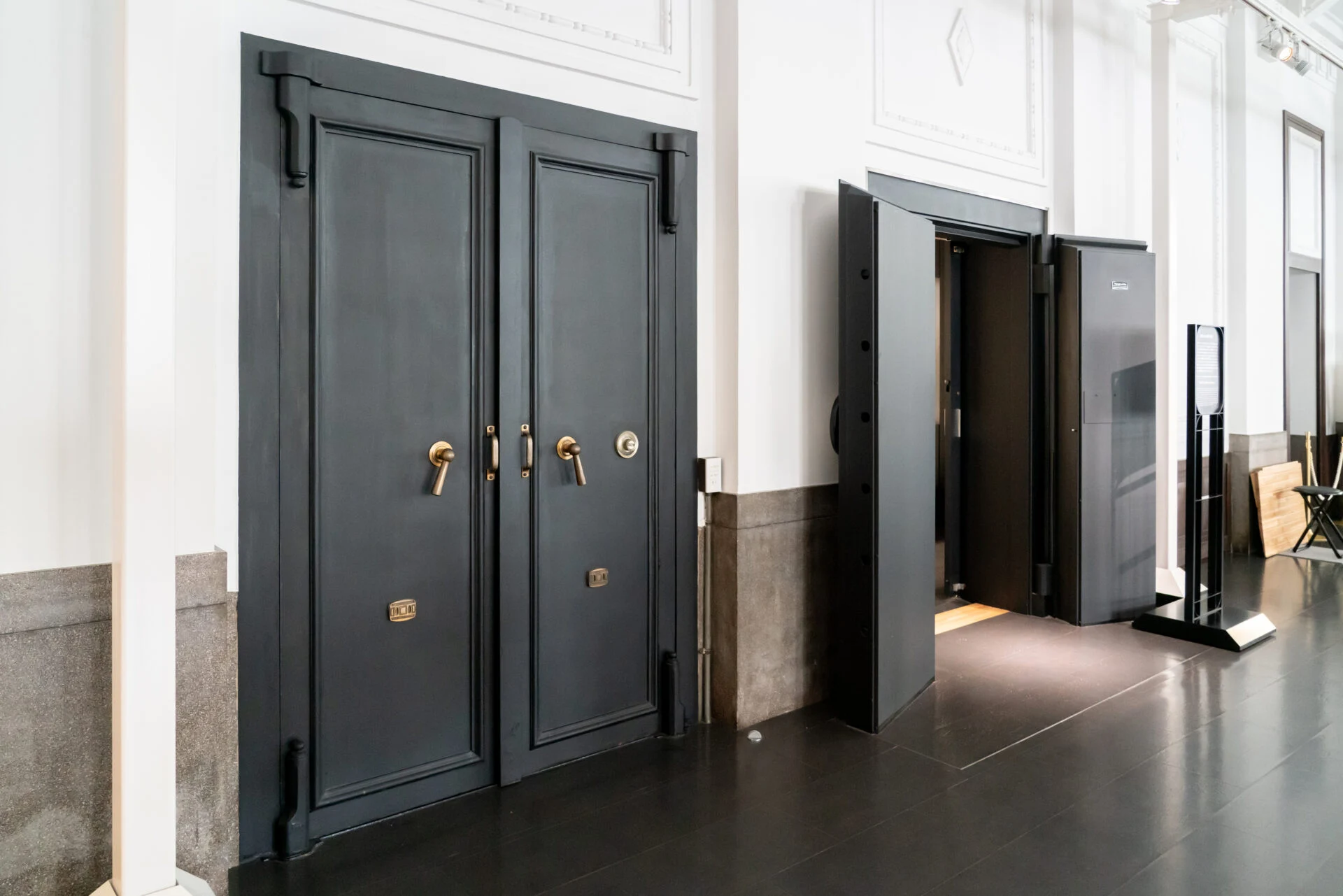
First of all, it was a matter of having to manage through renovation.
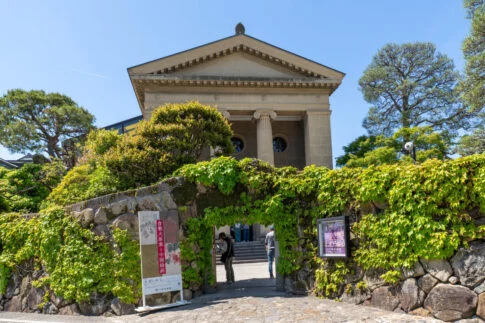
It might be much cheaper and better to tear down and build anew. However, that is not possible in the Bikan Historical Area of Kurashiki.
The preservation rules for the townscape of Kurashiki are fundamentally based on early modern townhouses, and there are no clear rules for modern architecture.
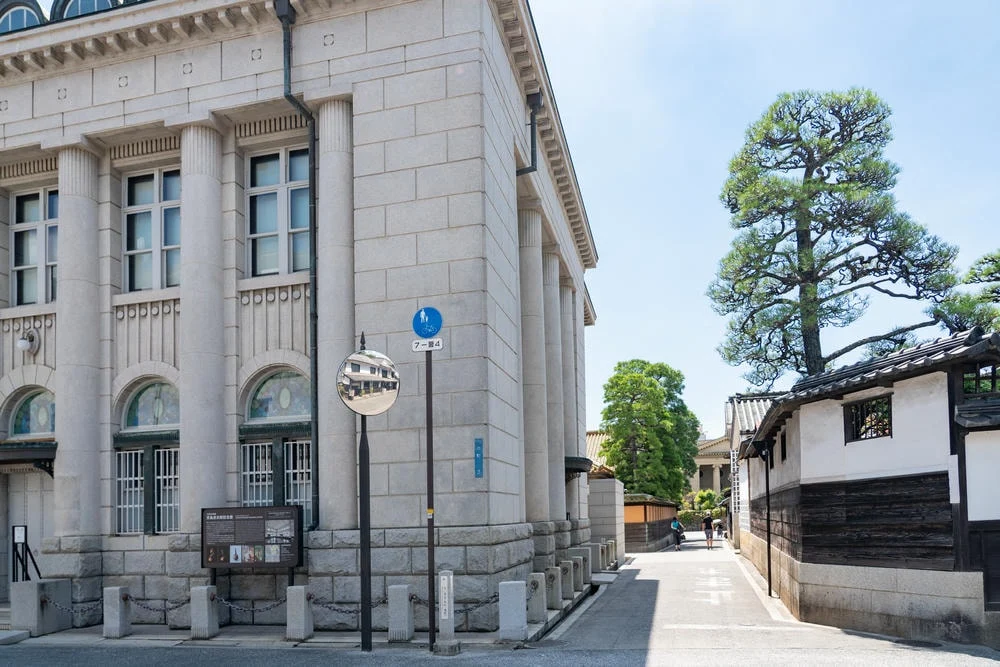
However, one of the great features of the townscape of Kurashiki is that it connects the preservation of early modern streets with modern development. This building embodies that.
The traditional building preservation district along Kurashiki River is also a cultural property of Japan Heritage, and the building itself has value as a cultural property. The premise is that it should not be demolished or significantly renovated.
Buildings die when they are no longer used, so we must utilize them to keep them alive. There was a challenge in respecting the building while repurposing it for different purposes.
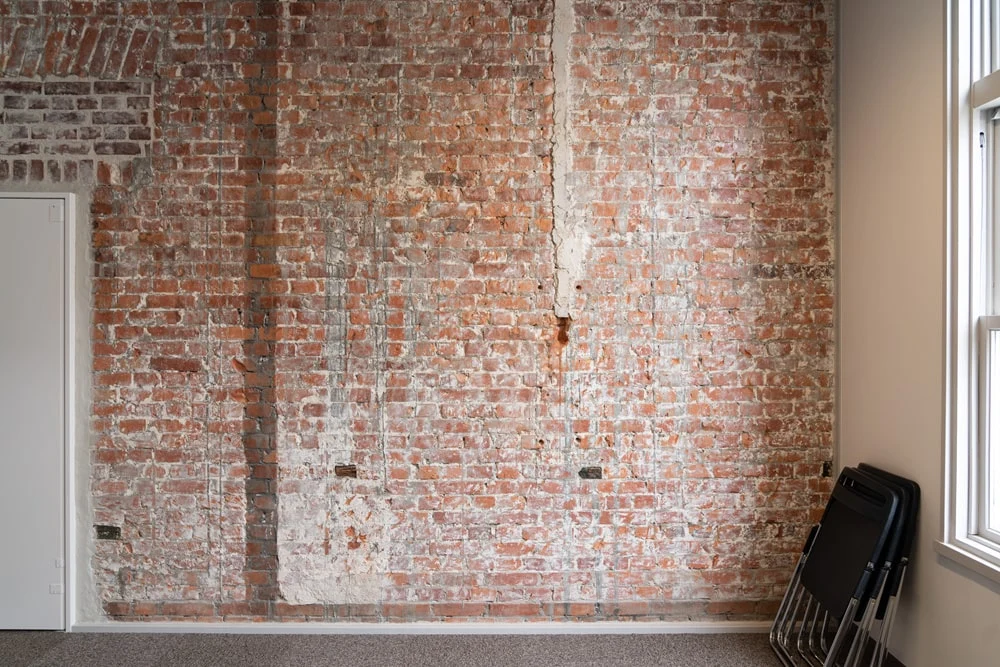
Since it is an important resource for the town, we worked with the awareness that it should be a facility for the town to thrive. Financially, it was difficult, and it was truly a situation that required effort and ingenuity.
We also struggled to make use of the limited space. If we do not use every corner effectively, the facility will not function.
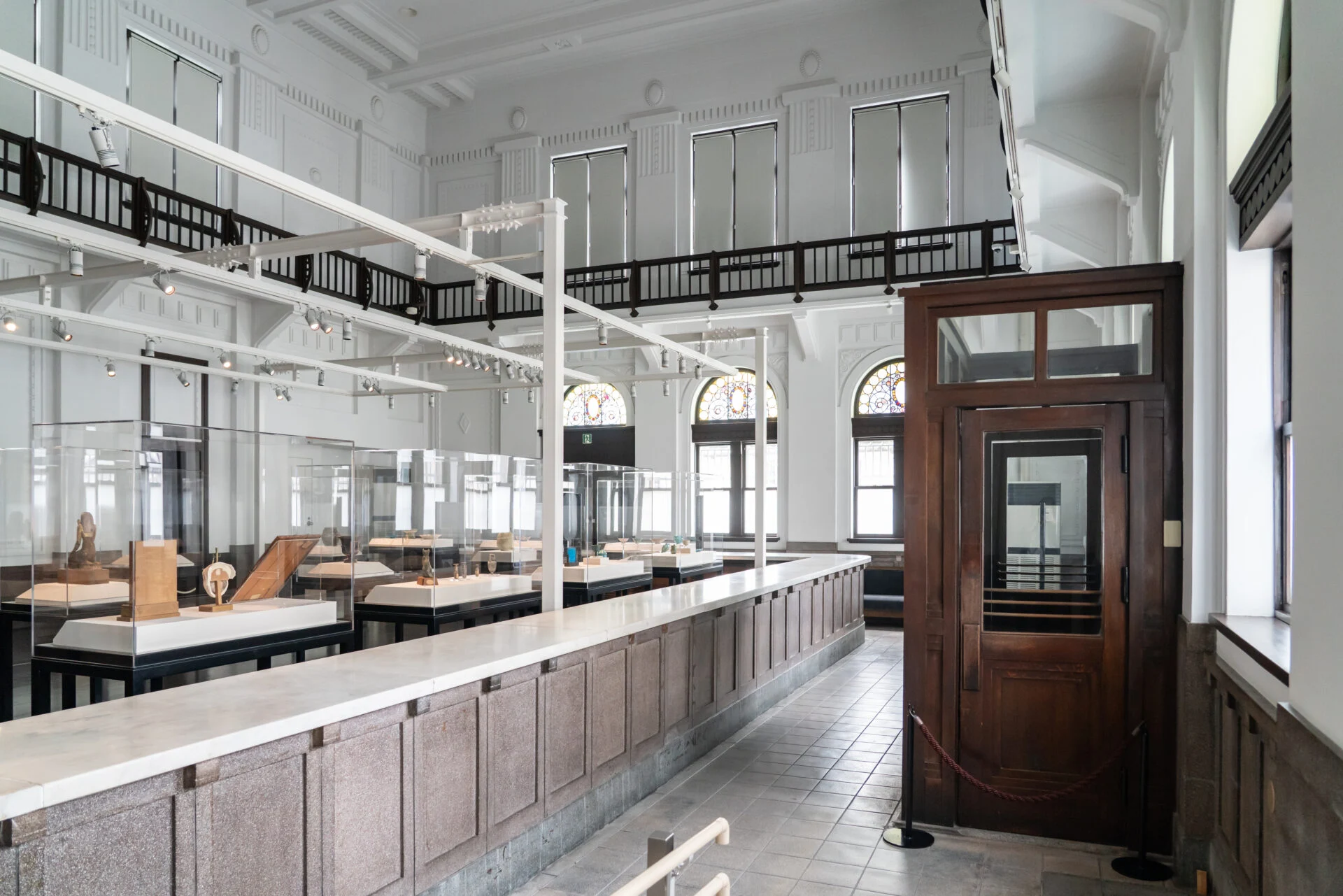
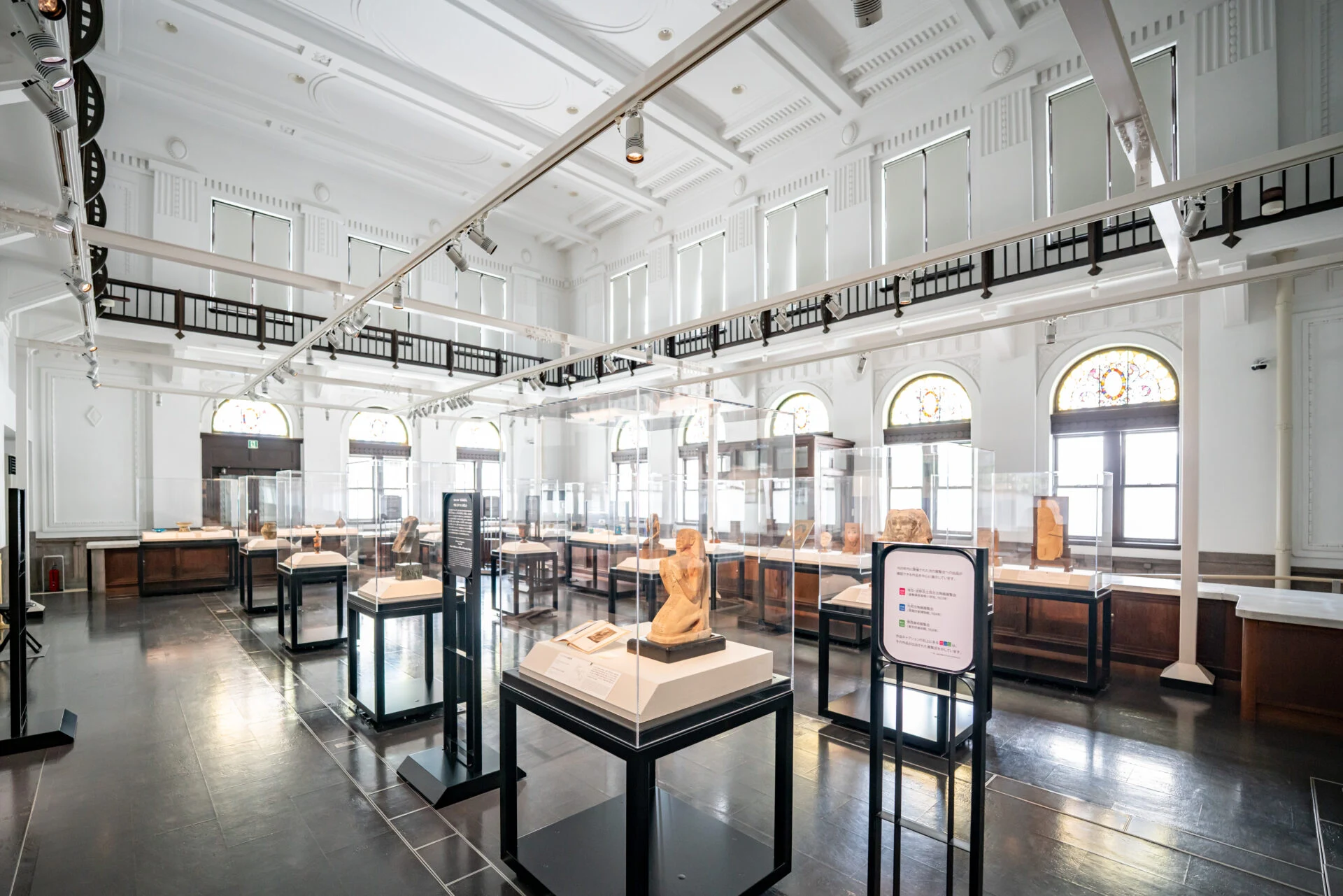
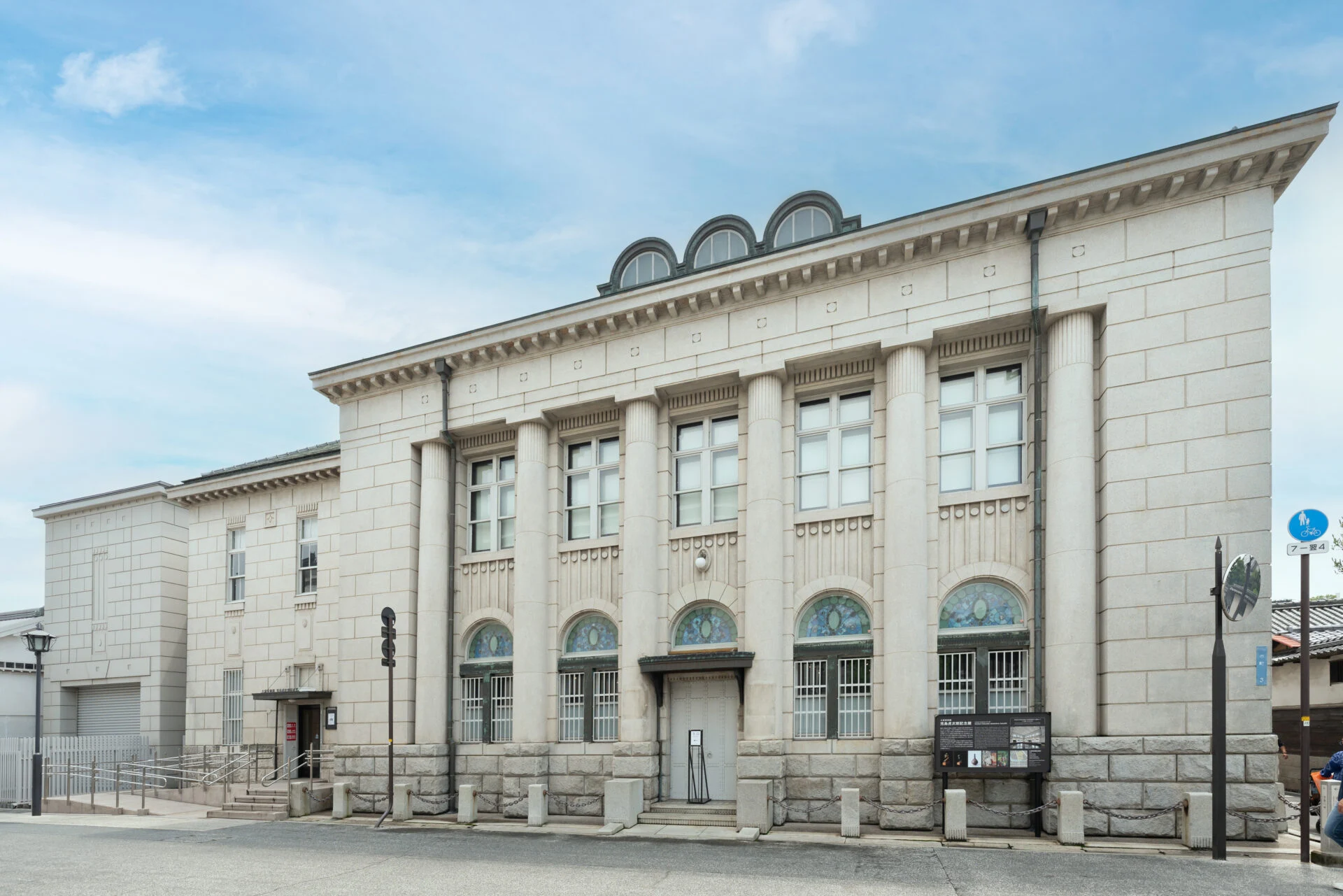
Informing about the historical role that the building has played is also one of the roles of the Kojima Torajiro Memorial Gallery.
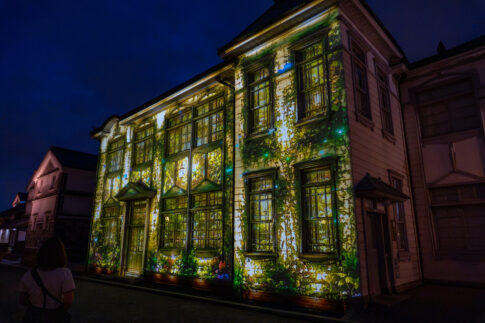
This building has served as an important hub for the local economy for many years. Visitors can enjoy the scenery that citizens used to see as a bank.
It is a small, beautiful building that fits the scale of Kurashiki, not a large bank. I believe we can introduce the depth of this town, which has been cherished in daily life for a long time, along with the exhibited works.
Kojima Torajiro's interest in Chinese and Egyptian cultures
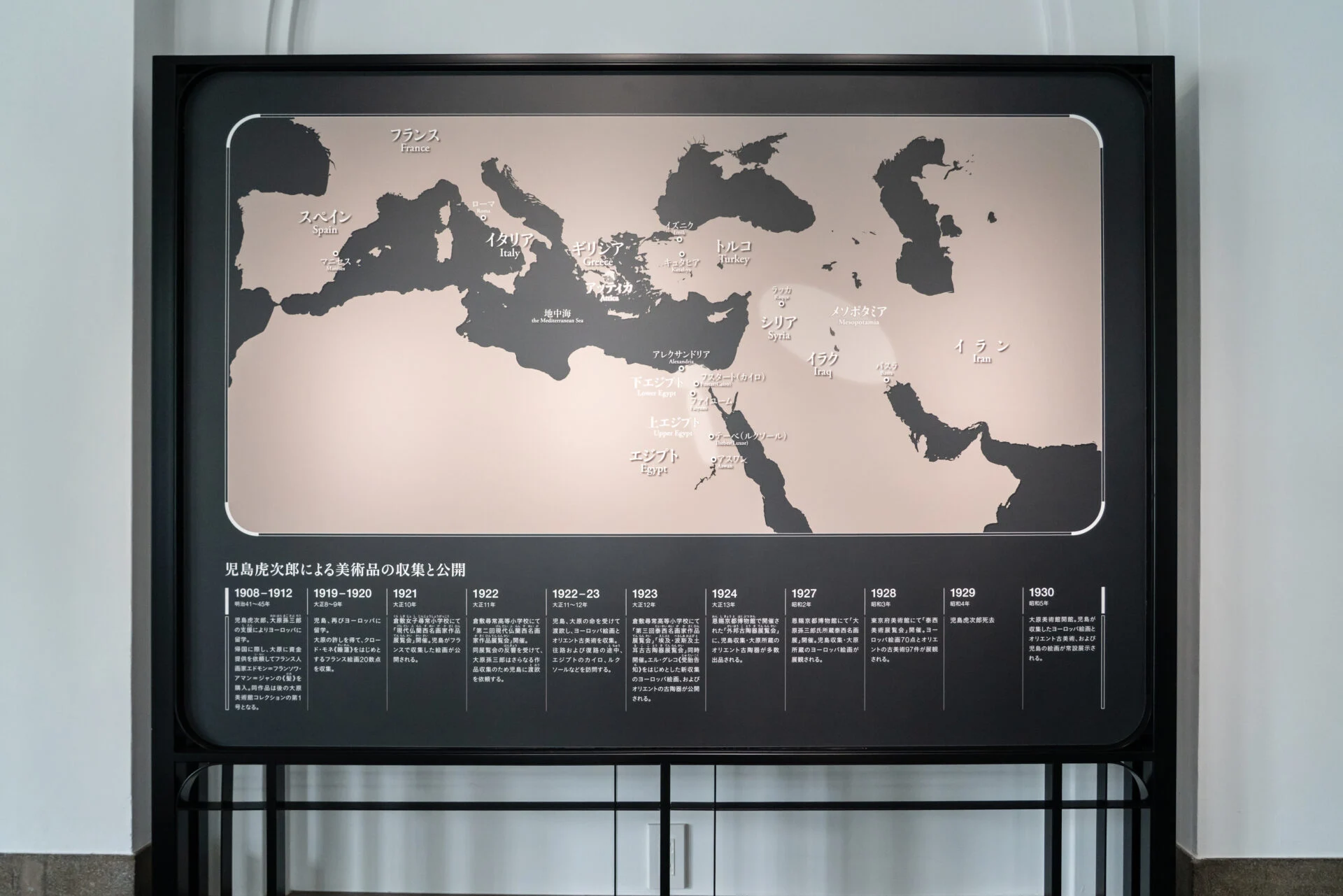
Was Kojima Torajiro's interest in Chinese and Egyptian cultures from a collector's perspective or an artist's perspective?
Kawakawa
I think Kojima is a person for whom collecting, seeing, and creating through painting are all intertwined. He absorbed various cultures and had the intention to express them in his works.
Chinese culture, Japanese culture, European culture. He probably did not see them as isolated points but as connected elements. This is evident from his collection as well.
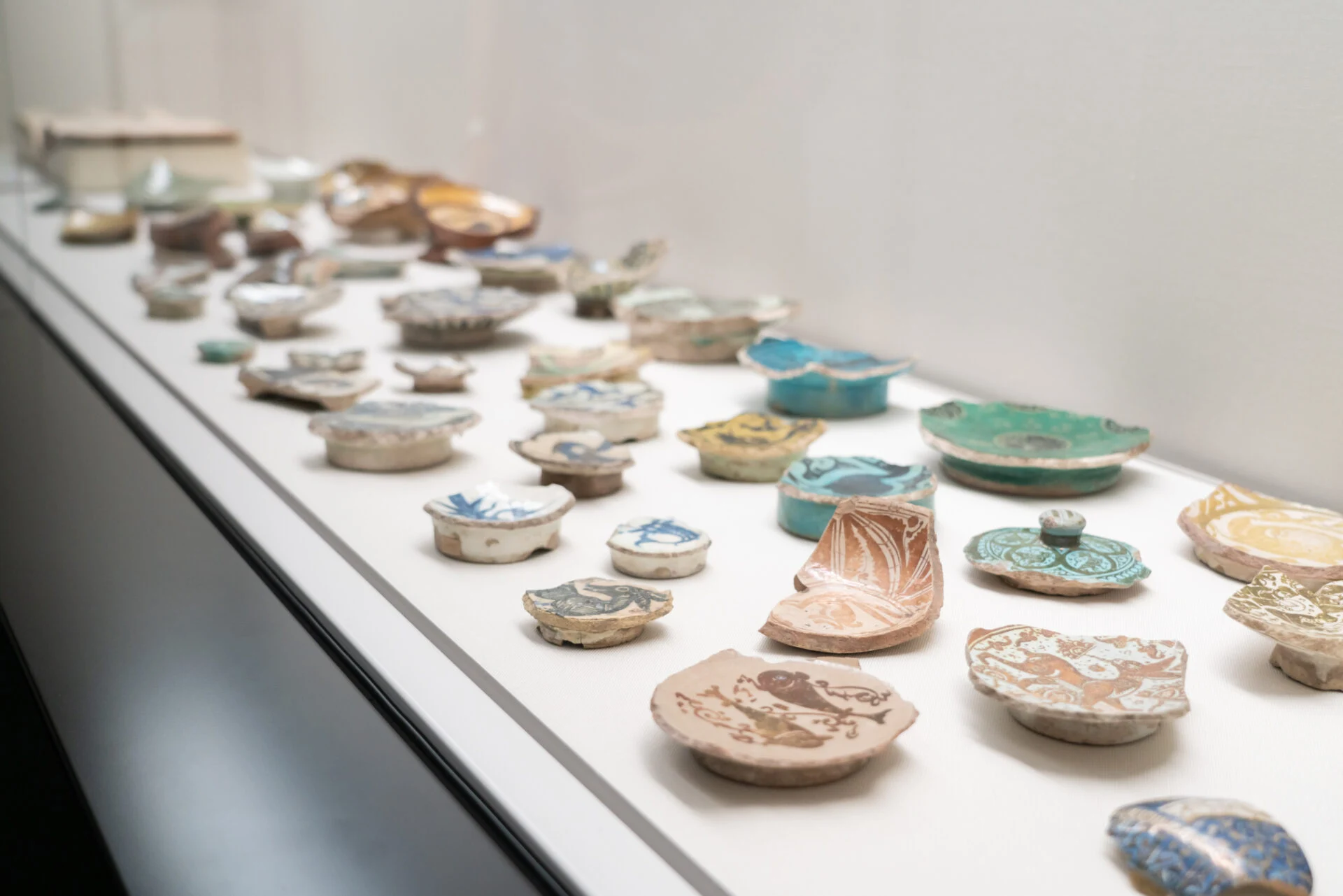
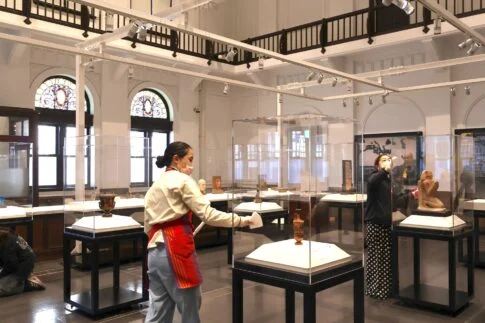
His interest in China and Egypt was accompanied by respect for ancient cultures.
Having traveled through various regions, he must have seen that even in small towns, there are various ethnic costumes, paintings, and excavated items, and he likely viewed those cultures equally.
In a broader perspective, he may have perceived various cultures with a sense of "this is cute, that is interesting."
Characteristics of Kojima Torajiro's works
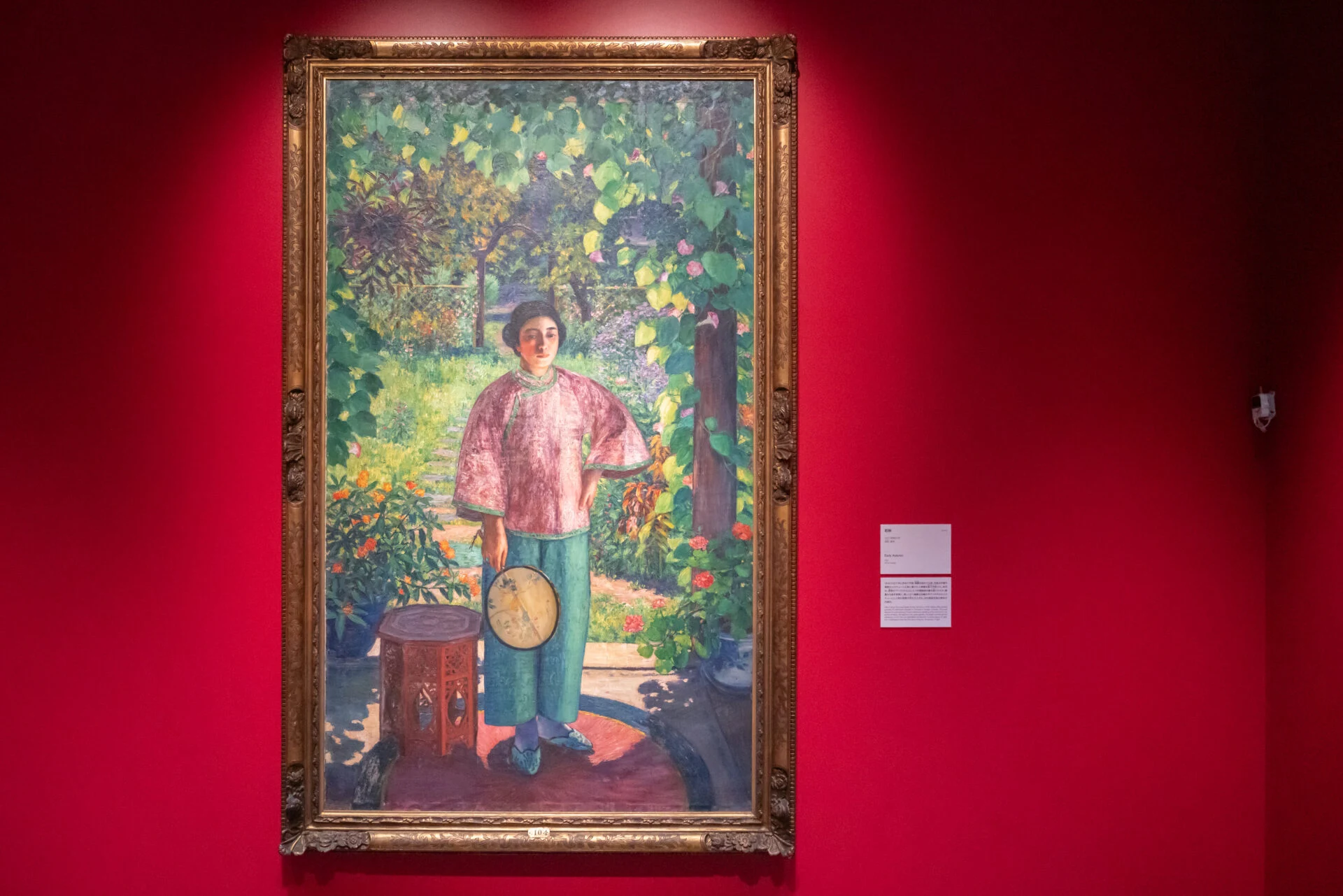
Can you tell us about the characteristics of Kojima Torajiro's paintings?
Kawakawa
First of all, it is the incorporation of various cultures.
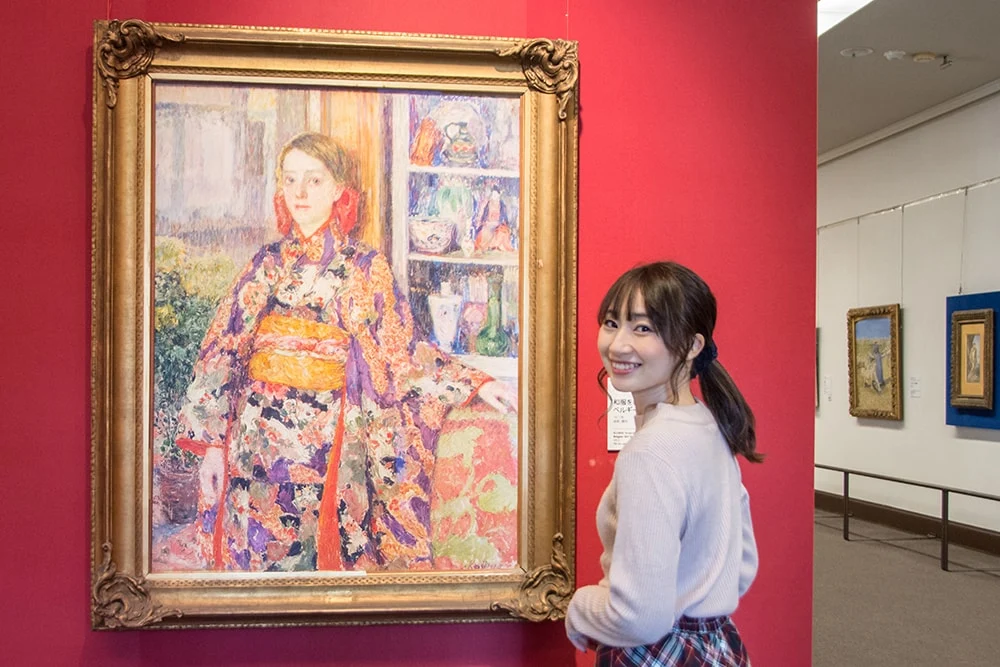
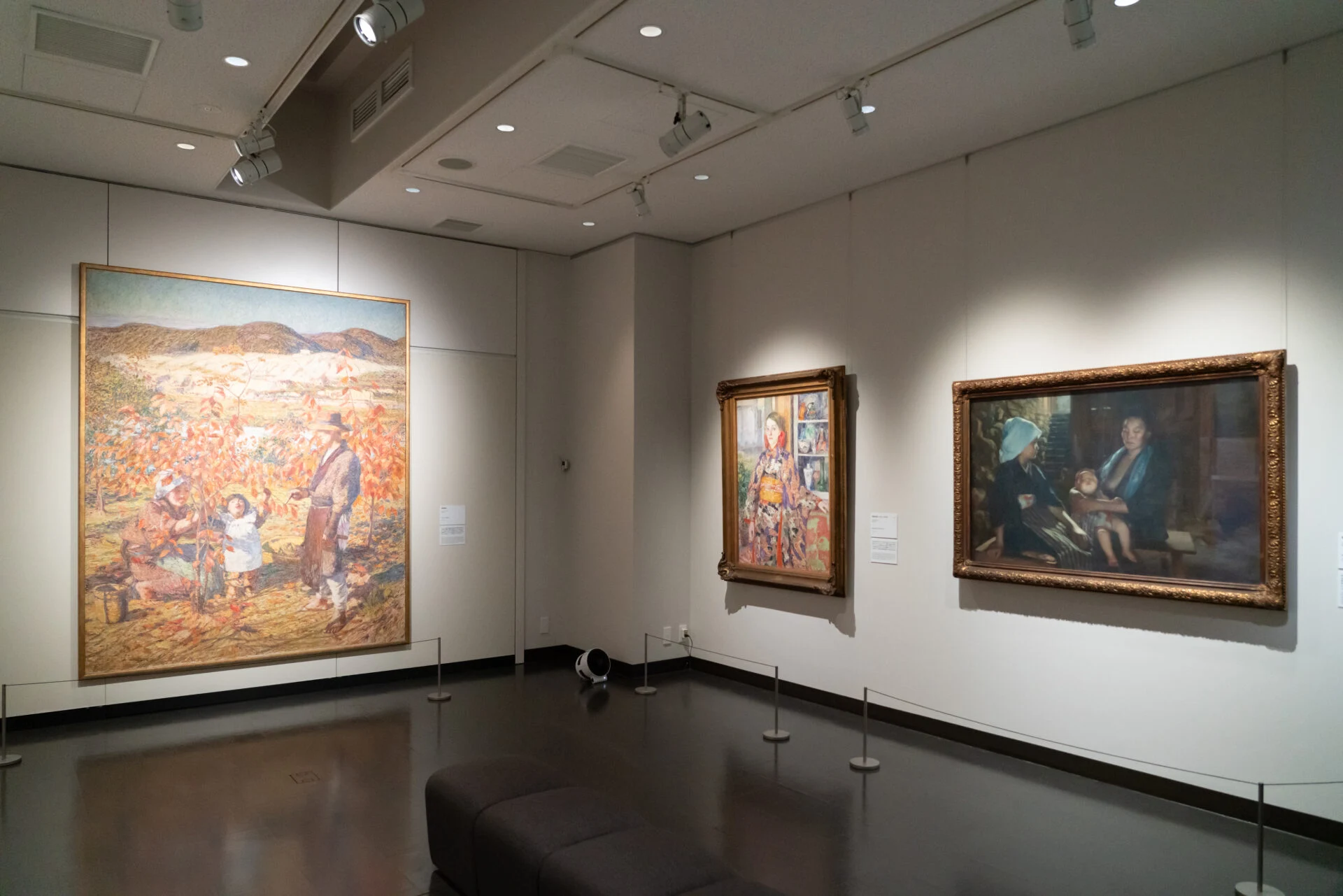
He incorporated different cultures he had seen into the clothing of figures or into the furnishings he placed.
It may have been a natural thing for him to live in such an environment, or he may have wanted to express it deliberately.
As a result, I think the visibility of diverse cultures is a characteristic.
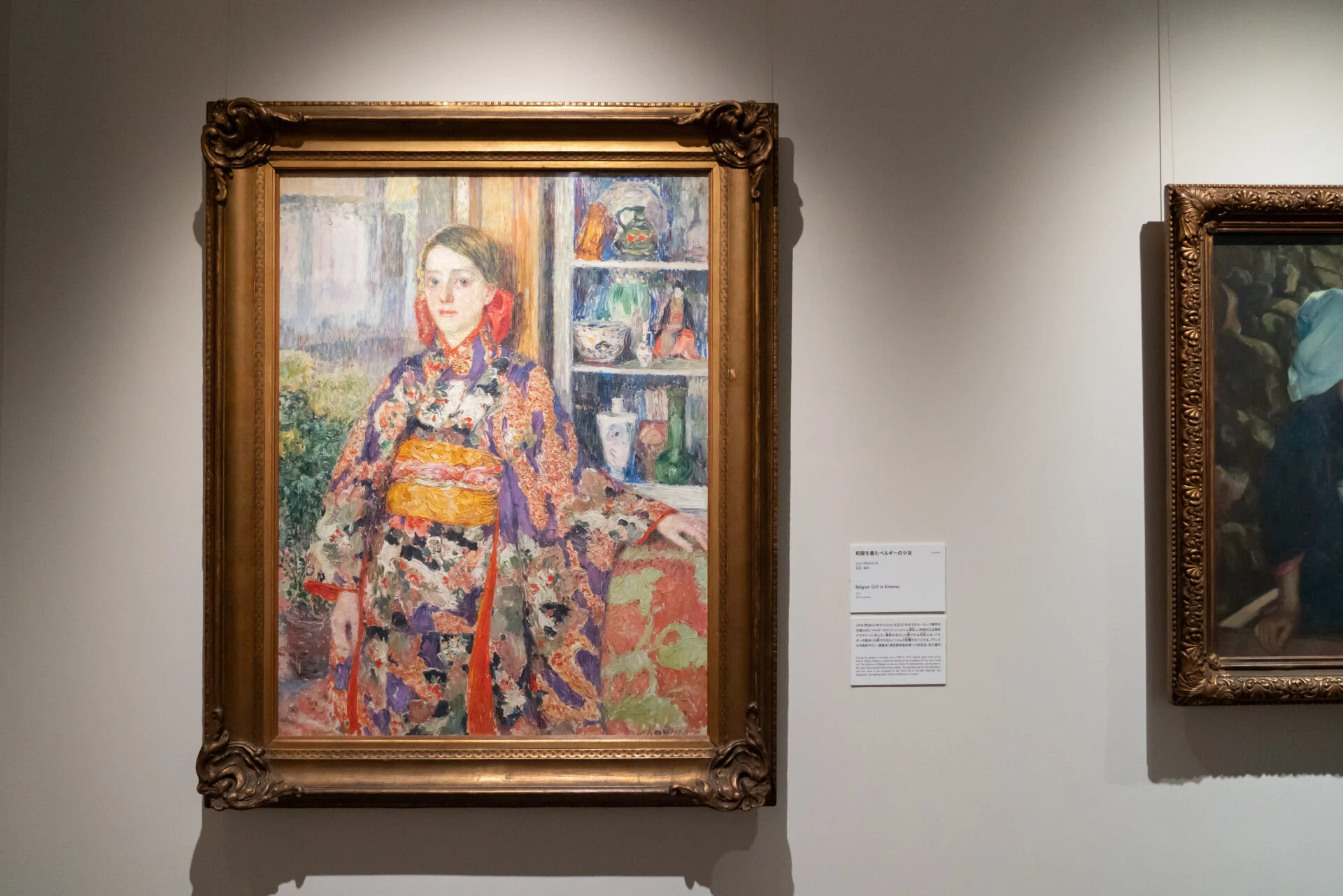
Are there any characteristics in technique or changes after going to Belgium?
Kawakawa
After going to Belgium and coming into contact with local artworks, his perception of light and color changed significantly from before.
His paintings transformed into works where color, light, and form are depicted as one. The brushwork became rough, the color contrasts became strong, and the overall works became brighter.
Even after the brushwork became smoother in the 1920s, the excellent works still express the light he wanted to depict well.
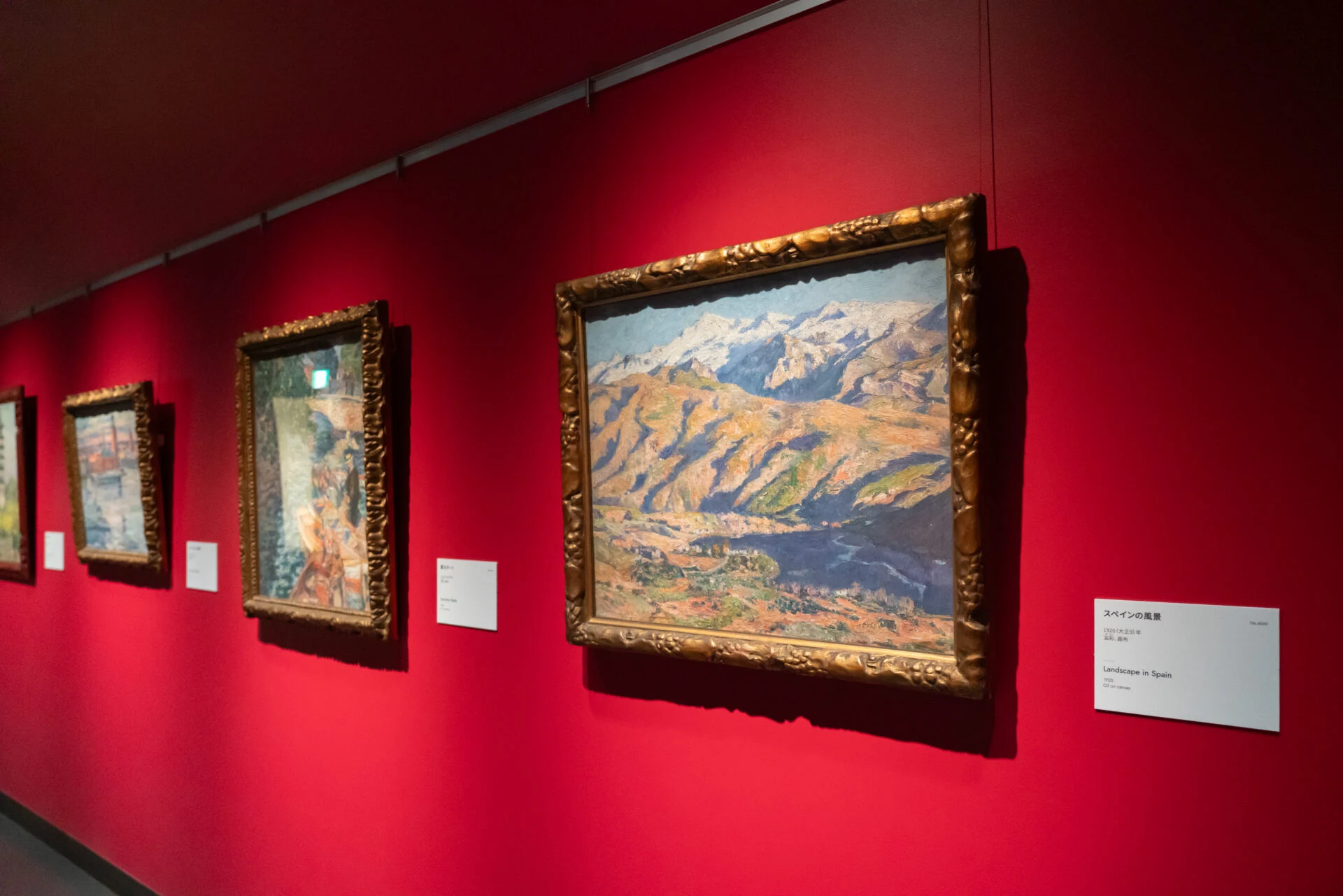
If there is a style that can be said throughout his life, it would be his consistent focus on how to depict light.
Even in works before going to Belgium, there are expressions where the human body is softly illuminated by backlight. The Belgian period is particularly characterized by light. Even after the brushwork became smoother in the 1920s, the good works still express the light he wanted to depict well.
Even as his style changed, his dedication to how to depict light can be said to be a characteristic of Kojima.
The recognition of Kojima Torajiro as a painter does not seem to be very high.
?River
One reason for this is that many of Kojima's works are held by the Ohara Museum of Art.
Unless the Ohara Museum of Art actively introduces Kojima or research on his works progresses, his evaluation as a painter will not expand, and opportunities for the general public to learn about him will be limited.
However, the evaluations from those who have actually seen his works are very high. In surveys asking about favorite paintings, his works often rank highly, and I believe he is an intriguing artist.
Since there is always a place to exhibit his works, I think that if you see them in person, you will surely like them.
Getting to Know Kojima Torajiro
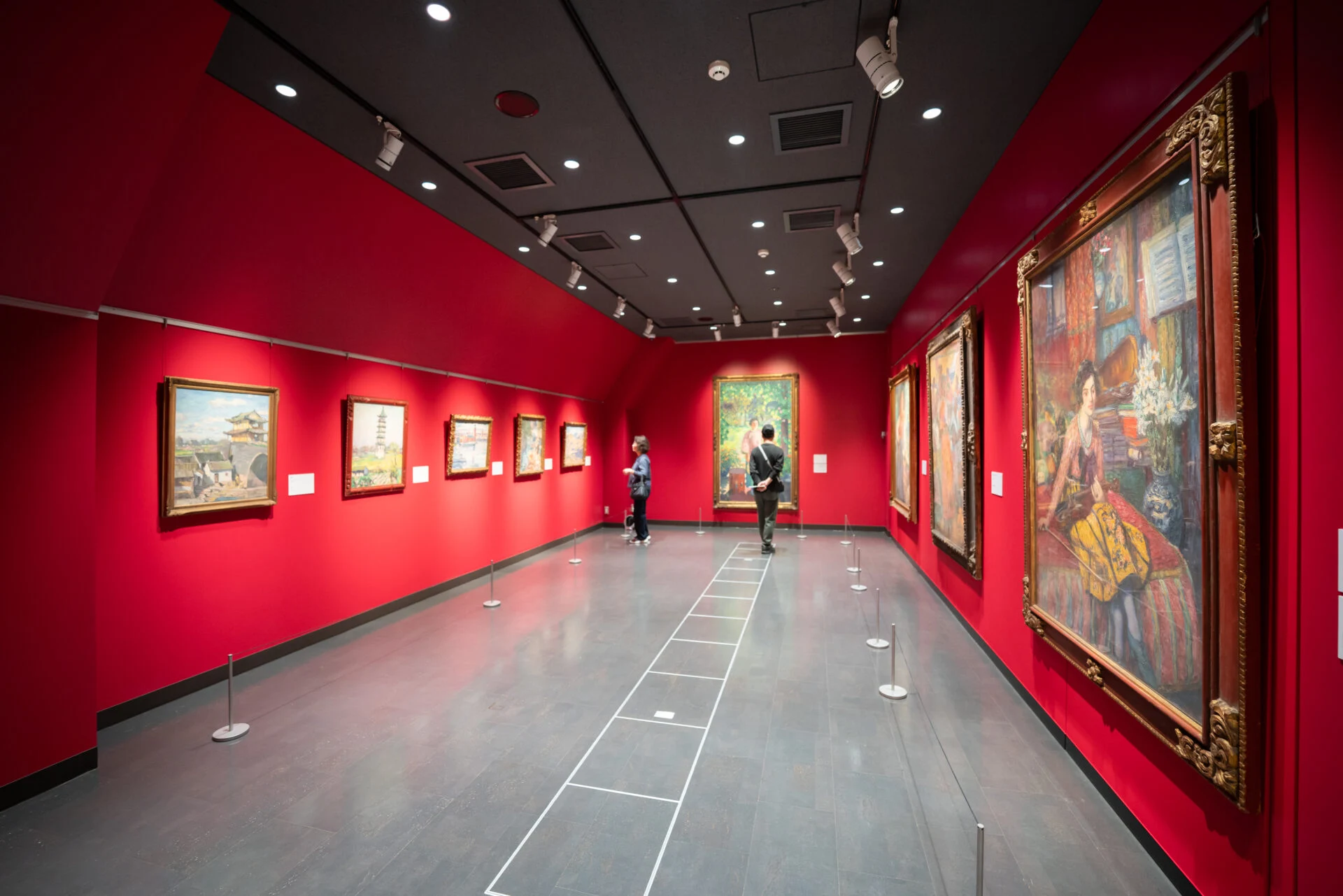
Kojima Torajiro, who learned and respected diverse cultures, incorporated them into his own works.
As a collector and painter, he has left a significant mark on the Japanese art world and serves as a cultural bridge.
I feel that many of Kojima's works evoke warm and happy feelings. They make you want to know more about distant worlds while also making you appreciate the everyday, filled with such charm.
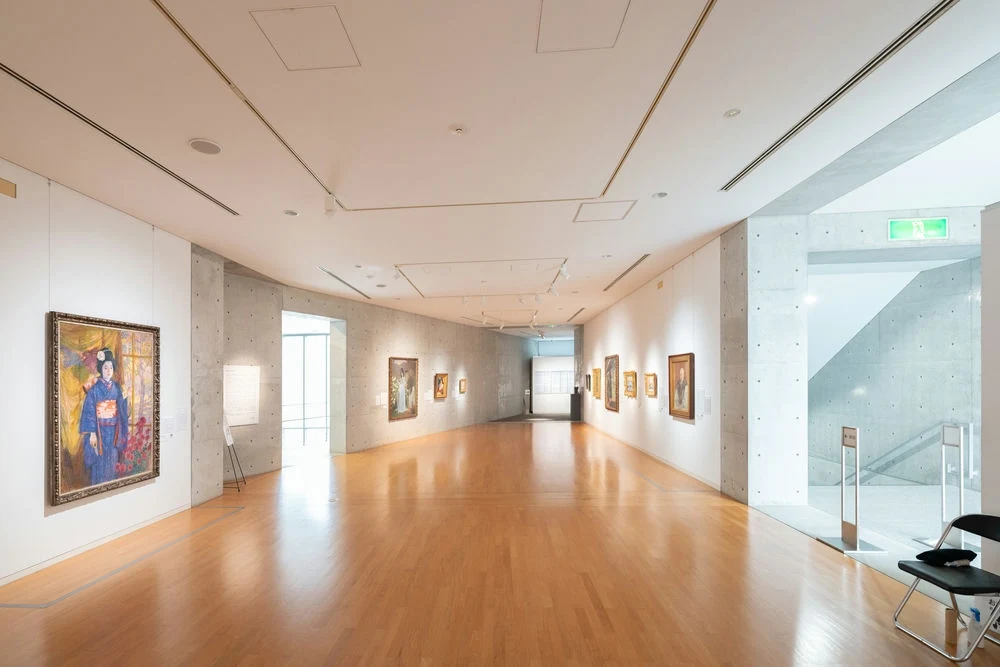
The Kojima Torajiro Memorial Gallery can be viewed with a common admission ticket for the main building and the Crafts and Oriental Art Museum of the Ohara Museum of Art.
Please feel the rich culture that has been passed down through the collection and works of Kojima Torajiro in a building rooted in the life of Kurashiki.
Articles about the Ohara Museum of Art
Data on the Ohara Museum of Art Kojima Torajiro Memorial Gallery
| Name | Kojima Torajiro Memorial Gallery, Ohara Museum of Art |
|---|---|
| Location | 3-1 Honmachi, Kurashiki City, Okayama Prefecture |
| Contact | 086-422-0005 |
| Parking | None |
| Opening Hours | 10:00 AM - 4:00 PM *Last admission is at 3:30 PM; closes at 3:00 PM from December to February |
| Closed Days | Monday Temporary closures may occur Open on holidays and substitute holidays that coincide with closed days Open without holidays from late July to August |
| Admission Fee (including tax) | Common ticket for the main building of the Ohara Museum of Art/Crafts and Oriental Art Museum/Kojima Torajiro Memorial Gallery General: 2,000 yen High school, middle school, and elementary school students (under 18): 500 yen *Admission tickets can be purchased at the ticket booth in front of the main building of the Ohara Museum of Art |
| Payment Methods |
|
| Reservations | Available No reservation needed for individuals |
| Smoking | Completely non-smoking |
| Restrooms | Barrier-free restrooms |
| Childcare | Diaper changing station |
| Barrier-free | Ramps, barrier-free restrooms, elevators |
| Website | Official Website of the Ohara Museum of Art |