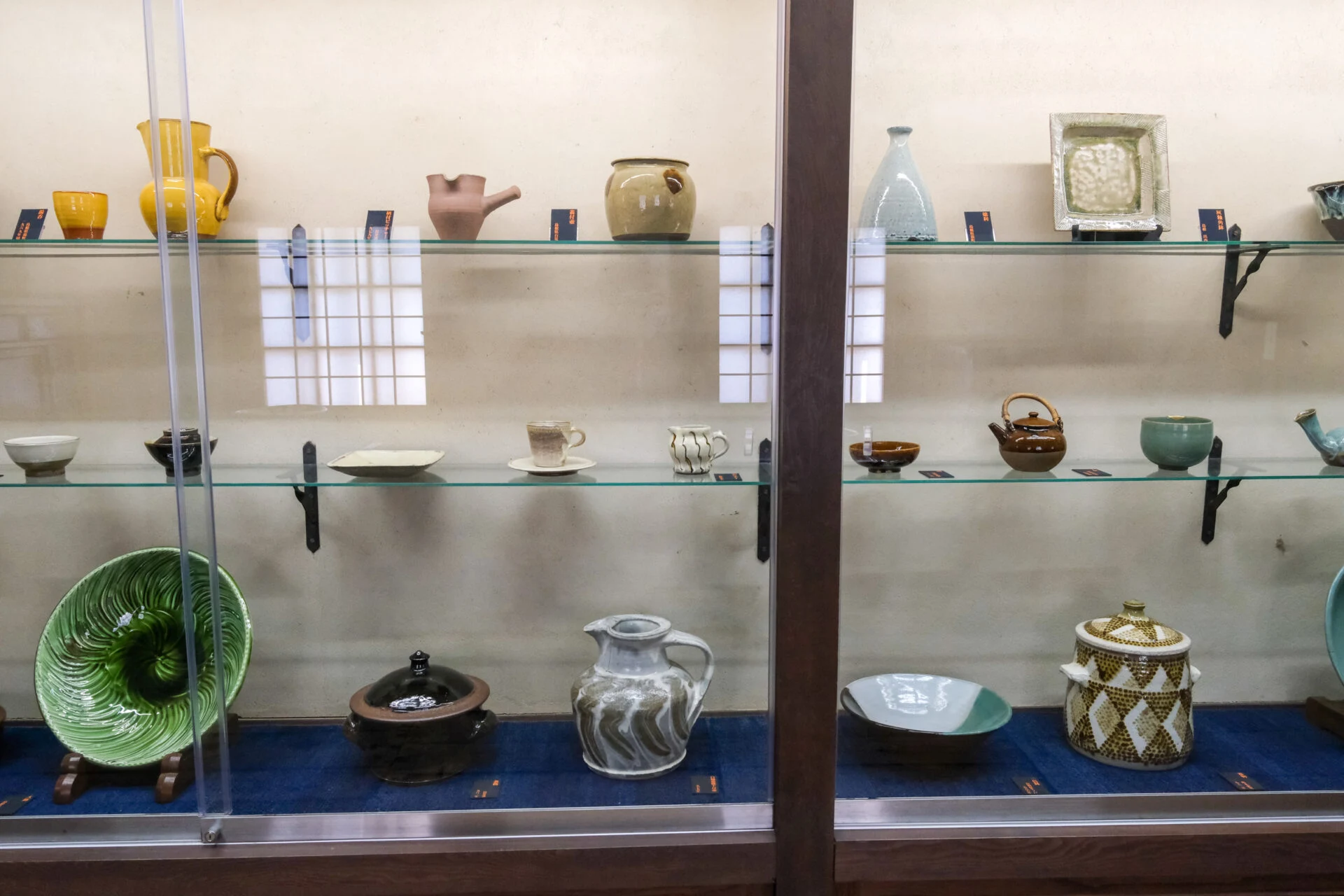
In Kurashiki, there are many tools for daily life called "folk crafts", such as Sakatsu ware, Hashima ware, Kurashiki Glass, and rugs.
Since I moved to Kurashiki from the Kanto region in December 2023, I frequently go sightseeing in Kurashiki with friends from outside the prefecture. When I ask my friends about places they would like to visit in Kurashiki, they often express a desire to see "places where they can learn about the history of folk crafts" or "places where they can actually handle folk crafts."
Why has Kurashiki produced so many folk crafts, and why has the culture of incorporating them into daily life spread so widely?
Let’s trace the history of how folk crafts took root in Kurashiki, going back to the era of the folk craft movement.
Photography is generally prohibited inside Ohara Museum of Art and Kurashiki Museum of Folkcraft. This time, we have received special permission to take photos.
Folk Crafts and Folk Art
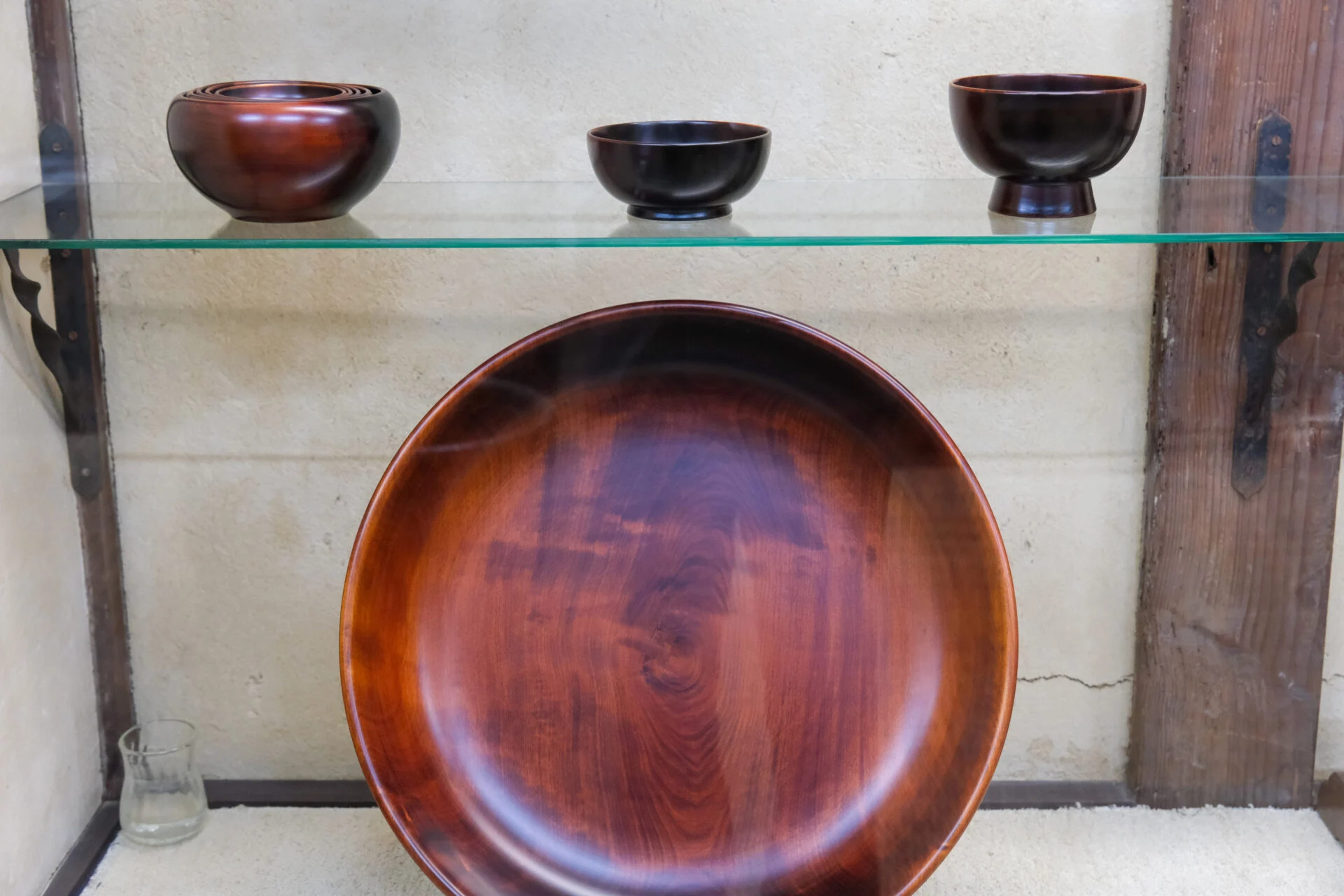
The term "folk crafts" is an abbreviation of "popular crafts," a coined term created by Yanagi Soetsu. Yanagi believed that there is a beauty rooted in the purpose of everyday items called "the beauty of utility" and, along with Kawai Kanjiro, Hamada Shoji, and Tomimoto Kenkichi, established the folk craft movement.
They initiated a movement to recognize the value of locally produced handicrafts that supported the daily lives of ordinary people, and items discovered from this perspective, as well as those aimed at reviving production, came to be called "folk crafts."
It is worth noting that while the Kurashiki Museum of Folkcraft uses the term "folk crafts," souvenir shops use different kanji for "folk art," but the difference seems to be minimal.
In this article, we will refer to them as "folk crafts."
Kurashiki and Folk Crafts
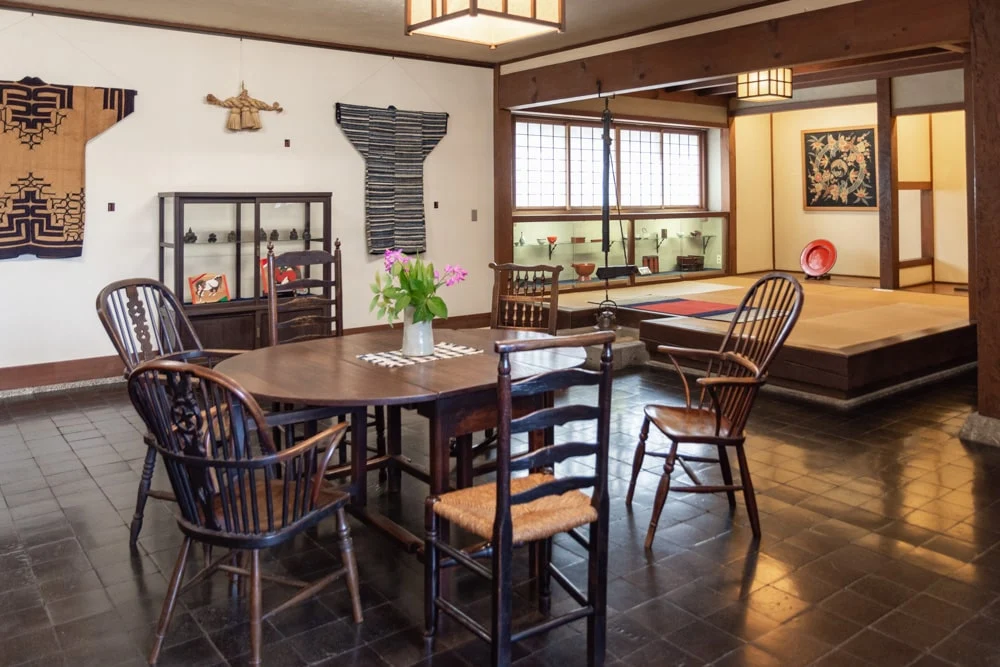
Ohara Magosaburo, a businessman from Kurashiki known as the founder of the Ohara Museum of Art, was active in conveying the charm of local crafts to many people.
After meeting Yanagi Soetsu, he began to support the folk craft movement, resulting in the exhibition of works by those involved in the folk craft movement at the Ohara Museum of Art, Craft and Oriental Gallery.
I spoke with Hasegawa Yuri, a curator at the Ohara Art Foundation, about the history of the Ohara family and folk crafts.
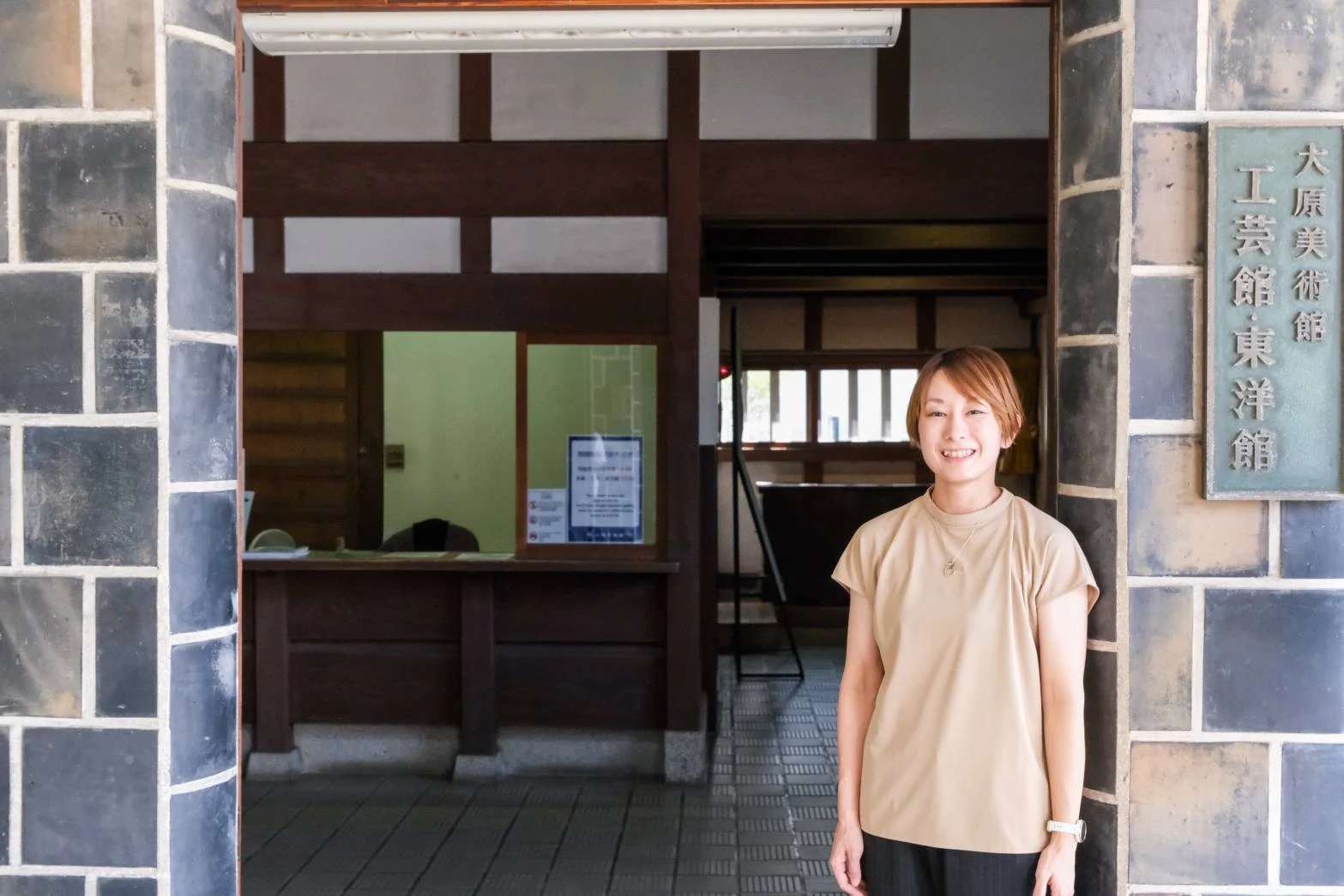
A place to collect and exhibit works by artists who are supporters of the folk craft movement
I heard that the Craft and Oriental Gallery of the Ohara Museum of Art exhibits works by artists who advocated the folk craft movement.
Hasegawa (no honorific)
Ohara Magosaburo, the founder of the Ohara Museum of Art, was dedicated to supporting individual artisans alongside supporting the folk craft movement.
Many of the supporters of the folk craft movement were also active as artists. In the Craft and Oriental Gallery, the craft gallery section (hereafter referred to as "craft gallery") displays crafts by six artists who supported the folk craft movement in separate rooms.
| Artist Name | Genre |
|---|---|
| Hamada Shoji | Pottery |
| Bernard Leach | Pottery |
| Tomimoto Kenkichi | Ceramics |
| Kawai Kanjiro | Pottery |
| Munakata Shiko | Woodblock Print |
| Serizawa Keisuke | Dyeing |
There is also the Kurashiki Museum of Folkcraft in Kurashiki. Can you tell us about the roles of the Ohara Museum of Art's craft gallery and the Kurashiki Museum of Folkcraft?
Hasegawa
The Ohara Museum of Art's craft gallery opened in 1961, while the Kurashiki Museum of Folkcraft opened in 1948. This means that the Kurashiki Museum of Folkcraft opened first.
The Kurashiki Museum of Folkcraft exhibits folk crafts collected from not only Japan but also around the world, similar to the Japan Folk Craft Museum.
One of the roles of the Kurashiki Museum of Folkcraft is to display "daily necessities" that were used in actual life or are still in use today.
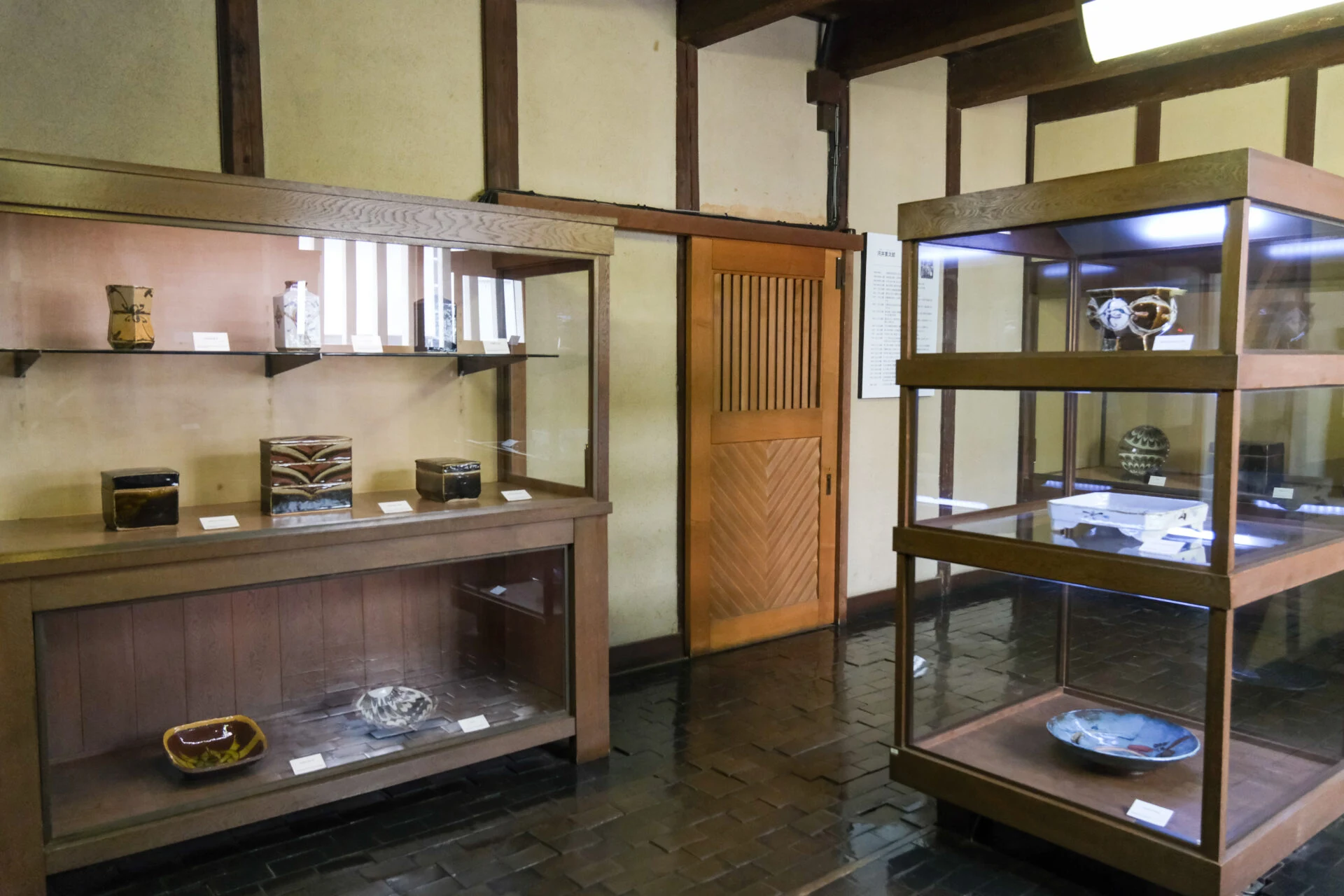
On the other hand, the Ohara Museum of Art's craft gallery does not exhibit folk crafts.
This space is dedicated to displaying works by artists who supported the folk craft movement.
The works displayed by the artists in the craft gallery are treated as artworks, not folk crafts. Of course, they are influenced and inspired by folk crafts, but they are not everyday items; they are artworks.
The artists themselves likely recognized that what they created were artworks and different from folk crafts.
In this way, the distinction in the displayed works has evolved over time.
Ohara Magosaburo supports the folk craft movement
Can you tell us about the relationship between the Ohara Museum of Art and the folk craft movement?
Hasegawa
Kurashiki was a city that had a desire to revive local pottery, such as Sakatsu ware, even before the folk craft movement was proposed.
Because of this, Ohara Magosaburo and his son Soichiro supported the folk craft movement.
In 1936, when the Japan Folk Craft Museum, the first folk craft museum in Japan, was established in Komaba, Tokyo, Magosaburo supported the construction costs.
Was there an event that triggered Magosaburo's support for the folk craft movement?
Hasegawa
It is not clear when it started, but he seems to have known Kawai Kanjiro at least by around 1930, and after that, he gradually deepened his friendship with supporters of the folk craft movement, including Yanagi Soetsu.
Among them, there is an episode where Magosaburo was impressed by the beauty of a teapot owned by Mihashi Tamami, the family doctor of the Ohara family, and sought to acquire the work. He not only had friendships with the artists whose works are displayed in the craft gallery but also purchased works, held exhibitions in Kurashiki, and provided support for production.
He was first attracted to the artists' works, which led him to resonate with the philosophy of the folk craft movement and connect to his support.
We want to continue discovering and supporting contemporary craft artists
Is the Ohara Museum of Art still supporting craft artists today?
Are there plans to exhibit works by new craft artists in the future?
Hasegawa
Of course.
In recent years, we held an exhibition of works by ceramic artist Tajima Etsuko at Yurin-so Villa in 2004, and in 2013, we held an exhibition of works by dyer Yahata Harumi in the Craft and Oriental Gallery.
While there are no projects we can announce at this time, I believe there will be opportunities to create exhibitions together with craft artists in the future through the collaborative exchange projects conducted by the Ohara Art Foundation.
Can you tell us about the highlights of the Ohara Museum of Art's craft gallery?
Hasegawa
Since the works of Munakata Shiko and Serizawa Keisuke are made of paper and fabric, we change the exhibits approximately every three months for preservation purposes, but most of the other works do not change. Therefore, you can enjoy the same works in depth whenever you visit.
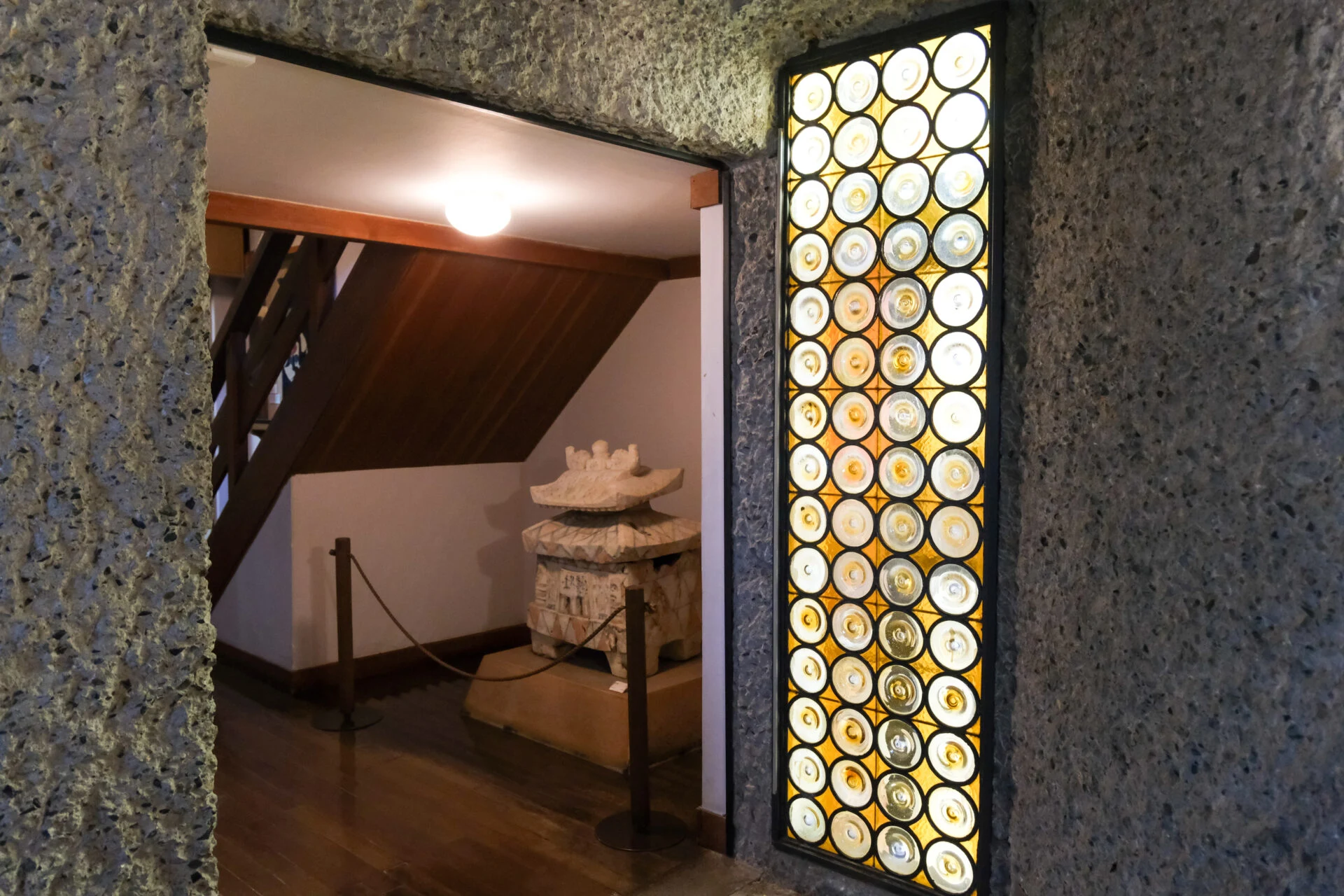
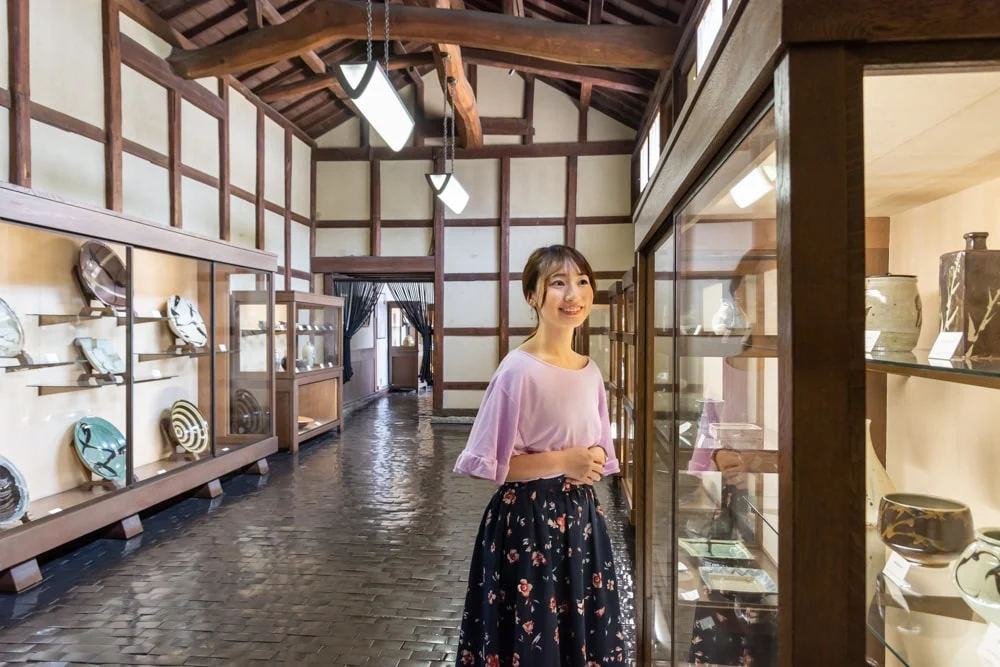
Additionally, the craft gallery was originally a space that served as a storehouse.
Serizawa Keisuke, a dyeing craftsman who was close to Soichiro, meticulously designed everything, including the exterior, interior, and display of the storehouse.
Please enjoy not only the works but also the building itself, with the sound of the Korean-style flooring and the handrails of the stairs inspired by escalators.