The Thoughts of Yoshinosuke Tonomura Captured in the Kurashiki Museum of Folkcraft
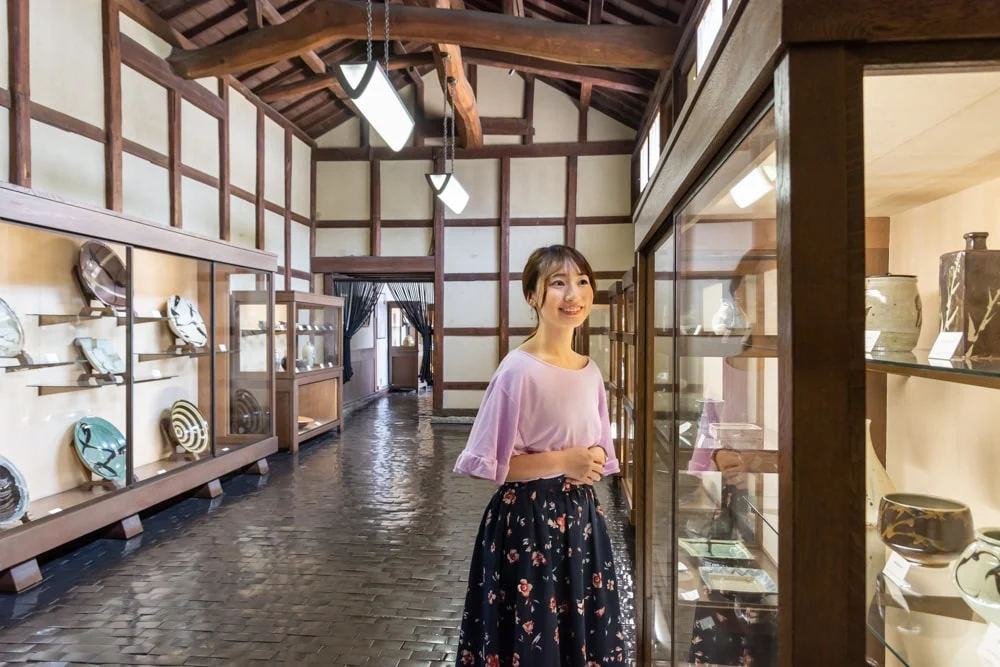
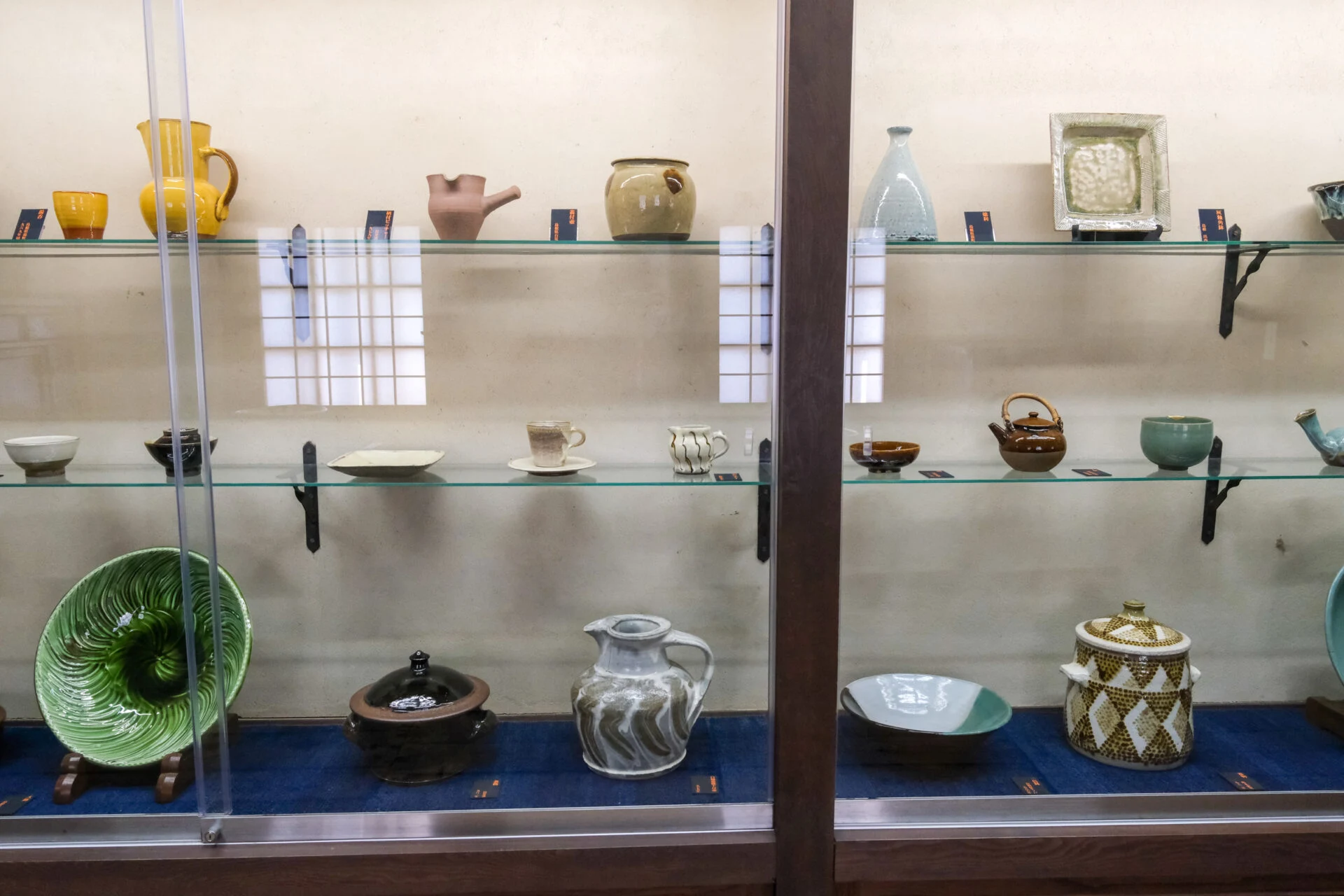
Near the Ohara Museum of Art's Craft and Oriental Gallery, there is the Kurashiki Museum of Folkcraft, which was the second folkcraft museum to open in Japan after the Japan Folkcraft Museum, supported by Ohara Magosaburo.
I was guided through the museum by Hideyuki Yanagisawa, the assistant director of the Kurashiki Museum of Folkcraft and a senior advisor at the Ohara Art Foundation, while listening to stories about Kurashiki's folk crafts.
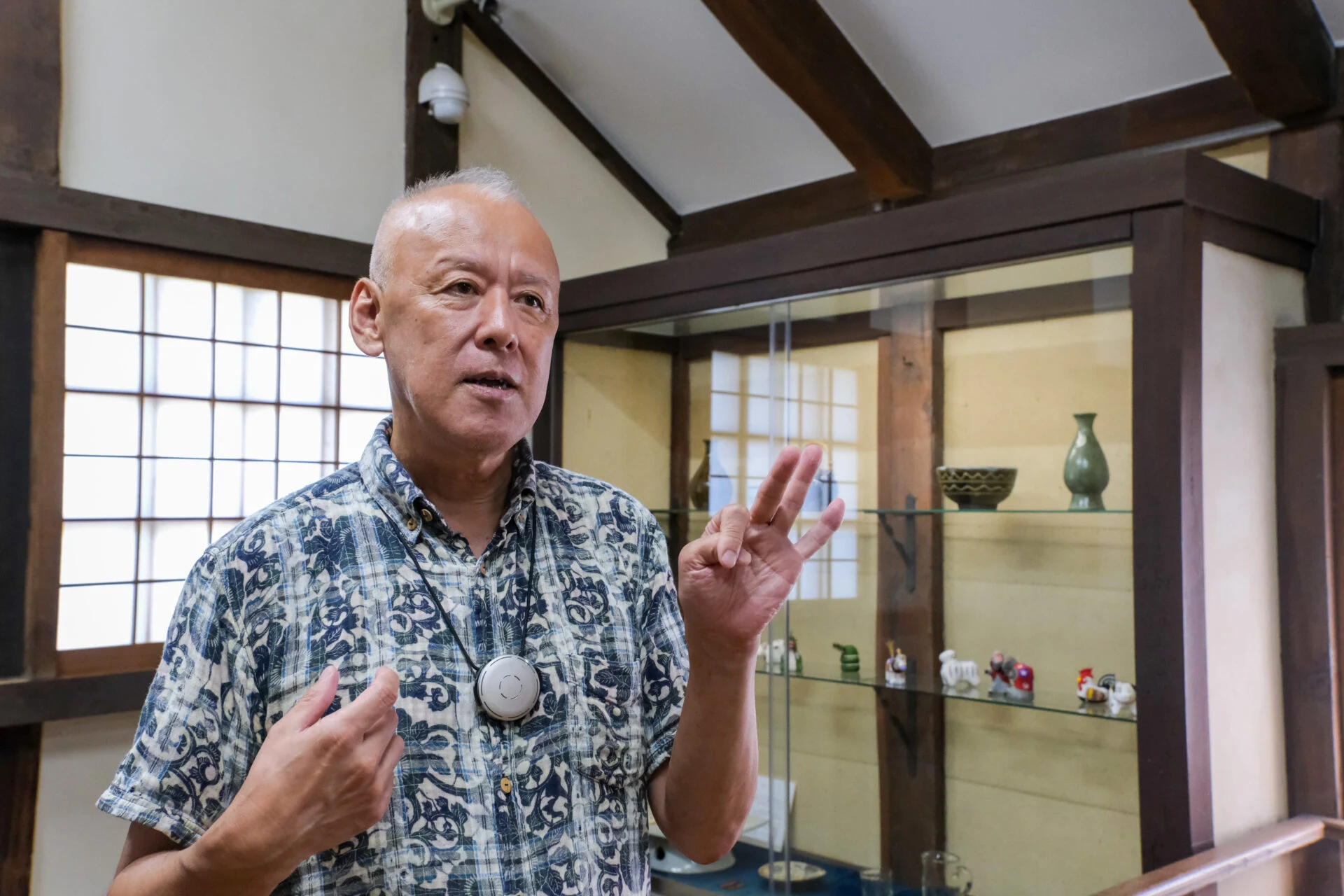
Is there an exhibition room where you can understand Kurashiki's folk crafts at a glance?
Yanagisawa (no honorifics)
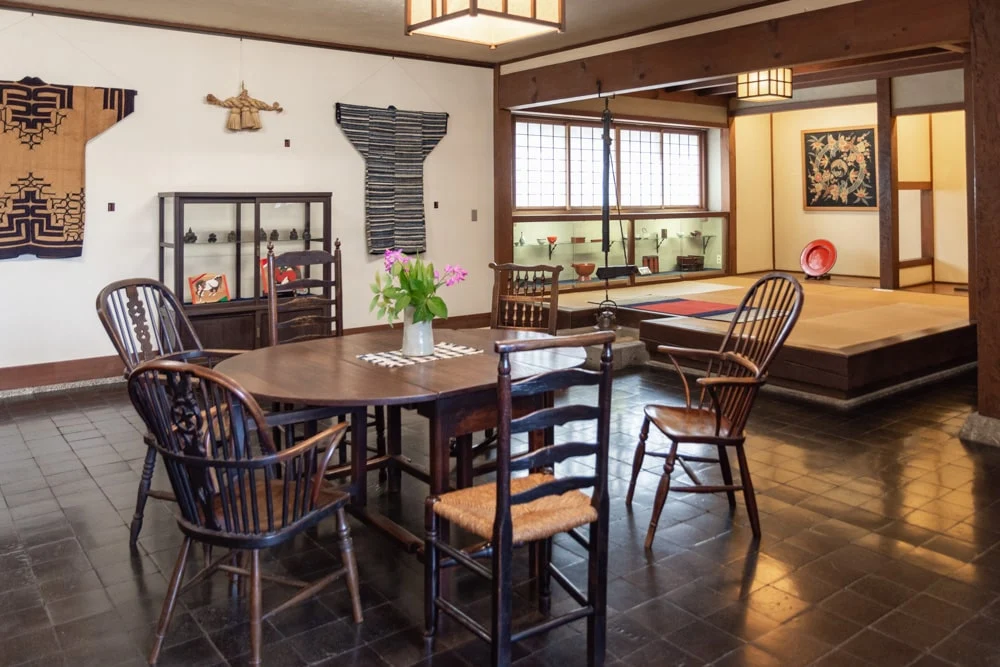
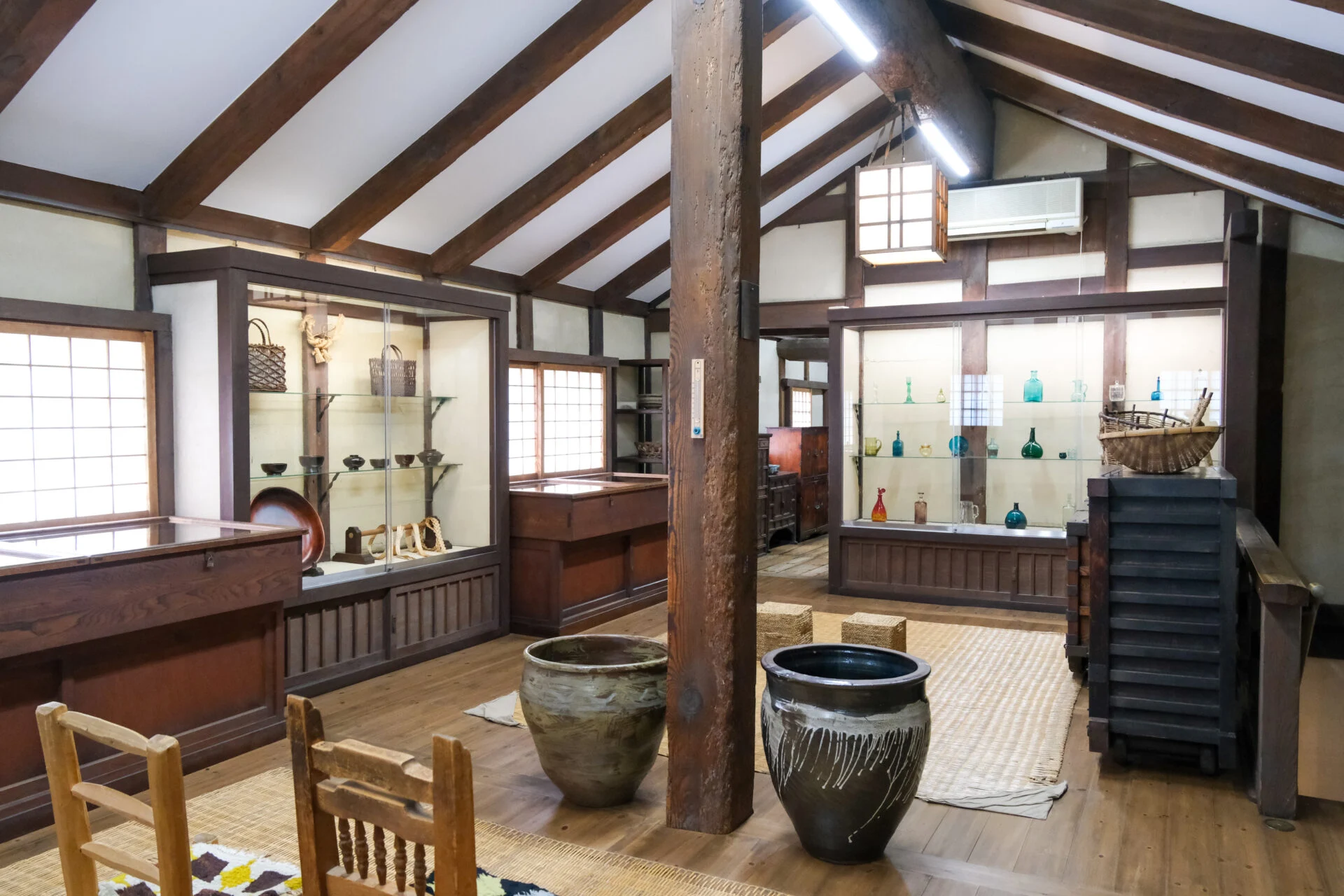
If you look closely at the first room after entering the Kurashiki Museum of Folkcraft, there are hints to grasp what folkcraft is.
Kurashiki was a sea area during the Edo period. In the process of reclaiming the land, the cultivation of salt-resistant cotton became active.
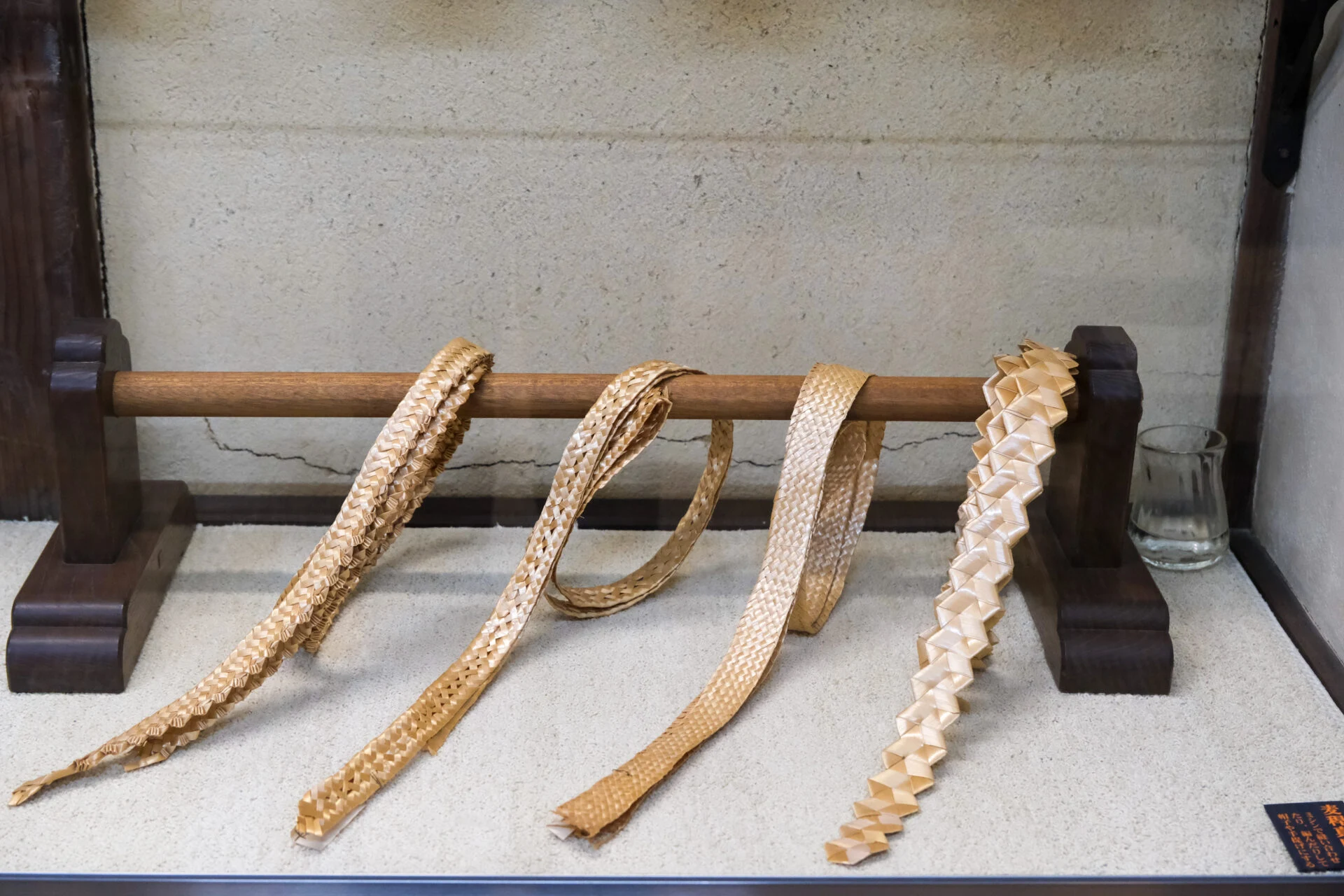
From cotton, there is Sanada-himo, right?
These are woven with bakkann and made into straw hats and bags, which are still produced in places like Kasaoka City.
Folk crafts are items made using materials unique to the region.
They are not just old items from the past, but one of the industries that connect to the present.
Of course, powerful people and the wealthy gathered good materials from distant lands and used tools made by renowned specialized craftsmen.
While these are considered jōtemono (high-quality items), items made with local materials, likely crafted by farmers during their off-seasons, are considered getemono (low-quality items). Naturally, these items do not carry the names of their makers.
Before the folkcraft movement, jōtemono were regarded as the good items, but it was the folkcraft movement that found value in getemono.
In other words, the Kurashiki Museum of Folkcraft displays many getemono. However, these are items that color people's daily lives and are sturdy tools that can be used for a long time.
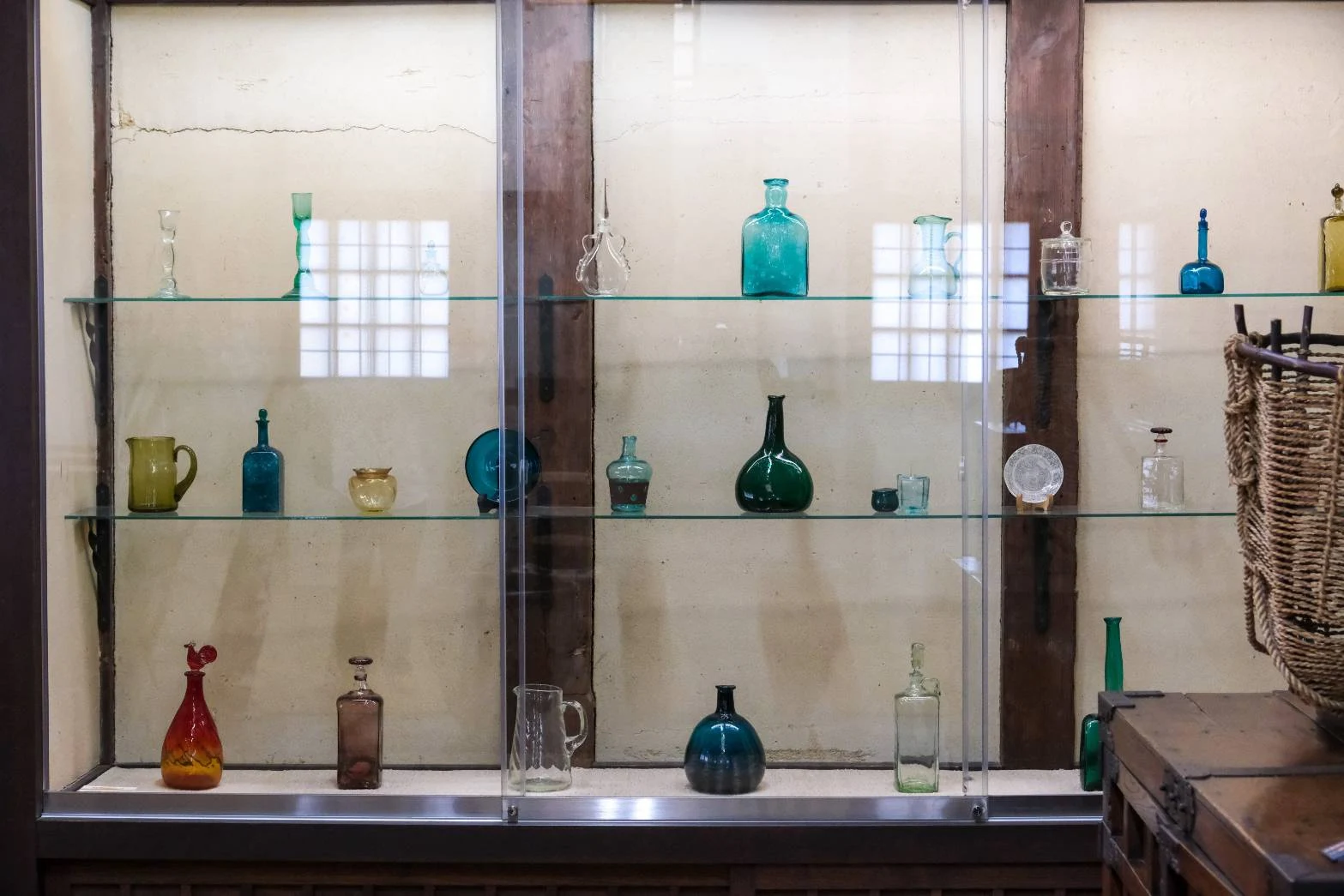
Why is the specific artist's work, "Kurashiki Glass," displayed here?
Yanagisawa
Kurashiki Glass was created by Shinzō Kotani and is now passed down to his son Eiji.
In other words, after World War II, works whose authors are known, which are durable and can color people's daily lives, began to be treated as folkcraft items.
Thus, this room features items that have been considered "good" for daily use in Kurashiki throughout different eras.
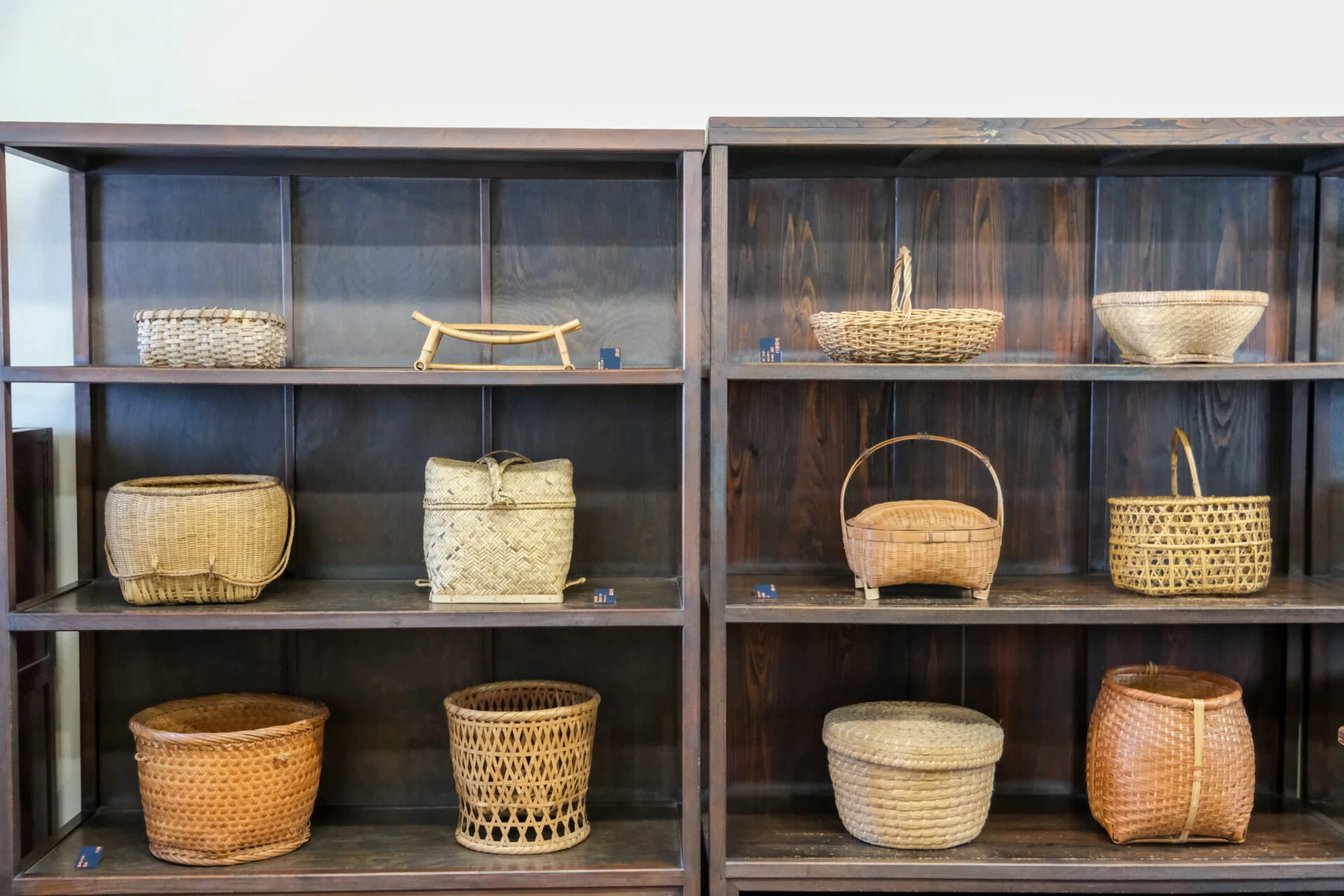
There are many baskets from overseas, right?
Yanagisawa
Baskets are indeed practical items.
Since their shapes are determined by their functions, individual expression from the makers is not very prominent.
Therefore, it is characteristic to see works that reflect the plants available in the region and the lifestyle of the people there. These items were collected by the first director, Yoshinosuke Tonomura.
Now, having toured the Kurashiki Museum of Folkcraft together, do you think the displayed works can be used in modern life?
Each piece of furniture is large, and it seems difficult to place them in modern apartments or condos.
Yanagisawa
That's right.
The period from when the Kurashiki Museum of Folkcraft was established in 1948, during which Yoshinosuke Tonomura dedicated himself to collecting, was also a time of significant change in our lifestyles. Nowadays, many homes do not have tatami rooms, and we spend more time sitting in chairs. Additionally, as clothing has changed, so has the industrial structure.
Our lives gradually change with the times.
Along with that, the definitions of "what folkcraft is" and "what folkcraft items are" need to be reconsidered little by little. However, the essence remains that they are items that can be used in people's daily lives.
In the Bikan Historical Area, there are many shops that handle items that can be used in daily life, whether they are folkcraft or not, so please take a look around. Each shop has a different impression, making it very interesting.