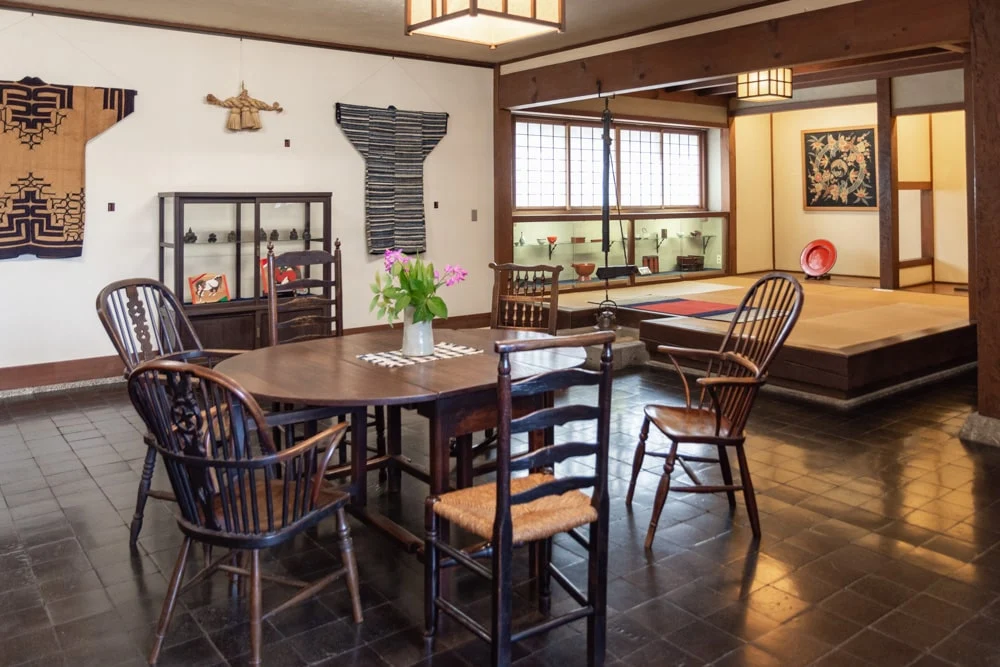
Interview
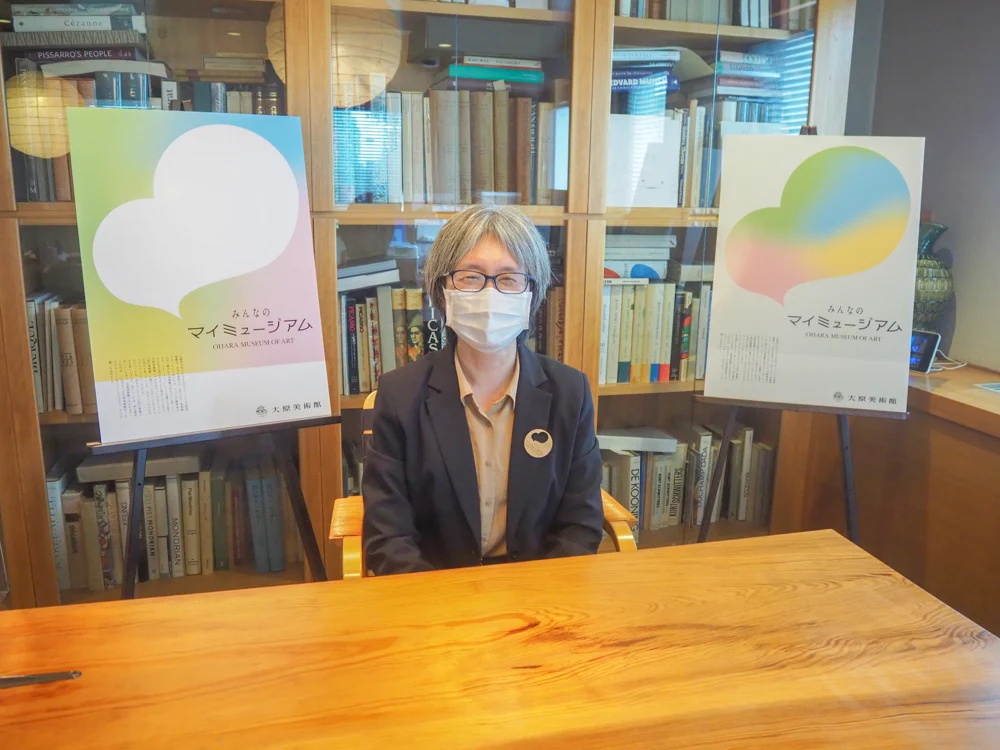
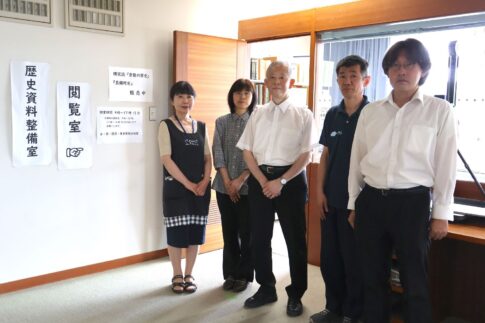
We spoke with the curator of the Kurashiki Museum of Folkcraft.
This interview features content from the initial coverage conducted in May 2019.
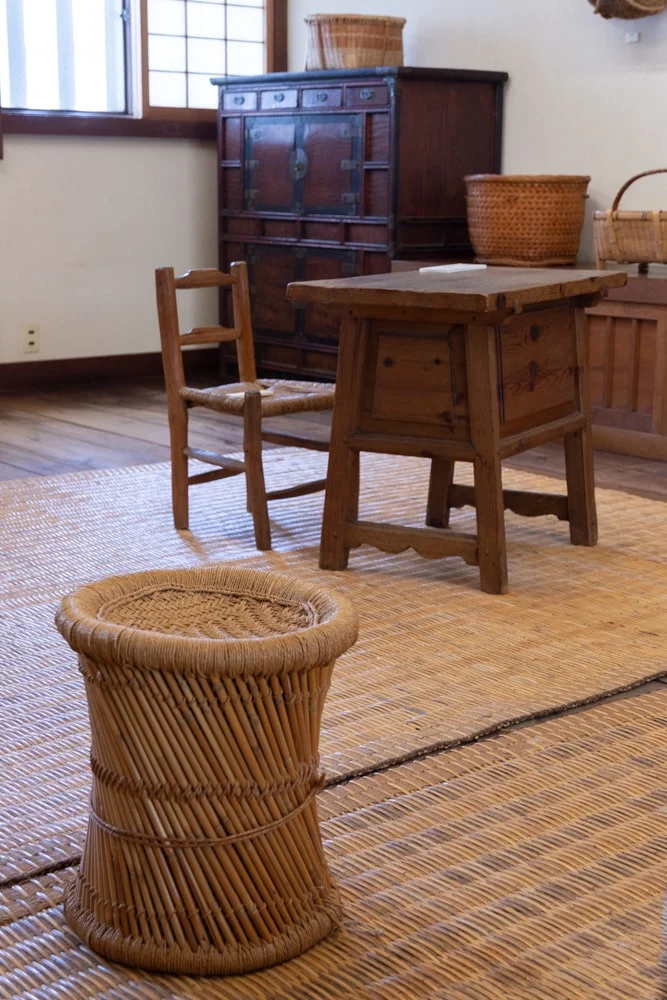
What is the "beauty of utility" in folk crafts?
Taking everyday tableware as an example, if it has excessive decorations, it becomes difficult to wash and tends to accumulate dirt.
In contrast, items that are simple, efficient in shape, and easy to use make food look delicious when served. This refers to such beauty.
For example, a basket.
The base of the handle is reinforced for strength, but the weaving pattern is beautiful.
Attention to detail makes it lovely.
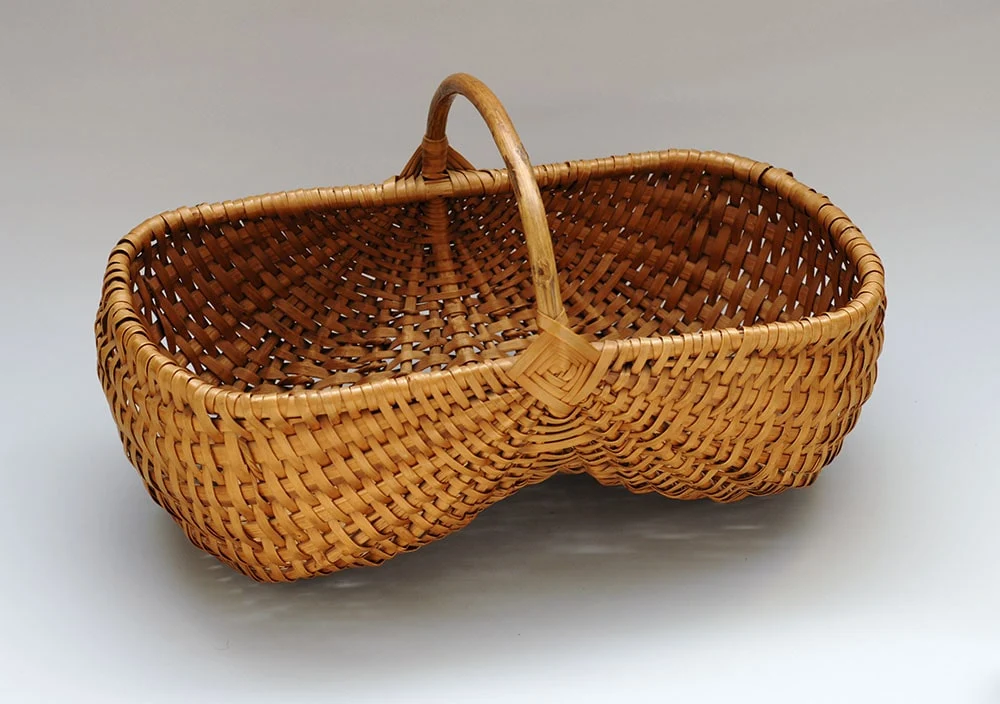
Can you see that the bottom of the basket in the above photo is split into two parts?
If the bottom were a single round piece, the contents would be unevenly distributed in the center. This shape is designed to distribute the weight.
The concept of "beauty of utility" includes the idea that items can be used effortlessly every day, fostering affection, and that the beauty of the shape brings beauty into life through their use.
Are there any particular points of emphasis in your display methods?
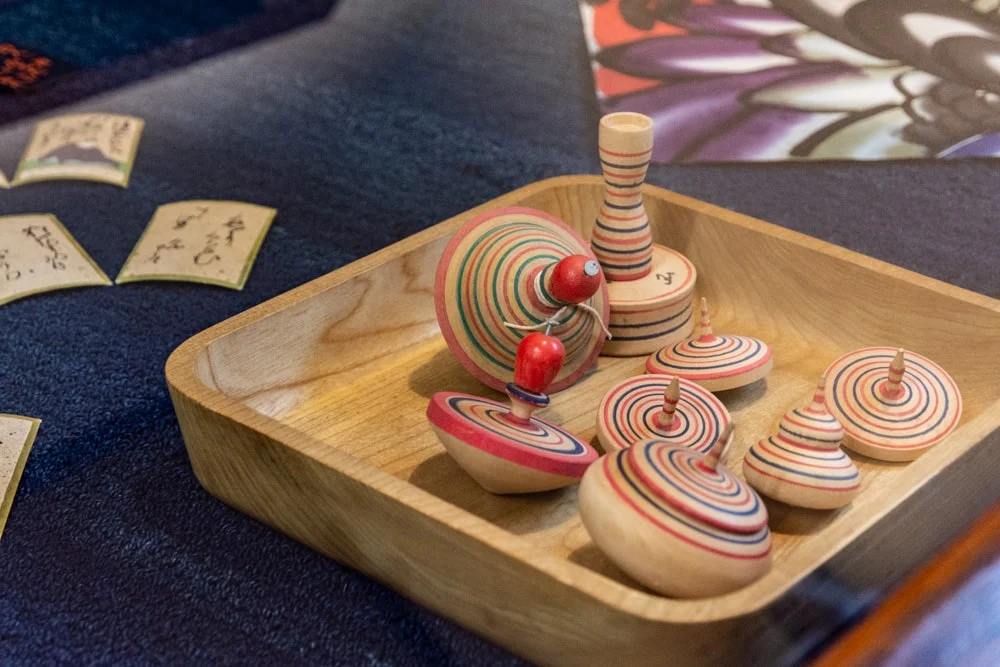
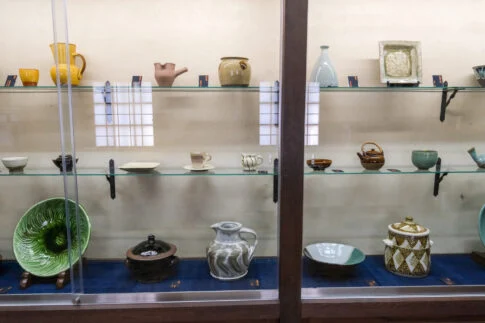
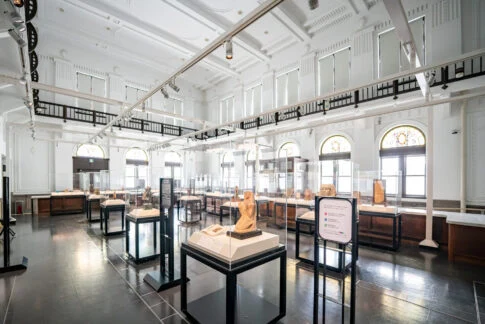
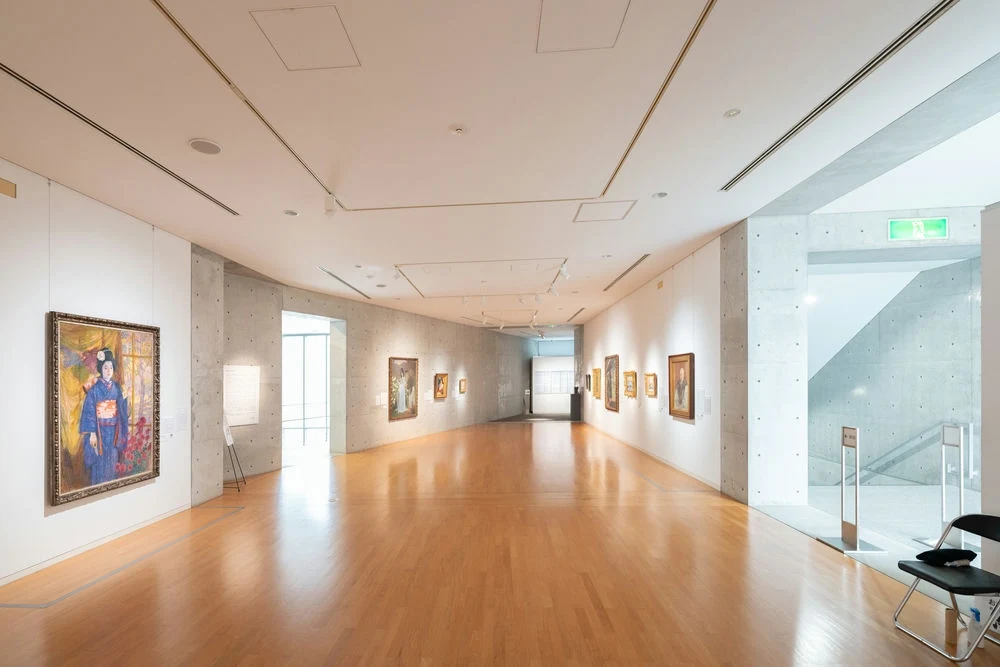
We intentionally reduce the amount of explanatory text because we want visitors to focus on the objects themselves. When there is too much text, people tend to follow the words with their eyes.
Kurashiki Glass is displayed in a place where natural light comes in, so the beauty of the glass is easily appreciated.
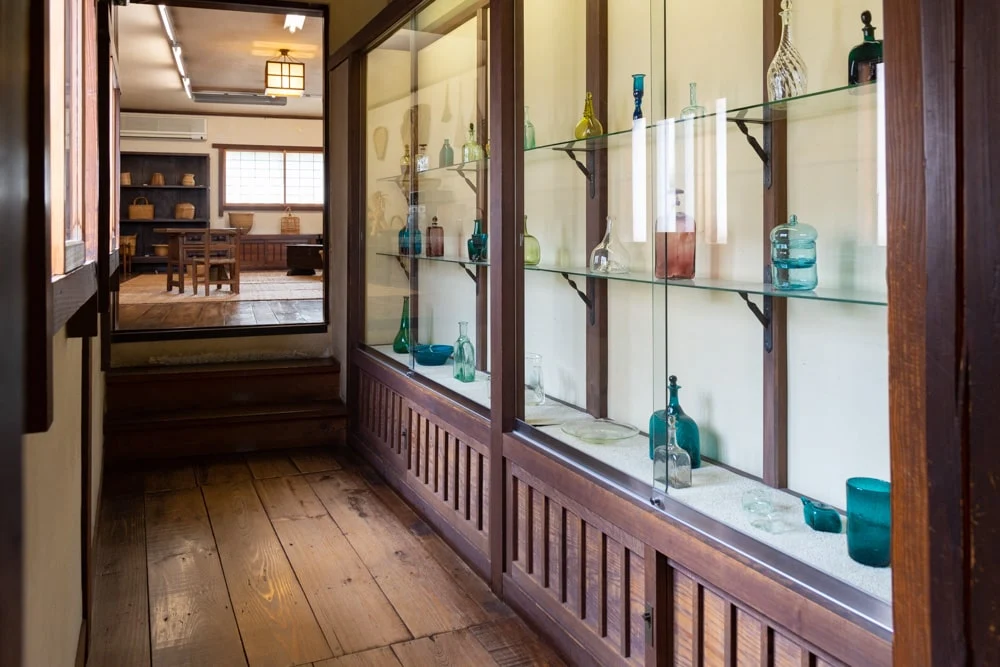
Additionally, instead of categorizing by era, region, or purpose, we display items in a way that harmonizes the space.
Indeed, even though tools from different countries and eras are lined up, I felt they harmonized well.
Please tell us your personal recommendations for the Kurashiki Museum of Folkcraft.
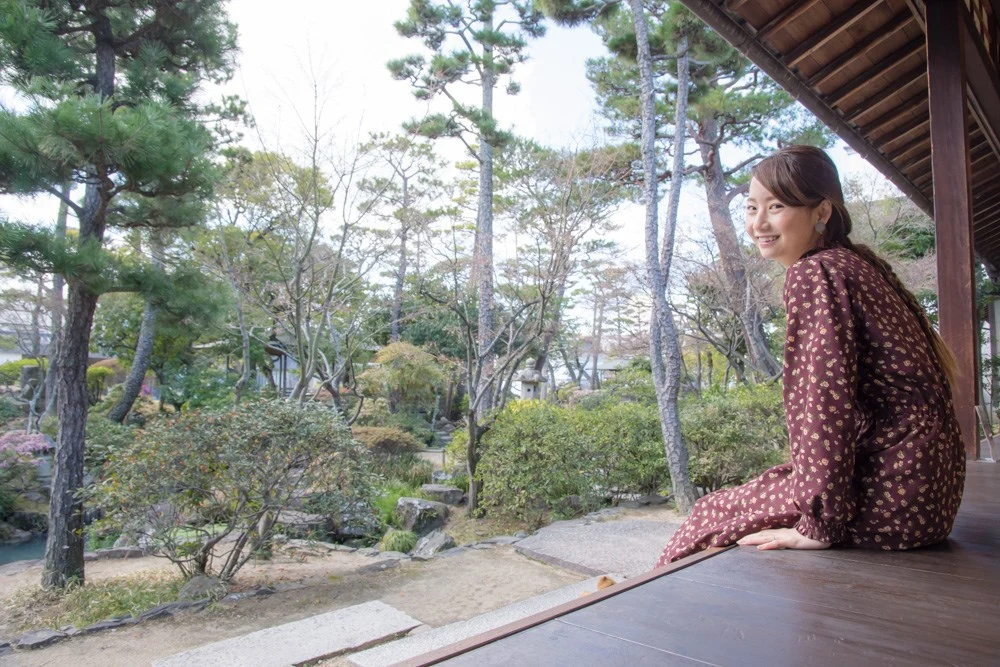
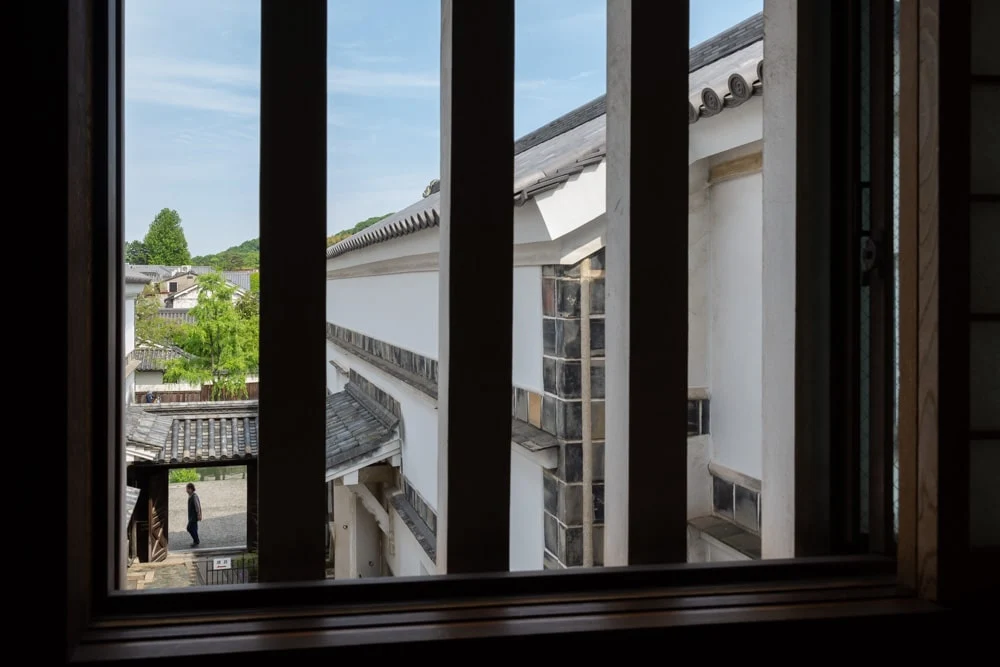
On sunny days, the breeze coming through the windows feels nice, and rainy days are also pleasant.
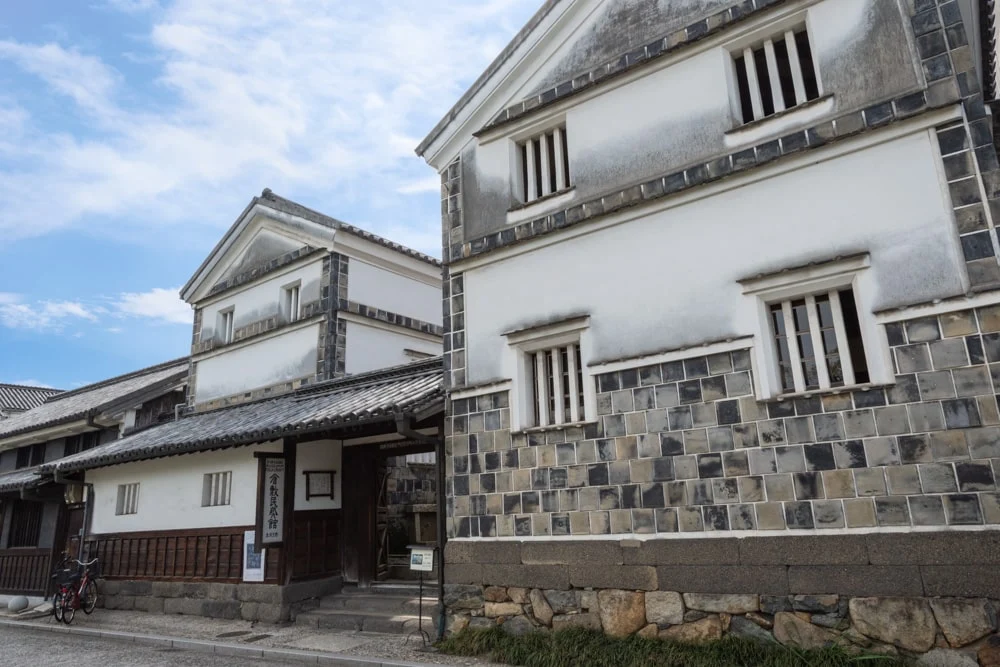
When wet, the black tiles become even darker, and the contrast between the white walls and the tiles becomes clearer, creating a beautiful, moist atmosphere.
At the Kurashiki Museum of Folkcraft, you can sit on the chairs and stools in the collection, and it might be nice to find your favorite spot and spend some leisurely time.
How can one enjoy folk crafts?
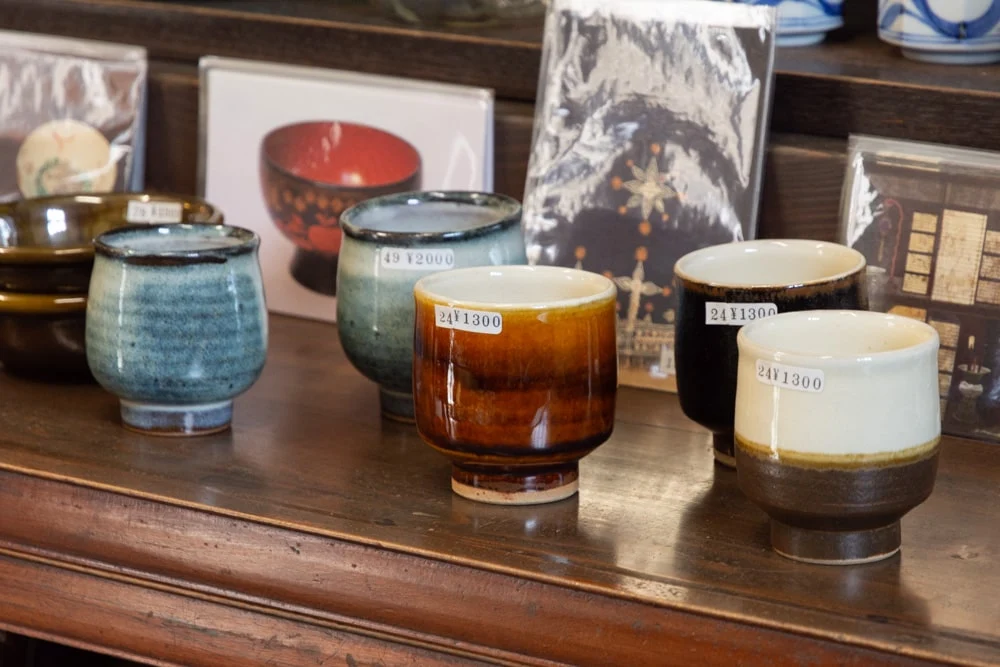
Using them is the best way to appreciate the charm of folk crafts.
With tableware and such, as you wash and use them, they gain luster and affection, don’t you think?
The shop sells folk craft items, so I hope you can buy something you like and use it at home.
Please tell us about the aspirations of the Kurashiki Museum of Folkcraft.
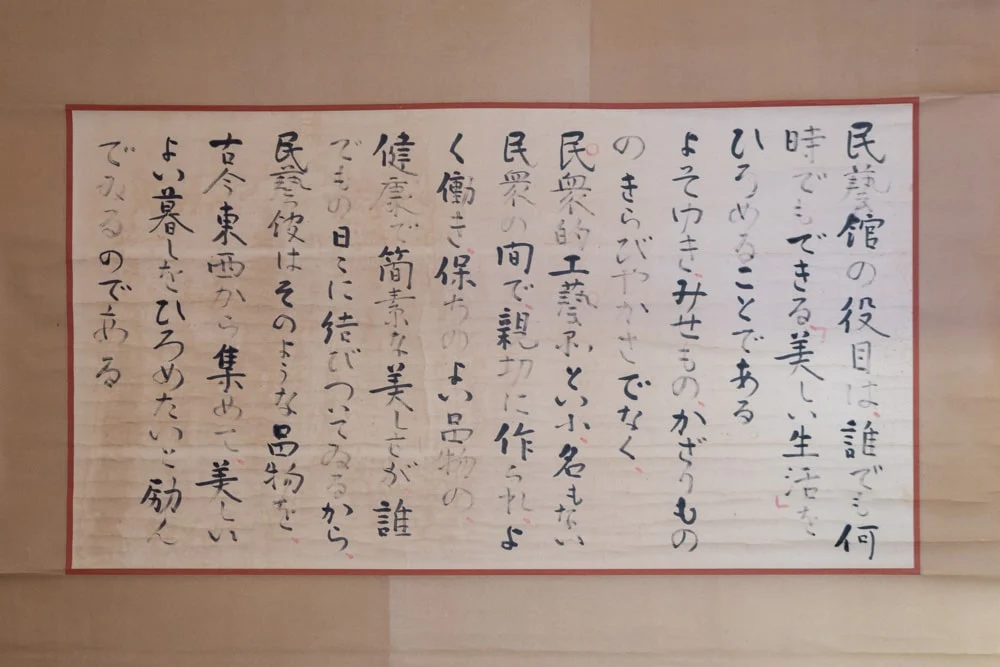
The first director, Tomomura, wrote the following on a hanging scroll.
The role of the folk craft museum is to spread "beautiful living" that anyone can do at any time.
Tomomura supported various folk craft makers by guiding and designing the production of glass, washi (Japanese paper), textiles, and flower mats.
We are preserving and passing on Tomomura's ideas, and we also engage in activities to support makers, such as holding exhibitions and sales.
Even now, Kurashiki is a vibrant place where locations, makers, and distributors (retailers) of folk crafts gather and actively engage in activities.
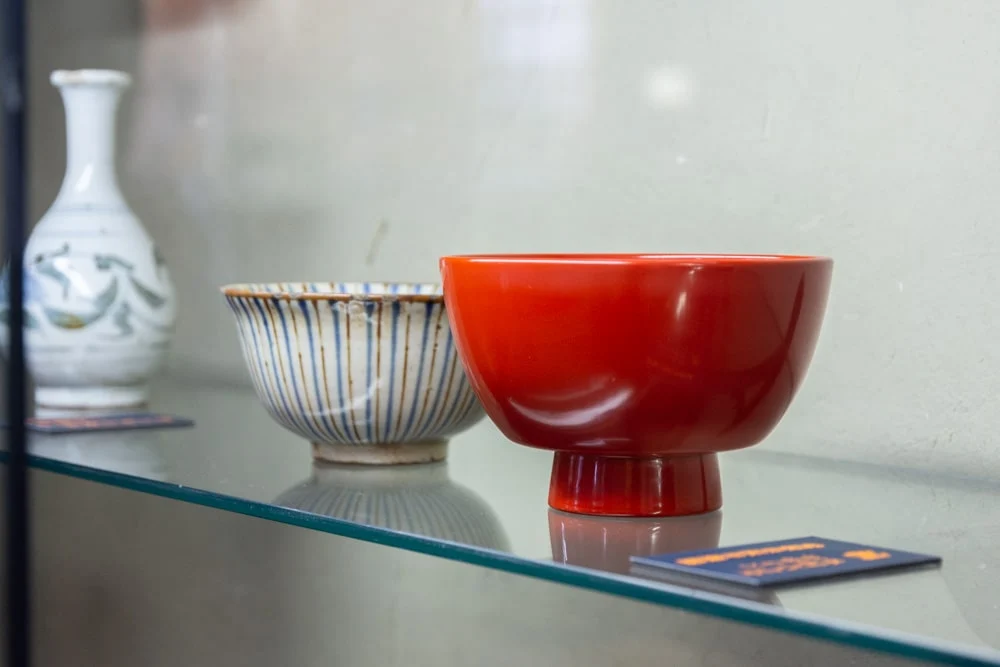
The Kurashiki Museum of Folkcraft aims to be a place where visitors not only feel nostalgia but also appreciate the beauty of handmade crafts.
Conclusion
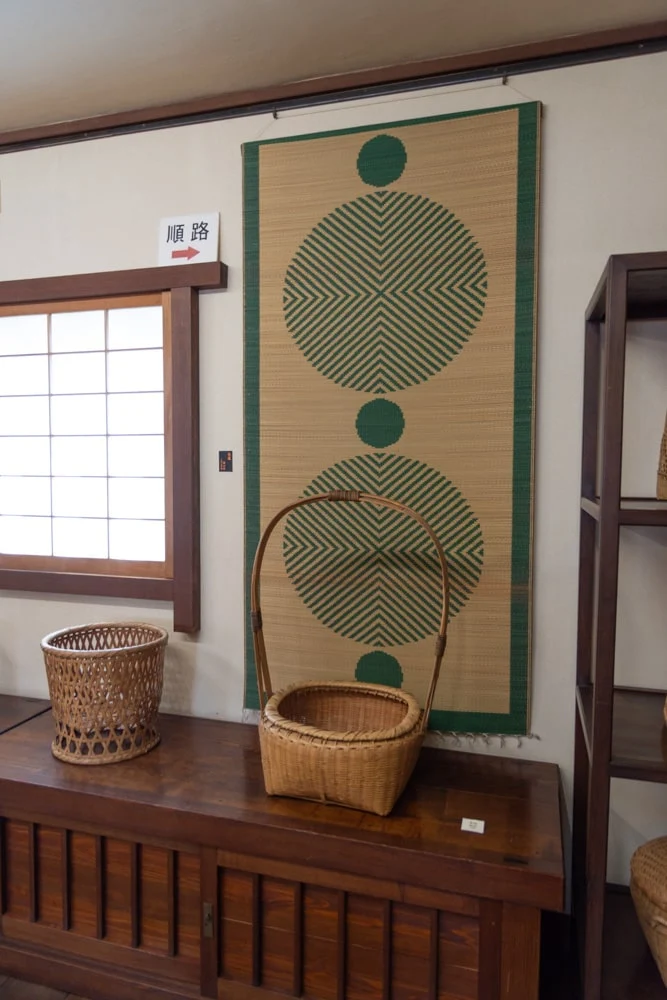
Folk crafts that exist in everyday life.
The author uses folk craft tableware and vases at home. Honestly, I am not good at cooking, but since I bought my favorite folk craft tableware, I have felt that my daily kitchen tasks have become a bit more enjoyable.
With the warmth unique to handmade items, they feel comfortable to use. Having such reliable tools makes everyday life feel enriched.
I also felt the curator's desire to convey the goodness of folk crafts and the passion of the Kurashiki Museum of Folkcraft in supporting makers.
Please visit the Kurashiki Museum of Folkcraft to experience the charm of folk crafts and incorporate them into your life.
Data on Kurashiki Museum of Folkcraft
| Name | Kurashiki Museum of Folkcraft |
|---|---|
| Location | 1-4-11 Chuo, Kurashiki City, Okayama Prefecture |
| Contact | 086-422-1637 |
| Parking | None |
| Opening Hours | 10:00 AM - 5:00 PM (Admission accepted until 4:30 PM) |
| Closed | Monday If Monday is a holiday, the following day Year-end and New Year (12/29 - 1/1) |
| Admission Fee (including tax) | Adults: 1,200 yen High school and university students: 500 yen Elementary and junior high school students: 300 yen *Group rates available for 20 or more people |
| Payment Methods |
|
| Reservations | Available Reservations accepted for groups only |
| Smoking | Completely non-smoking |
| Restrooms | Western-style toilets |
| Childcare | Discount available with Momokko Card |
| Website | Official Website of Kurashiki Museum of Folkcraft |