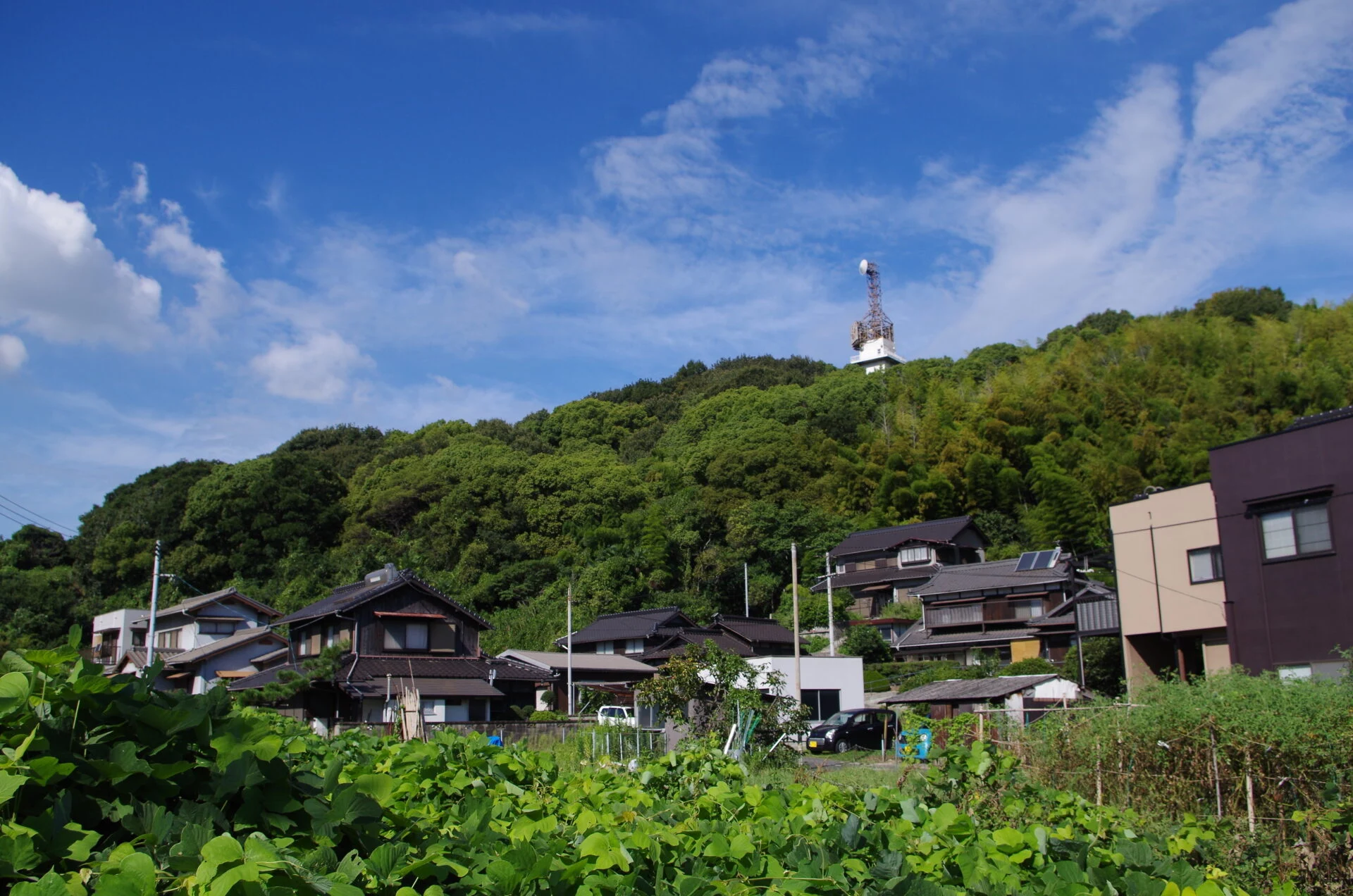
Did you know that there used to be an island called Takashima floating off the coast of the Kojima Honjo area?
In 2025, two events regarding this Takashima were held in Mizushima. Both were co-hosted by the Mizushima Stay-type Environmental Learning Consortium, which is active in using Mizushima as a field for pollution and environmental education.
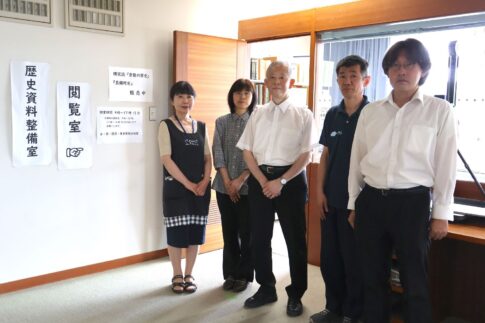
On May 24, a forum talk titled "Talking with Hiroaki Shimoyama about TAKASHIMA - Takashima floating off the west coast of Kojima Honjo in the 1950s and Edward Norbeck" was held. Faculty and students from Okayama University of Science participated, and it became an opportunity to reflect on the memories of Edward Norbeck, who conducted research in the Takashima area, together with local residents who knew that time.
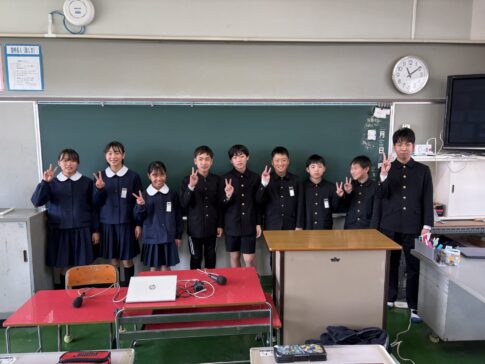
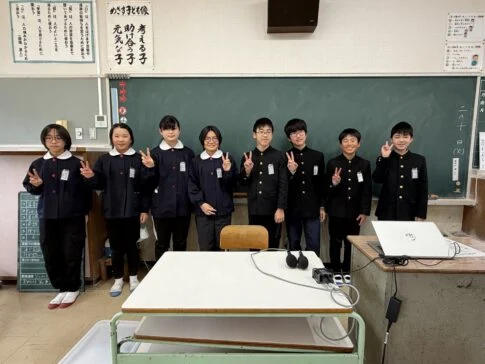
Additionally, the second event was held on September 14. Students from the Yokemoto Masafumi Seminar at Osaka Metropolitan University decided to examine the content of "Changing Japan (2nd edition)", which depicts the lives of people living in Takashima and those who left for the city during the period of rapid economic growth, from Edward Norbeck's works.
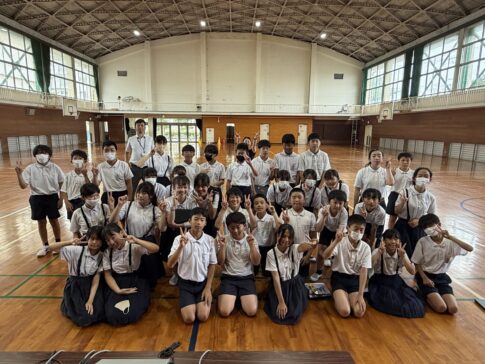
This seminar (11 members) worked on the Japanese translation of the book in the first half of 2025, and it became an opportunity to present the results of their research chapter by chapter to the residents of Takashima at the Mizushima Community Salon "Talking about Takashima, Part 2".
What is Takashima?
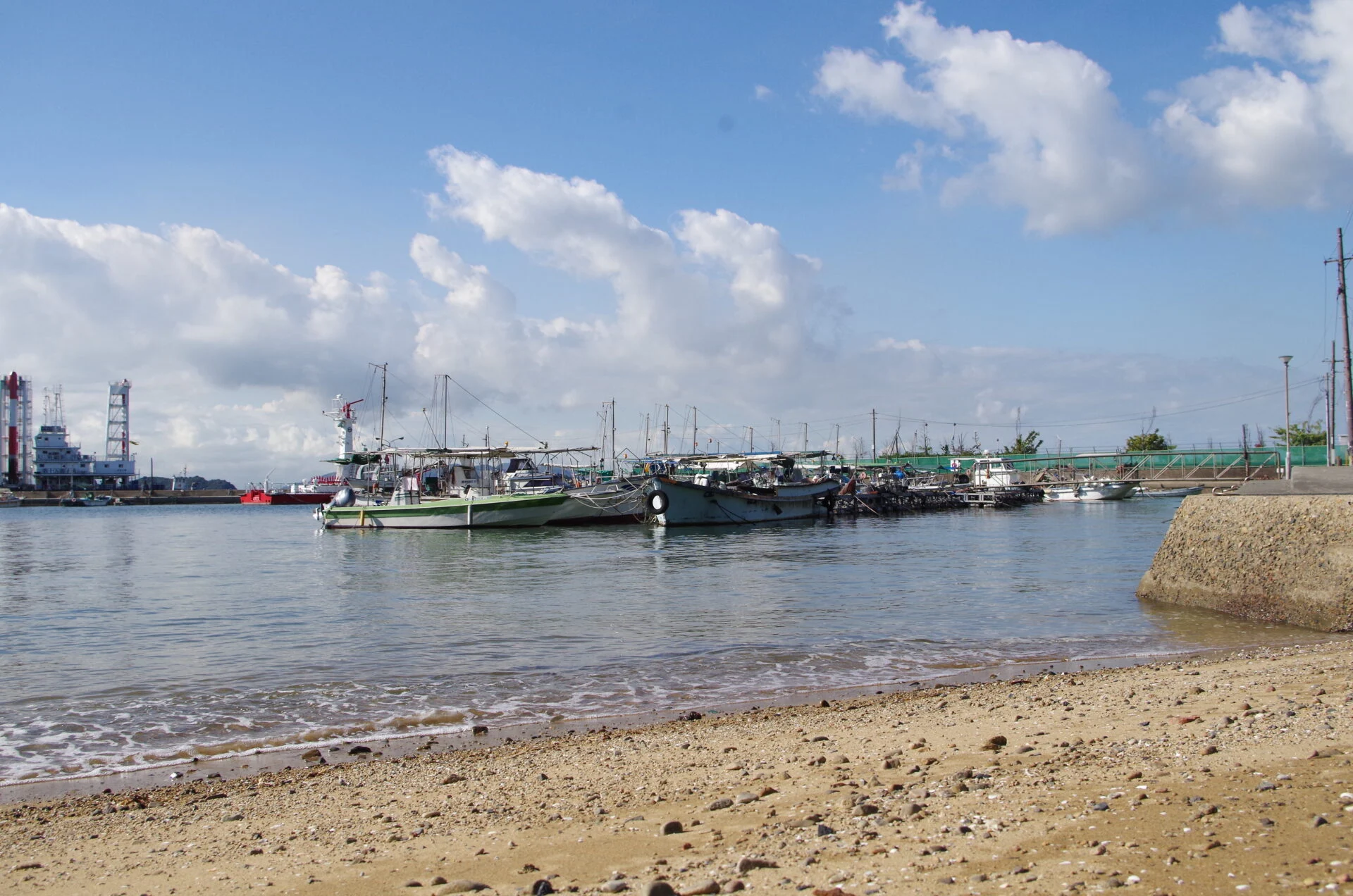
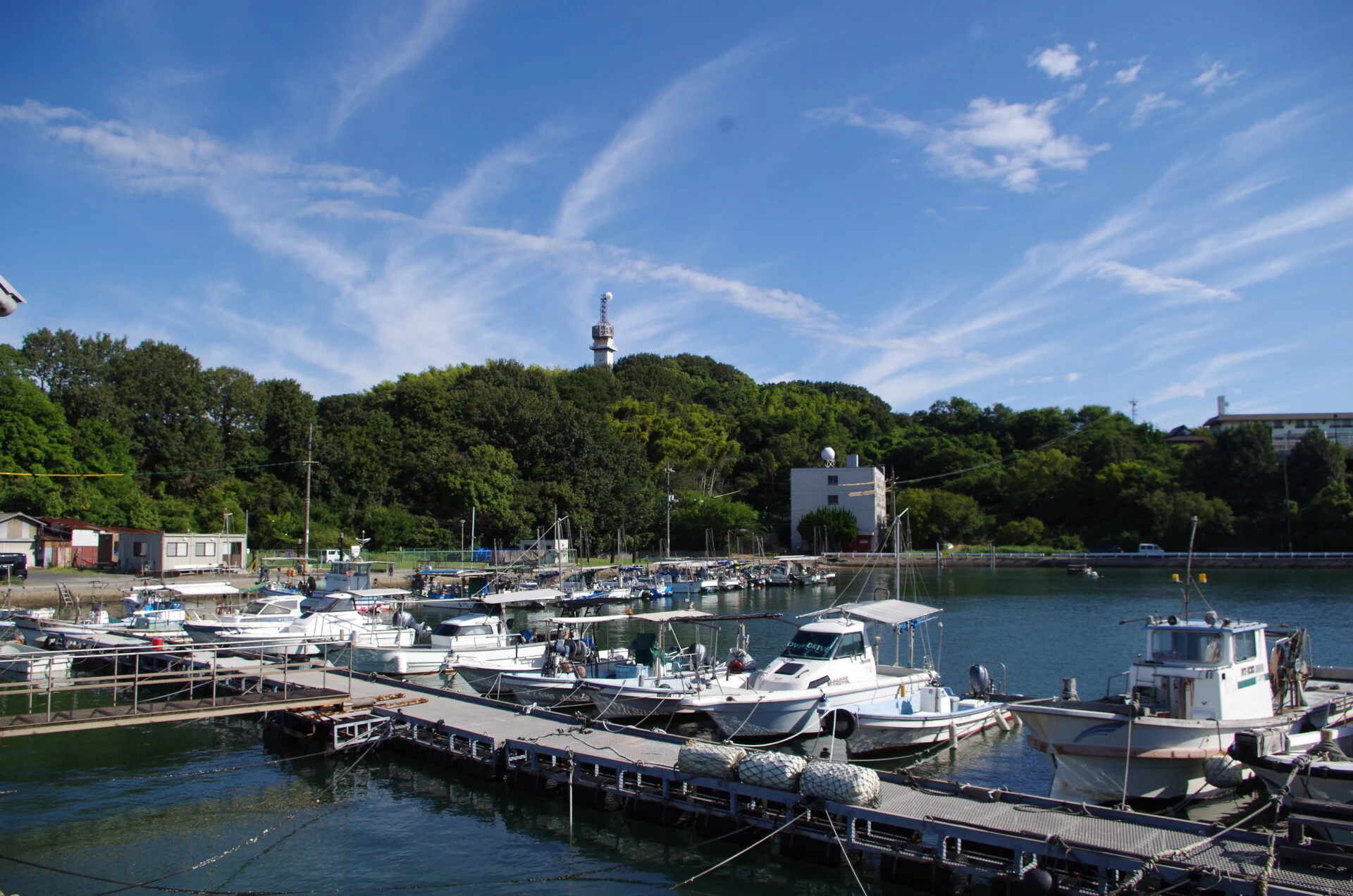
As its name suggests, Takashima was an island floating off the west coast of Kojima Honjo until the 1950s, but from around 1958, reclamation work covering 2,177,000 square meters in Area C began, and it became connected to the mainland in 1962.
The fishing village that was located on the east side of Takashima lost its means of livelihood due to the large-scale reclamation work, and the main occupation of adult men shifted from fishing to industrial jobs, resulting in significant changes.
Author Edward Norbeck
Edward Norbeck visited Takashima four times in total for field research, with concentrated studies in 1950-1951 and 1974, and short visits in 1959 and 1964.
Here is an introduction to Edward Norbeck, quoted from the "About the Author" section of "Changing Japan (2nd edition)."
Edward Norbeck was born in Canada and trained in East Asian culture and anthropology at the University of Michigan. He taught at the University of Utah and the University of California, Berkeley, and is currently a professor of anthropology at Rice University.
His interest in Japanese culture dates back to when he lived in Hawaii before World War II, where he had contact with many Japanese Americans. During the war, he worked in military intelligence on matters related to Japan.Edward Norbeck (1976) Changing Japan (2nd ed), Holt, Rinehart and Winston, translated (tentative translation) by Yokemoto Masafumi Seminar, Osaka Metropolitan University, quoted in part.
Japanese Translation of "Changing Japan (2nd edition)" and Research Presentation
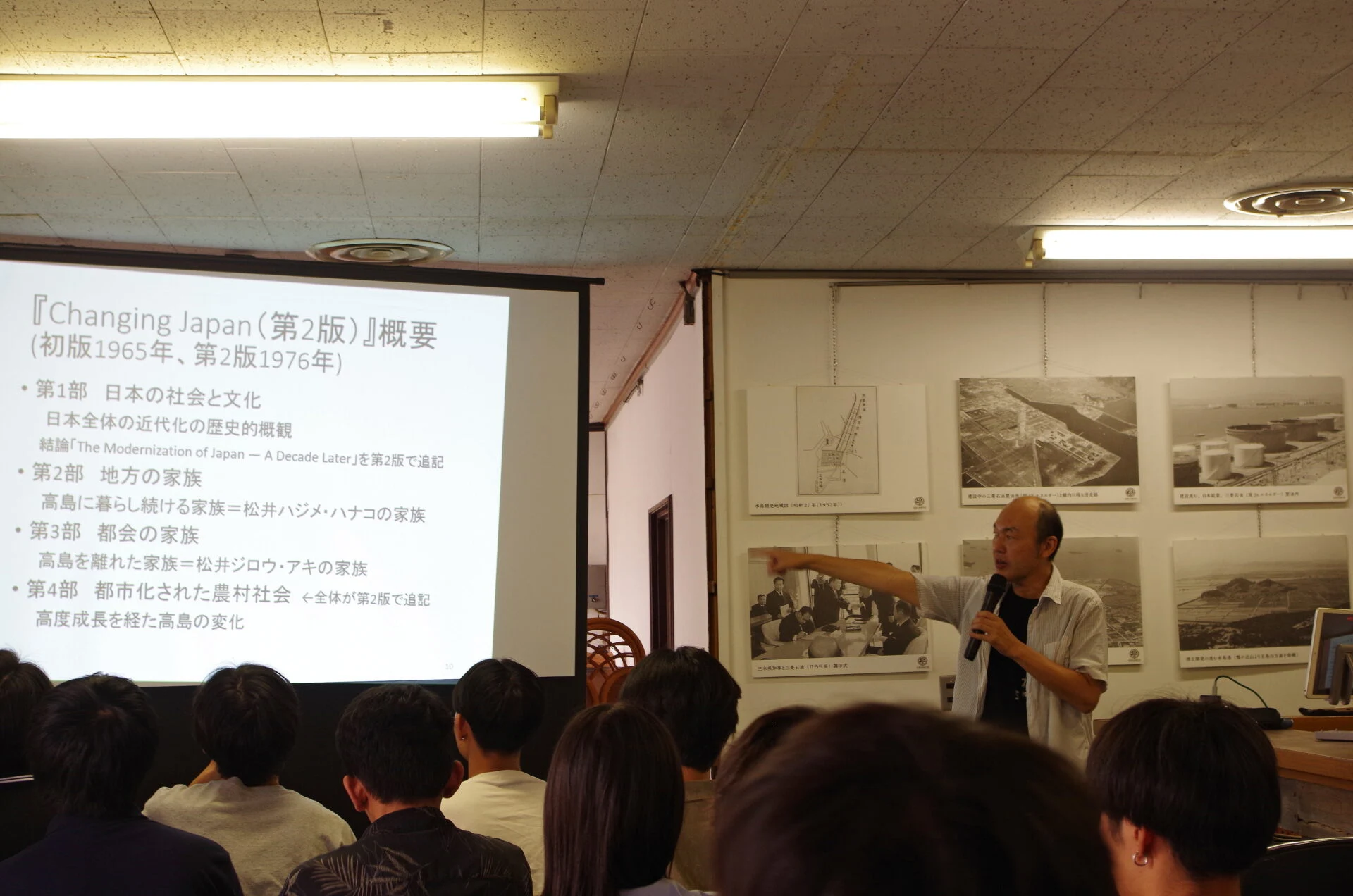
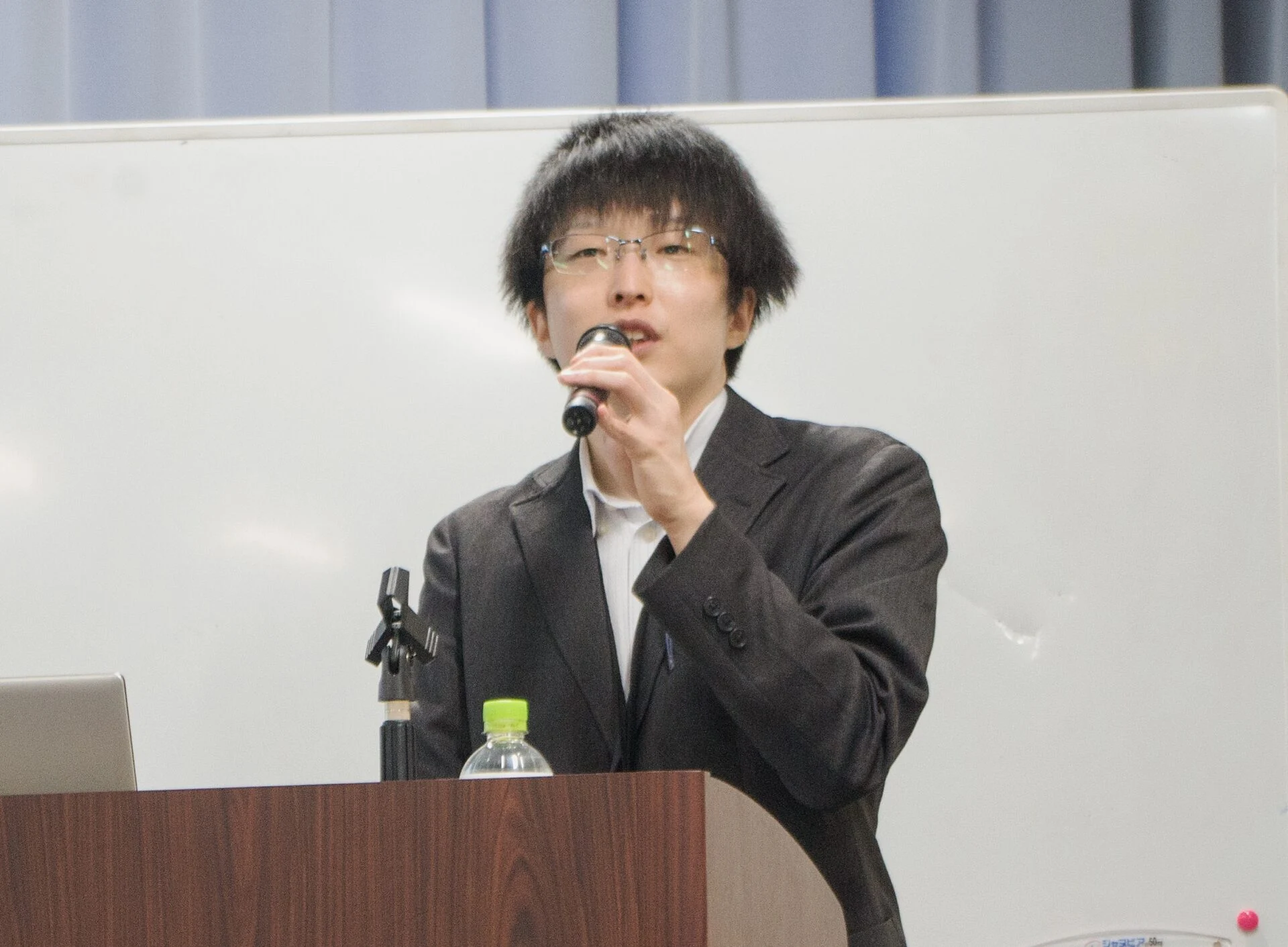
At the Mizushima Community Salon "Talking about Takashima, Part 2," 11 students from the Environmental Policy Seminar at Osaka Metropolitan University presented their research results based on the content of "Changing Japan (2nd edition)."
The summary is as follows. In this article, excerpts from Parts 2 and 3 that caught my attention will be introduced.
- Preface
Explanation about the author and the book from the supervisor's preface - Part 1: Japanese Society and Culture
A historical overview of the modernization of Japan - Part 2: Local Families
Families continuing to live in Takashima
Hajime and Hanako Matsui's family - Part 3: Urban Families
Families who left Takashima
Jiro and Aki Matsui's family - Part 4: Urbanized Rural Society
Changes in Takashima after rapid growth
Akira's perspective, Aunt Shizu's way of life
Part 2: Local Families - Hajime's Family
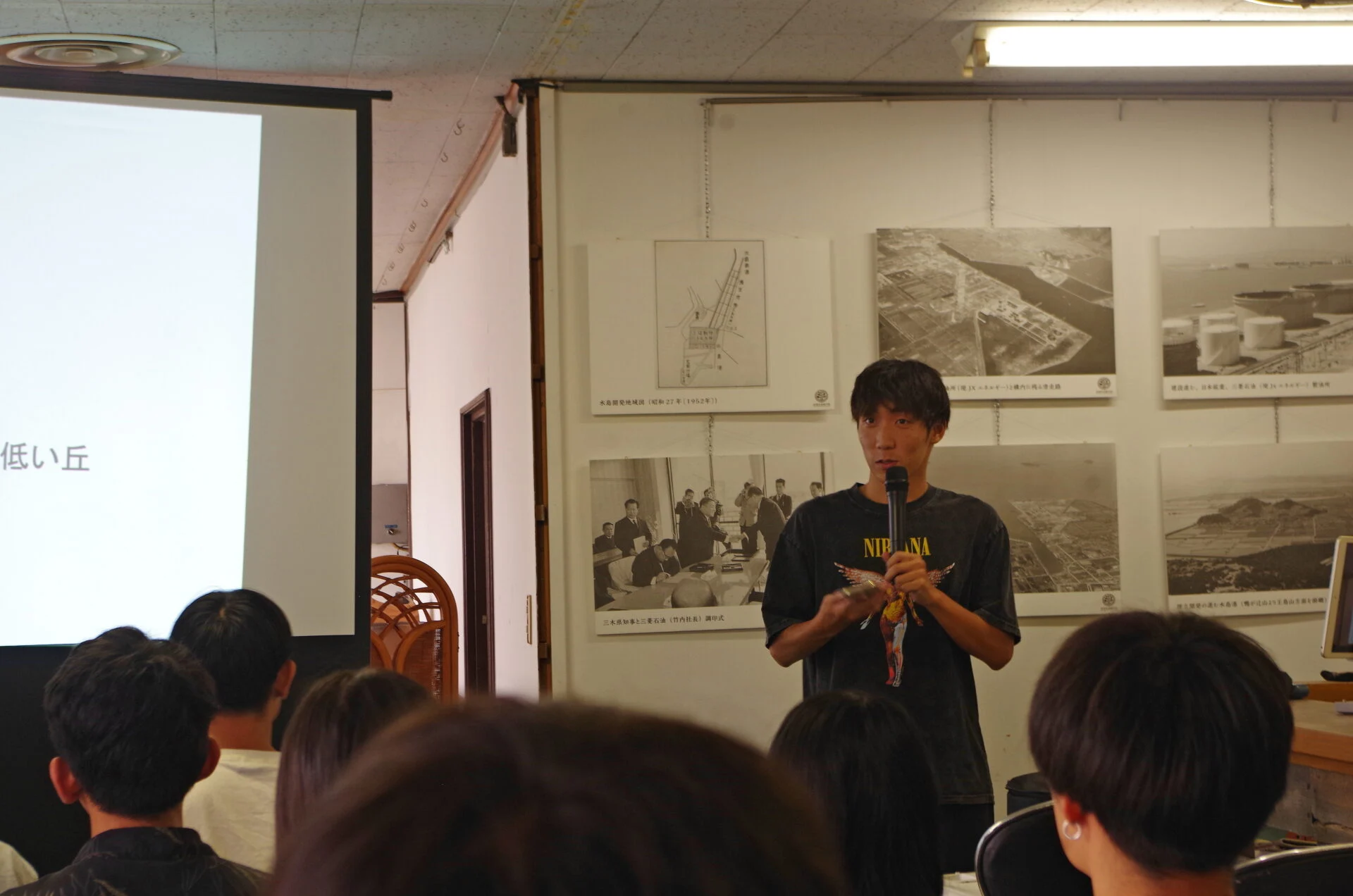
In the presentation about Part 2, "Local Families," the life of Hajime Matsui's family (8 members, a cat, and 4 chickens) living in Takashima was introduced as an example of a family in a rural (fishing) village.
Hajime Matsui's family structure is as follows.
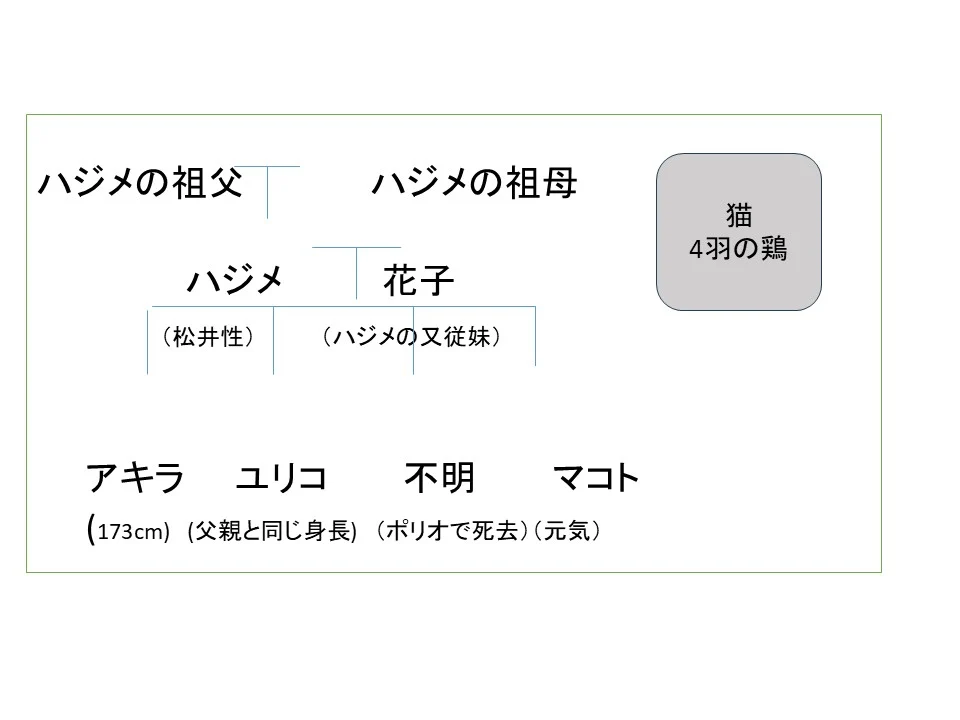
Here are some notable points that were introduced.

The first point is "Life in Rural Fishing Villages," which has the following characteristics.
- "Family finances" are managed collectively by the family, and they live together.
- Son Akira wishes to find employment in the city rather than take over the family business (generational gap has emerged).
- There is mutual support in the community, such as funeral associations and fire departments.
The second point is "Faith."
- Many traditional annual events have become merely formalities.
- The grandmother takes seriously the state of "many gods being indifferent or unknown" and the fact that taboos and purification rituals during childbirth were not performed.
Part 3: Urban Families - Jiro's Life
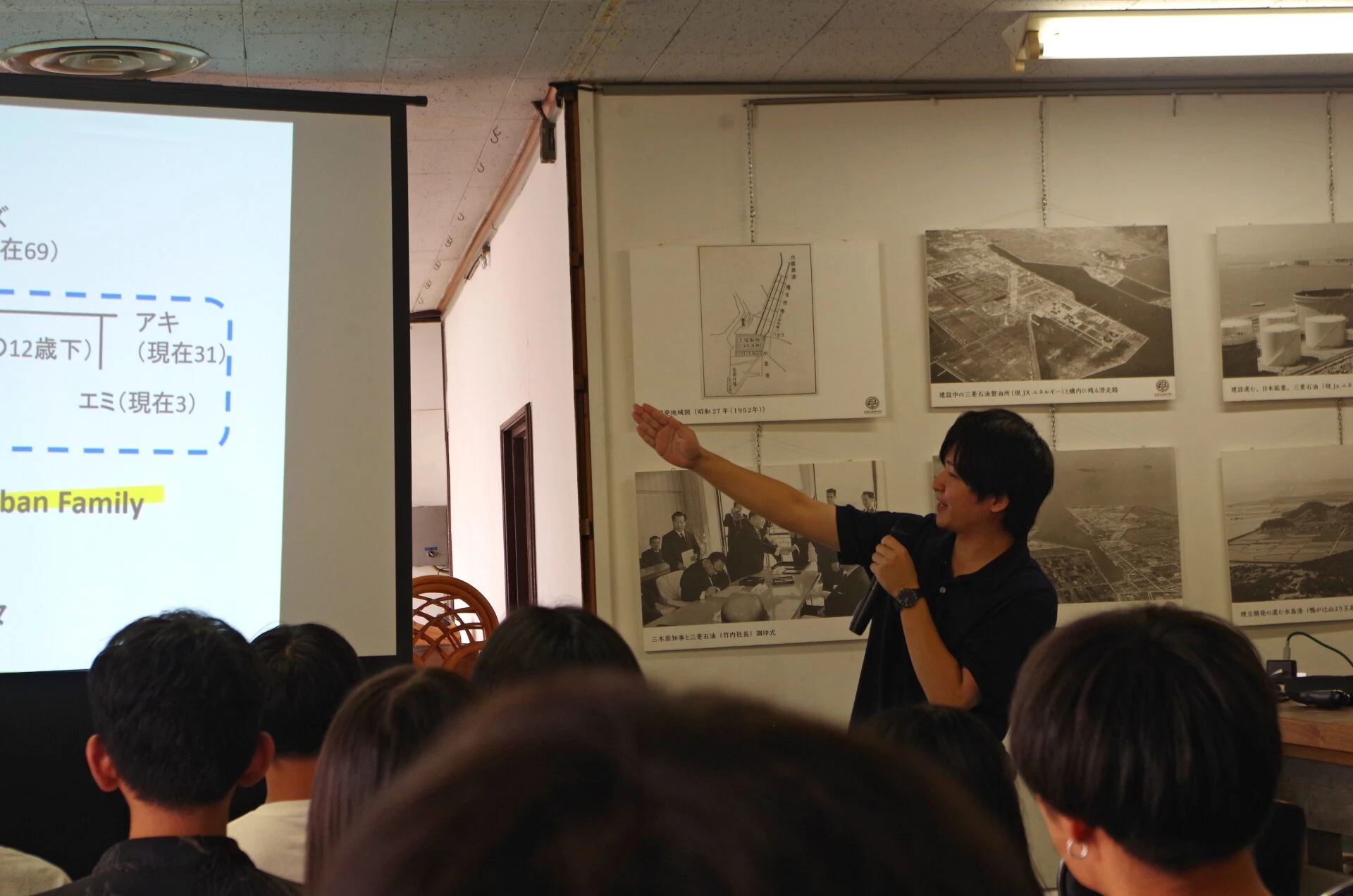
In Part 3, "Jiro's Life," the life of Hajime's brother (Jiro), introduced in Part 2, was presented as a contrast to the family living in the rural fishing village, showcasing Jiro's newlywed life with his wife Aki as an urban family.
Jiro's life is presented as a contrast to the family living in the rural fishing village introduced in Part 2, highlighting his newlywed life with his wife Aki.
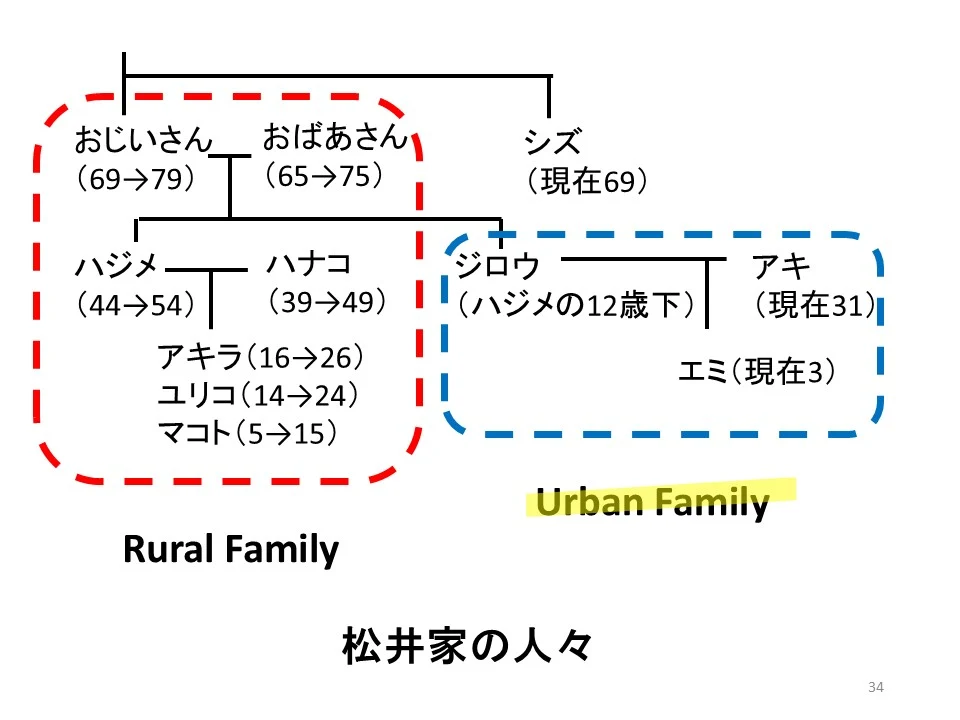
Here are some notable points from the presentation about "Jiro and Aki's meeting and newlywed life."
- Jiro went on to study at Kyoto University and got a job as a company employee at a company that adopts a complete two-day weekend and staggered working hours. With the company's support, he passed the patent attorney exam.
- Aki is the daughter of a merchant family born in Nishinomiya, raised as a refined young lady.
- Jiro and Aki had a traditional arranged marriage (i.e., an omiai?).
- After marriage, they began an independent life in an apartment without living together, and a few months later, their daughter Emi was born.
- In their apartment life, they do not decorate with traditional kamidana (household Shinto altar) and use powdered milk for raising their daughter Emi, highlighting differences from previous generations.
Impressions from People Involved with Takashima
Next, many impressions were shared by residents involved with Takashima and participants.
Here, I will introduce the impressions of two individuals.
Matsui (Vice President of Takashima Residents' Association)
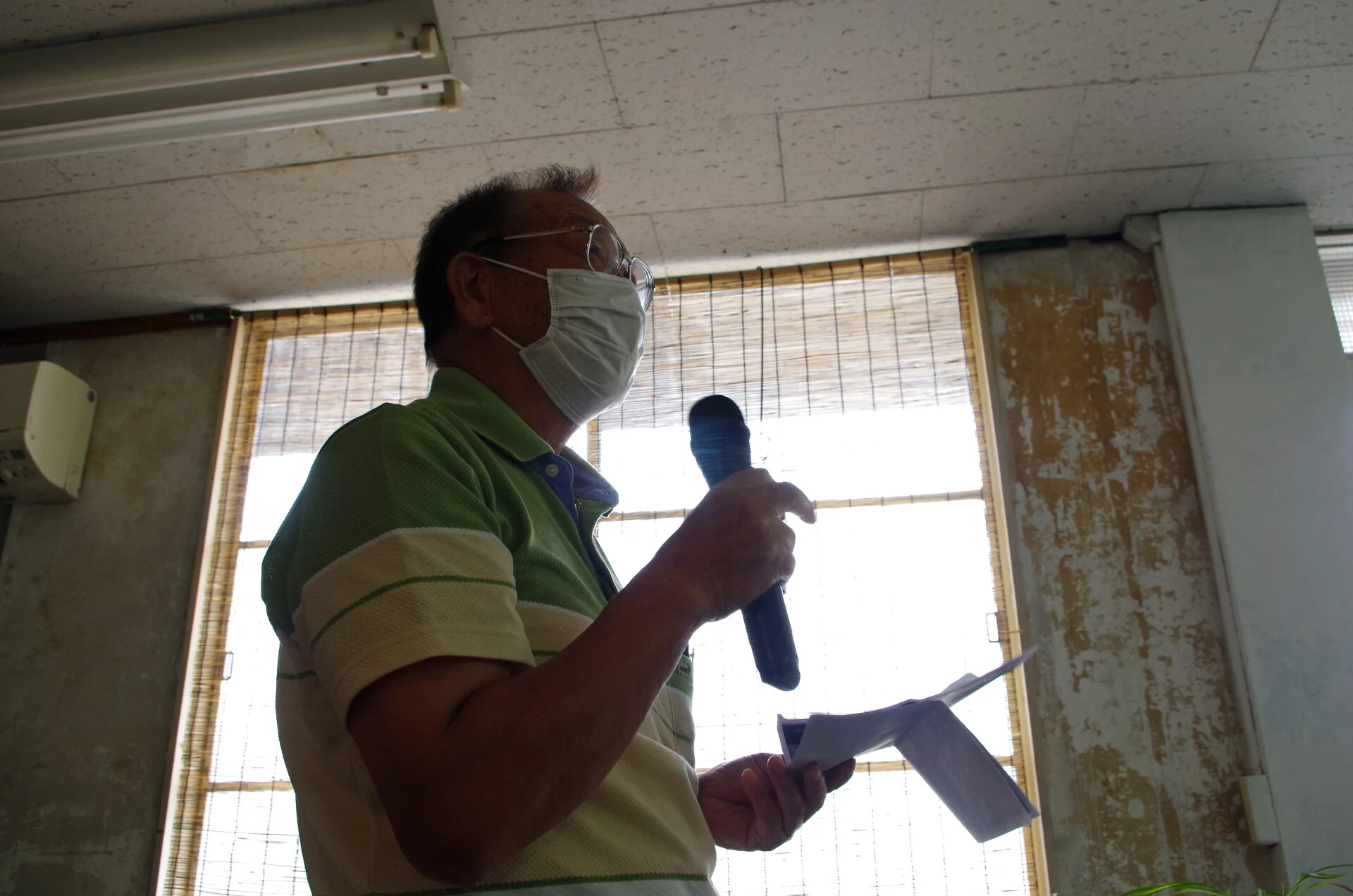
Since I know about the islanders from when Norbeck conducted his research, I feel that this "Changing Japan (2nd edition)" is not a nonfiction work, but rather combines multiple individuals and families from not only Takashima but also surrounding areas.
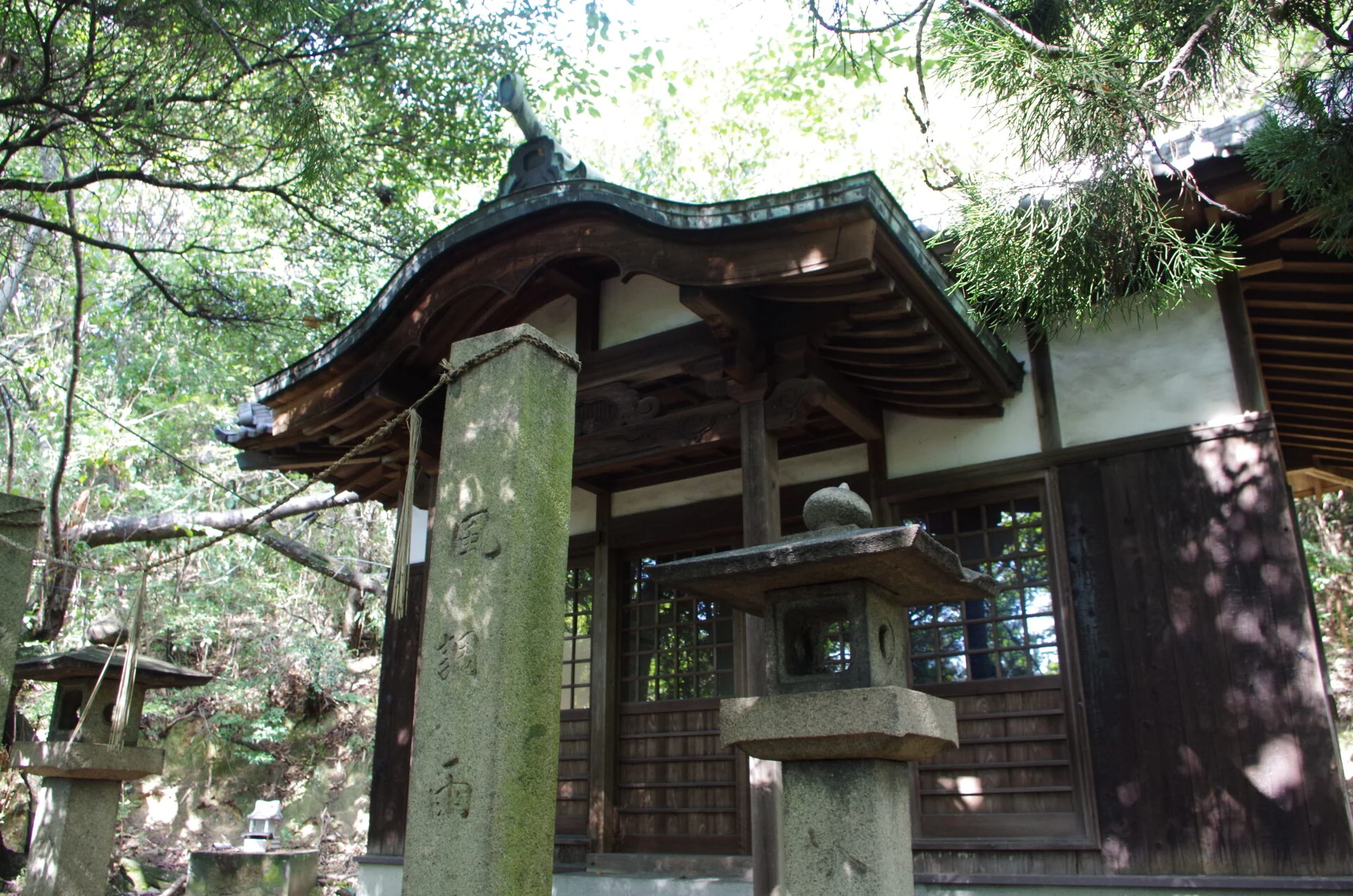
As a traditional event, regarding the island's Arakami deity, we still gather at the end of the year to bake rice cakes and hold parties, and we manage the grass cutting three times a year.
Additionally, as a change since Norbeck's research, the local Bon Odori dance has also been revived.
Mori (Rokuchiku Safety and Security Town Development Council)

Although I am not a resident of Takashima, my first impression is that the students have thoroughly researched and written this.
I hope this opportunity will lead to a long-lasting watch over Takashima and the Honjo area. Thank you for today.
Conclusion
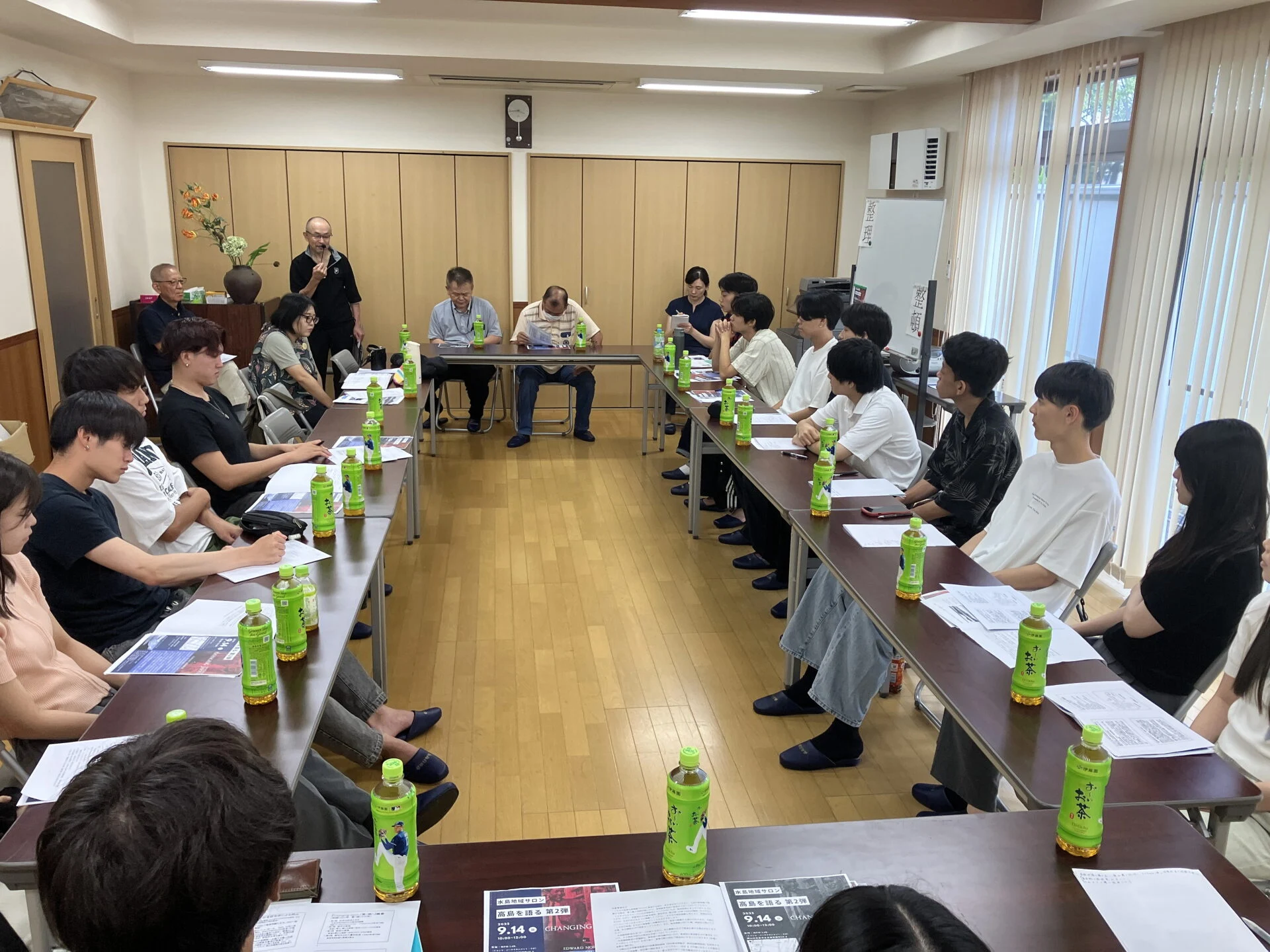
About 50 years ago, the book "Changing Japan (2nd Edition)" sparked an exchange between students from Osaka and Kobe, who usually do not interact, and the residents of Takashima in this Mizushima regional salon. It was impressive to see that both the students and the residents of Takashima were filled with gratitude during the meeting.
Takashima is still a place where residents live.
For this reason, I cannot casually write "please visit," but I hope this article serves as an opportunity to touch upon the memories of Takashima, which was a typical fishing village in post-war Japan.
Mizushima Regional Salon "Talking about Takashima Part 2" Data
| Name | Mizushima Regional Salon "Talking about Takashima Part 2" |
|---|---|
| Date | September 14, 2025, Sunday, 10:00 AM - 12:00 PM |
| Location | 10-8 Higashitokiwa-cho, Mizushima, Kurashiki City, Okayama Prefecture |