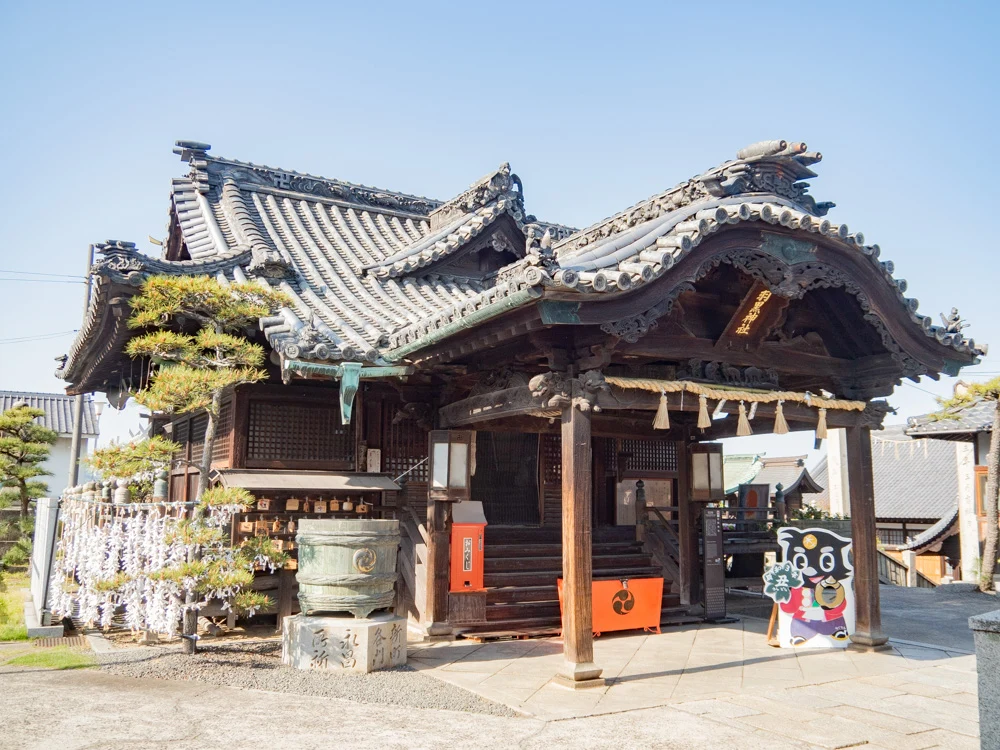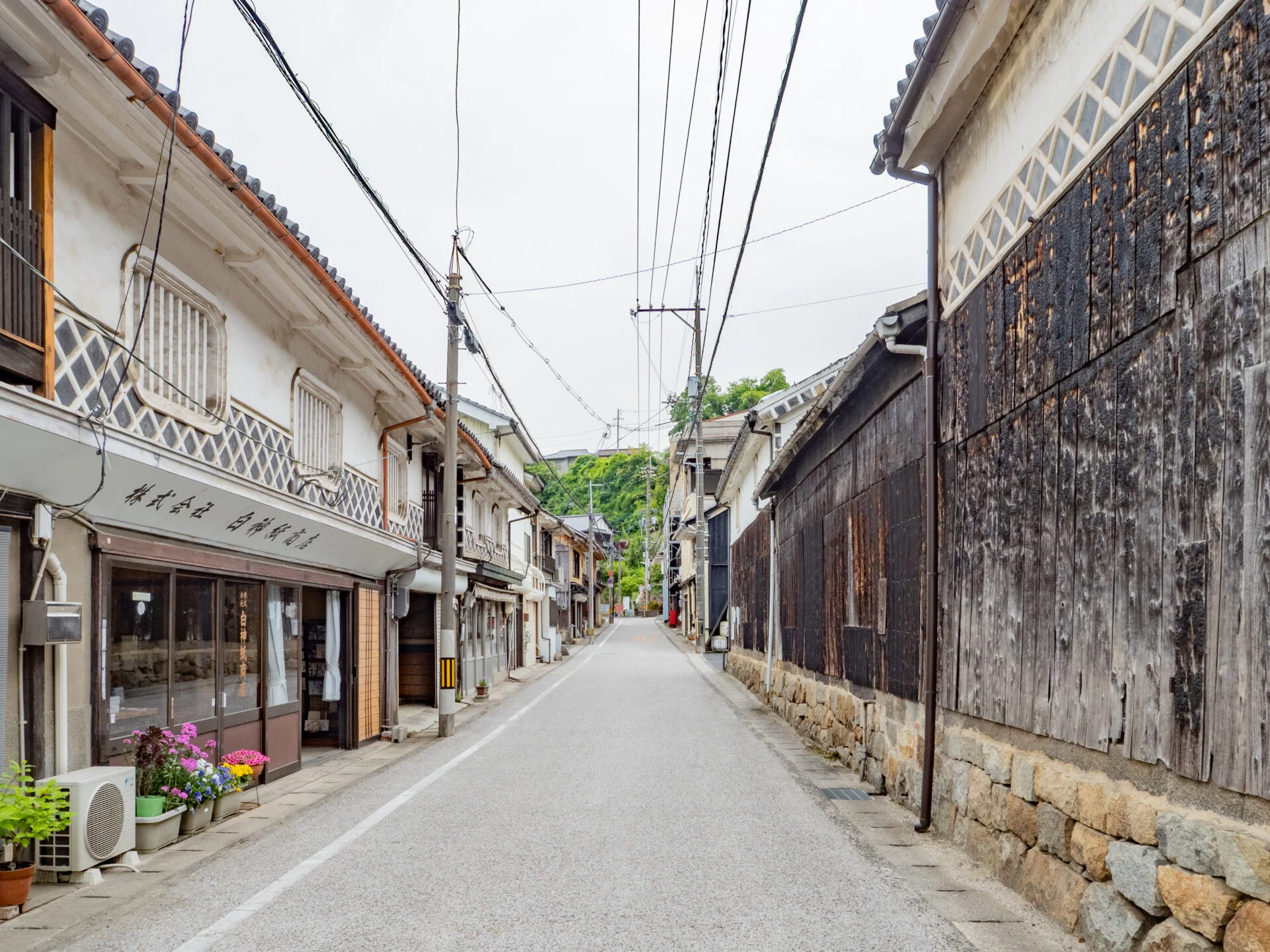
Tamashima is the central urban area of the former Tamashima City.
In 1967, the three cities of the former Kurashiki City, Kojima City, and Tamashima City merged to establish the current Kurashiki City. Since then, it has become the Tamashima area of Kurashiki City.
The area of the former Tamashima City is located in the western part of Kurashiki City, and the Tamashima urban area is situated approximately 2.3 km southwest of Shin-Kurashiki Station.
The Tamashima urban area originated as a port town that flourished around Tamashima Port (also known as Tamashima Minato), which was established in the early Edo period. Tamashima Port Town prospered to the extent that it was referred to as "Naniwa of the West."
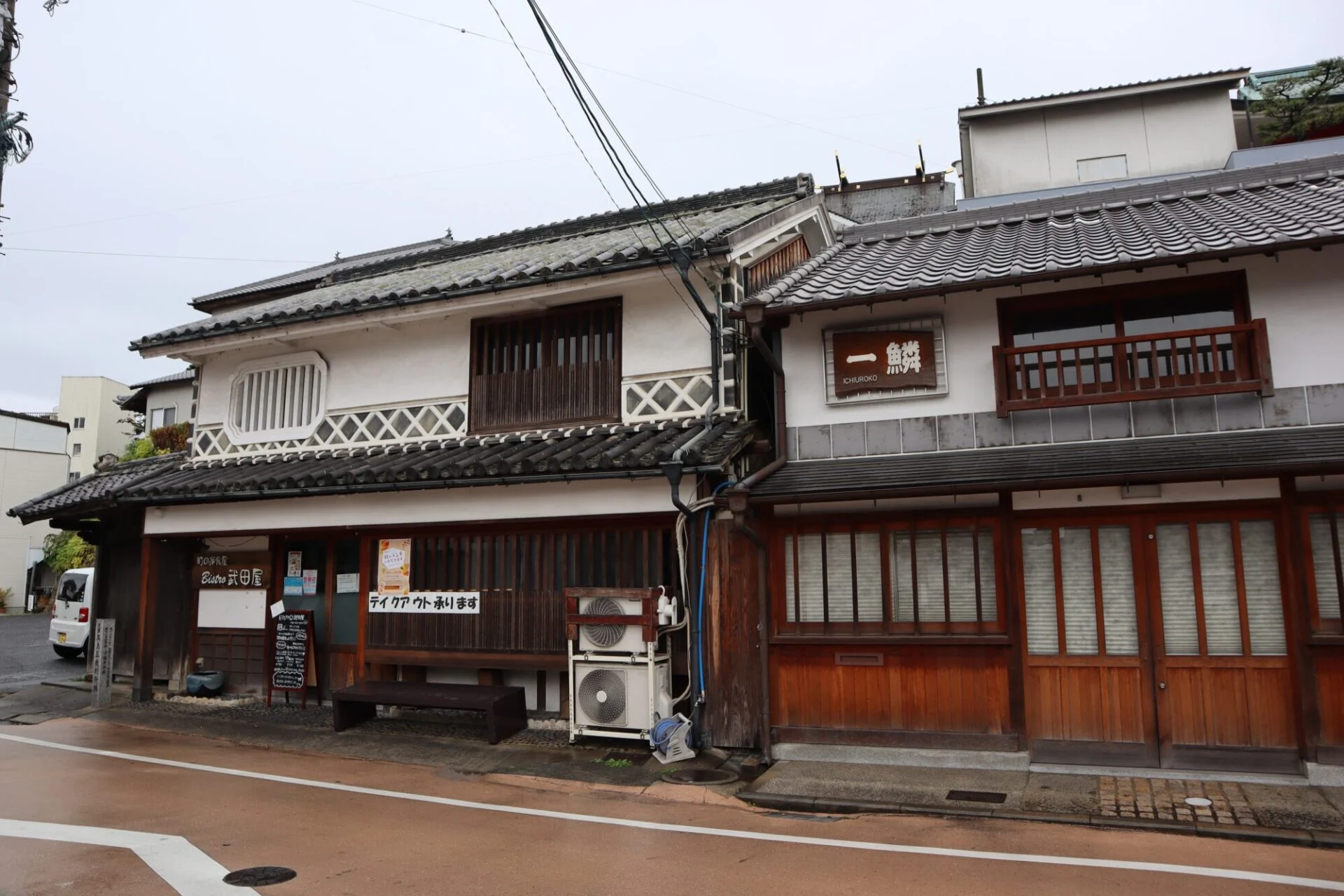
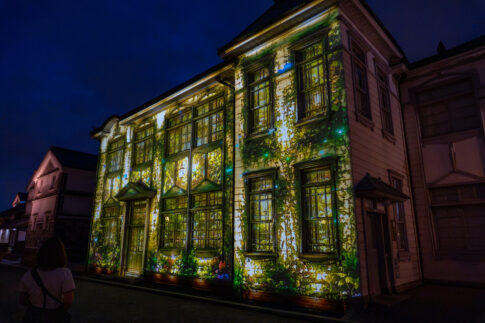
Even today, many old buildings remain in the Tamashima urban area, allowing visitors to feel the former glory of the port town as they walk through the streets.
Therefore, we will explore the history, charm, and culture of the townscape of Naniwa of the West, Tamashima.
History of Tamashima
Let’s take a closer look at the history of how the townscape of Tamashima was born.
Land reclamation and port development by the lord of Bichu Matsuyama
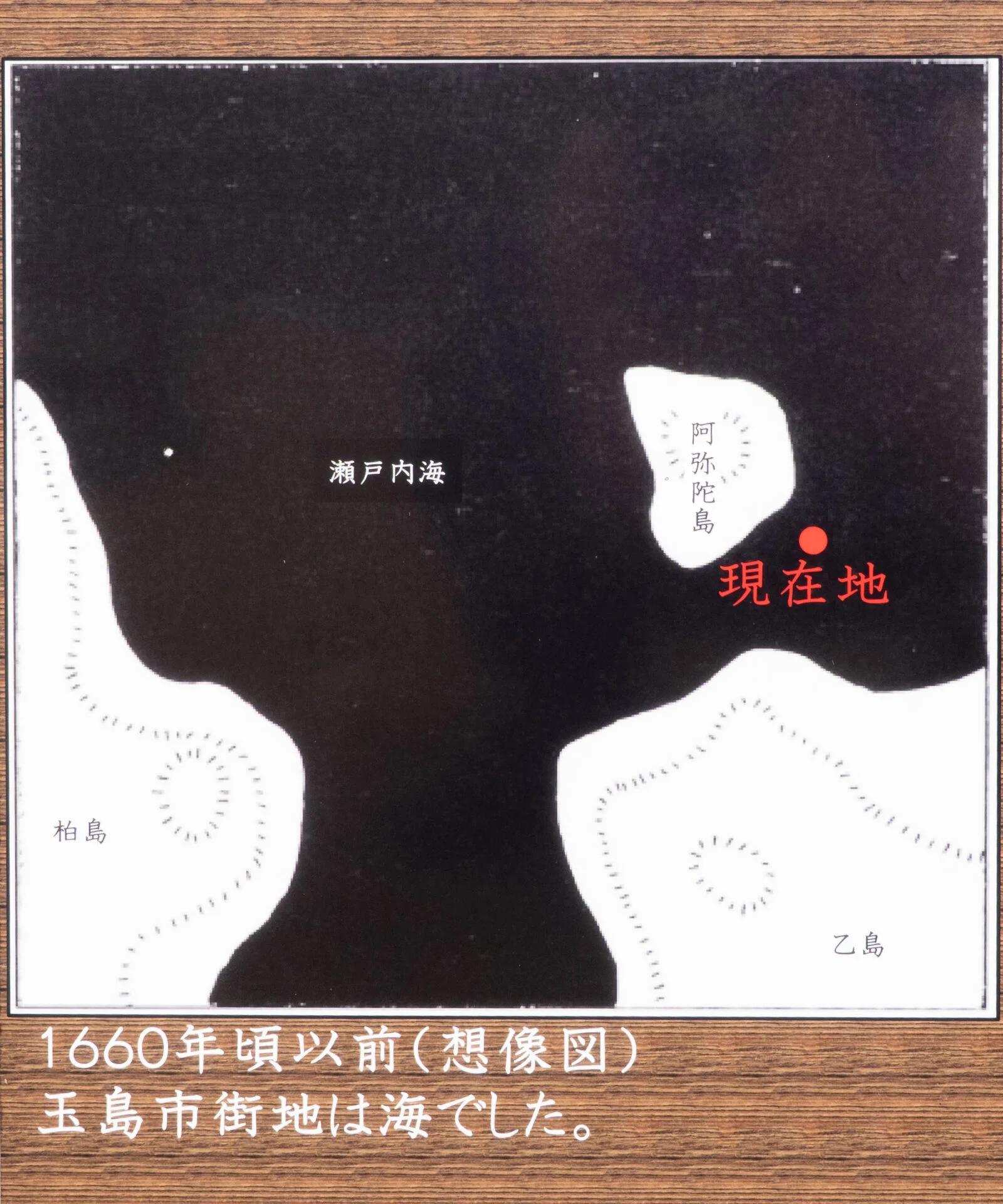
The current flatlands of the former Tamashima City area were mostly sea.
From the early Edo period, land reclamation gradually took place, leading to the creation of the wide plains we see today.
The person who advanced the land reclamation was Mizunoya Katsutaka, who became the lord of the Bichu Matsuyama Domain (around present-day Takahashi City) in 1642.
The hill where Haguro Shrine is currently located, known as Amidajima, was once a small island. The southern side, including Otsushima and Tamashima 1-chome to 3-chome, was referred to as Otsushima, while the western side, including Agasaki and Kashiwajima, was also known as Kashiwajima.
Mizunoya built embankments for land reclamation from Amidajima to Otsushima and from Amidajima to Kashiwajima.
In particular, the embankment from Amidajima to Kashiwajima was a large-scale project, approximately 50 meters wide and 400 meters long.
As a result of this land reclamation, Tamashima Shinden and Agasaki Shinden were born.
The southern ends of Tamashima Shinden and Agasaki Shinden, along with Amidajima, Otsushima, and Kashiwajima, created a bay-like topography, making it an ideal location for a port.
Thus, the bay developed as a port.
This is Tamashima Port.
Since Bichu Matsuyama was inland, Tamashima Port functioned as the outer port of Bichu Matsuyama Domain.
To efficiently connect Bichu Matsuyama and Tamashima Port, a canal approximately 9 km long called Takase-doshi was constructed, linking the Takahashi River (present-day Funao, Kurashiki City) and Tamashima Port.

This waterway allowed for transportation from Bichu Matsuyama to the Takahashi River, through Takase-doshi to Tamashima Port.
Formation of the port town
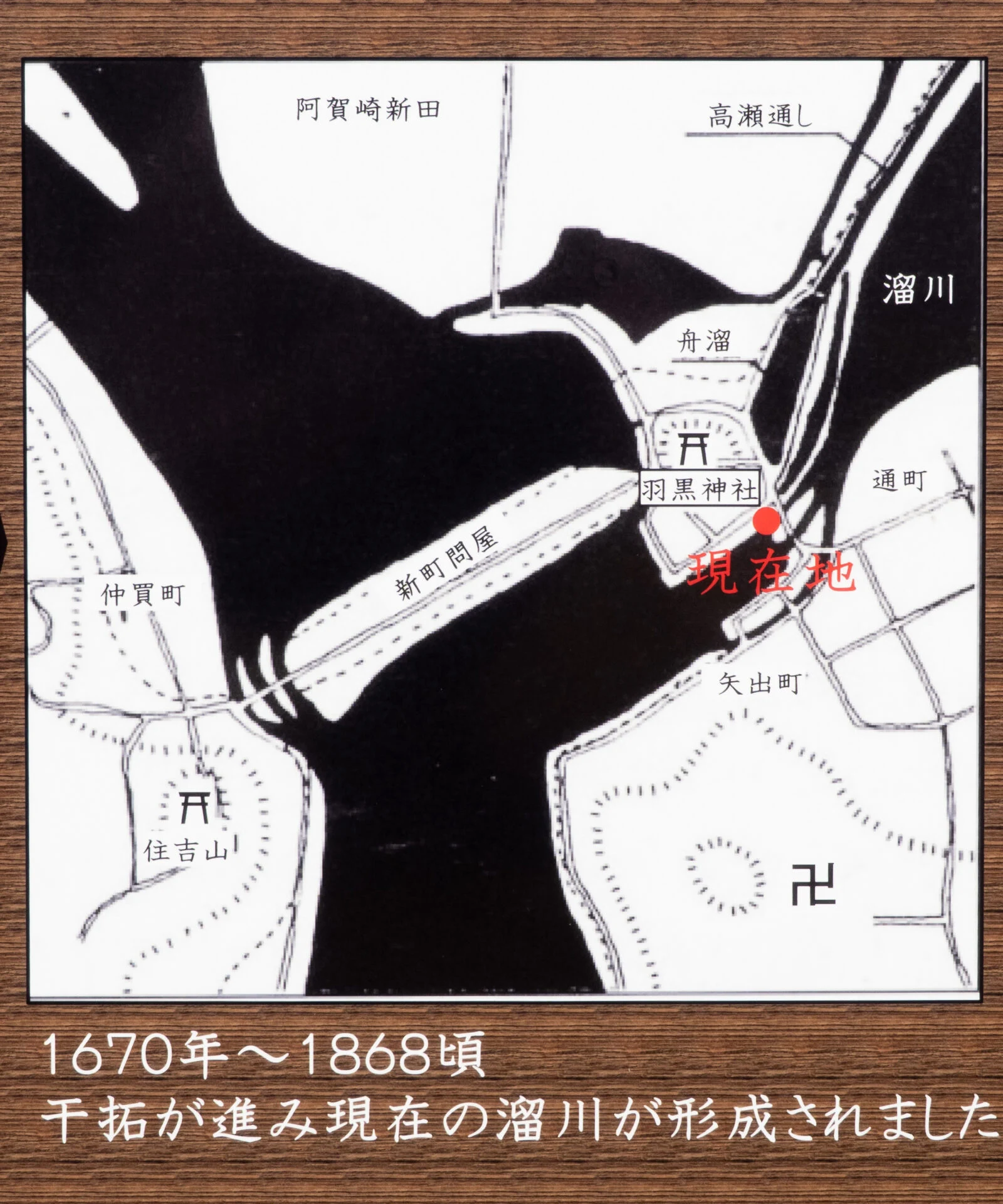
With the waterway of the Takahashi River and Takase-doshi, Tamashima Port developed as the outer port of Bichu Matsuyama Domain.
As the port developed, merchants and others gathered around it, leading to the birth of the port town. A merchant town was formed along the embankment connecting Amidajima and Otsushima (Agasaki) from east to west.
This merchant town was called "Shinmachi (Tamashima Shinmachi, Agasaki Shinmachi)," and the road running east to west along the embankment was referred to as "Shinmachi Street." It is said that merchants from various regions of Bichu, including Bichu Matsuyama, Soja (Soja City), and Kawabe (Mabi, Kurashiki City), gathered around Shinmachi.
Tamashima Port began to receive Kitamae ships (large cargo ships) and trade with them became active.
As Kitamae ships docked at the embankment of Shinmachi, allowing for loading and unloading of goods, Shinmachi eventually became the center of Tamashima Port Town.
Prosperity as a port of call for Kitamae ships and a commercial hub
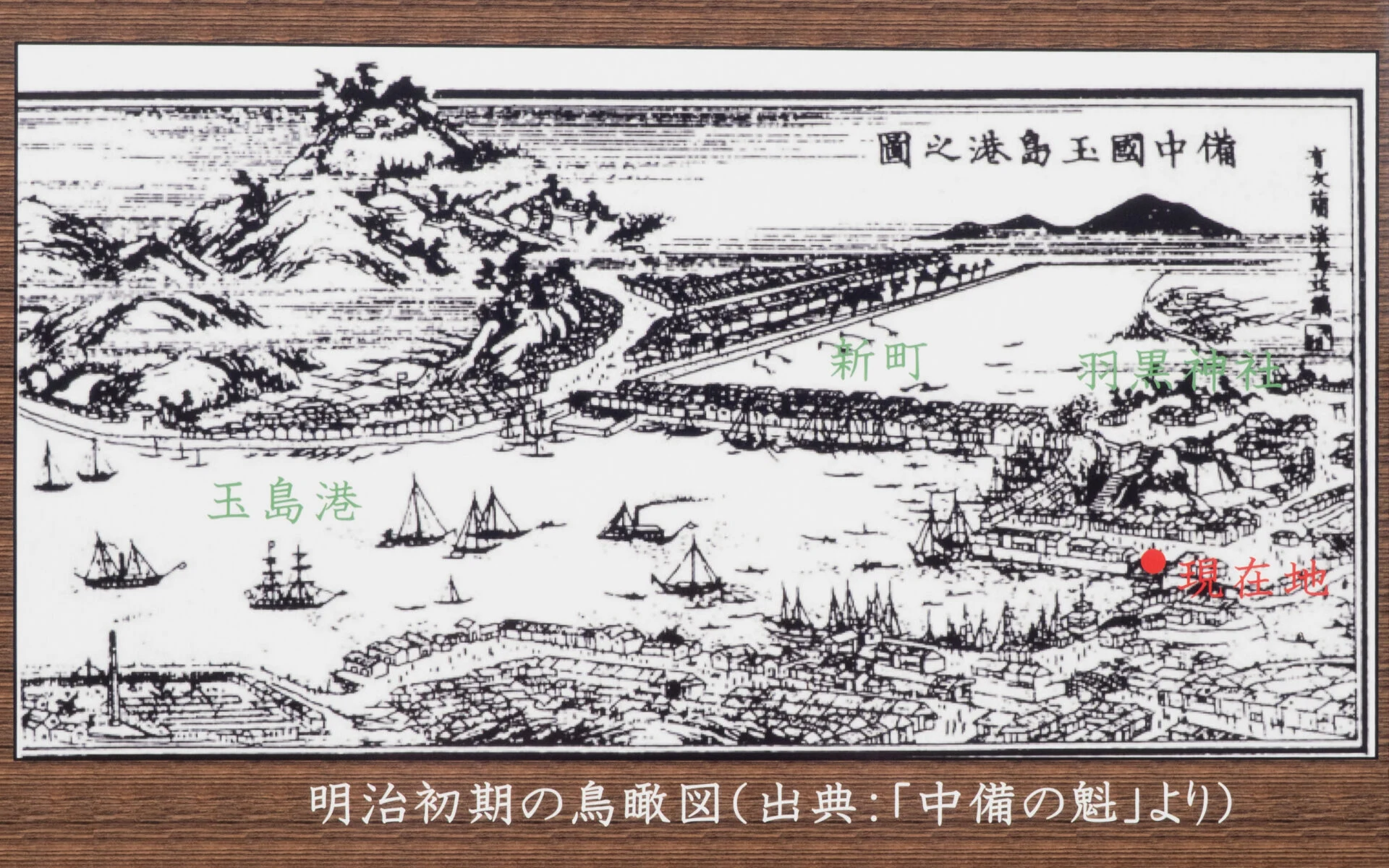
The port town of Tamashima reached its peak during the Genroku period (1680–1709).
At its height, there were 43 wholesalers in Shinmachi, and over 200 storehouses lined the streets.
Tamashima Port was a hub for cotton grown in the surrounding southern Bichu area, known as Bichu cotton, and cotton products processed from it.
It is said that the most frequent transactions were between this Bichu cotton and cotton products, and herring meal and dried sardines brought by Kitamae ships.
Herring meal and dried sardines were used as fertilizer for cotton cultivation.
The main products sold from Tamashima were Bichu cotton and cotton products.
Thus, the port town of Tamashima flourished as a distribution center for goods, becoming one of the leading commercial cities in the Setouchi region, known as "Naniwa of the West," and prospered as an economic city.
During the Genroku period, the lord of Tamashima Port Town changed, leading to a tripartite division of rule among the Bichu Matsuyama Domain, the Tanba Kameyama Domain (based in present-day Kameoka City, Kyoto Prefecture), and the directly governed territory of the Edo Shogunate.
Shift of the commercial center to the suburbs, leaving behind old buildings
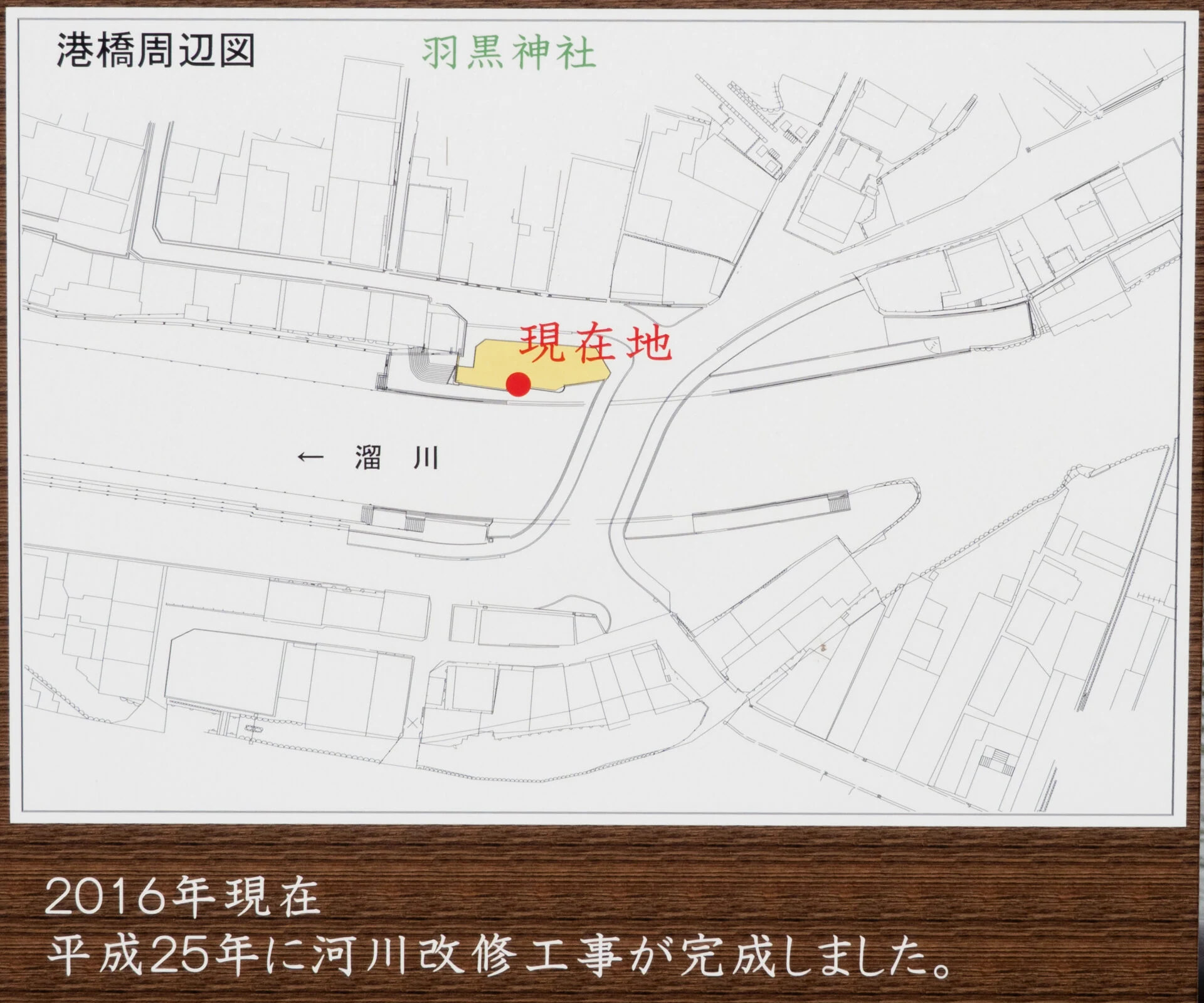
After the Meiji period, Tamashima continued to thrive as one of the leading economic centers in Okayama Prefecture.
Major financial institutions and government agencies also established branches here, making it a hub city.
However, by the mid-1970s, society became centered around automobiles, and commerce gradually shifted to the suburbs.
Nevertheless, the Tamashima urban area retains many old buildings, preserving the townscape that reflects the prosperity of the port town. In 1995, the townscape of Tamashima was designated as an Okayama Prefecture Townscape Preservation District.
Furthermore, in 2017, the townscape of Tamashima became a component cultural asset of the Japan Heritage titled "A Kurashiki story beginning with a single cotton flower - A town of textiles woven with harmony of Japanese and Western styles.
In 2018, it became one of the component cultural assets of the Japan Heritage titled "A different world entwined with the dreams of men who overcame the stormy seas - Port of call for Kitamae ships and shipowner settlements."
Currently, Kurashiki City is providing financial assistance and technical support for the construction and expansion of buildings to preserve the historical landscape of Tamashima for future generations.