The Tea Ceremony Culture Rooted in Tamashima
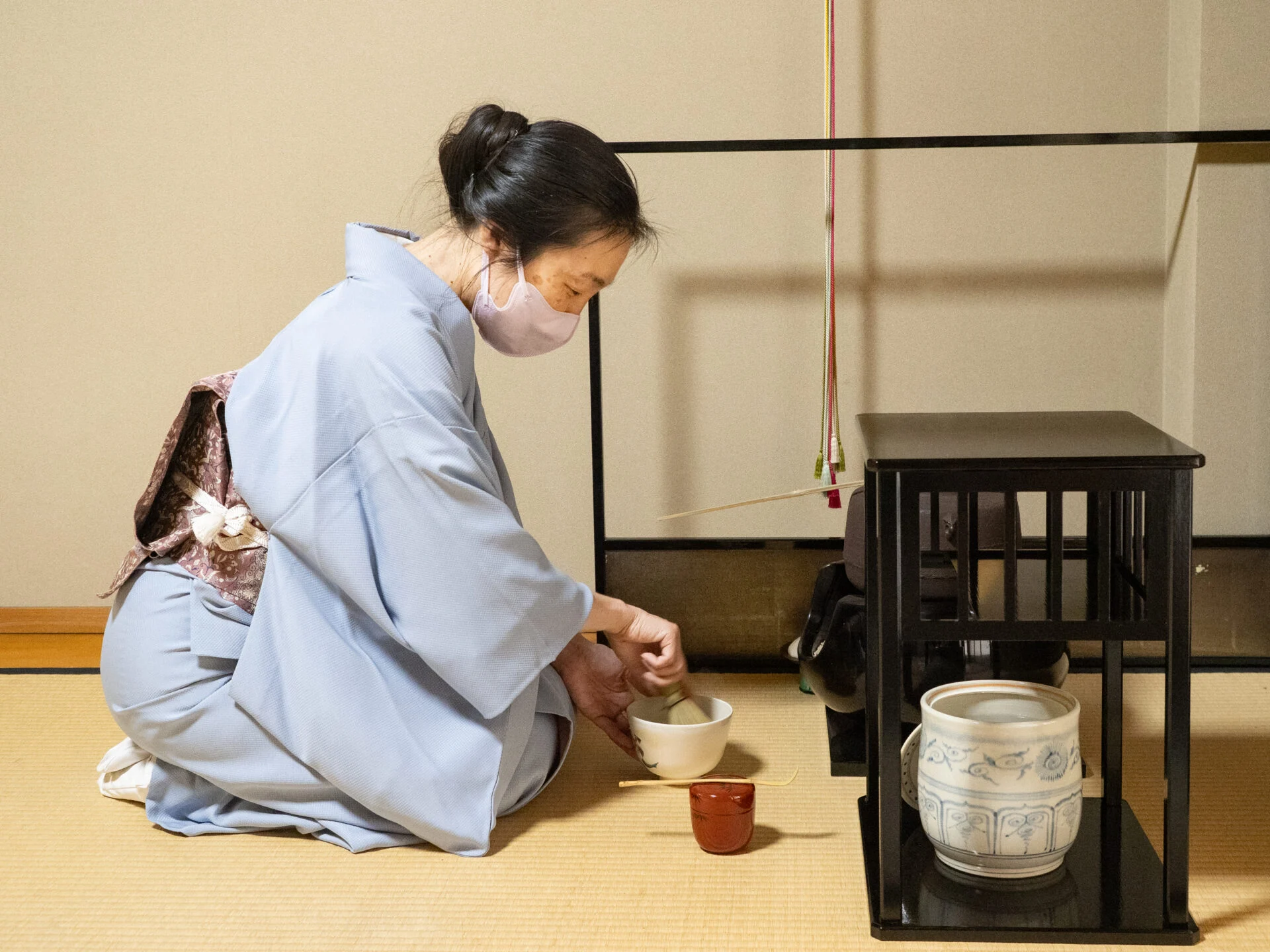
One of the characteristics of Tamashima is that the culture of the tea ceremony has been deeply rooted for a long time and is still active today.
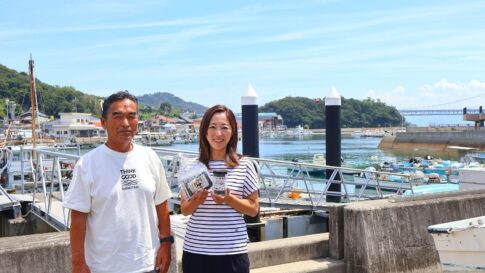
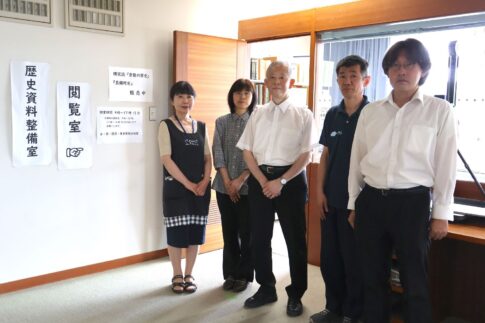
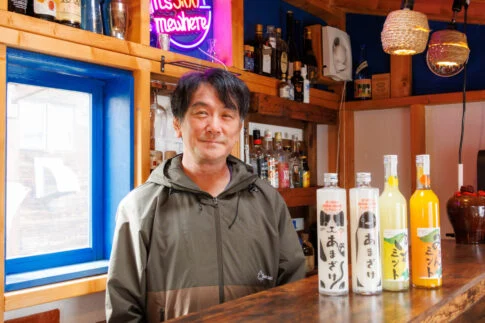
I spoke with Fujiwara Noriyoshi from the Kurashiki City Office and Yuko Kirakudo from the long-established tea and tea utensils shop "Kirakudo" in Tamashima about the tea culture in Tamashima.
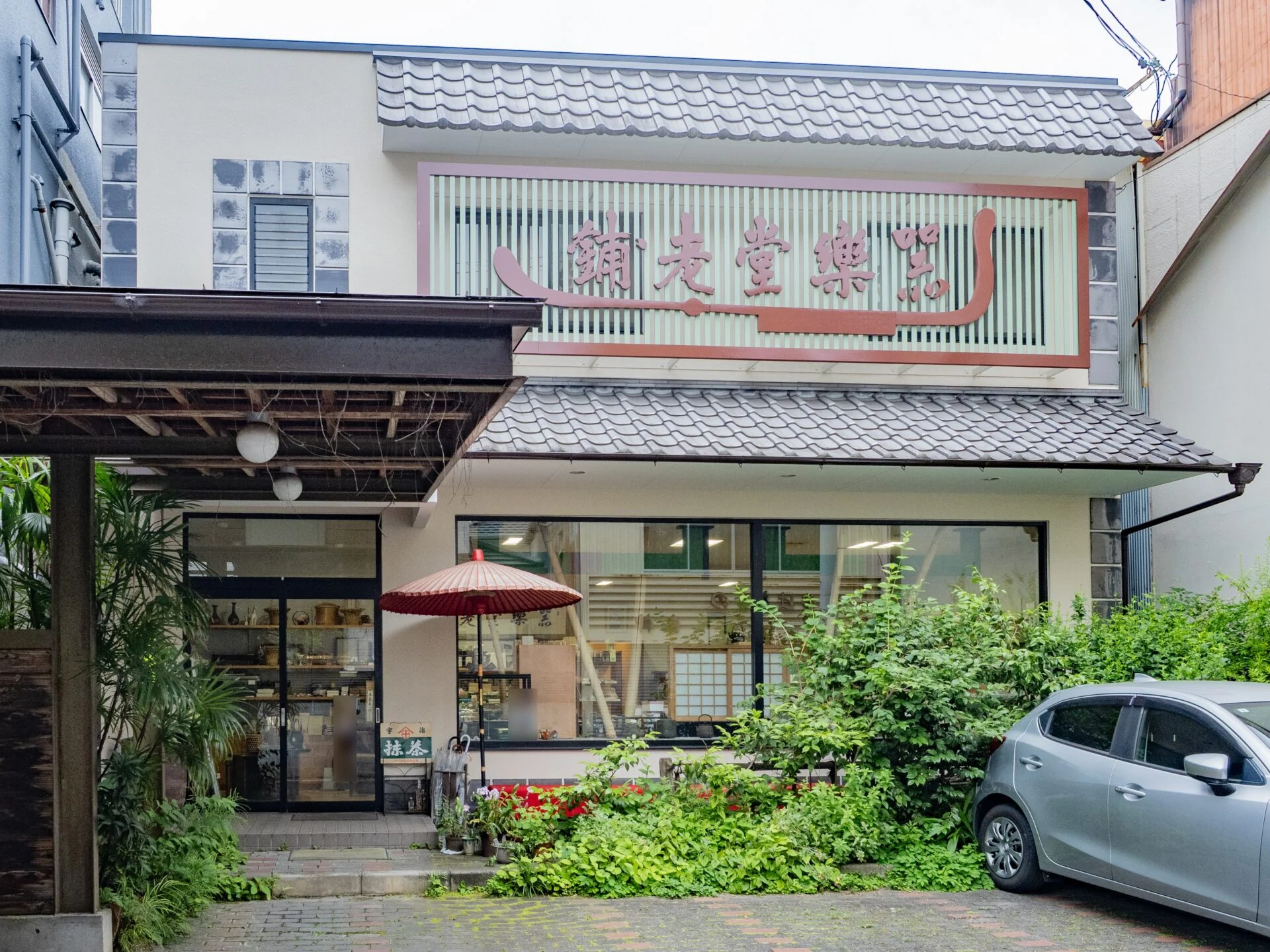
First, please tell us about Kirakudo.
Kirakudo (no honorifics)
I have heard that Kirakudo originally operated as an antique dealer in Bichu Matsuyama (now the center of Takahashi City).
In the late Edo period, they moved to Tamashima and started a retail shop for tea and tea utensils. The shop has a tea room and holds tea ceremonies every Sunday.
Why has the tea ceremony culture taken root in Tamashima?
Kirakudo
The development of Tamashima as a port town and commercial city is closely related to the culture of the tea ceremony.
Due to trade with the Kitamae-bune (northern front boats), many wealthy merchants emerged in Tamashima.
One reason is that the culture of the tea ceremony spread as one of the refinements of these wealthy merchants. It is said that many of the merchant houses in Tamashima had tea rooms.
As they became financially prosperous, they began to invest in cultural pursuits. The tea ceremony became a status symbol for the successful merchants of Tamashima.
Moreover, practicing the tea ceremony allows for concentration and helps one forget other matters.
It may have also served as a way to switch between on and off mental states.
Another reason is that the tea ceremony was used to entertain merchants from the Kitamae-bune.
Fujiwara
Entertaining merchants with the tea ceremony had aspects similar to modern-day hospitality. At the same time, it was also an important tool for business.
The tea ceremony itself was a form of hospitality, starting with inviting the guests to take a bath.
Tamashima merchants warmly welcomed the merchants from the Kitamae-bune, who may have assessed what kind of people the Tamashima merchants were through the tea ceremony.
The etiquette of tea, the tea itself, sweets, utensils, decorations in the room, and the tea room itself—all of these would lead the trading partners to think, "This person is trustworthy."
The tea ceremony likely played an important role in successfully conducting trade with the Kitamae-bune.
It can be considered that the prosperity of Tamashima as a commercial city was supported by the culture of the tea ceremony.
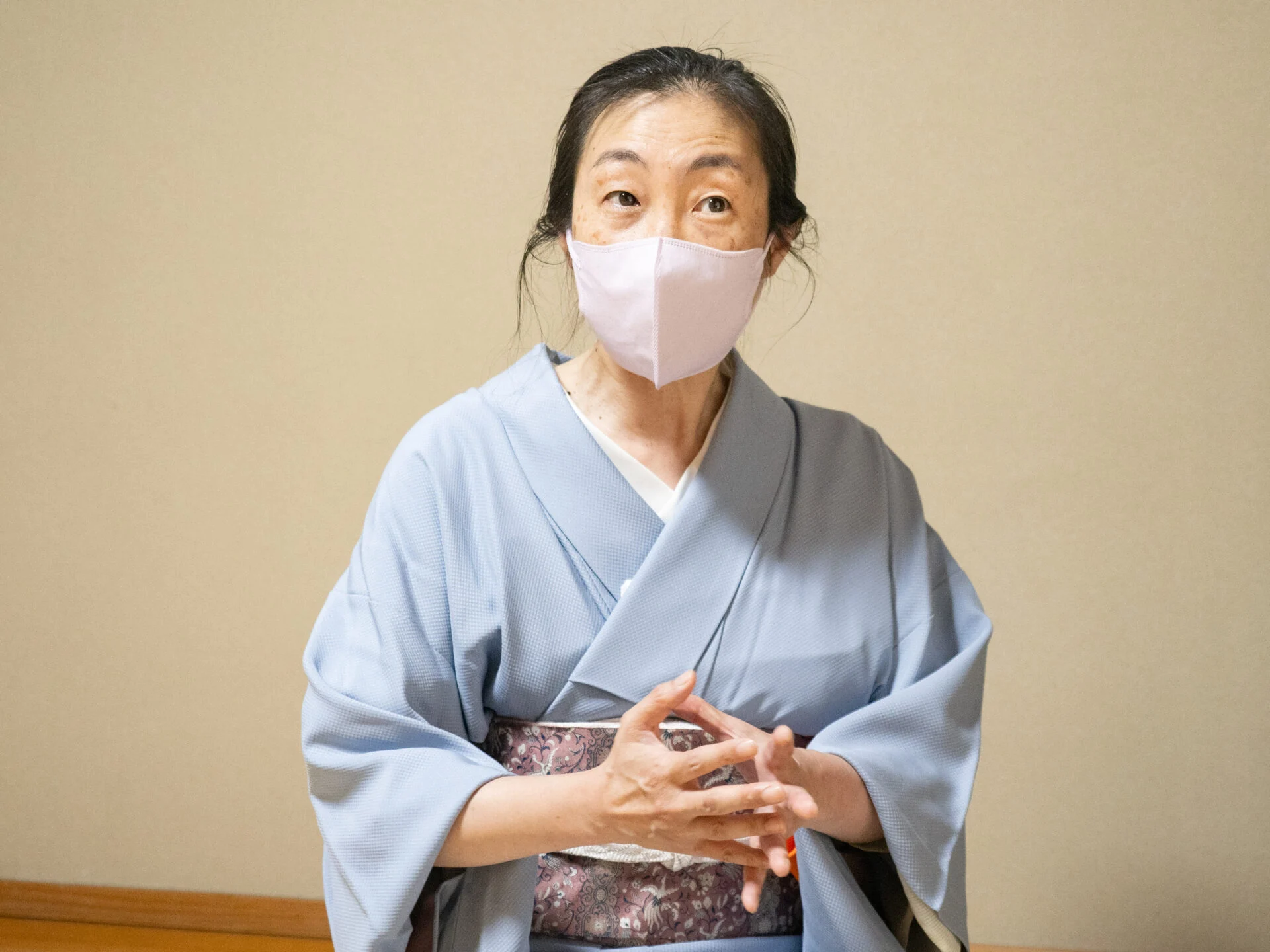
Kirakudo
Indeed, the way of handling the tea ceremony etiquette is connected to everything, and I believe it allows one to intuitively understand a person's character.
There is also a theory that the culture of the tea ceremony was brought to Tamashima by the Kitamae-bune.
How active was the tea ceremony culture?
Kirakudo
It is said that at its peak, there were about 400 tea rooms in the port town of Tamashima.
Considering the size of Tamashima, this number is quite large.
Currently, the number of tea rooms has decreased.
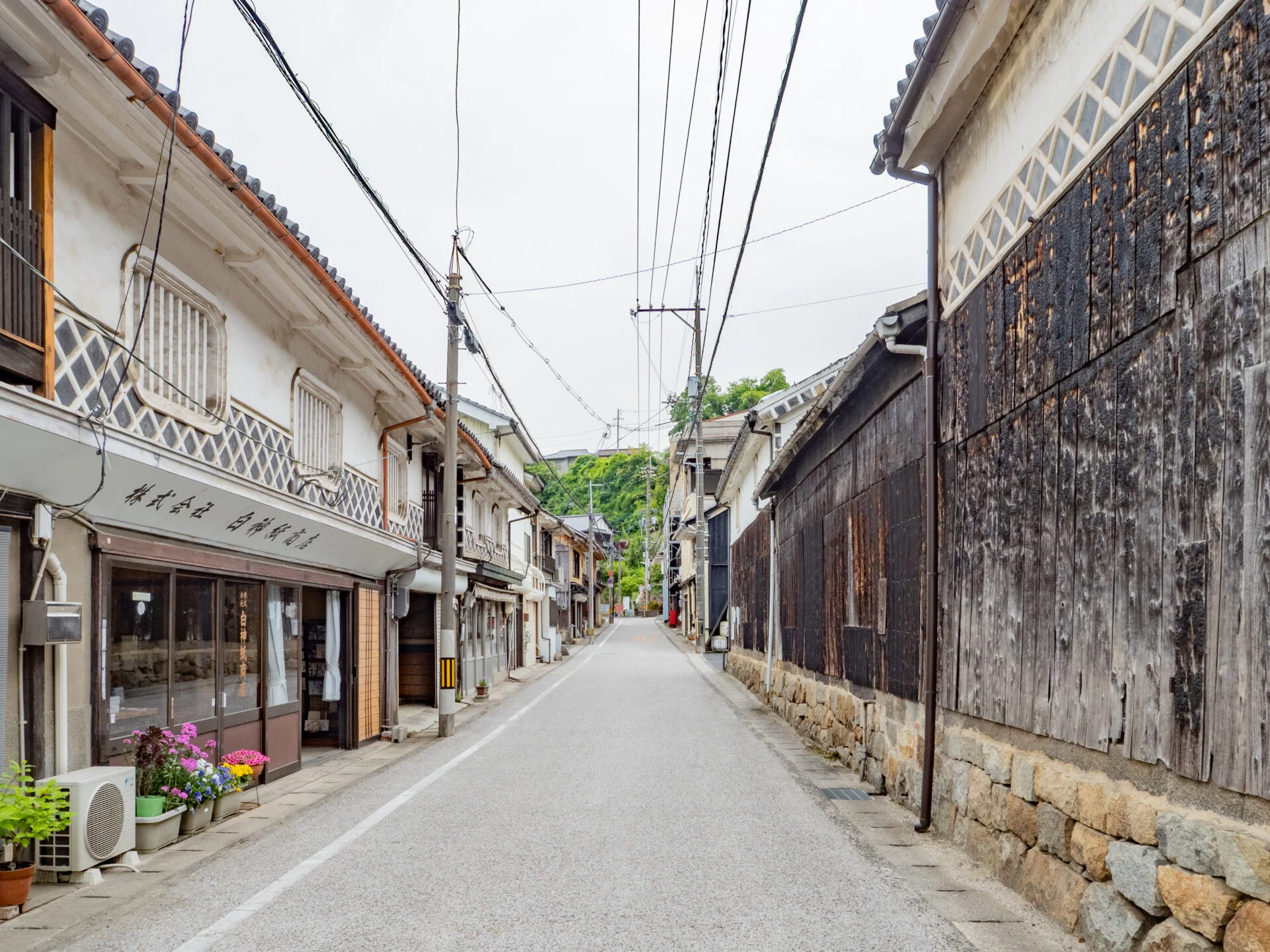
However, even now, Tamashima has many tea and tea utensils shops, wagashi (Japanese sweets) shops, and kimono shops relative to its size.
This can be seen as a remnant of the time when the tea ceremony culture was flourishing in Tamashima.
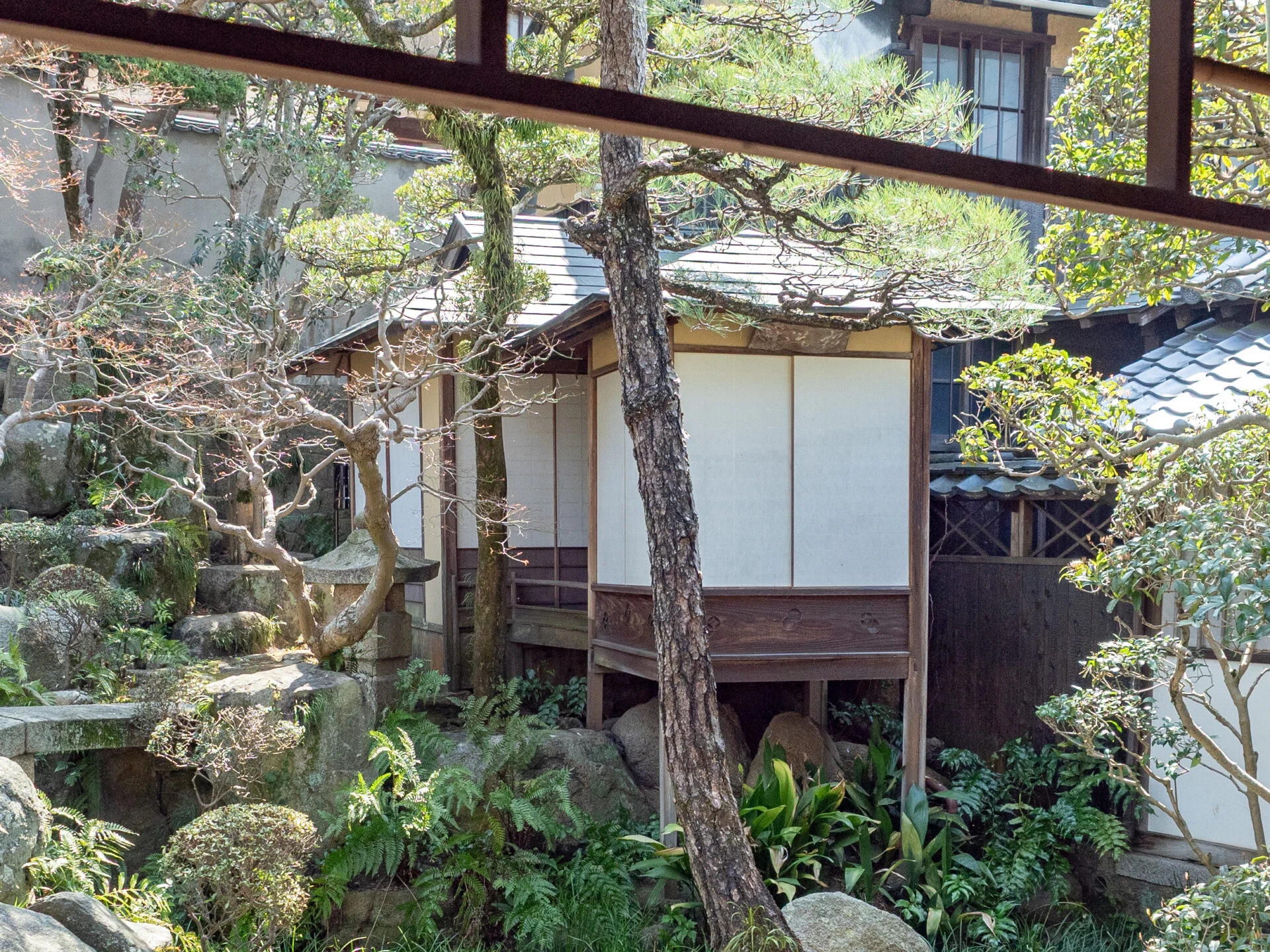
Is the tea ceremony still active in Tamashima?
Kirakudo
Even now, tea is active in Tamashima.
Many residents of Tamashima enjoy tea.
There are schools of tea ceremony such as Omotesenke, Urasenke, and Yabunouchi-ryu, which inherit the tradition of the tea ceremony.
The Tamashima Community Center holds tea ceremonies almost every month. As mentioned earlier, Kirakudo holds tea ceremonies every week.
Additionally, the "Ryoan Tea Ceremony" held at Entsu-ji Temple is famous and is considered one of the four major tea ceremonies in Okayama Prefecture.
In recent years, there have been people visiting Tamashima from overseas specifically for tea ceremonies, including those from the United States and Taiwan.
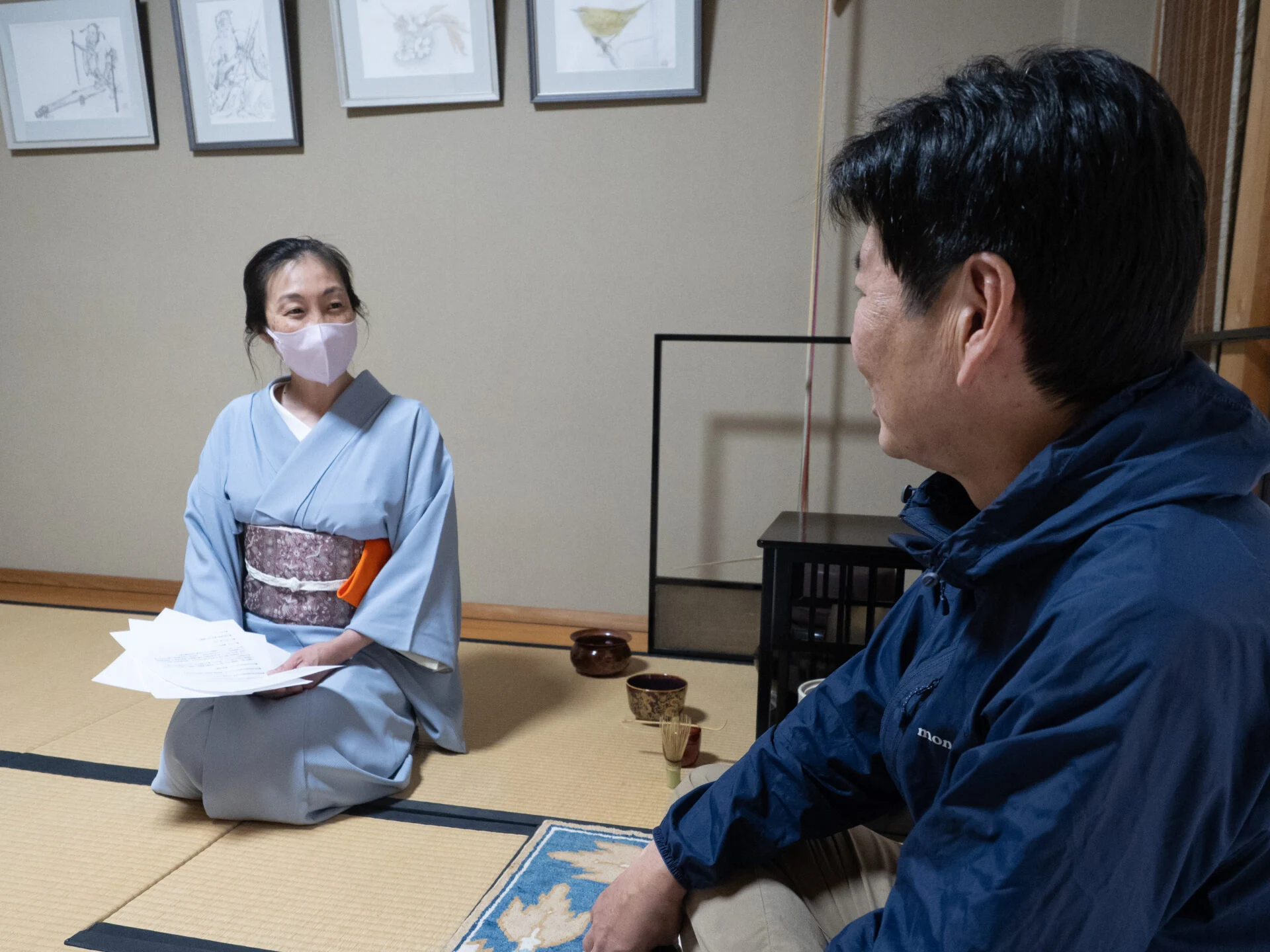
Fujiwara
Some kindergartens, children's centers, and nurseries in the Tamashima area have designated tea ceremony times, incorporating it into early childhood education to connect with local cultural heritage.
I think this is characteristic of Tamashima, where the culture of the tea ceremony is rooted.
Additionally, a "Tea Ceremony Guidebook" has been produced in Tamashima. This allows first-time visitors and those unfamiliar with the tea ceremony to experience it with confidence.
The tea ceremony culture of Tamashima is also interesting from a tourism perspective.
Tamashima is a remarkable place that flourished through cotton trade with the Kitamae-bune, and I encourage you to experience the tea ceremony culture that spread there and feel the spirit of the merchants of that time.
Kirakudo
If you would like to participate in a tea ceremony, please visit the tourist information center located in Shin-Kurashiki Station.
Even if you are unsure about the etiquette and procedures, we will kindly explain everything.
Please take the opportunity to experience the tea ceremony culture that flourished alongside the development of the commercial city of Tamashima.
The Townscape of Tamashima, Flourishing as a Commercial City
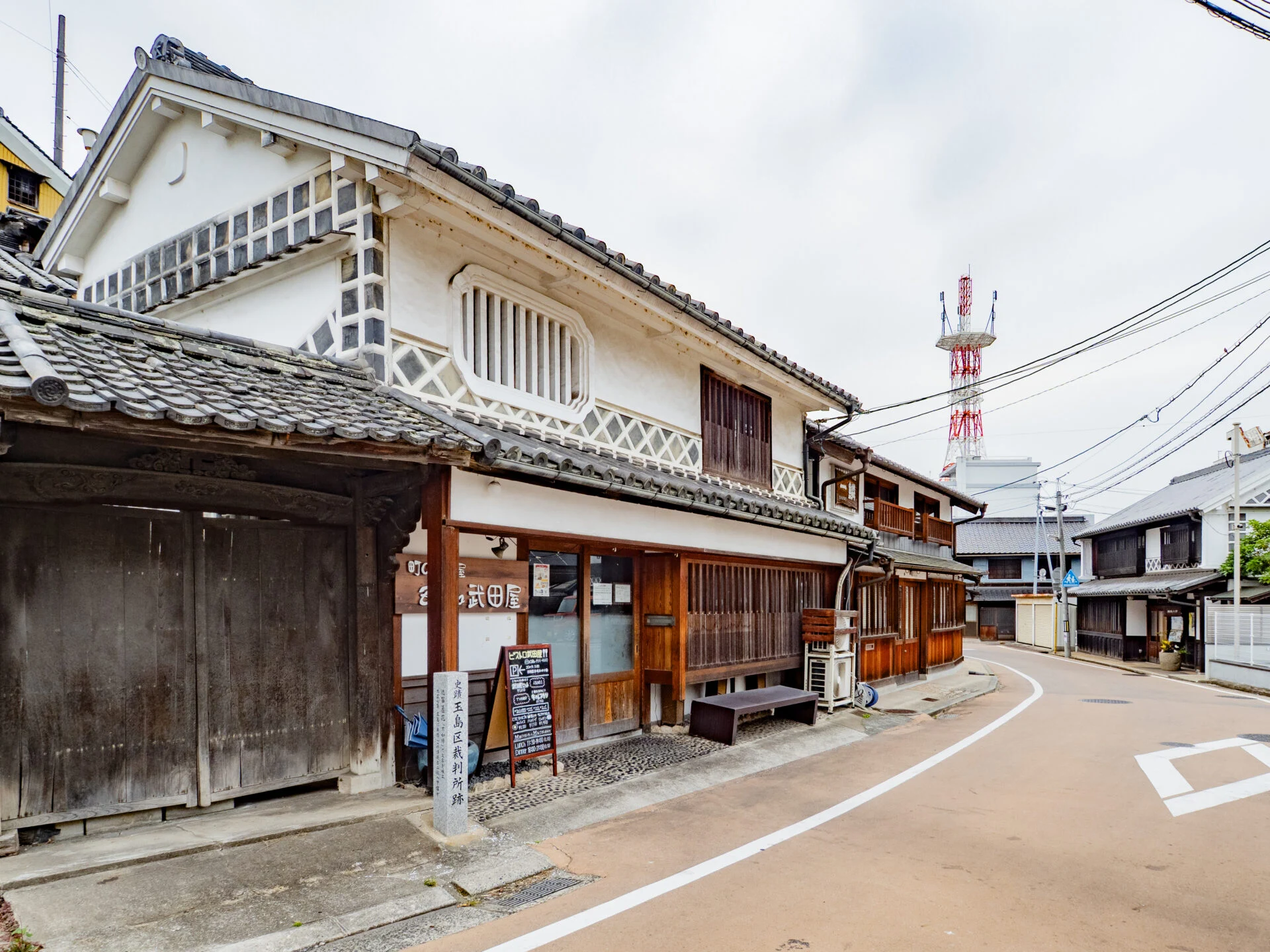
The port of Tamashima flourished mainly through trade with the Kitamae-bune.
The main imports were herring byproducts and dried sardines, while the main exports were Bichu cotton.
By using herring byproducts and dried sardines as fertilizer for cotton cultivation, they prospered by selling the grown cotton and cotton products.
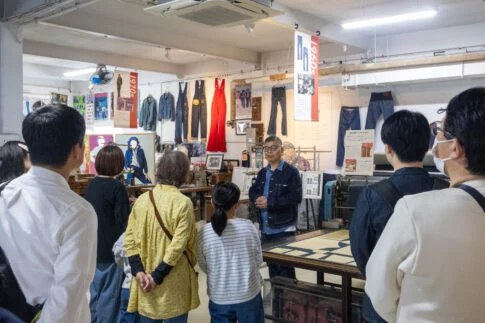
Currently, Kurashiki City has a thriving textile industry, including the production of jeans, uniforms, and workwear.
It can be said that the prosperity of Kurashiki City as a textile town is partly due to the flourishing cotton trade of the port town of Tamashima.
“I hope you will visit Tamashima and feel the greatness of its past as a commercial city. I would be happy if you could share your positive experiences with those around you. I believe that through this accumulation, we can preserve the townscape of Tamashima for future generations,” says Fujiwara.
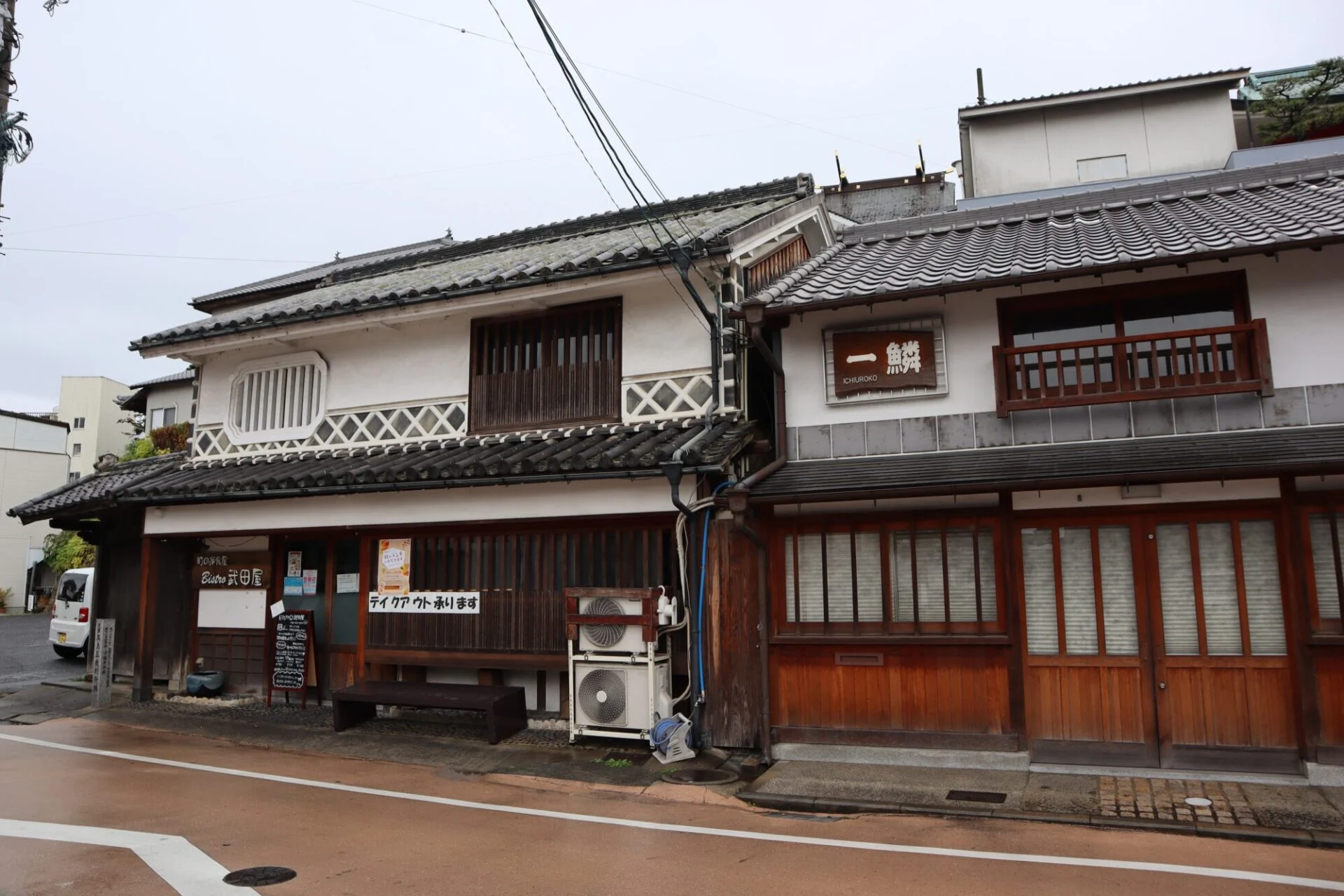
How about taking a stroll through the historic townscape of Tamashima?
Articles Related to Japan Heritage in Kurashiki City