Have you ever been to Tamashima in Kurashiki City?
The town center of Tamashima is a port town that developed from the early Edo period.
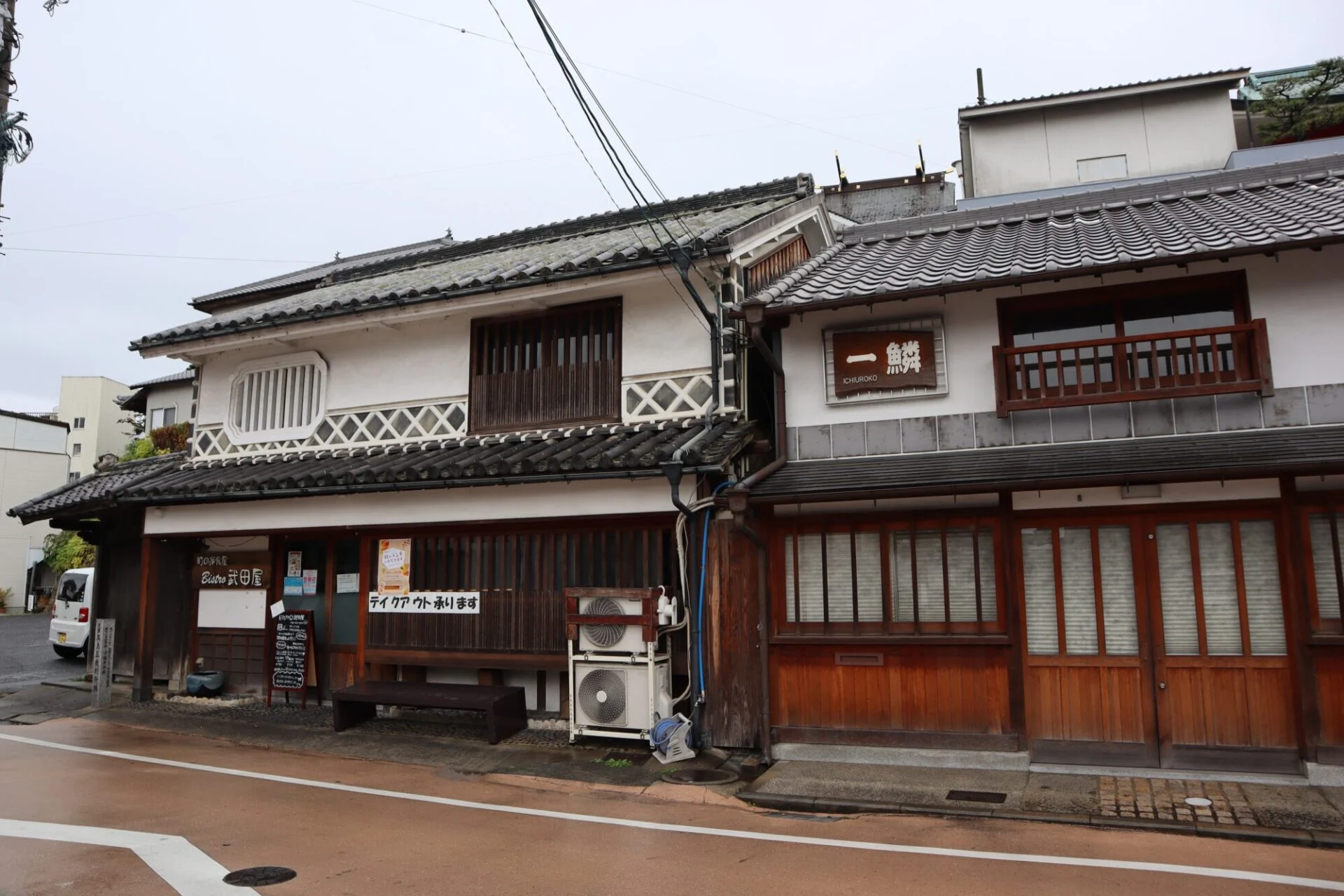
You can feel the remnants of that time in the old townhouses and shrines, including the preservation district.
The scent of the Showa era also drifts through various places in the shopping district and town.
This article introduces the "Walking Tour of Tamashima," which was held on November 23, 2022, as part of the "Bichu no Machiya de Class" program.
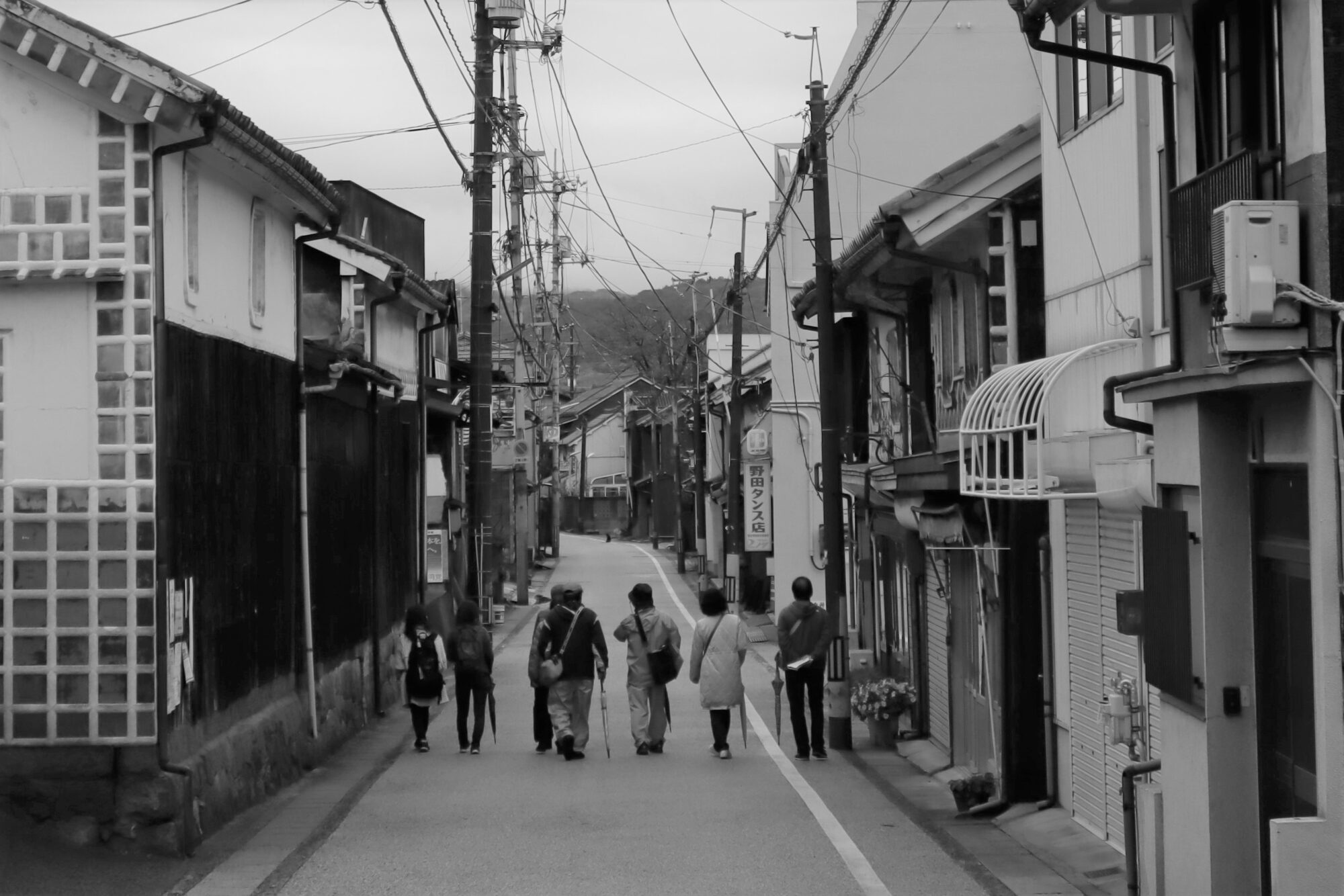
Despite the unfortunate rainy weather, we strolled through the peaceful town with a nostalgic feeling from the early modern to the Showa era.
The Formation of Tamashima Town
First, let me briefly explain how the region of "Tamashima" was formed.
In the Nara period, when the Manyoshu was composed, there was said to be a "small island like a jewel" in present-day Tamashima.
In the 12th century, a naval battle called the "Mizushima Battle" took place between the Heike, who occupied Kashiwajima, and the Genji of Otsushima.
Later, in the Edo period, land reclamation began, and in 1659, the Mizutani clan, the lord of Bichu Matsuyama Domain, developed Tamashima Shinden Village (Tamashima Village).
In 1665, to pray for the safety of the new land development, Haguro Shrine was established.
The embankment of Agasaki Shinden Village was completed in 1670, shaping the current town center of Tamashima.
A waterway that could accommodate Takase boats, called "Takase-doshi," was excavated from Tamashima Port to Funao-cho (Ichinokuchi Water Gate), connecting to Bichu Matsuyama Domain via the Takahashi River.
Walking Tour of Tamashima
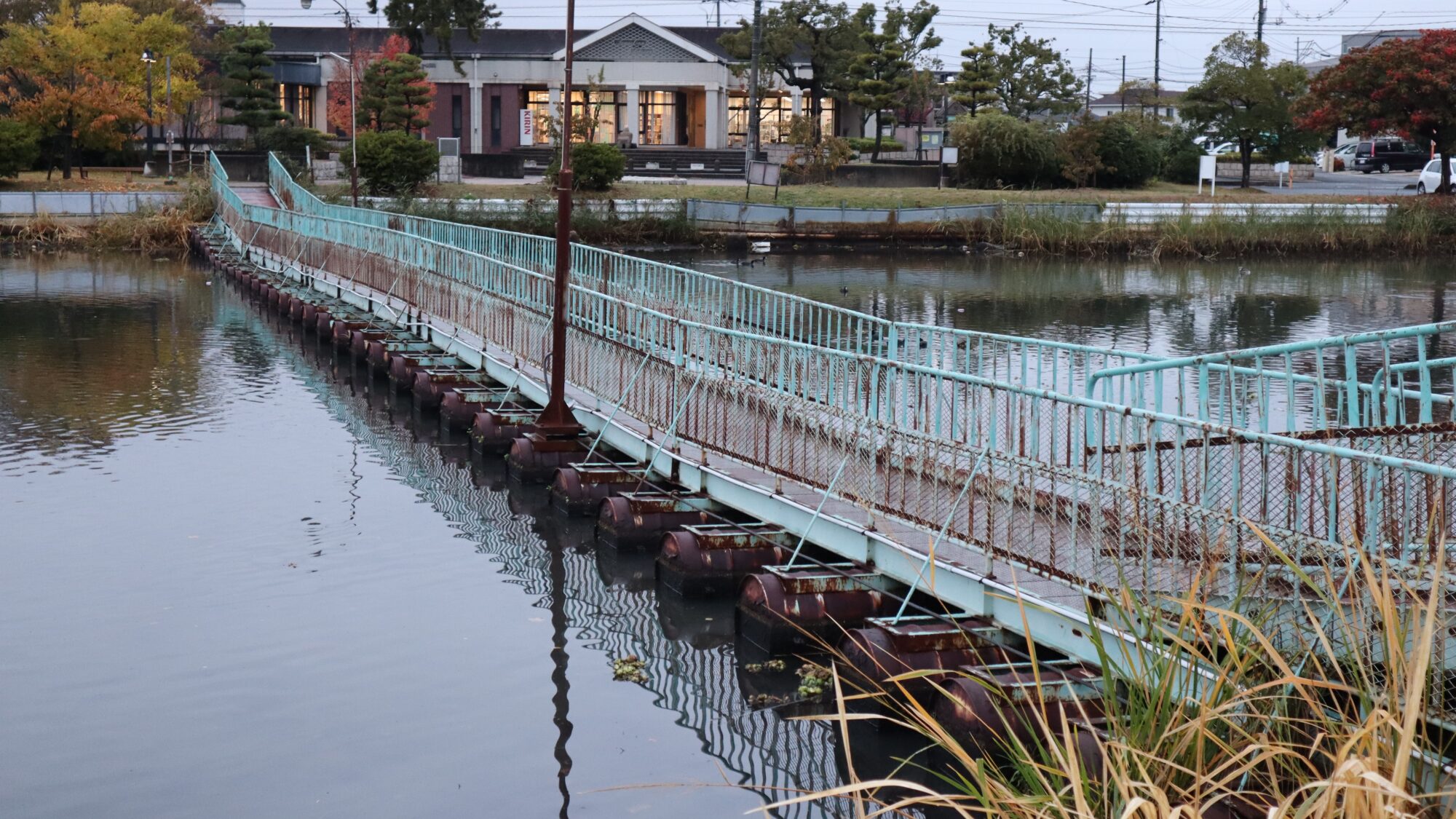
The meeting point was at Shinborikawa Green Space.
We crossed the Drum Can Bridge, which became famous as a filming location for the movie "Tombi," and proceeded through the Tonomachi shopping district, passing the alley where the remains of the water gate are located.
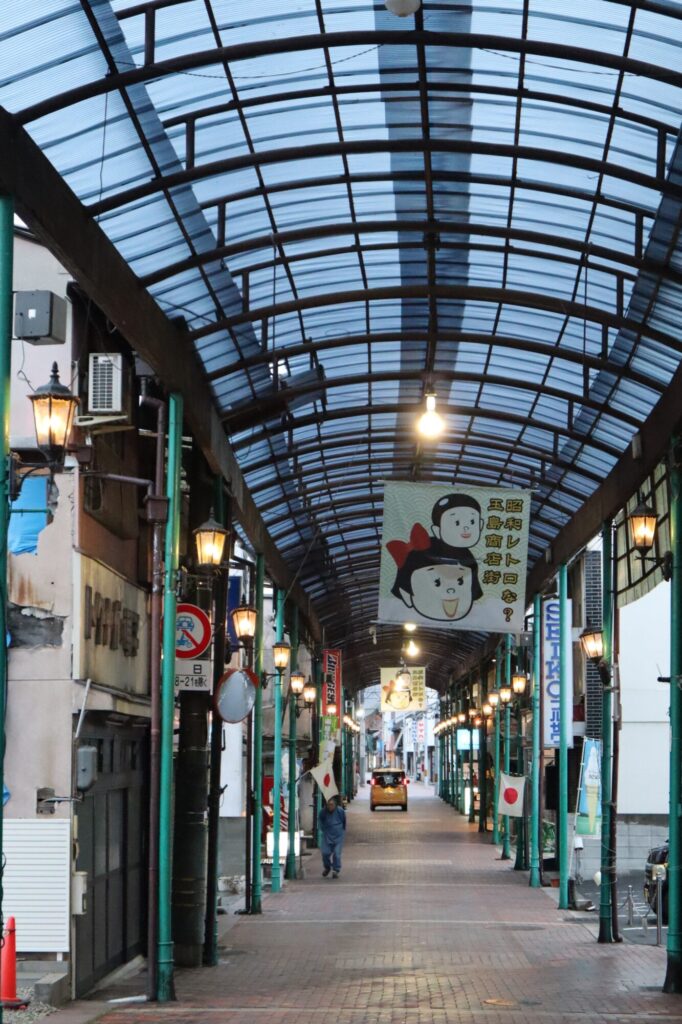
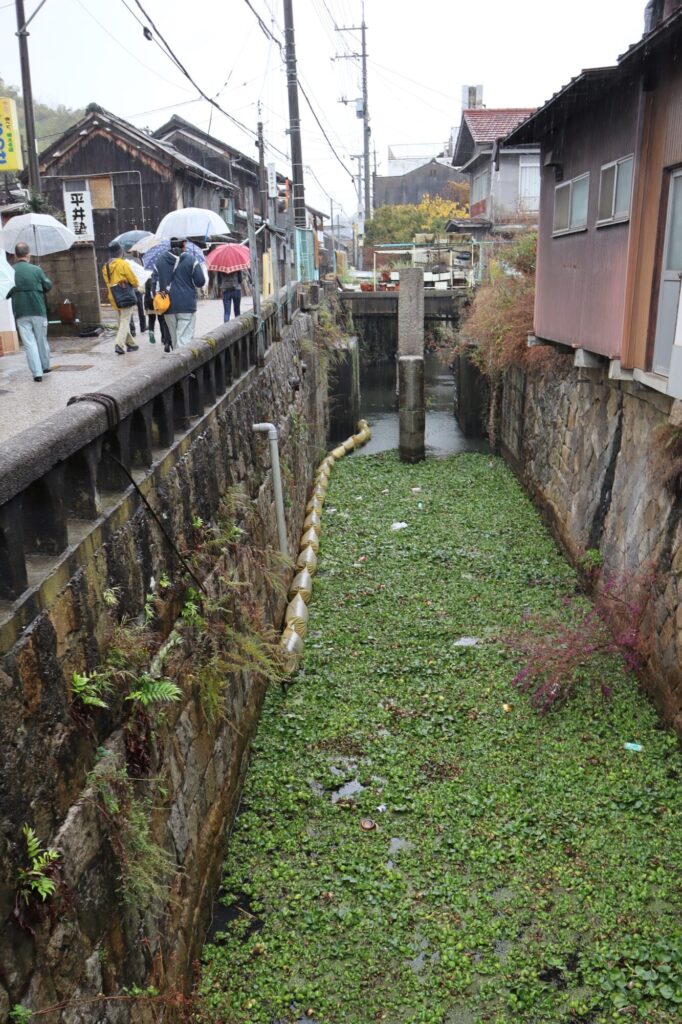
This area near Minato Bridge is a filming location for the movie "ALWAYS: Sunset on Third Street," giving a Showa-era vibe.
Saiso-tei
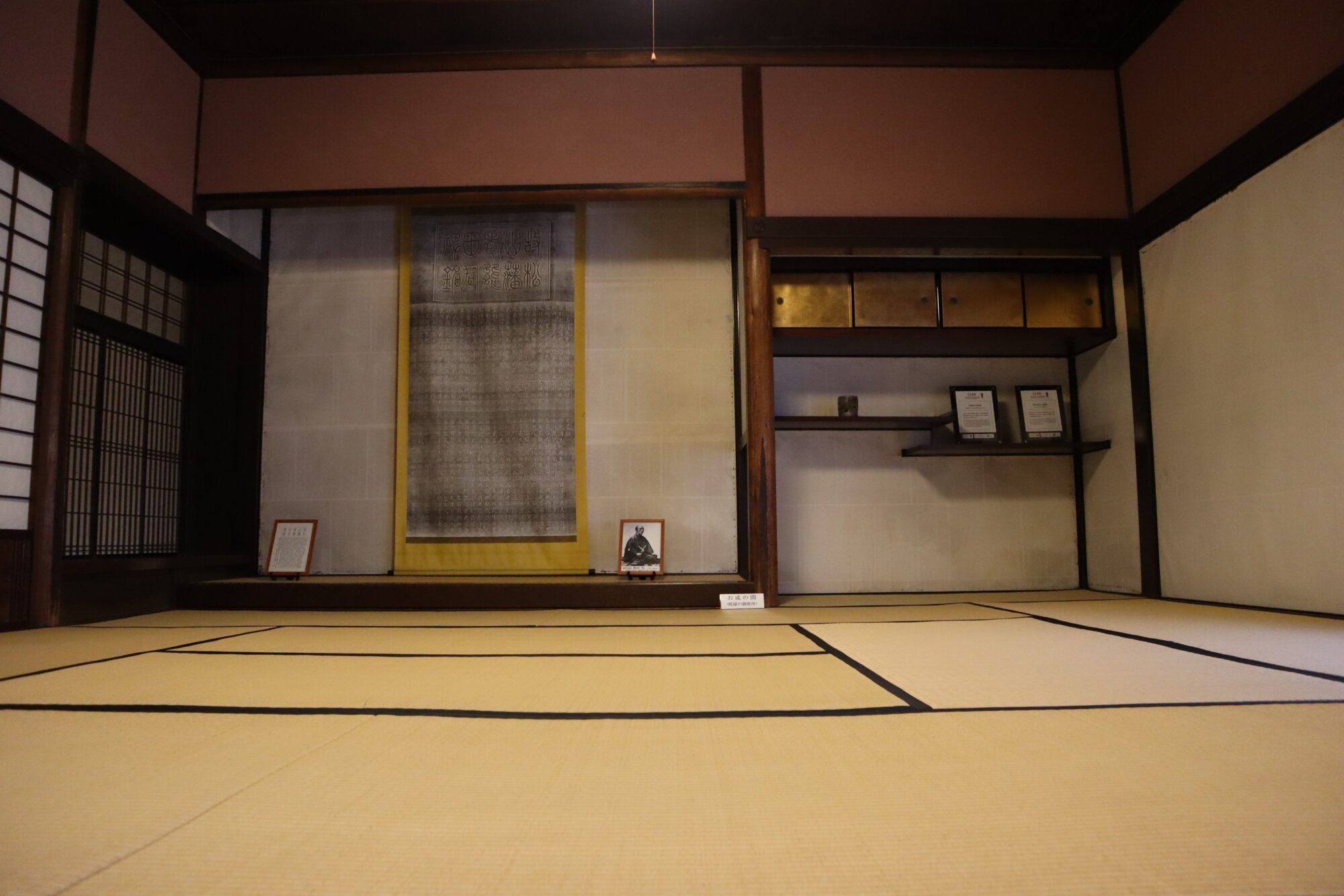
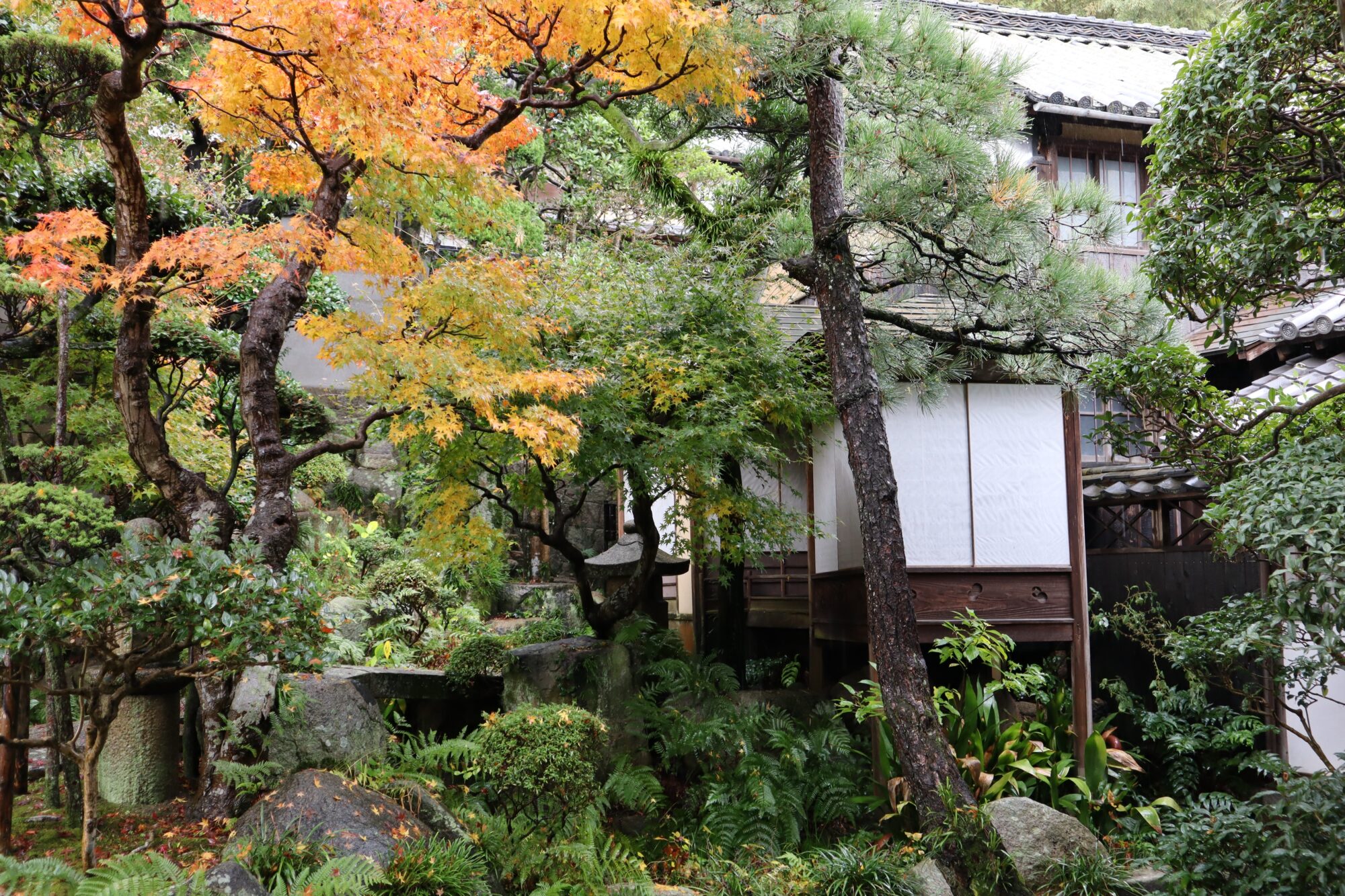
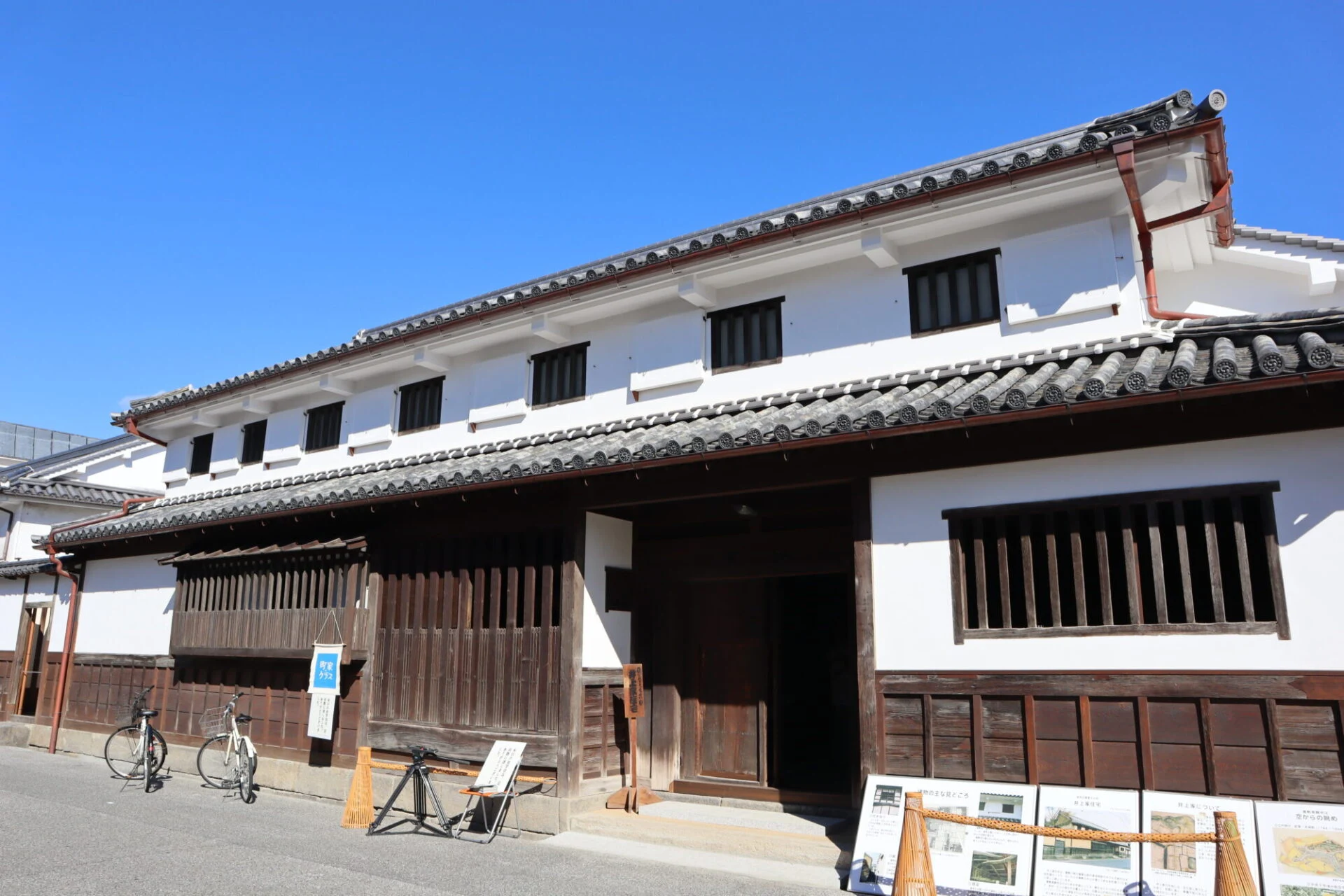
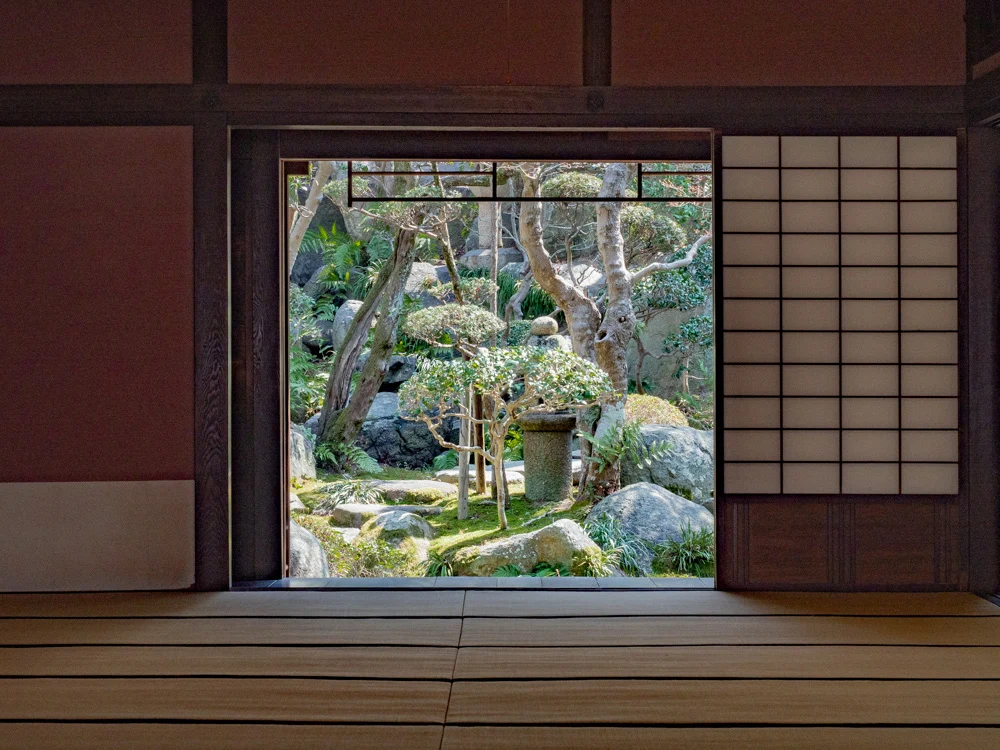
First, we visited Saiso-tei.
Saiso-tei is the residence of the Yunoki family, who served as the village headman of Tamashima Village in Bichu Matsuyama Domain during the Edo period, and it was the place where the lord's seat was located.
On that day, there was a limited-time exhibition of "Tamashima's Jewels."
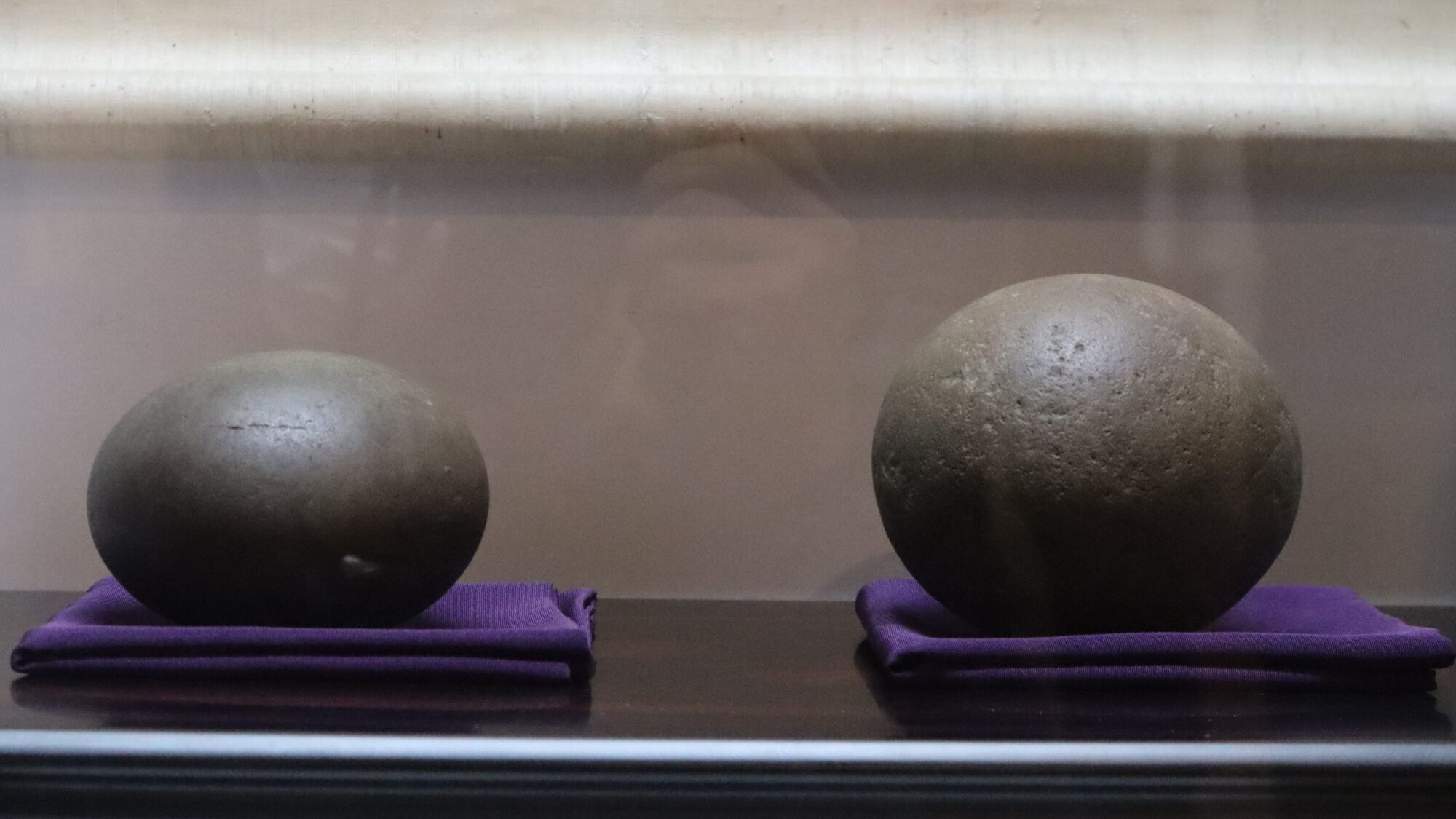
While excavating soil from the mountain for land development, "two jewels" were discovered.
This story is also considered one of the origins of Tamashima.
Haguro Shrine
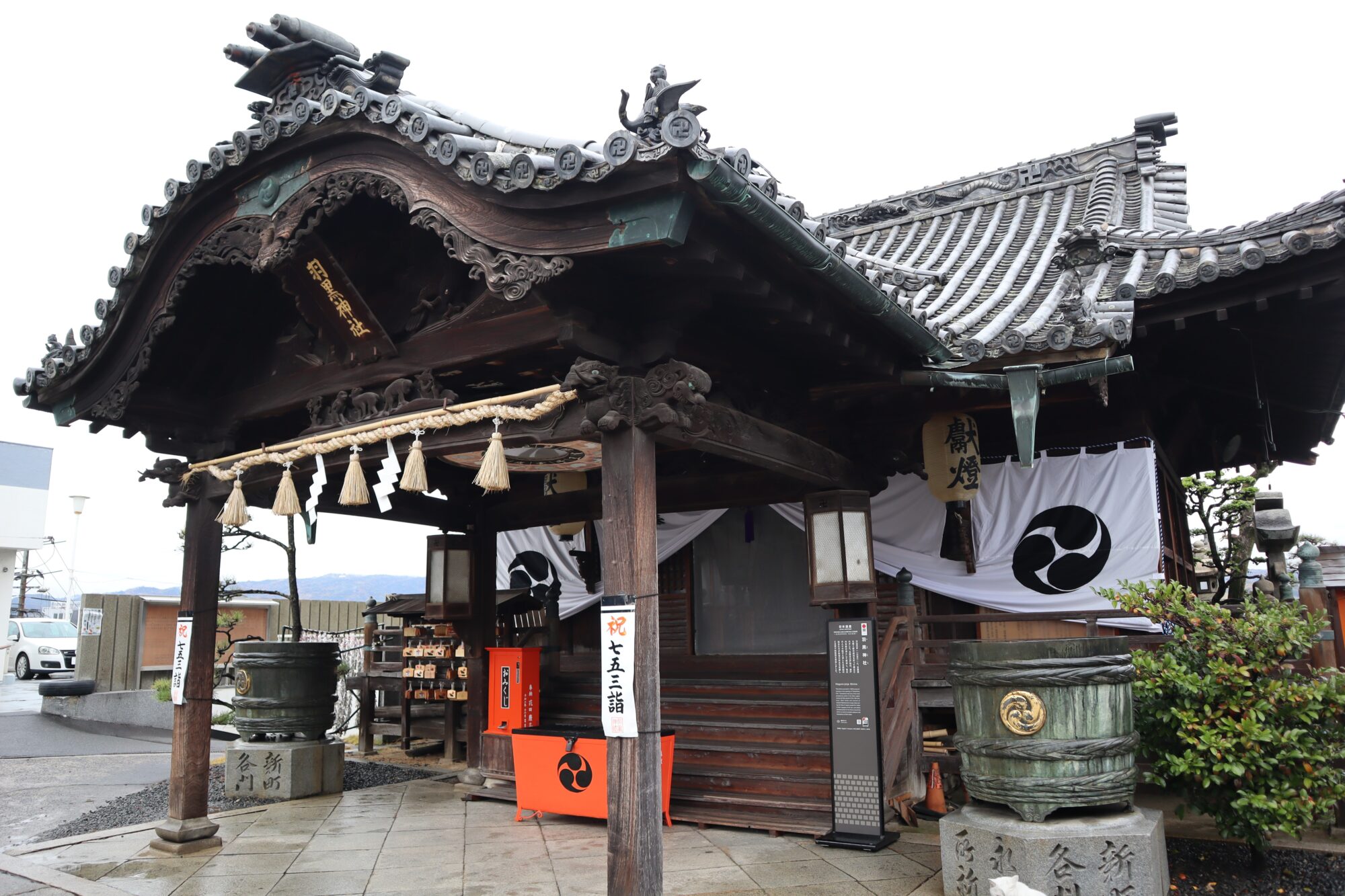
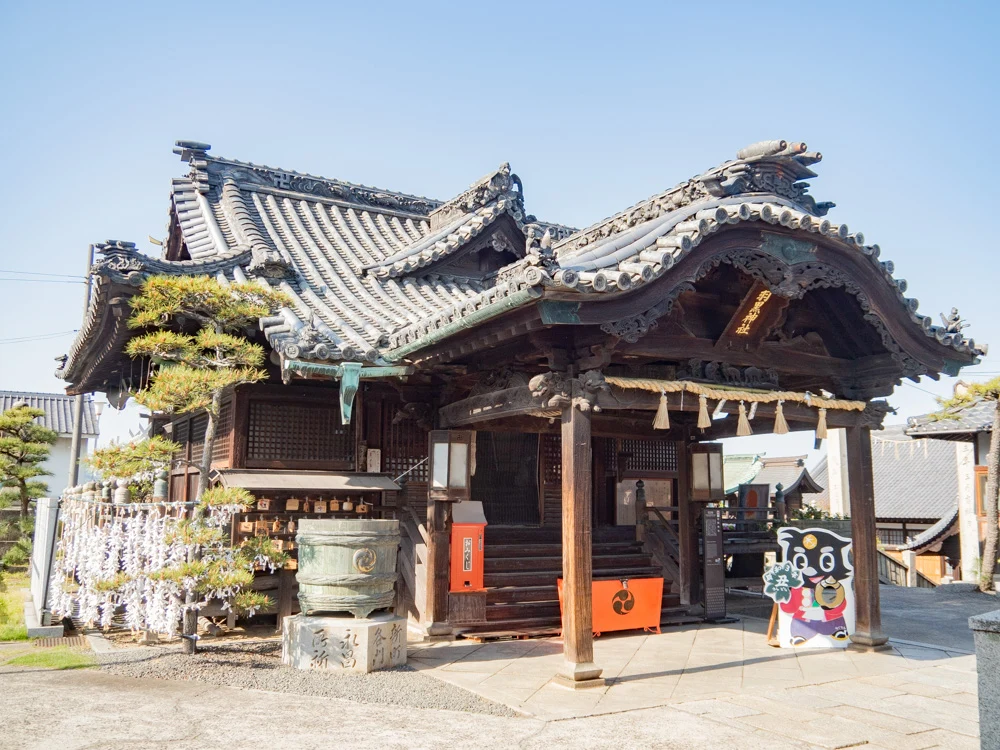
Haguro Shrine was established on a small hill called Amida-yama and was revered as the guardian deity of Tamashima Village and Agasaki Shinden Village.
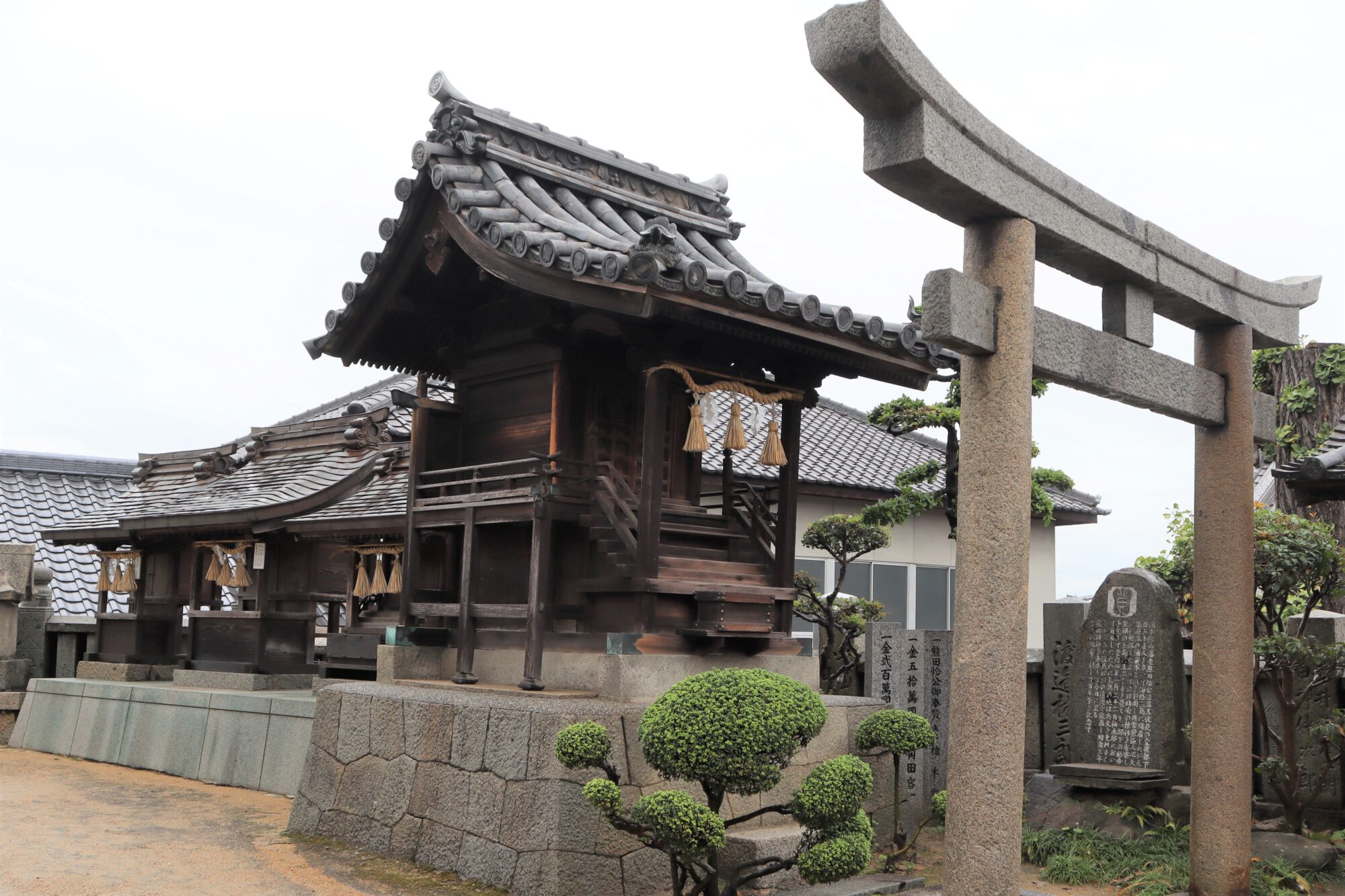
One of the shrines on the grounds is Kumada Shrine, which enshrines Kumada Taka, who committed suicide during the "Tamashima Incident" in the late Edo period.
For more details about the "Tamashima Incident," please refer to the Saiso-tei article.
Although there were not a few cases where people risked their lives to quell disturbances at that time, it is hard to suppress a sense of futility.
I expressed my gratitude and offered a prayer for Kumada Taka, who saved the town and people of Tamashima from turmoil.
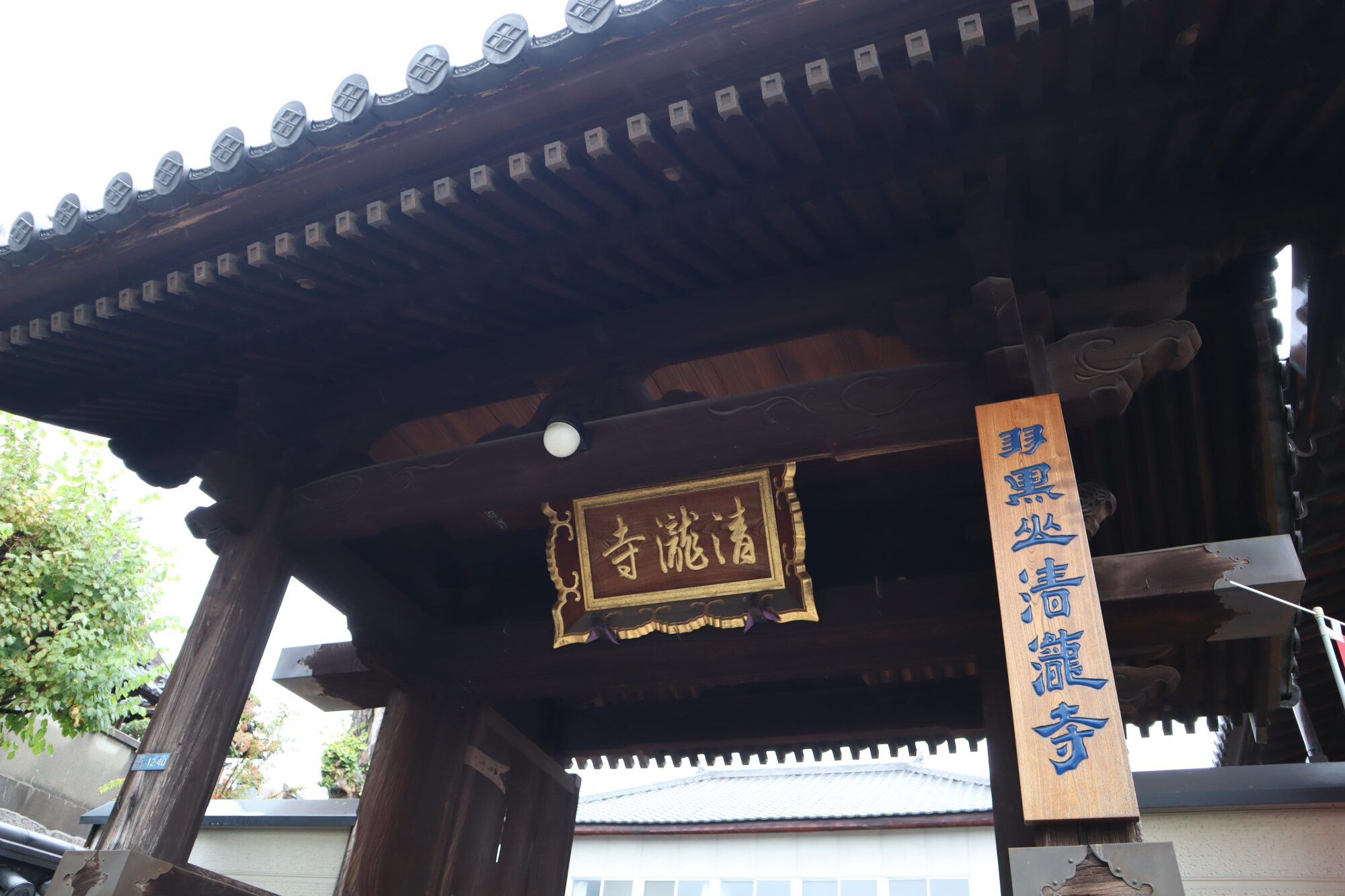
Seiryu-ji is the associated temple of Haguro Shrine.
The syncretism of Shinto and Buddhism has been a long-standing custom in Japan.
Although the Meiji government promoted the separation of shrines and temples as part of its policy to establish Shinto as the state religion, it feels natural for them to be adjacent to each other.
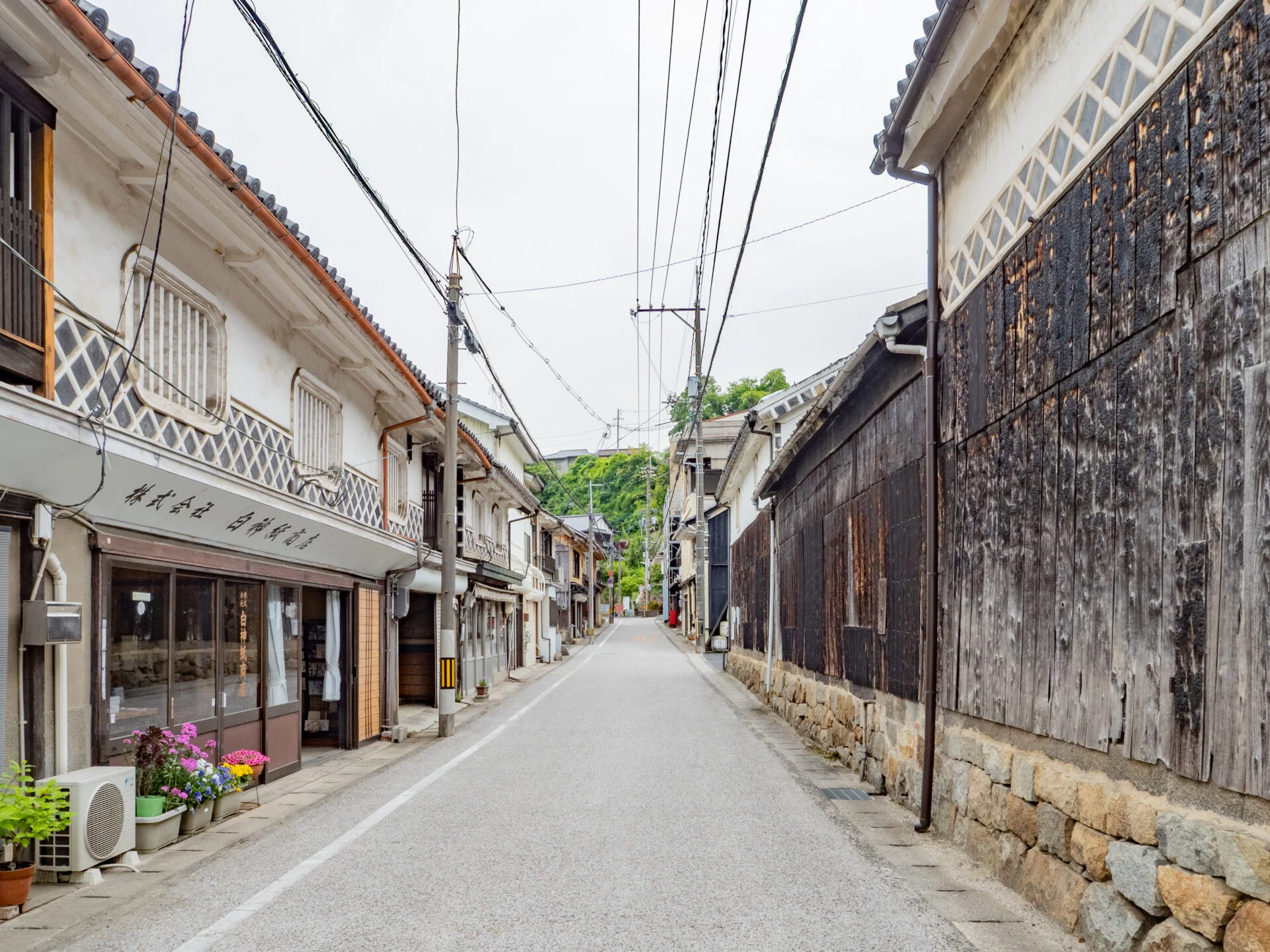
Shimmachi Street
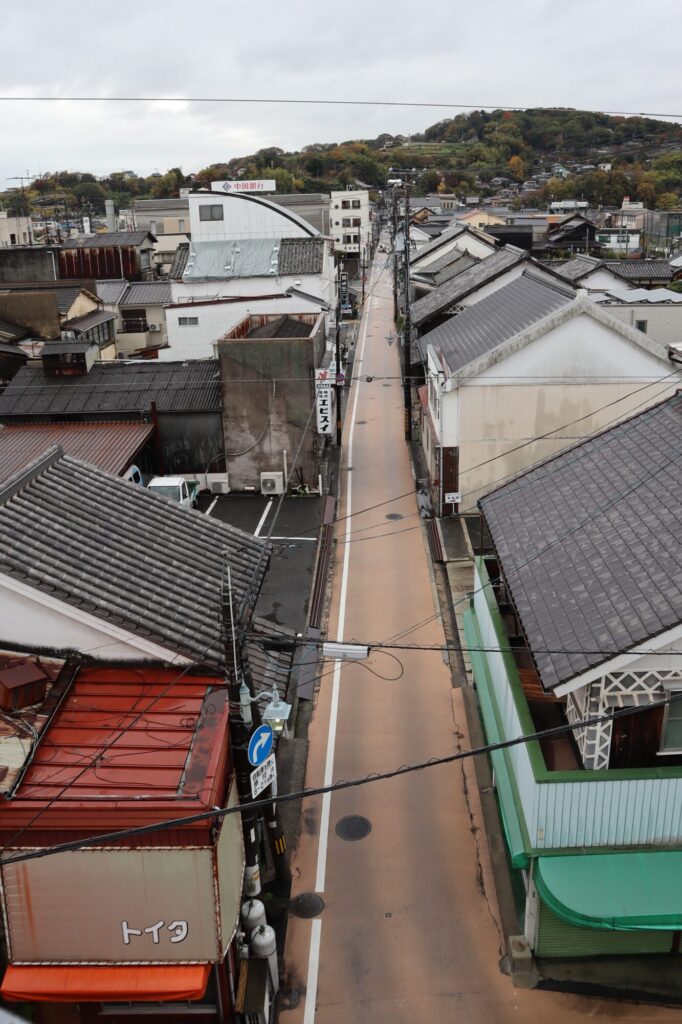
The embankment completed in 1670 is called "Shimmachi Embankment".
By closing off the area between Amida Mountain and Kashiwajima, the development of Agasaki Shinden became possible.
Shimmachi Street was built on top of the embankment, which is now the townscape preservation area.
It is said that warehouses were formed on the south side, while a wholesale district was established on the north side.
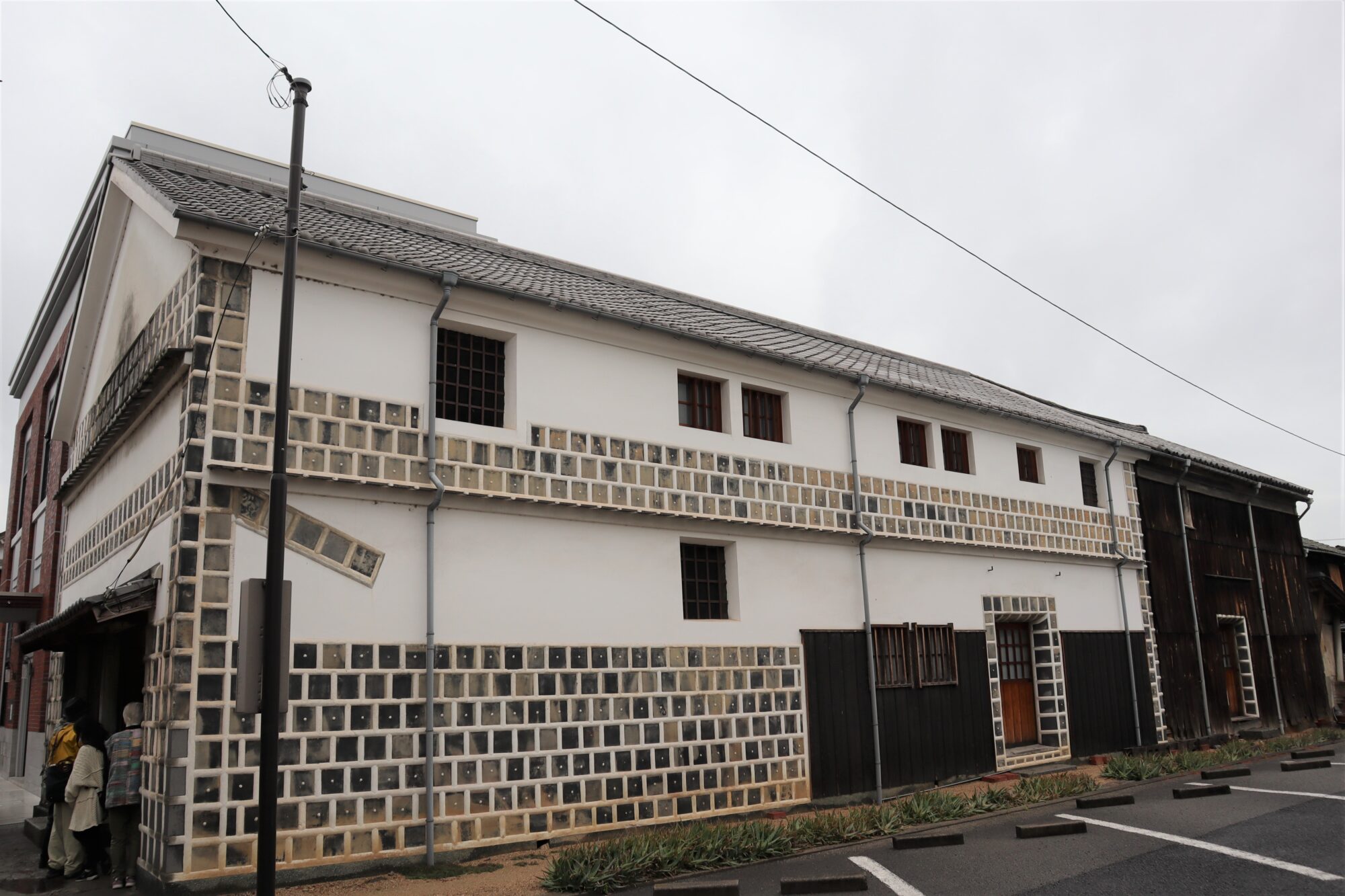
One of the warehouses on the south side is said to have a preservation and renovation plan.
While strengthening earthquake resistance, they aim to complete a "warehouse pier" that can also host a market by the end of 2023.
Let's look forward to it.
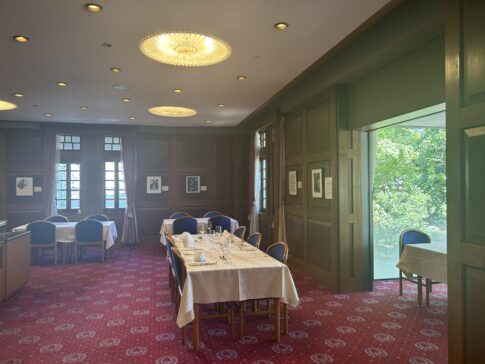
At the end of a three-hour town walk, we enjoyed coffee and cake at another town house on the same Shimmachi Street before parting ways.
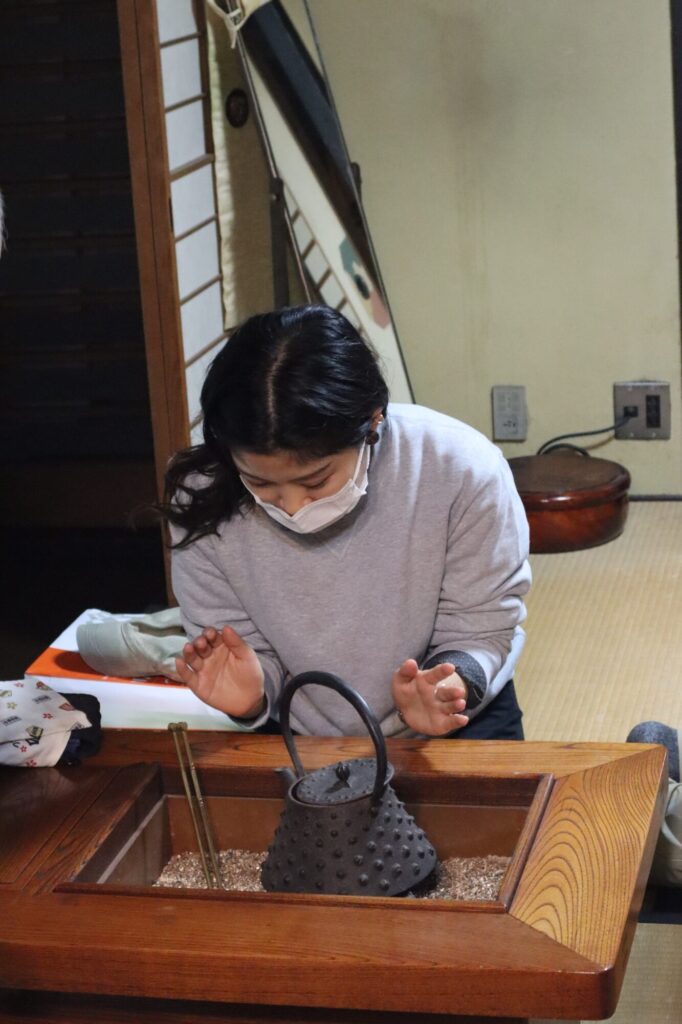
Such scenes are unique to town houses.
Conclusion
It is a bit surprising that the town of Tamashima has not yet reached 400 years of establishment.
However, there are traces of various thoughts and efforts of our predecessors, both tangible and intangible.
We can learn many things from history.
Therefore, I do not want history to fade away, and I hope that both tangible and intangible historical heritage will be preserved as much as possible.
I am grateful to the people of Tamashima who are working on the preservation of the townscape.
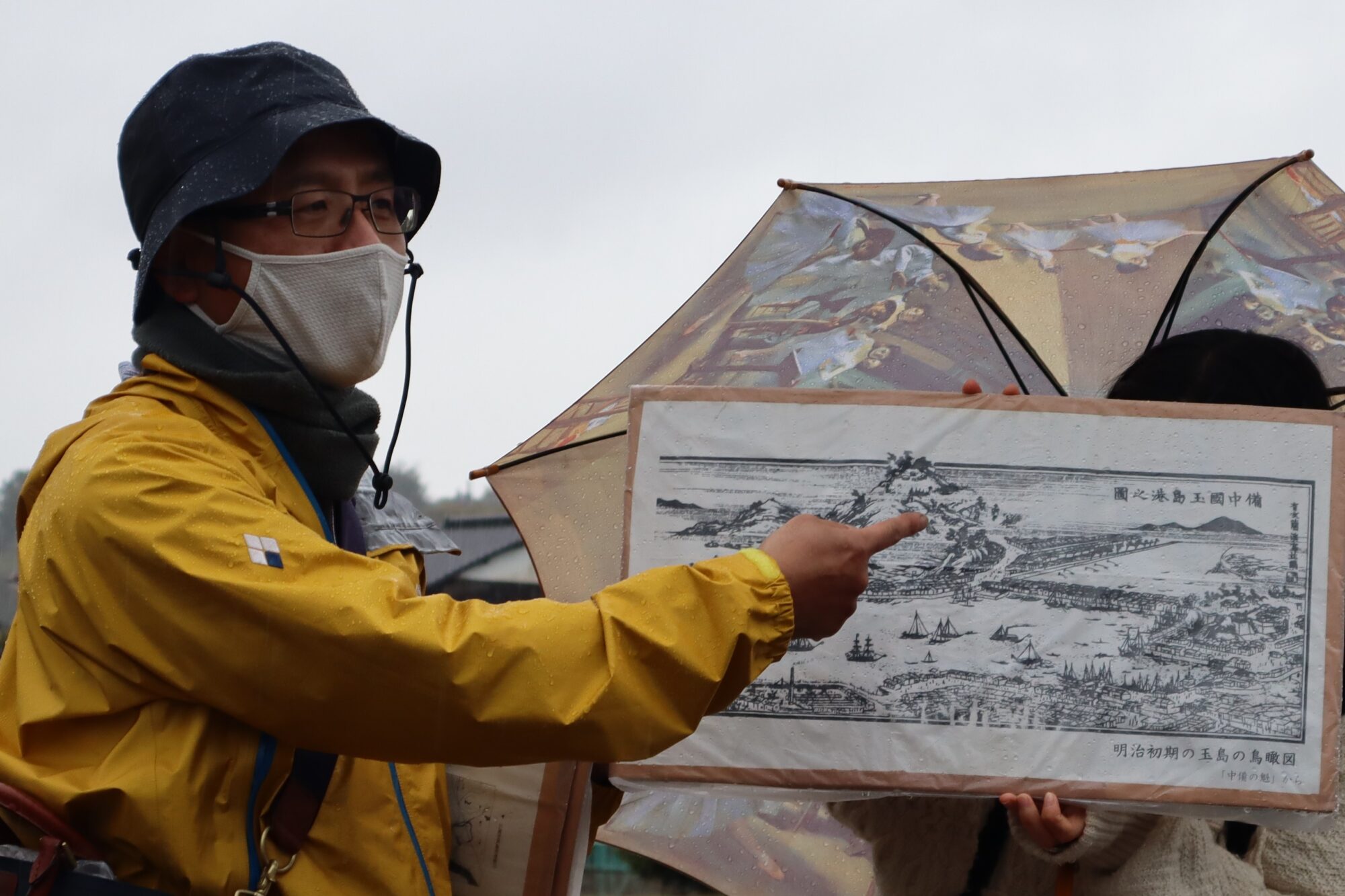
I would also like to thank the Kurashiki Machiya Trust for organizing the "Bichu no Machiya de Class," which provides opportunities to explore such towns every year.
I believe it will be held again in 2023, so why not consider participating?
Bichu no Machiya de Class, Nostalgic Future 2022 Data
| Name | Bichu no Machiya de Class, Nostalgic Future 2022 |
|---|---|
| Date | From November 3, 2022 to November 27, 2022 |
| Location | Depends on the event |
| Participation Fee (including tax) | Depends on the event |
| Homepage | Bichu no Machiya de Class, Nostalgic Future 2022 |