Okayama Momotaro Airport, Momotaro Boulevard, Momotaro Line (Kibi Line), Momotaro grapes...
It is so easy to associate "Okayama with Momotaro" that Okayama Prefecture is filled with things related to Momotaro.
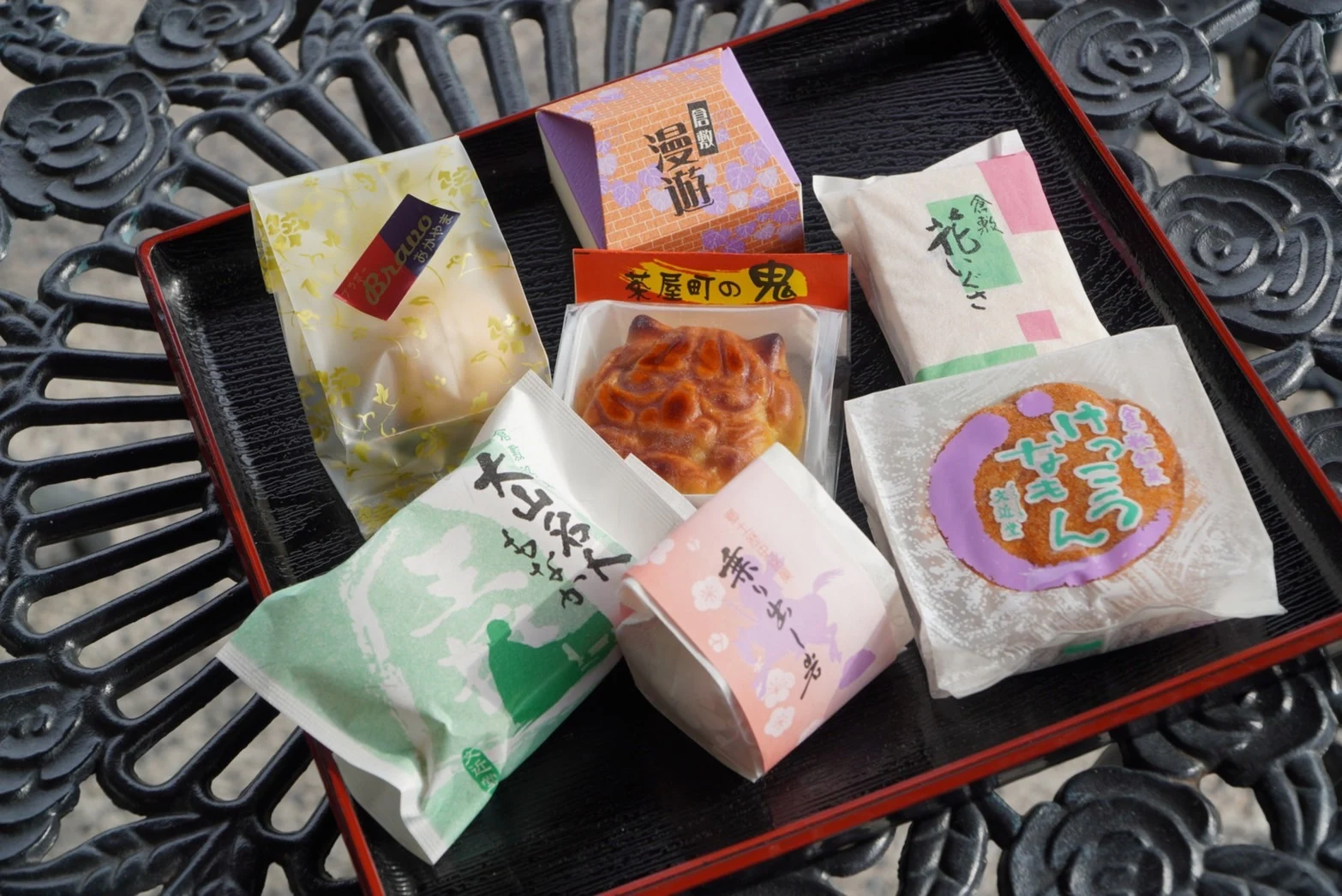
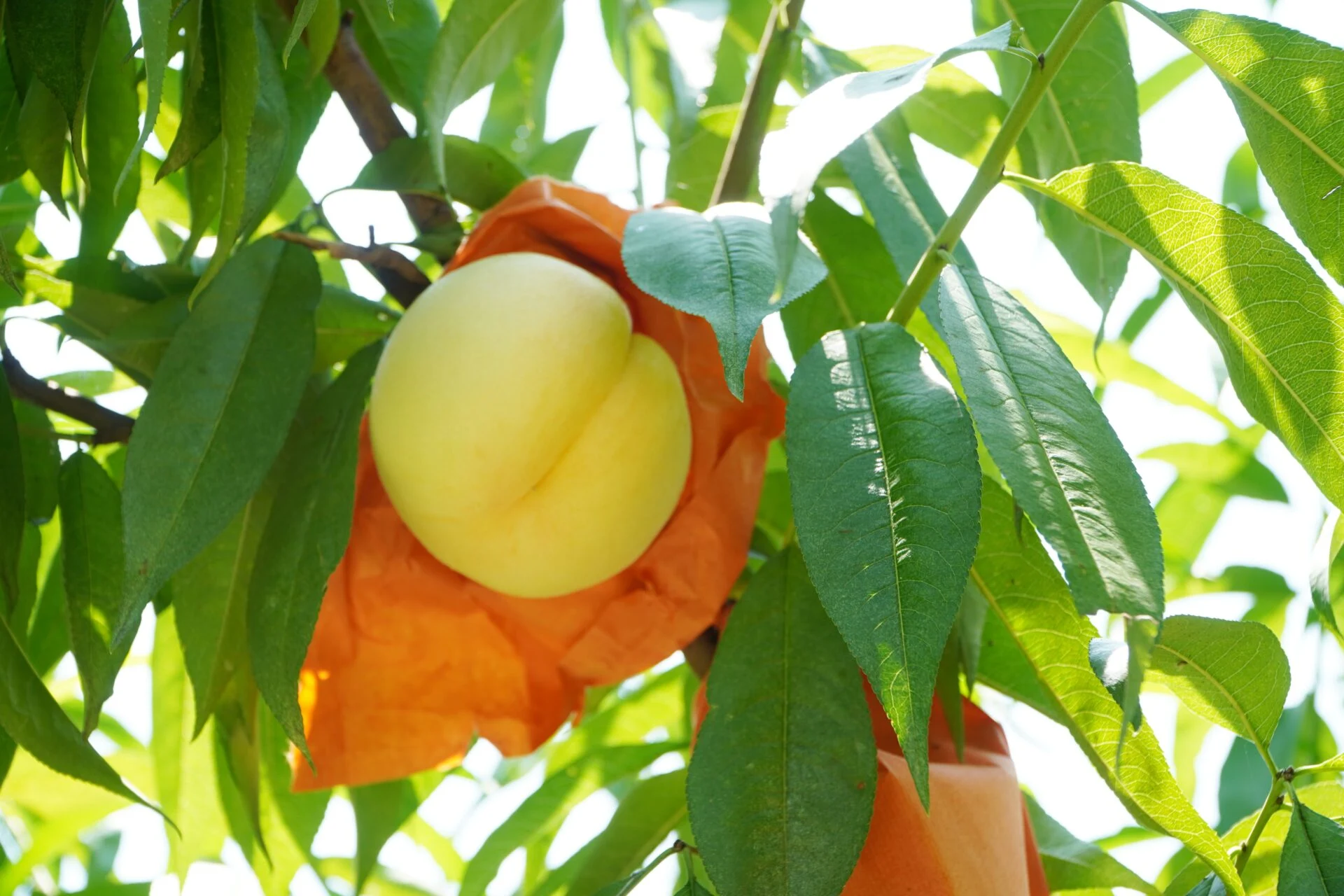
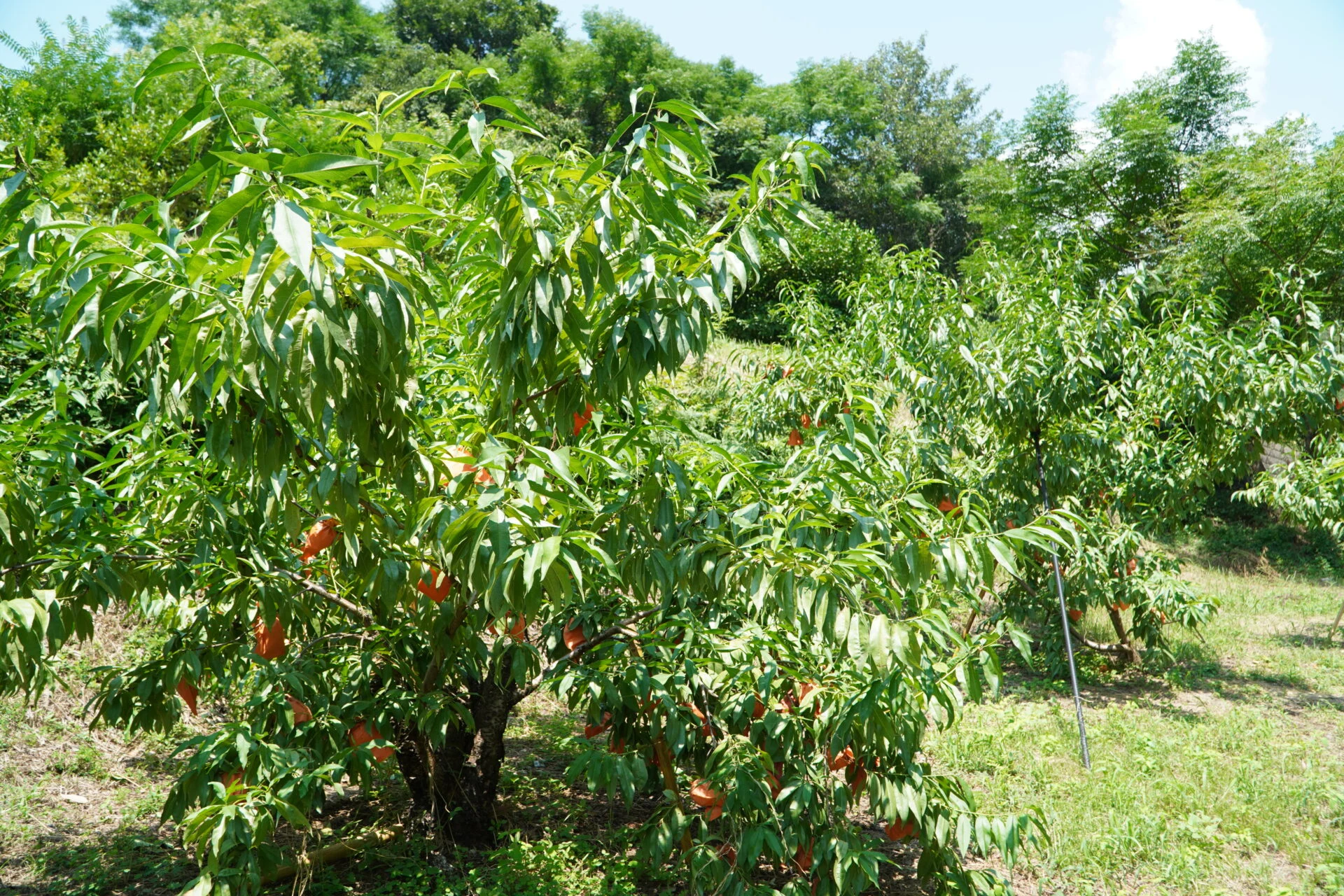
Okayama Prefecture is a major production area for peaches, and "kibidango," an essential item for Momotaro, is a standard souvenir. As a writer from Okayama Prefecture, I have always thought, "Okayama means Momotaro," without giving it much thought.
However, there is a reason behind everything.
Why is it that peaches and Momotaro are so integrated into daily life in Okayama Prefecture?
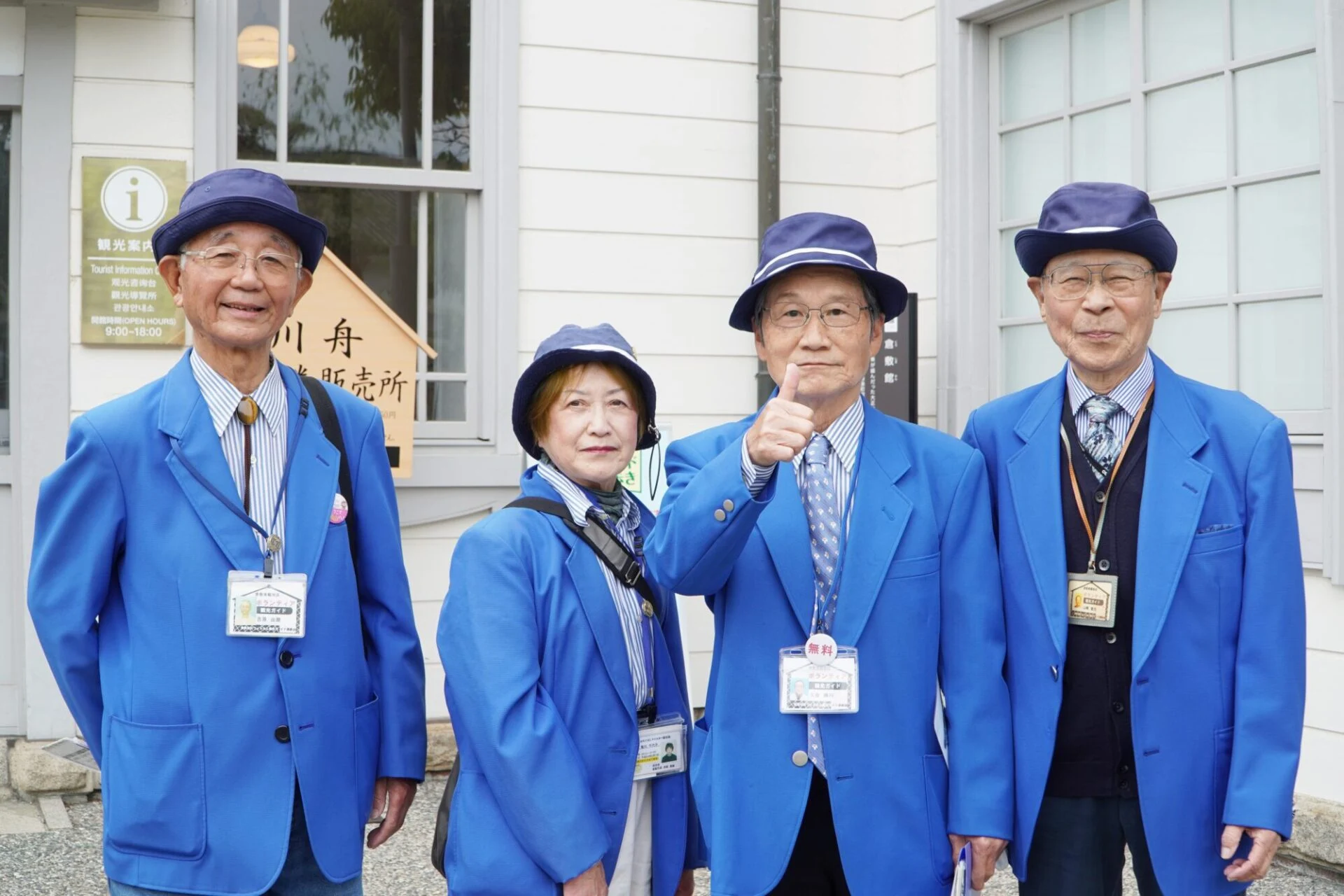
Yuko Ban, a researcher at the Okayama Prefectural Kurashiki Archaeological Museum, taught me the answer to this mystery.
Peaches of Okayama in Japan Heritage
Momotaro, born from a peach, goes to Onigashima with a dog, a monkey, and a pheasant to defeat the ogres.
This is the famous story of the "Momotaro Legend."
Okayama is considered the birthplace of the Momotaro Legend, and the story of Okayama, Birthplace of the Legend of Momotaro (hereinafter referred to as "Momotaro Legend") is registered as a Japan Heritage.
Before discussing the Momotaro Legend, let me briefly introduce Japan Heritage.
Japan Heritage refers to stories that convey Japan's culture and traditions through the historical charm and characteristics of regions, as recognized by the Agency for Cultural Affairs. The aim is to revitalize regions by utilizing and disseminating the heritage scattered throughout the area as a "surface."
In other words, the characteristic of Japan Heritage is to connect individual cultural properties and present their appeal as a single story.
In Kurashiki City, three stories are registered as Japan Heritage.

Momotaro Legend
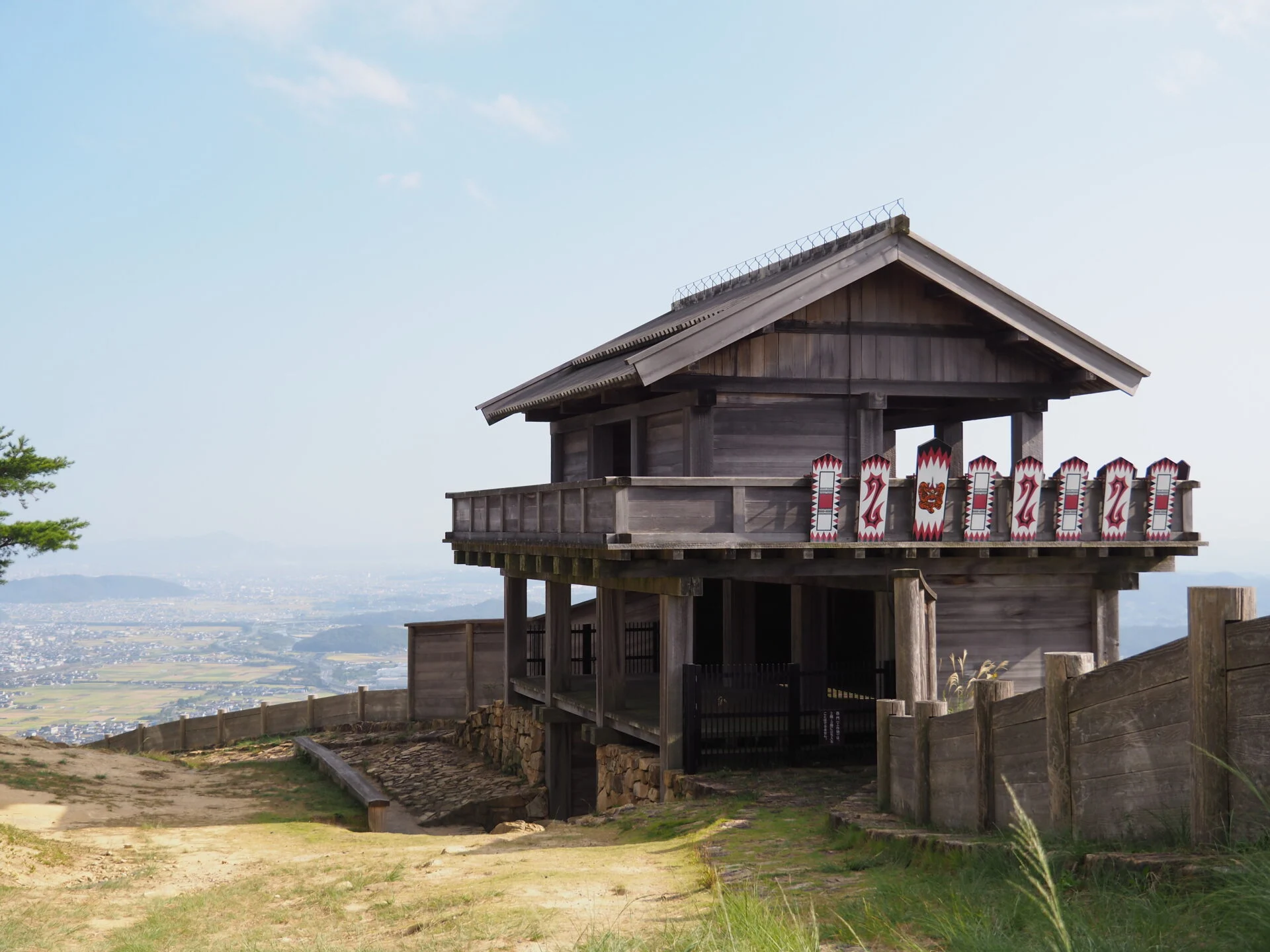
The "Momotaro Legend," which is also related to Kurashiki City, consists of 29 component cultural properties.
The model for Momotaro is said to be Kibitsuhiko no Mikoto.
In ancient Kibi, which corresponds to present-day Okayama Prefecture and the eastern part of Hiroshima Prefecture, there was an ogre named Ura who built a castle on a mountain and repeatedly attacked the villagers. Kibitsuhiko no Mikoto, dispatched by the Yamato government to govern the land, received orders to defeat Ura.
I will quote from the Japan Heritage portal site regarding Kibitsuhiko no Mikoto's defeat of Ura (the ogre).
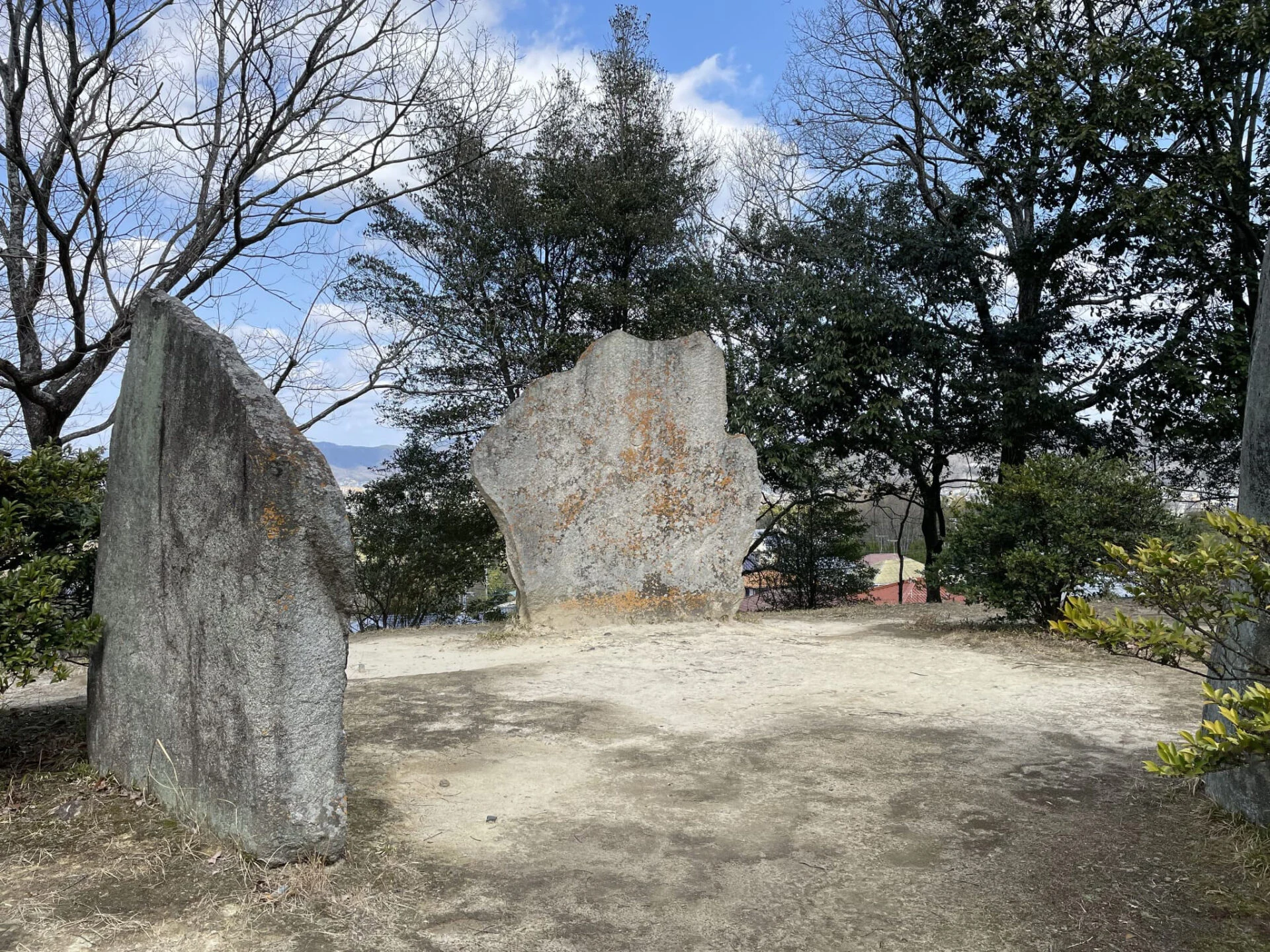
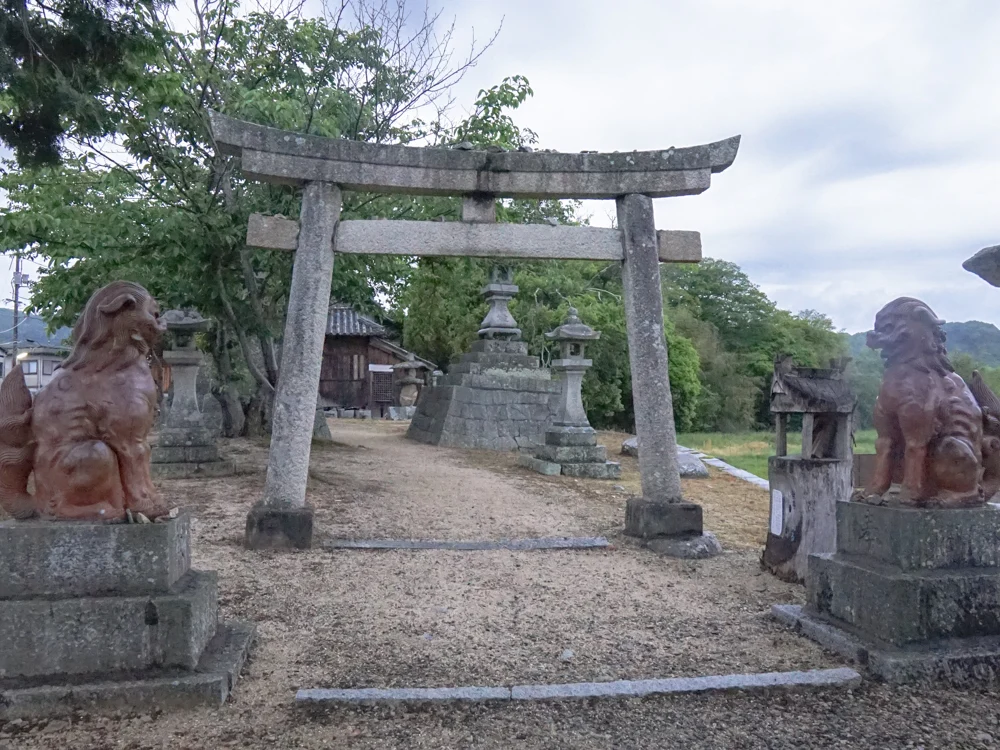
Kibitsuhiko no Mikoto landed in Kibi, set up camp in Nakayama of Kibi, and built a giant stone shield on the top of a small hill to defend against Ura's arrows. Being an expert archer, he placed an arrow on a rock and shot it at Ura. Ura also retaliated by shooting arrows from his castle, but the arrows shot by both sides repeatedly clashed and fell. However, the arrow shot with great force by Mikoto finally pierced Ura's left eye. Blood gushed from Ura's eye and flowed like a river. Unable to bear it, Ura transformed into a pheasant and fled, while Mikoto, transformed into a hawk, pursued him. Ura transformed from a pheasant into a carp and escaped into the blood-flowing river, but Mikoto transformed from a hawk into a cormorant, devoured the carp, and successfully defeated Ura, displaying his head at the head mound of Hakusan Shrine.
The elements appearing in this story are also recognized as component cultural properties of Japan Heritage in Kurashiki City.
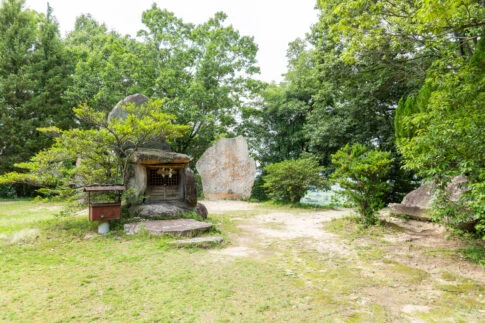
- Tatetsuki Site
The site where "a giant stone shield was built on the top of a small hill to defend against Ura's arrows." - Koiikujinja Shrine
The place where "the carp was devoured."
The connection between the legend and actual existing places is what makes the Momotaro Legend intriguing.
So, why is he called Momotaro?