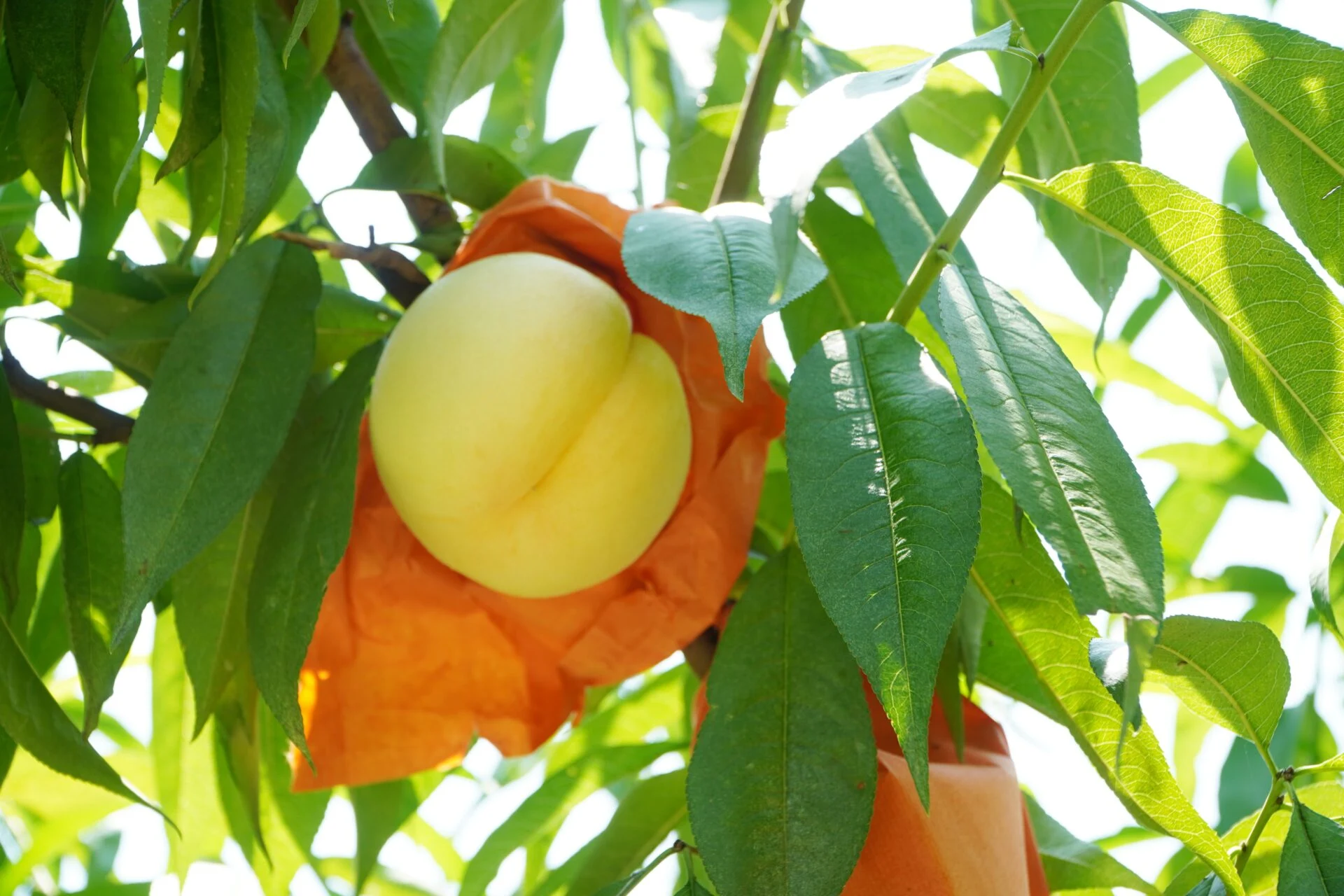
Up to this point, we have explained the background of the Momotaro legend being born in Okayama, but why was Momotaro born from a "peach" in the first place?
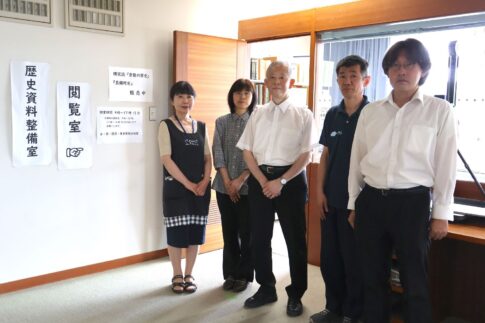
Yuko Ban, a researcher at the Kurashiki Archaeological Museum, taught me the answer to that mystery.
Why was Momotaro born from a "peach"?
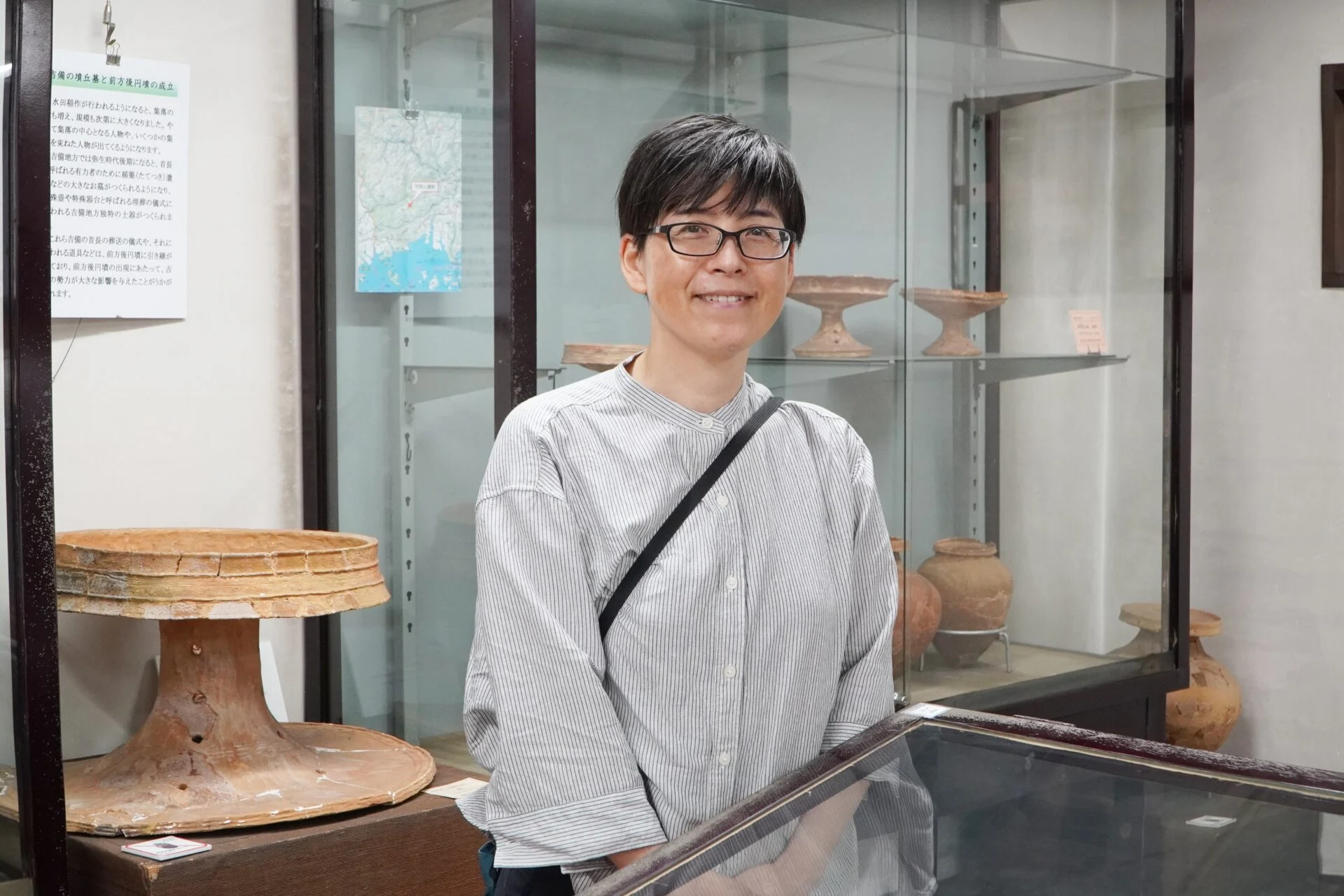
Why is it said that Momotaro was born from a "peach"?
Ban
So, why was Momotaro born from a peach? This is connected to Chinese immortal thought.
Peaches were treated as sacred fruits that ward off evil.
The Xiwangmu (Queen Mother of the West), a deity long worshipped in China, cultivated peaches as fruits of longevity. In Taoism, peach branches were used as bows and arrows for warding off evil, and to drive away evil spirits.
Therefore, it is believed that the idea of peaches warding off evil also came to Japan along with the fruit from China.
Peaches appear in the Kojiki, right?
Ban
Yes, there is the story where Izanagi threw three peaches at the pursuers when he was escaping from Izanami. This is also thought to be based on the idea of "driving away evil."
Additionally, peaches were also used as medicine and were believed to have the effect of avoiding various diseases.
The idea of warding off evil and medicine may have been connected to the demon-slaying.
The close relationship between Okayama and peaches
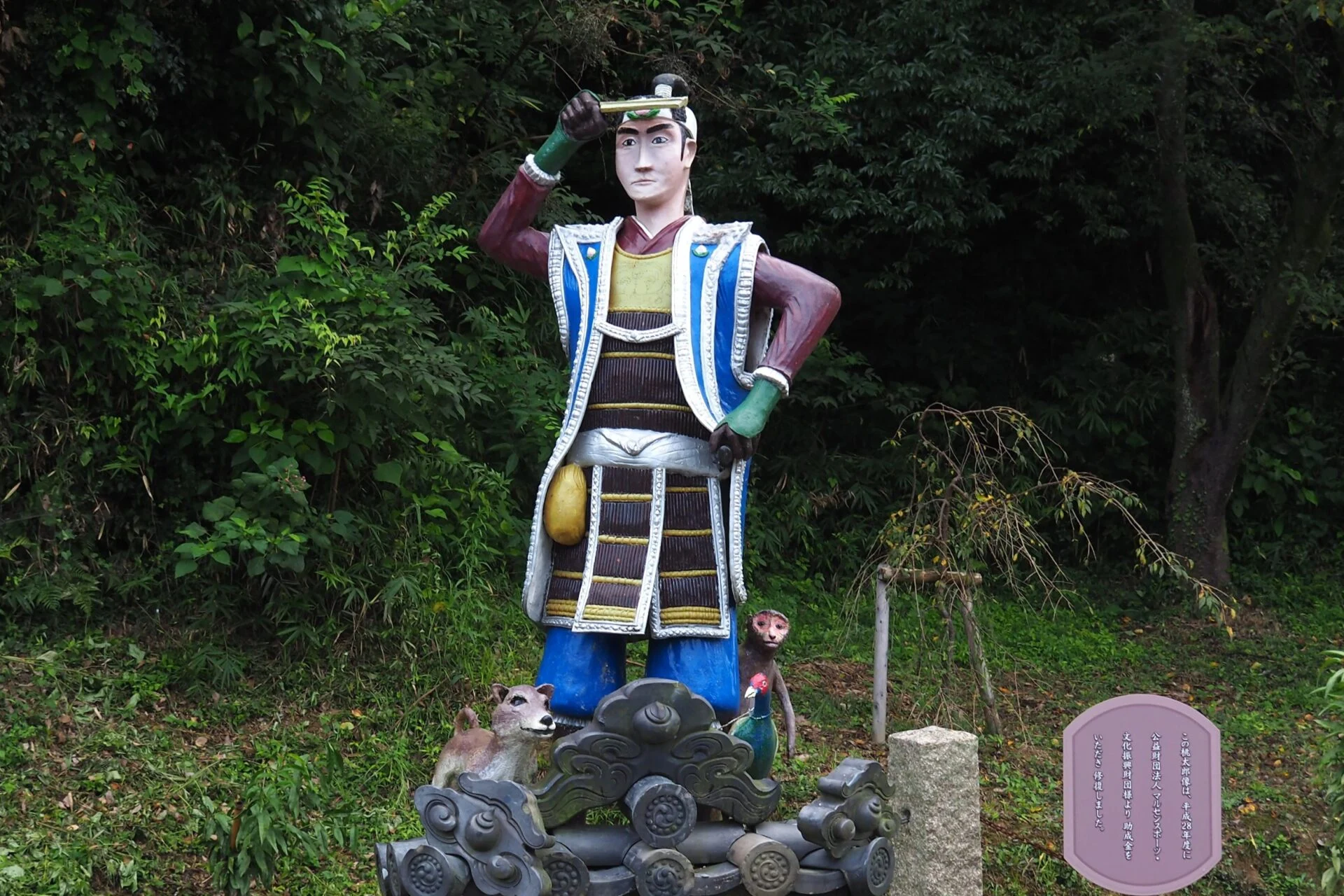
The fact that "Momotaro fights evil demons" may be related to the Chinese idea that "peaches are sacred fruits that ward off evil."
Furthermore, let's delve into the history of Okayama becoming a major production area for peaches.
Peach seeds excavated from ruins
Have peaches existed in Okayama since ancient times?
Ban
Peaches were brought from China a long time ago.
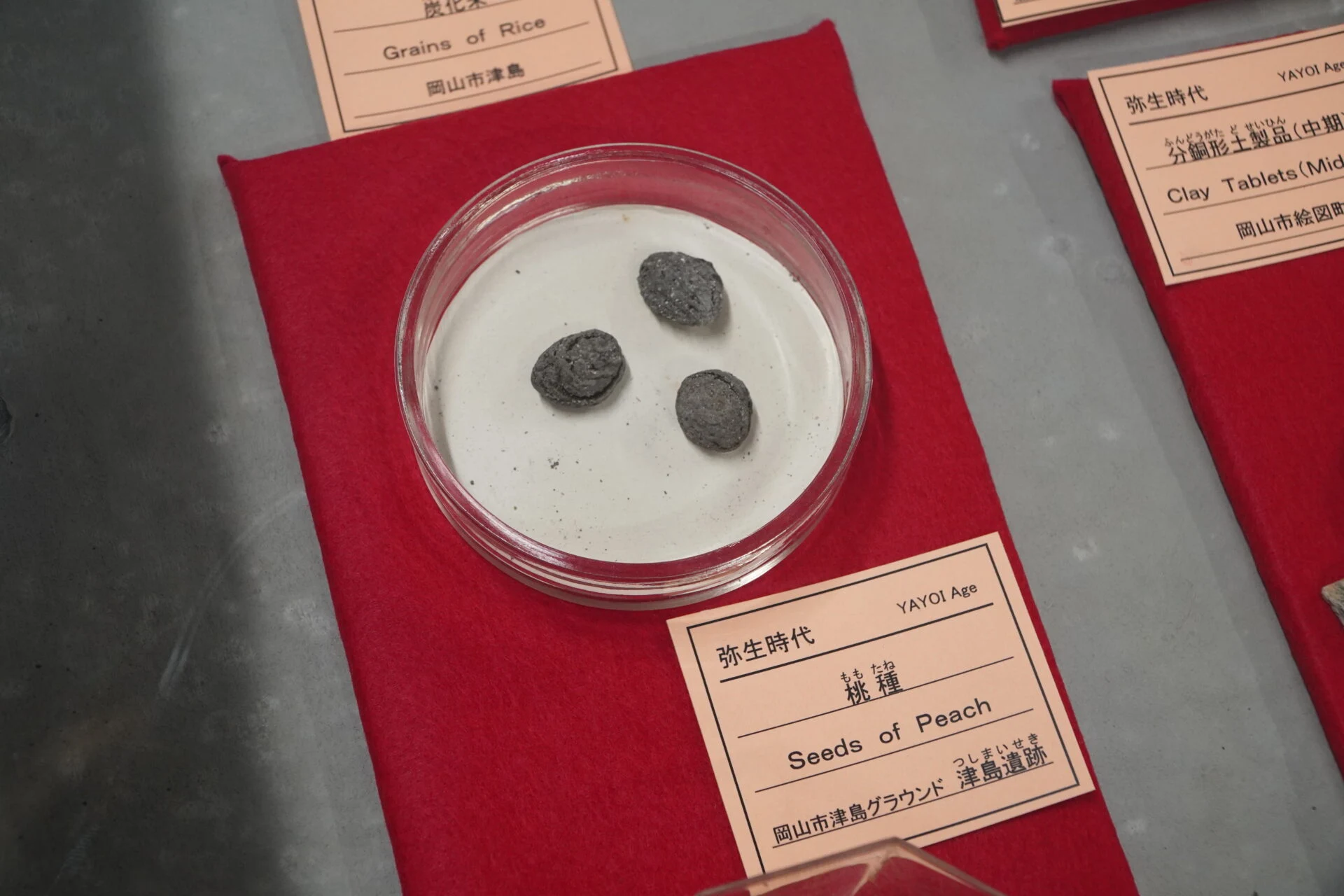
In Okayama, peach seeds from about 2000 years ago have been discovered from the Yayoi period.
However, the peaches at that time seem to have been too small to eat as fruit.
In the past, the area around the Inukai Bokudo Memorial Museum (currently in Okayama City, Kita Ward, Kawairi) was a port. A large number of peach seeds were found at the "Kamihigashi Ruins" on the way to the Tatetsuki Site. There is a possibility that peach trees were planted there.
Additionally, peach seeds have been excavated from wells and ritual sites in ancient ruins.
They were likely offered as sacred items.
Peaches in the past were "pointed"
Peaches in the past were small. Did they evolve into the large round peaches we have today?
Ban
Actually, that's not the case.
What kind of shape do you imagine when you hear "peach"?
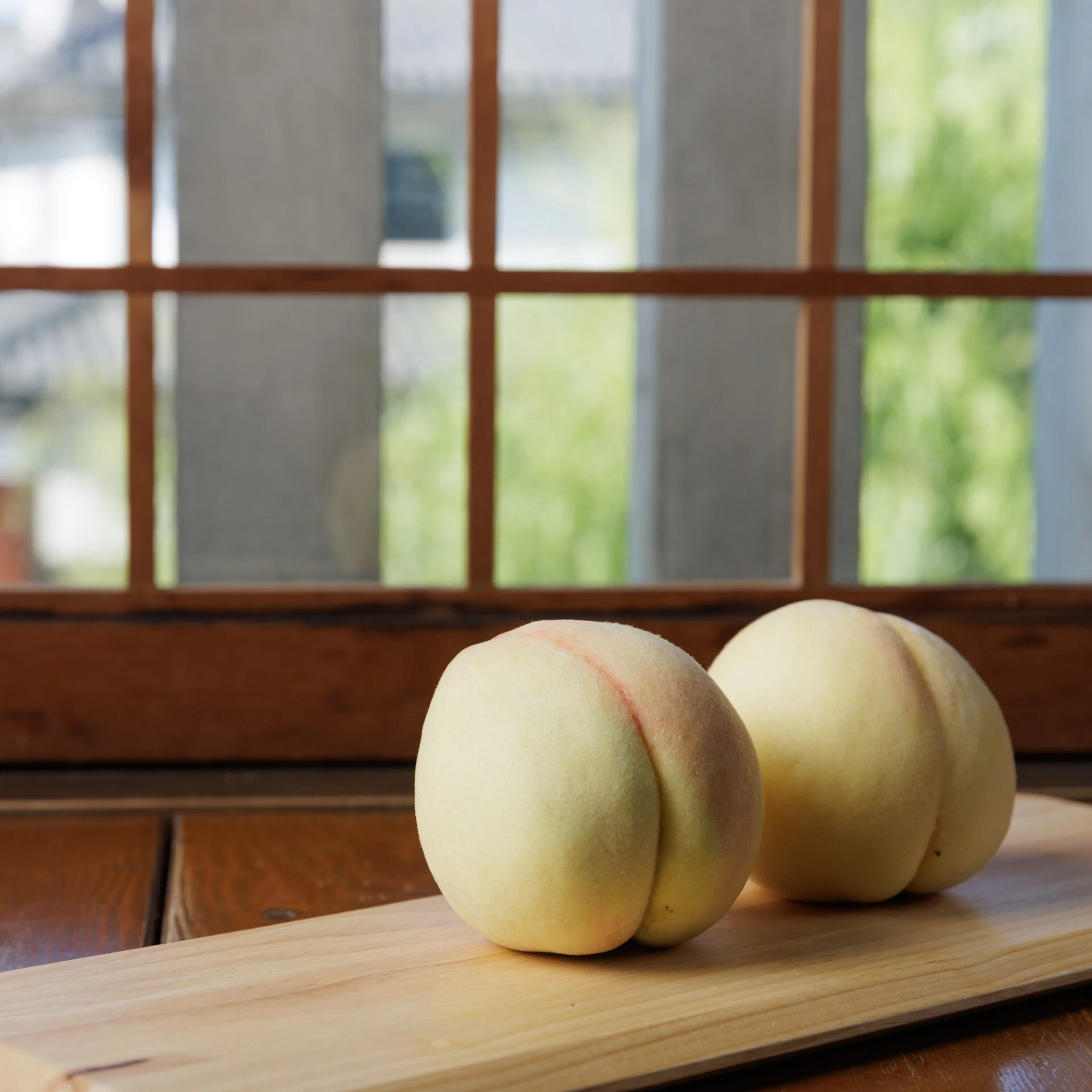
You might think of two shapes: "pointed" and "round." If you look at old illustrations, they are mostly pointed.
The peaches depicted in picture books are likely to have a pointed shape as well. In other words, peaches before the Meiji period were mostly "pointed."
The accidental birth of white peaches
Did the pointed peaches evolve into the large round peaches we have today?
Ban
The peaches we have now are a different variety.
The significant change in varieties occurred in 1899.
During the Meiji period, different varieties than those previously known were brought to Japan for breeding purposes. The Meiji era was a time when industrial promotion and variety improvement were actively pursued.
Industrial promotion refers to the policy promoted by the Japanese government during the Meiji period to enrich and strengthen the country by actively developing industries.
During this time, as seen with livestock like cattle, crops were also being crossbred with foreign varieties to create new ones.
Fruits were similarly improved in variety on a national scale.
For the purpose of variety improvement, Tianjin Suimitsu, Shanghai Suimitsu, and Bantao were brought to Japan.
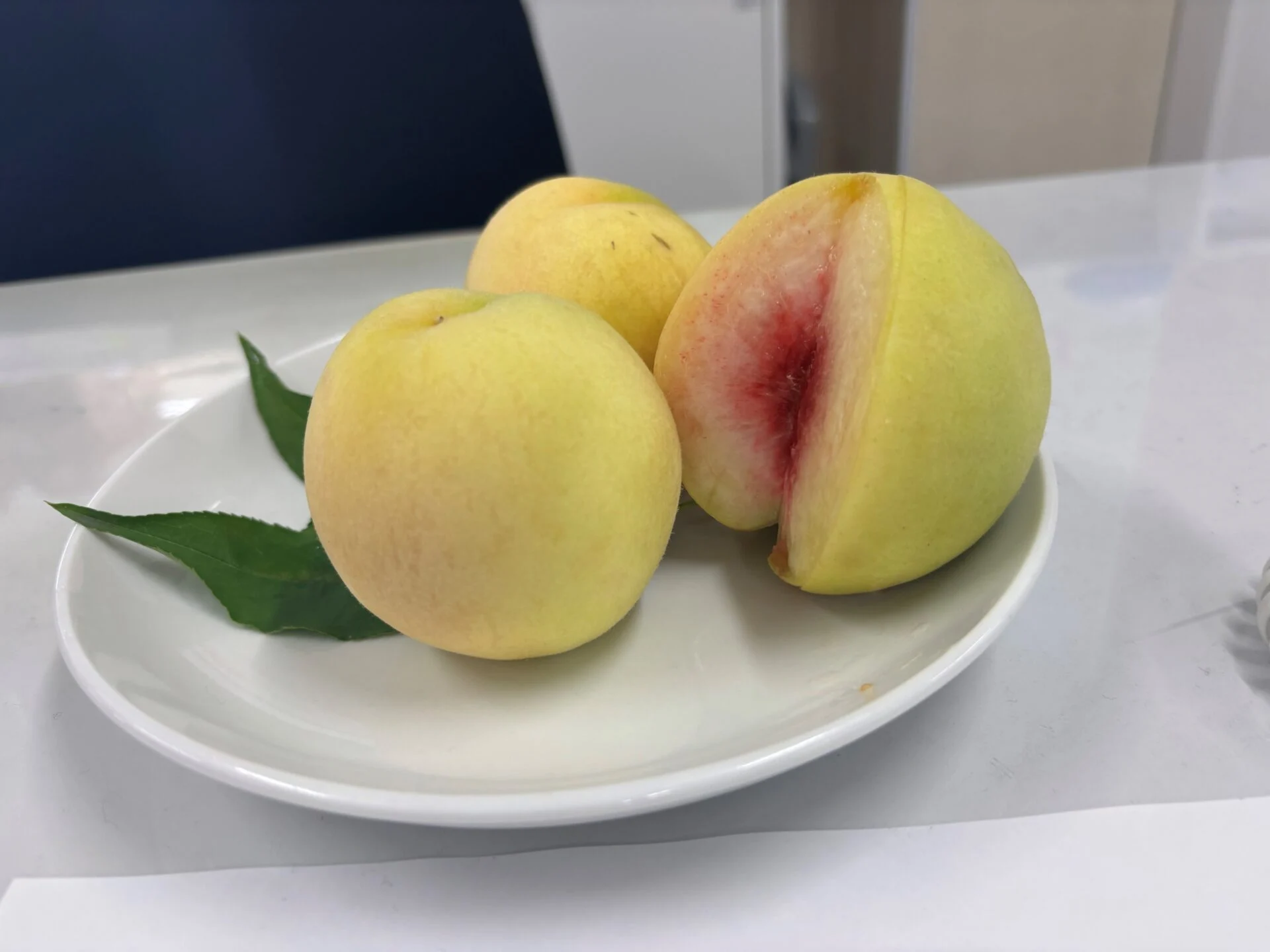
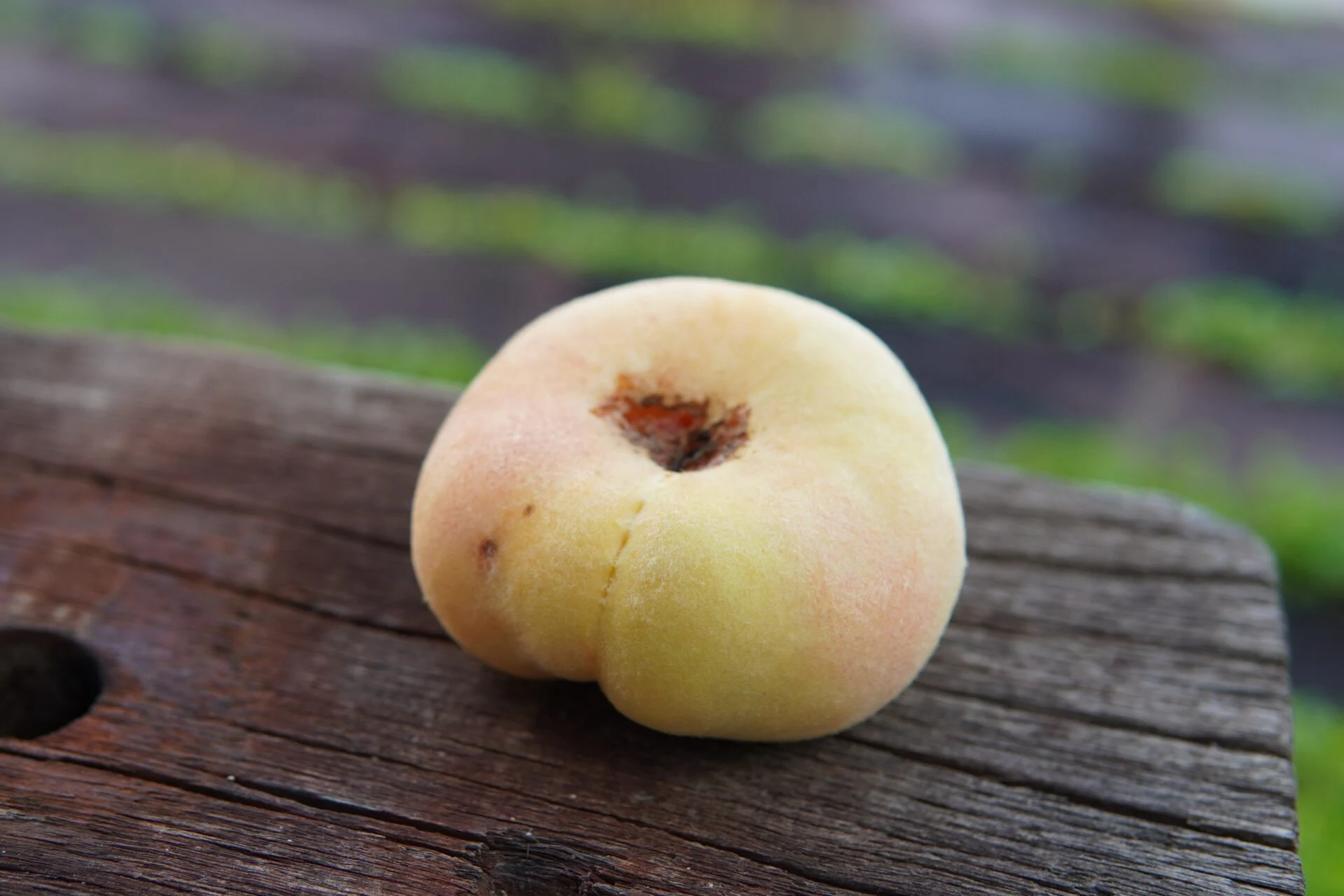
Around this time in Okayama, there was a person named Koyama Masuta who was researching fruit cultivation in what is now Akaiwa City, formerly Kumayama Town.
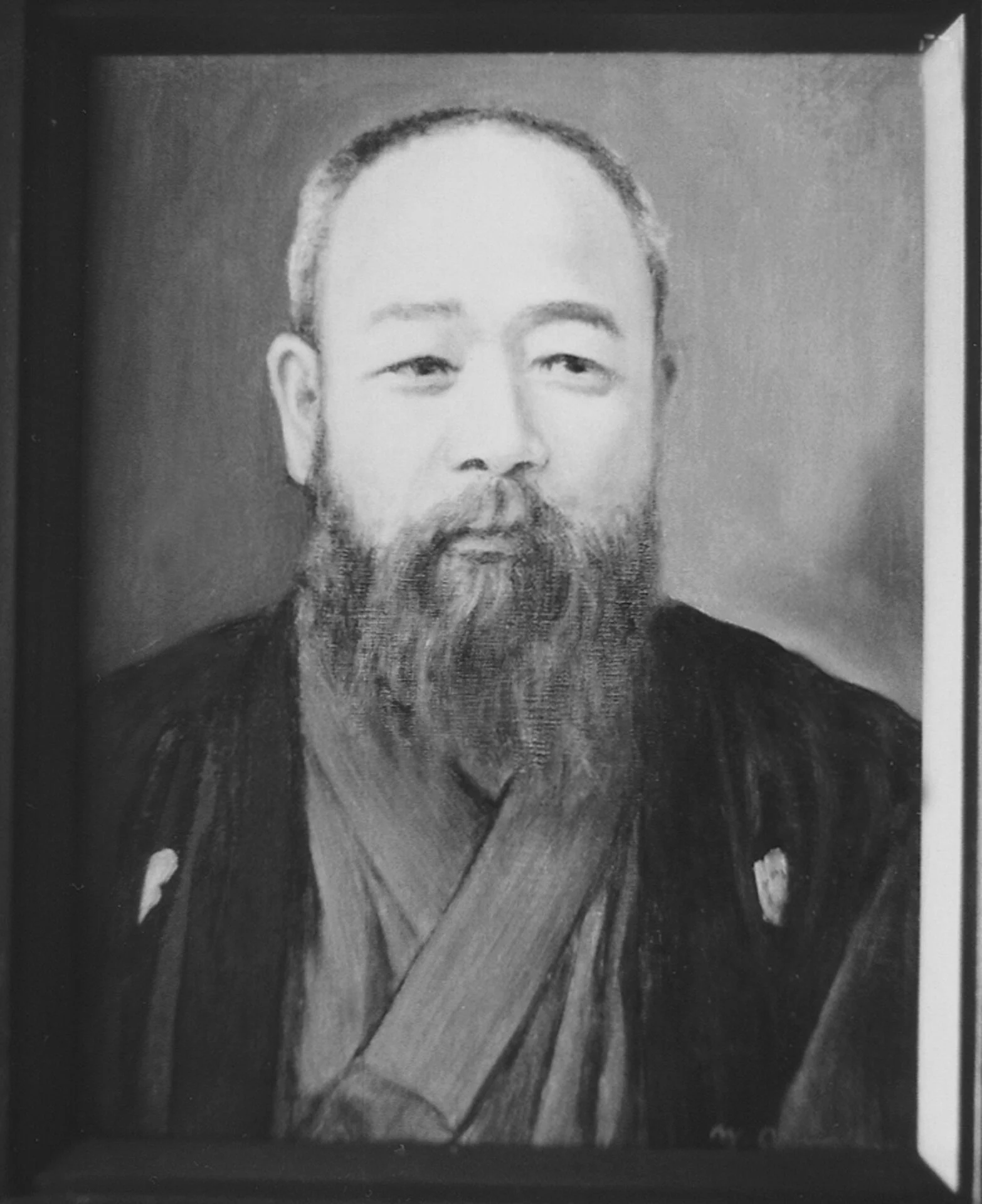
Koyama Masuta thought of trying to cultivate Tianjin Suimitsu, Shanghai Suimitsu, and Bantao, and obtained these three varieties of peaches from China, which his disciple Okubo Jugoro planted in the garden.
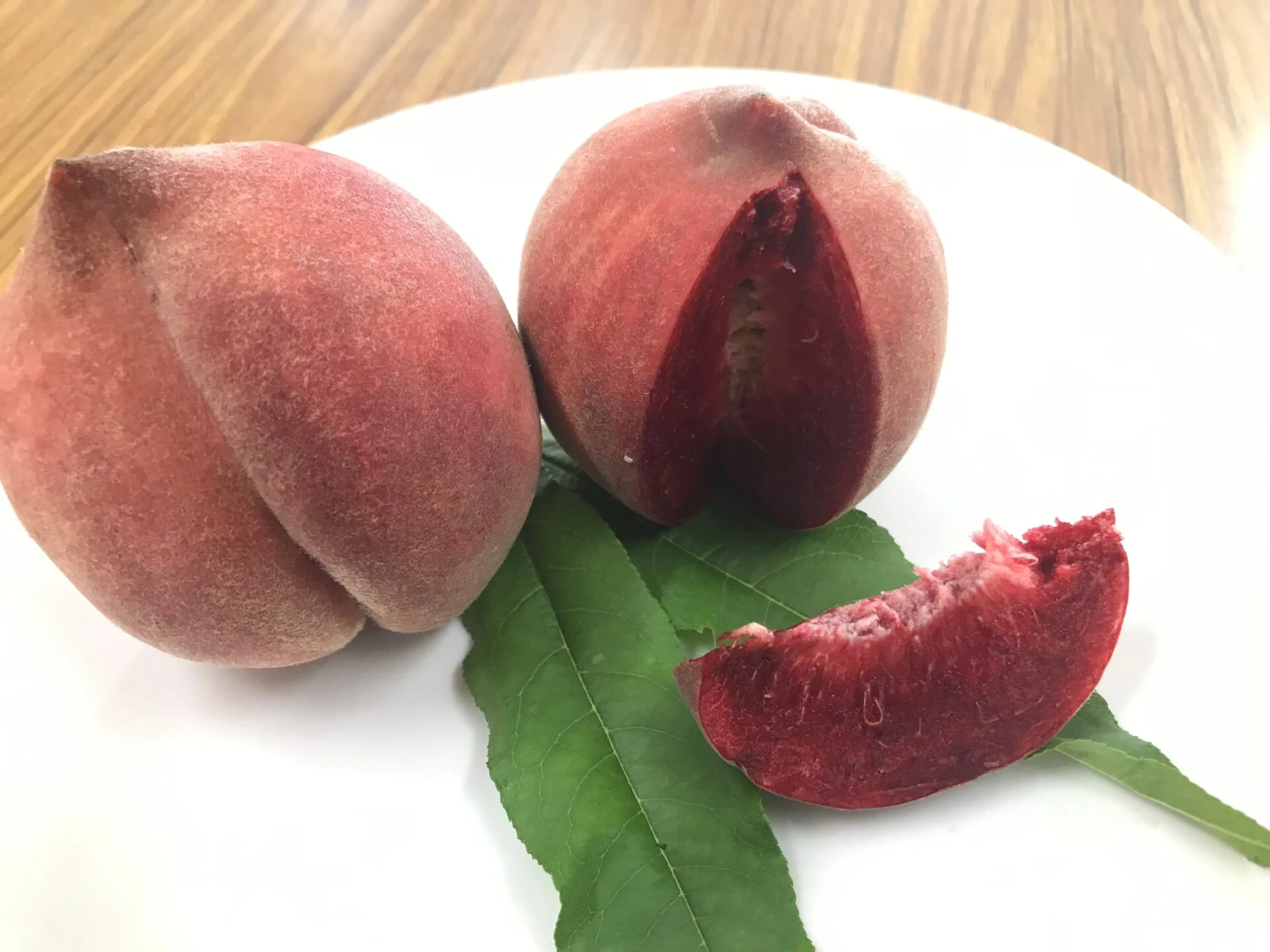
Then, from the seedlings of Shanghai Suimitsu, a white peach was accidentally born.
Seedlings refer to plants grown from seeds.
This accidentally created white peach (Hon-Shiro Momo) became the basis for varieties in Okayama and other prefectures.