Kurashiki, which has been producing textile products for a long time, has been recognized as a Japan Heritage story by the Agency for Cultural Affairs: "A Kurashiki story beginning with a single cotton flower - a town of textiles woven from Japanese and Western cultures."
The diverse textile products are also designated as cultural properties of the Japan Heritage story and are an indispensable part of reflecting on the history of Kurashiki.
Moreover, the textile industry not only supports Kurashiki but continues to inherit traditional culture to this day.
Textile products that have developed alongside the town of Kurashiki.
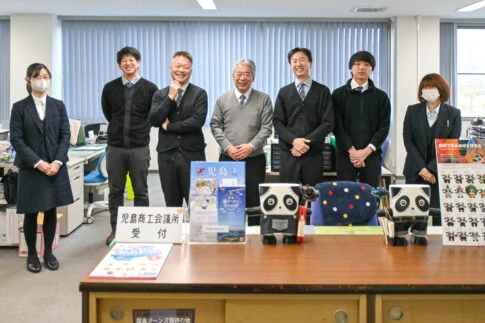
We spoke with a representative from the Japan Heritage Promotion Office of Kurashiki City about why textile products became prevalent in Kurashiki, and we will also introduce companies involved in textile products.
Textile Products that Developed Kurashiki
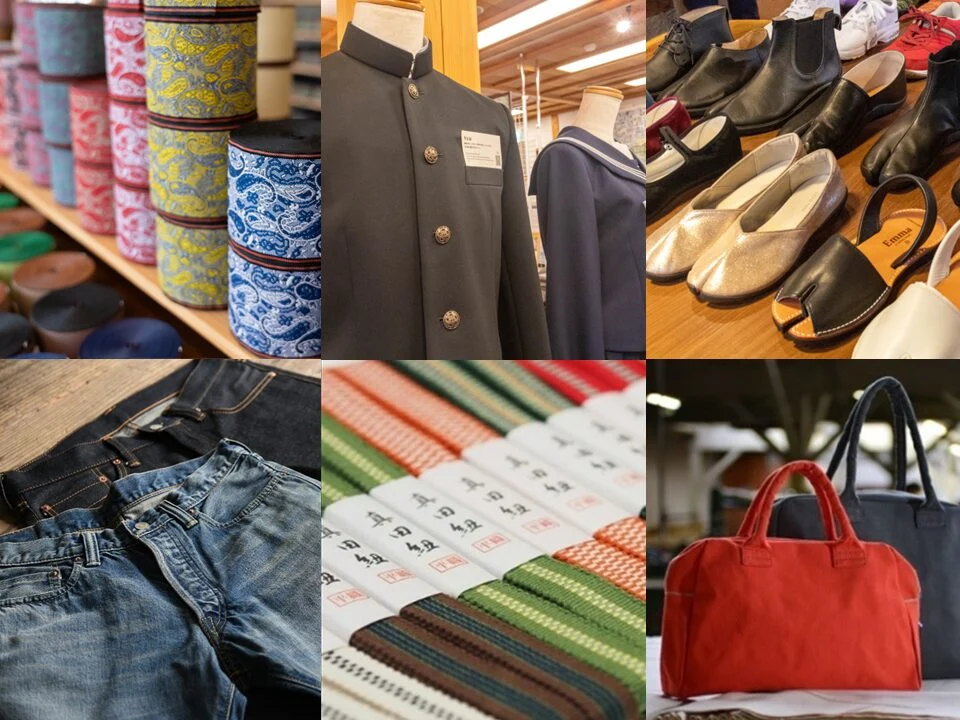
The main textile products that have been made in Kurashiki for a long time are as follows.
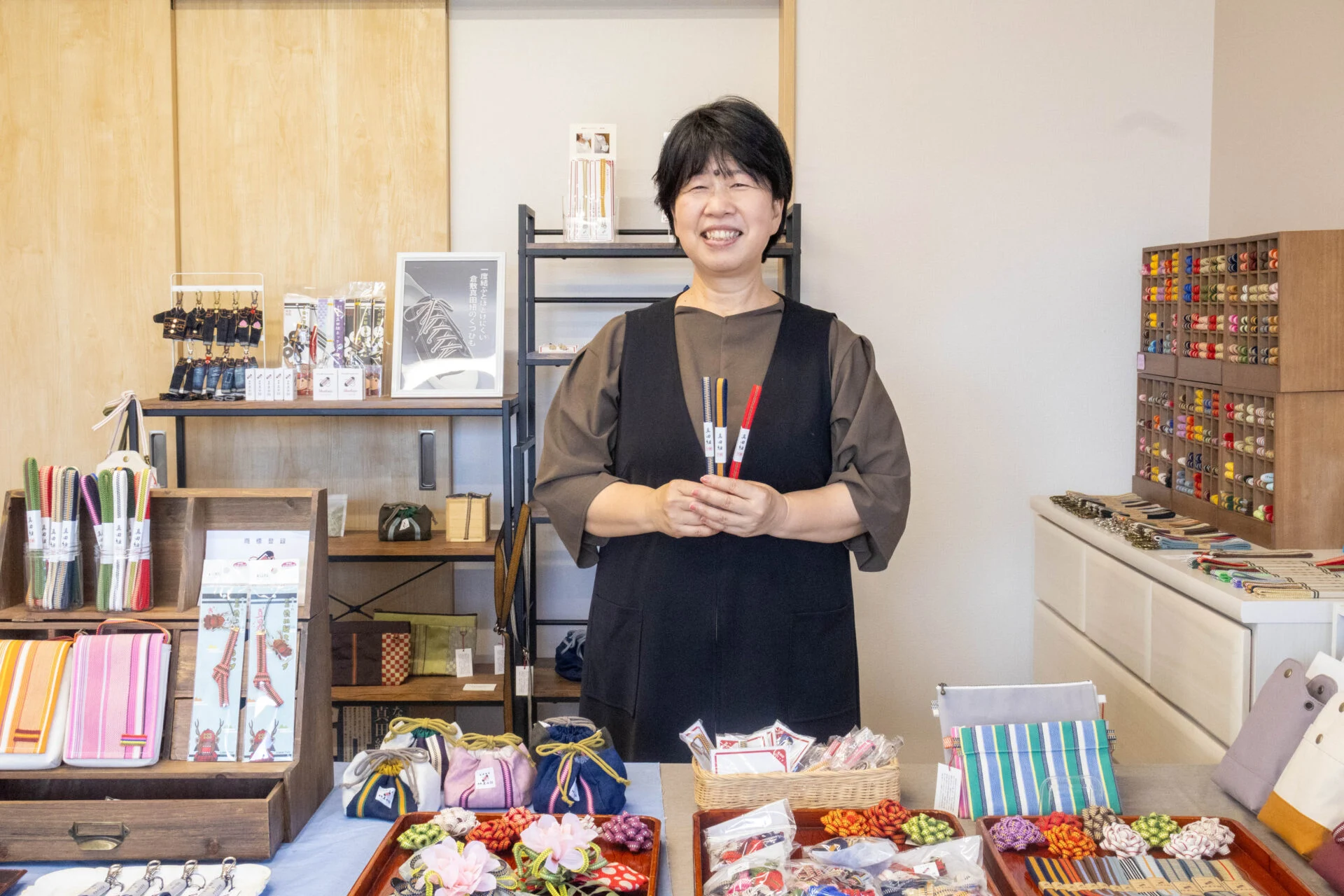
- Sanada cord, tatami edging, and other narrow woven fabrics
- Tabi (traditional split-toe socks)
- Canvas
- School uniforms
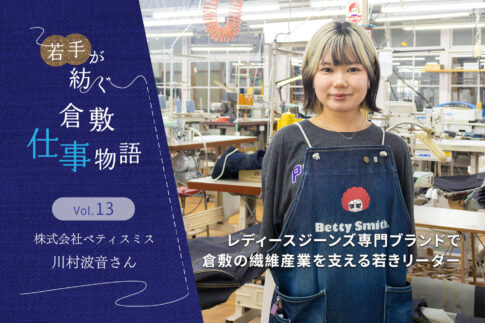
- Denim and jeans
The textile products made in Kurashiki are diverse, ranging from everyday items to popular souvenirs.
Why Textile Products Became Produced in Kurashiki
In the past, the southern part of Kurashiki was not land but a shallow sea.
The reason many place names, such as "Tamashima" and "Mizushima," include "shima" (island) is that each was once an island.
In the Edo period, about 400 years ago, land reclamation projects began, transforming the sea area into land.
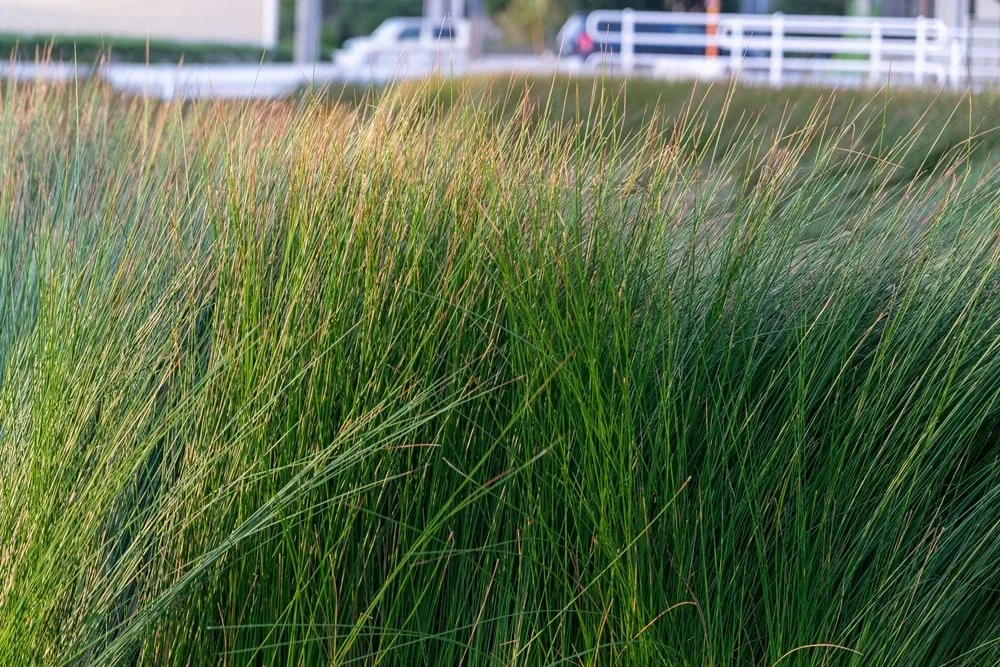
The newly created land, originally from the sea, contains a high salt content. When farming is conducted, only crops that are resistant to salt can be grown.
Thus, the chosen crops were cotton and igusa (rush grass).
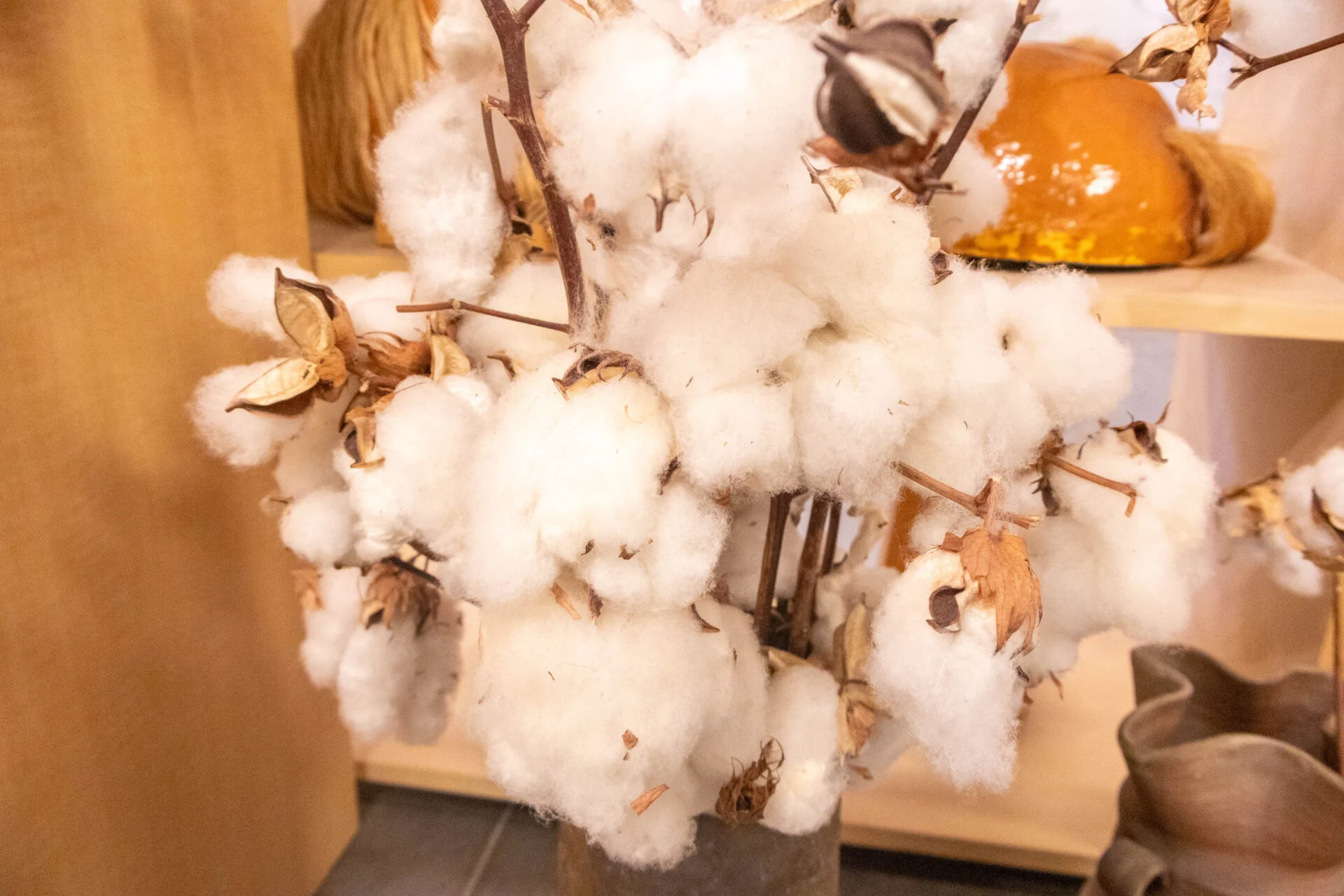
And, the active cultivation of cotton in Kojima and Tamashima became the trigger for Kurashiki to produce textile products.
From Cotton Production to Cotton Yarn Manufacturing, and Then to Value-Added Textile Products
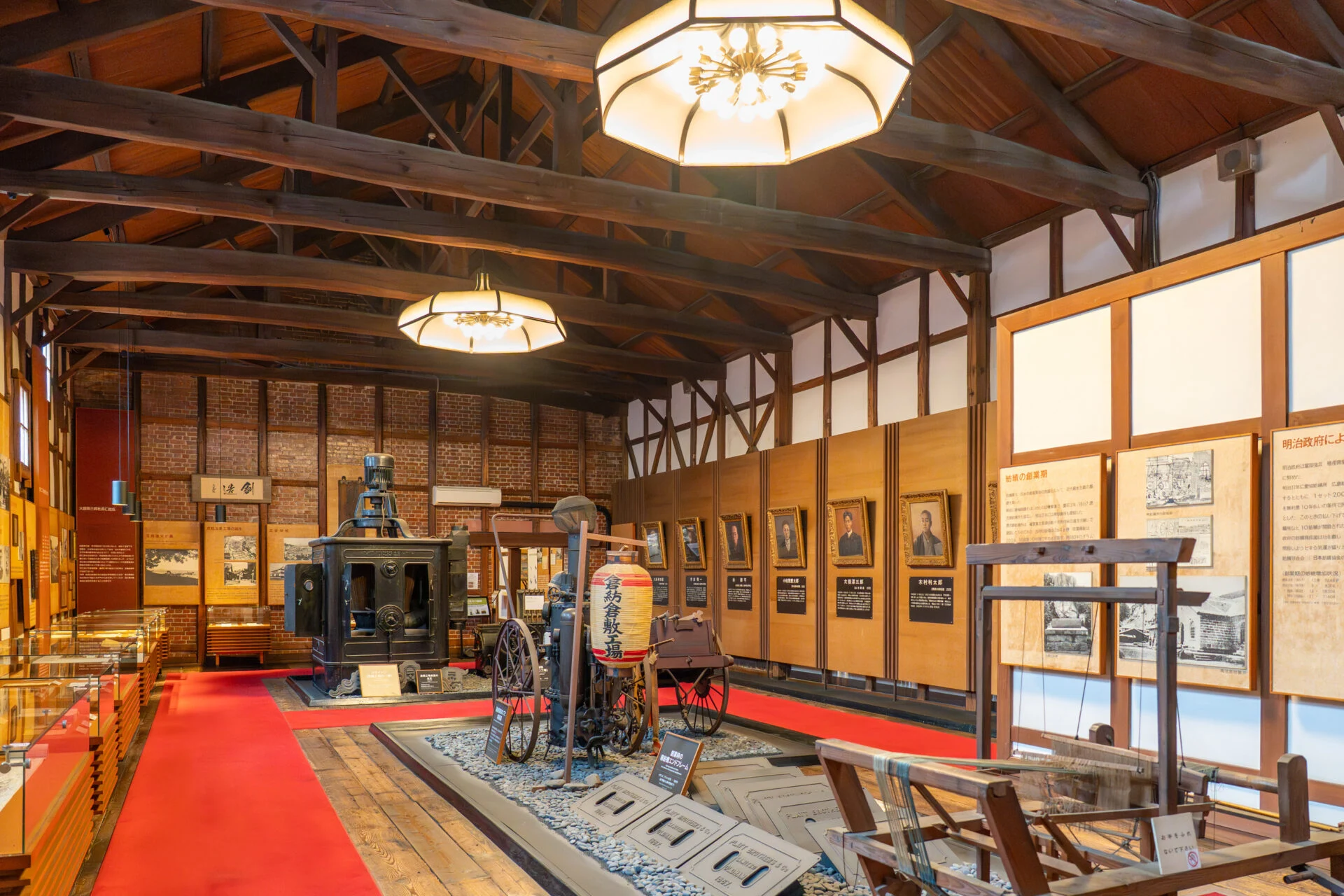
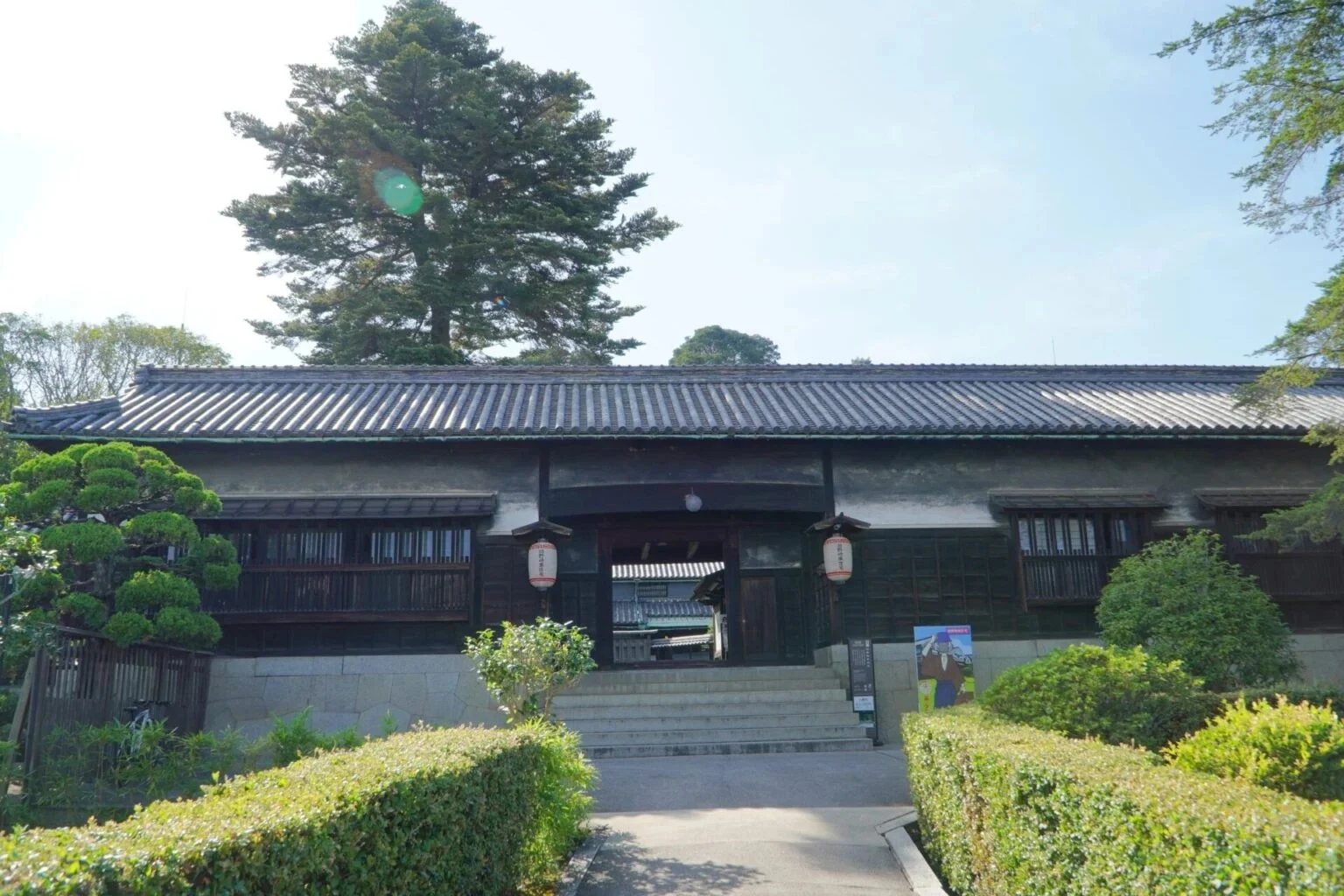
During the Meiji period, the government began to focus on the spinning industry, and spinning mills were established in Kurashiki in the following order: Tamashima Spinning Mill, Kojima Shimomura Spinning Mill, and Kurashiki Spinning Mill.
Among them, the Kurashiki Spinning Mill, established by Ohara Magosaburo, was the last spinning mill opened in Kurashiki, yet it boasted the highest sales in Kurashiki. It is said that the introduction of the latest British-style looms and the realization of high-quality, speedy manufacturing led to the expansion of the business.
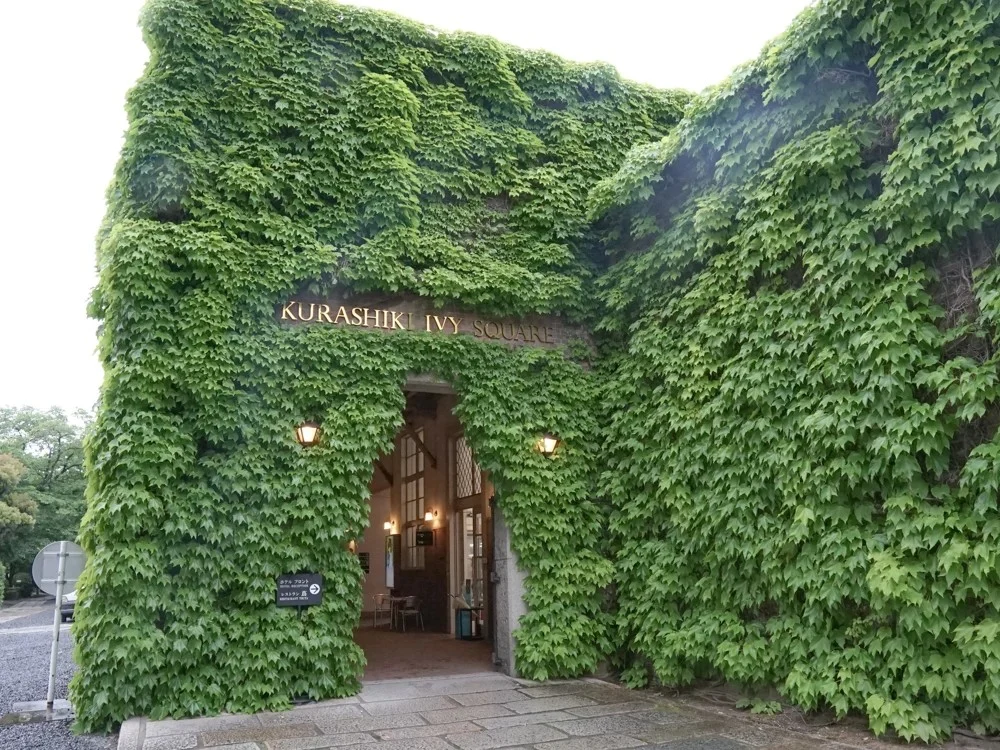
Furthermore, the substantial wealth gained from the spinning industry was properly returned to the town of Kurashiki, leading to the establishment of hospitals, nurseries, and the Ohara Museum of Art, enriching the lives of the citizens.
Since Kojima had little arable land, it shifted from producing cotton as a raw material to manufacturing higher value-added textiles using cotton.