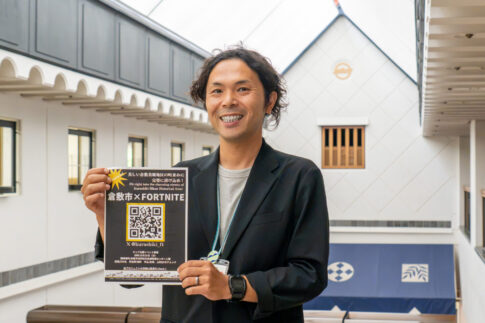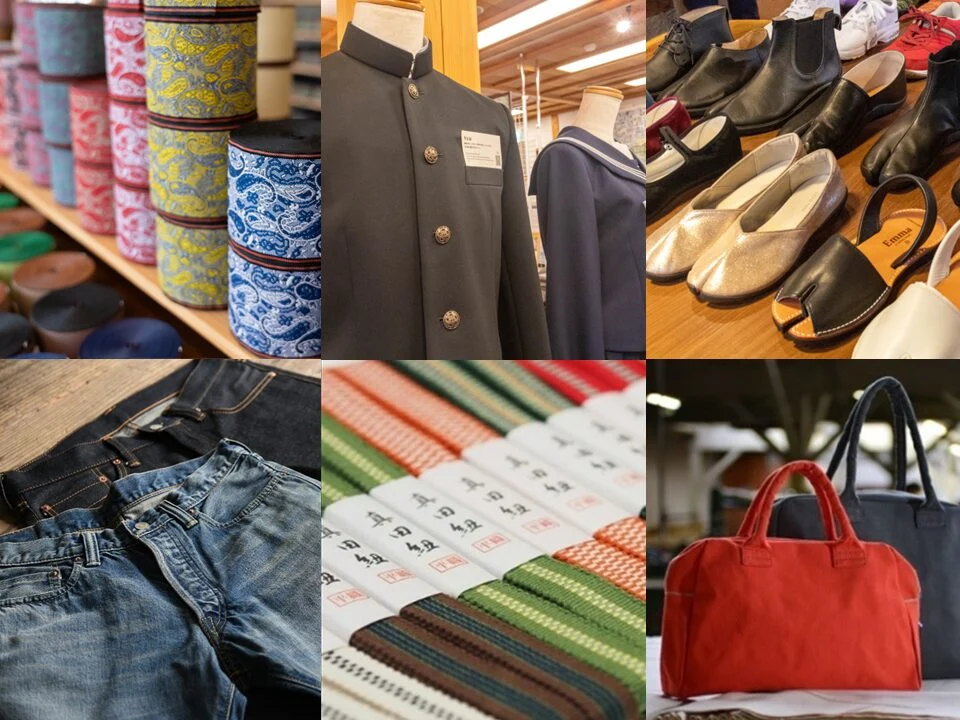
Interview with the Kurashiki City Japan Heritage Promotion Office
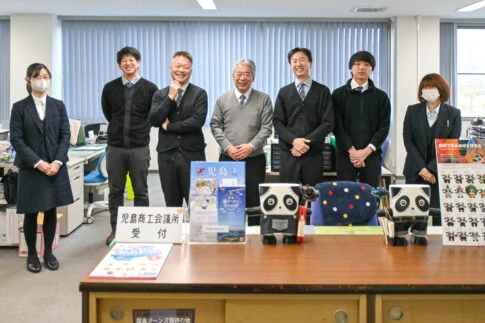
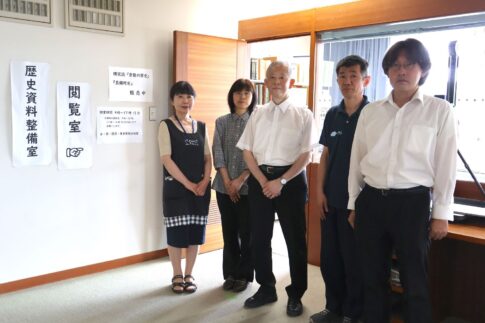
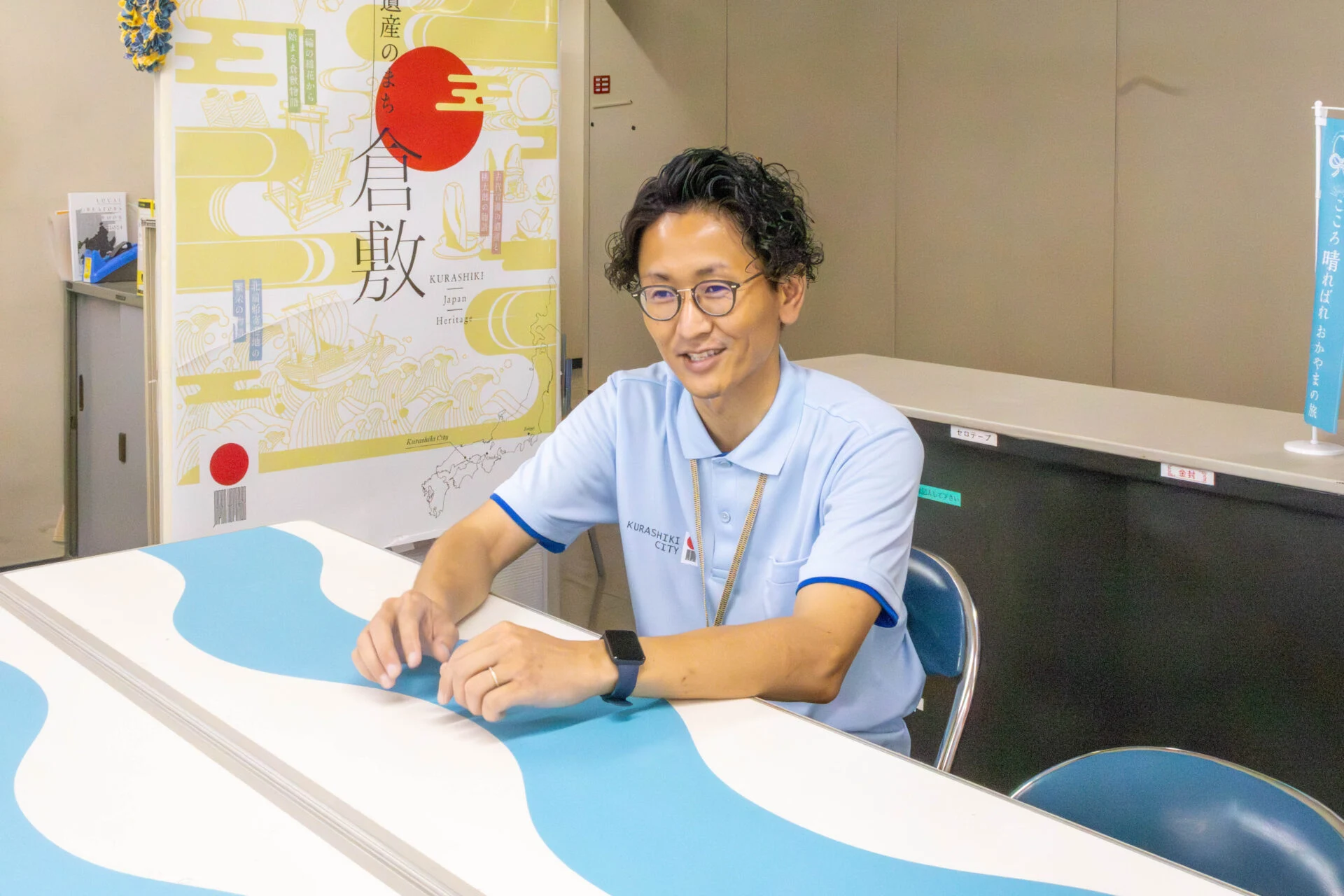
We interviewed Horiuchi Yusuke from the Kurashiki City Planning and Management Office Japan Heritage Promotion Office about Kojima, which continues to thrive as a "Town of Textiles."
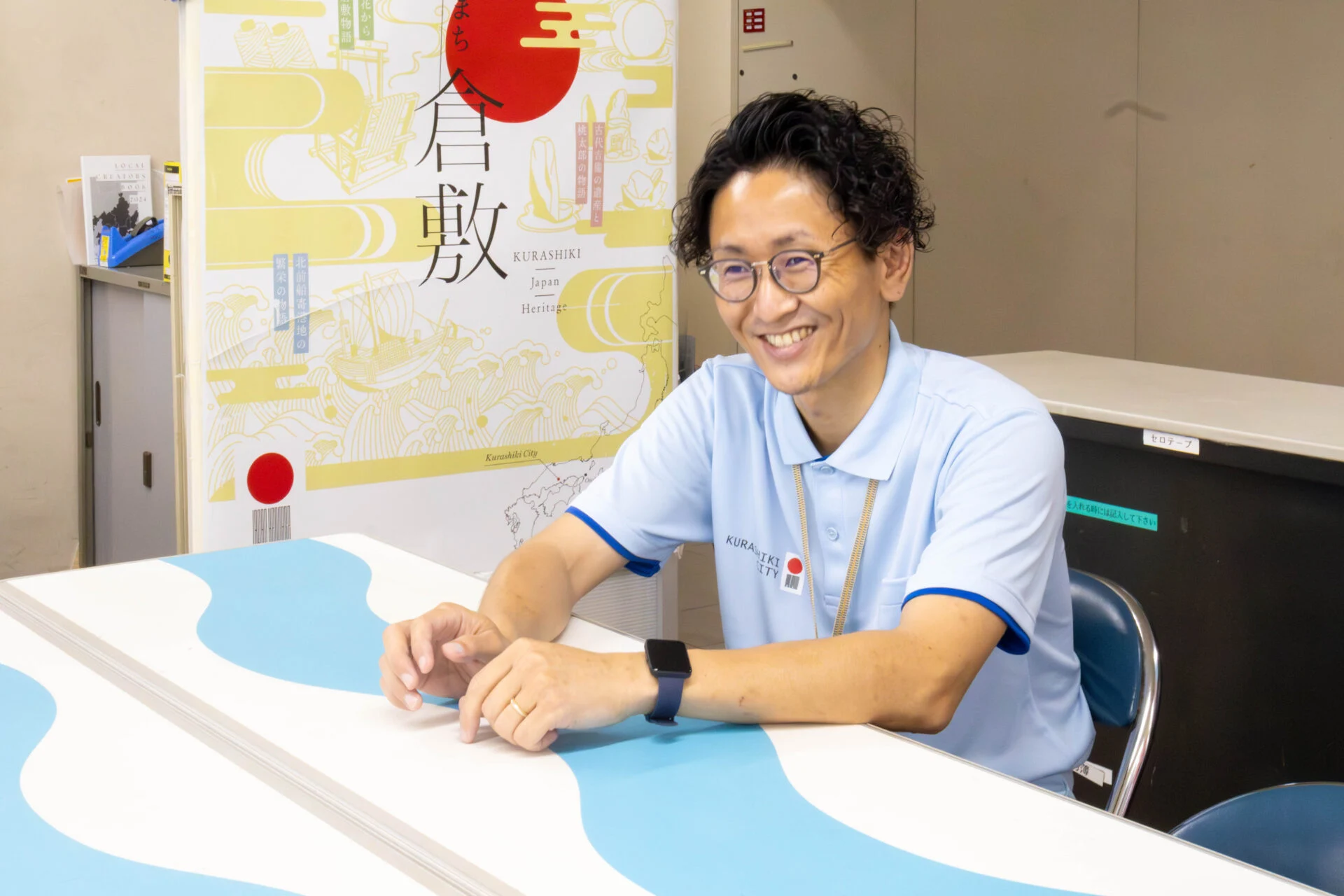
The "Town of Textiles" that Kurashiki is Proud of was Born from the Enthusiasm of the People of Kojima
What do you think is the reason Kojima continues to develop as a "Town of Textiles"?
Horiuchi
Personally, I believe it is because the people of Kojima are skilled in business.
They have adapted to changes in the times and have changed the products they handle, such as school uniforms and jeans. Additionally, they sometimes add value by processing existing products and saying, "Let's make special jeans for 30,000 yen!"
Their attitude of being sensitive to trends and wanting to create things with their own hands has made Kojima a "Town of Textiles," I believe.
Perhaps in the future, new companies will emerge to challenge new products.
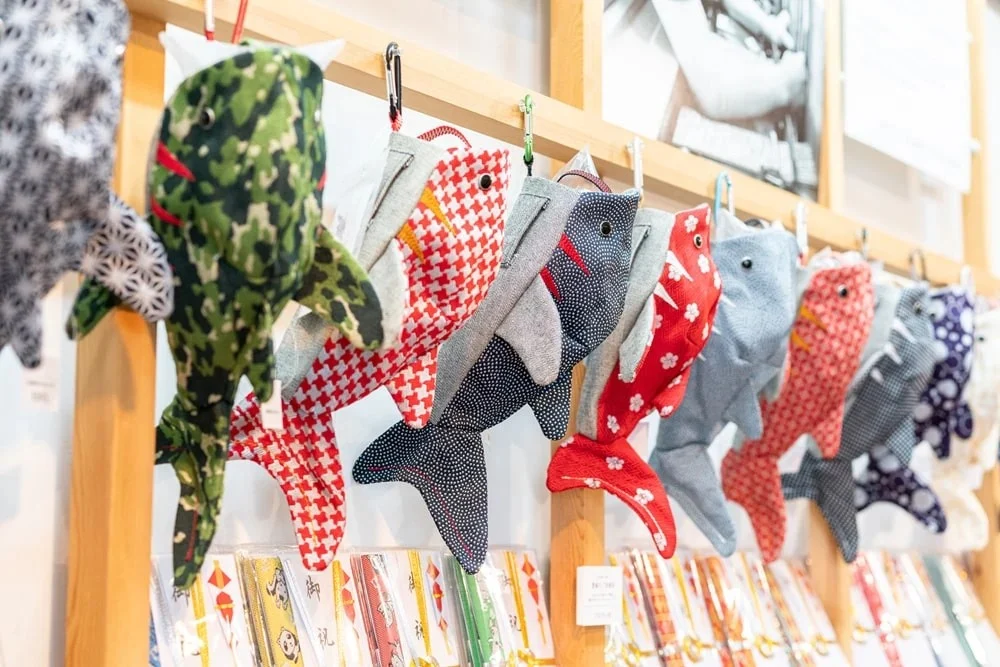
Town Development Using Textile Products
Please tell us about examples of town development utilizing textile products.
Horiuchi
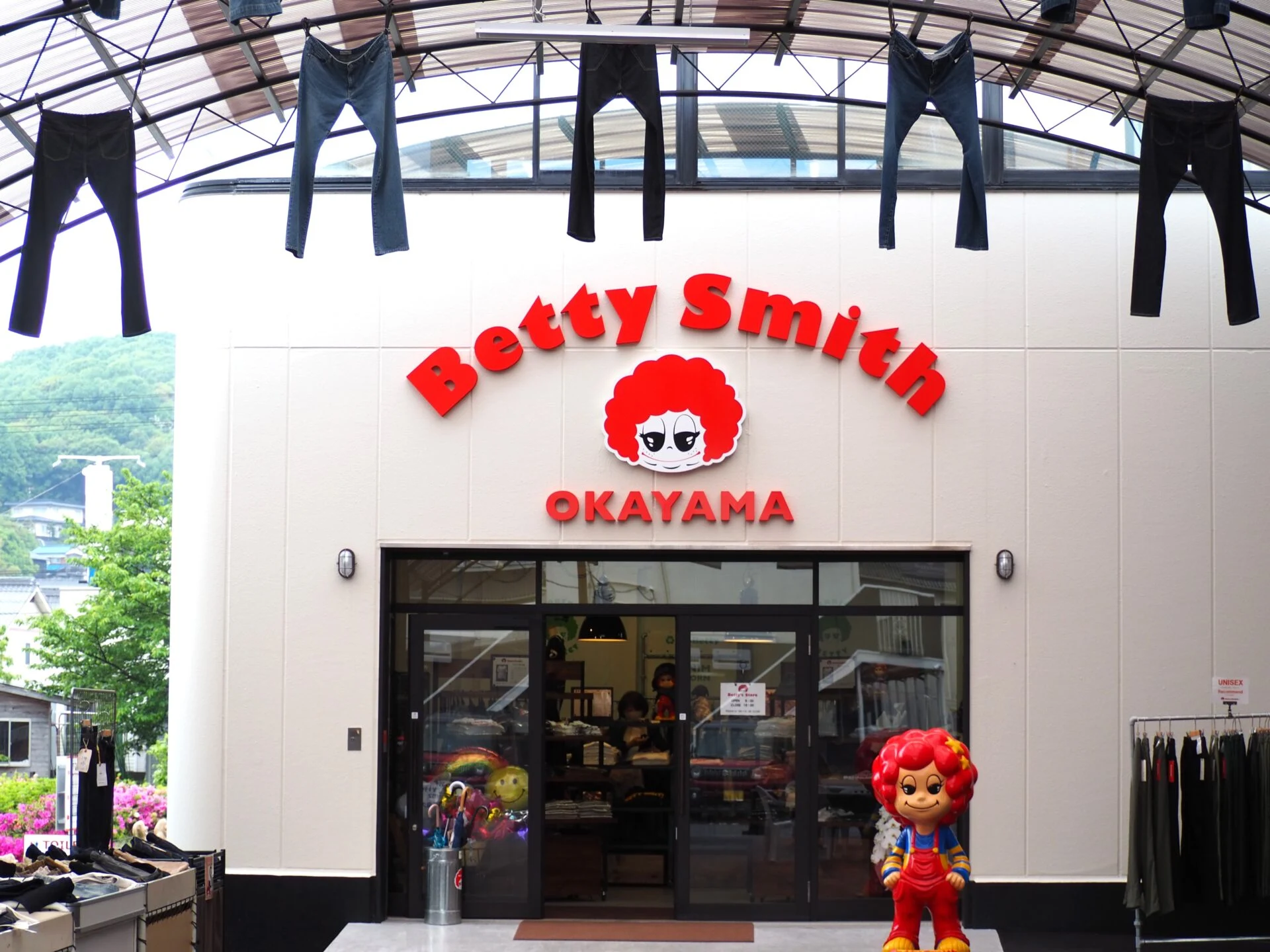
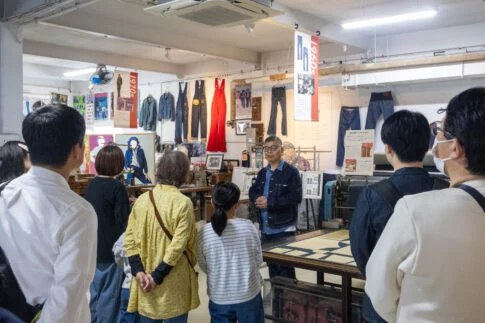
The Kojima Jeans Street, which is also famous as a tourist spot in Kojima, is indeed one of the town development initiatives.
In the place where Kojima Jeans Street is located, there used to be a lively shopping street called Ajino Shopping Street. However, after the period of rapid economic growth, Ajino Shopping Street became a shuttered street.
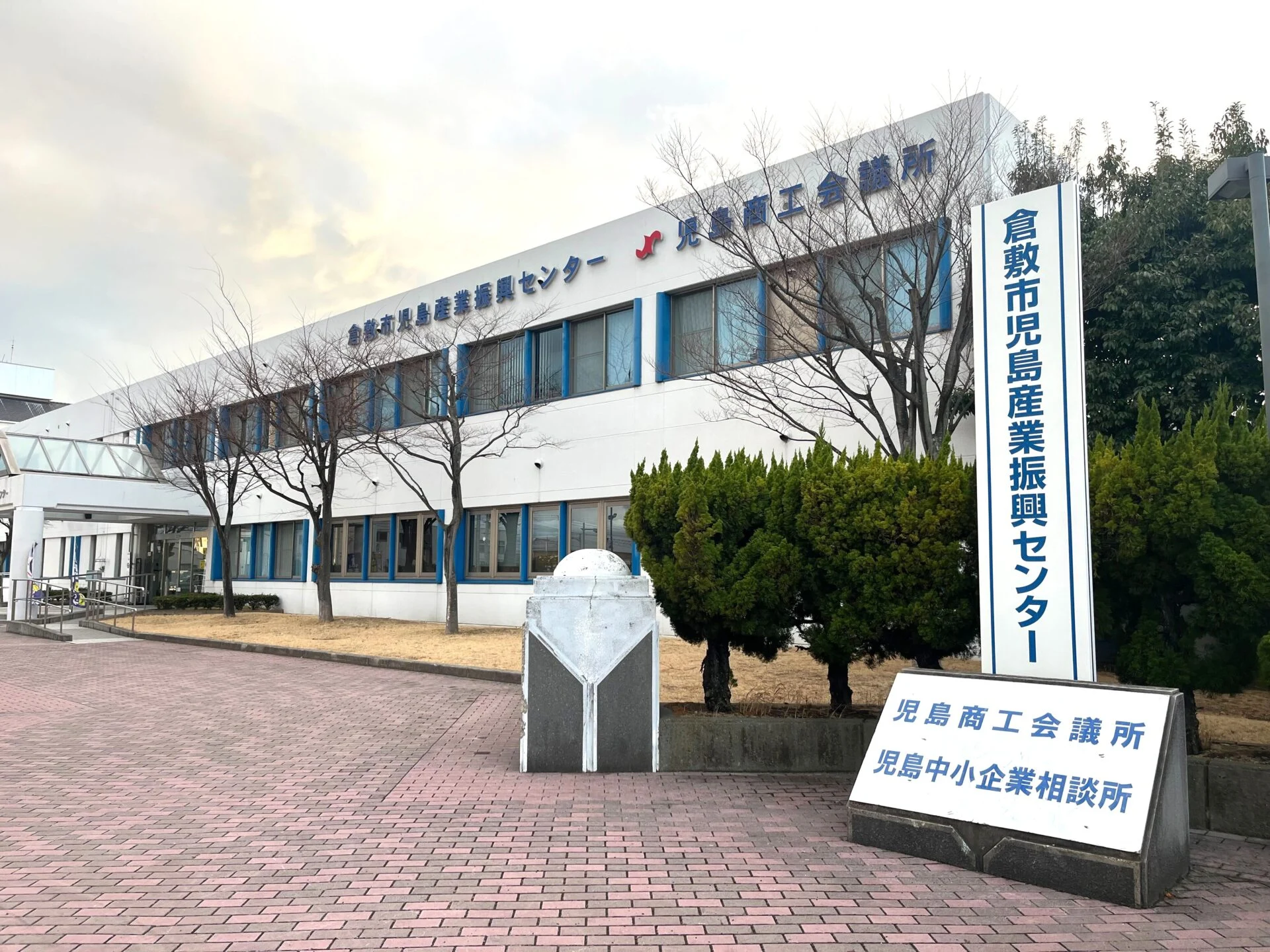
After that, inquiries began to come to the Kojima Chamber of Commerce asking, "Where can I buy jeans in Kojima?" and to revive the former vibrancy of the shopping street, Kojima Chamber of Commerce and the local community took the initiative to create Kojima Jeans Street.
Before Kojima Jeans Street was created, jeans from Kojima were hard to obtain, right?
Horiuchi
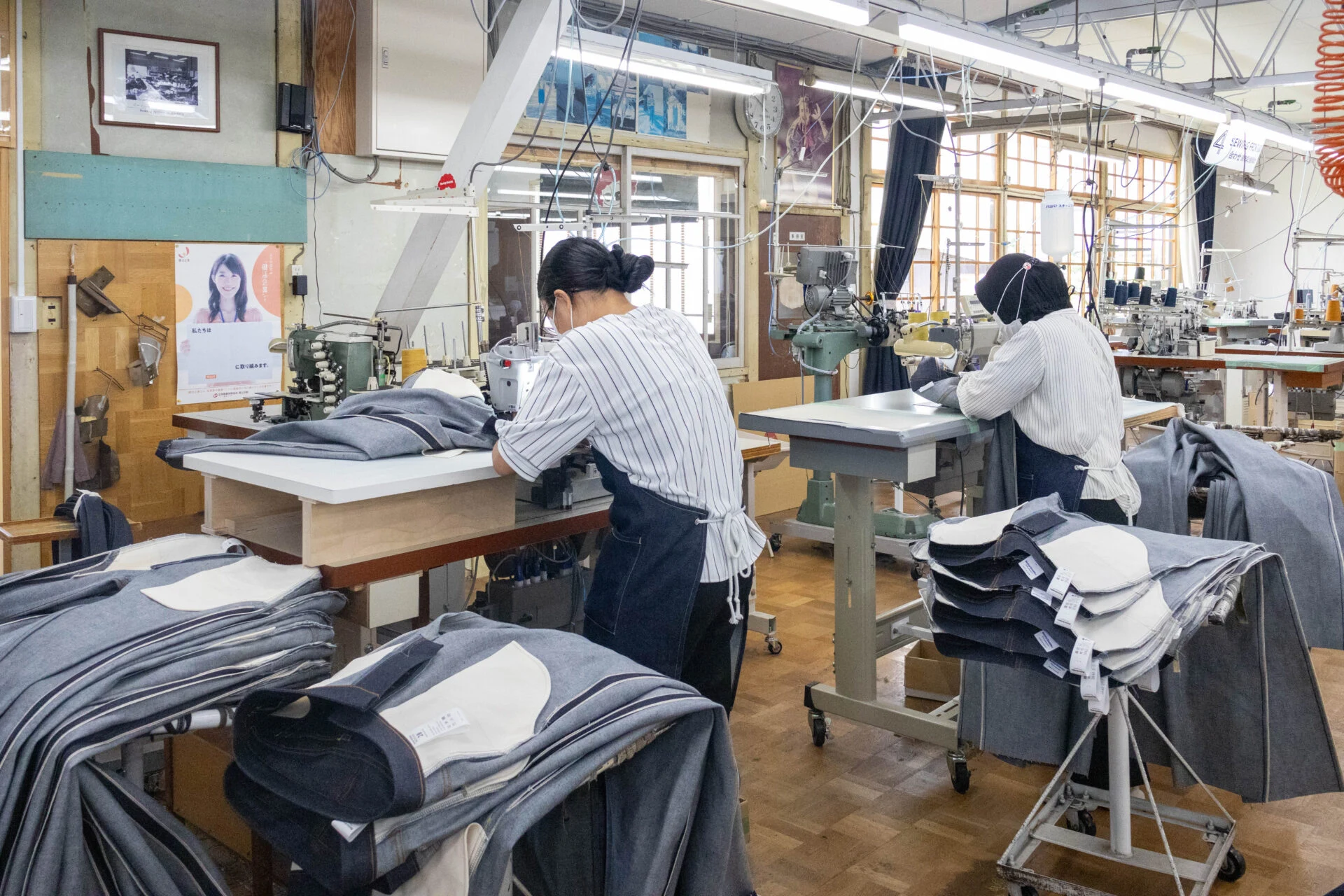
Until then, the jeans made in Kojima were mainly OEM production requested by apparel brands, not their own products.
However, by establishing their own brands, the brand power of Kojima jeans has improved, and some companies have been able to expand their sales channels overseas.
By establishing the brand image that "Kojima jeans are high quality", it is believed that enhancing the brand value of the production area is also contributing to regional revitalization.
Are there any other examples of initiatives?
Horiuchi
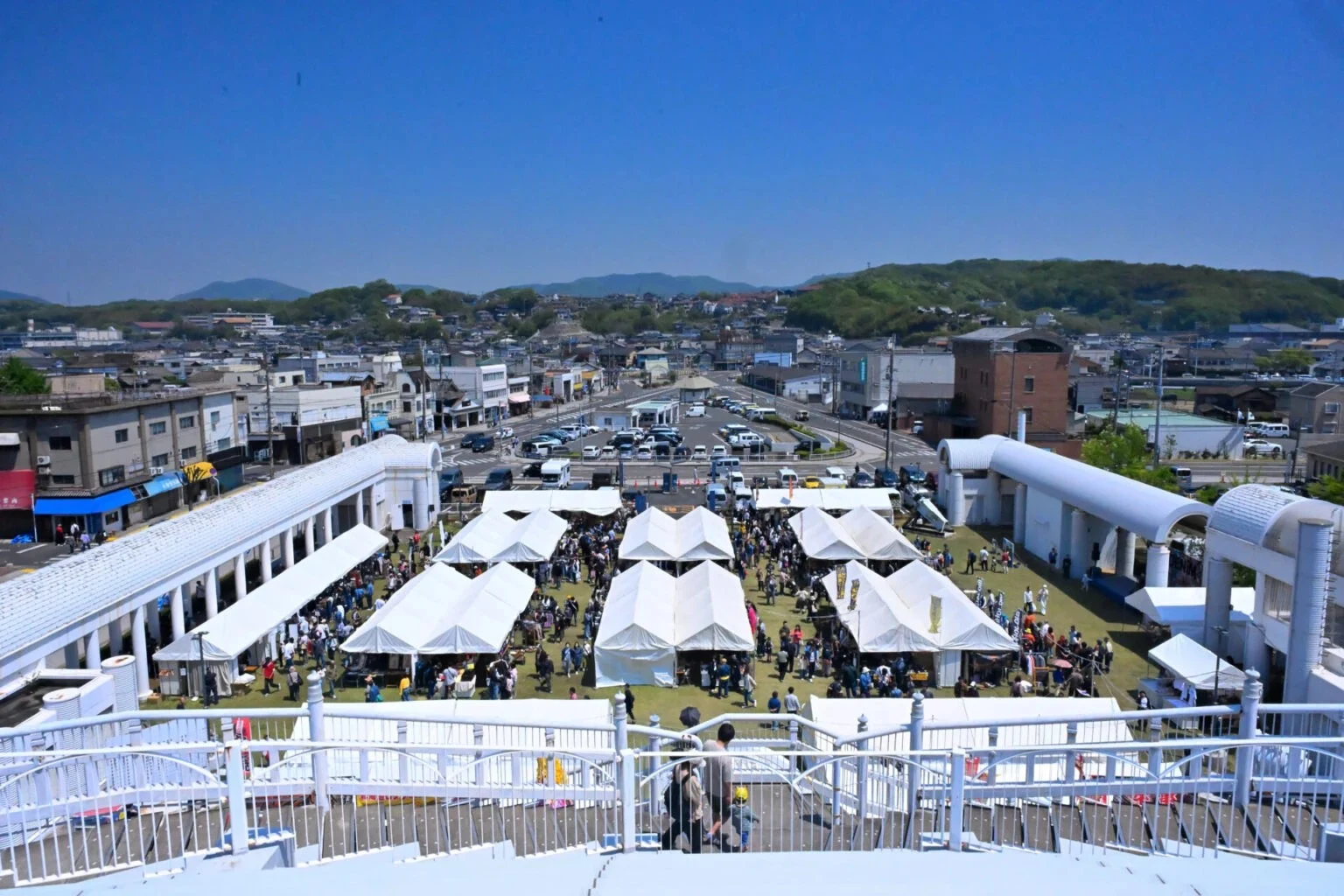
There are various initiatives centered around the Kojima Chamber of Commerce, such as the creation of the character "G-Pan Da" and the holding of the "Kojima Festival #Senisai" to promote the goodness of Kojima jeans.
I believe the Kojima Festival, in particular, is a great opportunity to convey that Kojima is a town of textiles to many people.
What are the Unique Strengths of Kojima?
I believe there are other regions in Japan where the textile industry is thriving, but what are Kojima's strengths among them?
Horiuchi
First of all, it is the accumulation of a consistent supply chain from manufacturing to sales that is concentrated from Fukuyama City to Kojima.
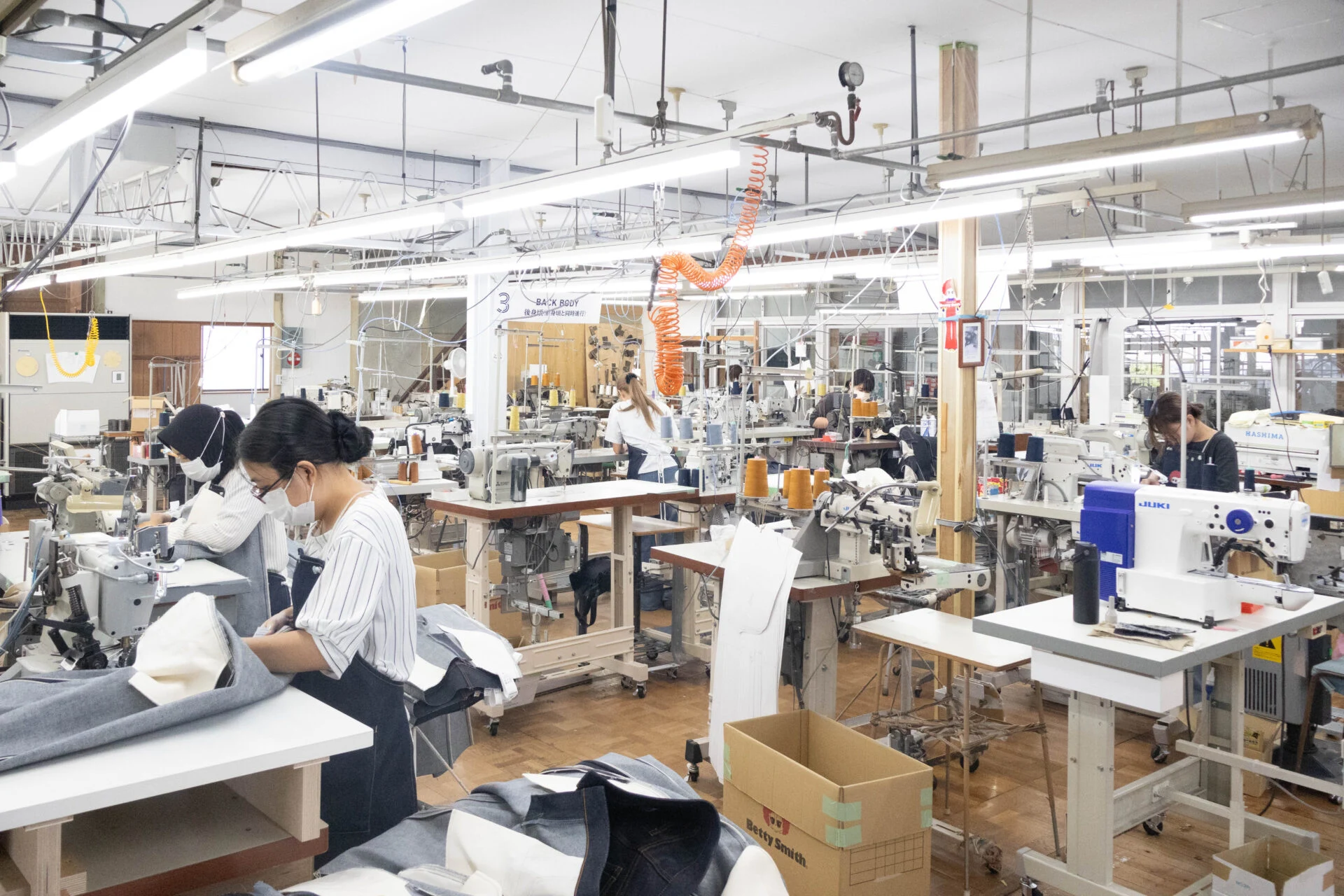
With fabric, sewing, processing, and dyeing, it is quite rare globally for a region to have such specialized textile companies gathered together. Being able to complete everything in Kojima allows the local economy to function well and enables high-quality manufacturing with short delivery times.
Furthermore, I believe Kojima's textile companies have a strong spirit of challenge.
The textile industry inherently requires human labor. Therefore, it contains many elements that make mechanization and automation difficult compared to other industries.
In such an environment, Kojima's companies continue to take on various challenges, including mechanization.
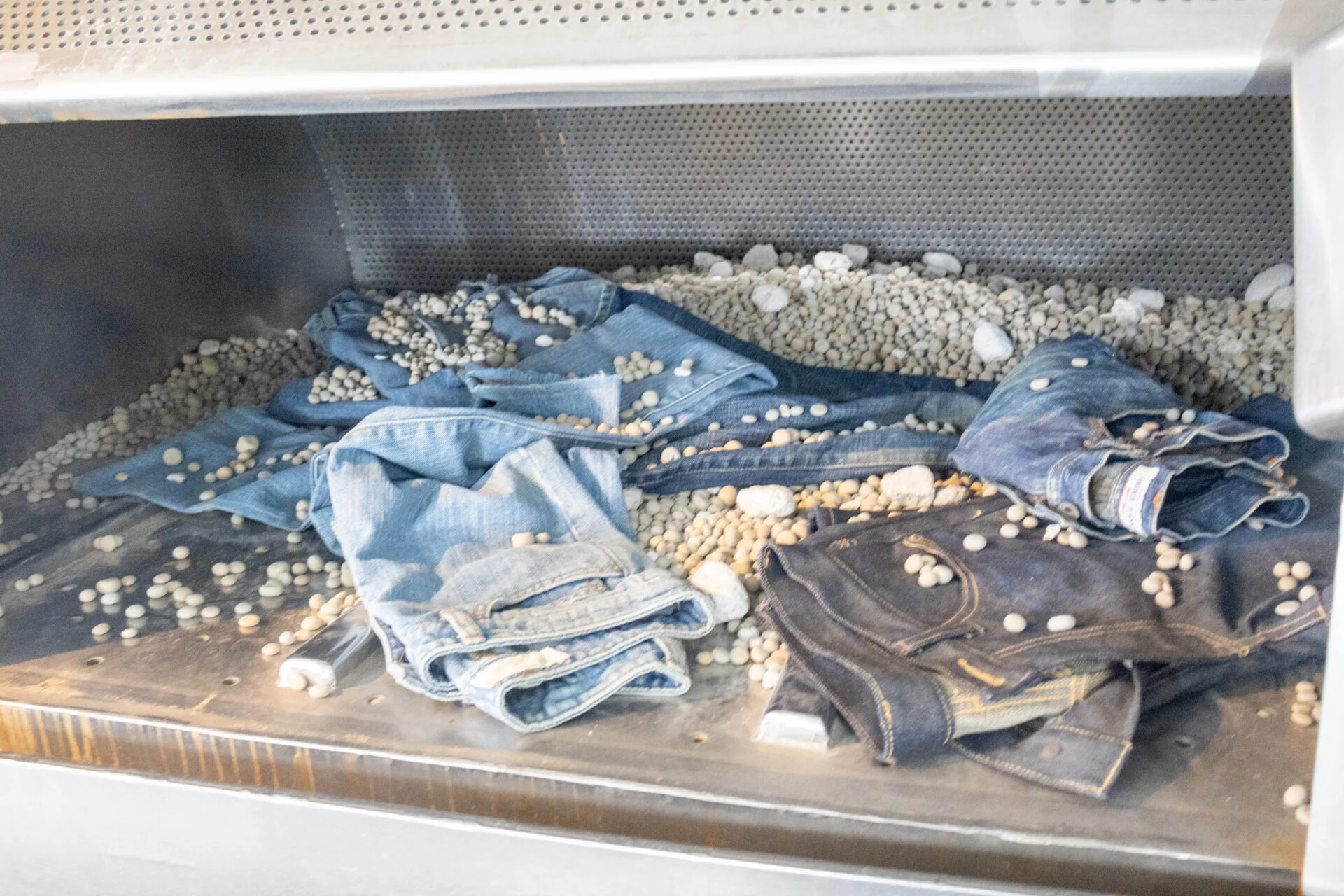
For example, Howa Co., Ltd., which established the processing technique called "stone wash" for the first time in the world, is one of the leading companies in the production area, developing laser processing for quality uniformity and environmentally friendly washing techniques.
Various challenges not only resolve labor shortages but also create new added value such as quality uniformity, human resource development, and environmental consideration. And good manufacturing should also attract new workers to the production area.
I understand that the spirit of challenge among companies is the most important factor connecting Kojima's textile industry to the future.
Kojima's manufacturing is constantly changing, isn't it?
Horiuchi
In the case of traditional crafts, it is important to "not change and remain unchanged." However, jeans are fundamentally related to clothing, food, and shelter, so I believe that manufacturing is not bound by molds but involves innovations that reflect the trends of the times.
Personally, I feel that the spirit of folk crafts rooted in Kurashiki and jeans have similarities.
What are the commonalities between folk crafts and jeans?
Horiuchi
Eating a meal from a favorite tea bowl enriches daily life a little.
The jeans made in Kojima are not mass-produced items like fast fashion, but they allow you to feel the production area and the makers. Additionally, as you continue to wear them, they undergo changes over time, and the affection for each pair grows, which is also appealing.
I believe the spirit of the beauty of utility, which values one thing in daily life, is a commonality.
History Will Continue to be Woven
Finally, please tell us about the appeal of Kojima as an industry from your perspective.
Horiuchi
First of all, I would say that it is one of Japan's leading industrial clusters. The ability to circulate the local economy with our own power is one of the reasons the industry can continue to exist.
Moreover, Kojima is not only established as a "Town of Textiles," but also has many companies with brand power. Because of their recognition, even in today's labor shortage, new talent is coming to Kojima.
Because each company has its own unique strengths and appeal, I believe new bearers and fans are gathering.
Conclusion
Kurashiki boasts a variety of textile products. Tracing the history of each one reveals the presence of companies that never forget to challenge themselves in every era.
The fact that the industry continues to thrive today is due to the efforts of people that exceed imagination.
Textile products are a familiar presence in our lives. By paying attention to them again, we can also support the companies in Kurashiki.
Let us continue to watch over Kurashiki, a production area for textile products.
Articles on Japan Heritage in Kurashiki City
Data