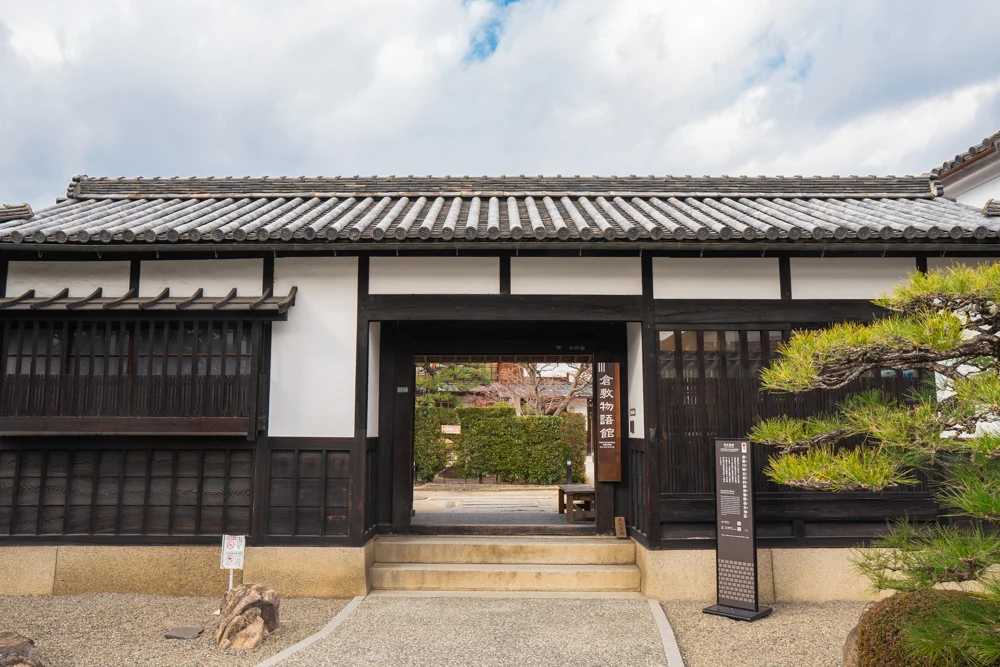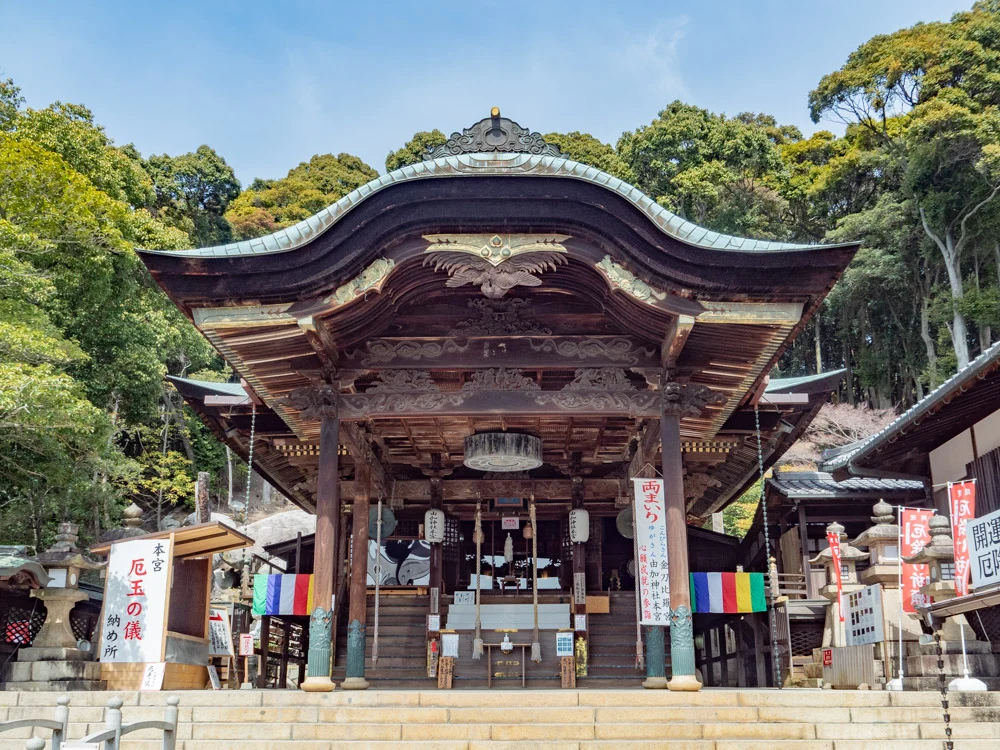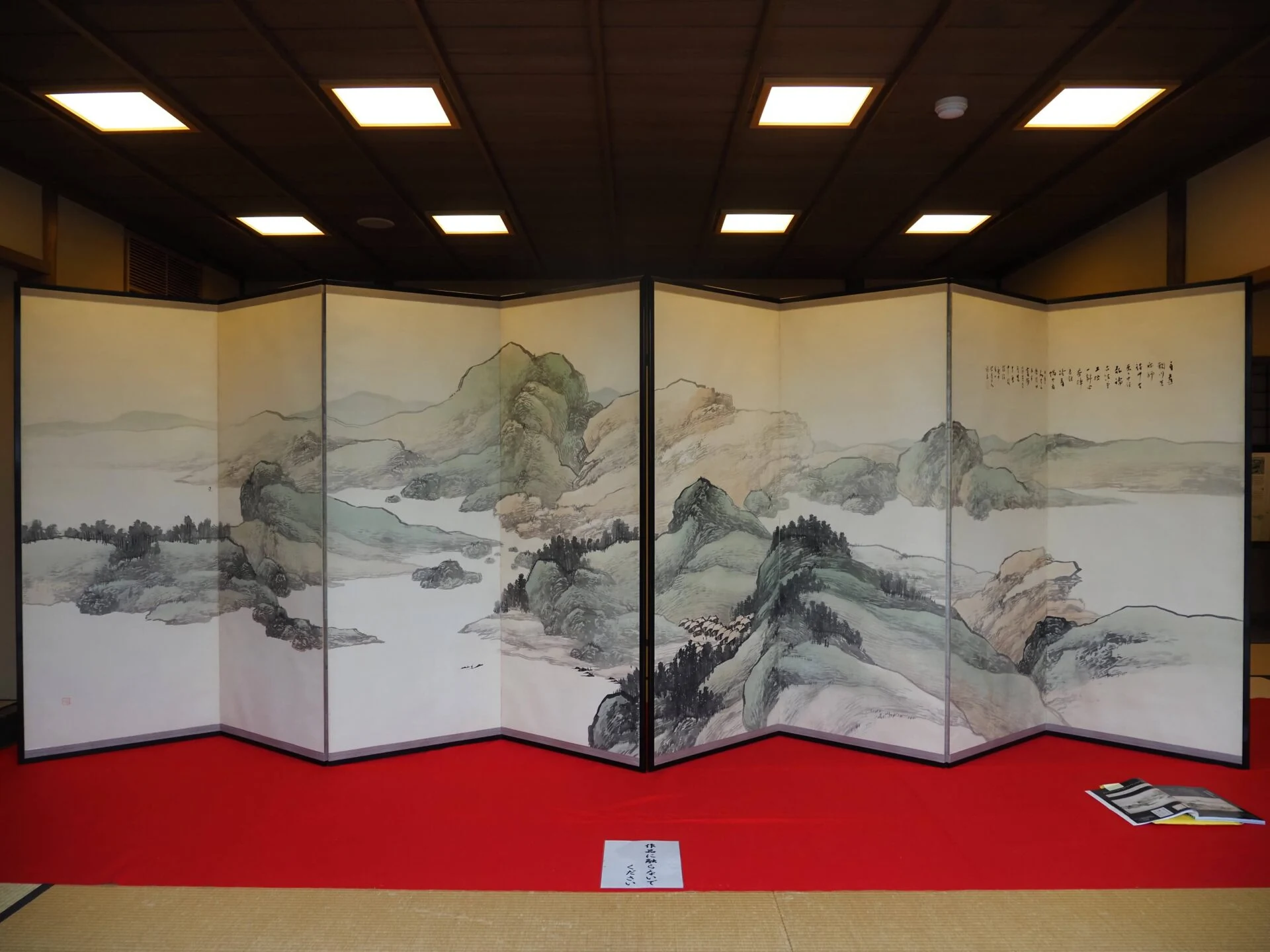
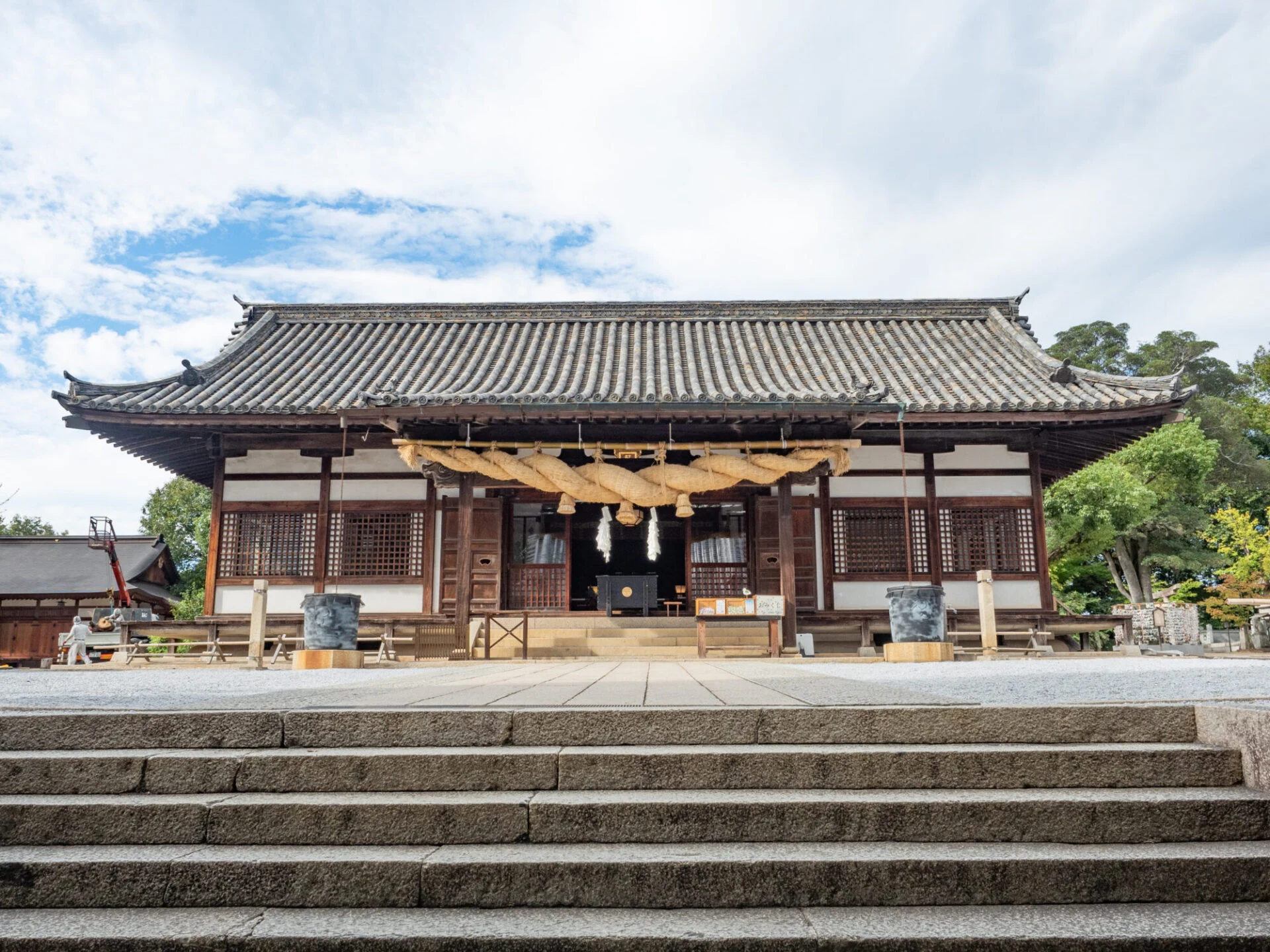
Kurashiki Byobu Matsuri is an event held on the day of the autumn grand festival of Achi Shrine, the town's main guardian shrine.
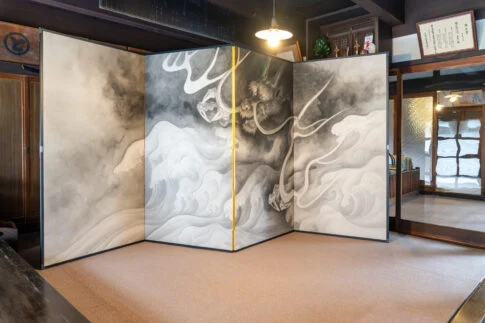
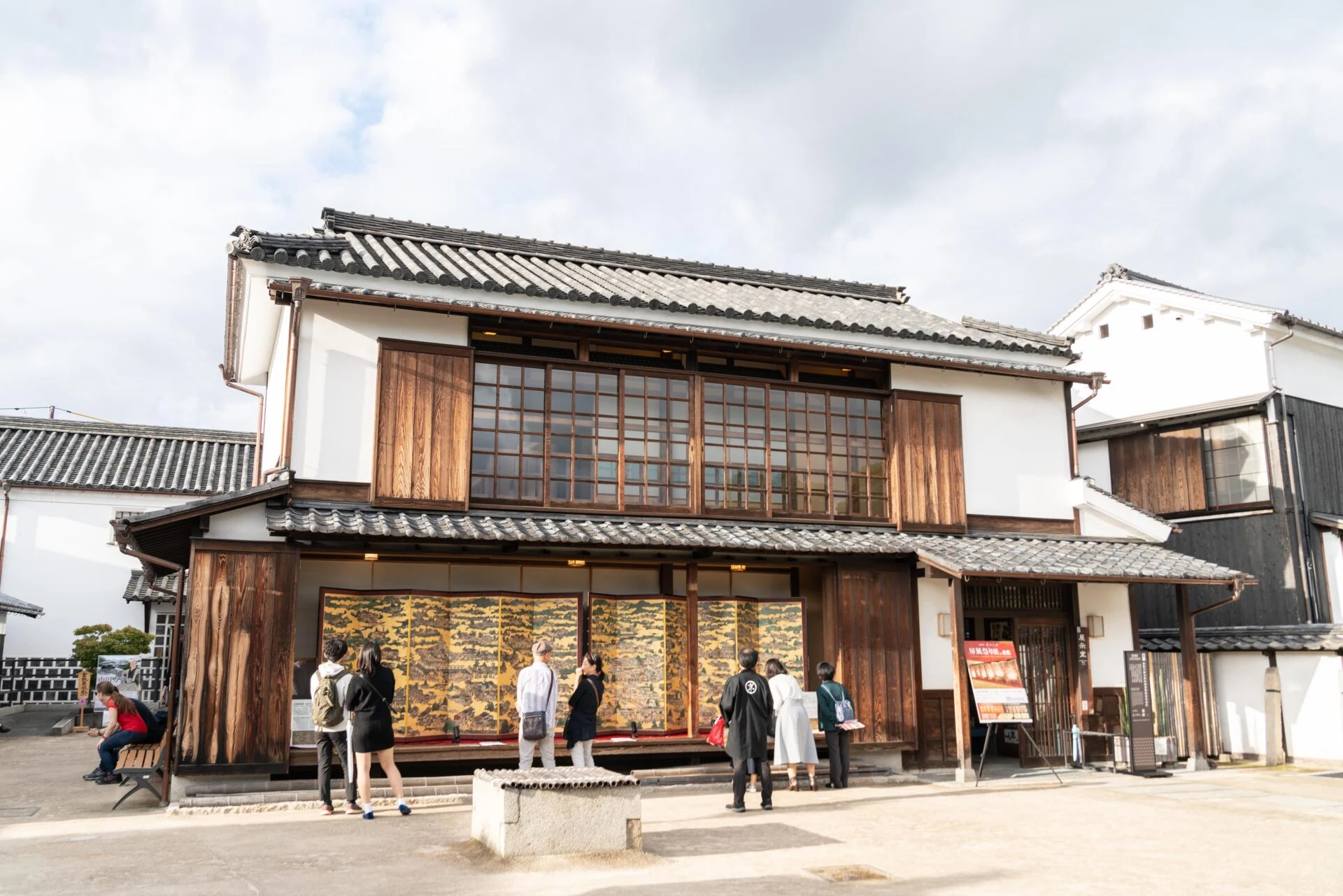
It is held every October, opening townhouses to the public, where folding screens are displayed indoors.
Originally a custom practiced in Kurashiki during the Edo period, it disappeared in the Meiji period. It was revived in the 2000s by local volunteers.
Since then, it has become established as one of the autumn traditions in the Bikan Historical Area.
We interviewed Okasou Ichiro, the chairman of the Kurashiki Byobu Matsuri Executive Committee, who worked hard for its revival and is an advisor at the Kurashiki Chamber of Commerce.
A unique autumn festival custom revived in modern times in Kurashiki
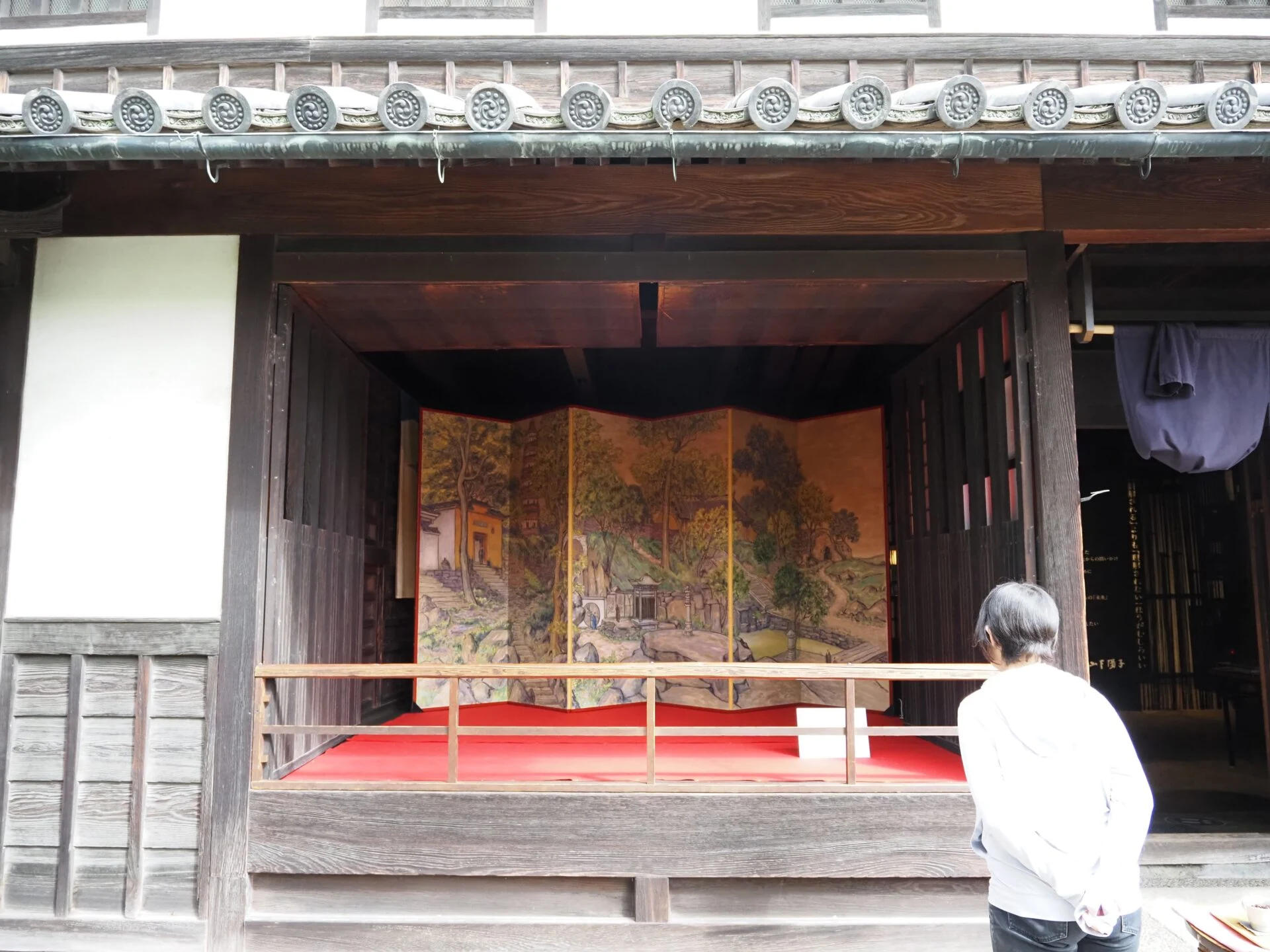
The Kurashiki Byobu Matsuri is a custom that began in the Edo period, originally held on the days of the spring and autumn grand festivals. It disappeared once in the late Meiji period but was revived in 2002 through the efforts of local people.
Since then, it has been cherished as part of Kurashiki's autumn festival alongside the autumn grand festival of Achi Shrine and Suinkyo.
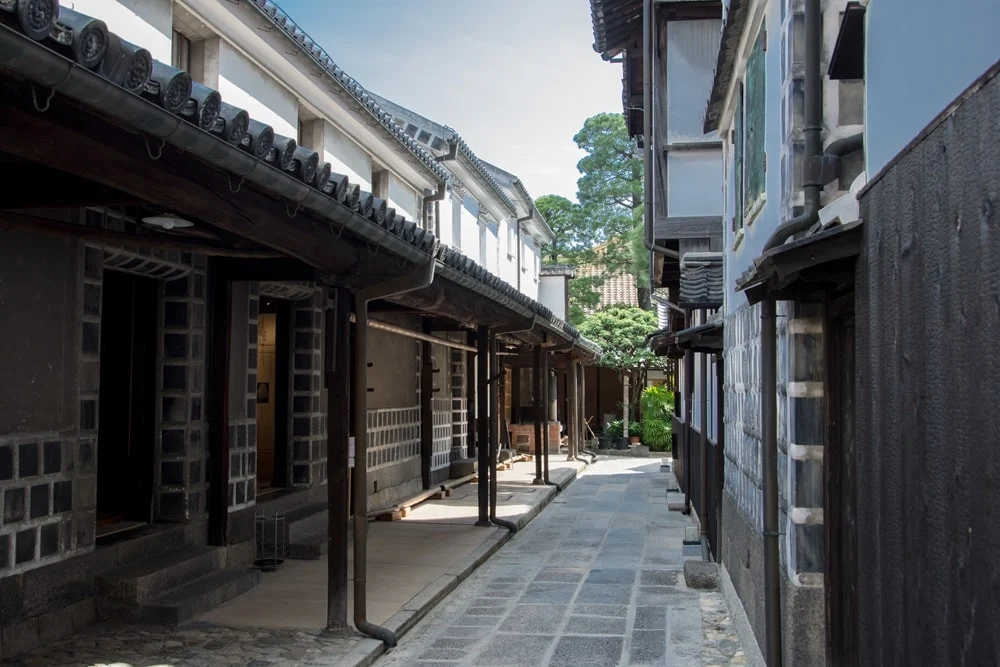
Originally held in Honmachi and Higashimachi, it has expanded to the entire Bikan Historical Area.
In 2017, it became one of the cultural properties of the Japan Heritage "A Kurashiki story beginning with a single cotton flower - A town of textiles woven from harmony of Japanese and Western styles."
In the 2025 Byobu Matsuri, folding screens will be displayed in 36 houses (38 locations) within the Bikan Historical Area.
The Byobu Matsuri born in the Edo period is a symbol of Kurashiki's festivals
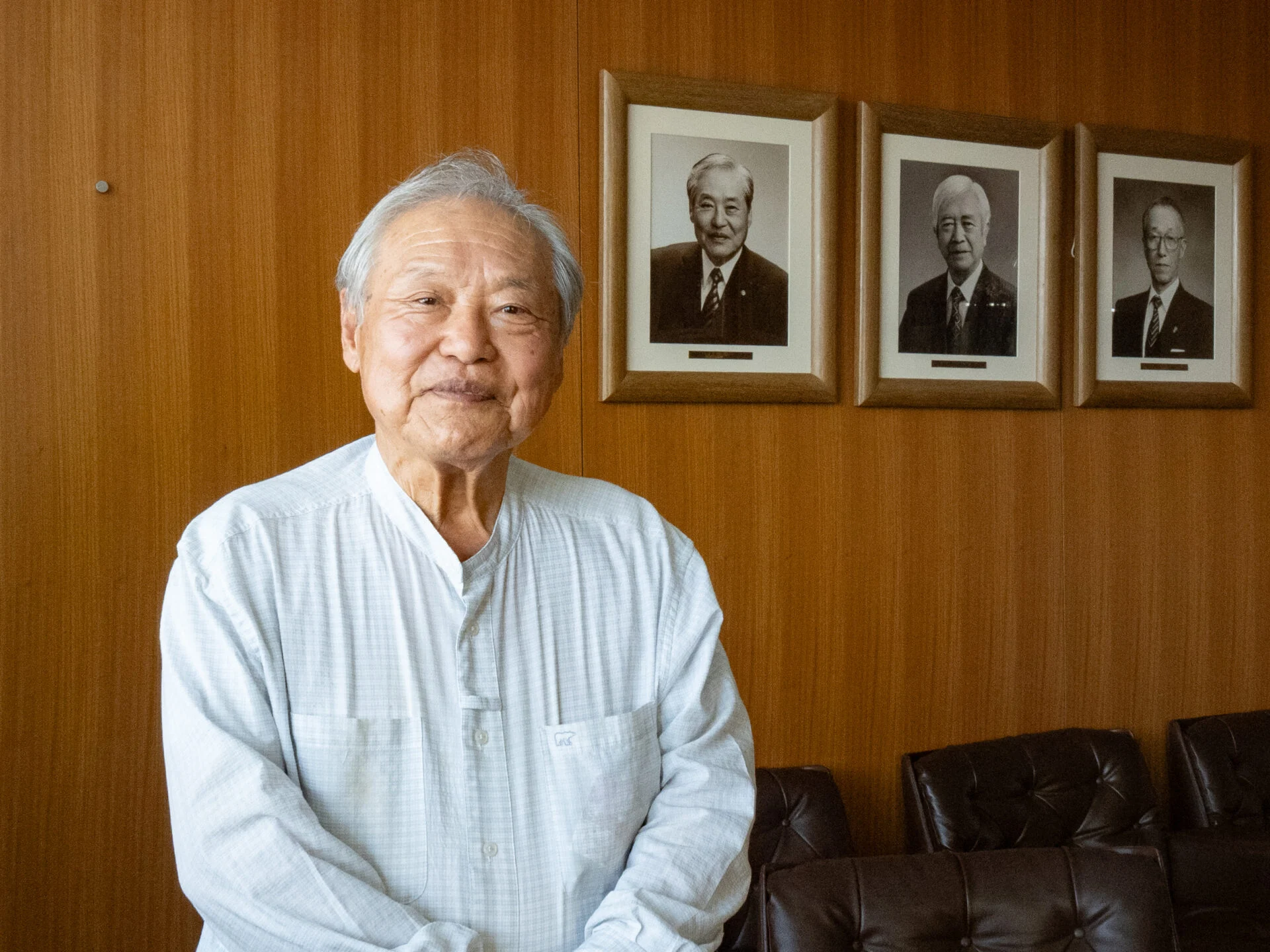
We spoke with Okasou Ichiro about the history of the Byobu Matsuri.
Is the history of the Byobu Matsuri old?
Okasou (no honorific)
The Byobu Matsuri originated from a custom held during the spring and autumn grand festivals of Achi Shrine in the town of Kurashiki (around the present-day Bikan Historical Area).
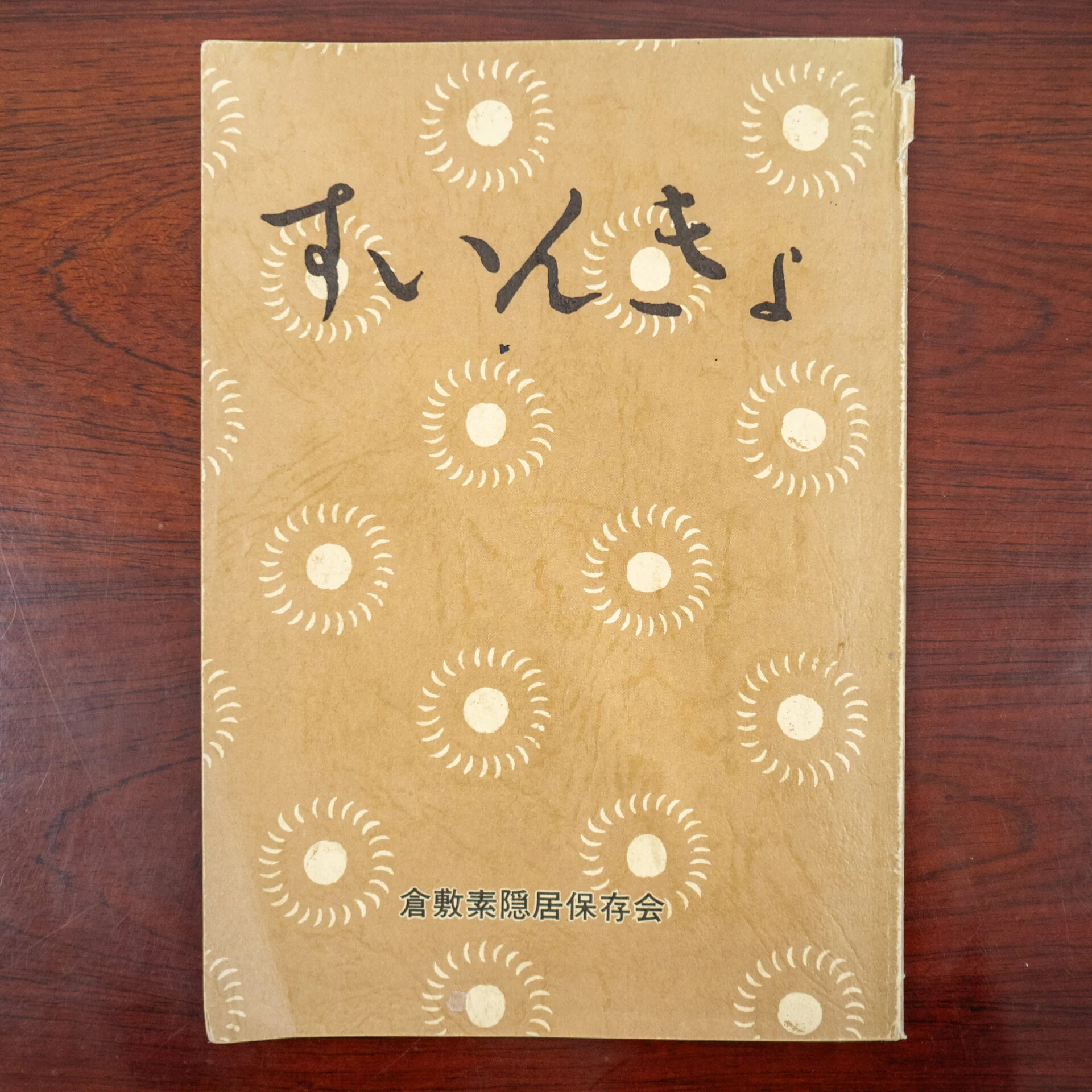
In a booklet titled Suinkyo published by the Kurashiki Suinkyo Preservation Society in 1991, there is an explanation about the custom of displaying folding screens.
According to the booklet, in Kurashiki, during the spring and autumn festivals of Achi Shrine, wealthy individuals would display their prized gold folding screens, which were family heirlooms, in a front room of their homes.
They would remove the lattice doors, lay down red felt mats (mousen), arrange flowers in vases, and hang red and white curtains to show the folding screens to passersby.
The main areas where folding screens were displayed were Ebisu-cho (around the present-day Ebisu Street shopping district), Honmachi, and Higashimachi.
The sight of passersby stopping to admire the displayed folding screens was known as a symbol of Kurashiki's festivals.
If you look at the lattice of the Old Ohara Residence, you can see traces that suggest it was designed to be removable, confirming that the Byobu Matsuri was once held there.
When did the custom of displaying folding screens begin?
Okasou
The exact time when the custom of displaying folding screens began is unknown.
According to the booklet Suinkyo, by the late Edo period, during the Bunka and Bunsei eras (early 1800s), it had already become established as a symbol of Kurashiki's festivals.
The custom of displaying folding screens during the festival was something that townspeople did voluntarily, and it was not something that Achi Shrine was involved in.
Why were folding screens displayed?
Okasou
The reason for displaying folding screens is also not clear.
However, I have heard that there was a custom of displaying folding screens in tea houses in the Gion district of Kyoto during the Edo period.
Once a year, to show gratitude to the customers who had been kind to them, they would display their prized folding screens in the room and invite the customers for a warm reception.
Additionally, the owner of "Oshima-ya," which once existed in Kurashiki, was known to be a great lover of folding screens, and records show that he would go to Kyoto to purchase folding screens.
From this, I speculate the following.
As folding screens were brought in from Kyoto, the custom of displaying them was also transmitted, transforming into a unique Kurashiki custom of showing the folding screens to passersby during the festival.
By the way, for Japanese painters at that time, folding screens were like canvases. Folding screens also had significance as works of art.
Furthermore, for wealthy individuals at that time, folding screens were one of the status symbols. Even now, affluent people collect paintings, right? It's something similar.
I have heard that the custom of decorating folding screens has faded, but when did it disappear?
Oka
I believe the custom of decorating folding screens disappeared around the late Meiji period.
In the early 2000s, I heard from a person in their 90s who grew up in the Bikan Historical Area that they remembered going to houses that decorated folding screens during festivals and receiving candy.
It seems that this custom existed until around the late Meiji period.
In my estimation, the custom likely disappeared due to various factors, including changes in living conditions and culture, as well as the outbreak of war.
Although the town's folding screen festival ceased around the late Meiji period, the only individual who continued the custom of decorating folding screens during the festival was Hashimaya (Kusuto family) in Higashimachi, which has persisted to this day.