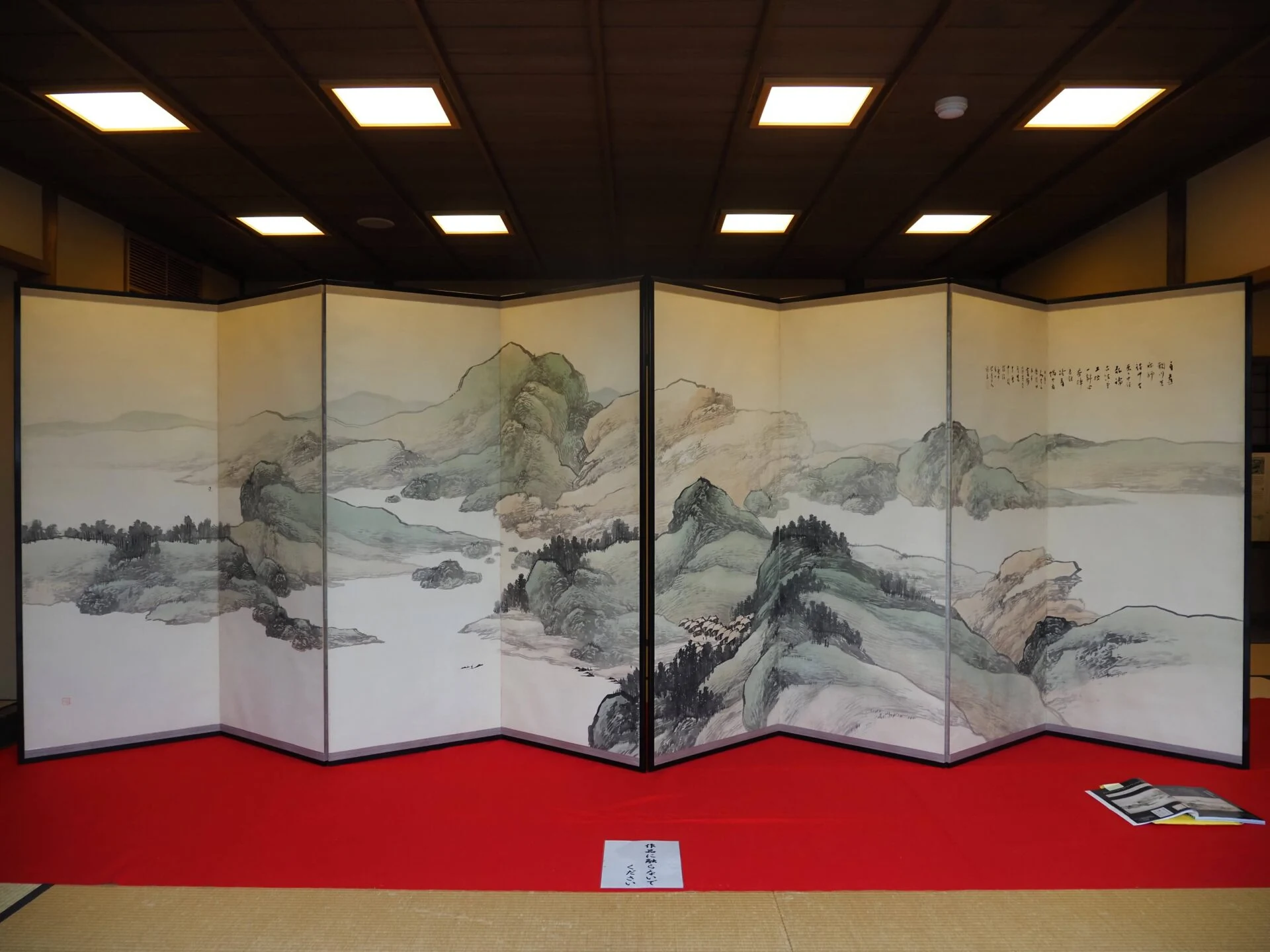
The joy of the Byobu Festival is that you never know what you’ll find until you visit
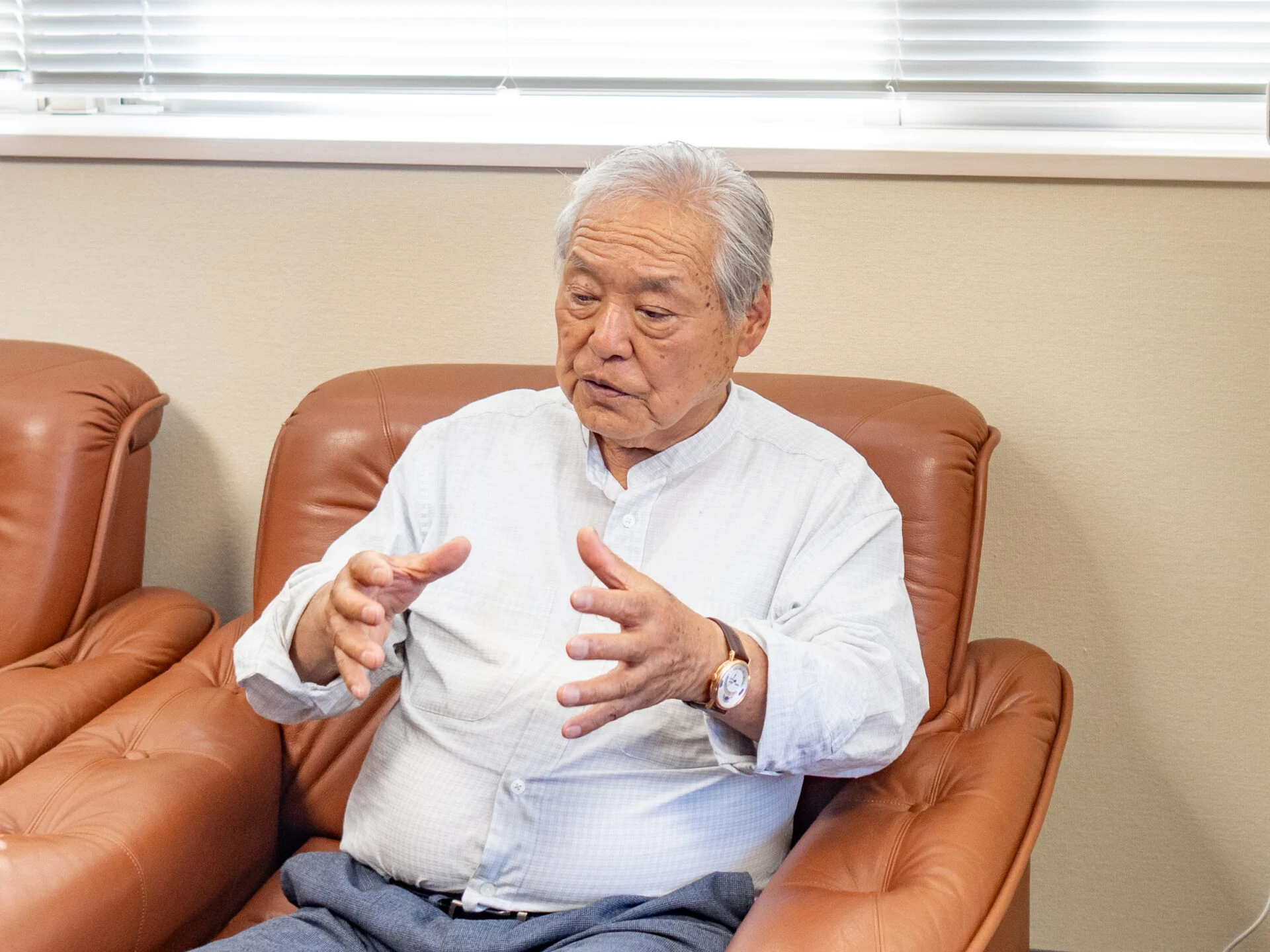
It has been 23 years since the Kurashiki Byobu Festival was revived in 2002. We asked what organizers do each year to make the festival special, what they are particular about, and what they envision for the future.
What do you do to make the Byobu Festival special, and what are you particular about?
Oka
We don’t label the festival with a number each year, such as “the 〇th festival.” That’s because our position is that the Byobu Festival is not something that began in modern times, but rather a tradition that existed long ago, fell into disuse, and was revived.
We don’t know when it began, so we can’t count the number of times it has been held.
Another thing we’re particular about is not making too many rules. The only real requirement is to display a folding screen for visitors to see.
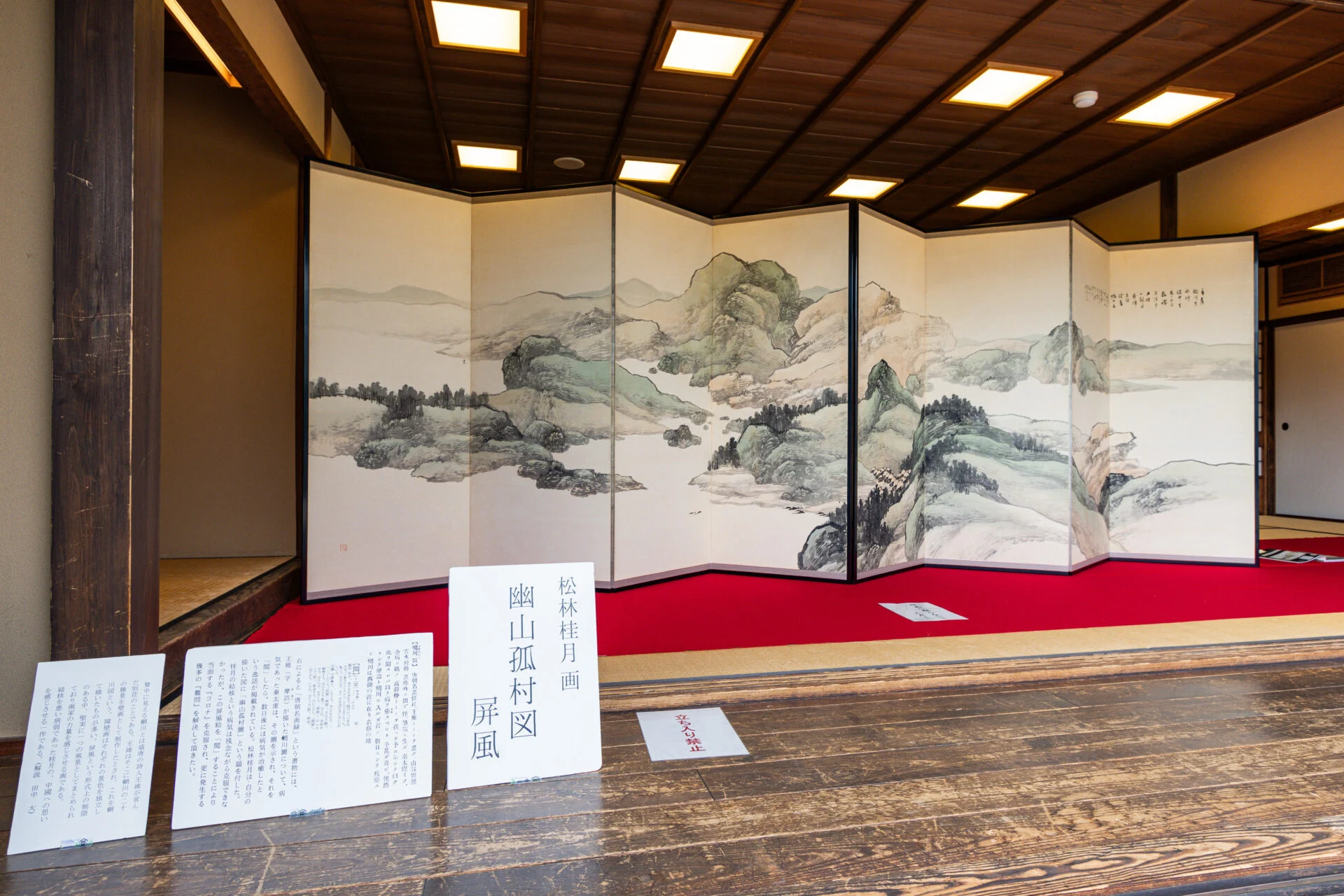
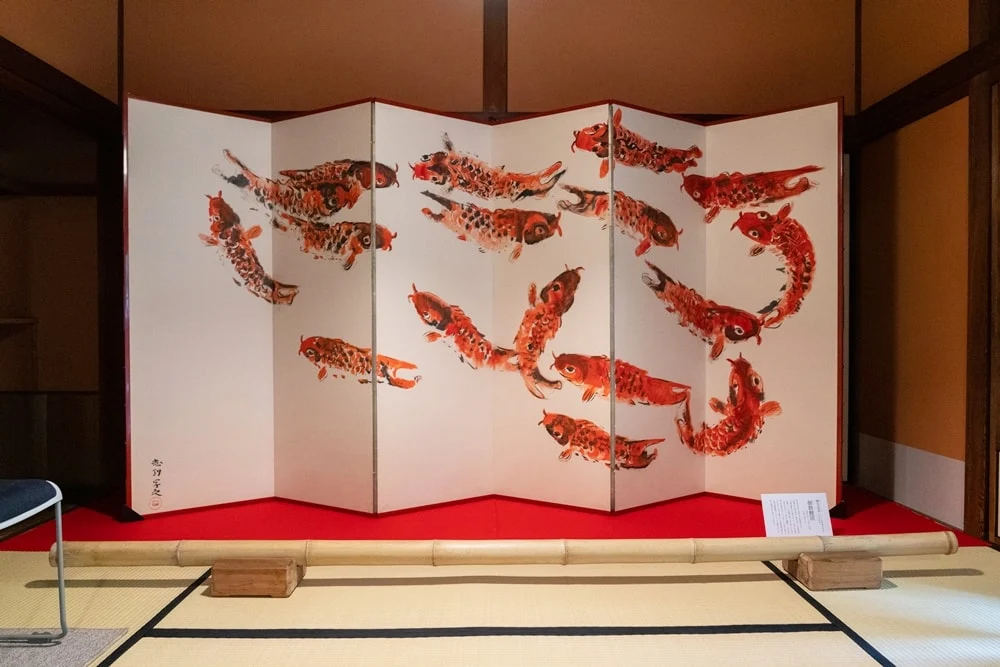
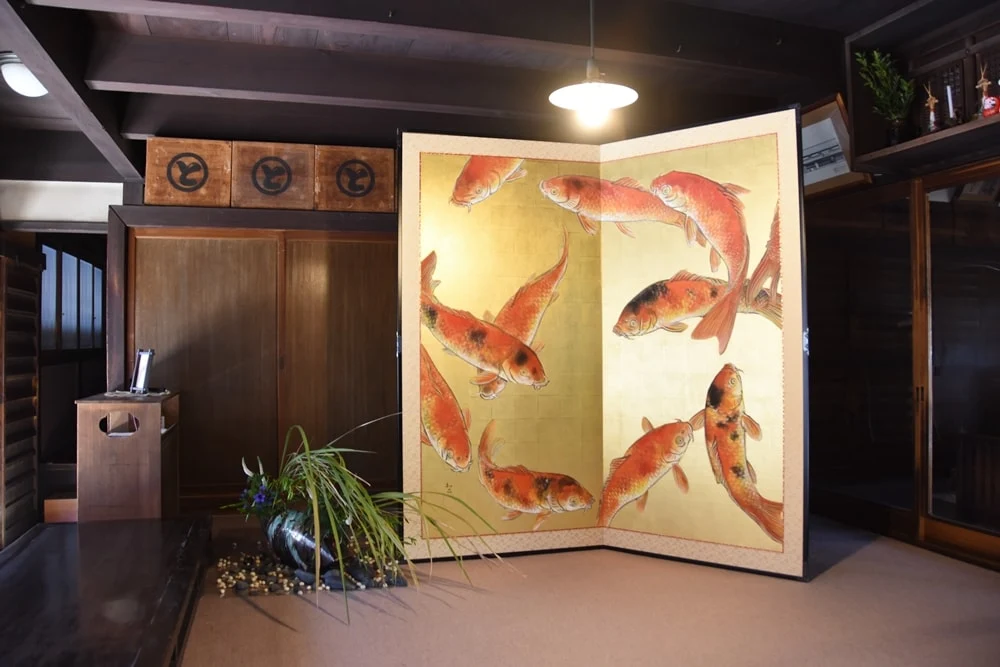
People are free to choose which folding screen to display, and it doesn’t have to be one they own. Borrowed screens are fine, too. It doesn’t have to be an old screen that has been around for a long time; newly purchased ones are fine as well.
Another key point is that visitors aren’t told in advance what screens will be displayed or how they will be arranged.
So you only find out what the screens are like once the festival is held and you’re there. One of the joys of the Byobu Festival is that you never know what you’ll find until you visit.
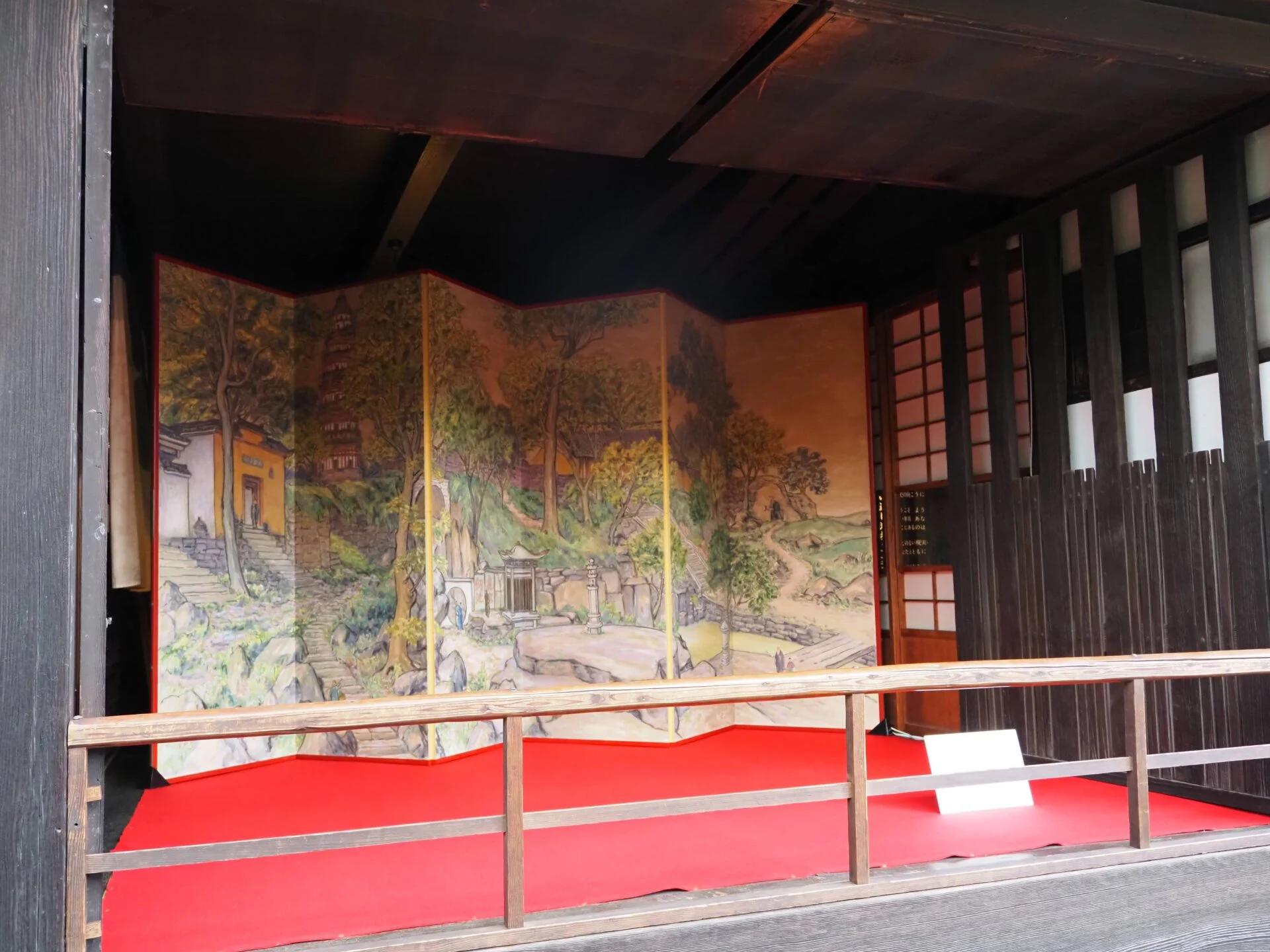
It has been 23 years since the Byobu Festival was revived in 2002. Has anything changed?
Oka
The declining birthrate and aging population are a problem.
Even in 2002, the aging population was already noticeable, but many people still enjoyed taking part year after year.
In recent years, however, some people have been unable to keep up with age and have withdrawn from participating due to physical limitations. Young people are also joining, but we were concerned that the festival would eventually decline if things continued as they were.
So we tried expanding the festival area from Honmachi-dori and Higashimachi-dori, which had traditionally been the main venues, to the entire Bikan Historical Area.
People joined voluntarily, and in the end we were able to maintain more than 30 exhibition venues.
People learned that I had been working hard to make the Byobu Festival happen, and various people began bringing me folding screens they no longer needed. I have a lot of them stored in a warehouse now.
Some people who rent their business premises want to take part in the Byobu Festival and offer their space, but don’t have a folding screen to display.
It would be great if lending out the screens I have in storage could make it easier for them to participate.
I believe the Byobu Festival arose spontaneously. I also believe that it’s important to adapt flexibly to the times.
Do you collaborate with local organizations and others?
Oka
We collaborate with local software companies, Okayama University, Okayama Prefectural Kurashiki Seiryo High School, and others. In 2025, we began offering audio navigation in foreign languages, accessed by scanning a QR code.
This is because the number of visitors from overseas has increased rapidly in recent years.
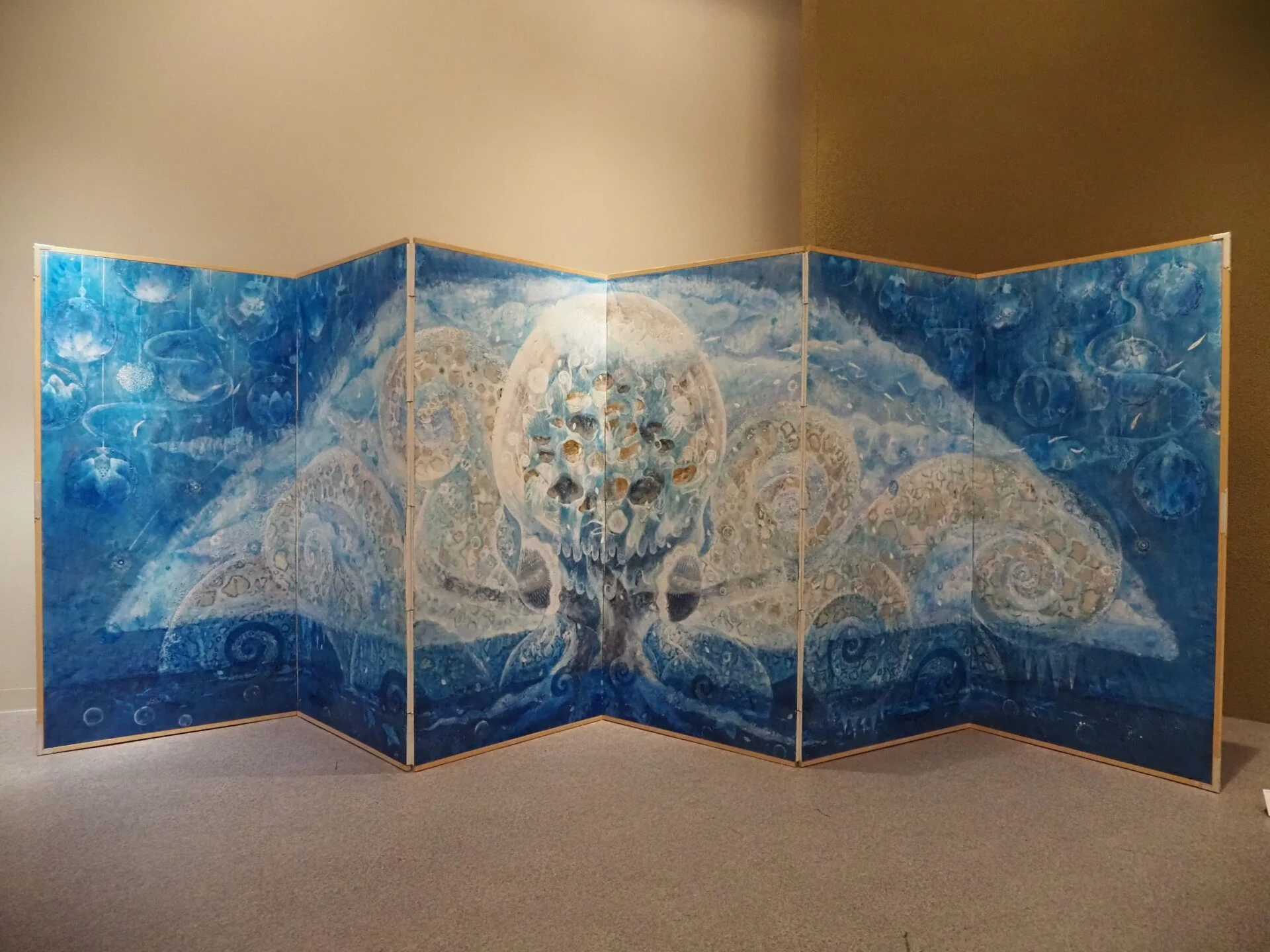
We also collaborate with Kurashiki University of Science and the Arts. In addition, Kurashiki-born Japanese-style painter Moriyama Tomoki has been helping with the Byobu Festival.
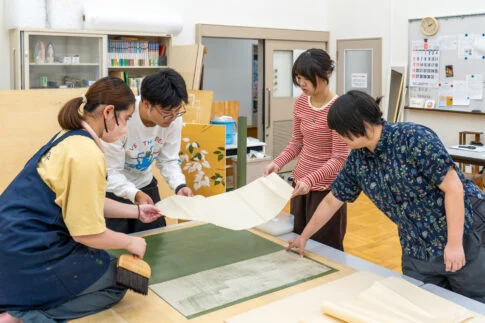
Moriyama feels that Japanese-style painting and the techniques for mounting folding screens need to be passed down to future generations.
Few people today know the techniques involved in making folding screens, and he says he is concerned that the craft of making folding screens itself will disappear if things continue as they are.
So students create artworks and make folding screens, which they display at the Byobu Festival.
Some students have also become painters after graduating and displayed folding screens they painted at the festival.
We want to pass on the culture of folding screens and the techniques for mounting them through the Byobu Festival.
A historic Kurashiki tradition, the Byobu Festival was revived through local efforts
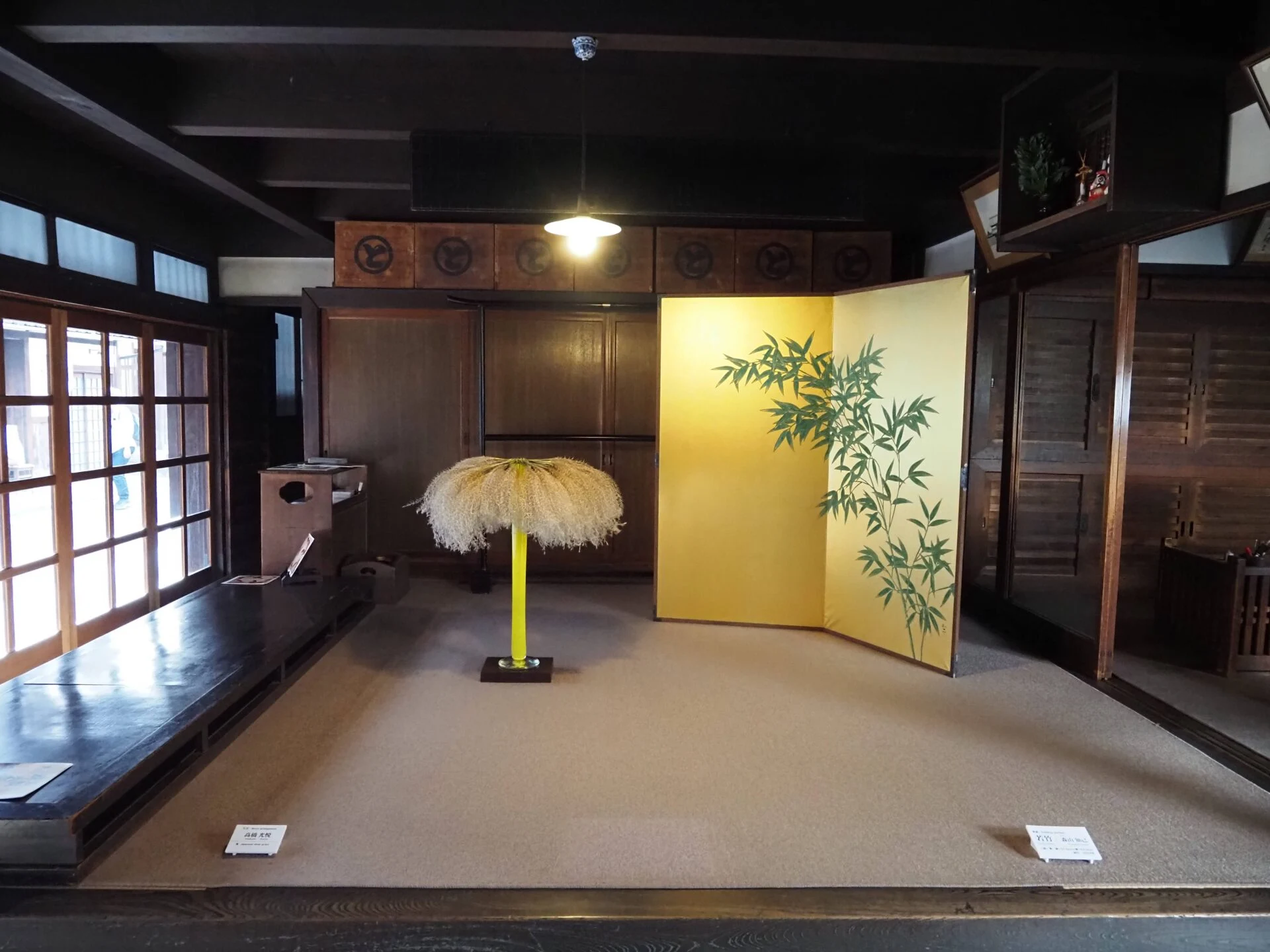
The Byobu Festival was once a seasonal tradition in Kurashiki. It had been discontinued for about 100 years, but local people such as Oka worked hard to revive it, and more than 20 years have passed since then.
The 2025 Byobu Festival will be held over two days, Saturday, October 18, and Sunday, October 19.
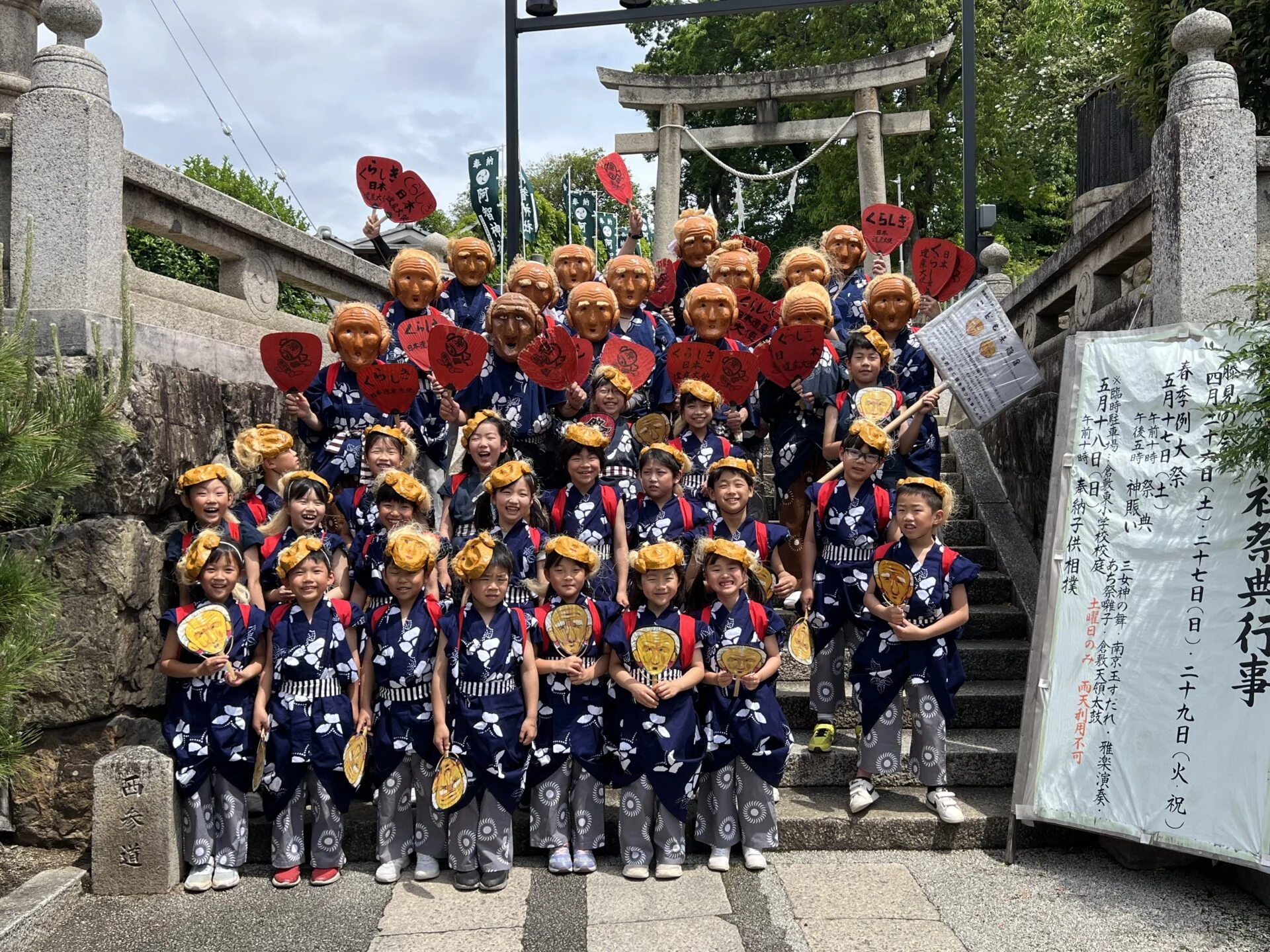
On the day, alongside the Byobu Festival, there will be a host of events, including Achi Shrine’s autumn grand festival, a sacred procession, Suinkyo, and senzairaku performances. The streets of Kurashiki will be filled with a festive atmosphere.
Why not visit the Bikan Historical Area and experience its historic culture and traditions?
Articles about the Kurashiki Byobu Festival
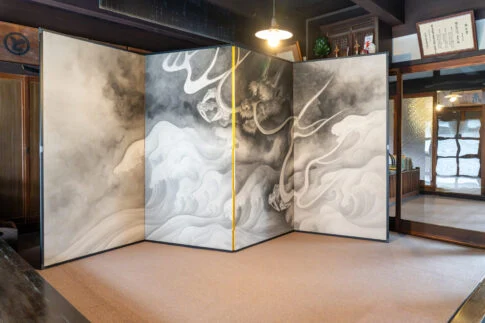
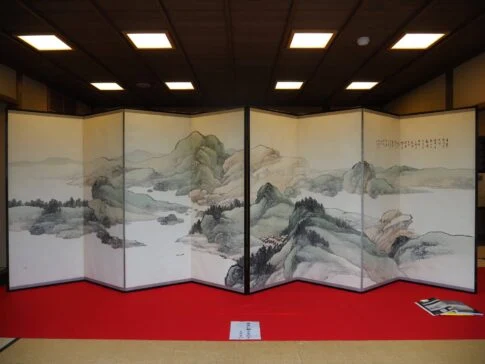
Kurashiki Byobu Festival details
| Name | Kurashiki Byobu Festival |
|---|---|
| Date | Achi Shrine Autumn Grand Festival (every October) 10:00 a.m.–5:00 p.m. |
| Location | Throughout the Bikan Historical Area |
| Admission (tax included) | Free (some venues charge admission) |
| Website | Kurashiki Byobu Festival |


What would you like to know about Kurashiki?
Enter a search term to find articles on this site