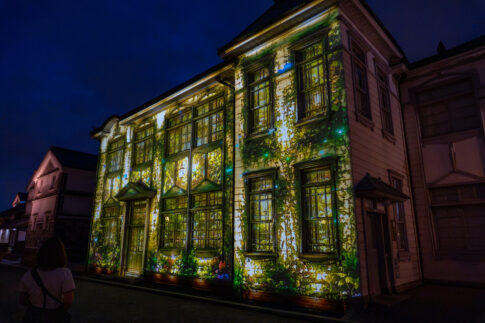
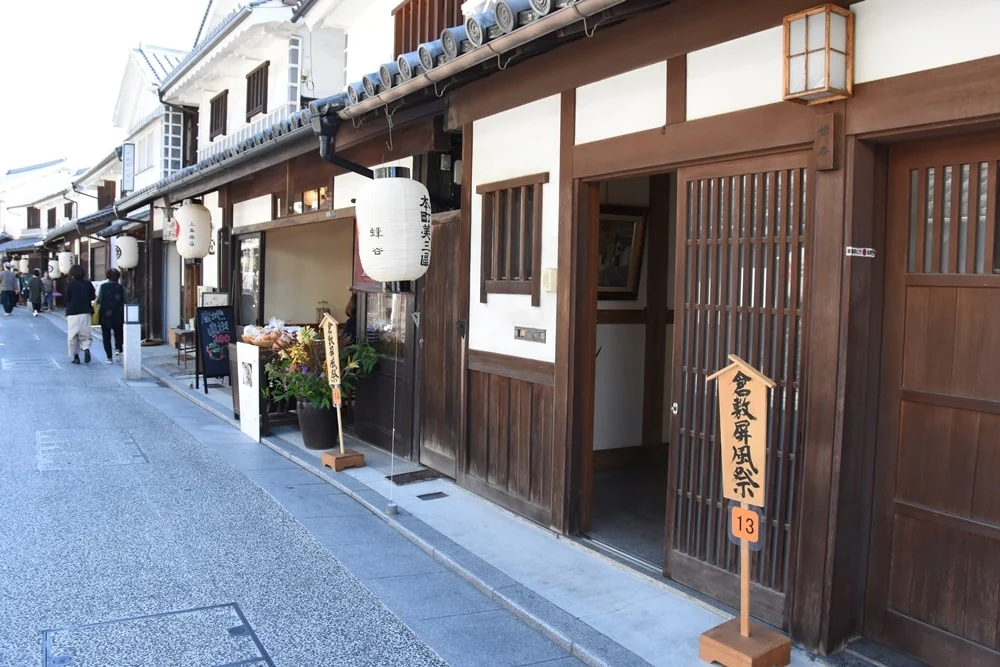
The Bikan Historical Area in Kurashiki has many charming old buildings (machiya) and new shops designed to match the townscape.
It is perfect for walking around the town, but you can't just casually drop by the machiya and other places.
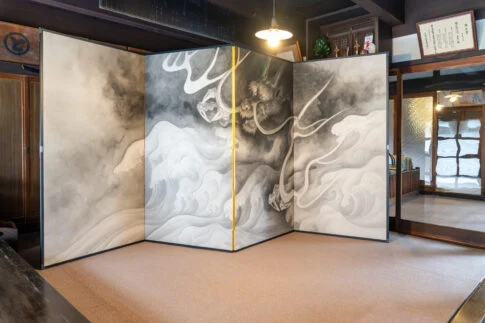
During the Kurashiki Byobu (folding screen) Festival, the entrance is open with the message, "Please come see our proud byobu!" allowing you to enter the buildings.
The charm lies in being able to see byobu, which are not very familiar in modern life, and to enter places that are usually off-limits, providing a slightly different experience of walking around the town.
This article reports on the experiences I had at the Kurashiki Byobu Festival.
This is a report on the Kurashiki Byobu Festival held on October 20 and 21, 2018.
What is the Kurashiki Byobu Festival?
The Kurashiki Byobu Festival is an event held in conjunction with the autumn festival of Achi Shrine.
In the past, during the autumn festival, each household in the town would remove the doors facing the street and display byobu, welcoming people with flowers.
The custom once ceased during the Meiji period, but it was revived in 2002 (Heisei 14) by the efforts of volunteers, leading to the current Byobu Festival.
In April 2017 (Heisei 29), it was designated as one of the cultural properties of the "Japan Heritage" by the Agency for Cultural Affairs.
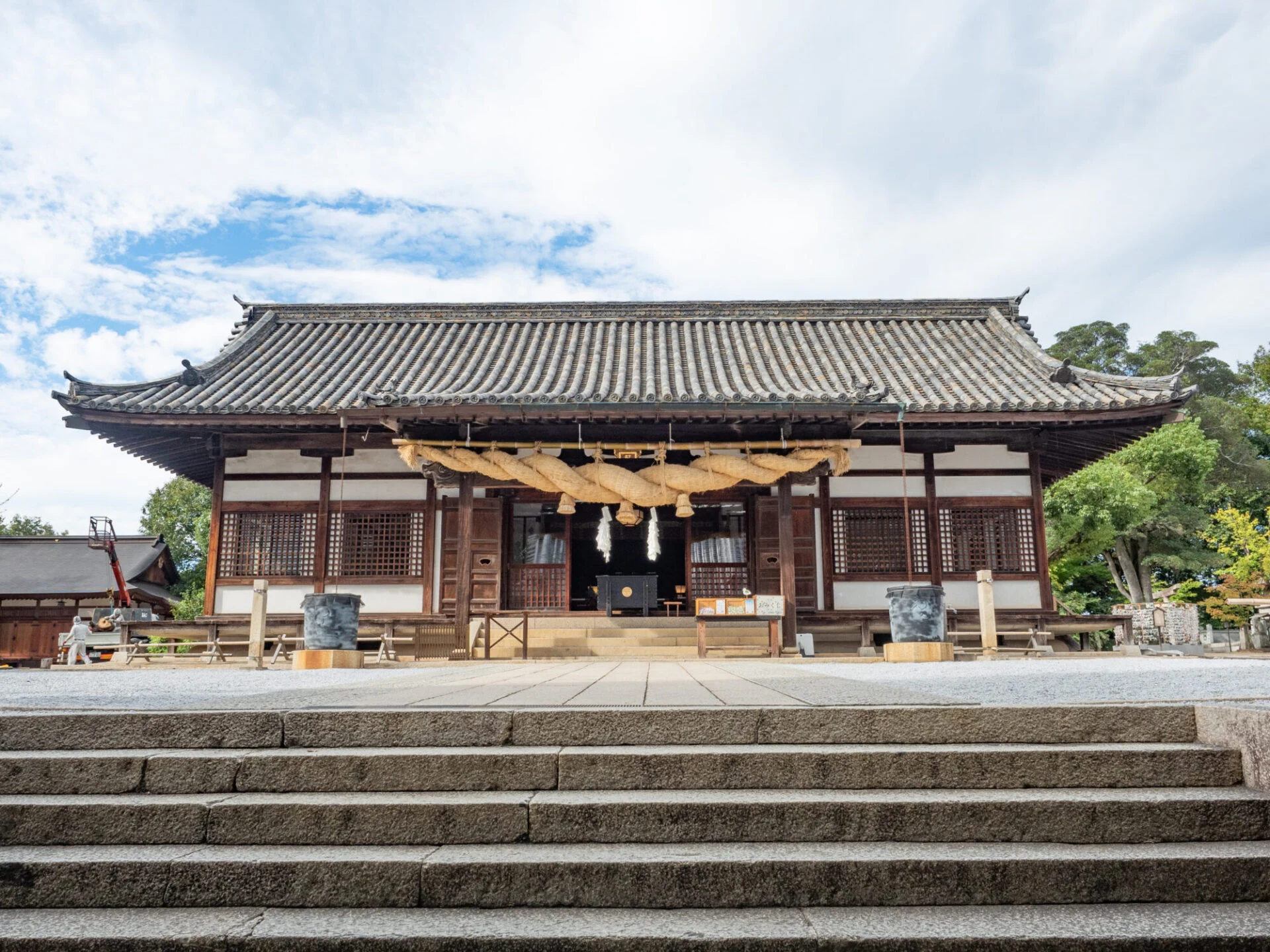
Overview of the Kurashiki Byobu Festival
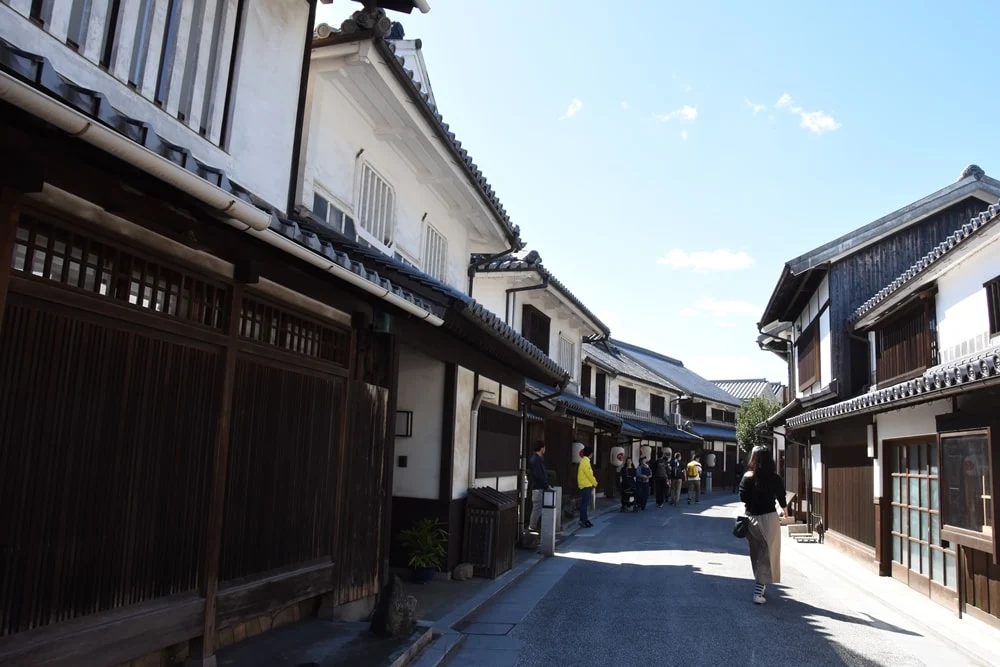
The area includes Honmachi, Higashimachi, and the vicinity of the Bikan Historical Area, but if you are visiting the Bikan Historical Area for the first time, it can be quite confusing.
▼ I will introduce a map that was included in the pamphlet.
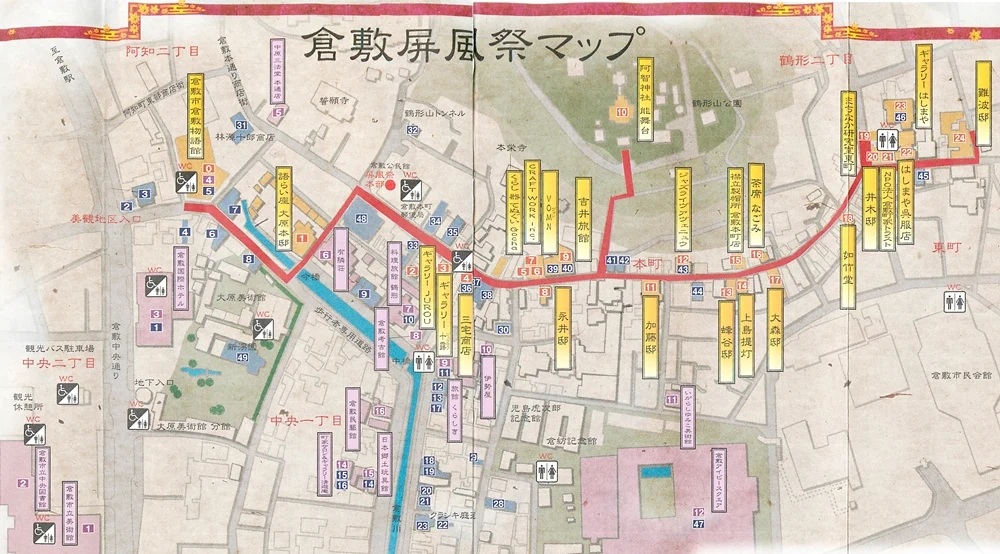
The venue stretches approximately 600 meters from the Kurashiki City Kurashiki Monogatari-kan on the west side to the Higashimachi area on the east side.
There are a total of 25 display locations. The doors are opened to make it easy to see from the street, and byobu are displayed in the entrance and indoors.
It takes about an hour for a quick look, and about two hours if you take your time and take photos.
Additionally, 16 cultural facilities near the venue (such as Kurashiki City Art Museum) also had cooperative displays.
Visiting all 16 locations would likely take even more time.
The return of crowds to the Bikan Historical Area
Due to the heavy rains in July 2018, the number of tourists in the Bikan Historical Area visibly decreased.
So I was wondering, "How will the attendance be at the Kurashiki Byobu Festival?"
But there was no need to worry.
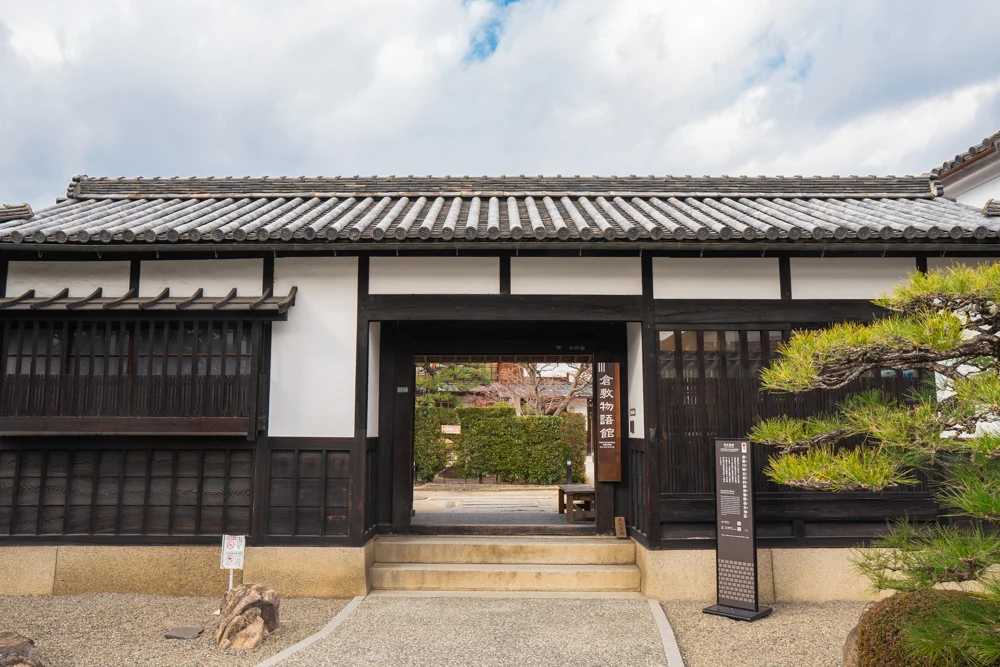
▼ Gradually, the crowds are returning, and there was a gathering of people around the byobu at the Kurashiki City Kurashiki Monogatari-kan!
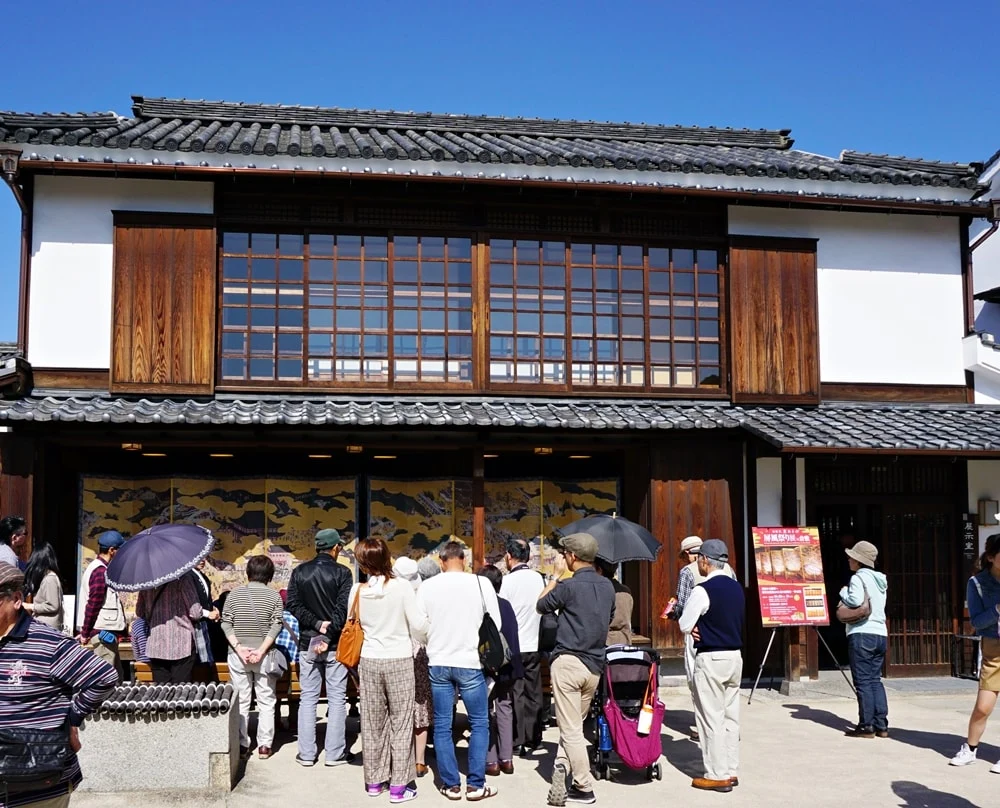
There were many people walking around, and it was very lively.
The Kurashiki City Kurashiki Monogatari-kan is located near the entrance to the Bikan Historical Area, which may explain the large number of visitors.
If you are not comfortable in crowds, it might be a good idea to view from less crowded areas.
Memorable byobu
At the Kurashiki Byobu Festival, you can see 25 byobu and 16 cooperative displays.
I visited the 25 main spots and will introduce five byobu that particularly left an impression on me.
At Ohara House Katalyzer
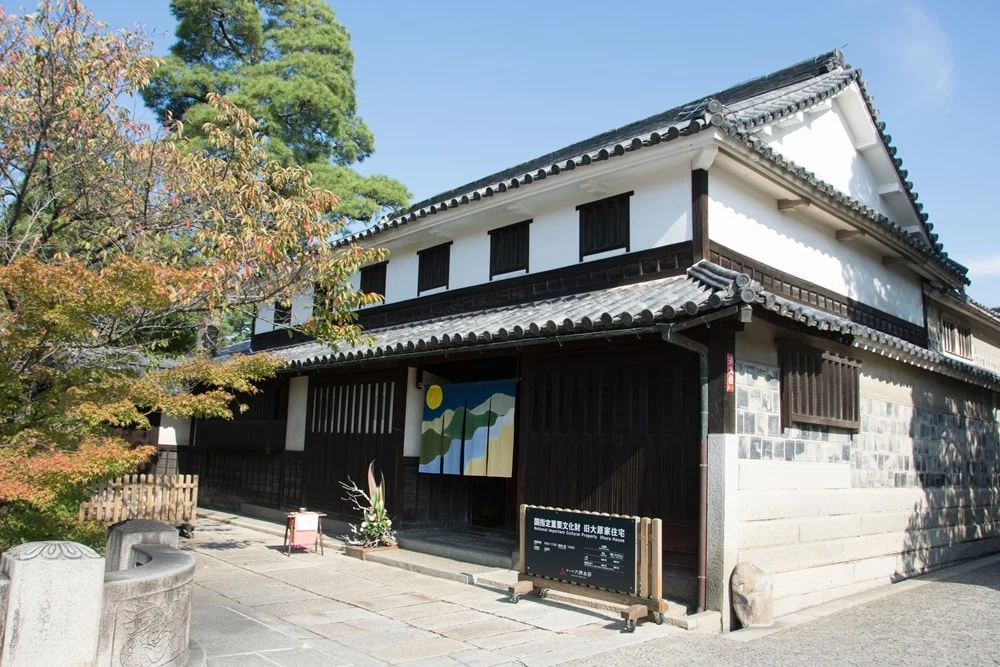
This is a folding screen by Kojima Torajiro, which is also displayed at the Ohara Museum of Art.
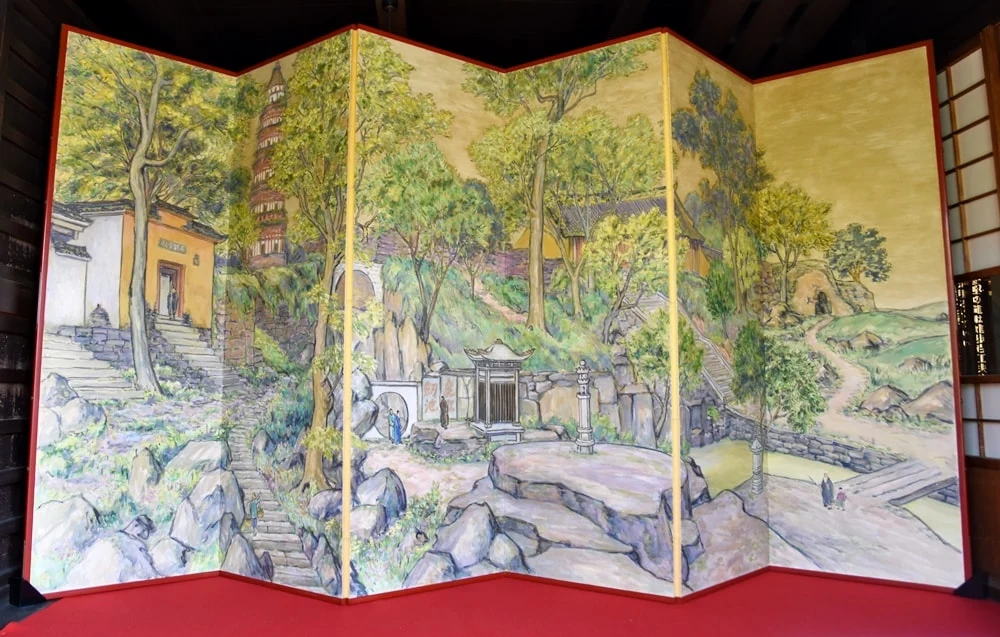
Kojima Torajiro created this work based on his experiences visiting the Korean Peninsula four times from China.
What left an impression was its slightly different feel, like a landscape painting.
At Yoshii Ryokan
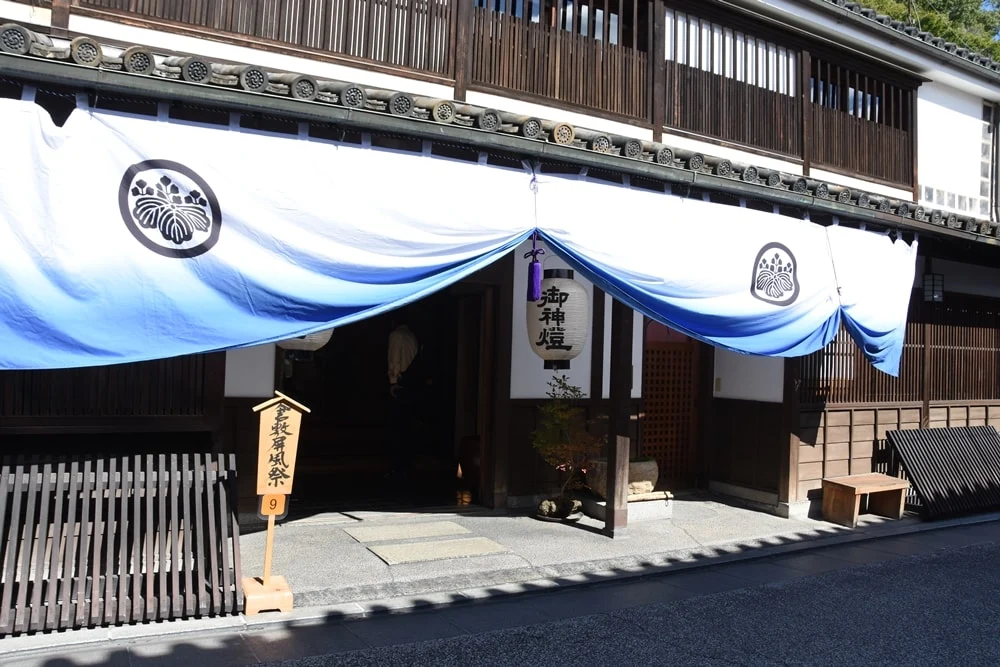
Two cranes are depicted against a golden shining background.
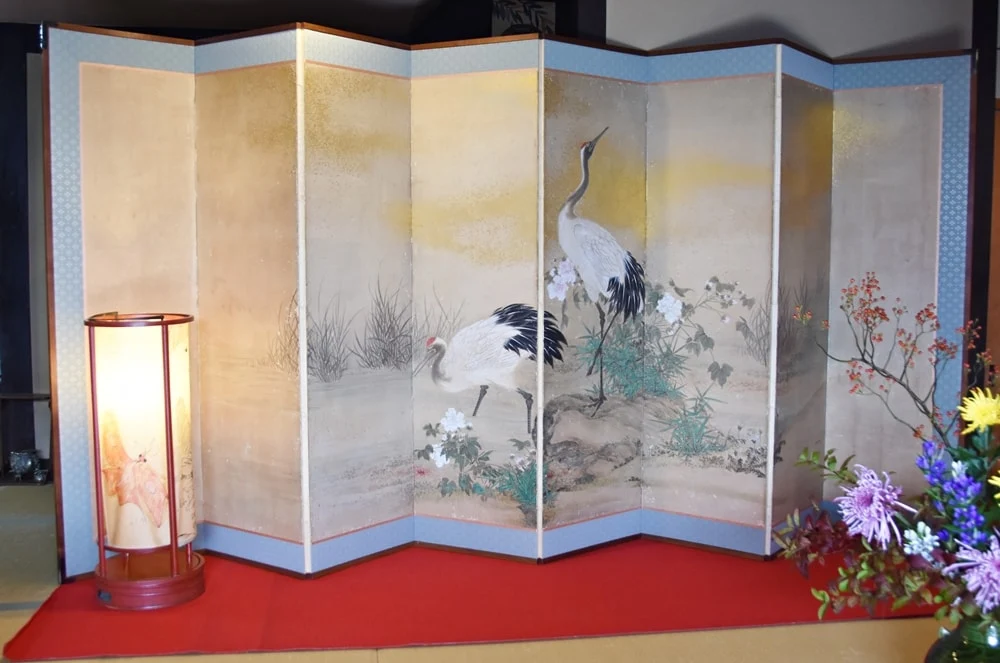
Inside the folding screen, there are white flowers, and in the foreground, there is an ikebana arrangement, which was very beautiful.
Also, the cranes inside the folding screen seemed very lively.
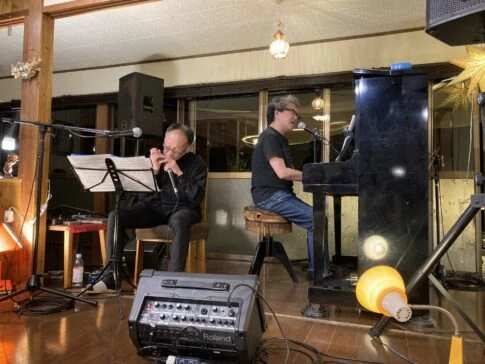
At Jazz Live Avenue
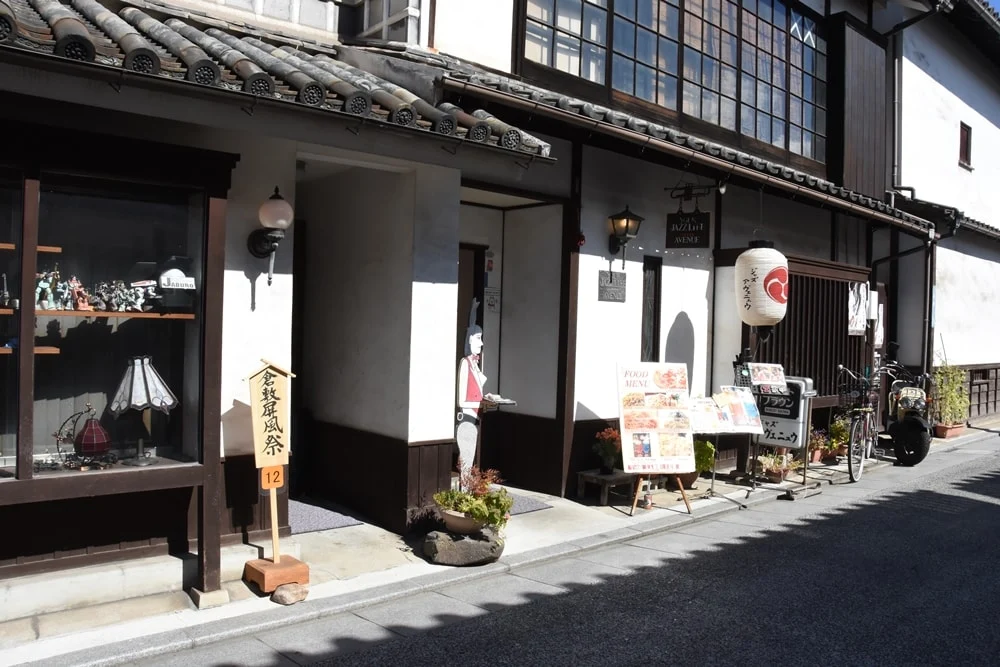
Mountains of China are depicted.
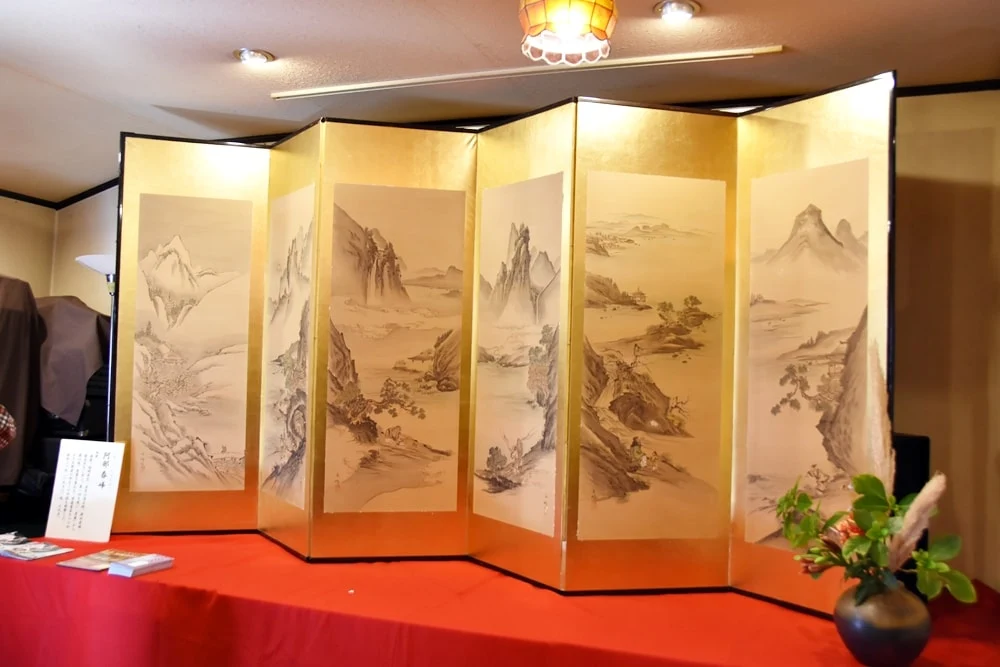
What I found interesting was being able to see the folding screen while jazz music was playing.
I was surprised because I had thought folding screens were only found in Japanese-style rooms or spaces.
The mismatch between the modern light fixture on the ceiling, the folding screen, and the ikebana arrangement in the foreground is fantastic.
At Hachiya Residence
The vividness of the blue catches the eye.
![[Kurashiki Byobu Festival] Screens at the Hachiya Residence](https://media.kuratoco.com/wp-content/uploads/2018/10/23063707/byoubu-matsuri_09.jpg)
The screens I saw on the way to the Hachiya Residence were mostly painted in soft colors.
That is why I was drawn to the blue color.
Moreover, as I passed through the door of the Hachiya Residence, I felt a strong town house color, and it truly felt like "this is the Kurashiki Byobu Festival."
At Hashimaya Kimono Store
![[Kurashiki Byobu Festival] Hashimaya Kimono Store](https://media.kuratoco.com/wp-content/uploads/2018/10/23063659/byoubu-matsuri_15.jpg)
Vivid red koi fish swim among the golden background.
![[Kurashiki Byobu Festival] Screens at Hashimaya Kimono Store](https://media.kuratoco.com/wp-content/uploads/2018/10/23063705/byoubu-matsuri_10.jpg)
This is especially memorable for me.
It is a two-panel screen, but it has a strong impact.
I think, as a layperson, "if it were three or four panels, it would be even more amazing," but perhaps two panels are the best.
Ikebana Also Enhances the Byobu Festival
In addition to the screens, there were also ikebana arrangements displayed throughout the town, which were a delight to the eyes.
Let me introduce three of them.
![[Kurashiki Byobu Festival] Ikebana in the Town](https://media.kuratoco.com/wp-content/uploads/2018/10/23063703/byoubu-matsuri_12.jpg)
![[Kurashiki Byobu Festival] Ikebana in the Town](https://media.kuratoco.com/wp-content/uploads/2018/10/23063702/byoubu-matsuri_13.jpg)
![[Kurashiki Byobu Festival] Ikebana in the Town](https://media.kuratoco.com/wp-content/uploads/2018/10/23063700/byoubu-matsuri_14.jpg)
A Festive Day for the Whole Town
The Kurashiki Byobu Festival is held simultaneously with the Achi Shrine's autumn grand festival.
It is a festive day for the whole town, including the Bikan Historical Area.
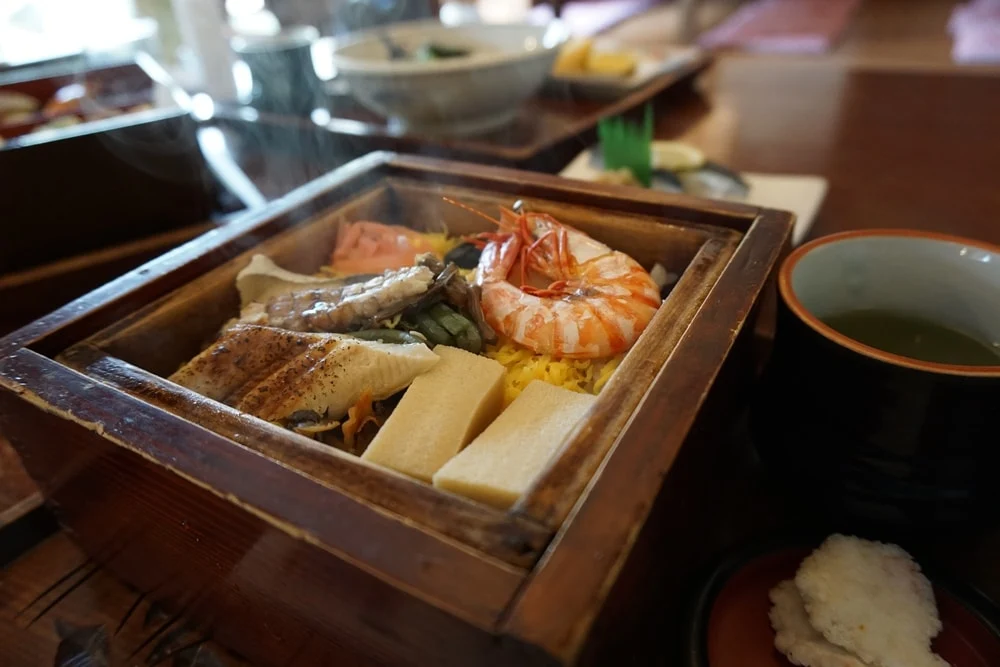
At the festival, you can find barazushi (scattered sushi), a must-have food from Okayama Prefecture, being sold at various locations.
Among them, the barazushi from the Kurashiki Chamber of Commerce Women's Association is particularly popular and often sells out by the afternoon.
On October 20, it sold out around 12:15 PM, and on October 21, around 11:30 AM.
▼ I actually tried it.
![[Kurashiki Byobu Festival] Barazushi from the Kurashiki Chamber of Commerce Women's Association](https://media.kuratoco.com/wp-content/uploads/2018/10/23063658/byoubu-matsuri_16.jpg)
On top of the vinegared rice are makkaru (a type of fish) and sawara (Spanish mackerel), which are familiar in Okayama Prefecture.
It’s good to eat before walking around the town, or you can buy it in advance and enjoy it later.
▼ At the restaurant "KAMOI" located in the Bikan Historical Area, there is also warm barazushi called "nuku-zushi."
![[Kurashiki Byobu Festival] Nuku-zushi from KAMOI](https://media.kuratoco.com/wp-content/uploads/2018/10/23063657/byoubu-matsuri_17.jpg)
Since it is steamed in a bamboo steamer, you can enjoy its warm and comforting taste.
The Old and New Kurashiki Byobu Festival
The Byobu Festival was held during the Meiji era.
It shows that it has a long history.
However, it was interrupted for a while and was revived in 2002, so I thought, "It's an old yet new festival."
Among the displayed byobu (folding screens), some have torn folding sections, allowing you to feel the passage of time.
On the other hand, the byobu displayed at the kimono shop and other places are newly painted.
Additionally, there are byobu created by the Faculty of Art at Kurashiki University of Science and the Arts.
▼ Here are the byobu displayed in the precincts of Achi Shrine, along with the student creators.
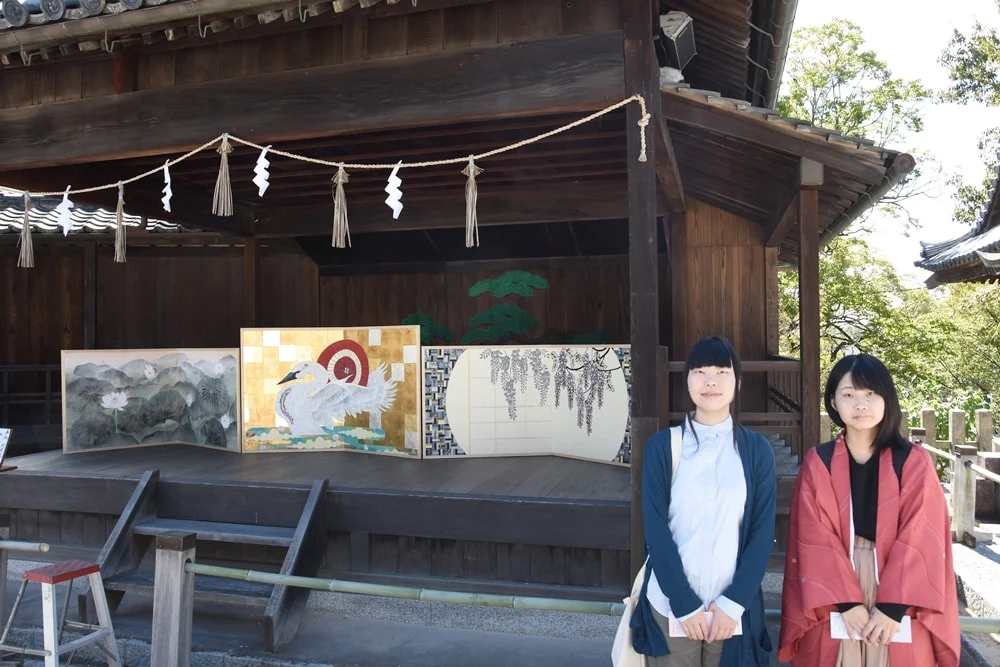
I felt that modern young people are also challenging themselves to create byobu, which is 'old yet new.'
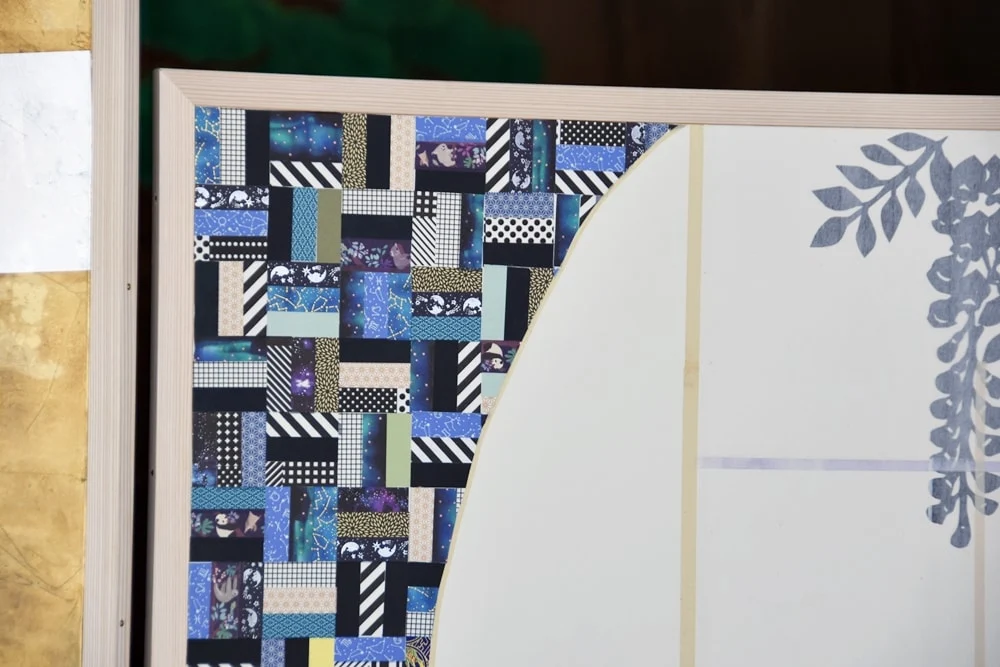
▼ It seems that masking tape was used, making it a contemporary work.
Impressions of Experiencing the Kurashiki Byobu Festival
I always pass through the Bikan Historical Area without thinking much, but I found myself wondering, "What kind of shop is this?" and "Is it a house?" while looking at the scenery.
At the Kurashiki Byobu Festival, you can casually enter the entrances of various shops and townhouses (including private homes).
You can see byobu that are not familiar in today's life and also learn about the atmosphere of places you might think, "Oh, so this is what this shop is like!"
It was very interesting as it provided discoveries beyond regular town walking.
I would like to experience what kind of initiatives will be there next time.
Additionally, I was able to talk to Professor Moriyama from the Faculty of Art at Kurashiki University of Science and the Arts, the creator of the particularly impressive byobu "Red Carp Screen" that was displayed at the kimono shop.
Data on the Kurashiki Byobu Festival
| Name | Kurashiki Byobu Festival |
|---|---|
| Date | October 20 (Saturday) and 21 (Sunday), 2018 [Ended] From 10:00 AM to 5:00 PM *Held in conjunction with the Achi Shrine Autumn Grand Festival |
| Location | Honmachi, Higashimachi area, Bikan Historical Area, Kurashiki City |
| Participation Fee (including tax) | Free |
| Website | Kurashiki Byobu Festival | Kurashiki Tourism WEB |