
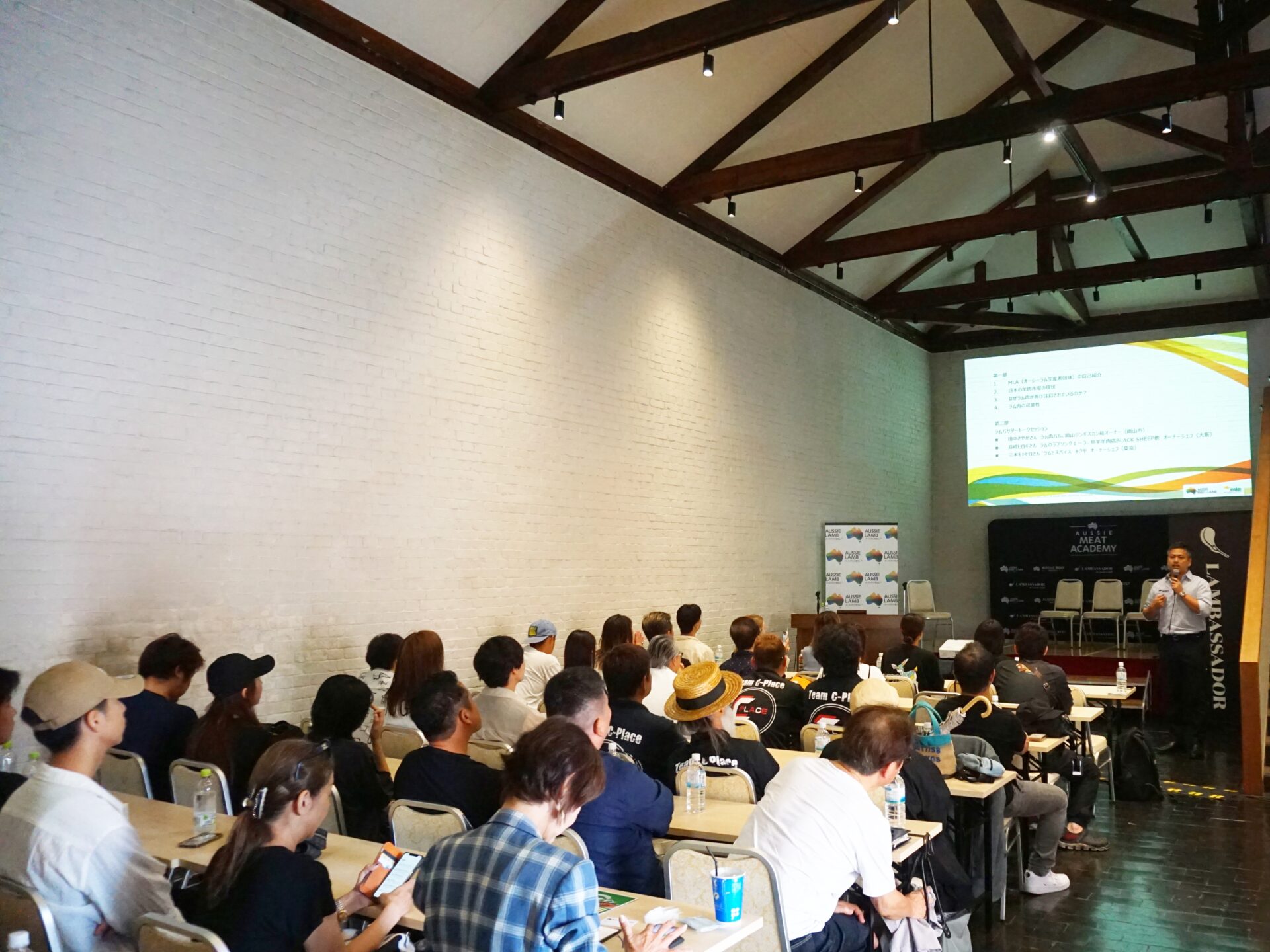
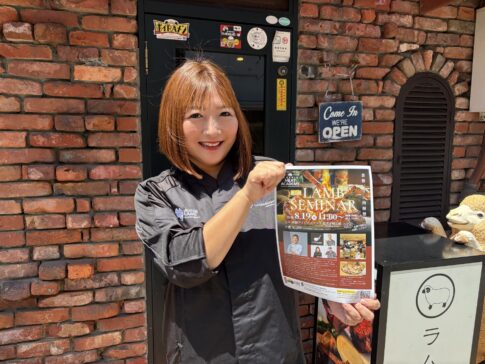
Did you know that a “Lamb Seminar” is held once a year to spread lamb (sheep meat) culture from the Seto Inland Sea region?
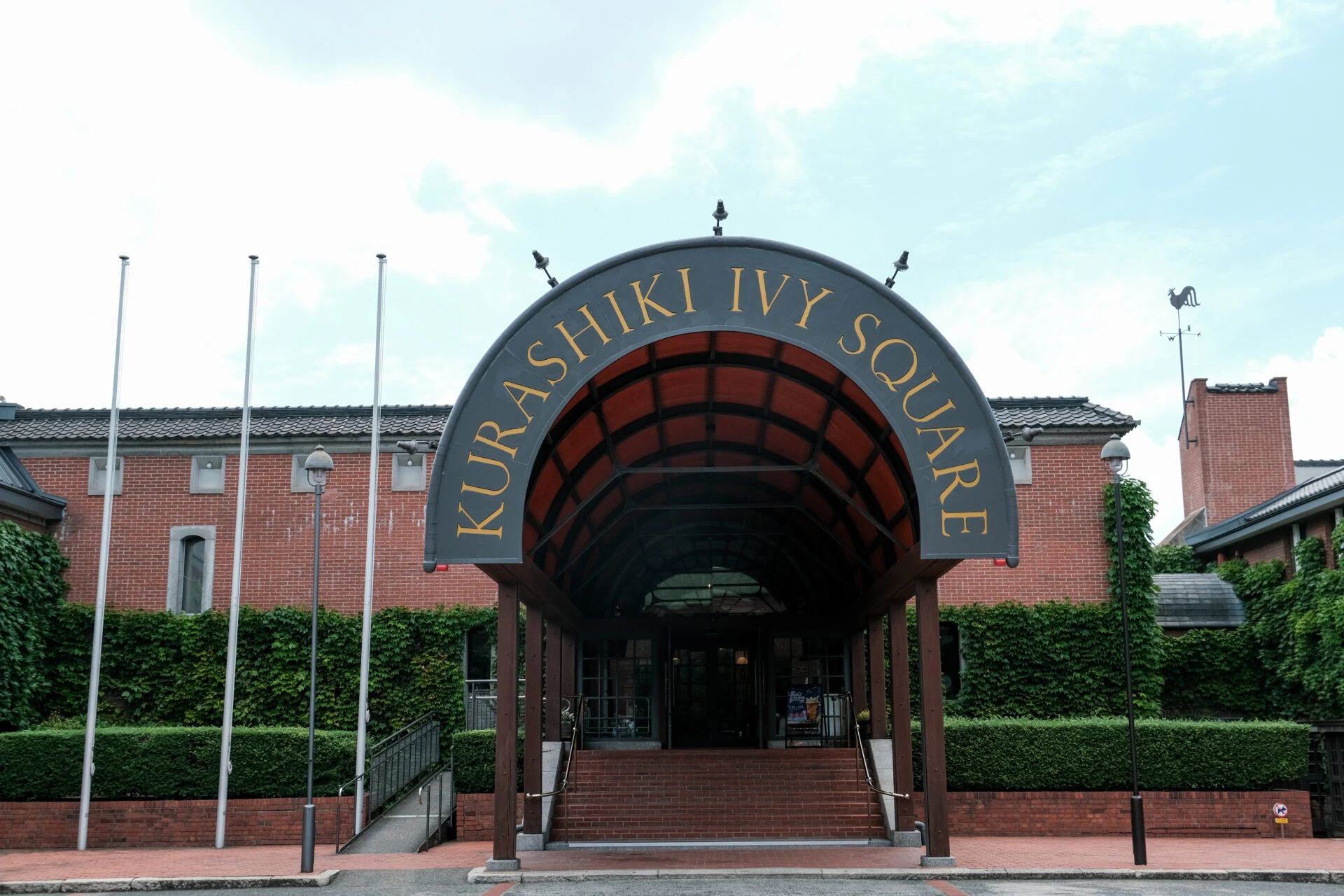
The first and second seminars were held in Okayama City, and this year (2026), the third was held in Kurashiki City. Restaurant industry professionals from inside and outside Okayama Prefecture gathered at Aibi Red Brick Hall at Kurashiki Ivy Square, the venue.
Although I am not a restaurant industry professional, I was interested in lamb and attended, so here is a report on the seminar.
The information presented is current as of the article’s publication in September 2026. Please note that it may differ from current information.
The Current State of Japan’s Lamb Market
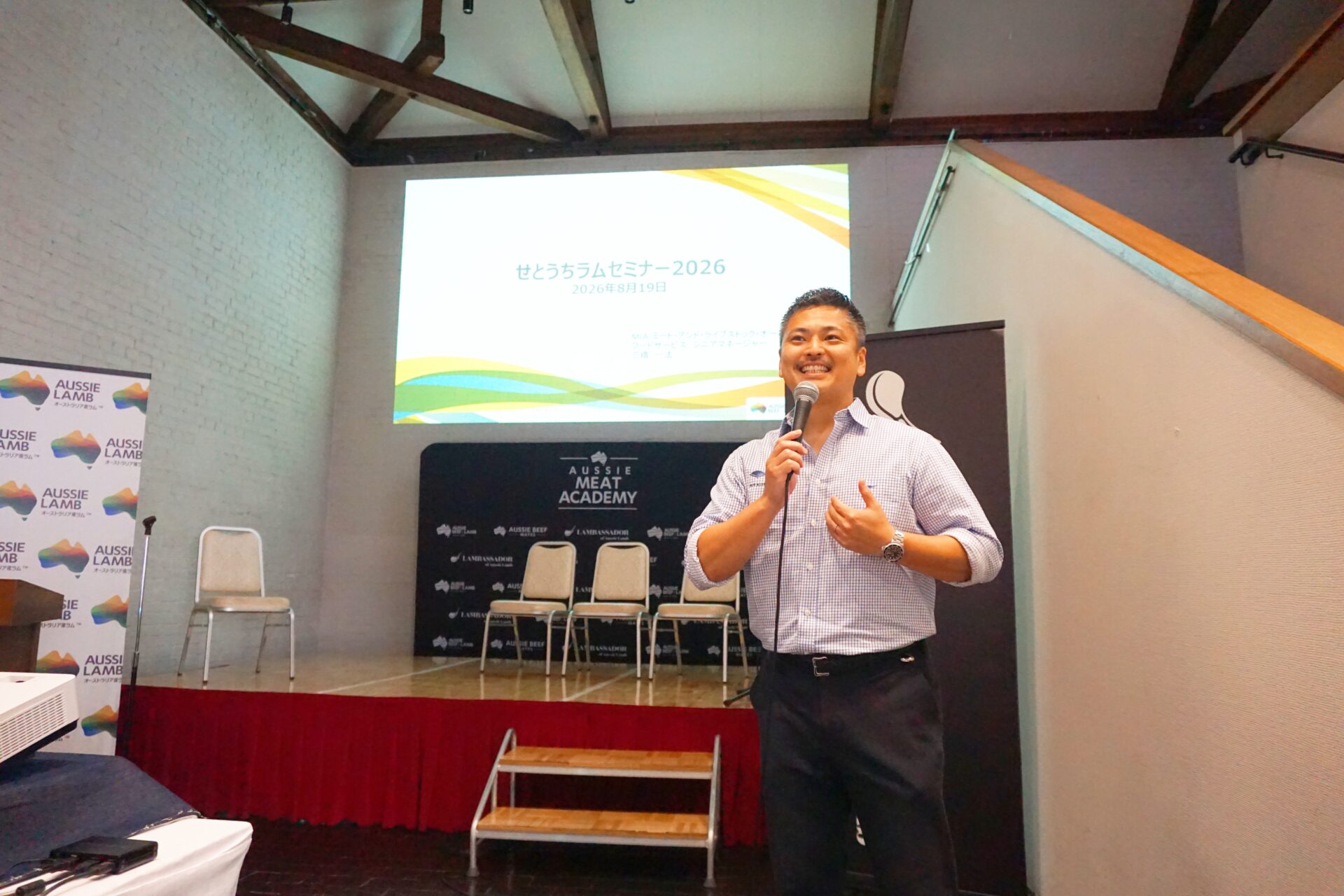
Do you ever have lamb on your dinner table? Or how often do you get the chance to eat lamb when dining out? It may not come to mind very often.
There’s a reason for that. Annual lamb consumption per person in Japan is about 300 grams. By comparison, people consume about 14 kg of chicken, just over 13 kg of pork, and about 6 kg of beef. That’s an extremely small amount, isn’t it?
The speaker who began with this striking information was Mitsuhashi Kazunori, MLA (Meat & Livestock Australia) Food Service Senior Manager, representing the sheep meat producers’ organization.
He has spoken at the seminar since its first year, explaining the lamb markets in Japan and around the world in an easy-to-understand way each time.
Three Attractions of Lamb
What exactly makes lamb appealing? Mitsuhashi listed the following three points.
- The only red meat that is not restricted by religion
- High nutritional value
- Sustainability
People without religious dietary restrictions can eat a variety of meats, so they may not give this much thought. Muslims, for example, do not eat pork. Lamb may be an option for people whose religious beliefs limit the meats they can eat, making it one way for restaurants to cater to inbound visitors.
Lamb is also richer than other livestock meats in protein, iron, zinc, and B vitamins, making it a good fit for concepts aimed at health-conscious customers and women.
What does sustainability mean in this context?
Sheep are among humanity’s oldest domesticated animals (recorded in Mesopotamian texts) and are raised on pasture, feeding only on grass, so they are considered to have a low environmental impact. They also have advantages from the perspectives of animal welfare and ethical practices, which benefits businesses that handle lamb.
Animal welfare
The idea of minimizing stress and suffering as much as possible throughout an animal’s life, from birth to death, and ensuring it can live in a healthy and comfortable state
Lambassador Talk Session
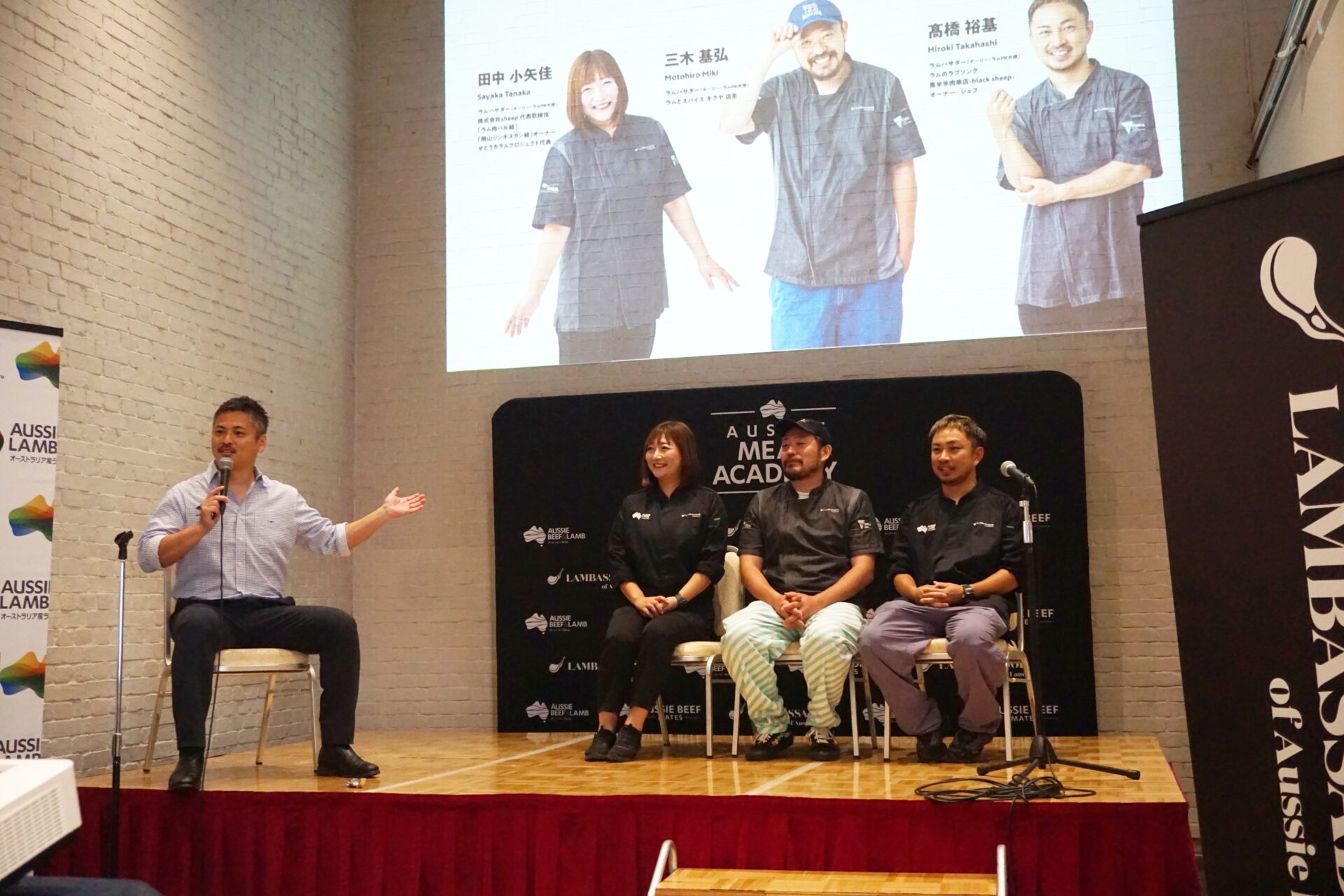
In the second half, under the title “Lambassador Talk Session,” three Lambassadors (a portmanteau of “lamb” and “ambassador”) answered questions from the facilitator, Mitsuhashi.
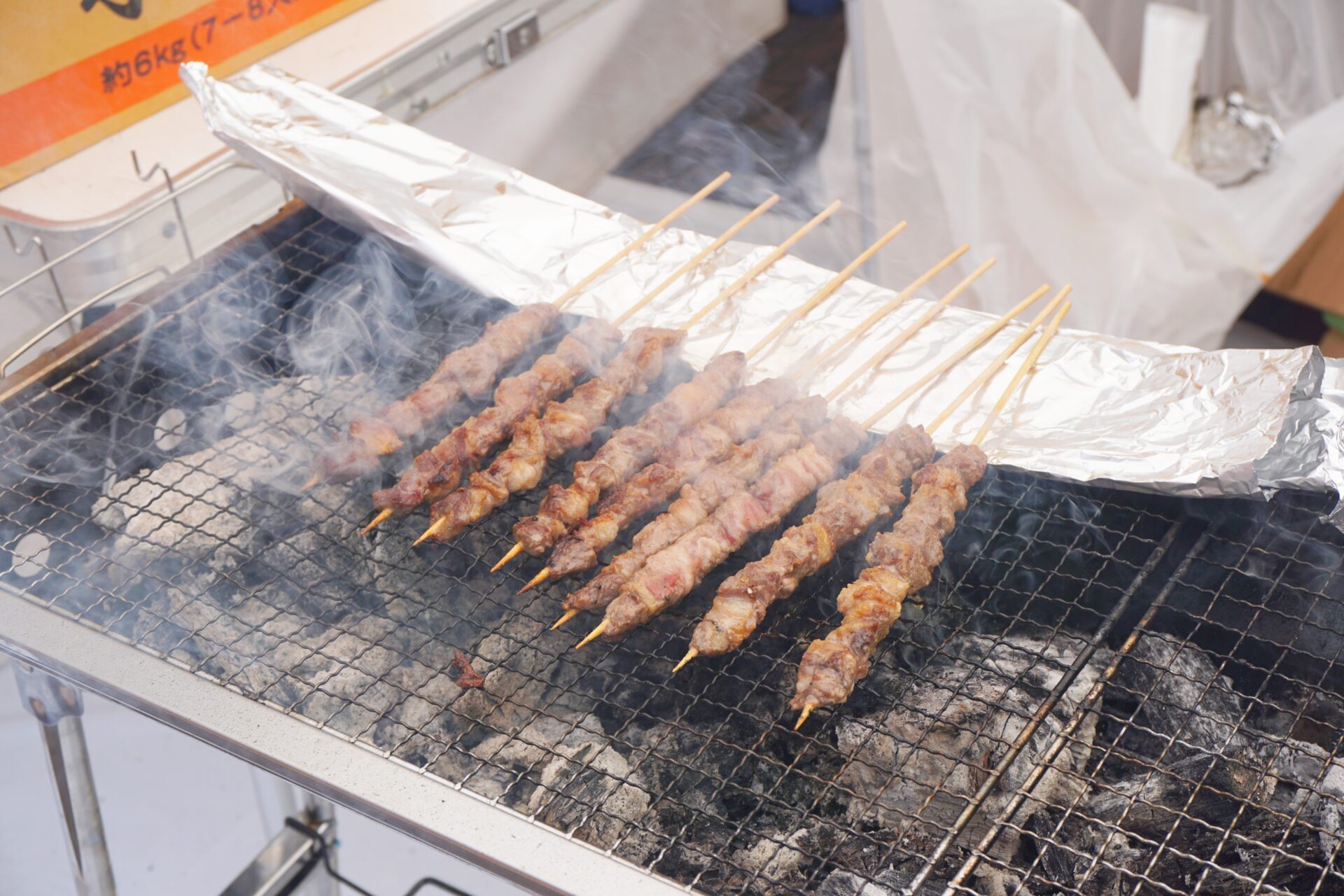
Before the talk session, attendees sampled lamb dishes served at the Lambassadors’ restaurants. It seems to have been a time that satisfied both the stomach and the heart of the seminar participants.
| Lambassadors (titles omitted) | Title | Dish served |
|---|---|---|
| Tanaka Sayaka | Representative Director, sheep Co., Ltd. Owner of “Lamb Meat Bar Yui” and “Okayama Jingisukan Yui” | Setouchi Lemon Salt Jingisukan |
| Miki Motohiro | Owner, Lamb and Spice Kikuya | Soup dumplings made with minced lamb leg |
| Takahashi Hiroki | Restaurant owner / chef | Lamb skewers |
The talk session covered topics such as:
- What led them to start serving lamb
- Insights on menus and food costs
- Tips for attracting customers, and more
Of these, Tanaka Sayaka’s response particularly stayed with me:
“More inbound visitors (foreign tourists) are searching online for restaurants where they can eat lamb and coming in. Just listing lamb on the English menu makes a big difference in the response.”
Many foreign visitors also come to the Bikan Historical Area, where Kurashiki Ivy Square is located. Around the world, lamb is apparently considered a “special-occasion meat.” I thought that Kurashiki and lamb might be a good match.
A Few Words from Each
Mitsuhashi, MLA’s Food Service Senior Manager, said:
“I want to keep sharing the appeal of lamb and spread lamb culture throughout the Seto Inland Sea region, starting from Okayama.”
The following were the words of Tanaka, the organizer and the first Lambassador from the Chugoku and Shikoku region:
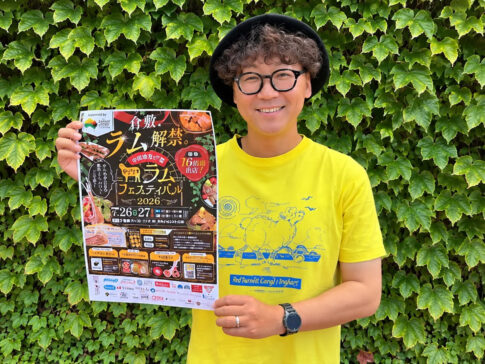
“Some people find it a little daunting to eat lamb, but when they actually try it, they may find it delicious. First, we have the Lamb Seminar for restaurant industry professionals. For the general public, I hope they’ll enjoy lamb events. On September 26 and 27, 2026, we plan to hold the Lamb Festival at Kurashiki Ivy Square.”
From the Writer
Many restaurant industry professionals attended the seminar, showing just how much interest there is in lamb. Among them was the owner of a food truck that sets up at events I often go to.
Three businesses that handle lamb also took part, and after the seminar, attendees could be seen exchanging business cards and information.
Perhaps Kurashiki will see a lamb craze before long.


What would you like to know about Kurashiki?
Enter a search term to find articles on this site






































3rd Lamb Seminar in Kurashiki
Venue:
Kurashiki Ivy Square, Aibi Red Brick Hall
7-2 Honmachi, Kurashiki City, Okayama Prefecture
Date:
Wednesday, August 19, 2026
Doors open: 10:30 a.m.
Seminar: 11:00 a.m.–1:00 p.m.
Details URL:
https://www.instagram.com/setouchi_lamb_pj/