For me, who moved from the Kanto region to Kurashiki in December 2023, the landscape of Kurashiki, where traditional homes that offer a glimpse into the lives of people from the past remain everywhere, is refreshing.
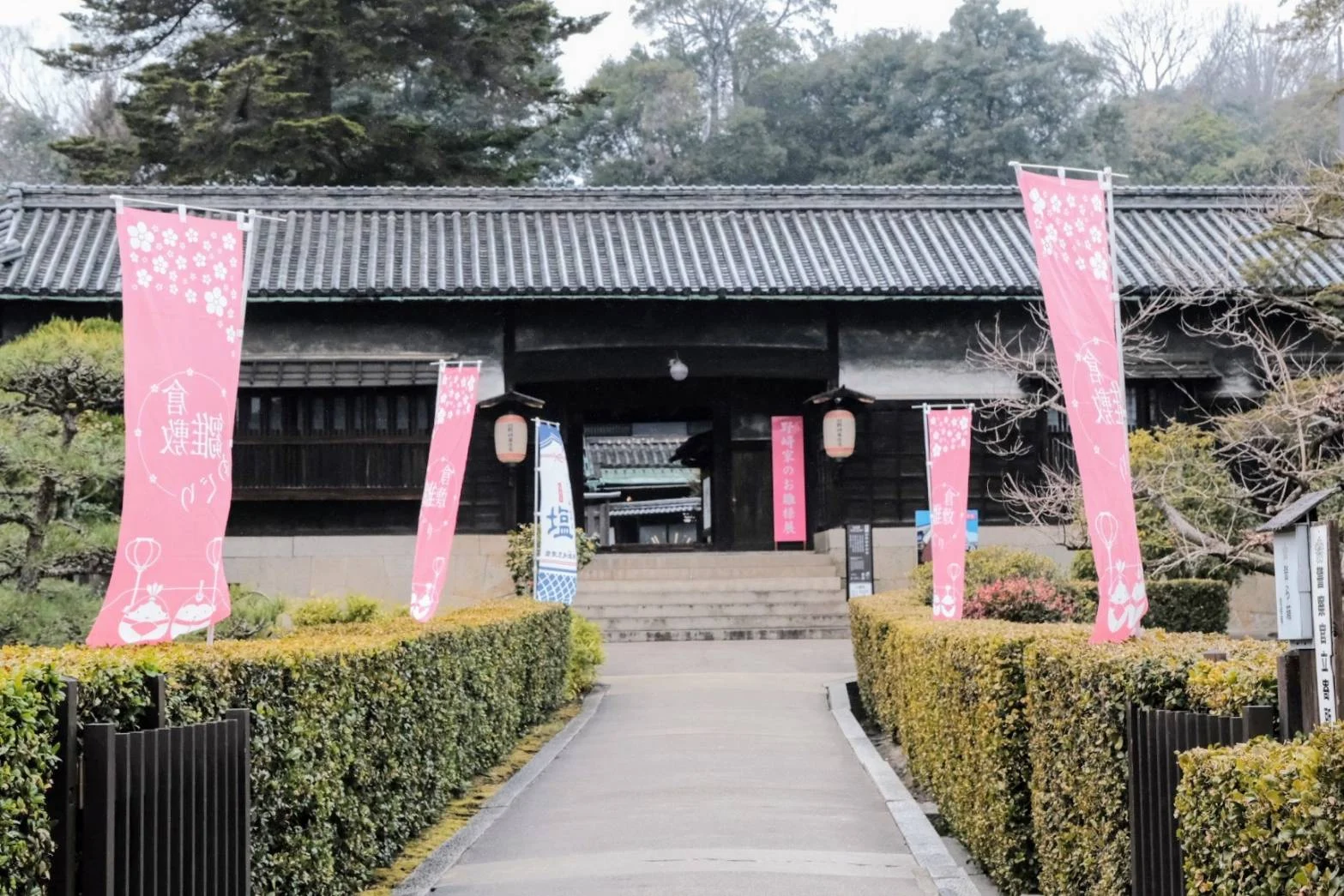
When it comes to townhouses, the Bikan Historical Area, also known as the white-walled town, is famous, but there is also a splendid residence designated as an important cultural property by the national government, the Nozaki's Historical Residence, in Kojima.
In September 2023, I will introduce the history and highlights of this residence, which has a site area of about 3,000 tsubo and served as a filming location for the movie "Don't Say Mystery," starring actor Masaki Suda.
About Nozaki's Historical Residence
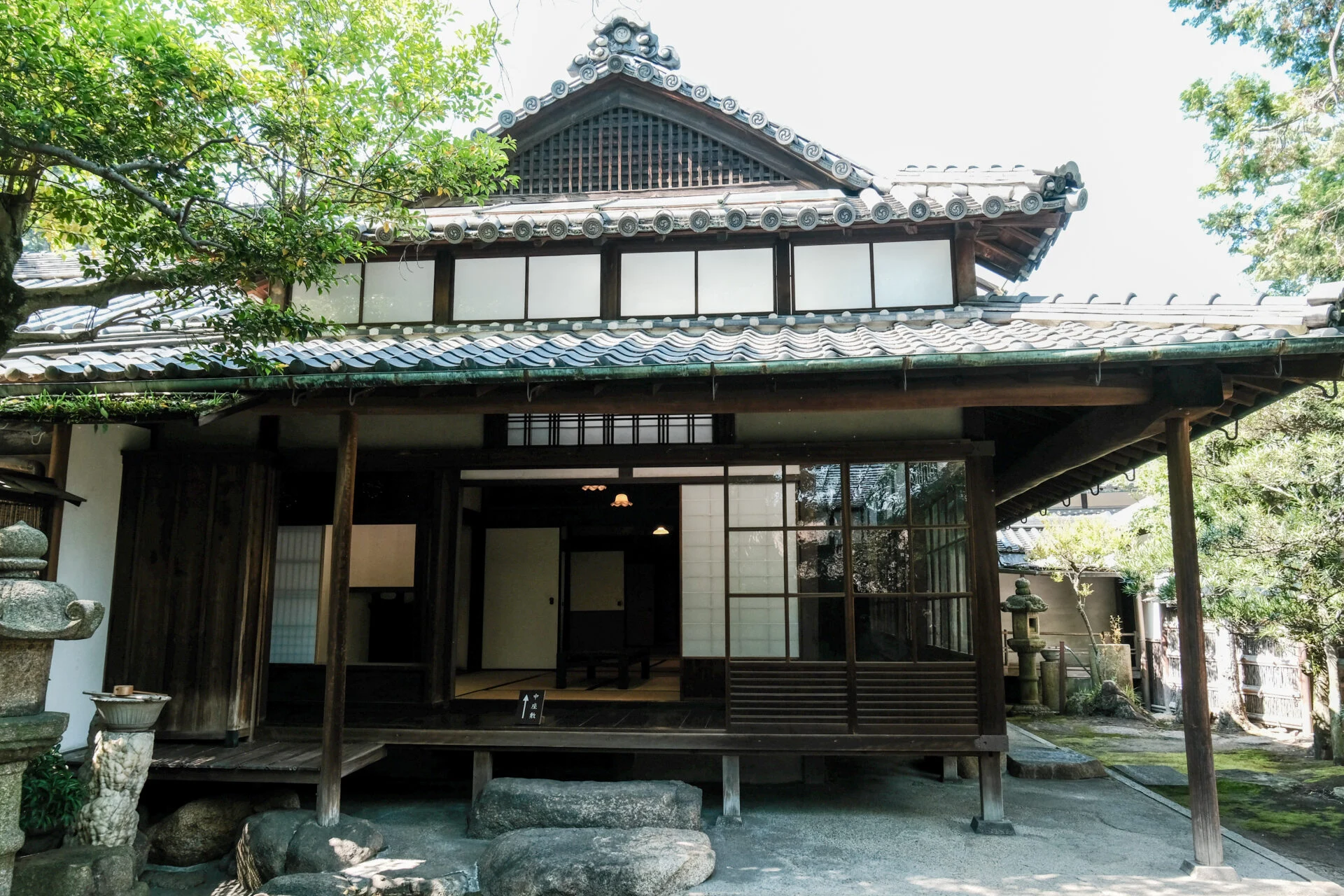
Nozaki's Historical Residence is a house built by Nozaki Buzaemon, who made his fortune through salt production and new rice field development.
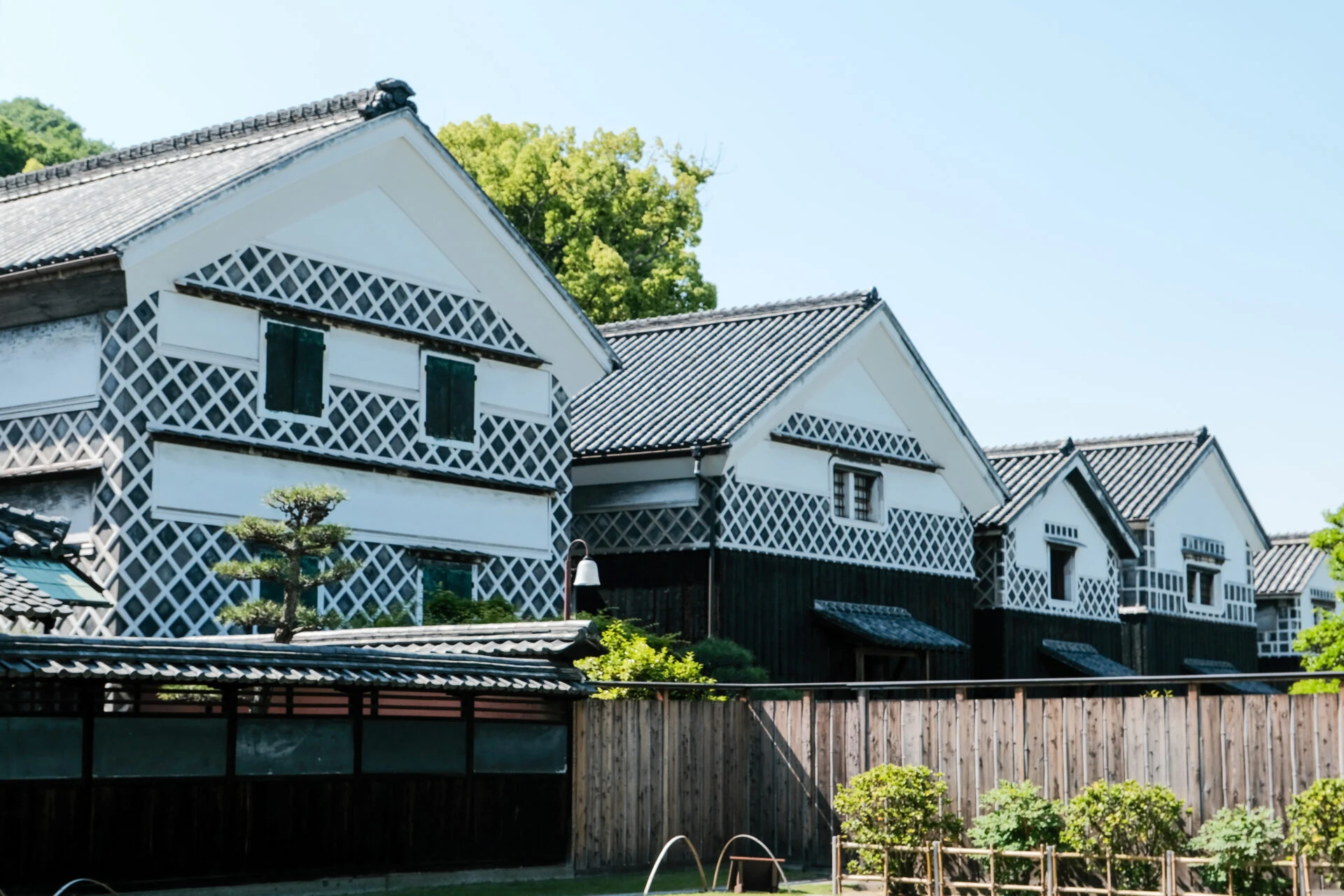
The residence, with a site area of 3,000 tsubo and a total floor area of about 1,000 tsubo, retains the appearance of the time, including not only the main house but also a Japanese garden and storehouses.
Registered as a museum in 1995, it was designated as an important cultural property by the national government in 2006.
In 2011, it became the first museum in Okayama Prefecture to be certified as a public interest incorporated foundation, continuing to preserve the building and inherit the culture of the time as a museum.
Who are the Nozakis?
The Nozaki family, descended from the Seiwa Genji, was once known by the surnames Tada and Konan. It is said that they began residing in Ajino Village, Kojima District, in the late 16th century.
Nozaki Buzaemon, who built Nozaki's Historical Residence, was engaged in the manufacturing and selling of tabi (traditional Japanese socks), but at the age of 38, he resolved to construct salt fields off the coast of Ajino Village and Akasaki Village. He adopted the surname Nozaki, taking the names of both villages.
The area of the salt fields he owned extended to about 161 hectares, and he grew to become a major salt field landlord. Under the orders of the Okayama Domain, he also successfully carried out the reclamation project of about 700 hectares of Fukuda Shinden.
In 1890, Buzaemon's grandson, Bukichiro, was elected as a member of the House of Peers, marking the family as one of the prominent families representing Kurashiki.
The salt production business that continues today
The salt from the Nozaki family is still famous today, and not only table salt but also chemical products (industrial products made using chemical changes in chemical factories) continue to be produced using salt.
The company that manufactures Nozaki's salt is Naikai Shiogyo Co., Ltd..
Since its founding in 1829, it has consistently continued the salt production business on the Kojima Peninsula facing the Seto Inland Sea.
Naikai Shiogyo, which continues the salt business in the same area, is the oldest salt company.
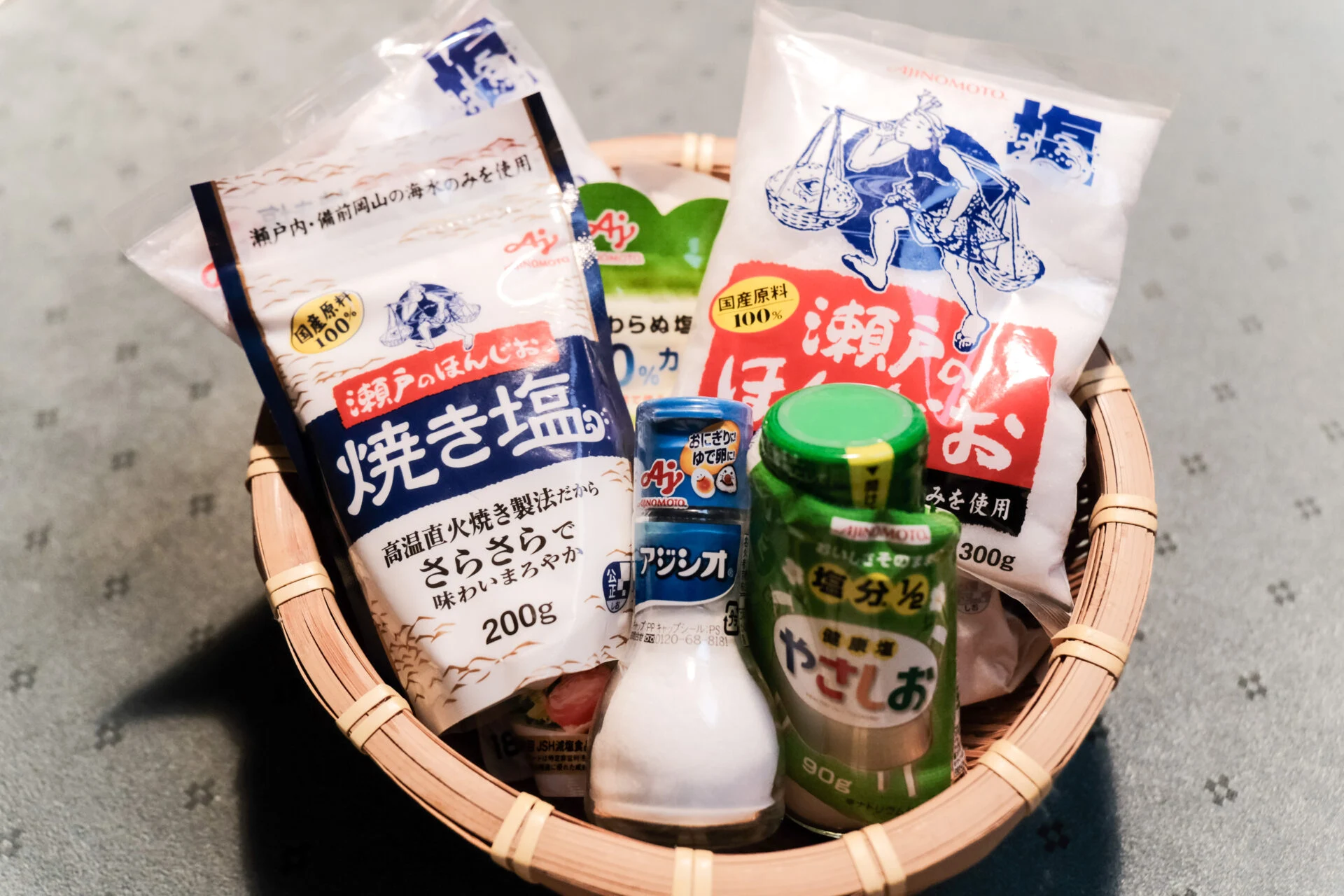
In fact, the registered headquarters of Naikai Shiogyo Co., Ltd. is currently Nozaki's Historical Residence.
Nozaki's Historical Residence is operated using not only the entrance fee but also donations from group companies of Naikai Shiogyo Co., Ltd.
A hub for experts! A museum with a rich function
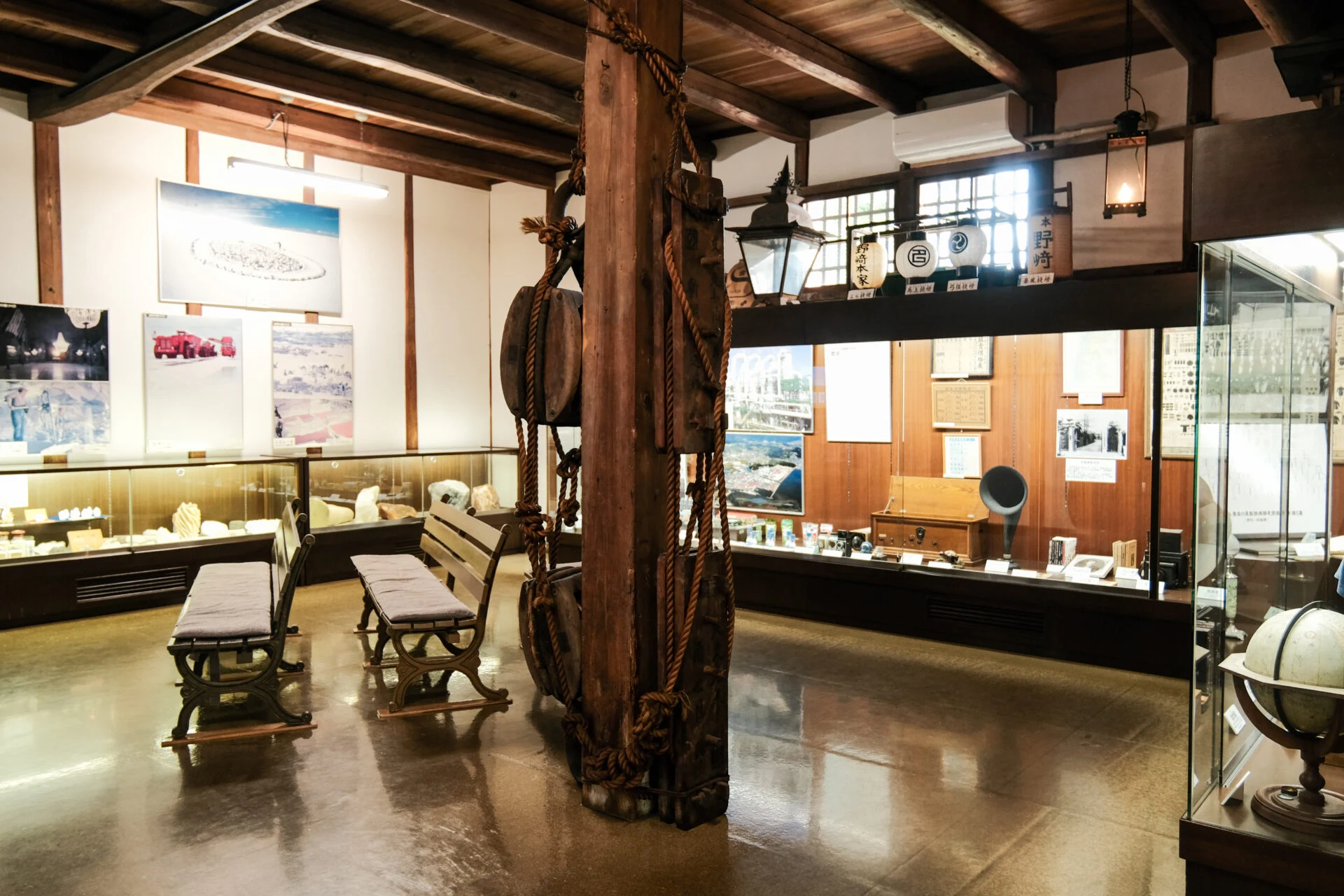
In 2011, Nozaki's Historical Residence was certified as a public interest incorporated foundation, becoming a museum with functional capabilities.
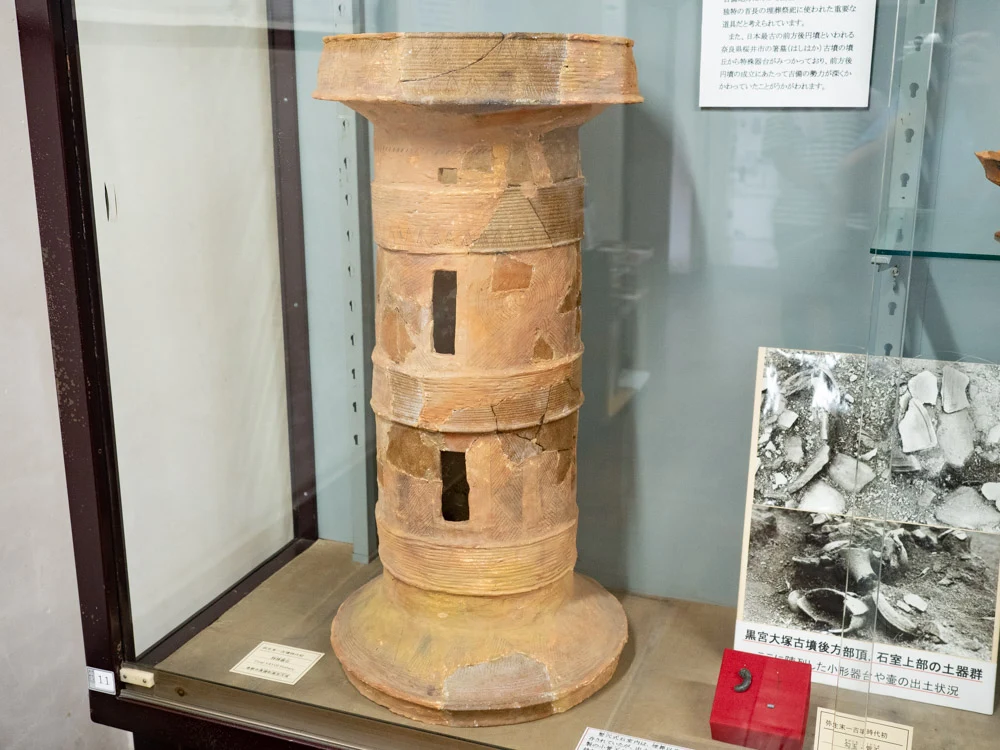
The Kojima area did not suffer damage from air raids during World War II, so many materials from before the war still exist.
Among them are items sent from the continent during the period of national isolation, with notes remaining about when, from whom, and for what purpose they were sent.
Artworks are stored in pristine condition without any missing pieces, and some have identifiable origins, which is why researchers from universities and national museums frequently visit Nozaki's Historical Residence.
In addition to investigating the collections, the museum also engages in exhibition activities.
The exhibition space is in the storehouses of the time.
Exhibitions that utilize the buildings that have remained in Kojima create a unique scenery that is characteristic of Nozaki's Historical Residence.
Special exhibitions are also held.
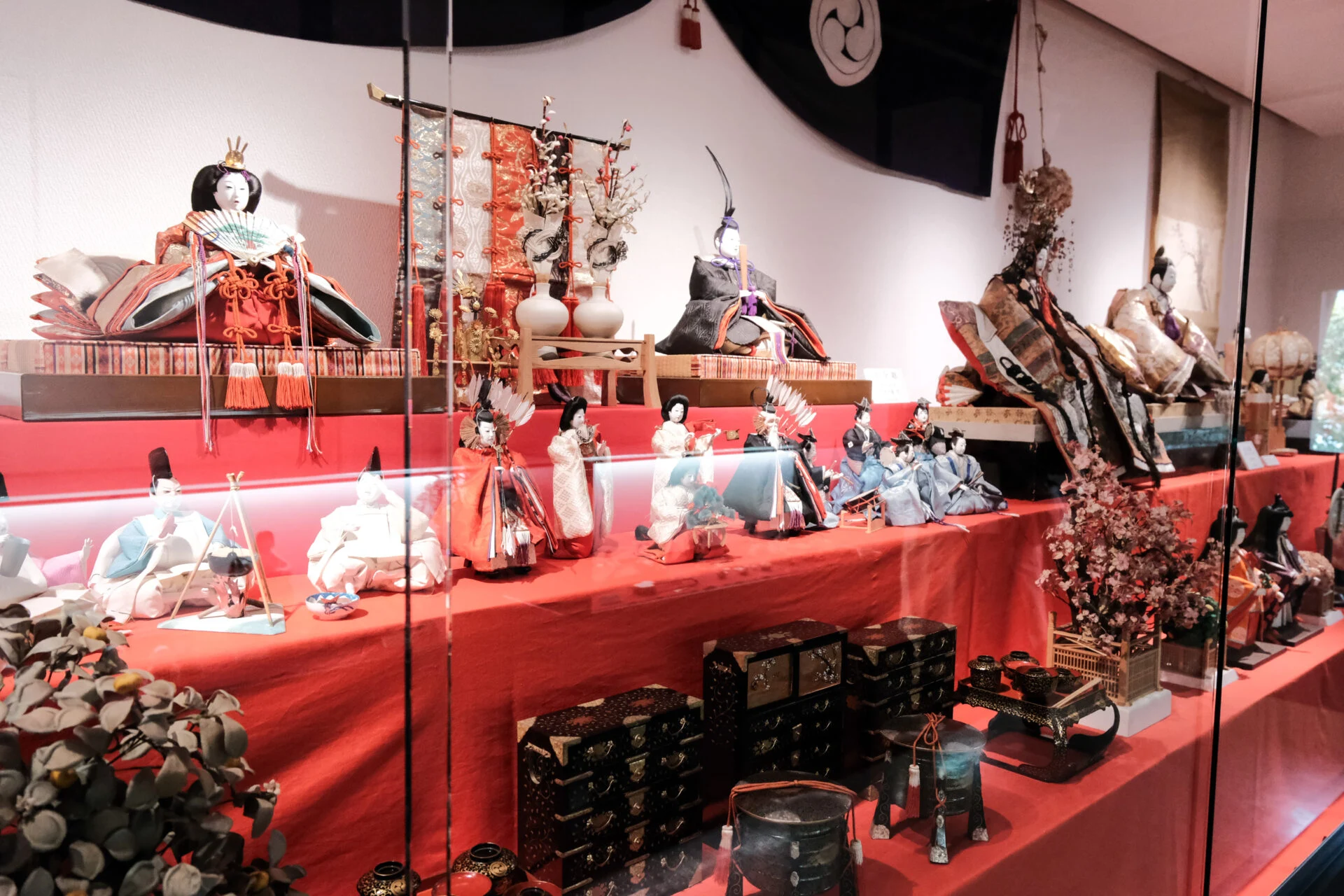
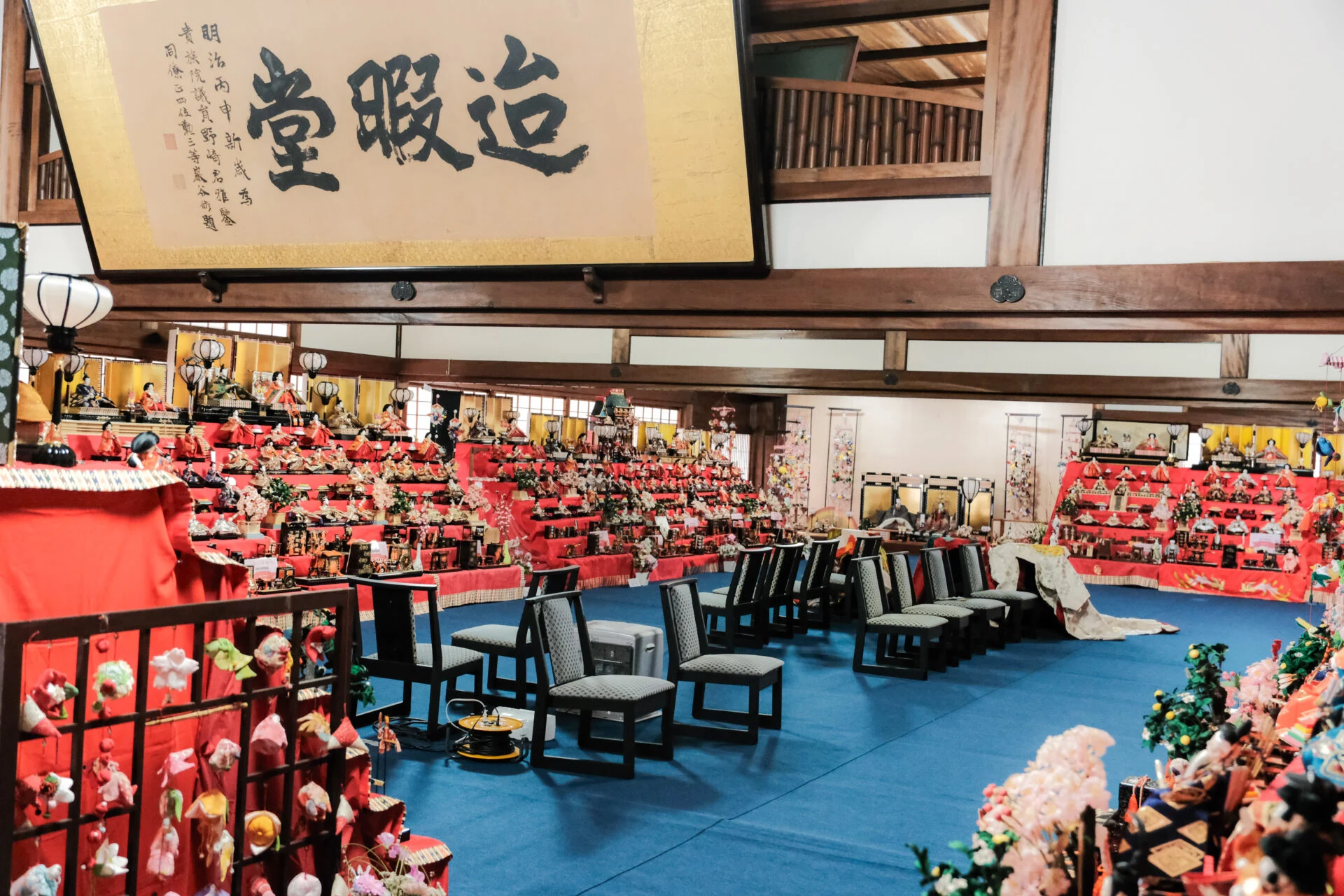
The "Nozaki Family Hina Doll Exhibition" dates back to the Meiji era and is said to have attracted as many as 1,500 visitors in a single day at that time.
As of July 2025, the following special exhibitions are scheduled:
- Nozaki Bukichiro - The Man Who Inherited the Thoughts of the Salt Field King (July 3, 2025 - September 28, 2025)
Exhibition of related materials commemorating the 100th anniversary of Bukichiro's death - Kojima Blue Art Festival (October 3, 2025 - November 9, 2025)
Exhibition of works expressing marine life in Bizen pottery by Bizen pottery artist Gyokushuu Kimura and the Setouchi branch of the Japan Ceramic Sculpture Association - Calendar Project Exhibition "Nozaki Family Metalwork Exhibition - Extraordinary Techniques of the Meiji Era" (November 13, 2025 - January 25, 2026)
Exhibition centered on Shoami Katsuyoshi, who mastered intricate techniques in Okayama - Nozaki Family Hina Doll Exhibition (January 28, 2026 - April 5, 2026)
- Hina Alumni Association (tentative) (February 21, 2026 - March 8, 2026)
Exhibitions are subject to change without notice
Inheritance of traditional culture utilizing the architecture and collections within the residence
Nozaki's Historical Residence, as the name suggests, was a house where people lived.
There were the lives of those who lived here.
The guesthouse, Nozaki's Detached Villa Kaikado, completed in 1896, was used as a place for entertaining, lodging, and gatherings for such people.
Today, traditional performing arts such as "Kojima Noh," utilizing Noh masks remaining in the Nozaki family, and "Kojima Rakugo" are held every year, and it continues to be used as a venue for the Hina Alumni Association.
It is evident that it plays a role in preserving the collections from that time not just as exhibits but as a culture.
Highlights of Nozaki's Historical Residence showcasing the craftsmanship!
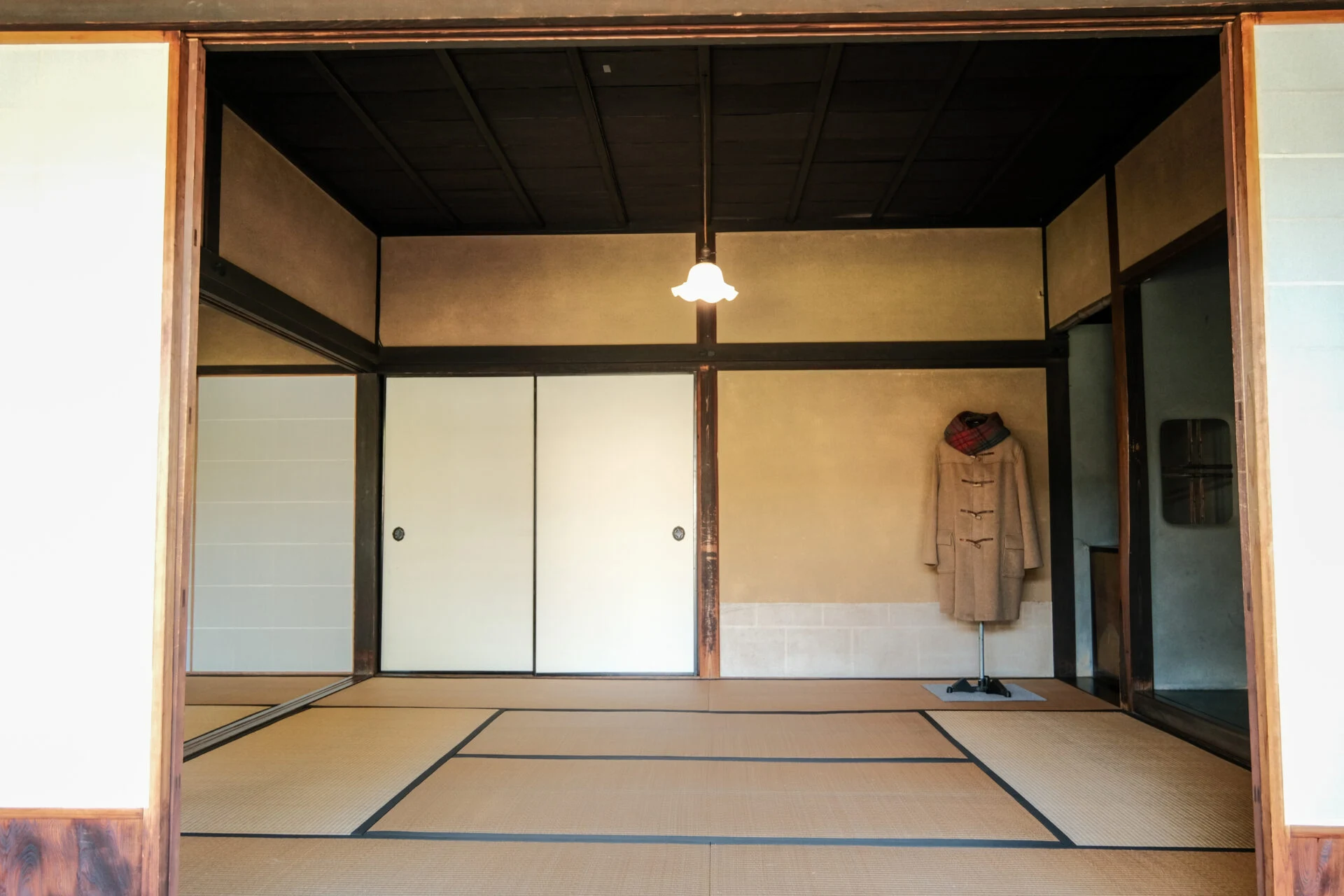
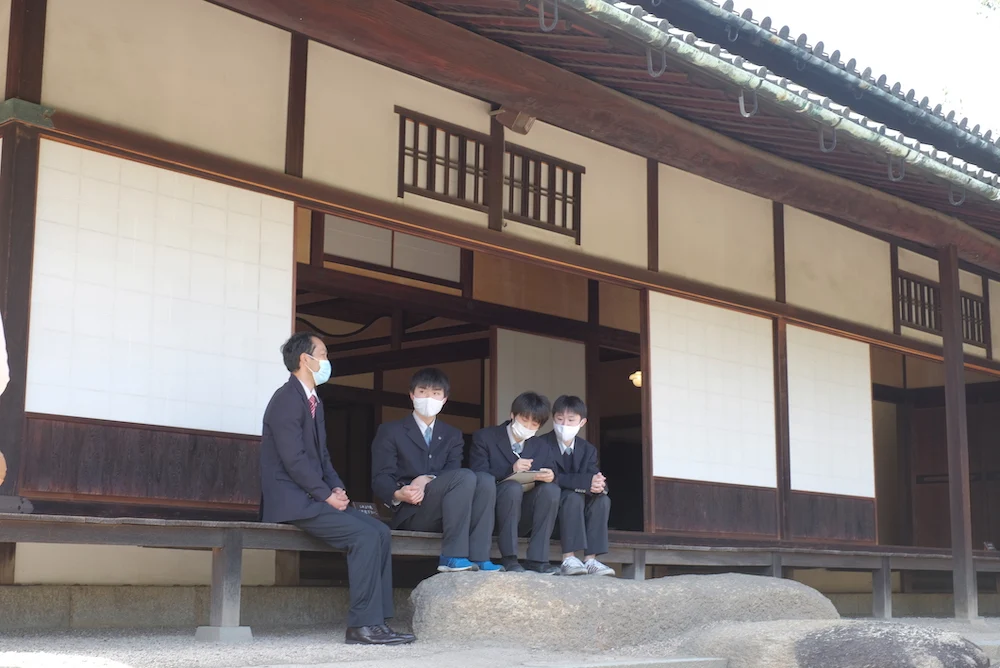
In the movie "Don't Say Mystery," the impressive main house with its series of tatami-floored rooms left a strong impression.
This building, constructed during the Edo period, is filled with the craftsmanship of artisans, not just in the tatami but throughout the structure.
I was guided by curator Tsuji Noriyuki.
The giant trees that have watched over the Nozaki family since ancient times
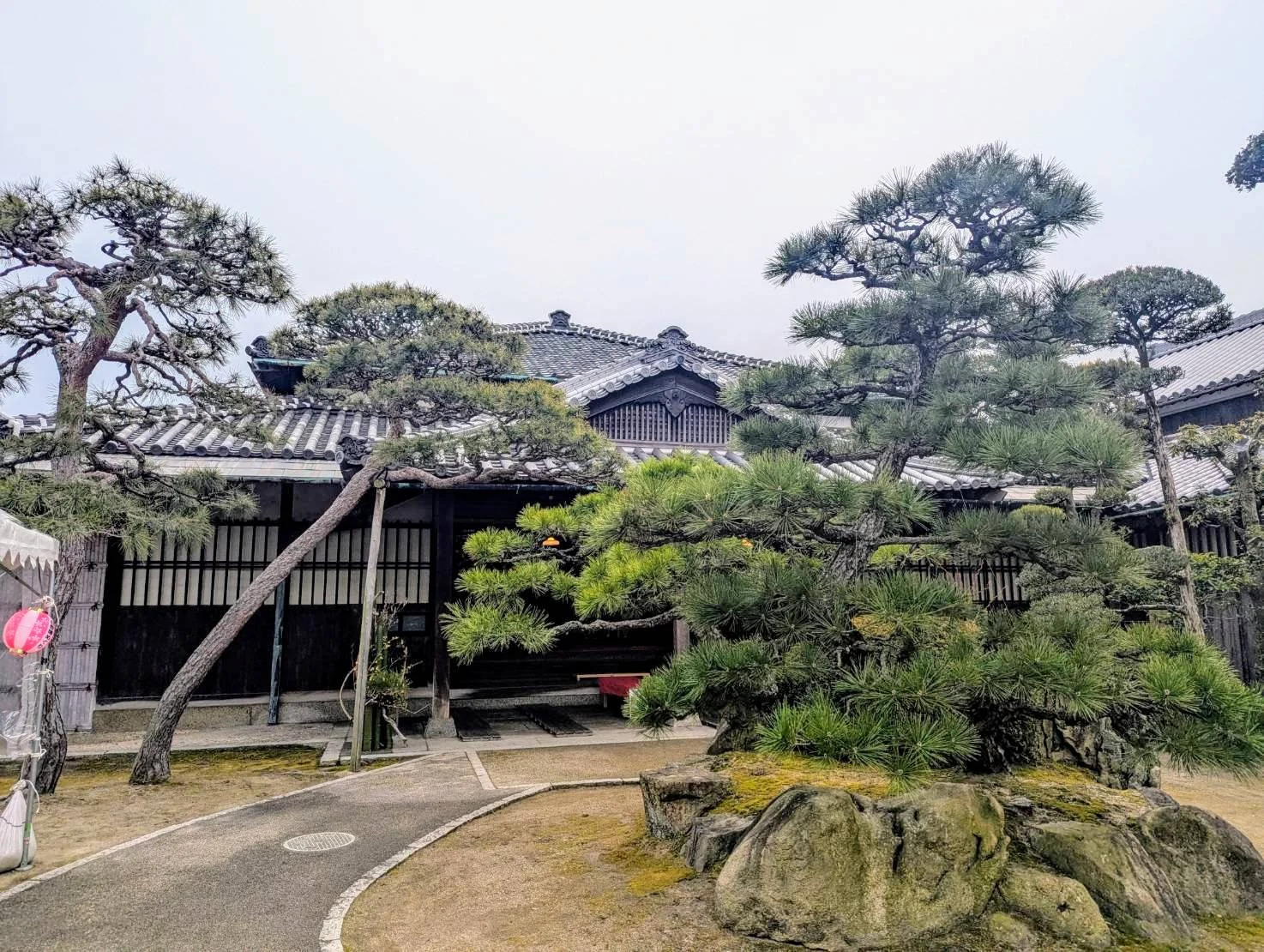
The splendid Nozaki's Historical Residence, designated as an important cultural property, also features a Japanese garden with an Onmyo stone, which is an impressive sight.
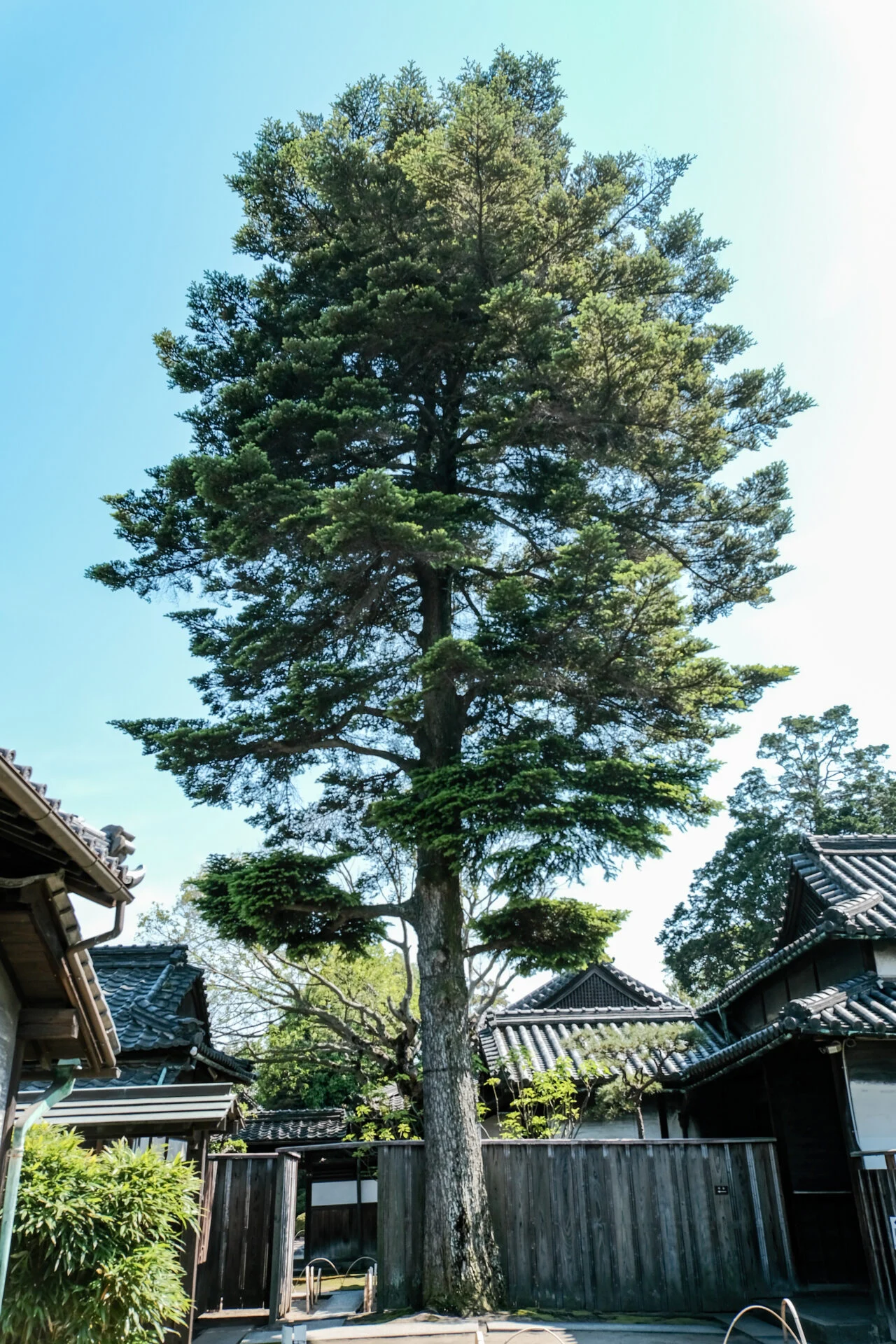
The first giant tree you see upon entering the entrance is a fir tree.
It is so large that you can't help but open your mouth in awe as you look up at it.
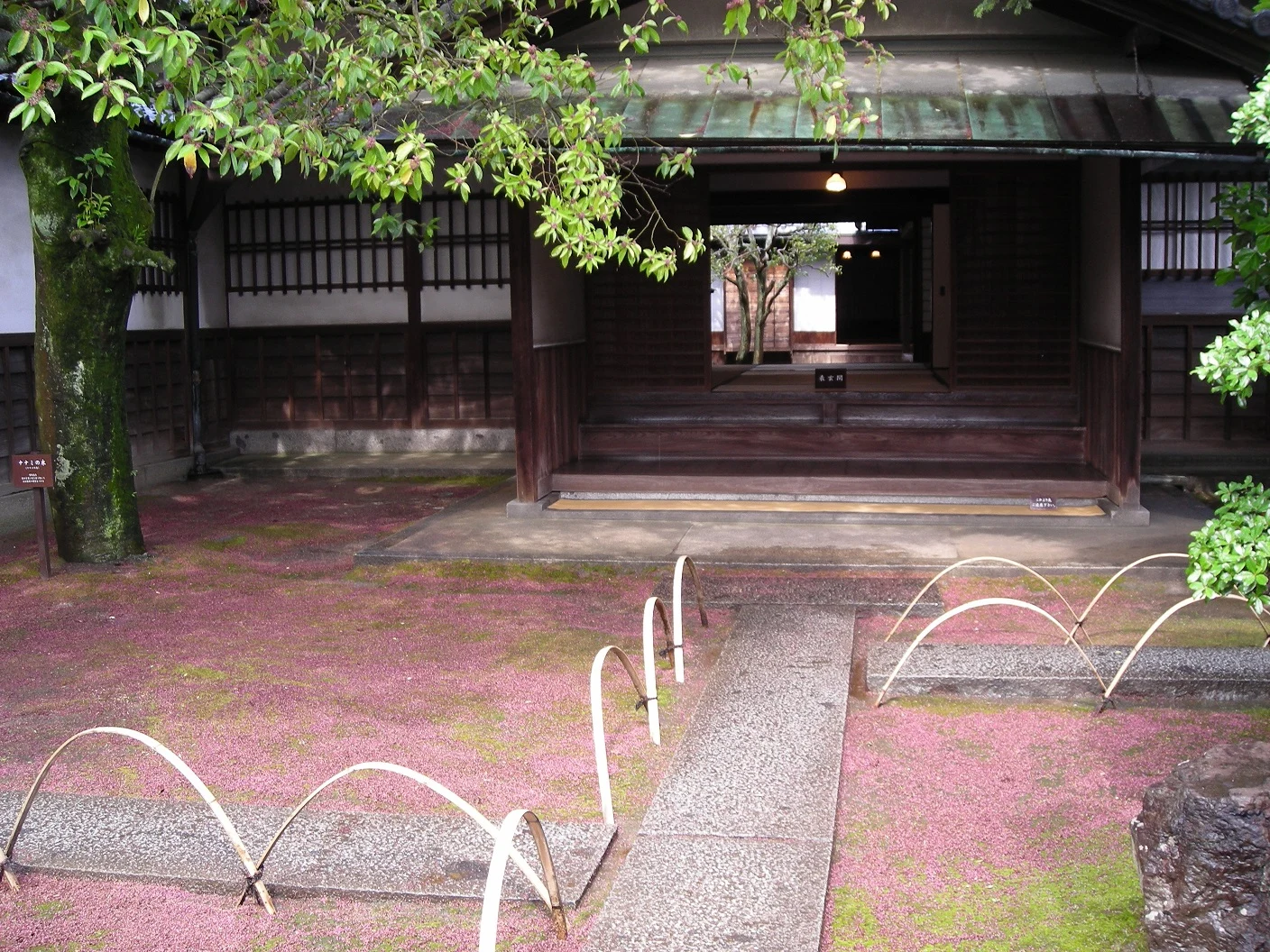
The Nanami tree, which blooms with pale purple flowers for ten days in June, is also a sight to behold.
The sight of the flowers scattered on the ground is truly beautiful.
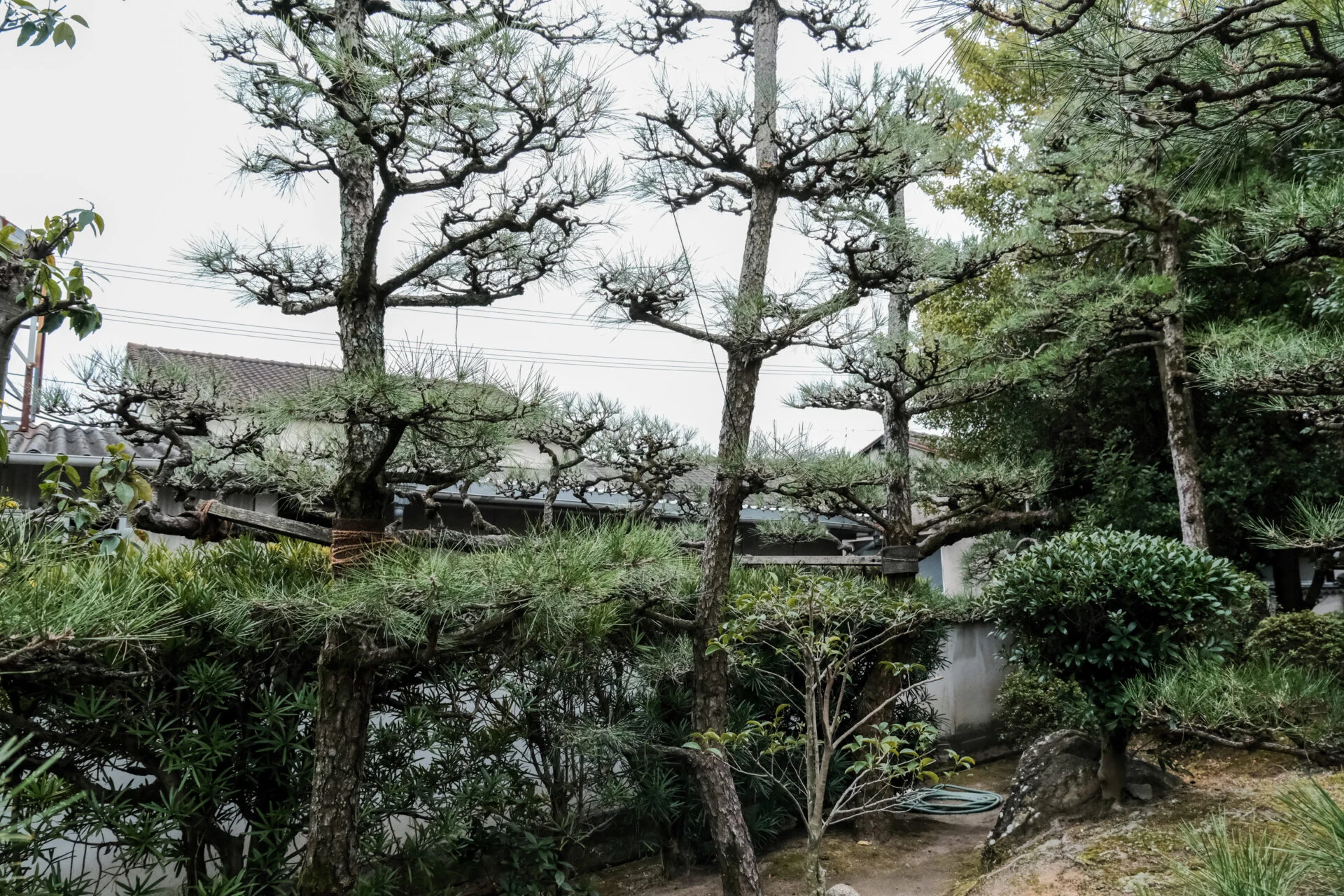
Additionally, the pine trees extending towards the street are magnificent.
While pine trees are typically imagined to grow straight up, here you can see pine trees that have been pruned to grow horizontally so as not to extend into the street.
So far, I have introduced the giant trees standing in the garden.
Giant trees also exist inside the residence.
That is the 17-meter-long eaves beam supporting the roof of the main hall.
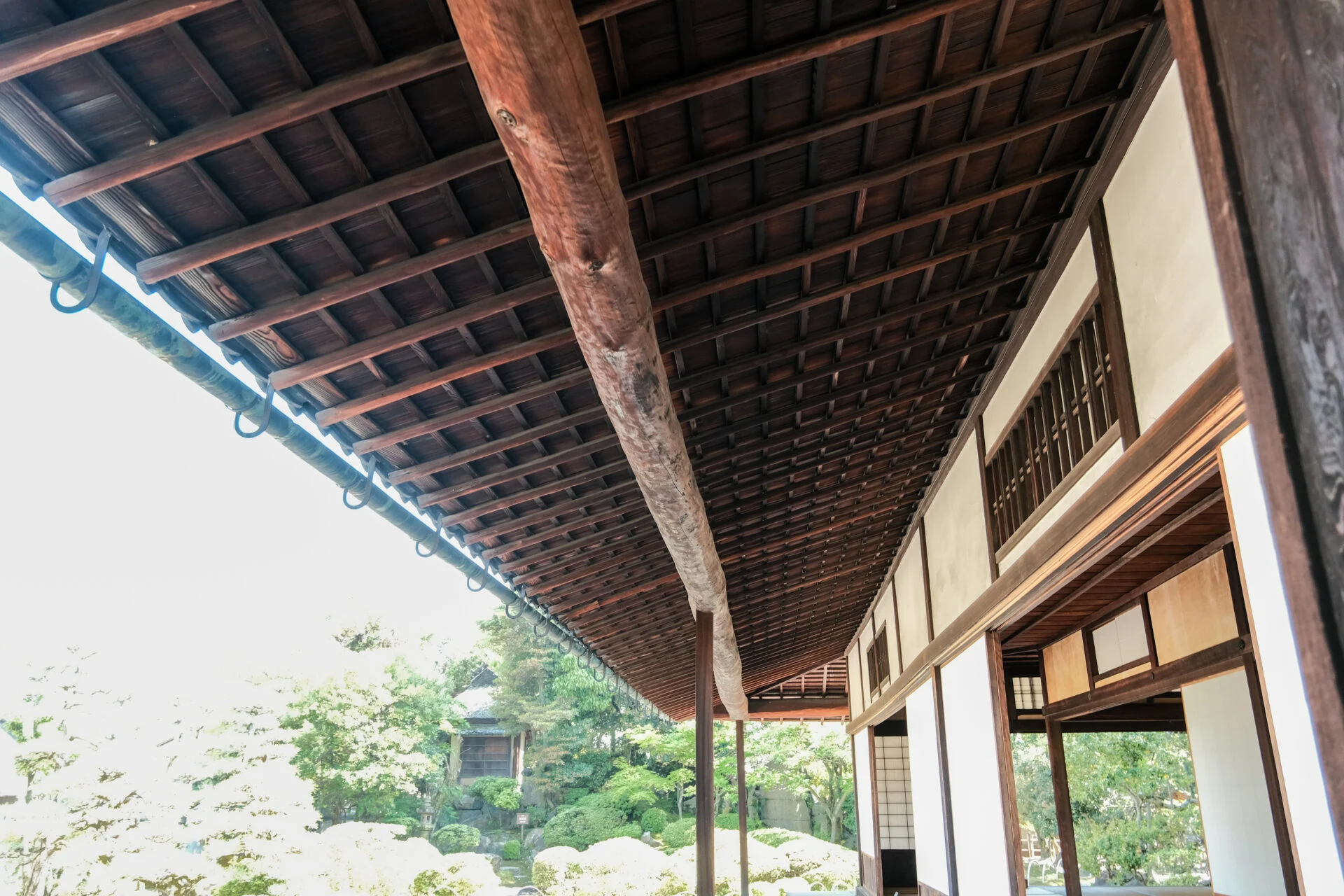
The red pine eaves beam is not only rare today but was also highly valued at the time.
One can't help but gaze in awe at how such magnificent giant trees are necessary to support such a spacious residence.
All the giant trees are well-maintained.
The roof filled with the craftsman's dedication
In Nozaki's Historical Residence, 12 buildings on the premises are designated as important cultural properties by the national government.
Each of these buildings has a different construction style, which is another highlight that attracts architecture enthusiasts from all over the country.
During the Meiji era, when electricity was not as widespread as it is today, there was a demand for technology to bring light into the spacious buildings.
Throughout the residence, there are light wells made of glass.
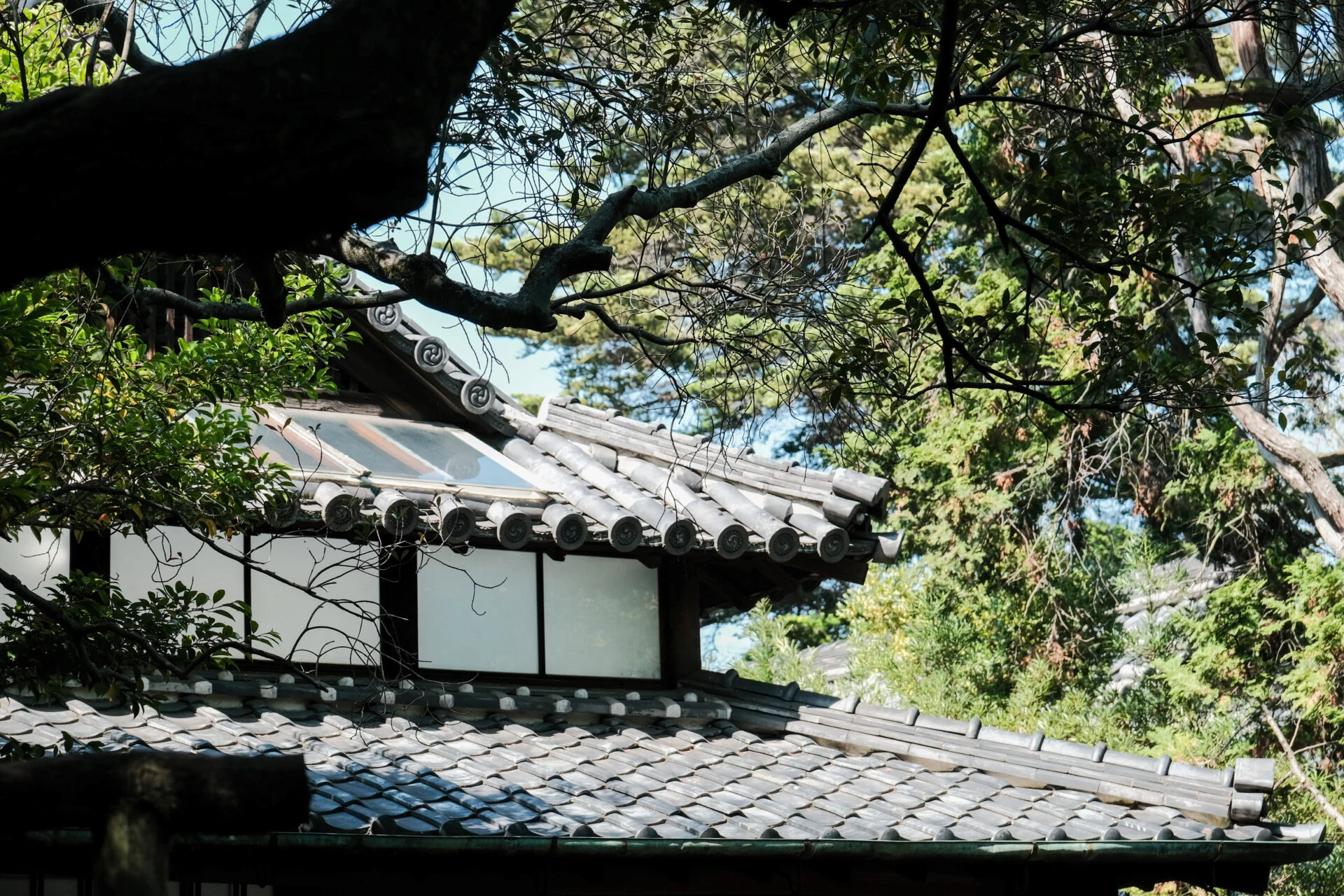
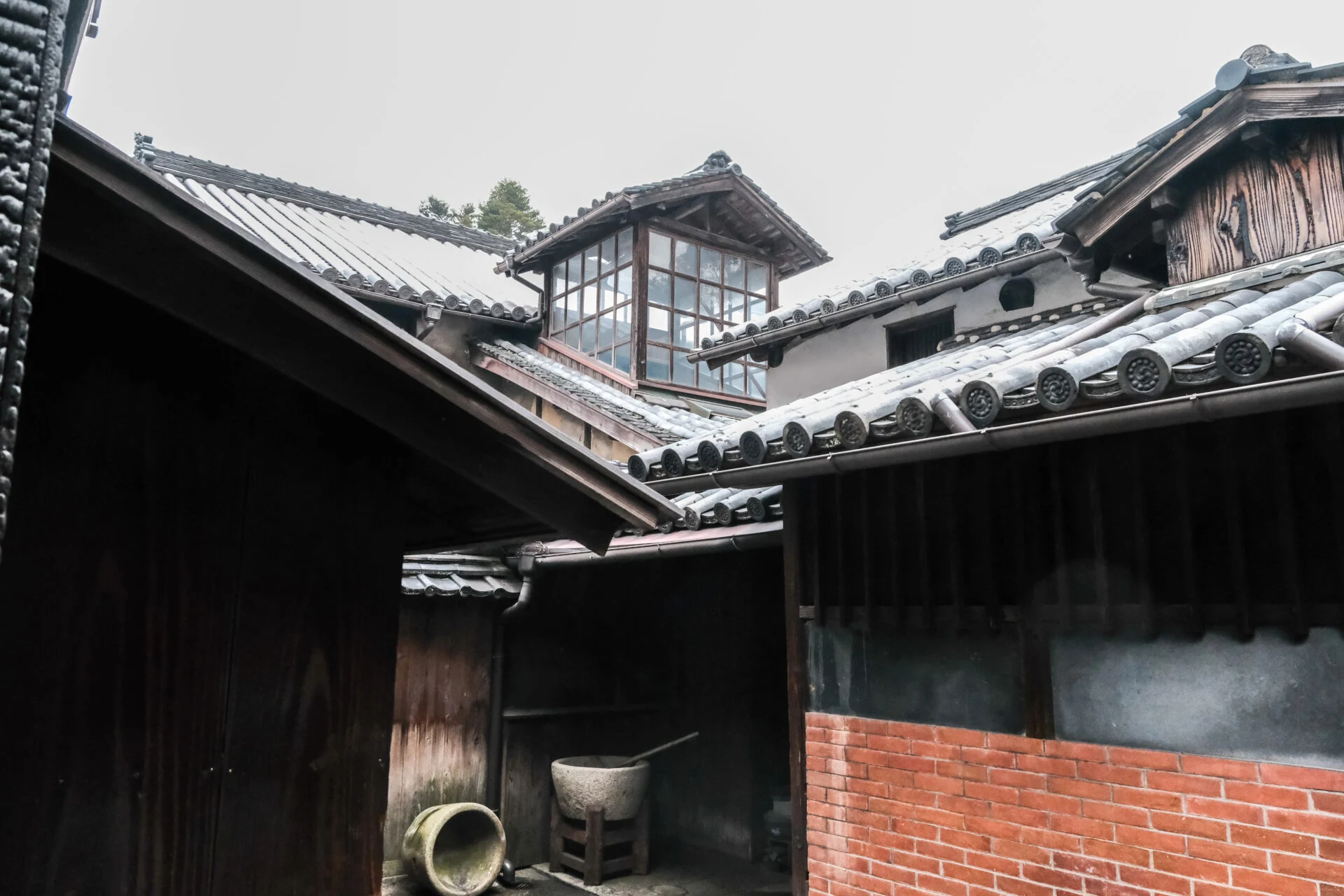
"This design, which allows for abundant natural light, is unique to Okayama, the Land of Sunshine," Mr. Tsuji explained.
While walking around, it's easy to focus on your feet, but be sure to look up and pay attention to the light collectors as well.
Additionally, the tea room located within the Japanese garden is also a highlight.
The pentagonal Rinchi-tei is famous, but be sure to pay attention to the roof of the Youshitsu-tei located in front of it.
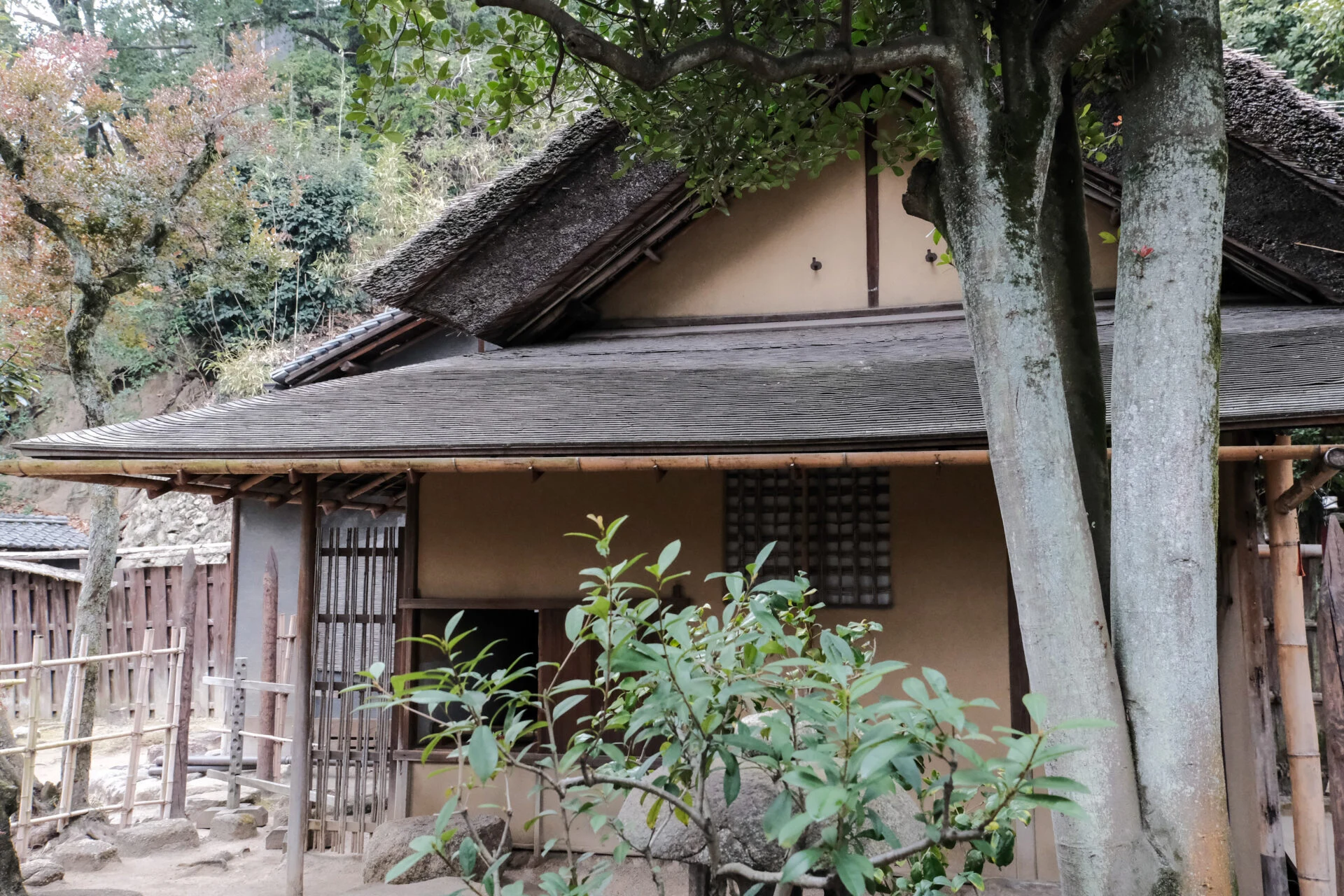
The roof made of thin boards layered multiple times is constructed using a technique called kokerabuki.
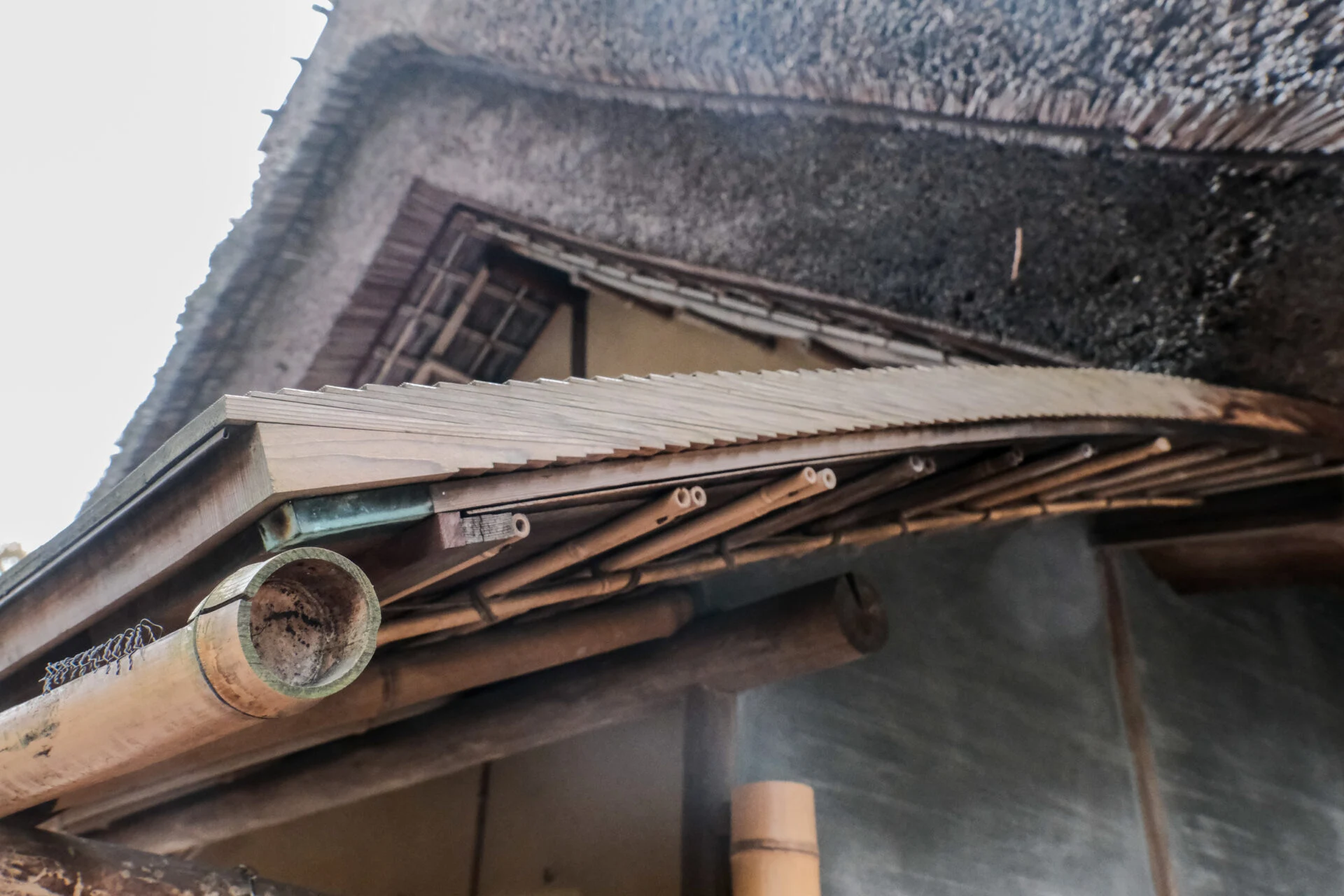
This traditional Japanese technique has been used in structures like the Golden Pavilion and Silver Pavilion before they were burned down, but the number of craftsmen who can reproduce it is decreasing year by year. At Nozaki's Historical Residence, thatched materials are sourced from Goshogawara in Aomori Prefecture and repaired by hand.
Traditional Bingo tatami mats that can only be made by two people in Japan today
By the way, have you ever compared tatami mats?
I thought I was familiar with Japanese rooms because my great-grandmother's family has been running a house since the Edo period and I practice tea ceremony. However, I don't think I had ever consciously thought about the feel of stepping on tatami mats.
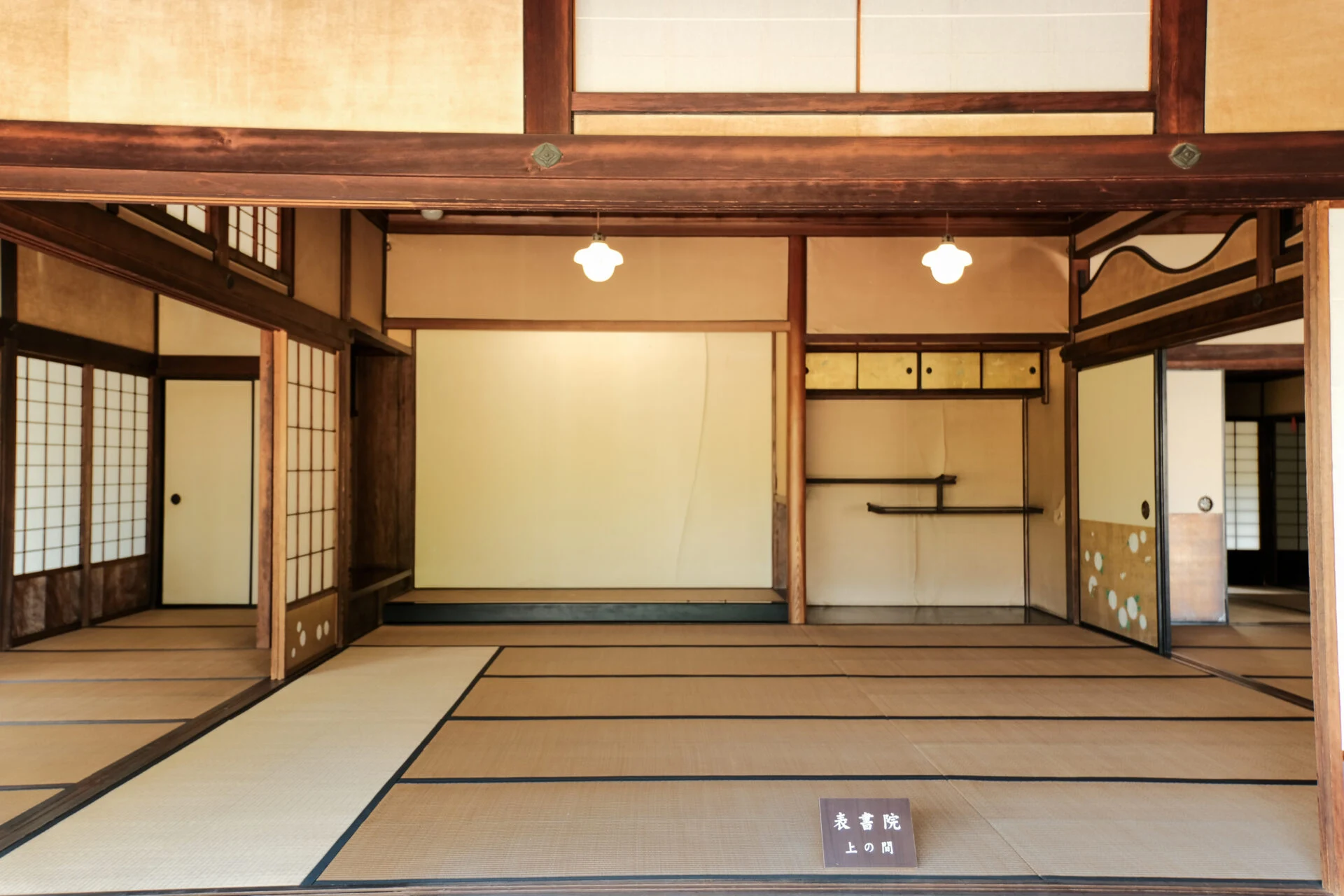
In fact, the tatami mats laid out in Nozaki's Historical Residence are called "Bingo Chugitsuki Omote Tatami", which were previously made in Fukuyama City, Hiroshima Prefecture.
These high-quality tatami mats use carefully selected, thick, evenly sized, glossy, and beautiful silver-white igusa (rush grass) with a bluish tint. This tatami can only be made by two people in Japan today and has even been sent to the Guest House of the Kyoto Imperial Palace.
Usually, I only view them from the outside, but during the interview, I had the special opportunity to experience the feel of stepping on the tatami mats.
Igusa (rush grass) itself has elasticity, and compared to modern tatami mats, the gentle feel of these tatami mats costs about 300,000 yen per mat.
The tatami mats used in Nozaki's Historical Residence are carefully maintained and replaced approximately every 13 years.
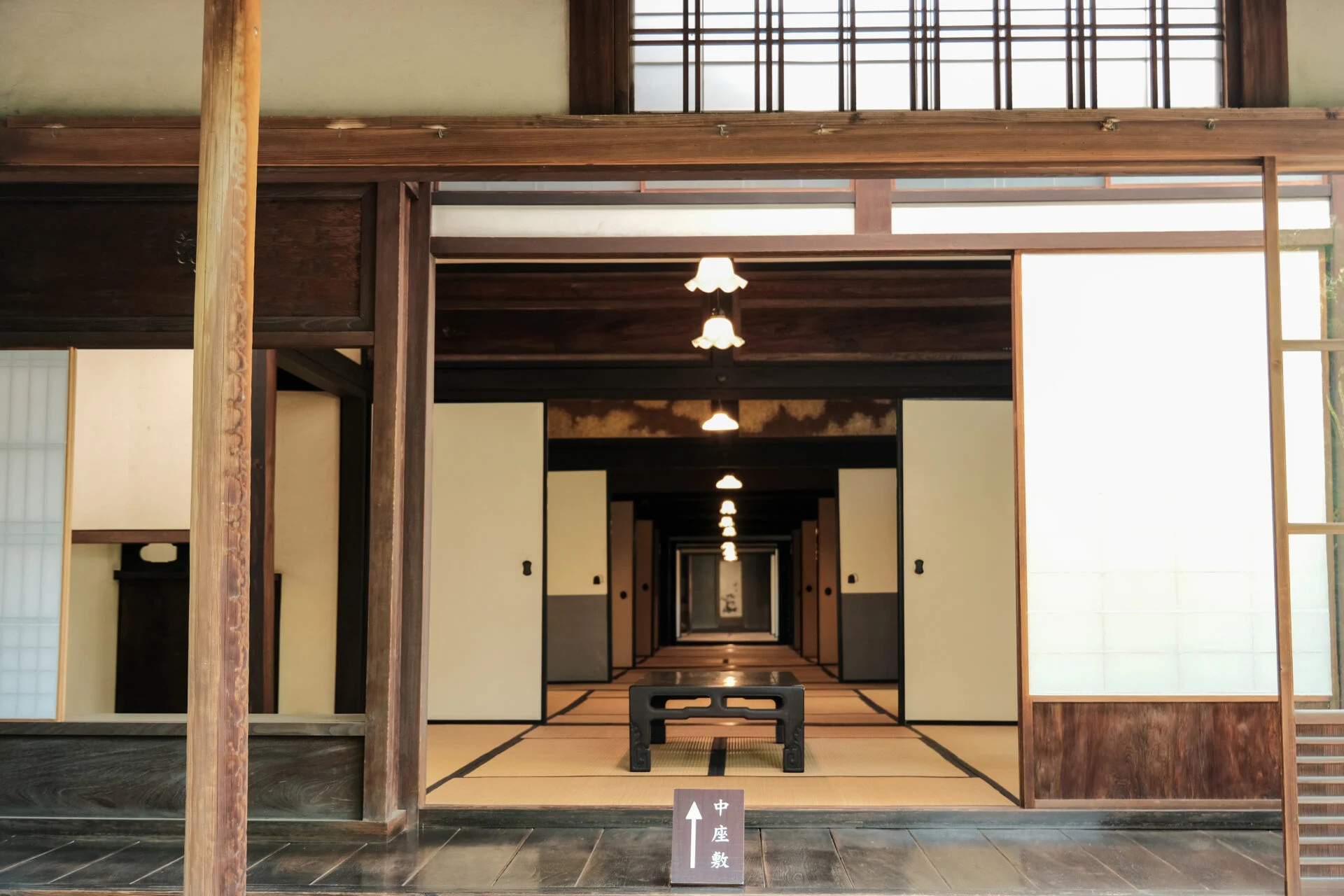
The Chuzashiki, which has a total length of 42 meters and overlooks nine rooms, continues to provide a stunning view thanks to these Bingo Chugitsuki Omote Tatami.
A stylish water area that reflects the consideration of the Nozaki family for their servants
The salt production industry requires a lot of manpower.
Many servants lived at the Nozaki residence.
Because they handle salt, which is also a food product, there were efforts to keep the places where the servants spent their time clean.
The representative example of this is the toilet.
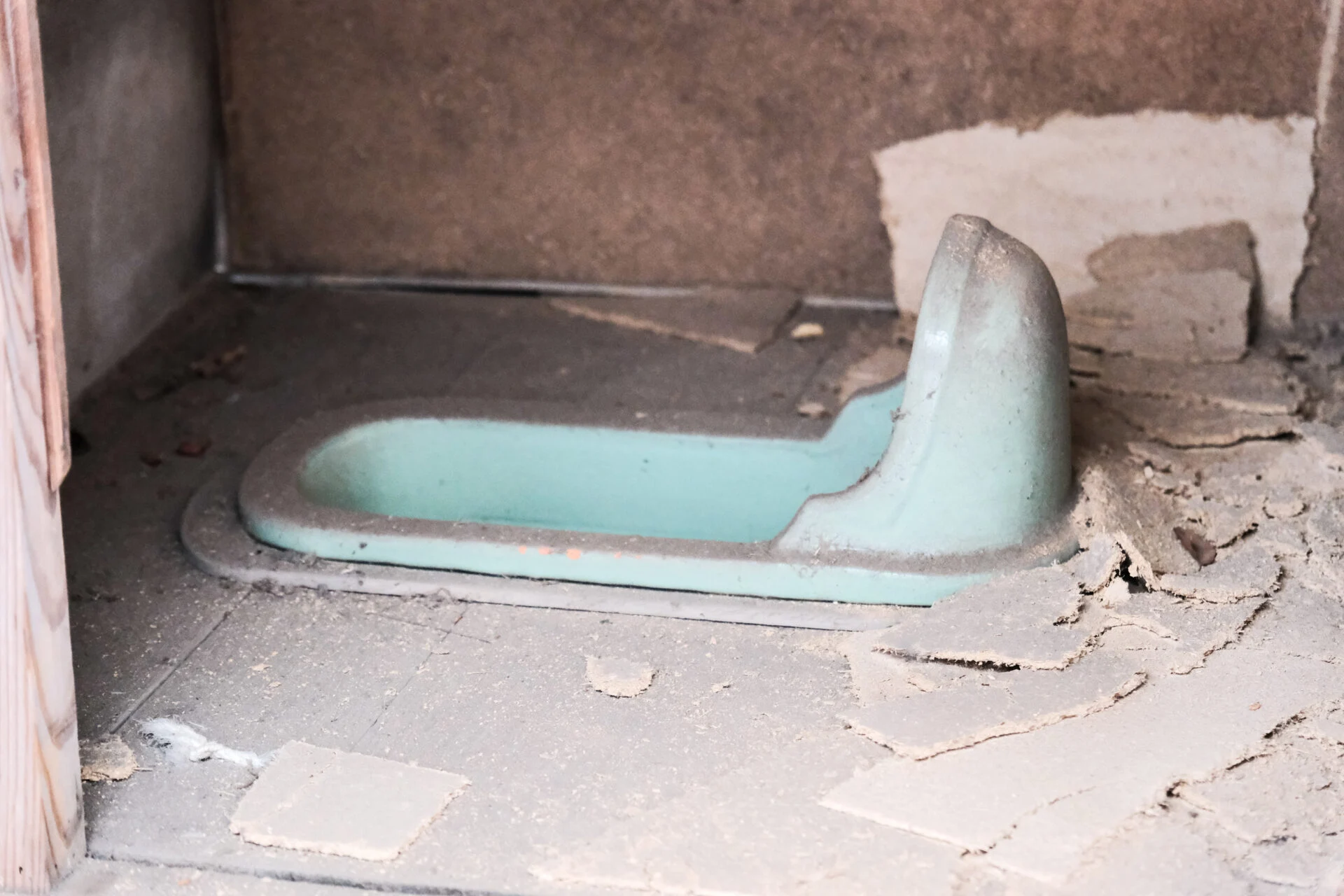
Nowadays, having a toilet is taken for granted, but at that time, there were probably not many toilets made of ceramics for servants.
There was also a Goemon bath, indicating that the environment was designed with care for the water area.
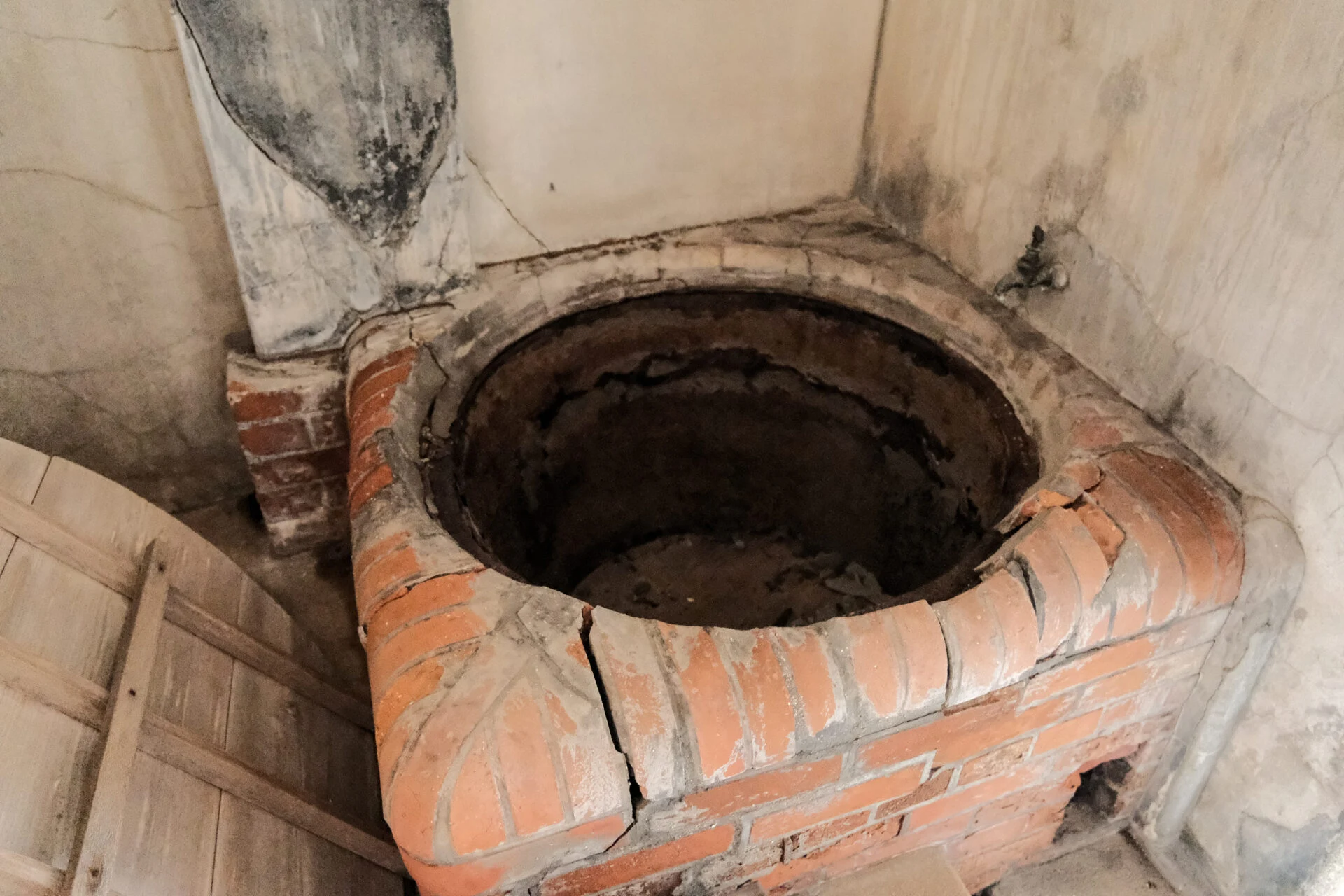
The nearby kitchen is also very spacious and has an open feel.
Cooking utensils are displayed with explanations, so why not take a look while imagining the lifestyle of that time?
The traces of communication with the port still exist
The salt production industry was advanced through both the port and the residence.
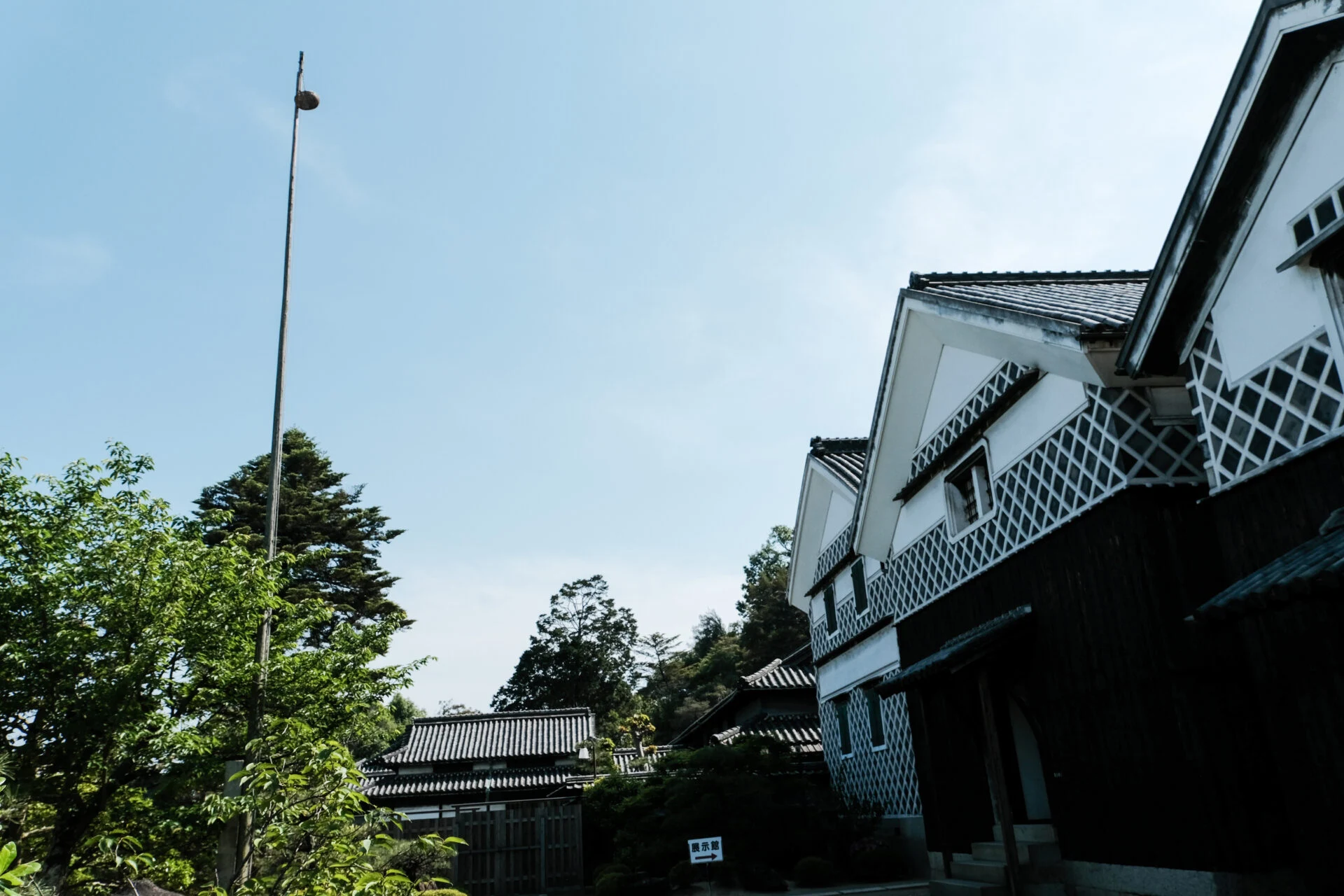
The flagpole (keiyodai), which was used before the spread of telephones, still exists even after its role has ended.
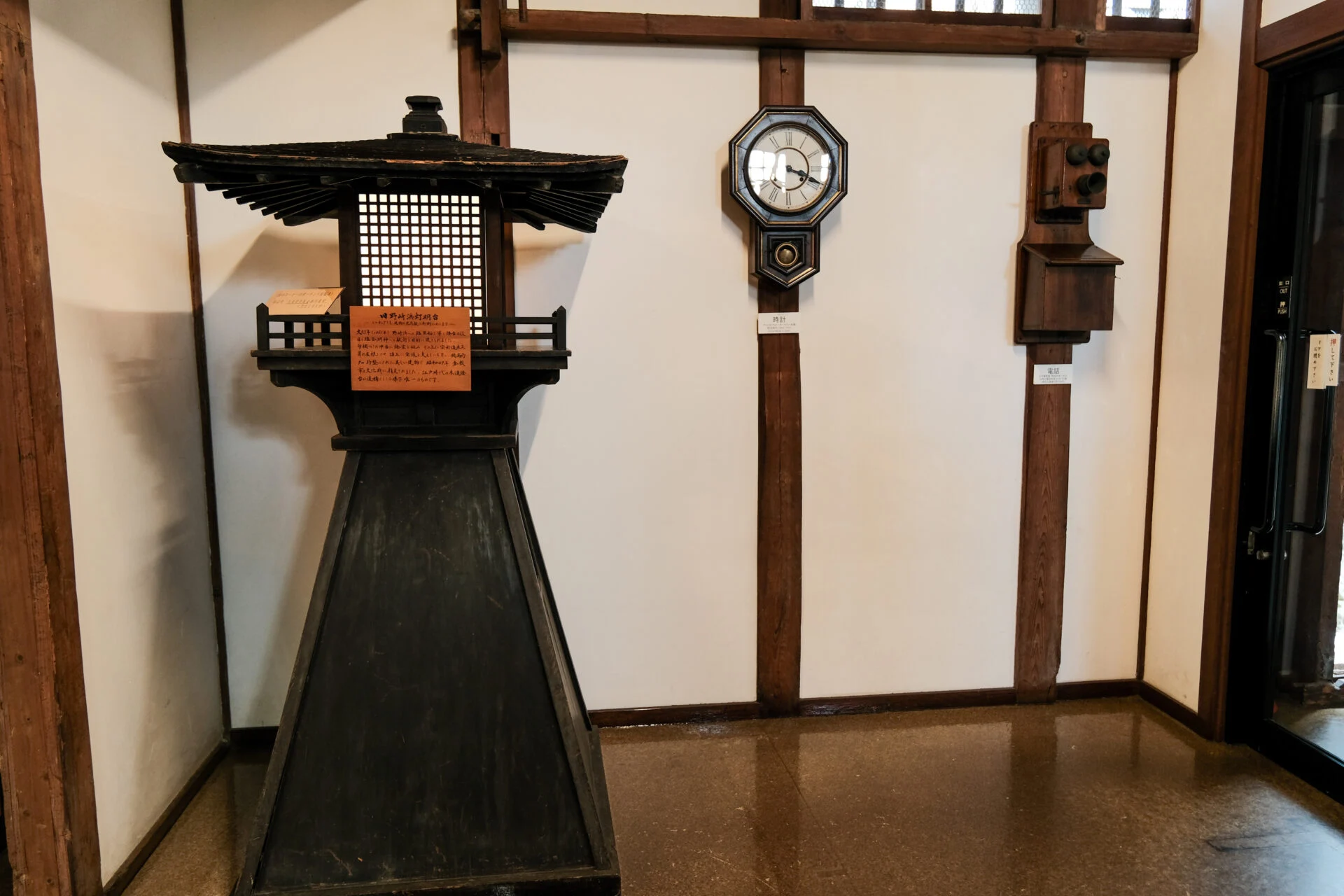
The attached museum also has a replica of the old Nozaki-hama lighthouse, providing a glimpse into how the salt production industry was conducted at the port.
From 2026, seismic reinforcement work is scheduled to start, lasting 13 to 14 years
In order to pass on the history that exists here to future generations, Nozaki's Historical Residence is planning seismic reinforcement work starting in 2026.
Due to the large area of approximately 3,000 tsubo (about 10,000 square meters: equivalent to one baseball field), the work will be carried out in stages. Therefore, there will not be a complete closure of the entire facility for an extended period, but it is expected that some part of the site will be under renovation for the next 13 to 14 years.
All the spots introduced can be visited until the end of 2025 fiscal year.
I spoke with curator Tsuji Noriyuki about the many highlights of Nozaki's Historical Residence.
Data on Nozaki's Historical Residence
| Name | Nozaki's Historical Residence |
|---|---|
| Location | 1-11-19 Ajino, Kojima, Kurashiki City, Okayama Prefecture |
| Contact | 086-472-2001 |
| Parking | Available 【 Free 】 5 large buses / 36 cars |
| Opening Hours | 9:00 AM - 4:30 PM (5:00 PM closing) |
| Closed | Monday If Monday is a holiday, the following weekday Closed from December 25 to January 1 |
| Admission Fee (including tax) | Adults (high school students and above): 500 yen Elementary and junior high school students: 300 yen Preschoolers: Free * 20% discount for groups of 30 or more * Elementary and junior high school students and high school students are free on Saturdays, Sundays, and holidays. * 20% discount for those with a disability certificate (for the individual and one accompanying person) * Discounts cannot be combined * Free for elementary and junior high school students, high school students, and accompanying teachers when used as part of a class. |
| Payment Methods |
|
| Smoking | Completely non-smoking (smoking area available outdoors) |
| Toilets | Western-style toilets, Japanese-style toilets |
| Website | Nozaki's Historical Residence - Nozaki's Salt Industry History Museum |