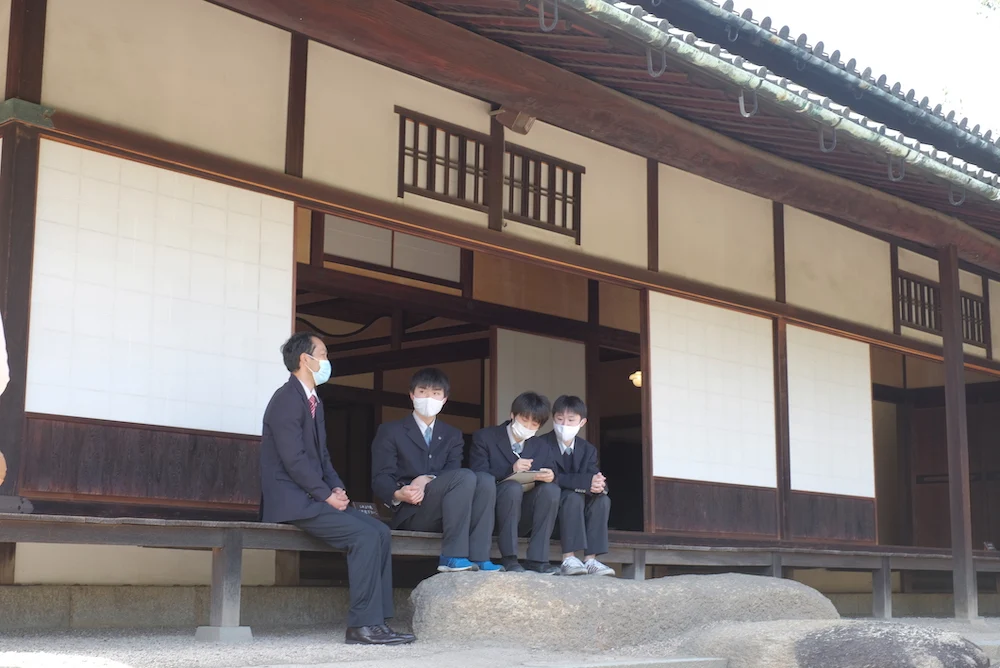
Nozaki's Historical Residence, what kind of place comes to mind when you hear that name?
Just by hearing the name, you might think, "Is it just an ordinary house?" but actually, it is an amazing place!
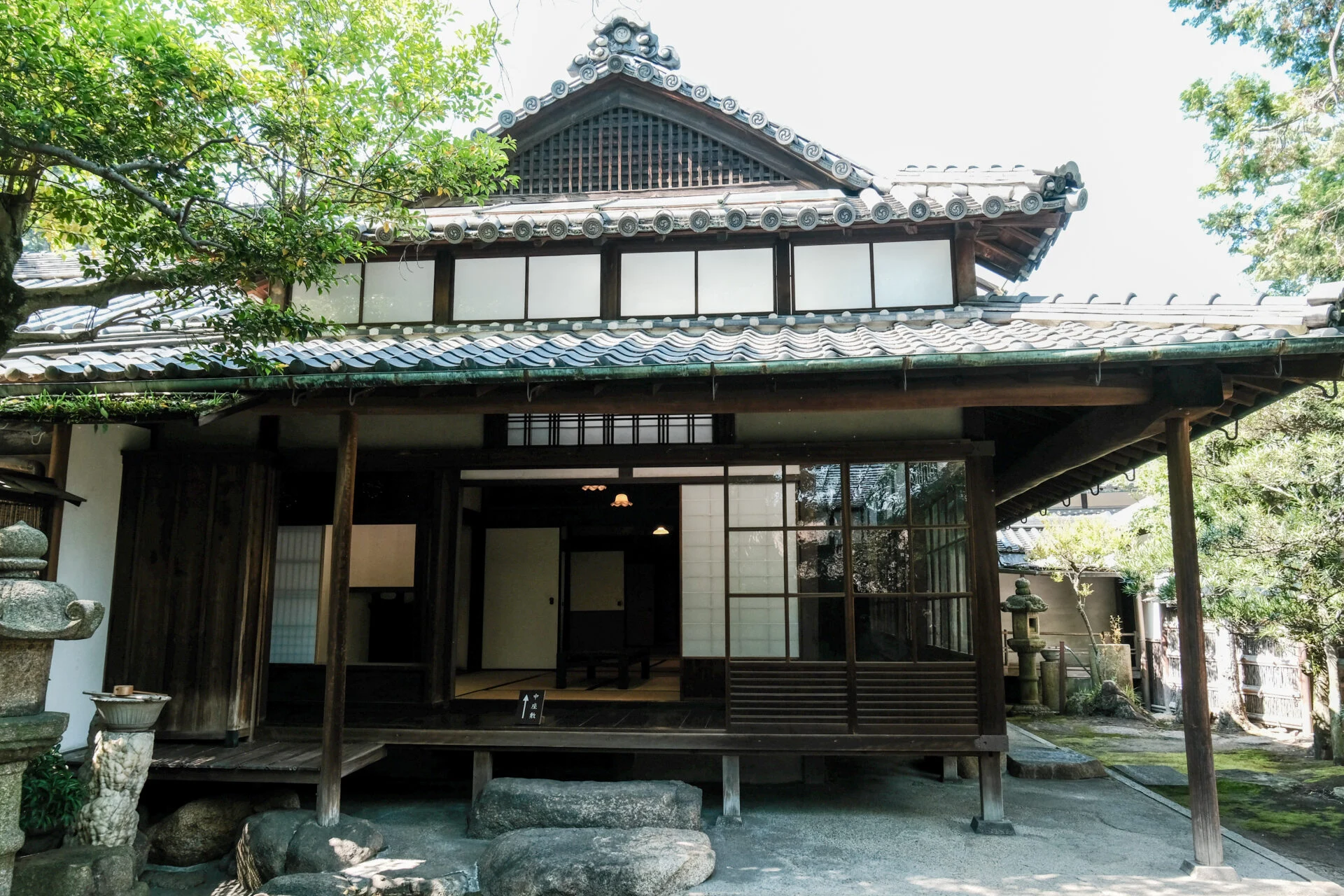
At Nozaki's Historical Residence, you can enjoy the salt culture of the Nozaki family visually, feel the beauty of the Japanese garden, and experience many attractions throughout the site.
It's great to learn about the history of salt! It's also nice to enjoy the atmosphere!
There are plenty of elements that never get boring no matter how many times you visit, so you can come with various purposes.
In this article, we, the students of Okayama Prefectural Kurashiki Washu Senior High School in Kojima, will introduce the recommended points of Nozaki's Historical Residence that we felt were attractive after actually visiting!
This article is a contribution by second-year students of the comprehensive inquiry class "Kojima Future Studies" at Okayama Prefectural Kurashiki Washu Senior High School. It has been re-edited and published by the Haretoco General Incorporated Association editorial team.
Nationally designated important cultural property "Nozaki's Historical Residence" with an area of about 3,000 tsubo
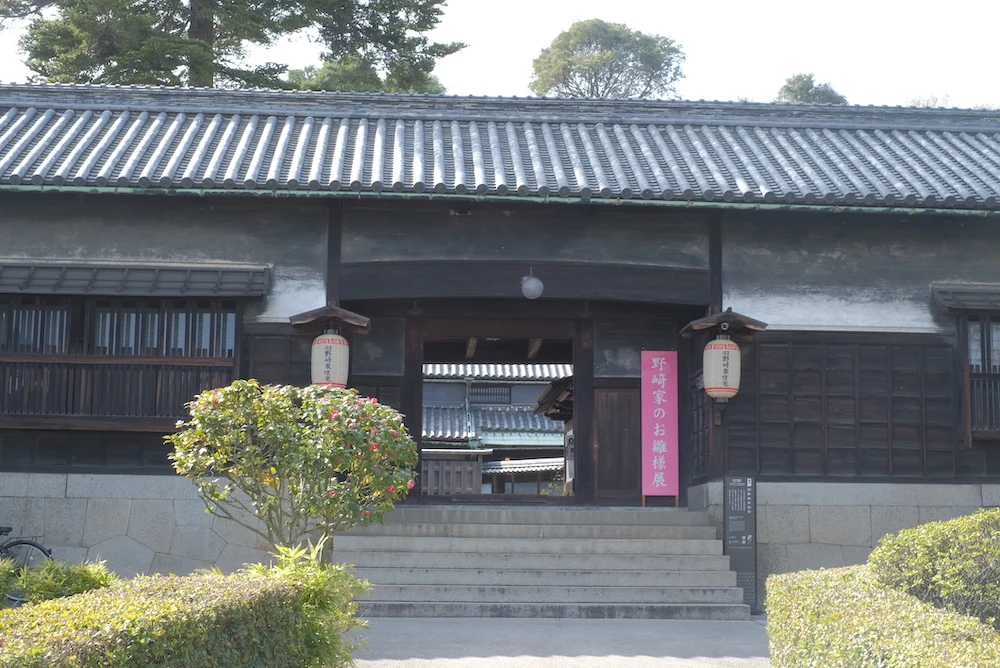
Nozaki's Historical Residence was built by Nozaki Buzaemon, who was once called the King of Salt, and it is a huge house with an area of about 3,000 tsubo (about 10,000 square meters: equivalent to one baseball field).
It was built in the late Edo period and is designated as an important cultural property by the Japanese government.
Additionally, various events are held depending on the season.
For example, during our visit in March 2021, a limited-time Hina Matsuri (Doll Festival) event was held, where we could see beautiful and large Hina dolls.
The Hina dolls in the following photo are called Kyoho Hina.
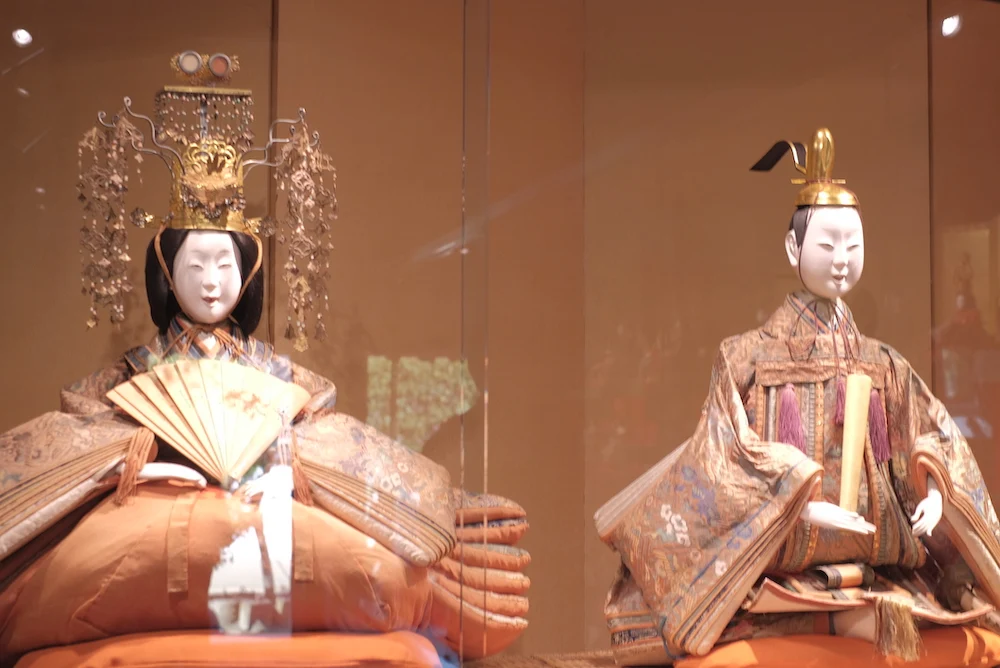
The size is about 80 centimeters, making it one of the largest Hina dolls in Japan!
You will be surprised by its size when you see it for the first time.
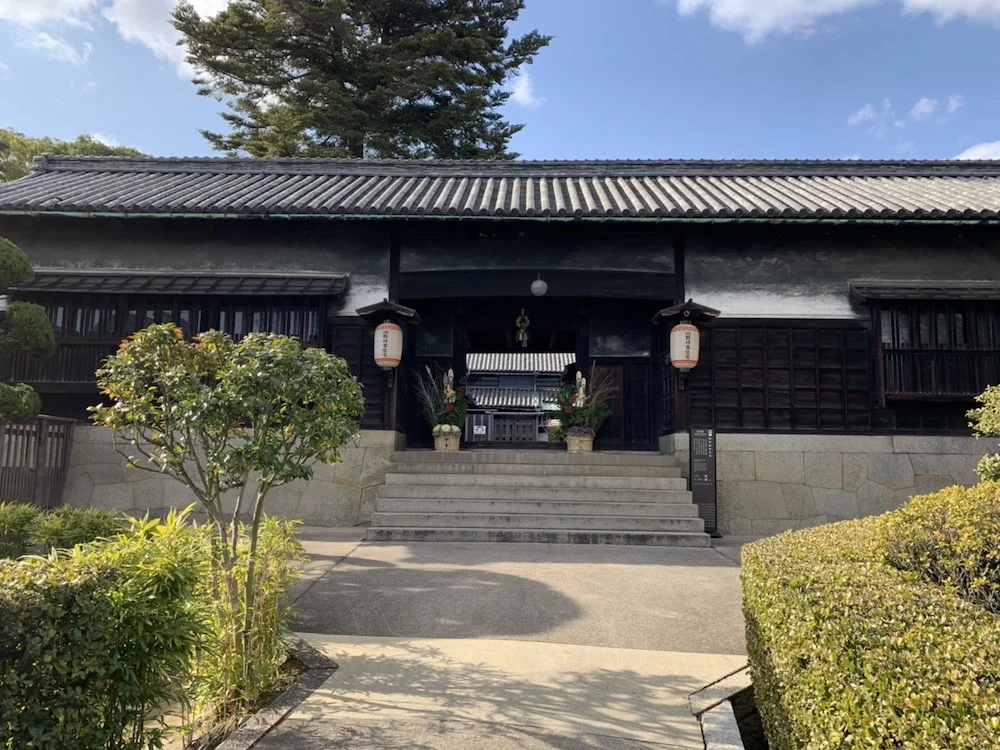
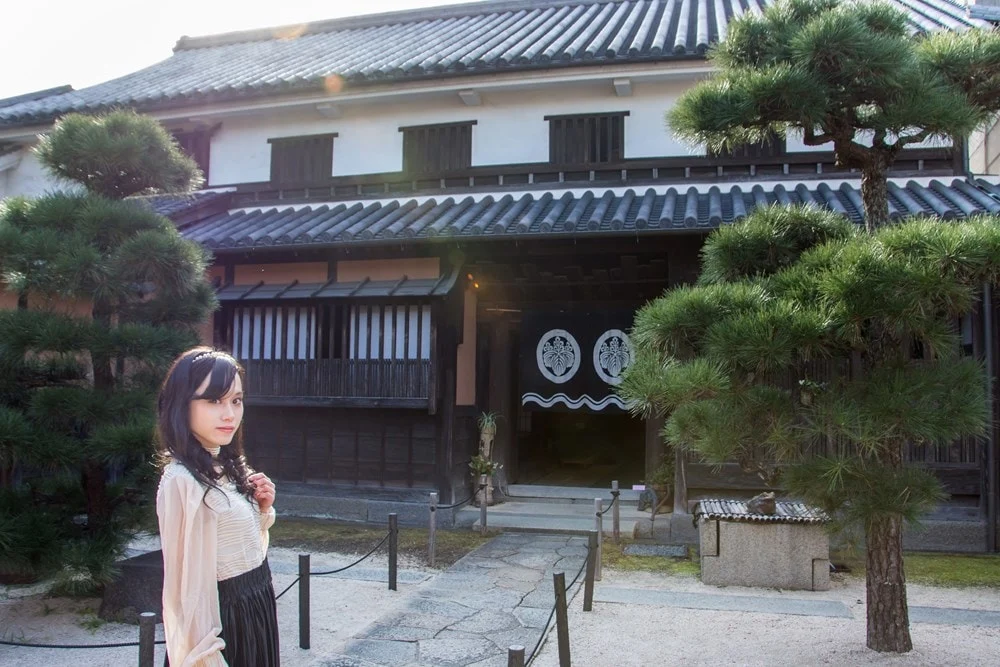
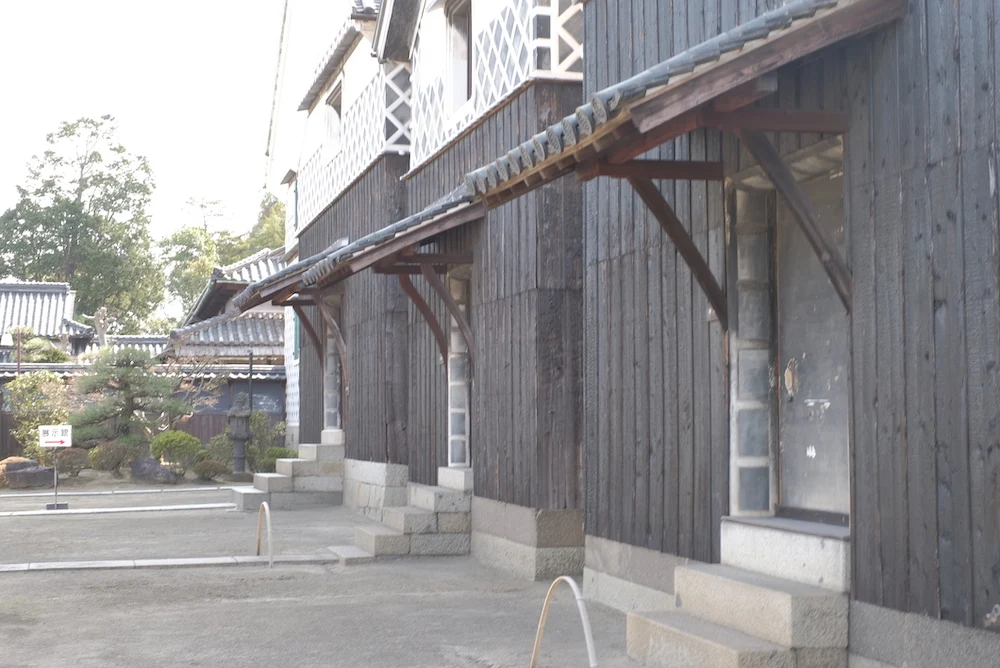
At the entrance of Nozaki's Historical Residence, you are welcomed by a Nagaya Gate that is about 26 meters long.
During our visit on January 3, 2021, a Kadomatsu (New Year decoration) was placed in front of the gate.
Now, let's go inside!
A garden with a captivating Japanese atmosphere "Karesansui"
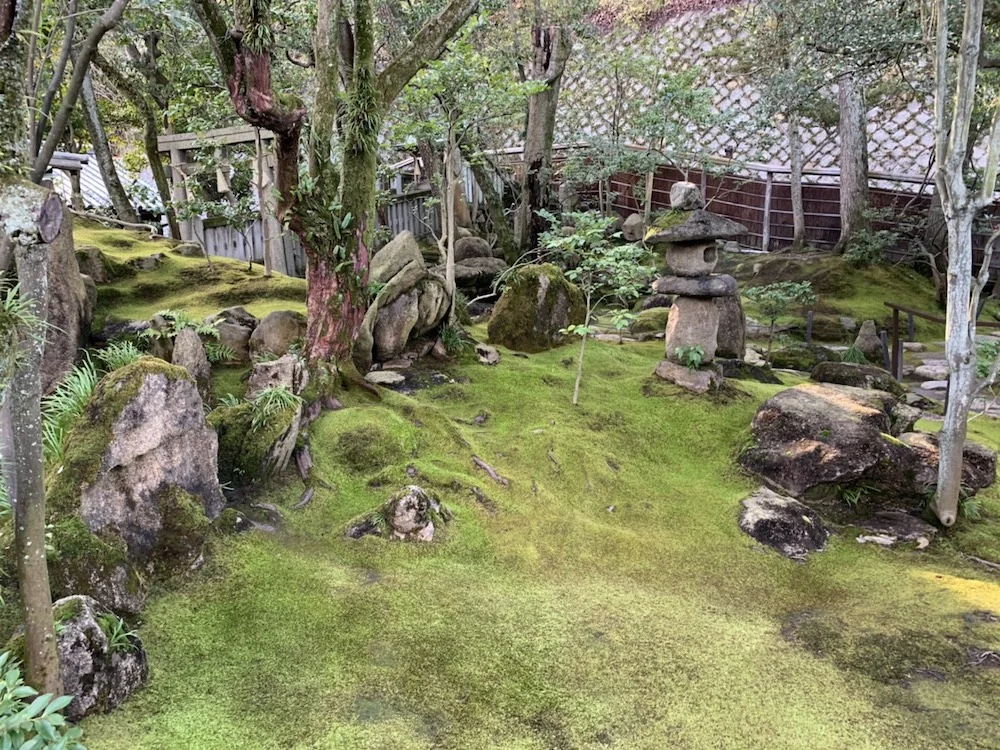
The garden of Nozaki's Historical Residence is a Karesansui garden.
The mossy appearance gives a sense of the Japanese atmosphere.
Additionally, trees such as pine, maple, and cedar that can be seen in different seasons grow here, making it one of the attractions that you can feel a different atmosphere each time you visit.
What shape do you think the rock in the following photo resembles?
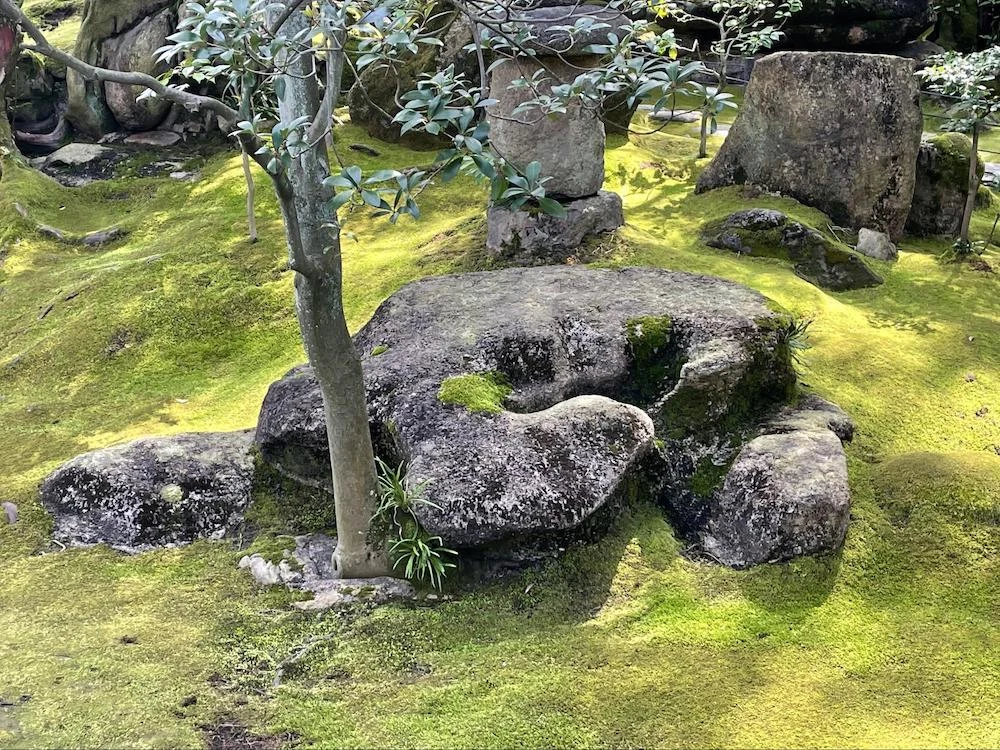
In the garden of Nozaki's Historical Residence, there are clever designs for visitors to enjoy, and the rock in the above photo represents a turtle swimming.
The part hidden by the tree represents the face, and the left hand can be seen in the foreground.
Once you are told, you can start to see it as a turtle, right?
There are also stones that resemble frogs, so be sure to look for them!
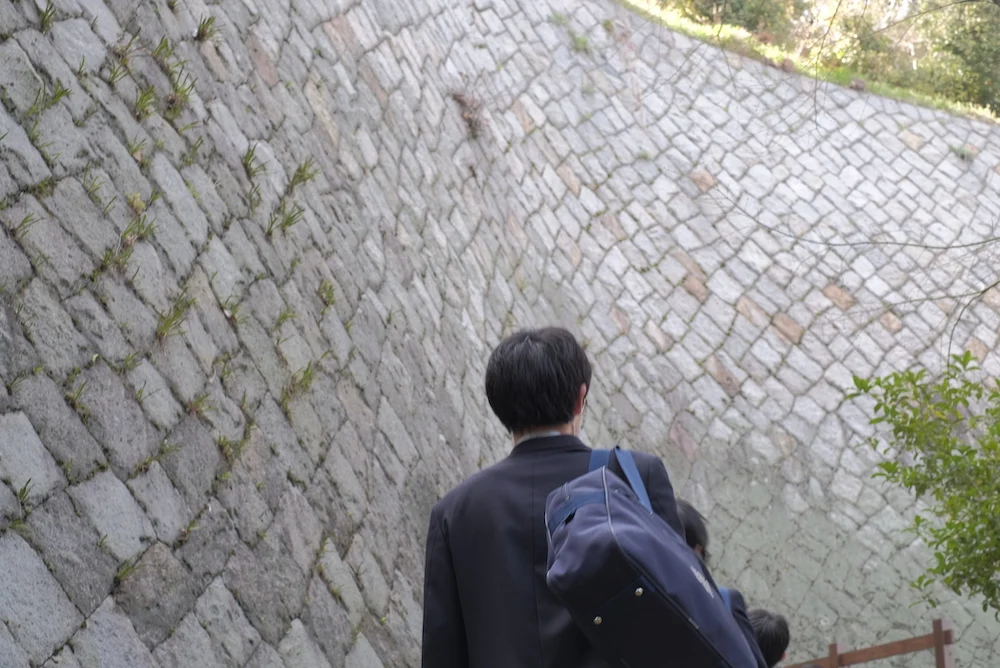
As you proceed through the garden, you will see a stone wall that is over 12 meters high and more than 50 meters wide.
In fact, it was built by carefully assembling about 6,000 to 7,000 stones one by one.
It was constructed around 1900 and has maintained its shape ever since.
When viewed up close, it is incredibly tall and impressively constructed!
Additionally, there is one fan-shaped stone embedded in the stone wall.
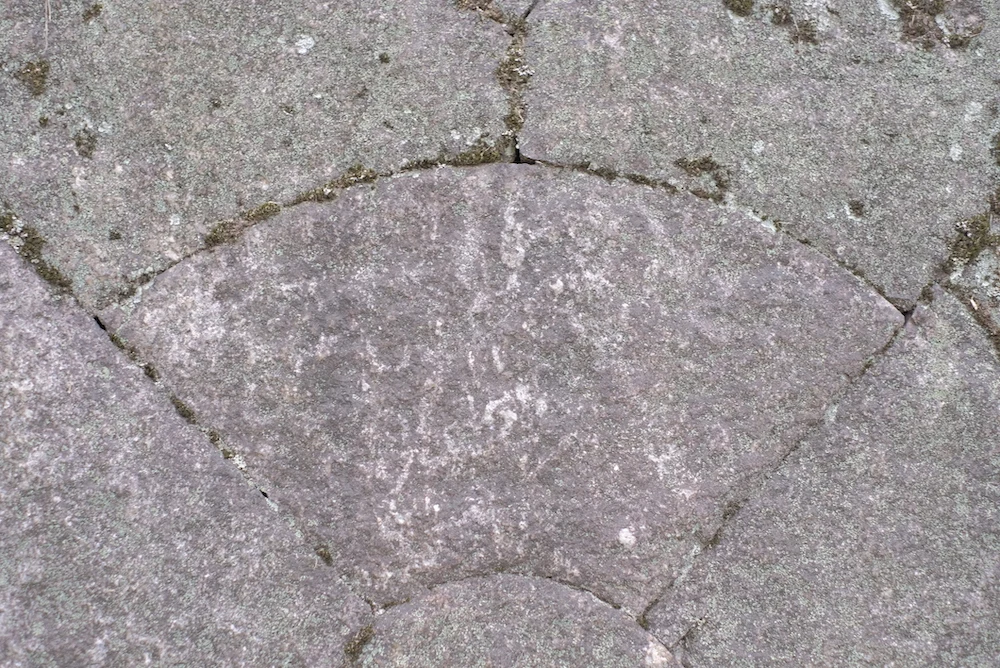
It's a hidden "Oggi" (fan) instead of a hidden Mickey! (laughs)
Finding the fan-shaped stone is also one of the fun aspects.
Experience the history of the Edo period at Nozaki's Historical Residence
The historical museum features various exhibits related to salt production, folk tools from the Edo period, and valuable footage from that time.
There is even a rock salt of this size!
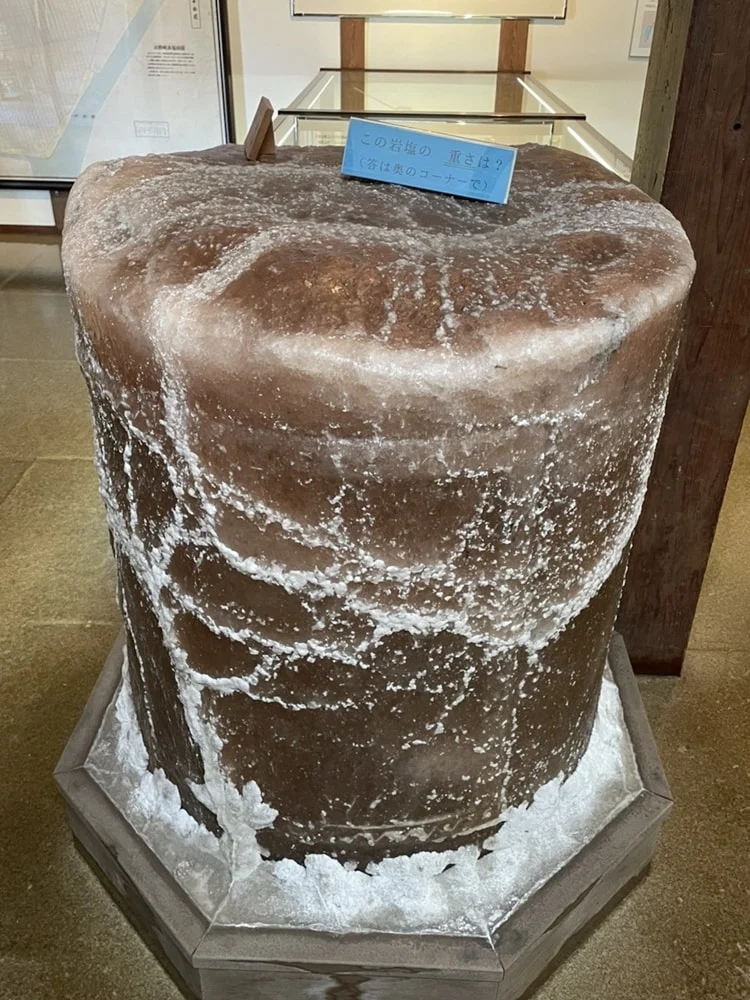
You might be wondering, "How many kilograms does it weigh?"
At the historical museum, you can learn about history in a fun quiz format.
Please visit and check the answer for yourself!
The person in the photo below is Nozaki Buzaemon, who built Nozaki's Historical Residence.
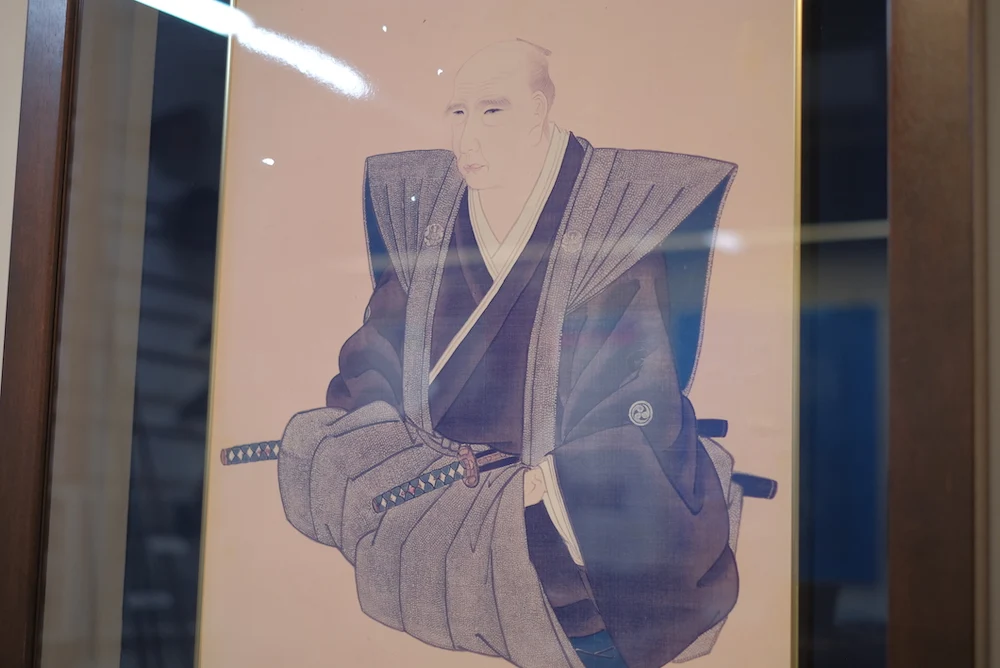
He made significant contributions through land development and salt production, and is also known as the King of Salt.
However, his original surname was not Nozaki.
He combined the "No" from Ajino and the "Saki" from Akasaki, where he created salt fields, to adopt the surname "Nozaki."
Near Nozaki's Historical Residence, there is a Nozaki Monument (Nozaki Buzaemon's Honorary Monument), which was built by those engaged in salt production to honor Nozaki Buzaemon's achievements.
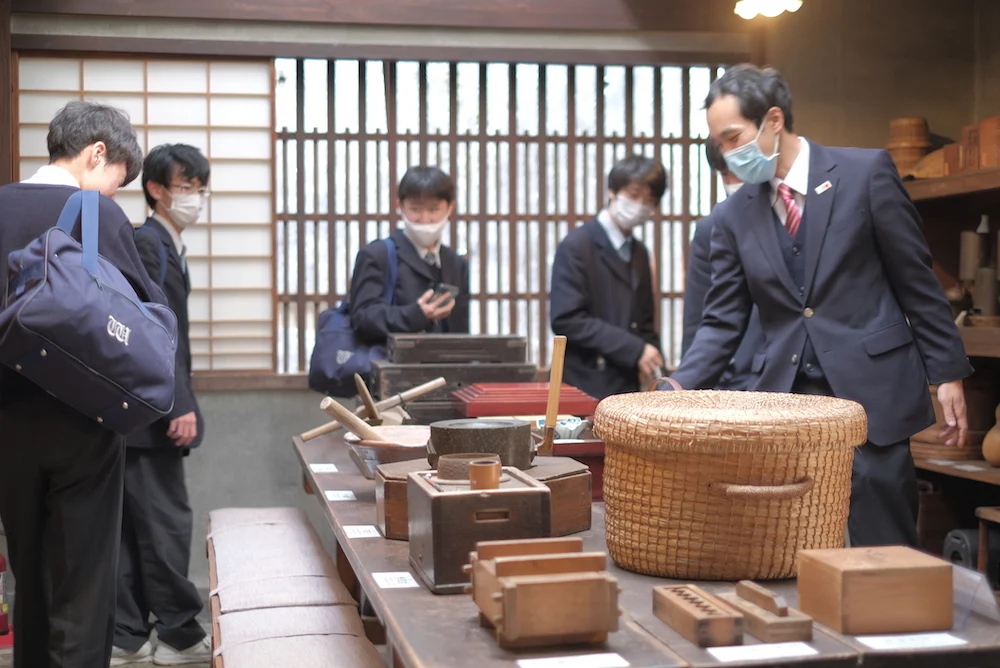
Additionally, tools used since the Edo period are also displayed in the kitchen of that time.
It is amazing that items from many years ago remain in such good condition.
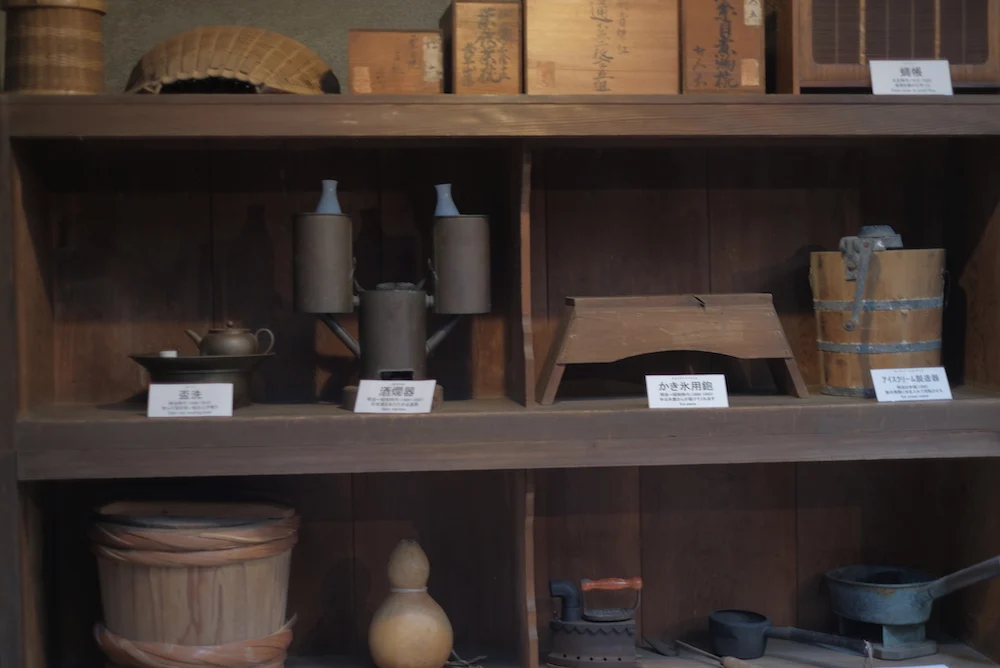
From ice cream makers to many items that make you think, "Did they have such things back then?" are displayed.
Why does Nozaki's Historical Residence open valuable historical materials to the public?
I spoke with curator Miyake about the reasons and thoughts behind the opening of Nozaki's Historical Residence.
Data on Nozaki's Historical Residence
| Name | Nozaki's Historical Residence |
|---|---|
| Location | 1-11-19 Ajino, Kojima, Kurashiki City, Okayama Prefecture |
| Contact | 086-472-2001 |
| Parking | Available Free for 36 regular cars and 5 buses |
| Opening Hours | 9:00 AM to 4:30 PM (5:00 PM closing) |
| Closed | Monday (the following weekday if it is a public holiday), December 25 to January 1 |
| Admission Fee (including tax) | Adults (including high school students) 500 yen Elementary and junior high school students 300 yen Group discount of 20% for groups of 30 or more Free for elementary, junior high, and high school students on Saturdays, Sundays, and public holidays |
| Payment Method |
|
| Reservation | Not required |
| Smoking | Completely non-smoking |
| Restrooms | Western-style and Japanese-style restrooms |
| Website | Official website of Nozaki's Historical Residence |