Interviewing Miyake, a curator at Nozaki's Historical Residence!

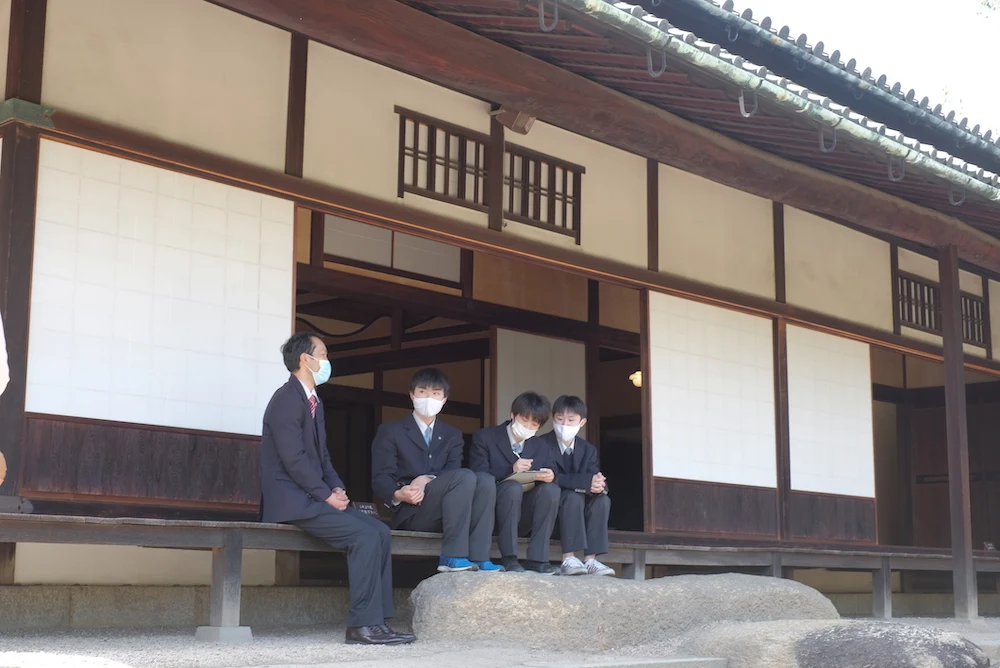
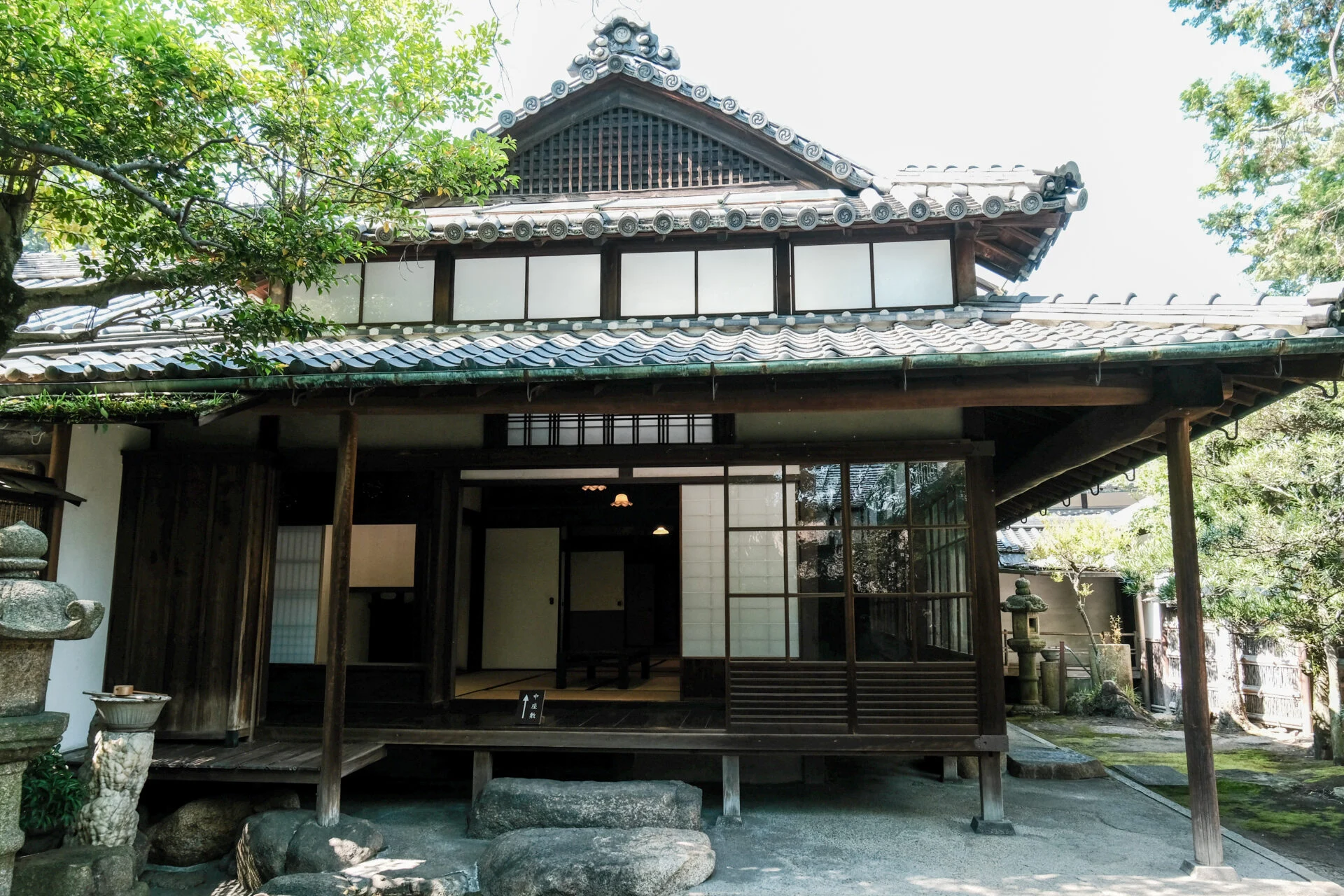
We sat on the veranda of the Omote Shoin and interviewed curator Miyake while looking out at the garden.
We asked about what Nozaki's Historical Residence hopes to share and what Miyake recommends seeing.
What they hope to share with visitors to Nozaki's Historical Residence

What would you especially like visitors to Nozaki's Historical Residence to know or take away with them?
Miyake (honorific omitted)
I hope people will learn about its history and experience Japanese culture.
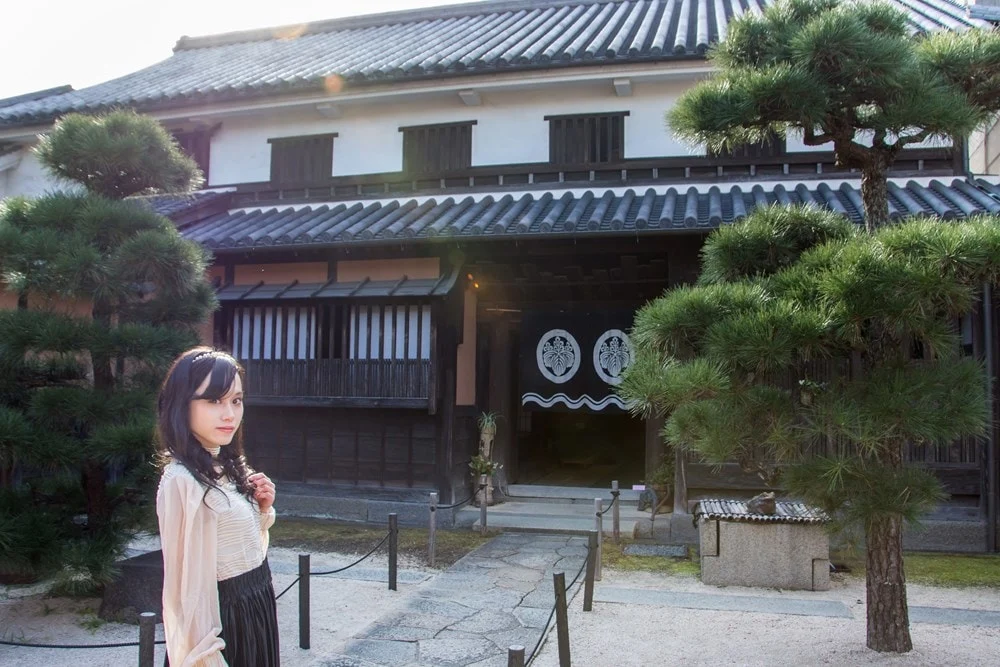
The buildings themselves are very old. The oldest parts were built about 190 years ago.
And the vast grounds, covering 3,000 tsubo, and the enormous buildings still remain today.
Even nationwide, it is quite rare to find buildings this large preserved in the same location.
So I hope people will value the fact that these old things have been preserved, and I want as many people as possible to see these magnificent buildings.
Preserving historic buildings

Have you ever repaired Nozaki's Historical Residence?
Miyake
Of course, we do repairs.
It's not as if you build your house and that's the end of it, either.
Buildings stand exposed to harsh natural conditions, so wear and damage are unavoidable.
Traditional Japanese houses were made from natural materials, which deteriorate more and more over time, so we repair various parts of the buildings.
We want to use the same materials wherever possible, so if the materials already in place can still be used, we reuse them. When they can't, we try to source the same materials.

As it happens, we're doing construction work on an area related to the teahouse right now (at the time of the interview).
The damage was severe, so this time it has come to a full dismantling and repair.
We take everything apart, but not all at once. We dismantle it section by section, like a puzzle, and then put it back together to repair it.
Whenever we find damage, we repair it then and there.
A curator's recommendations for things to see at Nozaki's Historical Residence

Are there any particular spots you recommend visitors see?
Miyake
I hope people will see the whole place, but I recommend the Omote Shoin, the shadowy garden behind it, the Middle Reception Room with its nine rooms stretching 42 meters, and the History Museum.
There was also an air-raid shelter for taking refuge from air raids, right?
They started building an air-raid shelter during the war, but since no bombs ended up falling, they apparently stopped digging the tunnel partway through.
So it was never actually used as an air-raid shelter, and the hole is very shallow.

So that's why that air-raid shelter was so shallow! That makes sense.
Miyake
I think many people see the air-raid shelter without knowing this story. As you probably felt, most people wonder, “How could you protect yourself in an air-raid shelter this shallow?”
There are also rocks shaped like turtles, for example. I think it's good to consider the historical background as you look around the various places and ask yourself, “Why is it like this?”
Be sure to visit Nozaki's Historical Residence when you come to Kojima!

Unlike modern buildings, Nozaki's Historical Residence stands quietly and majestically, and seeing it may leave you feeling moved.
It feels larger and more beautiful in person than it does in photographs, and it naturally put my mind at ease.
There is much more to Nozaki's Historical Residence than what we have introduced here.
When you see it for yourself, you are sure to find things that appeal to you in ways different from what appealed to us.
Nozaki's Historical Residence is located on Kojima Jeans Street, so why not stop by along with Kojima's jeans shops?
Of course, if you live locally, you might also enjoy visiting casually and discovering that a place like this is right nearby.
Be sure to visit Nozaki's Historical Residence, a landmark of Kojima and Okayama!
Nozaki's Historical Residence Information
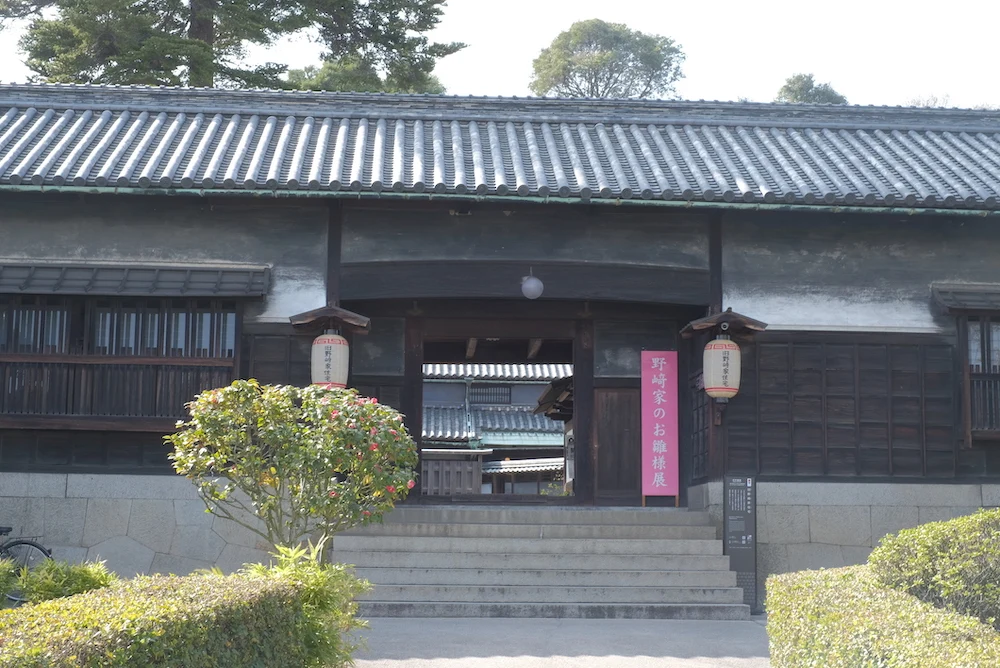
| Name | Nozaki's Historical Residence |
|---|---|
| Address | 1-11-19 Ajino, Kojima, Kurashiki City, Okayama Prefecture |
| Contact | 086-472-2001 |
| Parking | Available Free: 36 regular cars, 5 buses |
| Opening hours | 9:00 a.m.–4:30 p.m. (gates close at 5:00 p.m.) |
| Closed | Mondays (If a public holiday, the following weekday), December 25–January 1 |
| Admission (tax included) | Adults (including high school students): ¥500 Elementary and junior high school students: ¥300 Group discount: 20% off for groups of 30 or more Elementary, junior high, and high school students: free on Saturdays, Sundays, and public holidays |
| Payment methods |
|
| Reservations | Not accepted |
| Smoking | Entire premises are non-smoking |
| Restrooms | Western-style and Japanese-style toilets |
| Website | Official website of Nozaki's Historical Residence |



What would you like to know about Kurashiki?
Enter a word to search the articles on this site