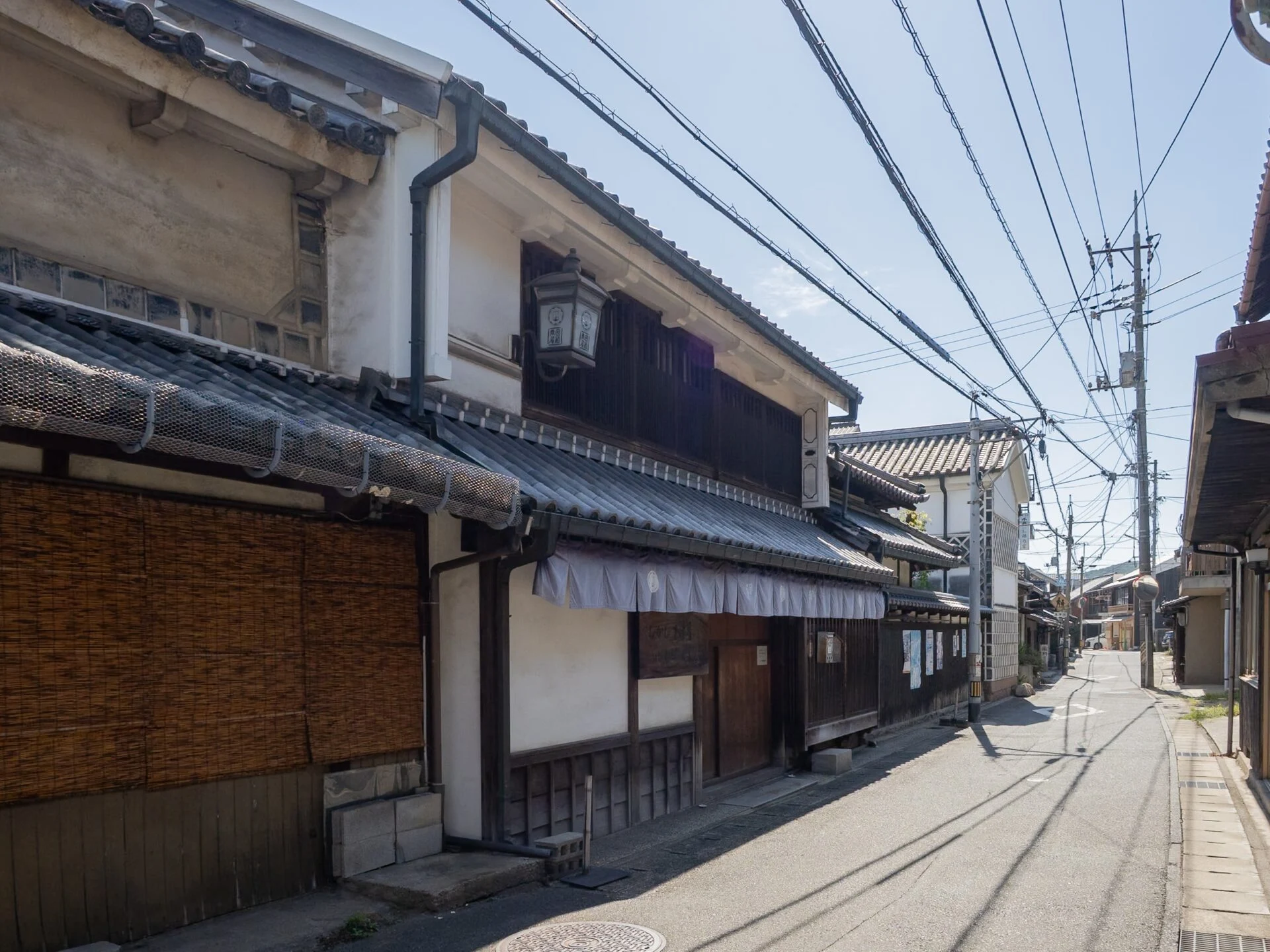
Shimotsui (下津井), a coastal area located in the southern part of the Kojima region in Kurashiki City.
Currently known as a fishing town, it is famous for seafood such as octopus. The history of fishing in Shimotsui is said to be very old.
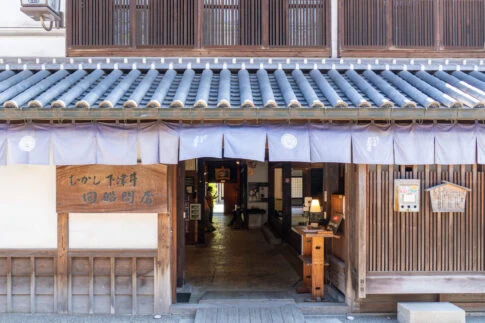
In the early modern period, the Kitamae-bune (北前船) began to dock here, and trade in cotton and herring by-products became active, leading to the construction of shipping agents (回船問屋) in the town.
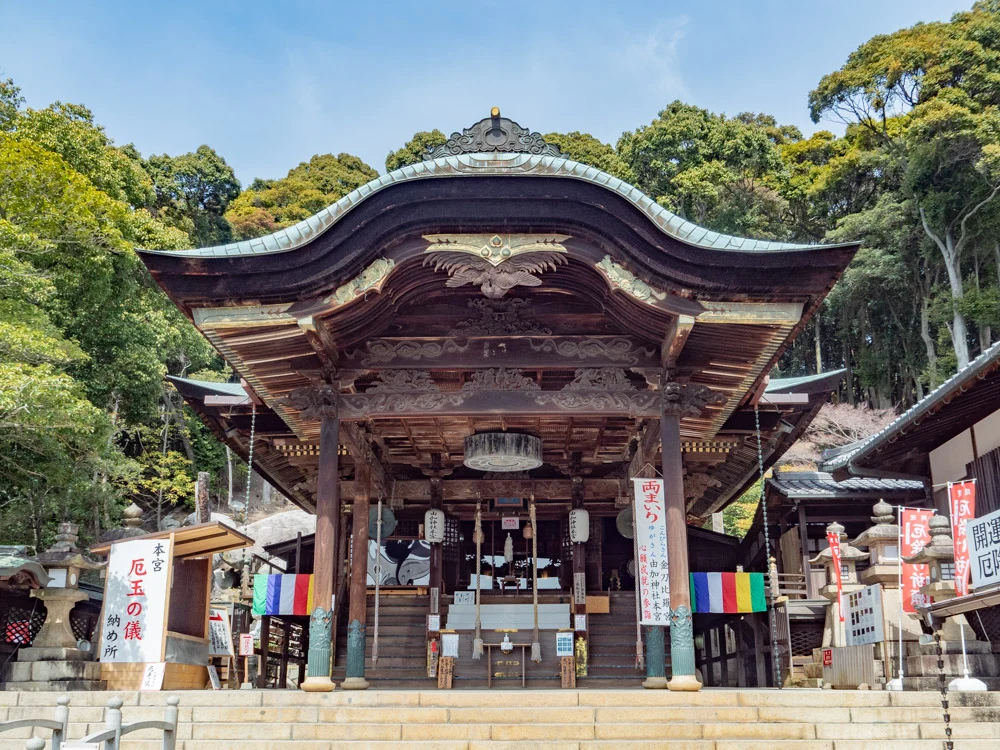
Furthermore, it became a hub for maritime routes connecting Bizen and Sanuki, and many travelers visited Shimotsui for the "Ryosan" pilgrimage to Yuga Daigongen and Konpira Daigongen.
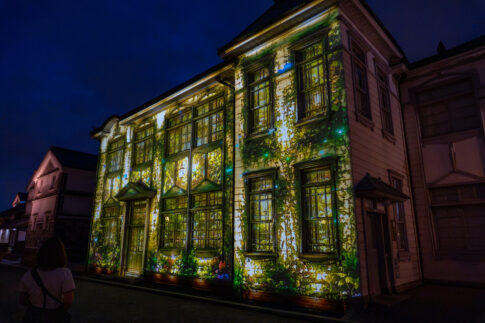
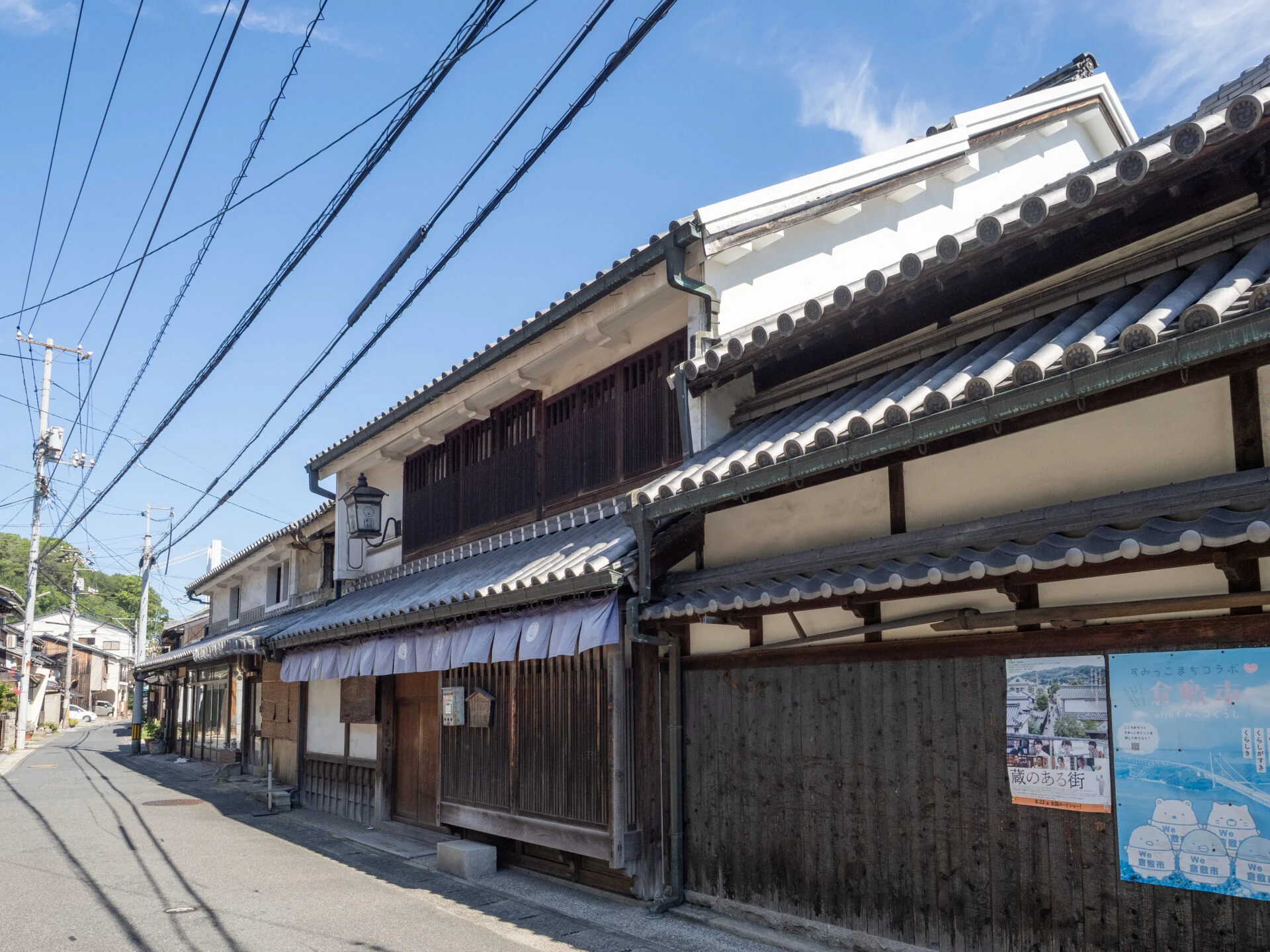
Even today, Shimotsui retains many historical buildings that evoke the bustling atmosphere of its past as a port town. The community is also working to revitalize the area and preserve its historical streets.
Let’s delve into the history of Shimotsui as a port town and the efforts to preserve its streets.
Overview of Shimotsui's Streets
Shimotsui is located in the southern part of the Kojima region in Kurashiki City. It is characterized by a geography nestled between the Seto Inland Sea and mountainous areas.
The eastern part of the area features the Seto-Ohashi Bridge, which serves as the starting point on the Honshu side.
Shimotsui has flourished as a port town since ancient times, known for Shimotsui Port (下津井湊). Many old buildings remain around the streets running east-west within the area, preserving the charm of its history as a port town.
History of Shimotsui's Streets
Shimotsui, with its long history as a port town, will be explored further.
Prosperity as a Fishing Port from Geographical Environment
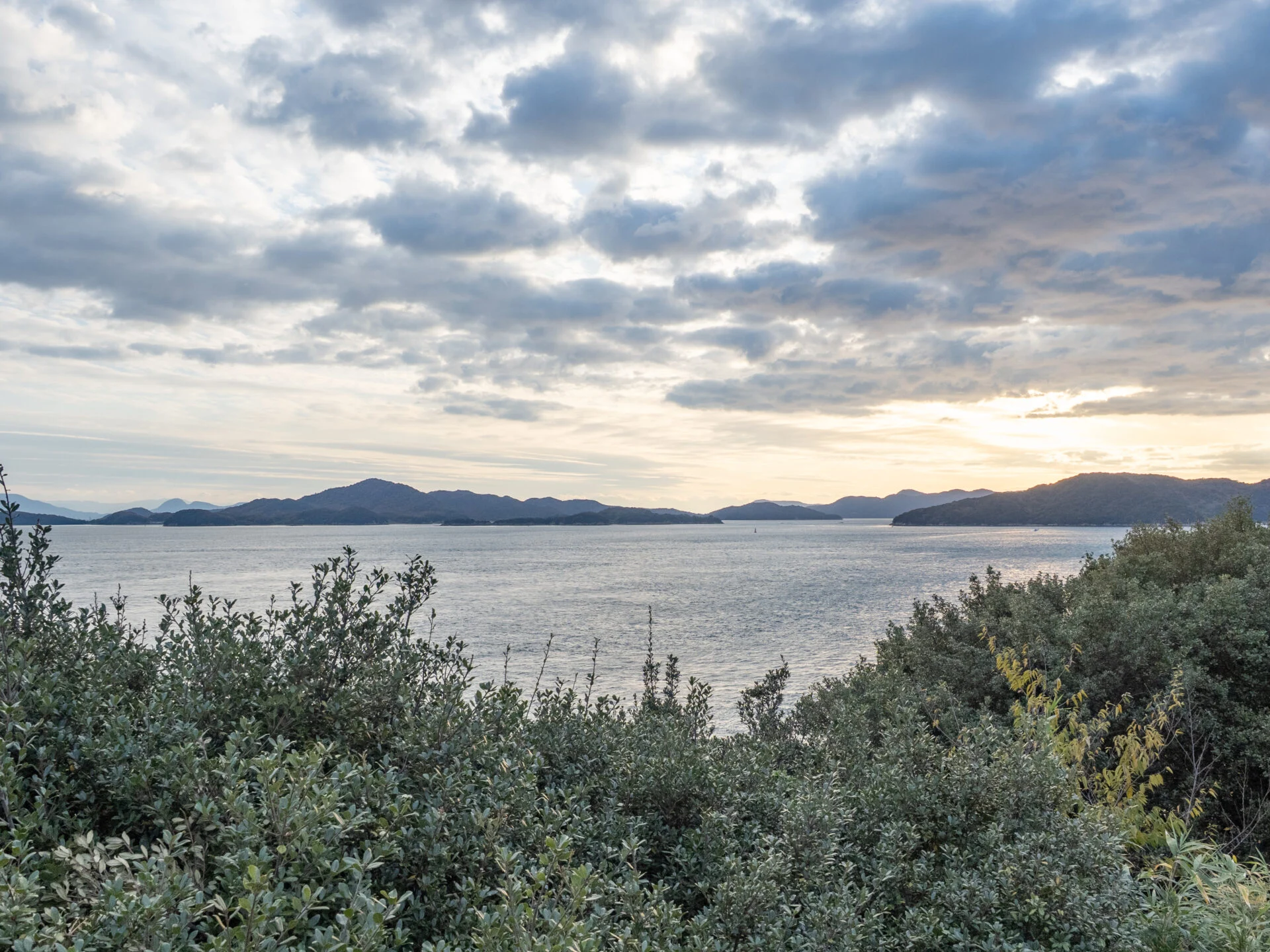
Originally, Shimotsui Port has prospered as a fishing port since ancient times.
The offshore area from western Okayama Prefecture to eastern Hiroshima Prefecture is located almost in the center of the Seto Inland Sea. Because it is a place where the tidal currents from the east and west collide, fish were abundant.
Additionally, the three major rivers of Okayama Prefecture (Takahashi River, Asahi River, and Yoshii River) flow rich nutrients from the inland into the sea, nurturing the fish.
The area that was once used as Shimotsui's fishing port is located on the west side of the current Gion Shrine. The geographical features of a curved inlet west of the cape made it an ideal location for a port.
Shimotsui was a fishing-friendly area and a natural good harbor.
Active Trade with Kitamae-bune in the Edo Period
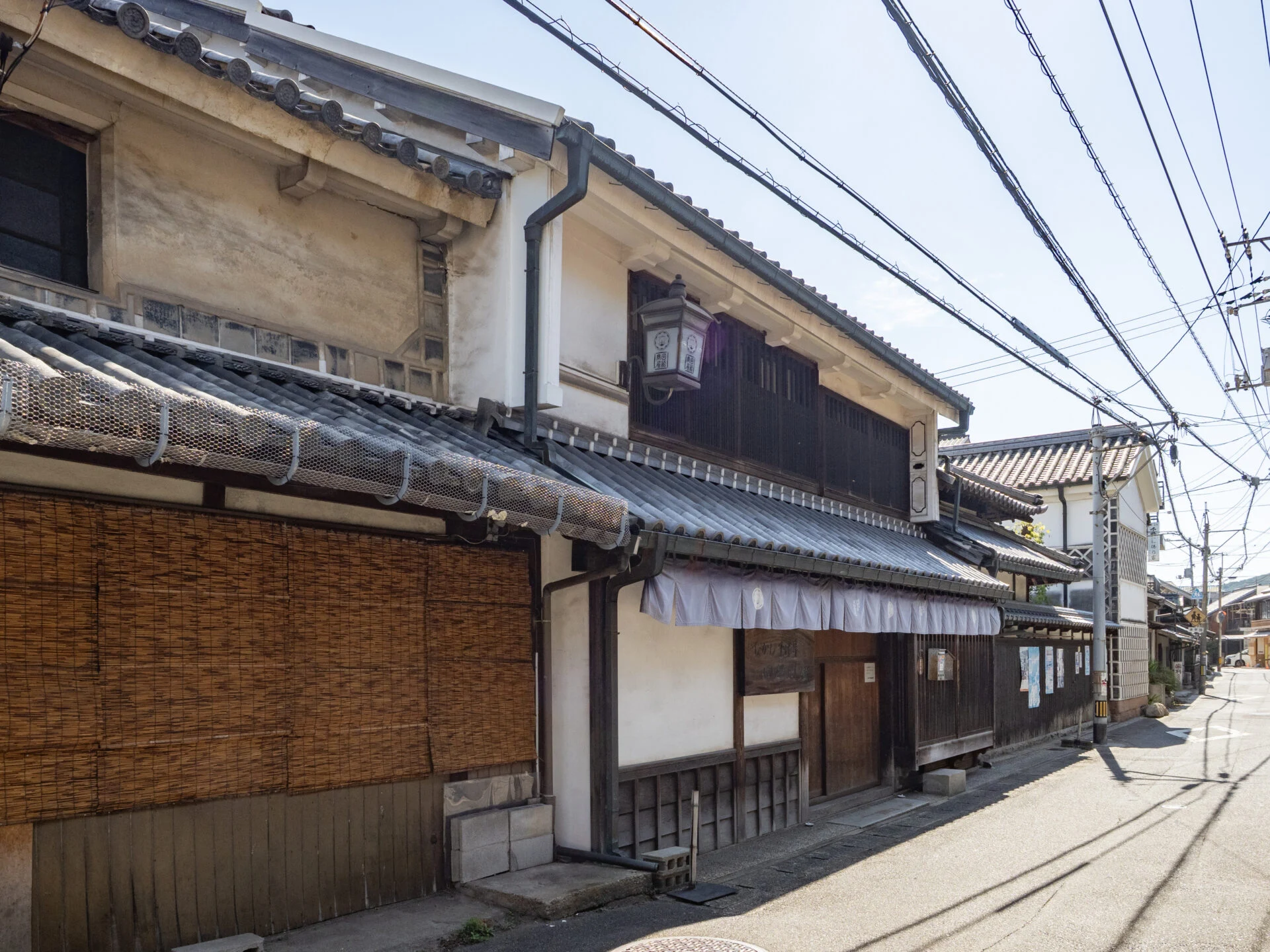
Shimotsui entered a new phase during the Edo period.
The Kitamae-bune began to dock at Shimotsui Port.
The area used as a fishing port was on the west side of the current Gion Shrine. A new port was created on the east side of the Gion Shrine cape for the Kitamae-bune to dock.
Utilizing the curved terrain east of Gion Shrine, the new port was established.
Furthermore, Shimotsui's offshore area is close to the central part of the Seto Inland Sea, making it a transition point for tidal currents.
Shimotsui Port was not only ideal for fishing but also served as a "潮待ちの港" (tide-waiting port) where ships could wait for the change in tidal flow. It was also a "風待ちの港" (wind-waiting port) where ships could wait for favorable winds.
As the Kitamae-bune began to dock for tide and wind waiting, many shipping agents gathered in Shimotsui, initiating active trade with the Kitamae-bune.
Shimotsui flourished not only as a fishing port and tide-waiting/wind-waiting port but also as a commercial port.
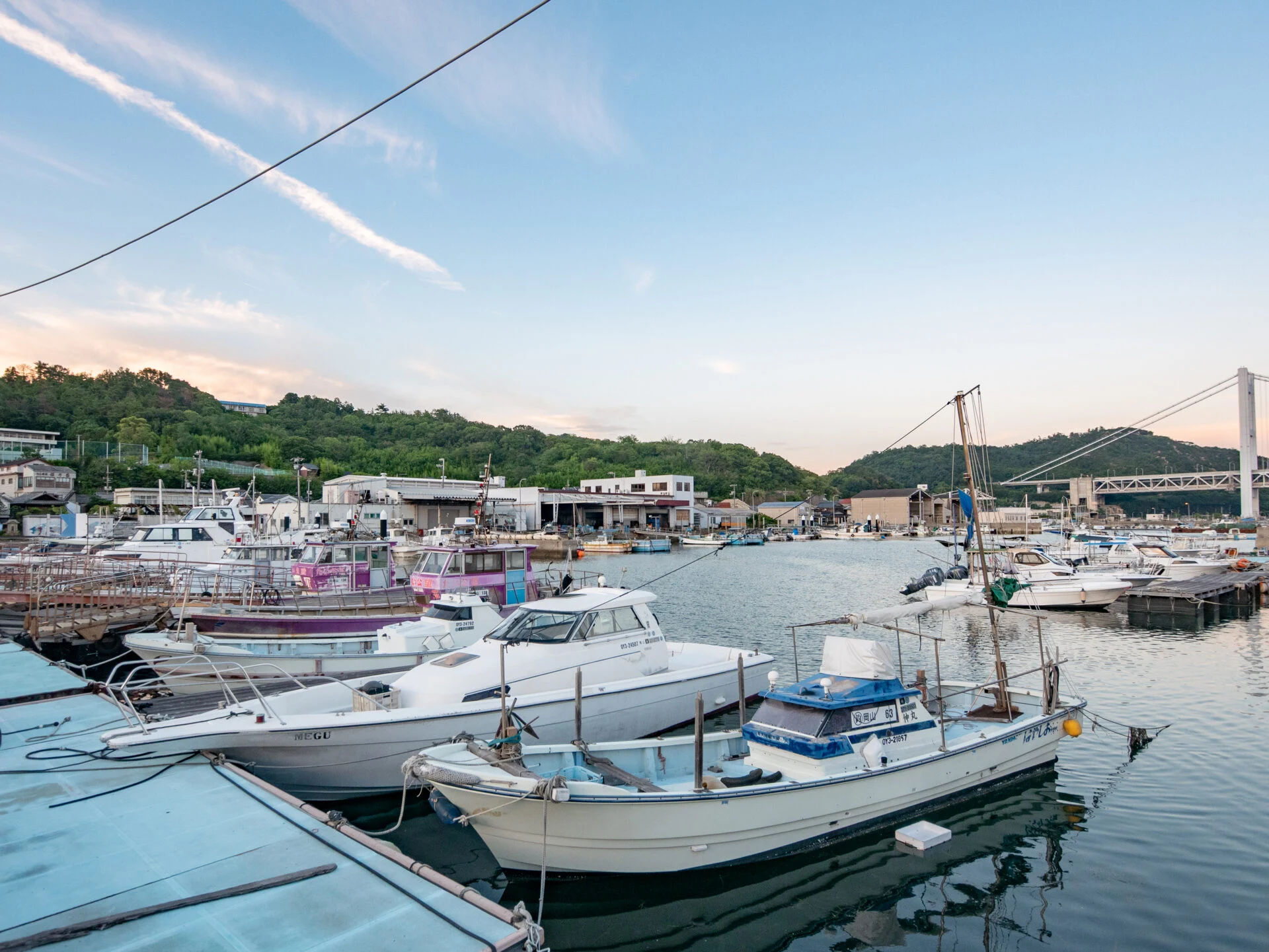
The main items traded at Shimotsui Port included herring by-products, dried sardines (ほしか), cotton, and salt. Cotton and salt were sold from Shimotsui to the Kitamae-bune, while herring by-products and dried sardines were purchased from them.
Currently, Shimotsui is located at the southwestern tip of Kojima Peninsula. In fact, Kojima Peninsula was originally an island called Kojima.
During the Azuchi-Momoyama period, the lord of Okayama Castle, Ukita Hideie, reclaimed part of the sea between Kojima and the mainland known as Kibi Anau. Furthermore, during the Edo period, Kibi Anau was gradually reclaimed, connecting Kojima to the mainland.
Due to the saline nature of the reclaimed land, cotton, which is resistant to salt, began to be cultivated extensively. The herring by-products and dried sardines purchased from the Kitamae-bune were used as excellent fertilizer for cotton cultivation.
Thus, a cycle was established where cotton harvested from cultivated cotton and products made from cotton were sold to the Kitamae-bune.
Additionally, salt was sold as salt fields were created around Kojima, and the salt production industry thrived.
A Connection Port between Bizen and Sanuki
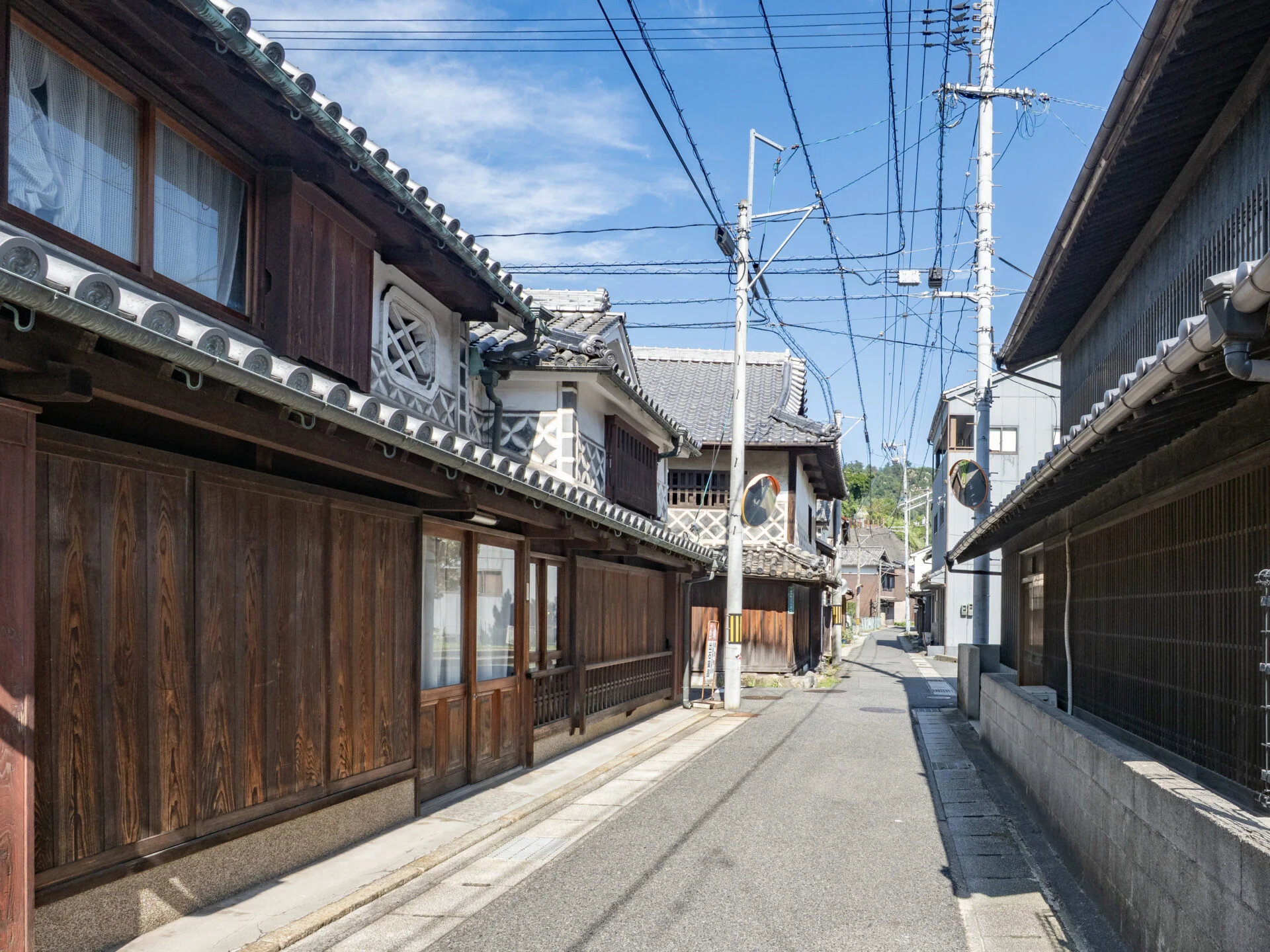
In addition to being a fishing port, tide-waiting port, wind-waiting port, and commercial port, Shimotsui also took on a new role as a passenger port. Its location was the closest point between Bizen and Sanuki.
This made it the most convenient place for crossing between Bizen and Sanuki by boat, thus becoming a ferry point between Bizen and Sanuki.
In the late Edo period, the "Ryosan" pilgrimage to Yuga Daigongen in Kojima and Konpira Daigongen in Sanuki became popular, attracting many travelers to Shimotsui. The port town had many inns.
Shimotsui became a hub for maritime traffic from all directions. The Okayama Domain, which governed Shimotsui, regarded it as an important base at the southern entrance of its territory.
In the early Edo period, the Okayama Domain built Shimotsui Castle to strengthen its defenses. However, due to the Edo shogunate's policy of "one castle per country," Shimotsui Castle was abandoned just 36 years after its construction.
Roles as a Fishing Port and Passenger Port in Modern Times
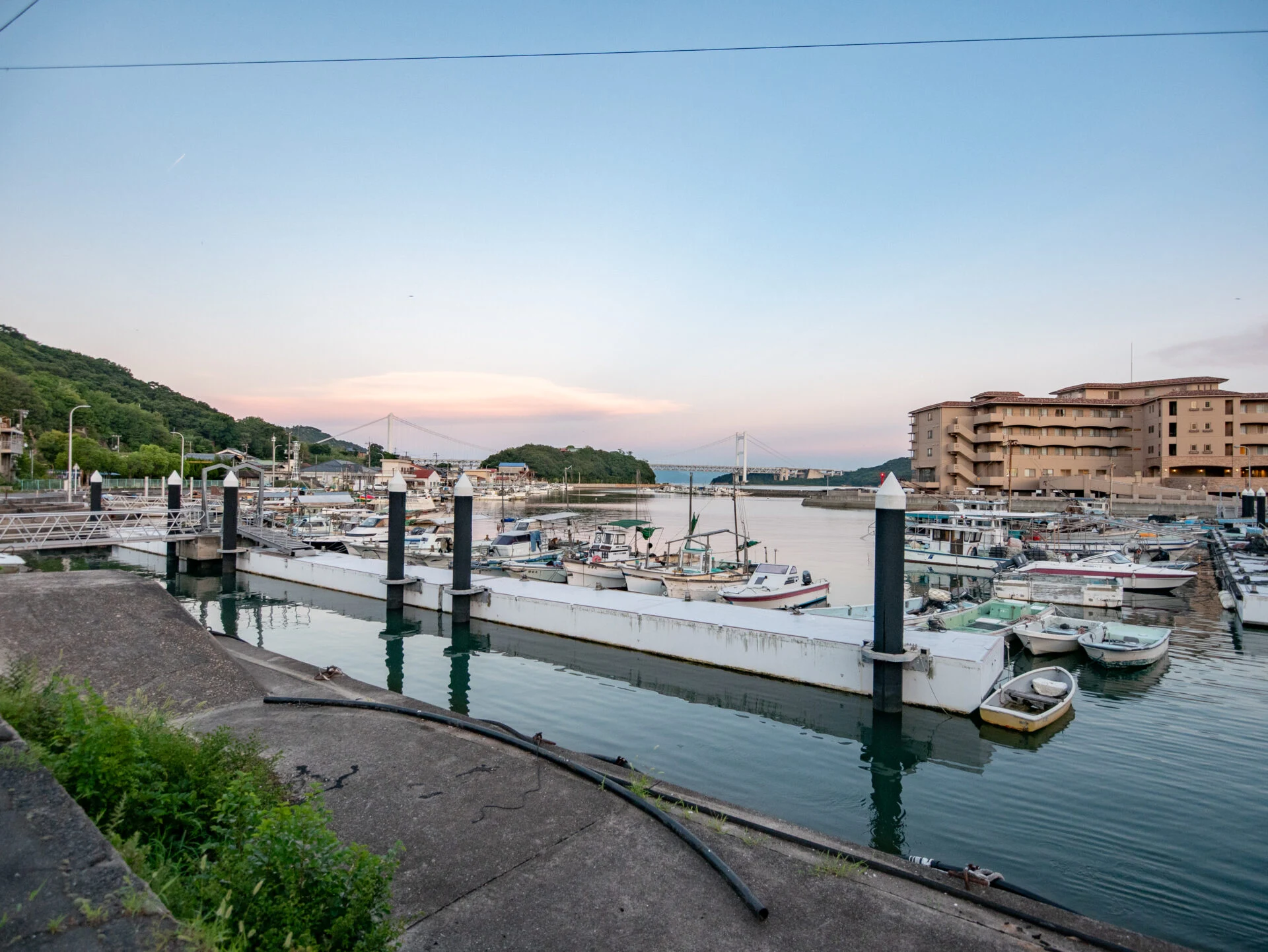
With the Meiji Restoration, Japan began its path to modernization, and by the early Meiji period, the role of the Kitamae-bune came to an end. After that, Shimotsui thrived as a fishing port and a passenger port connecting Honshu and Shikoku.
Additionally, the Shimotsui Electric Railway connected the center of Kojima with Shimotsui, enhancing the convenience of Shimotsui Port as a passenger port.
However, as transportation shifted to automobiles, the Seto-Ohashi Bridge opened in 1988, leading to the closure of the Shimotsui Electric Railway and the end of its role as a passenger port.
Since then, Shimotsui has continued to exist as a fishing town. The seafood caught in Shimotsui has become well-known, especially the octopus.
Remnants of the Old Port Town Still Present in Shimotsui
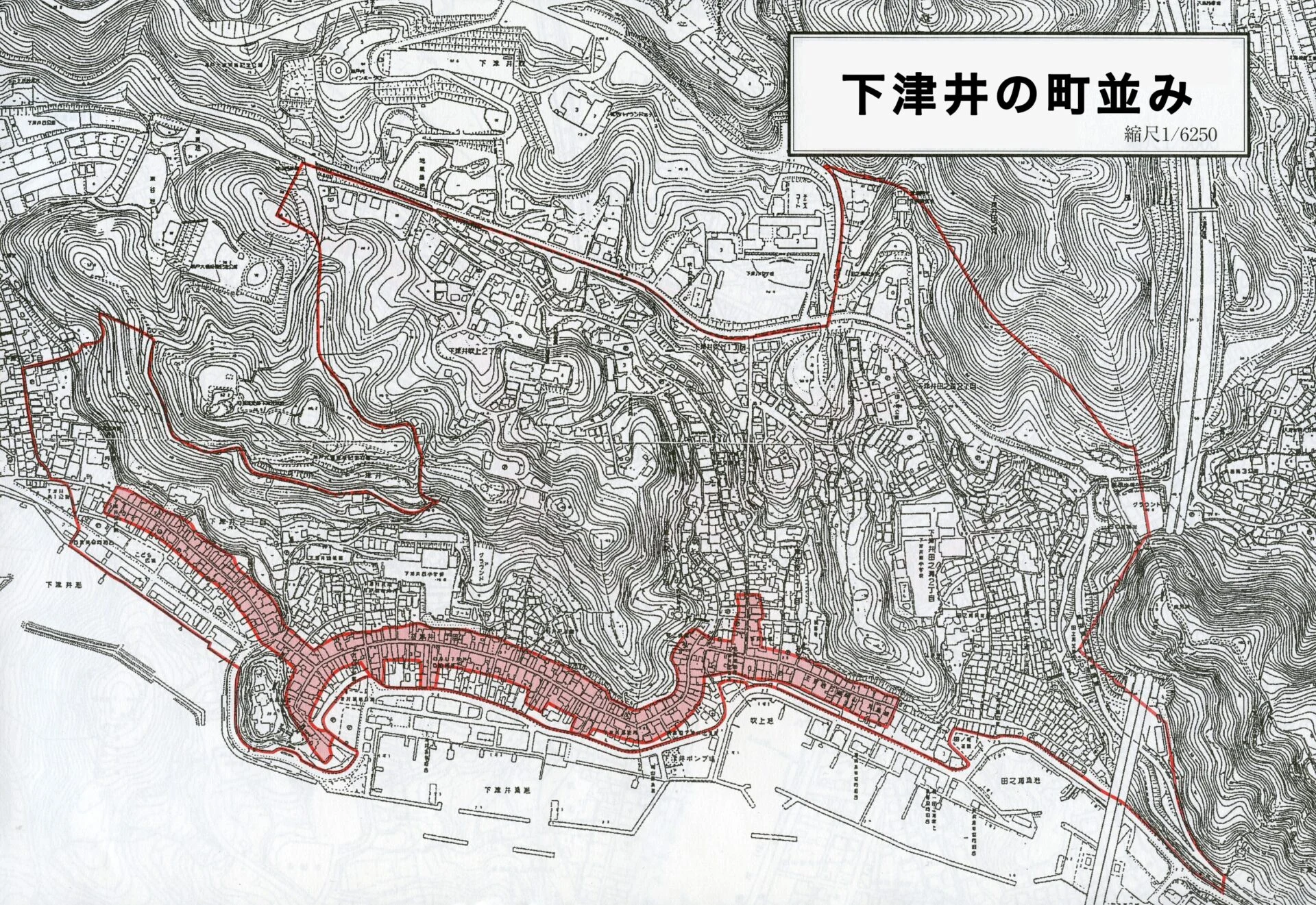
The arrival of a car-centered society has prevented large-scale development in Shimotsui. Additionally, since Kojima was a textile industry hub, many buildings such as the warehouses of former shipping agents were repurposed for textile-related work.
As a result, many old buildings that reflect the prosperous era of the port town have been preserved.
In 1986, the streets of Shimotsui were designated as a preservation district for townscapes in Okayama Prefecture.
In 2017, it became a component cultural asset of the Japan Heritage "A Kurashiki story beginning with a single cotton flower - A town of textiles woven with harmony of Japanese and Western cultures".
Furthermore, in 2018, it became a component cultural asset of the Japan Heritage "A different world entwined with the dreams of men who overcame the stormy seas - Port of Kitamae-bune and Shipowners' Settlement".
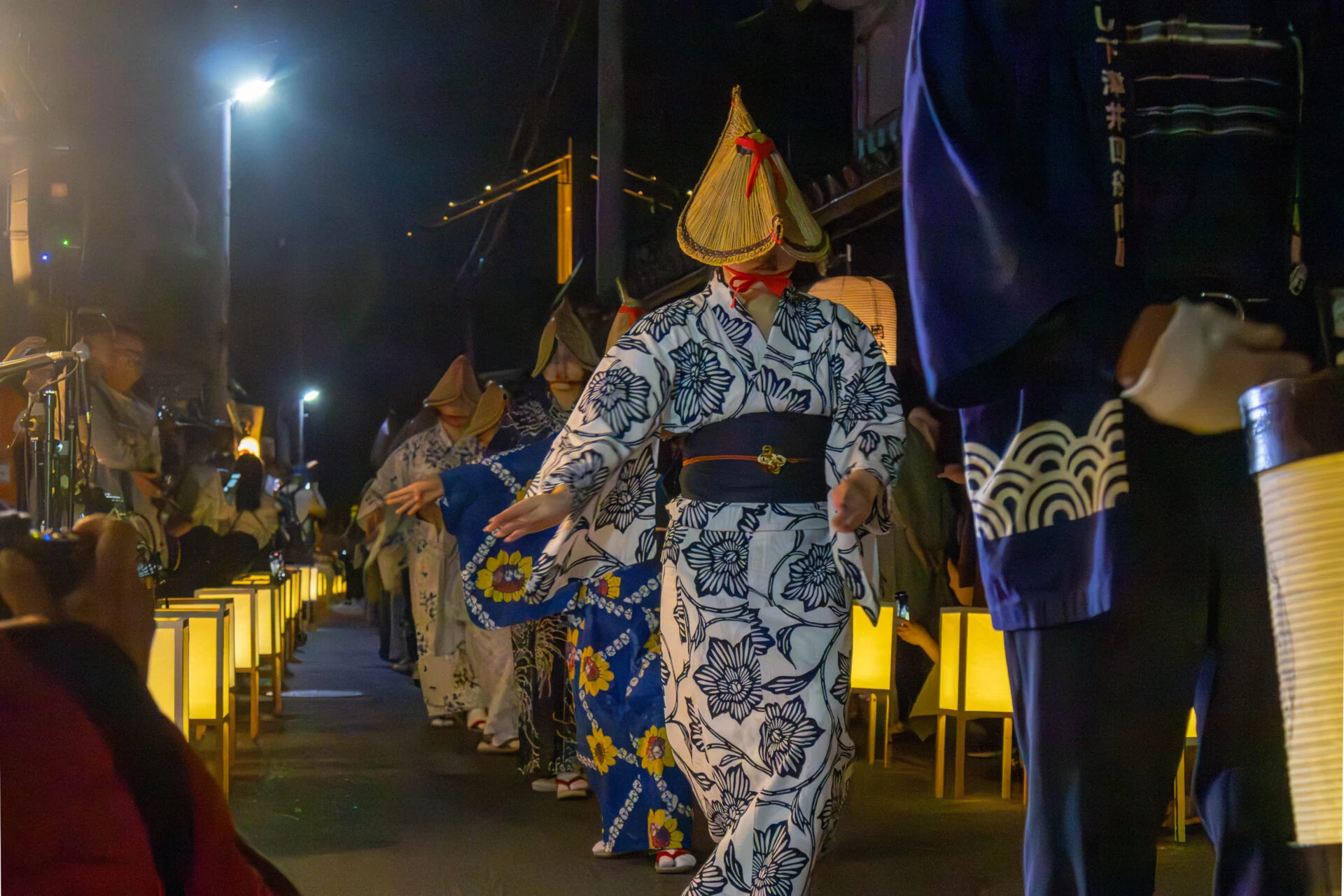
Additionally, the "Shimotsui-bushi" sung by the boatmen of the Kitamae-bune and the "offerings of Gion Shrine" and "Shimotsui Gion Documents" have also been designated as component cultural assets of Japan Heritage.