Progress of Townscape Preservation and Community Development Activities in Shimotsui
What kind of initiatives are being undertaken to preserve the townscape of Shimotsui?
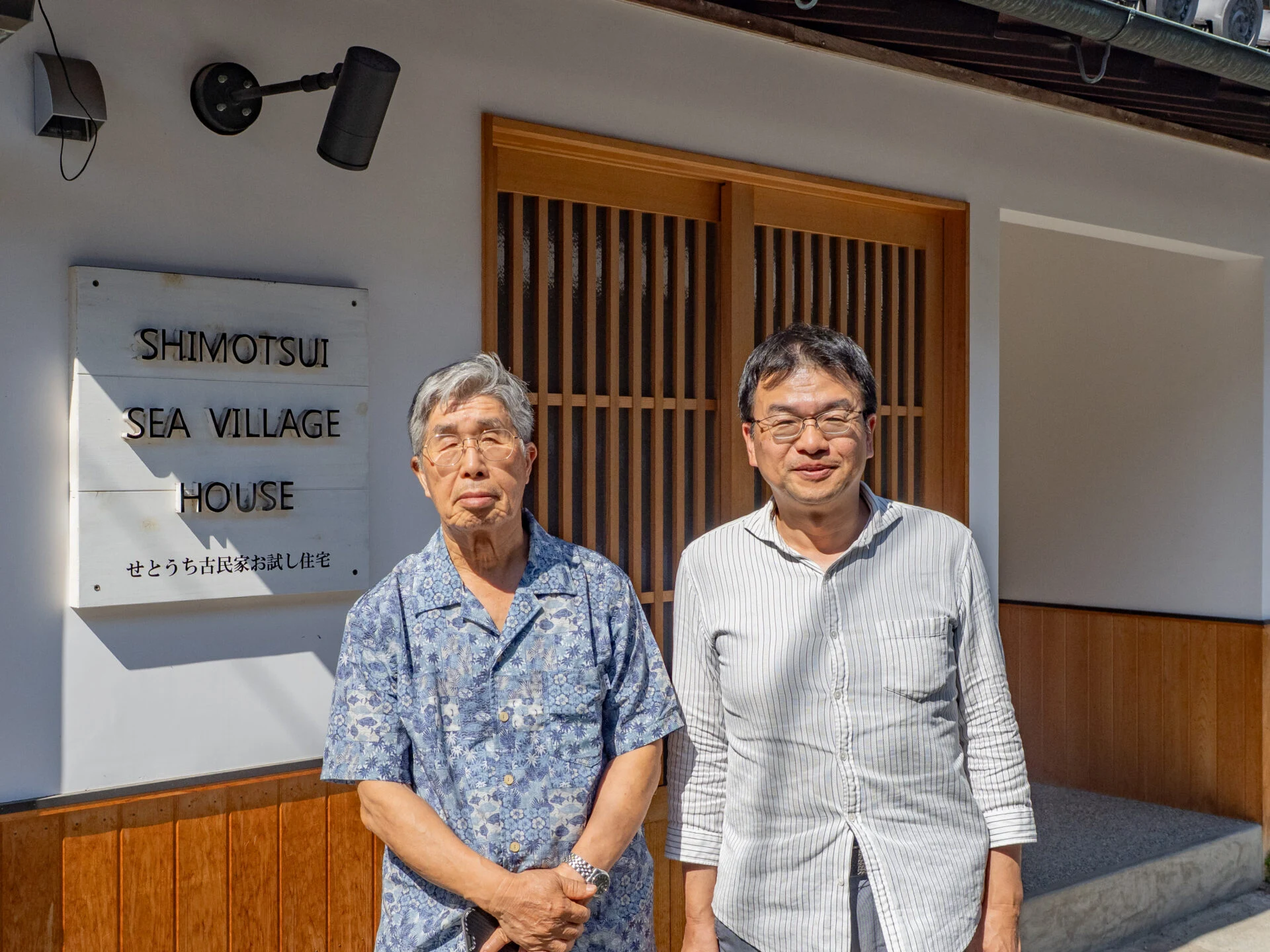
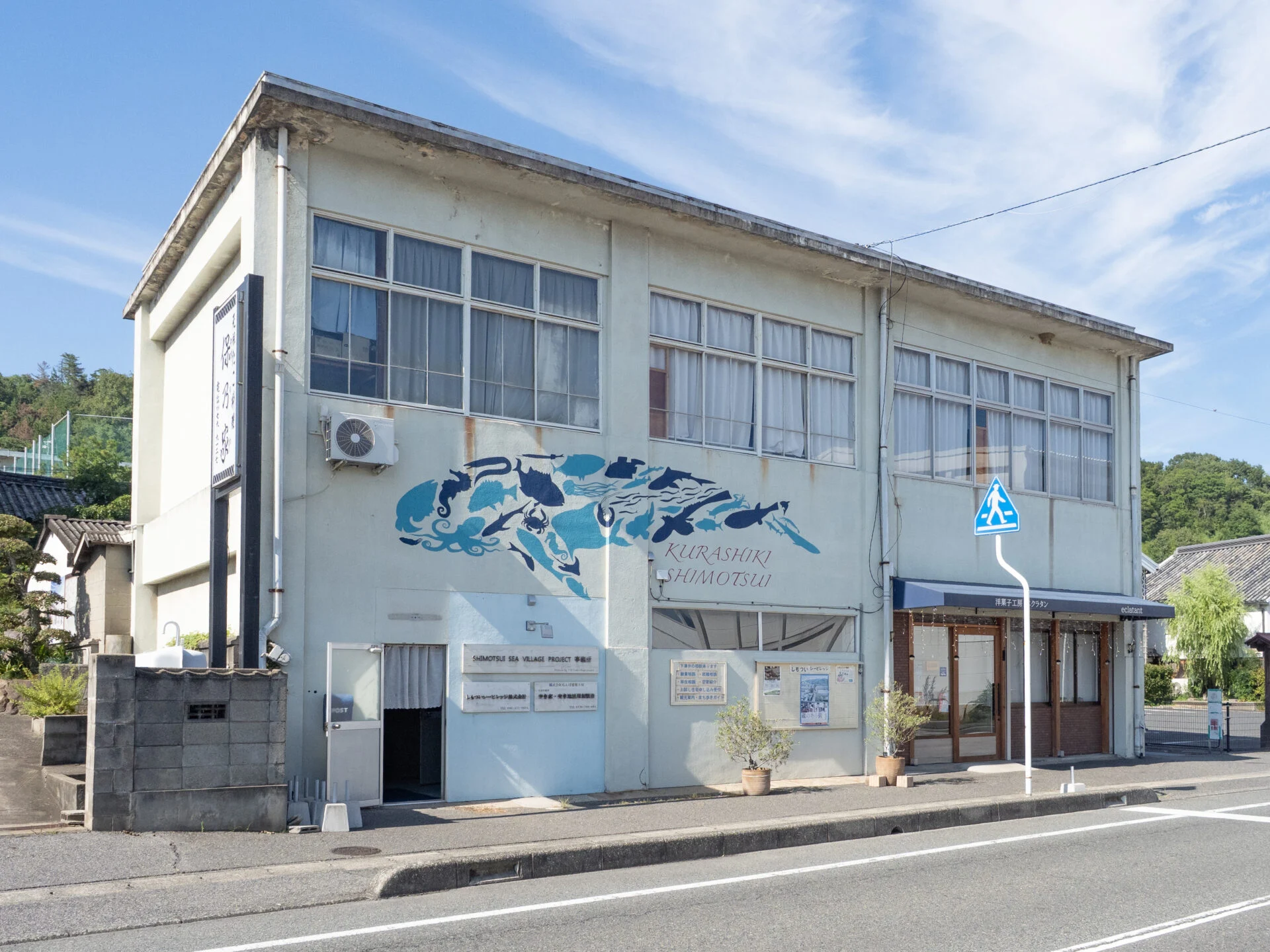
I spoke with the vice president of the "Shimotsui Sea Village Project," Yabuki Katsutoshi and the operations manager, Masada Junya.
The Trigger was the Demolition Issue of a Historic Merchant House
How did the Shimotsui Sea Village Project begin?
Yabuki
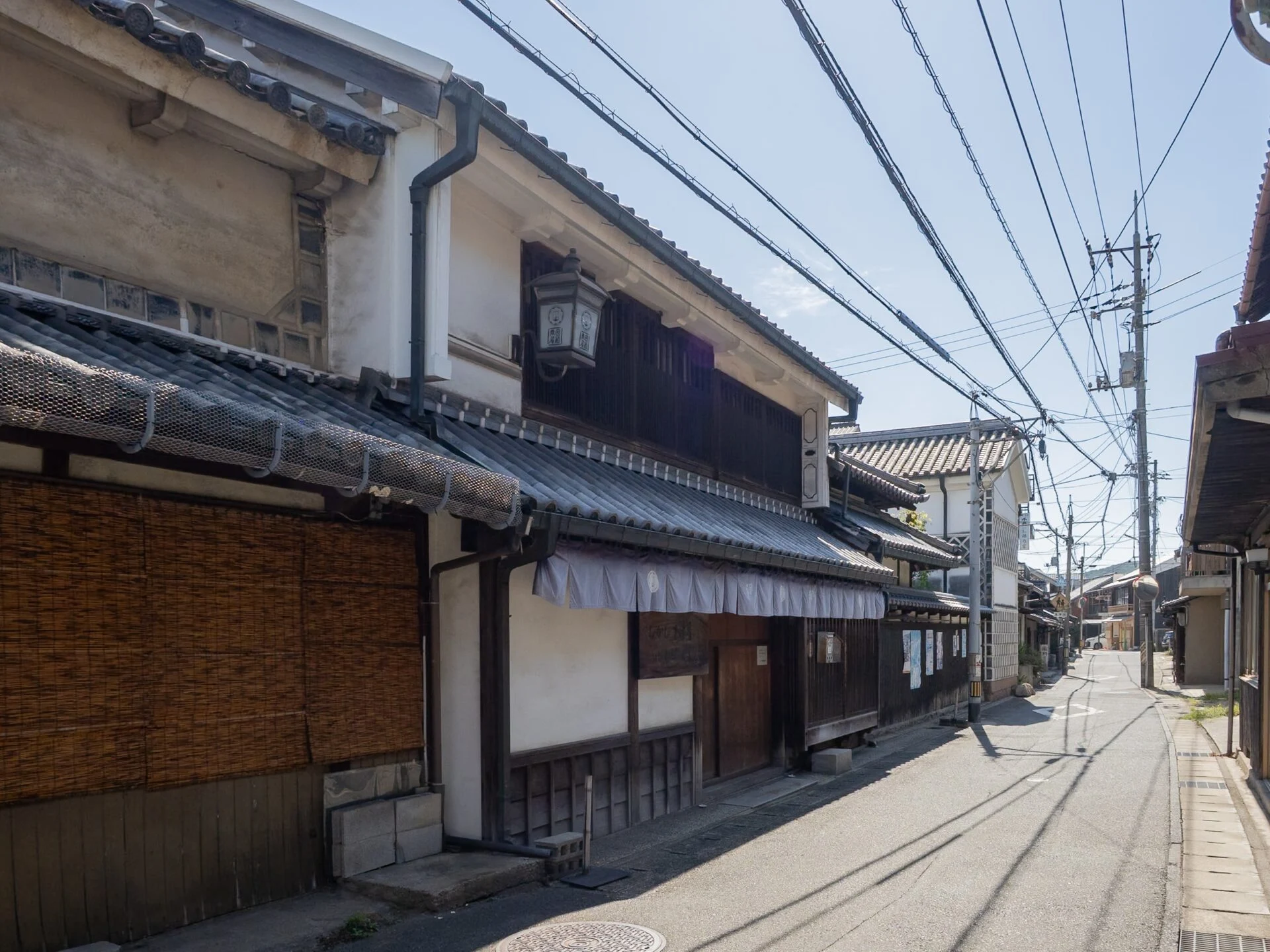
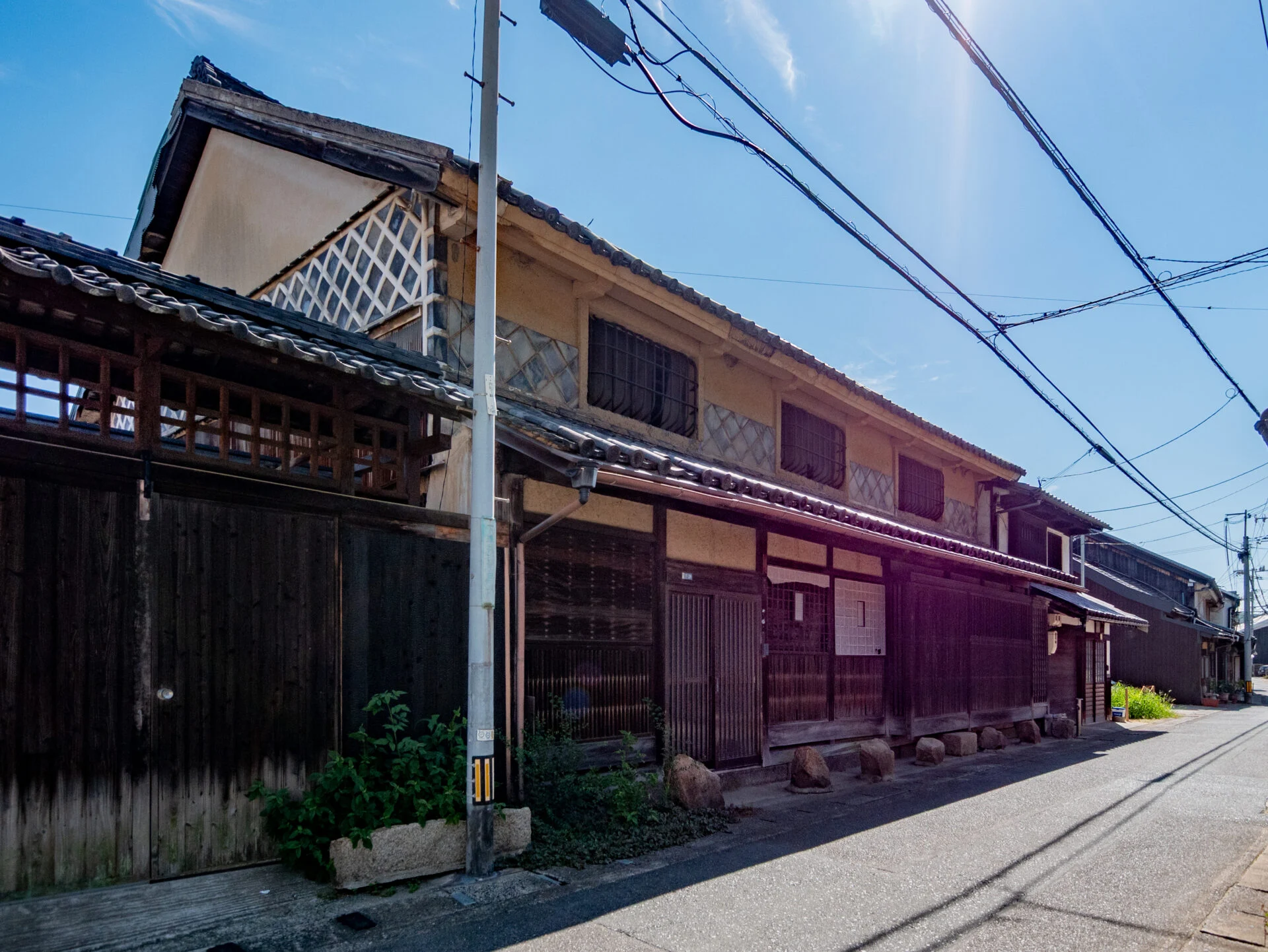
The trigger was the news in 2017 that the former Nakanishi House in Shimotsui, which remains in the townscape, was to be demolished due to deterioration.
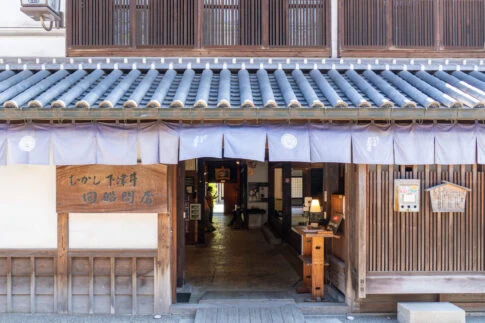
At that time, I was serving as the director of the facility called Shimotsui Shipping Agent Museum. This facility utilizes a building that was once owned by the Nakanishi family. When I heard that the Nakanishi House was to be demolished, I was very surprised.
Around the same time, there was also news that the former Ogino House, which had once prospered in finance, shipping, and warehouse leasing, was to be demolished for the same reason.
Both the Nakanishi and Ogino houses are representative merchant houses of Shimotsui and are important buildings for telling the history of Shimotsui as a port town. I believe they are community assets.
Therefore, I wanted to do everything I could to prevent their demolition.
So, I discussed with the current owner, who lives far away, and managed to get a one-year grace period. During that time, I thought I would come up with a plan for utilization.
On the other hand, the Ogino House was damaged by a typhoon while we were searching for a solution and had to be mostly demolished due to safety concerns for pedestrians and others.
I wanted to protect the Nakanishi House at all costs. While I was thinking about utilization plans, Maki Nobuo, who is from Shimotsui and runs a business, came to visit me.
He said, "I want to help my hometown." This was very reassuring to hear.
Masada
At that time, I learned about the utilization plan for the Nakanishi House through social media. I run a construction company called Nanba Architectural Workshop in Kojima.
I thought there might be something I could do as a professional in building construction, so I offered my assistance to Yabuki and the others. After that, the issue of utilizing the Nakanishi House spread to local residents and the city hall, and we had many discussions. However, we struggled to find effective solutions.
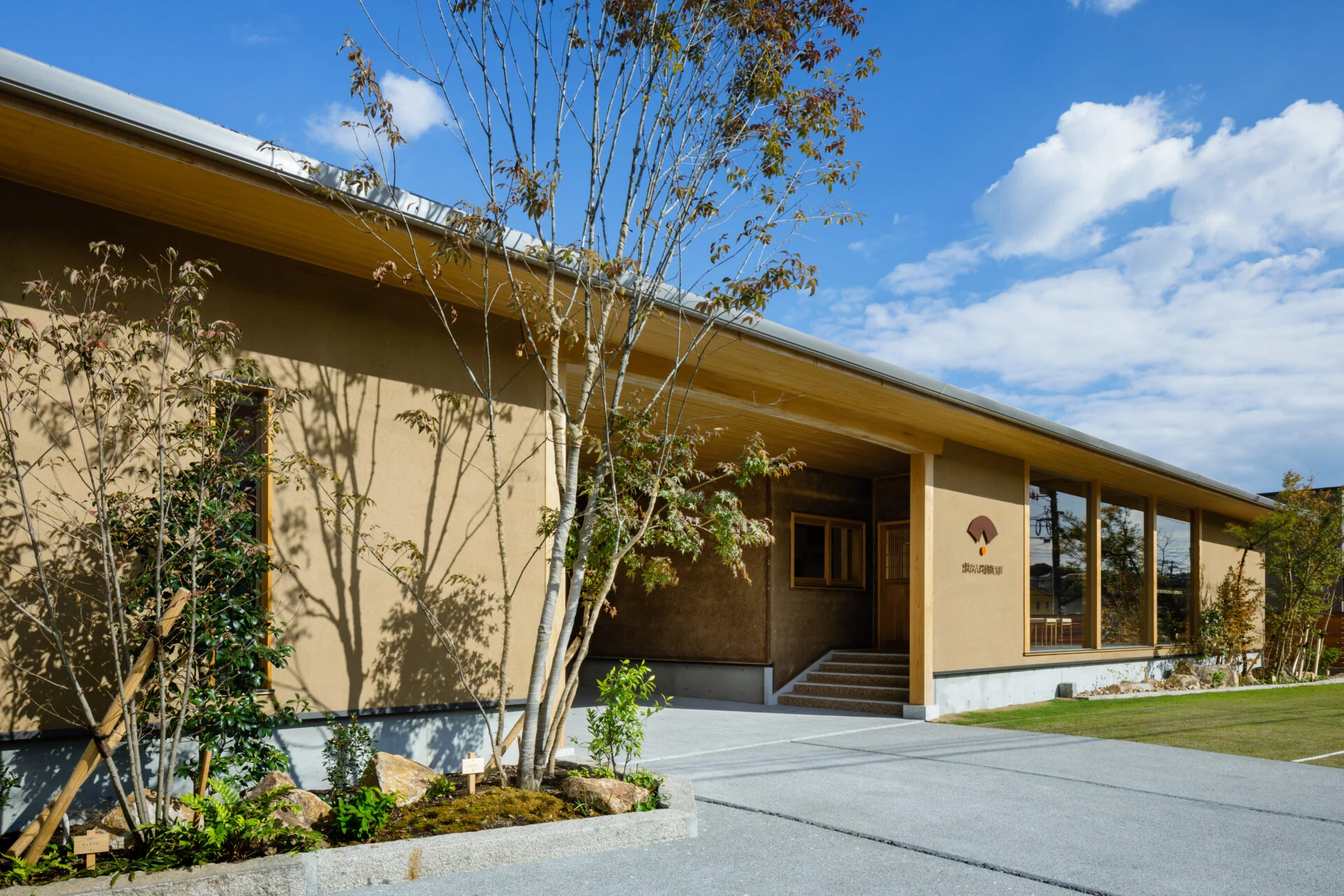
Although a utilization plan was once found, it was scrapped due to circumstances. Therefore, it was decided that my construction company would purchase the Nakanishi House to maintain the building while we would continue to seek utilization plans in the future.
Community and People Need Vitality to Protect the Townscape
How did the purchase lead to the Sea Village Project?
Yabuki
The three of us—myself (Yabuki), Masada, and Maki—came to the conclusion that even if we preserve buildings and townscapes, they will not be passed on to future generations if there are no people to utilize them.
The old buildings and townscapes remaining in Shimotsui are a reflection of the lives of people from the past. If we do not utilize these buildings in the present era, we cannot pass them on to future generations.
However, Shimotsui is facing serious issues of population decline and aging. There has been a 23% population decrease over ten years, an aging rate of 44.3%, and an approximately 20% vacancy rate, the highest in the city.
Currently, Shimotsui's main industry is fishing. However, due to changes in water quality and climate warming, the catch has been on the decline. The local fishing industry is losing vitality, and the community is gradually losing its liveliness.
Therefore, we felt the need to revitalize the Shimotsui area and make it lively again. To ensure the survival of the "hard aspects" such as buildings and townscapes, we decided to prioritize the enrichment of the "soft aspects" such as the vitality of people and the community.
Masada
It was a shift in thinking from "townscape preservation" to "preservation of the town itself, including the townscape." Eventually, centered around the three of us, we formed the "Shimotsui Sea Village Project" for community revitalization in Shimotsui. This was in October 2017.
Furthermore, in 2019, we established the operating body, Shimotsui Sea Village Co., Ltd..
Not Just Community Revitalization, but Ensuring Activities Continue for Future Generations
What are the main initiatives of the project?
Shoda
“To energize the community and create a town we can be proud of”
“To cultivate the next generation of human resources”
“To create a system that circulates money within the community”
“To promote tourism and encourage migration”
These are the four pillars of the project.
It is not just about revitalizing the community. We are keeping in mind to make activities that will continue for future generations.
As a main activity, we hold regular meetings twice a month, which have been ongoing since the start of the project.
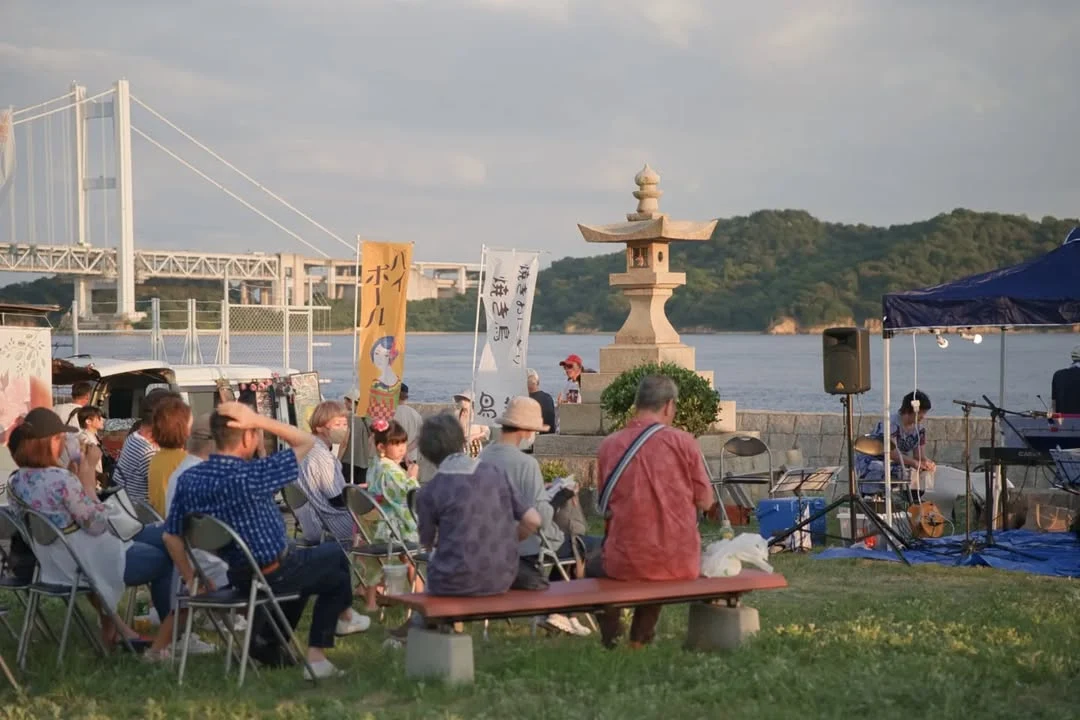
At the beginning of the project, we held market events such as the “Shimotsui International Marche,” “Madakana Night Market,” and “Morning Market.”
In addition, we have conducted various events such as local product exhibitions and sales, exhibitions and sales of works and paintings by artists, movie screenings, and music events.
Yabuki
We have also undertaken initiatives to support migrants. This includes consultations for migrants and the mediation of vacant houses and old folk houses. We also hold exchange meetings for migrants.
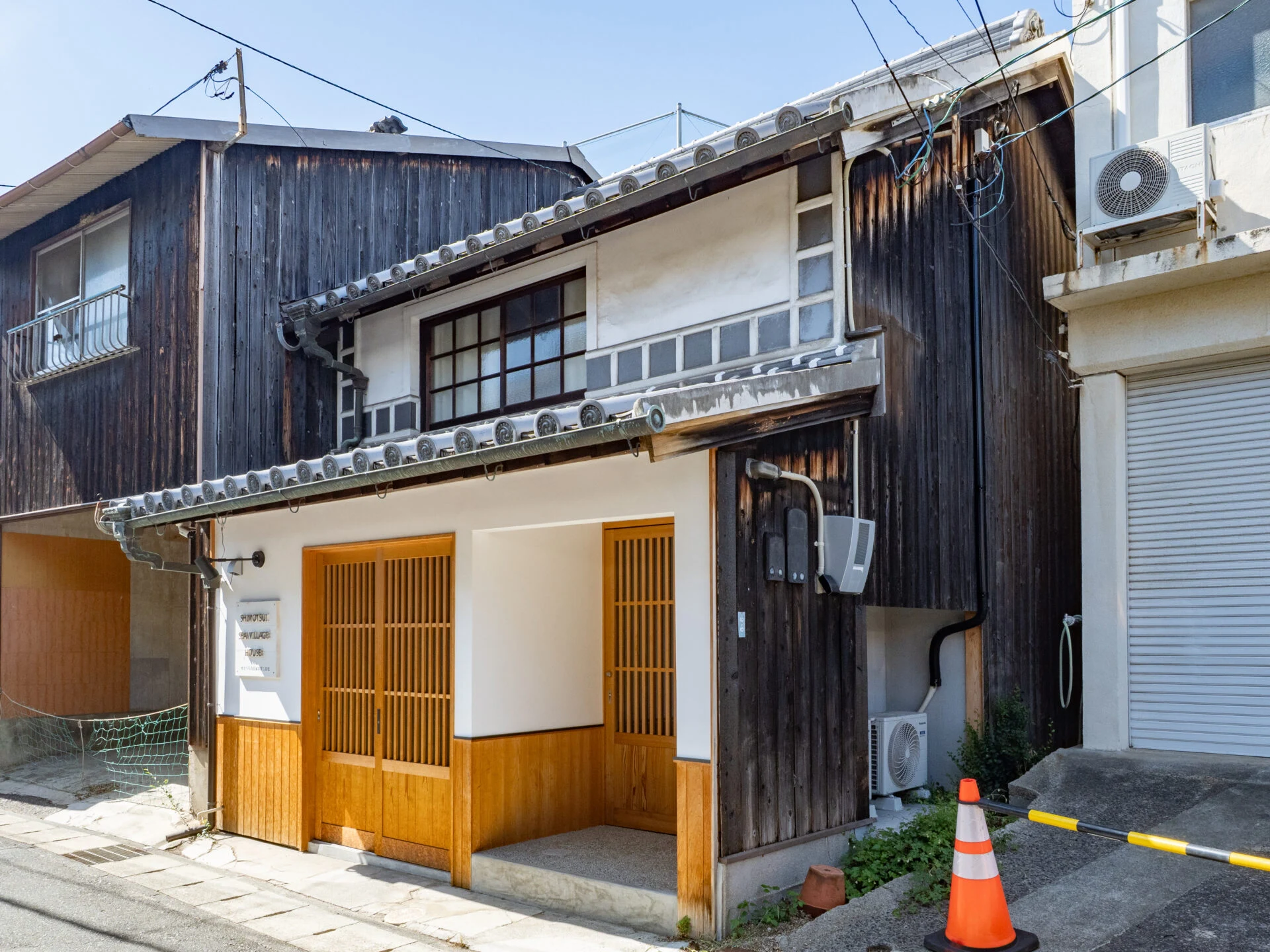
In 2023, we renovated the site of a long-established tofu shop in Shimotsui and opened the trial migration housing “Shimotsui Sea Village House.”
By actually staying at Shimotsui Sea Village House and interacting with local people, we launched a program called “Trial Stay Shimotsui” that allows potential migrants to test whether they can match with their migration destination in advance.
This has been very well received.
Results such as an increase in migrants and voluntary activities by residents are becoming visible
What is the current status of the project?
Yabuki
In recent years, the number of migrants to Shimotsui has been on the rise. I believe the geographical and cultural attractions of the Shimotsui and Kojima areas are significant.
This may be a result of our migration support efforts. On the other hand, it seems that there are also people who have migrated independently of our activities. There are migrants we are not aware of, so we do not know the exact numbers. However, I definitely feel that the number of migrants is increasing.
Shimotsui has historically been a port town that has welcomed various people from other regions. The historical climate of Shimotsui may also be the soil for accepting migrants.
Additionally, we have two trial migration housing units, which are utilized by 8 to 10 groups every month. They are almost fully booked.
It is clear that many people are considering migrating to Shimotsui. I am happy about that.
Shoda
Furthermore, in recent years, migrants and long-time residents of Shimotsui have begun to voluntarily engage in activities to revitalize Shimotsui through town development activities.
For example, in attracting businesses, we have seen the emergence of a guest house “Shimotsui-juku Kazemachi Shio-machi” renovated from an old folk house, and a jeans store “Danjo Denim” also renovated from an old folk house.
There is also “Shimotsui Yokocho,” renovated from a long-established seafood shop, and a Western-style confectionery shop “Eclatant” run by returnees.
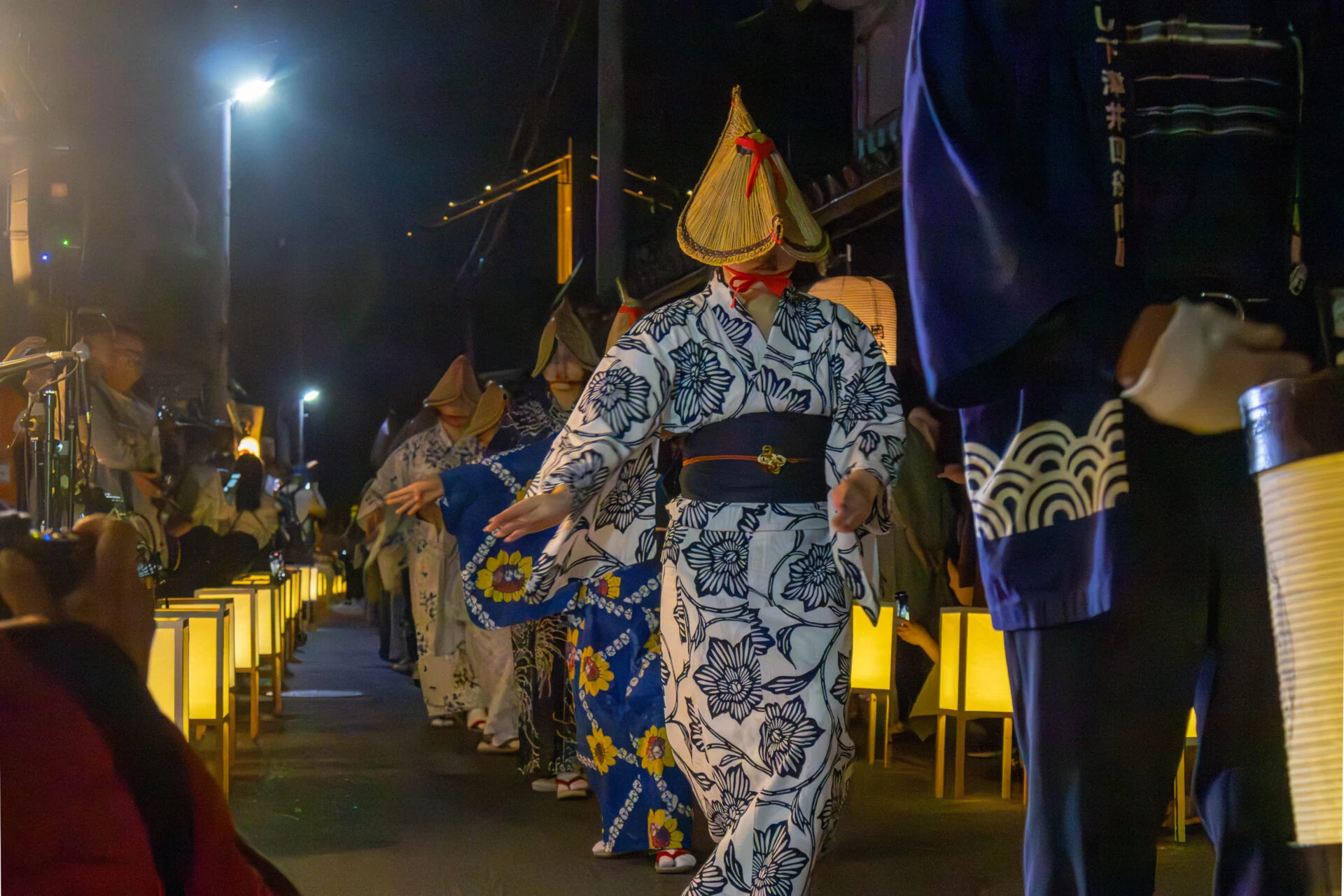
In addition, events such as “Shimotsui Sakaba” and “Shimotsui Evening Lights” that connect migrants and locals, as well as the attraction of “FM Kurashiki” and various other events have been initiated.
Now, our Sea Village Project mainly focuses on consulting and supporting those who want to start events and other initiatives, as well as supporting migrants. We have less frequently organized our own events.
I feel we are getting closer to the ideal situation we envisioned when we started the project, and I am very pleased about it.
In the future, we will focus on utilizing the Nakanishi House
Please tell us about future prospects and challenges.
Shoda
The biggest challenge is the utilization of the old Nakanishi House, which was the catalyst for starting the Sea Village Project.
We started the project with the aim of enhancing the soft aspects to preserve the hard aspects. Now that the soft aspects have been enriched and are self-sustaining, we will finally focus on the hard aspect of the Nakanishi House.
In fact, plans for utilizing the Nakanishi House have been decided and will begin to move forward. It is planned to be a complex facility that integrates a sauna, bathing facility, accommodation, and dining.
As a person from a construction company, I will focus on how to maintain the historical townscape as a construction company for the utilization of the Nakanishi House.
It is a historical building from an old era. Even maintenance costs a lot. I am tightening my focus to proceed responsibly.
Yabuki
Shimotsui West Elementary School is expected to become unused due to consolidation. I believe considering how to utilize the site of the West Elementary School is also a future challenge.
I would also like to consider attracting businesses.
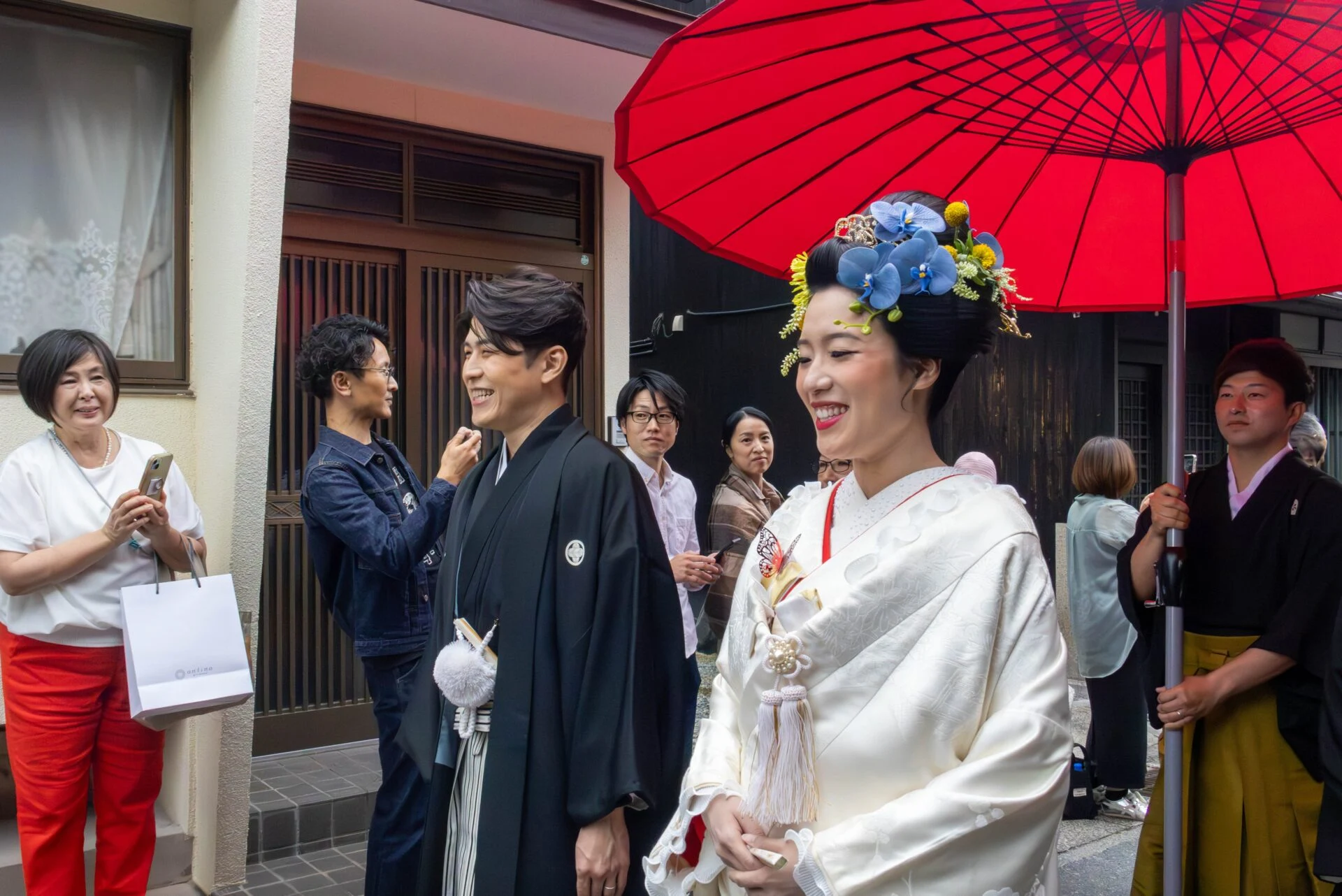
Currently, everyone in the Shimotsui area is focusing on events called “Shimotsui Evening Lights” and “Bride Procession.” Both are new events, but if continued, they will become traditional events.
Moreover, the Evening Lights incorporate local culture such as the Shimotsui folk song, and the Bride Procession reflects the traditional wedding customs, breathing tradition into newness. These new approaches are also proposals from young people and migrants.
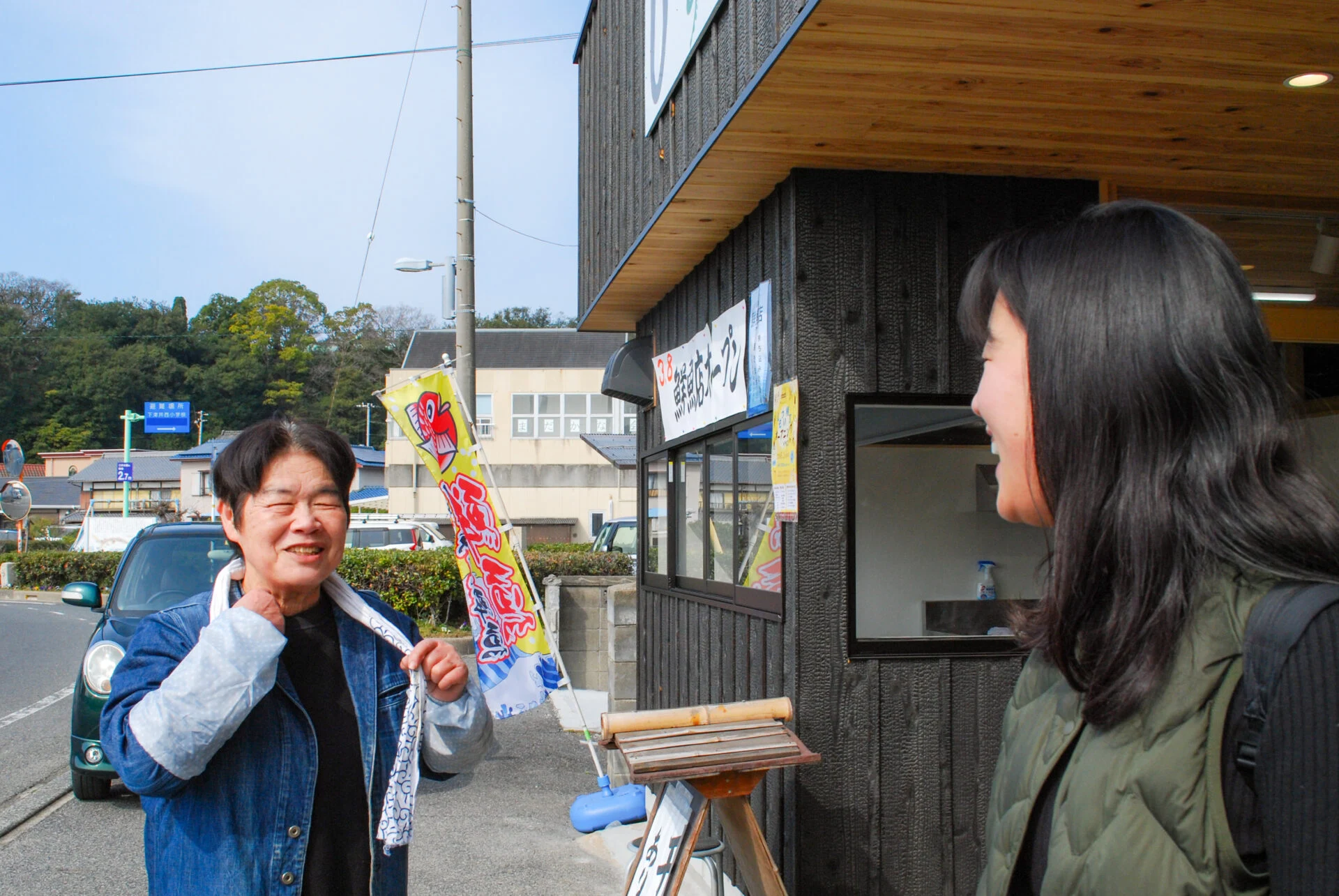
Furthermore, I think it would be good to leverage the strength of “Shimotsui is known for the sea and seafood” by promoting something like a seaside park with a fish market.
By revitalizing from various angles, I hope to connect this to the preservation of Shimotsui's buildings and townscape.