Born in Shimotsui, “Shimotsui-bushi” is considered one of Okayama Prefecture’s representative folk songs.
Shimotsui-bushi has been sung in Shimotsui since the Edo period and is also recognized as a component cultural property of the Japan Heritage site “A different world entwined with the dreams of men who overcame the stormy seas ~Ports of call and shipowner settlements of the Kitamaebune~.”
A national competition for Shimotsui-bushi is held every September, but the number of contestants has been declining year by year, with participation among younger generations also on the wane.
At a time when folk songs across Japan are in danger of disappearing, efforts have begun in Shimotsui to pass Shimotsui-bushi on to the next generation.
Here, we introduce the dedication of those working to preserve Shimotsui-bushi and their outlook for the future.
The information presented was current when this article was published in October 2025. Please note that it may differ from current information.
What is Shimotsui-bushi?
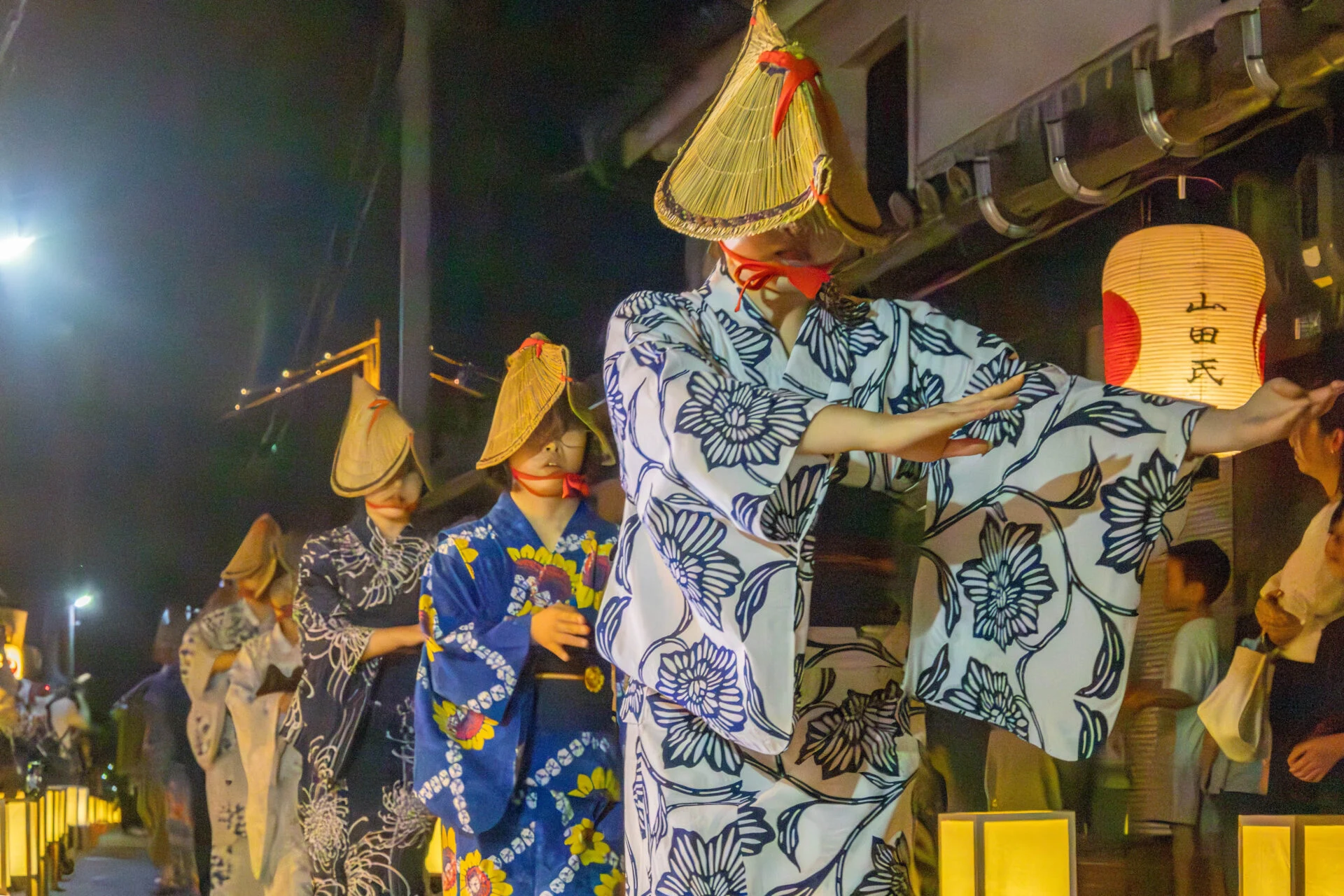
Shimotsui-bushi is a folk song that has been passed down through singing since the Edo period.
In the past, Shimotsui was a port of call for Kitamaebune ships and a bustling town where merchants gathered from all over Japan. Much exchange took place between the Kitamaebune crews and the people of Shimotsui. Shimotsui-bushi was born when a popular song brought to the area was adapted in the local style.
Shimotsui-bushi came to be sung when entertaining the crews, and gradually took root in Shimotsui as it incorporated various popular trends.
It is said that Shimotsui-bushi had no set lyrics at the time and was a free-form folk song that reflected the individuality of each singer.
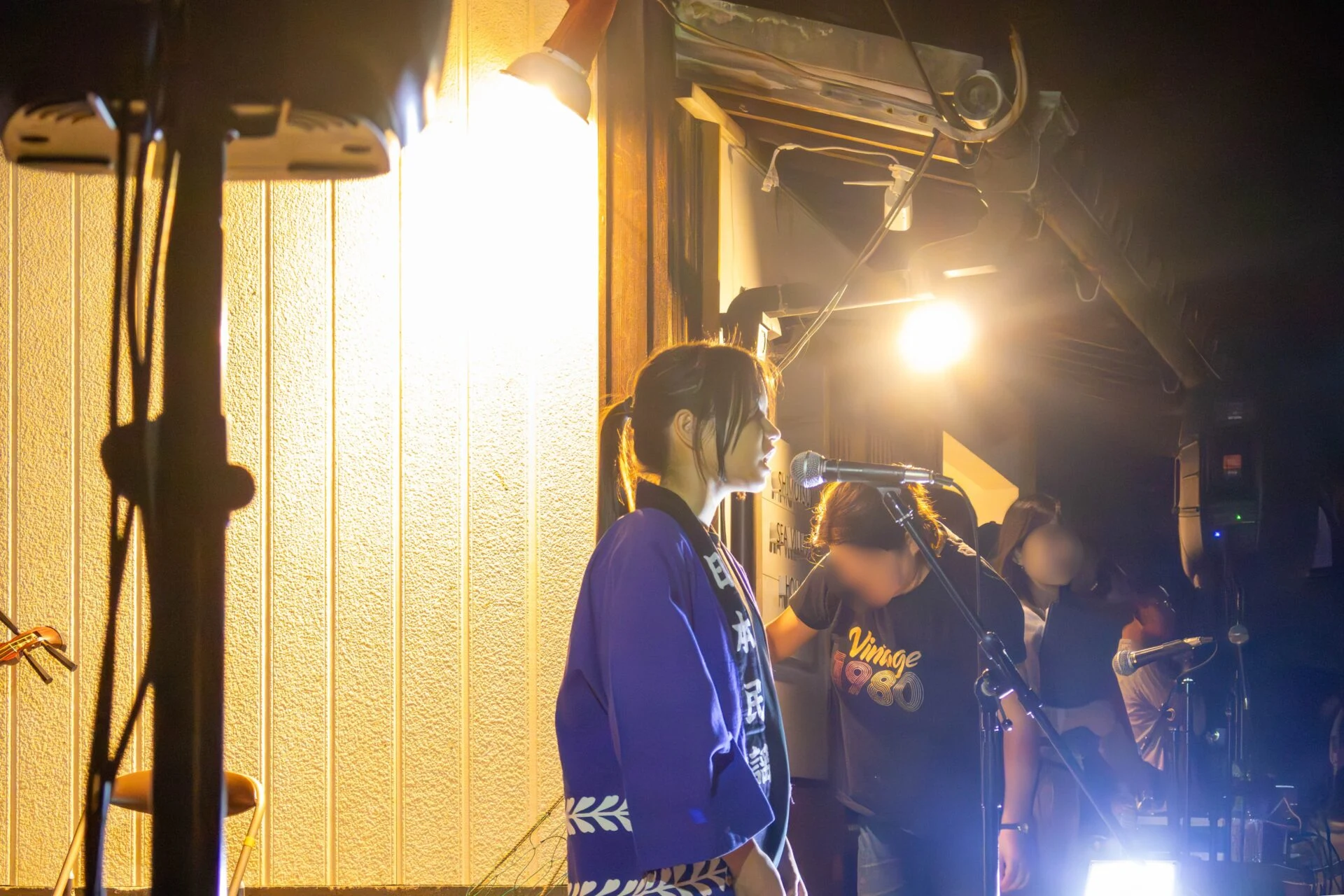
Shimotsui-bushi was naturally passed down in the community as part of everyday life for the people of Shimotsui. At school sports days, children would sometimes perform Shimotsui-bushi along with a dance.
However, as times have changed and music has diversified, opportunities to encounter folk music itself have been dwindling. Today, a shortage of successors to traditional performing arts, including folk music, is a challenge throughout Japan, and Shimotsui-bushi is no exception.
Efforts to preserve Shimotsui-bushi
In recent years, efforts to preserve Shimotsui-bushi and pass it on to the next generation have become increasingly active in Shimotsui.
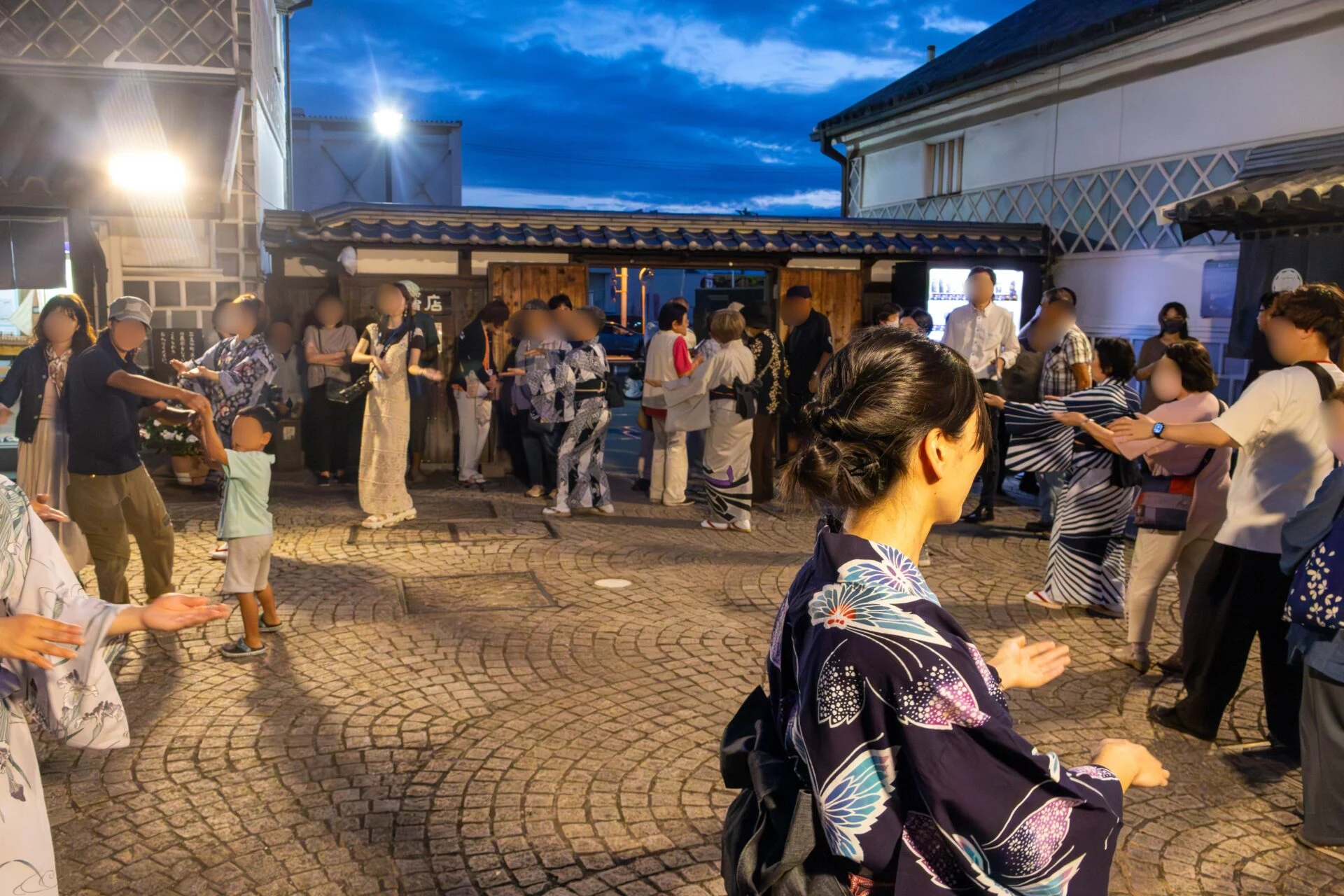
In these preservation efforts, “Shimotsui-bushi” refers to the local culture as a whole, including not only the folk song and its accompaniment but also the dance (folk dance).
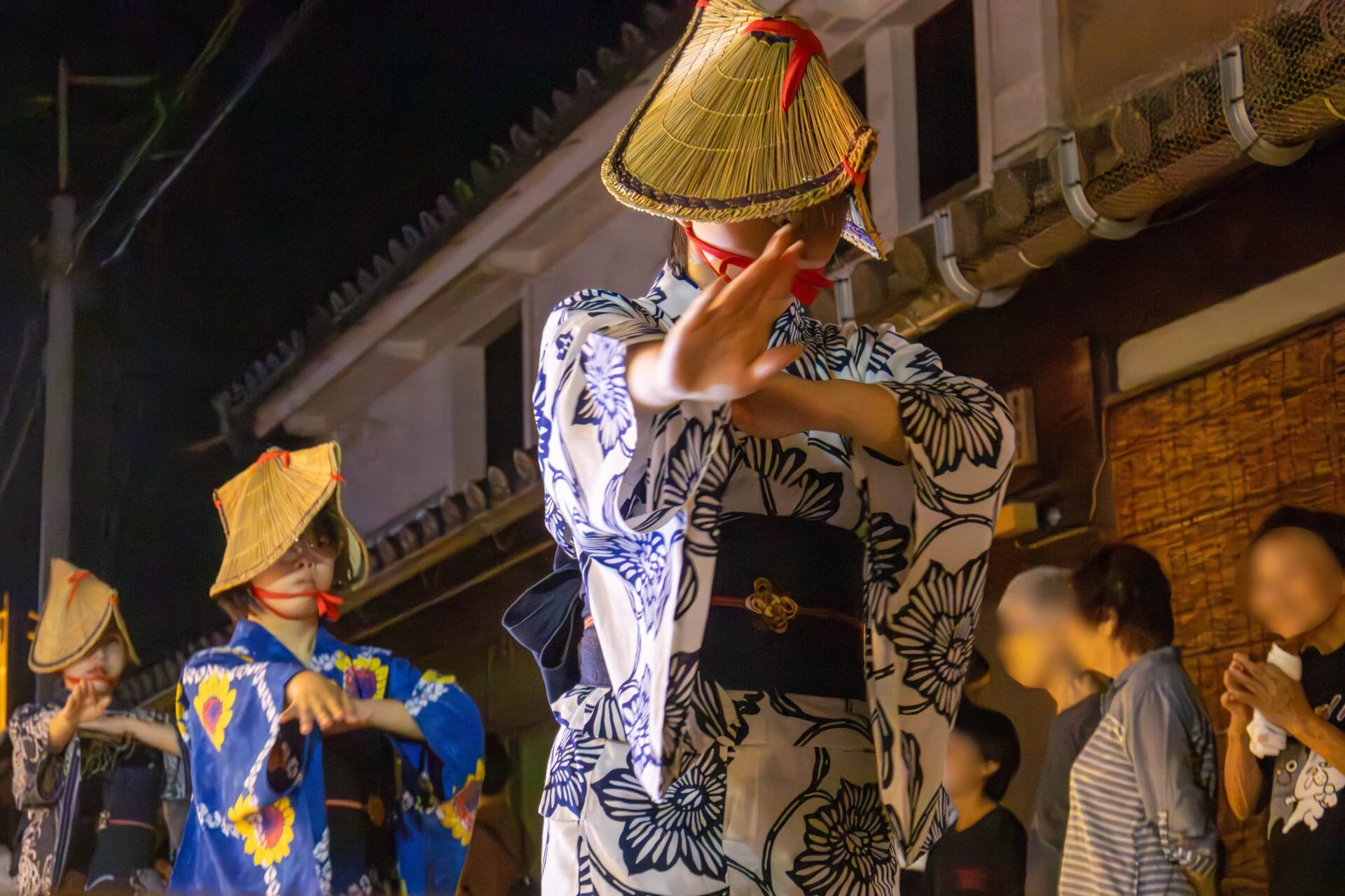
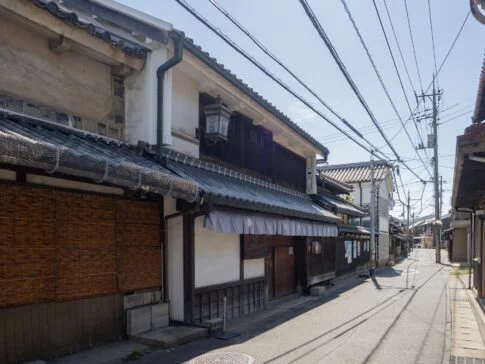
In 2024, “Shimotsui Yoiakari” was held for the first time. This festival features performances of Shimotsui-bushi singing and dancing in the Shimotsui Townscape Preservation District, where the atmosphere of olden days remains.
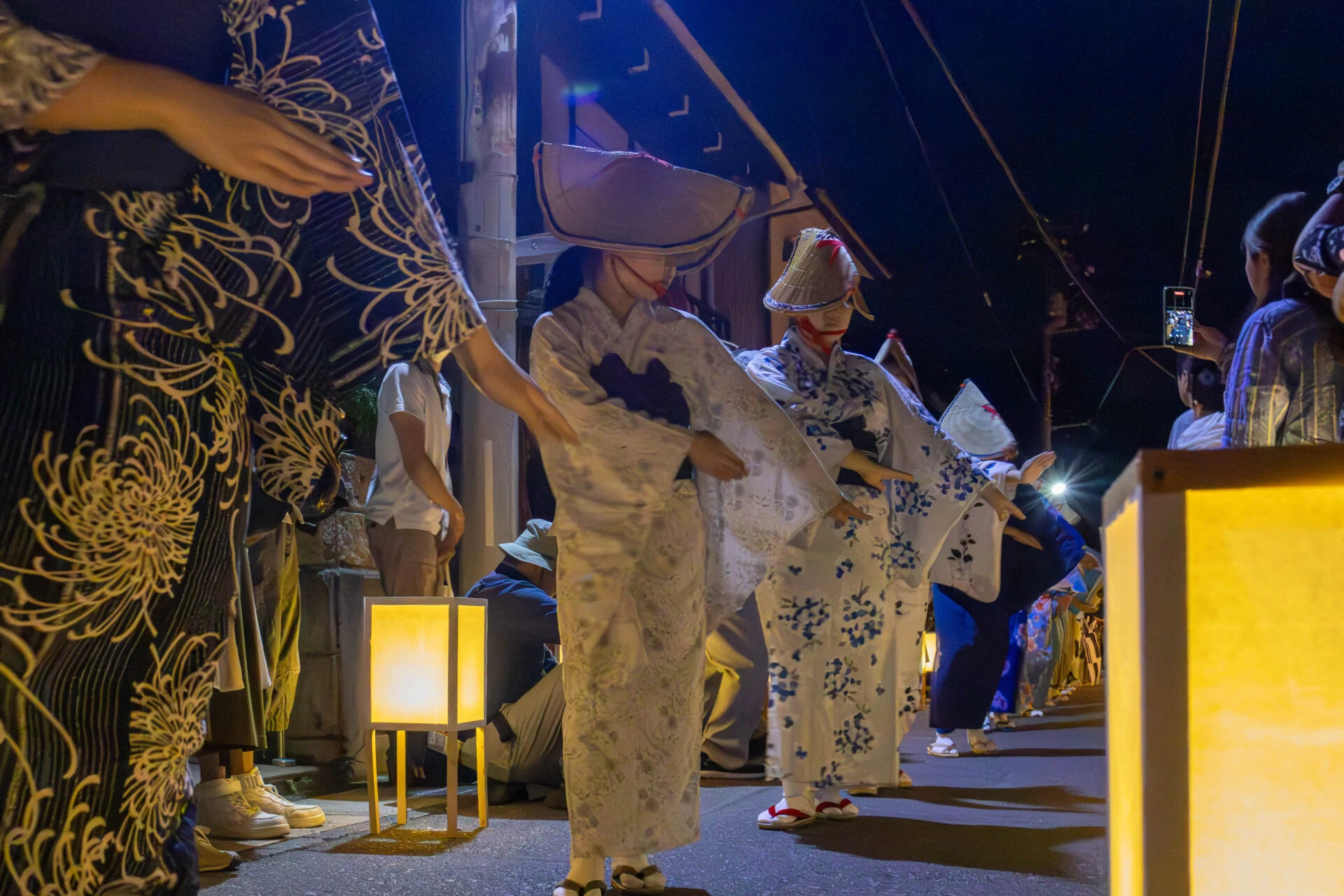
Before Shimotsui Yoiakari began, only five people reportedly knew the choreography for Shimotsui-bushi. With not only the singing but also the dancing on the verge of disappearing, local people joined forces to preserve it.
More visitors than expected came to Shimotsui on the day, and the event concluded successfully.
Shimotsui Yoiakari will continue to be held as an annual festival.
Furthermore, with Shimotsui Yoiakari becoming a regular event, opportunities to take part in Shimotsui-bushi activities have gradually increased.
- Holding “Shimotsui-bushi Academy” sessions
- Holding kimono-dressing workshops
- Performances at city events, mainly in Kojima
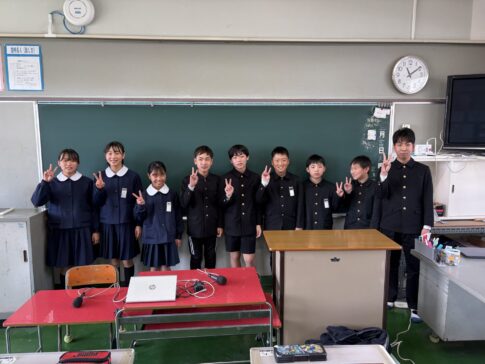
- Taking part in classes at elementary schools in Shimotsui
Among these many activities, one that deserves particular attention is “Shimotsui-bushi Academy,” where people can experience Shimotsui-bushi in a relaxed setting.
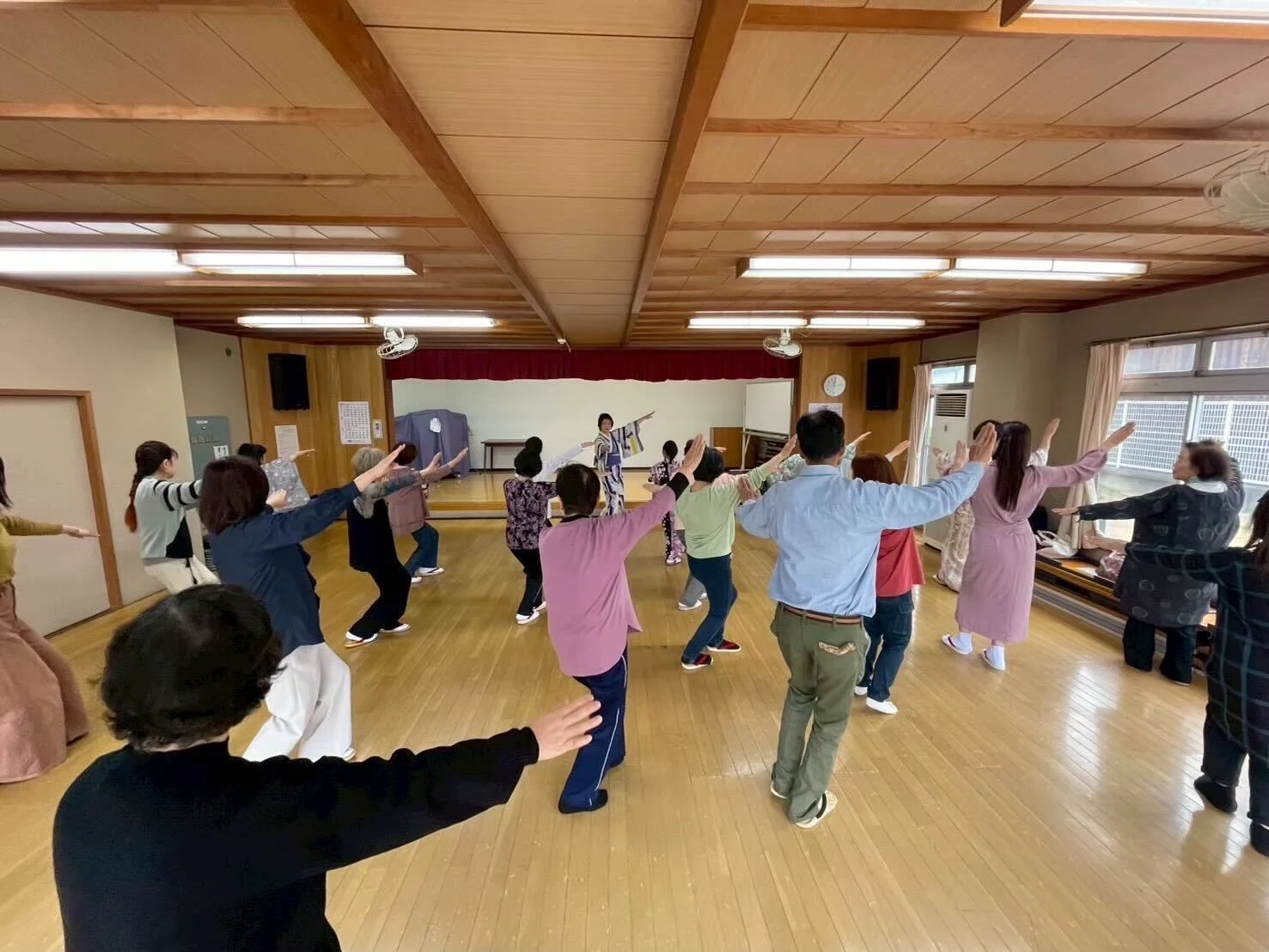
Participants can experience not only singing Shimotsui-bushi but also dancing and playing the shamisen. It is easy for beginners to join, and reportedly around 20 people have taken part in Shimotsui Yoiakari after first attending “Shimotsui-bushi Academy.”
The sessions will continue to be held, so if you are interested, check Shimotsui Yoiakari’s Instagram.
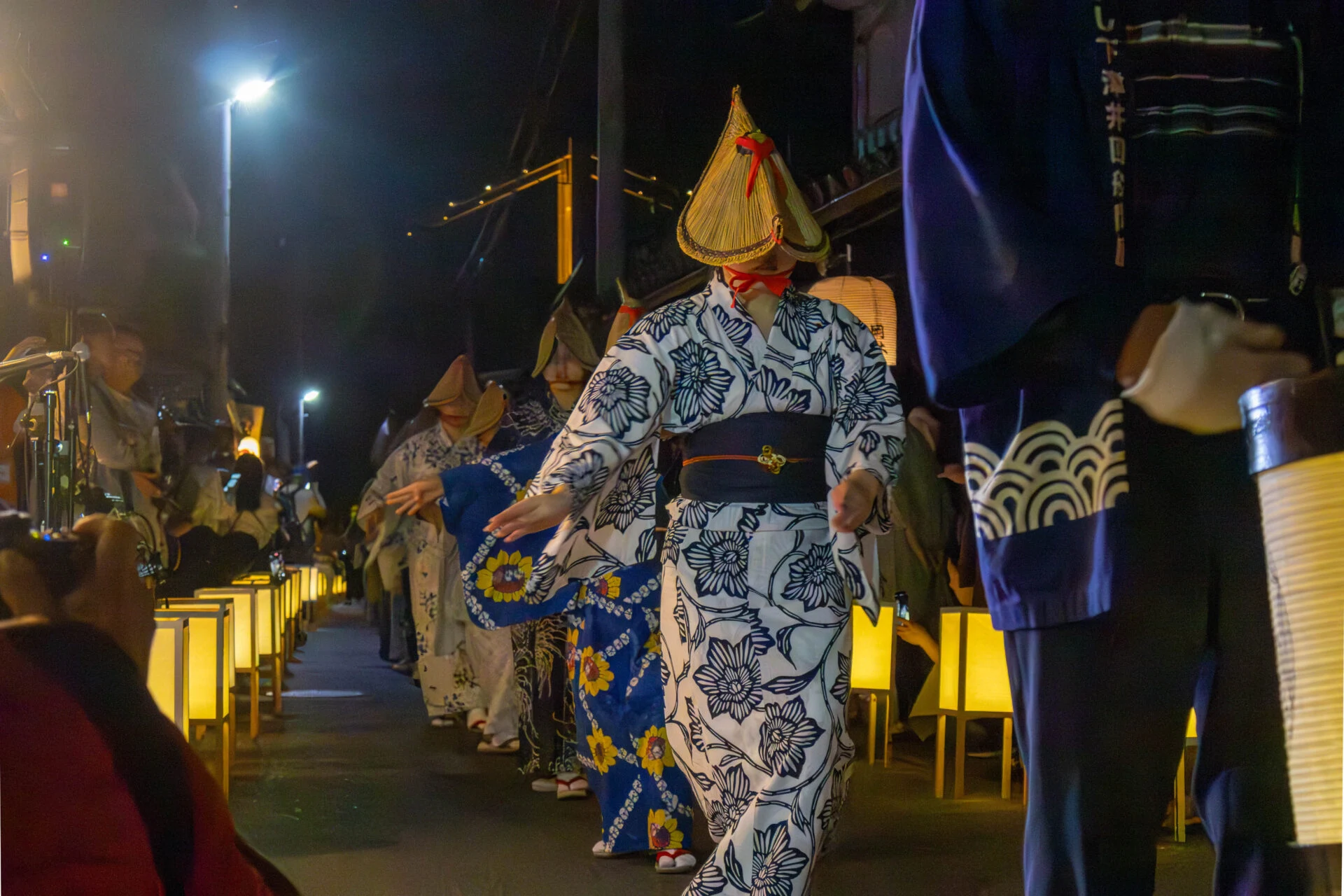
The central figure behind efforts to preserve Shimotsui-bushi is folk singer Tsunomoto Yukari.
She initiated these activities. We spoke with Ms. Tsunomoto about her feelings for Shimotsui-bushi and her outlook for future preservation efforts.



What would you like to know about Kurashiki?
Enter a word to search articles on this site