In Okayama Prefecture, there is a folk song called Shimotsui-bushi, which has been sung continuously in Kojima and Shimotsui.
The Shimotsui-bushi has a national competition held every year, and I have personally recognized it as a "well-known folk song."
However, after speaking with those involved, it seems that the Shimotsui-bushi is also facing the issue of shortage of successors for its songs and dances. To inherit such a tradition, a festival called Shimotsui Yoakari was held in the autumn of 2024.
Here, I will introduce the lively atmosphere of the day.
About Shimotsui Yoakari
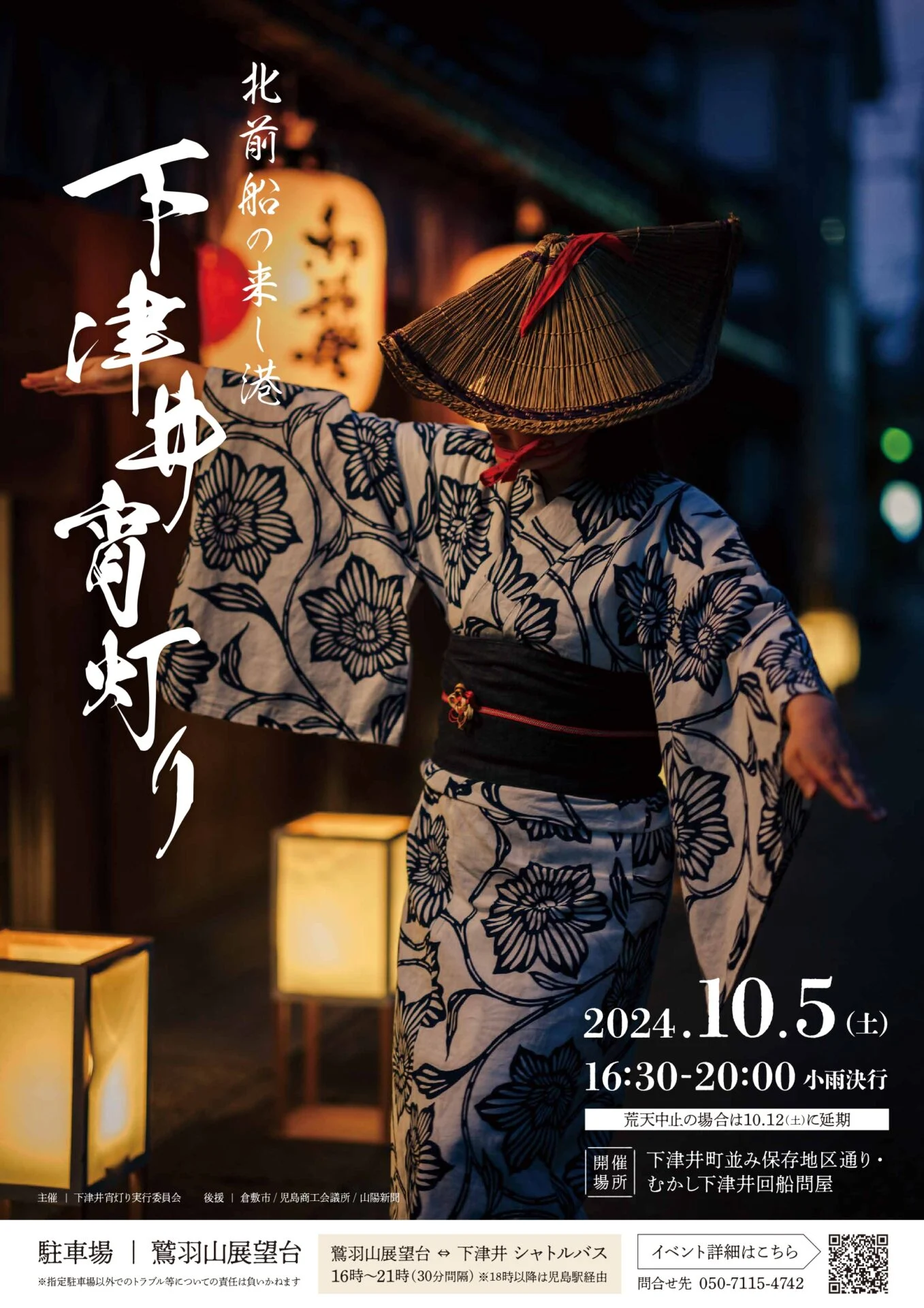
Shimotsui Yoakari is a new festival that was held on October 5, 2024 (Saturday).
To pass on the songs and dances of Shimotsui-bushi to the next generation, a committee was formed by the people living in Shimotsui, and the event was planned.
Shimotsui-bushi has been sung for about 150 years in Shimotsui, which prospered as a port for the Kitamaebune (northern front boats). It was sung as a song to entertain those working on the Kitamaebune and has now become a representative folk song of Okayama Prefecture.
At Shimotsui Yoakari, a "Nagashi Odori" (flowing dance) was performed by volunteer members, and there was also an opportunity for everyone to participate in "Everyone's Shimotsui-bushi." It's a highlight that you can not only watch but also actually experience Shimotsui-bushi.
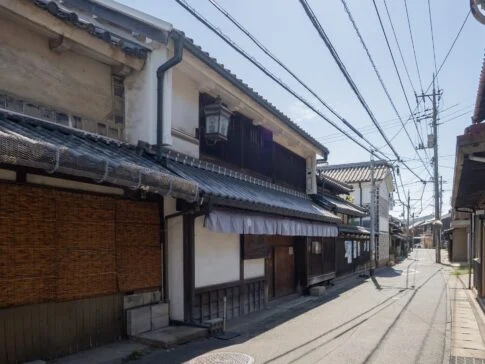
The event took place in the Shimotsui Townscape Preservation District, which retains its traditional charm, and at the Former Shimotsui Shipping Warehouse.
There were food stalls and resting areas, allowing visitors to enjoy the festival while savoring their meals at a leisurely pace.
![[Held on 10/5 (Sat)] Shimotsui Yoakari - A festival connecting the Shimotsui-bushi, which has been sung since the Edo period, recreating Shimotsui from about 150 years ago](https://media.kuratoco.com/wp-content/uploads/2024/09/23001502/IMG_4754.jpg)
The Atmosphere of the Day
On the day of the event, I arrived a little early and was fortunate enough to catch a glimpse of the rehearsal. Dancers wearing hats were lined up, performing the Shimotsui-bushi.
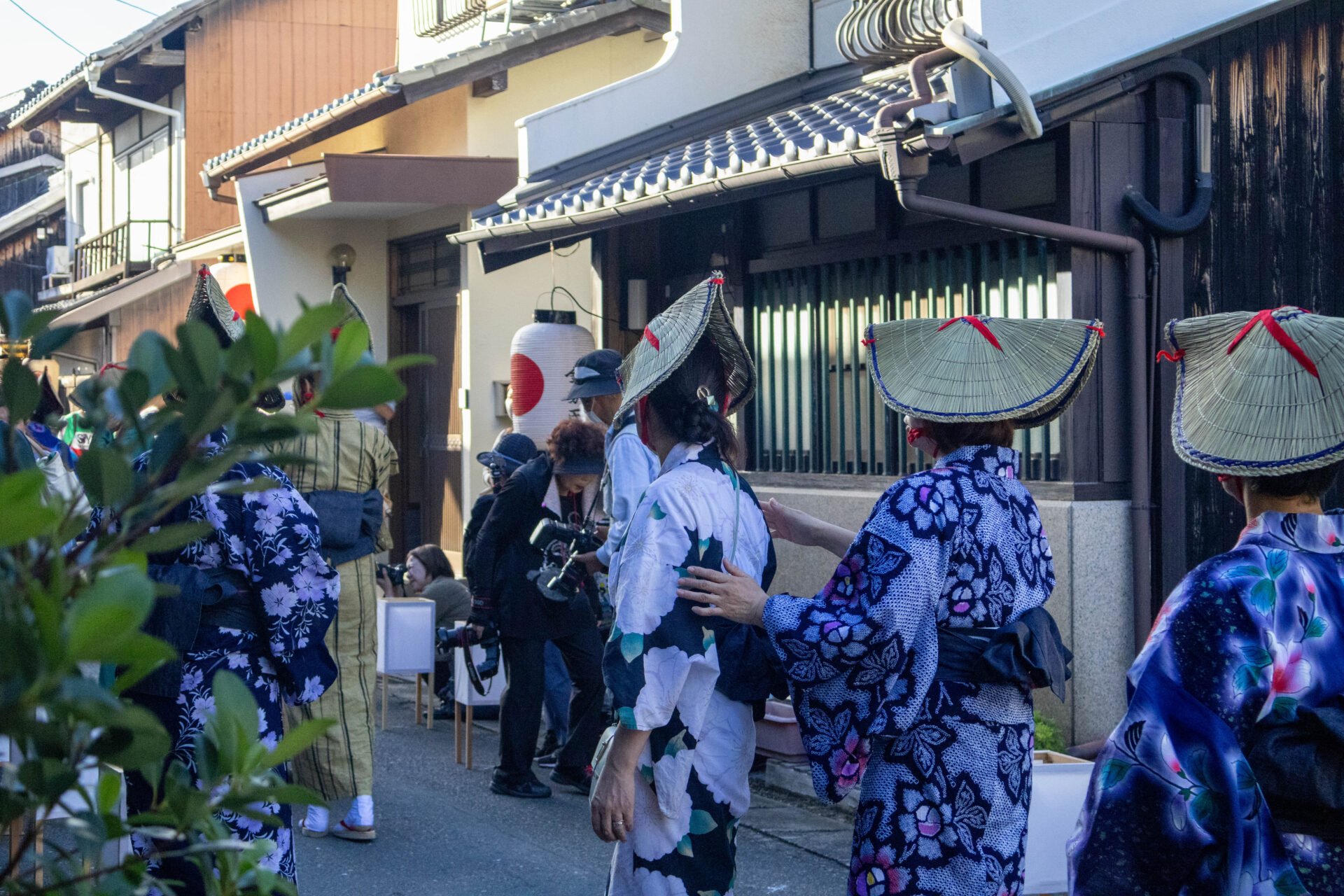
Since it was the first time this festival was held, I wasn't sure how crowded it would be, so I took my camera while there were still few spectators.
Shimotsui-bushi is characterized by its relaxed rhythm and soaring vocals, and the dance progresses at a gentle pace to match the song. Even during the rehearsal, there were instructions for the dance, creating an atmosphere filled with enthusiasm for the festival.
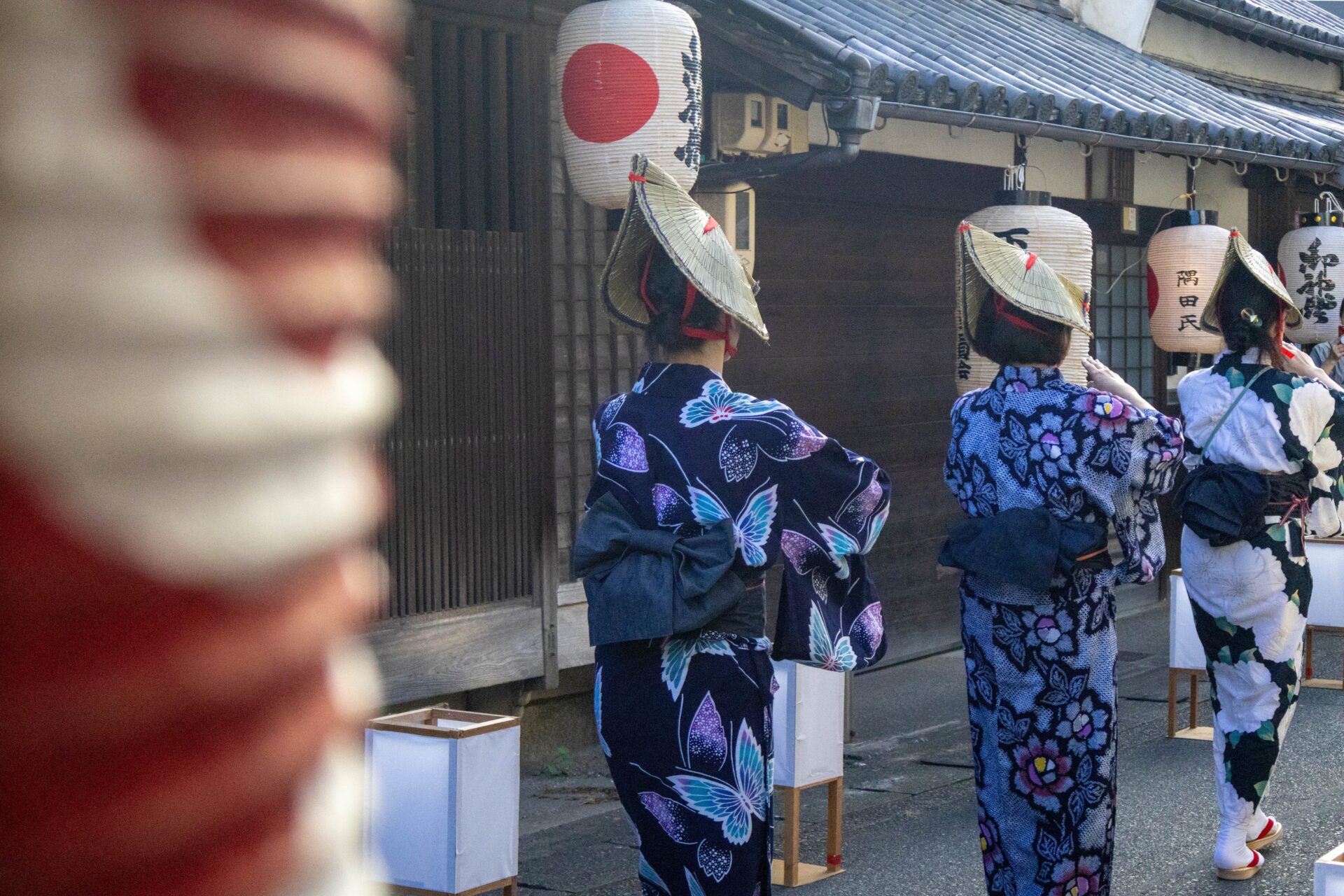
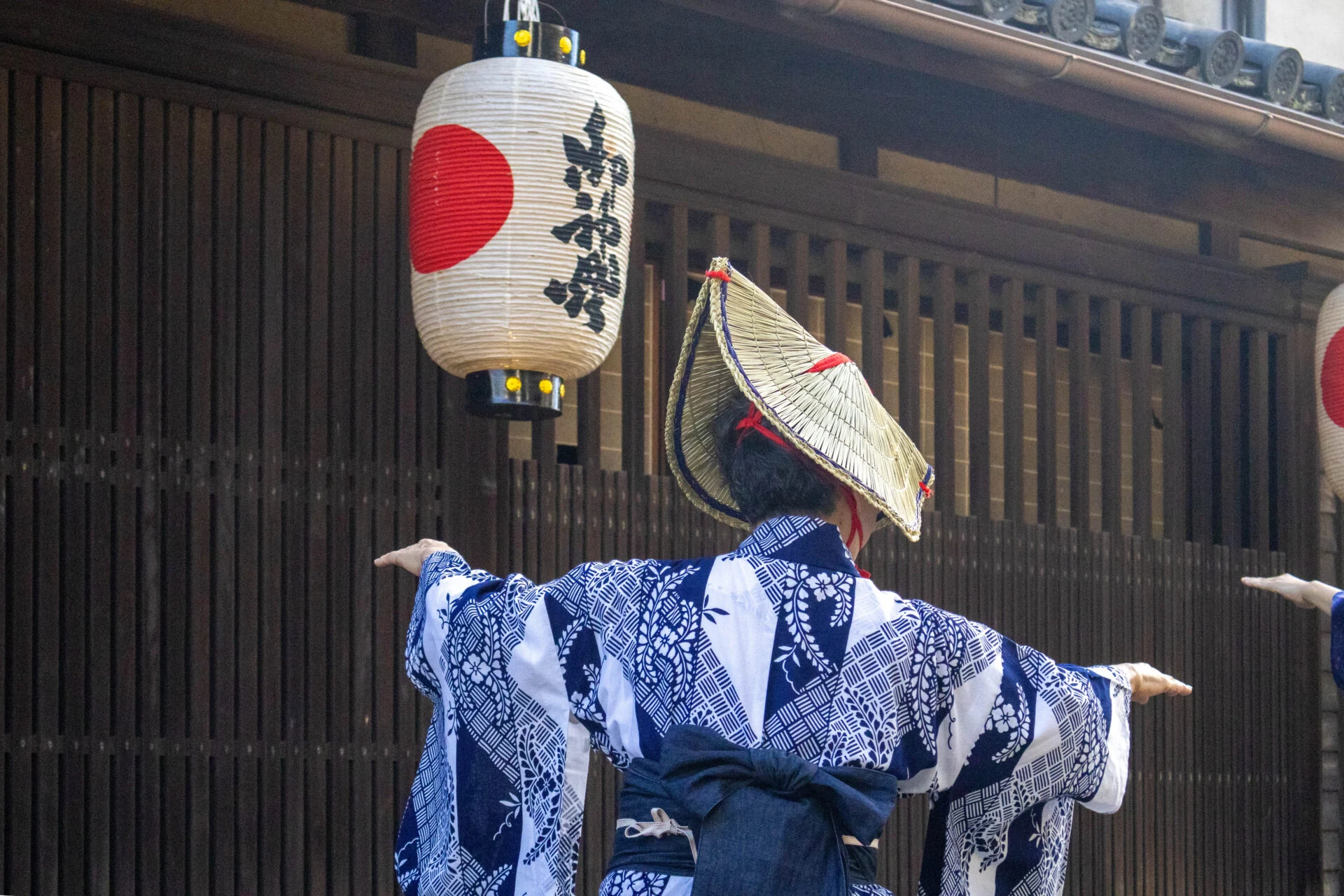
The sky was still bright, but I was already looking forward to what kind of scenery would unfold after sunset.
Satisfying Hunger with Tempting Stalls
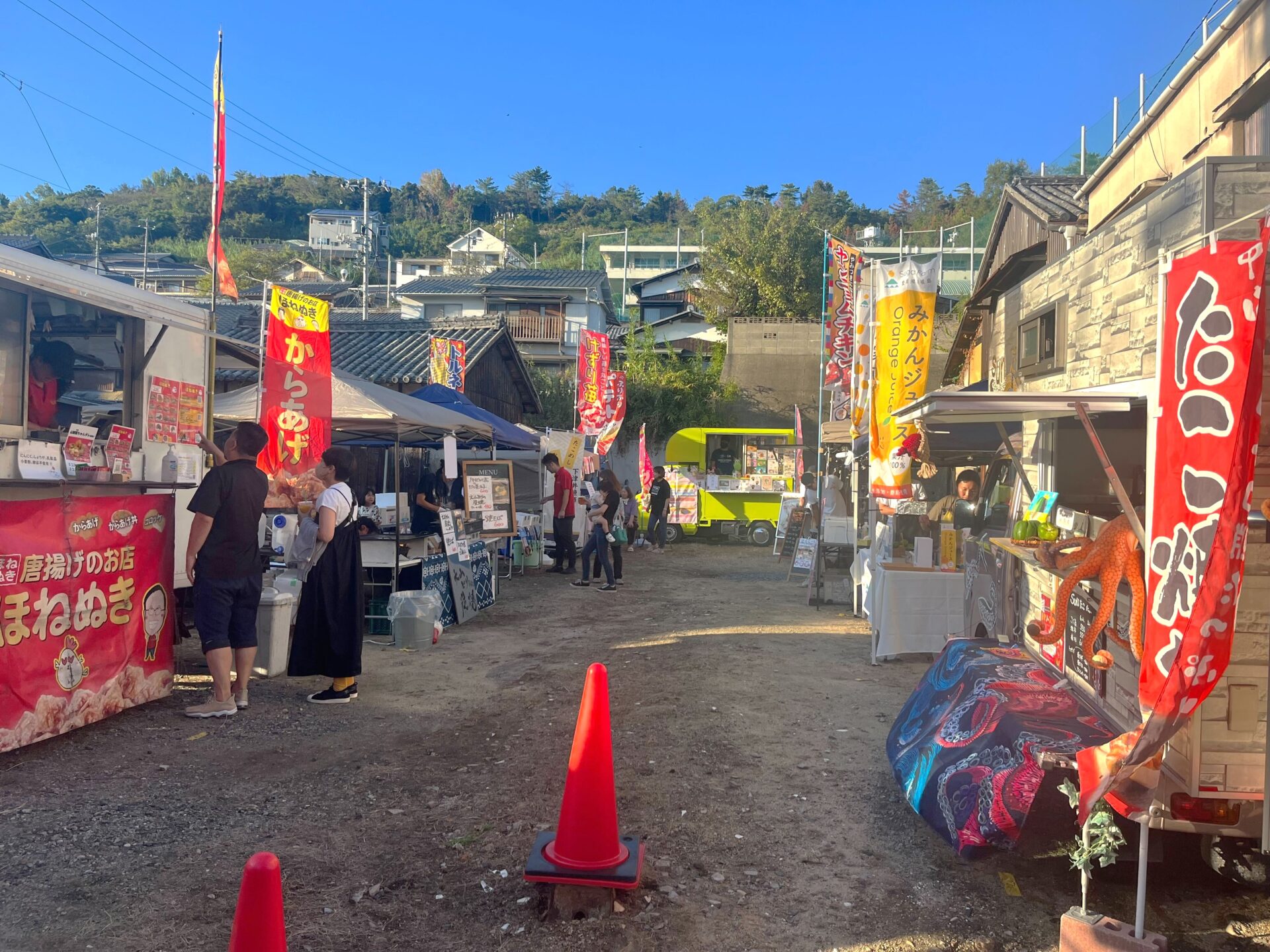
Before Shimotsui Yoakari began, I headed to the stall area to satisfy my hunger.
From classic festival foods like takoyaki and yakisoba to izakaya stalls that would go well with drinks and sweet crepes, a variety of stalls were lined up.
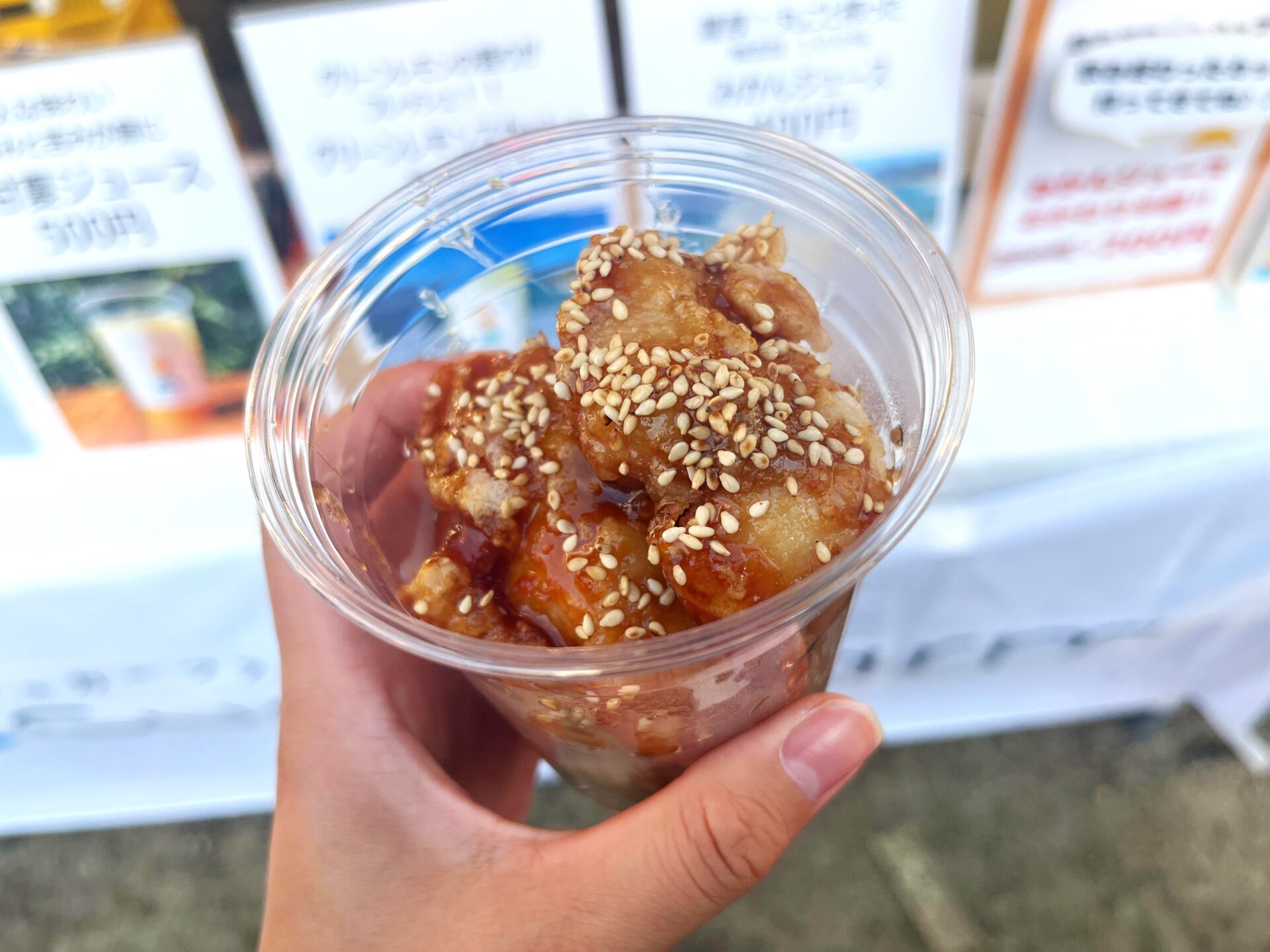
After some deliberation, I bought yangnyeom chicken from Story Haneul Kimpap. I was happy to enjoy freshly fried food outdoors.
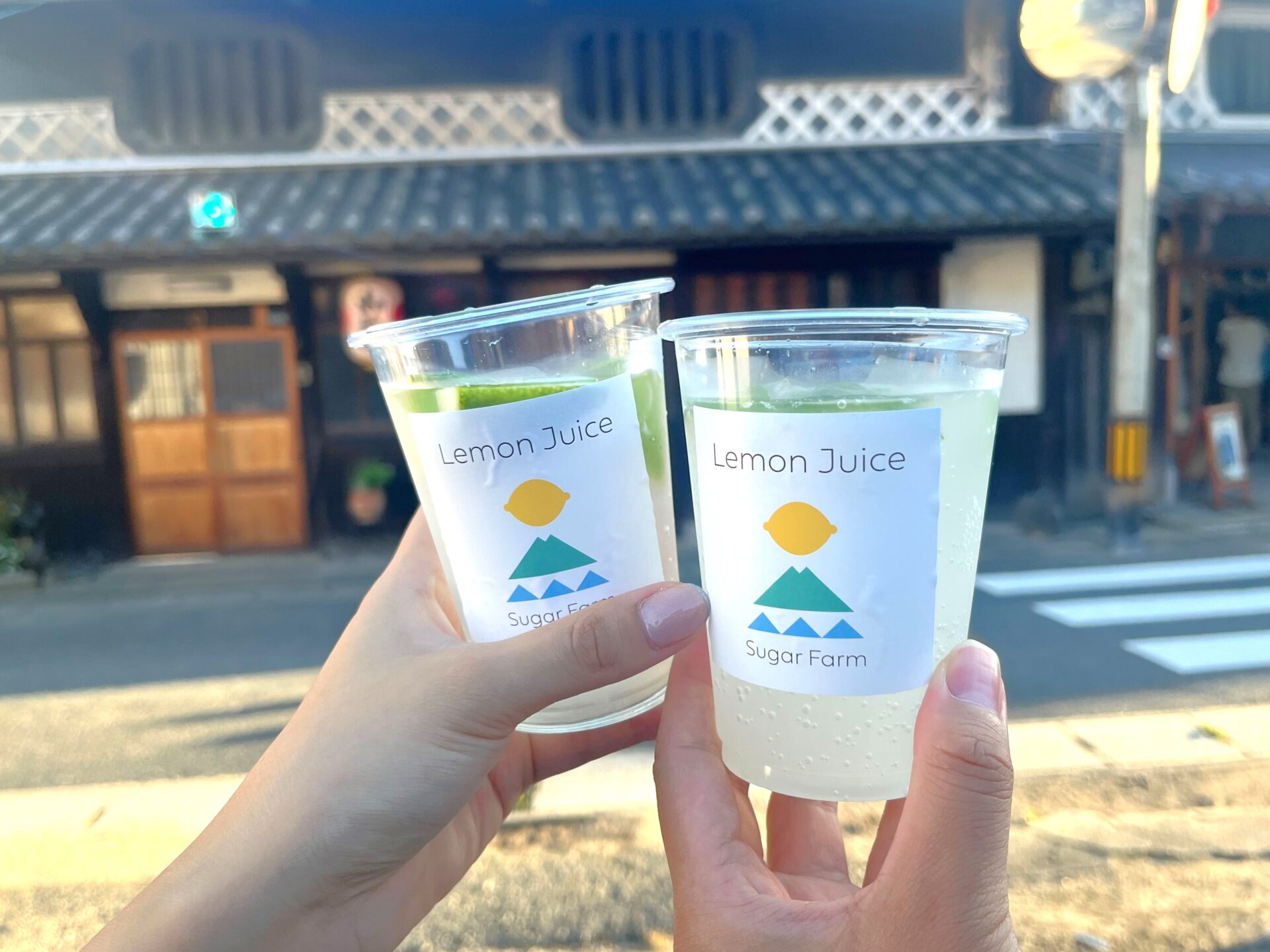
I also bought a sour made with green lemon from SugarFarm. It was hot, so the refreshing citrus sour was perfect to accompany my snacks.
There were still many stalls I wanted to try, but the lighting ceremony was about to begin, so I filled my stomach and moved on.
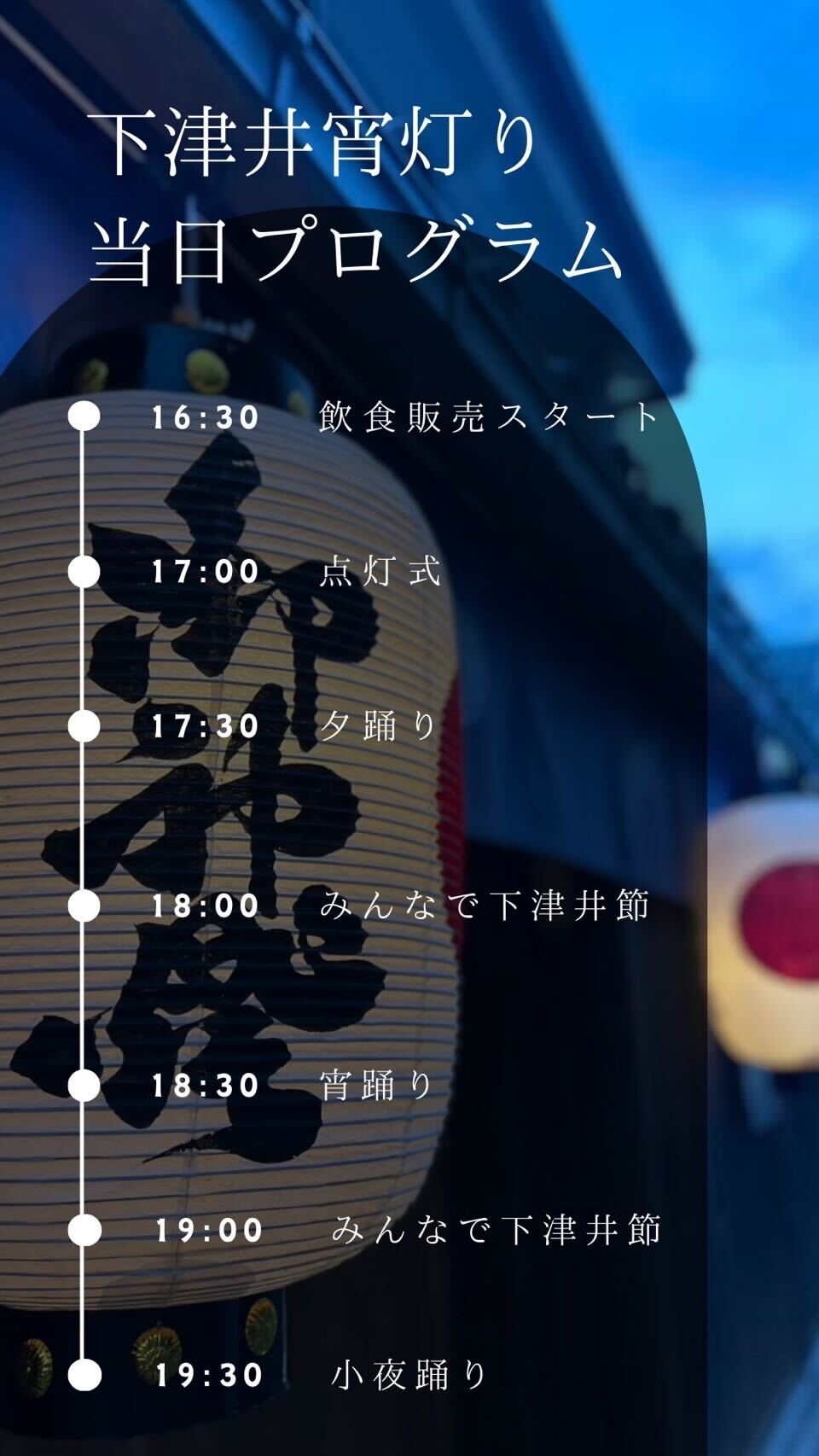
Lighting Ceremony and the First "Evening Dance"
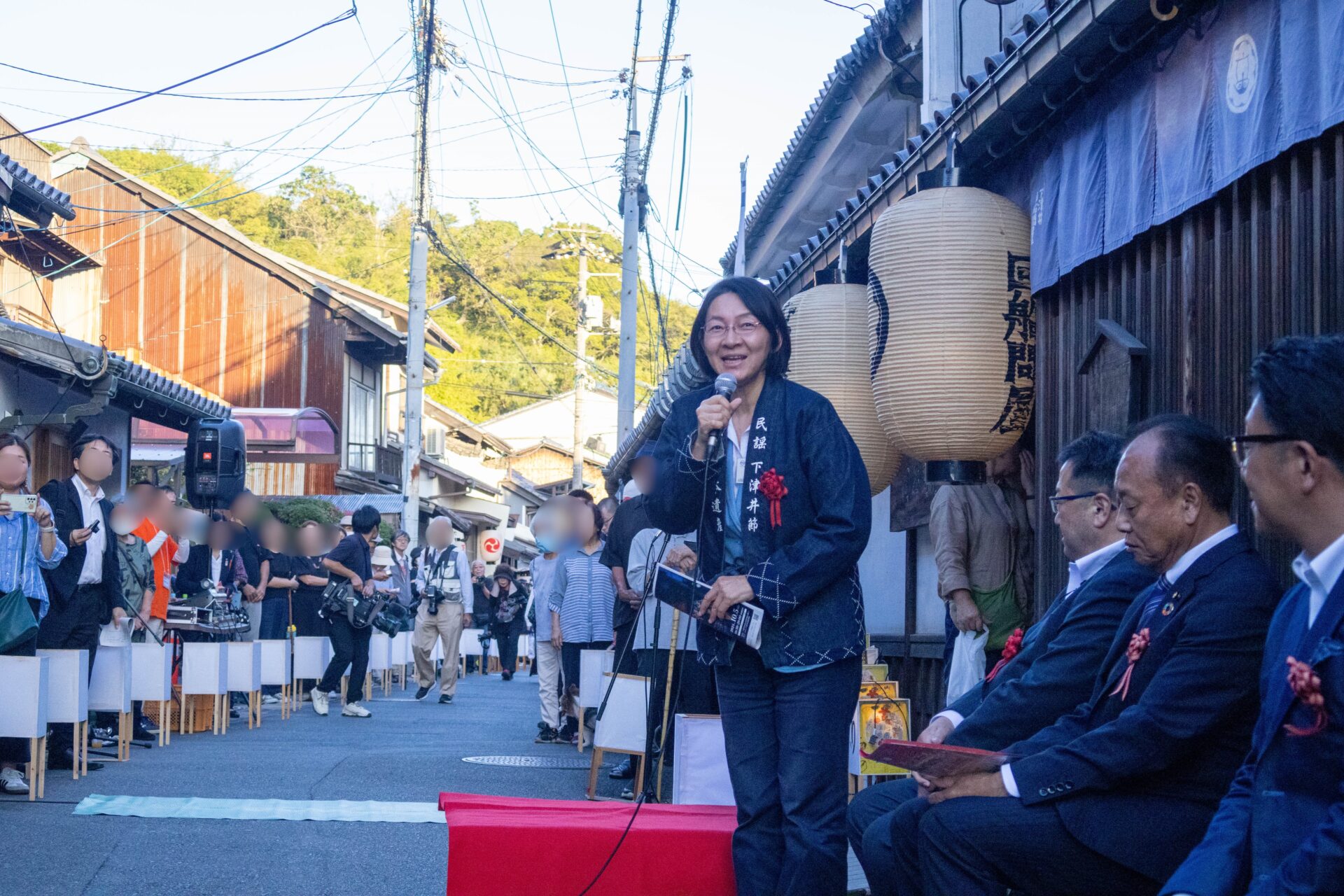
At 5 PM, the lighting ceremony was held in front of the Former Shimotsui Shipping Warehouse. Since it was the first time this festival was held, media coverage was present, and many cameras were pointed at the event.
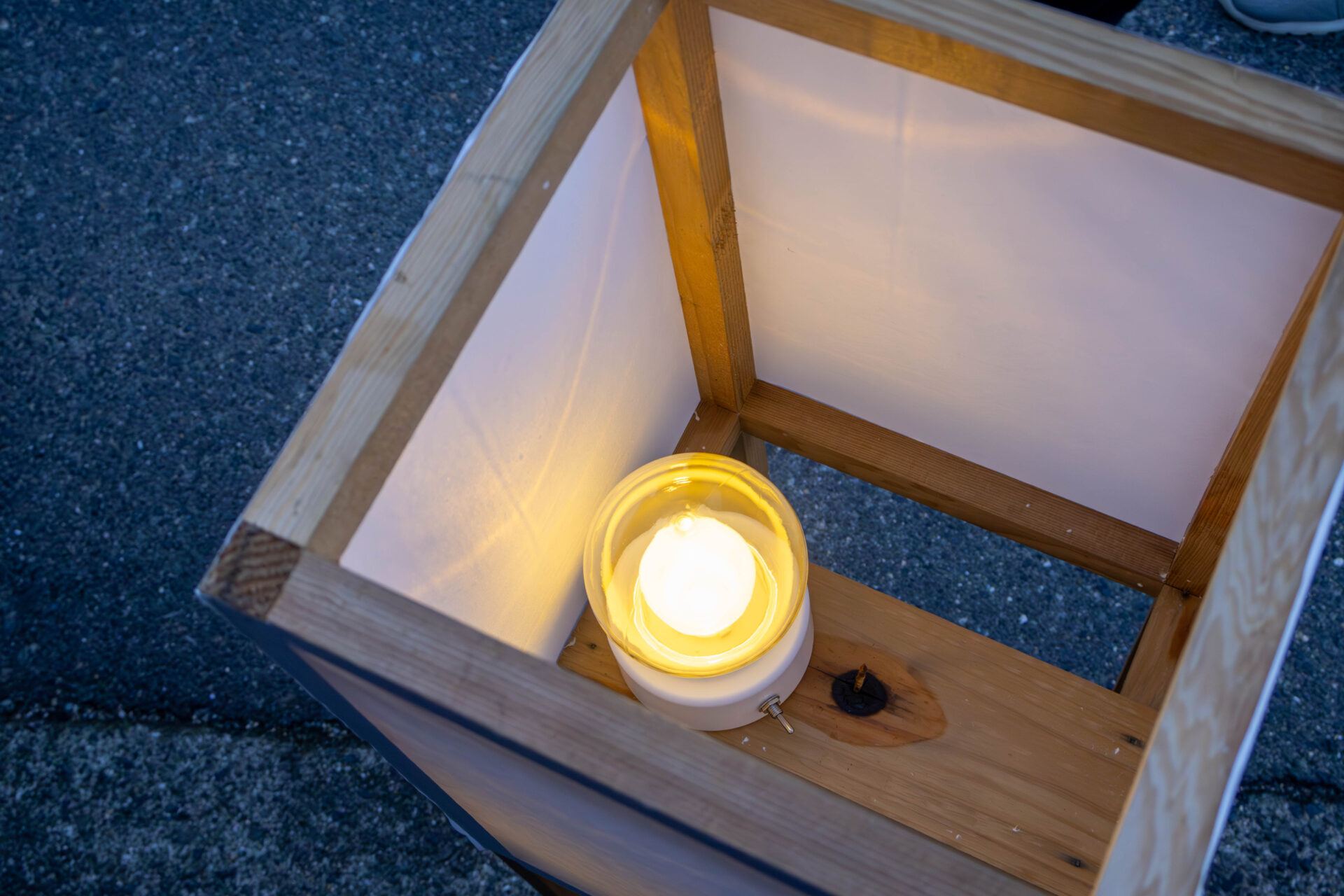
Among the andon (lanterns) lined up on the street, candles were placed inside, and everyone lit the candles together at the signal. The night promised to create a magical atmosphere, and I was excited.
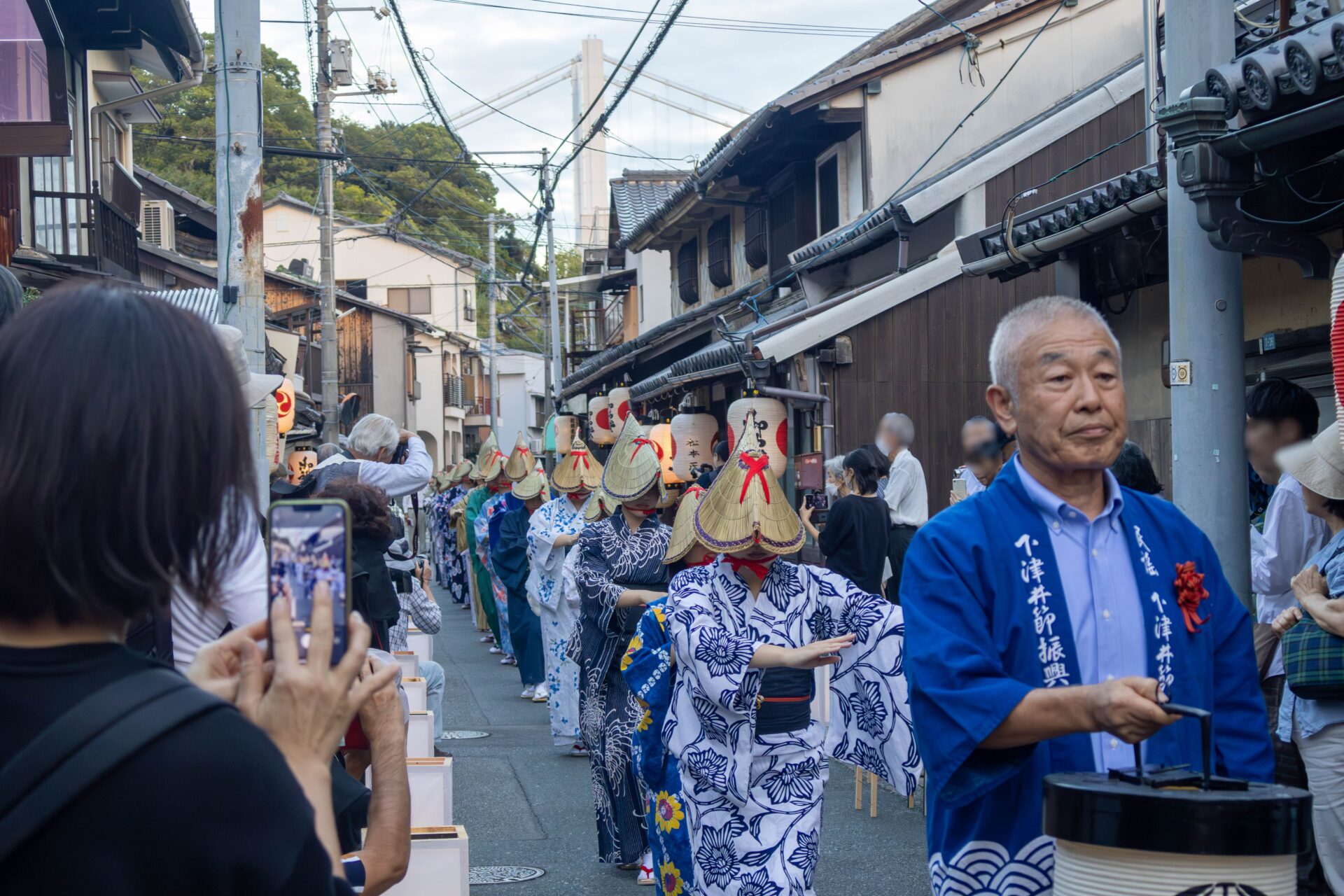
Immediately after the lighting ceremony, the first flowing dance, "Evening Dance," began. With the soaring voices of Shimotsui-bushi, a long line of dancers in yukata started to move.
The dance of Shimotsui-bushi features choreography that expresses elements related to Shimotsui, such as eagles and the waves of the Seto Inland Sea. The graceful movements of the hands captivate the audience.
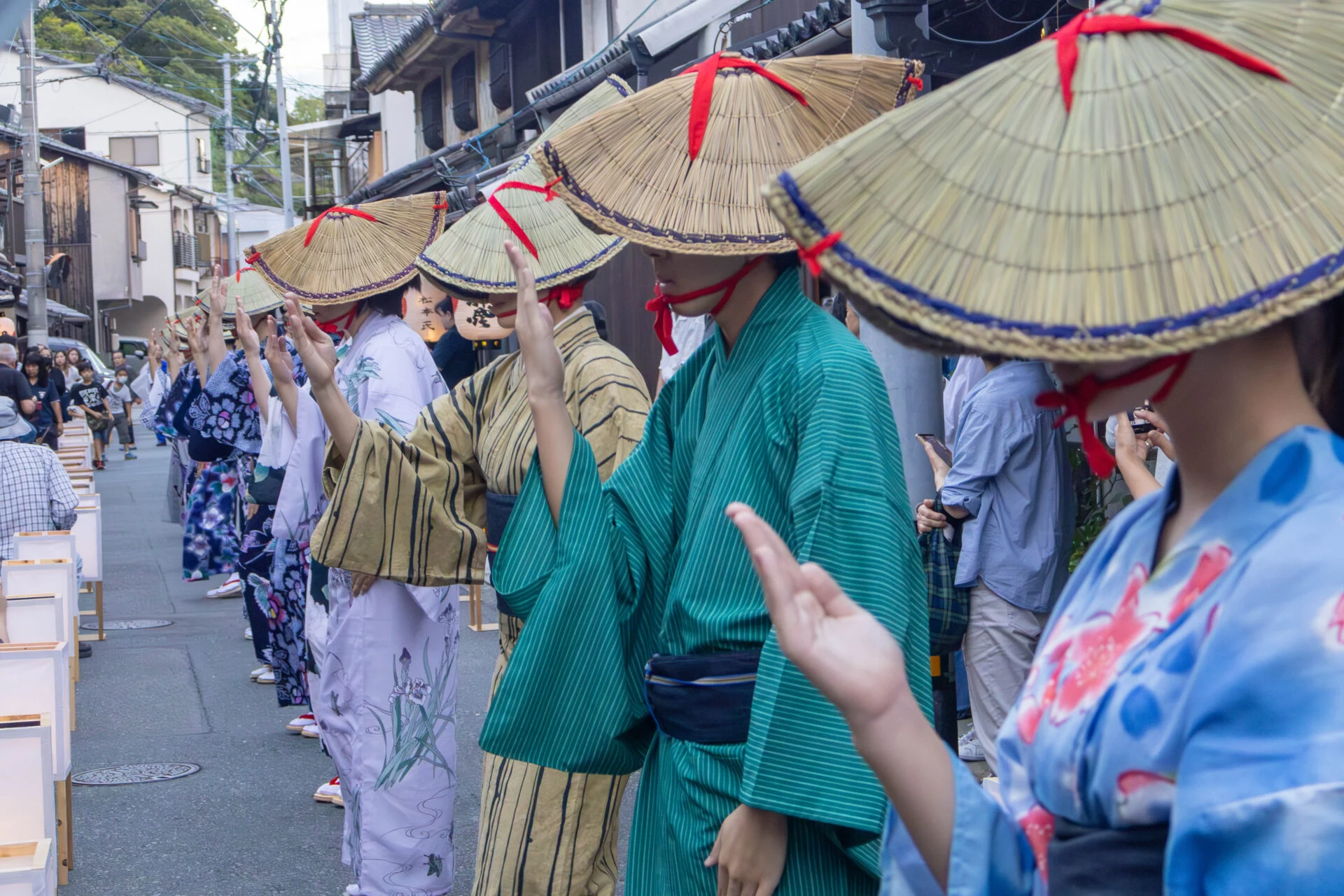
The dancers included a wide range of generations, from children to adults. They performed a synchronized dance in front of a large audience.
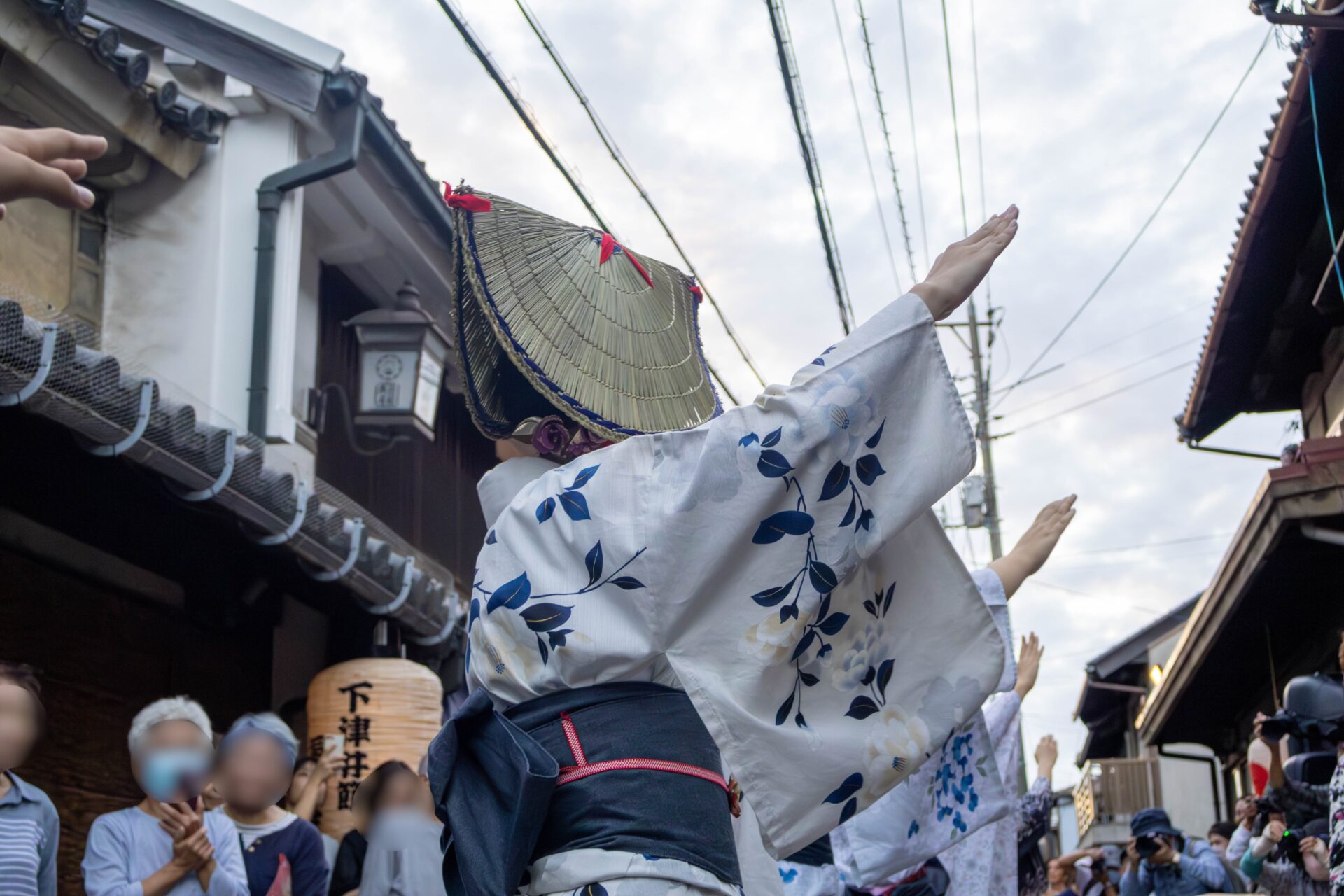
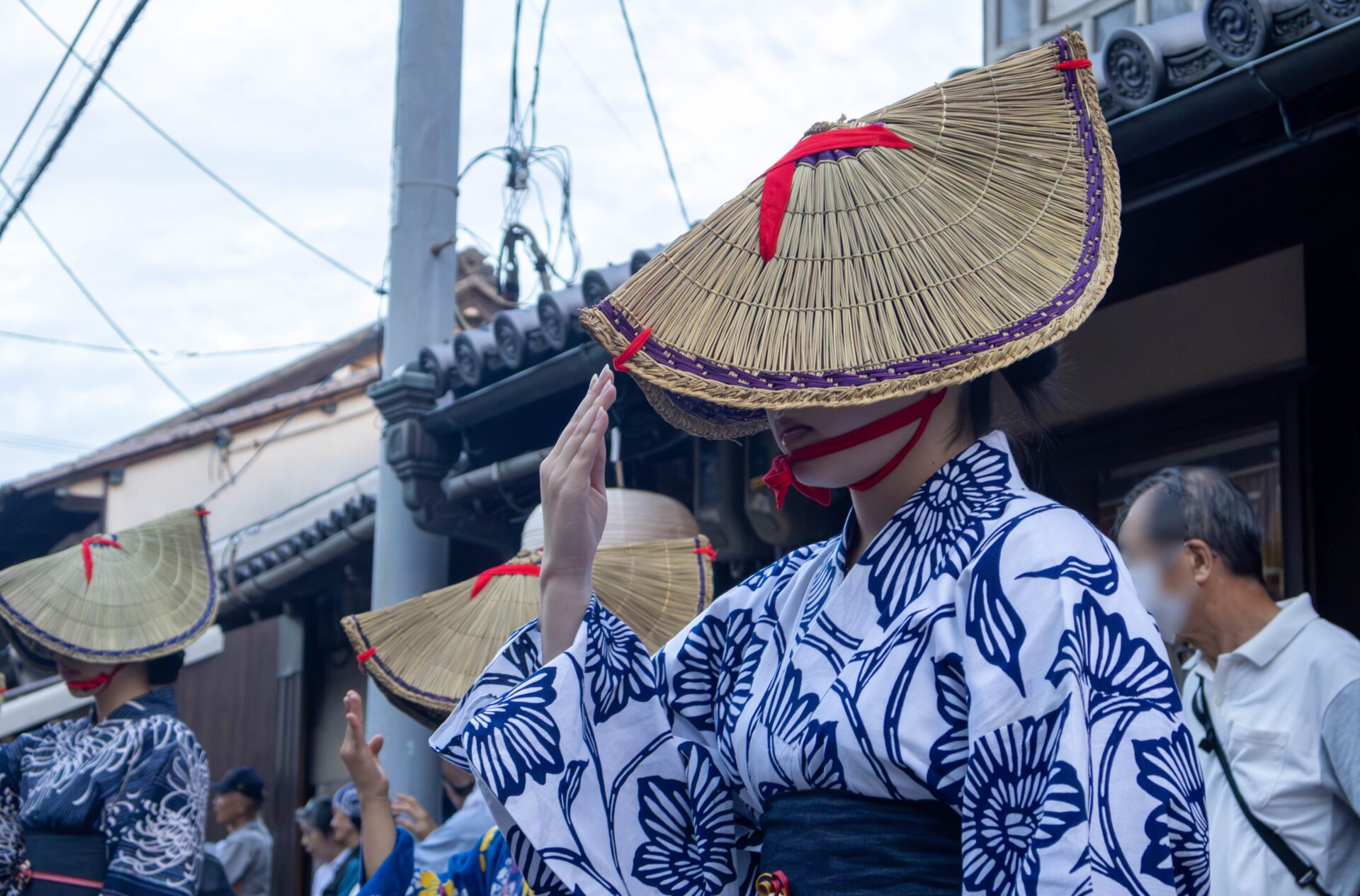
As the 'Evening Dance' approached its finale, the streets of Shimotsui's preservation district were filled with spectators watching the dance. It felt like many people were gathering from various places. Young children seemed very curious about the dance they were seeing for the first time.
Participating in 'Everyone's Shimotsui-bushi'
After the flowing dance, I participated in 'Everyone's Shimotsui-bushi,' which takes place in the courtyard of the former Shimotsui shipping wholesaler.
'Everyone's Shimotsui-bushi' allows anyone to join in and experience the Shimotsui-bushi dance.
Although I didn't know the choreography, I stuck close behind someone who could dance perfectly and tried to mimic their movements.
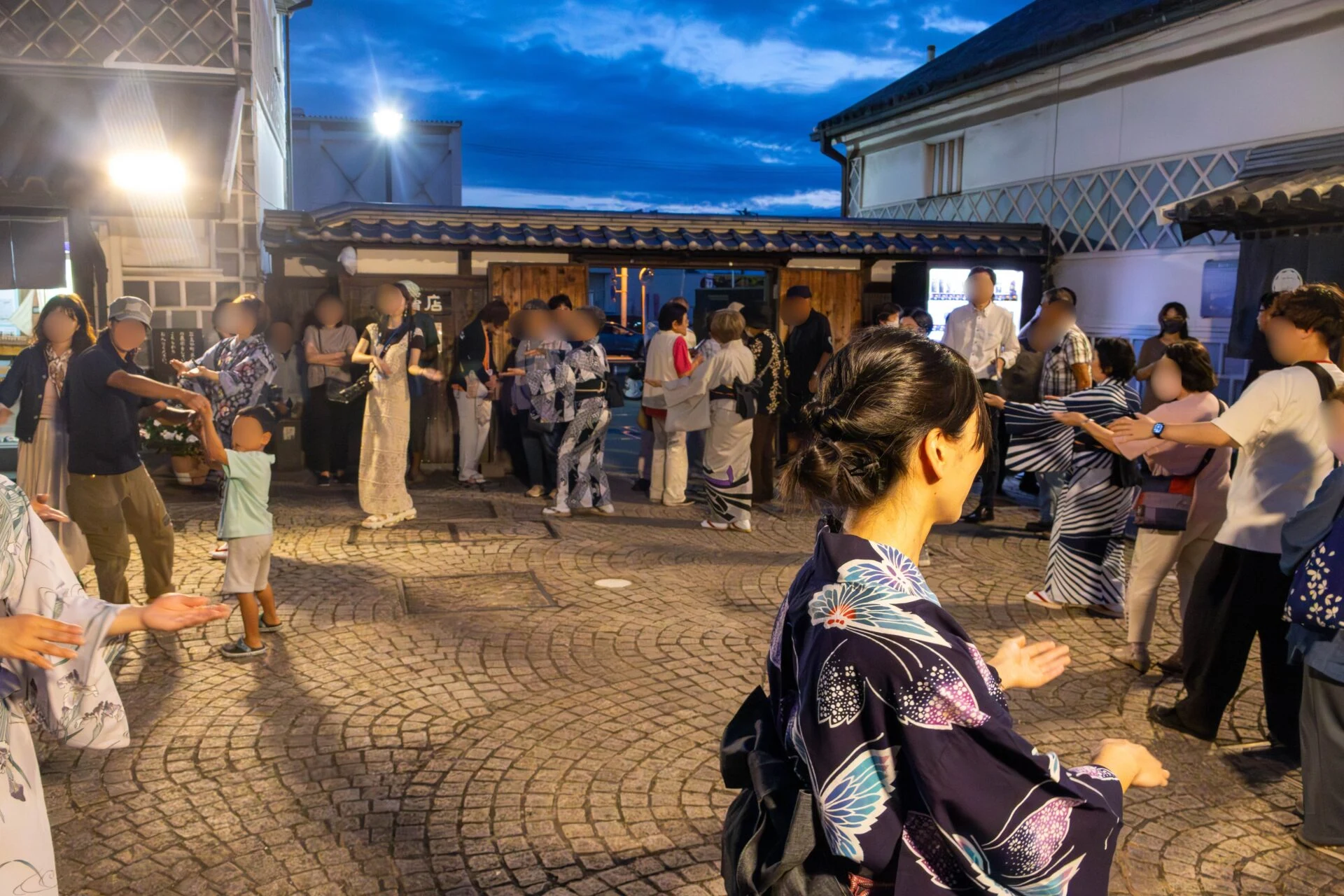
Dancing with graceful hand movements was difficult, and I ended up looking awkward, but it was a fun experience to dance together, something that rarely happens.
The ones leading the dance were local grandmothers.
It seems that decades ago, Shimotsui's elementary school used to have the Shimotsui-bushi dance during sports festivals, and I noticed some people reminiscing about those times. Not only were there dancers, but people singing Shimotsui-bushi also appeared, making it clear that this folk song is deeply rooted in Shimotsui.
After the music of Shimotsui-bushi stopped, one grandmother smiled and said, "I usually walk with a cane, but I can dance without it during Shimotsui-bushi."
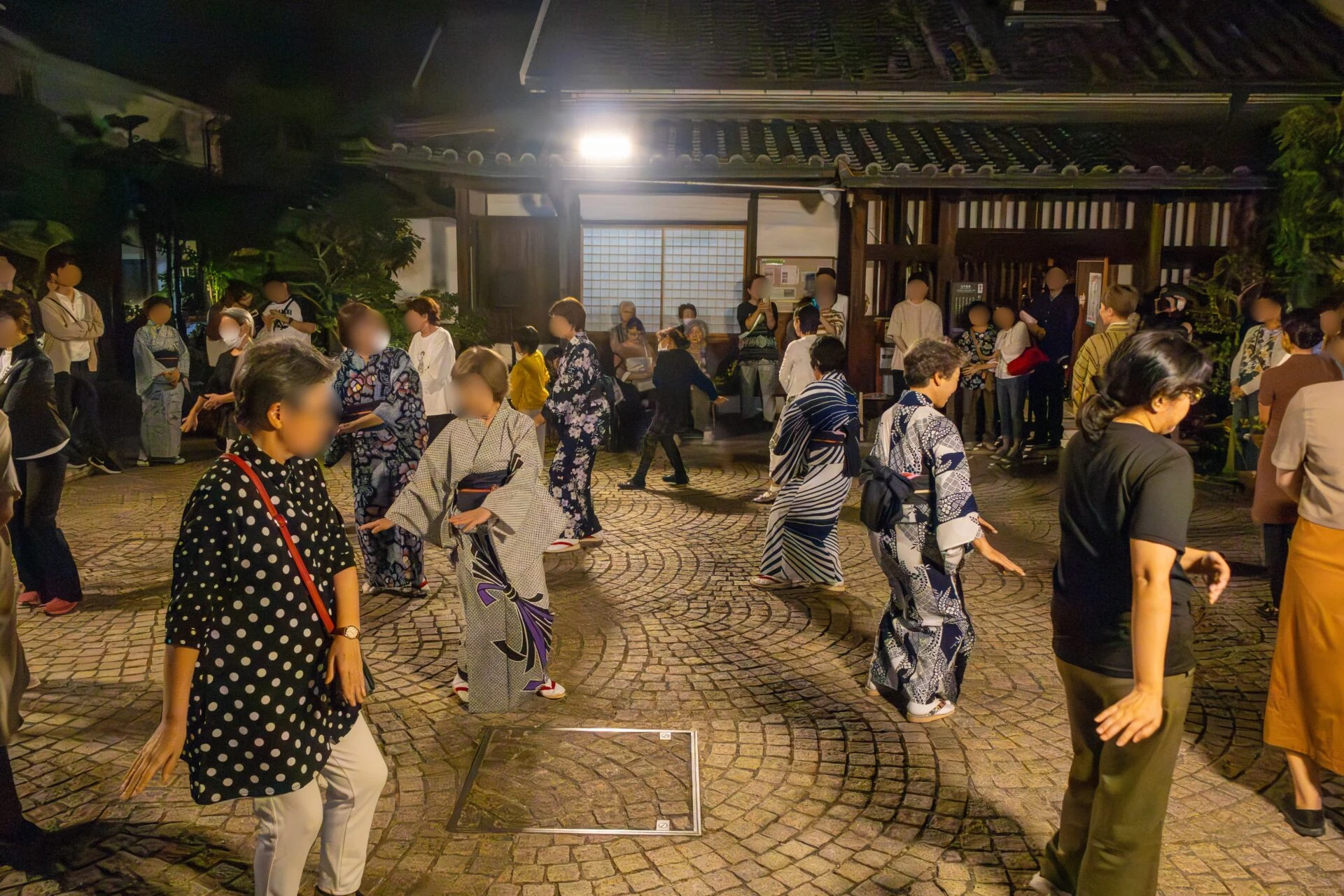
I have no connection to Shimotsui, but seeing the locals enjoying the Shimotsui-bushi made me sincerely think, "I hope the Shimotsui-bushi continues to be passed down."
'Evening Dance' and 'Late Night Dance' after Sunset
When the sun had completely set, the lanterns created an even more fantastical atmosphere.
Surrounded by the light of the lanterns, the second flowing dance, 'Evening Dance,' began.
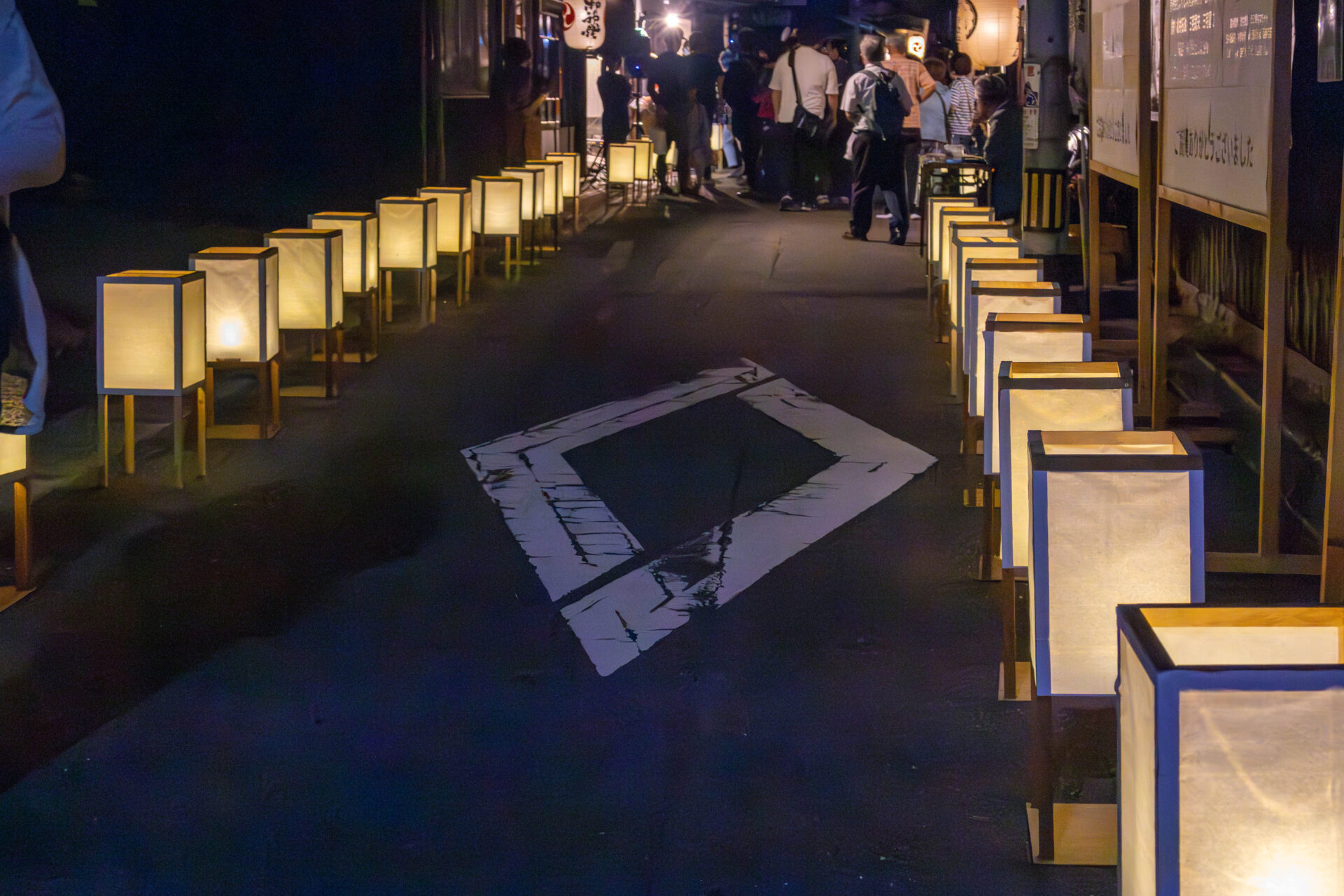
With the conical hats and yukatas, along with the old townscape, a picturesque scene unfolds. No matter when you take a photo, it looks beautiful.
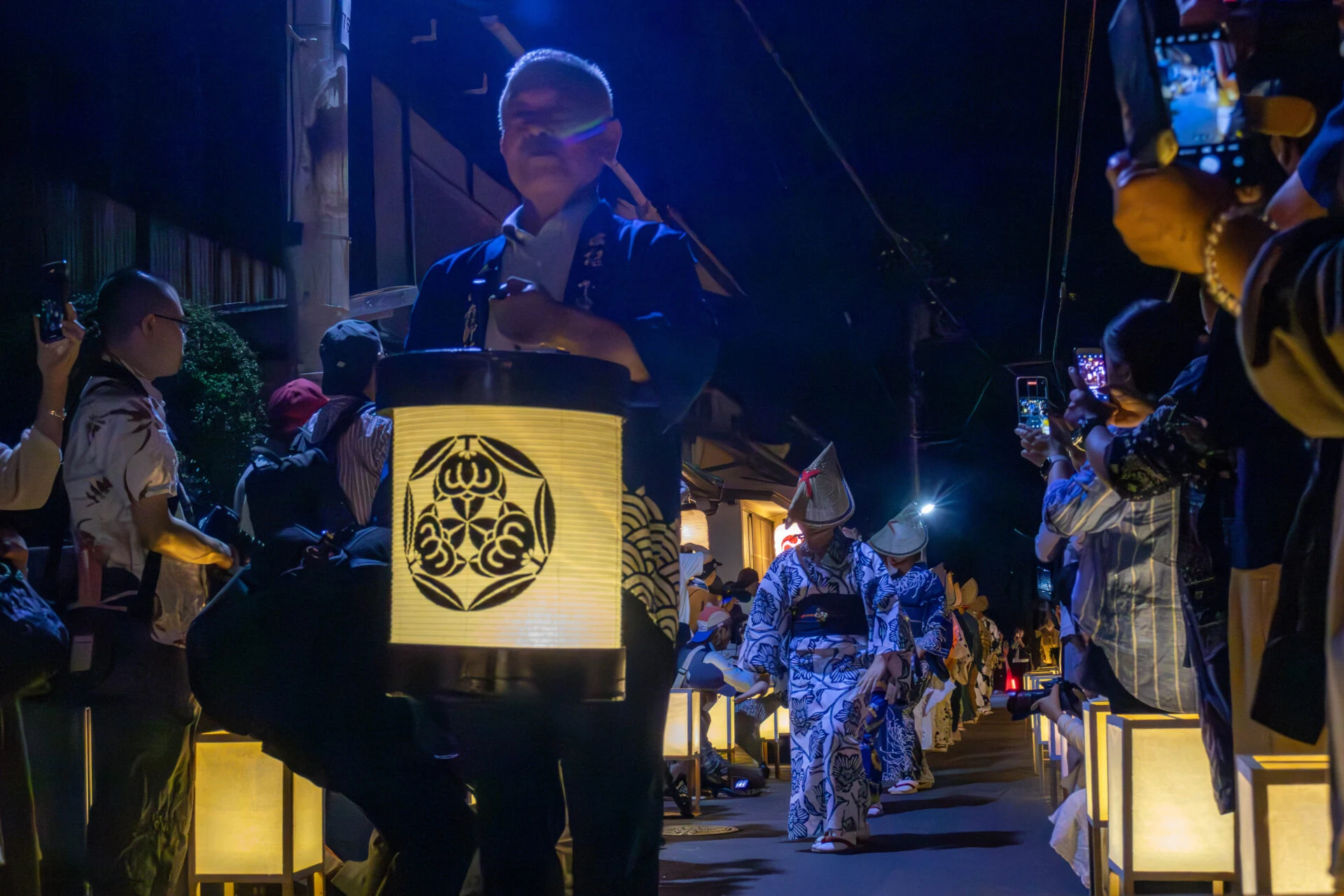
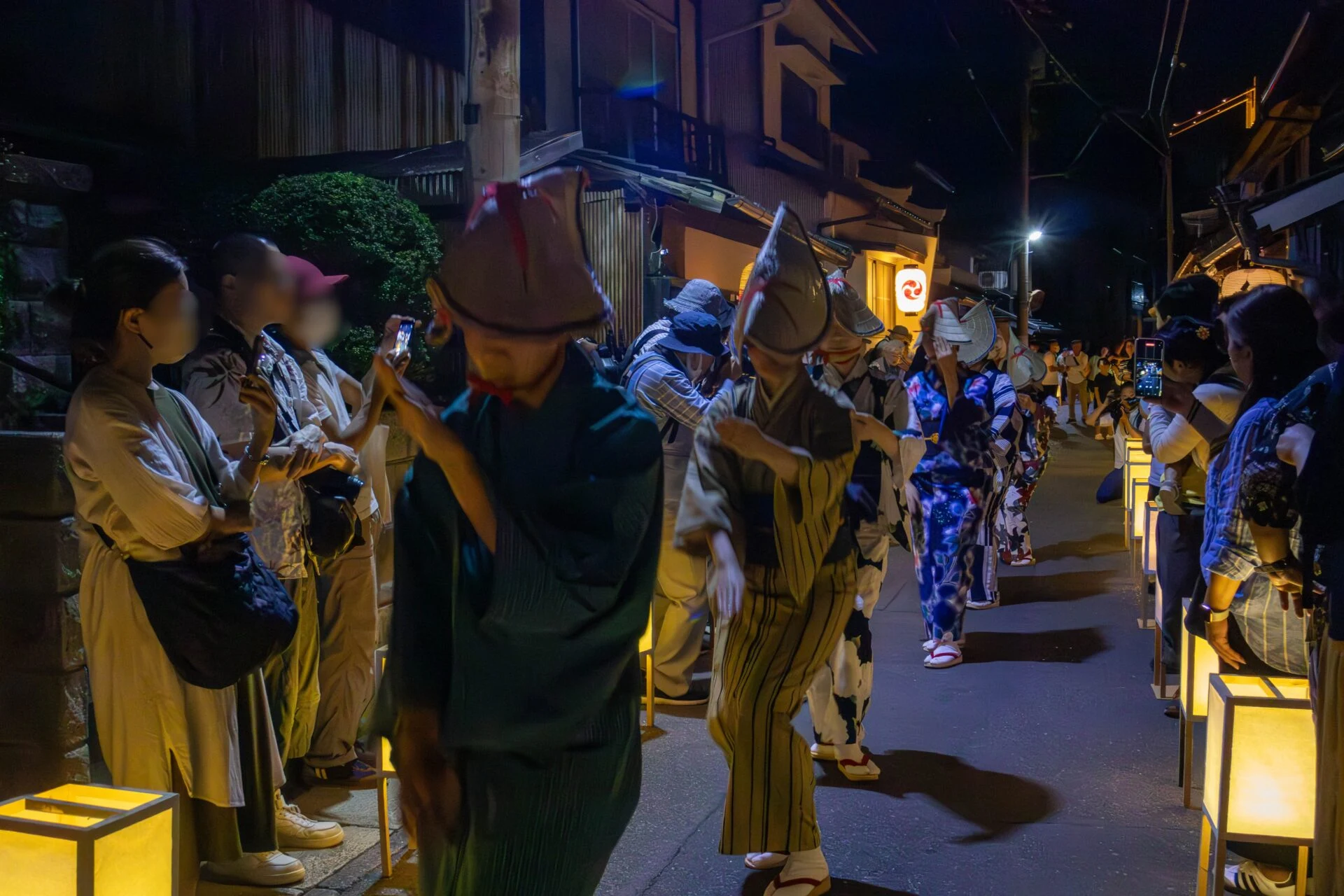
The audience grew even larger, and I imagined, "Was there such a lively atmosphere during the era when the Kitamaebune flourished...?"
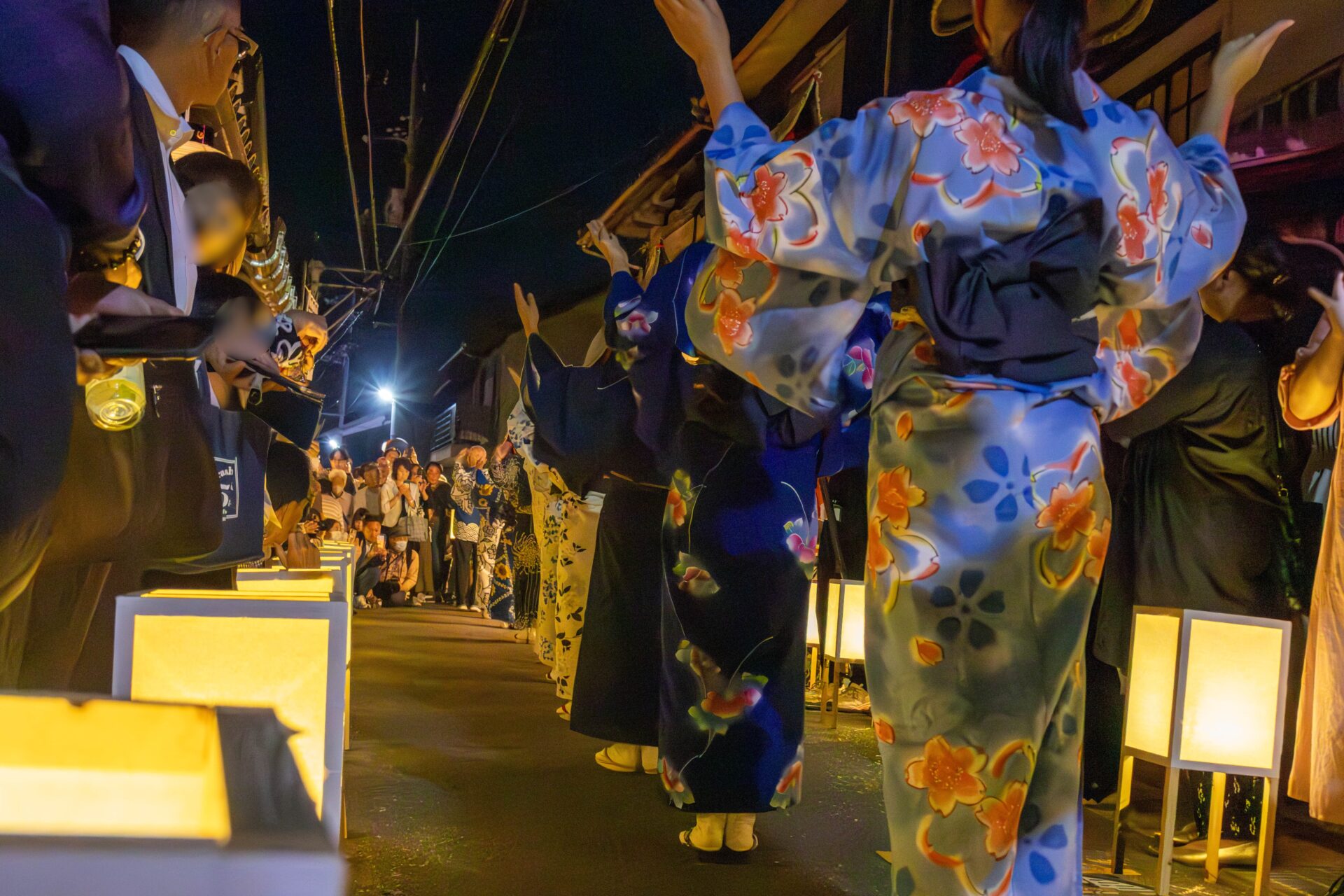
It's easy to get lost in watching the dance, but the live singing of Shimotsui-bushi was also a must-see.
The Shimotsui-bushi was sung in turns, and surprisingly, a teenage girl also performed the Shimotsui-bushi. It was moving to see the younger generation carrying on the folk song. The flavor of the singing varied by age, and I was overwhelmed by the power of the live performance.
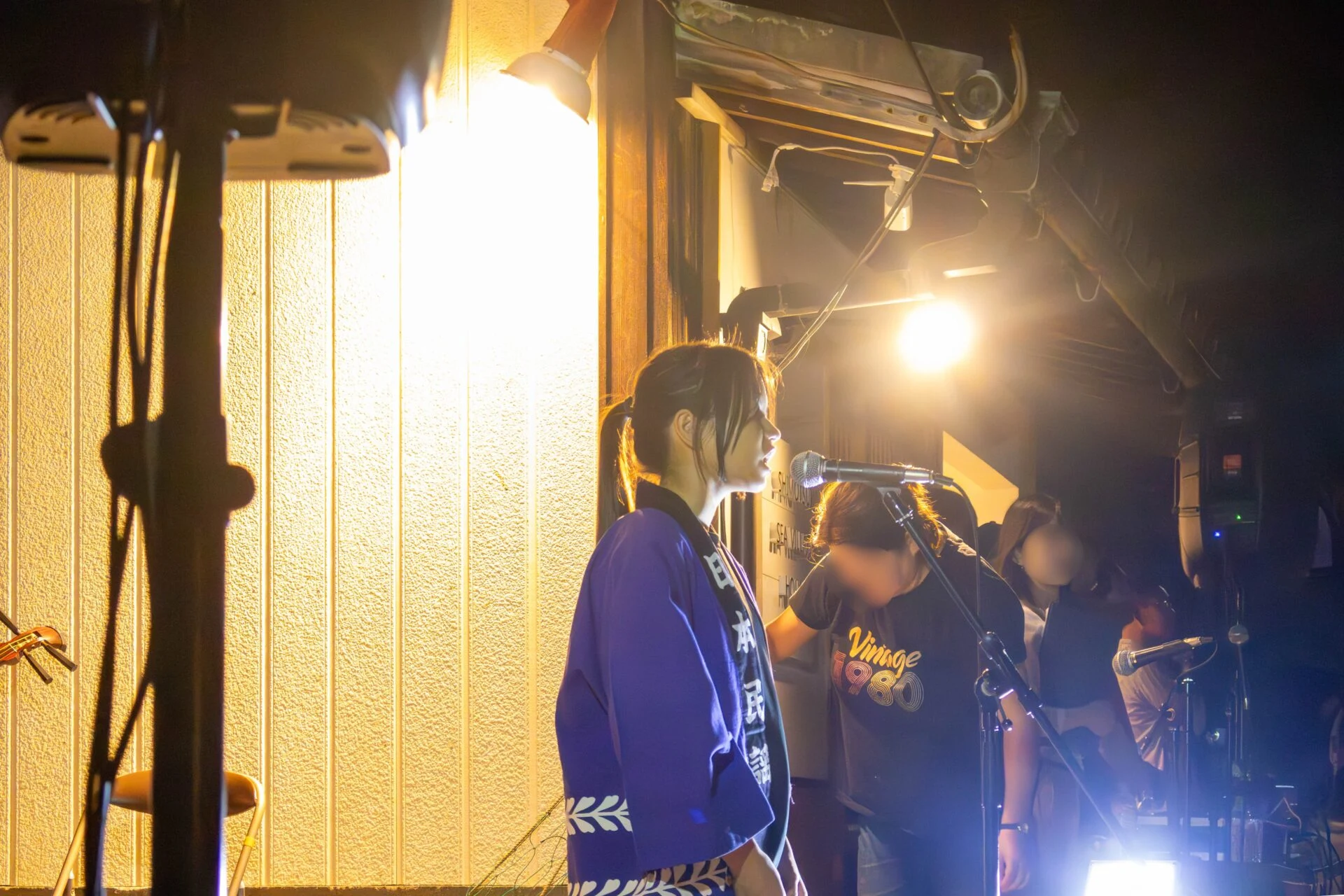
Since it was a good opportunity, I decided to watch the final 'Late Night Dance' as well. Before that, I grabbed some food from the stalls to satisfy my small hunger.
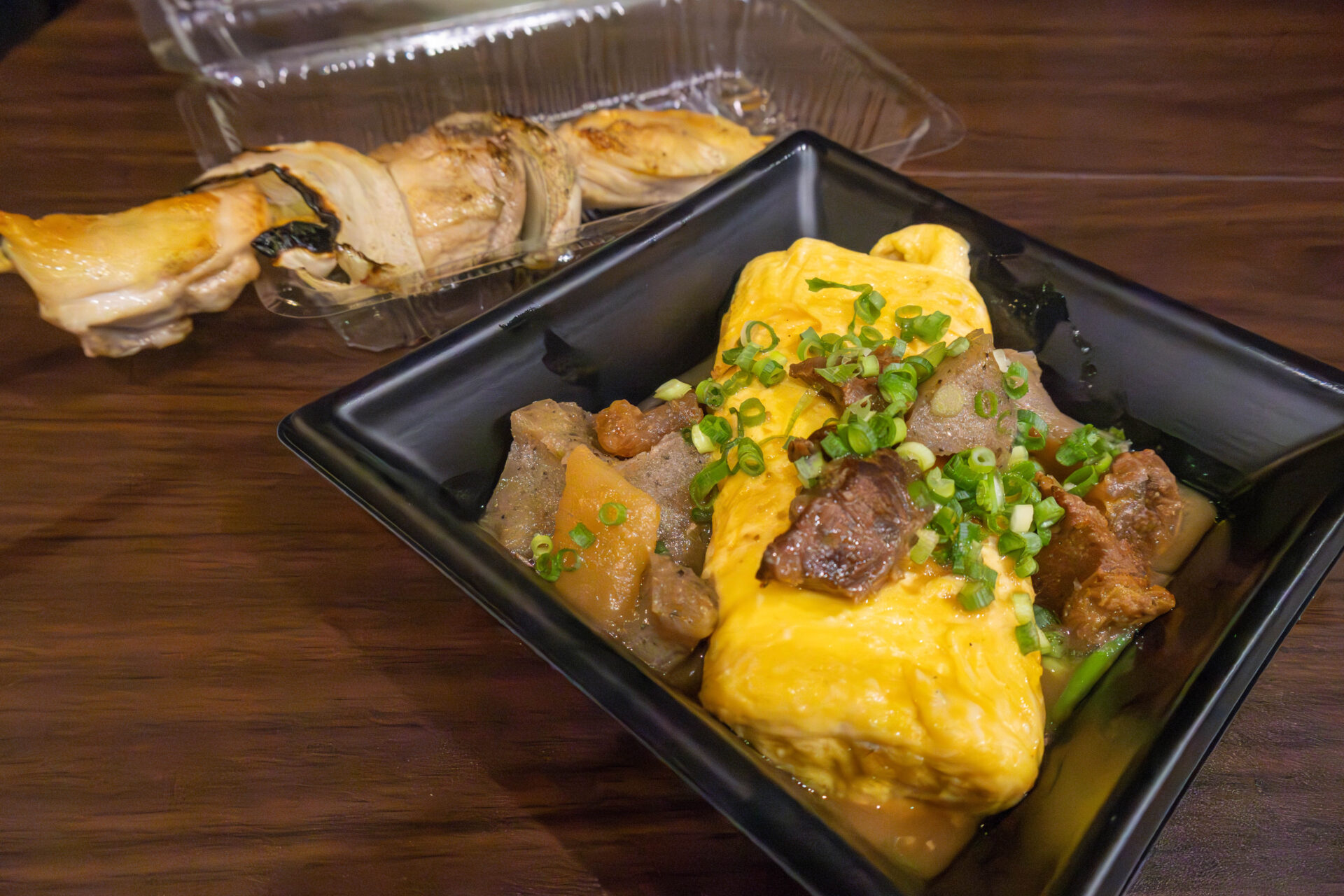
The beef tendon stew rolled omelet and charcoal-grilled Daisen chicken from Kuro no Tojo in Okayama City had a quality that was hard to believe for a food stall and was quite filling. It was easy to share, making it a delightful snack for drinkers.
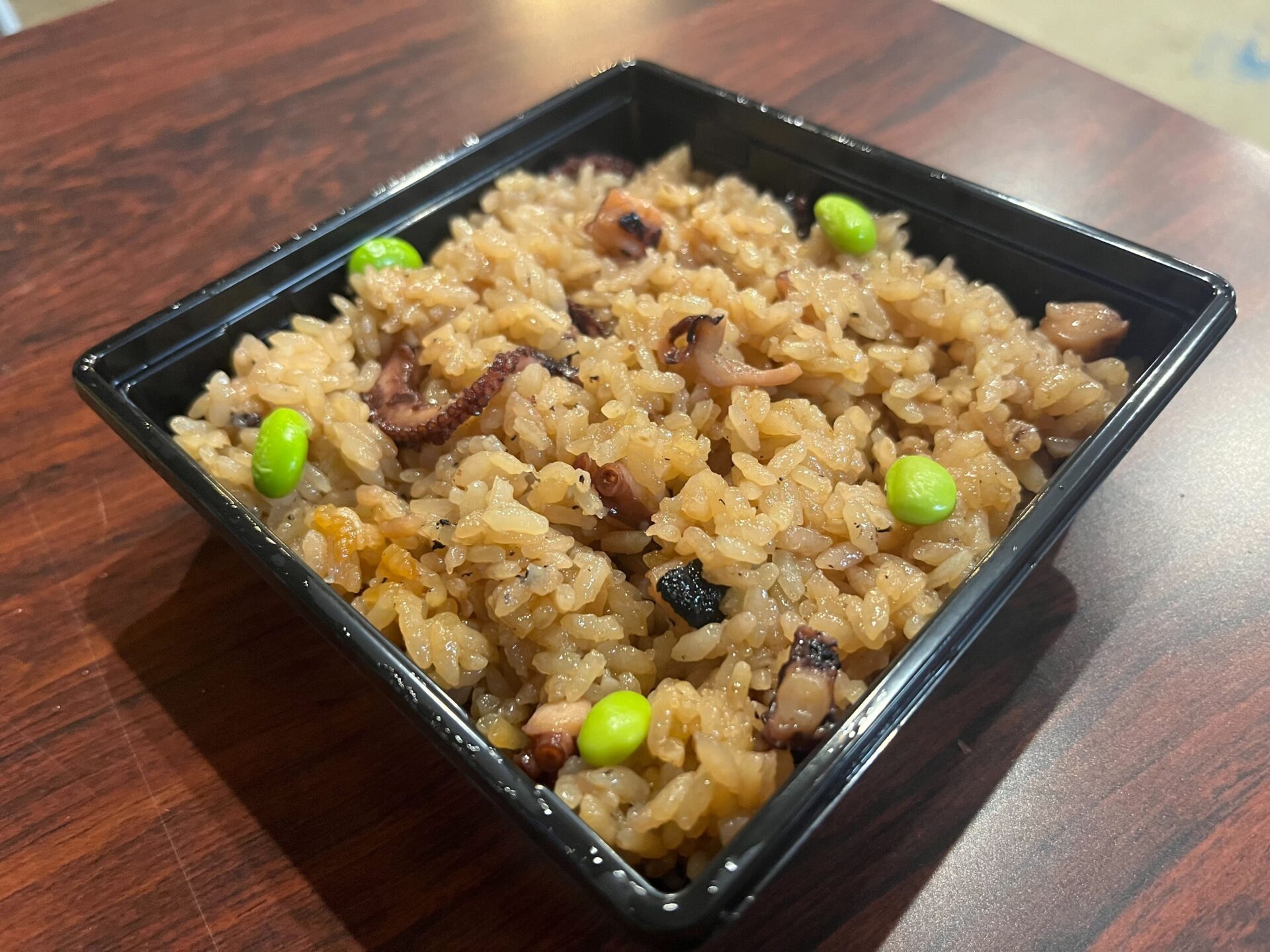
Shimotsui-style octopus rice is a specialty made by a fishing family in Shimotsui, Buhoumaru. It had a slightly sweet flavor, making it easy for children to eat.
Being able to eat local food might be one of the great pleasures of a festival.
With our stomachs full, the final "Sayodori" began.
The audience seemed to have decreased a bit compared to earlier, and I felt that this was the most leisurely of the three flowing dances. It seemed that the dancers were also starting to relax and become more accustomed to the performance.
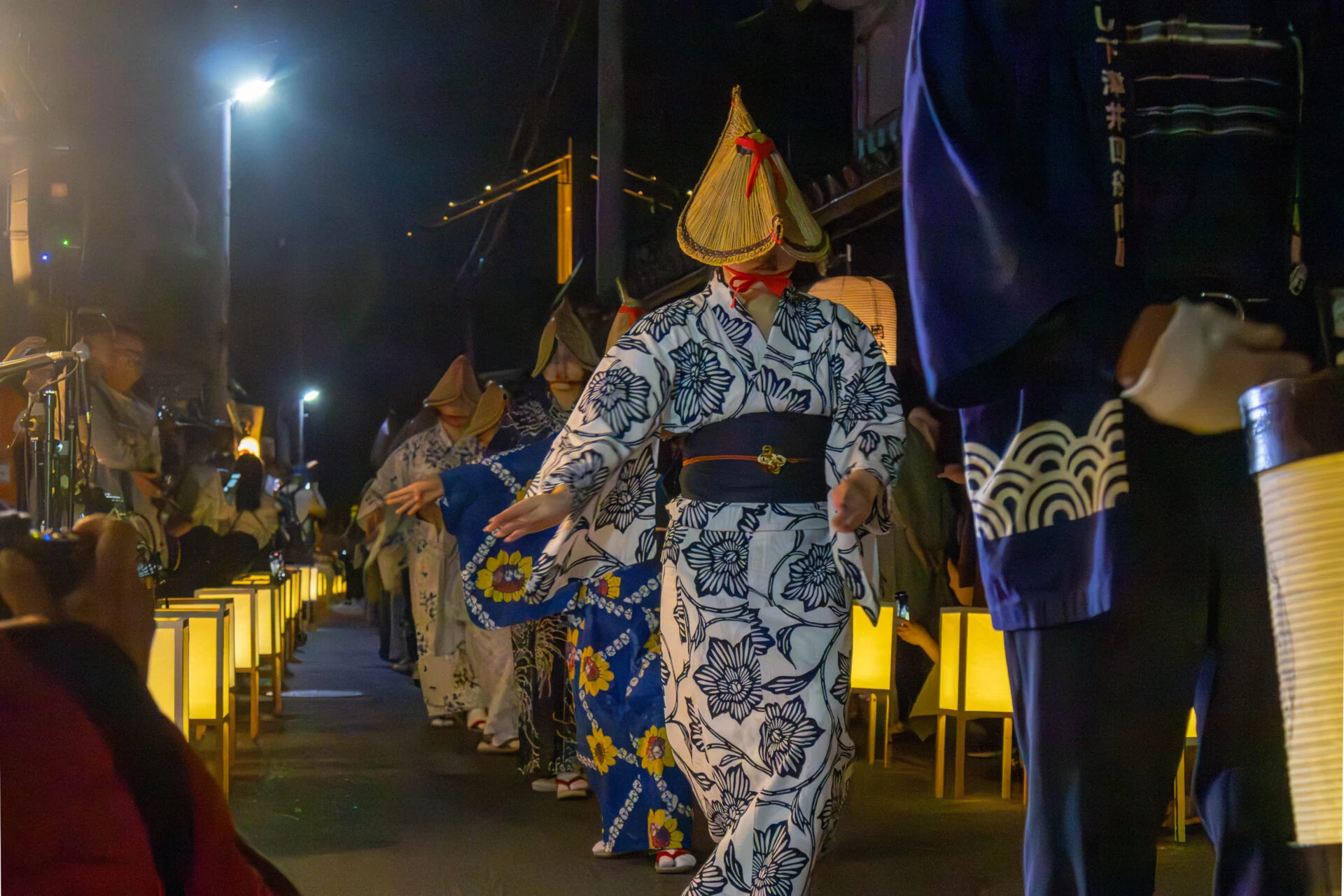
The Shimotsui-bushi, which welcomes visitors arriving by the Kitamae-bune (northern front boats), was often sung during drinking parties in the past. The current scene of "The landscape of Shimotsui where the Shimotsui-bushi can be heard" truly evokes the atmosphere of Shimotsui over 100 years ago, expanding a sense of romance.
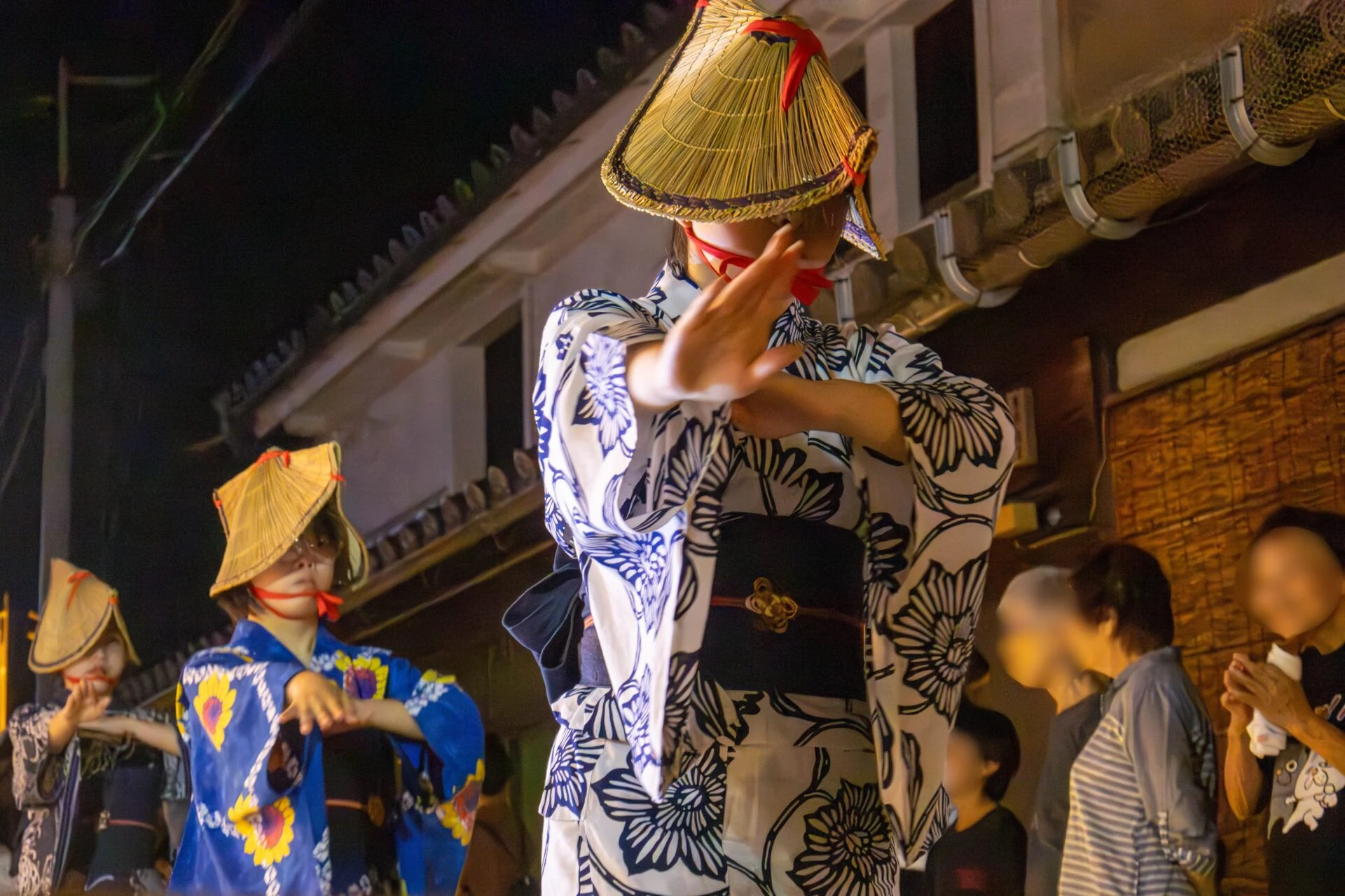
Under the watchful eyes of many spectators, the Shimotsui Evening Lights came to an end.
Conclusion
The Shimotsui Evening Lights was a festival where we could rediscover the charm of the Shimotsui-bushi.
Each flowing dance had a different atmosphere just by changing the time slot, and I was glad to be able to see all three. "Everyone's Shimotsui-bushi" not only allowed us to experience the Shimotsui-bushi but also served as a great opportunity for interaction with the local people.
I felt that the Shimotsui-bushi is a familiar presence for the locals, but I was shocked to realize that it is a culture that could be lost without festivals like the Shimotsui Evening Lights. Even rooted in the community, there is a sad possibility that such culture could disappear without opportunities like this.
Through the Shimotsui Evening Lights, I hope that the number of people connected to the culture of the Shimotsui-bushi increases even a little. I look forward to next year's event.
Data on Shimotsui Evening Lights
| Name | Shimotsui Evening Lights |
|---|---|
| Date | October 5, 2024 (Saturday) From 5 PM to 8 PM |
| Location | Shimotsui Town Preservation District Street, Former Shimotsui Shipping Warehouse |