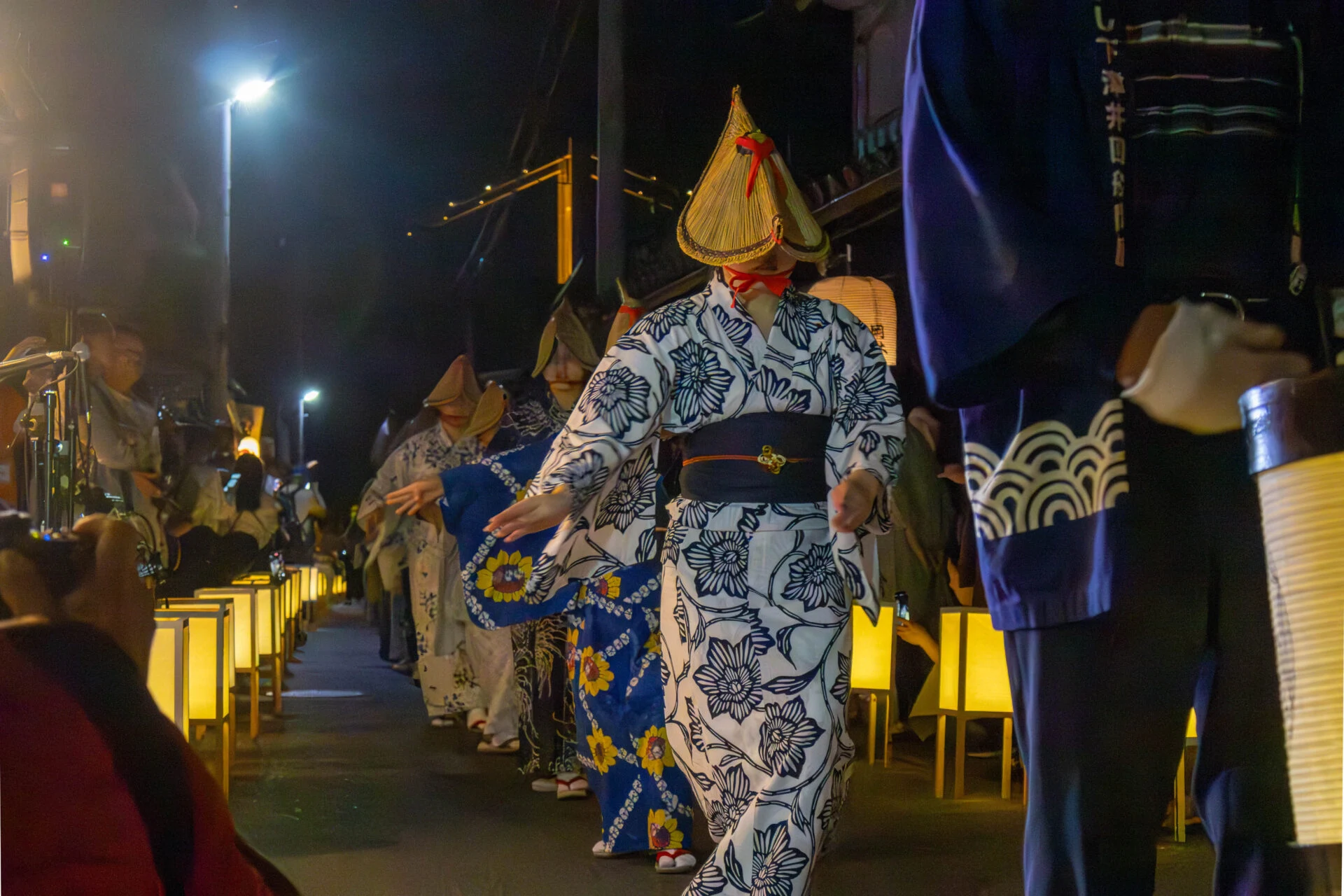
Interview with folk singer Tsunomoto Yukari
We interviewed folk singer Tsunomoto Yukari about her efforts to pass on Shimotsui-bushi.
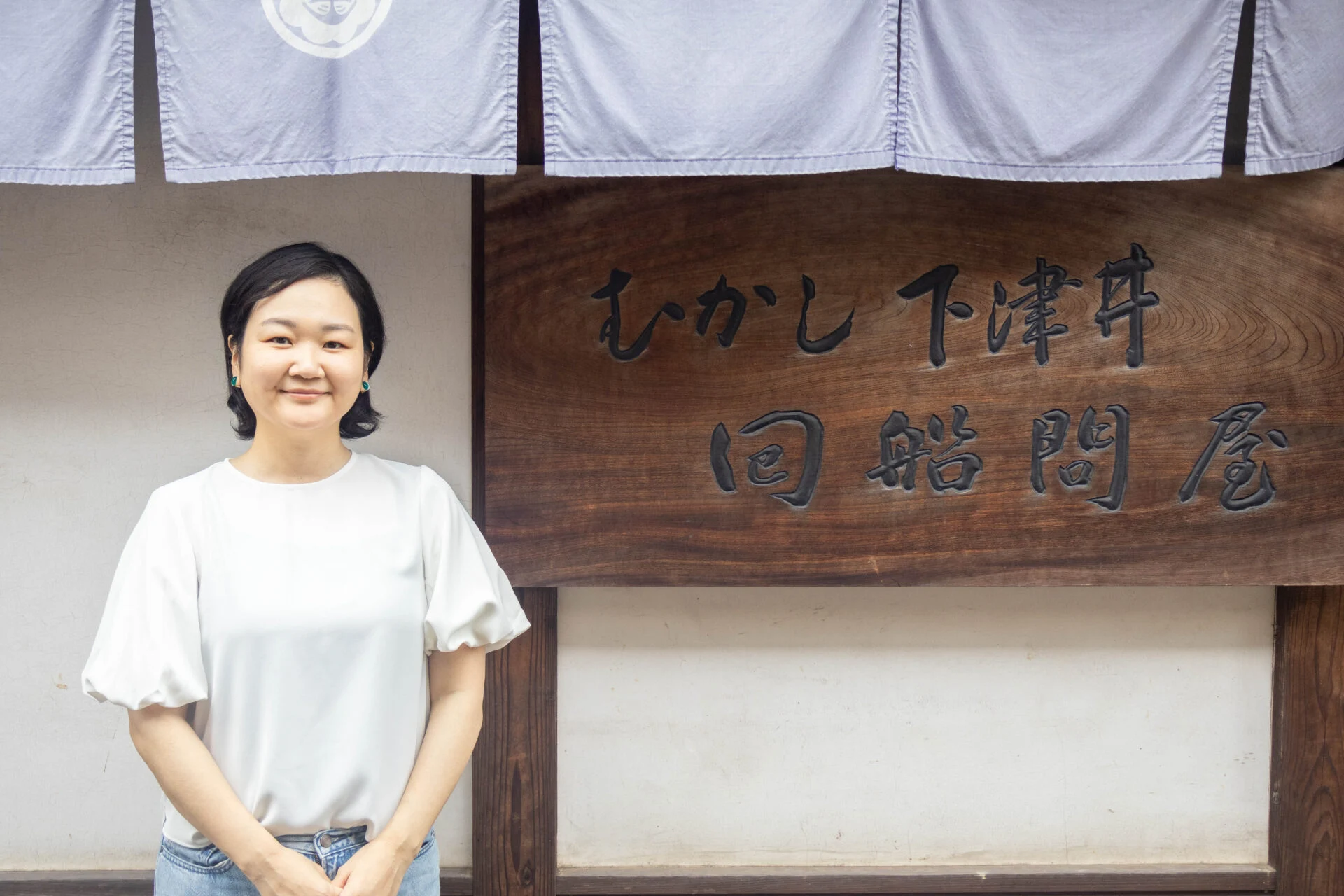
Tsunomoto Yukari is from Tsuyama City, Okayama Prefecture.
She won the 25th National Shimotsui-bushi Contest in 2010 and currently serves as a judge. Shimotsui-bushi was apparently the first folk song her teacher taught her.
What led her to work to pass on Shimotsui-bushi
Was there a particular reason why fewer people came to know Shimotsui-bushi, which has been passed down for around 150 years?
Tsunomoto
Personally, I think it is due to the decline and aging of the folk-song population.
The decline is clearly reflected in the numbers: the number of participants in the National Shimotsui-bushi Contest, held every September, has been falling year by year.
When I participated in 2010, there were about 200 participants, but by 2024 the number had fallen to fewer than 80. In addition, participation in the boys' and girls' and youth divisions has dropped sharply, while the senior division has grown. I felt a strong sense of crisis about the current situation, with no new people stepping up to carry it on.
This is not limited to Shimotsui-bushi; there are people all over Japan who sing folk songs as a hobby. However, it is difficult for people of that generation to share their activities publicly using social media and the like, so I think there were few opportunities for young people to learn about it.
How did the efforts to pass on Shimotsui-bushi, which you are leading, get started?
Tsunomoto
Above all, it was my own sense of urgency.
As a hobby, I travel around Japan to see festivals. Some festivals grow more lively year after year, while others come to an end with the words, “This is our last year.” It is not uncommon for festivals that have continued for hundreds of years to suddenly disappear.
When I witnessed the end of such a history, I felt a sense of urgency and crisis that Japan's traditional culture was steadily being lost.
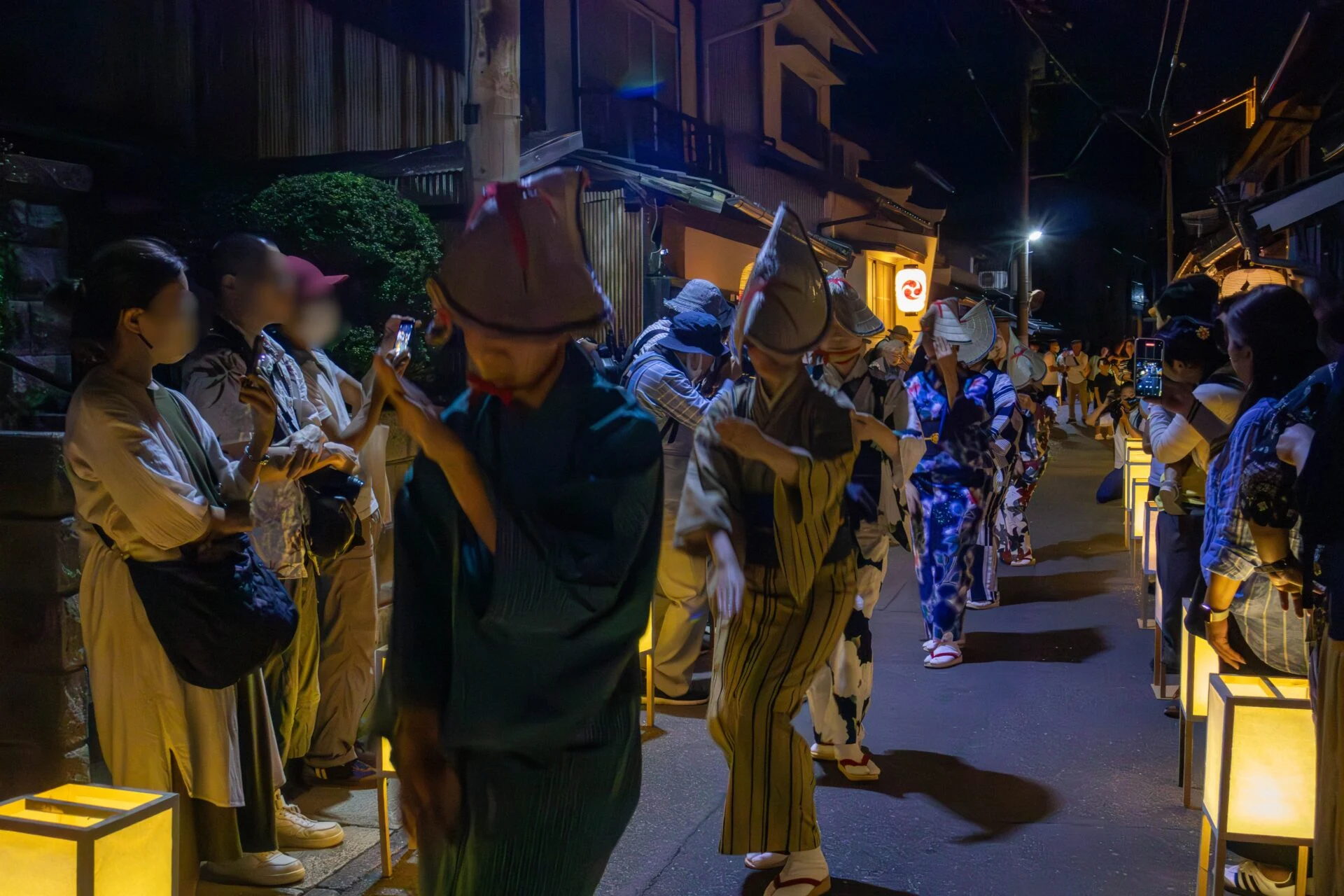
When I thought, “What can I do while I still have the energy?” the first thing that came to mind was passing on the Shimotsui-bushi close to home. The people who could teach it were still alive and well, so I thought, “There's still time! Now's the time!”
Did the people of Shimotsui also share your sense of urgency?
Tsunomoto
It seems that many people felt, “We have to do something about this.” However, many were elderly, and it was difficult for them to take action themselves.
So when I started working to pass on Shimotsui-bushi, I often received encouraging words from local people, such as “Please do it” and “Thank you for taking this on,” which gave me strength.
Passing on Shimotsui-bushi through song was something the local community also wanted. I realized that Shimotsui-bushi is important to everyone.
Creating opportunities for anyone to experience it casually
Are there differences between Shimotsui-bushi as it is sung today and in the past?
Tsunomoto
Shimotsui-bushi was originally a highly flexible song, with the way it was sung varying from person to person. Compared with the past, I think the lyrics of today's Shimotsui-bushi are fixed and have been neatly standardized.
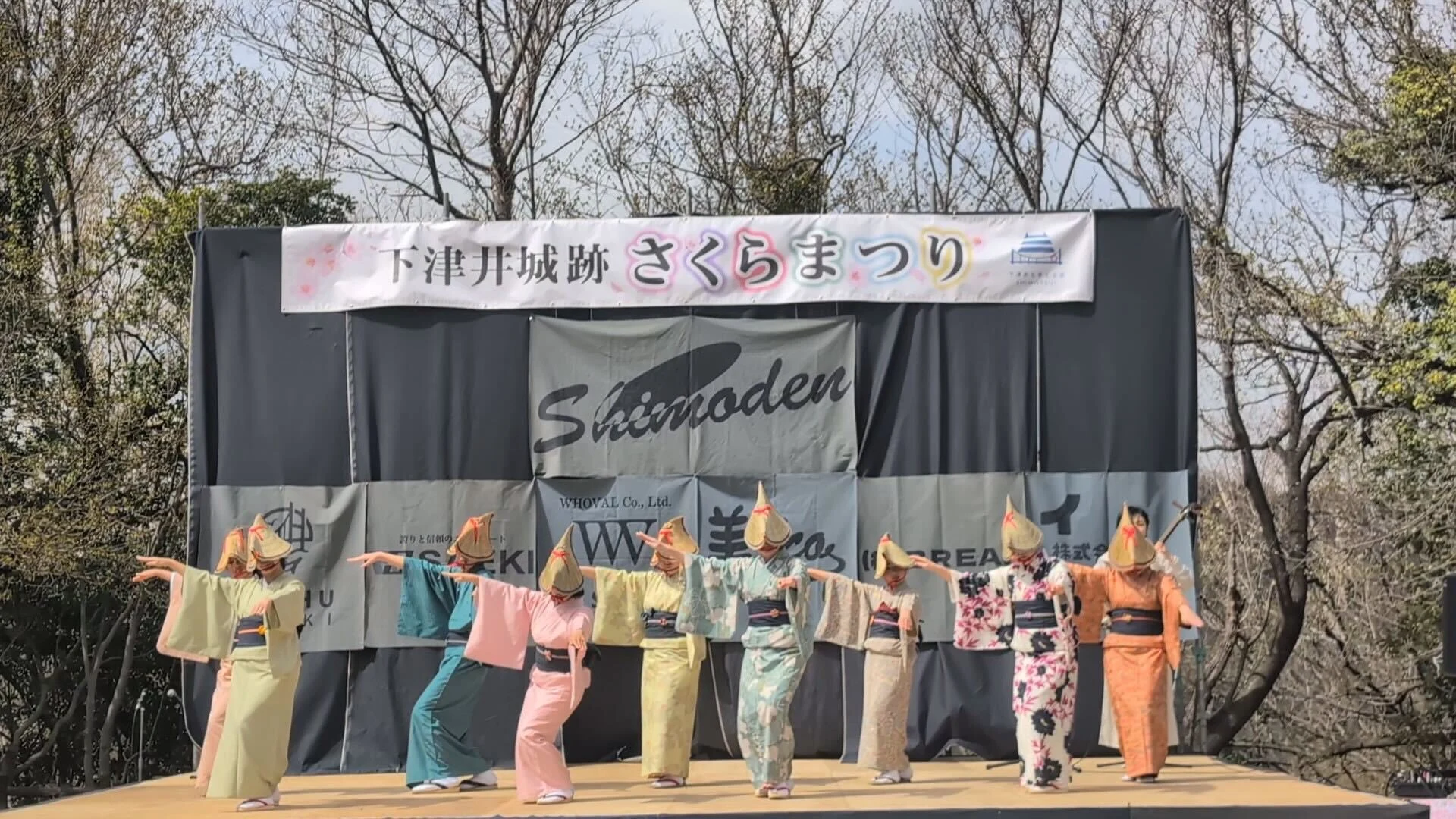
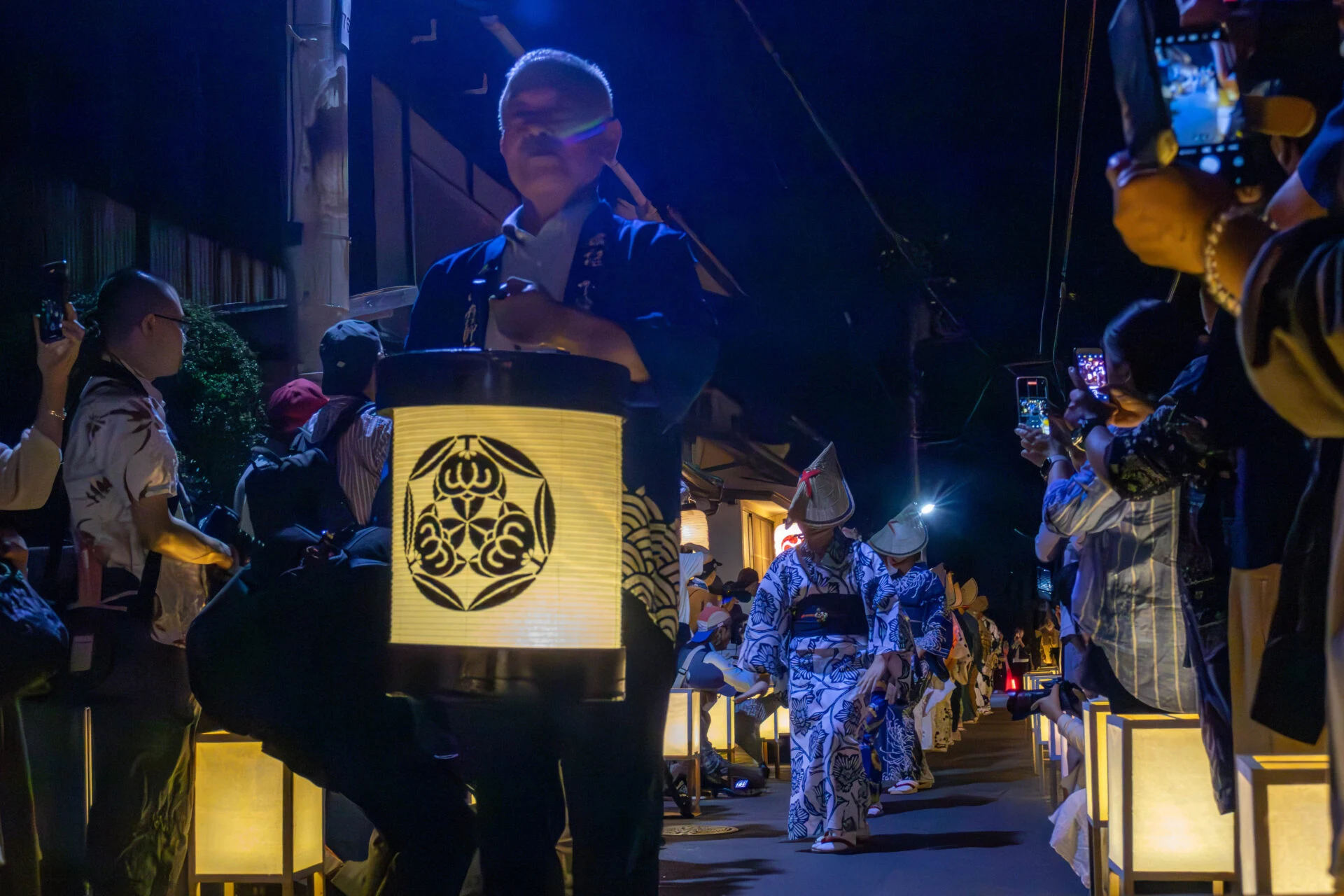
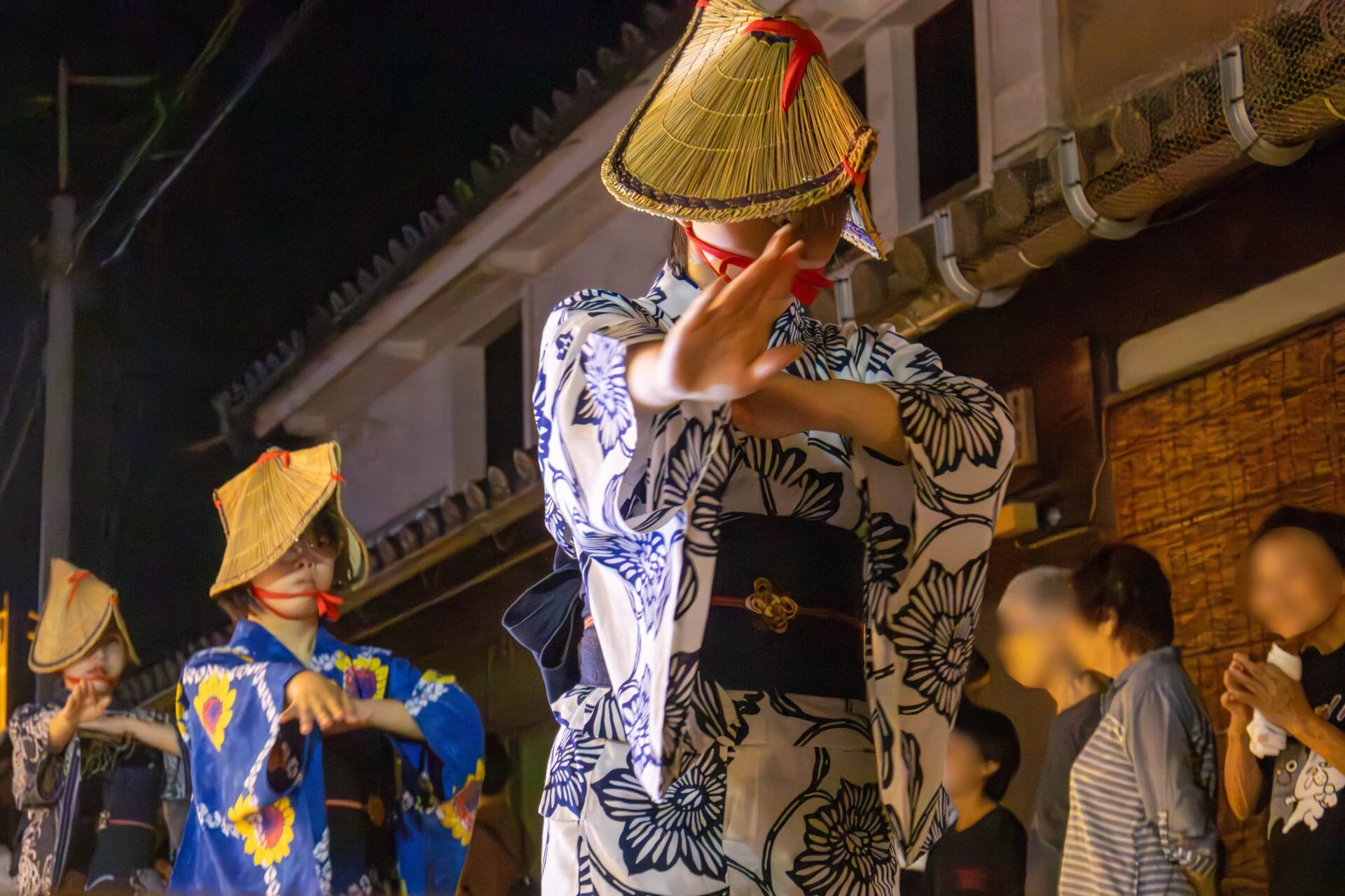
I'm someone who likes to break away from the established form a little, so for Shimotsui-bushi at Shimotsui Yoiakari, I deliberately slow down the tempo. I wanted to create an atmosphere with a gentle sensuality and a sense of elegance.
Shimotsui-bushi at Shimotsui Yoiakari can only be heard on the days the event is held, so I hope you'll come and listen.
Was Shimotsui Yoiakari the first activity you worked on?
Tsunomoto
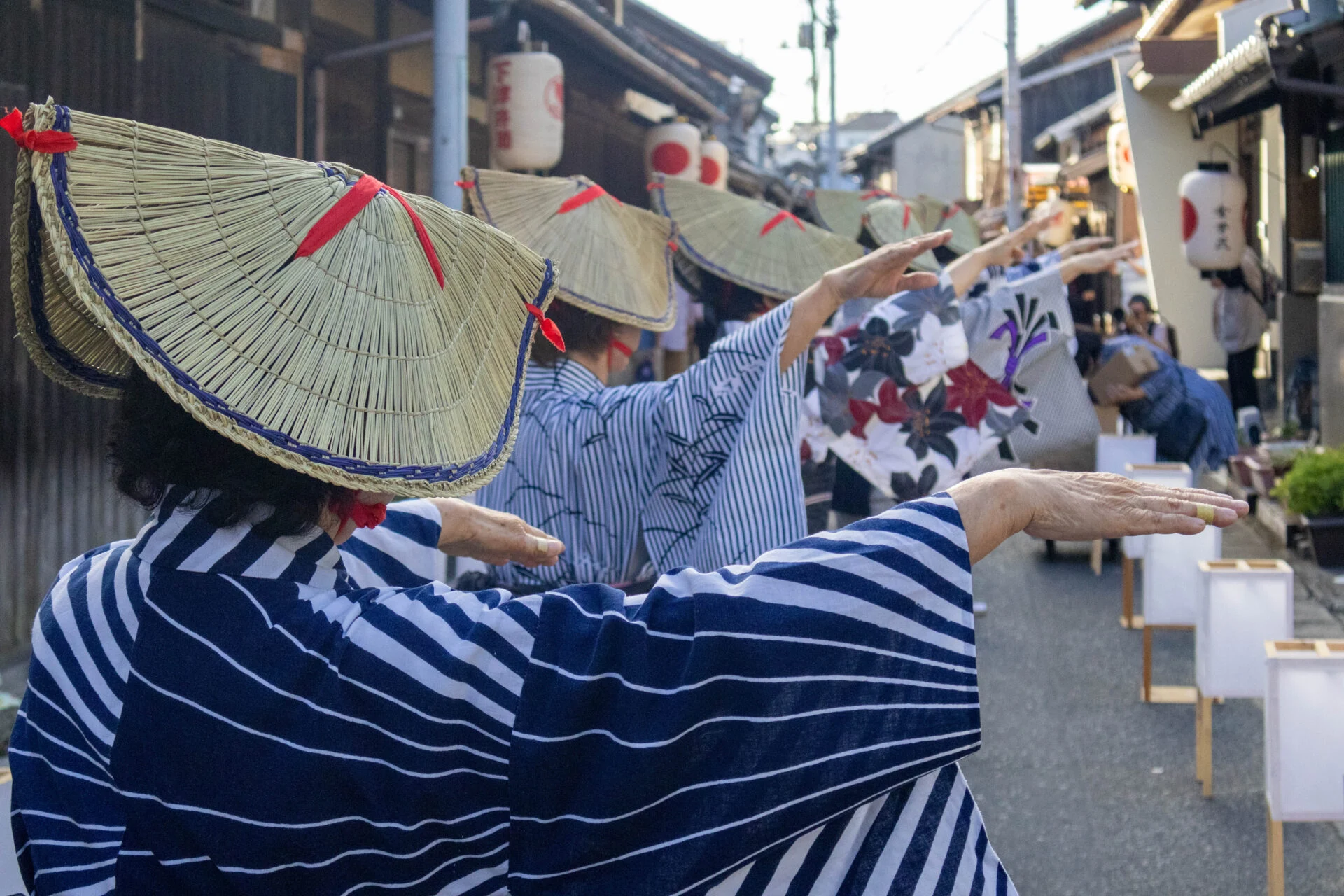
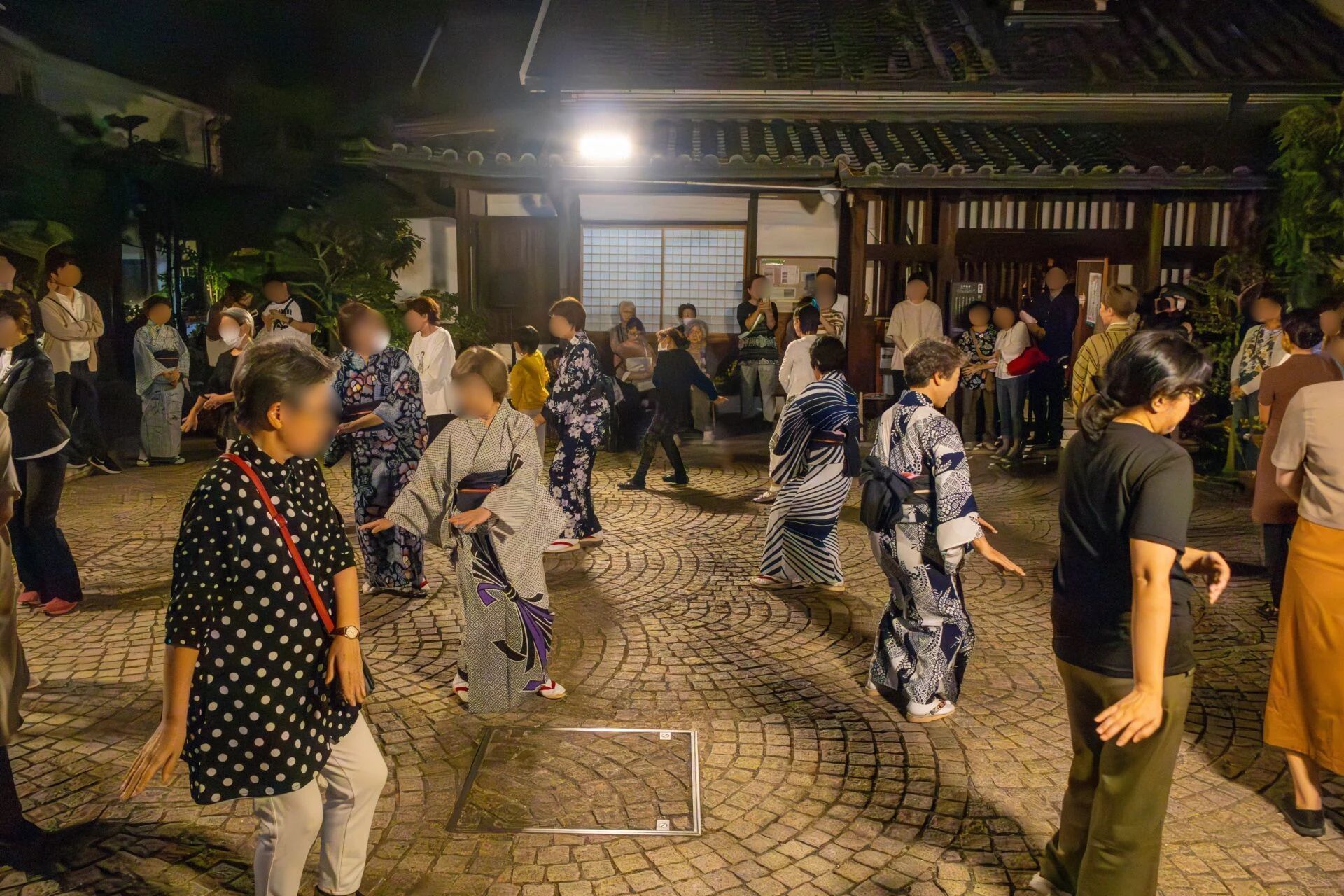
Yes. But it wasn't just an activity for the day of the event. In preparation for the performance, we practiced songs and dances with local people, and held practice sessions to bring in more members.
Going forward, I hope to continue activities throughout the year to spread and pass on Shimotsui-bushi, with Shimotsui Yoiakari serving as the culmination and showcase.
Please tell us about “Shimotsui-bushi Academy.”
Tsunomoto
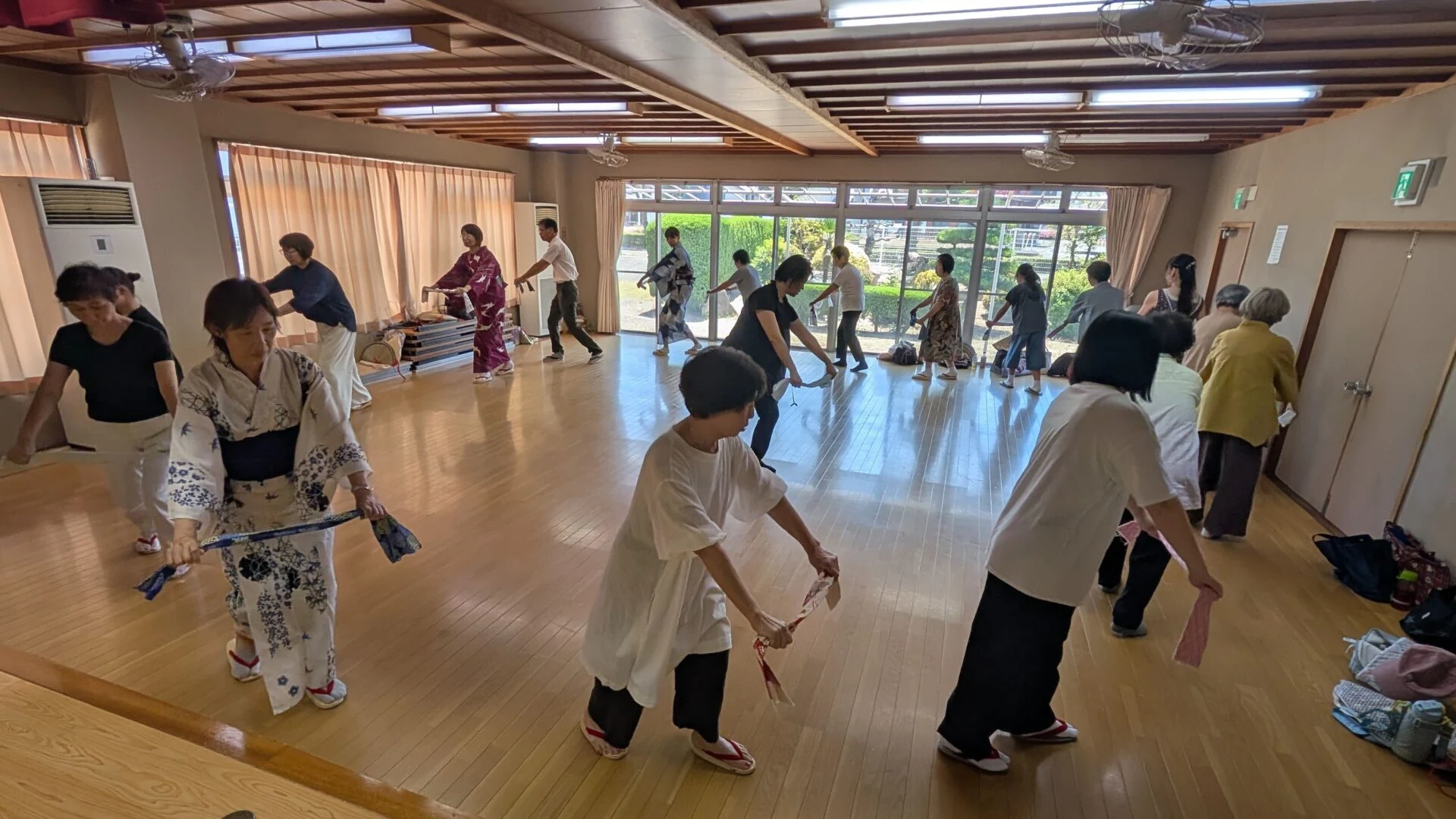
“Shimotsui-bushi Academy” is a hands-on Shimotsui-bushi session open to everyone. You can experience not only singing, but also dancing and playing instruments.
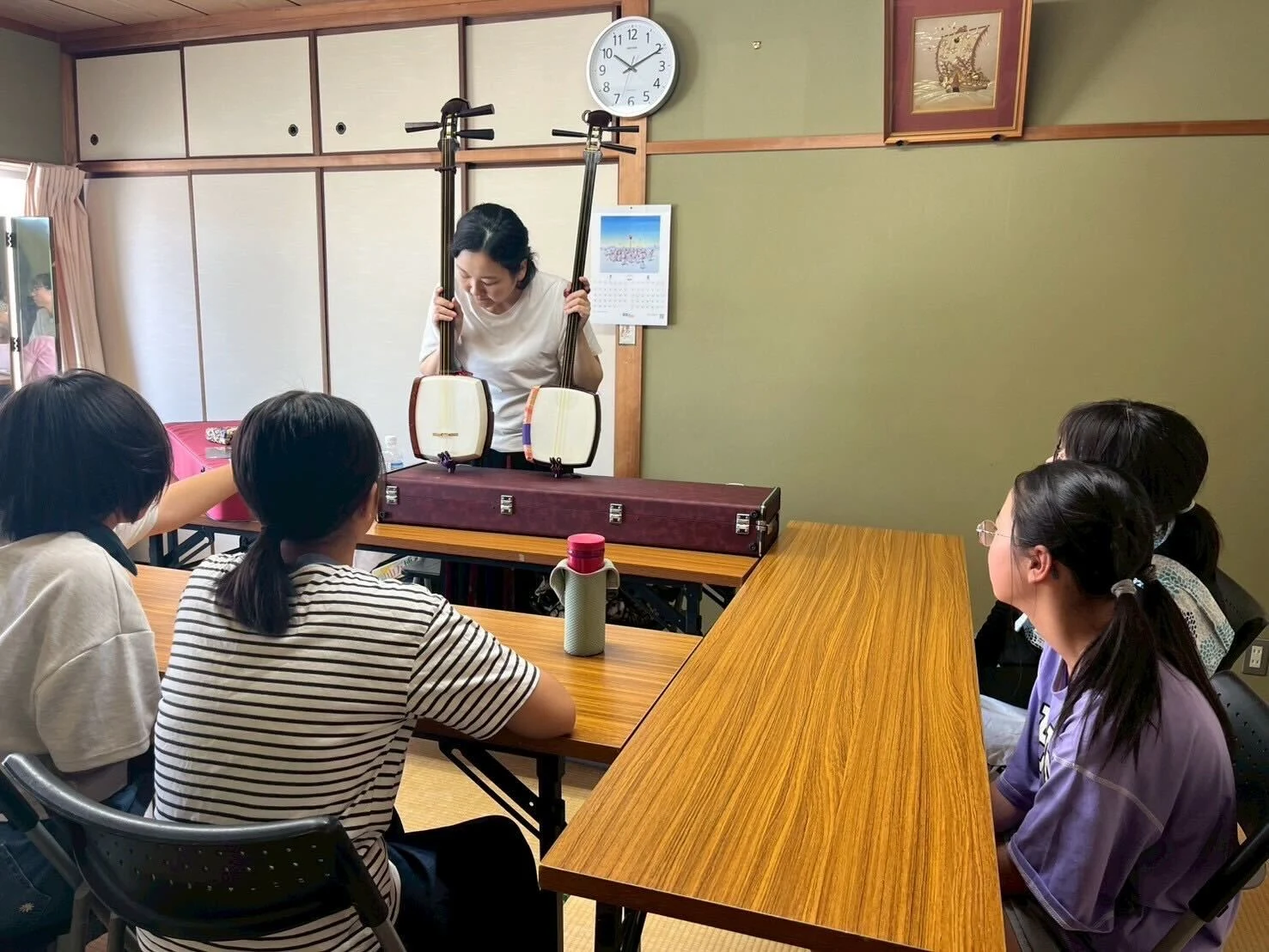
I thought dancing at a festival right away might feel like a high hurdle, so we started this with the hope that people would first enjoy Shimotsui-bushi in a relaxed way.
The “Shimotsui-bushi Academy” has also helped increase the number of people who take part in Shimotsui Yoiakari.
Further raising the value of Shimotsui-bushi
Where can people see Shimotsui-bushi performed?
Tsunomoto
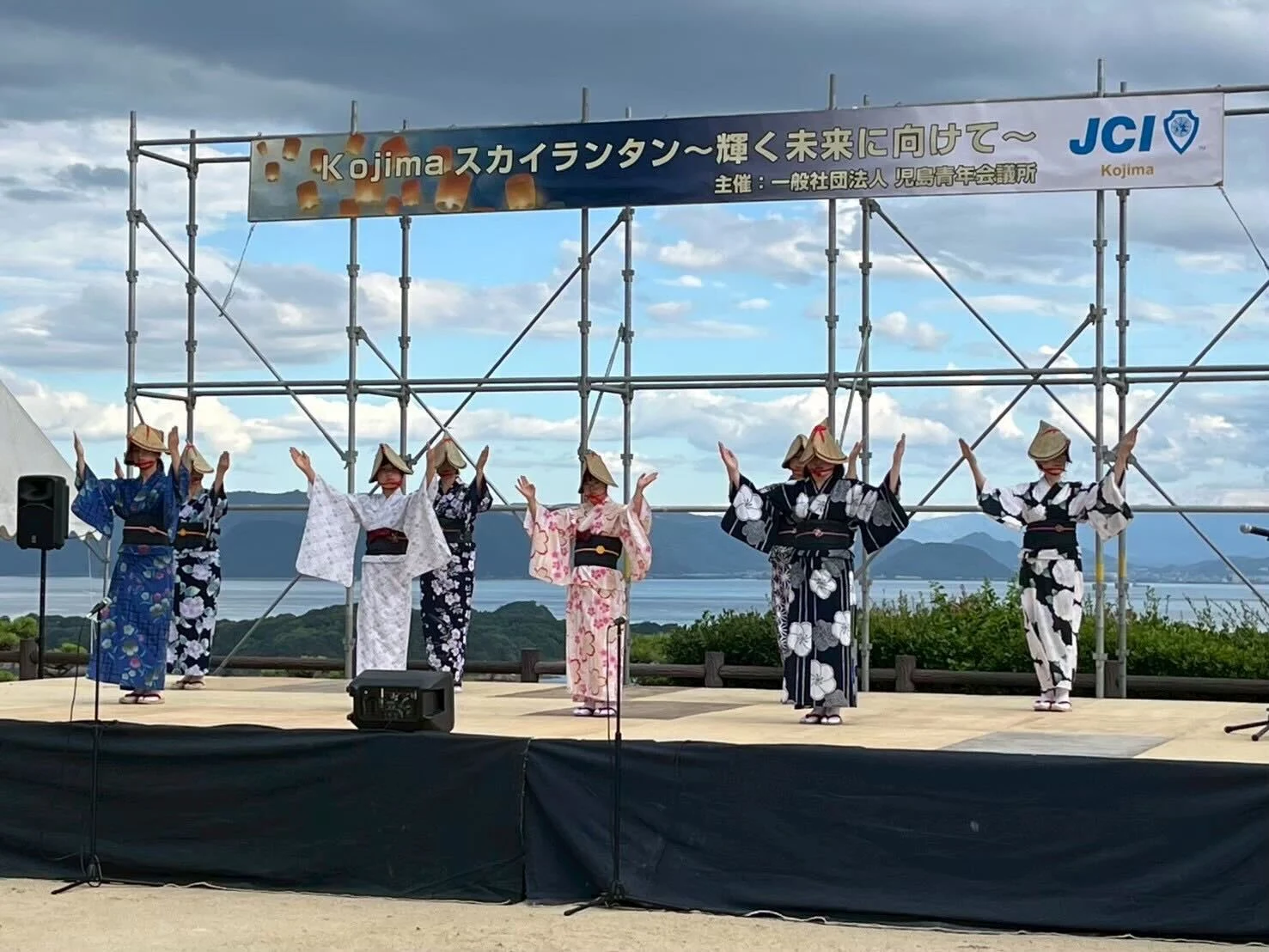
At present, the one place where you can be sure to see it is Shimotsui Yoiakari, scheduled to be held every October. We also sometimes perform at events in Kojima.
Eventually, I would like to hold regular performances so that people can say, “If you go there, you can always see Shimotsui-bushi.” I want to build its prestige so that people will want to pay to see it.
Funding is also important for continuing these activities, isn't it?
Tsunomoto
That's right. It is difficult to create an economic model for passing on traditional culture.
Simply saying “singing is fun” is not enough to sustain it over the long term, so we need to build a foundation for raising funds in order to continue our activities steadily.
As one part of these efforts, we're also planning merchandise, and first we made original Shimotsui-bushi tenugui.
Some of the current Shimotsui-bushi dance moves use a tenugui, so I hope you'll buy one and dance along with us. We also plan to sell them at souvenir shops in Kojima in the future.
Growing the community connected to Shimotsui-bushi and preserving it for the future
What do you think makes Shimotsui-bushi special?
Tsunomoto
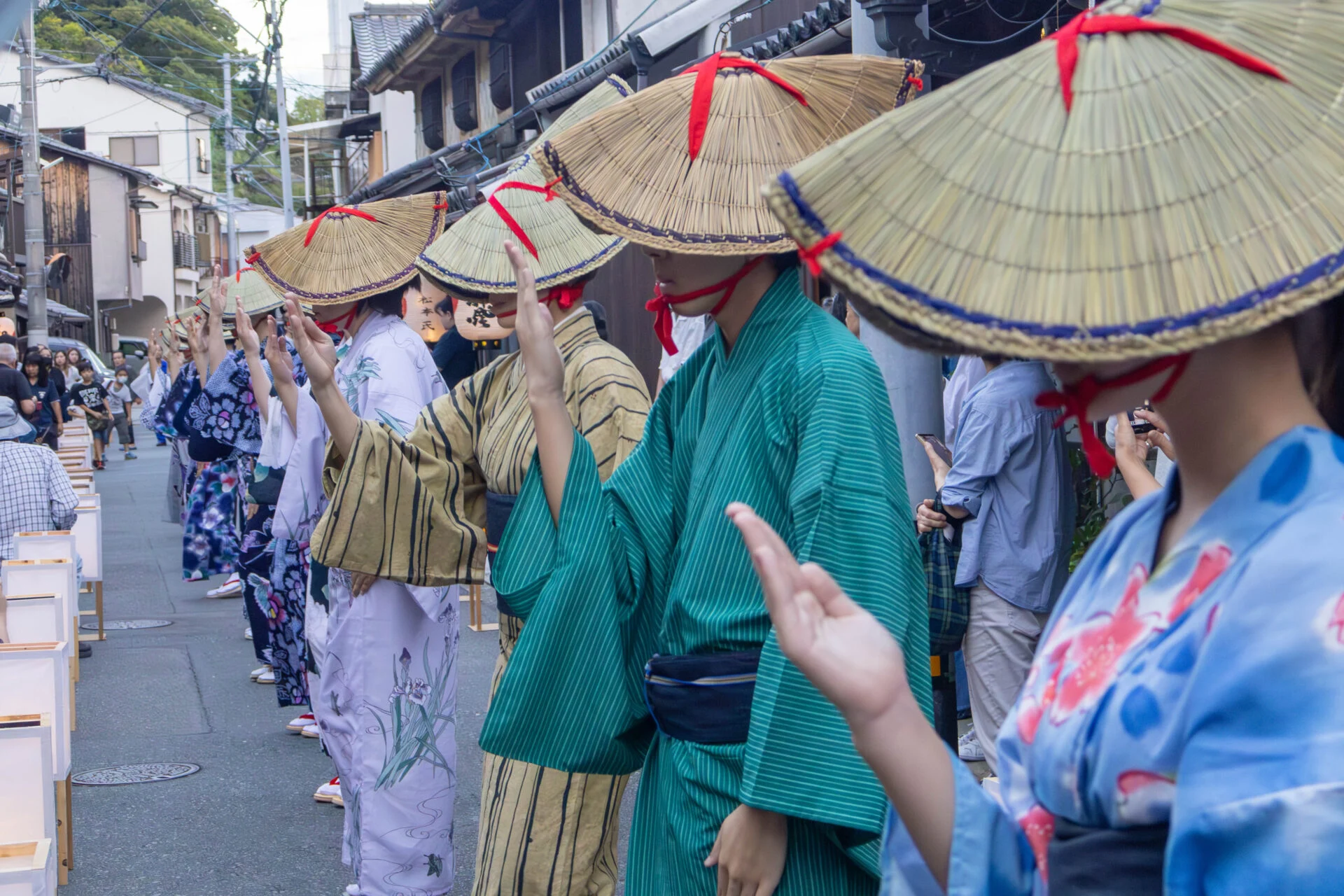
Many things come to mind, but first of all, Shimotsui-bushi itself serves as a central presence connecting the town and its people, and people with one another.
Today, depopulation and the declining birthrate and aging population are challenges across Japan, and honestly, I think it is difficult to change that situation. So how can we make a community positive and exciting despite these circumstances? I believe Shimotsui-bushi can play an important role.
I see the potential for Shimotsui-bushi to become a catalyst for revitalizing the community, and I want to help make that happen.
What does Shimotsui-bushi mean to local people?
Tsunomoto
When I talk with local people, I feel that Shimotsui-bushi is part of everyone's daily lives and a cherished memory of their hometown.
As someone who moved here, I speak from an outsider’s perspective when I say, “Shimotsui-bushi has such a rich history and so much depth—there’s nothing else quite like it.” But people born and raised in Shimotsui apparently don’t notice its appeal because it’s right under their noses.
Still, I feel that’s probably what local culture is like.
I’d be happy if this activity gave local people a chance to rediscover the appeal of Shimotsui-bushi.
What are your plans for the future?
Tsunoto
First, we want to create more opportunities to perform Shimotsui-bushi so the town does not become excessively crowded with spectators. To keep this going for the long term, we will continue our efforts and make improvements along the way.
In terms of building connections, the Shimotsui area is surprisingly large, so we also want to spread the Shimotsui-bushi community to people in parts of Shimotsui farther from the center.
Finally, we want to increase the number of Shimotsui-bushi supporters from outside the area.
Rather than to help our activities run smoothly, we want them to support Shimotsui-bushi as fans, cheering on what they love.
For example, we hope people will enjoy getting involved with Shimotsui-bushi from the perspective of a fan, saying things like, “I love the way this person dances” or “This yukata pattern is lovely.”
From the Writer
At a time when traditional performing arts are disappearing across Japan, I think it’s wonderful that a movement is underway for the community to unite and preserve Shimotsui-bushi.
Of course, introducing Shimotsui-bushi to new people is important, but I also think it’s vital for local people to rediscover its appeal as it is passed down to future generations.
Another appealing aspect is that even people who aren’t particularly good at singing or dancing can get involved as Shimotsui-bushi supporters. If you’re interested, be sure to check out Instagram.
I hope to support future efforts to pass down Shimotsui-bushi so that it can thrive both within and beyond the community.
Articles about Japan Heritage in Kurashiki City


What would you like to know about Kurashiki?
Enter a word to search articles on this site