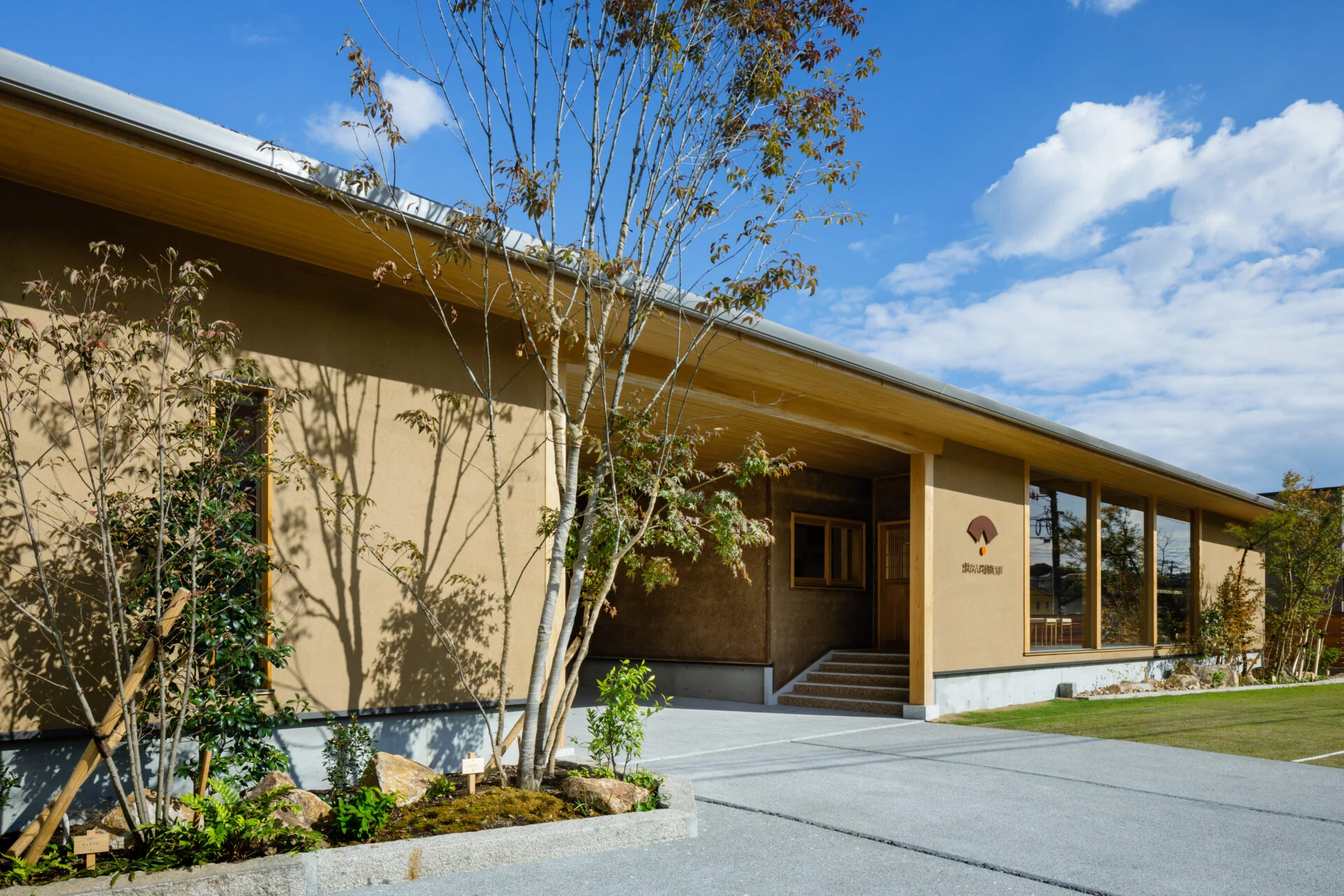
In Kojima, Kurashiki City, there is a construction company that has been in business for five generations since the Meiji era.
The office of Namba Architectural Workshop Co., Ltd. (hereafter, Namba Architectural Workshop) is located a 6-minute walk from JR Kaminocho Station.
They not only handle the construction of new houses, shrines, temples, and the restoration of old houses, but also support the people who live in and utilize these buildings.
We interviewed about the thoughts and techniques that Namba Architectural Workshop has inherited for over 130 years in home building.
We also spoke with the president, Masada Junya, about his journey as the fifth generation to take over the company and his initiatives since becoming president.
While valuing tradition, they continue to incorporate new perspectives—this is something to pay attention to.
What is Namba Architectural Workshop
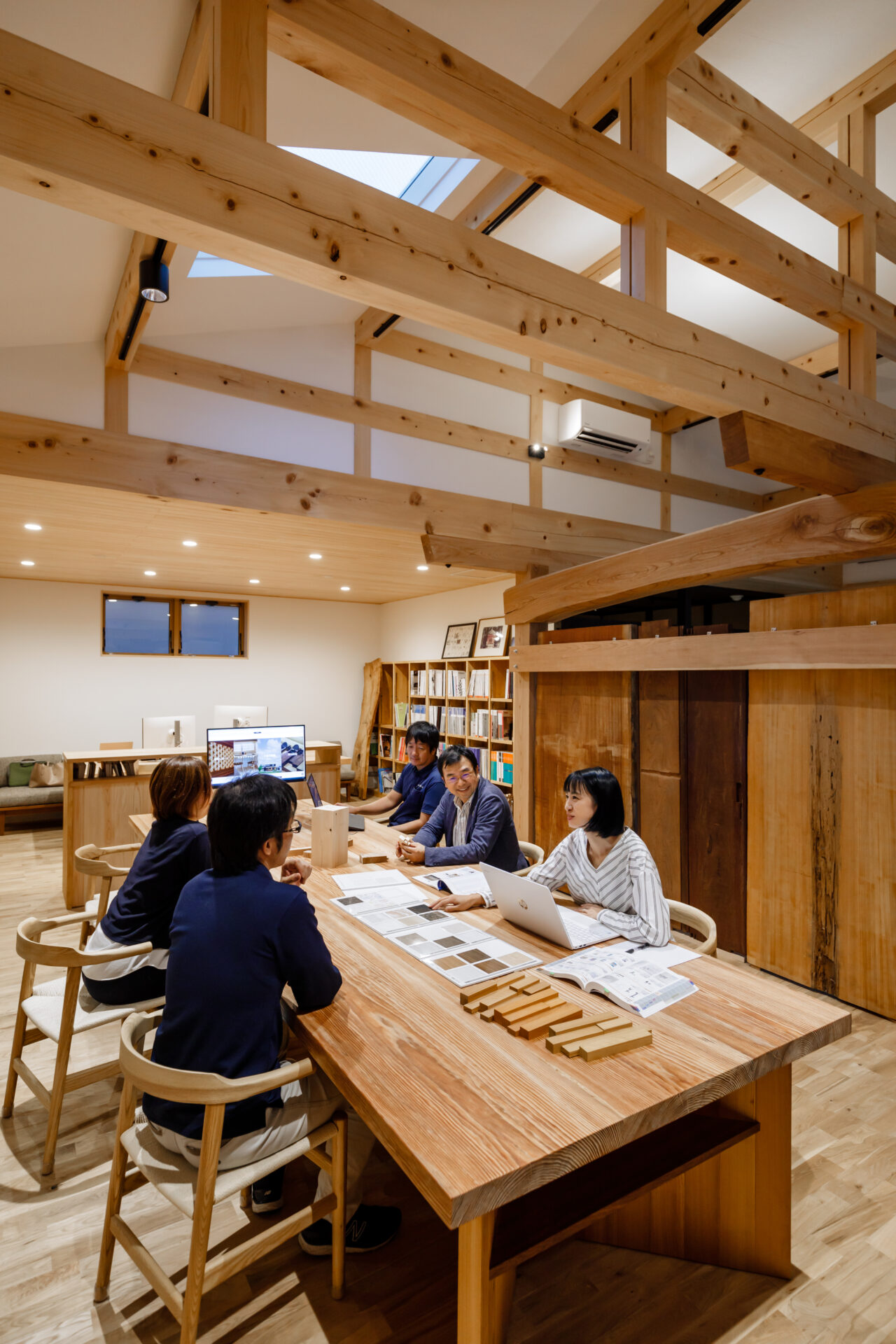
Namba Architectural Workshop is a construction company located in Kojima, Kurashiki City, that was founded in 1887.
Under the belief that houses where people live are created by human hands, they carry out home building while valuing the thoughts and techniques of craftsmen that have been passed down since the Meiji era.
New construction, restoration of old houses, and town revitalization
Namba Architectural Workshop currently operates six businesses.
- New construction
- Renovation
- Restoration of old houses
- Commercial buildings
- Shrines and temples
- Town revitalization
In addition to handling new construction and renovation of houses, shrines, temples, and commercial buildings, they also engage in restoration projects for old houses. President Masada serves as the chairman of the Okayama Prefectural Association of the Japan Old House Restoration Association, and they can handle everything from appraisal to investigation of old houses.
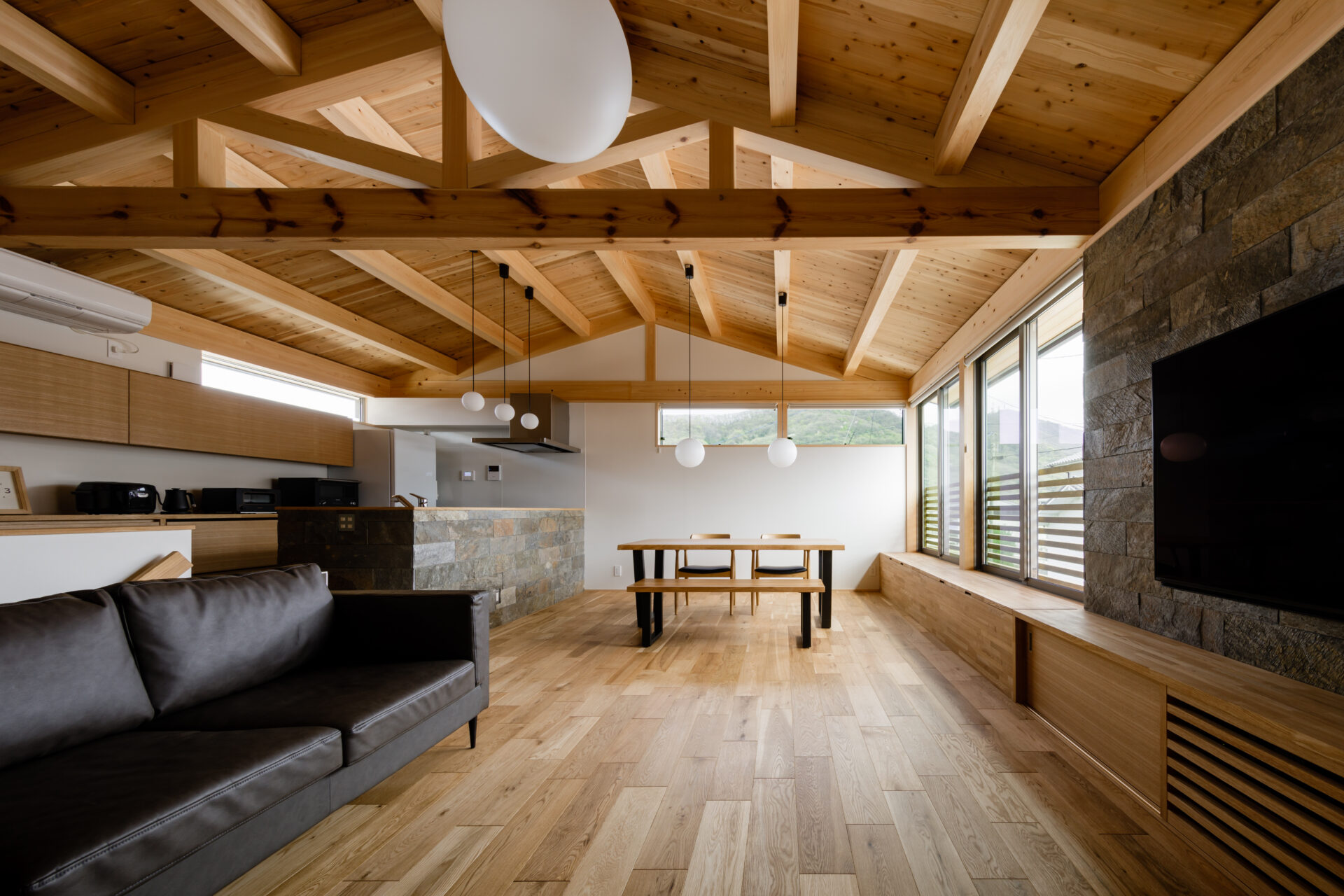
In the restoration of old houses, they not only carry out general restoration but also completely relocate old houses (an initiative called "RE: Old House"), and for those old houses deemed irreparable, they dismantle and utilize the old materials, thus broadening their range of responses.
In 2017, they established a town revitalization project. They launched the town revitalization group "Shimotsui Sea Village Project" in Shimotsui, Kurashiki City, addressing issues such as vacant houses and depopulation and aging from the perspective of a local construction company.
To let more people know about the charm of Shimotsui, they have also started activities such as "town guide" tours of Shimotsui and support for incoming residents.
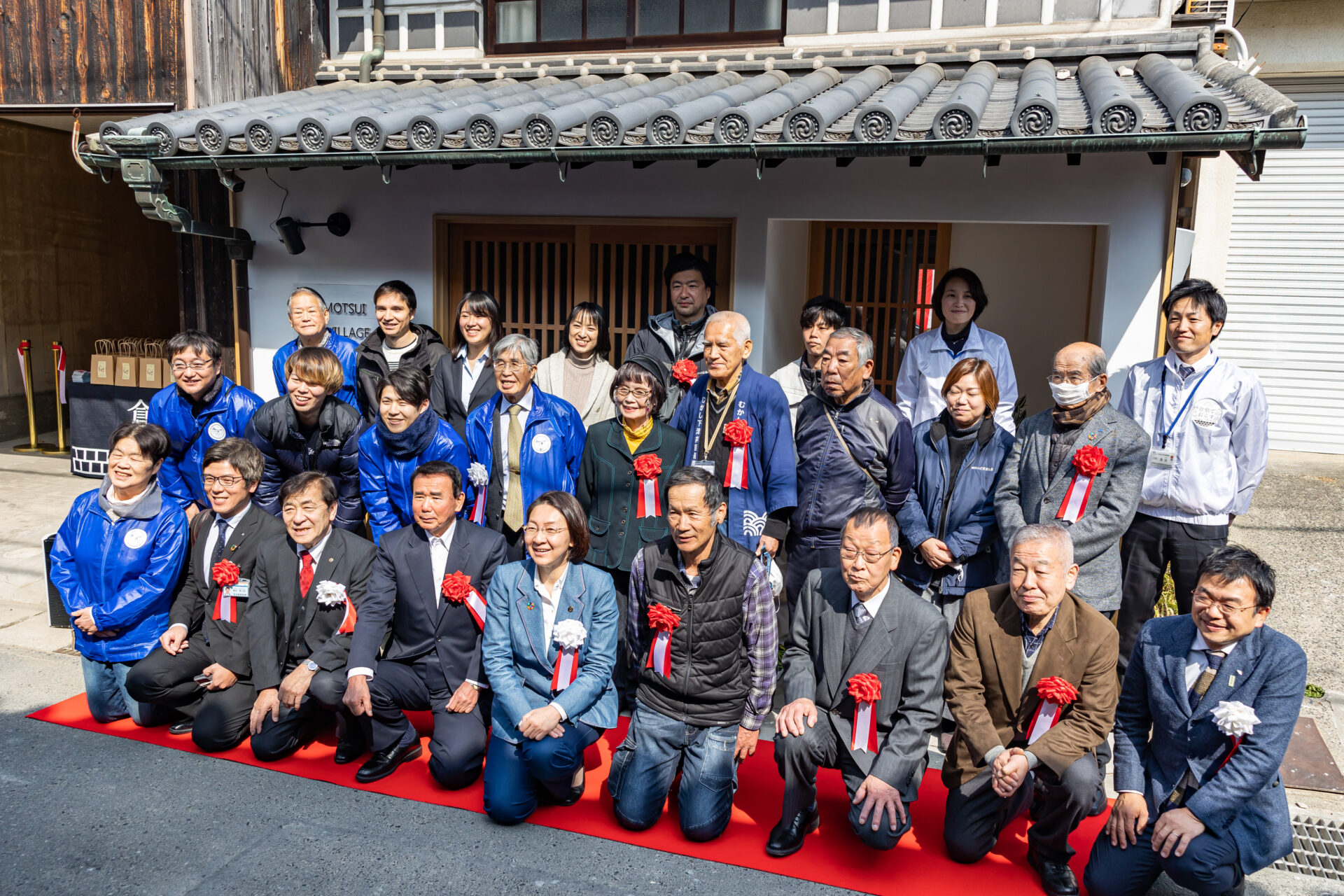
Thus, Namba Architectural Workshop is involved not only in construction but also in supporting the people who utilize the buildings.
There are three main features.
Employing craftsmen as employees
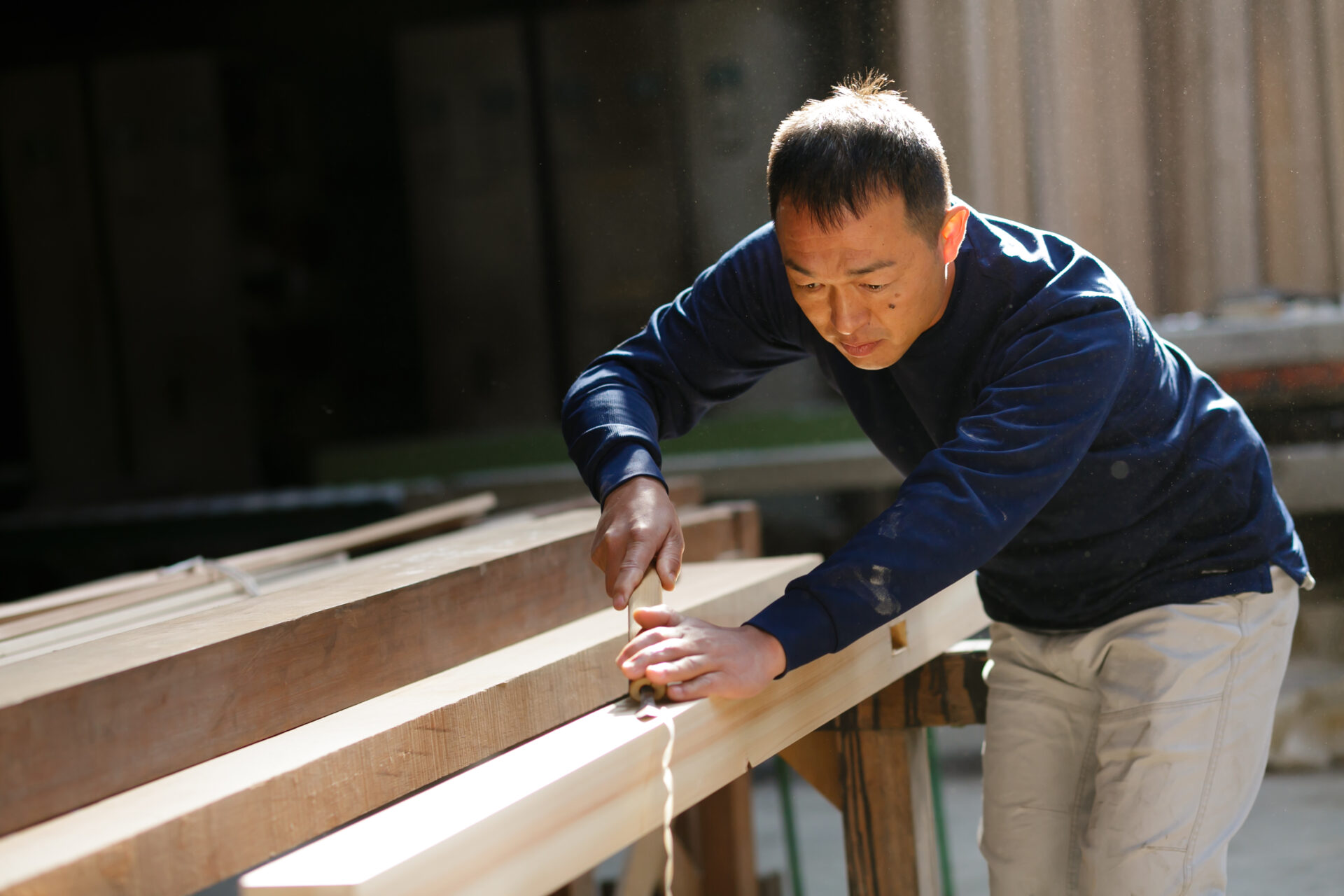
The work environment for craftsmen who build houses comes with risks such as injuries.
However, it is said that in the past, craftsmen had no guarantees if they were injured or fell ill.
Moreover, there were no opportunities for young craftsmen to learn the techniques.
Despite such times, it was the third-generation president, Namba Shigeki, who seriously inherited the techniques of craftsmen.
Furthermore, it was the fourth-generation president, Namba Kyoichiro, who realized the incorporation with the desire to "create a safe and secure working environment for craftsmen," inheriting Shigeki's thoughts and techniques.
Namba Architectural Workshop aims to pass down the mindset and thoughts of home building that have been inherited through generations to the next generation.
To continue realizing the belief that "houses where people live are created by human hands," they employ craftsmen as employees and are committed to their training.
Storing materials in their own warehouse. Also utilizing old materials from the dismantling of old houses
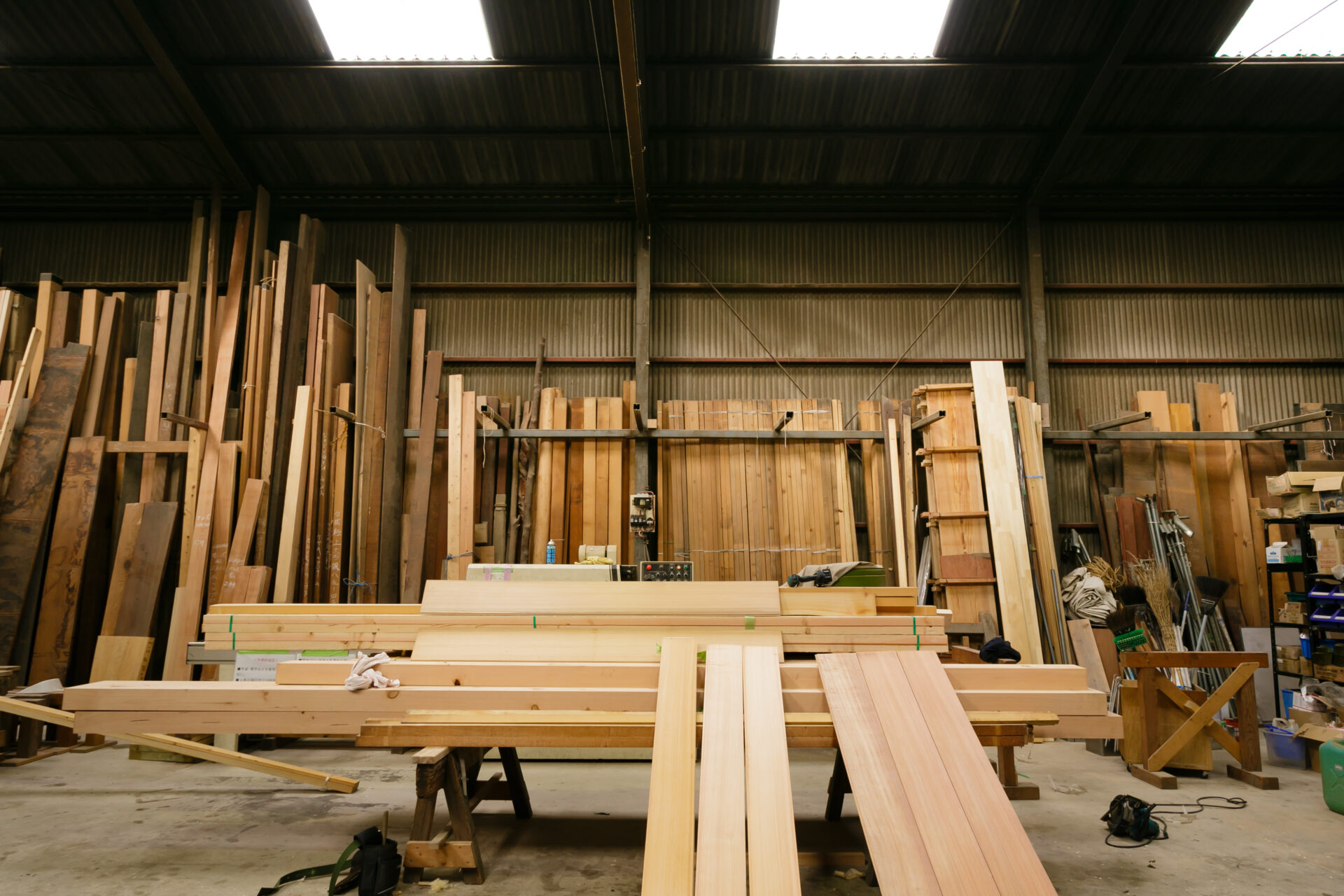
Namba Architectural Workshop aims to create houses that can be lived in for 100 years.
To achieve this, it is important to choose materials that have strength and durability.
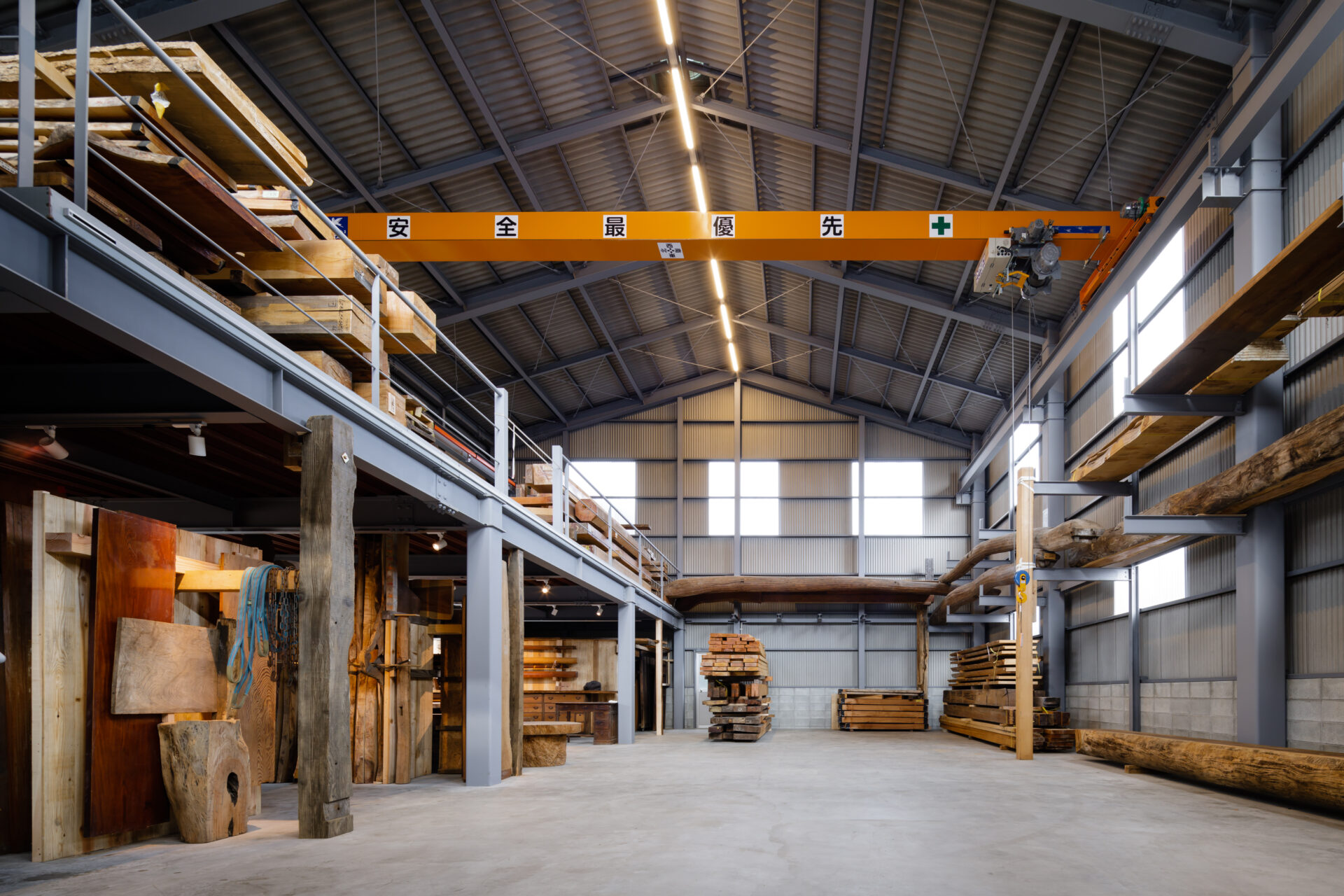
Namba Architectural Workshop carefully selects materials such as domestic cypress solid wood and owns various types of wood suitable for counters, pillars, flooring, etc., in their four warehouses.
According to President Masada, "They stock a number of materials that rival those of lumber yards."
Additionally, next to the office, there is an old materials warehouse where they store valuable materials such as beams, pillars, and fittings from dismantled old houses and utilize them.
Solid wood refers to lumber cut directly from logs. Unlike processed wood made by joining pieces together, it is all from the same tree, resulting in a single board. It is said to allow enjoyment of the natural wood aroma and gains character the more it is used.
Supporting not only construction but also the people who live in and utilize the buildings
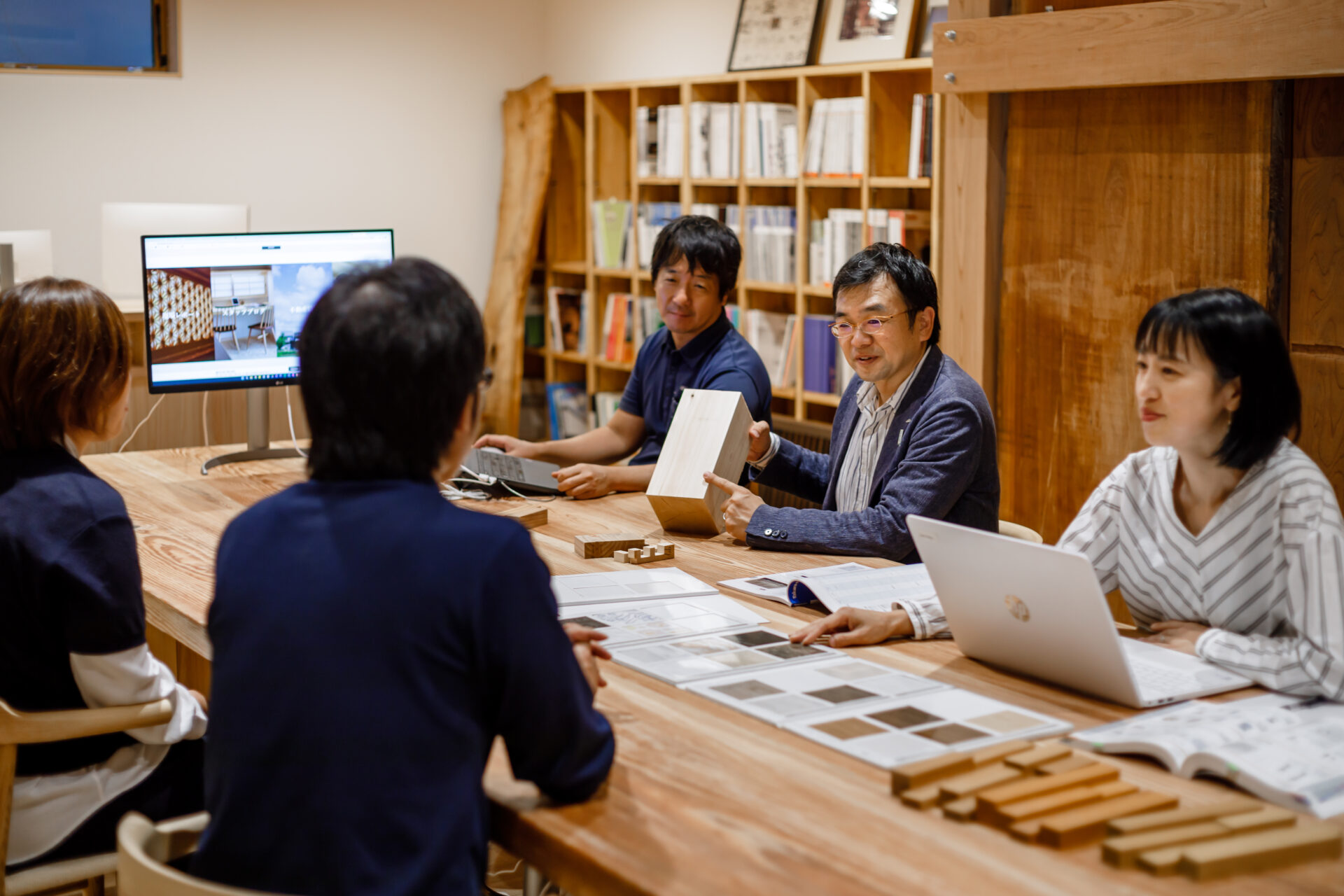
Namba Architectural Workshop's home building is characterized by integrated implementation from proposal to aftercare.
They also have a commitment to suggesting custom furniture, electrical wiring, and lighting fixtures that fit traditional Japanese living environments.
They provide detailed follow-up to ensure that customers can continue to live comfortably for 100 years.
In addition, in the restoration of old houses and town revitalization, they are active in ensuring that old houses, which symbolize Japan's living culture, are not demolished but passed on.
To energize the community, they plan and operate events that draw attention to Shimotsui, address vacant houses, and provide consultation for those considering relocation, all in cooperation with local government.
Thus, Namba Architectural Workshop is characterized by not only home building but also supporting the people who live in and utilize the buildings.
We spoke with the fifth-generation president, Masada Junya, about taking over the company, the developments after taking over, and the thoughts he values.
Interview with the fifth-generation president, Masada Junya
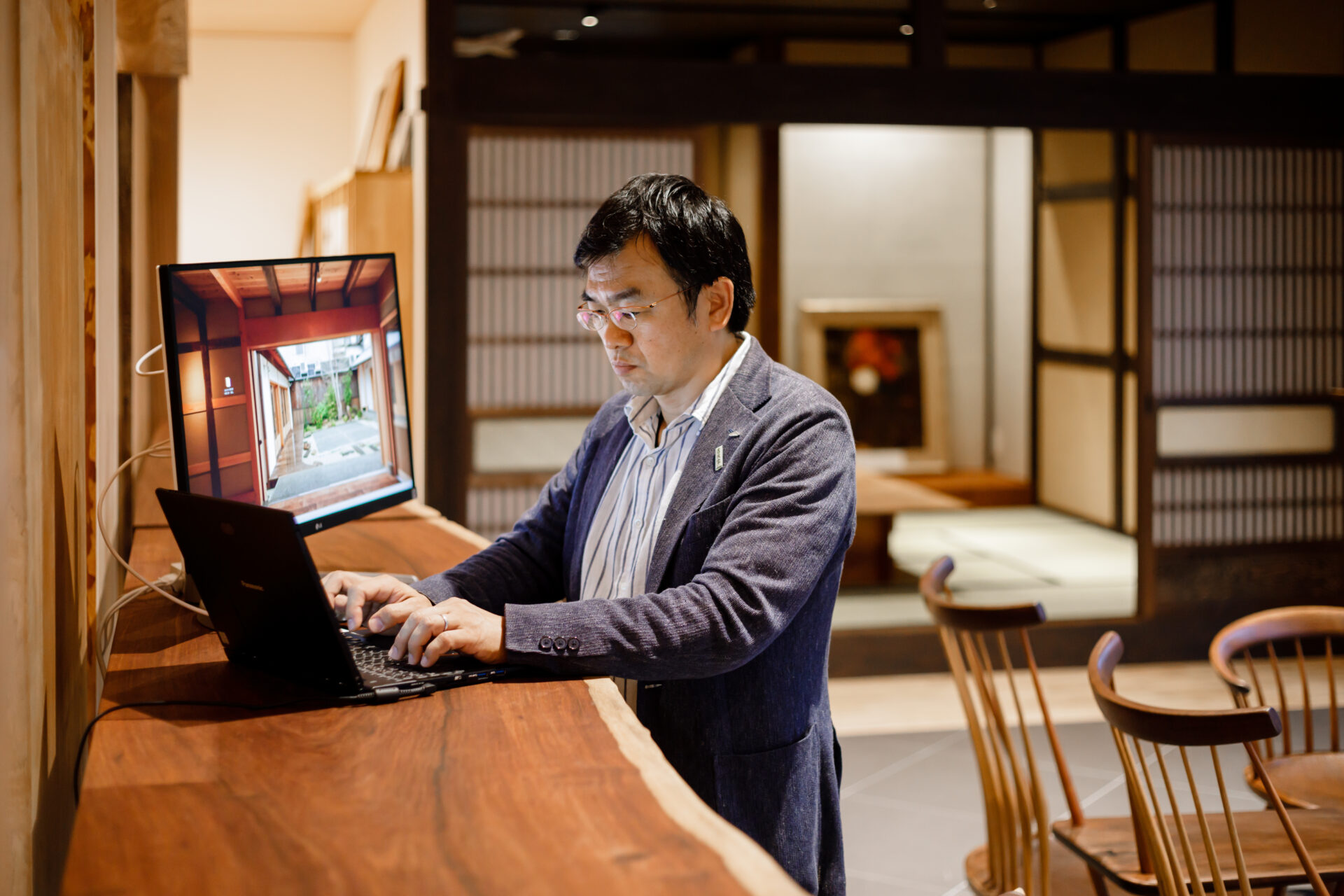
We spoke with Masada Junya, the fifth-generation president, about taking over the company, the developments after taking over, and the thoughts he values.
I was impressed by the wonderful houses that are carefully built
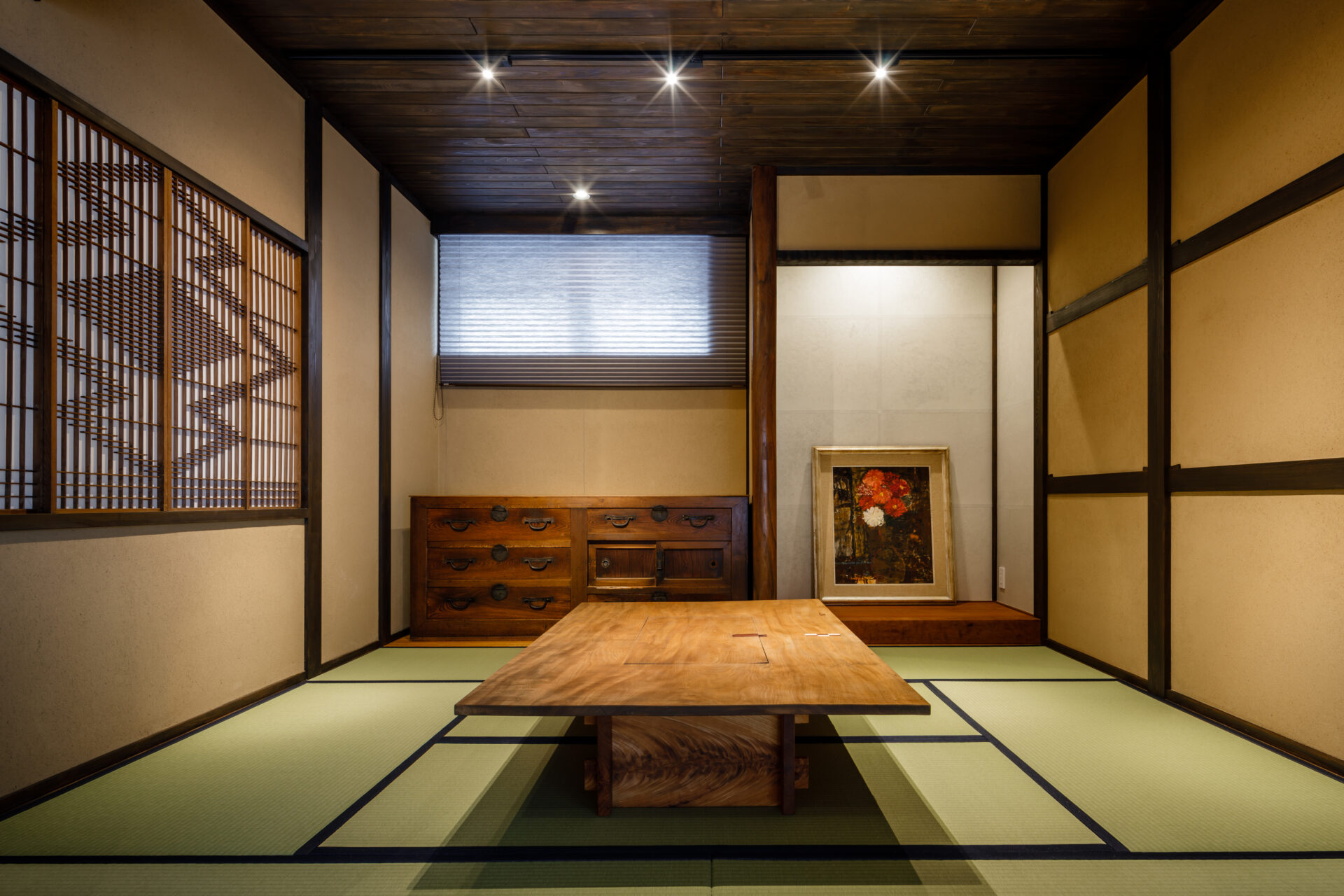
Please tell us about your encounter with Namba Architectural Workshop and how you became president.
Masada (no honorifics)
Namba Architectural Workshop was managed by my father-in-law as the fourth generation.
Shortly after marrying my wife, my father-in-law, who was then the president, invited me to "come see a single-story house we are having an open house for," and that was the beginning.
I still vividly remember the moment I stepped inside the house.
There was a wonderful aroma of wood, and I was enveloped in an atmosphere that was unlike anything I had ever felt. I was impressed and thought, "This is a wonderful house that is carefully built."
Having worked at a construction company before, I suppose I could tell from the atmosphere that it was a carefully built house.
A few years later, I decided to leave my previous job after ten years of service, and in 2006, I joined Namba Architectural Workshop.
After working as an employee for seven years, I took over as president in 2013.
I understand you worked at a construction company before, but were you originally interested in home building?
Masada
No, working at a construction company was by chance.
I was born in Osaka, raised in Nara, and started living in Okayama when I entered Okayama University of Science.
I had no money and spent a lot of time working part-time, but I enjoyed serving customers at the restaurant where I worked at the time. During my job search, I applied only for positions where I could talk to people, such as customer service and sales.
One of those was a construction company based in Kurashiki, and I ended up working there as a salesperson due to a fortunate connection.
At university, I studied mathematics, science, chemistry, and earth science, so I had almost no interest or knowledge in architecture.
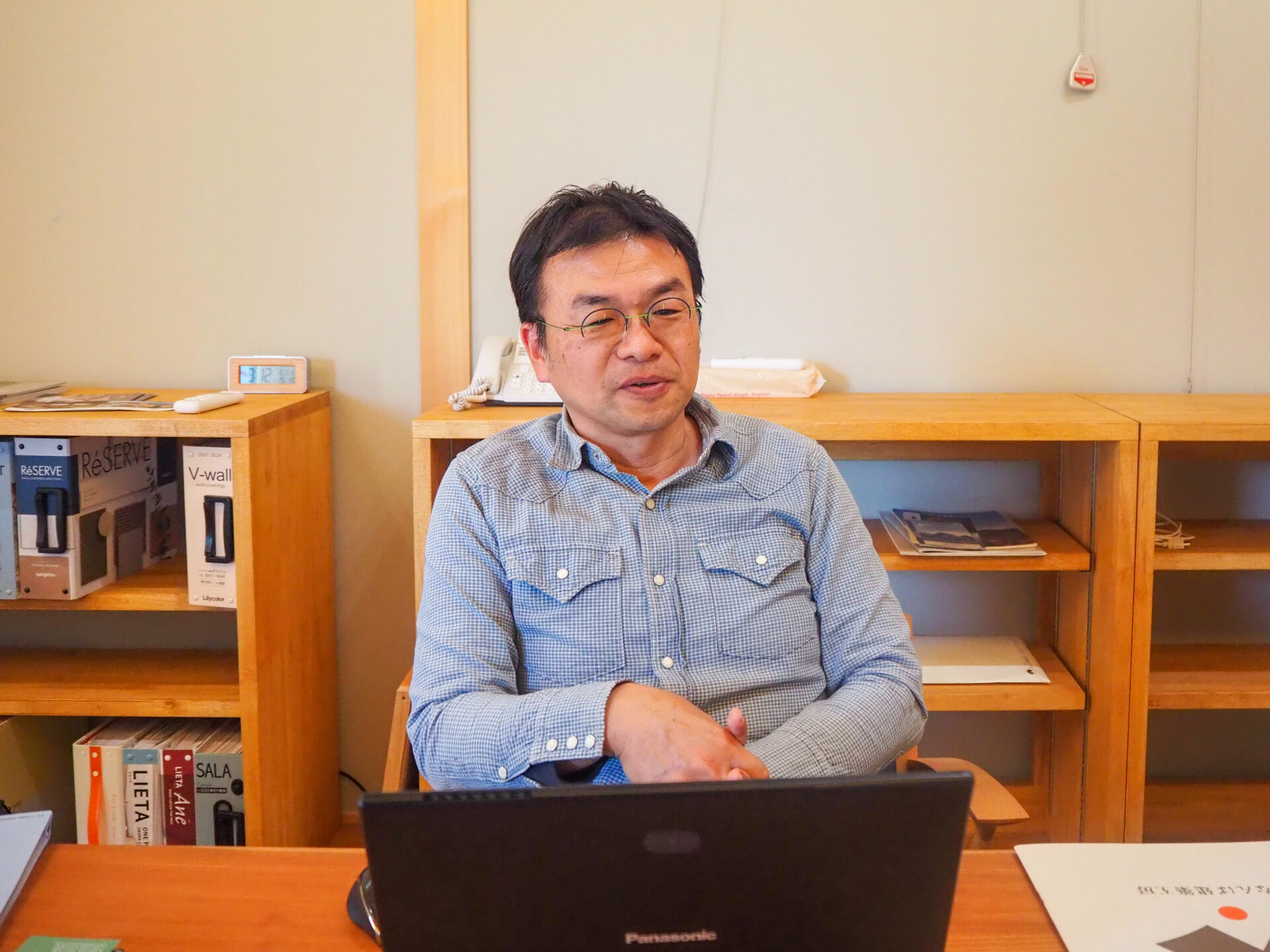
Was it difficult at first?
Masuda
To acquire basic knowledge about building houses, I was selling houses desperately while obtaining qualifications such as a real estate transaction specialist.
Right after I joined the company, I was excited to hear that we would be opening a branch in Kobe, as I wanted to live in Kobe (laughs), but the work was tough.
During the bubble period, the housing industry was rapidly building houses. It was more of a world where people were “buying” rather than “building” houses.
However, as sales gradually became tougher, I discussed with the then-president about the way of building houses, and we received support from many customers. Previously, only 2 to 3 groups would attend our open house events, but we had over 70 groups come to visit.
At that time, I truly felt that it was good to have come into the construction industry.
A Comfortable Home Inherits Japan's Living Culture
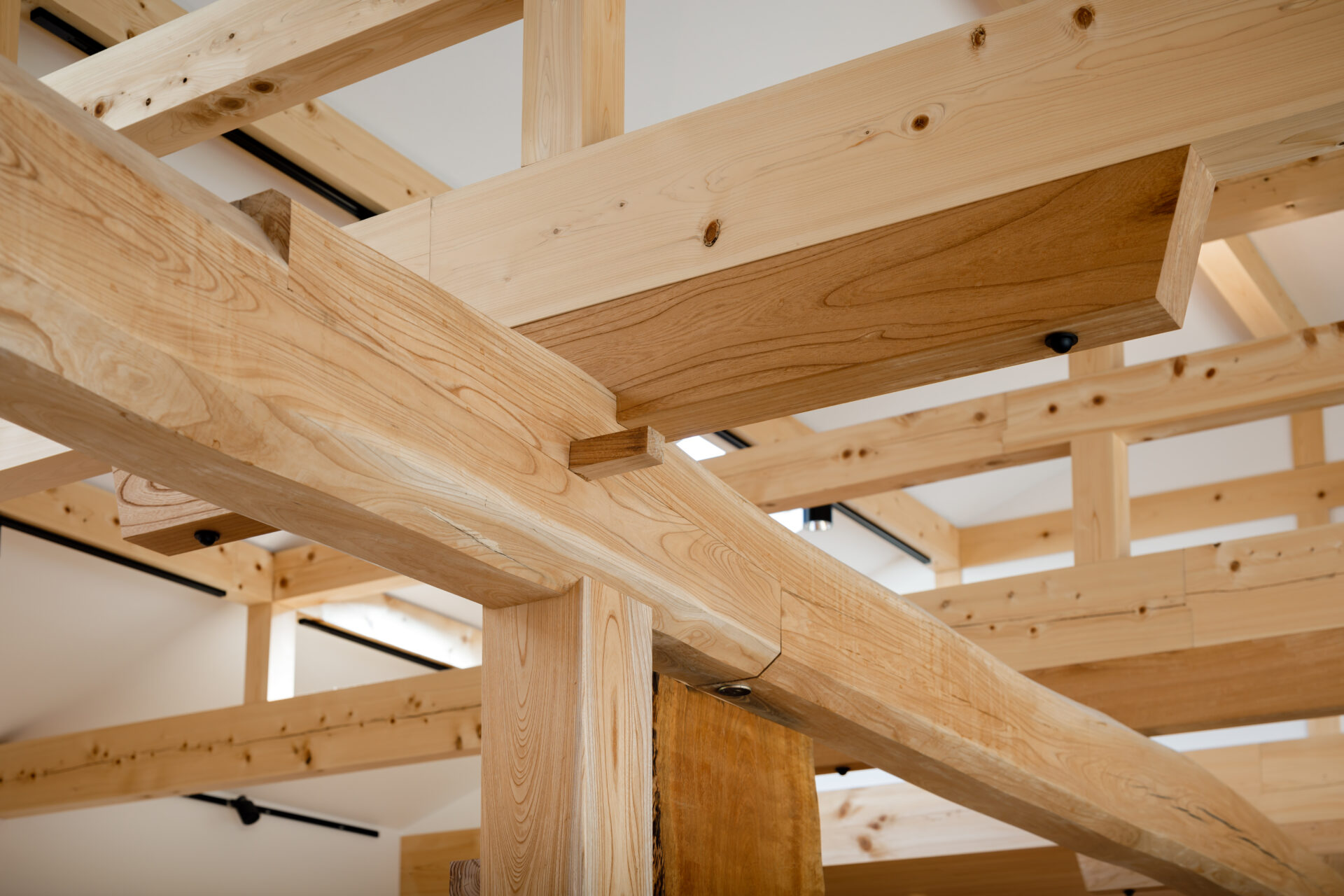
After seven years as an employee, you became president. What were your thoughts when you decided to take over the company?
Masuda
I knew that the time would come when I would take over, but when the timing actually arrived, I felt, “It’s a heavy responsibility to inherit a historic company…”
I was so anxious that it made my stomach hurt, but I was able to steel myself because I wanted to pass on the thoughts and skills of the craftsmen that have been inherited at Namba Architectural Workshop to the next generation.
I was moved when I first saw our company’s houses, and the more I learned after joining, the more I felt, “These houses can only be built because of the thoughts and skills of the craftsmen.”
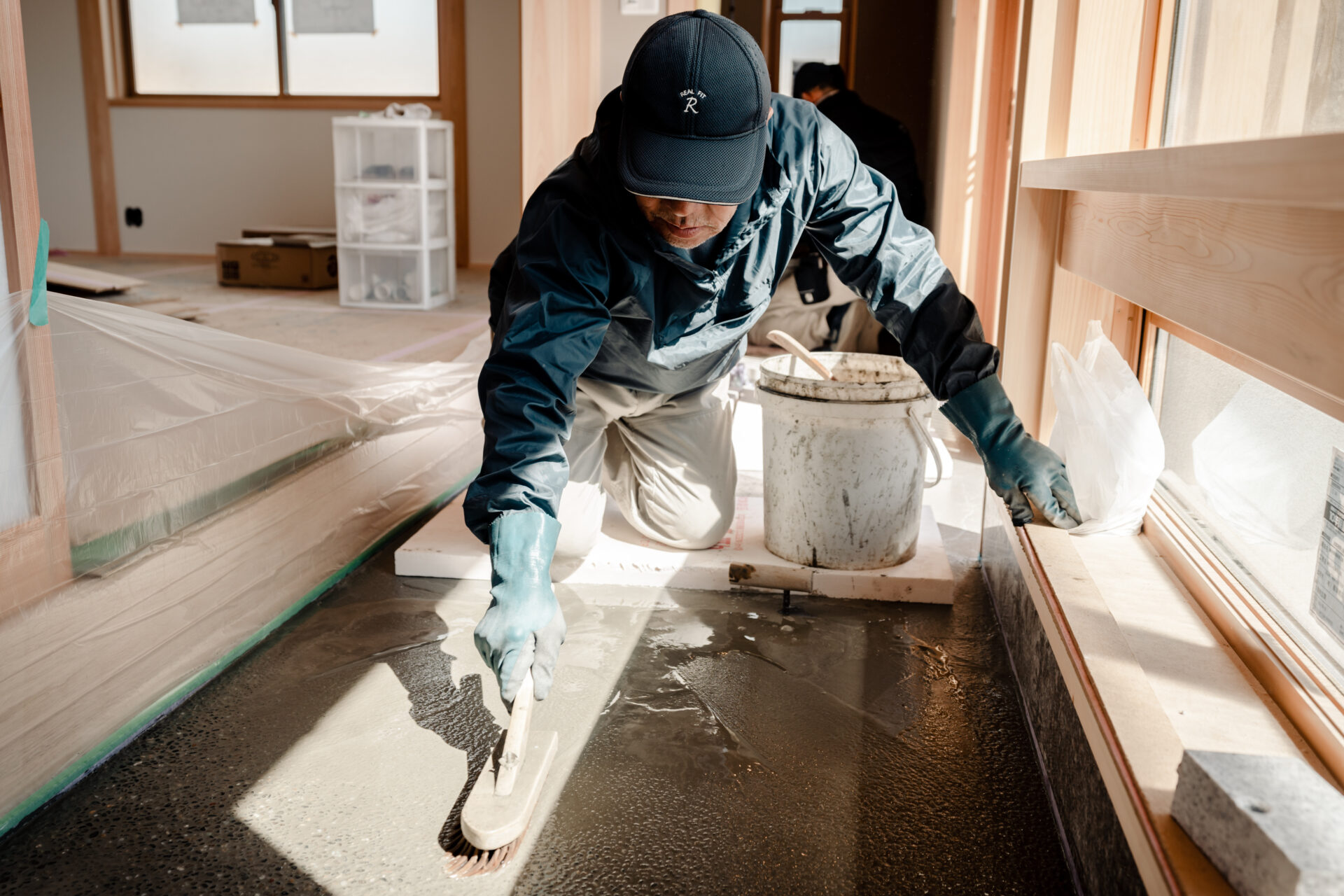
It is because of the thoughts and skills of the craftsmen that houses can be built.
Masuda
I might think this way because I grew up in a housing complex.
For me, who lived with my family in a small room and was not from a wealthy family, the solid houses made of wood look fresh.
From your perspective, President Masuda, where do you feel the greatness of the craftsmen and the charm of house building at Namba Architectural Workshop?
Masuda
I believe that the craftsmen at Namba Architectural Workshop inherit Japan's living culture.
The thoughts and skills inherited from tradition are reflected in the houses, which is why people feel, “Namba's houses are good.”
The reasons I think they are good include that even if it takes time, manually shaving wood makes it less likely to get dirty, and the skill to align corners precisely allows for window and door frames to be made of wood, and that the houses are built with techniques that make Japanese people feel comfortable living in them. There are countless examples.
These may sound like small techniques, but I believe that houses made with such care can be cherished and lived in for many years.
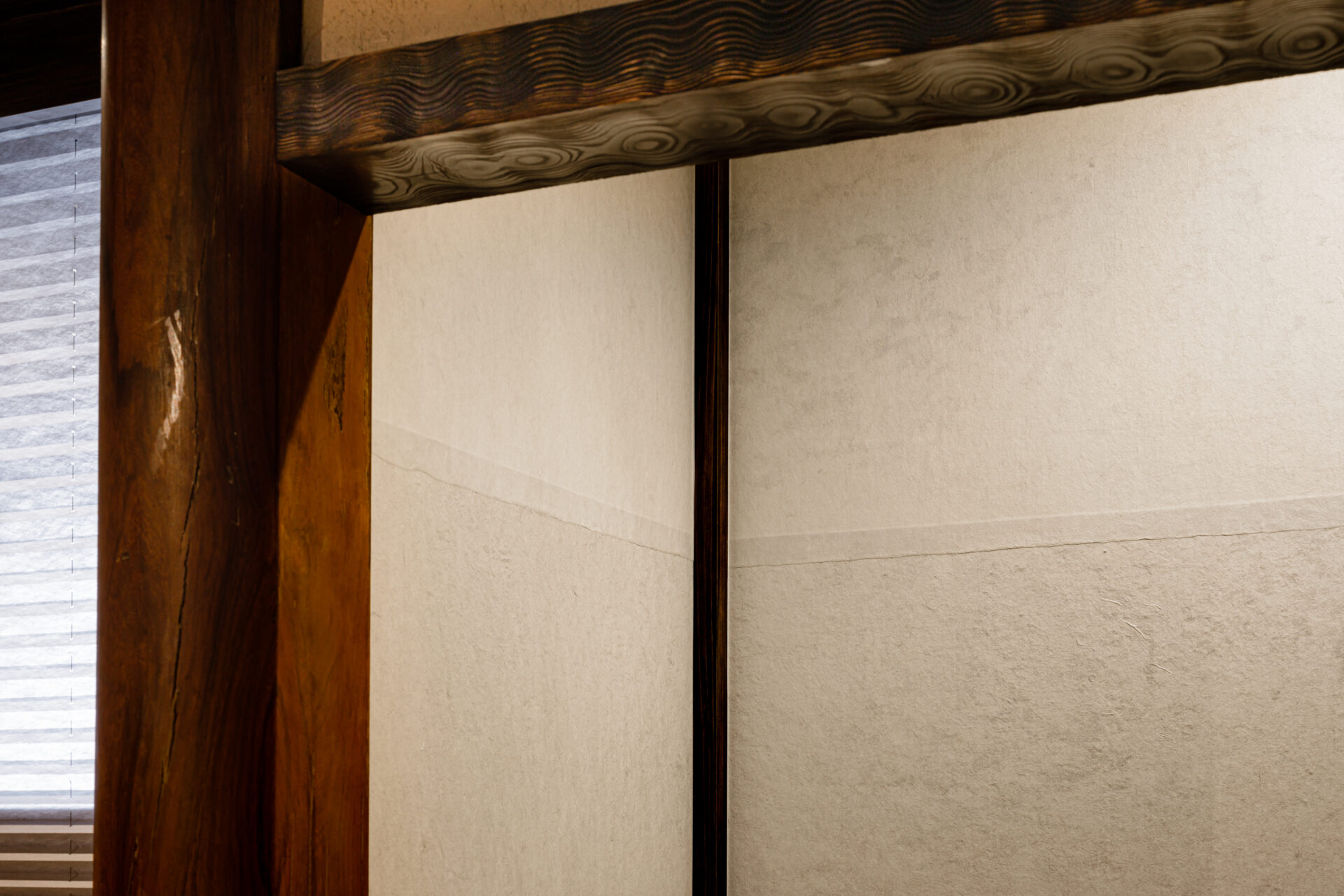
In terms of Japan's living culture, the “guest room” is built in the brightest spot closest to the entrance.
The “tokonoma” where the family spends time is located deeper inside the house and does not receive much sunlight.
This reflects the Japanese spirit of hospitality, which is to want guests to feel comfortable first.
House building is exactly the same; small techniques and little considerations create a comfortable space for customers.
I am not a craftsman, so I cannot understand all the thoughts and skills, but I can convey the thoughts and skills that moved me to many people and pass them on.
I genuinely think that Japan's living culture is wonderful, and that houses built by craftsmen who cherish it are great.
While Pursuing Good House Building, I Want to Be a Construction Company That Benefits the Community
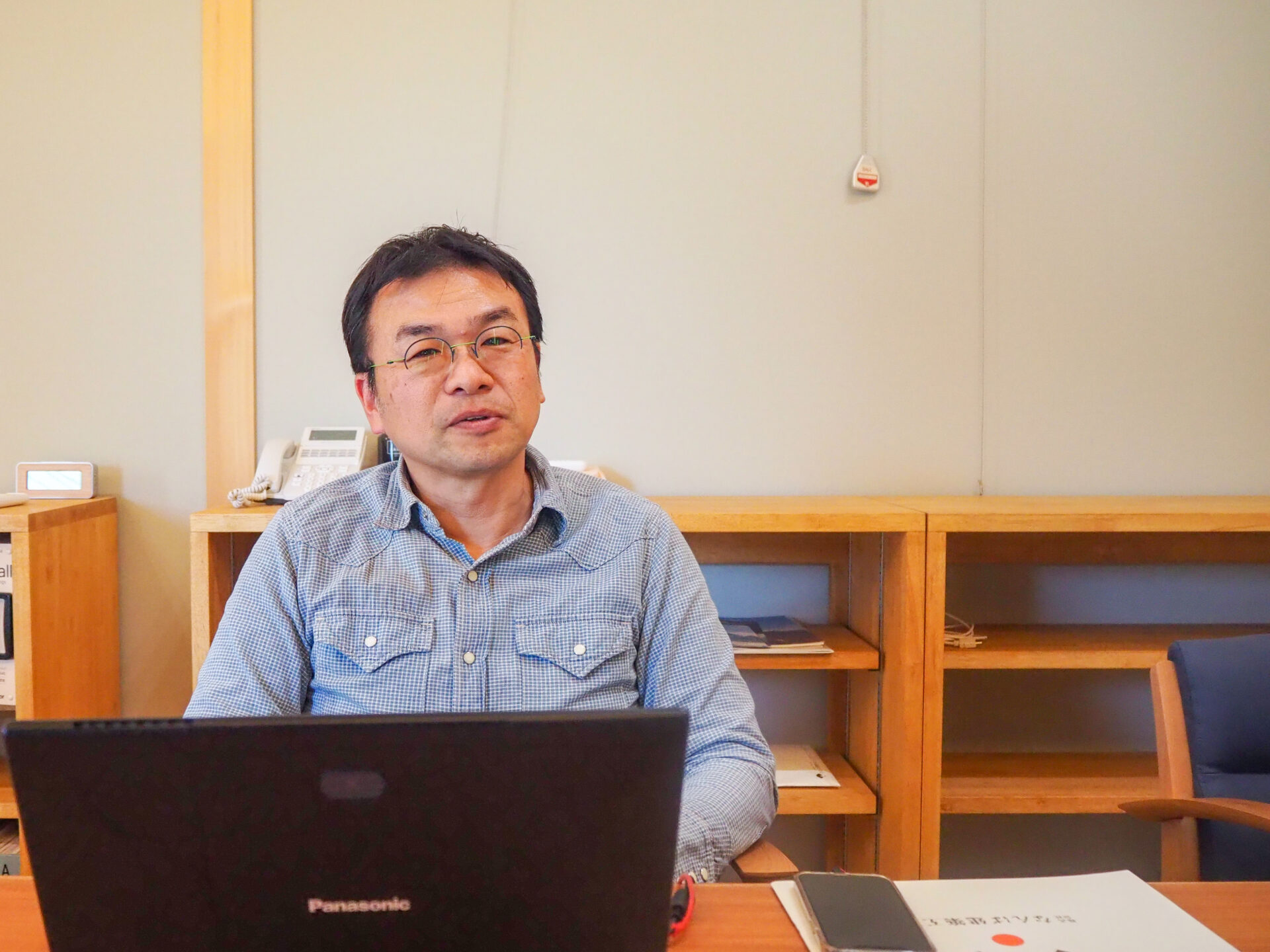
Now, you are not only building houses from scratch but also engaging in the restoration of old houses and community revitalization.
Masuda
Yes. The restoration of old houses was started to inherit the thoughts and skills of craftsmen.
However, I realized that if the town itself is not vibrant, there will be no residents or users for the restored old houses.
So, I decided to start community revitalization projects, such as holding events to attract people to the town.
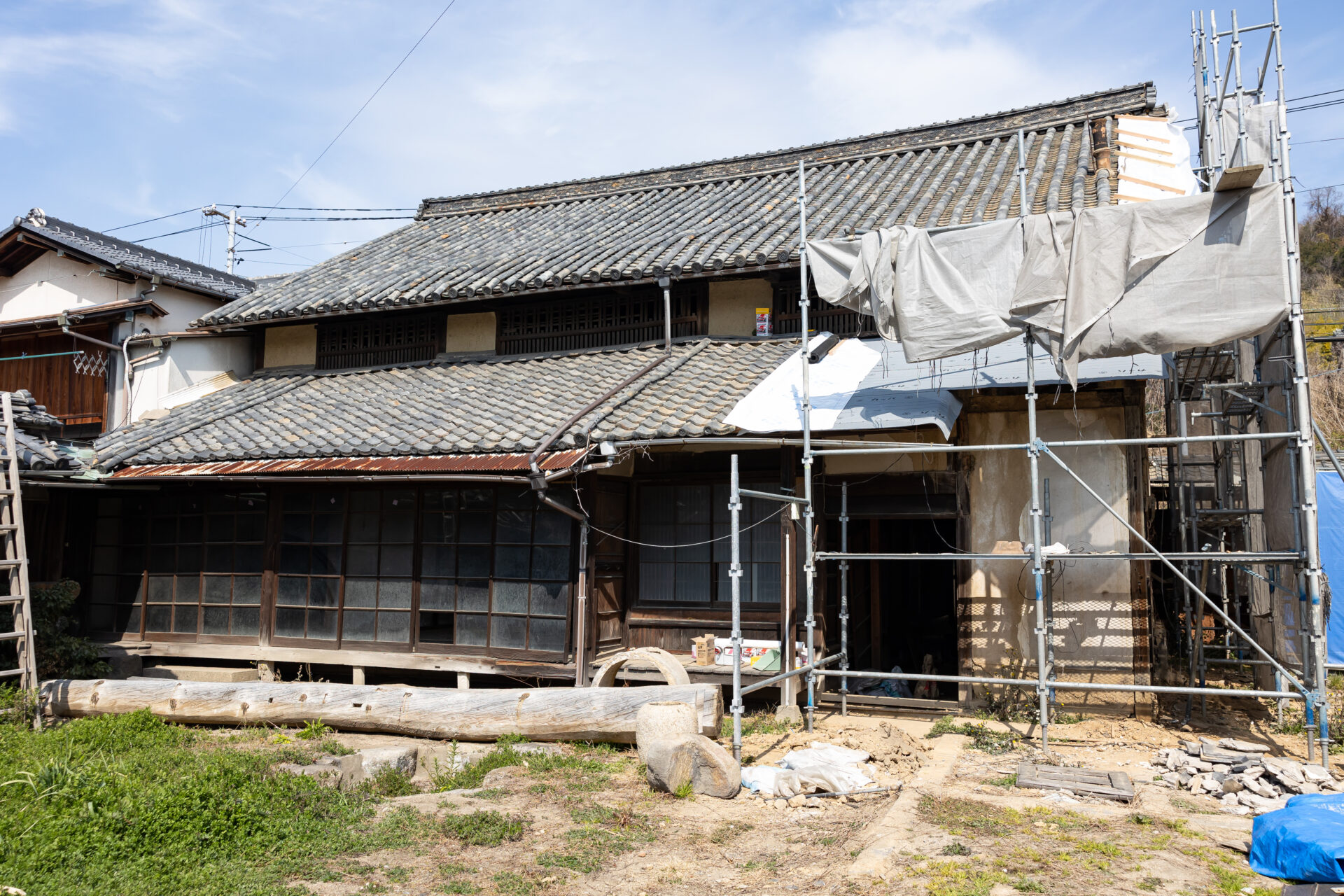
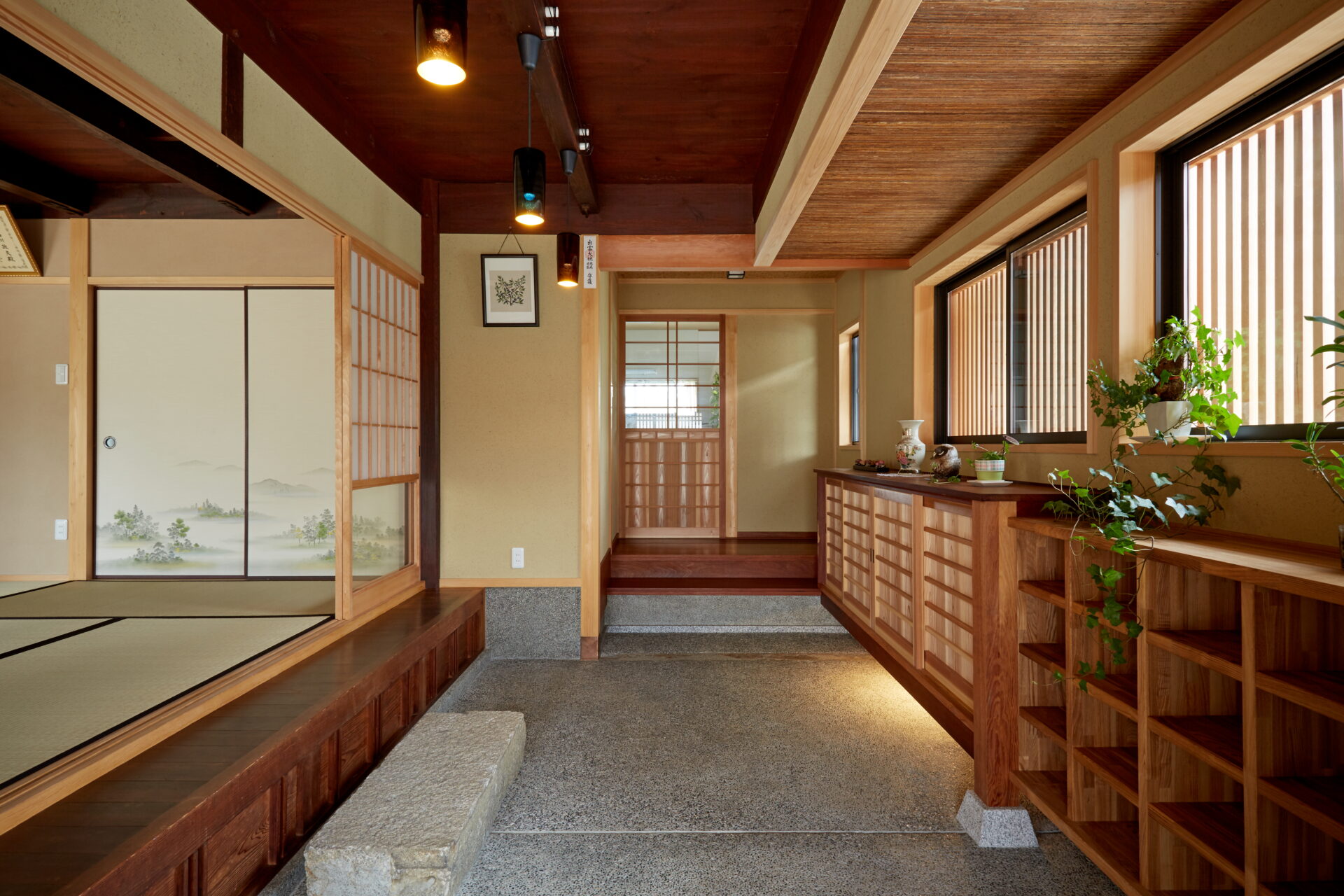
Fortunately, I have been meeting more people, and I have started receiving inquiries from those who want to live in Kurashiki or consult about utilizing vacant houses, and we have even begun supporting newcomers.
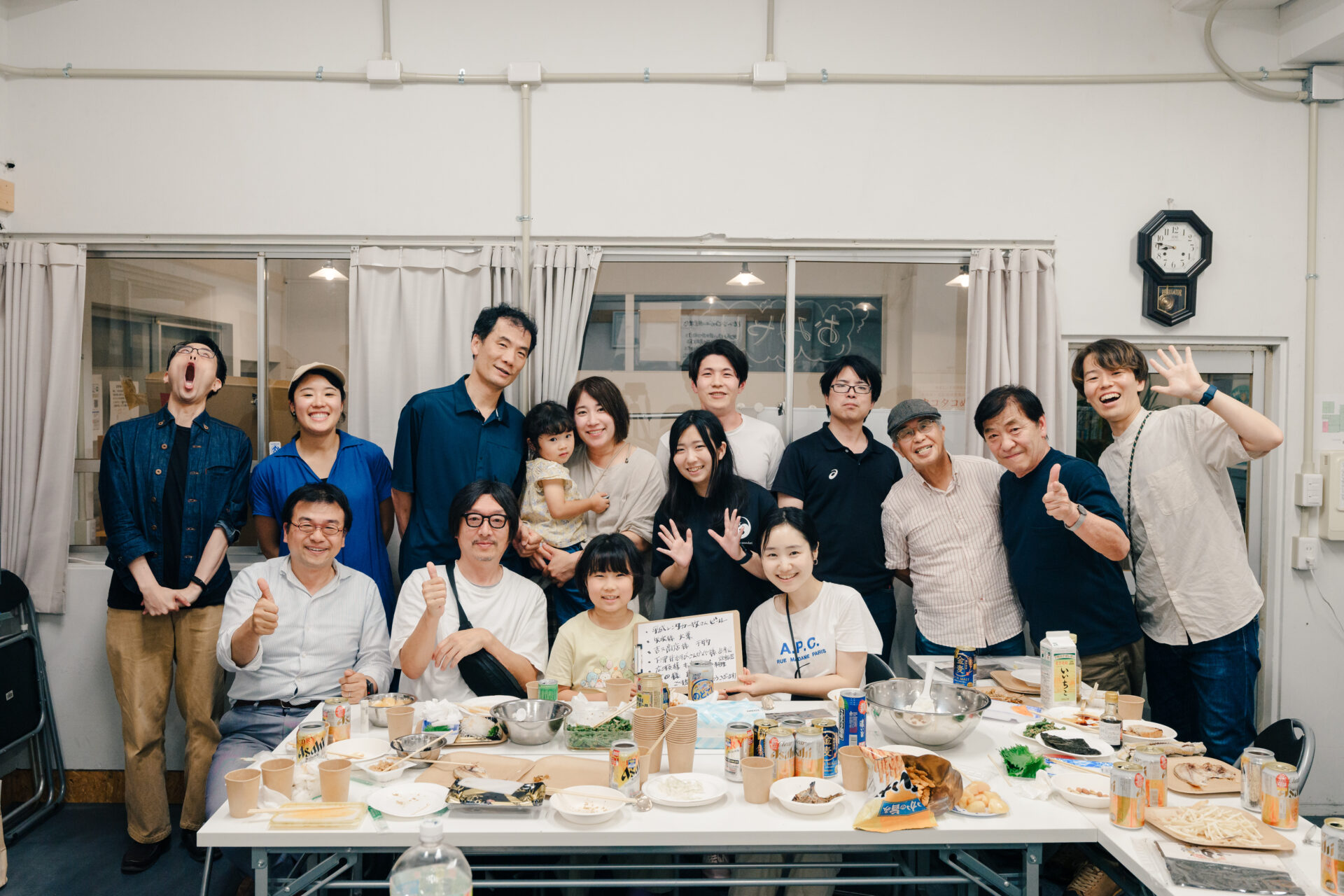
Thanks to this, two newcomers have joined our company.
While valuing tradition, I also think it is important to incorporate new values and change, so I am grateful to the two who have become a new breeze.
Please tell us your goals for the future.
Masuda
I want to create good houses with the thoughts and skills of craftsmen. I also want to be a company that carefully engages with customers and the community while cherishing the thought of improving the region.
Restoration of old houses and community revitalization may seem like new initiatives, but if you trace our company’s history, you will find that we have been a company that has always aimed to give back to the community.
For example, there was a time when we donated a portable shrine (mikoshi) made after work for the local danjiri festival.
The founder was born in Kojima and started working in Kojima, so I believe that the thought of “for the community” has always been there since before the business took shape.
And that thought has been passed down to my generation. I want to cherish that thought and pass it on to the next generation as well.
I want to continue pursuing good house building while being a construction company that benefits the community.
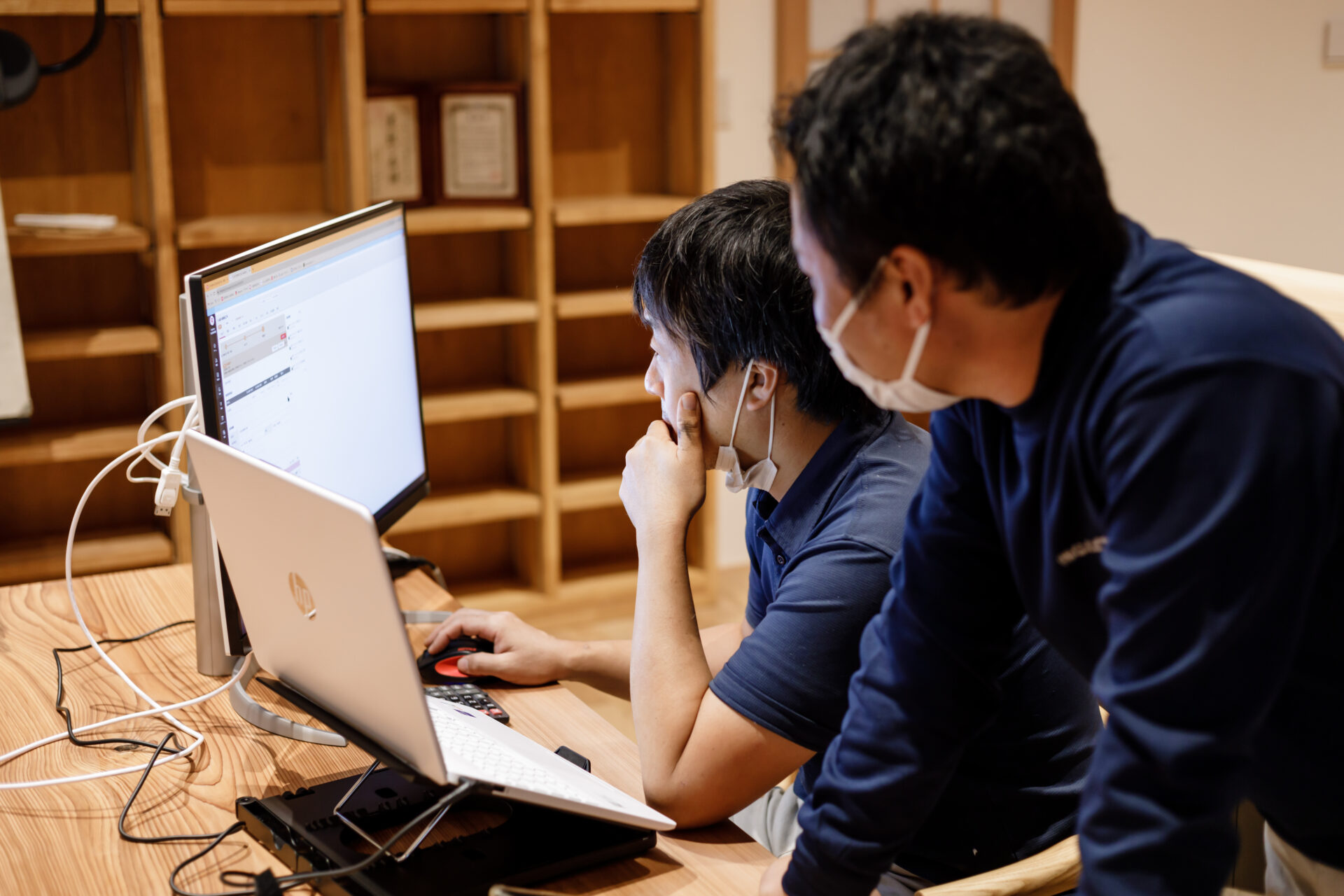
Finally, please give a message to the readers.
Masuda
If you have any concerns about housing, please feel free to consult with us.
In recent years, inquiries about vacant houses, which have become a social issue, have particularly increased.
Vacant houses come with various problems, such as “Can it be used or not?”, “Can it be sold or rented?”, “Does it need to be demolished?”, and “What should I do about inheritance?”
If you consult with us, we can provide many suggestions, such as “The house itself may not be usable and needs to be demolished, but the old materials can be reused” or “The house on the mountain may not be livable, but if it is relocated to a more convenient location, it can become livable.”
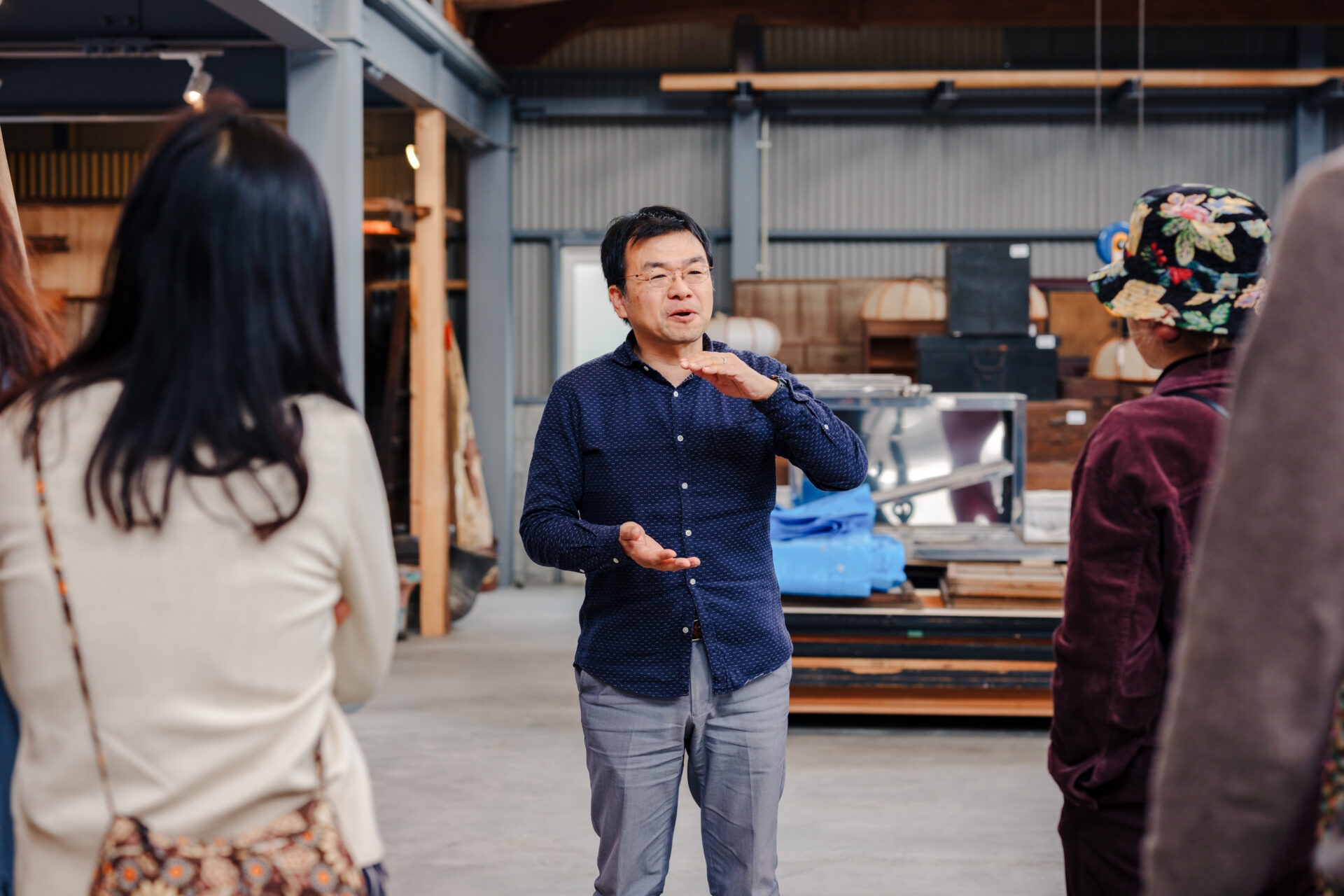
At Namba Architectural Workshop, we have craftsmen with skills who inherit the thoughts of Japan's living culture, so we would be happy if you could rely on us.
I want to continue activities to preserve Japan's living culture, even if it is just one more house.
Conclusion
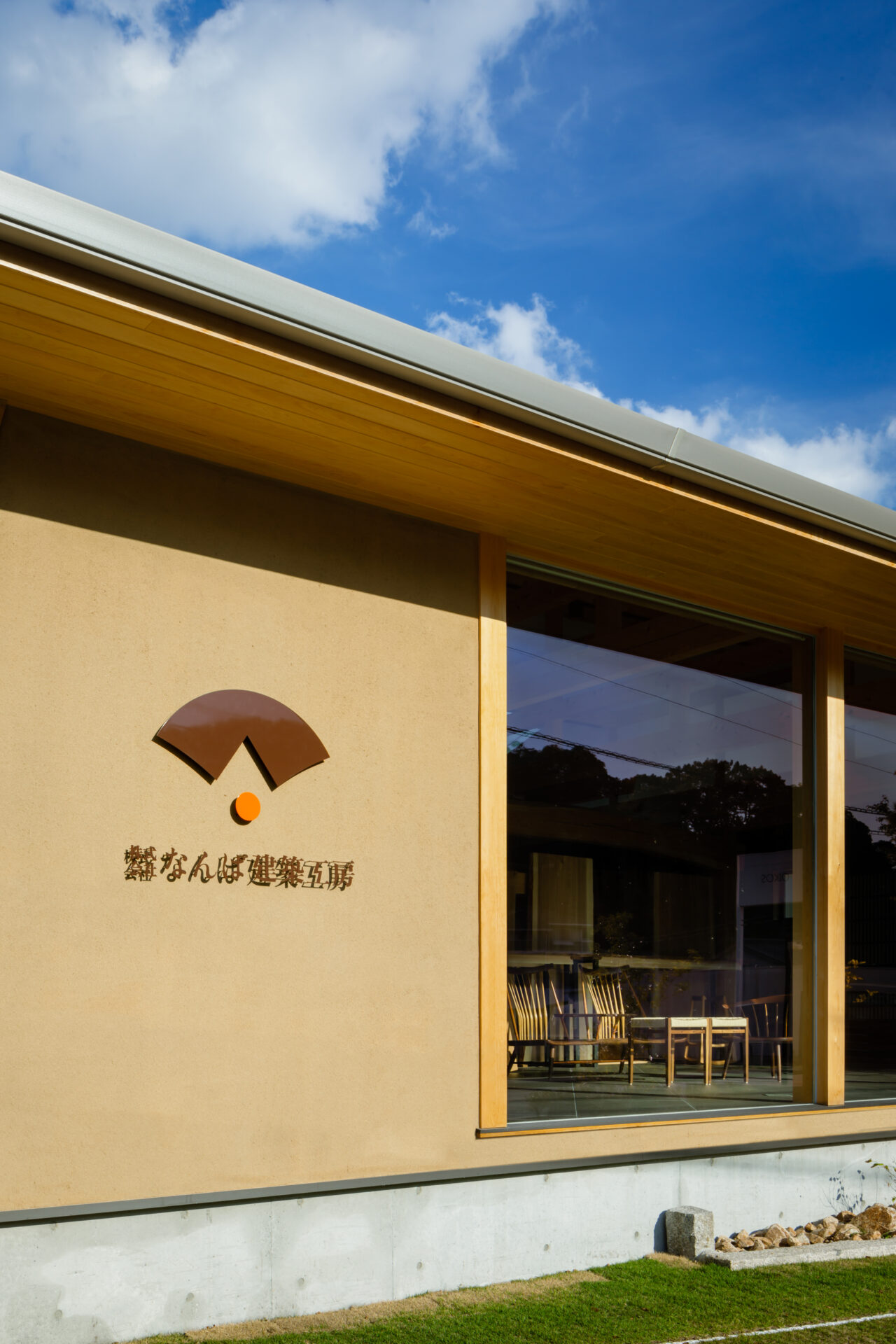
At Namba Architectural Workshop, we have the belief that “houses where people live are created by human hands.”
Behind this belief lies the craftsmanship that has been passed down within the company, and further back, I learned that there are thoughts and skills inherited from Japan's traditional living culture.
The spaces that we intuitively feel are “comfortable” may hide the thoughts and skills that have been passed down through generations.
Additionally, the story of expanding the business with a broader perspective of “living environment = the entire community” rather than just “living environment = house” also left a strong impression.
I felt that the activities of Nanba Architectural Workshop, which tackles local issues from the perspective of a construction company, naturally create a comfortable living environment not only for the people who use the houses but for many others as well.
Data of Nanba Architectural Workshop Co., Ltd.
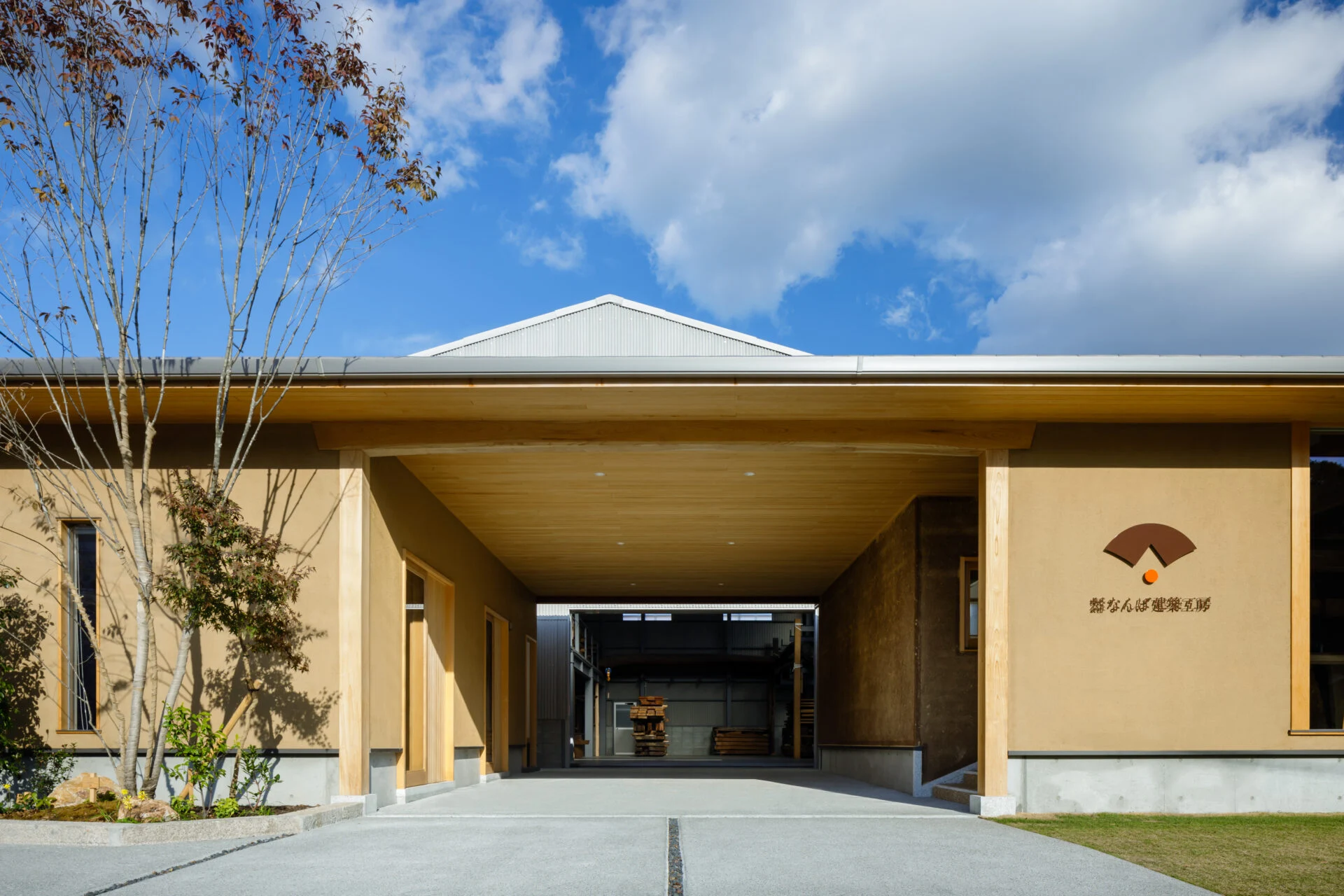
| Organization Name | Nanba Architectural Workshop Co., Ltd. |
|---|---|
| Industry | Construction |
| Representative Name | Masuda Junya |
| Year Established | 1887 |
| Address | 1-14-56 Kojima Ueno-cho, Kurashiki City |
| Contact | Toll-Free: 0120-780-492, TEL: 086-472-4426 |
| Website | Nanba Architectural Workshop Co., Ltd. |