The “Heavy Rain Event of July 2018” caused extensive damage, mainly in western Japan.
The Oda River basin, particularly Mabi in Kurashiki City and Yakage Town in Oda District, suffered widespread flooding and landslides.
The damage was devastating.
A local construction company with many customers in the affected areas of Mabi and Yakage worked tirelessly on recovery efforts immediately after the disaster.
That company is Tsunayoshi Shoten (formerly Torigoe Construction), located in Higashikawamo, Yakage Town.
It is a community-based construction company that has been operating in Yakage for more than 60 years.
In July 2023, five years after the Heavy Rain Event of July 2018, we interviewed Tsunayoshi Shoten about the situation at the time, the progress of recovery, and the company’s current work.
The information presented was current when this article was published in September 2023. Please note that it may differ from current information.
Tsunayoshi Shoten: a long-established construction company rooted in Yakage Town
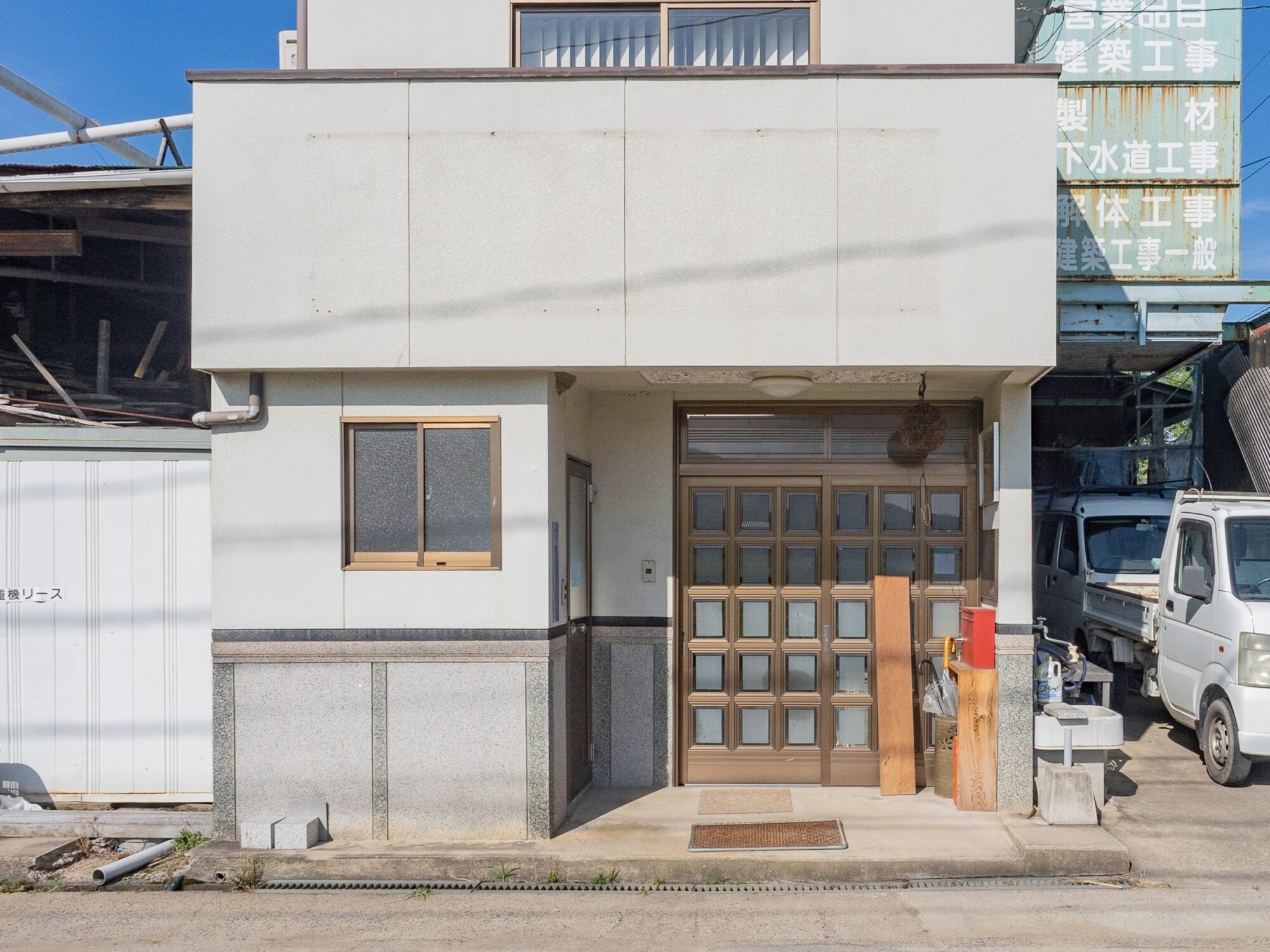
Tsunayoshi Shoten is a construction and building company in Higashikawamo, Yakage Town.
It handles everything from custom-built homes to extensions, renovations, and remodeling, meeting a wide range of customer needs.
Many of its customers are in areas such as Yakage and Mabi, particularly in the Oda River basin.
Tsunayoshi Shoten was founded as Torigoe Construction in 1962 and incorporated as a limited company in 1981.
It adopted its current name in 2021.
For more than 60 years since its founding, Tsunayoshi Shoten has helped local residents in Yakage, Mabi, and elsewhere build their homes, making it a long-established company.
The Oda River basin, including Yakage and Mabi, where Tsunayoshi Shoten has many customers, was severely affected by the Heavy Rain Event of July 2018.
Immediately after the disaster, Tsunayoshi Shoten supported recovery work as volunteers.
The company also handled many renovation projects for disaster-damaged homes, supporting the recovery of the community.
Tsunayoshi Shoten is a construction company that moves forward alongside its community.
Interview with Tsunayoshi Shoten representative Uneme Yoshifumi
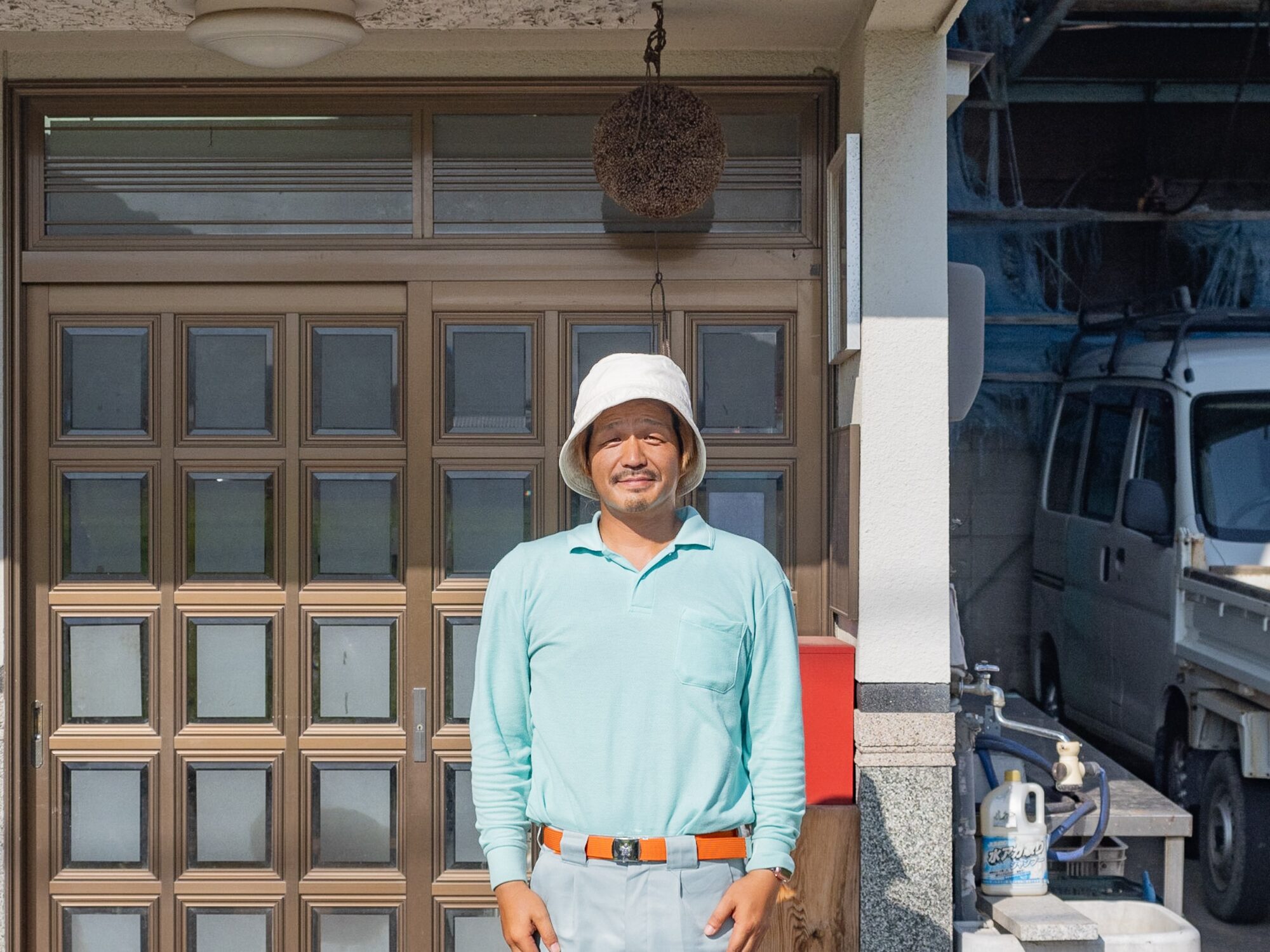
After graduating from school, Uneme Yoshifumi, president and representative director of Tsunayoshi Shoten Co., Ltd., became a carpenter.
He later joined Torigoe Construction Co., Ltd., founded by his grandfather.
In June 2021, he became the company’s third-generation representative director and changed its name to Tsunayoshi Shoten.
In July 2023, five years had passed since the Heavy Rain Event of July 2018.
We spoke with Uneme about the disaster and its immediate aftermath, the recovery process from the perspective of a local construction company, and the current situation.
The surrounding area flooded during the Heavy Rain Event of July 2018; customers also called for help evacuating
What was the situation when the Heavy Rain Event of July 2018 occurred?
Uneme (honorific omitted)
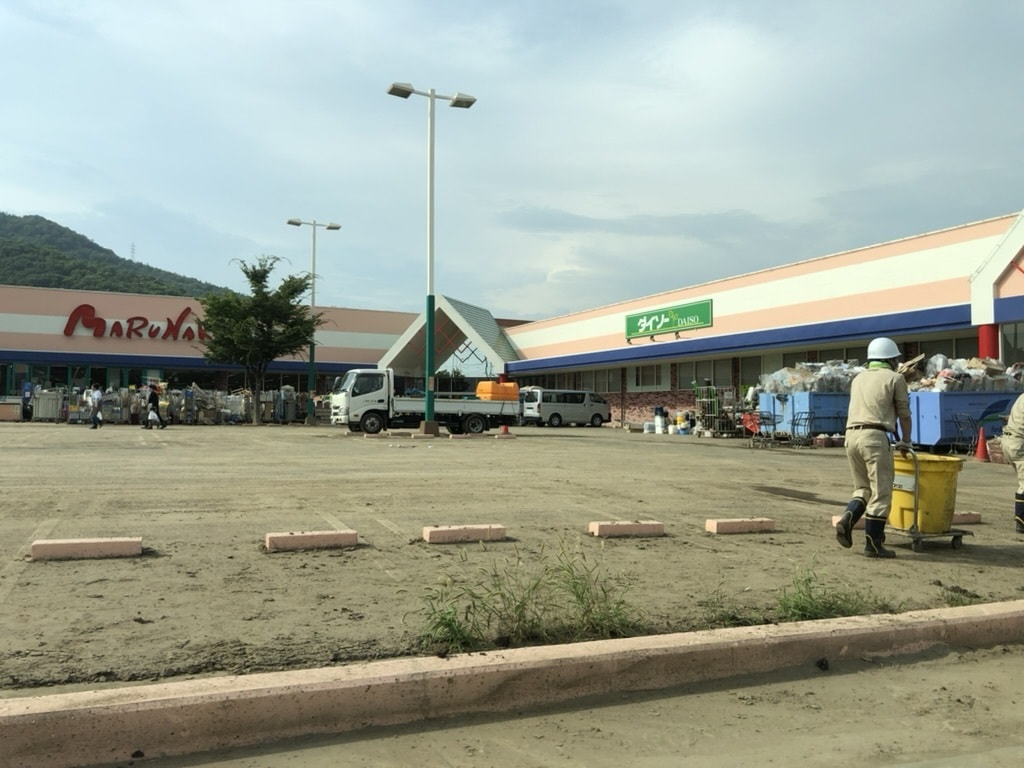
During the Heavy Rain Event of July 2018, rivers overflowed, drainage systems were overwhelmed, and landslides occurred around our company.
Fortunately, our company escaped damage, but some of our customers were affected.
An elderly customer called my mobile phone asking for help and rescue.
I rushed over, but the area around the house was already badly flooded, and I couldn’t get close.
It was so dangerous that anyone trying to approach could have been swept away, putting rescuers at risk of becoming victims themselves.
So I told them to evacuate to the second floor of their home, stay calm, and wait for rescue.
The customer was rescued safely, and I remember feeling greatly relieved.
Joined cleanup efforts immediately after the disaster
What was the situation afterward?
Uneme
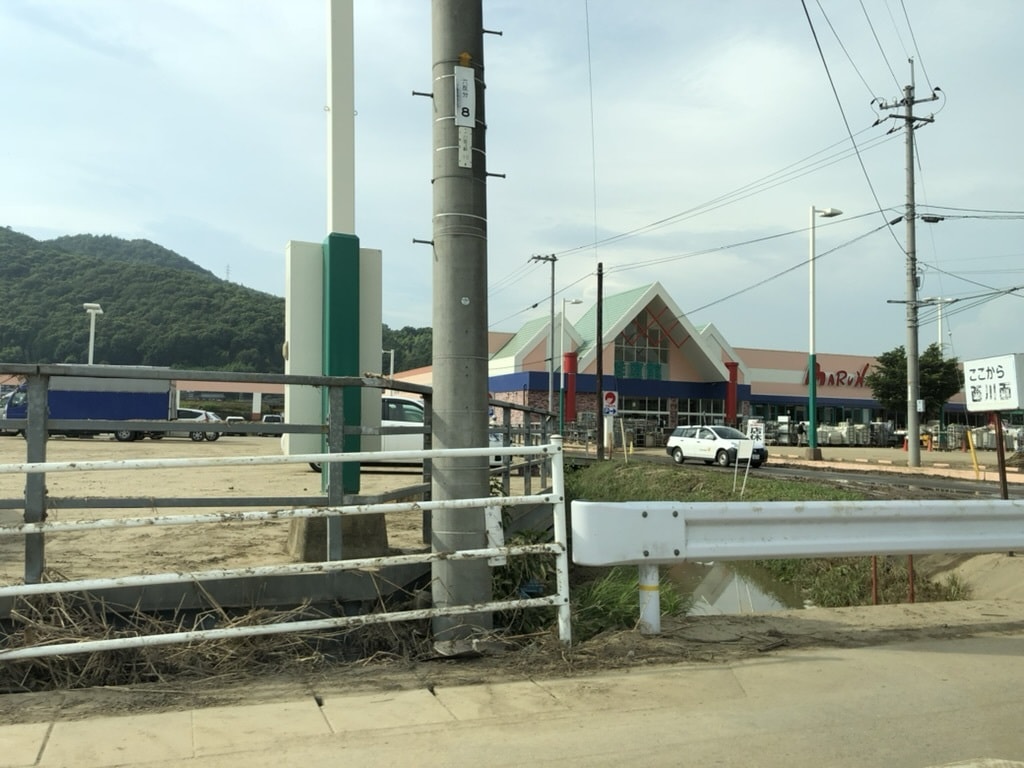
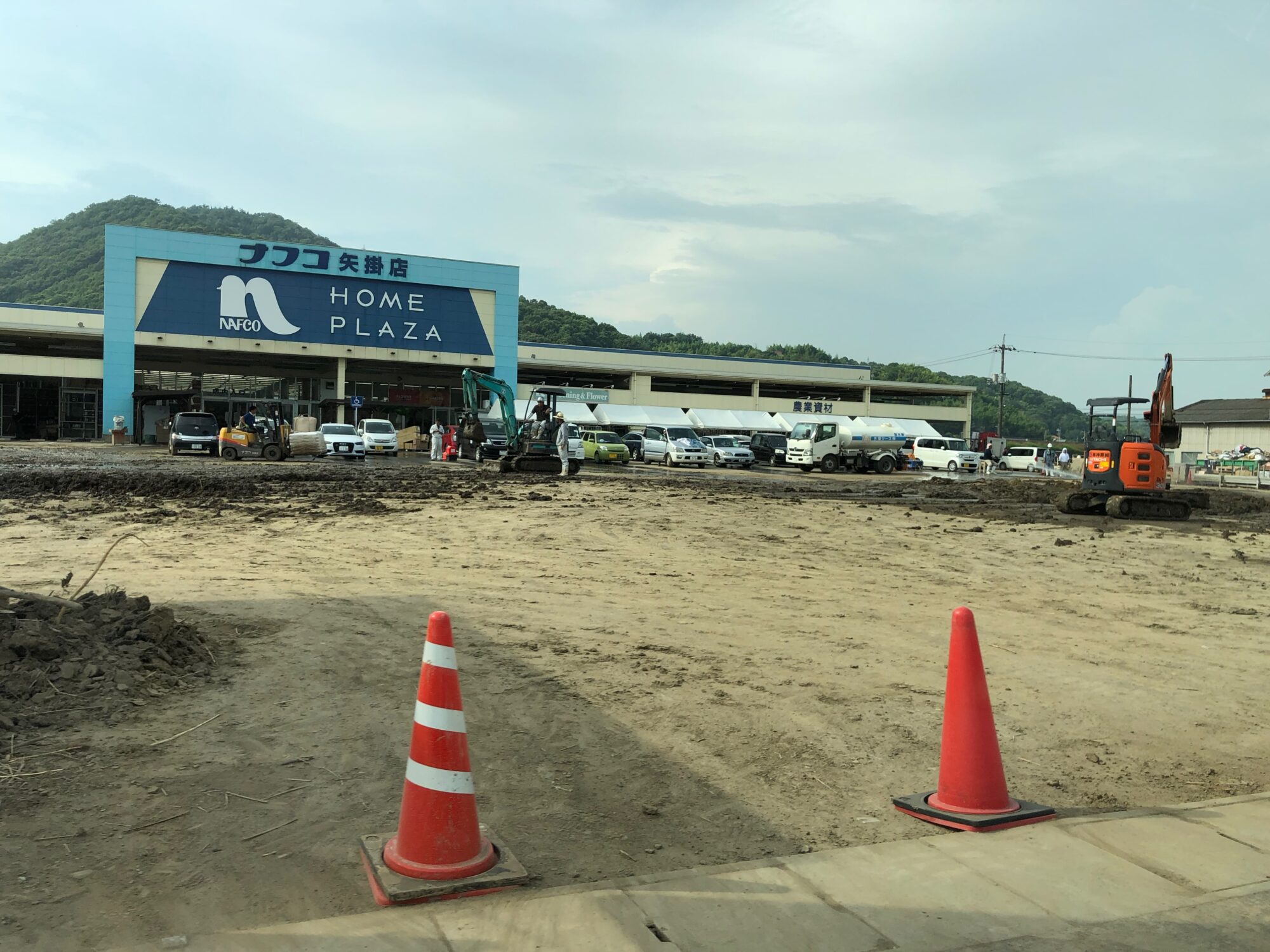
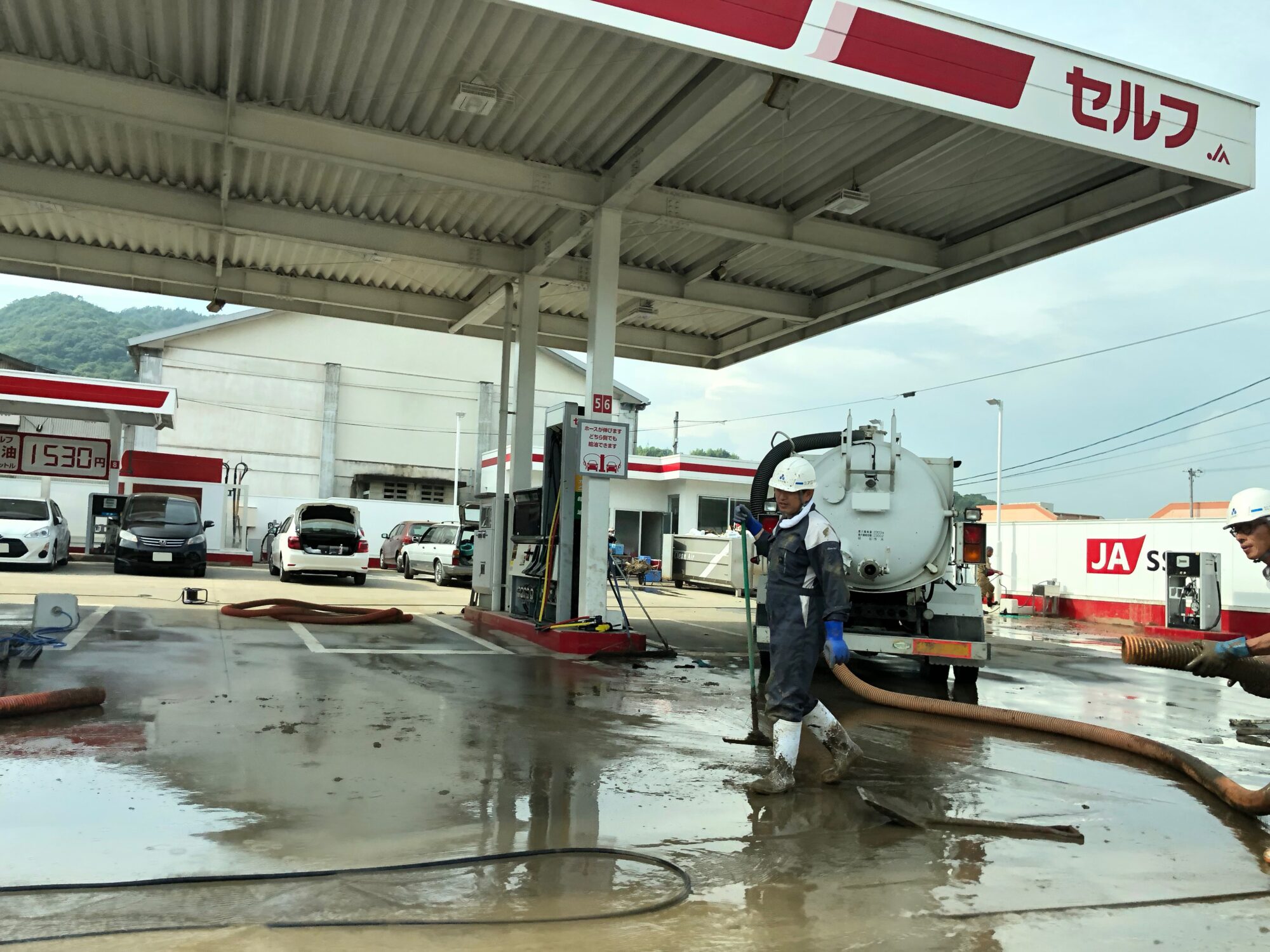
Mud, soil, and garbage washed in by the flood were scattered everywhere, making the original landscape unrecognizable.
I began helping with cleanup as a volunteer immediately after the disaster.
So my days were spent working at the construction company during weekday daytime hours, then volunteering to clean up the disaster area on weekday evenings and weekends.
Yakage Town introduced subsidies relatively early for emergency repair work, so recovery also progressed quickly.
Mabi was affected across a much wider area, so recovery took longer.
The main disaster-volunteer tasks included clearing out homes, partial demolition, and disinfection.
I also helped prepare guides for disaster-volunteer activities that require technical expertise.
How long did you volunteer?
Uneme
It was so hectic that I don’t remember the exact period, but perhaps seven or eight months.
I think it was around early spring the following year, 2019.
I drew a line between free volunteer demolition work and paid repair and renovation work.
That’s because my profession is construction.
So after disaster-volunteer activities wound down in spring 2019, I shifted my focus to my regular work, such as repairs and renovations of disaster-damaged homes.
Recovery work required careful handling
What was difficult about volunteering?
Uneme
Recovery work isn’t simply a matter of doing things quickly.
By making use of anything that can be salvaged during repairs, we can reduce the burden on residents.
So we had to proceed with restoring homes while determining what could and could not be salvaged.
We also had to be careful about the risk of secondary disasters caused by electrical leakage.
Areas at risk of electrical leakage could be hidden under mud and debris, so we had to work carefully.
There were also many other things to watch out for, including heatstroke and infectious diseases.
It was difficult because we couldn’t simply rush through the work.
Another thing I was mindful of was choosing my words when speaking with disaster victims.
People had suddenly lost their homes in the disaster, and even an offhand remark could upset them.
There were times when I said something that would normally mean nothing, and it hurt someone who had been affected.
So I remember being very careful about my choice of words when speaking with disaster victims.
Held a wall-painting charity event to encourage disaster victims
Was there anything that left a lasting impression on you during your recovery volunteer work?
Uneme
At one of the homes where I volunteered, I became friends with an elderly woman.
The shock of the disaster had made her somewhat withdrawn.
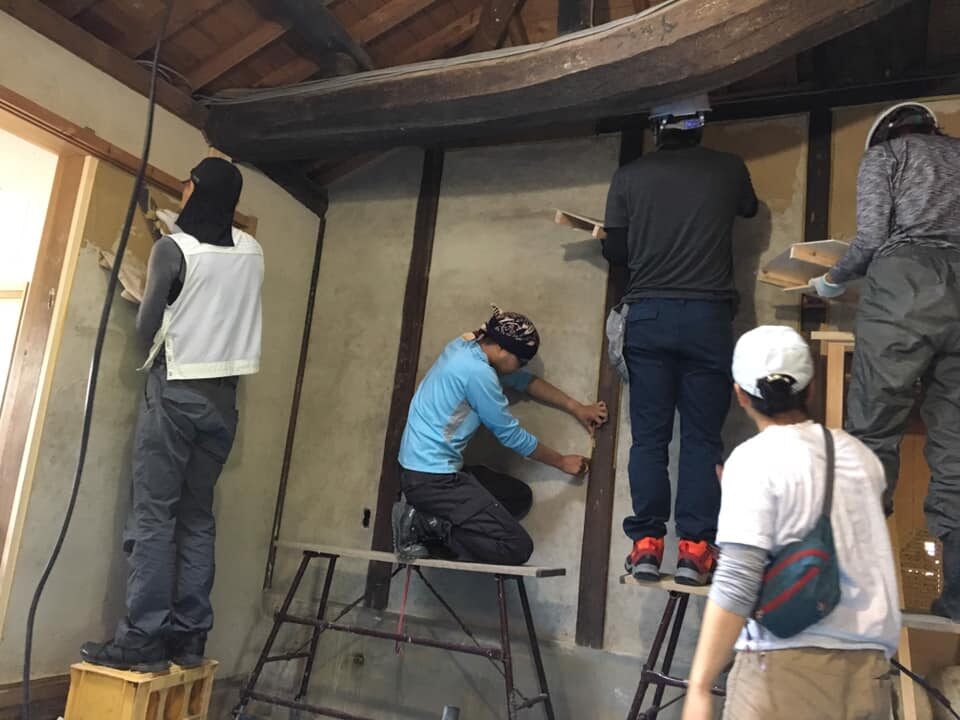
So we held a charity event that also served as emotional support.
The idea was for everyone to paint the walls of the woman’s house together.
Many people took part, and I talked a lot with the woman.
Of course, we were amateurs, so the result couldn’t match a professional’s work, but the woman enjoyed herself, and by the end she had become much more cheerful.
So I’m glad we did it.
The company’s renaming to “Tsunayoshi Shoten” and the origin of the name
Then, in June 2021, you became the company’s representative director.
Uneme
Yes. I’m the third generation.
When I became representative director, we changed the company name from the former Torigoe Construction Co., Ltd. to Tsunayoshi Shoten Co., Ltd.
The name came from the elderly disaster victim whose home we painted as part of the charity event I mentioned earlier.
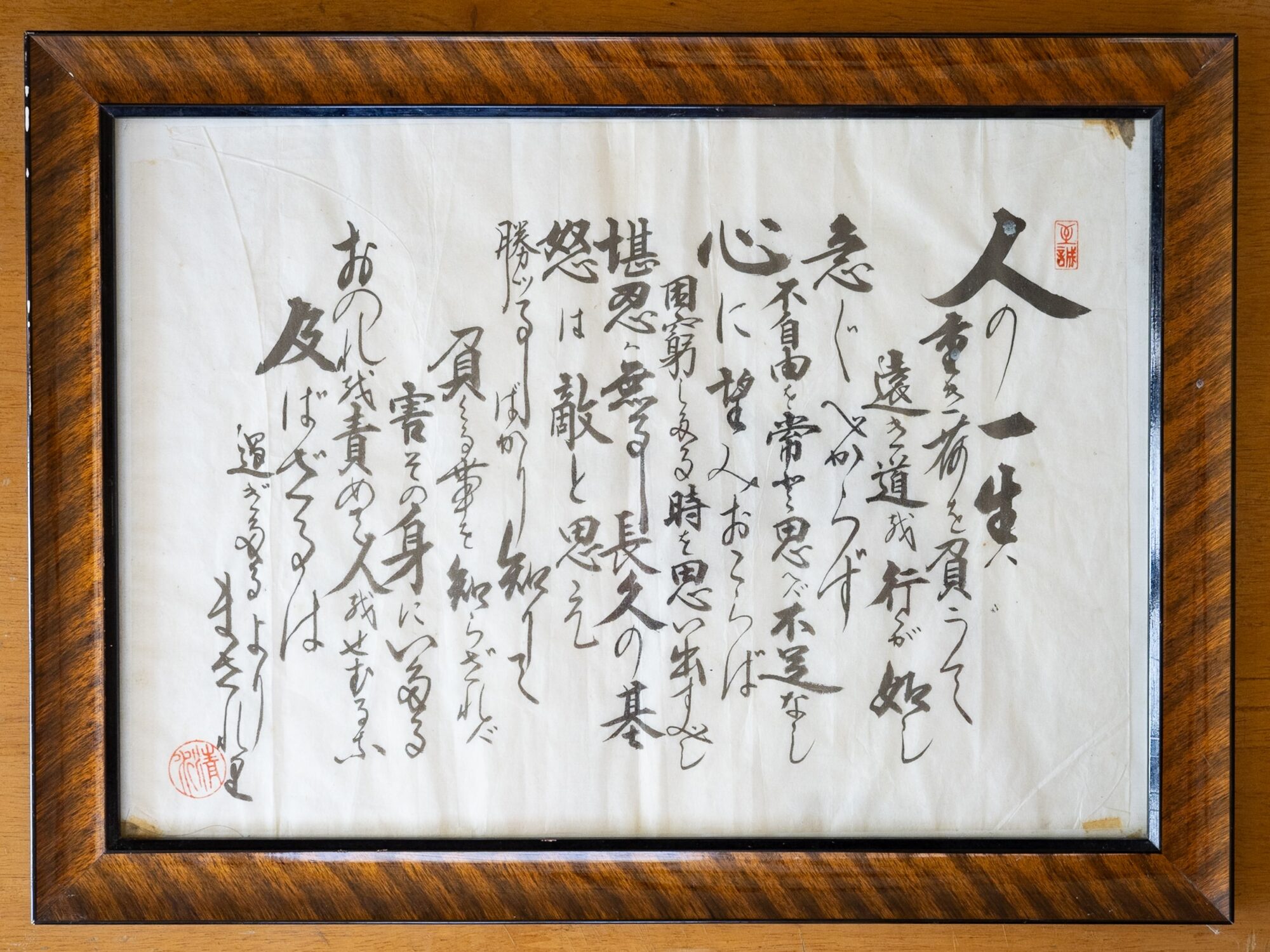
She was very pleased with the wall-painting charity event and, to thank us, gave me a framed copy of Tokugawa Ieyasu’s precepts.
That inspired me to choose a name connected to the Tokugawa family.
Also, when I was volunteering in Mabi, my nickname was “Tuna.”
I bought food at a convenience store every morning, and I often picked up tuna-mayo rice balls.
Seeing that, my fellow volunteers associated me with tuna-mayo rice balls and arbitrarily dubbed me “Tuna” (laughs).
The “Tokugawa family” and “Tuna” came together, and I thought of Tokugawa Tsunayoshi, the fifth shogun of the Edo shogunate.
Tokugawa Tsunayoshi is known for the “Edict on Compassion for Living Things.”
He is often called the “Dog Shogun,” and is said to have a rather poor image.
But I think the Edict on Compassion for Living Things is actually well suited to the modern era, when we value nature.
The reason we chose the abstract name “Tsunayoshi Shoten” rather than a specific company name like “Tsunayoshi Construction” was to allow for the possibility of taking on a wider range of work.
I’ve heard that in the past, it was common to deliberately choose abstract names like “Shoten.”
The company’s concept is “Creating stories between people”
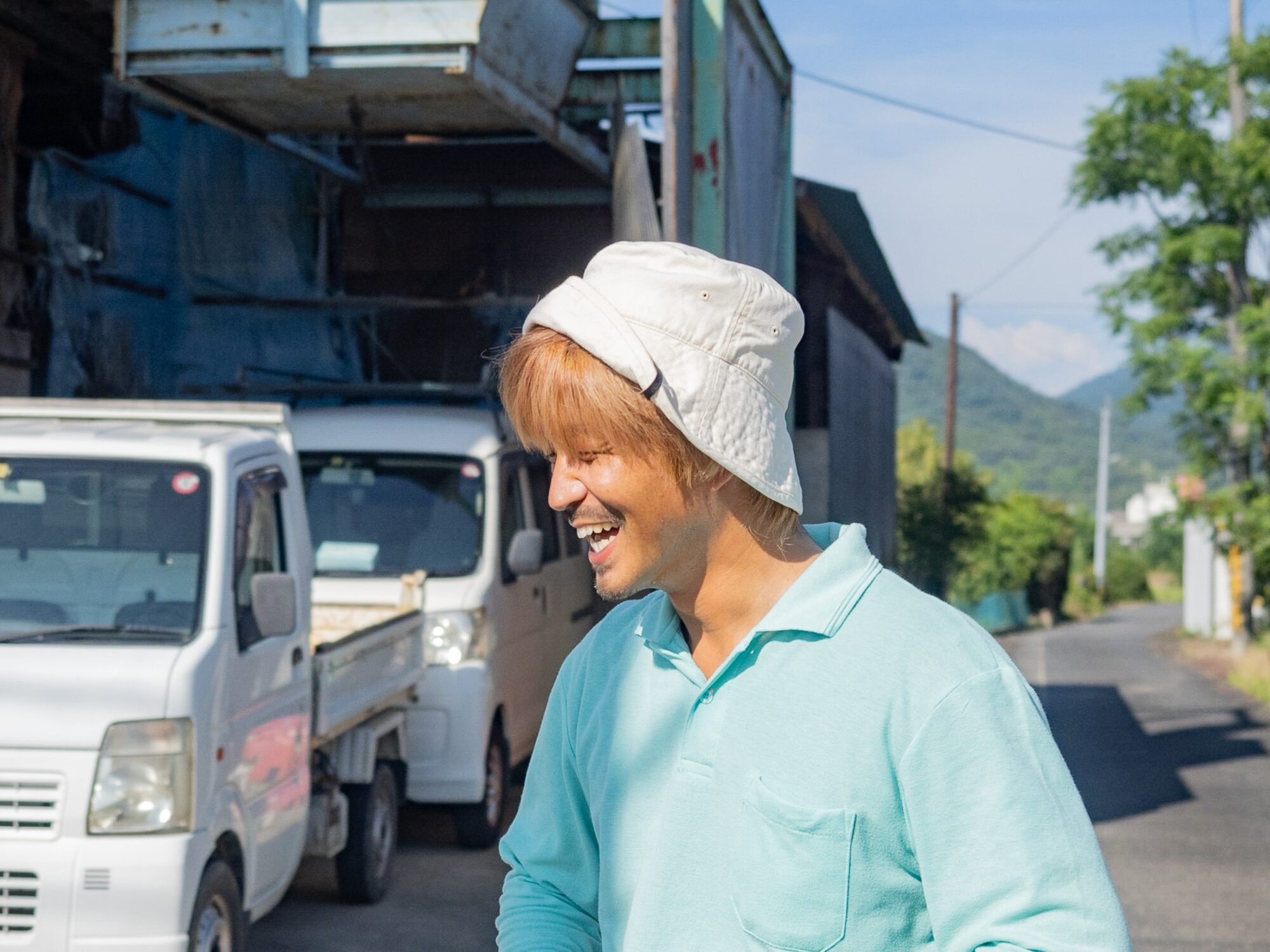
Could you tell us what makes Tsunayoshi Shoten distinctive and what its strengths are?
Uneme
I enjoy not only doing the work, but also talking and interacting with our customers.
Especially since becoming president, I’ve taken on more behind-the-scenes work, such as meetings, in addition to on-site work, so I have more opportunities to interact with customers.
That’s why I make a point of communicating with our customers.
I think that’s one of our company’s major strengths.
That’s why we’ve set “Creating stories between people” as our concept.
More requests in recent years involve customers doing part of the work themselves
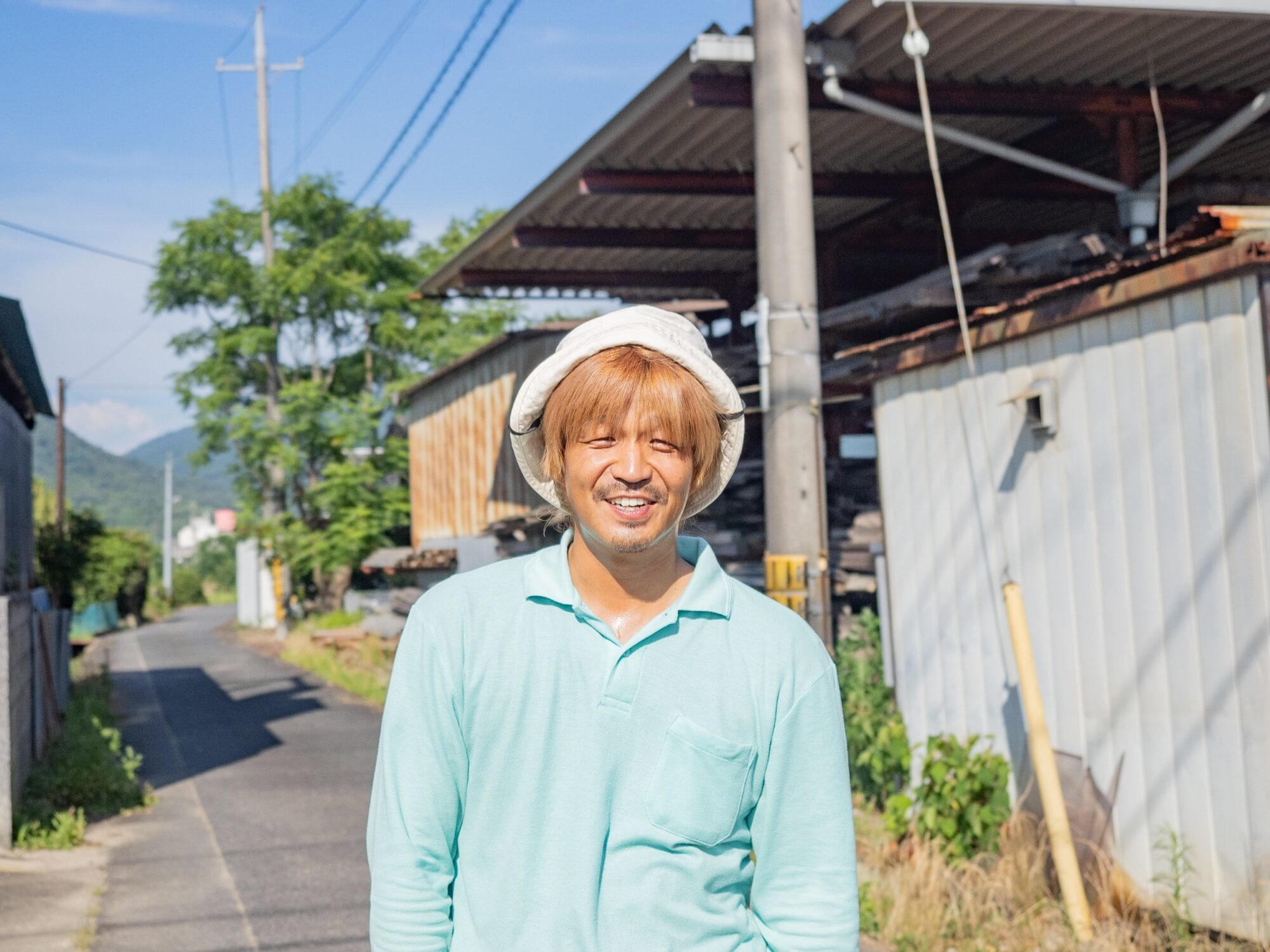
As of 2023, what kinds of jobs are most common? And are there still jobs related to disaster recovery?
Uneme
As of 2023, we hardly have any work related to disaster recovery.
I feel that Mabi and Yakage have started moving toward recovery and are gradually returning to normal.
As disaster-related work has declined, we’ve seen an increase in jobs where customers do part of the work themselves.
We’re getting more requests like, “I want to do what I can myself, so I’d like Tsunayoshi Shoten to take care of the parts I can’t do myself.”
You could call them “customer-participation projects.”
I think it may be because the DIY boom helped DIY become established.
Many construction companies aren’t very keen on taking jobs where customers do some of the work themselves.
But we want to do as much as we can to meet our customers’ requests, so we take on these jobs.
As I mentioned earlier, our concept is “Creating stories.”
It’s true that the parts done as DIY may not be as high-quality as work done by professionals.
But what matters most is whether the customer is satisfied.
The parts customers work on themselves become their own memories.
I believe that a home where you live alongside those memories is what it means to “create a story.”
In terms of quality, it may fall short of a professional’s work, but it’s as if the customer gets to add a few more pages to their own story.
At the heart of these “customer-participation projects” is a charity wall-painting event we held at the home of an elderly woman affected by the disaster in Mabi.
Everyone who painted the walls was an amateur, but after the event, the woman was very pleased and expressed her gratitude.
I think these “customer-participation” requests, where customers want to do part of the work themselves, are just like that charity wall-painting event for disaster victims.
Doing what customers can’t is what business is really about
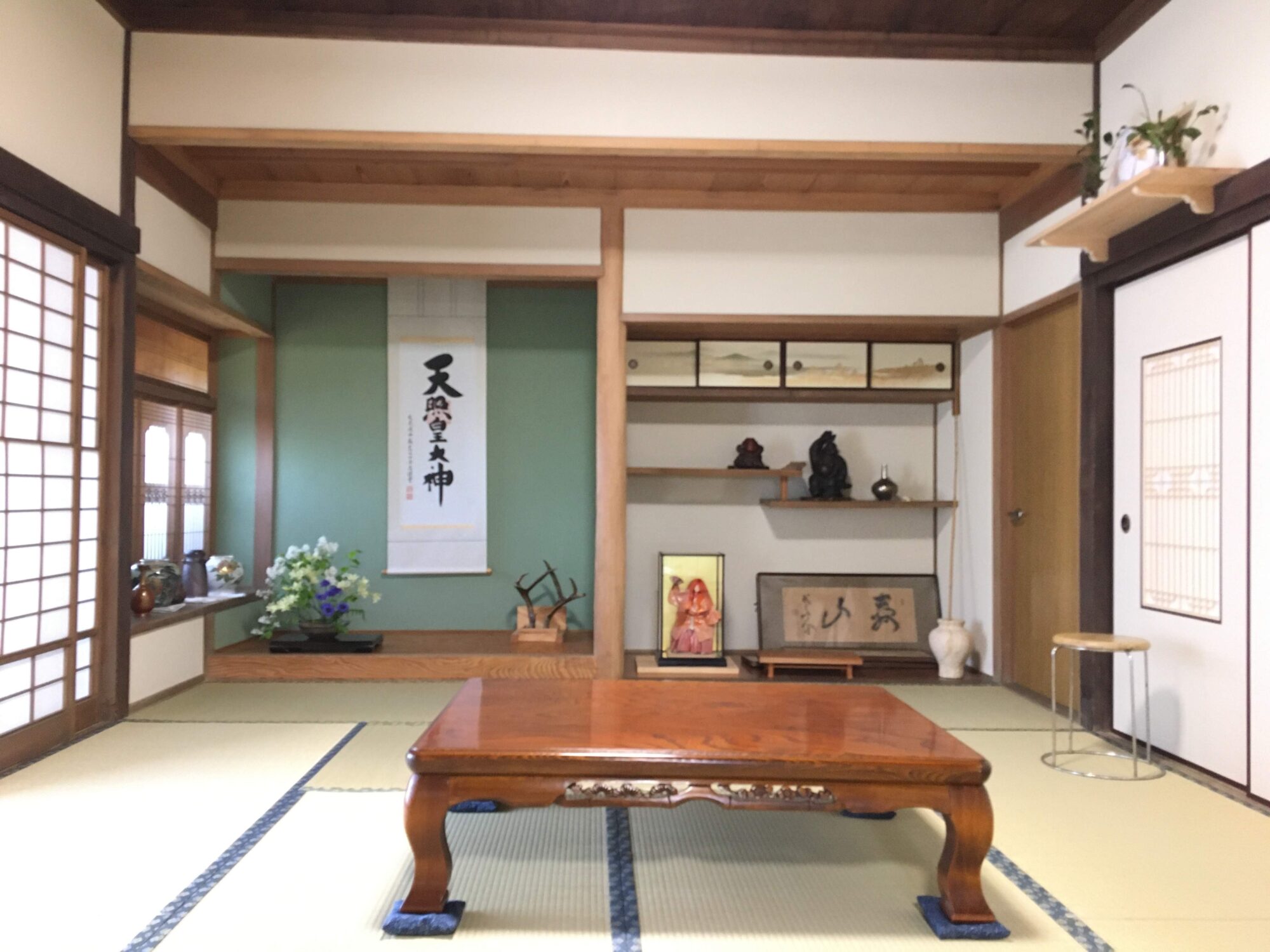
Could you tell us about your future plans or anything you’d like to try?
Uneme
With more people asking to do part of the work themselves, I’d like to try something like DIY consulting.
I’d like to hold events such as DIY workshops to teach people how to do things, and share DIY information and instructions on YouTube.
I think teaching remotely is also an option.
I get the impression that sharing information is already quite widespread, but I think it still has a lot of value.
In any case, I’d like to focus on things beyond what has traditionally been considered “normal” in construction and the building industry, and on doing things differently from before.
Many other companies turn down requests where customers do part of the DIY work and hire them for the parts they can’t do, but I believe that “this is what business is really about.”
That’s because doing what customers can’t do for themselves is what business is really about.
I’d also like to try work outside the construction industry.
For example, work related to care facilities.
I may need care myself someday.
With that in mind, I’d like to run the kind of care facility I envision as a business.
A message from Tsunayoshi Shoten about disasters
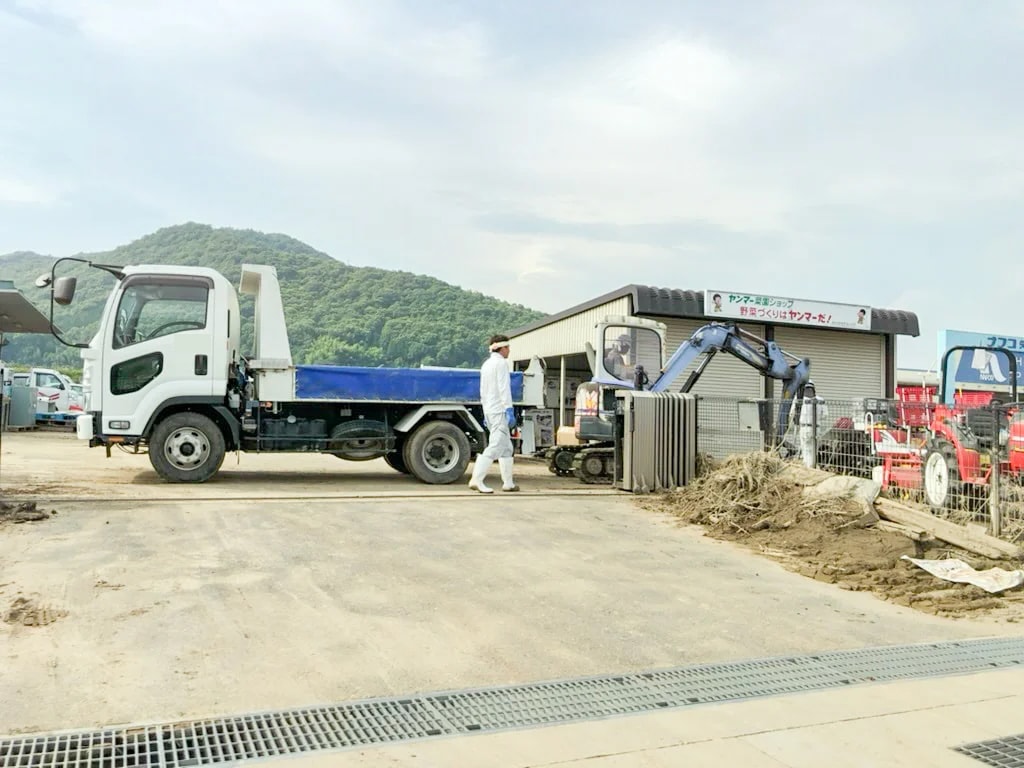
Is there anything you’d like to say about disasters?
Uneme
Check the hazard map regularly.
It’s important to understand the characteristics of the land your home is on and what kinds of disasters could be expected, and to think about how to prepare.
Another thing that can be useful when you’ve been affected by a disaster is public assistance programs.
Check what programs are available in the municipality where you live.
And when a disaster occurs, what ultimately matters most is the connections between people.
I think it’s important for people in the community to communicate with one another regularly.
Another thing to be aware of is that unscrupulous businesses often appear after a disaster.
Don’t make a decision right away. Be sure to consult someone you trust before proceeding.
Tsunayoshi Shoten is a community-rooted construction company that moves forward with the local area
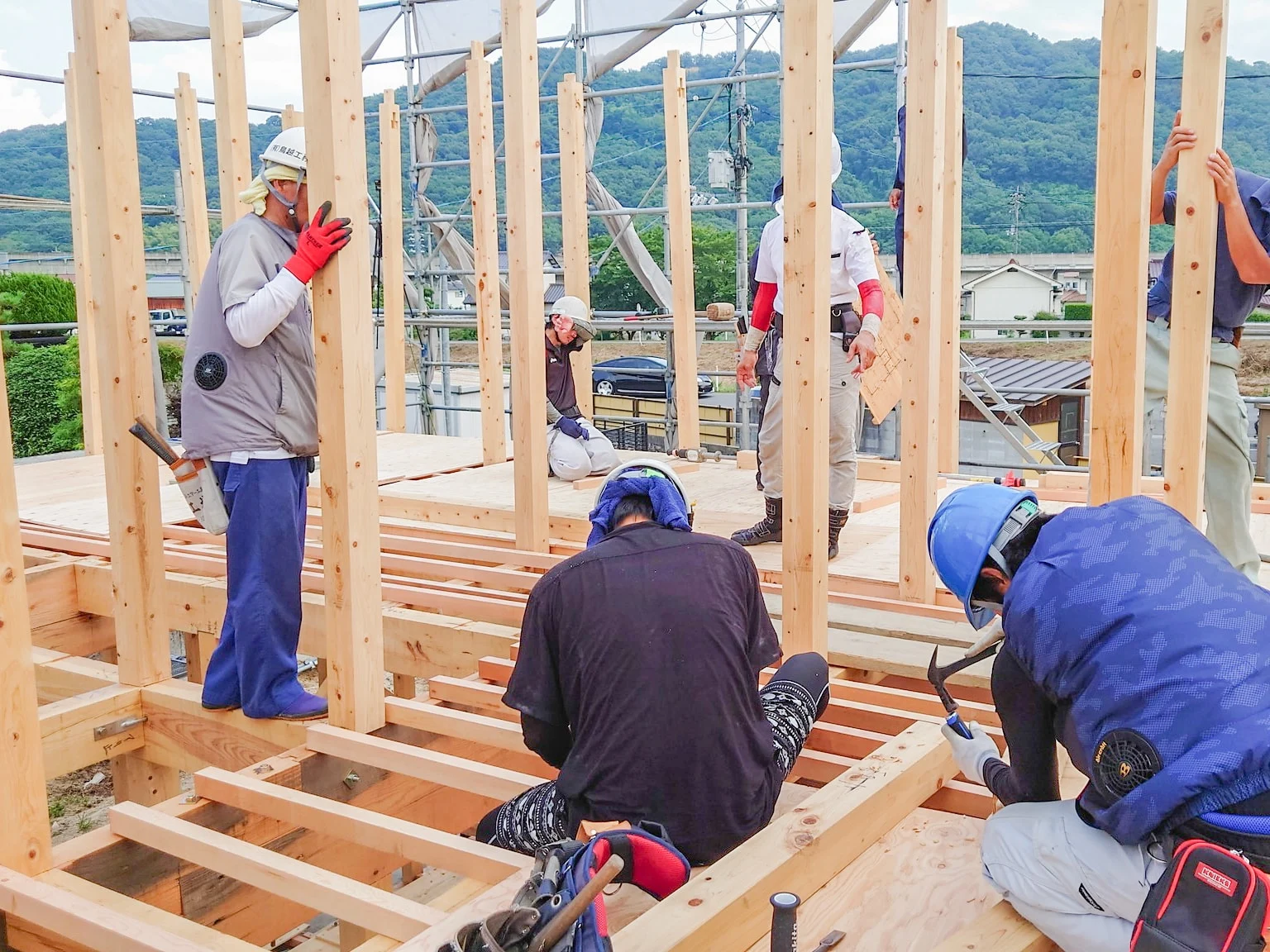
Tsunayoshi Shoten has been operating in Yakage for more than 60 years.
It has supported the community’s recovery from the July 2018 heavy rains disaster.
Guided by its concept of “Creating stories between people,” the company is also flexible in responding to the growing number of requests for customers to do part of the work themselves.
It continues to support the lives of people in the community.
Tsunayoshi Shoten Co., Ltd. Information

| Organization name | Tsunayoshi Shoten Co., Ltd. |
|---|---|
| Industry | Construction (custom-built homes, extensions and renovations, remodeling, exterior work, etc.) |
| Representative | Uneme Yoshifumi |
| Established | January 1981: Established as Torigoe Construction Co., Ltd. (founded October 1962); June 2021: Renamed Tsunayoshi Shoten Co., Ltd. |
| Address | 1107-5 Higashikawamo, Yakage Town, Oda District, Okayama Prefecture |
| Contact | 0866-83-1371 |
| Website | Tsunayoshi Shoten Co., Ltd. |



What would you like to know about Kurashiki?
Enter a word to search articles on this site