Interview with the Person in Charge
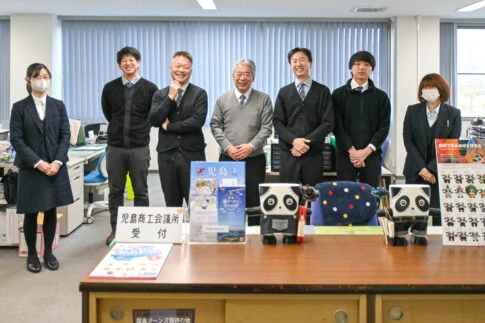
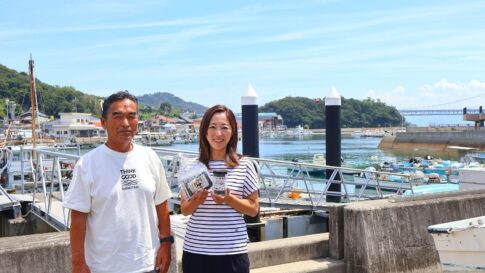
What kind of initiative is the Kojima Salt Tying Project? We spoke with Hayata Tomoyuki from Shimotsui Electric Railway and Komatsubara Tatsuya from the Kojima Chamber of Commerce.
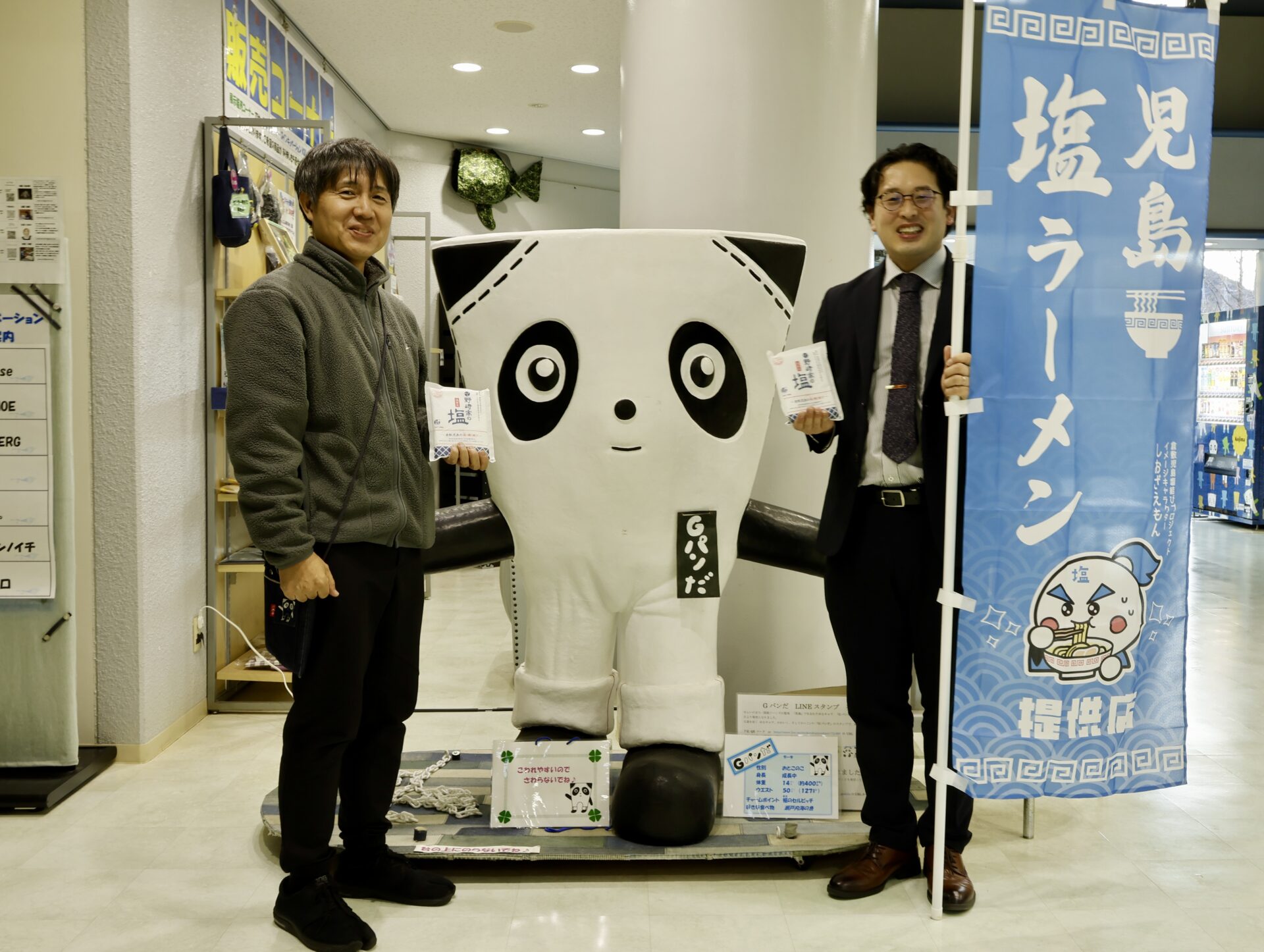
Considering the history and current state of salt production in Kojima, could you explain the background and purpose of this project?
Komatsubara (no honorifics)
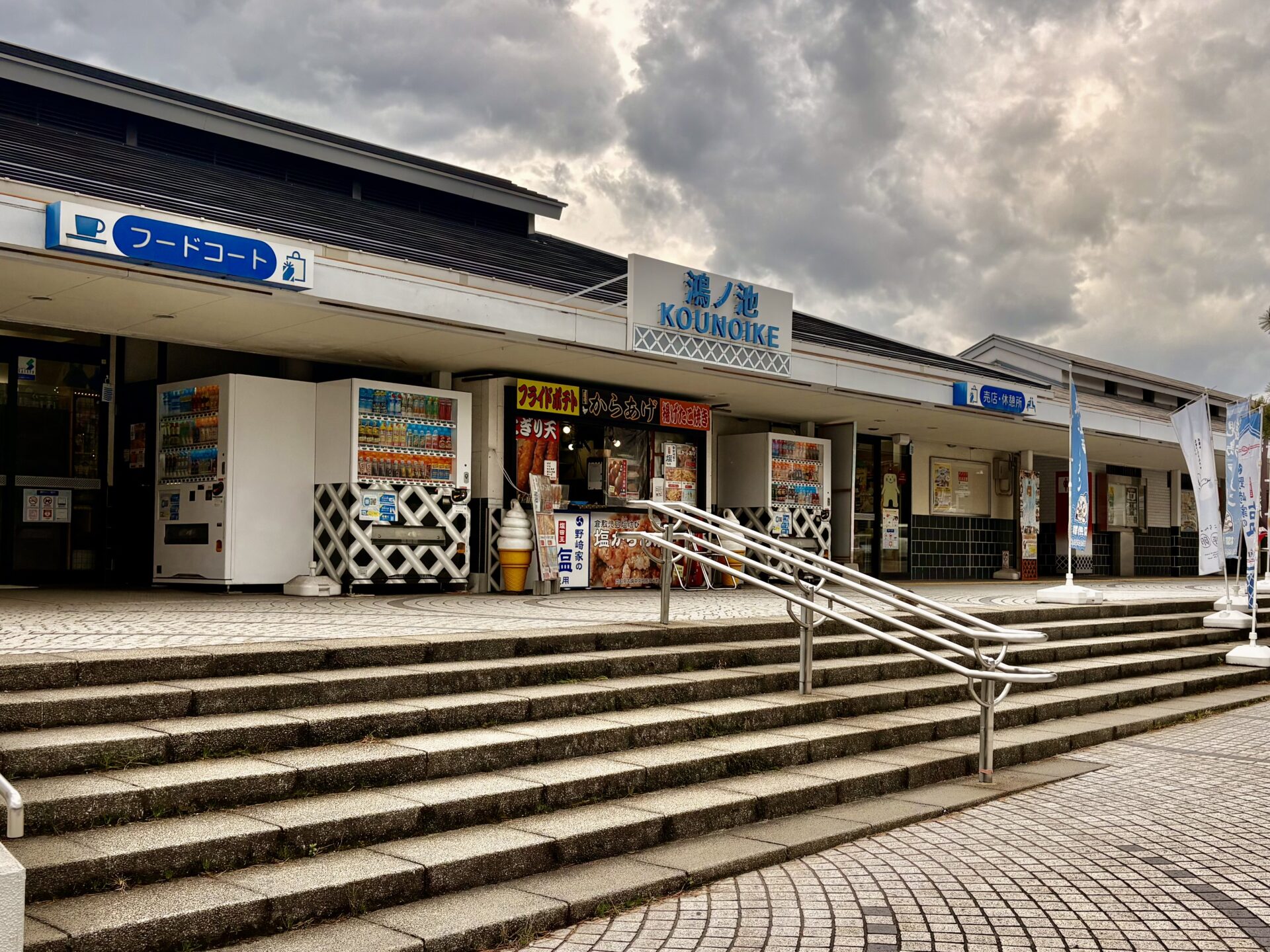
The trigger was a discussion on how to liven up the Kounoike Service Area (both up and down) which is the only service area in Kurashiki City.
Kounoike Service Area is operated by Shimotsui Electric Railway, and it can be said that this project started from there.
Hayata (no honorifics)
Kounoike Service Area is the only service area in Kurashiki City, but nearby there are relatively well-known areas such as Yoshima PA, Kibi SA, and Fukuyama SA. The challenge was how to differentiate ourselves among them.
I believe that service areas also serve as gateways to the region. When considering how to promote something unique to Kojima at the service area, we focused on the history of the area that once thrived in salt production and decided to make "salt" the theme.
When did the planning begin?
Komatsubara
The planning concept began when the number of visitors to Kounoike SA decreased due to measures against the spread of COVID-19, and the project officially started on January 11, 2024.
Hayata
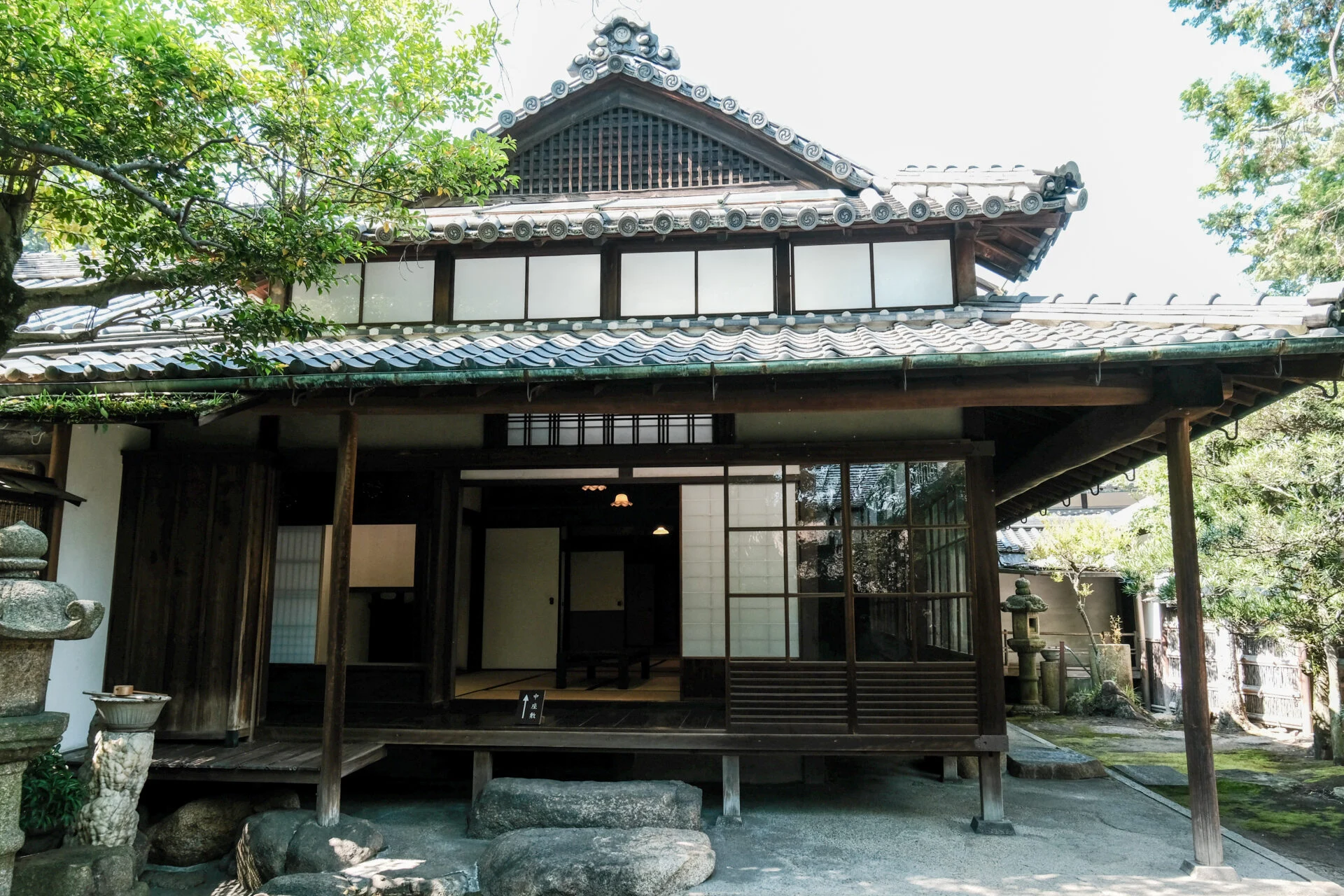
On January 11, 1568, Takeda Shingen received salt from Uesugi Kenshin, which is the origin of "Salt Day." We held a departure ceremony at Nozaki's Historical Residence. So, it has been just over a year since the project started. (As of March 2025)
Could you tell us about "Salt from the Salt King Nozaki Family," which is central to the project?
Hayata
During the Edo period, "Nozaki Buzaburo" played a central role in the development of salt fields in Kojima. The title "Salt King of Japan" given to him is the origin of the name "Salt from the Salt King Nozaki Family."
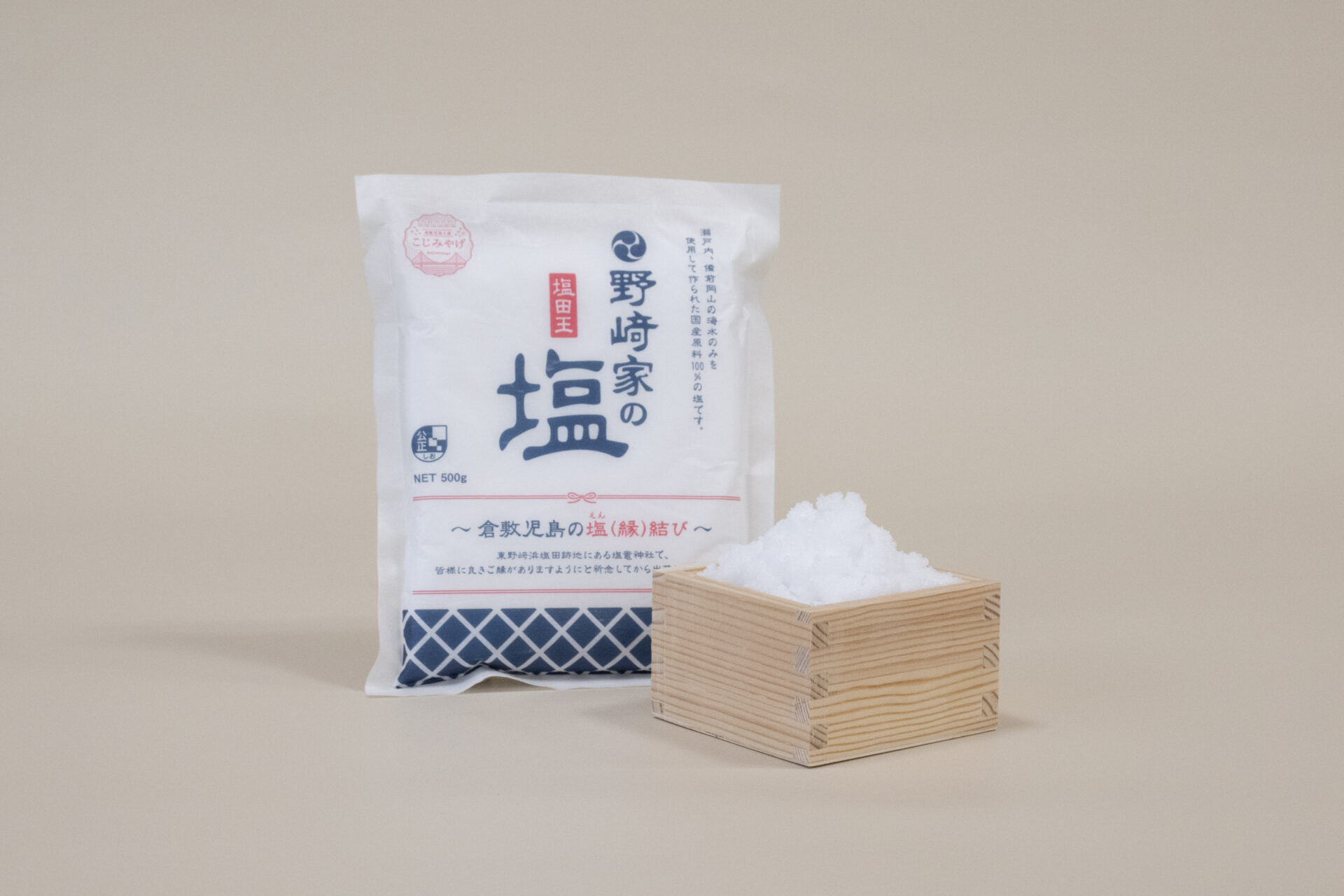
This salt has three main features.
The first is that, with the cooperation of Naikai Salt Industry, it is produced using only seawater from Okayama.
The second is that by re-adding the mineral components (bittern) lost during the salt production process, it becomes a salt that contains more minerals than regular table salt.
The third is that, wishing for "good connections (salt)," it is shipped after being prayed for at Shiogama Shrine.
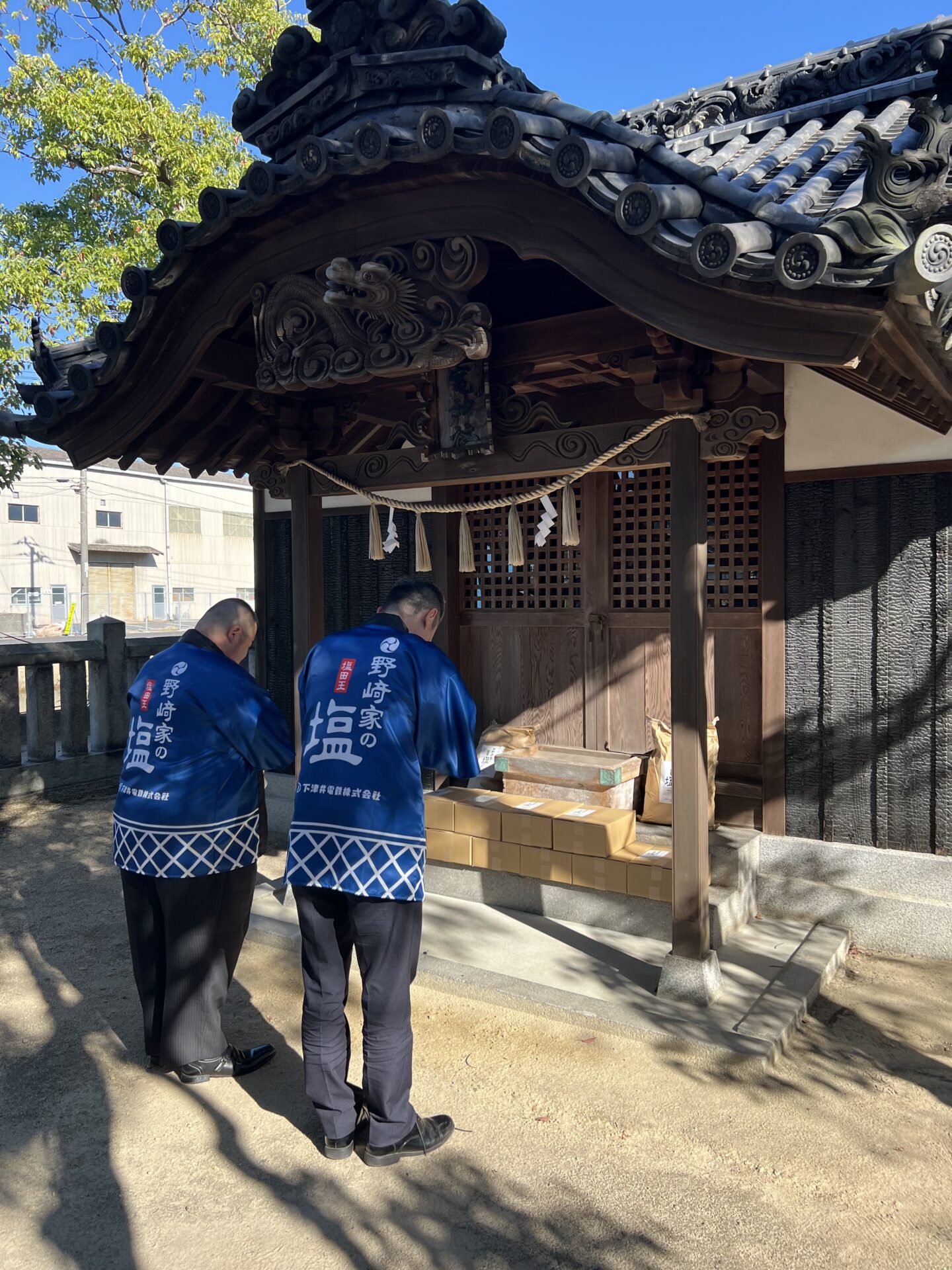
How is "Salt from the Salt King Nozaki Family" specifically utilized?
Komatsubara
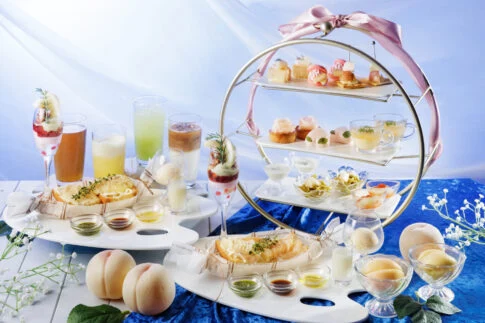
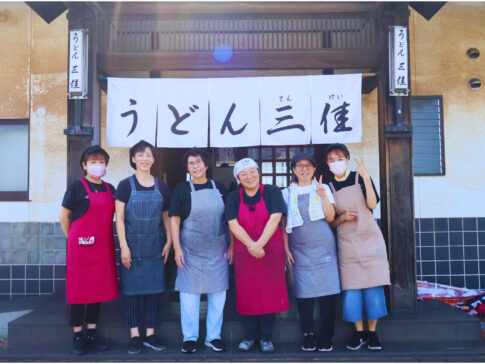
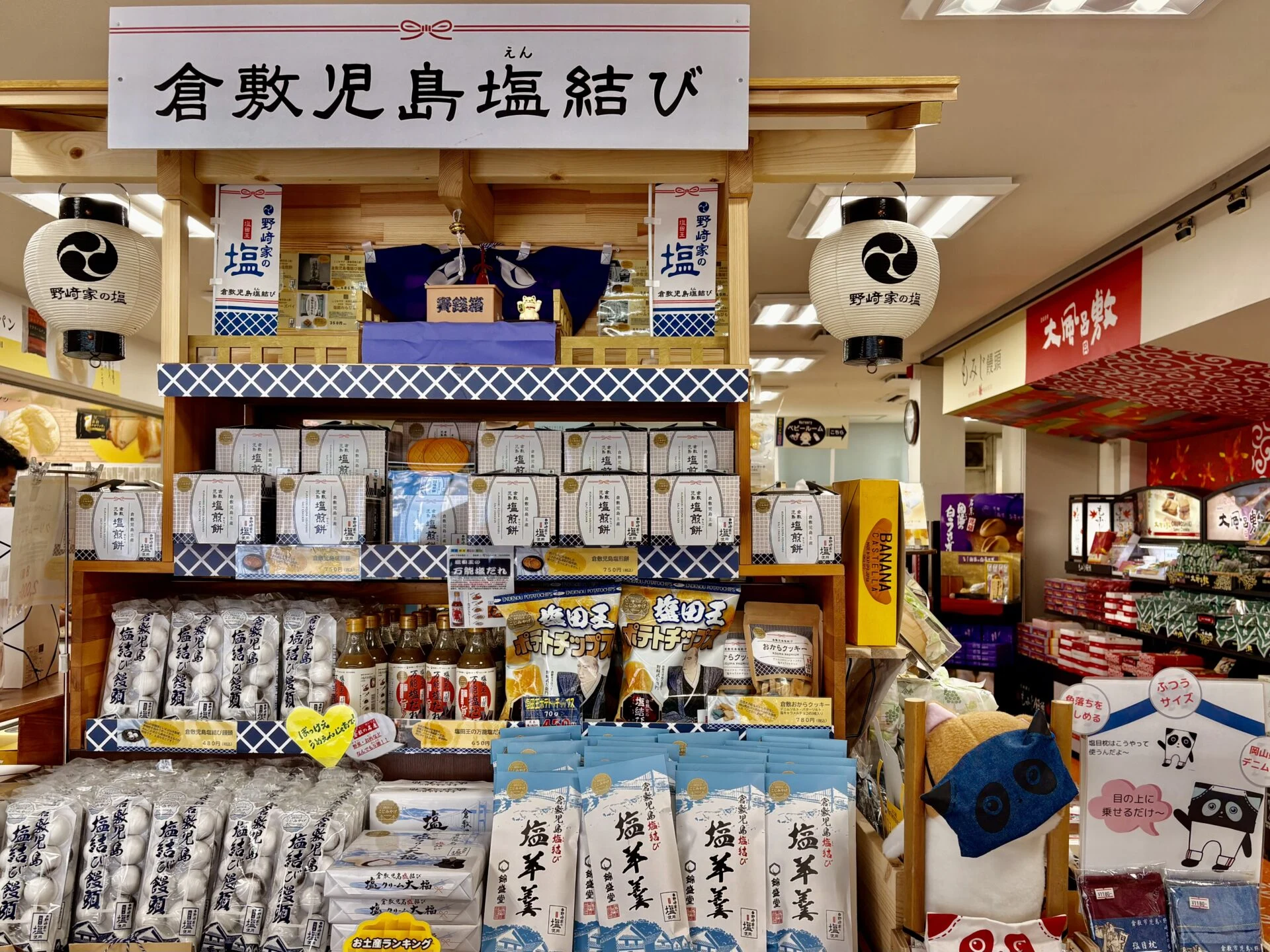
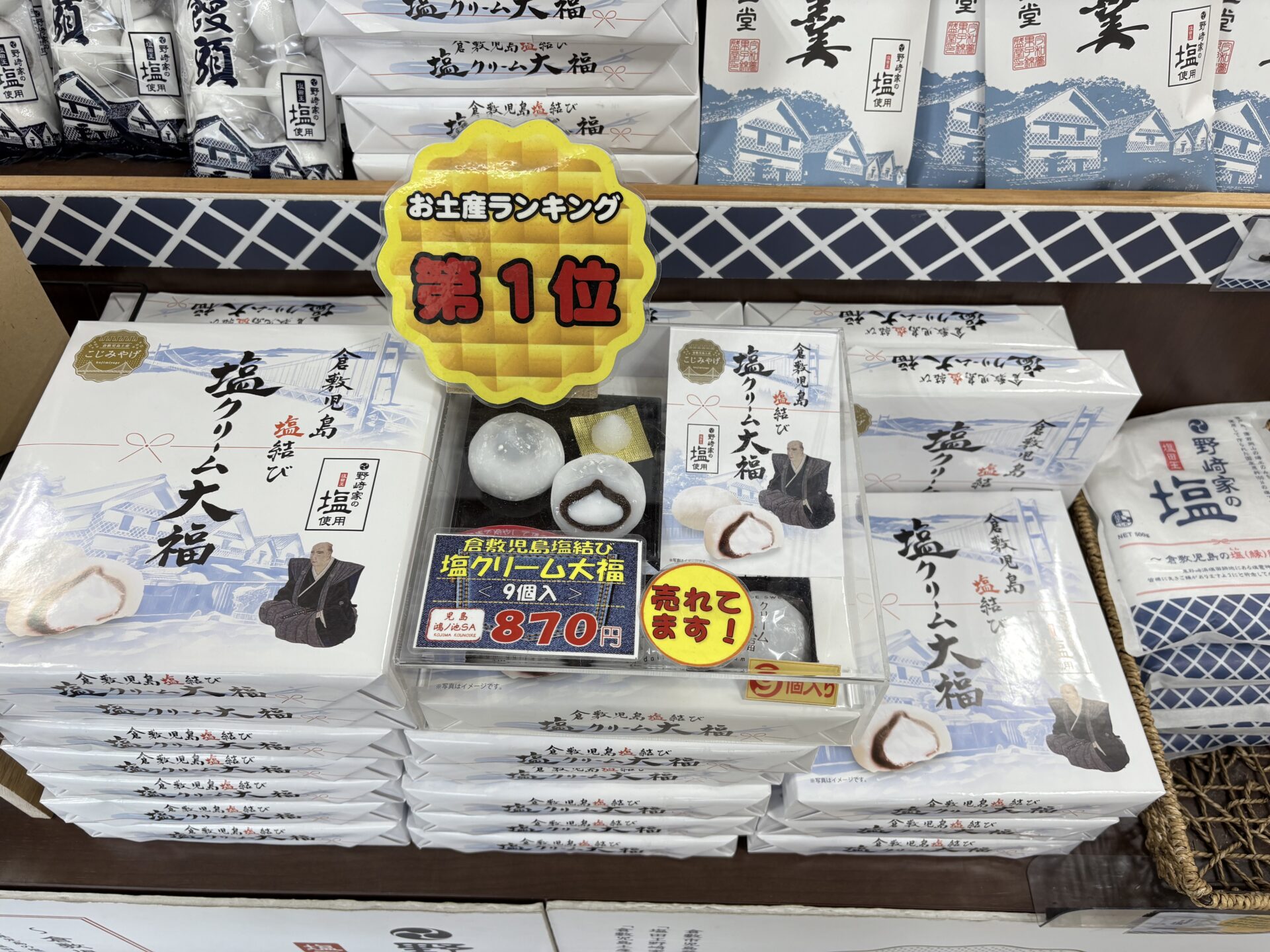
We are utilizing "salt" to collaborate with local wagashi (Japanese sweets) and Western-style confectionery shops to develop original products. Additionally, not only gourmet products but also denim items like "Me Makura" and "En (Salt) Tying Amulets" made from jeans fabric are included in the lineup.
Furthermore, we plan to work on developing sweets using "Salt from the Nozaki Family" in the future.
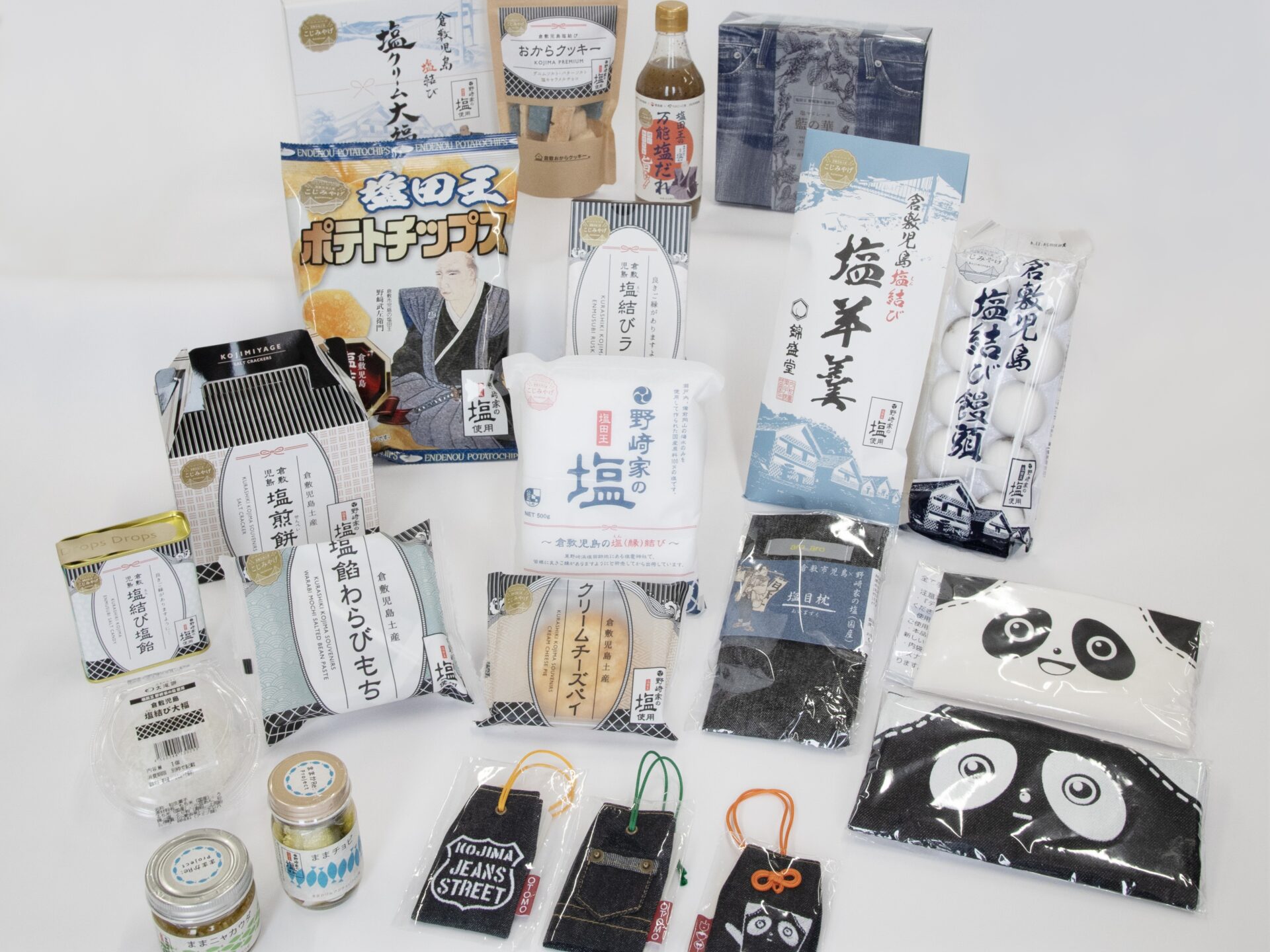
Additionally, we have planned "Kojima Salt Ramen" as a new gourmet dish that makes good use of the precious "salt" while also being used by local restaurants.
Hayata
We are deeply involved in product development as Shimotsui Electric Railway, and it is important to have products displayed in stores to raise awareness. Therefore, collaboration with the Kojima Chamber of Commerce is essential.
We have received cooperation from local stores and souvenir shops in accommodation facilities, and we have never been turned down. I feel very happy to sense the "strong love for the local area" as they actively sell our products.
Furthermore, in salt production, we collaborate with Naikai Salt Industry, and the three parties—Shimotsui Electric Railway, Kojima Chamber of Commerce, and Naikai Salt Industry—are working together to balance and advance the project.
Komatsubara
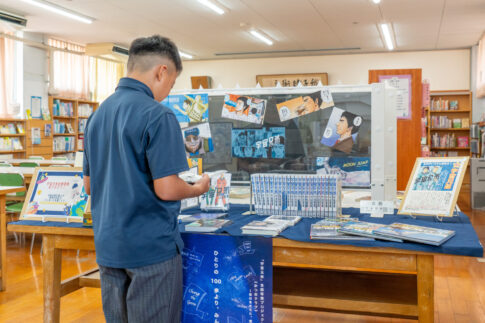
Moreover, many young people are unaware that Kojima once thrived as a "salt town," so we are planning various events to help them learn about the local history.
Finally, please give a message to the readers.
Hayata
I would like local people to use "Salt from the Salt King Nozaki Family." As a specialty product from Kojima, it is not only a representative souvenir of Kurashiki but also an essential part of daily life. I would be happy if people could experience its goodness by actually using or tasting it.
Komatsubara
I think children often do not know the history of salt, so I hope they can learn about the history of Kojima's salt through this project and pass it on to the future.
Conclusion
There are many histories related to salt around the world.
The origin of the word "salary" for salarymen also comes from the Latin word "salarium," which is related to the fact that salt was once treated as a valuable asset and was provided as compensation for labor. This shows how salt is indispensable to humans.
In Kojima, where the "Salt King" of the Seto Inland Sea once existed, we can continue to convey the charm of Kojima to the future by reviving the history of this place not just as a relic of the past but as a new source of regional pride.
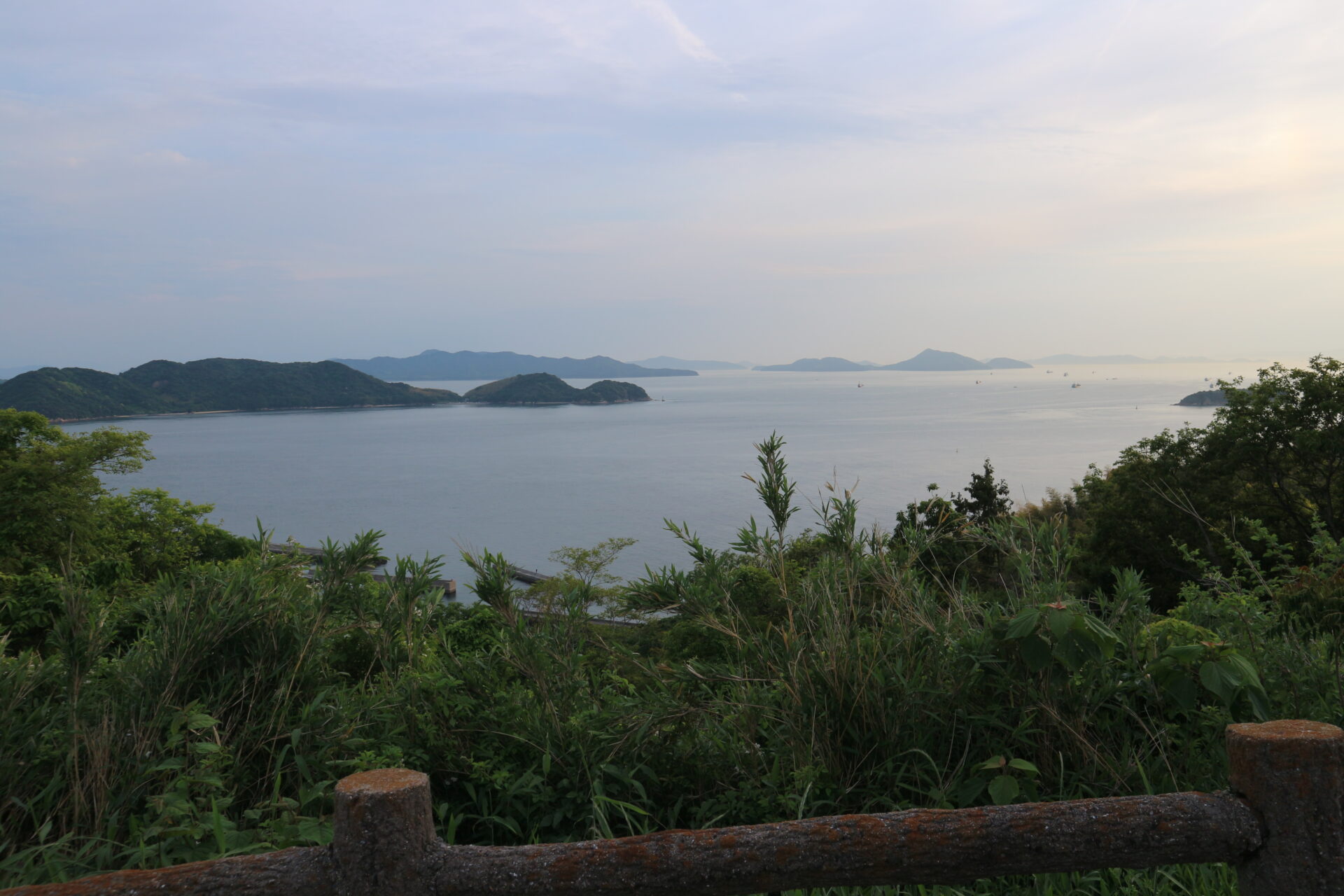
Through salt, the "Kurashiki Kojima Salt Tying Project" weaves together the past and future of Kojima, its businesses, and its people with new connections (salt). We look forward to future developments.
Data on the Kojima Salt Tying Project
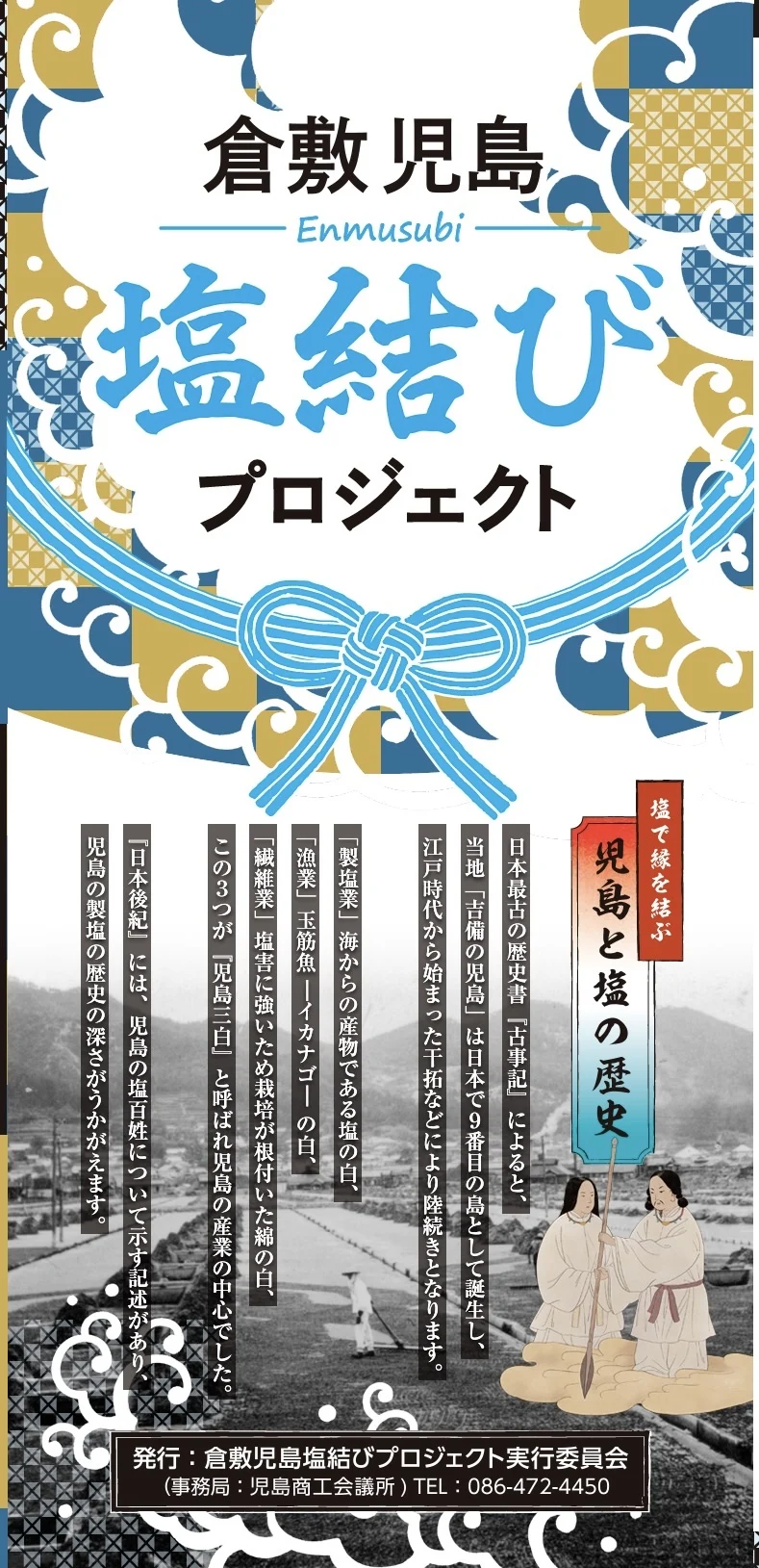
| Name | Kojima Salt Tying Project |
|---|---|
| Address | Committee for the Implementation of the Kurashiki Kojima Salt Tying Project, inside Kojima Chamber of Commerce |
| Contact | 086-472-4450 |
| Website | Kurashiki Kojima Salt Tying Project |