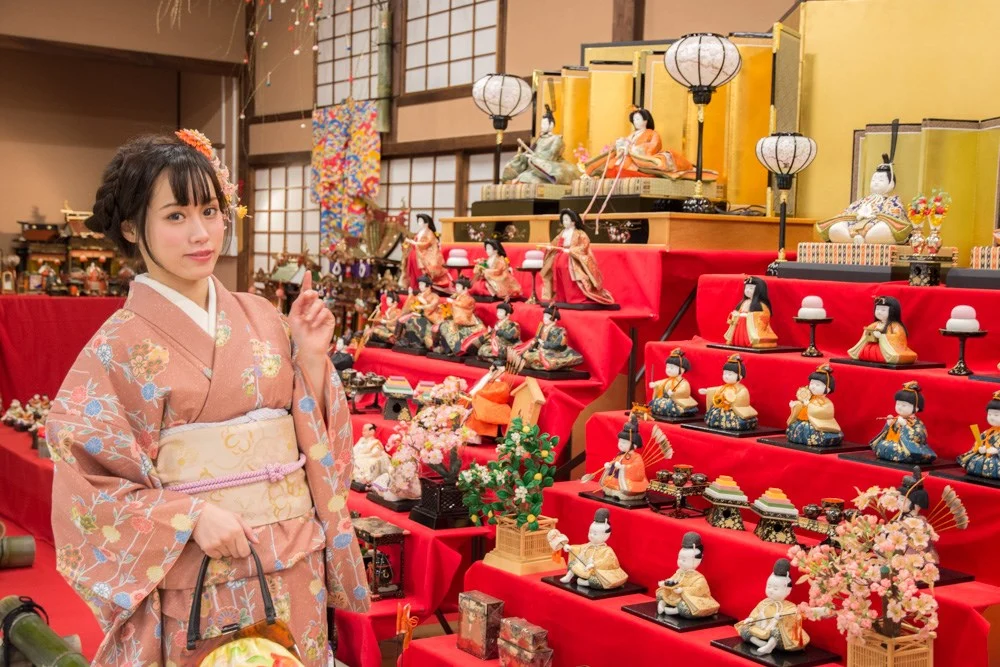
The "Kurashiki Hina Meguri," which displays hina dolls at facilities, shops, galleries, and inns in Kurashiki City. It is a beloved event that allows people to feel the arrival of spring.
As the plum blossoms begin to bloom and the signs of spring emerge, model Alice and I toured some of the venues for the "Kurashiki Hina Meguri."
I will report on the lively atmosphere of the Hina Meguri, which was more colorful than usual.
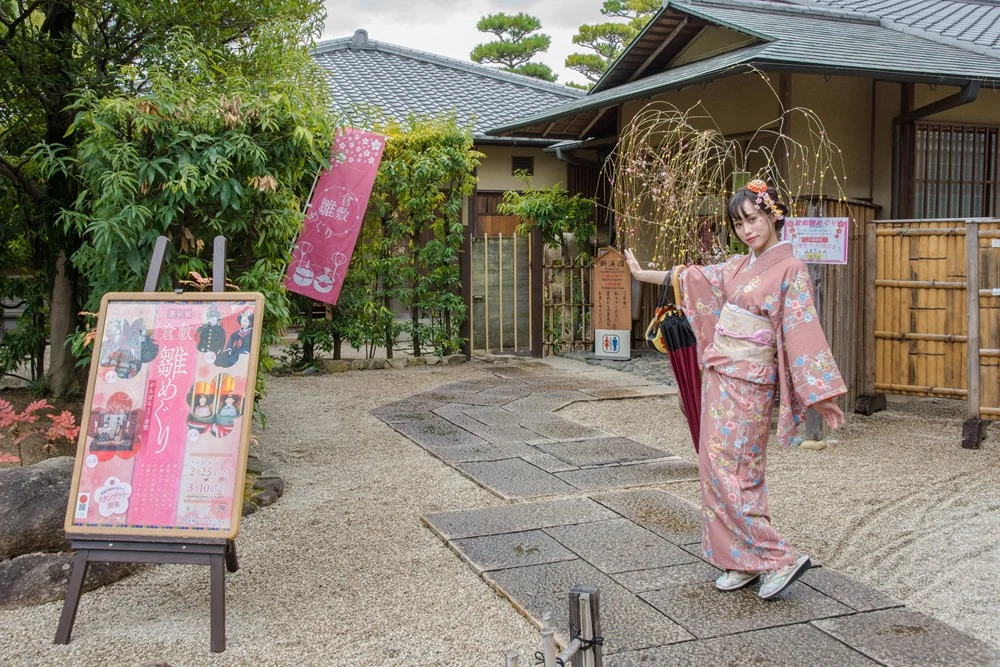
Overview of the Kurashiki Hina Meguri
The "Kurashiki Hina Meguri" displays hina dolls at facilities, shops, galleries, and inns in Kurashiki City. This event marked its 16th occurrence in 2019.
In 2019, approximately 2,000 sets of hina decorations from various eras and types were displayed at about 350 locations, allowing visitors to see a diverse range of hina dolls.
In addition to the displays, some restaurants also offered special menus related to Hina Matsuri.
Duration and Locations
The event was held from February 23 (Saturday) to March 10 (Sunday) in 2019. Opening hours vary by facility.
The event took place in the following four areas:
- Kurashiki Area
- Tamashima Area
- Mizushima Area
- Kojima Area
Since there are several dozen locations exhibiting in each area, it is recommended to obtain a brochure with a map if you want to fully enjoy the displays.
Brochures are available at tourist information centers and other locations.
By the way, the Kurashiki area map for 2019 is as follows. You can see hina decorations in a wide area from the station to the Bikan Historical Area.
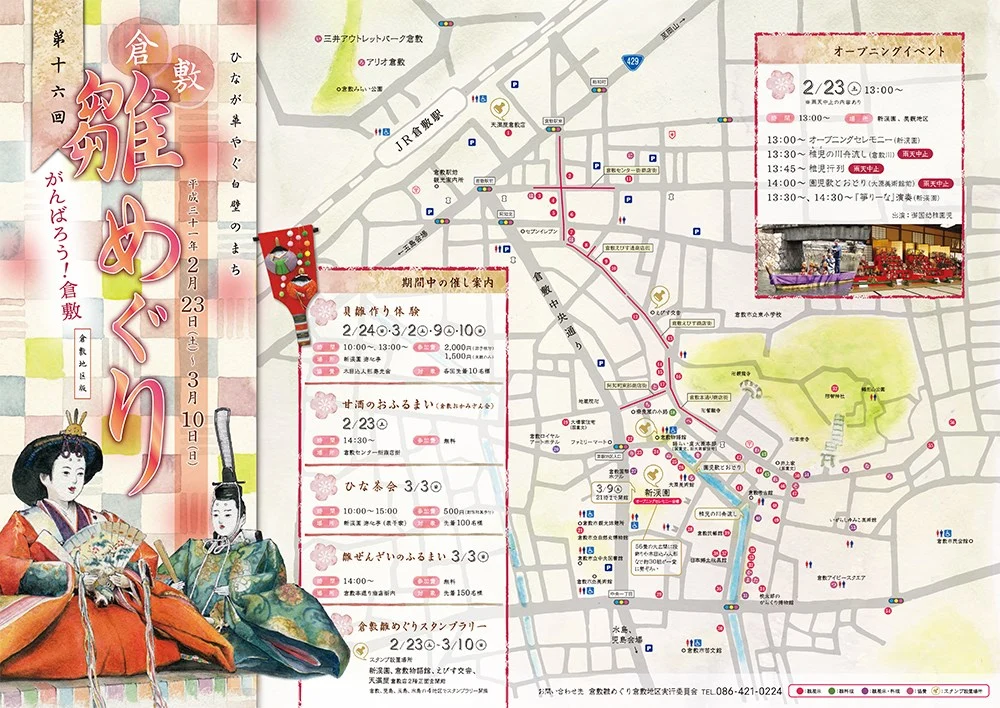
If you collect stamps from two or more areas, you can enter a lottery for prizes, so if you plan to visit multiple areas, please obtain a "Stamp Rally Sheet."
Events Related to Hina Matsuri During the Period
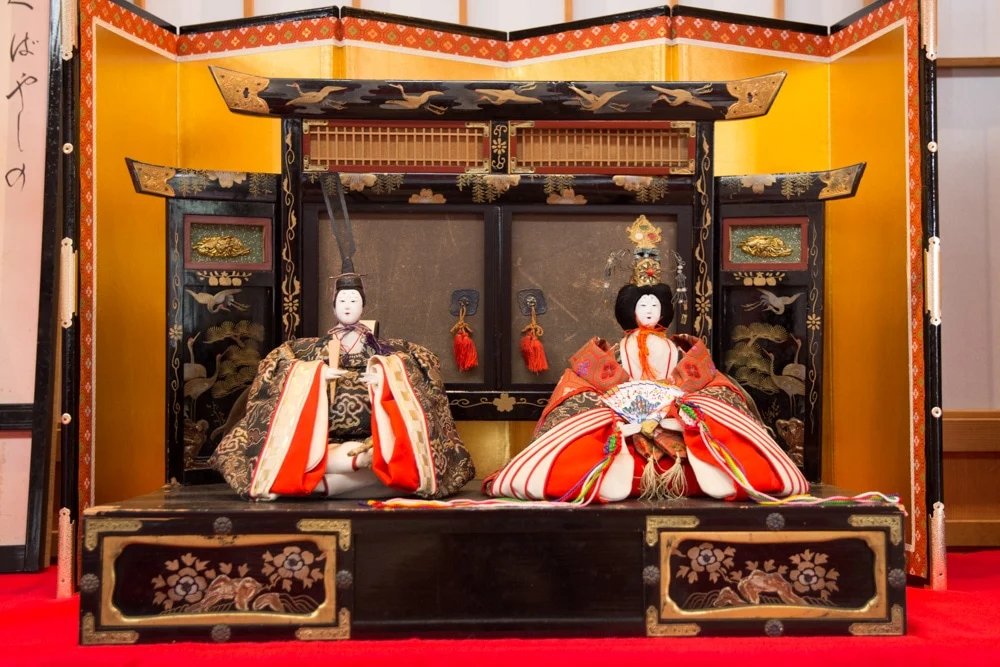
During the event period, various events related to Hina Matsuri are held.
In 2019, for example, the following events were held:
- Sweet sake served by the Kurashiki Okami Association
- Hina Tea Ceremony
- Shell Hina Doll Making Experience
- Hina Train Operation
- Hina Procession by kindergarten and nursery school children
Highlights of the Kurashiki Hina Meguri
The Main Attraction in the Kurashiki Area is Shinkei-en Garden
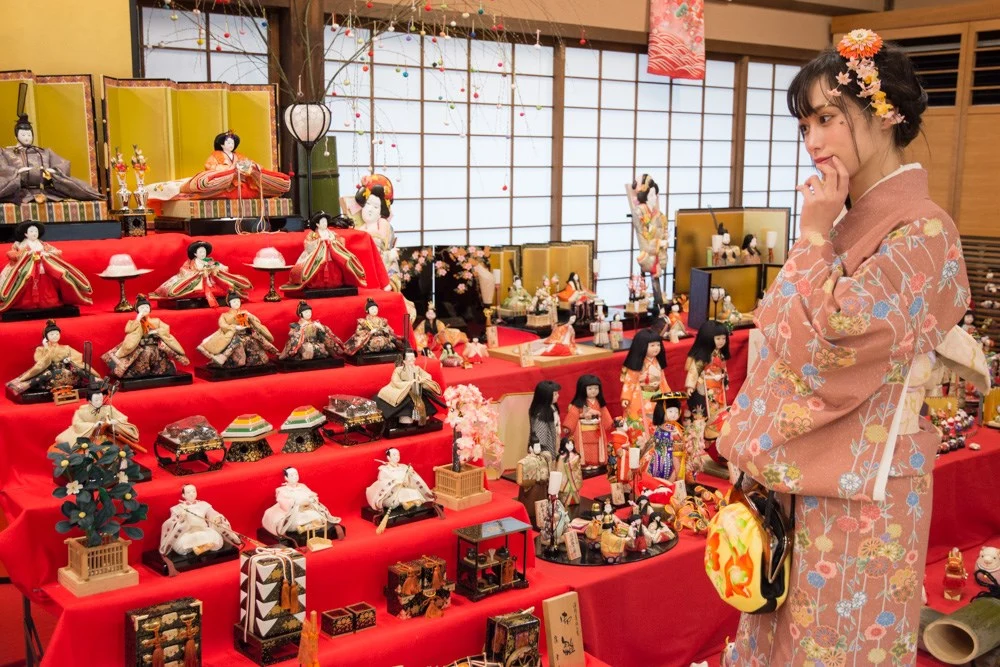
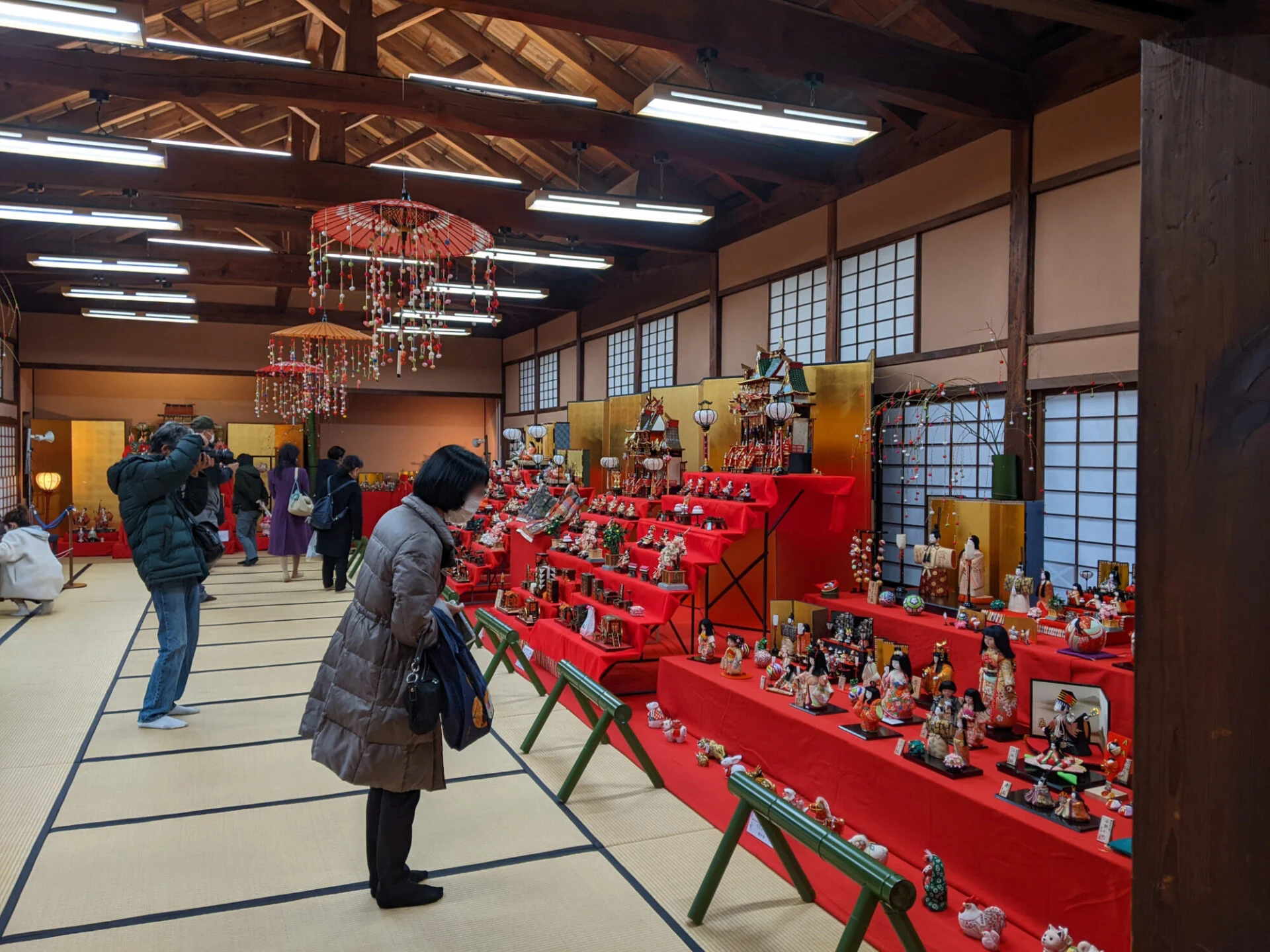
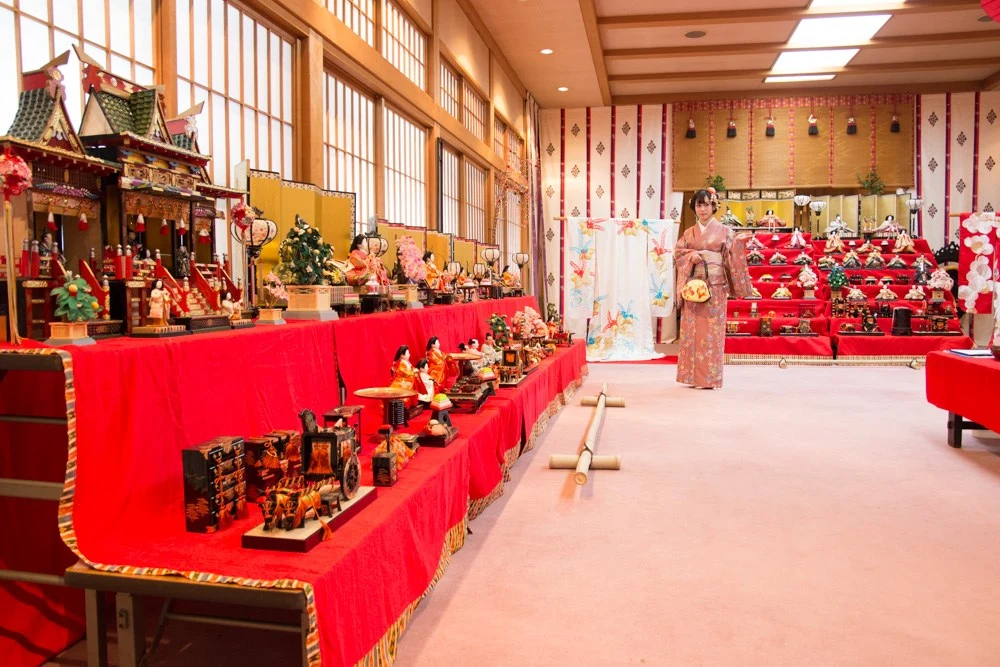
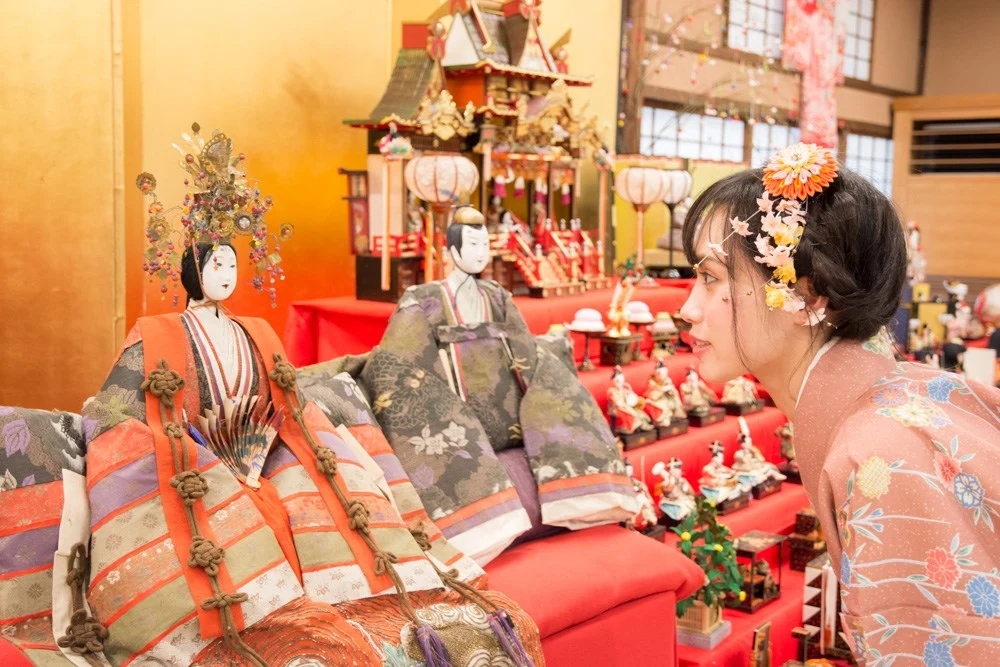
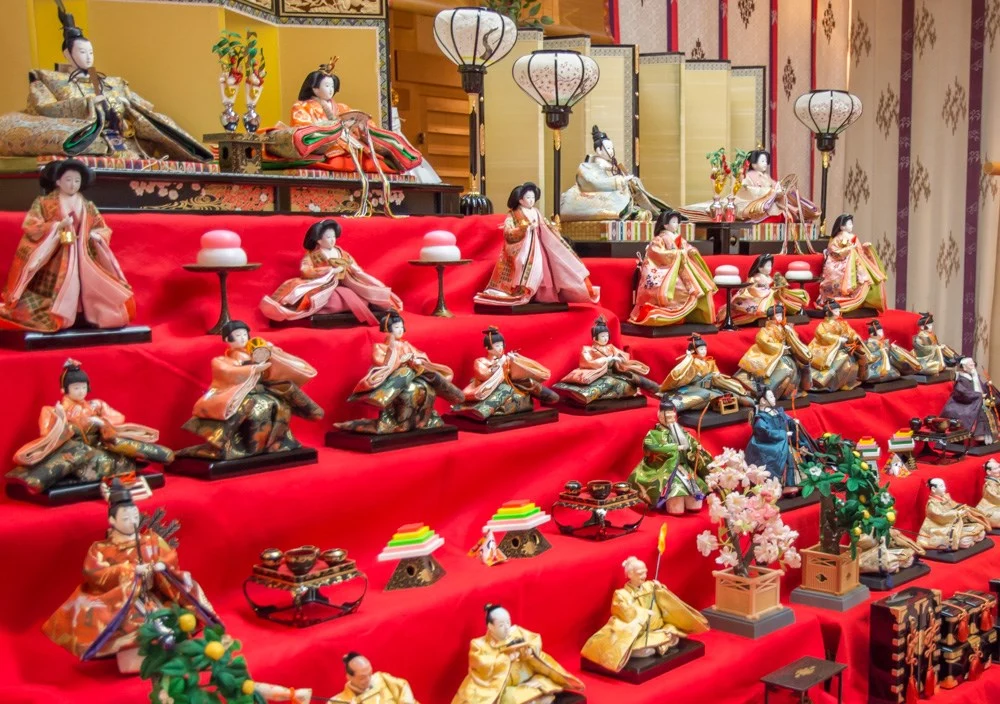
At the Japanese-style building adjacent to the Ohara Museum of Art, the "Shinkei-en Garden" displays about 30 sets of hina dolls all in one place.
The sight of colorful hina dolls lined up in the 56-tatami mat large hall is spectacular!
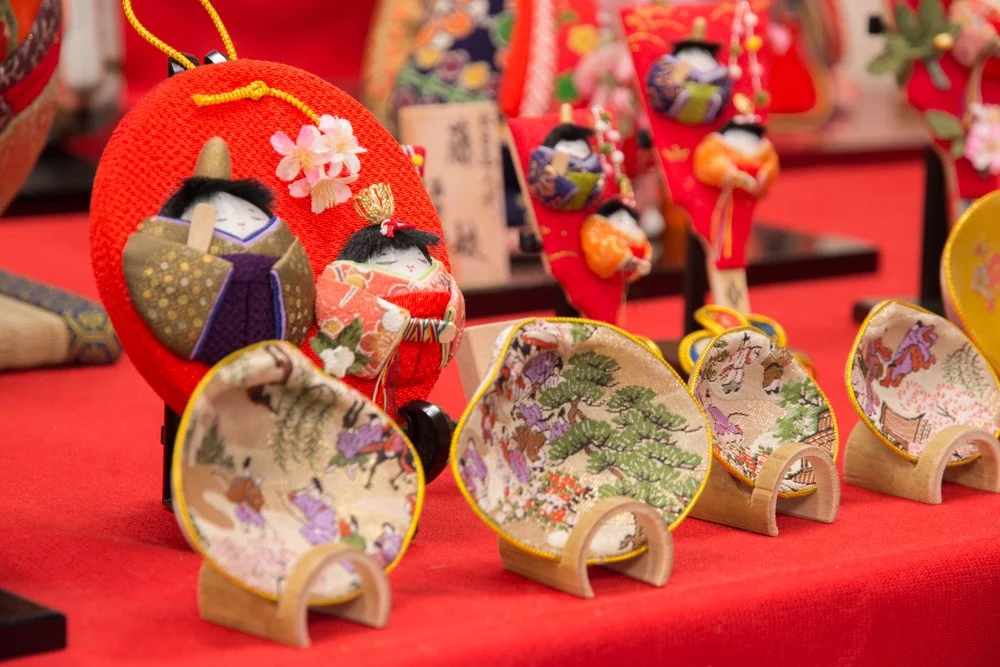
You can enjoy a variety of hina dolls, from large tiered displays to small ones made with shells.
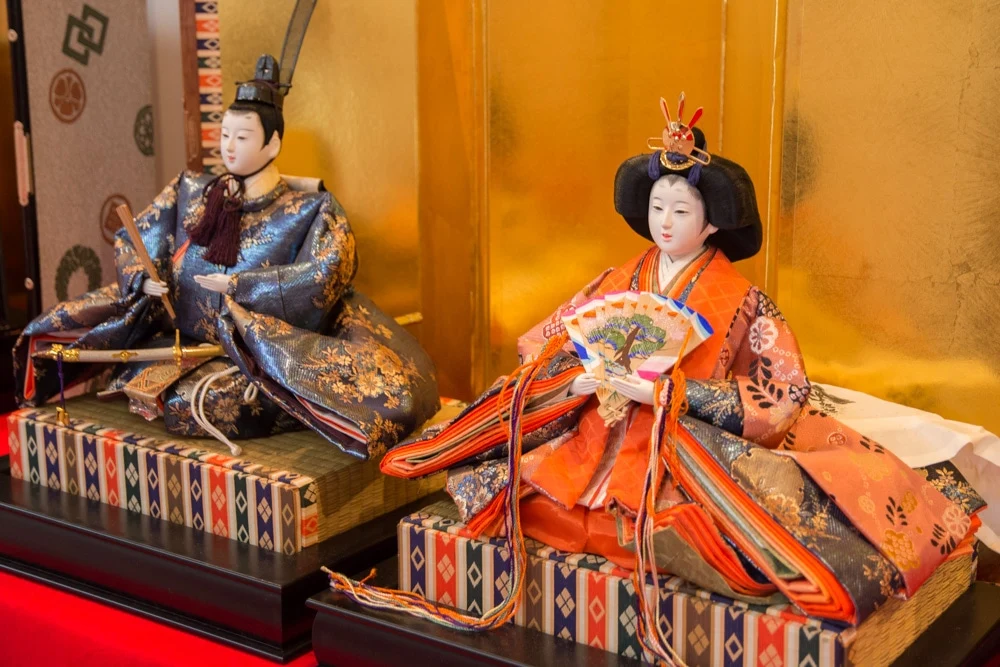
You can also see many "Goten (palace) displays," where the male and female hina dolls are arranged inside a building. This style was popular in the western Japan region during the Meiji and Taisho eras.
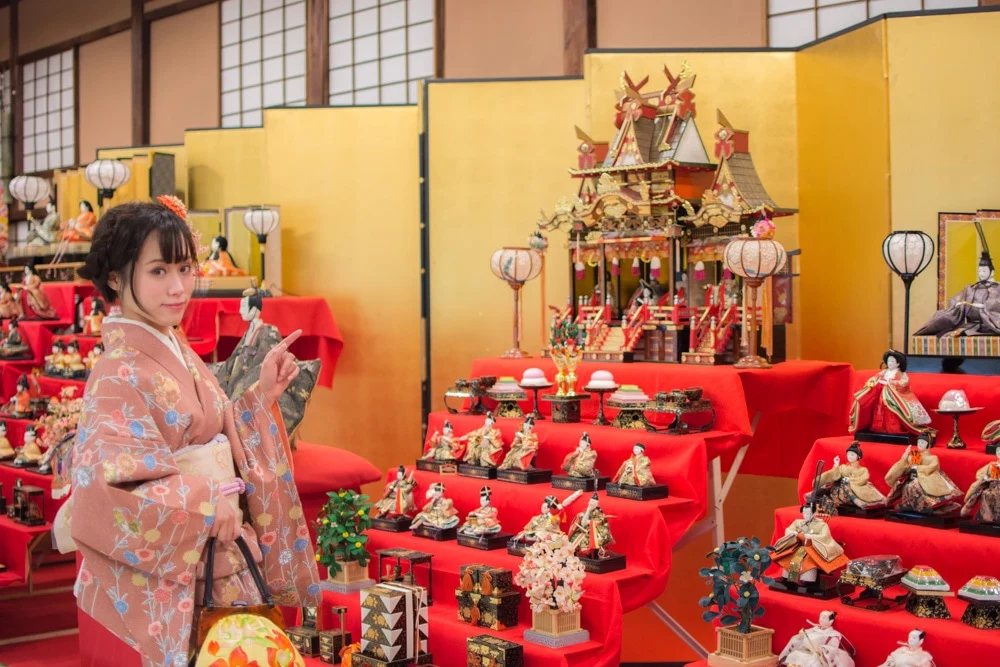
In fact, the "Dairi" hina refers to a pair consisting of a male doll (obina) and a female doll (mebina), and it is a common misconception that only the male doll is called "Onairi-sama," which spread from children's songs.
Moreover, the arrangement of the male and female dolls varies by era and region.
The opening hours for the Shinkei-en venue are from 9 AM to 5 PM.
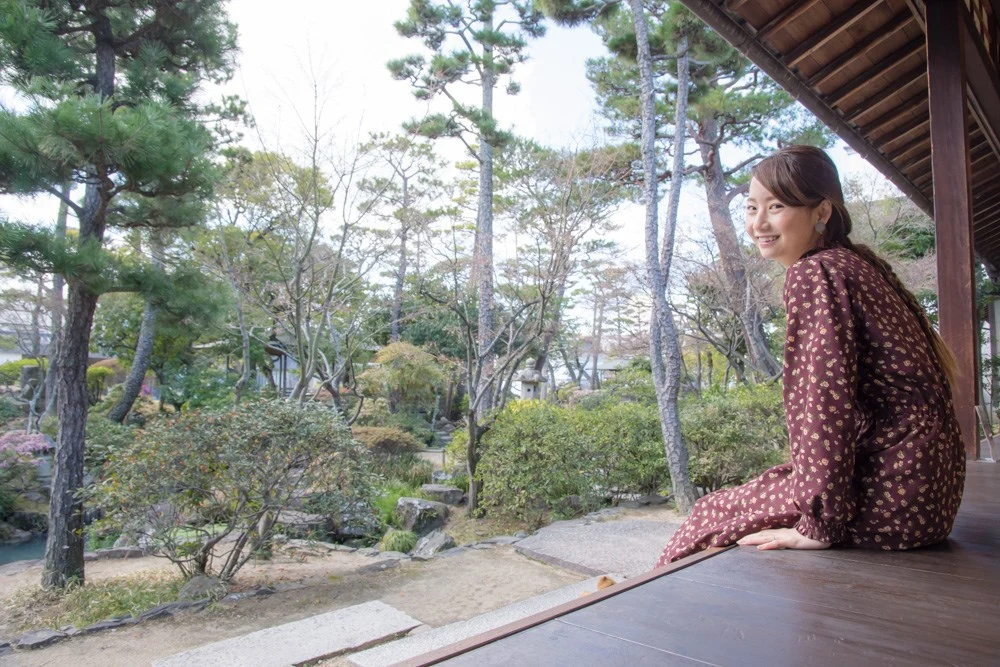
Many Hina Dolls at Achi Shrine
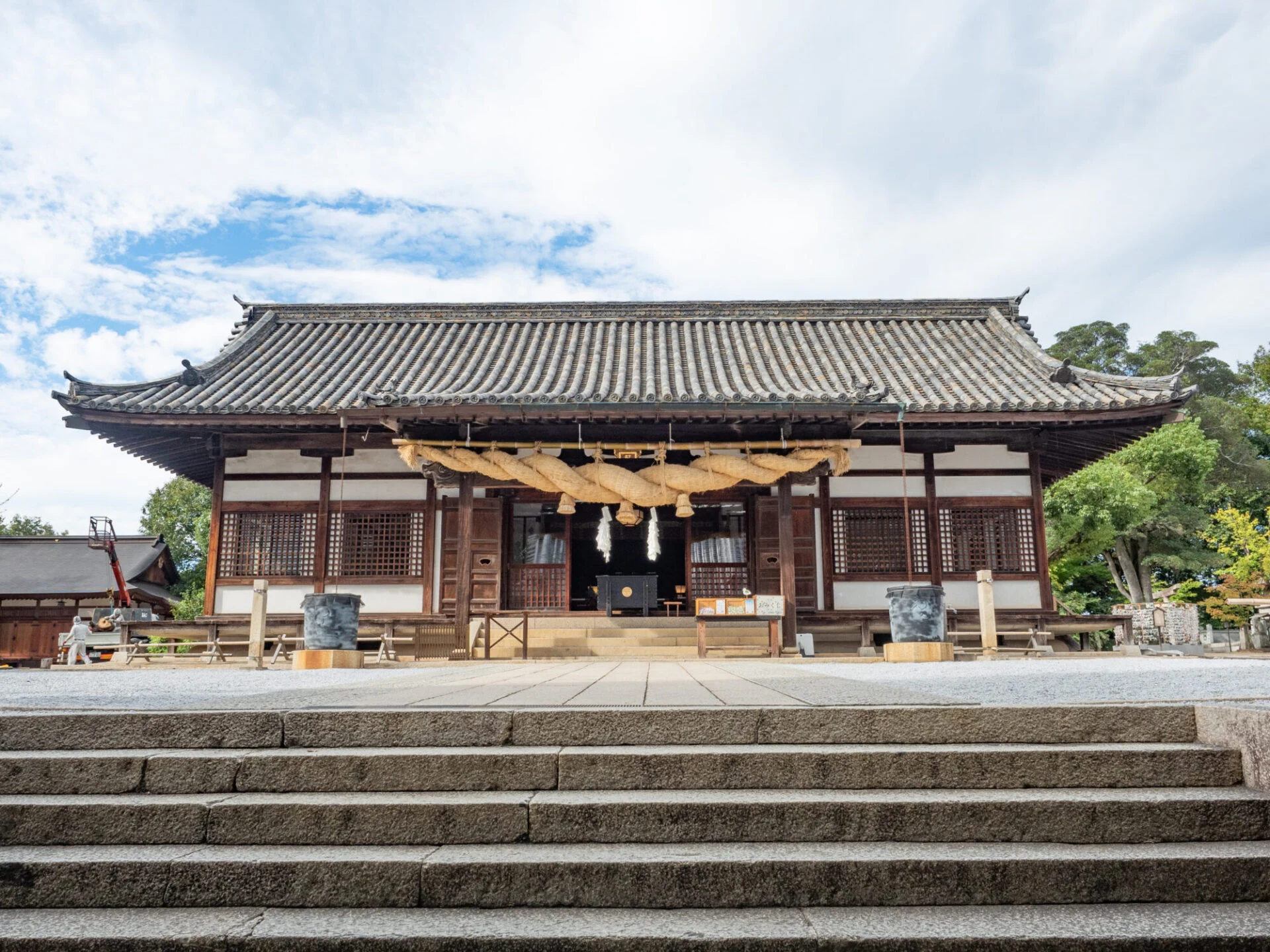
At Kurashiki's oldest spot, Achi Shrine, various sizes of hina dolls are displayed.
Since there are not many people, we were able to enjoy viewing them at a leisurely pace.
Next to the stairs, there was a row of small hina dolls. When we found them, we exclaimed, "So cute!"
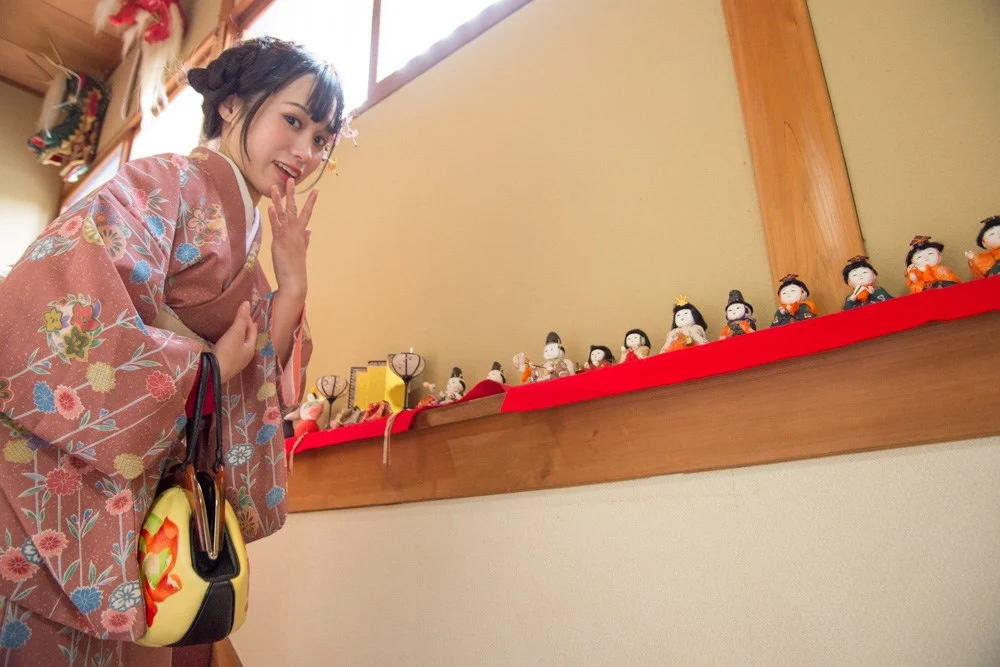
The opening hours are from 9 AM to 4 PM.
At Achi Shrine, which is located on a mountain, please enjoy the view from the shrine as well.
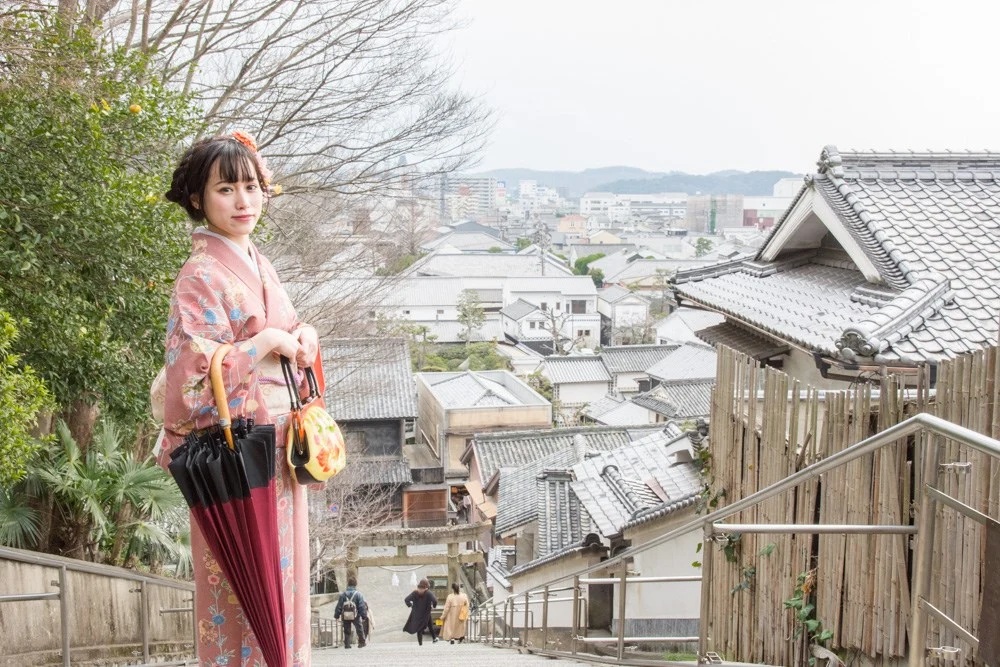
Let's Visit Various Facilities and Shops
The "Kurashiki Hina Meguri" features hina dolls displayed at about 350 locations. While it is difficult to visit all of them, even just stopping by a few interesting spots allows you to encounter uniquely crafted dolls.
Let me introduce some of the hina dolls in the Kurashiki area.
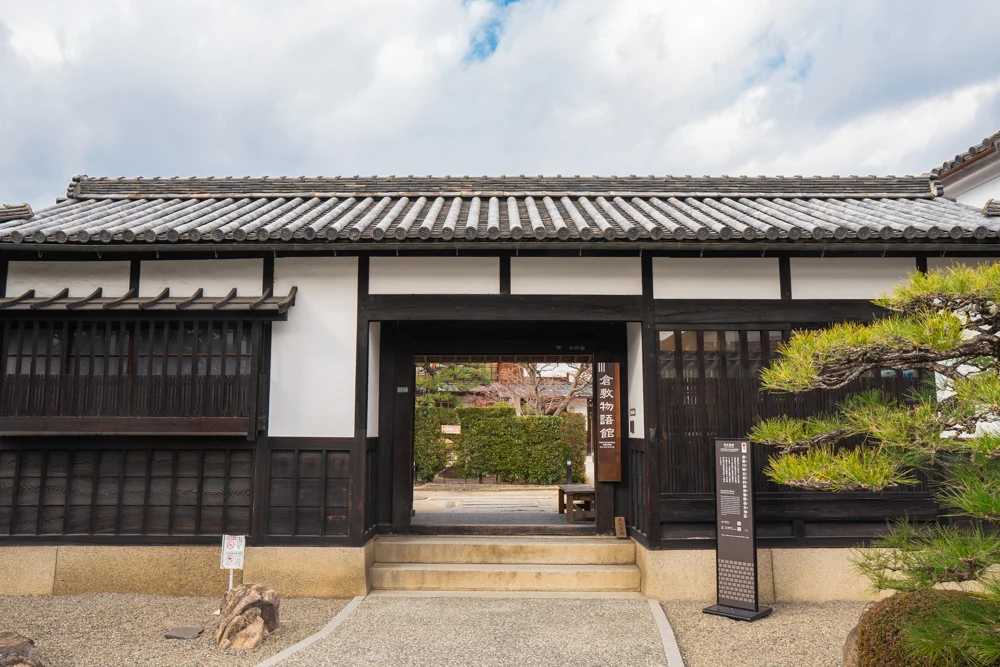
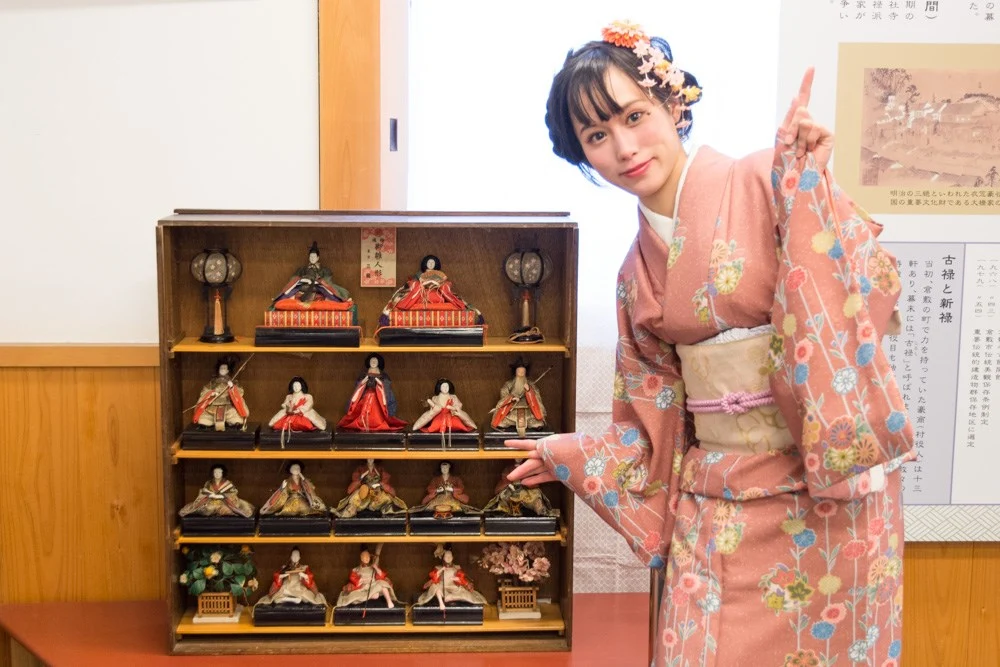
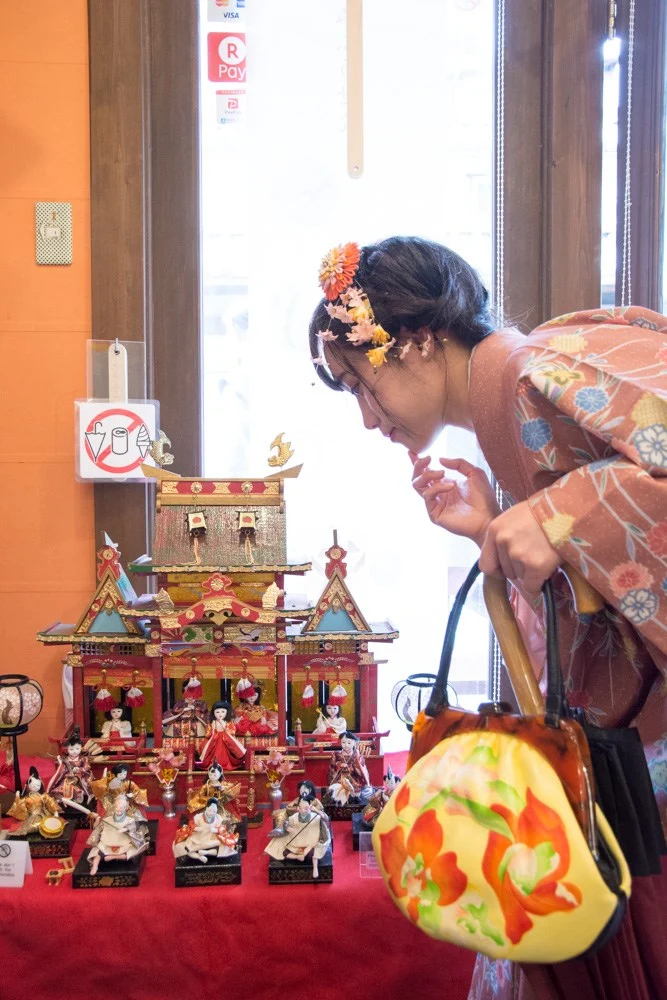
The hina dolls at the Kurashiki City Kurashiki Monogatari-kan were displayed in a box. This is a great way to showcase many dolls in a compact space.
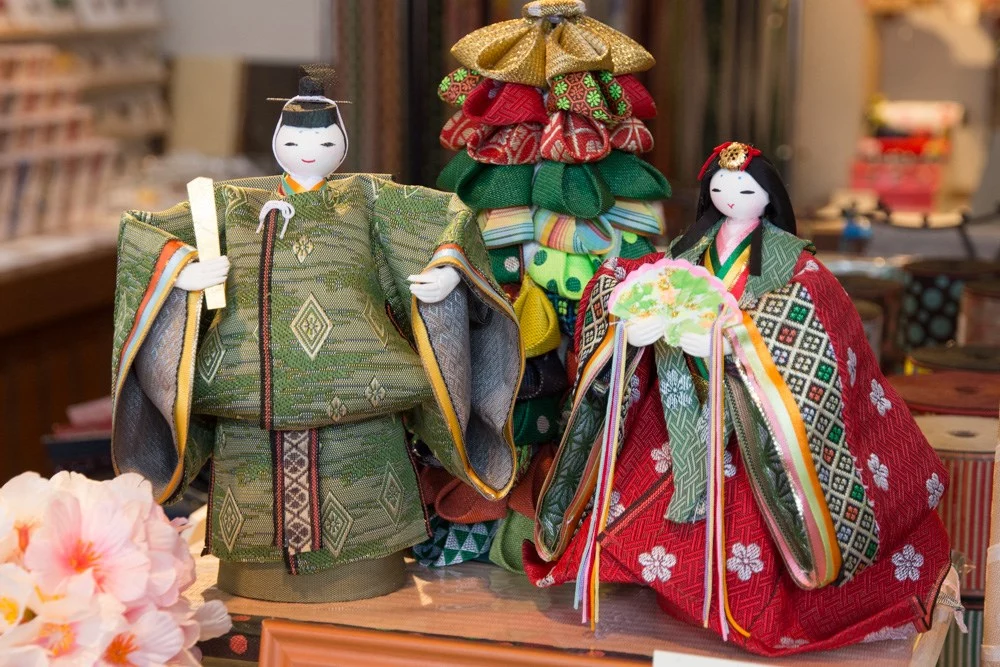
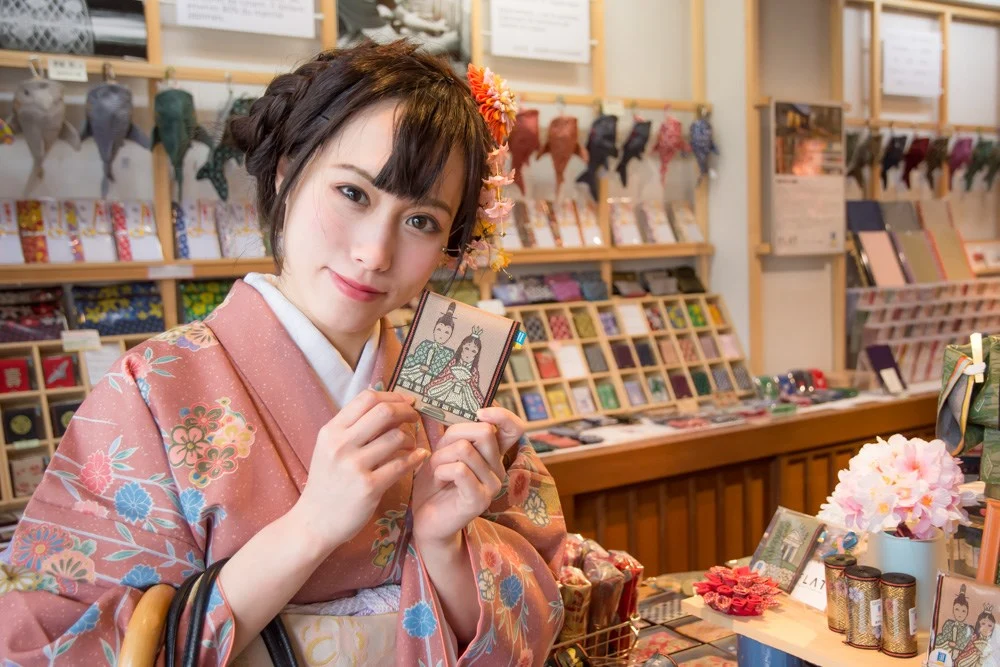
At "FLAT Kurashiki Bikan Historical Area Store," hina dolls made using tatami edging were displayed. In addition to the display, hina-patterned tatami edging items were also for sale.
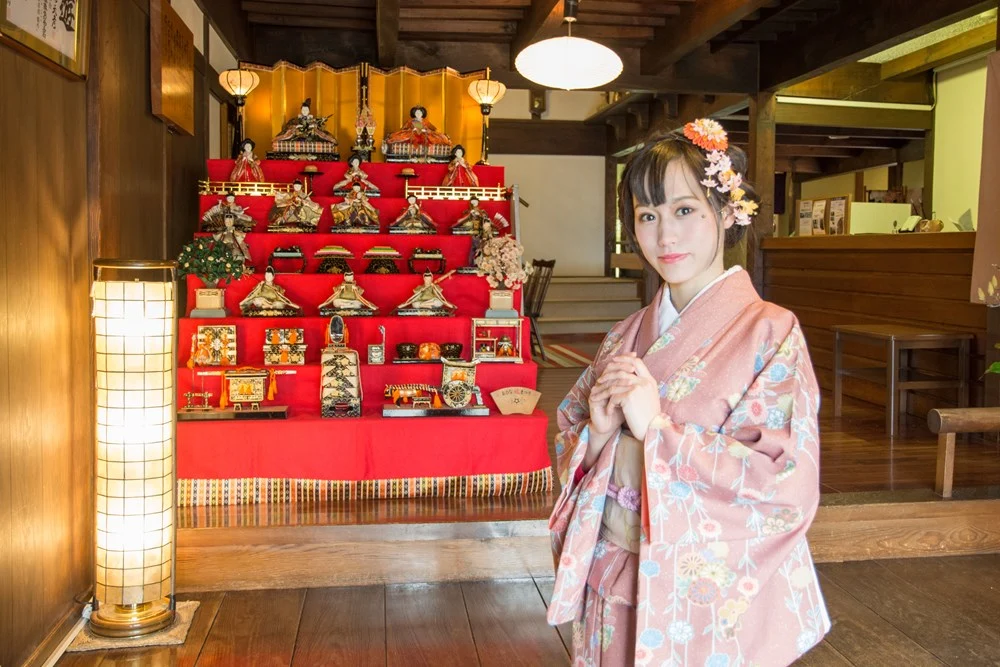
At Tsurugata Ryokan, you will be welcomed by tiered hina dolls. It feels quite elegant.
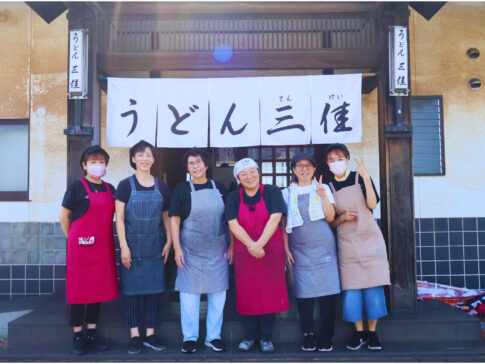
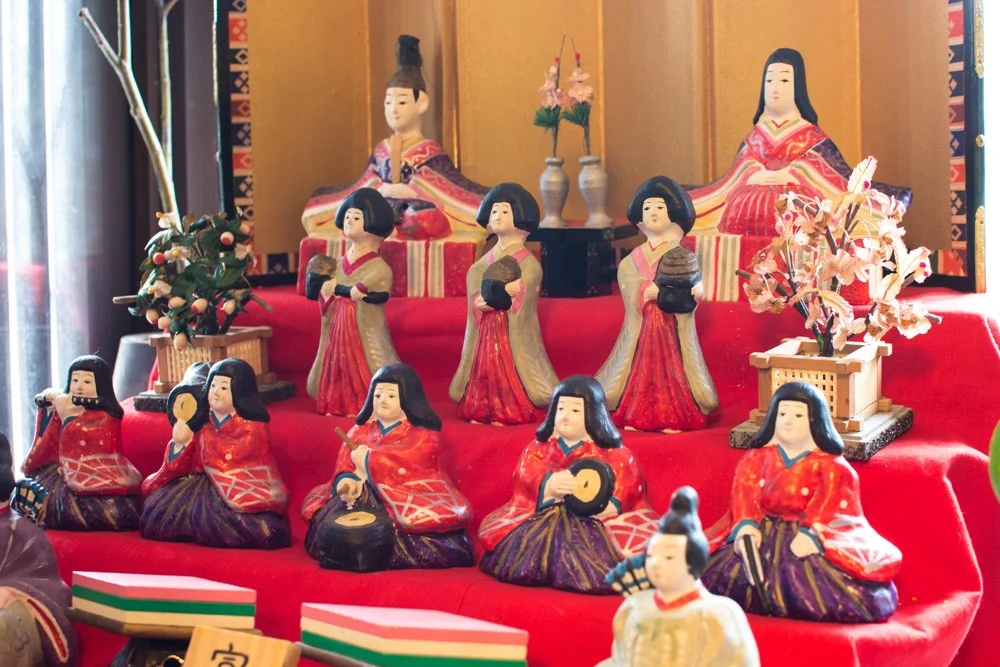
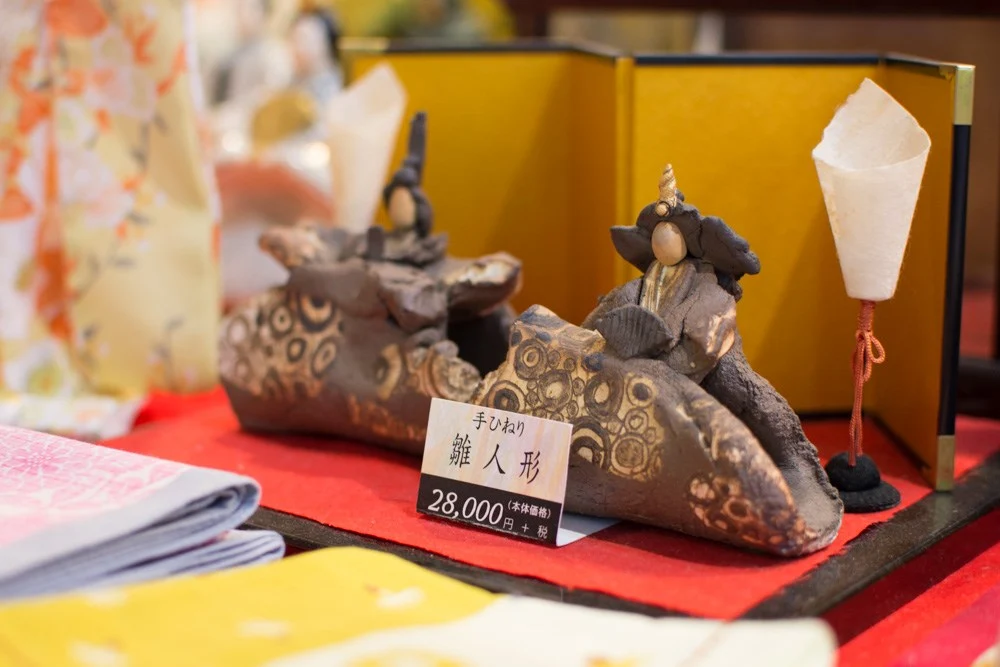
The earthen hina dolls from 1965 displayed inside Oonishi Udon have faces reminiscent of cute mascots. They exude a warm, comforting cuteness combined with the warmth of the clay.
At the entrance of Jotakudo, there are small yet luxurious hina dolls. They are said to be from the late 1950s.
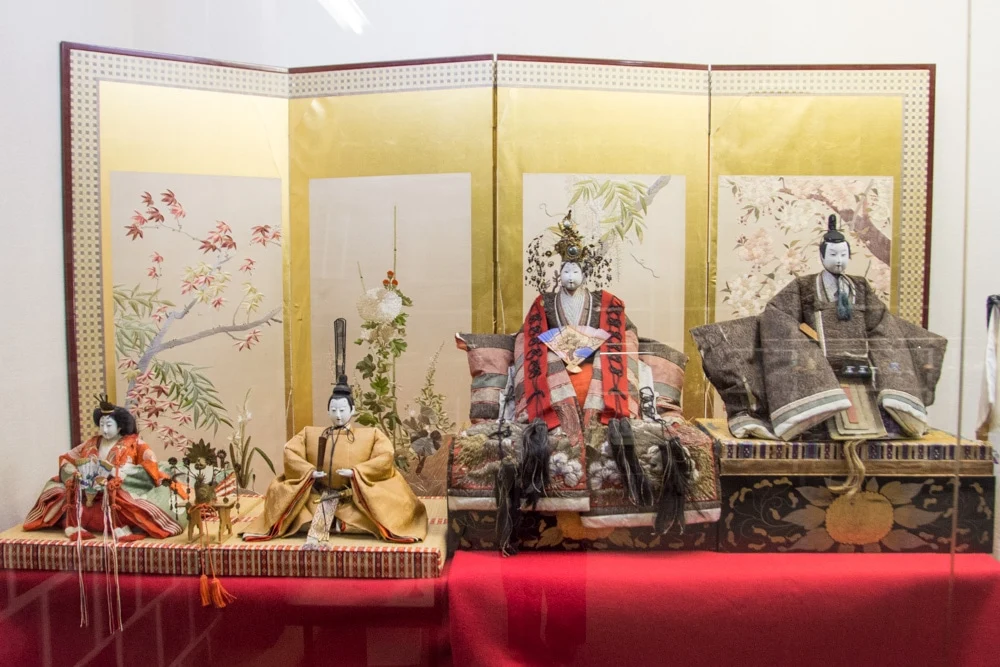
At Ohashi House, hina dolls from the late Edo period and Meiji era are on display. These can be viewed even outside the event period, but an admission fee is required.
In the shopping street leading from JR Kurashiki Station to the Bikan Historical Area, you can also encounter several hina dolls.
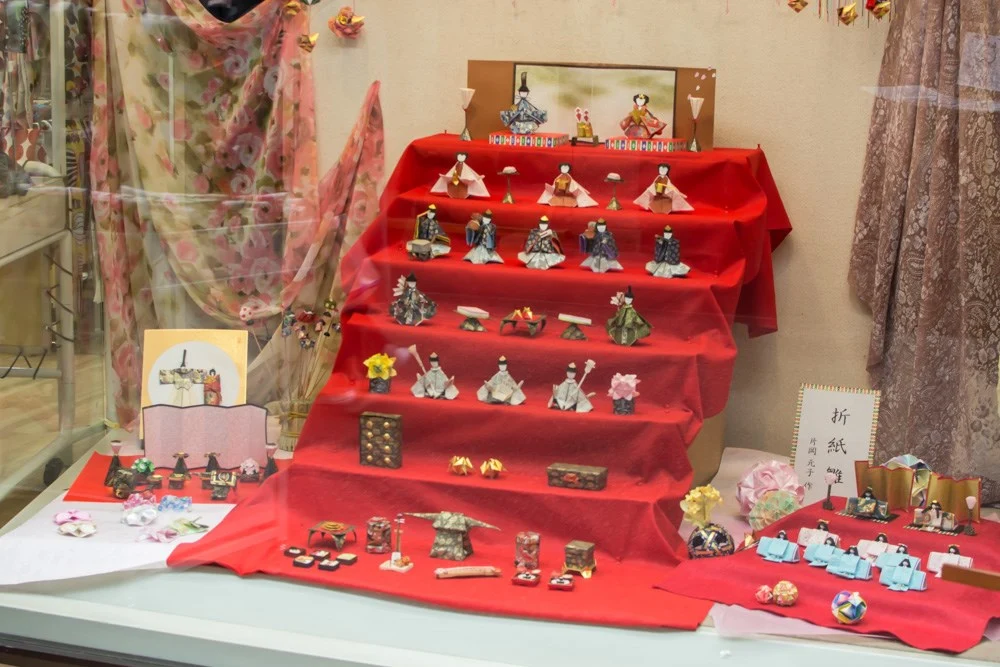
In the window of Tanaka Western Clothing Store, there are origami hina dolls. I was amazed by their intricate details.
At Mitsuhata Tableware, a variety of ceramic and glass hina dolls from across the country are displayed and sold. There were also washi (Japanese paper) made "yorisoi" hina dolls, rabbit hina dolls, and even those made in the shape of matryoshka dolls.
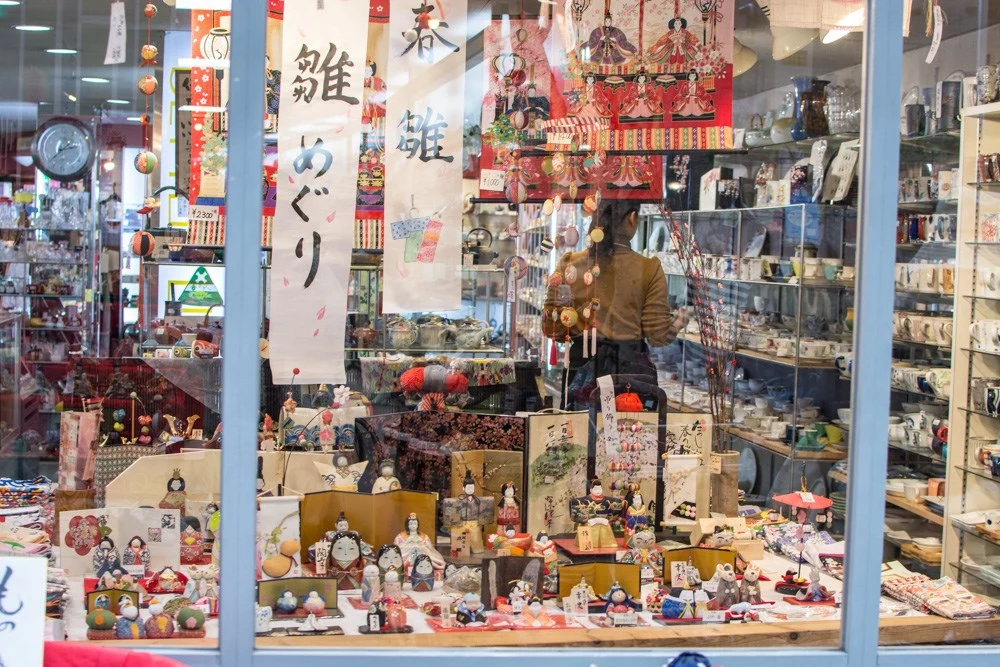
It's also nice that you can search for your favorite and take it home.
Let's Explore Other Areas
In the Mizushima area, works by kindergarten children are displayed, while in the Kojima area, there are hina dolls dressed in school uniforms, showcasing the unique characteristics of each region.
Please take a stroll around.
About Hina Matsuri
What kind of event is Hina Matsuri?
Origin of Hina Matsuri
Hina Matsuri, officially known as "Joushi no Sekku," was introduced to Japan from China during the Nara period.
Originally, it involved floating sake cups down the river as a form of purification, which eventually transformed into the practice of floating dolls down the river as substitutes for oneself.
During the Edo period, Hina Matsuri became a celebration wishing for the growth of girls. Instead of floating dolls down the river, pairs of male and female dolls began to be displayed, leading to the tradition we have today.
Will Not Putting Away Hina Dolls Delay Marriage?
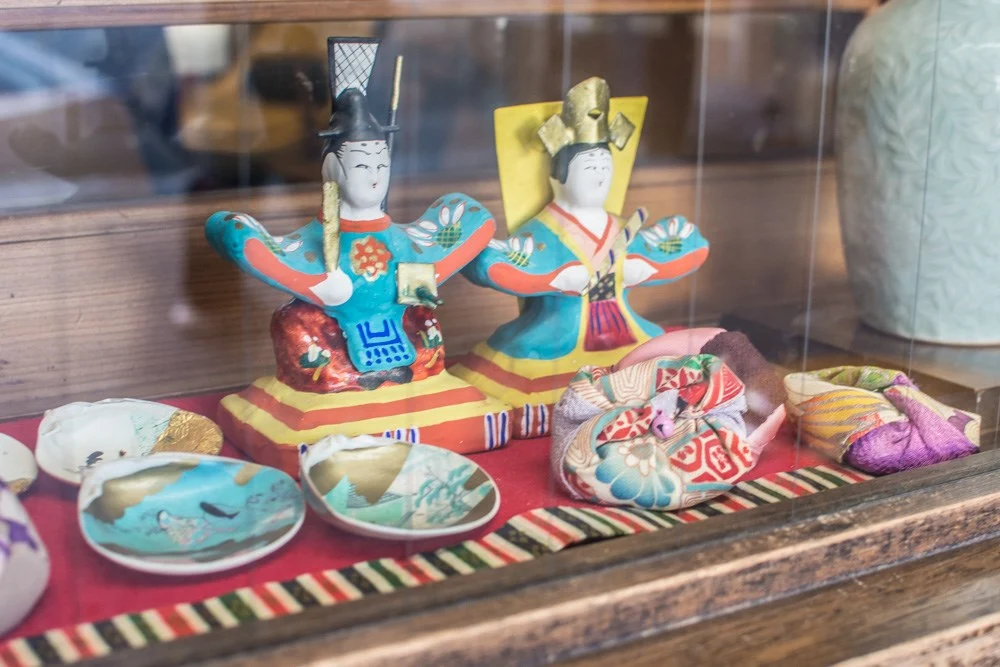
Have you ever heard the theory that not putting away hina dolls will delay marriage? There was an explanation at Achi Shrine.
It is said to be a popular belief that originated in the early Showa period.
The old lunar calendar Hina Matsuri falls around mid-April. If you don't put them away quickly, the rainy season approaches, and to prevent mold from growing on the dolls and silk items, this belief was created to encourage people to put them away.
It seems to also serve as a lesson in tidiness at seasonal transitions.
In Conclusion
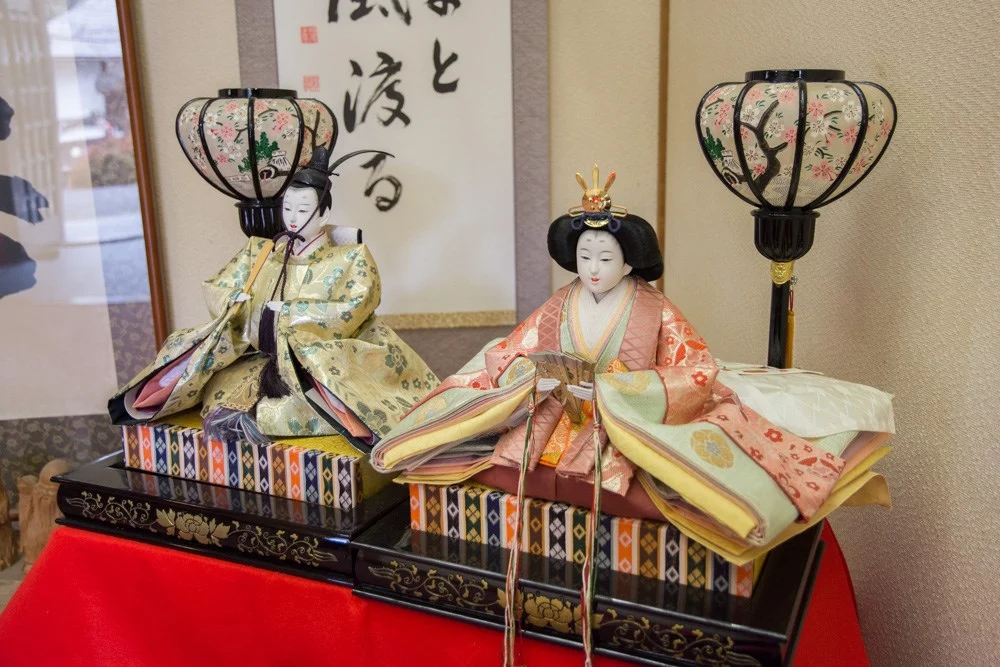
Hina dolls, displayed with the wish for the healthy growth and happiness of children.
The dolls on display are cherished items that have been valued in households. They convey not only joy and splendor but also gentle affection.
As I gazed at each doll's face, I felt a deep emotional connection to the thoughts and feelings embedded in the hina dolls.
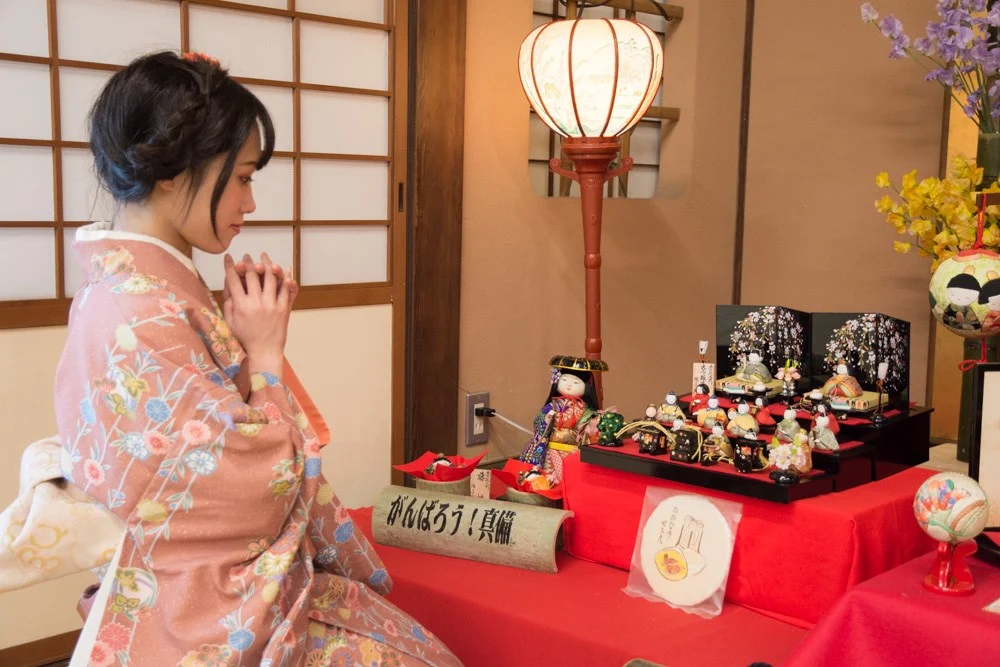
Moreover, while exploring various hina dolls, I made discoveries like, "I didn't know this place existed" and "I had passed by this shop before, but it looks interesting."
The hina dolls introduced in this article are just a small part of what is available.
How about taking a stroll in spring Kurashiki while admiring the hina dolls?
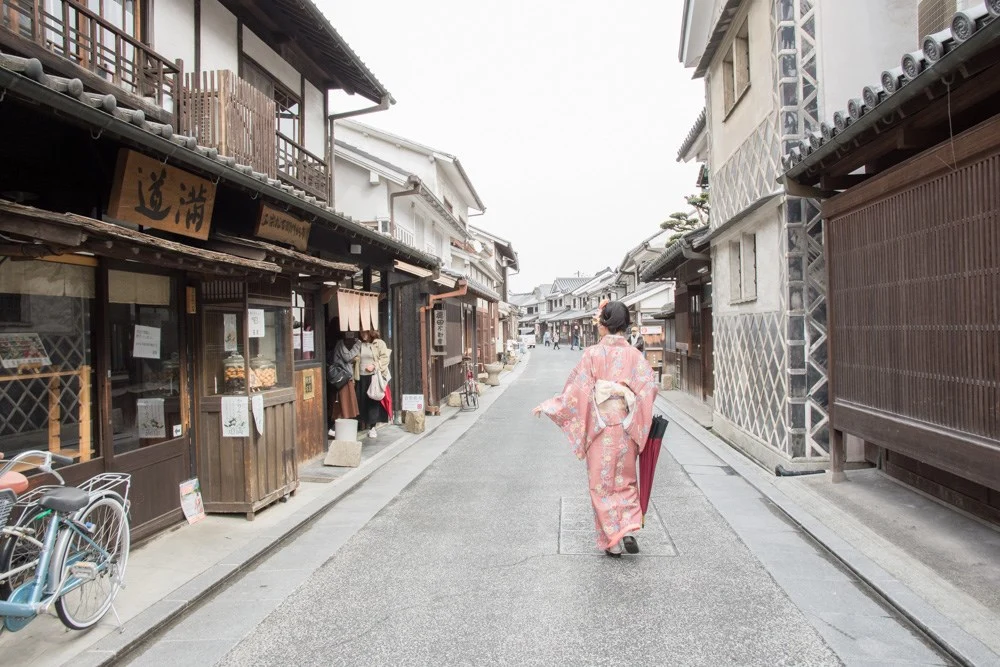
- Model: Alice (Instagram)
Data on Kurashiki Hina Meguri
| Name | Kurashiki Hina Meguri |
|---|---|
| Dates | February 23, 2019 (Saturday) to March 10, 2019 (Sunday) *Event dates and hours may vary by facility |
| Location | Bikan Historical Area and others |
| Participation Fee (tax included) | Generally free admission. Some facilities may require an entrance fee. |